

Chapters:

Need help with your trip?
Our support team is available 24/7. Request a callback or call us directly at (833) 619-0908
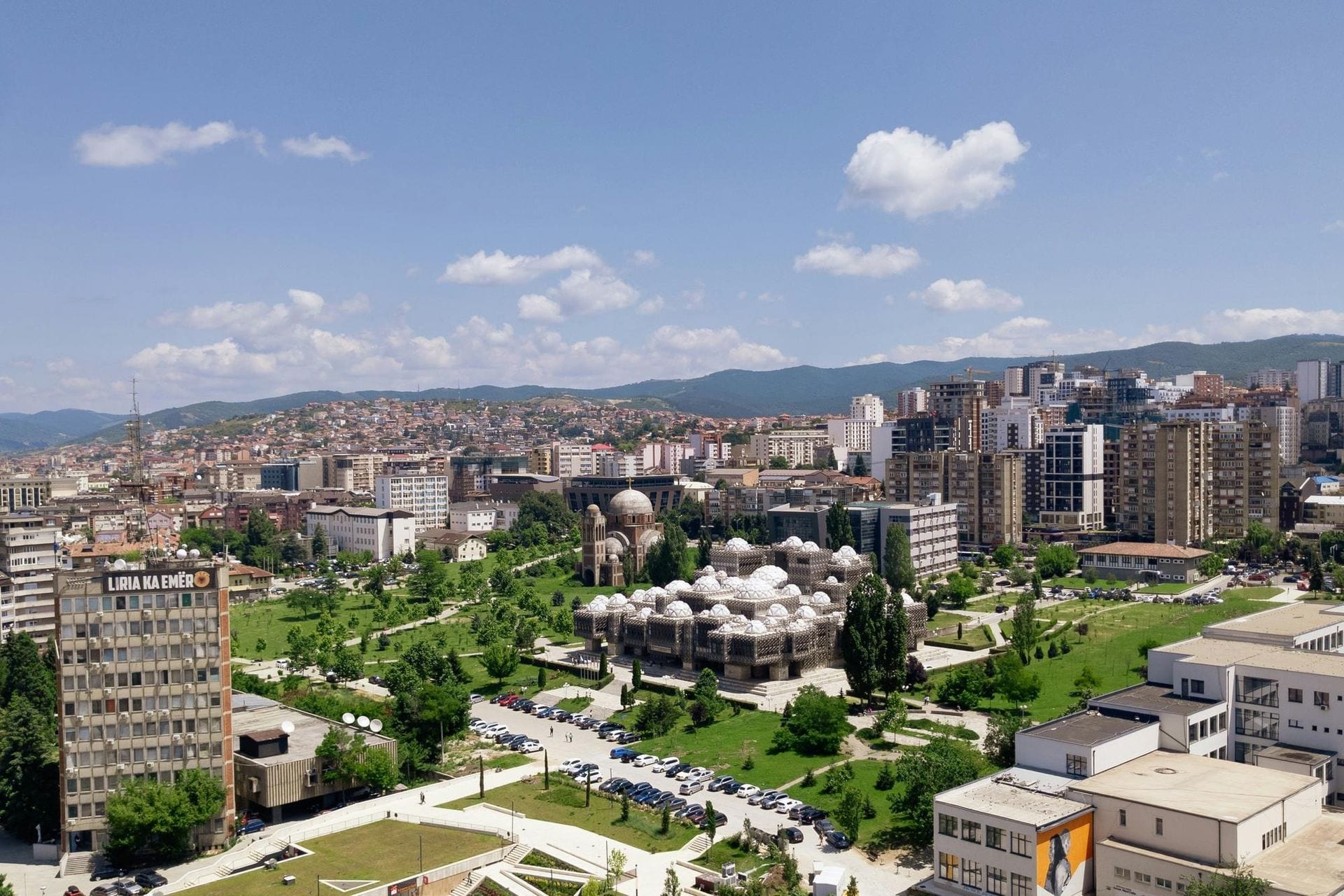
Pristina, Kosovo’s capital, brings together Ottoman-era mosques, striking modern architecture, busy pedestrian streets, and a café culture that extends beyond the main boulevard. The NEWBORN Monument recalls the country’s declaration of independence in 2008, while the Fatih Mosque and Ethnological Museum preserve much older chapters of the city’s history.
Most central attractions are within walking distance, although residential neighborhoods and nearby natural sites require transport. Mother Teresa Boulevard offers an easy starting point, with restaurants and shops extending into the surrounding streets. This guide covers where to stay, getting around, traditional food, major landmarks, and a five-day itinerary.
Useful things to know

Main language(s): Albanian and Serbian are official languages. Albanian is widely spoken in Pristina, and English is common in hotels and tourist-oriented businesses.
Përshëndetje (pehr-shen-DYEH-tyeh) – Hello / good morning
Ju lutem (yoo LOO-tem) – Please
Faleminderit (fah-leem-deh-MEH-reet) – Thank you
A flisni anglisht? (ah flees-nee ahn-gleesht) – Do you speak English?
Sa kushton? (sah koosh-TOHN) – How much does it cost?

Currency: Euro (EUR, €)

Cash and cards: Cards are accepted at major hotels, supermarkets, and many restaurants. Carry €20 to €40 ($23 to $45) for taxis, markets, and smaller cafés.

Tipping: Tipping is optional. Round up the bill or leave 5% to 10% at restaurants for good service.

Traditional food: Flija, tavë kosi, mantia, burek

Water and coffee costs: Bottled water costs €1 to €1.50 ($1.12 to $1.70), while an espresso costs €1 to €1.50 ($1.12 to $1.70).

Taxis and ride apps: Local companies such as City Taxi and ETAXI provide booking services. Confirm the fare before you leave and keep cash on hand.

Plug and voltage: Type C and Type F sockets, 230 V, 50 Hz

Dining and shop opening hours: Breakfast is commonly served from 7 am to 10 am, lunch from noon to 3 pm, and dinner from 7 pm to 10 pm. Many cafés stay open later.

Emergency number: Dial 112 for police, fire, or medical emergencies.
Where to stay in Pristina
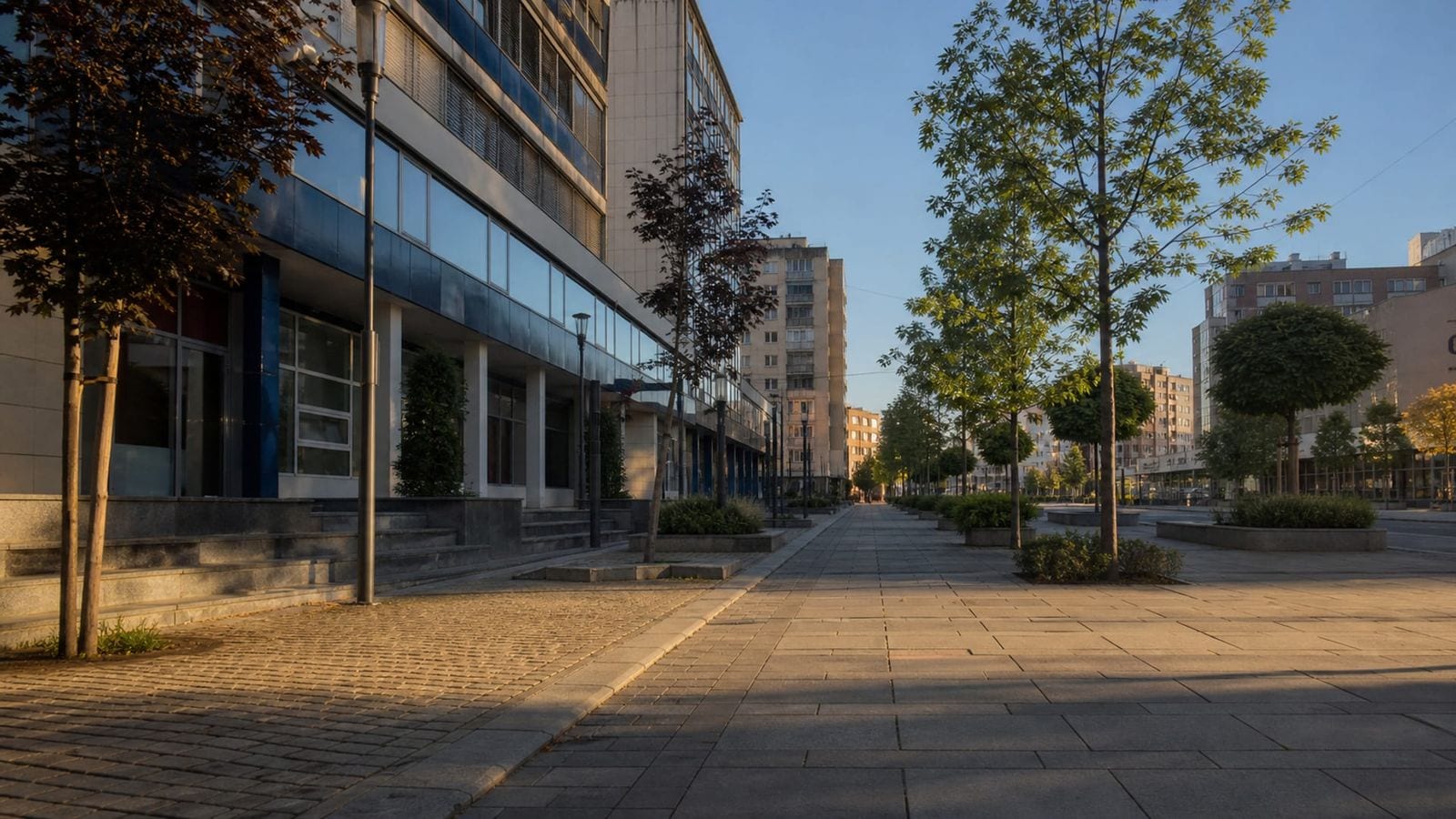
Pristina’s city center brings together Mother Teresa Boulevard, the NEWBORN Monument, restaurants, shopping streets, and cultural attractions. Its compact layout suits visitors who prefer to explore on foot, while nearby cafés and established hotels offer dining options and evening activities.
Best for: First-time visits, sightseeing, restaurants, and exploring on foot
What to expect: Pedestrian streets, cafés, shops, historic buildings, and regular activity
Hotel prices: Well-rated stays generally cost €50 to €110 ($55 to $125) per night.
Distance to major sights: Mother Teresa Boulevard and NEWBORN are within a 5 to 15-minute walk of many central hotels.
Quietness: Central streets are lively into the evening, particularly near restaurants and bars.
Main trade-off: Well-located hotels cost more, and some rooms experience street noise.
Good to know: Choose accommodation on a side street near the boulevard for easier access with less evening noise.
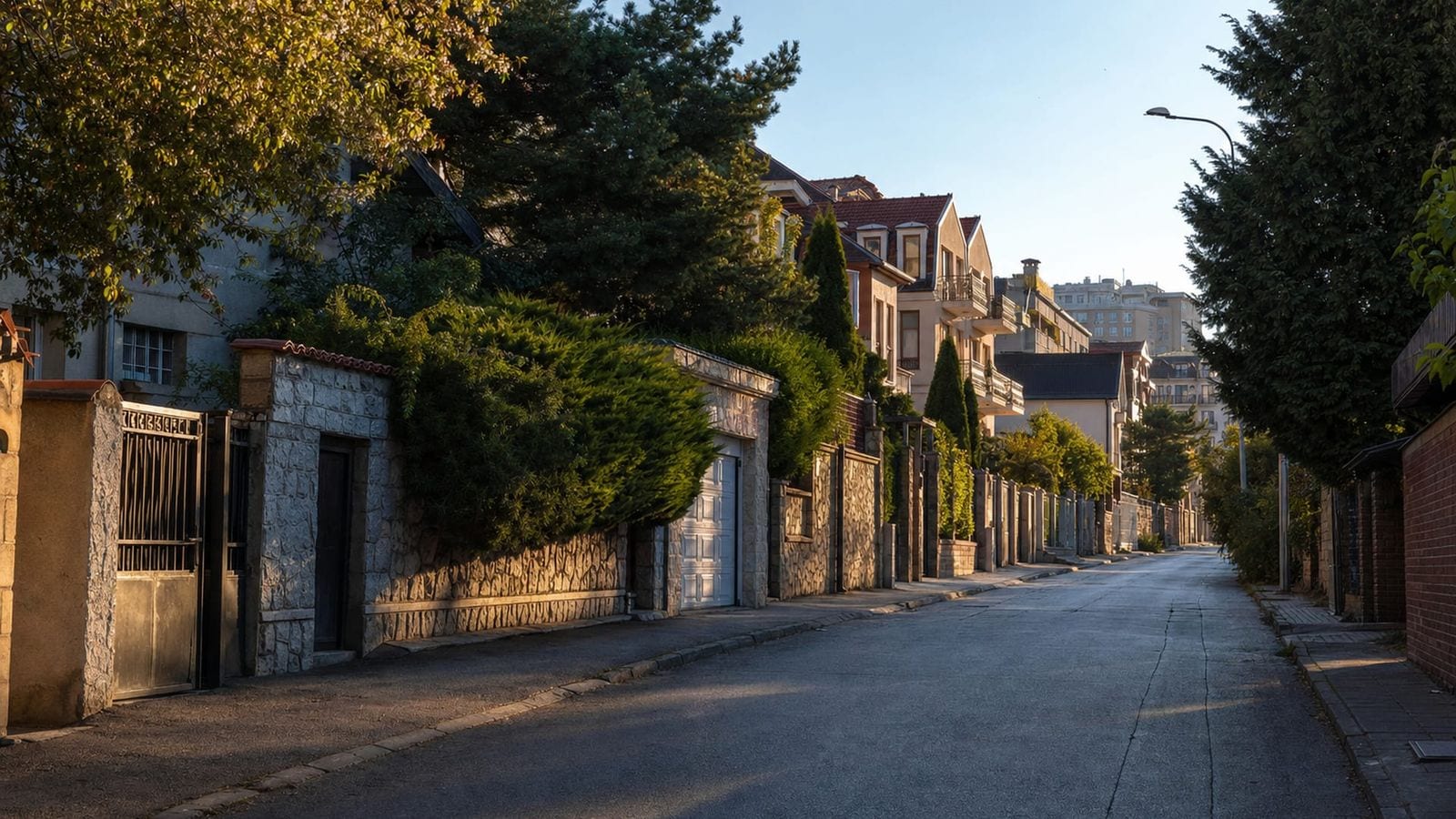
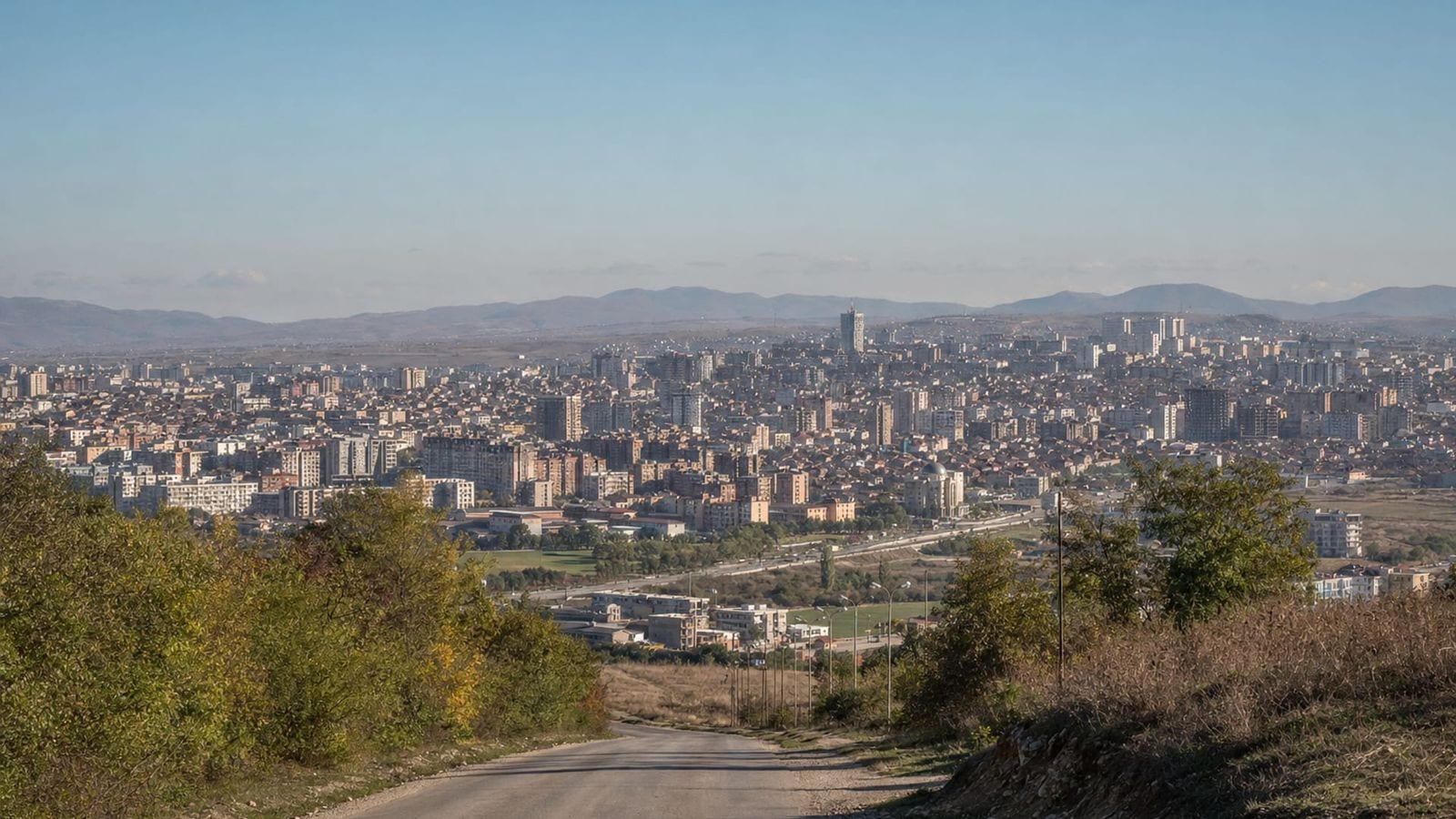
Bregu i Diellit is a large residential neighborhood southeast of central Pristina, with apartment buildings, shops, and bakeries. Its surroundings appeal to visitors seeking moderately priced accommodation outside the main sightseeing district. Most museums and landmarks require a taxi or bus.
Best for: Longer stays, lower accommodation costs, and residential surroundings
What to expect: Apartment buildings, neighborhood cafés, shops, and local street activity
Hotel prices: Accommodation generally ranges from €35 to €70 ($40 to $80) per night.
Distance to major sights: Mother Teresa Boulevard is typically 10 to 20 minutes away by taxi, depending on traffic.
Quietness: Residential streets have less nightlife than the city center.
Main trade-off: Reaching central restaurants and attractions requires more frequent transport.
Good to know: Check the nearest bus stop and taxi access before reserving accommodation.
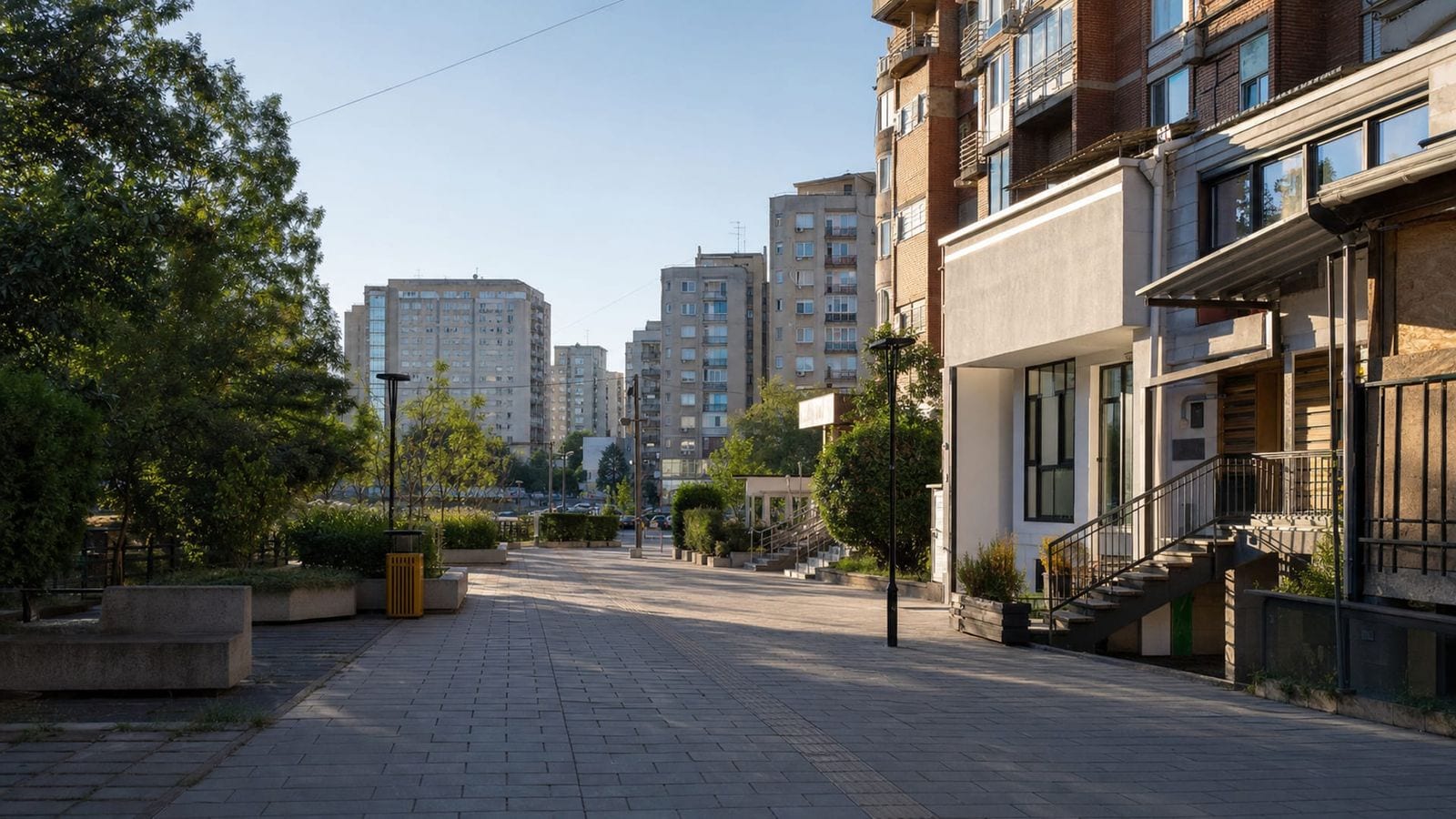
Dardania is a residential district southwest of central Pristina, with apartment blocks, cafés, bakeries, restaurants, and local shops. Its location offers access to the center without staying beside the busiest pedestrian streets. It is convenient for visitors who prefer moderately priced hotels.
Best for: Midrange accommodation, neighborhood restaurants, and longer city visits
What to expect: Residential streets, cafés, small businesses, and regular local activity
Hotel prices: Well-rated stays commonly cost €40 to €85 ($45 to $95) per night.
Distance to major sights: Mother Teresa Boulevard is generally 10 to 15 minutes away by taxi.
Quietness: Residential streets are quieter than the main boulevard, although cafés can stay busy.
Main trade-off: Most historic attractions require a longer walk or a short taxi journey.
Good to know: Accommodation near the district’s main roads offers easier taxi pickups and bus connections.
The airport area and industrial outskirts are less convenient for visitors planning daily sightseeing, as most attractions and restaurants are closer to the center. More distant residential areas also require long rides to the center.
Hotel deals
How to get around Pristina efficiently
Pristina has no metro or tram network. City buses, taxis, and rental cars cover longer journeys, while most central attractions are within walking distance.

Metro
for longer distances
Pristina’s municipal buses connect the city center with Dardania, Bregu i Diellit, and other districts. A physical ticket costs €0.80 ($0.90), while a digital ticket costs €0.60 ($0.70). Daily tickets cost €1–€1.20 ($1.13–$1.35). Purchase tickets online or at authorized sales points.

Bus and tram
for convenience
Licensed taxis are widely available in Pristina, with local companies offering telephone and app bookings. Short city journeys cost €3 to €6 ($3.40–$6.80); airport transfers generally cost €15 to €20 ($17–$23). Confirm the meter or agreed fare before departure.

Taxi
for convenience or late hours
A rental car provides flexibility for visiting the Marble Cave at Gadime, archaeological sites, and destinations beyond the capital. Economy vehicles cost €25–€50 ($28–$56) per day, depending on season and rental conditions. Book online, confirm insurance coverage, and check parking arrangements.
*Prices are based on rates updated as of November 2026 and may change at the time of travel.
Use buses for inexpensive daytime journeys, taxis for direct transfers, and a rental car when visiting attractions outside the city.
Iconic landmarks
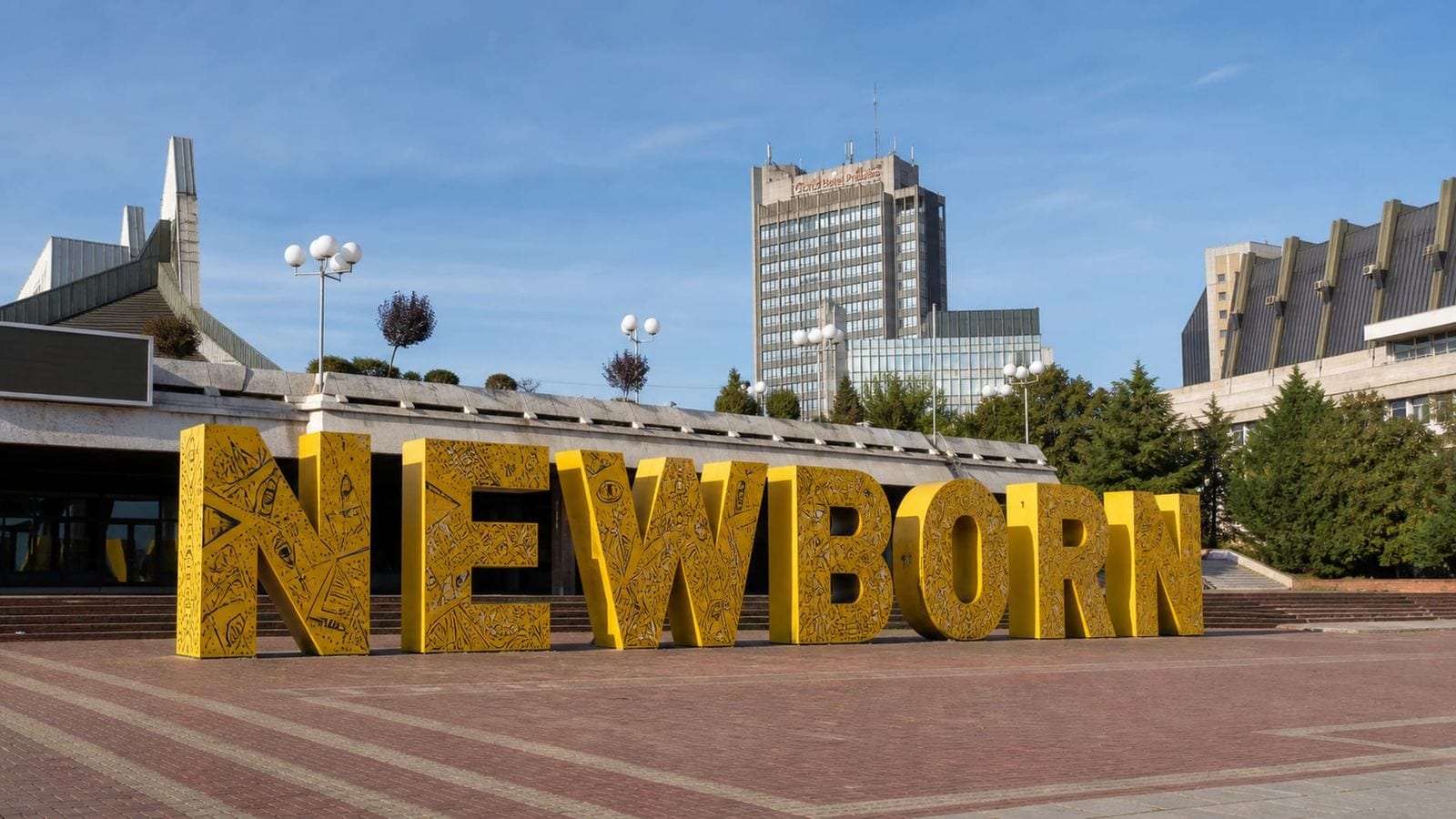
NEWBORN Monument
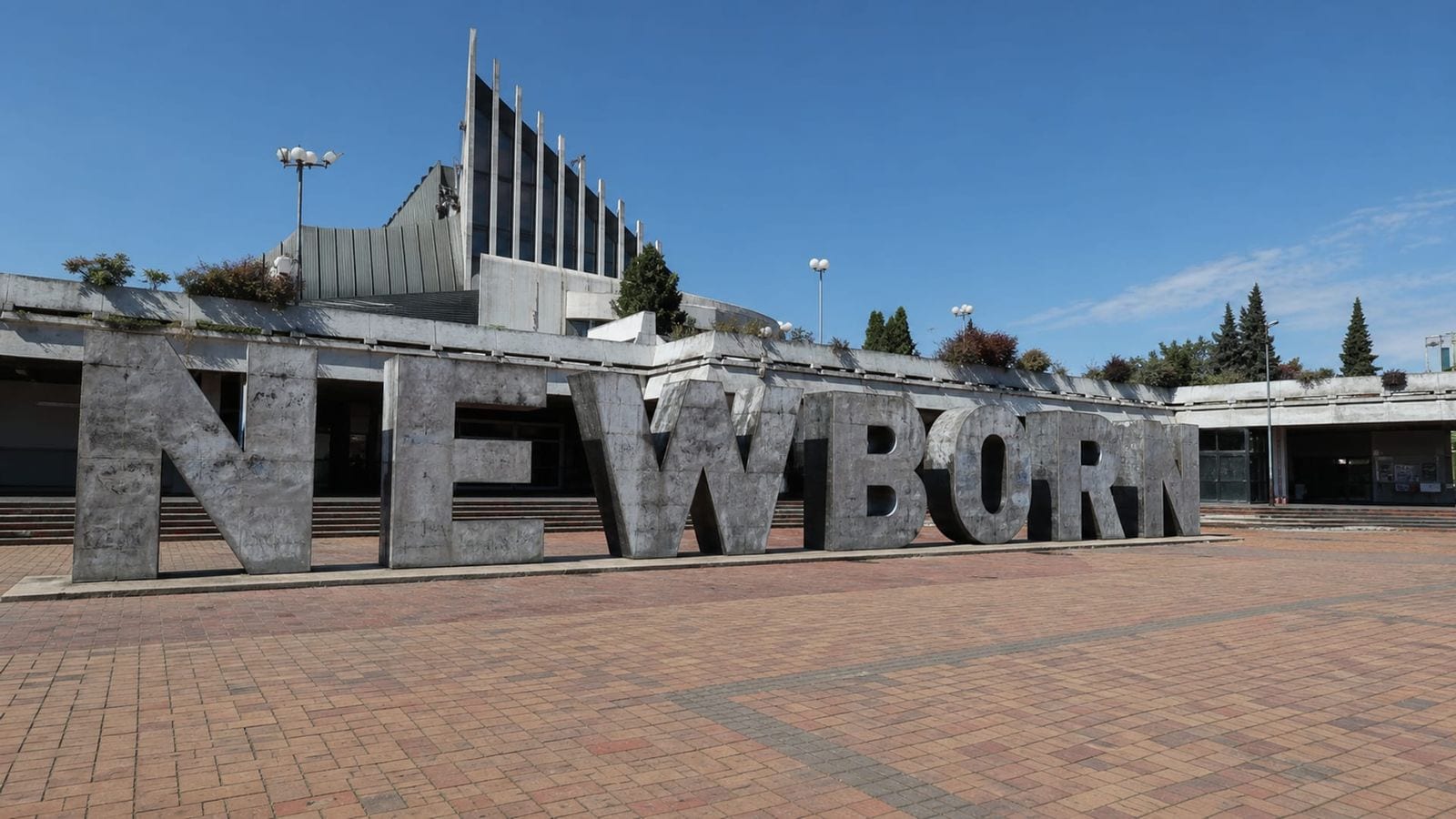
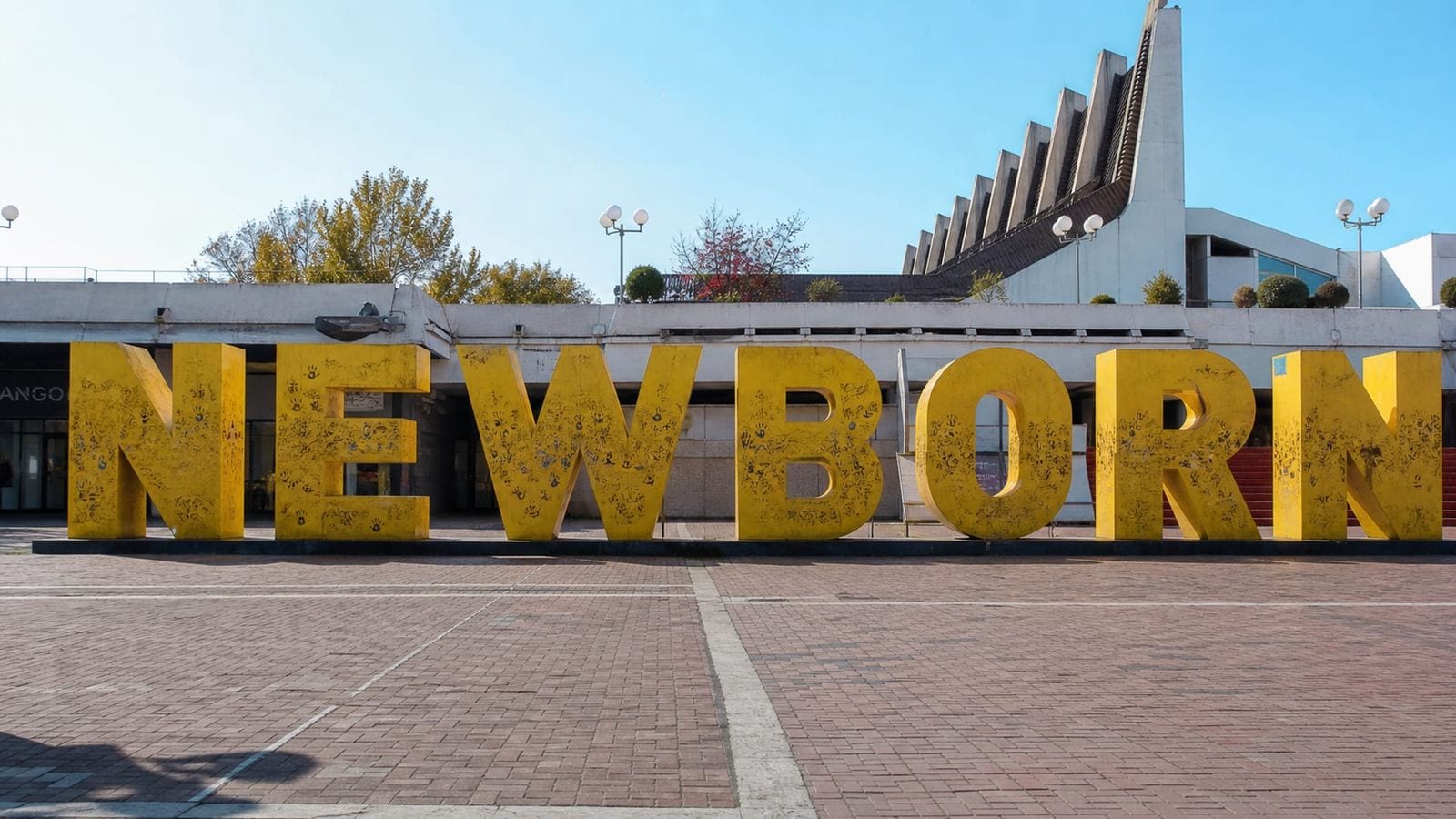
Unveiled on February 17, 2008, the NEWBORN Monument commemorates Kosovo’s declaration of independence. Its large lettering is regularly repainted with designs reflecting political, social, and cultural themes, making it one of Pristina’s most recognizable public landmarks.
Time needed: 20 to 30 minutes for the monument and surrounding square
Entry: Public access is free.
Tip: Visit during daylight to see the current artwork and photograph the lettering.
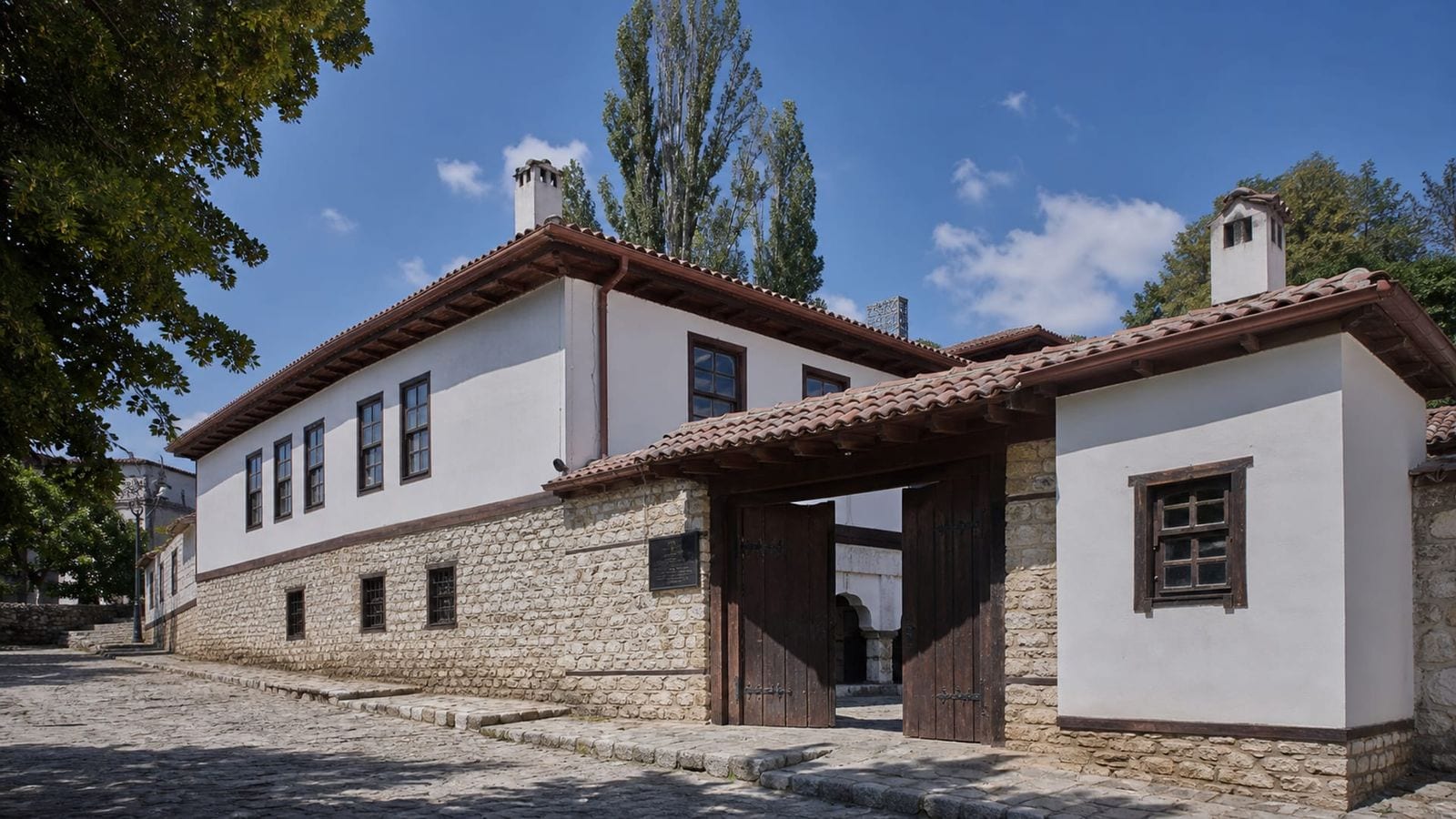
Fatih Mosque
Built in the 15th century, Fatih Mosque, also known as the Imperial Mosque, is an important example of Ottoman religious architecture in Pristina. Its domed prayer hall, minaret, and historic courtyard reflect the city’s long Ottoman history.
Time needed: 30 to 45 minutes for the mosque and courtyard
Entry: Admission is free, subject to religious services and visitor access arrangements.
Tip: Dress modestly and avoid visiting during prayers.
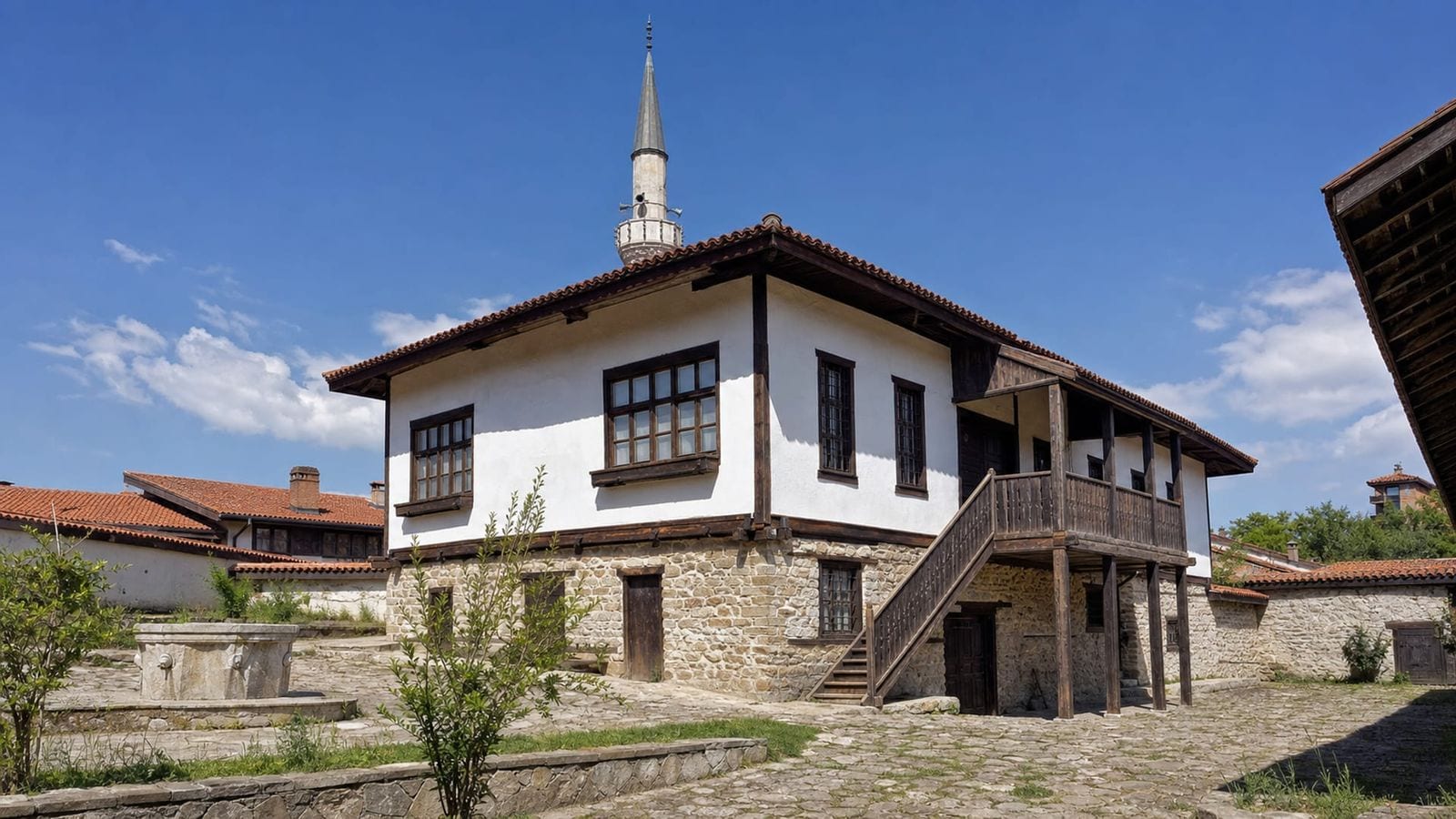
Ethnological Museum, Pristina
The Ethnological Museum occupies the historic Emin Gjiku residential complex, where traditional architecture, domestic objects, and cultural exhibits introduce visitors to life in Kosovo during earlier centuries. Parts of the complex have undergone restoration, and exhibition access may vary.
Time needed: 45 minutes to 1 hour
Entry: Admission is free. The museum is open Tuesday through Sunday and closed on Mondays. Visit the official site for details.
Tip: Check which historic interiors are open, as restoration has affected access.
Overlooked sites worth visiting

Mramor Cave
Also known as the Marble Cave at Gadime, this protected natural site south of Pristina contains limestone and marble formations, stalactites, and unusual aragonite deposits. Visits follow designated underground passages.
Time needed: 1 to 2 hours
Entry: Admission costs €2 to €3 ($2.25 to $3.40) and includes a guided tour.
Tip: Confirm opening arrangements before traveling and bring sturdy shoes and a light jacket.

National Library of Kosovo
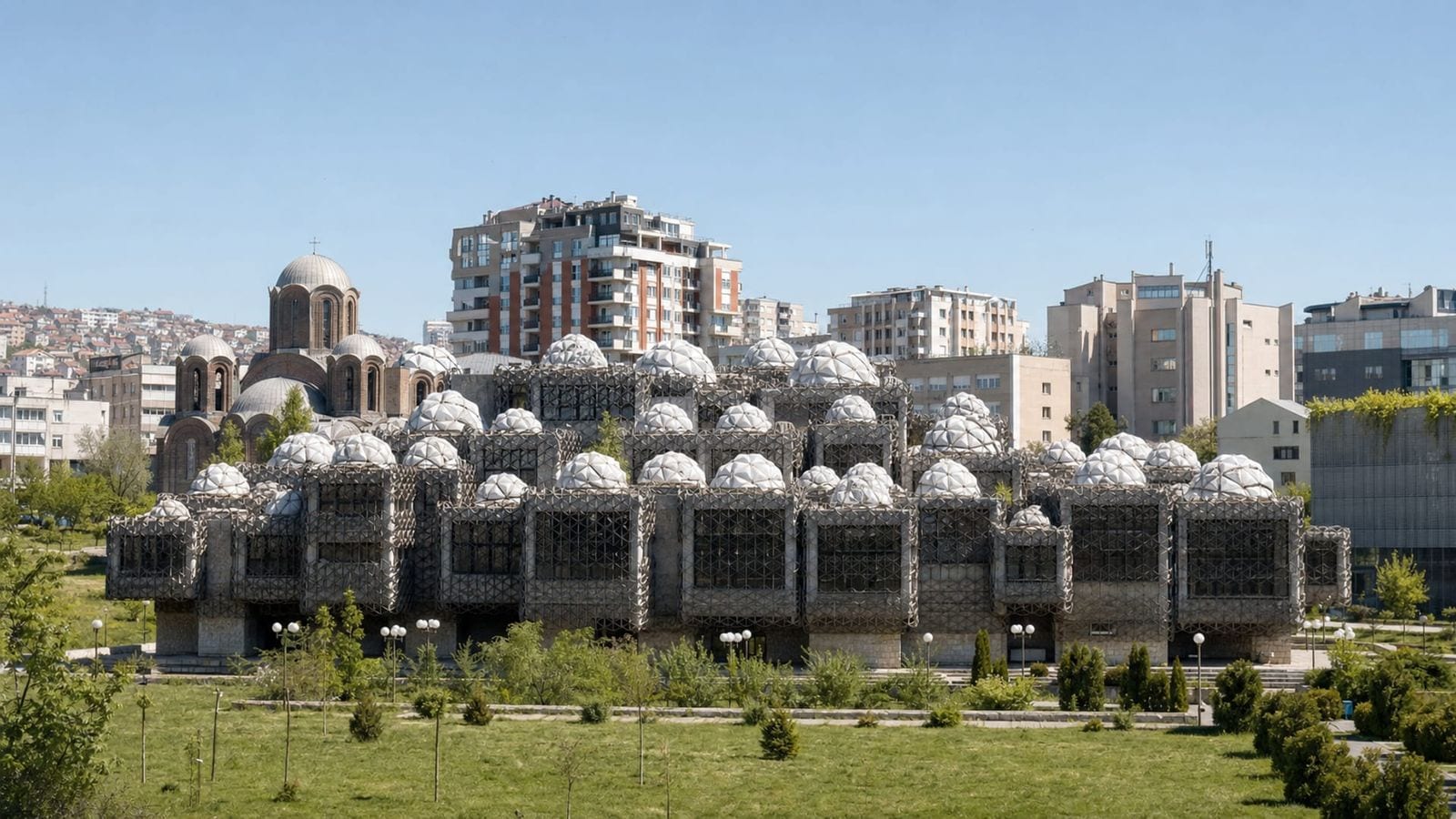
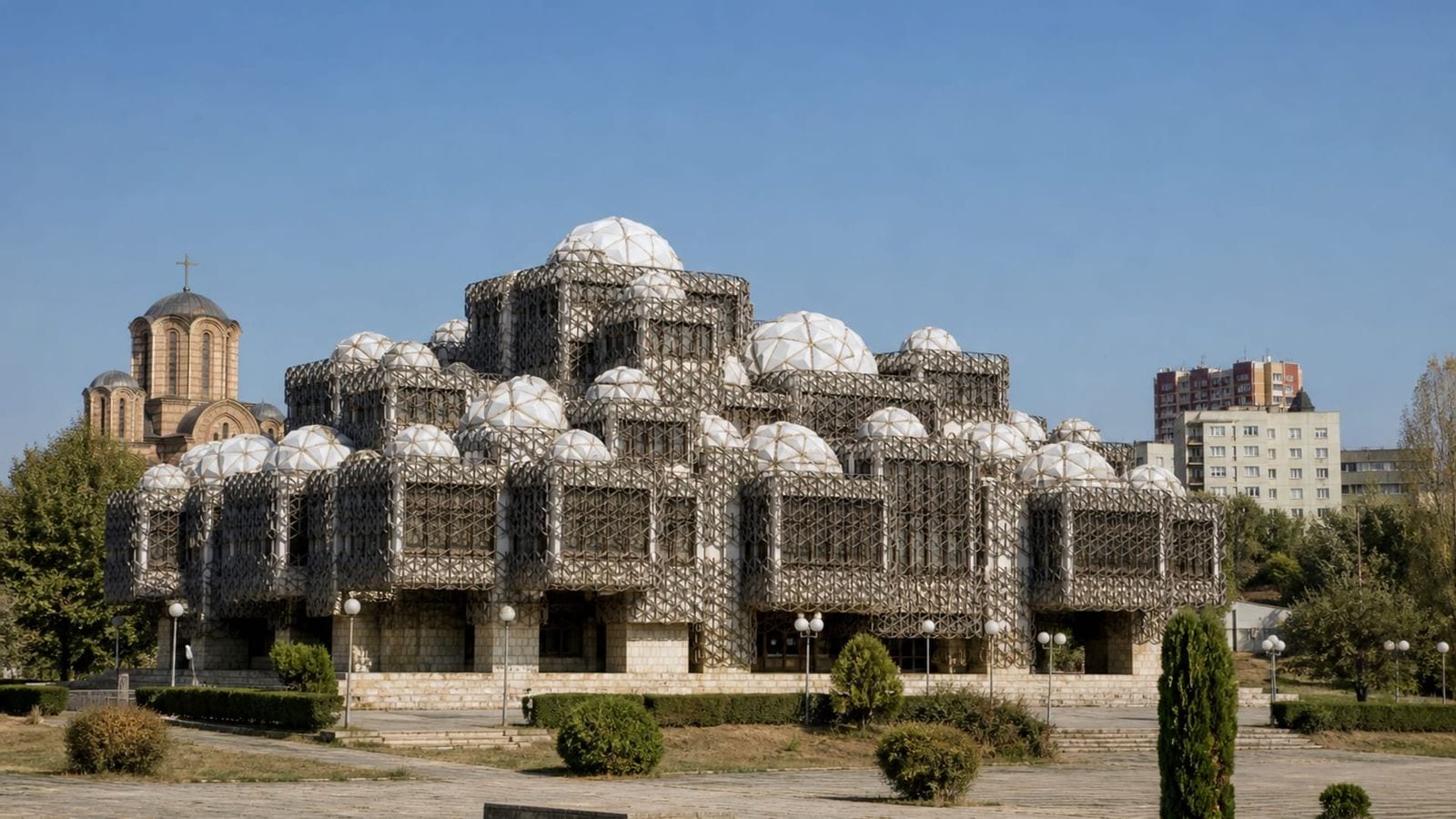
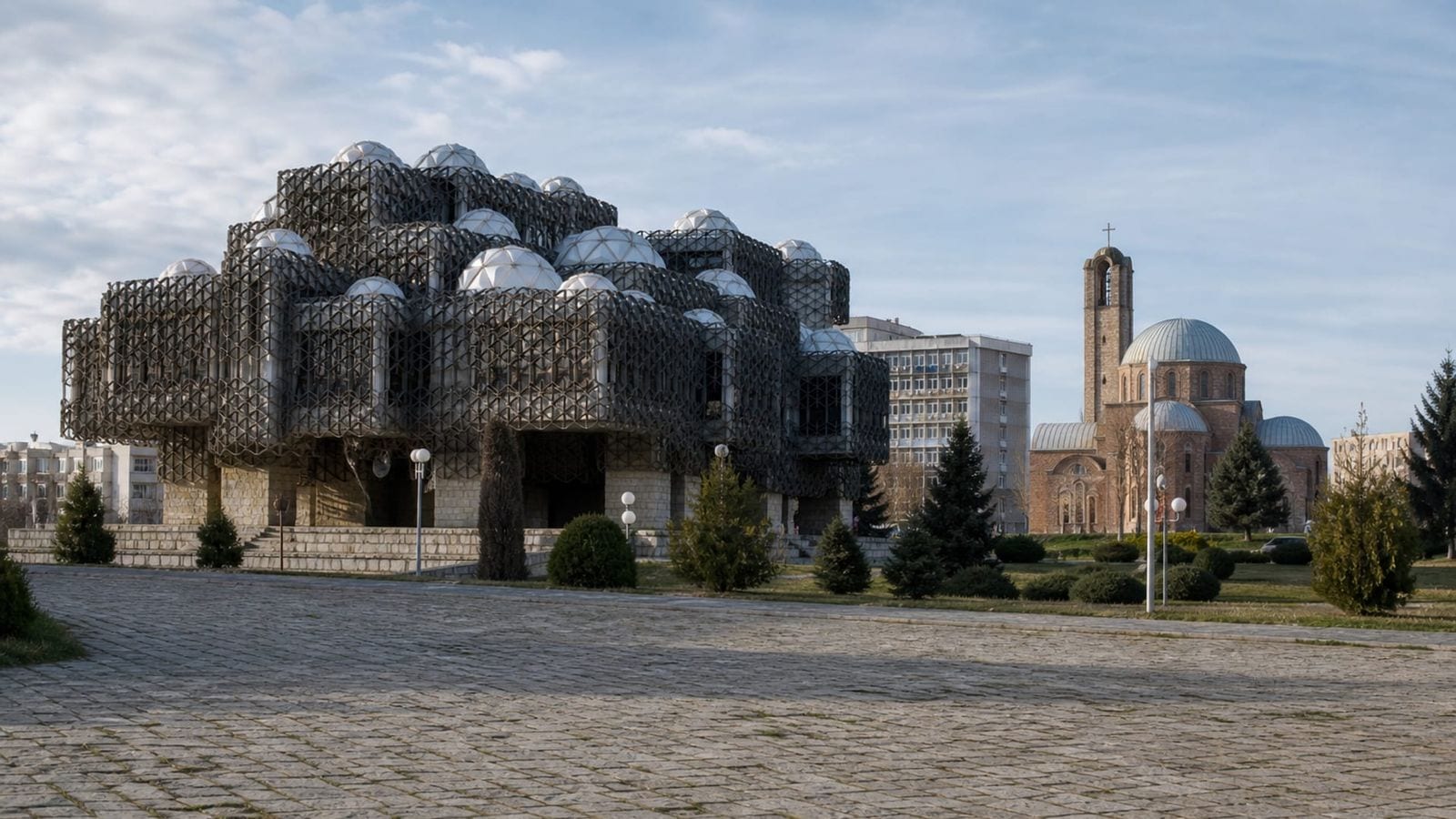
The National Library of Kosovo is famous for its striking modernist architecture, with numerous white domes beneath a geometric metal lattice. Designed by Andrija Mutnjaković, the building is one of Pristina’s most distinctive architectural landmarks.
Time needed: 30 to 45 minutes
Entry: The exterior is free to view. Interior access depends on library opening hours.
Tip: Walk around the building to see how its domes and metal framework change from different angles.
Traditional food
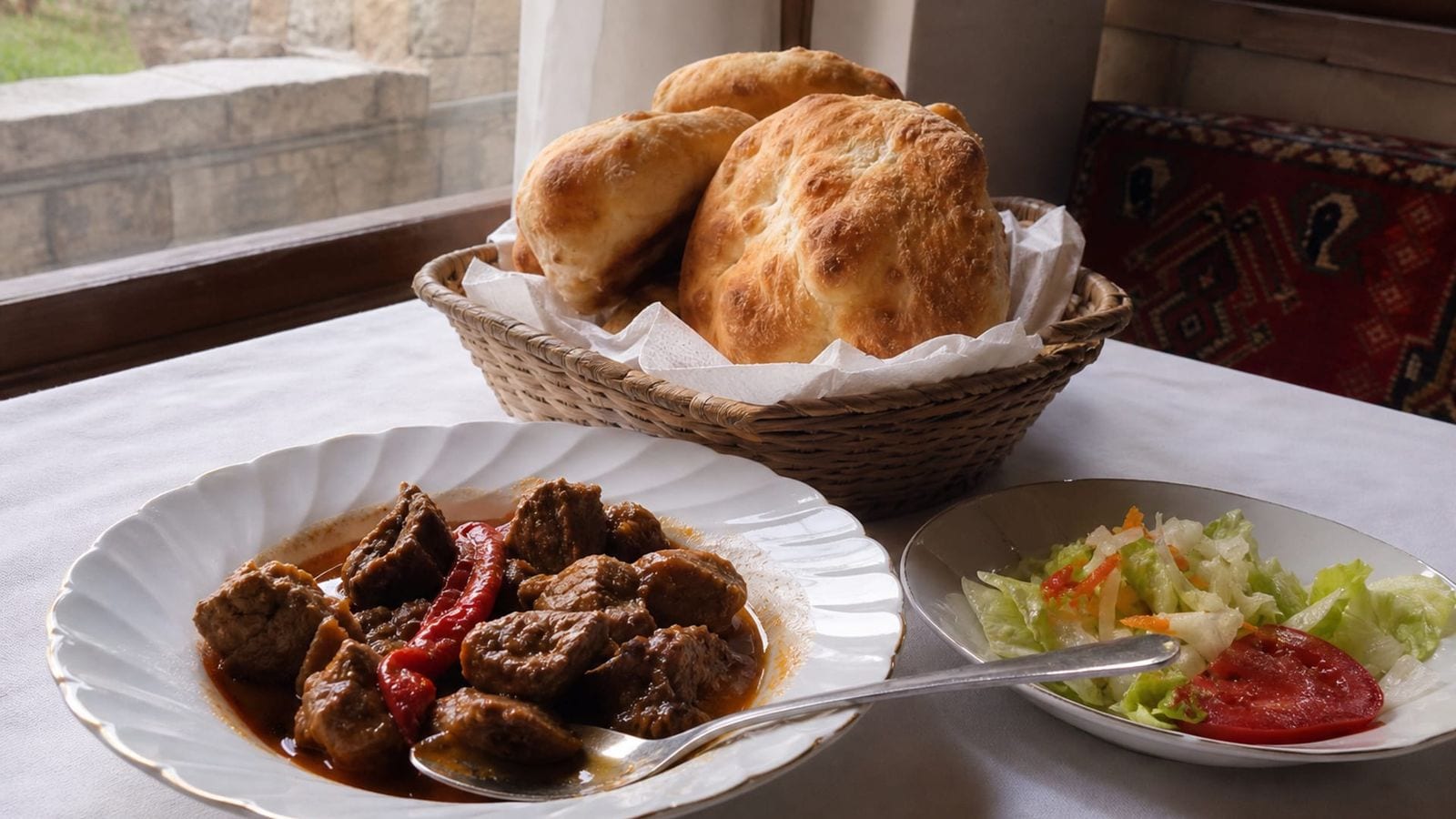
Pristina’s traditional cuisine features baked dough, meat, yogurt, and dairy products. Flija, tavë kosi, mantia, and burek are familiar dishes found in restaurants, bakeries, and local kitchens.
Flija
Flija is prepared by layering thin batter with cream or butter and baking it gradually, traditionally beneath a heated metal lid. The finished dish has lightly browned layers and is served with yogurt or sour cream. Tradicionale in Pristina lists flija on its menu.
Tavë kosi
Tavë kosi is a baked dish of lamb, rice, eggs, and yogurt, with a golden surface and a slightly tangy flavor. The combination creates a substantial meal commonly served at traditional Albanian restaurants. Liburnia Restaurant is known for serving the dish in Pristina.
Mantia
Mantia consists of small baked pastries filled with seasoned meat, traditionally served with yogurt and garlic. The pastry develops a crisp exterior while the filling stays tender. Tradicionale prepares meat-filled mantia, with larger orders available by advance arrangement.
Burek
Burek is a savory pastry made with layers of thin dough wrapped around fillings such as meat, cheese, or spinach. It is commonly served warm for breakfast or as a quick lunch, often accompanied by yogurt. Picadilly Burektore on Agim Ramadani Street is known for its meat and cheese burek.
Best time to visit Pristina
Pristina has warm summers, cold winters, and pleasant spring and fall weather. The shoulder seasons are particularly suitable for walking and exploring the city.
Best for: Walking Mother Teresa Boulevard, visiting historic sites, and outdoor cafés
What you get: Temperatures rise from 46°F to 68°F (8°C to 20°C), with greener parks, comfortable afternoons, and moderate visitor numbers.
Trade-offs: Rain and changing spring weather can interrupt outdoor excursions.
Best for: Long evenings, outdoor dining, neighborhood cafés, and excursions beyond the city
What you get: Temperatures generally range from 61°F to 86°F (16°C to 30°C), bringing warm days and busy pedestrian streets.
Trade-offs: Afternoon heat can make exposed walks and city sightseeing less comfortable.
Best for: Museums, historic neighborhoods, traditional restaurants, and city walks
What you get: Temperatures gradually fall from 72°F to 45°F (22°C to 7°C), with comfortable early-autumn weather and fewer visitors.
Trade-offs: Shorter daylight hours and cooler evenings become noticeable by November.
Best for: Indoor attractions, traditional dining, coffee breaks, and shorter city visits
What you get: Temperatures typically range from 28°F to 43°F (-2°C to 6°C), with cold mornings, occasional snow, and fewer visitors.
Trade-offs: Ice, snow, and shorter days can complicate outdoor walks and longer excursions.
A realistic 5-day plan in Pristina
Five days give you time to explore Pristina’s historic streets, modern architecture, cafés, and nearby natural attractions without filling every day with long journeys. The itinerary groups central landmarks together and reserves time for a trip beyond the capital.
Arrive at Pristina International Airport (PRN) and take a taxi to the city center, a journey of 20 to 30 minutes depending on traffic. After checking into your hotel, explore Mother Teresa Boulevard, where pedestrian streets connect cafés, shops, and public squares. Stop for coffee and watch the city settle into its evening routine, then choose a nearby restaurant for dinner. Keep the first evening close to your accommodation, particularly after a long flight.
Start in the old quarter at Fatih Mosque, where Ottoman architecture contrasts with the capital’s modern buildings. Continue to the nearby Ethnological Museum to see its historic residential complex and available cultural exhibits. After lunch, walk toward Mother Teresa Boulevard and the NEWBORN Monument, whose changing artwork reflects Kosovo’s contemporary identity. Spend the late afternoon exploring central shops and cafés before dinner near the pedestrian streets.
Travel south toward Gadime to visit Mramor Cave, also known as the Marble Cave, a drive of 30 to 40 minutes from central Pristina. Inside, mineral formations and narrow passages introduce a different side of Kosovo’s landscape. Confirm visiting arrangements before departure, as access and guided entry may vary. After exploring the cave, return to Pristina for a late lunch. Spend the afternoon at a café or restaurant near your hotel, leaving the evening free for traditional local food.
Start at the National Library of Kosovo, whose white domes and metal lattice make it one of the city’s most unusual buildings. Explore the surrounding university grounds, then stop for lunch. In the afternoon, travel east to Gërmia Park, where wooded paths and open spaces provide a break from the busy center. Choose a short walking route according to the weather, then return to Pristina for dinner. The day introduces both the city’s modern architecture and its natural surroundings.
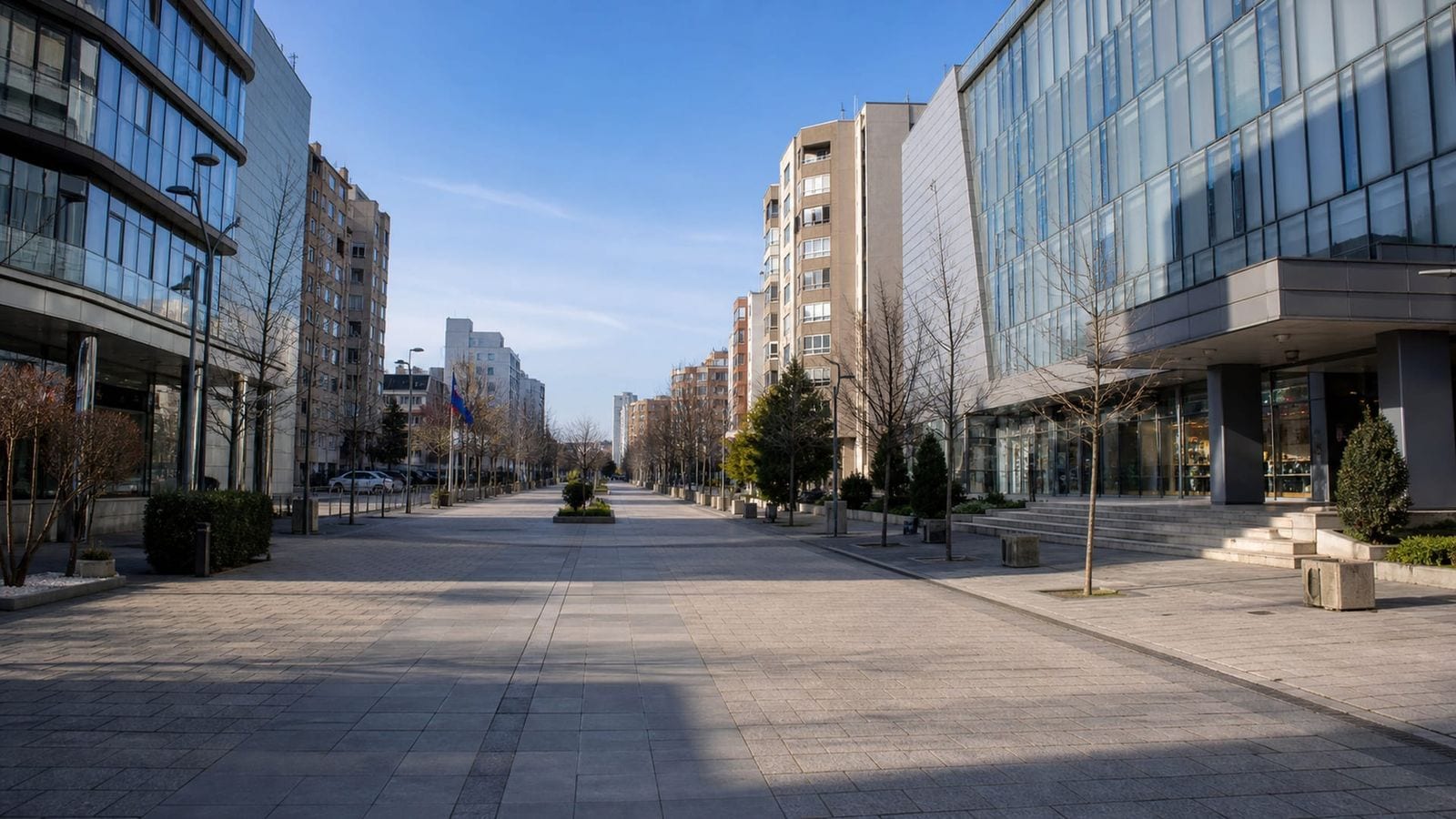
Spend your final morning in Dardania, where neighborhood cafés, bakeries, and local shops offer a different perspective on daily life in Pristina. Enjoy breakfast and explore the surrounding streets before returning to your hotel to collect your luggage. If your flight leaves later, stop for one last coffee near Mother Teresa Boulevard or browse the central shops. Allow 20 to 30 minutes for the taxi journey to Pristina International Airport, with additional time for traffic and airport procedures.
Business-class flights from the US to Pristina
There are no nonstop flights from the US to Pristina (PRN). One-stop itineraries connect through Istanbul or Zurich, with business-class options on both routes.
New York (JFK) to Pristina (PRN)
Travelers can take one-stop flights from New York (JFK) to Pristina (PRN) with airlines like Turkish Airlines, Austrian Airlines, and SWISS. Turkish Airlines offers one-stop itineraries through Istanbul Airport (IST). The flight from New York to Istanbul takes almost 10 hours and is followed by a 1.5-hour flight to Pristina. Allow 13 to 17 hours for the complete journey, depending on the layover. Round-trip business-class fares on this route range from $4,400 to $9,200.
Los Angeles (LAX) to Pristina (PRN)
SWISS connects Los Angeles to Zurich (ZRH) in 11 hours, followed by a flight of 2 hours to Pristina operated by Edelweiss Air. Total journey times typically range from 15 to 20 hours, depending on the layover. Other airlines that offer flights on this route are Turkish Airlines, Lufthansa in partnership with Edelweiss Air or Austrian Airlines, and United Airlines in partnership with Austrian Airlines. Round-trip business-class fares range from $4,300 to $6,200.
Pristina, from historic streets to modern landmarks
Pristina’s Ottoman mosques, contemporary monuments, distinctive architecture, and busy café streets tell different chapters of Kosovo’s history. The central landmarks are close enough to explore on foot, while residential neighborhoods and nearby natural attractions offer a broader view of the capital. AranGrant experts can help you compare business-class flights and hotels that fit your travel dates and preferred location.