

Chapters:

Need help with your trip?
Our support team is available 24/7. Request a callback or call us directly at (833) 619-0908
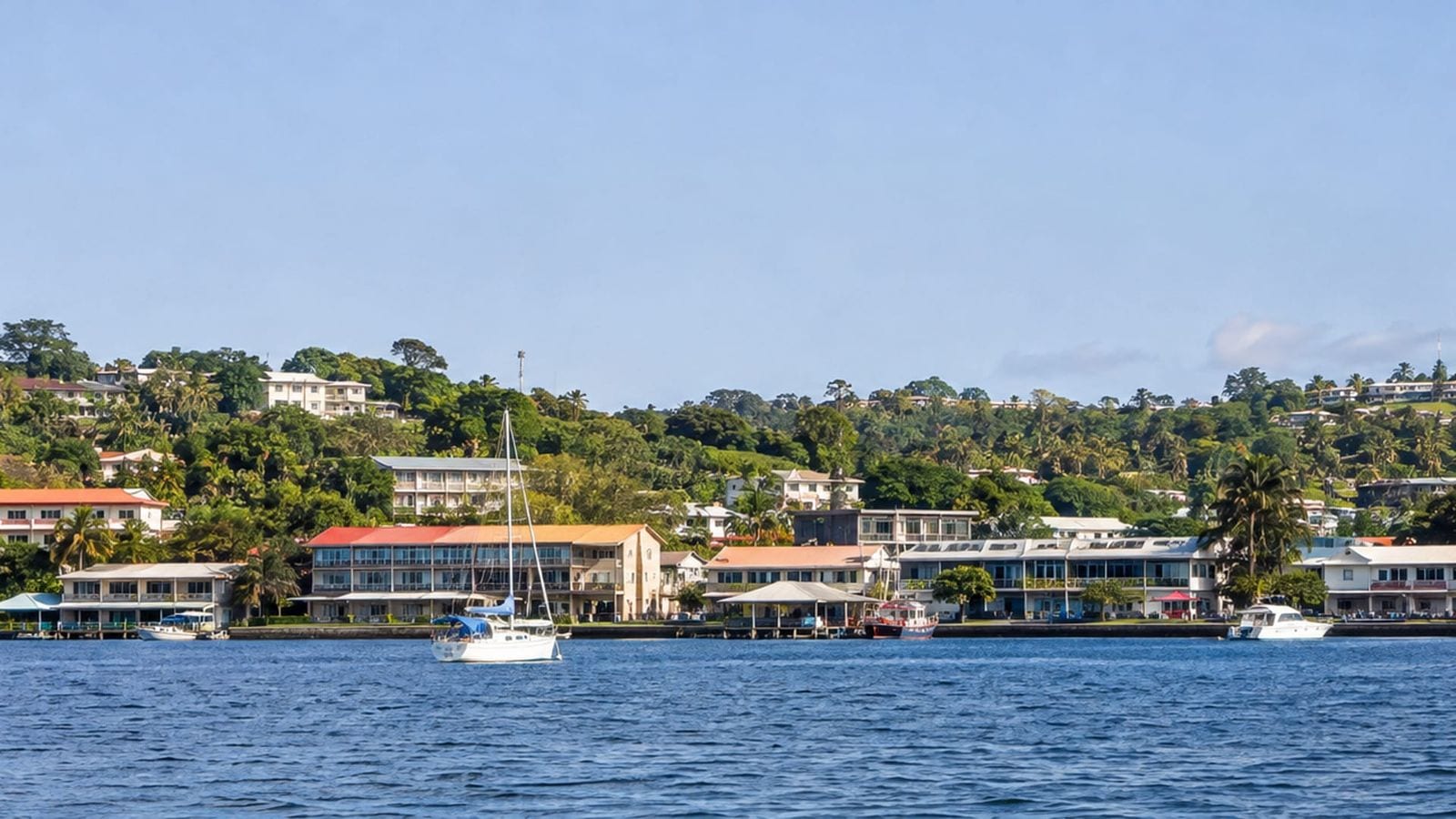
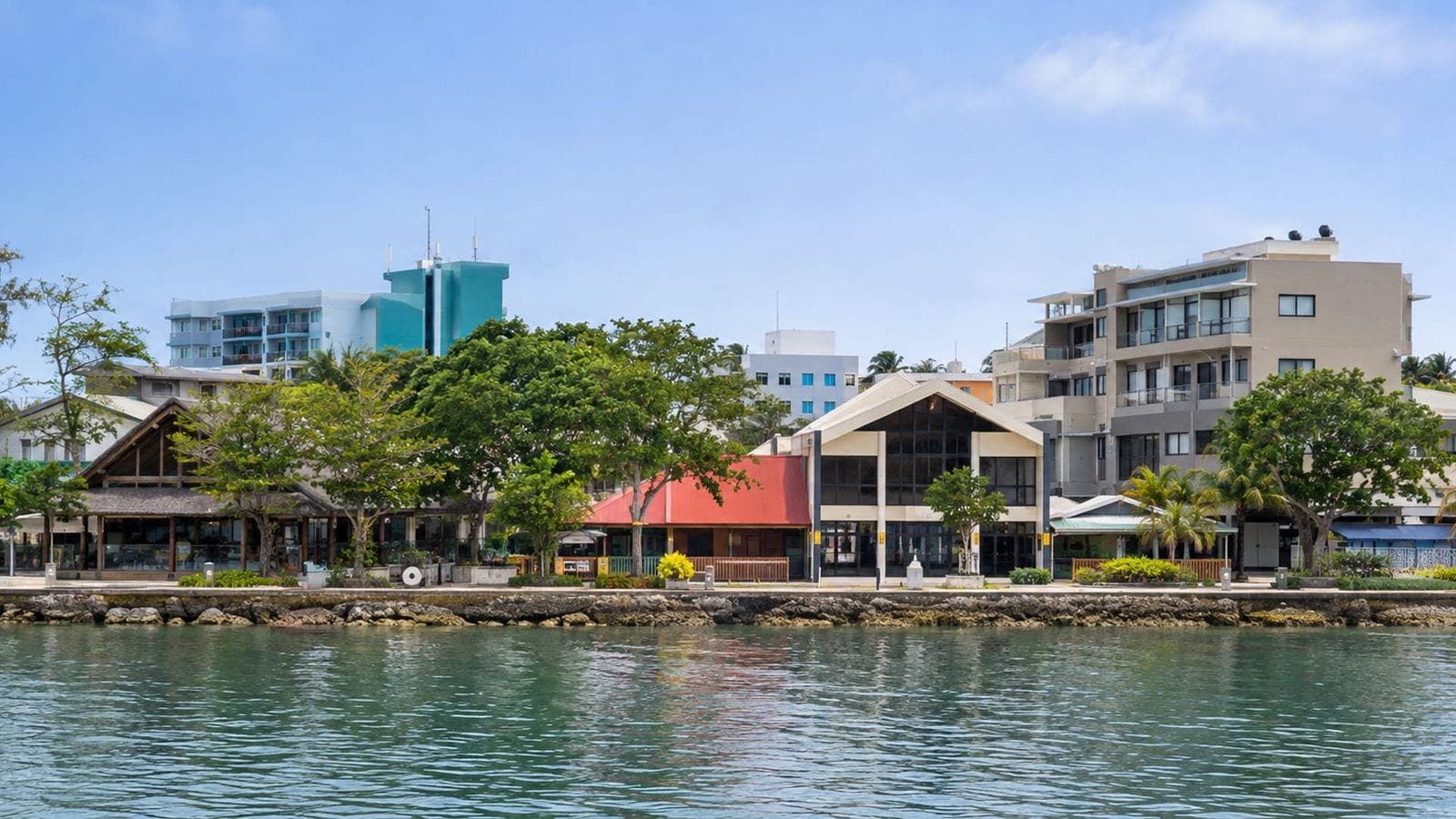
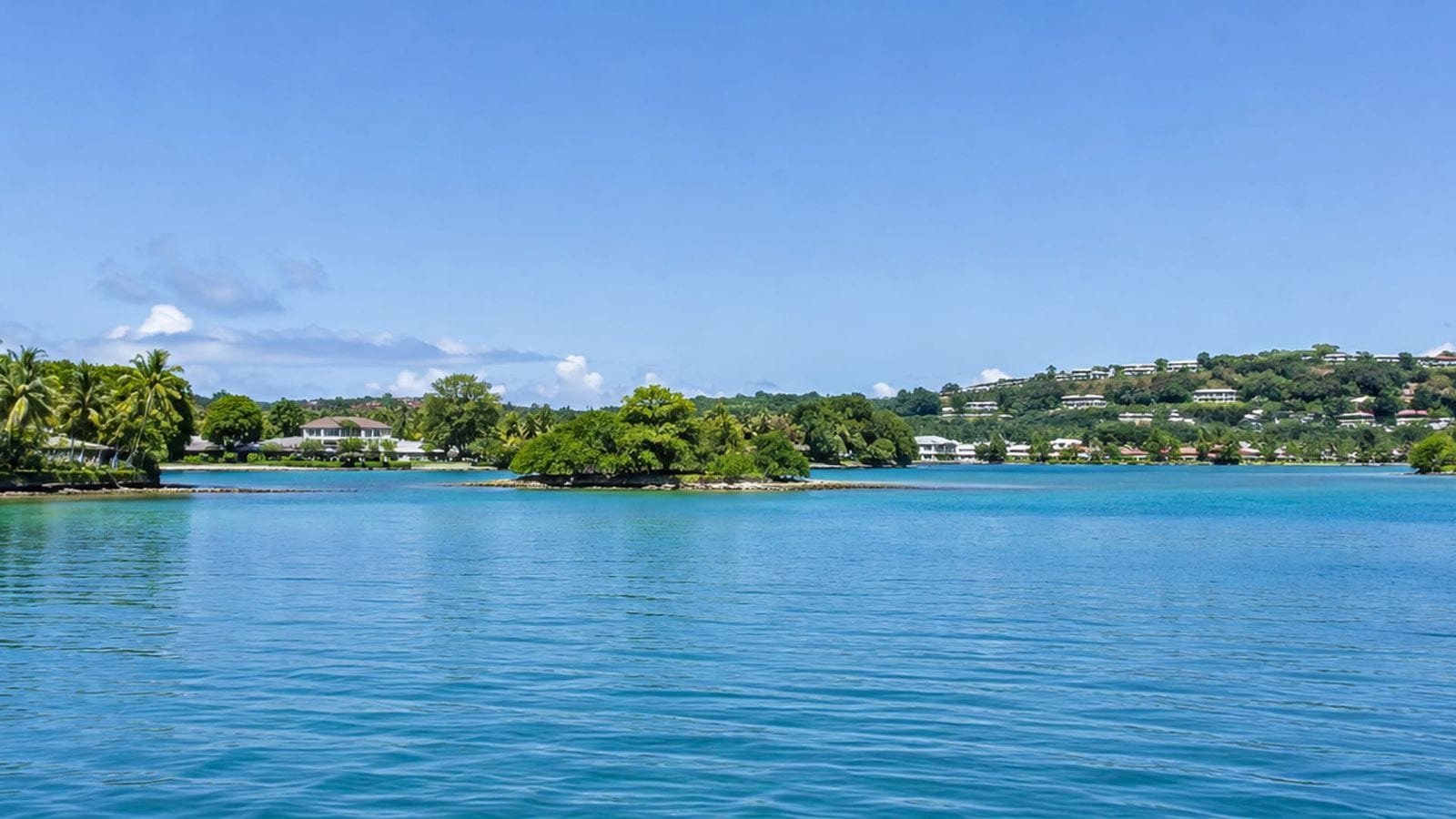
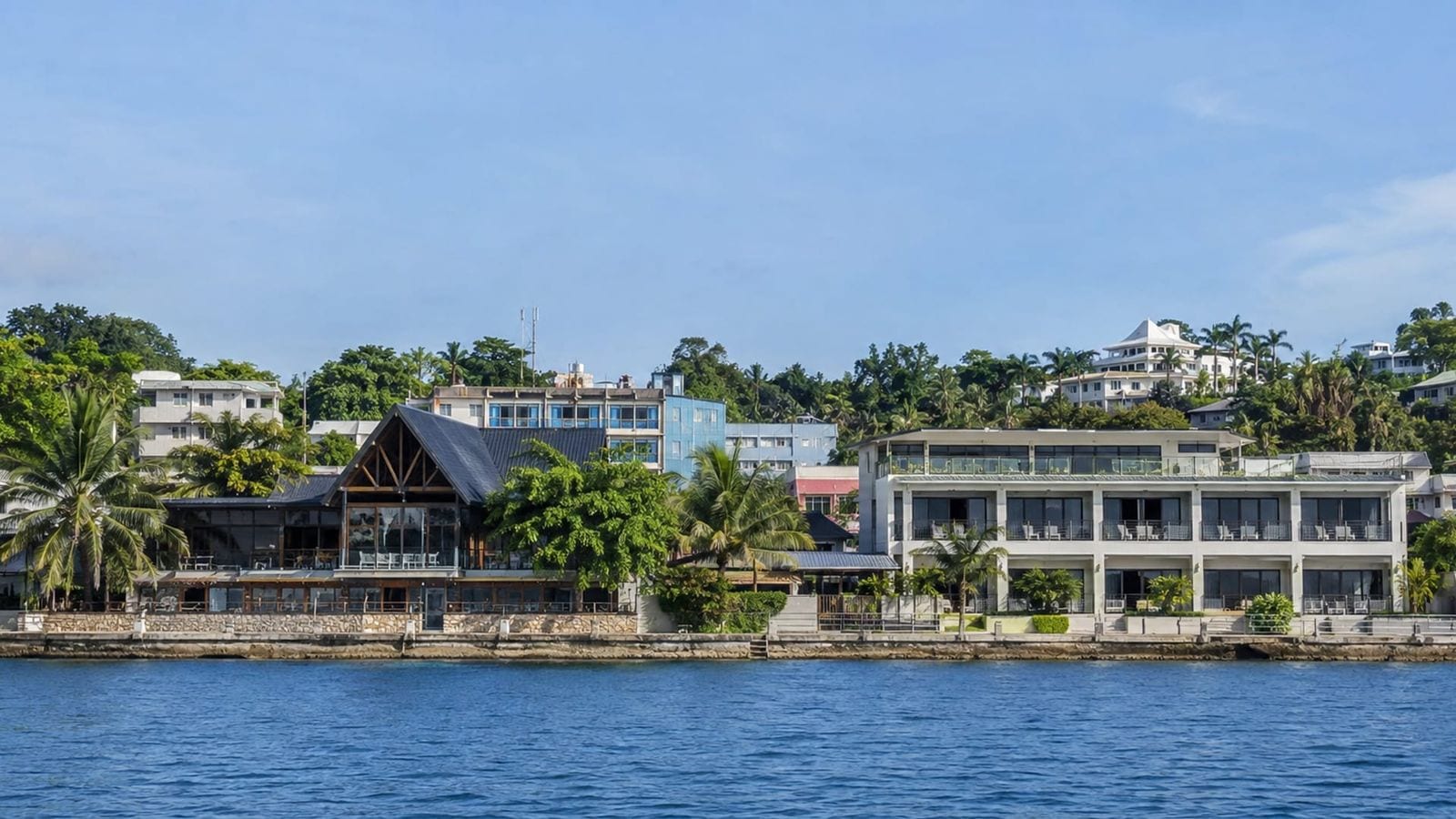
Port-Vila follows the sheltered coast of Efate, where the harborfront brings produce shopping, hotels, and daily travel close to the water. At Port Vila Market, taro, yams, and coconuts connect the capital’s waterfront with the ingredients of island cooking.
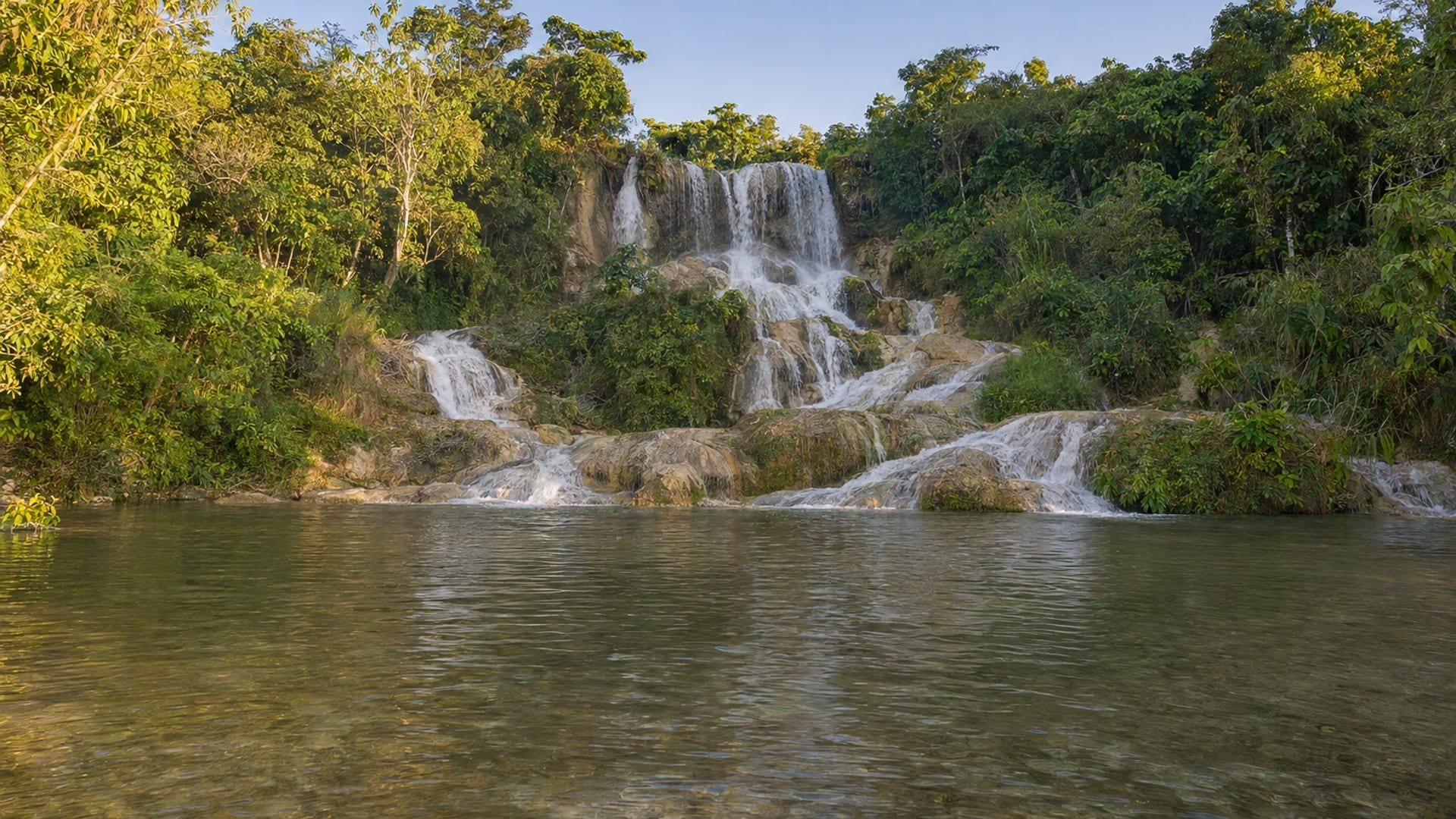
The coast also shapes excursions beyond the center. Mele Cascades leads inland through a river valley to limestone terraces, while Erakor Lagoon offers another view of the city’s waterside setting. Pango extends the coastal theme southward, with village roads and oceanfront accommodation.
Five days allow time for the central waterfront, a waterfall outing, and the lagoon. Nambatu places travelers south of the center; its hillside hotels can add an uphill walk after an afternoon beside the harbor.
Useful things to know

Main language(s): Bislama, English, French
Halo (hah-loh) – Hello
Plis (plees) – Please
Tangkyu (tang-kyoo) – Thank you
Yu toktok Inglis? (yoo tok-tok ing-gliss) – Do you speak English?
Hemia i kos hamas? (heh-mee-ah ee koss hah-mass) – How much does it cost?

Currency: Vanuatu vatu (VUV, VT)

Cash and cards: Cards are accepted at larger hotels and restaurants; carry VUV 3,000 to VUV 5,000 ($25 to $42) for smaller businesses.

Tipping: Skip tipping; it is not customary or expected in Port-Vila.

Traditional food: Laplap, tuluk, simboro, and coconut crab are among the classic dishes of Port-Vila.

Water and coffee costs: Bottled water VUV 100 to VUV 200 ($1 to $2); espresso VUV 300 to VUV 500 ($3 to $4).

Taxis and ride apps: Ask your hotel to arrange a licensed taxi; confirm the fare before departure.

Plug and voltage: Type I socket, 230V

Dining and shop opening hours: Breakfast is typically 7 am to 9 am, lunch noon to 2 pm, and dinner 6 pm to 9 pm. Shops generally open 8 am to 5 pm on weekdays; many close on Sundays.

Emergency number: Police 111, ambulance 112, fire 113.
Where to stay in Port-Vila
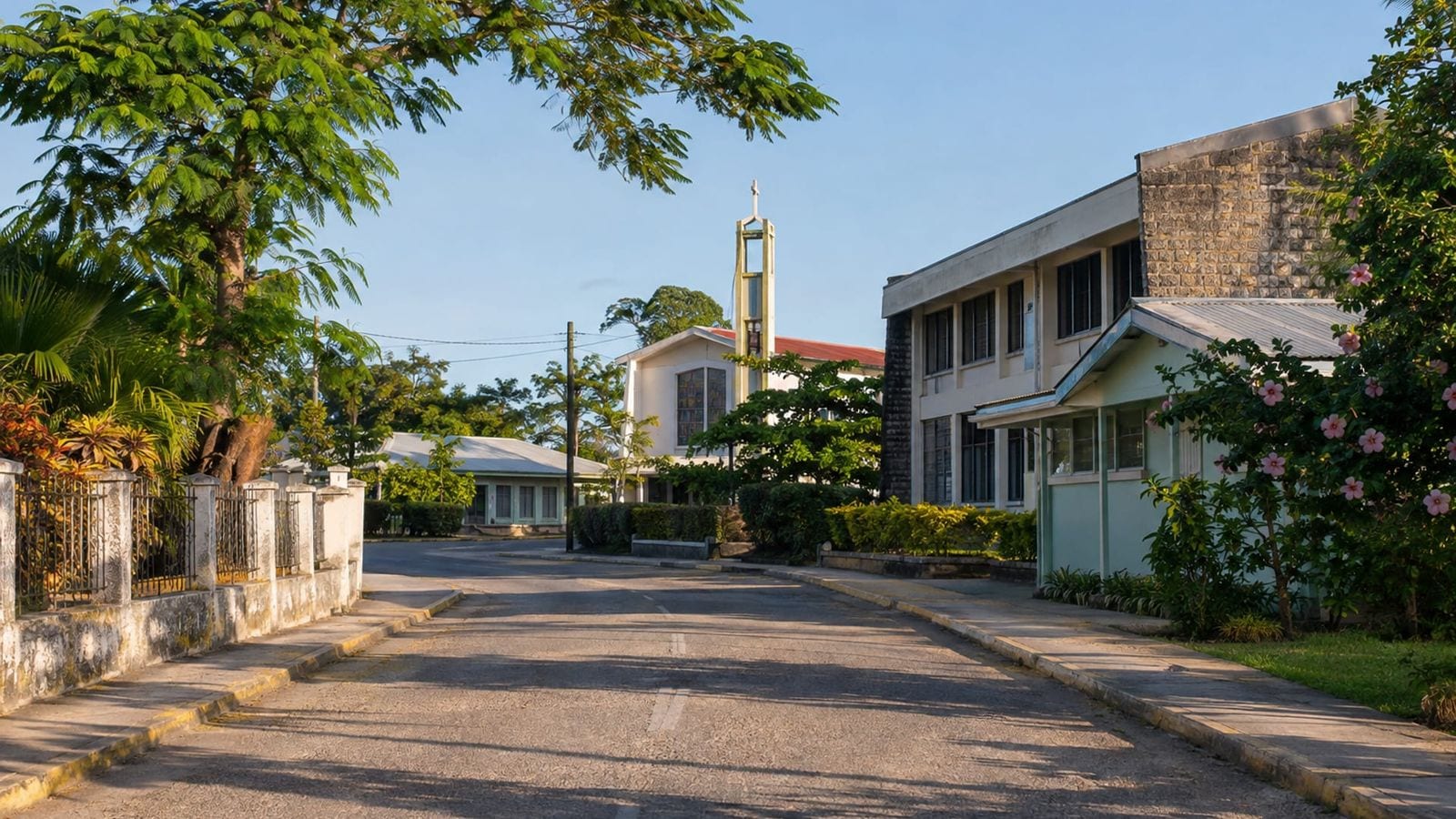
Nambatu is a neighborhood south of central Port-Vila, with hotels on the slopes above the harbor and accommodation near the water. Stay here for access to the center’s market and waterfront, with a choice of elevated outlooks or lower locations that shorten the walk into town each day.
Best for: Waterfront walks, shopping trips, and access to central Port-Vila
What to expect: Traffic follows the main road, while hillside lanes have a more residential character.
Hotel prices: Well-rated hotels cost VUV 14,000 to VUV 28,000 ($120 to $240) a night.
Distance to major sights: Allow 5 to 10 minutes by taxi to Erakor Lagoon.
Quietness: Main-road traffic is more noticeable by day; evenings are quieter away from hotel restaurants.
Main trade-off: Hills can make the return walk from the waterfront more tiring than the map suggests.
Good to know: Ask whether the hotel entrance is uphill from the main road before choosing a room for a stay without taxis.
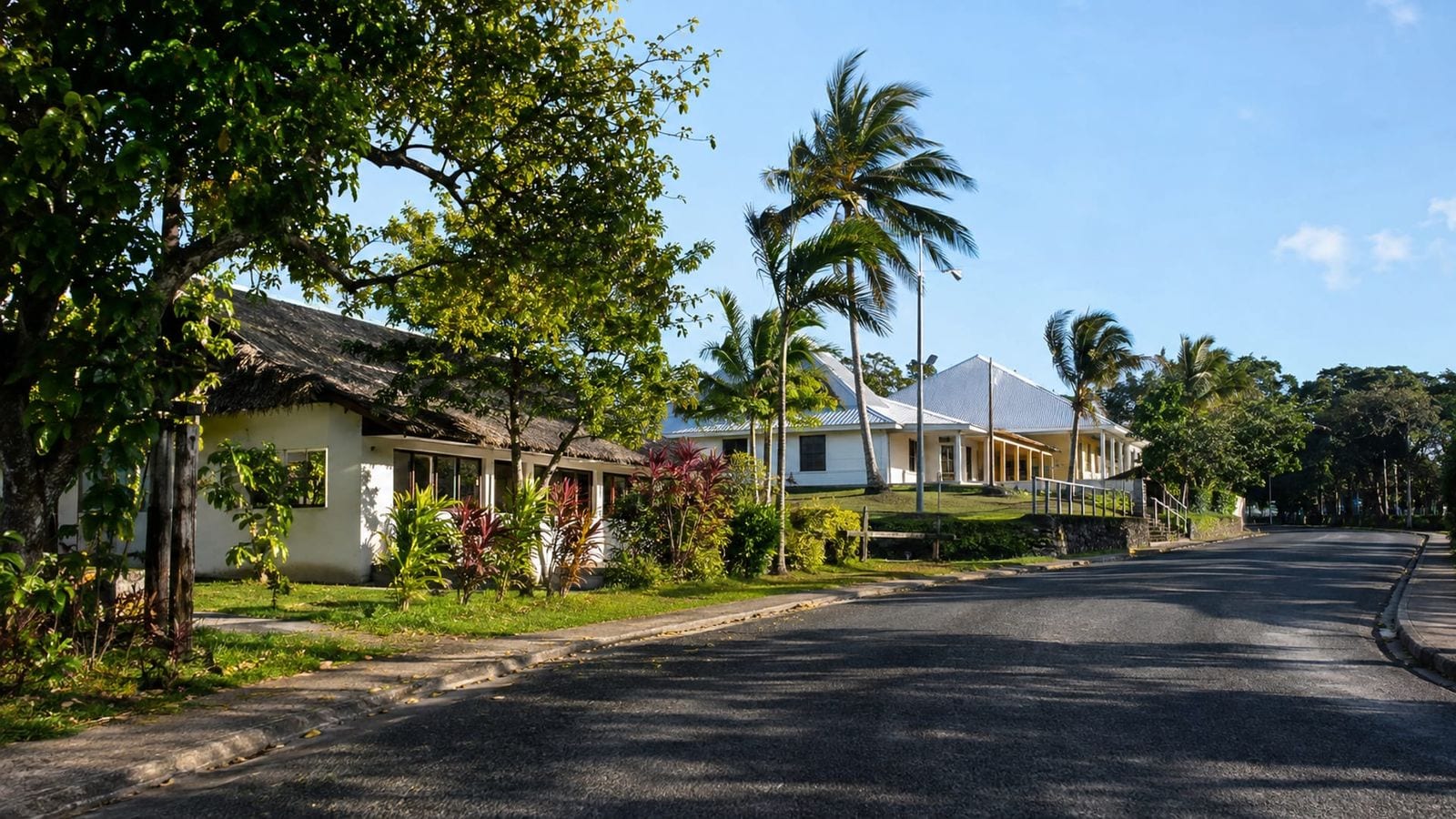
Pango occupies the peninsula south of central Port-Vila, combining a residential village with coastal hotels and resorts along its shores. Visitors choose it for ocean views and time beside the water, accepting taxi trips into town in exchange for more separation from central traffic.
Best for: Coastal stays, ocean views, and spending time at a resort
What to expect: Village roads and coastal properties create a quieter setting with fewer shops than central Port-Vila.
Hotel prices: Budget VUV 16,000 to VUV 36,000 ($140 to $310) nightly for a well-rated hotel.
Distance to major sights: Erakor Lagoon is 10 to 15 minutes away by taxi, depending on the hotel’s position.
Quietness: Village activity brings daytime movement; evenings are generally quiet beyond the resorts.
Main trade-off: Trips to central restaurants add taxi costs, and coastal access varies between properties.
Good to know: Choose a property with a pool if swimming is a priority, since an oceanfront address can face a rocky shoreline.
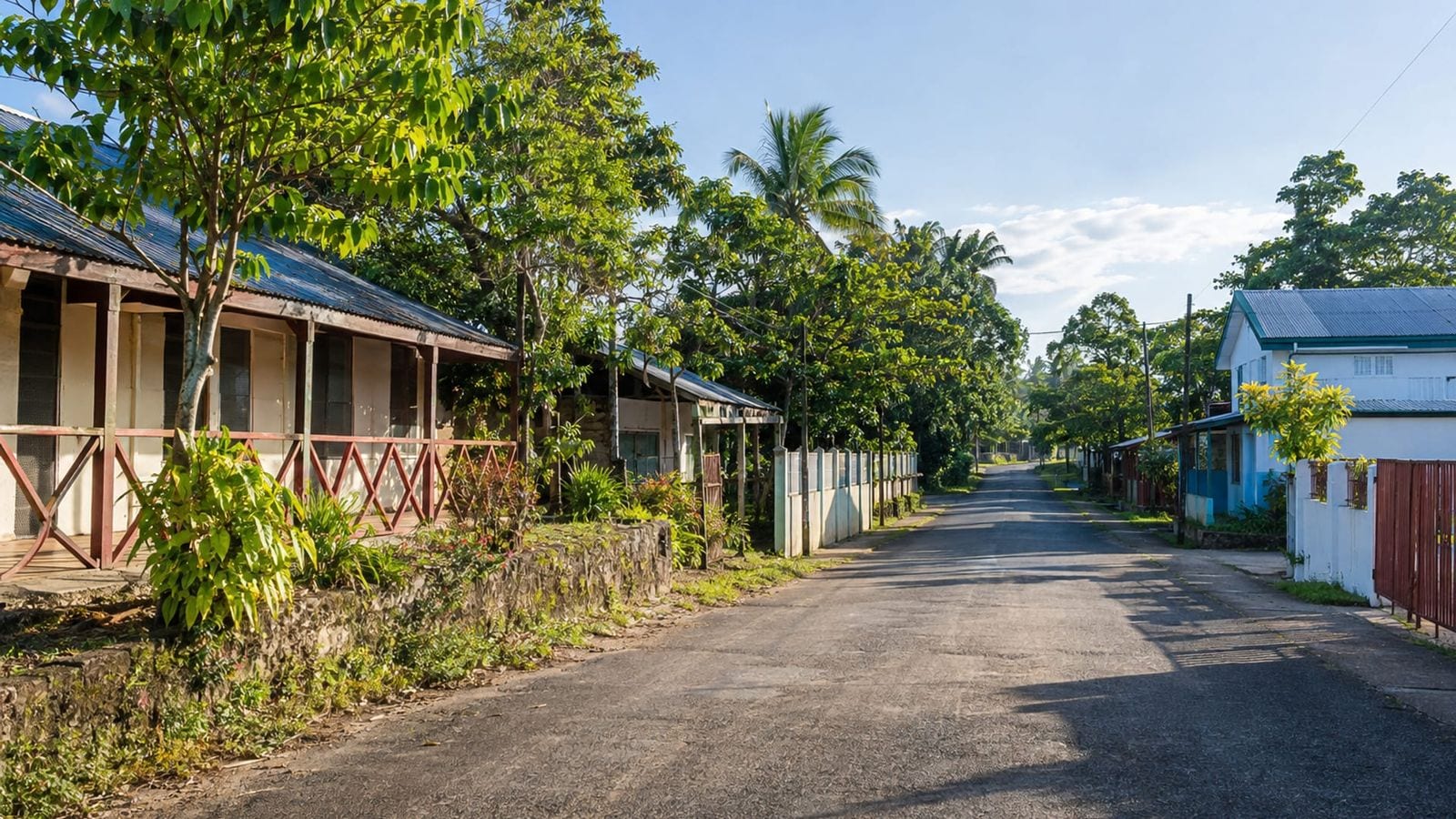
Tassiriki is a residential neighborhood east of central Port-Vila, with accommodation near Erakor Lagoon and streets away from the busiest waterfront blocks. A stay here suits travelers seeking lagoon views and hotel grounds, while taxis connect the neighborhood with the town center.
Best for: Lagoon scenery, residential surroundings, and time on hotel grounds
What to expect: Residential streets have lighter pedestrian activity than the central waterfront.
Hotel prices: A well-rated hotel typically charges VUV 18,000 to VUV 35,000 ($155 to $300) per night.
Distance to major sights: Erakor Lagoon is within a 5 to 10-minute walk of accommodation along its shore.
Quietness: Local traffic is more apparent during the day; evenings tend to be calm outside hotel grounds.
Main trade-off: Restaurants and shops are more spread out, so walking offers fewer choices than in the center.
Good to know: Confirm the property’s exact lagoon frontage before booking; neighborhood addresses also include inland streets.
Freswota, Ohlen, and Anabrou are less convenient for a sightseeing stay: they lie outside the waterfront center and have fewer visitor amenities.
Hotel deals
How to get around Port-Vila efficiently
Red B license plates identify Port-Vila’s shared minibuses; taxis and waterfront walks complete the main choices for getting about.

Taxi
for convenience or late hours
From Port-Vila (VLI), taxis reach the center in roughly 15 minutes. Fares are agreed before departure, not metered; expect VUV 2,500 to VUV 3,500 ($21 to $30). Use taxis for airport transfers, luggage, or evening trips; confirm the total before boarding.

Minibus
for budget cross-town trips
A red B on the license plate identifies Port-Vila’s shared minibuses, which follow passenger requests instead of fixed routes. Flag one down and name your destination; allow extra time for detours. Short urban trips cost VUV 150 to VUV 300 ($1 to $3).
Walking
for short central distances
Along Port-Vila’s central waterfront, walking connects the harborfront and downtown shops without a fare. Allow 10 to 20 minutes for short central trips. Choose daylight walks; uneven sidewalks and limited lighting make longer evening walks less comfortable.
*Prices are based on rates updated as of November 2026 and may change at the time of travel.
Walk between central waterfront stops, take shared minibuses for daytime trips with flexible timing, and choose taxis for luggage or evening returns.
Iconic landmarks
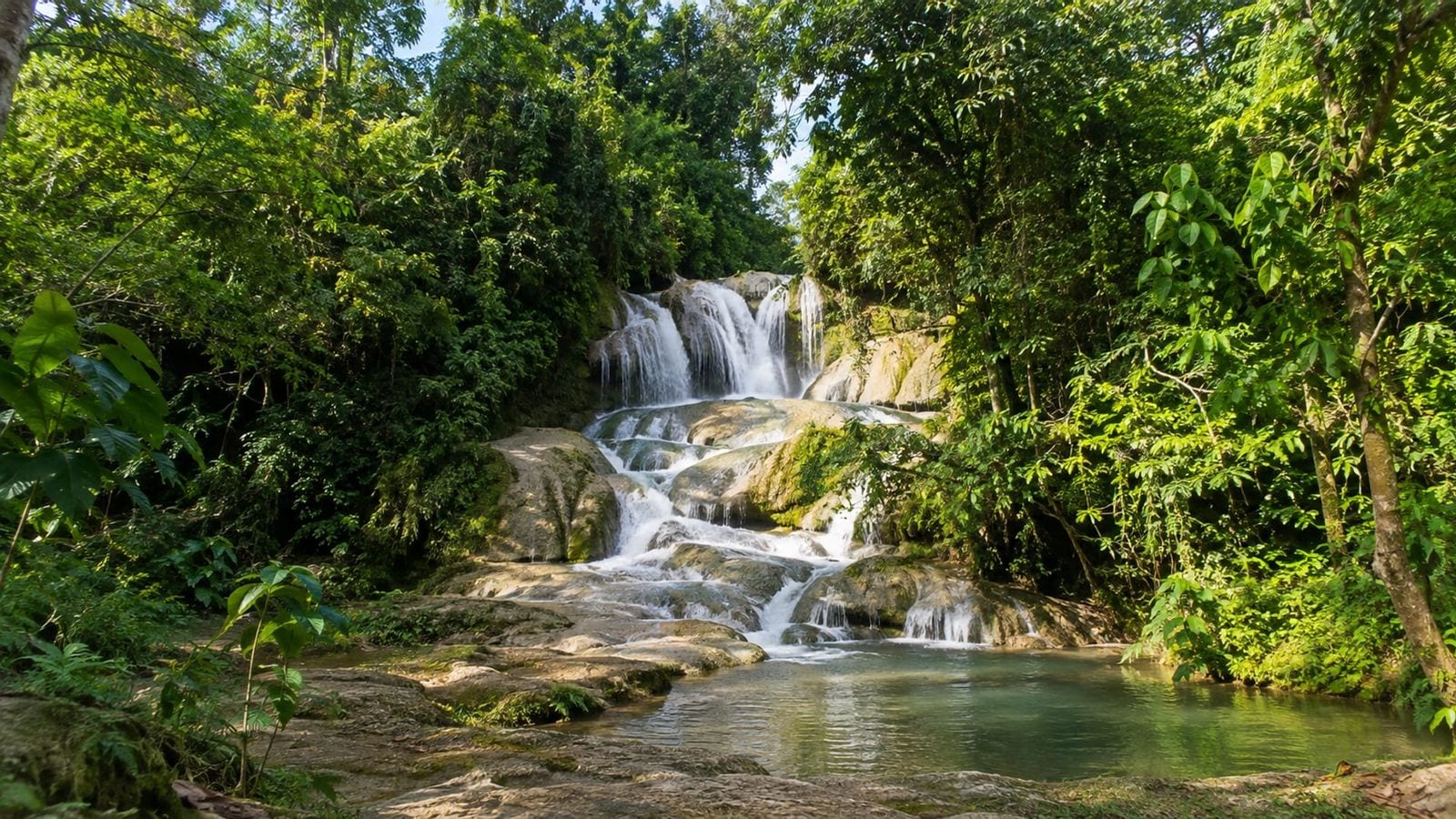
Mele Cascades
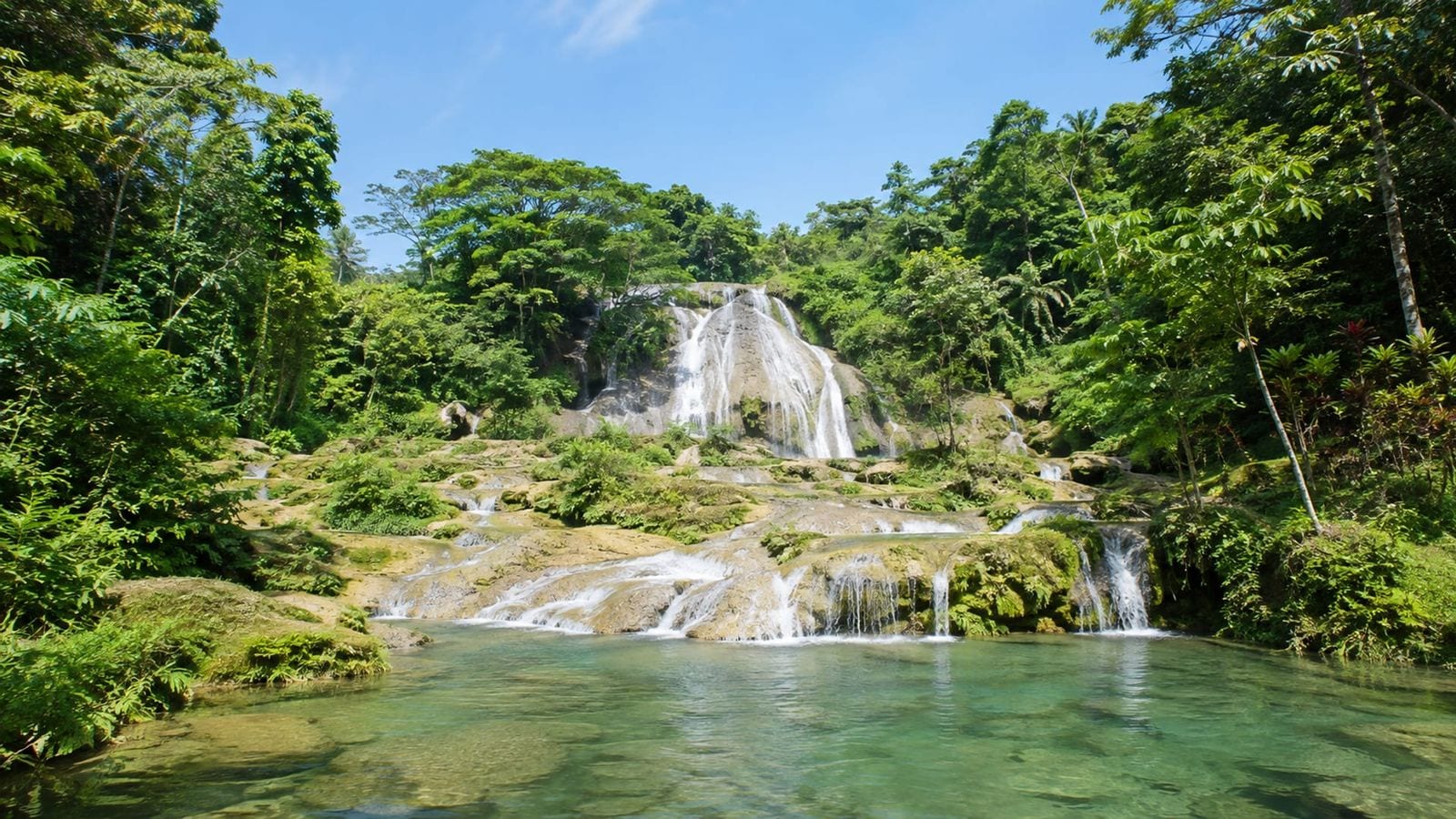
Mele Cascades draws visitors beyond Port-Vila’s center to a waterfall descending over limestone terraces. The approach follows a green river valley, with clear pools and a final climb beside flowing water to the main cascade.
Time needed: About 2 to 3 hours
Entry: Expensive
Tip: Arrange your return taxi before starting the walk up to the main waterfall.
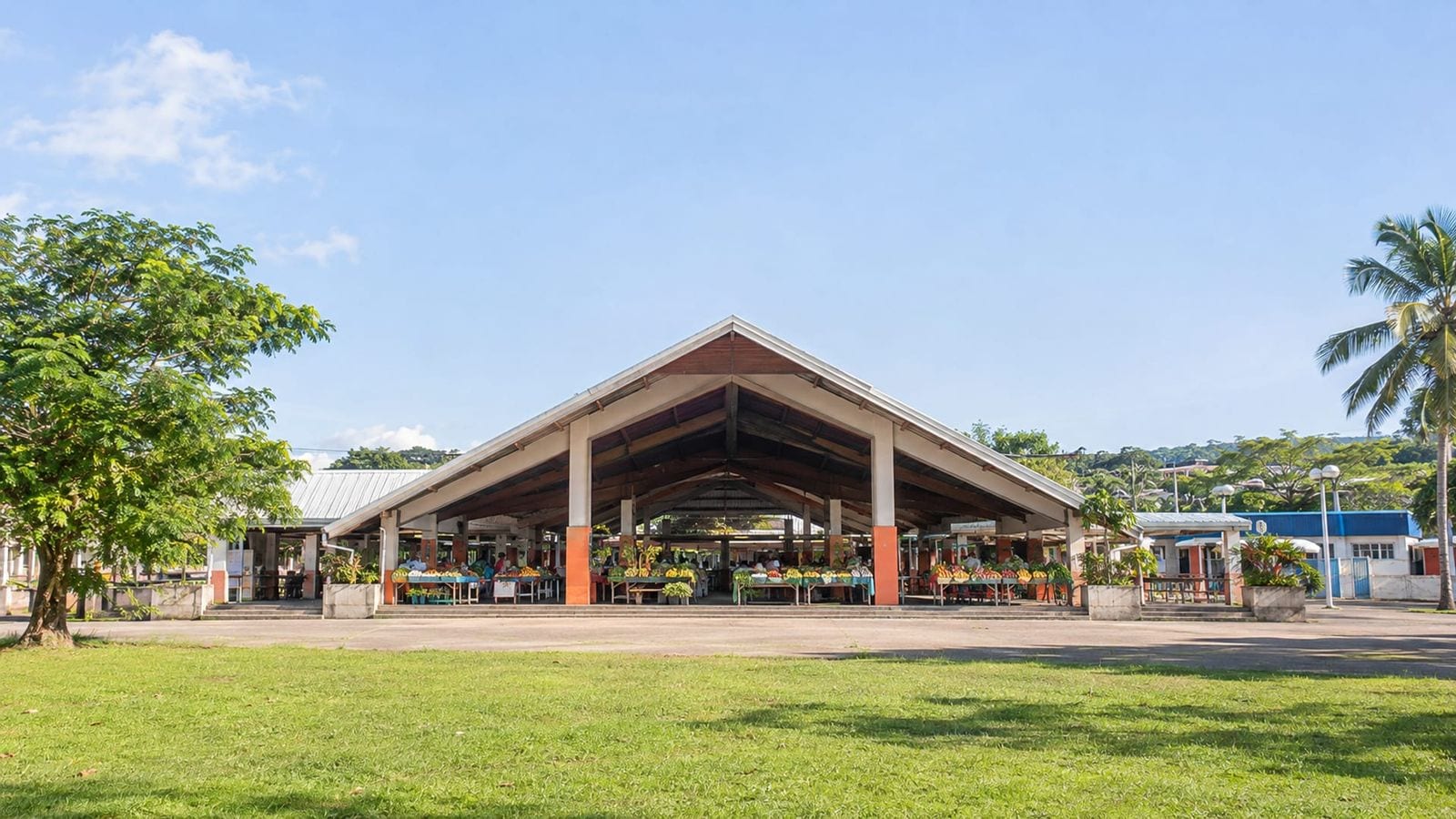
Port Vila Market
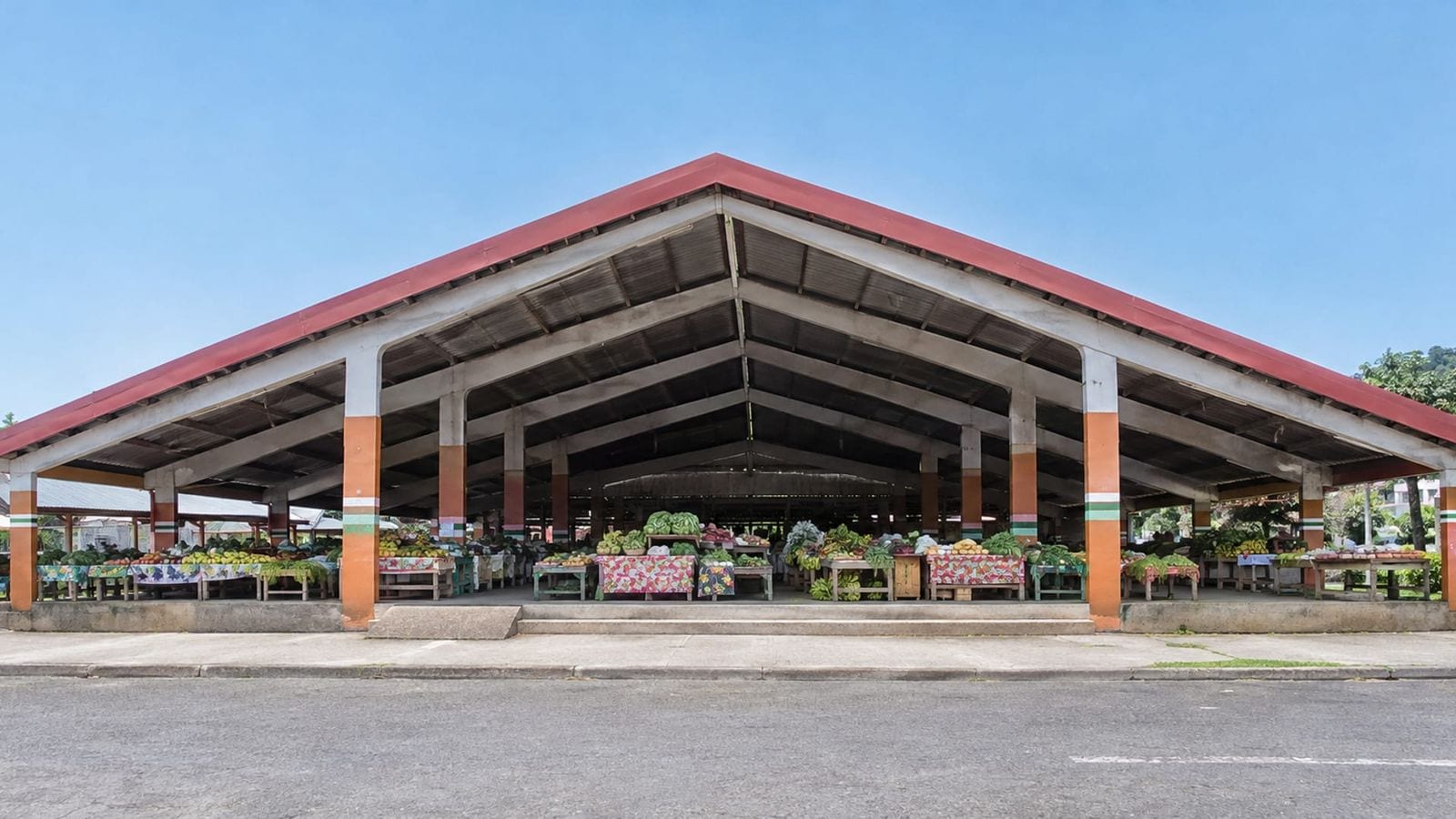
At Port Vila Market, growers sell island produce beneath a large waterfront roof: taro, yams, coconuts, and seasonal tropical fruit fill the stalls. Its central location makes this a rewarding introduction to the city’s everyday food shopping.
Time needed: About 1 to 2 hours
Entry: Free
Tip: Go in the morning for produce shopping, and bring small vatu notes to pay.
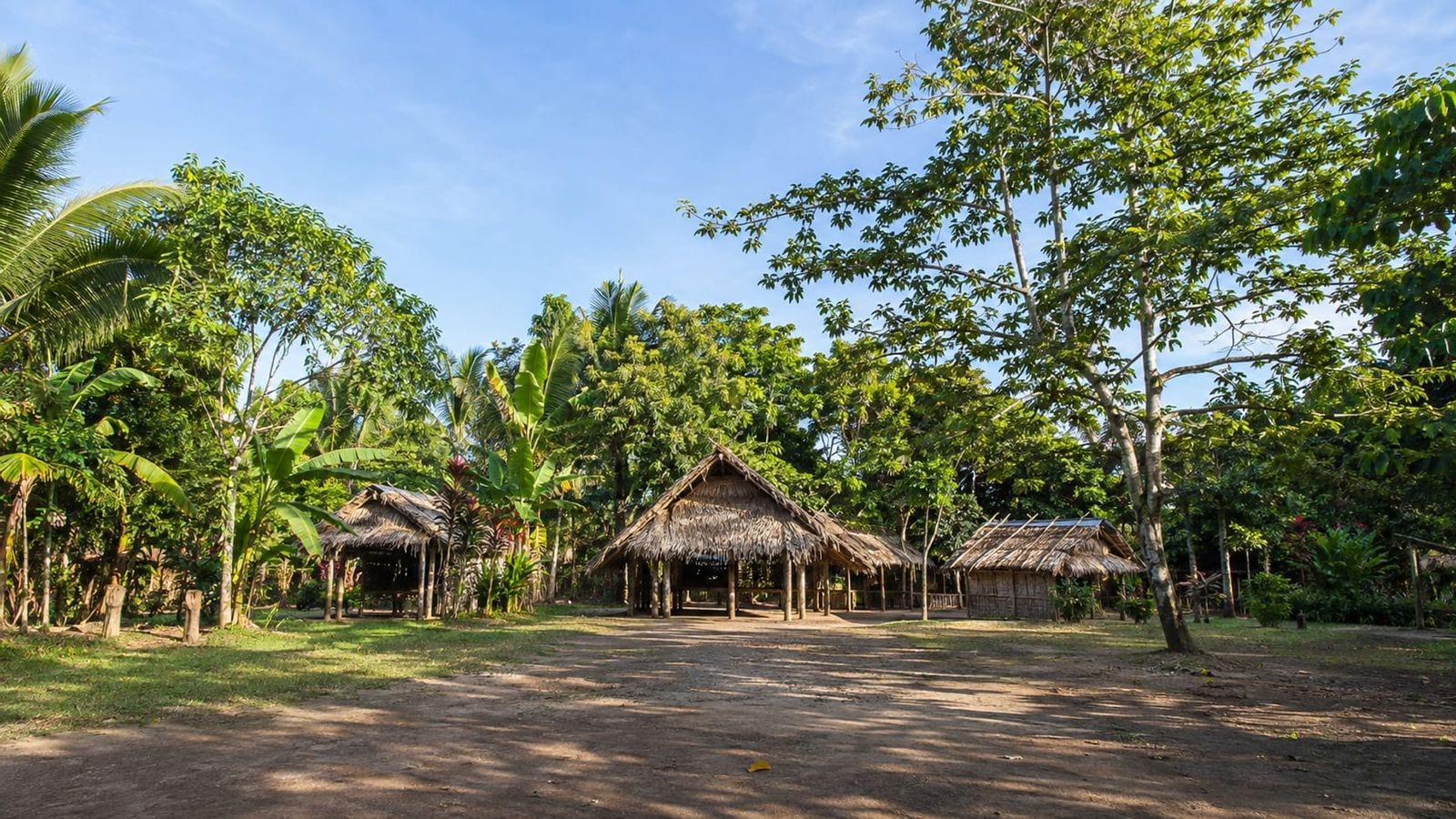
Ekasup Cultural Village
A guided visit to Ekasup Cultural Village introduces traditional skills in a forest setting near Port-Vila. Demonstrations explain food preservation, hunting techniques, and the uses of local plants, with hosts interpreting village customs.
Time needed: About 1 to 2 hours
Entry: Expensive
Tip: Ask your Port-Vila hotel to confirm Ekasup’s tour departure before you leave.
Overlooked sites worth visiting

Independence Park
Independence Park provides a broad green space near central Port-Vila, with a cricket ground and room for a quiet walk. Its open lawns offer a change from the capital’s waterfront streets.
Time needed: About 30 to 45 minutes
Entry: Free to access
Tip: Walk uphill from the waterfront in the morning, before the midday heat.

Fondation Suzanne Bastien
Fondation Suzanne Bastien presents contemporary Pacific art in a coastal garden setting south of central Port-Vila. The gallery gives local artists space alongside changing exhibitions.
Time needed: About 45 minutes to 1 hour
Entry: Free to access
Tip: Allow time for the sculpture garden as well as the indoor exhibition.
Traditional food
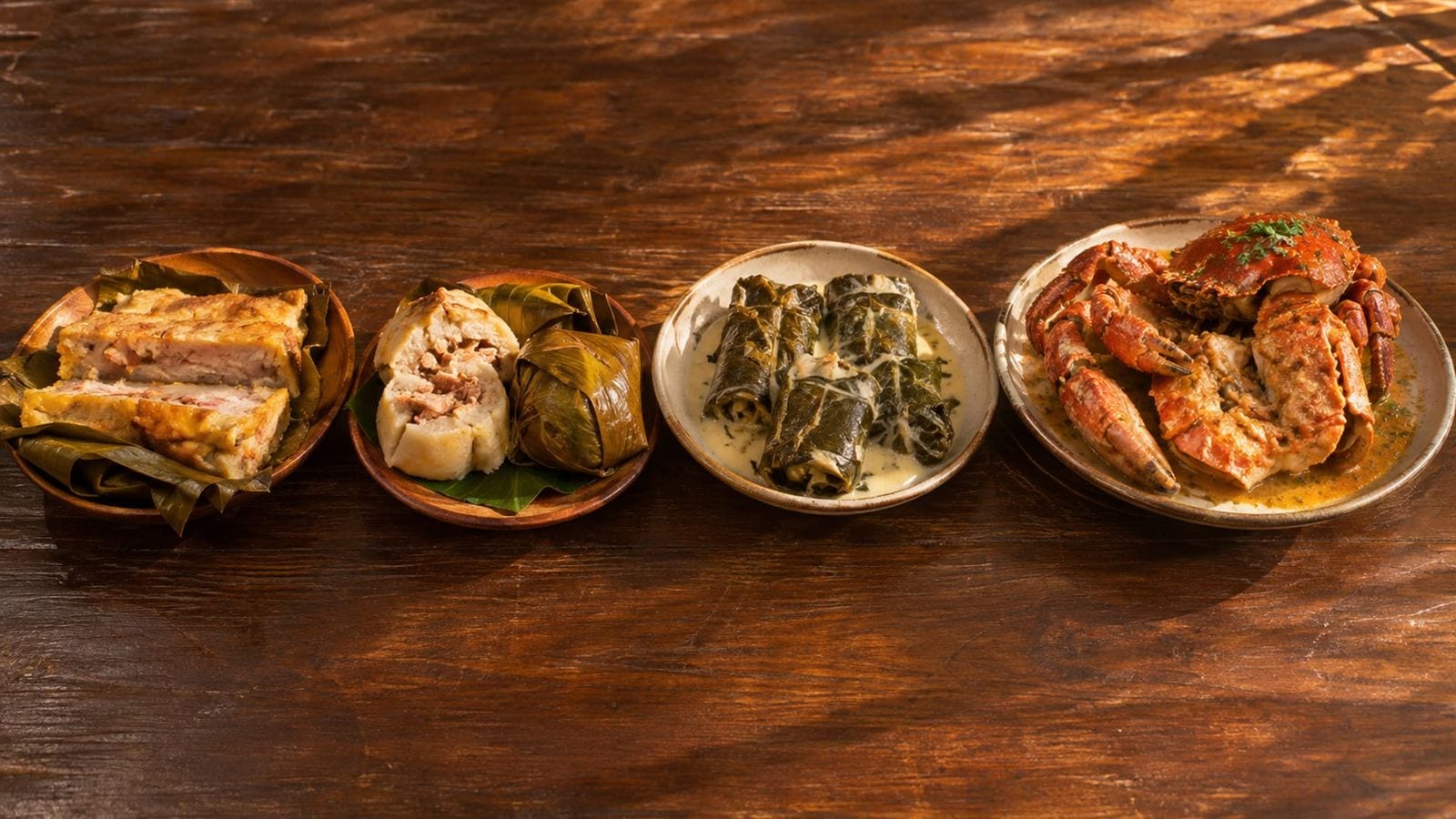
Port-Vila’s island cooking centers on taro, yam, banana, and coconut milk. Laplap, tuluk, and simboro turn these ingredients into substantial meals, while coconut crab offers a richer local specialty.
Laplap
Grated root crops or banana form laplap’s dense foundation, enriched with coconut milk and traditionally cooked in leaves. Port Vila Market introduces the island produce behind this staple and the capital’s local food trade.
Tuluk
Tuluk encloses a savory meat filling in grated cassava, with leaves holding the parcel together during cooking. In Port-Vila, it belongs to the same root-crop cooking tradition that gives coconut milk and leaf wrapping central roles.
Simboro
Simboro combines grated root crops or banana with edible leaves, forming small rolls cooked in coconut milk. The result brings together the leafy greens, starchy crops, and coconut that recur in Port-Vila’s traditional meals.
Coconut crab
Coconut crab has rich, firm meat, usually served with a sauce that complements its sweetness. L’Houstalet is a longstanding Port-Vila restaurant associated with this specialty, bringing French culinary influences to local ingredients.
Best time to visit Port-Vila
Port-Vila has a warmer, wetter season and a cooler, drier stretch, with humidity and cyclone exposure shaping outdoor plans.
Best for: Green river valleys and tropical produce during Port-Vila’s hottest months
What you get: Temperatures of 75°F to 88°F (24°C to 31°C) bring humid days; holiday arrivals can increase crowds before quieter weeks later in the season.
Trade-offs: Heavy rain and cyclone disruption can interrupt waterfall excursions and flights.
Best for: Waterfront walks and trips to Mele Cascades as humidity gradually eases off
What you get: Expect 70°F to 84°F (21°C to 29°C), with easing humidity; crowds vary with school vacations, while early weeks can offer quieter hotel grounds.
Trade-offs: April can still bring heavy rain, and wet paths can complicate the climb at Mele Cascades.
Best for: Exploring Port Vila Market and Pango during the cooler part of the year
What you get: Days span 66°F to 81°F (19°C to 27°C), with cooler evenings; school vacations bring more families, and popular hotels can attract higher demand.
Trade-offs: Trade winds can make exposed coastal afternoons breezy, while vacation dates bring more hotel demand.
Best for: Lagoon scenery and market mornings before the wet season gathers strength
What you get: A range of 72°F to 86°F (22°C to 30°C) accompanies rising humidity; Christmas brings holiday crowds after quieter weeks earlier in the period.
Trade-offs: Rain becomes more frequent, and cyclone season begins in November.
A realistic 5-day plan in Port-Vila
This five-day sequence starts in Nambatu, connects the market with Independence Park, then sets aside separate outings for Mele Cascades and the lagoon before departure.
From Port-Vila (VLI), take a taxi to Nambatu, allowing 15 to 25 minutes and VUV 2,000 to VUV 3,500 ($17 to $30); confirm the fare before departure. Settle into your hotel, then choose a light dinner at The Retreat Seaside before returning to your room.
Morning produce stalls introduce Port Vila Market: allow an hour for tropical fruit, taro, and yams, carrying small vatu notes. Walk uphill for 15 to 20 minutes to Independence Park, then spend the afternoon exploring its lawns and cricket ground before descending toward the waterfront.
Beyond the center, Mele Cascades warrants 2 to 3 hours for the valley walk, limestone terraces, and waterfall climb. Arrange your return pickup before entering. Continue by taxi for 10 to 15 minutes to Mele Bay for an afternoon beside the coast, then return to Nambatu.
A guided morning at Ekasup Cultural Village introduces food preservation and forest skills; have your hotel confirm the departure time. After 1 to 2 hours, take a taxi for 10 to 15 minutes to Erakor Lagoon. Continue toward Pango, another 10 to 15 minutes by taxi, for coastal views through the afternoon.
Before departure, browse the small shops along Nambatu’s main road, keeping purchases close to your hotel and stored luggage. Have lunch at your accommodation, then allow 15 to 25 minutes for a taxi to Port-Vila (VLI), plus the check-in time specified by your airline.
Business-class flights from the US to Port-Vila
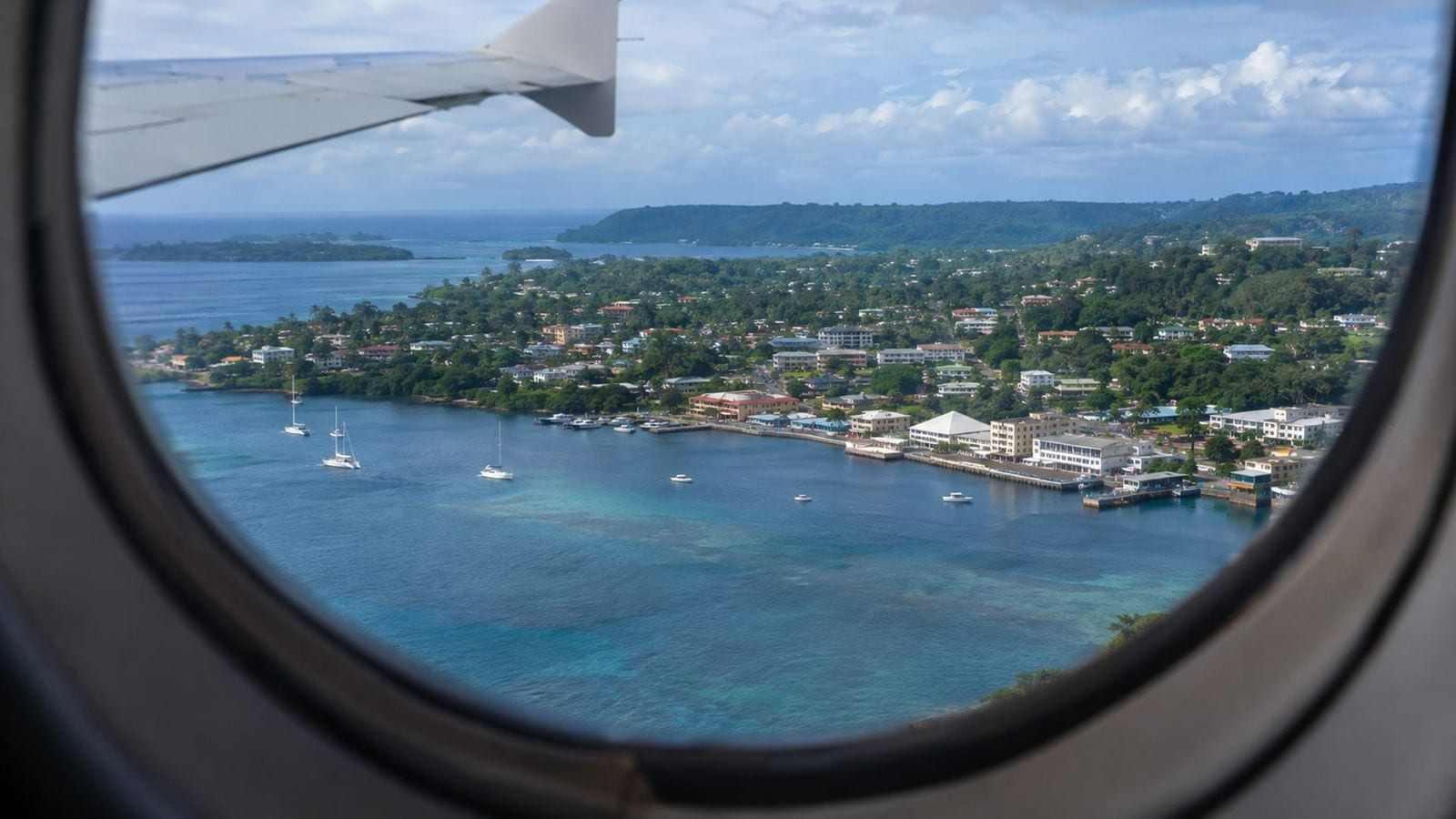
Connections through Nadi (NAN) or Brisbane (BNE) frame these flight examples from New York and Los Angeles to Port-Vila (VLI).
From New York, connections to Port-Vila (VLI) through Nadi (NAN) or Brisbane (BNE) take 27 to 40 hours. Round-trip fares range from $6,500 to $11,000, with Fiji Airways and Qantas among the airline options.
Los Angeles departures reach Port-Vila (VLI) via Nadi (NAN) or Brisbane (BNE), with journeys lasting 17 to 25 hours. Fiji Airways and Qantas feature among the options, and round-trip fares range from $5,000 to $9,000.
Port-Vila feels different when you slow down
A Port-Vila stay can connect a morning among the produce stalls at Port Vila Market with an afternoon above the waterfront at Independence Park. Give Mele Cascades its own outing, arrange the return taxi before the walk, and leave another day for Ekasup Cultural Village and Erakor Lagoon. Nambatu keeps the center within a short taxi trip while offering harbor outlooks. Ask AranGrant experts to shape your flights and Nambatu stay around Port-Vila’s cooler dry season







