

Chapters:

Need help with your trip?
Our support team is available 24/7. Request a callback or call us directly at (833) 619-0908
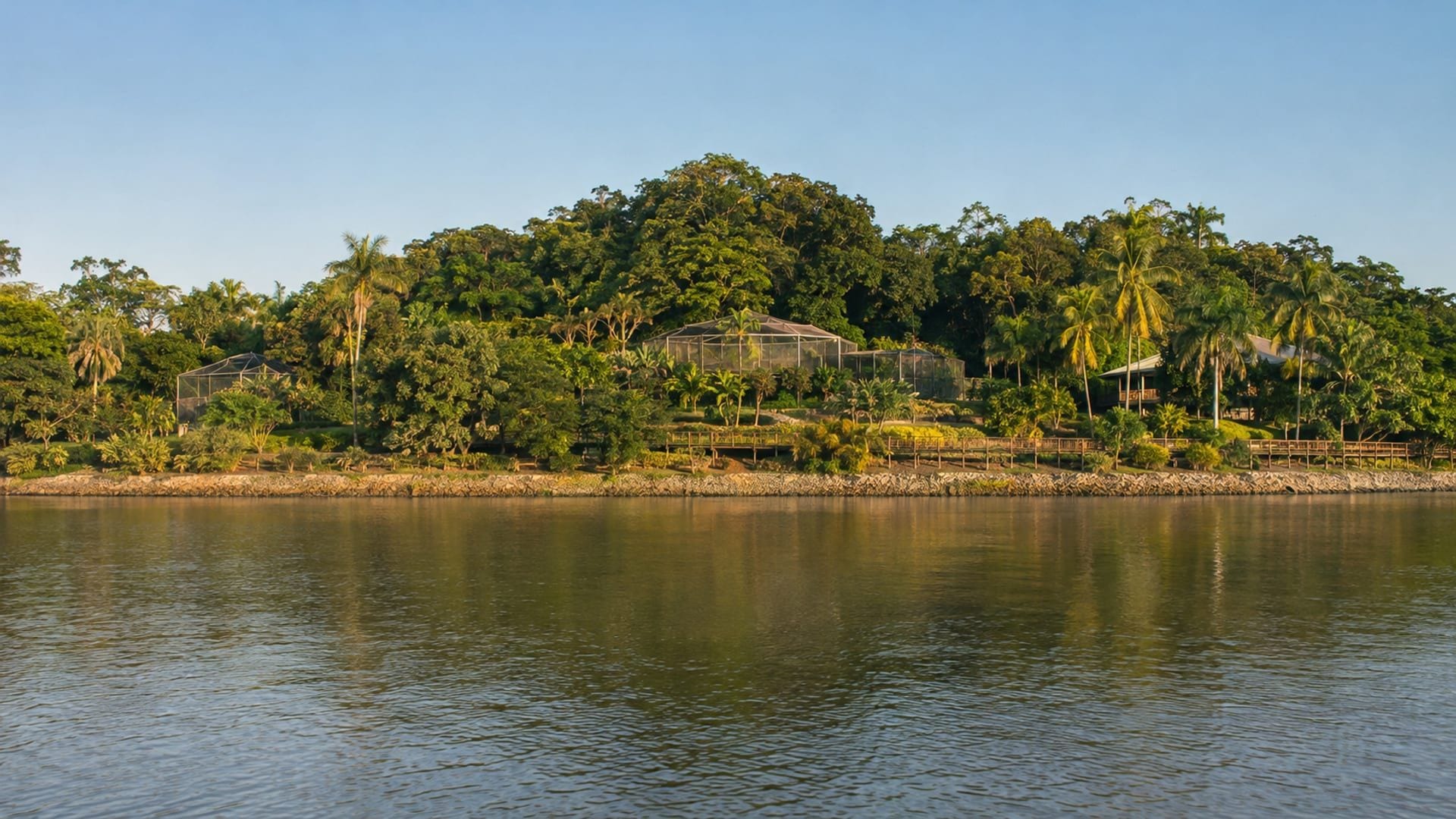
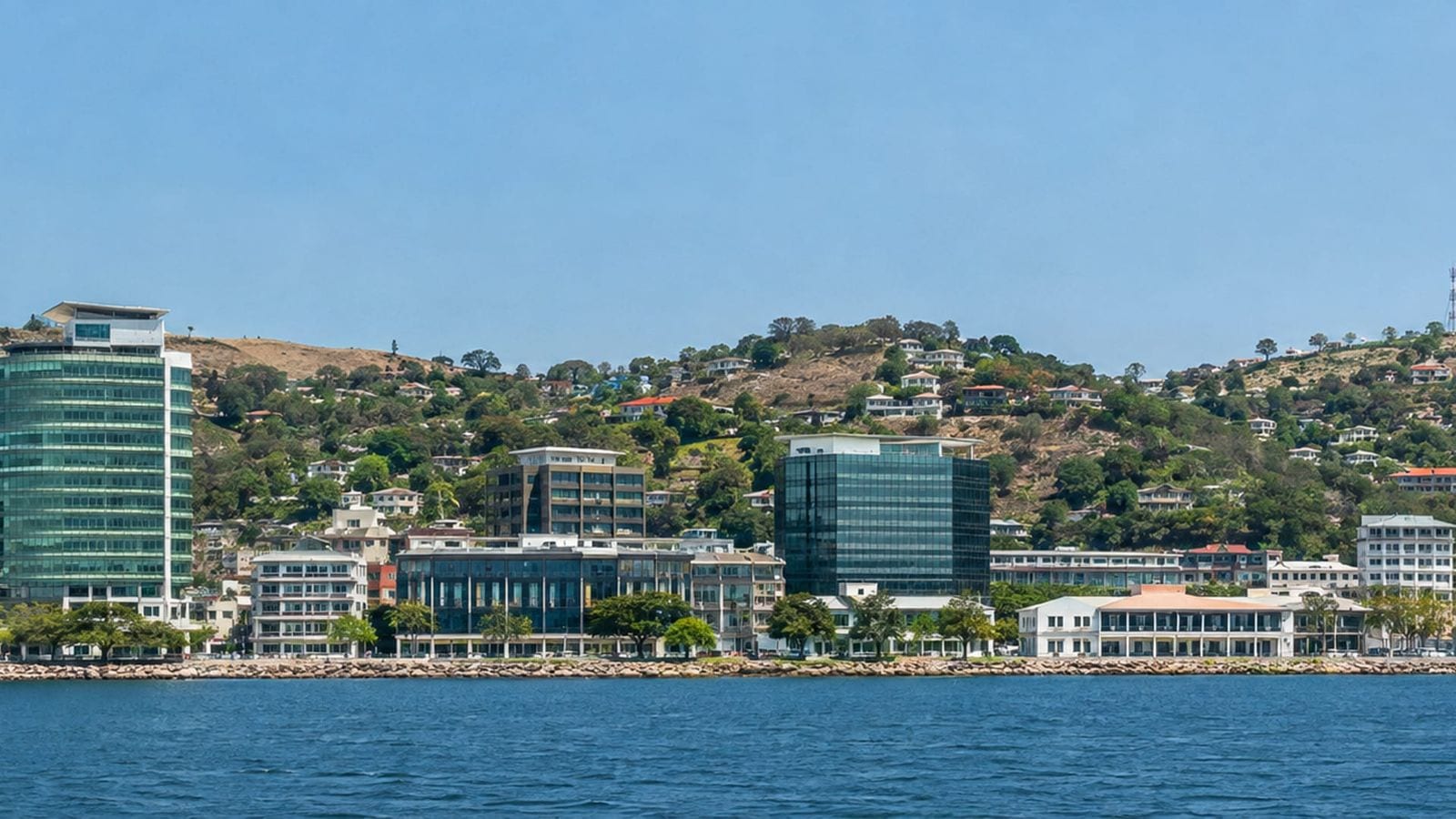
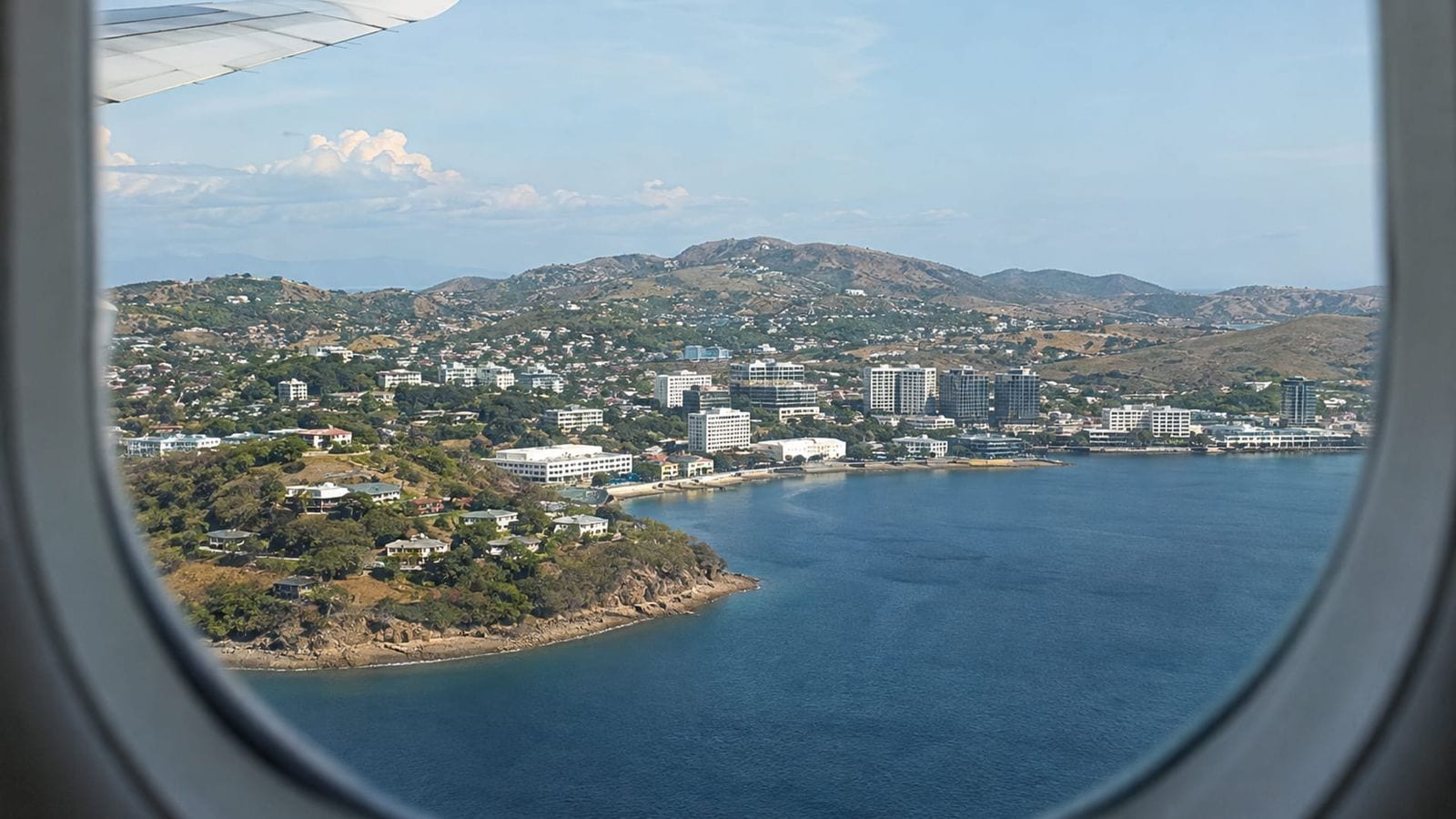
Port Moresby spreads from a harbor on Papua New Guinea’s southern coast into hills and inland suburbs. The waterfront district of Town faces the sea, while Waigani brings national institutions into a landscape of broad roads and extensive grounds.
That geography gives each outing a different focus. Ela Beach offers a coastal walk; the Papua New Guinea National Museum and Art Gallery introduces ceremonial art inland. National Parliament House draws regional building traditions into its distinctive facade.
Five days allow time for the waterfront, national collections, and wildlife without crossing the city repeatedly. Group stops by area and arrange taxis through your hotel, keeping outdoor walks to daylight.
Useful things to know

Main language(s): Tok Pisin, English, Hiri Motu
Gut moning (goot MOR-ning) – Good morning
Plis (plees) – Please
Tenkyu (TEN-kyoo) – Thank you
Yu save tok Inglis? (yoo SAH-veh tok ING-glis) – Do you speak English?
Em i kos hamas? (em ee kos HAH-mahs) – How much does it cost?

Currency: Papua New Guinean kina (PGK, K)

Cash and cards: Cards accepted at major hotels; carry about PGK 100 to PGK 200 ($25 to $50) in cash.

Tipping: Skip tipping in most situations; it is not customary or expected in Port Moresby.

Traditional food: Mumu, saksak, chicken pot, and fish in coconut milk are among the classic dishes of Port Moresby.

Water and coffee costs: Bottled water PGK 3 to PGK 6 ($1 to $2); espresso PGK 10 to PGK 15 ($2 to $4).

Taxis and ride apps: Ask your hotel to arrange a licensed taxi; confirm the fare before departure.

Plug and voltage: Type I socket, 240V

Dining and shop opening hours: Breakfast is usually 7 am to 9 am, lunch noon to 2 pm, and dinner 6 pm to 9 pm. Shops generally open 8 am to 5 pm, with shorter Sunday hours.

Emergency number: Police 112, ambulance 111, fire 110.
Where to stay in Port Moresby
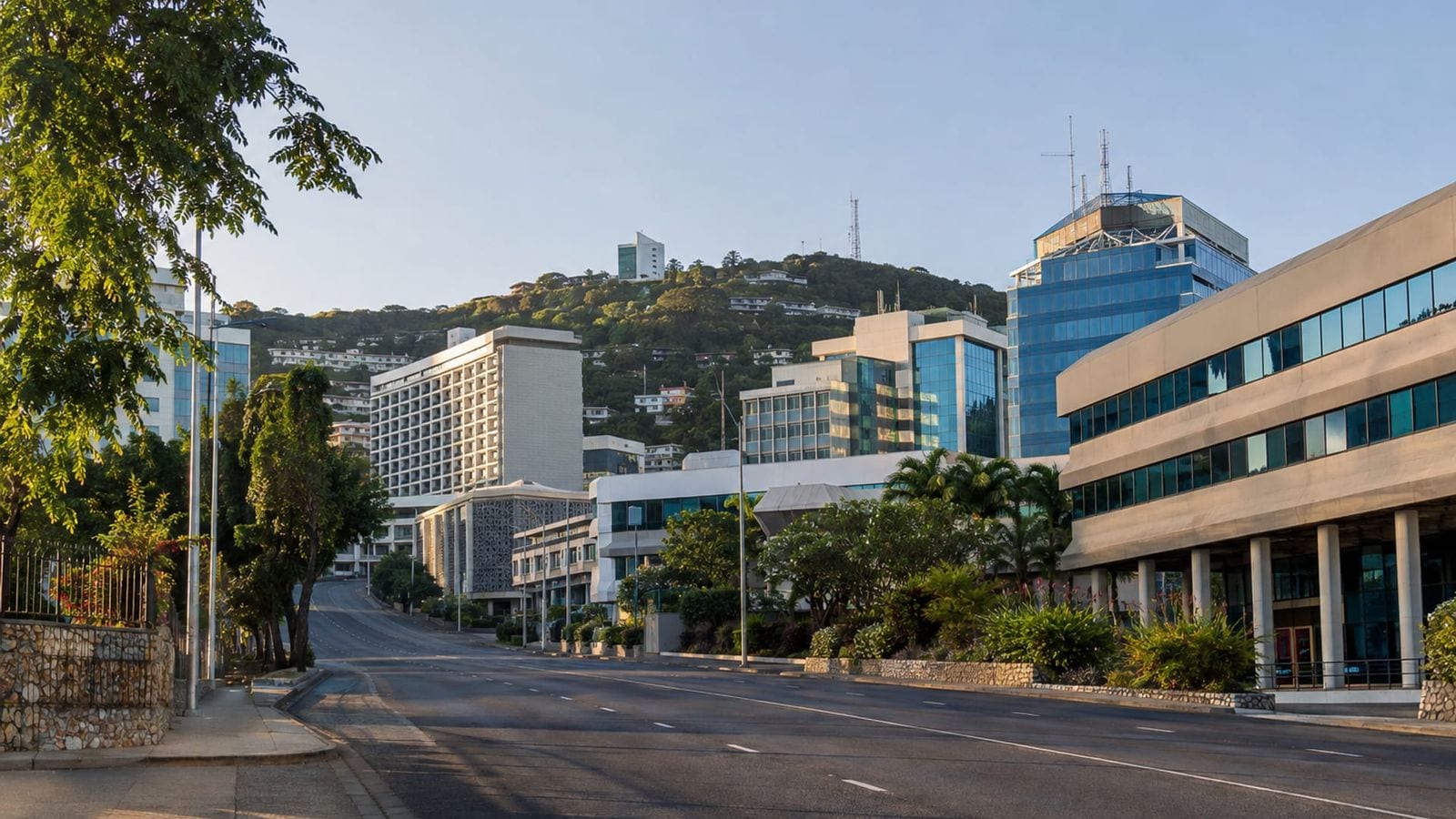
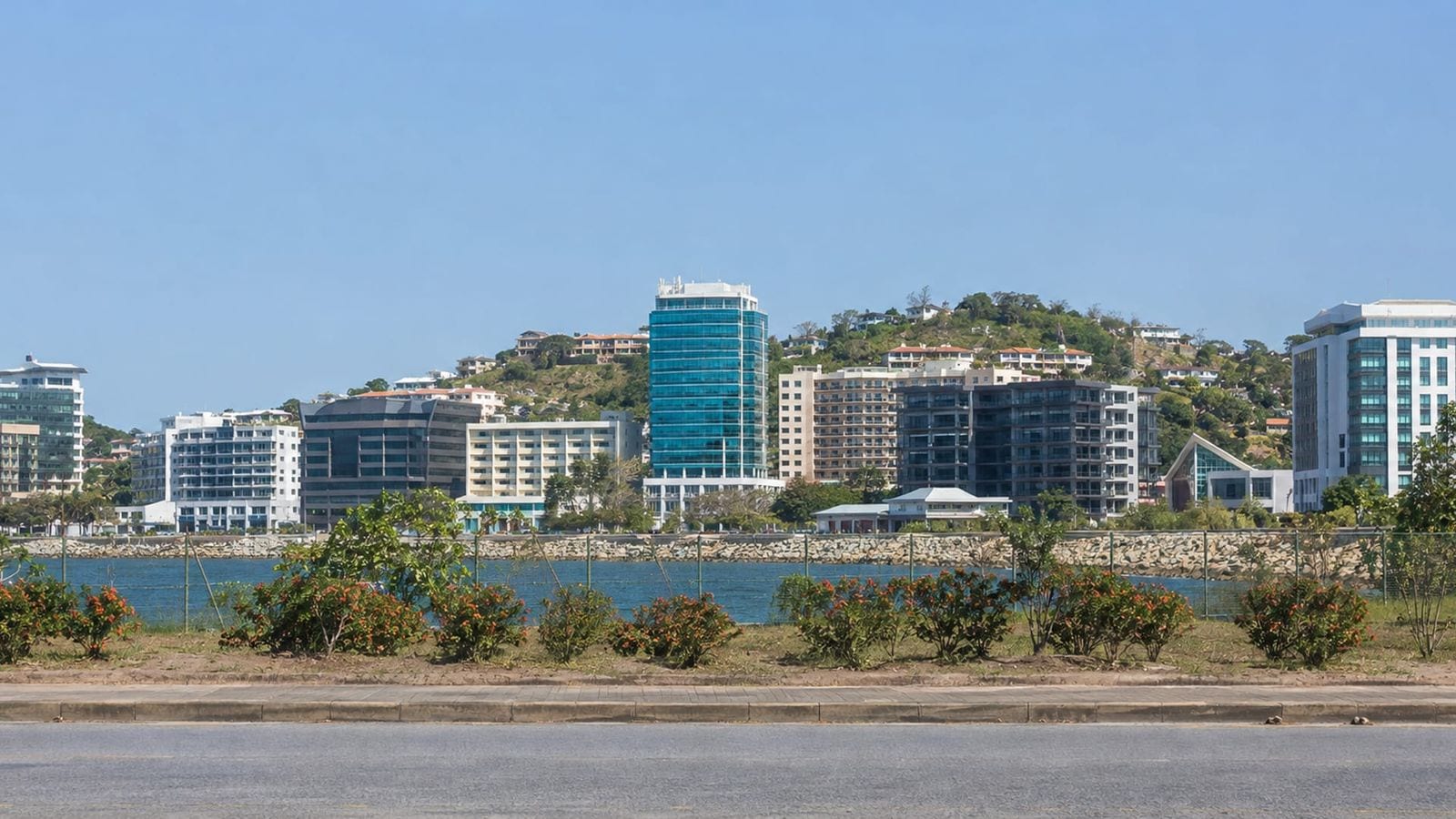
Town is Port Moresby’s waterfront downtown district, with established hotels on steep streets overlooking the harbor and near Ela Beach. Stay here for coastal views and hotel restaurants, with taxi trips connecting this compact peninsula to the government precinct and inland shopping centers.
Best for: Waterfront views, coastal outings, and hotel dining
What to expect: Office traffic fills the main streets by day, while evening activity centers on hotels.
Hotel prices: Well-rated hotels cost PGK 600 to PGK 1,100 ($145 to $270) a night.
Distance to major sights: Ela Beach is 5 to 10 minutes by taxi from most hotels in Town.
Quietness: Weekday streets are busy during office hours; evenings bring lighter traffic but occasional hotel events.
Main trade-off: Harbor views can command higher rates, and inland attractions require taxi trips.
Good to know: Ask your hotel to arrange evening transport; hills and security concerns make walking between venues a poor choice.
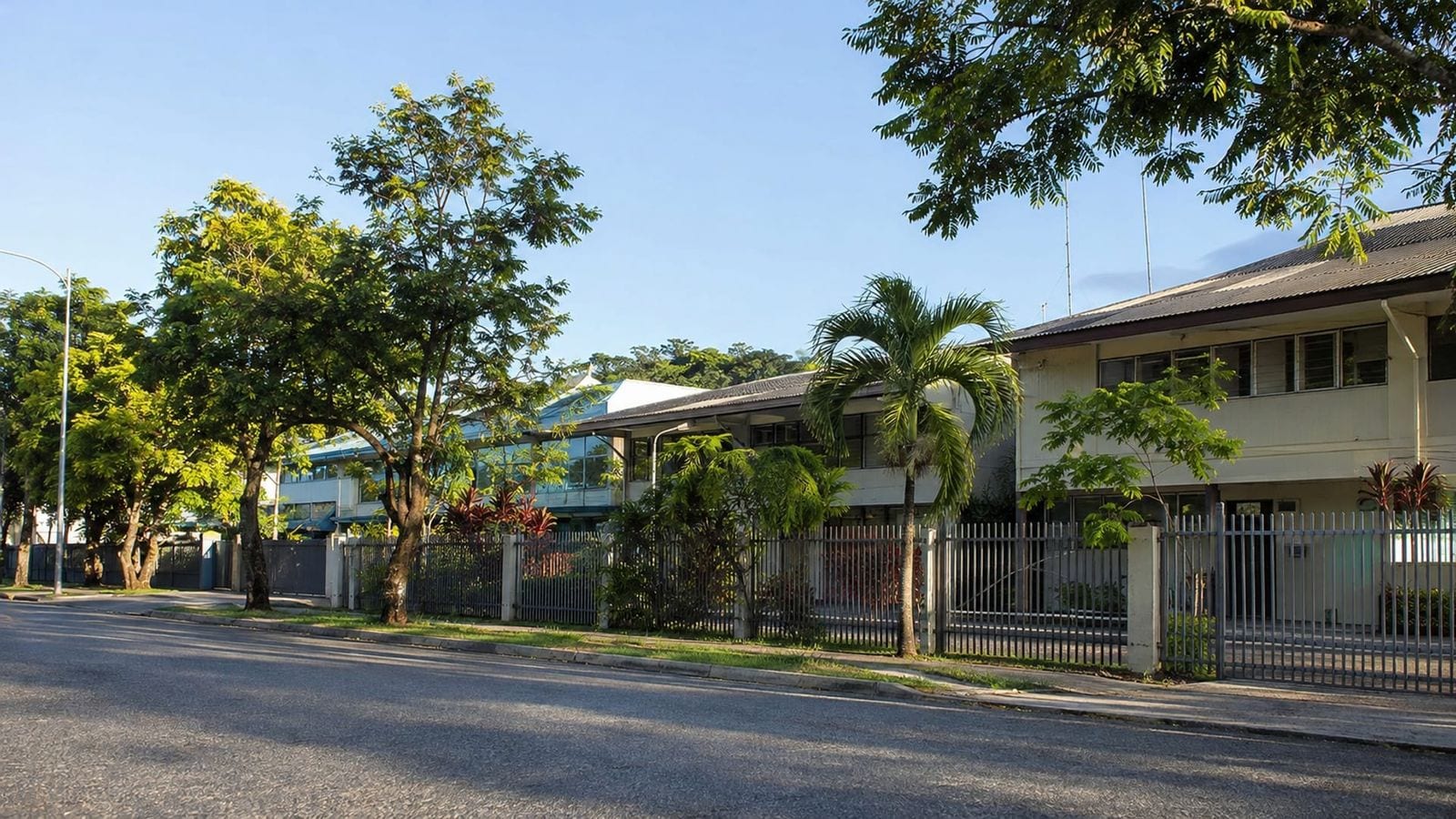
Boroko is an established inland suburb with residential streets, shops, sports facilities, and smaller hotels spread across a broad area. Visitors stay here for access to everyday city life and accommodation beyond the waterfront, accepting taxi trips between hotels, restaurants, and attractions.
Best for: Local shopping, sports visits, and inland accommodation
What to expect: Shopping streets carry busy daytime traffic, with quieter residential pockets beyond them.
Hotel prices: Budget PGK 350 to PGK 650 ($85 to $160) nightly for a well-rated hotel.
Distance to major sights: Sir John Guise Stadium is roughly 10 to 20 minutes away by taxi, depending on traffic and your hotel.
Quietness: Retail areas are lively by day; residential streets become quieter in the evening.
Main trade-off: Hotels are dispersed, so a Boroko address does not guarantee restaurants or shops within an easy walk.
Good to know: Confirm your hotel’s exact location and airport transfer arrangements, since properties across Boroko can be far apart.
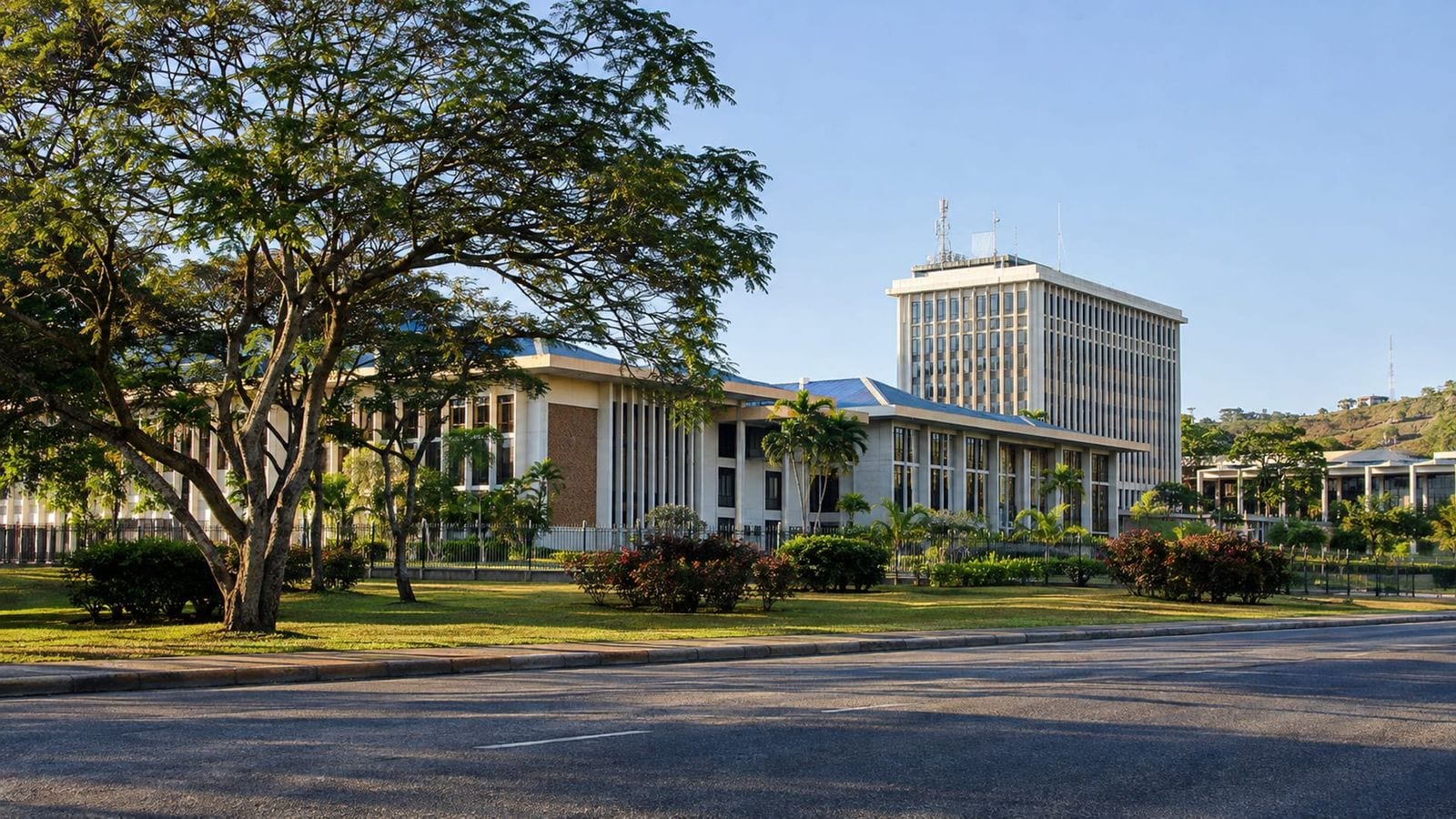
Waigani is an inland district where government institutions and major hotels share a landscape of broad roads and residential development. Its accommodation appeals to visitors attending meetings or exploring national collections, with hotel transport useful for reaching the scattered sights.
Best for: Government meetings, museum visits, and larger hotel facilities
What to expect: Broad roads and institutional grounds create a spread-out district with weekday commuter traffic.
Hotel prices: A well-rated hotel typically charges PGK 500 to PGK 950 ($120 to $230) per night.
Distance to major sights: National Parliament is approximately 5 to 15 minutes by taxi from Waigani hotels.
Quietness: Commuter traffic builds during the day; government streets become quieter after office hours.
Main trade-off: The waterfront is a longer taxi trip, and wide roads make short distances less inviting on foot.
Good to know: For a meeting at National Parliament, have your hotel arrange the return pickup as well as the outward ride.
Gerehu, 8 Mile, and 9 Mile are less convenient for sightseeing: all are farther from the downtown waterfront, with fewer visitor amenities and longer taxi trips for downtown dinners.
Hotel deals
How to get around Port Moresby efficiently
Taxis connect Port Moresby’s scattered districts, numbered PMVs cover main roads, and Ela Beach offers short waterfront walks.

Taxi
for convenience or late hours
From Port Moresby (POM) to downtown, taxis generally use negotiated fares; allow PGK 80 to PGK 150 ($19 to $35) and 20 to 40 minutes. Confirm the total before departure. Ask your hotel to arrange a taxi for cross-city trips and evening travel.

Minibus
for budget cross-town trips
Marked route numbers identify Port Moresby’s public motor vehicles, known as PMVs, linking Boroko, Gordons, and downtown. Pay cash onboard, typically PGK 2 to PGK 5 ($0.50 to $1.20). These suit daytime trips with a local companion; theft is a concern.
Walking
for short central distances
Along Ela Beach, the waterfront promenade offers short walks without a fare. Limit outings to daylight and short stretches of 10 to 20 minutes; consult your hotel about current security conditions. Arrange a taxi for travel between neighborhoods.
*Prices are based on rates updated as of November 2026 and may change at the time of travel.
Choose hotel-arranged taxis between districts and after dark, PMVs for daytime trips with a local companion, and short daylight walks along Ela Beach.
Iconic landmarks
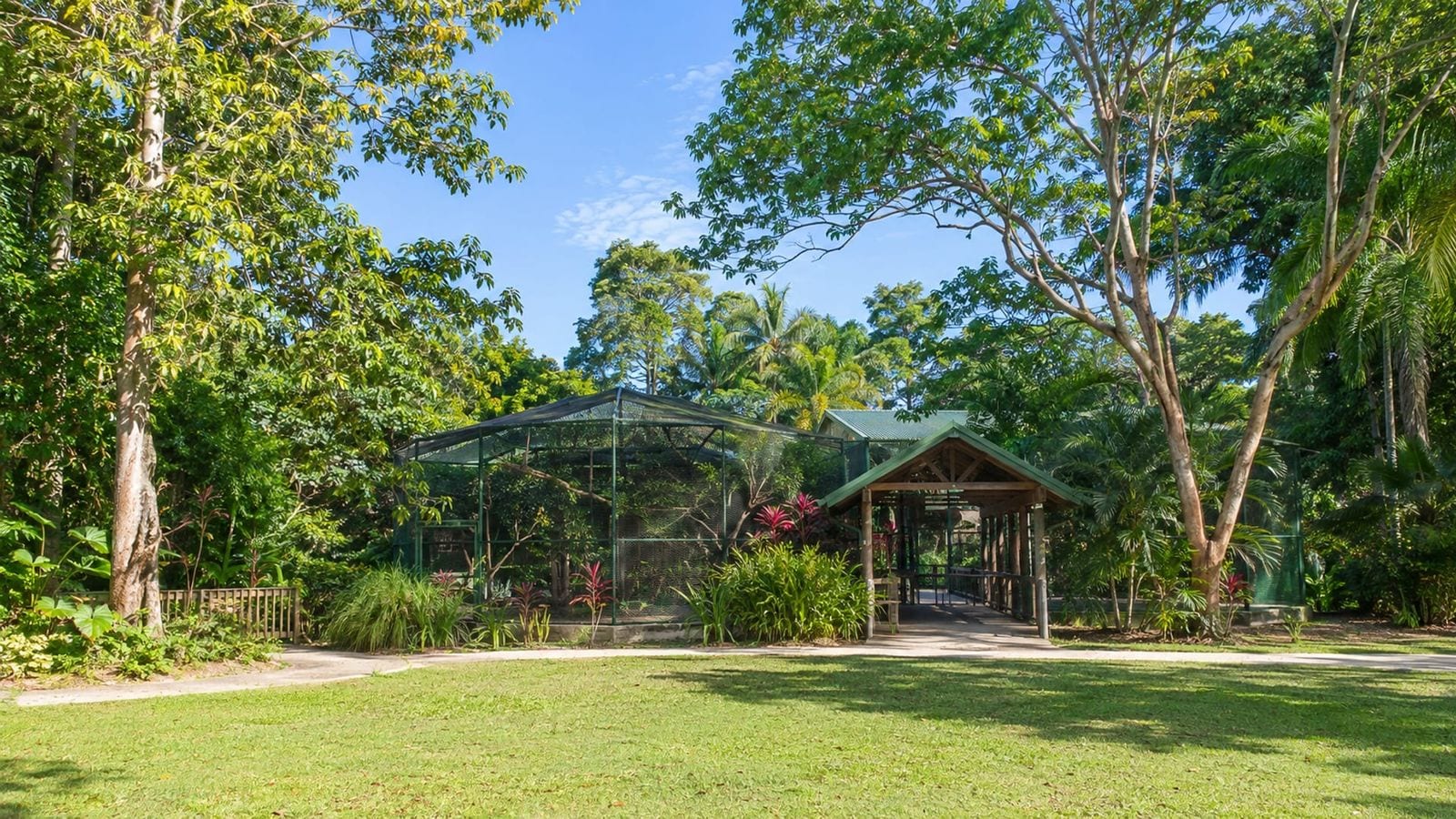
Port Moresby Nature Park
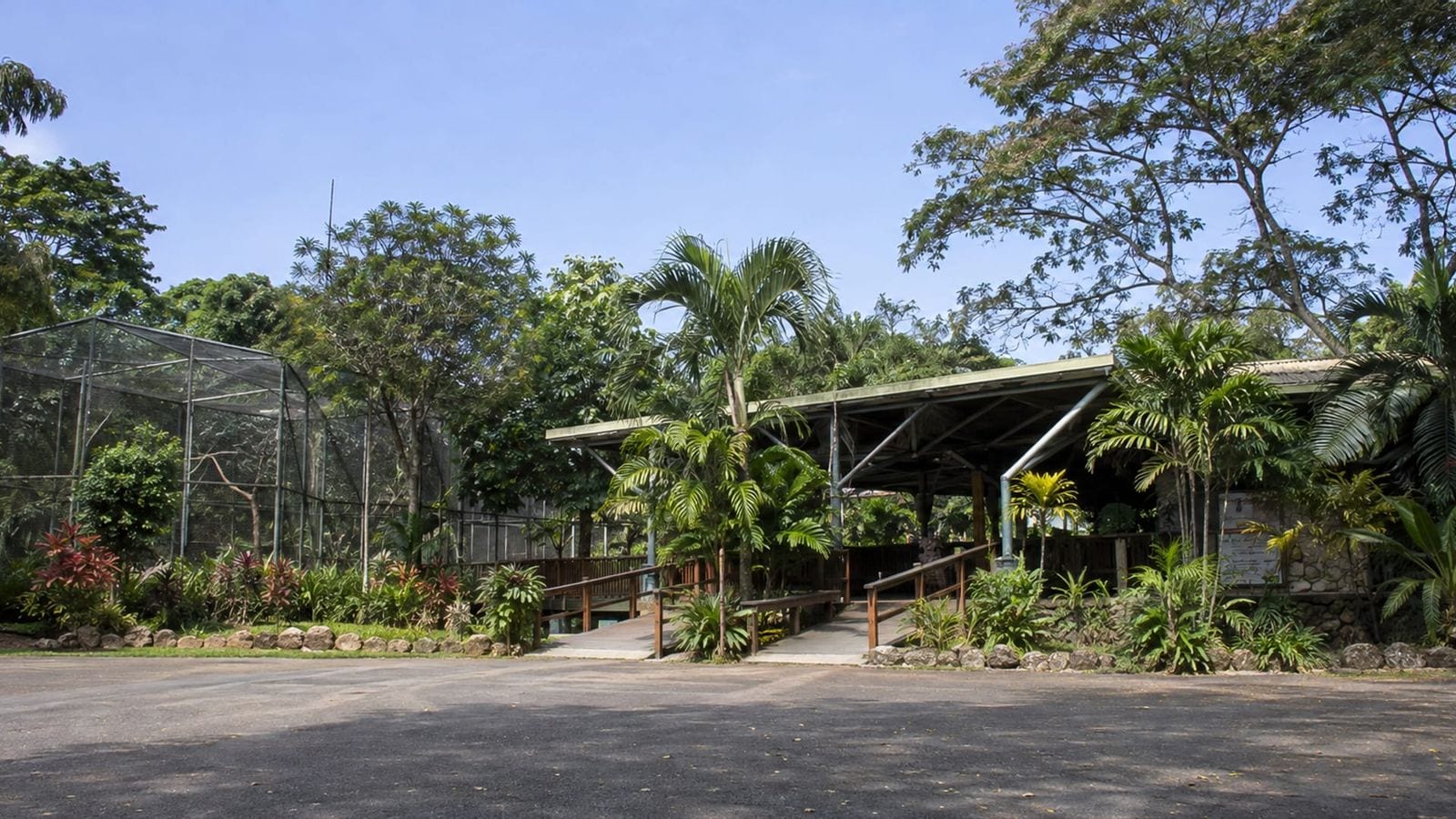
Walk through tropical gardens to see Papua New Guinea’s wildlife, including birds of paradise, tree kangaroos, and cassowaries. This established conservation attraction brings the country’s remarkable animal life into reach within Port Moresby.
Time needed: About 2 to 3 hours
Entry: Moderately priced
Tip: Go early in the morning, when the park’s birds are active and heat is lower.
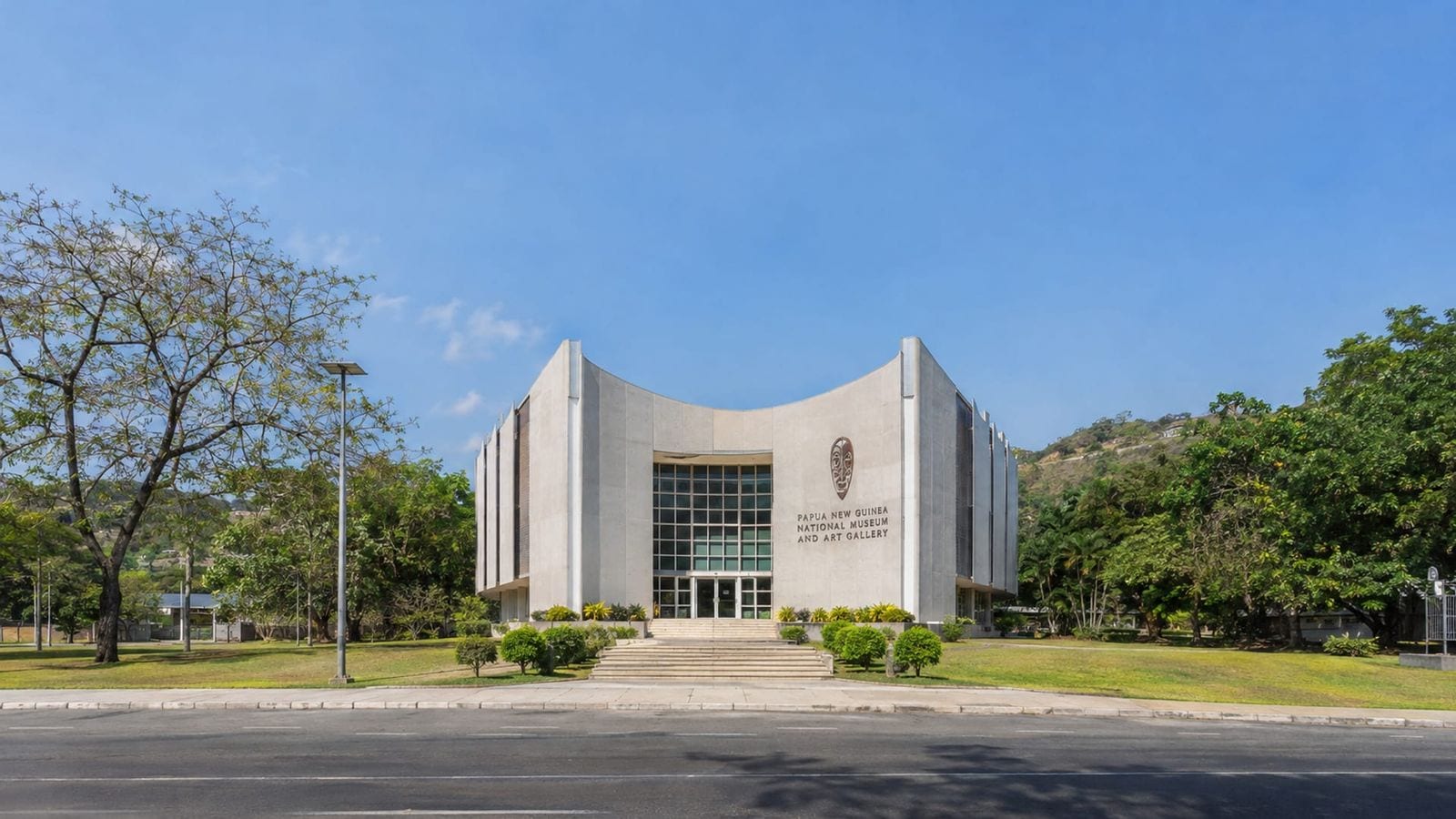
Papua New Guinea National Museum and Art Gallery
Ceremonial objects, carved masks, and traditional watercraft introduce the cultural diversity of Papua New Guinea. The national museum in Waigani offers essential context for understanding the country’s communities, artistry, and history.
Time needed: About 1 to 2 hours
Entry: Free
Tip: Pair the museum with Parliament House, which is nearby in the Waigani area.
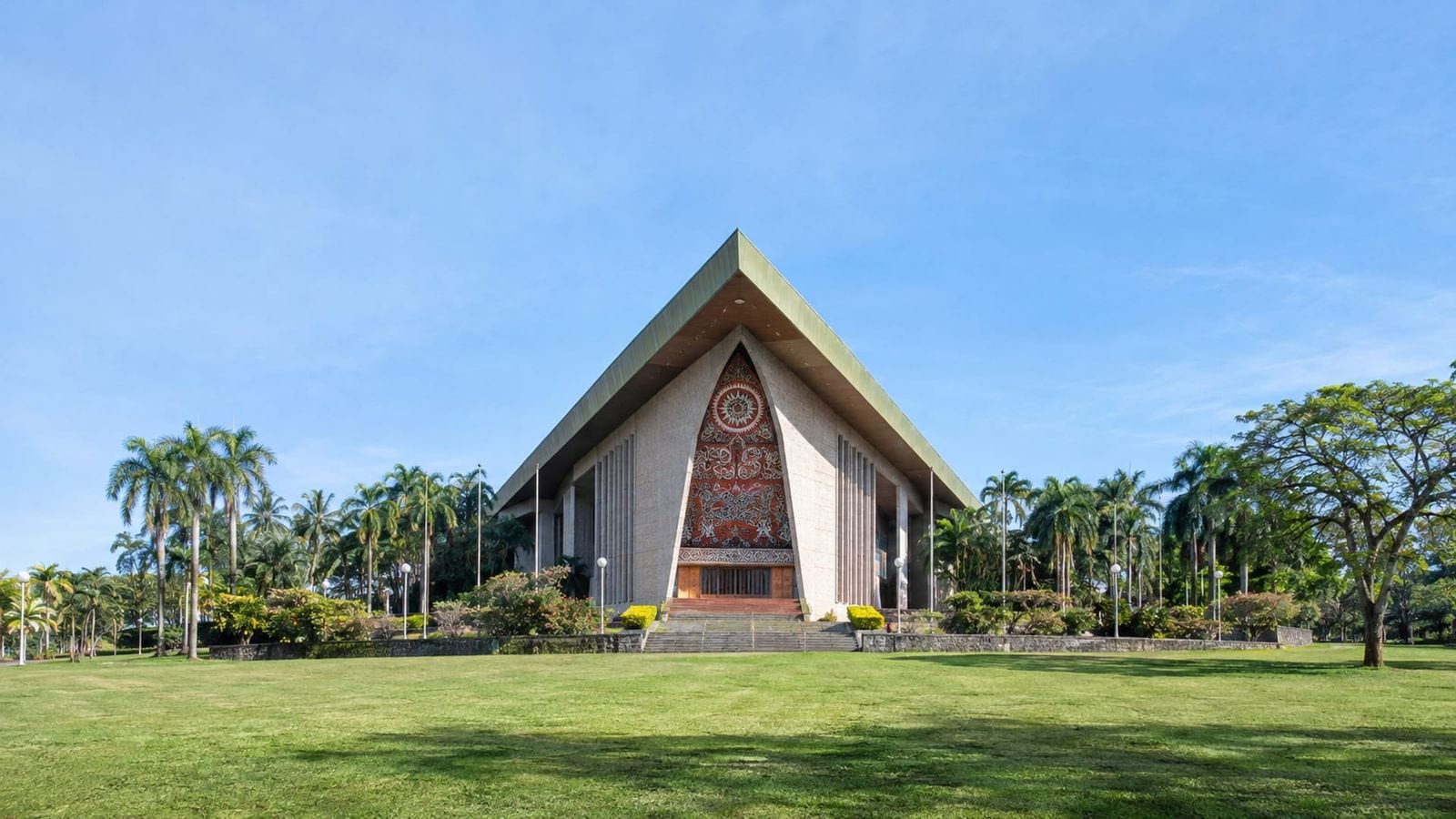
National Parliament House
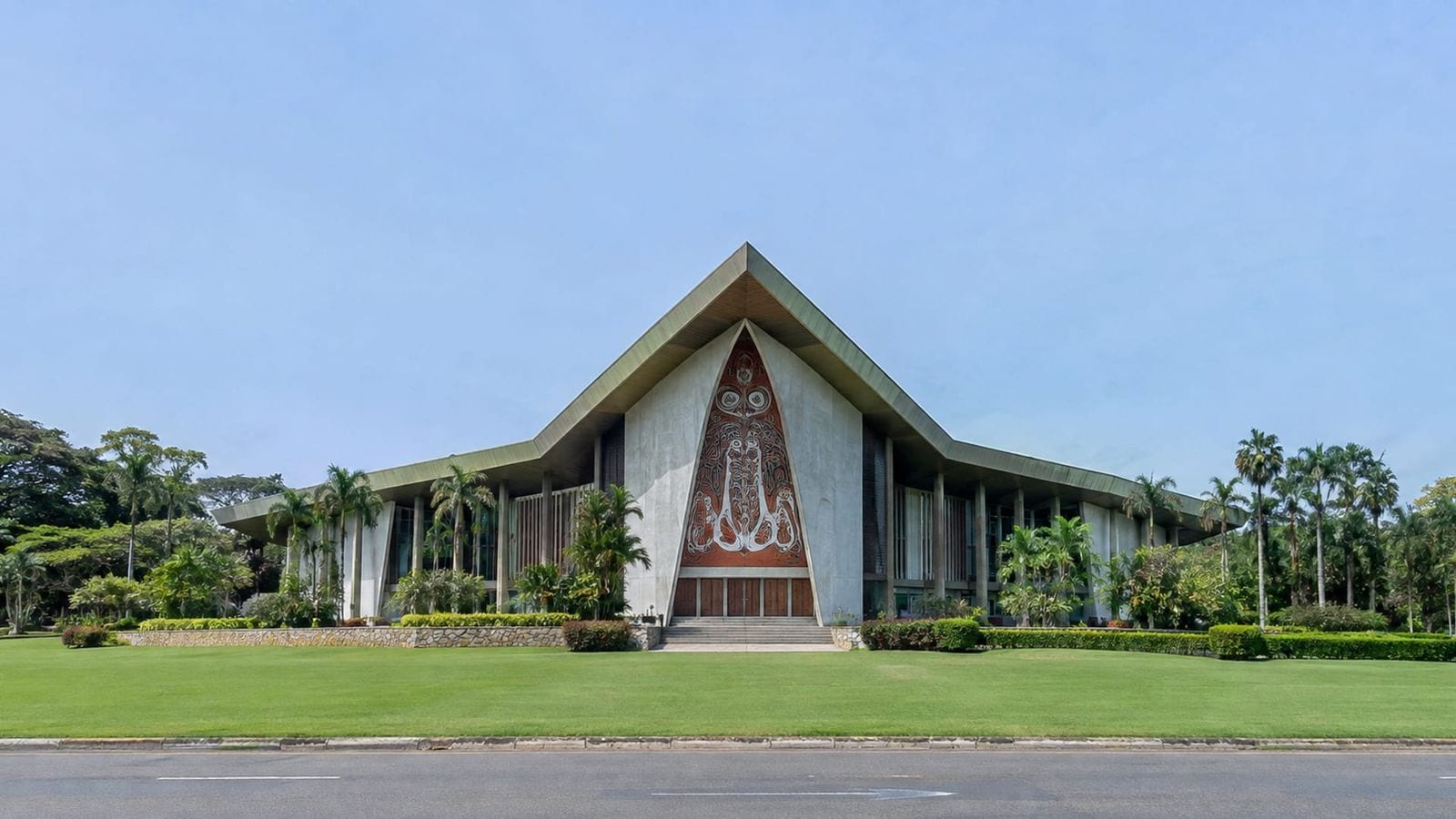
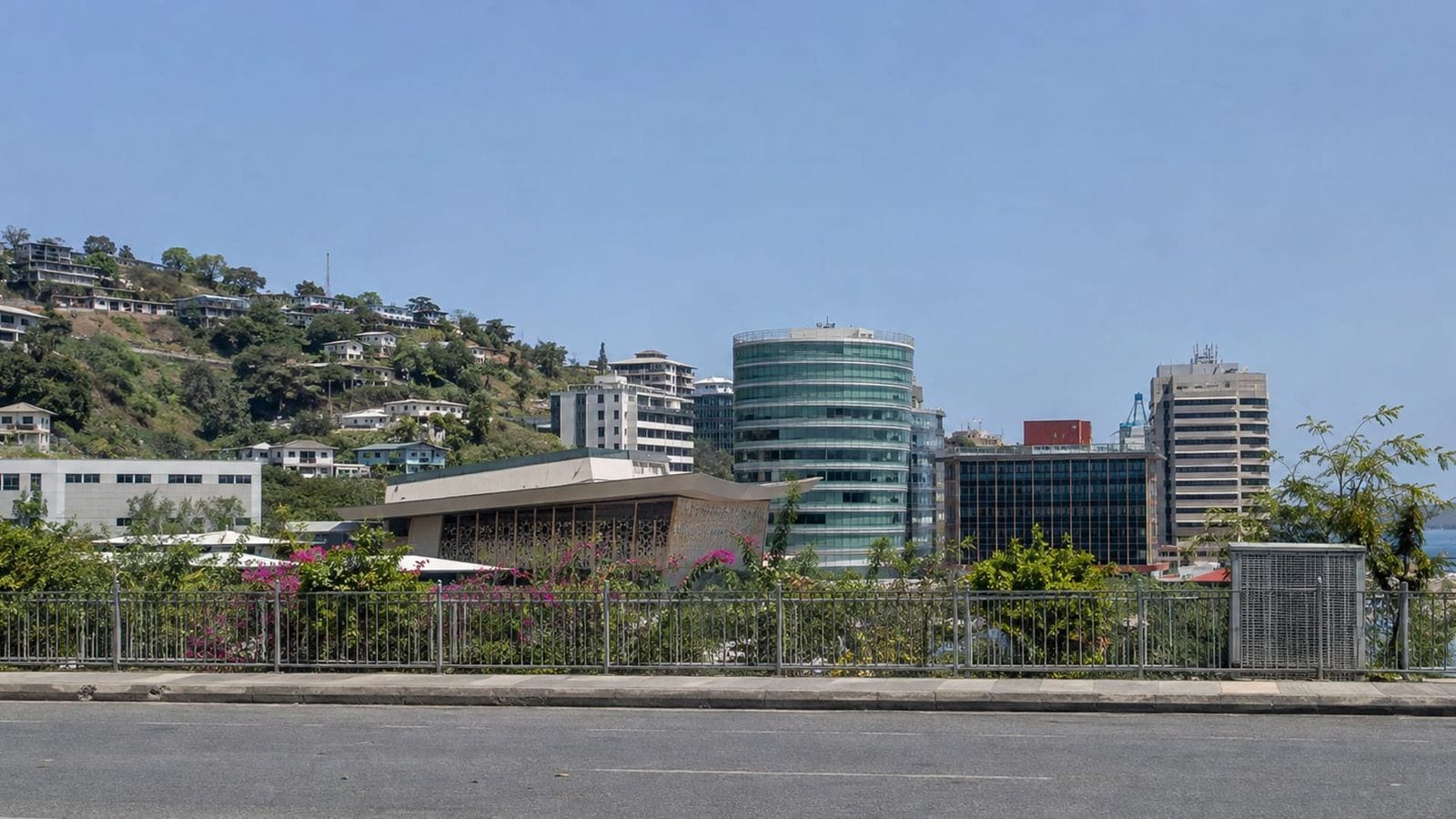
With a soaring facade inspired by a traditional spirit house, National Parliament House is one of Port Moresby’s defining buildings. Its architecture combines regional traditions in a national landmark that houses Papua New Guinea’s legislature.
Time needed: About 1 to 2 hours
Entry: Free
Tip: Arrange your Parliament House visit for a weekday through your hotel desk.
Overlooked sites worth visiting

Coronation Park
Coronation Park offers an outdoor pause in the older part of Port Moresby. Its war memorial adds a historical focus to a short walk, with surrounding streets linking it to the waterfront.
Time needed: About 20 to 30 minutes
Entry: Free to access
Tip: Arrange a daytime taxi stop here while exploring the older waterfront.

St Mary's Catholic Cathedral
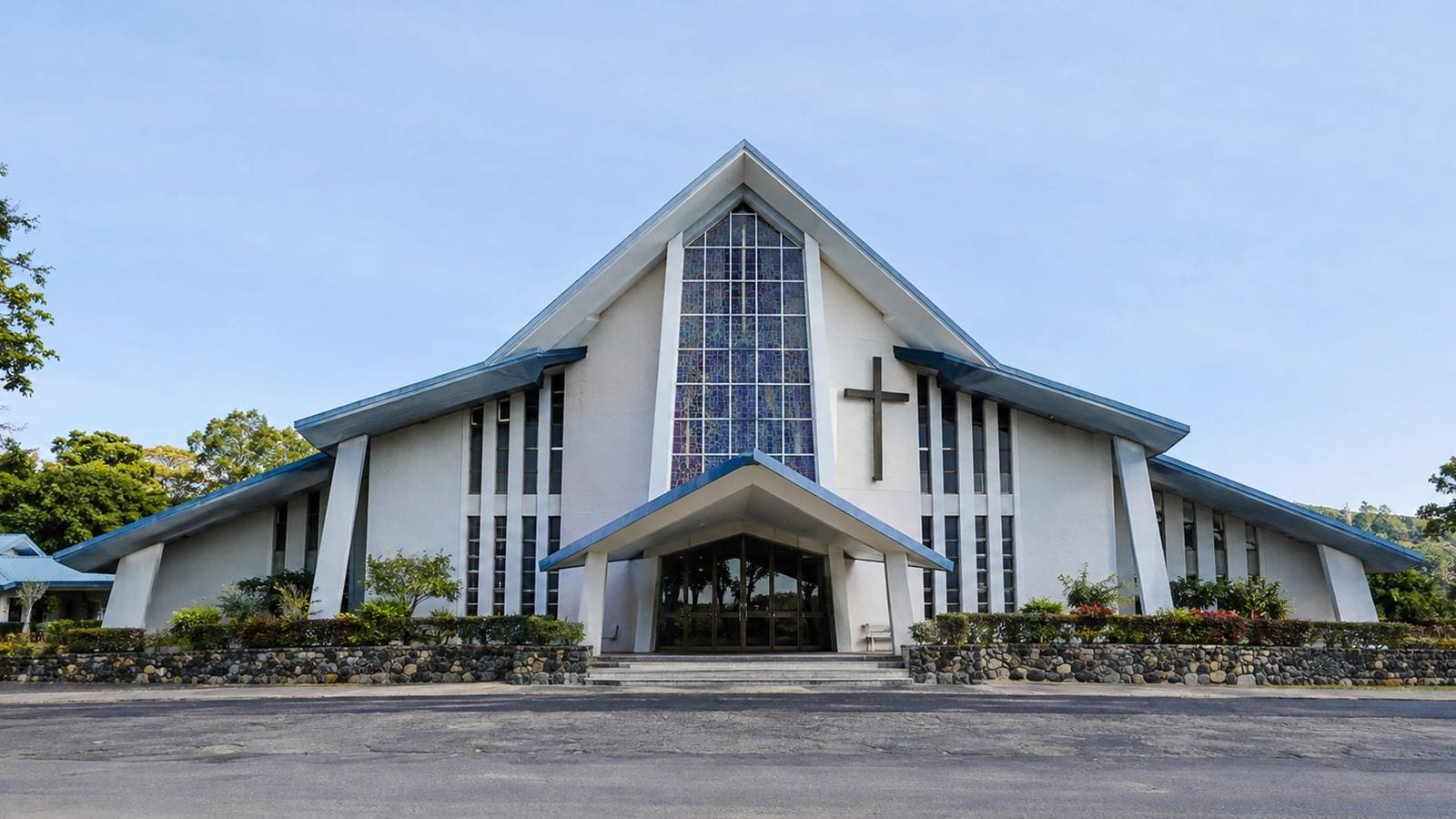
St Mary’s Catholic Cathedral brings a quieter cultural stop to central Port Moresby. Its stained glass incorporates Papua New Guinean imagery, giving the church a distinctly local character.
Time needed: About 20 to 30 minutes
Entry: Free
Tip: Ask church staff before entering during worship or photographing the interior.
Traditional food
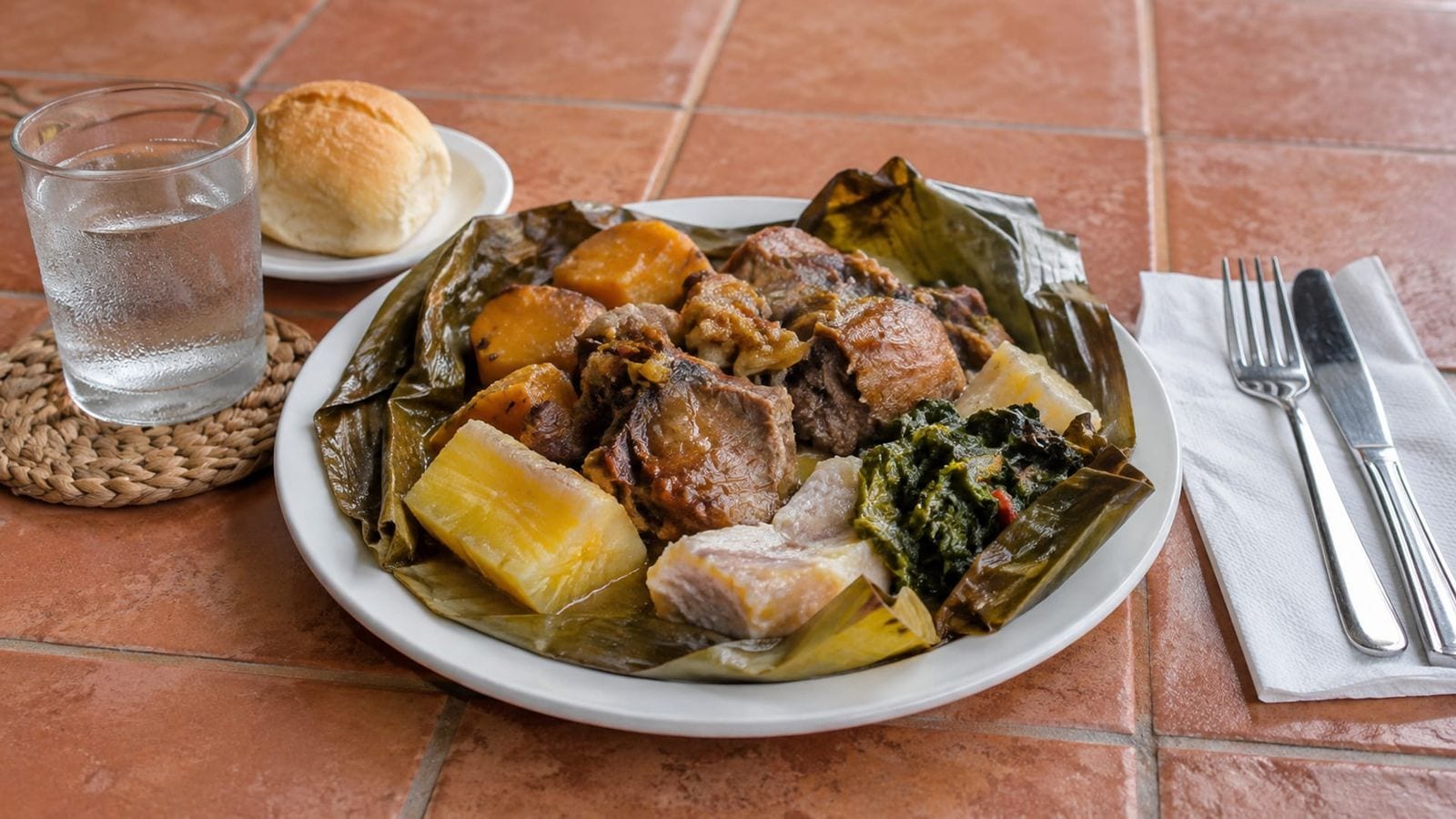
Root vegetables, sago, coconut milk, and fish shape Port Moresby’s traditional food. Mumu adds earth-oven cooking to a repertoire that includes saksak, chicken pot, and fish simmered in coconut milk.
Mumu
Mumu brings meat and root vegetables together through cooking with heated stones, traditionally beneath a covering of leaves. At Mumu, ask about the day’s earth-oven dishes before choosing your meal.
Saksak
Saksak combines sago with banana in small parcels, traditionally wrapped in leaves and cooked before serving with coconut milk. Ask Kopi Haus about availability when arranging a meal featuring Papua New Guinean food.
Chicken pot
Chicken pot combines chicken with vegetables in a gently cooked, substantial dish; ingredients vary between kitchens and households. Ask Macdhui Restaurant whether this local preparation features among its daily choices.
Fish in coconut milk
Fish in coconut milk pairs tender fish with a rich coconut sauce, often accompanied by root vegetables or rice. At Bacchus, ask which fish preparations are available and whether the kitchen offers a coconut milk version.
Best time to visit Port Moresby
Port Moresby’s wetter opening months give way to a drier middle of the year, followed by rising heat and returning rain.
Best for: Museum collections and hotel dining between rainier outings across the city
What you get: Temperatures of 75°F to 88°F (24°C to 31°C) accompany humid days and frequent rain; outdoor attractions can feel quieter during wet weather.
Trade-offs: Rain can interrupt Ela Beach walks and extend road journeys between districts.
Best for: Wildlife mornings at Port Moresby Nature Park and daylight waterfront walks
What you get: Expect 73°F to 86°F (23°C to 30°C), with declining rain and breezier days; weekday business travel still shapes demand for city hotels.
Trade-offs: Coastal wind can make exposed waterfront stops less comfortable.
Best for: Combining Bomana War Cemetery with gardens and wildlife on a single outing
What you get: Days bring 73°F to 88°F (23°C to 31°C) and generally dry conditions; outdoor sights attract visitors, particularly on weekends and holidays.
Trade-offs: Dry grounds offer little relief from the sun at Bomana War Cemetery.
Best for: Early outdoor stops followed by national collections and long hotel lunches
What you get: Conditions reach 75°F to 90°F (24°C to 32°C) as humidity rises and rain returns; holiday gatherings can increase activity at hotel restaurants.
Trade-offs: Increasing heat and unpredictable rain shorten comfortable outdoor outings.
A realistic 5-day plan in Port Moresby
This five-day sequence groups Waigani’s institutions, Town’s waterfront landmarks, and the wildlife and cemetery outing into separate days, with arrival and departure centered on Boroko.
From Jacksons International Airport in Port Moresby (POM), take a hotel-arranged taxi to Boroko, allowing 20 to 35 minutes. Budget PGK 80 to PGK 150 ($20 to $37), confirming the fare before departure. Stay at Shady Rest Hotel and have a light dinner at its restaurant, without another evening journey.
A weekday in Waigani pairs the Papua New Guinea National Museum and Art Gallery with National Parliament House. Allow two hours for the collections, then take a 5-minute taxi ride to Parliament for its spirit-house-inspired architecture. Ask Shady Rest Hotel to arrange Parliament access and a return pickup.
Along Town’s older waterfront, spend 30 minutes at Coronation Park and its war memorial before a 5 to 10-minute taxi ride to St Mary’s Catholic Cathedral. Allow another 30 minutes for the stained glass, asking church staff before entering during worship. Continue toward the harbor for lunch before returning by taxi.
Birds of paradise and tree kangaroos fill the morning at Port Moresby Nature Park; allow three hours among the wildlife and gardens. Continue by taxi for roughly 25 to 35 minutes to Bomana War Cemetery, where an hour among the graves introduces the human cost of the Pacific campaign. Arrange both stops and the return with your driver.
Before departure, spend an hour shopping in Boroko near Shady Rest Hotel, then collect your luggage for the airport transfer. Allow 20 to 35 minutes for the drive to Jacksons International Airport in Port Moresby (POM), with extra time for weekday traffic. Confirm the pickup time with the hotel against your airline’s check-in deadline.
Business-class flights from the US to Port Moresby
The New York and Los Angeles examples connect through Manila (MNL) before reaching Port Moresby (POM).
From New York, a one-stop journey through Manila (MNL) takes 26 to 35 hours to reach Port Moresby (POM). Round-trip fares range from $6,500 to $11,000, with Air Niugini and Philippine Airlines listed for the journey.
Los Angeles connects with Port Moresby (POM) through Manila (MNL), with round-trip fares of $5,500 to $9,500. Air Niugini and Philippine Airlines feature in this one-stop option, which takes 23 to 30 hours overall.
Port Moresby feels different when you slow down
A rewarding Port Moresby trip gives each part of the city its own time: national collections in Waigani, stained glass and waterfront history in Town, then birds of paradise at Port Moresby Nature Park. Hotel-arranged taxis connect these outings, with a return pickup agreed before each stop. Leave the final morning for Boroko shopping and your airport transfer. Ask AranGrant experts to shape your flights around five days linking the harbor with Waigani







