

Chapters:

Need help with your trip?
Our support team is available 24/7. Request a callback or call us directly at (833) 619-0908
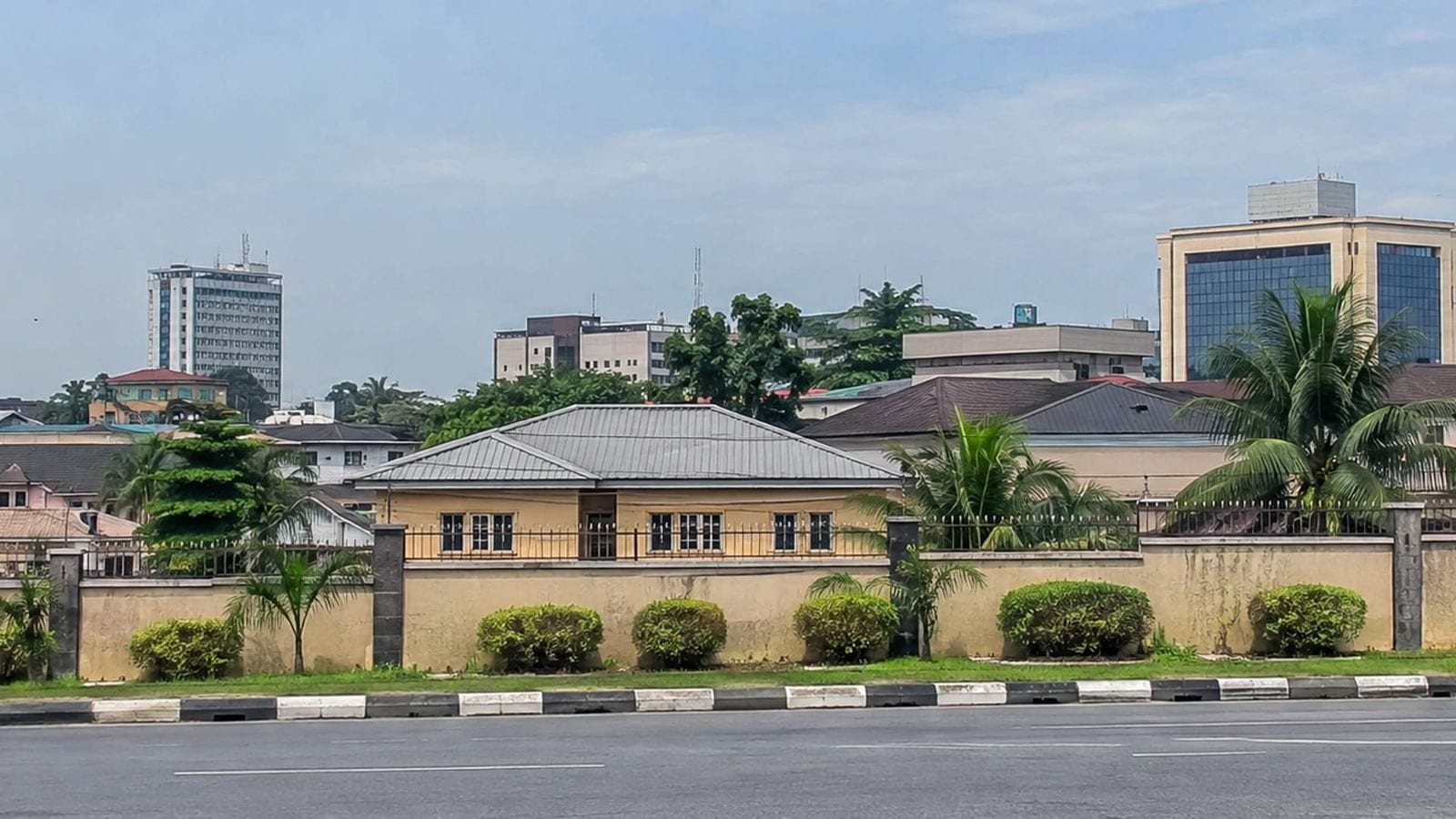
Port Harcourt developed along the waterways of the Niger Delta, where river channels, commercial roads, residential compounds, and busy food districts shape daily life. Old GRA and GRA Phase 2 contain many of the city’s established hotels and restaurants, while central parks, museums, and waterfront areas reveal more of Rivers State beyond its business districts.
This guide explains how to organize a practical five-day trip to the city, covering where to stay, how to travel across Port Harcourt, what to eat, and the most comfortable seasons for a visit.
Useful things to know

Main language(s): English

Currency: Nigerian naira (NGN, ₦)

Cash and cards: Larger hotels, shopping centers, and established restaurants often accept cards. Carry ₦20,000–₦40,000 ($15–$30) for taxis, tips, small restaurants, and cash-only purchases.

Tipping: Round up small fares or leave 5%–10% in restaurants when service is not included.

Traditional food: Banga soup, pepper soup, fisherman soup, and bole

Water and coffee costs: Bottled water commonly costs ₦500–₦1,000 ($0.40–$0.70). Espresso prices in hotel cafés generally range from ₦2,000 to ₦3,500 ($1.50–$2.60).

Taxis and ride apps: Bolt and inDrive operate in Port Harcourt. Check the vehicle details and confirm the quoted price before departure.

Plug and voltage: Type D/G socket, 230V

Dining and shop opening hours: Many hotels serve breakfast between 7:00 am and 10:00 am. Lunch usually begins near noon, while dinner lasts from 6:00 pm until 10:00 pm. Sunday hours may be shorter.

Emergency number: Call 112 for police, the fire department, or an ambulance.
Where to stay in Port Harcourt
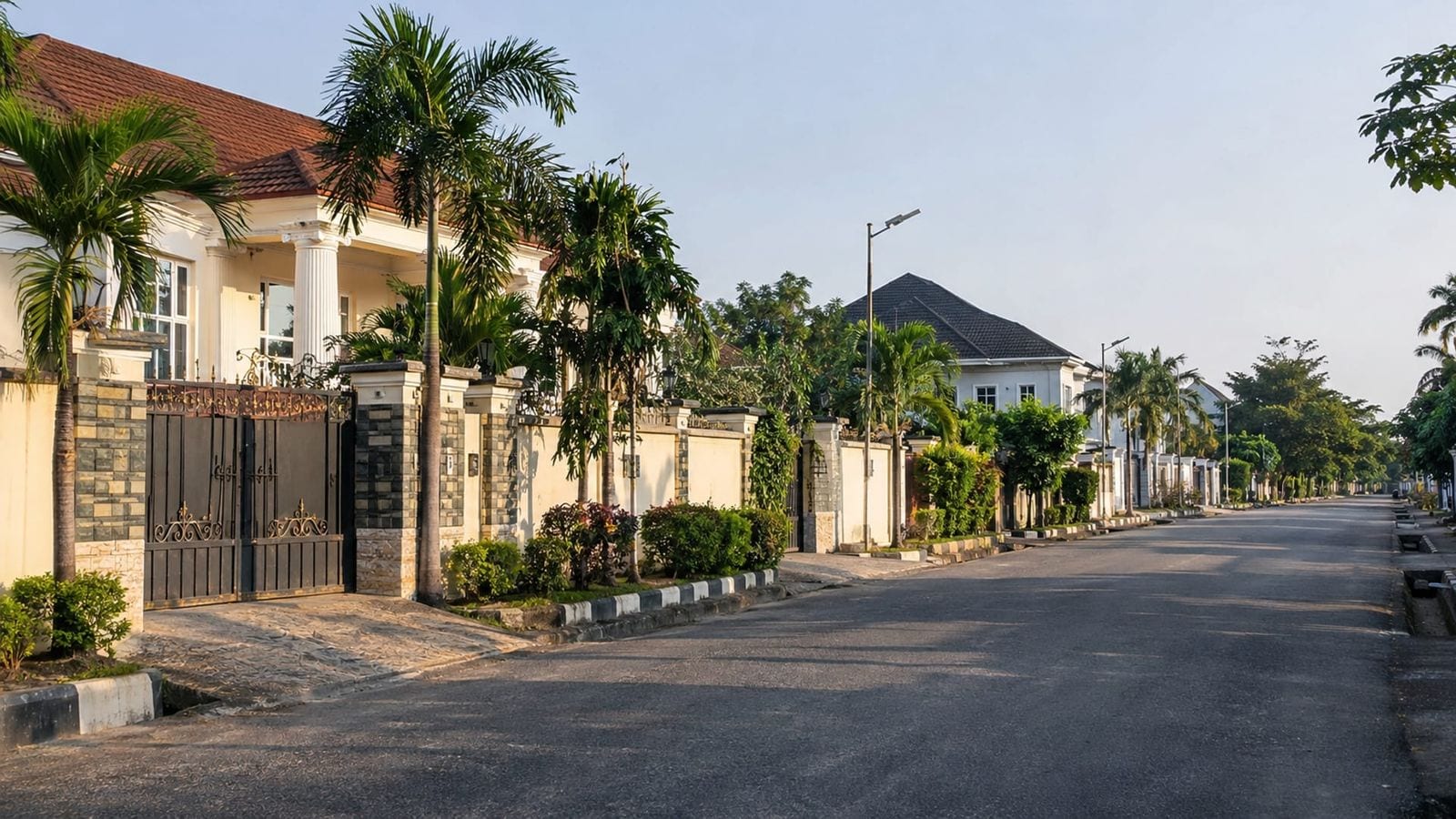
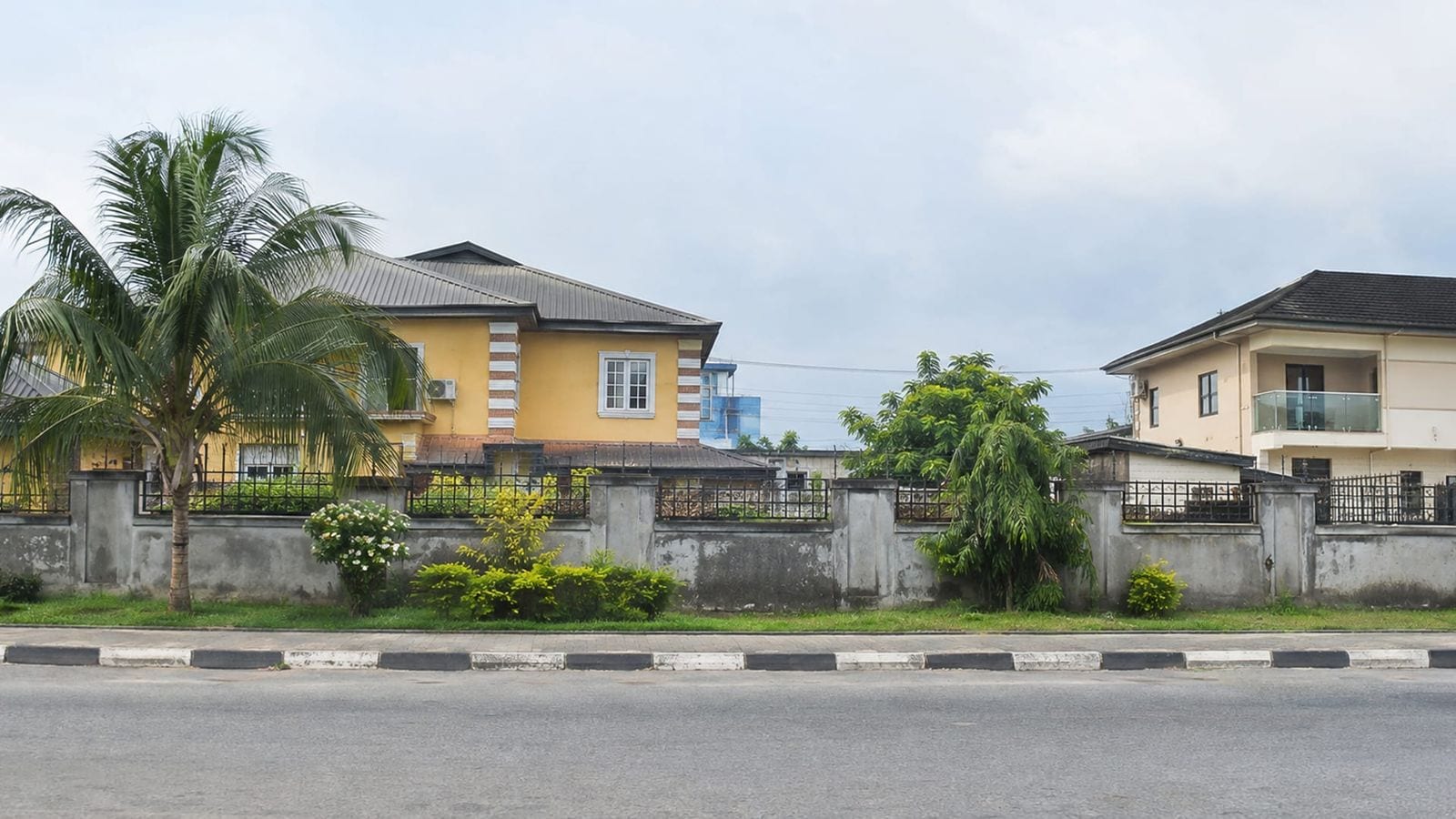
GRA Phase 2 is a residential district with wide roads, gated properties, hotels, restaurants, offices, and easier vehicle access than the denser central streets. It is convenient for business trips and travelers who prefer larger hotels with on-site facilities.
Best for: Business trips, full-service hotels, restaurants, and easier car access
What to expect: Broad roads, gated compounds, hotel lounges, office traffic, and active restaurant streets after work
Hotel prices: Nightly rates typically range from ₦90,000–₦270,000 ($65–$200).
Distance to major sights: Port Harcourt Pleasure Park commonly takes 15 to 25 minutes to reach by car, while the tourist beach may require 25 to 40 minutes.
Quietness: Residential side streets are quieter, while roads near hotels and restaurants receive more evening traffic.
Main trade-off: Accommodation costs more than in several outer districts, and most journeys require a car.
Good to know: Request a room away from the entrance or main road if traffic noise could disturb your sleep.
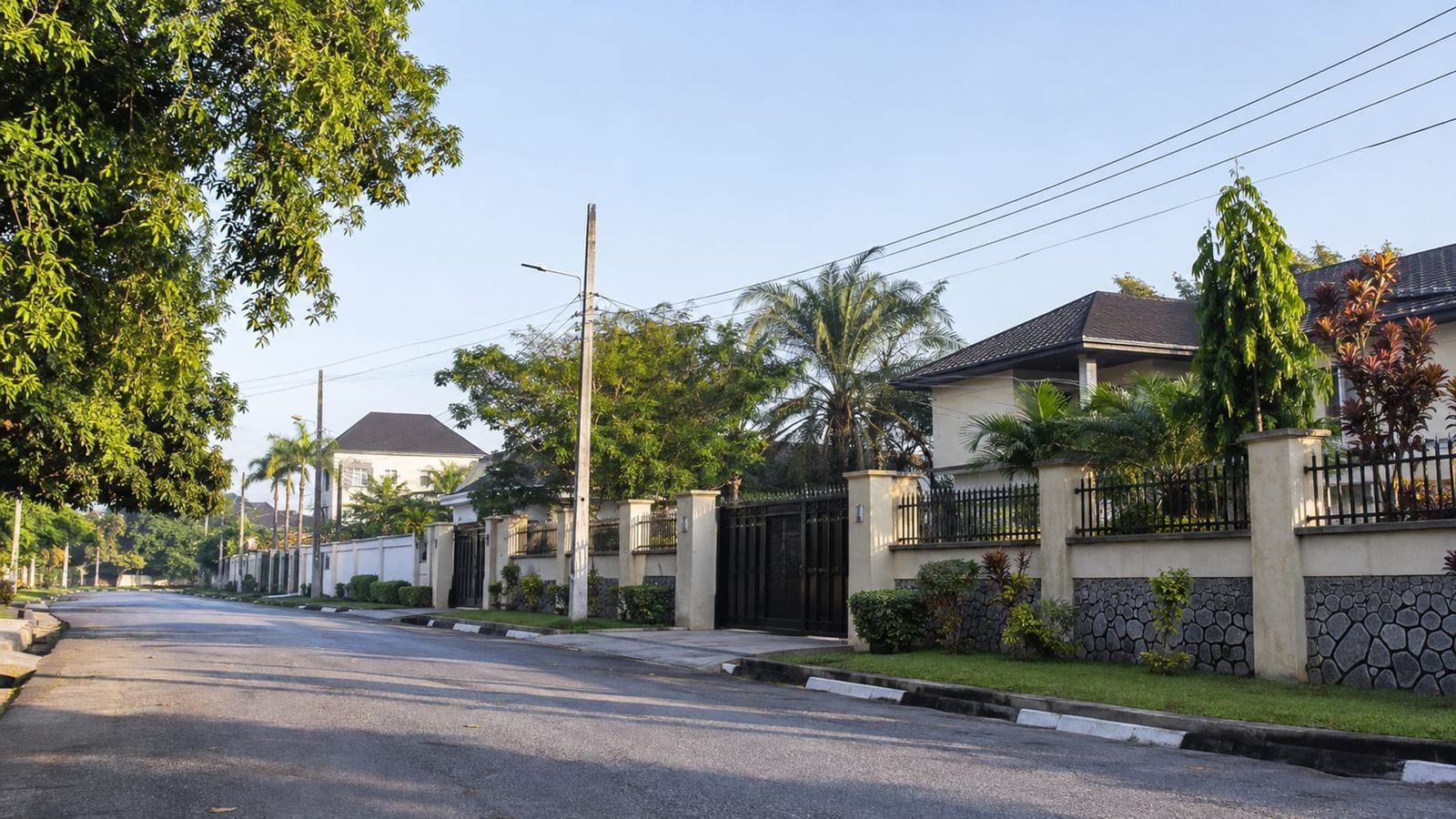
Old GRA is one of Port Harcourt’s established residential and diplomatic districts, with mature trees, large compounds, restaurants, offices, and several hotels. Its central position provides convenient road access to business areas and dining districts.
Best for: Upscale accommodation, business travel, restaurants, and shorter central journeys
What to expect: Tree-lined roads, secure compounds, office traffic, and active dining areas in the evening
Hotel prices: Rooms in popular properties generally cost ₦135,000–₦330,000 ($100–$240) per night.
Distance to major sights: Isaac Boro Park and Port Harcourt Pleasure Park are usually 15 to 25 minutes away by car.
Quietness: Interior streets are generally quiet, although restaurants and bars create more activity after dark.
Main trade-off: The hotel selection is limited, and popular properties can fill early during conferences or major events.
Good to know: Reserve early when you need a specific room type or full-service property.
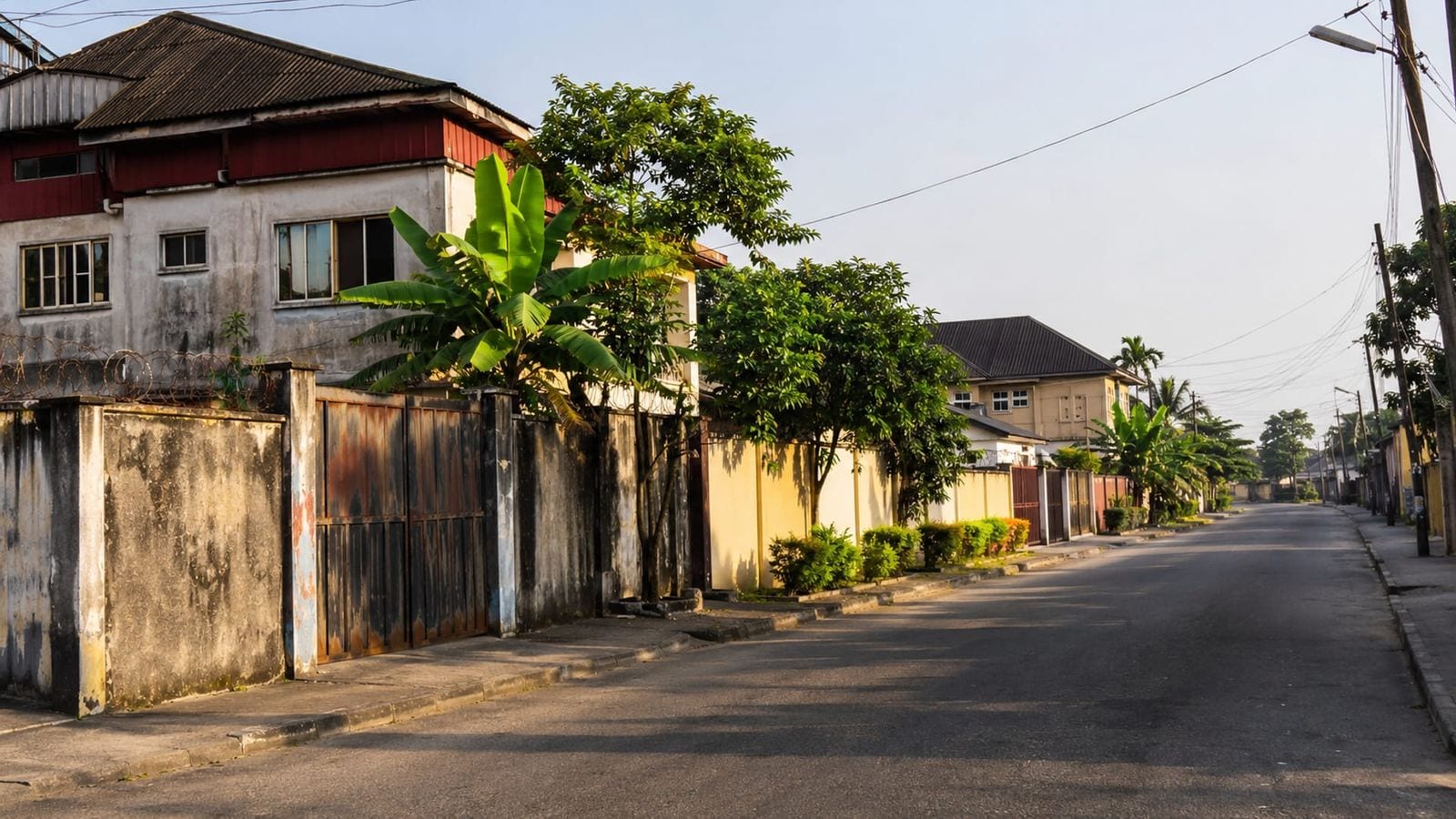
D-Line is a central residential district with shops, restaurants, offices, smaller hotels, and access to several important roads. It offers midrange accommodation within practical driving distance of the city’s business and cultural areas.
Best for: Short stays, local restaurants, business errands, and central road access
What to expect: Commercial roads, residential streets, motorcycles, taxis, and busy weekday traffic
Hotel prices: Expect to pay ₦67,500–₦180,000 ($50–$130) per night at many popular hotels.
Distance to major sights: Isaac Boro Park generally takes 10 to 20 minutes to reach by car, while the tourist beach may require 25 to 40 minutes.
Quietness: Main roads are noisy during the day, but interior streets become calmer later in the evening.
Main trade-off: D-Line has fewer large hotels and leisure facilities than Old GRA or GRA Phase 2.
Good to know: Select accommodation set back from the main roads if you prefer quieter nights.
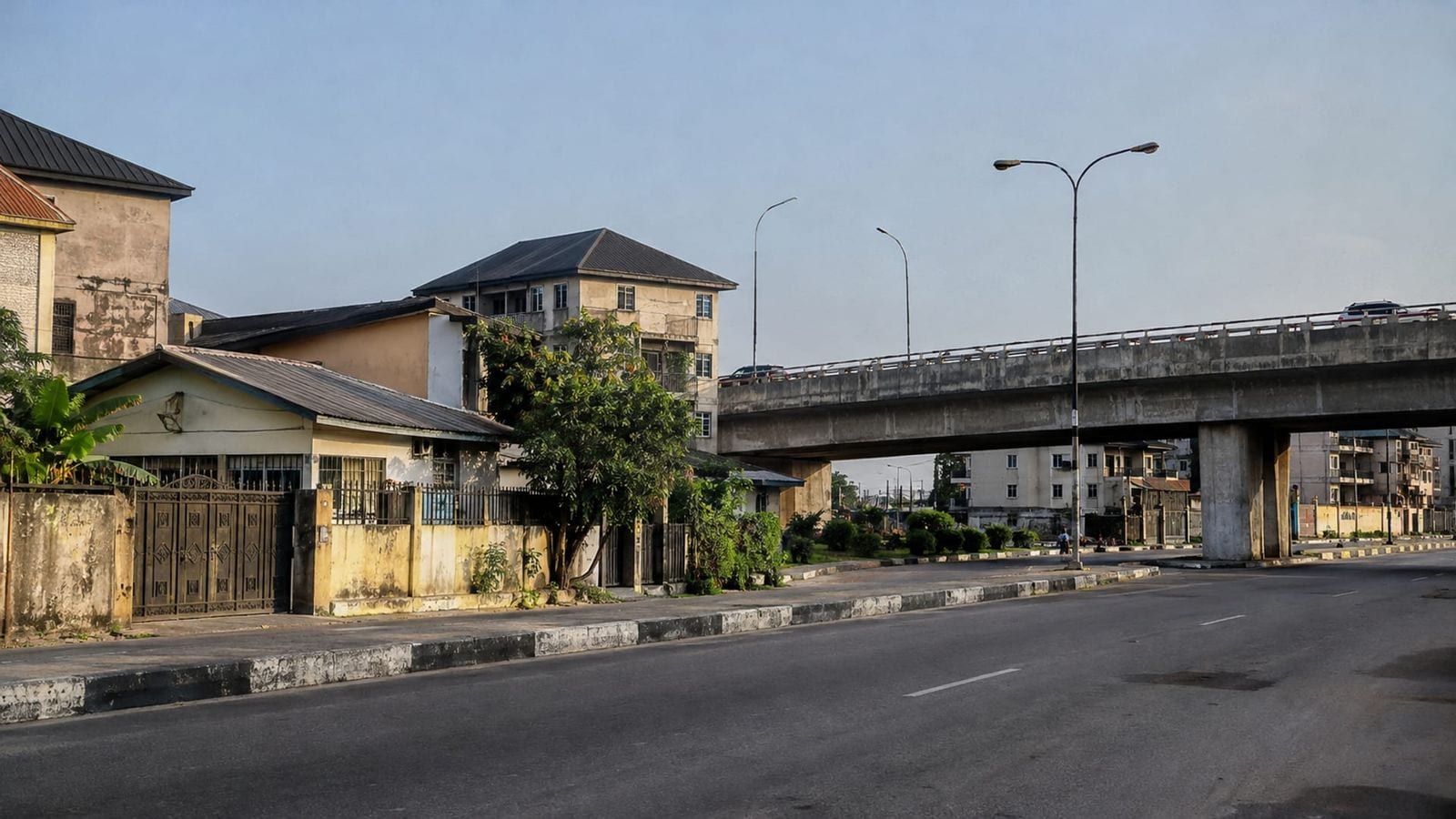
Rumuola is a busy transport and commercial district along routes leading toward the airport. Roadside businesses, food establishments, budget hotels, and constant vehicle movement give the area a practical but lively character.
Best for: Lower hotel prices, airport access, and frequent taxi use
What to expect: Heavy road traffic, roadside commerce, transport activity, and a louder atmosphere than in the GRA districts
Hotel prices: Hotels in Rumuola commonly charge ₦37,500–₦105,000 ($30–$70) per night.
Distance to major sights: Port Harcourt Pleasure Park is 15 to 25 minutes away, while the airport journey may take 25 to 45 minutes.
Quietness: Traffic noise continues through much of the day and decreases only modestly at night.
Main trade-off: The district has fewer upscale restaurants, less greenery, and more road congestion.
Good to know: Leave early for morning flights because congestion can build quickly along the airport route.
Bakana, Abuloma, Mile 4, and other outer sections of Trans Amadi require longer rides to central hotels and attractions. Some accommodations in these districts are designed for business travel and have fewer restaurants or leisure options nearby.
Hotel deals
Getting around Port Harcourt
Visitors generally use taxis, ride apps, private drivers, and shared road transportation for journeys between hotels, attractions, and the airport.

Metro
for longer distances
Bolt and inDrive allow you to request a car and review the price before confirming. Availability may vary by district and time of day. Rideshare services are convenient for travel between Old GRA, D-Line, GRA Phase 2, Rumuola, and central attractions. Confirm the license plate before entering.

Bus and tram
for convenience
Shared minibuses and danfos operate along several busy routes. Short journeys commonly cost ₦500–₦1,500 ($0.35–$1). Vehicles can be crowded, routes are not always clearly marked, and traffic can extend a short journey to 40 minutes or longer. Carry small naira notes for payment.

Taxi
for convenience or late hours
Licensed taxis and private drivers are the most practical choices for reaching the airport, tourist beach, and attractions across different districts. Airport journeys commonly cost ₦12,000–₦30,000 ($8–$20), although distance, traffic, and vehicle type affect the final cost.
*Prices are based on rates updated as of June 2026 and may change at the time of travel.
Use taxis or ride apps for airport transfers and cross-city travel. Shared buses are less expensive but require more local knowledge and flexibility.
Iconic landmarks
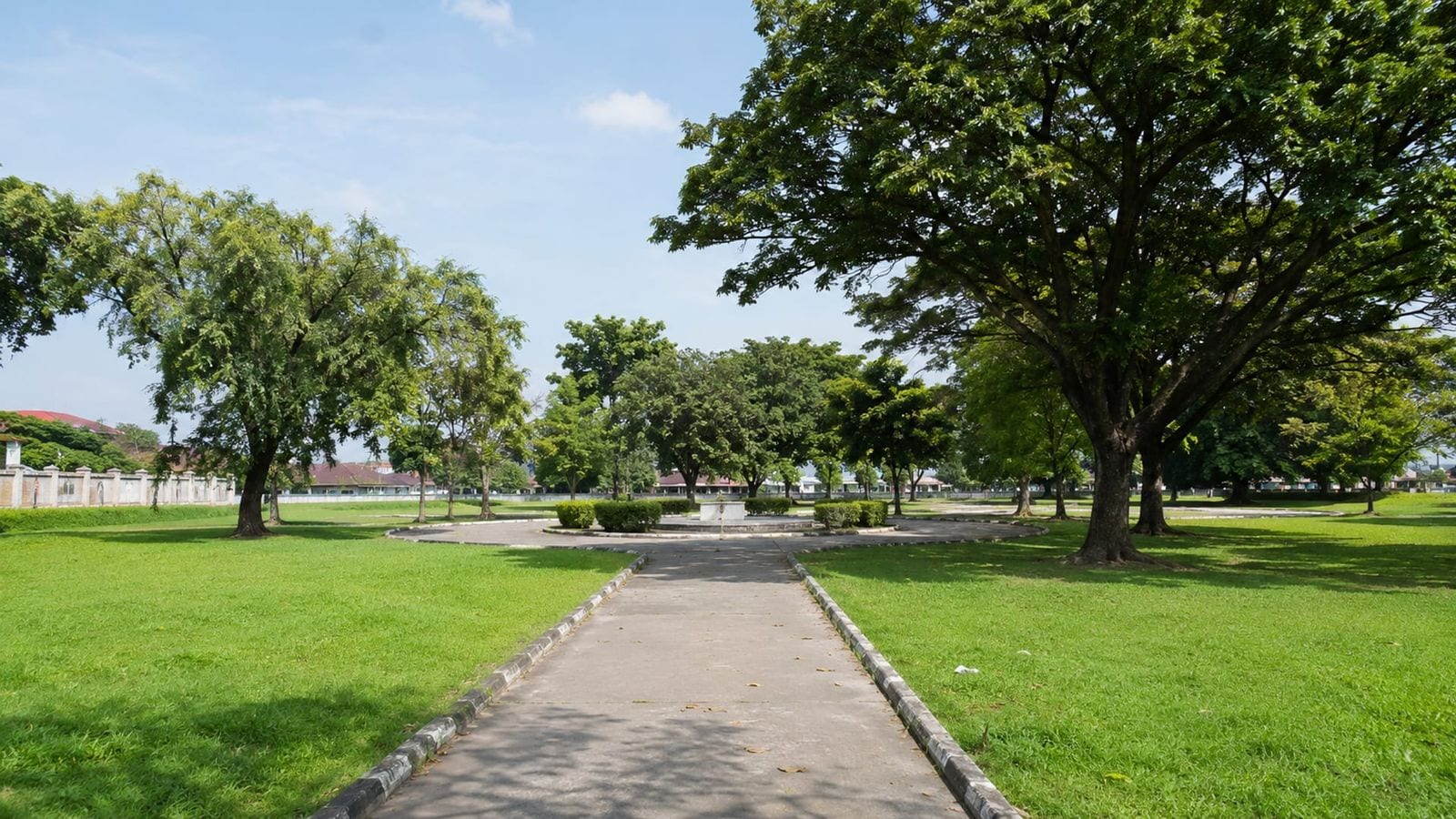
Isaac Boro Park
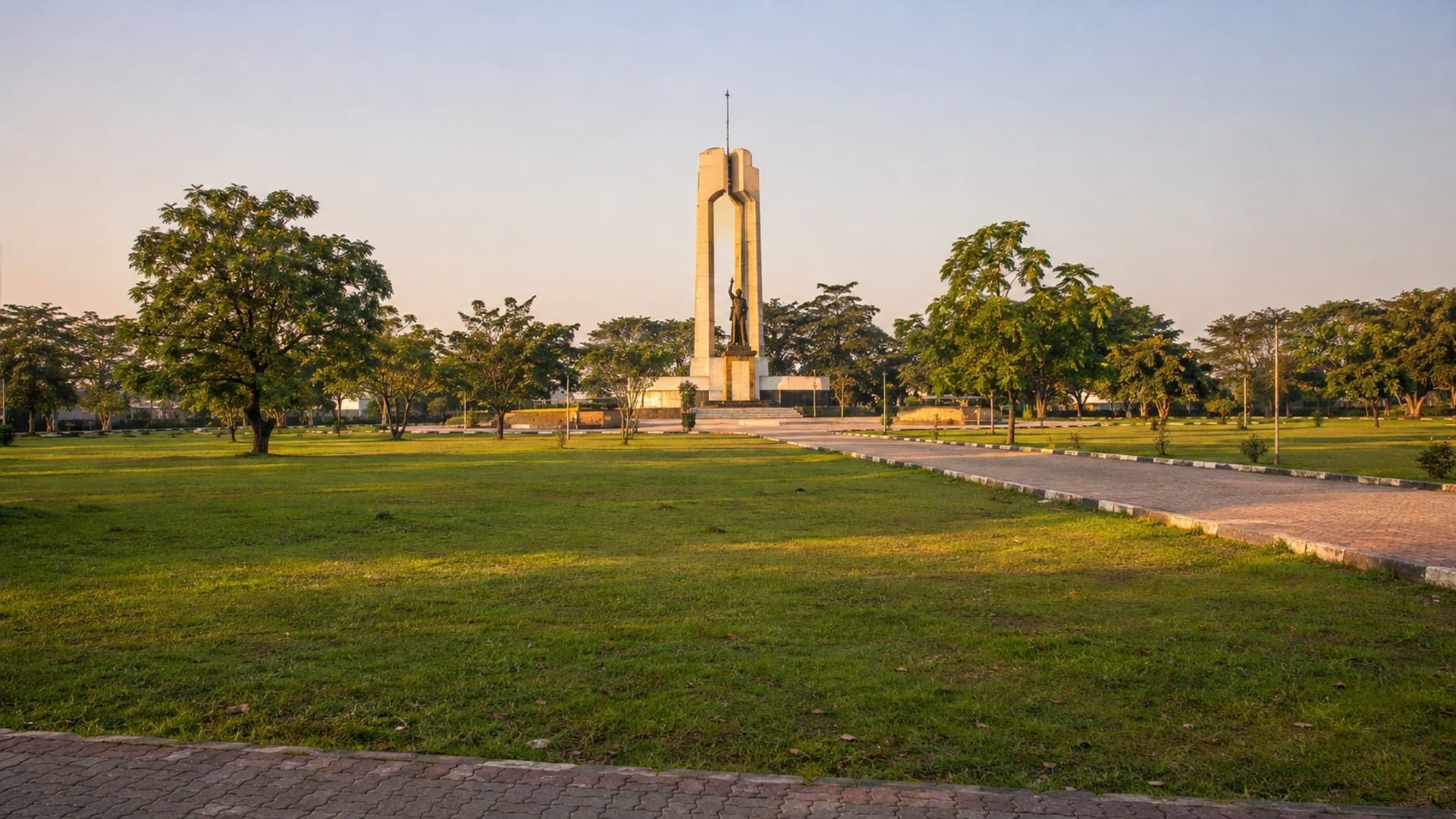
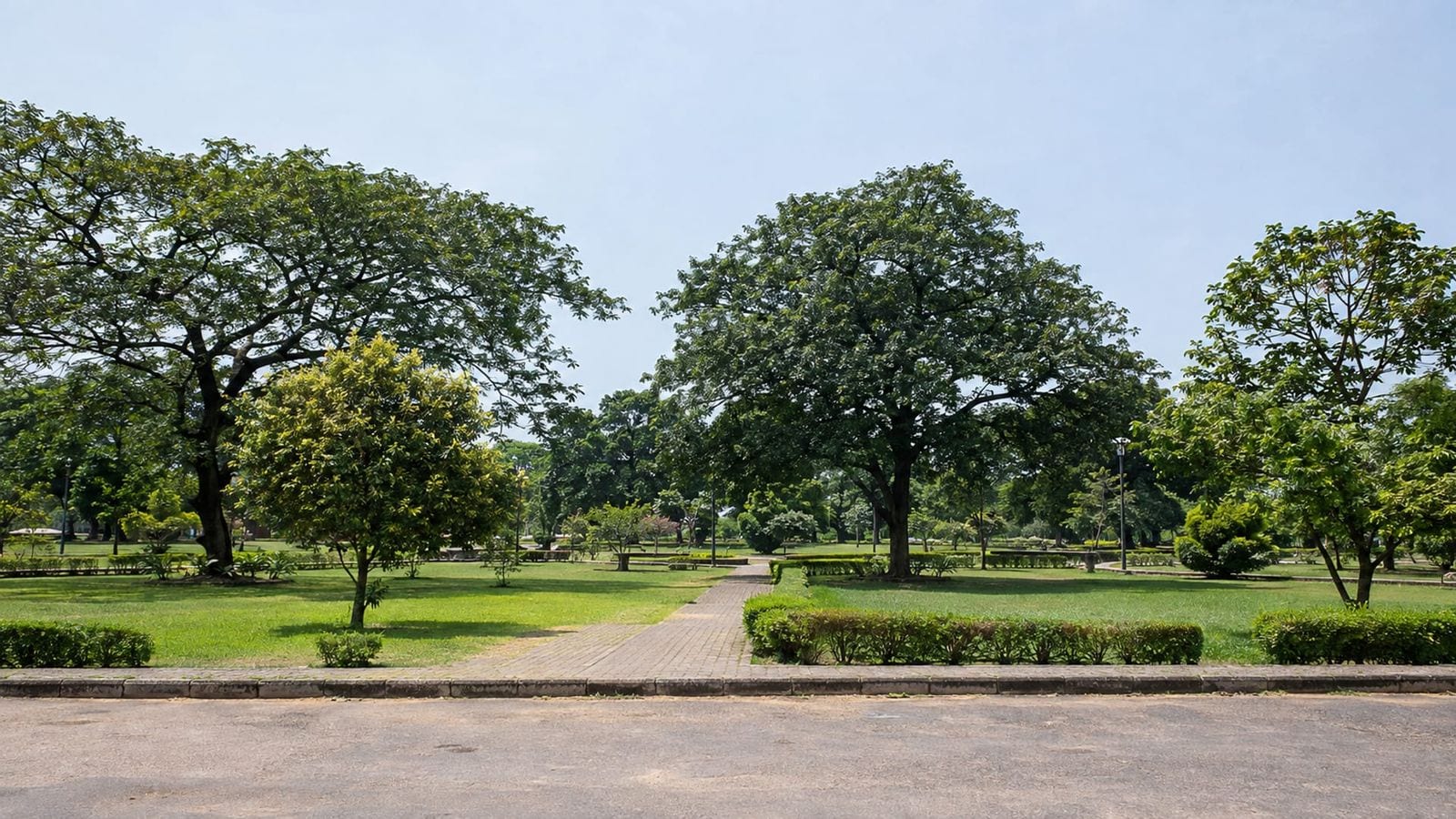
Isaac Boro Park honors Major Isaac Adaka Boro, a prominent figure in Niger Delta history. Open lawns, paved paths, mature trees, and public monuments create a central space for civic events, exercise, and short walks.
Time needed: 45 minutes to 1 hour
Entry: Free
Tip: Visit in the morning and confirm local conditions with your hotel before setting out.
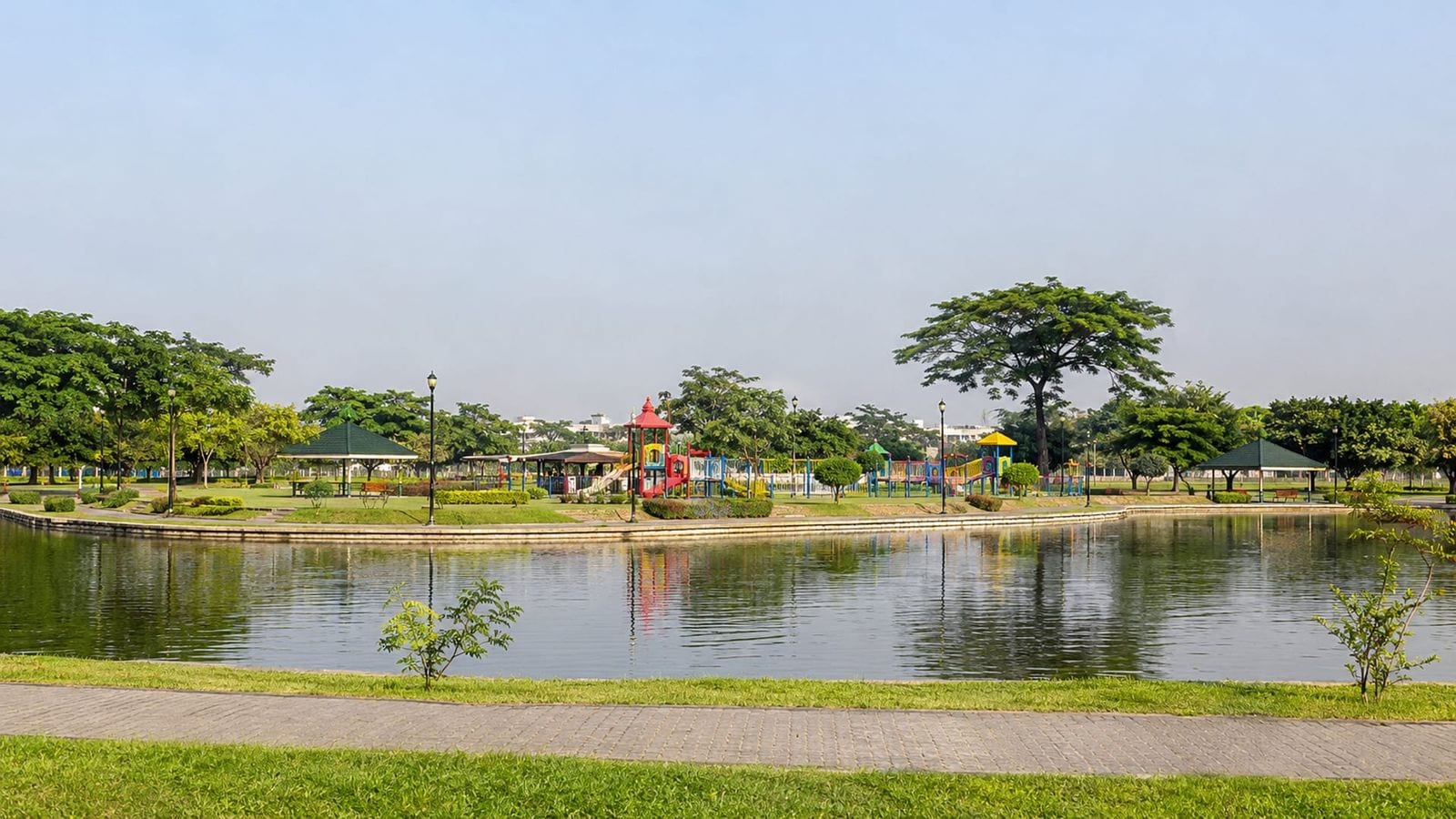
Port Harcourt Pleasure Park
Port Harcourt Pleasure Park opened in 2017 as a large landscaped recreation complex near Rumuomasi and Rumuola. Walking paths, lawns, water features, children’s areas, cinemas, and activity zones create one of the city’s principal outdoor leisure spaces.
Time needed: 1 to 2 hours
Entry: General admission costs ₦1,500 ($1.10) for adults. Visit the official site for details.
Tip: Arrive in the late afternoon and check current attraction prices at the entrance.
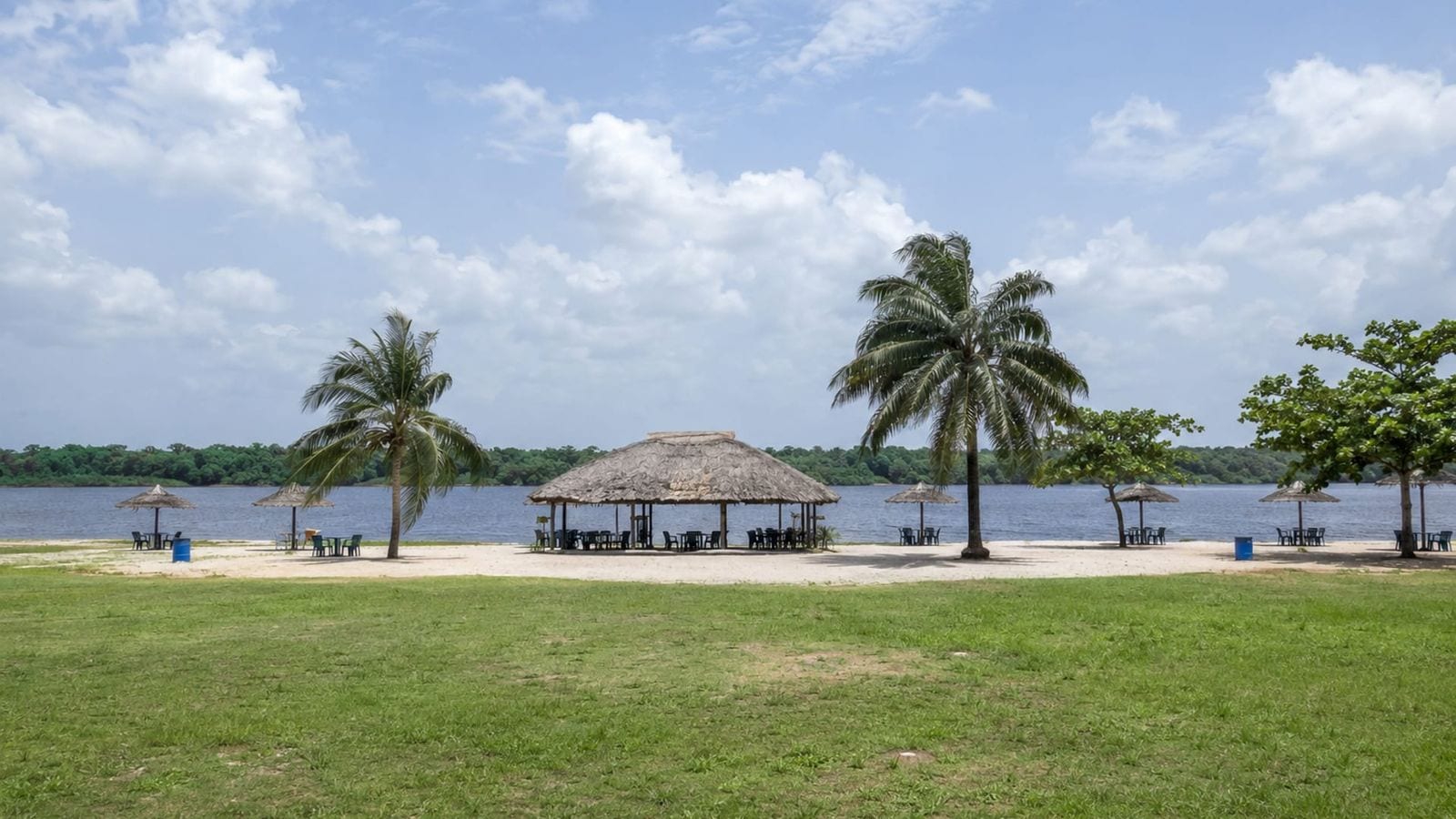
Port Harcourt Tourist Beach
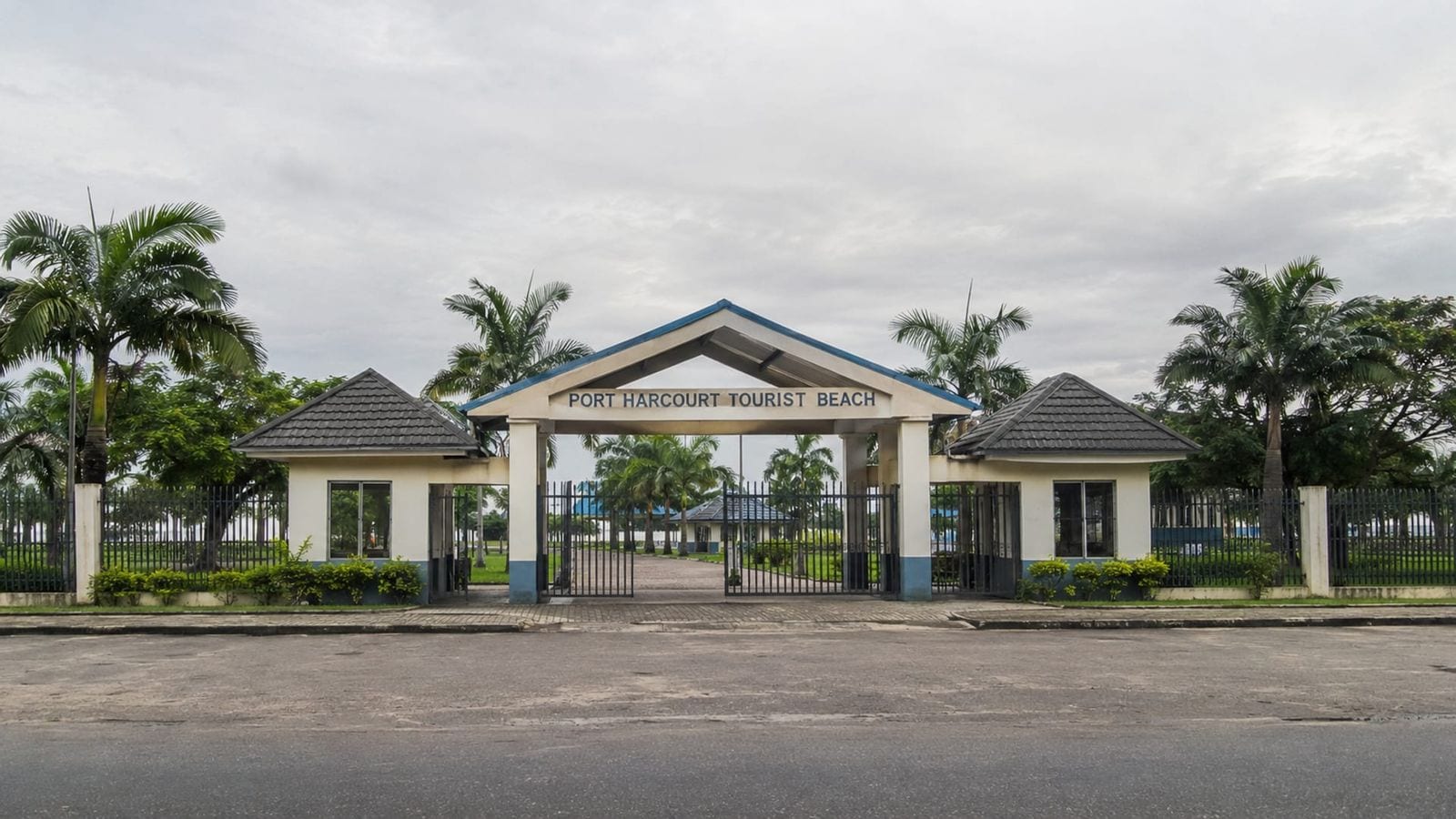
Port Harcourt Tourist Beach opened in 1988 along Kolabi Creek. Sandy stretches, creek views, local food, music, and weekend gatherings give the area a relaxed coastal atmosphere beyond the central business districts.
Time needed: 2 to 3 hours
Entry: Admission commonly costs ₦1,500–₦3,000 ($1–$2.20), with separate charges for parking and selected facilities.
Tip: Travel with a trusted driver, arrive during daylight, and confirm conditions before leaving your hotel.
Overlooked places in Port Harcourt

Port Harcourt Zoo
Port Harcourt Zoo opened to the public in 1975 in the Trans Amadi district. Its wooded grounds and animal enclosures house species such as monkeys, birds, antelope, and large cats.
Time needed: 1 to 2 hours
Entry: Tickets start at ₦1,000 ($0.80) for adults.
Tip: Visit during the cooler morning hours and wear comfortable shoes for the larger grounds.

Port Harcourt National Museum
The museum presents objects connected to Rivers State and the wider Niger Delta, including masks, pottery, tools, carvings, historic photographs, and examples of regional craftsmanship.
Time needed: About 45 minutes to 1 hour
Entry: Adult admission typically costs ₦500 ($0.40).
Tip: Ask your hotel to confirm opening hours before traveling, since schedules may change.
What to eat in Port Harcourt
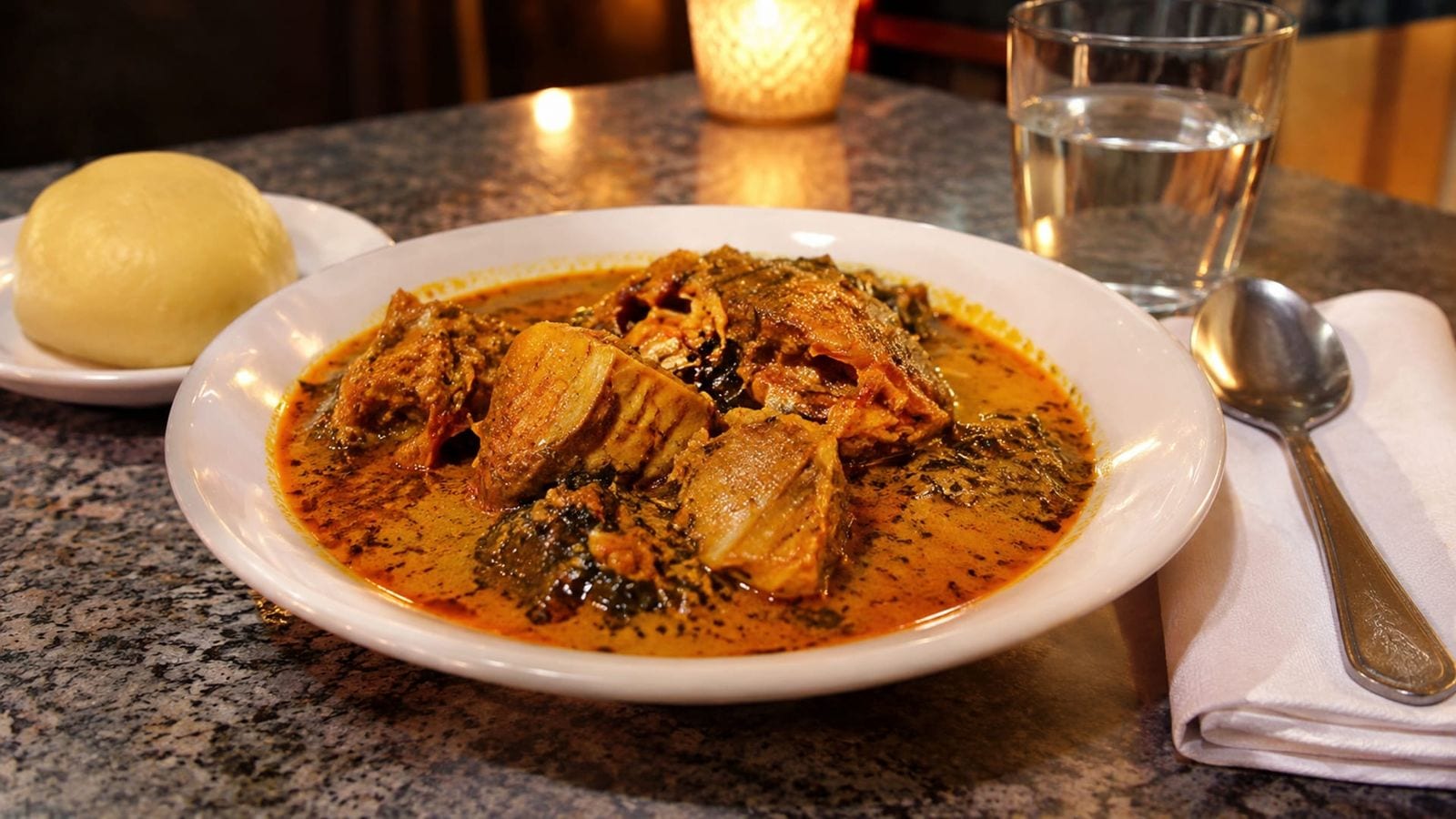
Port Harcourt’s food reflects its river and coastal setting through fresh fish, seafood, palm fruit, pepper, roasted plantain, and richly seasoned broths.
Banga soup
Banga soup uses palm-fruit extract to create a rich broth flavored with regional herbs and spices. Fish, beef, or assorted meat may be added, and the soup is commonly served with starch, eba, or another swallow. You can enjoy it at The Promise.
Pepper soup
Pepper soup is a clear, aromatic broth prepared with fish, goat meat, chicken, or assorted meat. Pepper, scent leaf, and regional spices create a warming dish commonly ordered as a starter, light meal, or late dinner. Kilimanjaro serves this dish.
Fisherman soup
Fisherman soup combines fish, prawns, shellfish, and other seafood in a thick, peppery broth. Chophouse Bistro and Grills on Wali Ogbonda Street is known locally for made-to-order seafood soup.
Bole
Bole pairs fire-roasted plantain with grilled fish, vegetables, and a peppery sauce. Smoke from the grill gives both the plantain and fish a distinct flavor. Bole King in D-Line is one of the city’s established places for roasted plantain and fish.
Best time to visit Port Harcourt
Port Harcourt is hot and humid throughout the year. The drier months offer more predictable weather for walks in the park and on the coast.
Best for: Parks, beach outings, road travel, and drier sightseeing days
What you get: Temperatures generally range from 76°F to 92°F (24°C–33°C), with less rainfall and busy holiday periods.
Trade-offs: Afternoon heat can be intense, and hotel demand increases around Christmas and New Year.
Best for: Central attractions, restaurants, and outdoor visits before the heaviest rains
What you get: Travelers can expect temperatures between 77°F and 91°F (25°C–33°C), with humidity and rainfall increasing toward May.
Trade-offs: Afternoon showers can delay cross-city journeys.
Best for: Restaurants, museums, shorter park outings, and flexible schedules
What you get: Daytime conditions commonly reach 74°F–88°F (23°C–31°C), accompanied by frequent and sometimes heavy rain.
Trade-offs: Flooded roads and slower traffic can affect beach trips and airport transfers.
Best for: Improving road conditions, outdoor attractions, and lighter visitor numbers
What you get: The season brings temperatures of 75°F–89°F (24°C–32°C), with rainfall gradually decreasing later in the period.
Trade-offs: September and October can still bring sudden storms and road delays.
A 5-day plan in Port Harcourt
Five days give you enough time to visit the city’s central parks, regional museum, zoo, GRA districts, and one coastal outing.
Land at Port Harcourt International Airport (PHC) and travel 40 minutes by taxi into Old GRA or GRA Phase 2. Taxi trips usually cost ₦22,500 to ₦37,500 ($15 to $25). If you arrive in the evening, check into a hotel on a quieter side street, then keep dinner close by at a restaurant in Old GRA so you do not spend your first night in the airport corridor. Water, a light meal, and an early night make sense after the road transfer, especially if your flight arrived late.
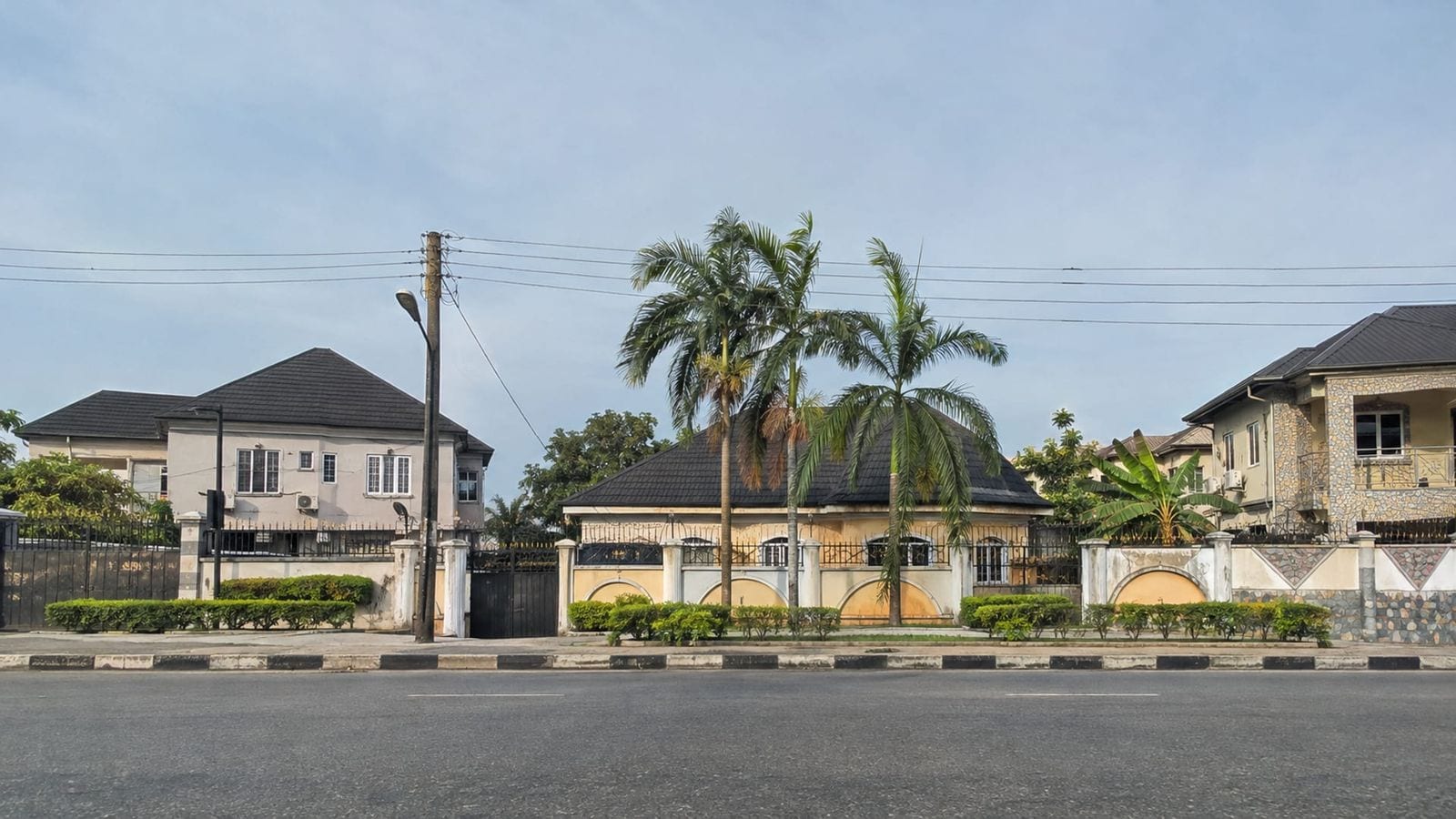
Start at Isaac Boro Park in the morning, when the river air is cooler, then reach Port Harcourt Museum in 10 to 15 minutes by car for a look at Rivers State history. From there, it takes 15–20 minutes to Port Harcourt Pleasure Park, where you can walk the grounds and stay for lunch or an early snack inside the complex. A late-afternoon return to Old GRA or Maitama works well, since both areas have more restaurant choice than the waterfront zone after dark.
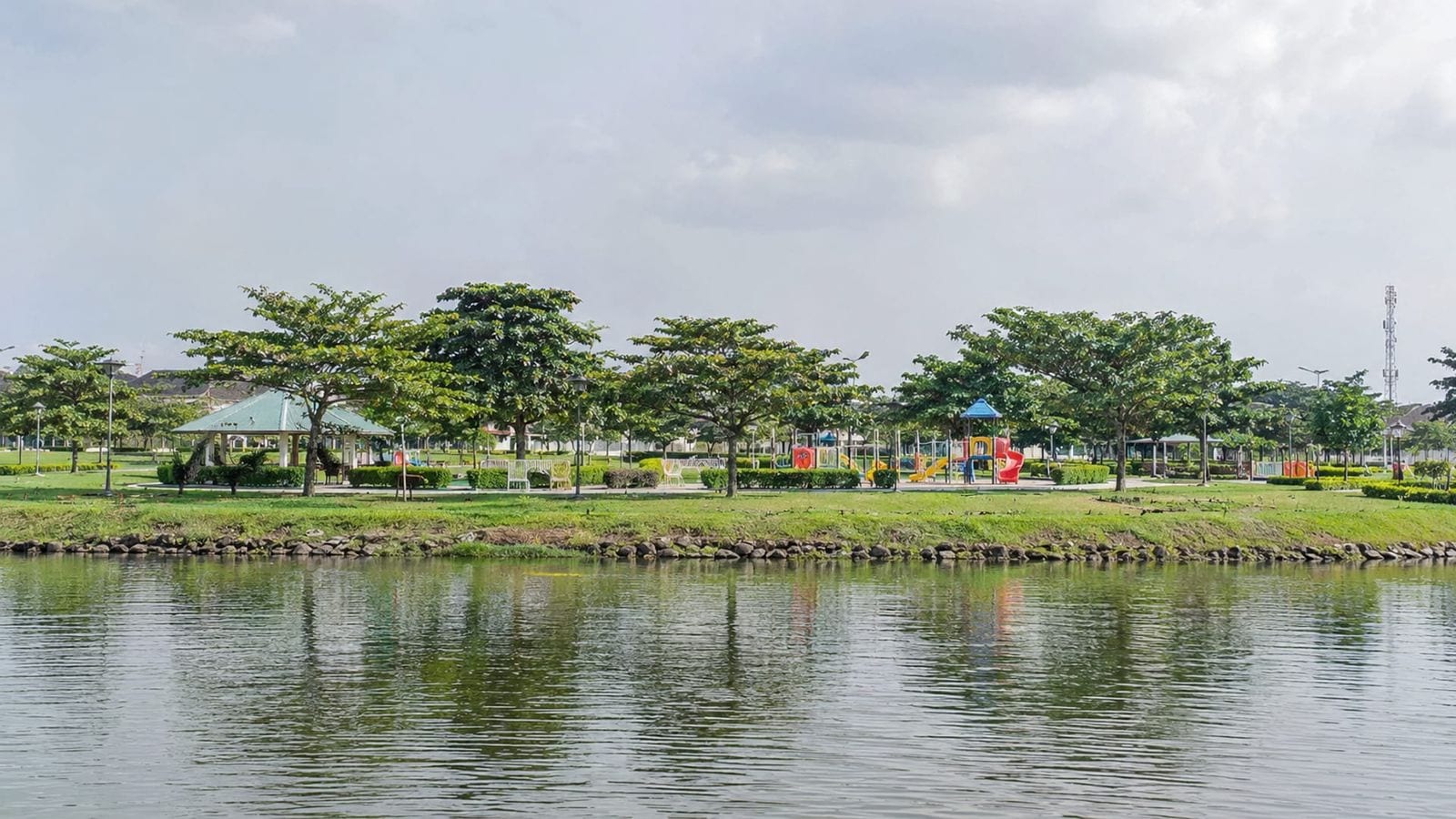
Leave central Port Harcourt in the morning and allow 35 to 60 minutes for the drive to Port Harcourt Tourist Beach. Spend 2 to 3 hours by the water, then head back toward GRA Phase 2 or Old GRA for an easy dinner stop, which usually takes 30 to 45 minutes to reach by car. Keep the day focused on the coastal outing because traffic can make a second major attraction impractical. Have dinner in Old GRA or GRA Phase 2 after the drive back.
A city-within-the-city route works well here: begin with a second, slower visit to Port Harcourt Pleasure Park in the late morning, then reach Isaac Boro Park in about 10 to 15 minutes by car for a quieter afternoon walk along the waterfront. If you want one more cultural stop, the Port Harcourt National Museum is located 10 minutes from Isaac Boro Park, so you can fit it in before dinner. Finish with dinner in Old GRA, which is 10–15 minutes away from the museum.
Use the final morning for breakfast in Old GRA, a short café stop in GRA Phase 2, or a shopping trip. Keep your luggage at the hotel and avoid distant attractions before departure. Leave for the Port Harcourt International Airport (PHC) early, especially if you are departing in the morning. The trip to the airport may take up to one hour, depending on traffic.
Business-class flights from the US to Port Harcourt
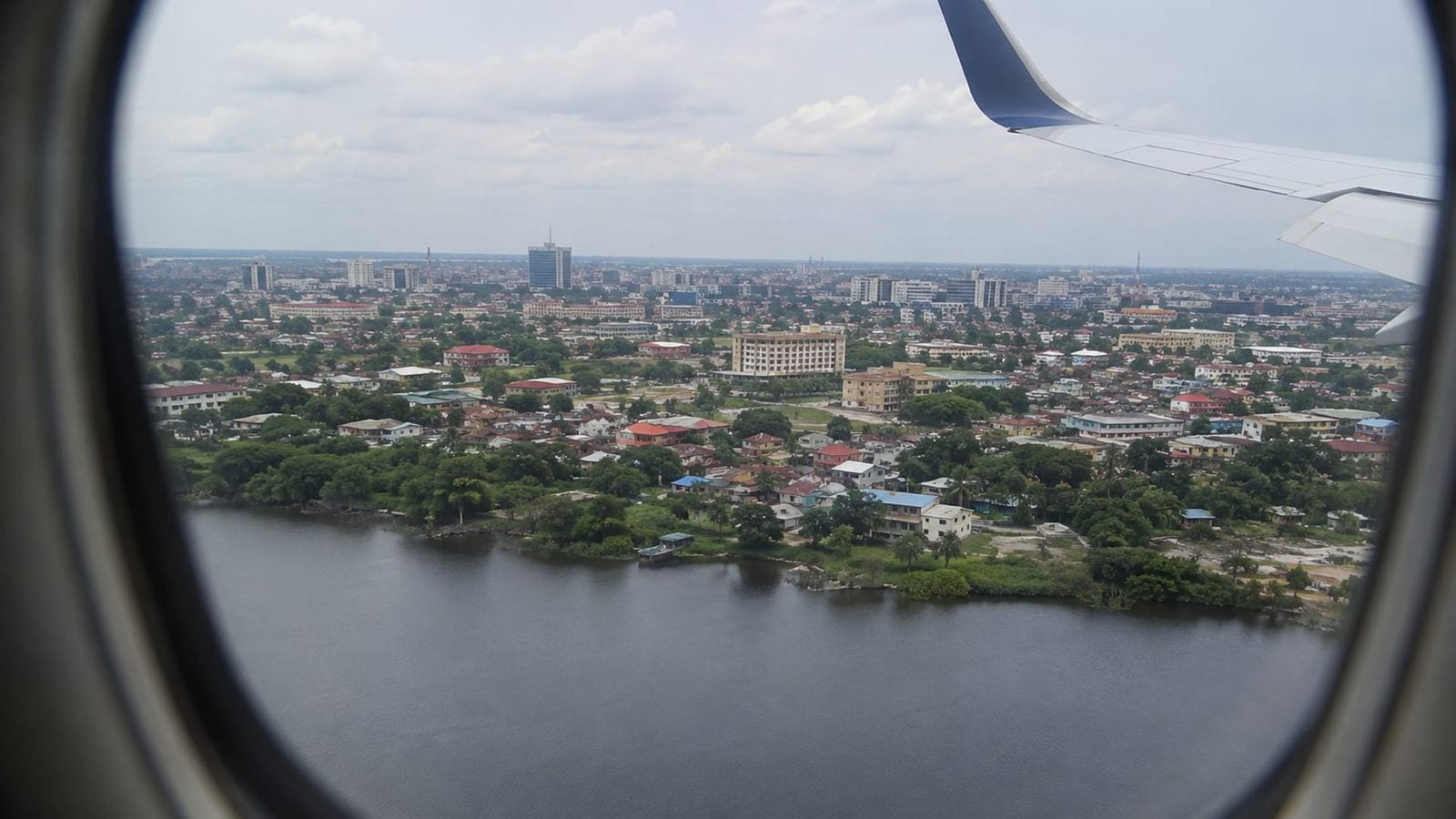
There are no nonstop flights from the US to Port Harcourt. Most itineraries require an international connection and may also include a domestic Nigerian flight.
New York (JFK) to Port Harcourt (PHC)
Lufthansa, United Airlines, and American Airlines are the carriers that most often operate flights from New York (JFK) to Port Harcourt (PHC). These flights have two or three layovers in cities like Frankfurt (FRA), Munich (MUC), and Abuja (ABV). The total travel time commonly ranges from 20 to 30 hours. Round-trip business-class fares for these flights generally cost $6,600–$8,800.
Los Angeles (LAX) to Port Harcourt (PHC)
Flights from Los Angeles International Airport (LAX) require at least one international layover, with additional domestic connections possible. The same airlines that we mentioned earlier, Lufthansa, United Airlines, and American Airlines, also offer flights on this route. The complete journey generally takes 23 to 32 hours. Business-class tickets from the airlines commonly range from $5,200 to $7,600.
Experience Port Harcourt beyond the business districts
Port Harcourt reveals its character through the waterways, regional food, parks, and residential districts that extend beyond its commercial roads. Isaac Boro Park introduces the city’s civic history, the museum presents traditions from Rivers State, and the tourist beach offers a longer view toward the coast. If you want to easily plan a trip to the city, including booking tickets and accommodations, reach out to our AranGrant travel experts.







