

Chapters:

Need help with your trip?
Our support team is available 24/7. Request a callback or call us directly at (833) 619-0908
Panama City stands apart for its historic streets, modern skyline, tropical coastline, and one of the world’s most important waterways. Casco Viejo offers colonial architecture, plazas, churches, and evening dining, while the Miraflores Locks reveal the scale and engineering of the Panama Canal. Along the Amador Causeway, the Biomuseo, waterfront views, and nature centers show a quieter side of the city.
The main districts are spread out, and traffic, heat, and seasonal rain can affect how much you cover in one day. A clear plan helps you group nearby sights, choose the right hotel area, and leave enough time for museums, canal visits, and meals.
This article covers where to stay, how to get around, what to eat, when to visit, and how to organize five days in Panama City without rushing.
Useful things to know

Main language(s): Spanish
Hola (OH-lah) – Hello
Por favor (por fah-VOR) – Please
Gracias (GRAH-syahs) – Thank you
¿Habla inglés? (AH-blah een-GLAYS) – Do you speak English?
¿Cuánto cuesta? (KWAHN-toh KWEHS-tah) – How much does it cost?

Currency: Panama uses the Panamanian balboa (PAB, B/.) and the US dollar at equal value. Balboas circulate mainly as coins, while US dollar banknotes are standard.

Cash and cards: Both are widely accepted. Carry $20 to $40 in small bills for taxis, markets, tips, and smaller businesses.

Tipping: Restaurants commonly receive 10% for good service. Check whether service is already included before adding a tip, and round up small taxi or café bills.

Traditional food: Sancocho, ceviche, carimañolas, patacones, ropa vieja, and arroz con pollo are among Panama’s best-known traditional dishes.

Water and coffee costs: Bottled water usually costs $1 to $2, while an espresso or regular coffee commonly costs $2 to $4.

Taxis and ride apps: Uber and inDrive operate in Panama City. Confirm the vehicle and license plate in the app before entering.

Plug and voltage: Panama uses Type A and B plugs with 110–120V electricity at 60Hz. US devices usually do not require an adapter.

Dining and shop opening hours: Breakfast is usually served from 7:00 am to 10:00 am, lunch from noon to 3:00 pm, and dinner from 6:00 pm to 10:00 pm. Sunday hours may be shorter.

Emergency number: Call 911 for emergency medical assistance, police, fire, or rescue support.
Where to stay in Panama City
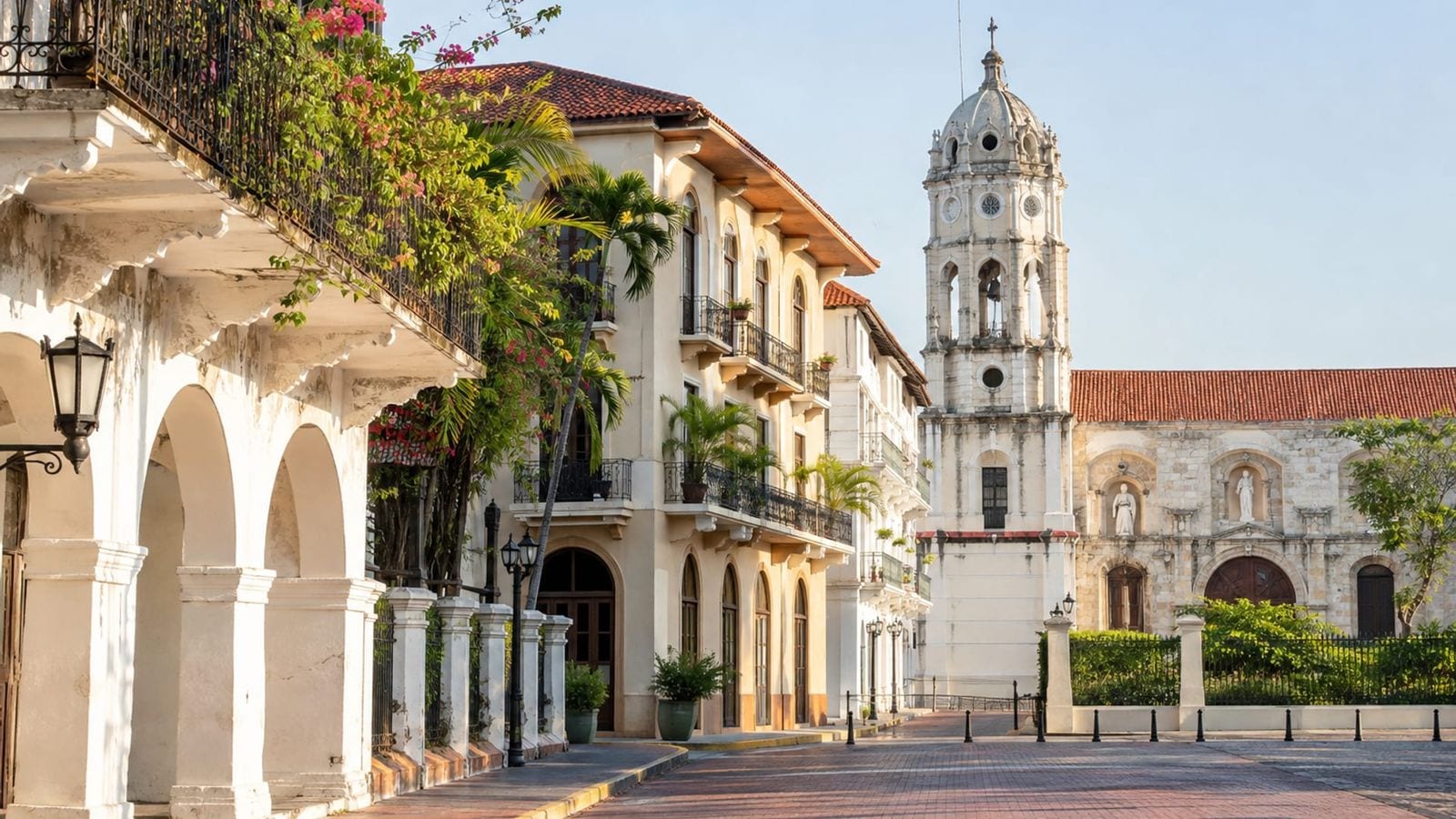
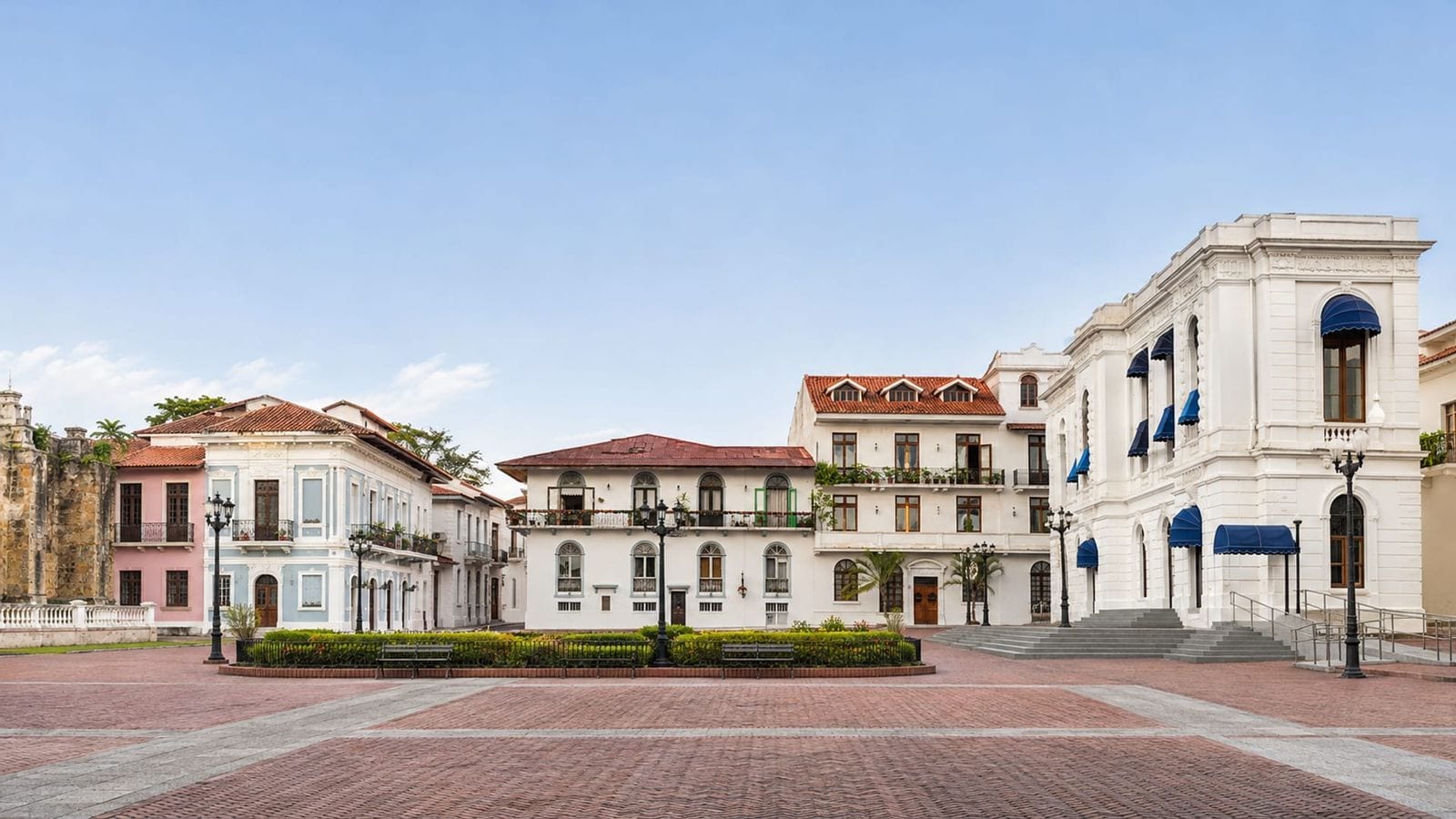
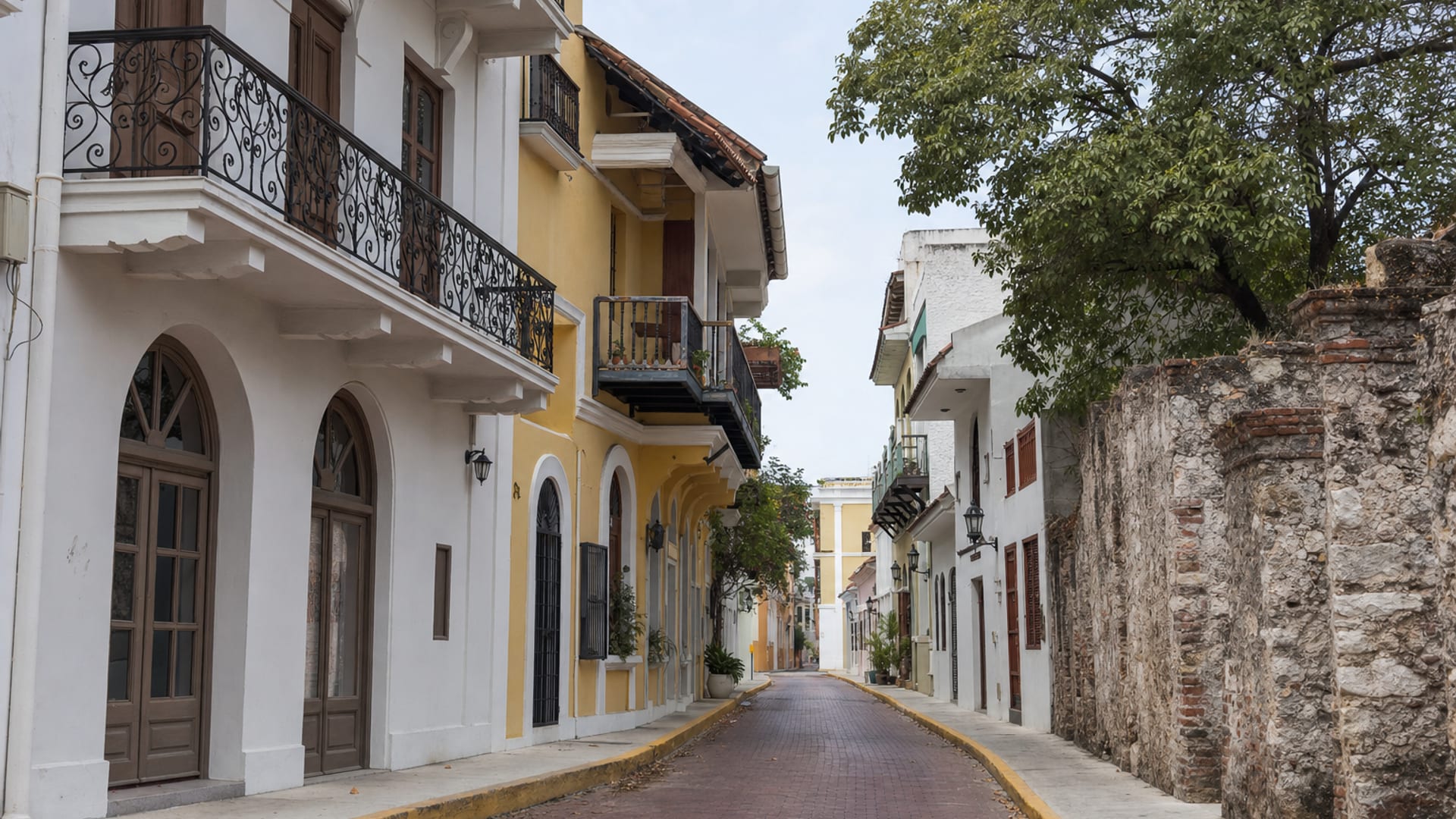
Casco Viejo is Panama City’s historic quarter, with restored colonial buildings, cobbled streets, churches, waterfront plazas, restaurants, and rooftop bars. Its compact street plan keeps the main historic sights, dining options, and walking tours close together.
Best for: Historic sightseeing, restaurants, nightlife, and a walkable central location
What to expect: Narrow streets, regular visitor traffic, outdoor dining, and lively evenings near the main plazas and rooftop venues
Hotel prices: Boutique and upscale hotels generally cost $120 to $350 per night, while luxury properties may charge more.
Distance to major sights: The Canal Museum and Plaza de Francia are 5 to 15 minutes away on foot. The Panama Canal Administration Building takes 20 minutes to reach by car.
Quietness: Some side streets are quieter during the day, but bars, restaurants, and rooftop venues can create late-night noise, especially on weekends.
Main trade-off: Rooms often cost more than in modern districts, and nightlife noise can reach nearby hotels.
Good to know: A courtyard-facing room or strong soundproofing can make a clear difference if you prefer an earlier night.
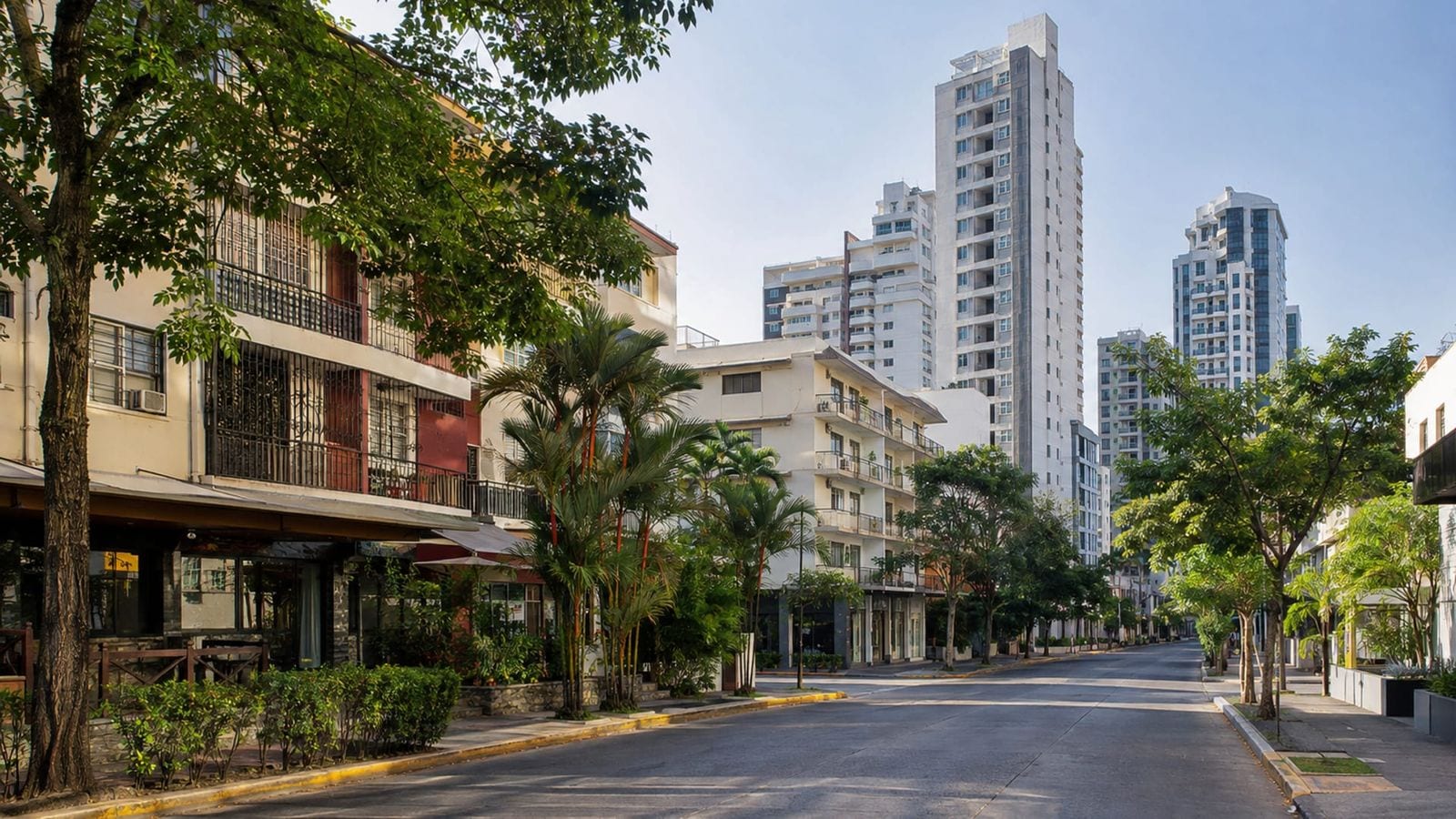
El Cangrejo is a central residential district with apartment towers, hotels, cafés, supermarkets, and many casual restaurants near Vía Argentina. The metro and central location make it convenient for dining and travel across the city.
Best for: Midrange hotels, restaurants, metro access, and a central district with fewer tourist groups.
What to expect: Active sidewalks, local restaurants, cafés, supermarkets, and a steady evening crowd along Vía Argentina.
Hotel prices: Most hotels charge $70 to $180 per night, although simpler properties may cost less.
Distance to major sights: Casco Viejo is 15 to 25 minutes away by car. The Amador Causeway takes 20 to 30 minutes in normal traffic.
Quietness: Vía Argentina has more evening activity, while nearby residential streets are generally calmer after dark.
Main trade-off: El Cangrejo has no waterfront setting or major historic landmarks, so you will need the metro, a taxi, or a ride app for sightseeing.
Good to know: Hotels near Vía Argentina offer quicker access to restaurants and the metro, while nearby side streets have less evening noise.
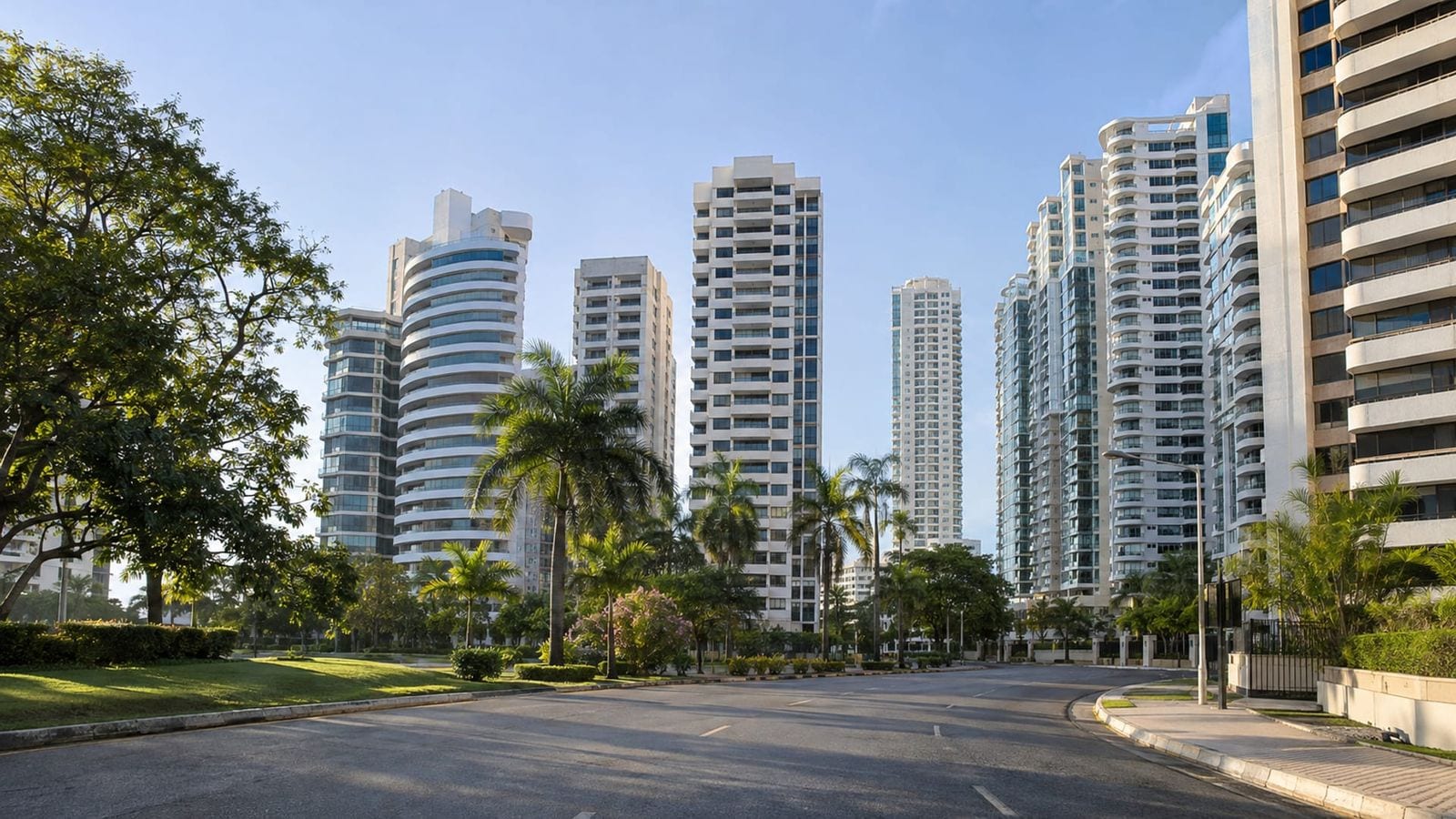
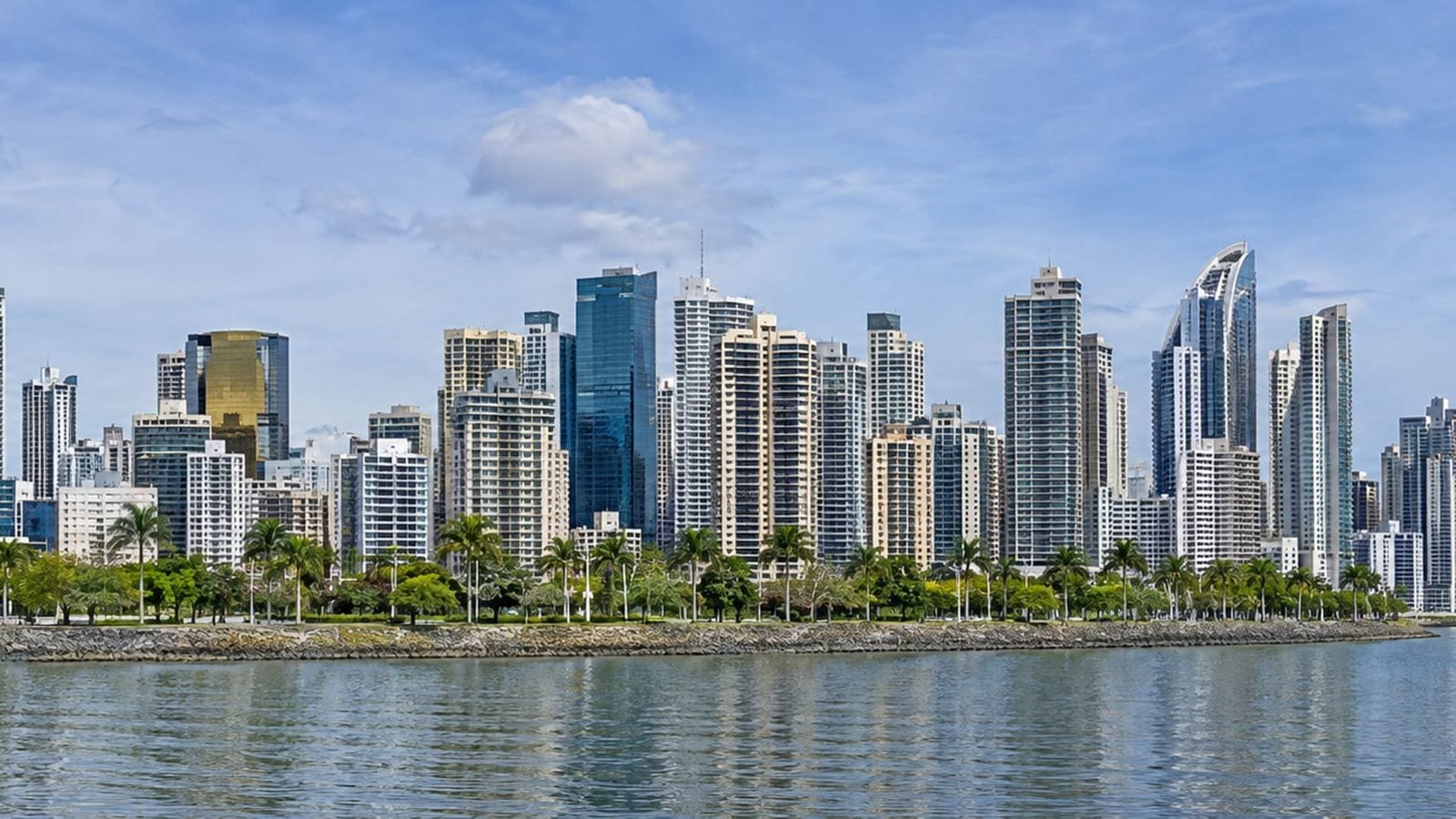
Punta Paitilla is an upscale waterfront district with high-rise residences, several hotels, and broad views across Panama Bay. It suits travelers who prefer newer accommodations, quieter evenings, and convenient access to shopping and restaurants.
Best for: Upscale accommodations, bay views, quieter evenings, and nearby shopping
What to expect: High-rise residential buildings, broad avenues, medical facilities, and regular traffic on the main roads
Hotel prices: Nightly rates generally range from $90 to $200, with higher prices for larger rooms and busy travel dates.
Distance to major sights: Casco Viejo and the Panama Canal Museum are 15 to 25 minutes away by car, with longer trips during peak traffic.
Quietness: Residential streets are quiet at night, while the main roads have more daytime traffic noise.
Main trade-off: The district has few historic attractions, so most sightseeing requires a taxi or ride app.
Good to know: Evening trips to Casco Viejo can take longer on weekdays, so allow extra time for dinner reservations.
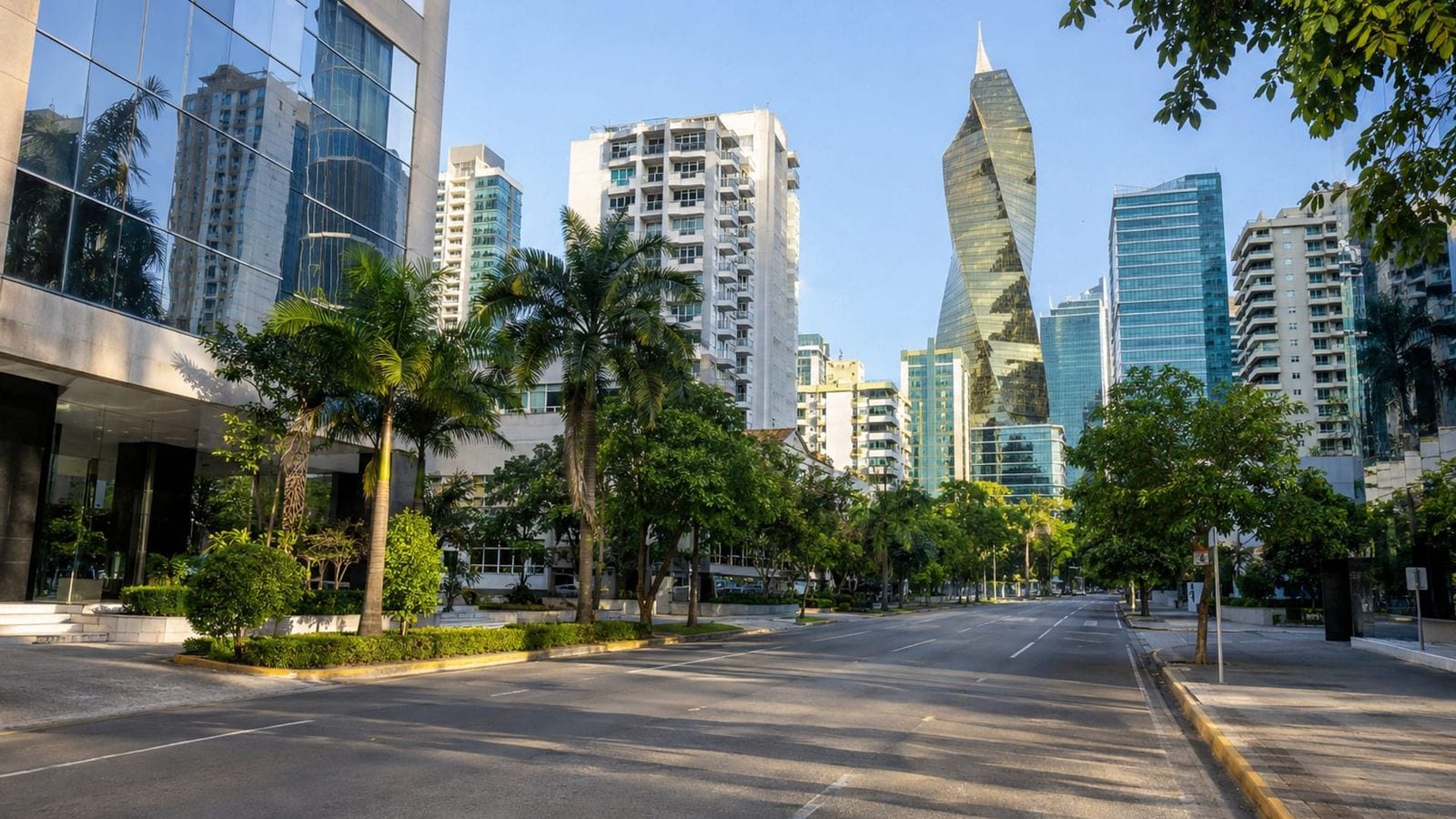
Obarrio forms part of Panama City’s financial and commercial center, with office towers, hotels, restaurants, malls, and several major roads. It is a convenient option for business travelers who want shorter trips to offices, shopping, and central restaurants.
Best for: Business trips, shopping, restaurants, and access to the commercial center
What to expect: Weekday office traffic, busy lunch periods, hotel activity, and a larger restaurant crowd after work
Hotel prices: Hotels commonly cost $80 to $220 per night, while luxury properties and high-demand dates can push rates higher.
Distance to major sights: The drive to Casco Viejo takes 15 to 25 minutes. The Panama Canal Administration Building is 10 to 20 minutes away by car.
Quietness: The main avenues have steady daytime traffic, while side streets and office blocks become calmer later in the evening.
Main trade-off: Obarrio has fewer historic sights and no waterfront setting, so leisure visits require short trips by taxi or ride app.
Good to know: Main-avenue hotels offer quicker access to offices and shopping, while properties on side streets generally have less road noise.
Travelers usually avoid staying near Tocumen Airport unless they have an early flight. San Francisco and Bella Vista offer more dining and hotel choices, but trips to Casco Viejo can take longer during rush hour.
Hotel deals
How to get around Panama City efficiently
Getting around the city requires a mix of transportation options because the airport, canal area, historic center, and modern districts are spread across it.

Metro
for longer distances
Line 2 links Tocumen International Airport (PTY) with Panama City, but reaching central stops requires transfers at Corredor Sur and San Miguelito. Line 2 costs $0.50, while a trip using Lines 1 and 2 costs $0.85. Large luggage can make the route less convenient.

Metrobus
for convenience
Metrobus serves districts and main roads beyond the rail network. Standard routes cost $0.25, while express routes using toll roads can cost $1.25. You need a Metro or Metrobus card, and crowded vehicles can be less practical with luggage.

Taxi and ride apps
for convenience or late hours
Official airport taxis use fixed fares. Trips to central Panama City cost $30 for up to two passengers, while Albrook starts at $35 and Amador at $38. Uber and inDrive also operate, with estimated prices shown before booking.
*Prices are based on rates updated as of July 2026 and may change at the time of travel.
Use the Metro for lower-cost trips, Metrobus for routes beyond the rail network, and taxis or ride apps for direct travel with luggage.
Iconic landmarks
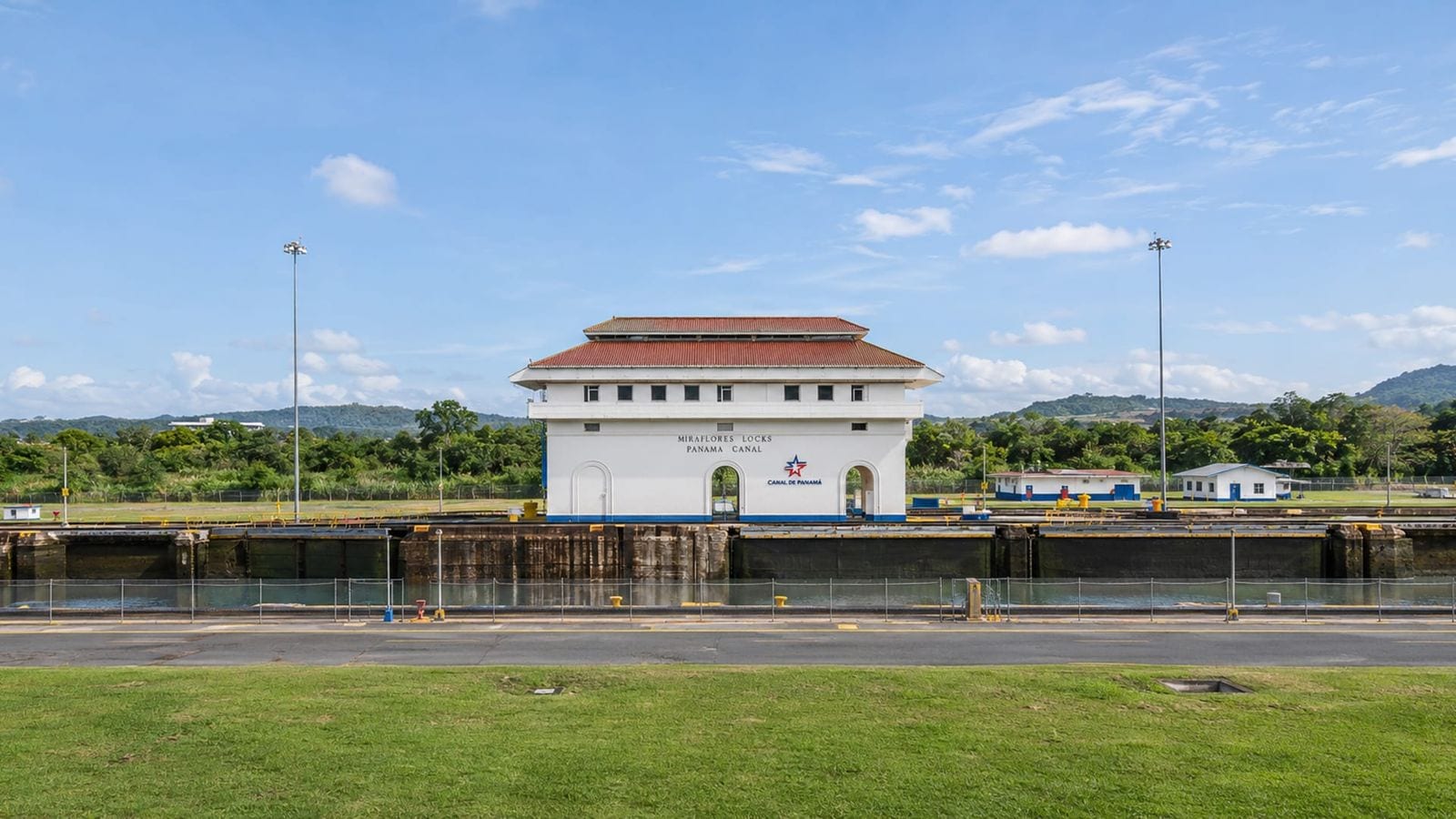
Panama Canal, Miraflores Locks
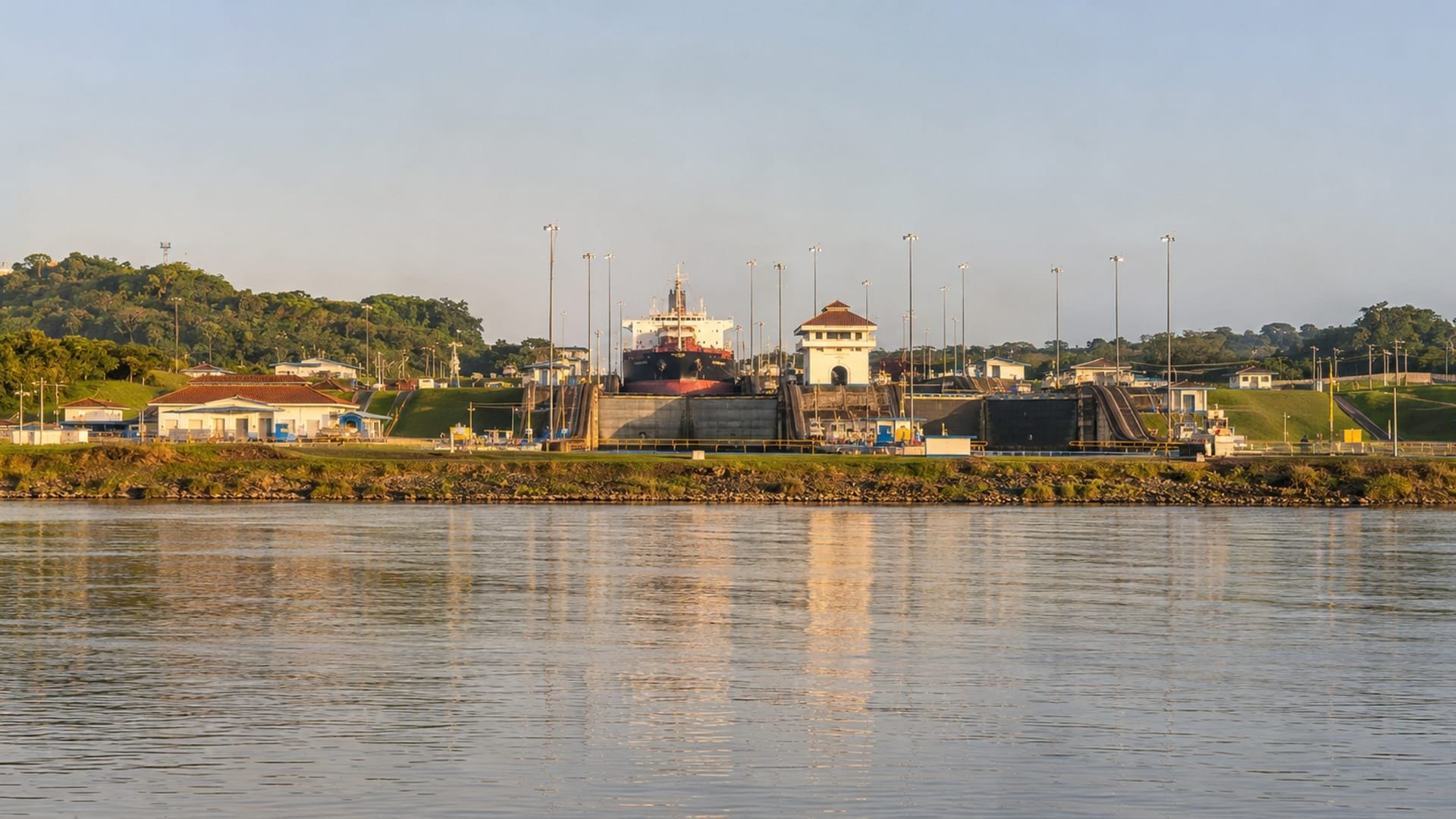
The Miraflores Locks offer close views of oceangoing ships as they rise or descend through the canal’s Pacific-side chambers. Viewing terraces, films, and exhibits explain the canal’s construction, engineering, daily operation, and role in global trade.
Time needed: Allow 2 to 3 hours for the exhibits, film, terraces, and ship viewing.
Entry: Non-resident tickets range from $7.22 to $17.22, depending on age. Visit the official site for details.
Tip: Check the ship schedule, since ships pass through at different times during the day.
Casco Viejo
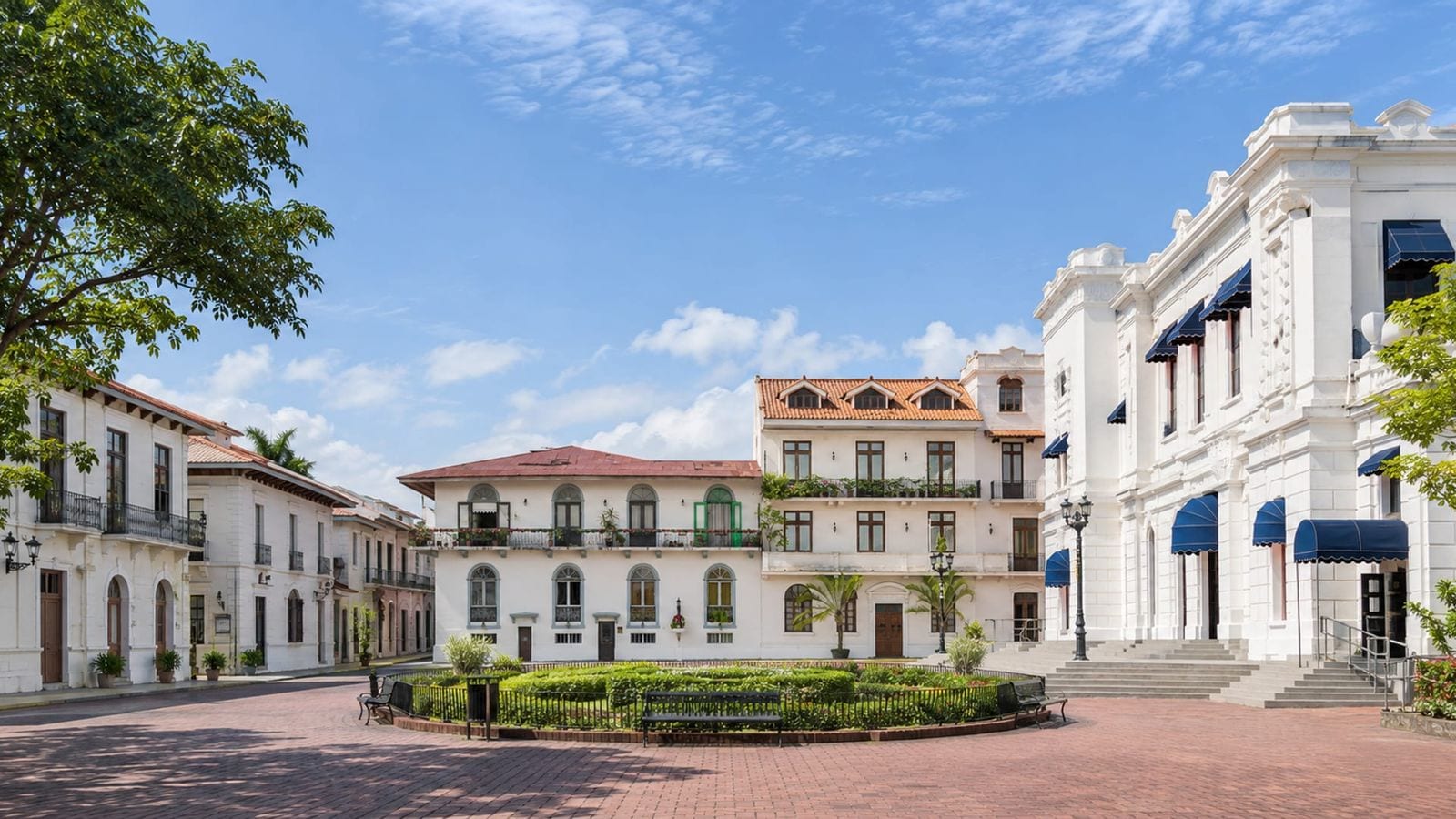
Casco Viejo is Panama City’s historic quarter, with restored colonial buildings, churches, tiled plazas, balconies, restaurants, and waterfront views. Key landmarks include the Metropolitan Cathedral, Plaza Bolívar, Plaza de Francia, and the district’s preserved streets and former mansions.
Time needed: Set aside 2 to 4 hours for the main streets, plazas, churches, and waterfront.
Entry: The district is free to explore. Museums, churches, rooftop venues, and guided tours may charge separate admission.
Tip: Visit in the late afternoon, then at sunset when temperatures are lower.
Biomuseo
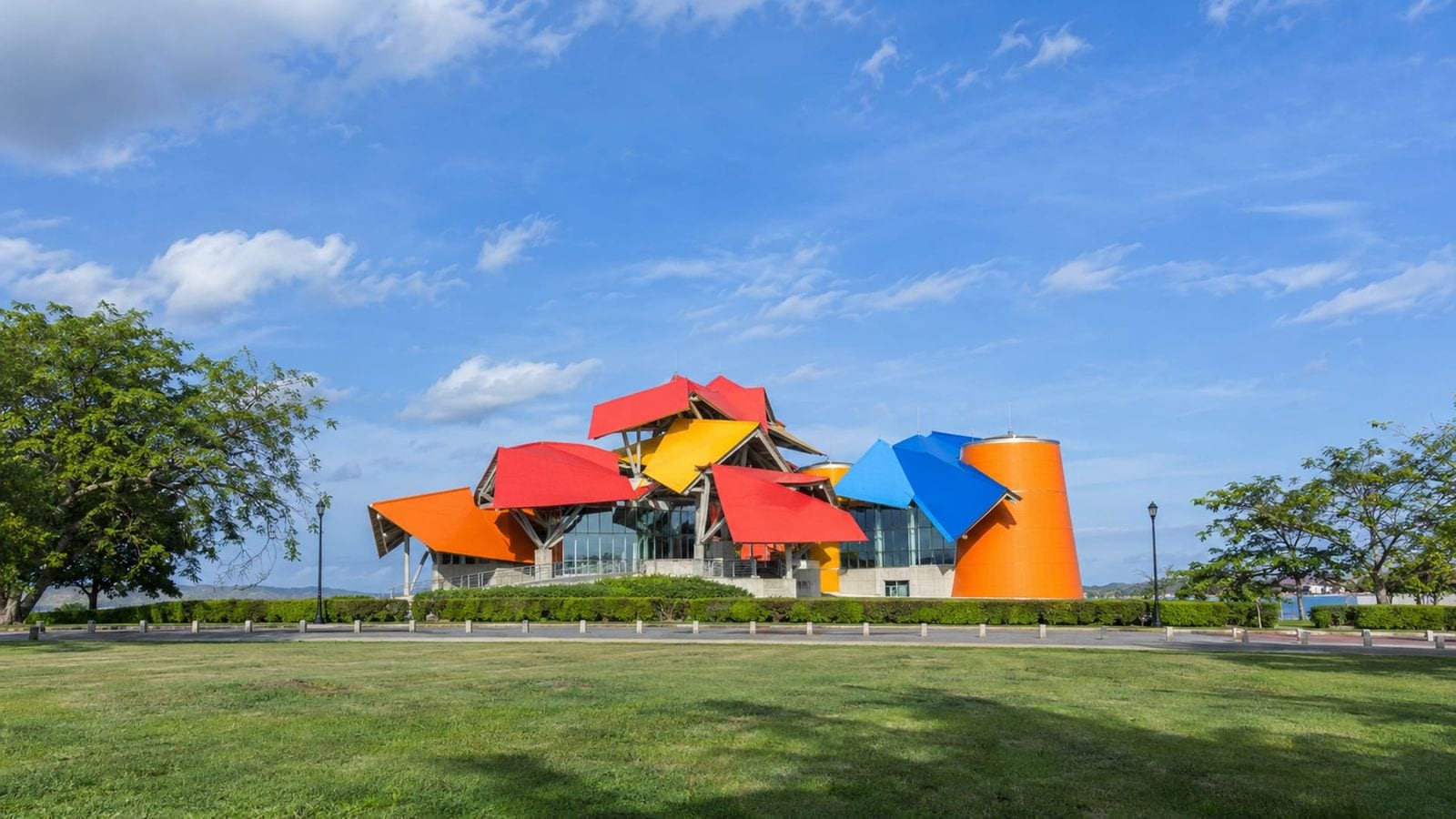
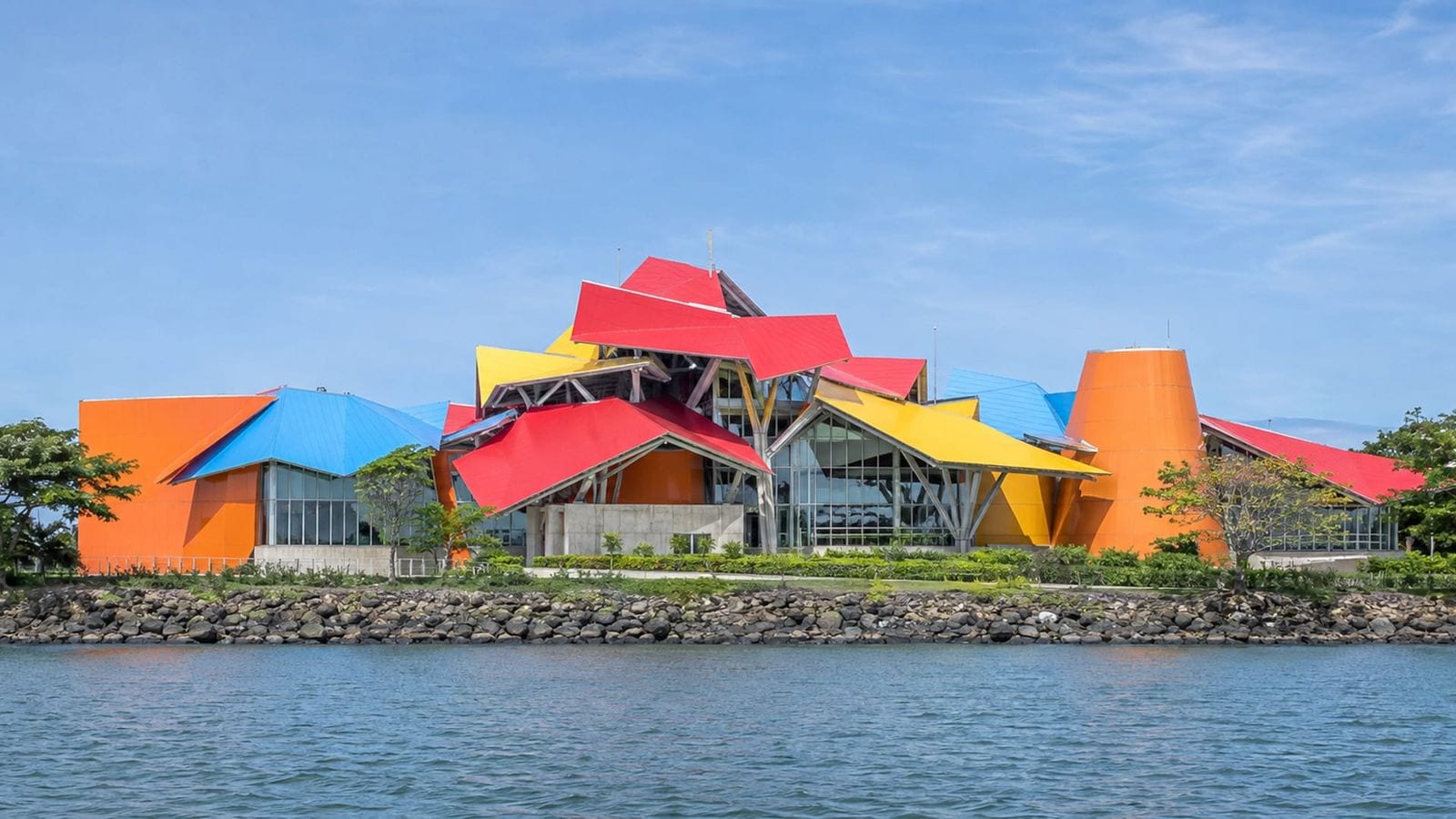
The Biomuseo, designed by Frank Gehry, explores Panama’s biodiversity, geology, and role as a land bridge between North and South America. Eight galleries, large installations, projections, and outdoor spaces explain how the isthmus shaped regional ecosystems and migration.
Time needed: Allow 1.5 to 2.5 hours for the permanent galleries and outdoor areas.
Entry: Non-resident tickets start at $20. Visit the official site for details.
Tip: Visit in the morning for cooler temperatures and clearer bay views before closing time.
Overlooked sites worth visiting

Punta Culebra Nature Center
This Smithsonian nature center on the Amador Causeway has forest trails, aquariums, tide pools, marine exhibits, and Pacific views. Sloths, iguanas, raccoons, and birds may appear along the paths.
Time needed: Allow 1.5 to 2 hours for the trails and exhibits.
Entry: Residents pay $6, non-residents pay $10, and children under 13 pay $3. Check prices on the official website. Visit the official site for details.
Tip: Visit early for cooler trails and a better chance of seeing wildlife.

Museum of Contemporary Art, Panama
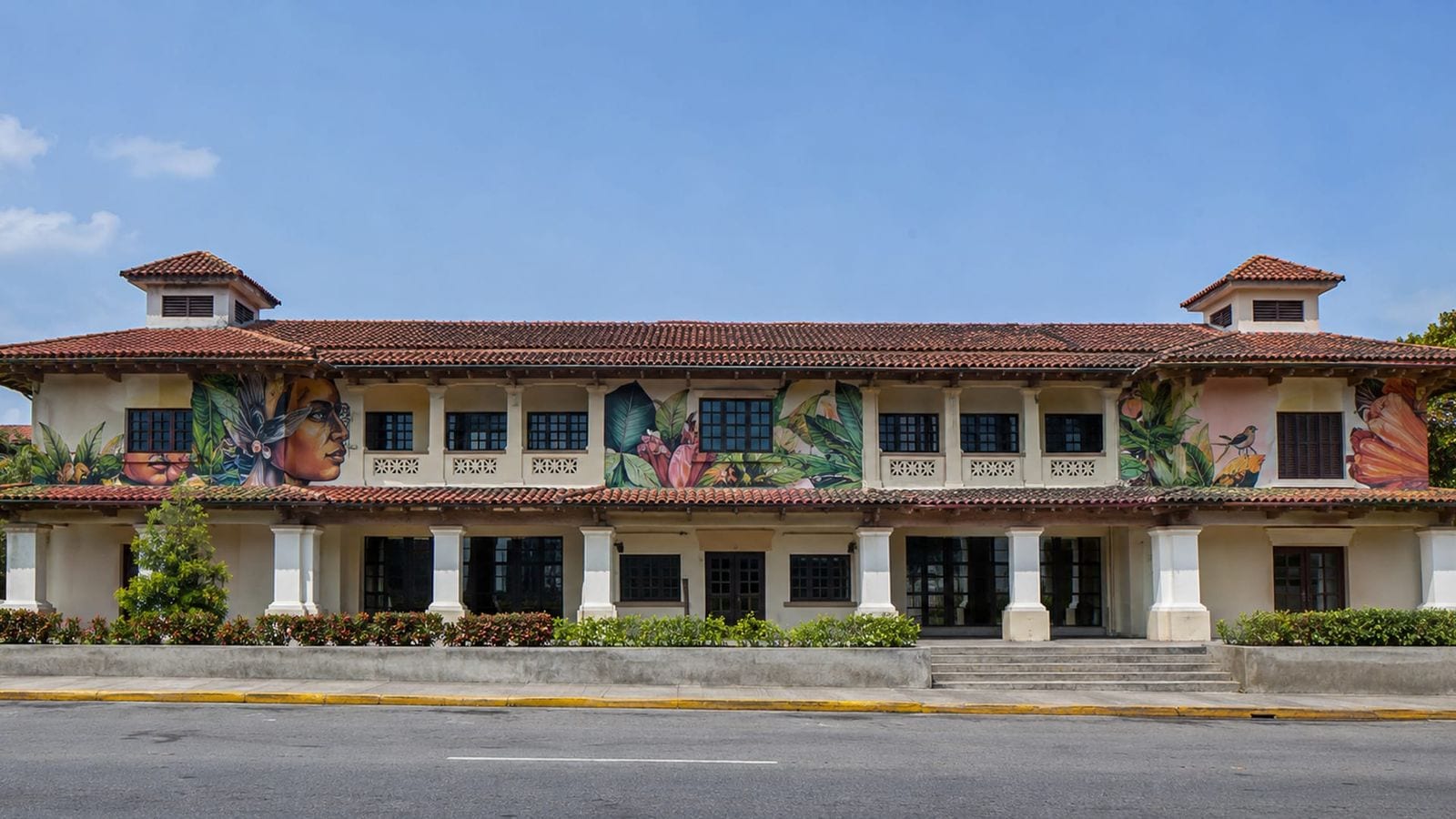
Housed in a former Masonic temple near Cerro Ancón, this museum focuses on Panamanian and regional contemporary art through its permanent collection and changing exhibitions with more than 1,200 works.
Time needed: Set aside 45 minutes to 1.5 hours.
Entry: Foreign visitors pay $10. Check current prices and hours on the official MAC Panamá website. Visit the official site for details.
Tip: Check the exhibition calendar before visiting, since the displays change often.
Traditional food
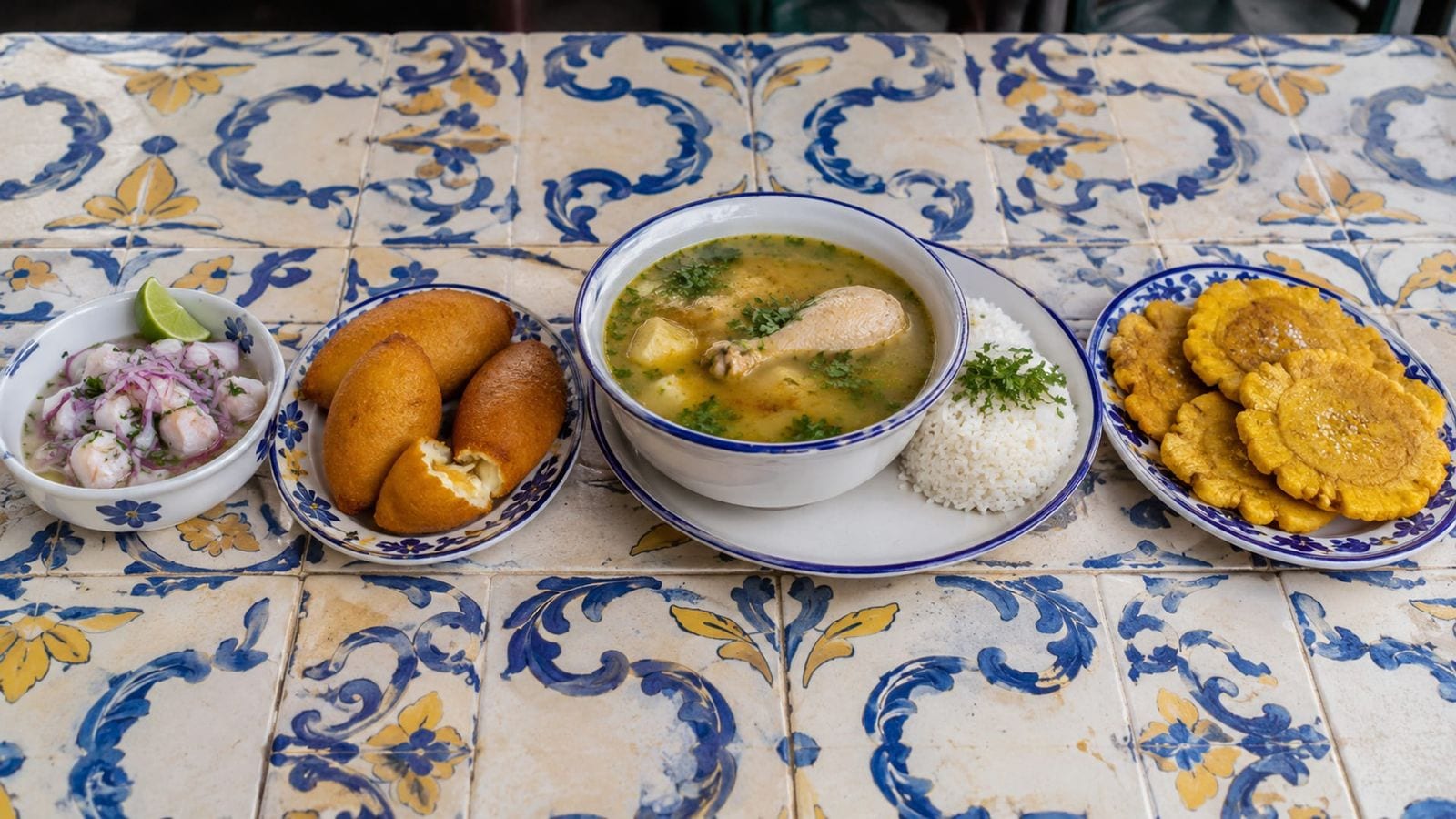
Panamanian cooking uses rice, corn, plantains, seafood, yucca, and slow-cooked soups. Ceviche and fried snacks are common at markets, casual restaurants, and lunch counters.
Sancocho
Sancocho is a chicken soup made with ñame, culantro, vegetables, and a light, savory broth. The culantro gives it a distinctive herbal flavor, and it usually comes with white rice. El Trapiche serves it as part of its traditional Panamanian menu.
Ceviche
Panamanian ceviche typically uses fish or seafood cured with lime juice, onion, and cilantro. It is served cold, often in small cups, and may include shrimp, octopus, or mixed seafood. Mercado de Mariscos has several stalls selling fresh ceviche.
Carimañolas
Carimañolas are fried yucca rolls filled with seasoned meat or cheese. The outer layer becomes crisp while the grated yucca stays soft and dense inside. They are commonly eaten for breakfast or as a snack. El Trapiche sells them and other Panamanian dishes.
Patacones
Patacones are twice-fried green plantain slices with a crisp exterior and soft center. They are served as a snack, side dish, or base for seafood, meat, and other toppings. Bucaneros serves them with several seafood platters.
Best time to visit Panama City
Panama City is hot and humid all year, with the dry season from mid-December through April, with the best conditions for sightseeing, landmarks, and walks.
Best for: Drier weather, canal visits, outdoor sightseeing, and walks through Casco Viejo.
What you get: Temperatures generally range from 75°F to 90°F (24°C to 32°C), with less rain, more sunshine, and higher visitor numbers.
Trade-offs: Hotel rates can rise during Christmas, New Year, and Carnival, which may fall in February or March.
Best for: Warm, sunny days in March and April, with fewer holiday crowds after Easter.
What you get: Temperatures usually range from 77°F to 90°F (25°C to 32°C). March and April are relatively dry, while rainfall increases sharply in May.
Trade-offs: Humidity rises toward May, and heavy afternoon rain becomes more common as the rainy season begins.
Best for: Museums, indoor attractions, restaurants, and lower visitor numbers.
What you get: Temperatures generally range from 75°F to 88°F (24°C to 31°C), with humid conditions and frequent afternoon rain.
Trade-offs: Downpours can interrupt outdoor plans, slow road travel, and reduce visibility at waterfront viewpoints.
Best for: Fewer crowds, indoor activities, and travelers who don’t mind rain.
What you get: Temperatures typically range from 75°F to 87°F (24°C to 31°C), with frequent rain, especially in October and November.
Trade-offs: Heavy rain can disrupt travel, limit outdoor plans, and complicate canal and waterfront visits.
A realistic 5-day plan in Panama City
Five days gives you enough time to separate the historic center, canal, waterfront, and modern districts. Grouping nearby sights limits unnecessary cross-city drives and leaves room for weather, traffic, and longer museum visits.
Arrive at Tocumen International Airport (PTY), then take an official taxi or ride app to your hotel. Airport taxis charge $30 to central Panama City for up to two passengers, and the drive usually takes 25 to 50 minutes.
Casco Viejo suits historic sightseeing and evening dining. Punta Paitilla offers a quieter waterfront setting, while El Cangrejo and Obarrio provide central restaurants, metro access, and broader hotel choices. Keep dinner close to your hotel.
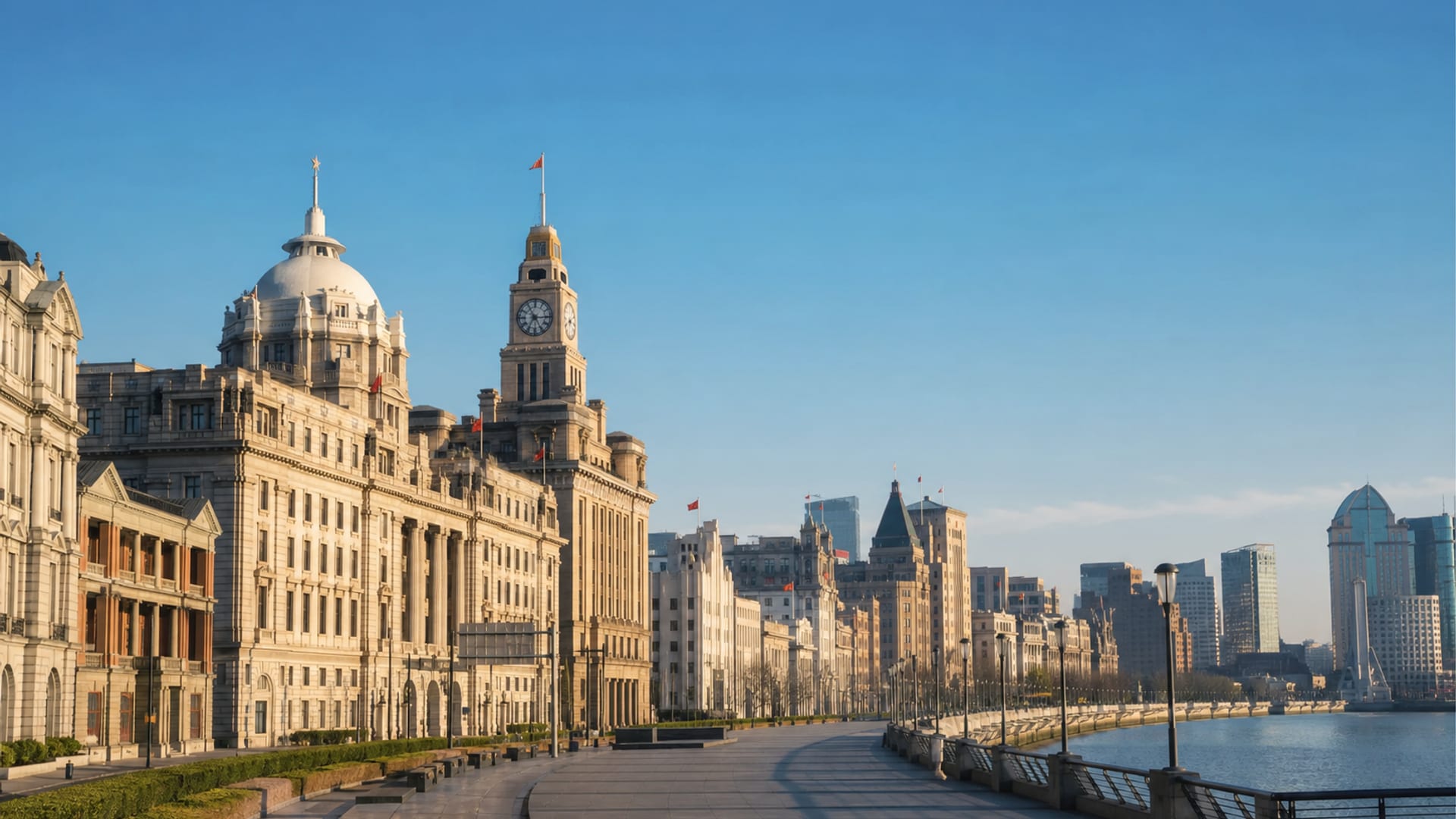
Begin in Casco Viejo before the midday heat. Allow 2 to 4 hours for the Metropolitan Cathedral, Plaza Bolívar, Plaza de Francia, restored streets, churches, and waterfront viewpoints.
From there, take a ride app to the Miraflores Locks, usually 15 to 25 minutes away. Plan 2 to 3 hours for the film, exhibits, viewing terraces, and ship movements, and check the daily transit schedule before leaving Casco Viejo.
Return to Casco Viejo for dinner, or go to El Cangrejo or Obarrio for a quieter evening.
Start at the Biomuseo when it opens, since the museum closes at 3:00 pm. Allow 1.5 to 2.5 hours for the galleries, outdoor areas, and views toward the city skyline and canal entrance.
Continue along the Amador Causeway to Punta Culebra Nature Center. The drive takes only a few minutes, and the visit requires 1.5 to 2 hours for the forest paths, marine displays, tide pools, and waterfront areas.
Finish with a late lunch or early dinner near the marina before returning to your hotel.
Visit MAC Panamá in Ancón during the morning. Allow 45 minutes to 1.5 hours for the current exhibitions, and check the museum calendar before arrival.
Afterward, take a taxi or ride app to El Cangrejo. Spend the afternoon near Vía Argentina, where cafés, restaurants, supermarkets, and residential streets offer a closer look at everyday city life.
Continue to nearby Obarrio for dinner or shopping. The districts are close, although the drive may take longer than 10 minutes during busy periods.
Use the final morning for a museum, a return to Casco Viejo, or shopping near your hotel. Soho Mall in Obarrio is convenient for a short shopping stop, while Vía Argentina in El Cangrejo has cafés for a slower final morning.
Return to the hotel for your luggage, then leave for Tocumen International Airport with additional time for traffic. The drive can take 25 to 50 minutes, and weekday congestion may extend the trip further.
Business-class flights from the US to Panama City
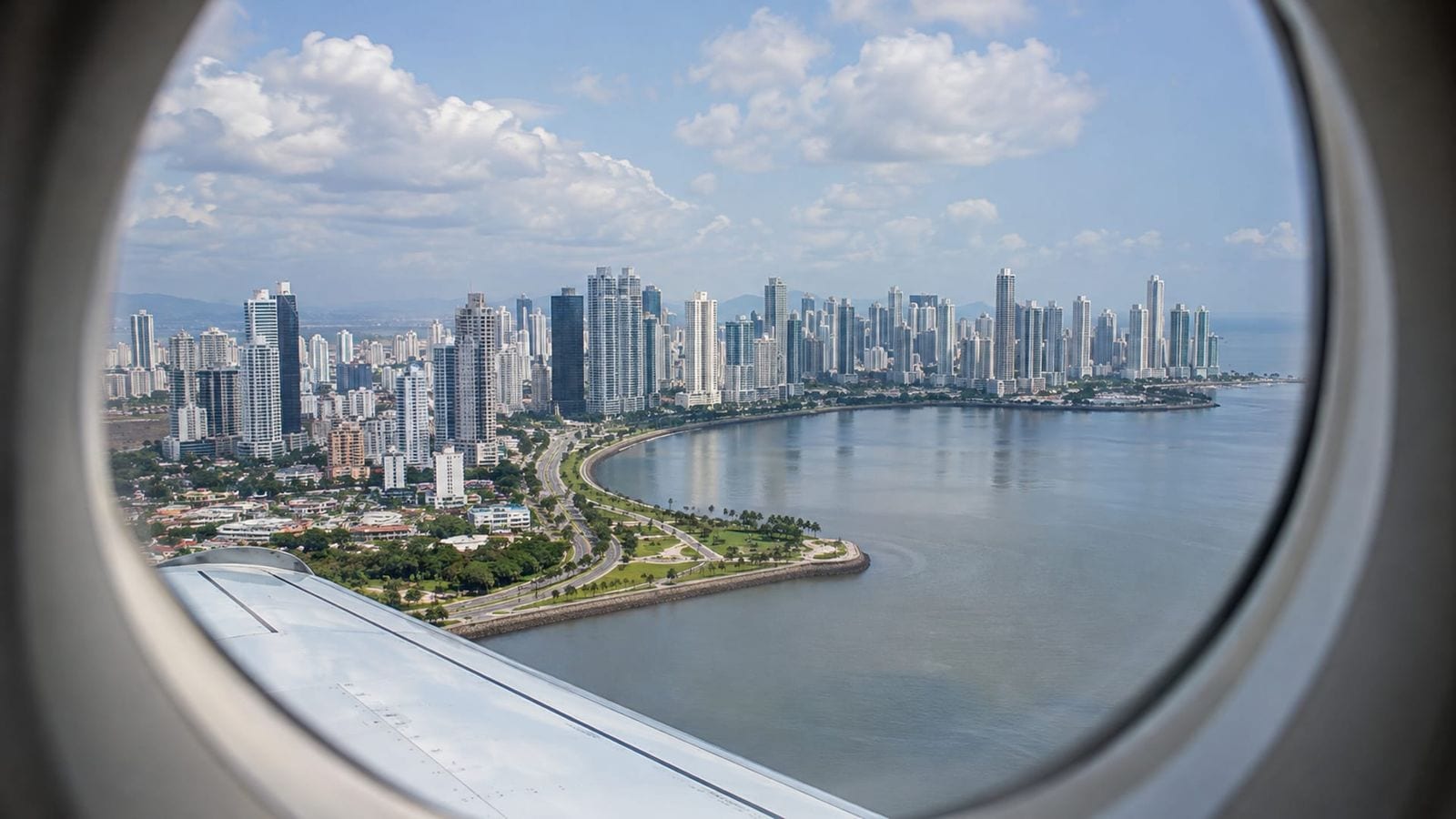
Panama City has nonstop and one-stop business-class options, with the best choice depending on your desired travel time and fare range.
New York (JFK) to Panama City (PTY)
From New York (JFK), United Airlines and Copa Airlines operate nonstop flights to Tocumen International Airport (PTY) in 5.5 hours. Round-trip business-class fares generally range from $1,400 to $4,800. One-stop options include Avianca via San Salvador (SAL), American Airlines through Miami (MIA), Delta via Atlanta (ATL), and United Airlines through Houston (IAH). These trips usually take 8 to 17 hours and cost $1,000 to $1,900.
Los Angeles (LAX) to Panama City (PTY)
From Los Angeles (LAX), Copa Airlines flies nonstop to Panama City in about 6 hours and 30 minutes, with round-trip fares typically ranging from $2,400 to $4,600. Connecting itineraries include United via Houston (IAH), Avianca through San Salvador (SAL), Aeromexico through Mexico City (MEX), and Delta through Atlanta (ATL). Total travel time ranges from 8 to 24 hours or more, while fares generally fall between $1,100 and $2,300.
Plan Panama City with time to spare
Panama City is easier to explore when you group nearby districts, allow extra time for traffic, and balance outdoor visits with museums and indoor stops. A clear structure helps you see the canal, historic center, waterfront, and modern neighborhoods without rushing. Once your dates are set, our AranGrant agents can help you compare business-class flights and hotels for your trip.