

Chapters:

Need help with your trip?
Our support team is available 24/7. Request a callback or call us directly at (833) 619-0908
Okinawa trips often start with Naha, a castle, and one long drive north, while quieter places such as Sefa Utaki and the island’s memorial sites get squeezed out. Many visitors also underestimate how much time road travel adds between the airport, the southern peninsula, and the coast.
That approach works for a list of names, but not for a trip. Distances stretch quickly, buses vary by route, and the best days need some pacing between the city, the south, and the northern shoreline.
This guide lays out the island in a cleaner order, with a base, five days, and flight options that fit the actual shape of Okinawa.
Useful things to know
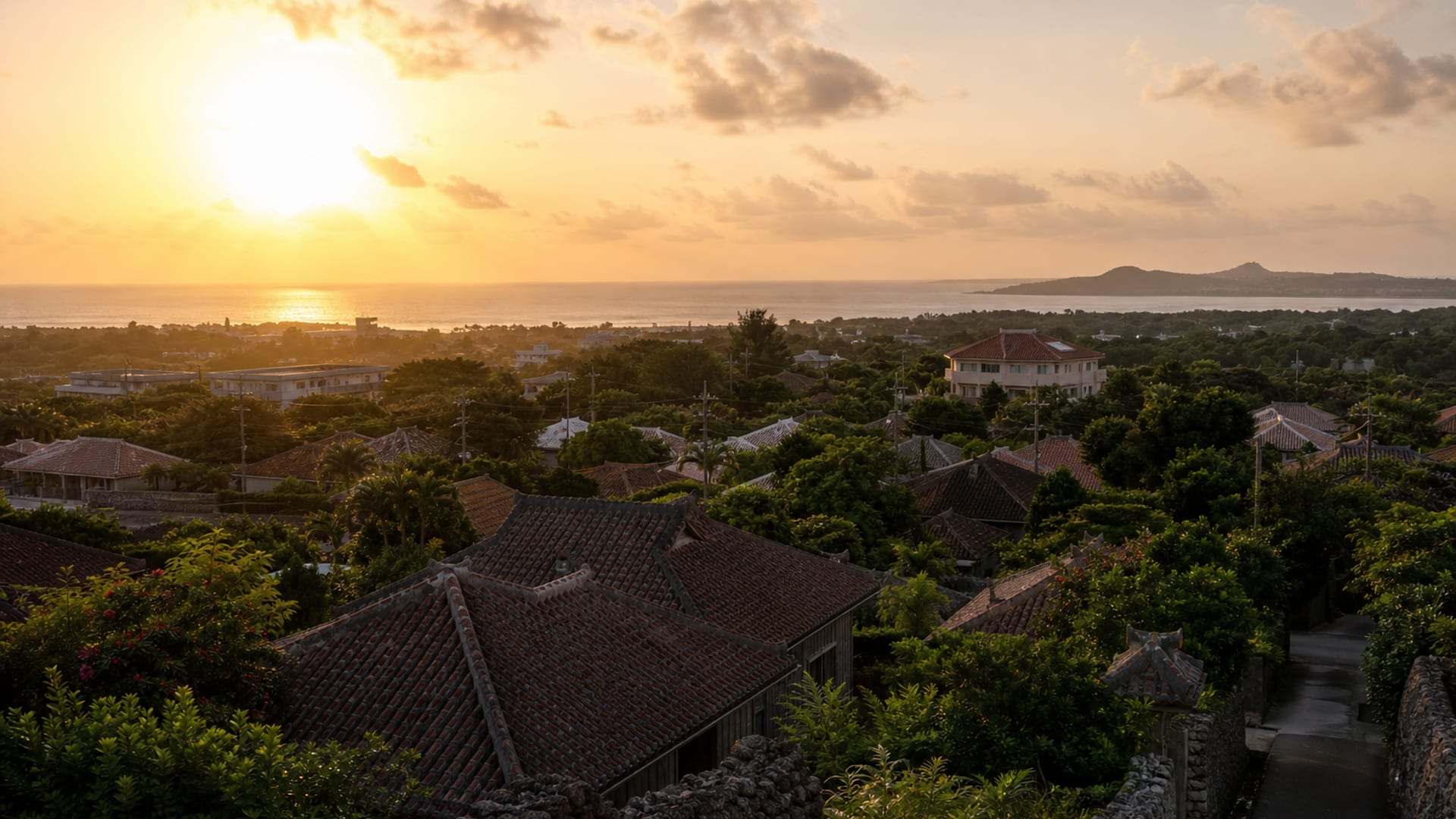

Main language(s): Japanese
こんにちは (konnichiwa) – Hello or good afternoon
お願いします (onegaishimasu) – Please
ありがとうございます (arigatou gozaimasu) – Thank you
英語を話せますか? (eigo o hanasemasu ka?) – Do you speak English?
いくらですか? (ikura desu ka?) – How much does it cost?

Currency: The local currency is the Japanese yen (JPY, ¥).

Cash and cards: Cards and contactless are widely accepted; carry about ¥3,000 to ¥5,000 ($20 to $34) in cash for small shops and buses.

Tipping: Tipping is not customary; round up only in taxis if you want.

Traditional food: Okinawa soba, goya champuru, taco rice, rafute

Water and coffee costs: Water about ¥100 ($1), bar espresso about ¥400 ($3).

Taxis and ride apps: Taxi apps include GO and Uber, but availability can be limited outside central Naha.

Plug and voltage: Type A/B socket, 100V

Dining and shop opening hours: Breakfast is usually 07:00-09:00, lunch 12:00-14:00, and dinner 18:00-21:00. Many restaurants close one day a week, often Monday or Tuesday.

Emergency number: 110 for police, 119 for fire and ambulance.
Where to stay in Okinawa
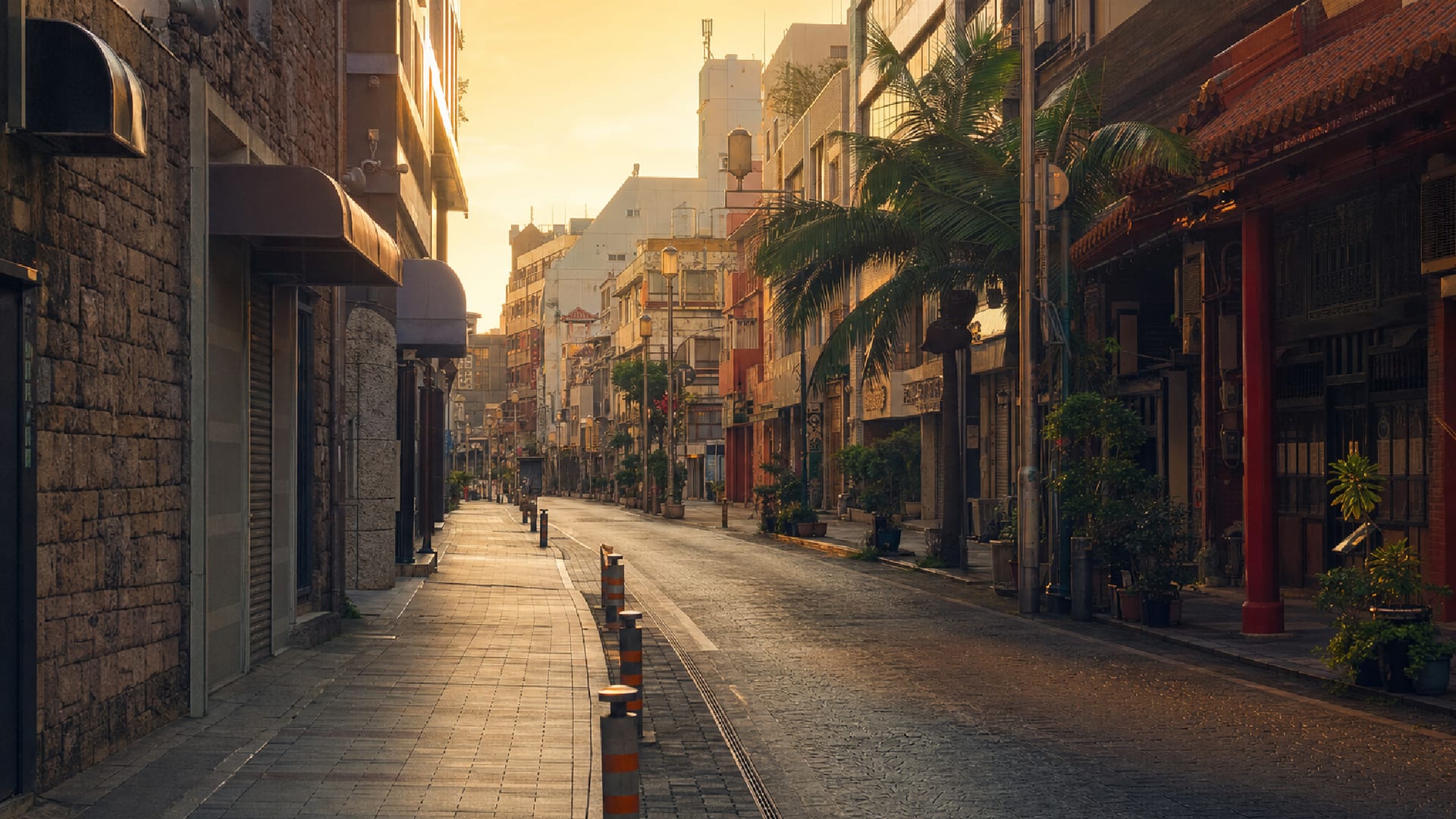
The heart of Naha sits just south of Okinawa City and works well as a base for airport access, dining, and public transport. You can reach Kokusai Dori, the monorail, and many shops without needing a car.
Best for: Airport access, shopping, and easy access to Naha’s main sights
What to expect: Busy streets, late-opening restaurants, and steady foot traffic from morning through evening.
Hotel prices: Usually about $90 to $180 per night for well-rated stays
Distance to major sights: About 15 minutes by monorail to Kokusai Dori, about 20 minutes by car to Okinawa City center
Quietness: Daytime is lively and active; evenings stay busy near the main streets, but side blocks calm down later.
Main trade-off: You will pay more for central convenience, and parking can be limited in the busiest blocks.
Good to know: Choose this if you want the easiest car-free base, but book early for rooms near the monorail.
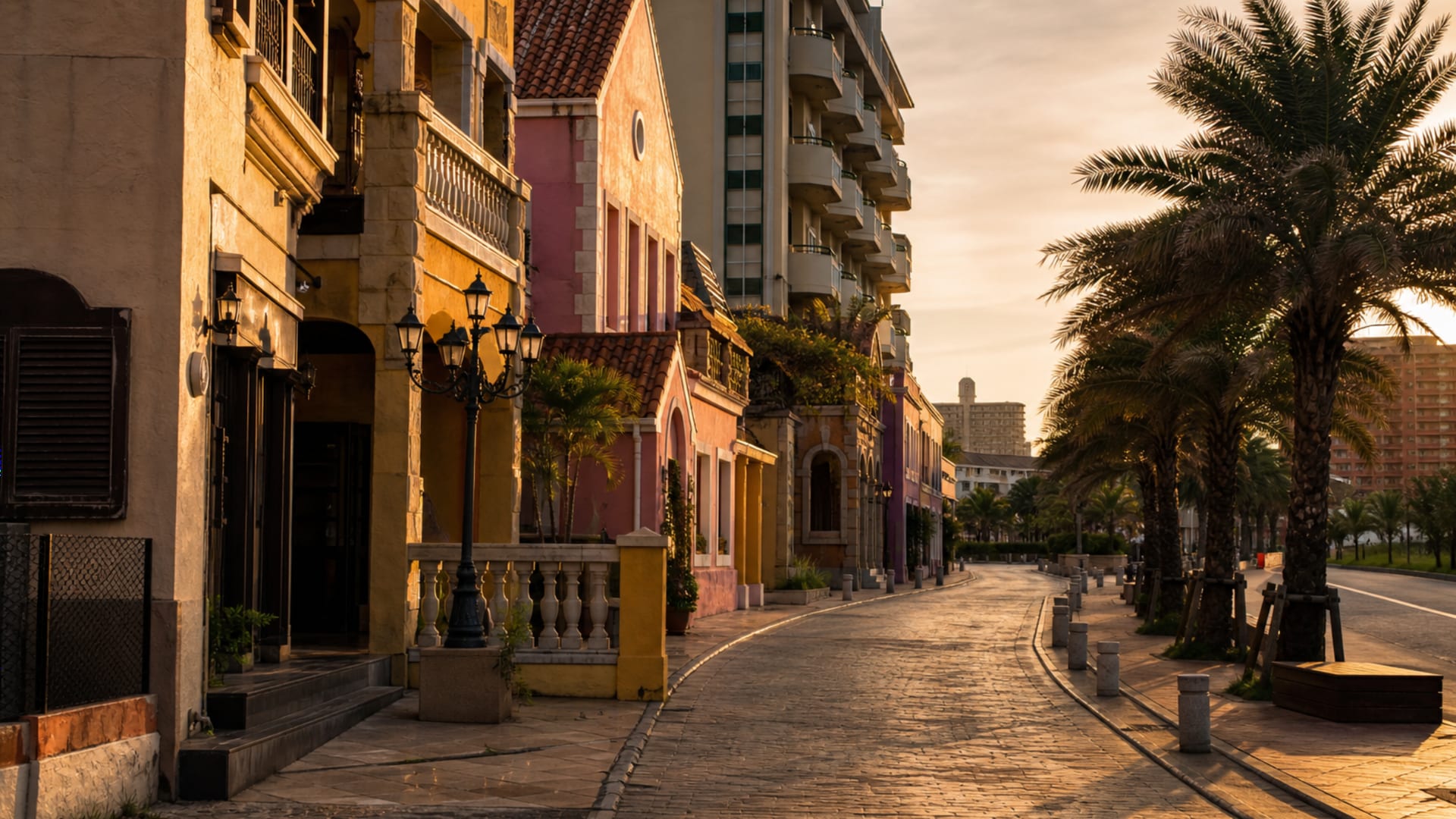
Mihama centers on the American Village complex, a waterfront area with hotels, restaurants, and nightlife. It suits visitors who want an English-friendly base and quick access to shopping and evening entertainment.
Best for: Dining, nightlife, shopping, and a resort-style stay
What to expect: Tourist-heavy promenades, neon evenings, and a steady stream of visitors near the mall and seafront.
Hotel prices: Usually about $100 to $220 per night for well-rated stays
Distance to major sights: About 20 minutes by car to Okinawa City center, about 25 minutes to Araha Beach
Quietness: Days are active with shoppers and beachgoers; evenings get noisy around the entertainment blocks, then quieten farther inland.
Main trade-off: Hotel rates climb on weekends, and the area sits farther from Naha’s central transit network.
Good to know: If you want beaches and restaurants in the same stay, plan extra time for taxi rides after dinner.
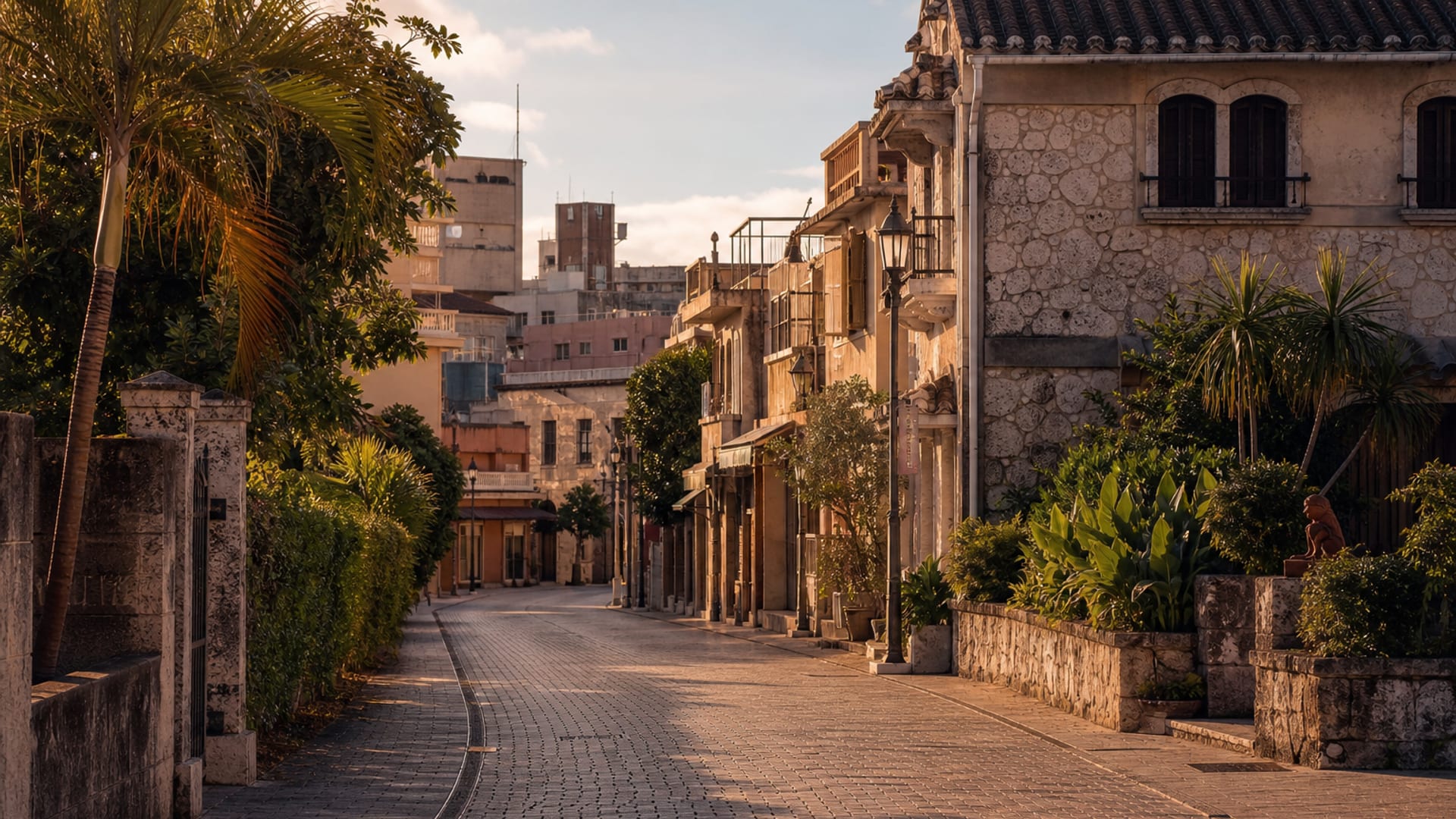
Okinawa City center gives you a local base near City Hall, Camp Foster, and the main retail streets. It sits close to everyday restaurants and car rental offices, which makes it useful for broader exploration of central Okinawa.
Best for: Car travelers, practical mid-island access, and longer stays
What to expect: A lived-in city core with commuter traffic, neighborhood eateries, and fewer pure tourist blocks.
Hotel prices: Usually about $60 to $130 per night for well-rated stays
Distance to major sights: About 10 minutes on foot to City Hall, about 20 minutes by car to American Village
Quietness: Daytime brings traffic and local errands; evenings are quieter than resort districts, though main roads still carry some noise.
Main trade-off: You save on room rates, but you will need a car or buses for most beach and sightseeing plans.
Good to know: Base yourself here if you want lower hotel costs and do not mind driving for major attractions.
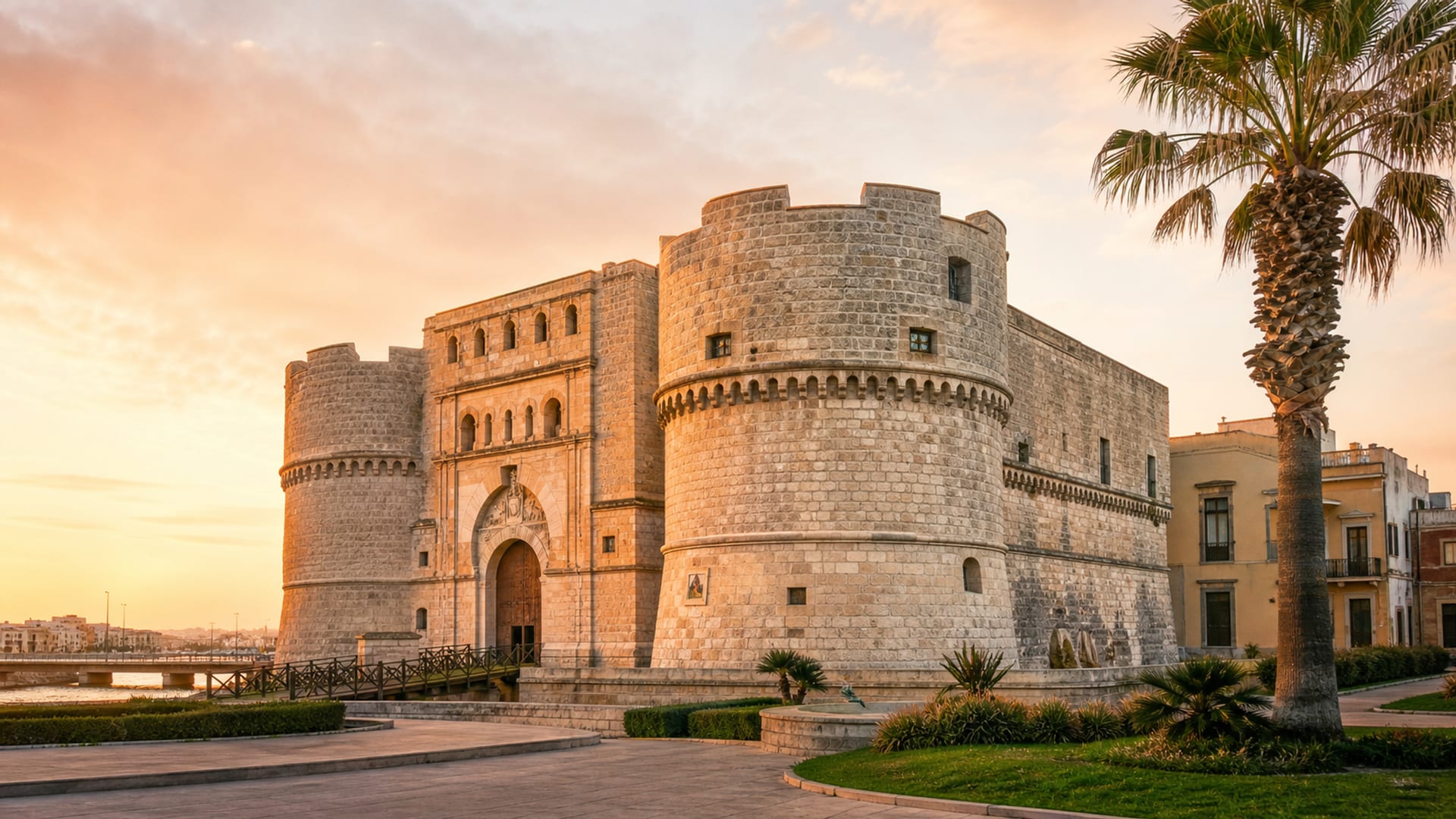
Chatan’s waterfront strip links beaches, cafes, and casual hotels along the western coast of Okinawa City. It works well for travelers who want sea views without staying in a dense downtown district.
Best for: Beach access, sunset walks, and low-key dining
What to expect: A tourist-friendly coast with walkers, cyclists, and moderate evening activity near the main beach fronts.
Hotel prices: Usually about $110 to $240 per night for well-rated stays
Distance to major sights: About 15 minutes by car to Okinawa City center, about 5 minutes on foot to Araha Beach
Quietness: Days are active along the shore; nights are calmer than American Village, though beachside roads can stay busy.
Main trade-off: You trade some transit convenience for a more spread-out area where getting around usually means driving.
Good to know: Pick this if beach time matters, but reserve a room with parking because public transport is limited after dark.
Travelers usually avoid staying in Naha’s industrial waterfront near Oroku and Tomari Port, since it sits away from the main sightseeing areas and offers fewer visitor-oriented amenities after dark. Kitanakagusuku and Okinawa City are less convenient for a first stay, because they are farther from Naha, Shuri, and the usual island day-trip starting points, and evening transit gets thinner outside the core city areas.
Hotel deals
How to get around Okinawa efficiently
Okinawa has no metro or subway, so the Yui Rail, buses, and taxis each cover different parts of the island, with the monorail handling Naha and road transport filling the gaps.

Rail
for airport and central Naha trips
Okinawa has no metro or subway system, so visitors rely on the Yui Rail monorail for the main north-south spine between Naha Airport and Shuri, with trains every few minutes and rides from the airport to central Naha taking about 15 to 20 minutes.

Bus and tram
for wider island travel
The bus network covers the island more widely than the monorail, but routes can be slow and timetables vary, so check departure times carefully; a day pass for the main Naha area typically costs about $4 to $6, and single fares are usually collected on boarding or on exit depending on the route, with short city trips often taking 10 to 30 minutes and cross-city rides much longer.

Taxi
for convenience or late hours
Taxis use meters, not fixed citywide fares, and licensed cars can be hailed on the street, found at taxi ranks, or booked by phone or app; a short Naha ride often costs about $5 to $10, the airport to central Naha usually runs about $15 to $25, and longer trips across the island can climb quickly, with cash still common but many cars also taking cards and transport IC payments.
*Prices are based on rates updated as of June 2026 and may change at the time of travel.
Use the Yui Rail for airport and central Naha stops, buses for wider island links when you can spare time, and taxis for short hops or places that sit outside the monorail line.
Iconic landmarks
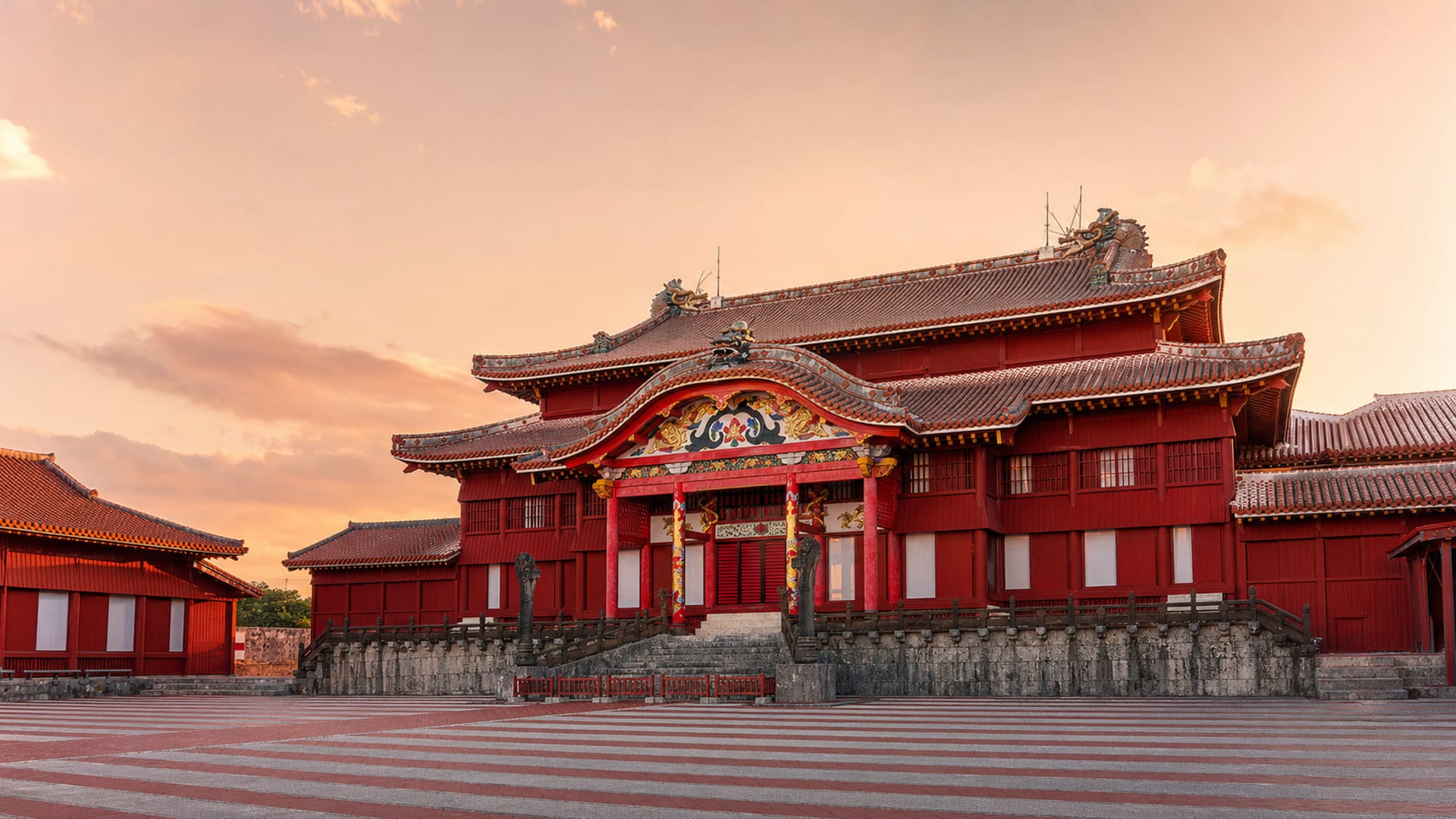
Shuri Castle
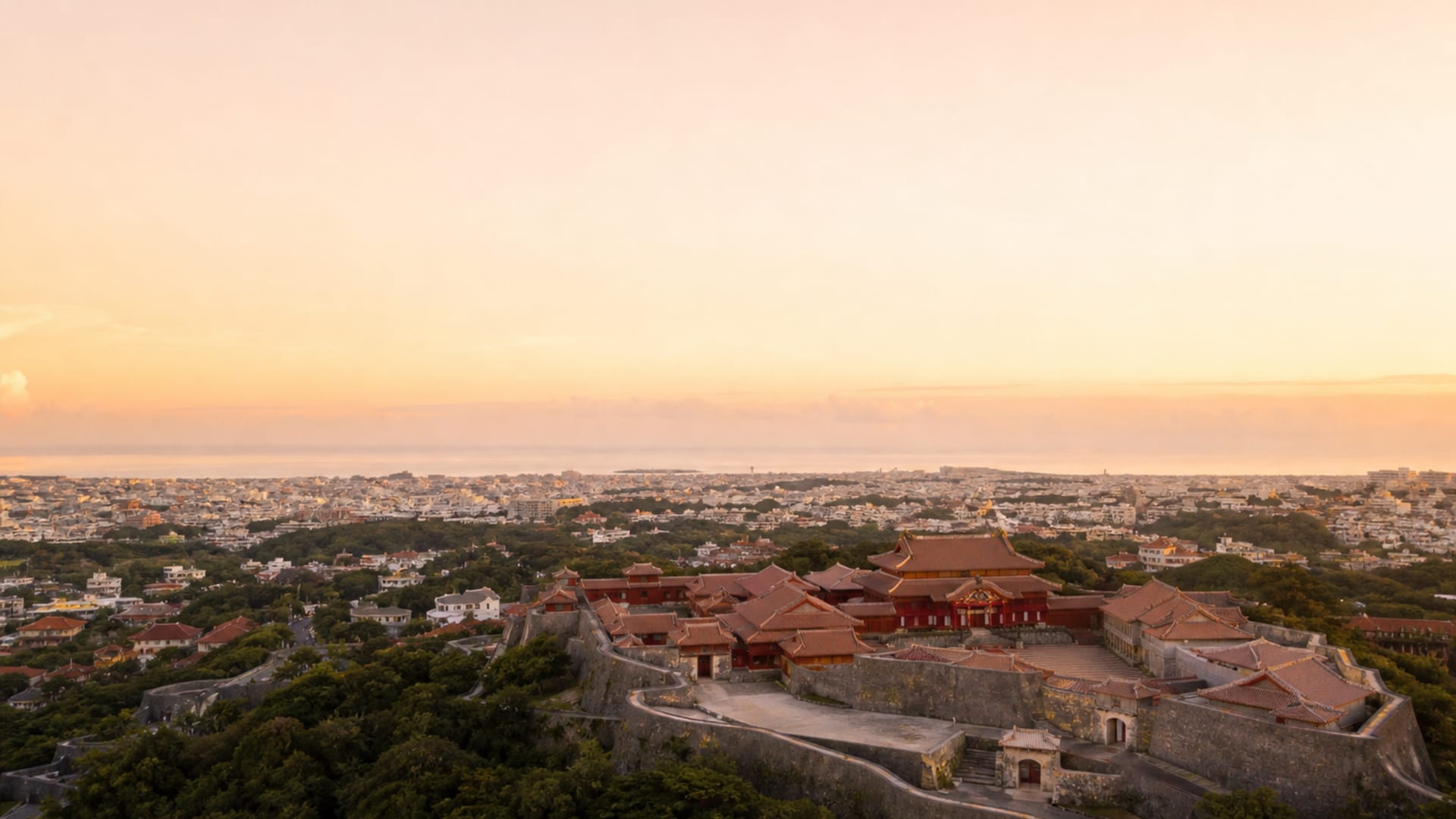
The restored castle complex marks the former royal seat of the Ryukyu Kingdom and combines stone gates, vermilion halls, and broad views over Naha. Fires in 2019 destroyed the main hall, and reconstruction work is underway.
Time needed: About 2 to 3 hours
Entry: Adult admission costs $8 ($1,200) for the park and castle-view areas, with reduced rates for students and children; some exhibits cost extra. Visit the official site for details.
Tip: Go early for cooler climbs and clearer views from the upper stone walls.
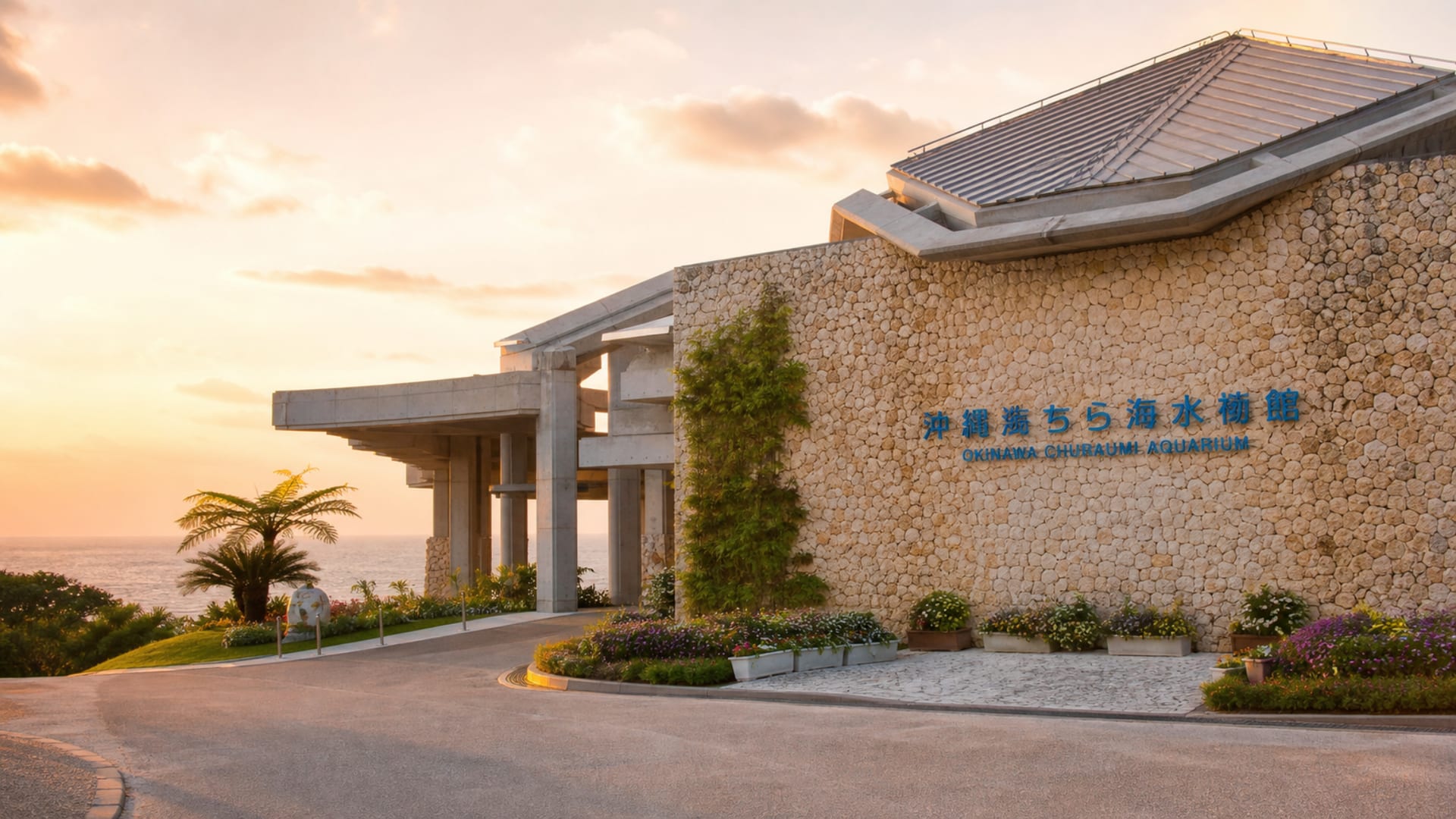
Okinawa Churaumi Aquarium
This major aquarium in Ocean Expo Park showcases a massive Kuroshio tank, whale sharks, and manta rays, with strong attention to local marine life. Its outdoor setting also gives easy access to sea views and the surrounding coastal park.
Time needed: About 3 to 4 hours
Entry: Adult tickets cost $17 ($2,180) for the main aquarium, with lower prices for teens and children; park grounds have separate areas that are free. Visit the official site for details.
Tip: Arrive near opening time, when the main tank is quietest and clearest.
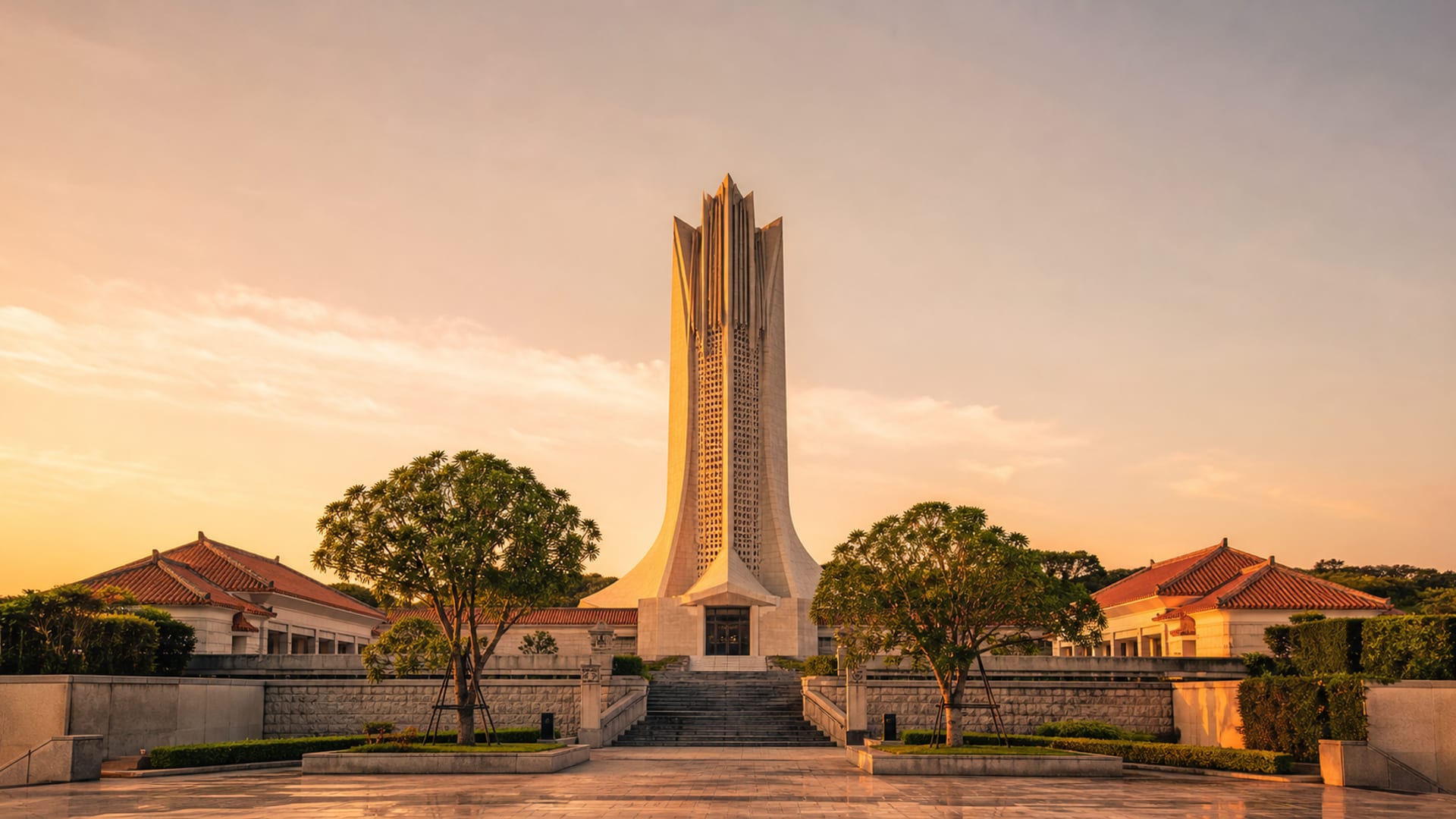
Peace Memorial Park
Built on the southern battlefield site of the 1945 Battle of Okinawa, this park gathers the Peace Memorial Museum, the Cornerstone of Peace, and the prefectural memorial cenotaph. The grounds frame one of the island’s most important remembrance sites.
Time needed: About 2 to 3 hours
Entry: General admission is free for the park grounds; museum admission costs $3 ($400), with discounts for high school students and younger visitors. Visit the official site for details.
Tip: Visit in late afternoon for softer light and quieter paths across the memorial grounds.
Overlooked sites worth visiting

Sefa Utaki
Sacred limestone grove with paths, prayer sites, and coastal views, about 30 minutes from central Naha. The walk is quiet, with shaded slopes and stone openings tied to Ryukyu royal rituals.
Time needed: About 1 to 2 hours
Entry: Admission costs about $2 ($2), with separate fees for parking on site. The grounds are open daily, and visitors usually follow signed paths only, since some ritual areas are protected and access can be limited. Visit the official site for details.
Tip: Go early for cooler paths and softer light at the rock openings.

Tsuboya Pottery Museum
Small museum in Naha’s pottery district, close to old kiln sites and narrow lanes lined with clay shops. It pairs local ceramics history with a compact collection that you can see in under an hour.
Time needed: About 45 minutes to 1 hour
Entry: Admission costs about $2 ($2) for adults, with reduced rates for students and children. The museum sits in the Tsuboya district, and opening hours are typically daytime only, so check the schedule before you go. Visit the official site for details.
Tip: Combine it with a short walk through the Tsuboya Yachimun Street area.
Traditional food
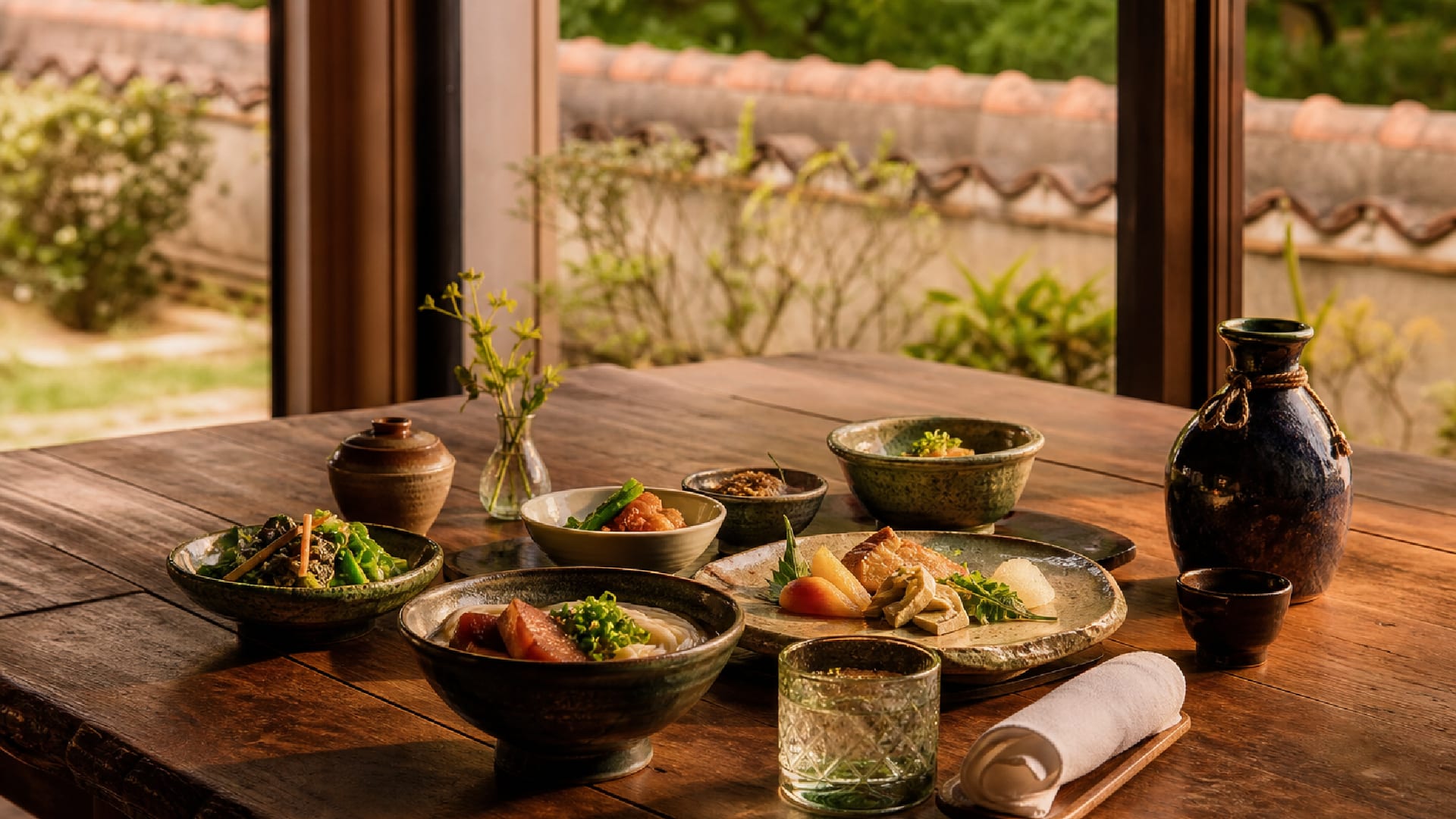
Okinawan cooking leans on pork, bitter melon, wheat noodles, and rice bowls with bold, salty broth. Meals often center on comforting local plates such as Okinawa soba, goya champuru, taco rice, and rafute, served in neighborhood spots and casual diners.
Okinawa soba
Thick wheat noodles in a clear pork-based broth, usually topped with braised pork belly and fish cake. Shinka, near Kokusai Dori, is a strong canonical stop for a first bowl in Naha.
Goya champuru
Stir-fried bitter melon with tofu, egg, and pork, finished with a savory seasoning that defines home-style Okinawan cooking. Makabe Chinese Soba in Naha serves a well-known version alongside other local dishes.
Taco rice
A Okinawa-born combination of seasoned meat, lettuce, cheese, and rice that channels the island’s American influence without losing its local identity. Charlie’s Tacos in Kokusai Dori is one of the classic names to know.
Rafute
Slow-braised pork belly glazed until tender, rich, and deeply savory, often served as part of a set meal or alongside rice. Jack’s Steak House in Naha is a longtime stop where it appears in a broader island-fusion menu.
Best time to visit Okinawa
Okinawa changes more by season than by month, with winter bringing milder beach weather, spring and autumn offering the easiest sightseeing, and summer adding heat, humidity, and typhoon risk.
Best for: Beach walks, castle visits, and island driving
What you get: About 68 to 82°F (20 to 28°C), with moderate crowds and rising hotel demand as Golden Week approaches
Trade-offs: Late spring can bring stronger sun and busier roads
Best for: Swimming, snorkeling, and long coastal days
What you get: About 79 to 91°F (26 to 33°C), with the heaviest crowds near beaches and the aquarium
Trade-offs: Heat, humidity, and typhoon watches can disrupt plans
Best for: Mixed sightseeing with calmer roads than summer
What you get: About 72 to 86°F (22 to 30°C), with moderate crowds and easier movement after the peak heat fades
Trade-offs: Early autumn can still bring storms
Best for: City sightseeing, food stops, and lower-season rates
What you get: About 57 to 68°F (14 to 20°C), with lighter crowds and clear days between cooler spells
Trade-offs: Sea temperatures are cool for long beach sessions
A realistic 5-day plan in Okinawa
The five-day plan follows the island in a sequence that cuts down on backtracking. It starts in Naha, moves into the south for history and remembrance, then saves the longest drive for the aquarium and the coast.
Land at Okinawa (OKA), then take the Yui Rail to Naha City Center, which usually takes about 15 minutes and costs about $2 to $4, depending on your stop. If you are staying near the monorail, you can settle in quickly, drink water, and keep dinner simple with tacos, Okinawan soba, or a set meal along Kokusai Dori, where late-opening restaurants make an easy first stop.
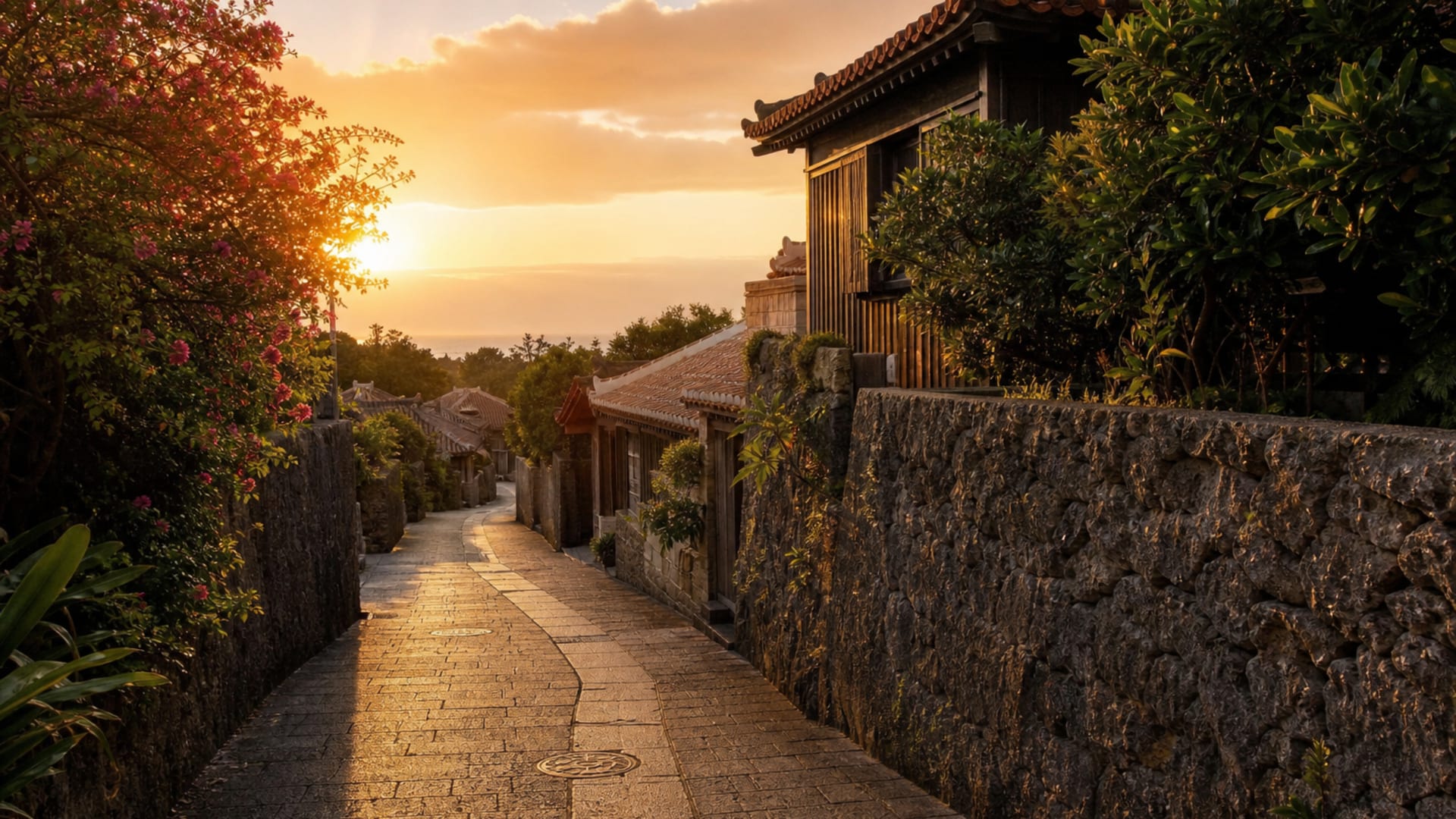
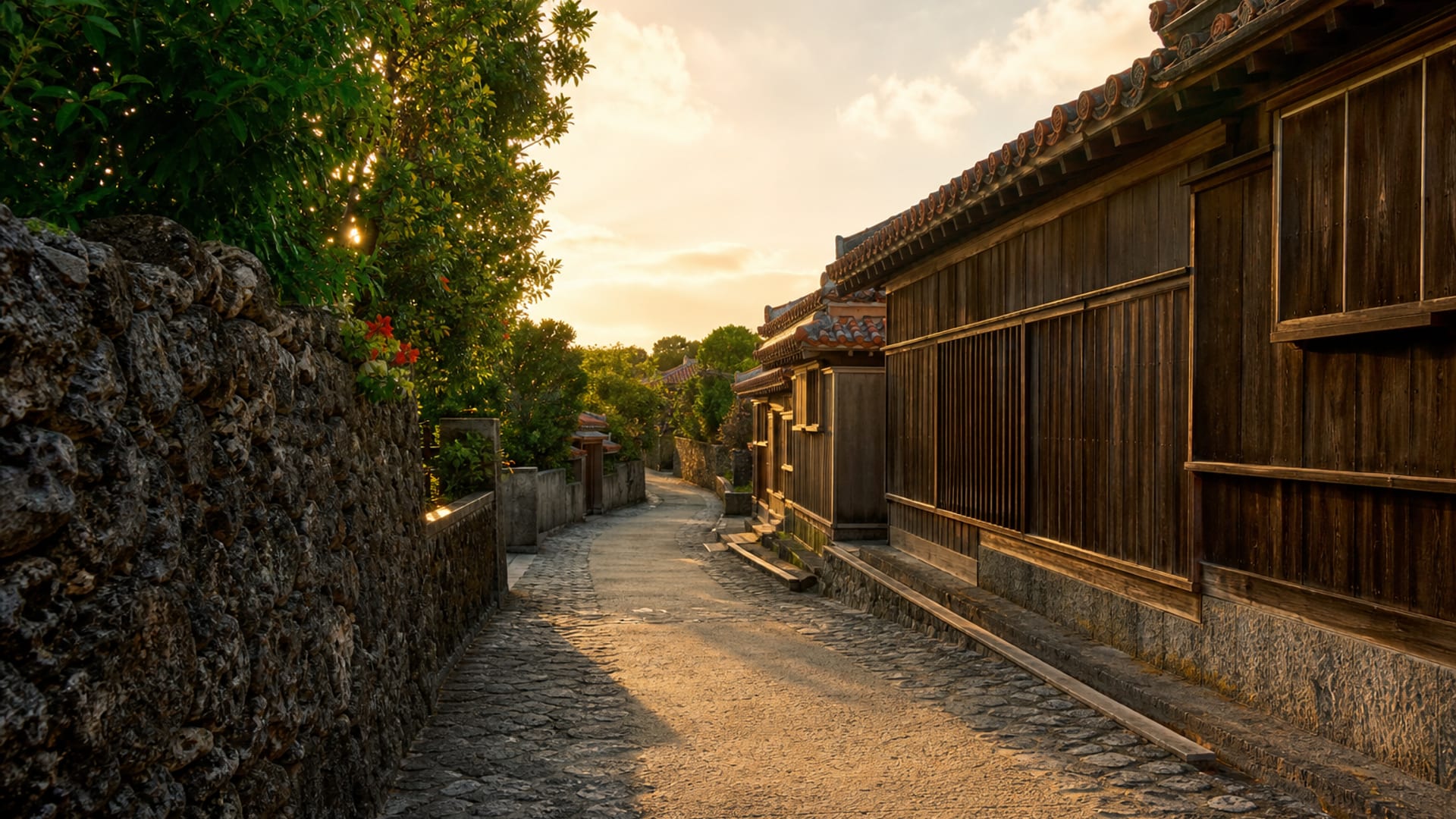
Start with Shuri Castle in the morning, then ride or drive about 15 to 20 minutes to Tsuboya Pottery Museum and the nearby Tsuboya Yachimun Street area. Spend about 45 minutes to 1 hour in the museum, then linger among the kiln-era lanes and pottery shops before ending with an easy dinner back in Naha City Center.
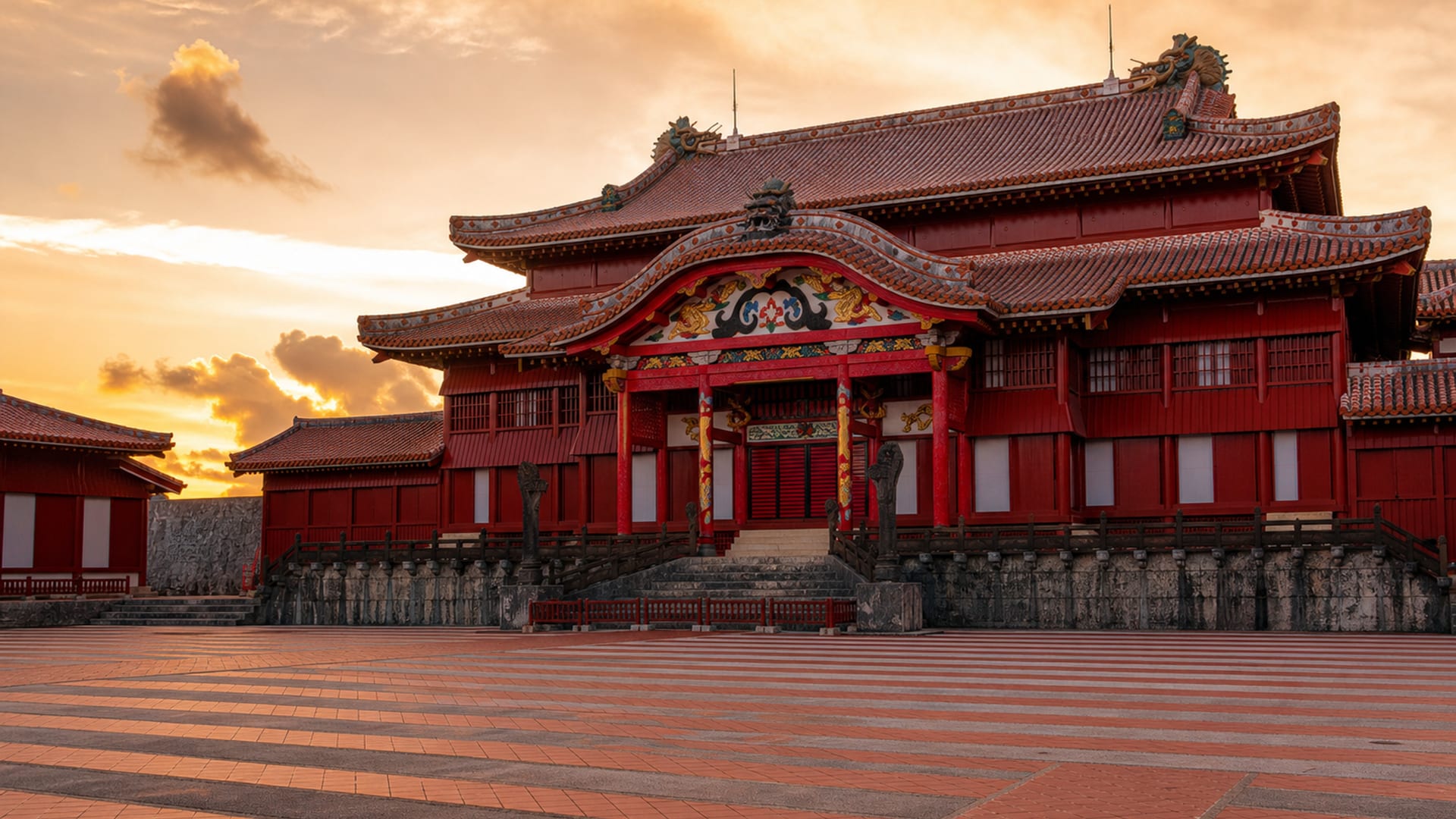
Begin at Sefa Utaki, which sits about 30 minutes from central Naha by car, and plan about 1 to 2 hours for the shrine paths and coastal outlooks. From there, continue to Peace Memorial Park in about 25 to 30 minutes by car, then stay for 2 to 3 hours at the museum and memorial grounds before returning to Naha for a low-key evening meal.
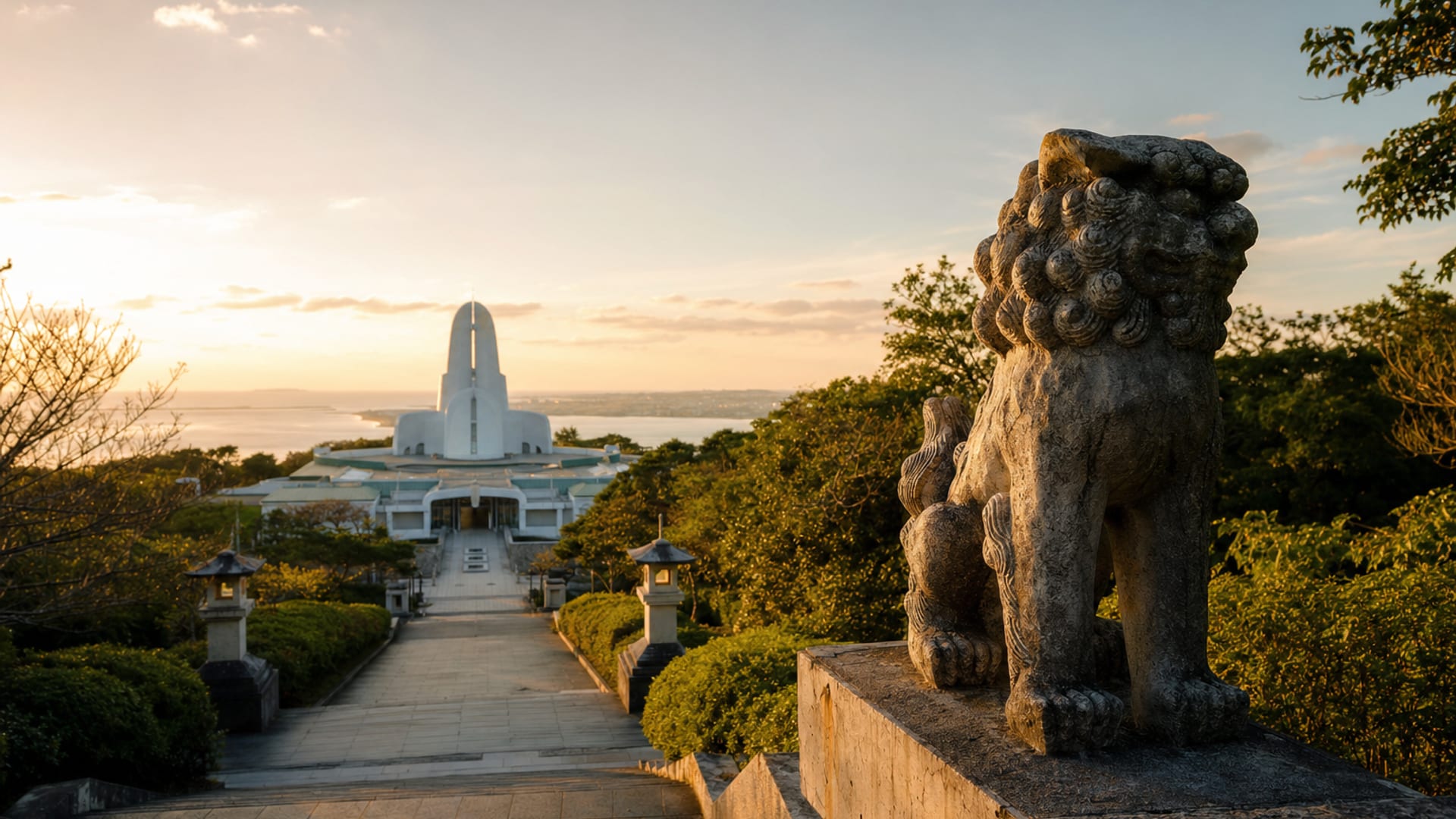
Head north early for Okinawa Churaumi Aquarium, a drive of roughly 1 hour 40 minutes to 2 hours 15 minutes from Naha depending on traffic, and allow 3 to 4 hours for the tank, outdoor park, and sea views. On the way back, stop in Chatan waterfront for sunset, then stay for dinner near Araha Beach or American Village, where the coast and evening crowds give the day a livelier finish.
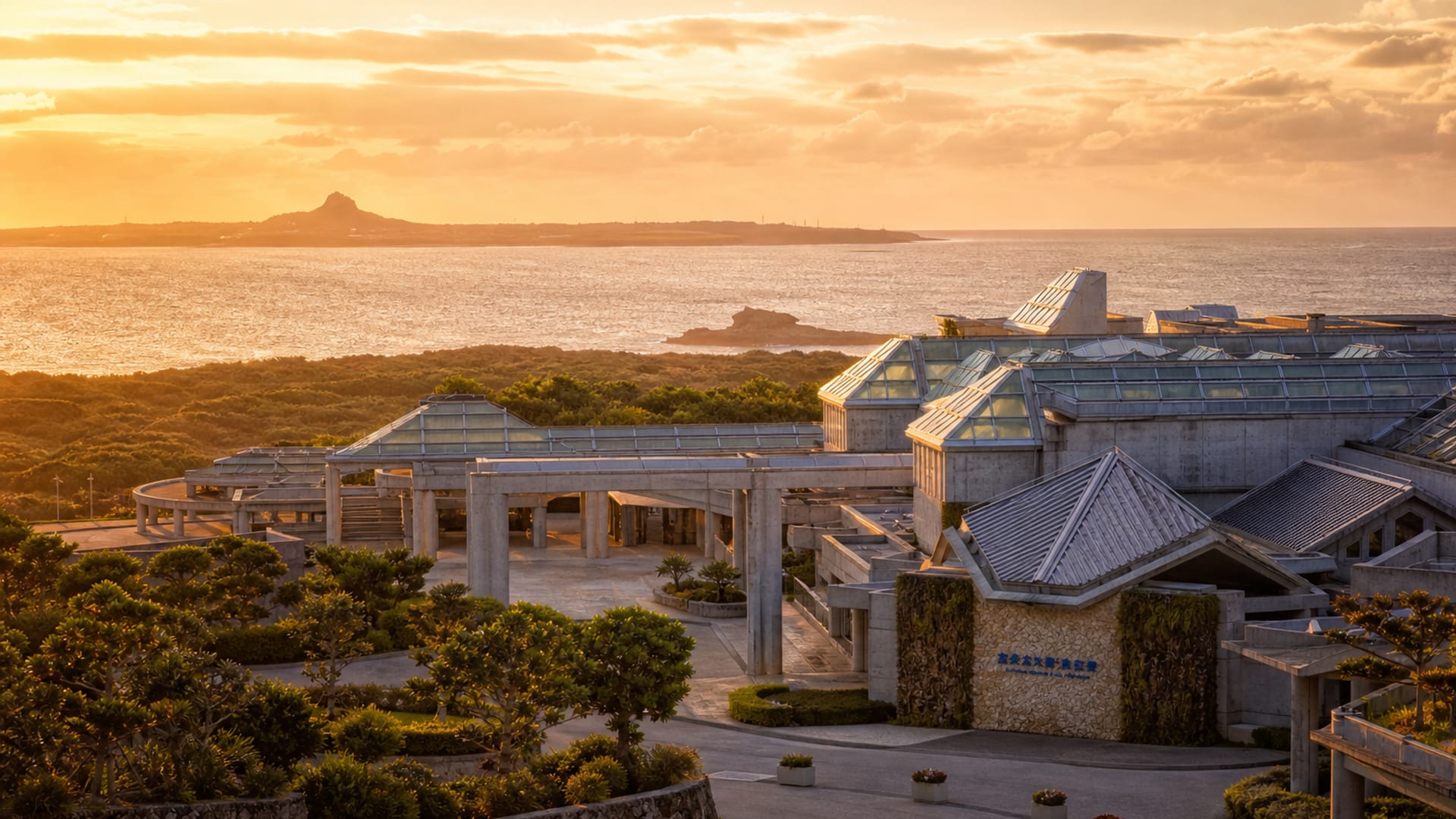
For a last slow morning, begin in Mihama and American Village, where you can browse shops, walk the waterfront, and fit in one final museum stop if a smaller local gallery fits your schedule. After that, move back toward Naha City Center for lunch in Tsuboya or Kokusai Dori, then end at a café in the Naha neighborhood before heading to Okinawa (OKA) for departure.
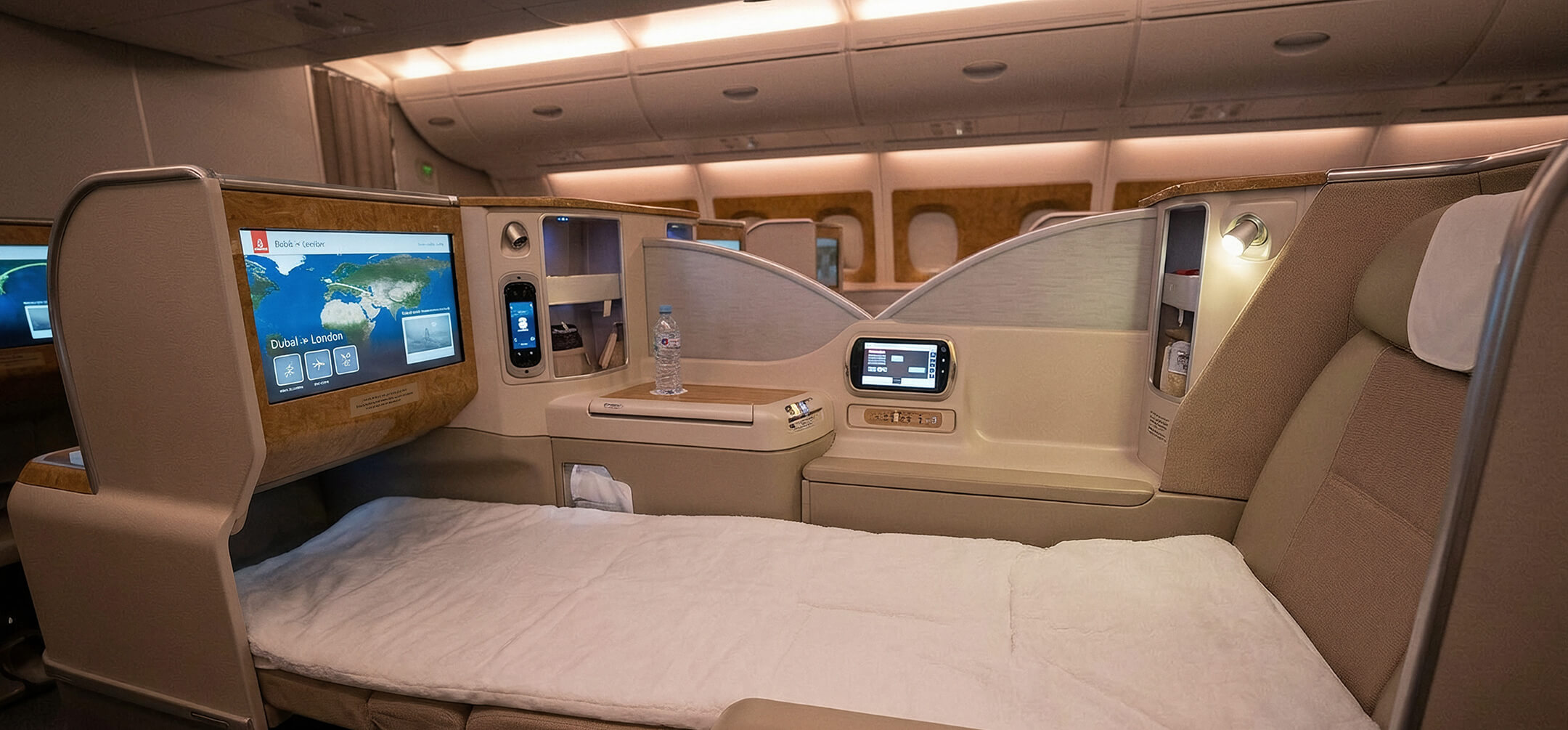
Business-class flights from the US to Okinawa
For long-haul arrivals, the main choices split between New York and Los Angeles, and each market usually routes through one of a few Asian hubs. The timing and price range shift by season, but the layover pattern is usually easy to compare.
From New York, All Nippon Airways, Delta Air Lines, Japan Airlines, Korean Air, and United Airlines all appear on the board, and the trip usually takes about 16 to 22 hours with a connection. Common layover hubs include Tokyo Haneda (HND), Tokyo Narita (NRT), Incheon (ICN), Taipei (TPE), and Hong Kong (HKG), and fares often start from $4,800 to $8,500 round-trip.
Los Angeles offers the shorter long-haul option, with All Nippon Airways, Delta Air Lines, Japan Airlines, Korean Air, Hawaiian Airlines, and United Airlines serving the route. Nonstop flights can take about 9 to 10 hours on select dates, while one-stop itineraries via Tokyo Haneda (HND), Tokyo Narita (NRT), Incheon (ICN), Hong Kong (HKG), or Taipei (TPE) usually run about 13 to 19 hours, and prices often sit around $4,200 to $7,500 round-trip.
Okinawa feels different when you slow down
A deliberate Okinawa trip works best when you anchor the first nights in Naha City Center, then shape the rest of the stay around the south for Sefa Utaki and Peace Memorial Park, with the aquarium and Chatan left for the longest drive. Yui Rail, taxis, and a careful bus plan do the work here, not a packed checklist. If you want help turning that route into a booking plan, the AranGrant experts can map it around your dates and preferred base