

Chapters:

Need help with your trip?
Our support team is available 24/7. Request a callback or call us directly at (833) 619-0908
Many trips to Ohrid begin with the lakefront, a fortress stop, and a quick photo at Kaneo, then skip the older lanes that tie the city together. Visitors often miss how much time steep streets and scattered sights can add.
That approach leaves people crossing the same slopes twice, arriving at viewpoints in the wrong light, and spending too much of the day on short transfers. Ohrid rewards a route that matches its terrain.
This guide orders the city by walking distance, lake access, and the best time of day for each stop, so the old town, the waterfront, and the day trip outside town fit together cleanly.
Useful things to know

Main language(s): Macedonian
Zdravo (ZDRAH-voh) – Hello
Ve molam (veh MOH-lahm) – Please
Blagodaram (blah-go-DAH-rahm) – Thank you
Govorite li angliski? (GOH-voh-ree-teh lee ahn-GLEES-kee) – Do you speak English?
Kolku čini? (KOL-koo CHEE-nee) – How much does it cost?

Currency: The local currency is the Macedonian denar (MKD, den).

Cash and cards: Cards and contactless work in many hotels and restaurants, but carry about MKD 1,500 to 3,000 ($25 to $50) in cash.

Tipping: Round up small bills and leave about 5% to 10% in restaurants if the service is good.

Traditional food: Ohrid trout, tavče gravče, ajvar, pastrmajlija

Water and coffee costs: Water ~MKD 60 ($1), bar espresso ~MKD 100 ($2).

Taxis and ride apps: Prevoz and TaxiMobi operate here; confirm the fare before you set off.

Plug and voltage: Type C/F socket, 230V

Dining and shop opening hours: Breakfast is about 07:00-10:00, lunch 12:00-15:00, and dinner 19:00-22:00. Many restaurants serve later in summer.

Emergency number: 112 for police, fire, and ambulance.
Where to stay in Ohrid
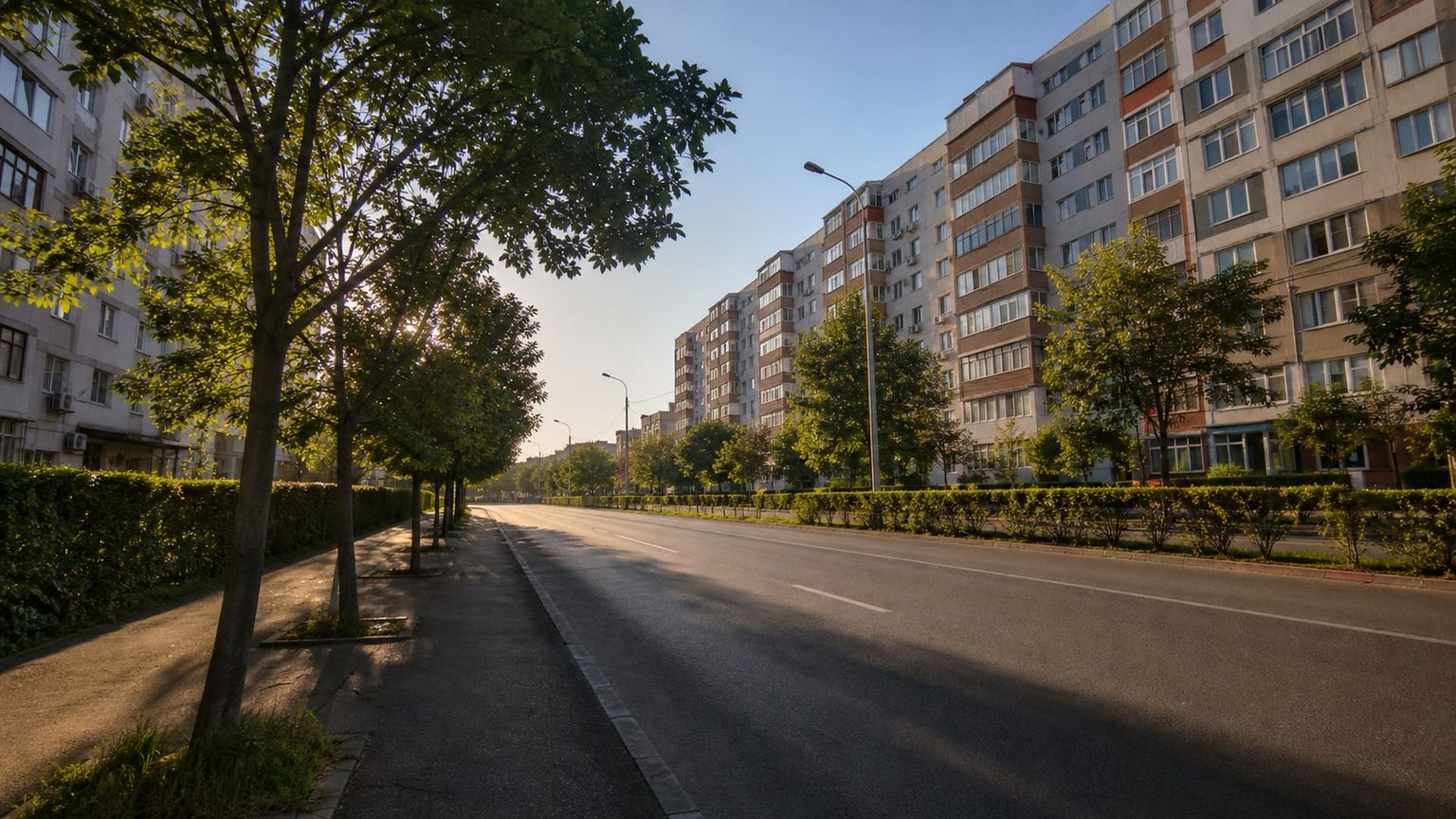
The Old Town sits above the lake on cobbled lanes, stone houses, churches, and small courtyards. It puts you close to Ohrid’s main sights, including Samuel’s Fortress, the Church of St. John at Kaneo, and the lakeside promenade below.
Best for: Sightseeing, short stays, and travelers who want the main landmarks on foot
What to expect: Narrow streets, steady daytime foot traffic, and a mix of visitors and locals; evenings stay busy near the restaurants and church viewpoints.
Hotel prices: Usually about €60 to €140 (~$66 to ~$154) per night for well-rated stays
Distance to major sights: 5 to 15 minutes on foot to Samuel’s Fortress and Church of St. John at Kaneo; 10 to 20 minutes on foot to the lakefront
Quietness: Quieter in the morning and later at night, with more noise near restaurants and viewpoint streets in the evening.
Main trade-off: Parking is limited and room rates climb in peak summer, so access by car can be inconvenient.
Good to know: If you plan to explore on foot, choose a place near the upper lanes, since the steep streets can add time to every outing.
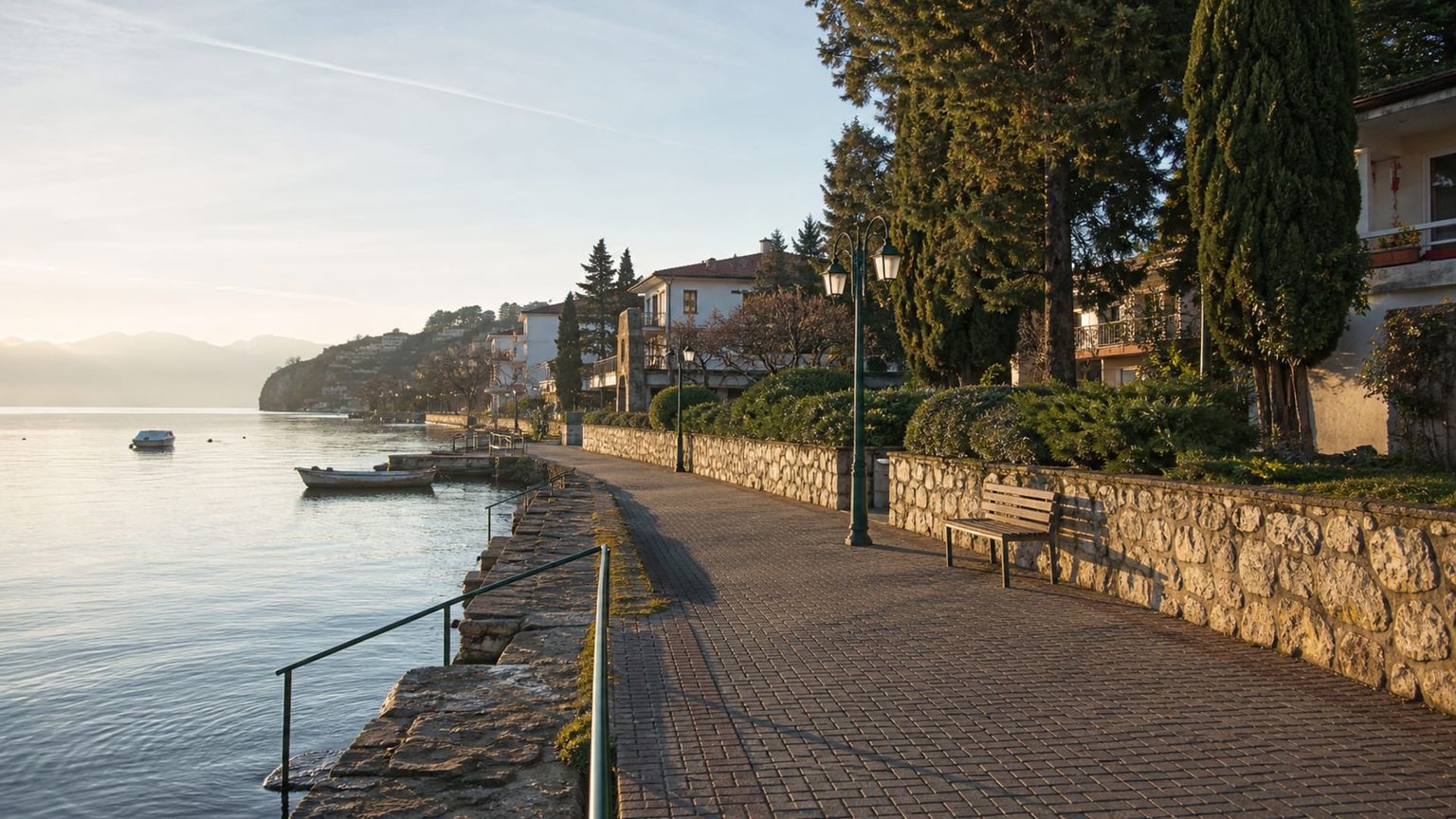
The lakefront area follows the shoreline beside Ohrid’s cafes, piers, and swimming spots. It suits travelers who want open water views, easy sunset walks, and quick access to boat departures and the central pedestrian zone.
Best for: Water views, evening walks, and travelers who want quick access to cafes and boat trips
What to expect: Busy promenades, seasonal beach crowds, and plenty of movement from morning until late evening in summer.
Hotel prices: Usually about €55 to €130 (~$60 to ~$143) per night for well-rated stays
Distance to major sights: 5 to 10 minutes on foot to the central square; 15 to 25 minutes on foot to Kaneo and the Old Town core
Quietness: Lively by day and early evening, then calmer late at night once the promenade crowds thin.
Main trade-off: You may trade hilltop character for more foot traffic, and some rooms sit behind the main road rather than directly on the water.
Good to know: Expect the easiest access to boat tours and lakeside dining, but check whether your room faces the promenade or a side street before booking.
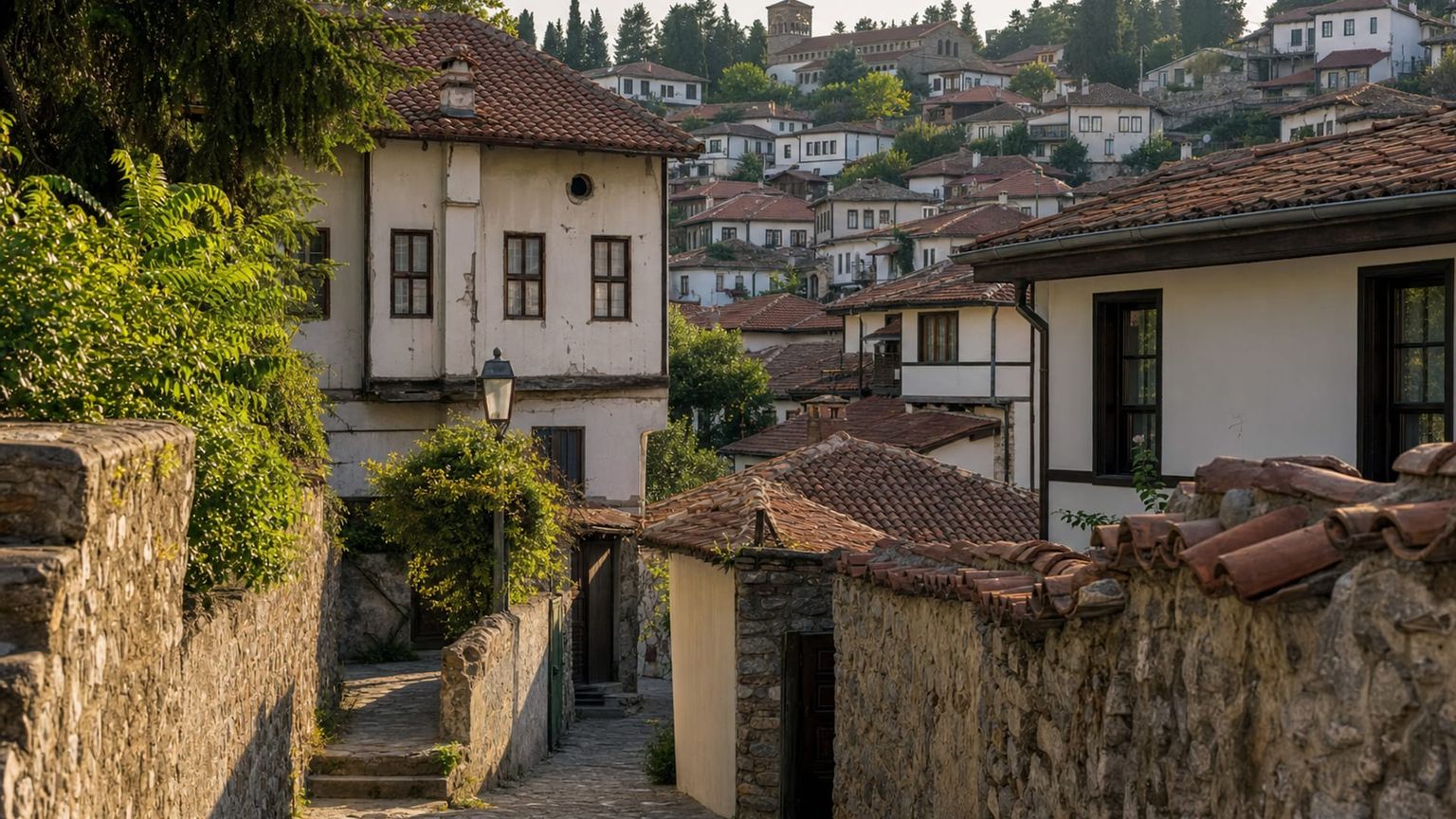
Varoš is the residential quarter just above the Old Town, with traditional houses, smaller guesthouses, and close access to the historic core. It gives you a slightly calmer perch while keeping the fortress, churches, and old lanes within an easy walk.
Best for: Travelers who want a quieter base near the historic center and do not mind uphill walks
What to expect: Residential streets, limited through traffic, and fewer evening crowds than the lakefront or the busiest parts of the Old Town.
Hotel prices: Usually about €45 to €110 (~$50 to ~$121) per night for well-rated stays
Distance to major sights: 5 to 15 minutes on foot to Samuel’s Fortress and the Old Town streets; 15 to 25 minutes on foot to the lakefront
Quietness: Quiet through the day, with only modest evening activity from nearby guesthouses and homes.
Main trade-off: The uphill setting can be tiring after dinner, and some properties sit on narrow streets that are awkward with luggage.
Good to know: Choose this area if you want to sleep away from the busiest lanes, but confirm whether your accommodation offers easy drop-off access.
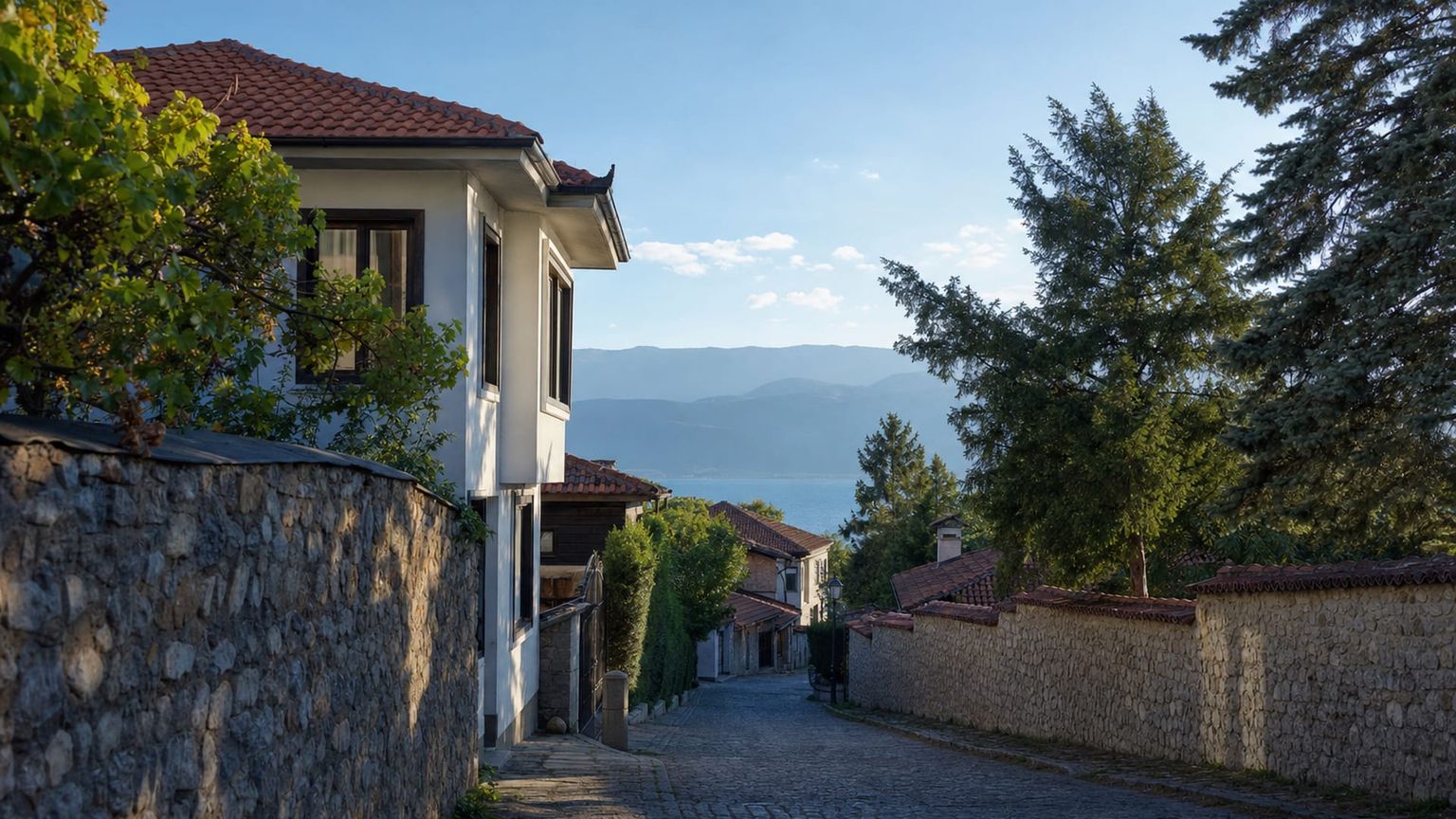
The Radožda Road corridor sits on the western edge of Ohrid, where hotels, apartments, and road access make arrivals easier by car. It works for travelers who want simpler parking and a less crowded base without leaving the city area.
Best for: Drivers, longer stays, and travelers who prioritize parking over a historic setting
What to expect: More road traffic than neighborhood street life, with a quieter evening atmosphere and fewer walk-to-everything options.
Hotel prices: Usually about €40 to €95 (~$44 to ~$105) per night for well-rated stays
Distance to major sights: 10 to 20 minutes by car to the Old Town and lakefront; roughly 30 minutes by bus or taxi to Samuel’s Fortress
Quietness: Busier by day because of passing traffic, then generally quiet in the evening.
Main trade-off: You will rely on taxis, buses, or a car for most sightseeing, since the historic center is not a short walk away.
Good to know: If you are arriving with a car, this area makes parking far less stressful than the lakefront streets near the center.
Travelers usually avoid the northern lakefront north of the old town, including Lagadin and Elesec, because it sits well away from Ohrid’s main sights and has limited evening dining and transit. The villages along the eastern shore, including Peštani and Trpejca, can also be less convenient for a short stay, since they are far from the Old Bazaar and St. John at Kaneo and usually require car or taxi trips after dark.
Hotel deals
How to get around Ohrid efficiently
Ohrid does not have metro or rail links, so the trip works best with walking in the center, short taxi rides for the airport and hill sections, and occasional minibuses for longer moves.

Metro
for longer distances
Ohrid has no metro or suburban rail. For airport trips, use road transport only, since the city and OHD are linked by local roads rather than a rail network.

Bus and tram
for convenience
City buses are limited, so most visitors rely on minibuses, intercity coaches, or hotel-arranged transfers for moves between Ohrid, the lakefront, and nearby villages. Short rides within town usually cost about $1 to $2, and longer links to nearby settlements are typically priced as local cash fares at the station or on board.

Taxi
for convenience or late hours
Licensed taxis in Ohrid use set fares more often than meters, so confirm the price before you leave. A ride from Ohrid Airport (OHD) into town usually costs about $15 to $22, while short hops in the center are roughly $3 to $6; many drivers take cash, and some also accept card or euros if you ask first.
*Prices are based on rates updated as of June 2026 and may change at the time of travel.
Walk in the Old Town and along the lakefront, use taxis for the airport and uphill transfers, and rely on buses or minibuses only when you are leaving the compact center.
Iconic landmarks
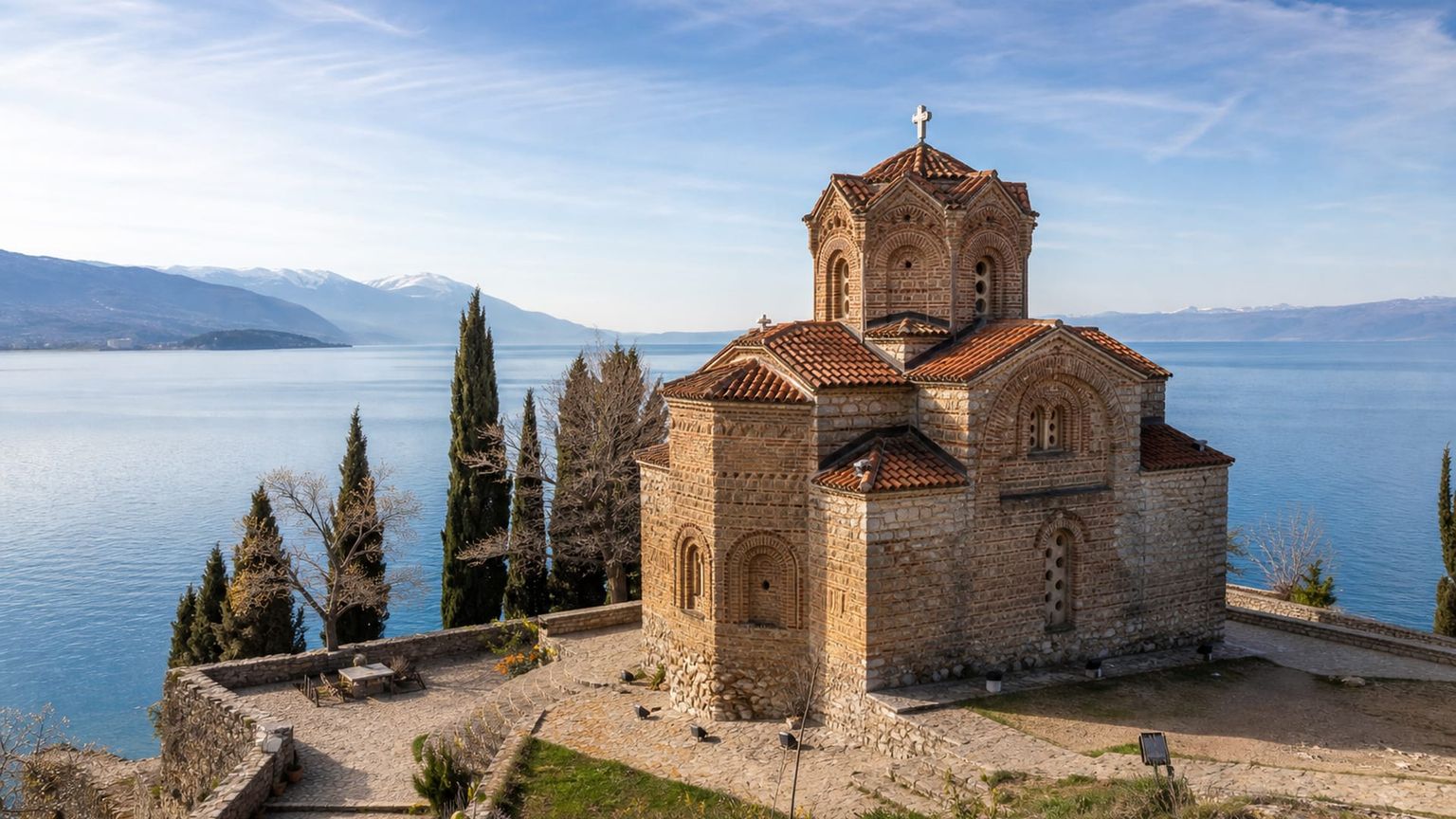
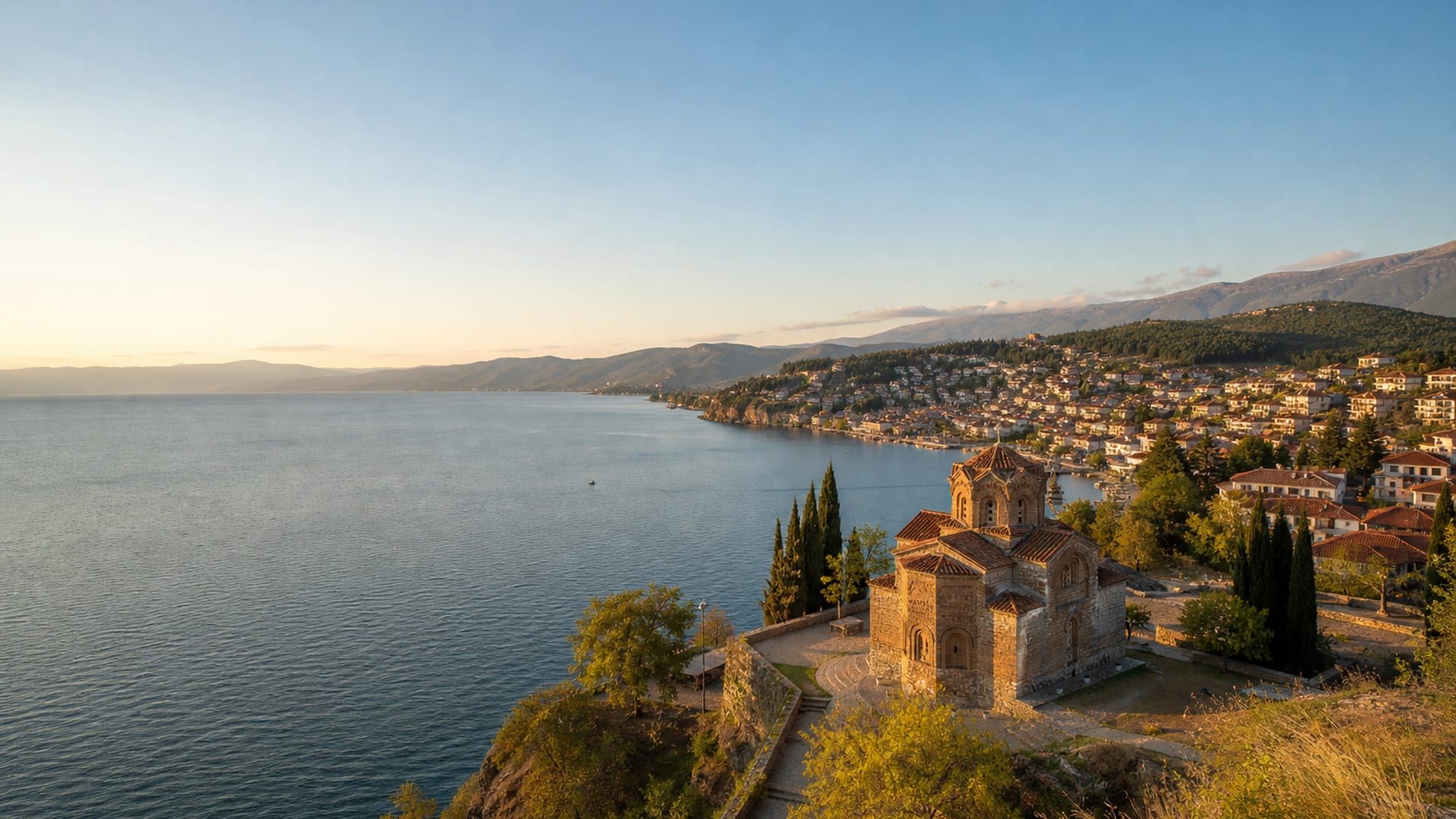
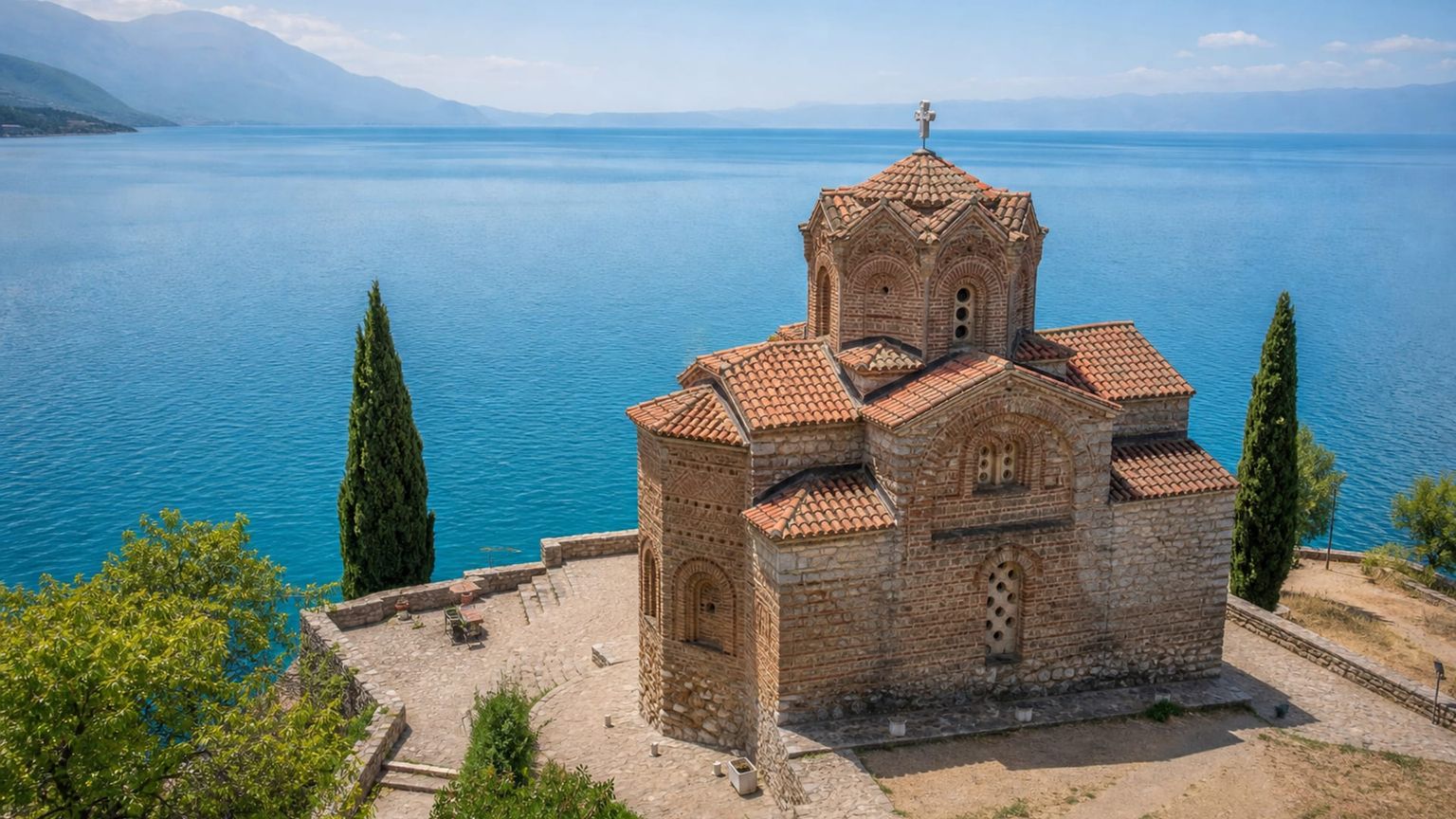
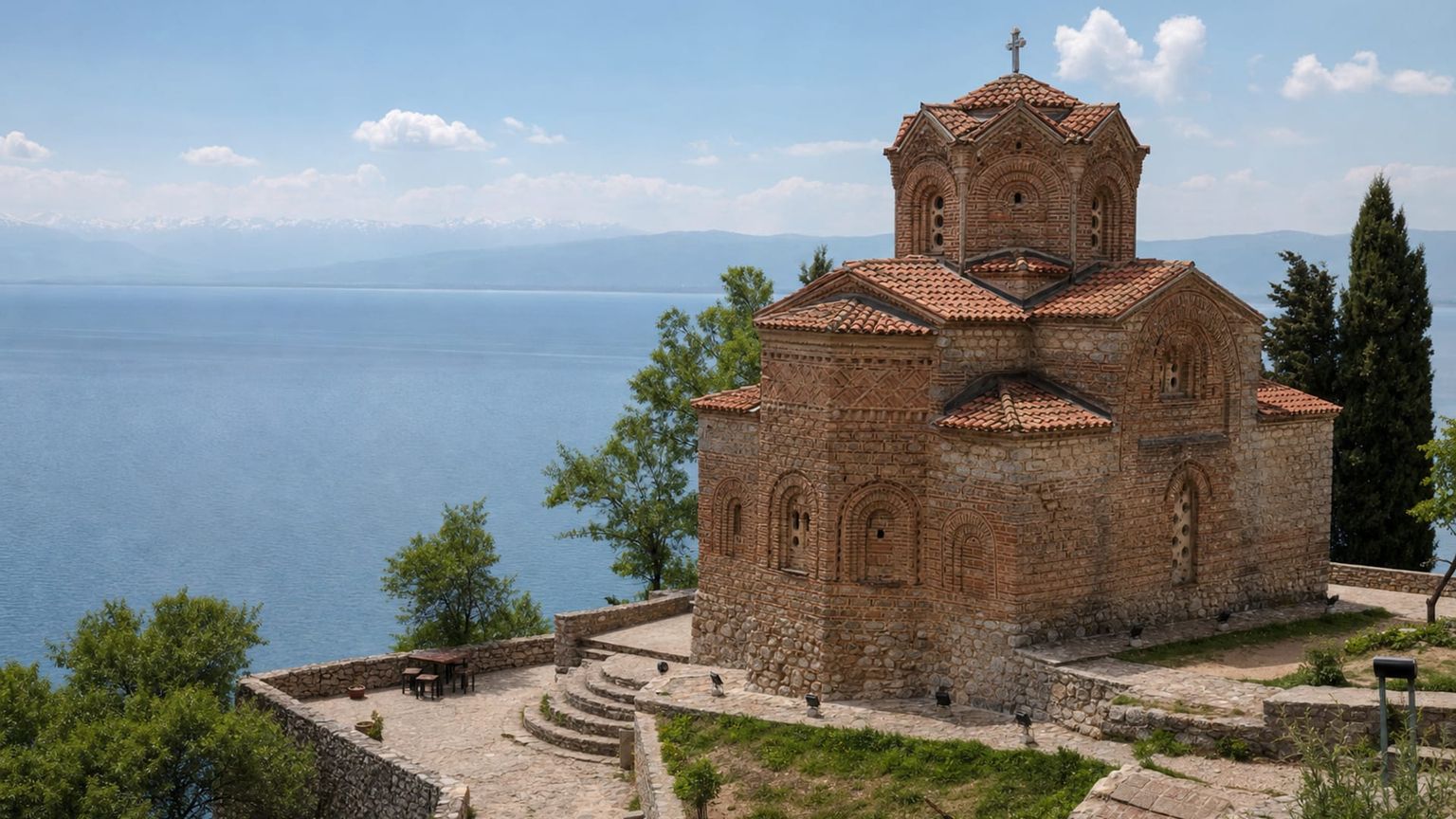
Church of St. John at Kaneo
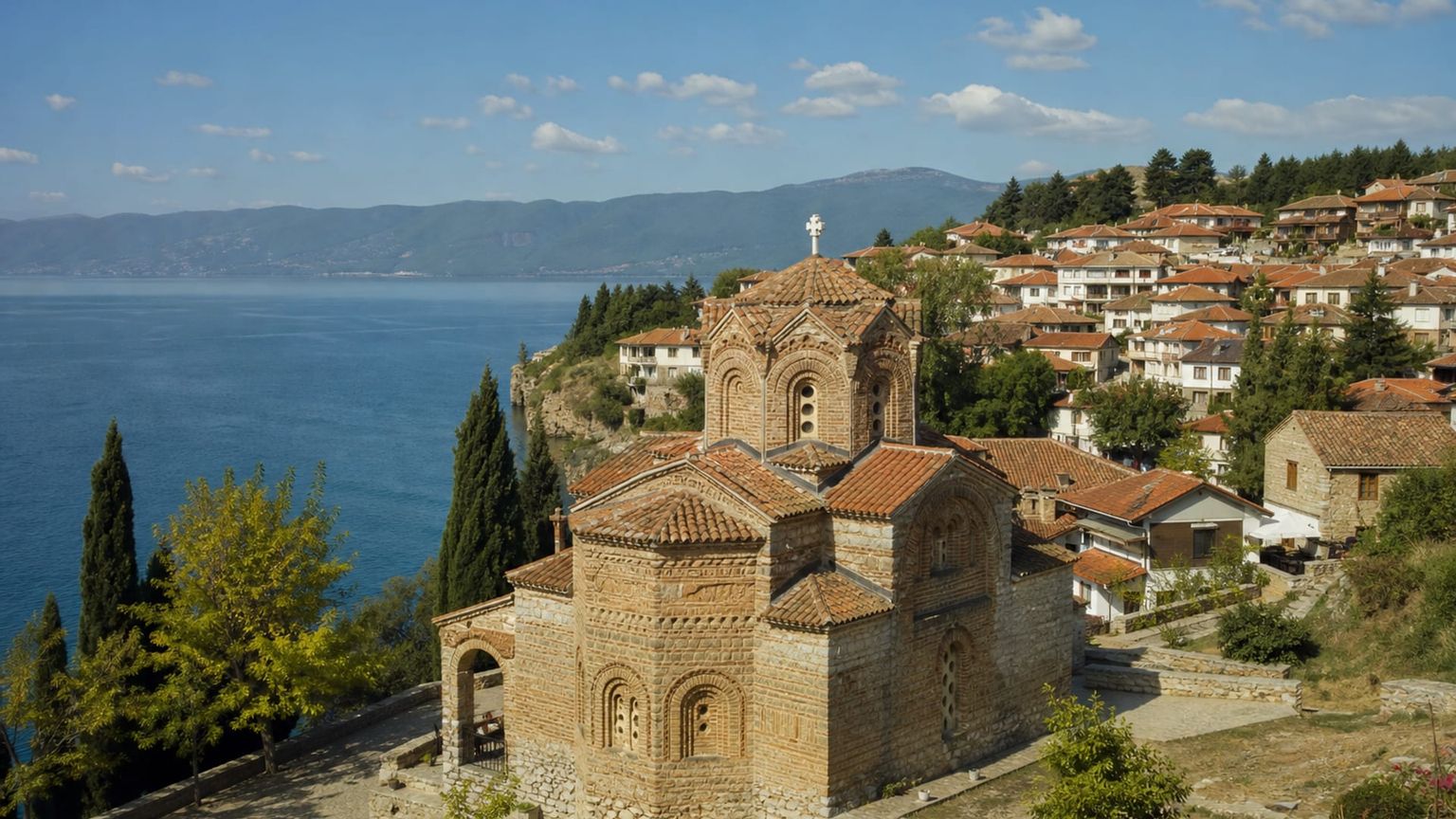
Perched on a cliff above Lake Ohrid, this 13th-century church is one of North Macedonia’s best-known landmarks. Its compact stone exterior and lake views make it a essential stop for photos and a quick visit.
Time needed: About 30 to 45 minutes
Entry: Free to access; donations are welcome, and the church is open during daytime hours when the site is staffed and weather permits entry
Tip: Go near sunset for softer light, then walk the path back before the steps get busy.
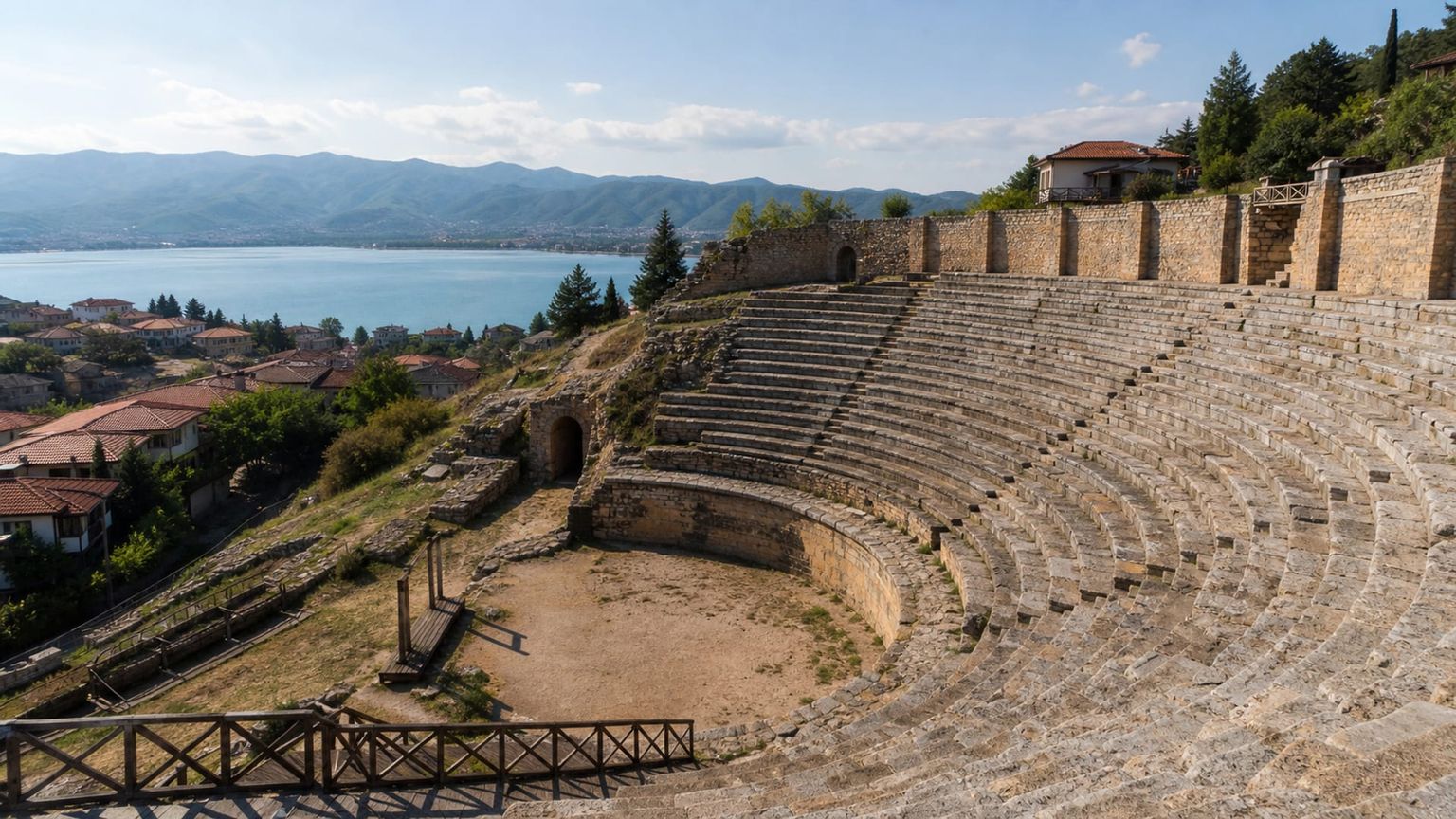
Ancient Theatre of Ohrid
This restored Hellenistic amphitheater sits in the old town and still hosts performances in summer. Its semicircle of stone seating and hillside setting place you close to Ohrid’s oldest layered history.
Time needed: About 20 to 30 minutes
Entry: Free to access during open hours; performance nights may require separate tickets, which vary by event and seating section
Tip: Visit in the morning for open seating, then return at night if you want to see a show.
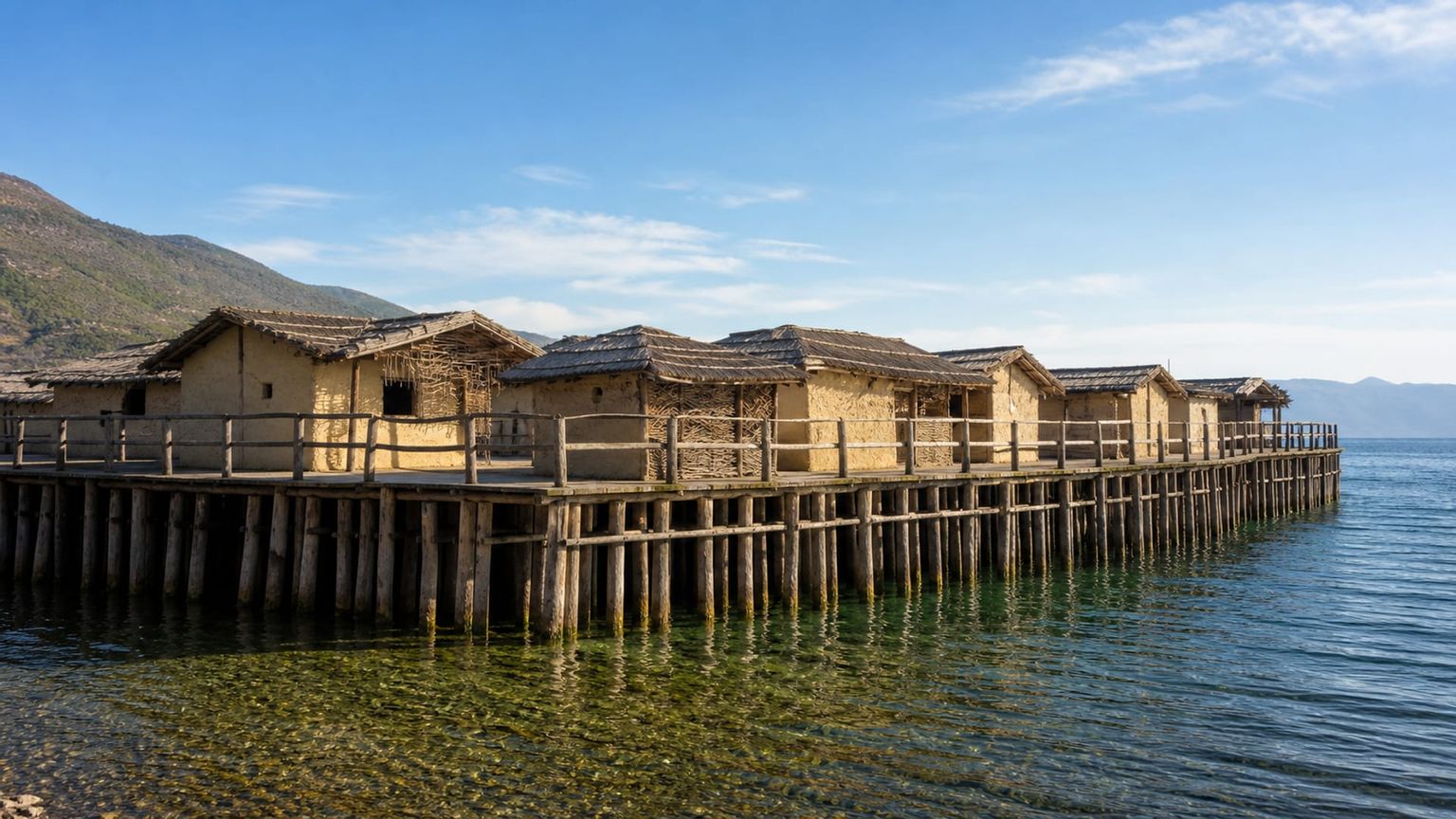
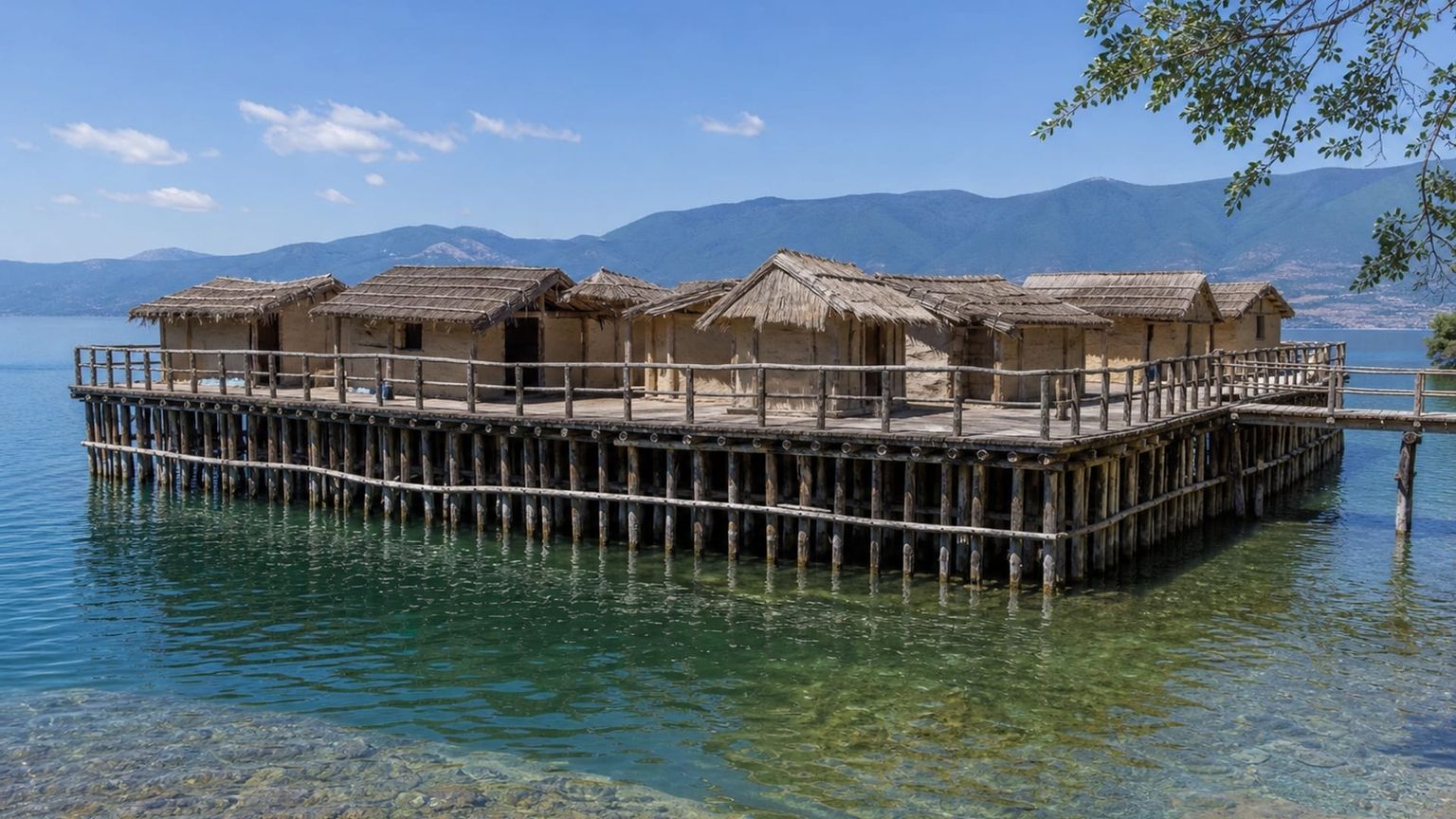
Bay of Bones Museum
Built on piles over Lake Ohrid, this open-air reconstruction shows a prehistoric settlement with wooden walkways, huts, and water views. The setting explains how people lived on the lake shore long before modern Ohrid.
Time needed: About 1 to 2 hours
Entry: Standard tickets cost $5 to $7 ($5 to about 385 MKD), with reduced rates for children and group visits when available Visit the official site for details.
Tip: Arrive before midday, when the boardwalk is quieter and the lake light is clearer.
Overlooked sites worth visiting

Icons Gallery, Ohrid
This small gallery displays Orthodox icons in a compact old-town setting, so you can see key regional painting traditions without a long museum stop. The collection makes the visit easy to fit between church stops.
Time needed: About 45 minutes to 1 hour
Entry: Tickets usually cost about $2 to $4 (approximately 120 MKD to 250 MKD) for adults, with reduced rates for some students or groups; opening hours can shift seasonally, so check the current schedule before you go.
Tip: Pair it with nearby Old Town churches to keep the route short.

Kaneo Bay
A sheltered stretch of shore south of Ohrid, with clear water, lakeside platforms, and a slow swim scene. It suits a late-afternoon visit when the light softens over the bay.
Time needed: About 2 to 3 hours
Entry: Free to access; spend only on what you use at the lakefront spots nearby, such as sunbeds, umbrellas, drinks, or small boat rentals, which are set by individual operators and vary by day and season.
Tip: Go near sunset for calmer water and better views.
Traditional food
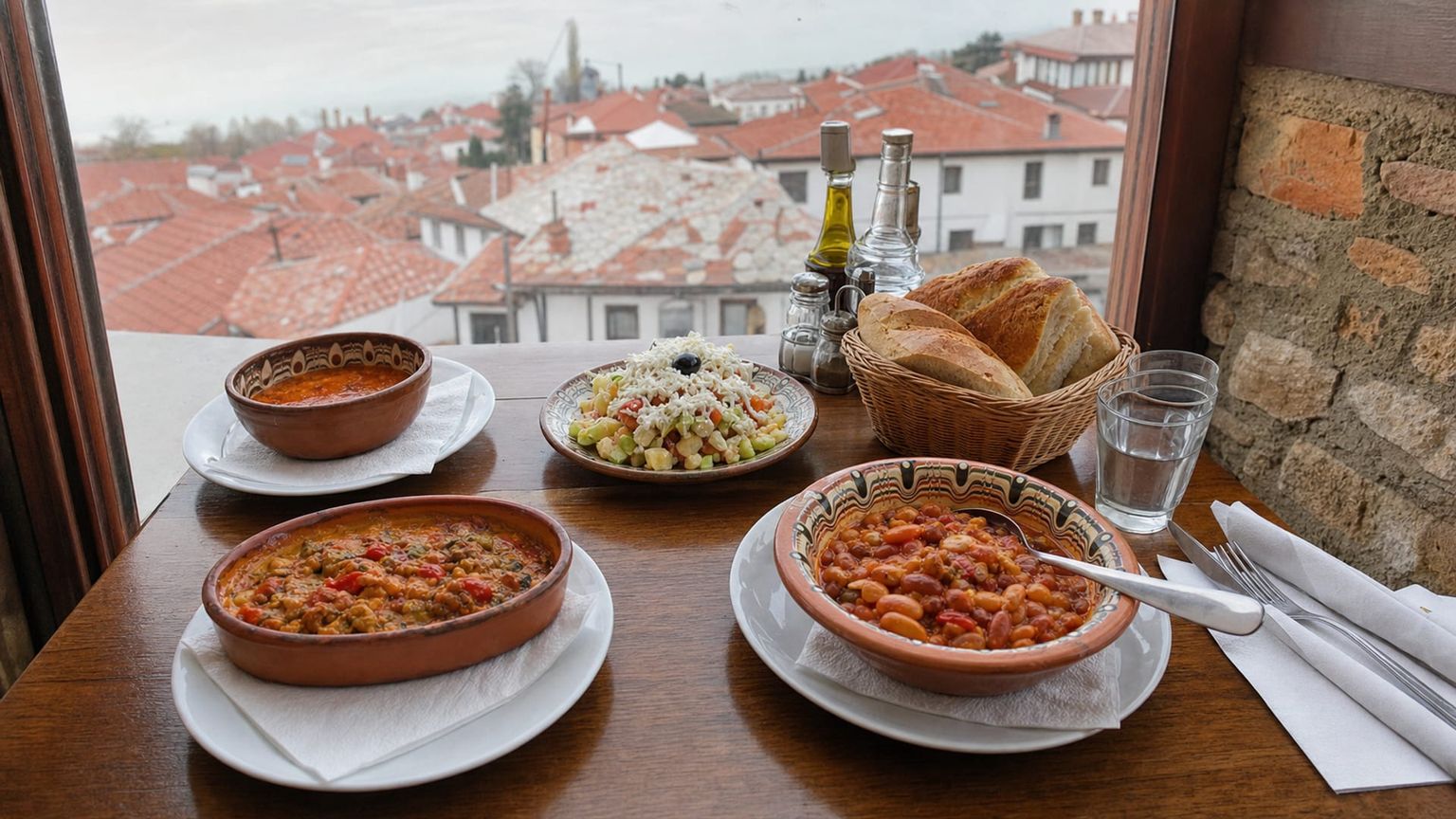
Ohrid’s table leans on lake fish, peppers, beans, grilled meats, and seasonal salads, with tavče gravče, ajvar, and pastrmajlija anchoring many menus. Meals tend to run long, especially on the promenade in summer.
Ohrid trout
This local lake fish often arrives grilled with lemon and potatoes, which keeps the dish firmly tied to the waterfront setting. Restaurant Kaneo is a classic place to order it, with a lake view that matches the plate.
Tavče gravče
Baked beans in a clay dish bring a savory, paprika-forward base to a Macedonian meal. Kaneo is a strong place to try it in Ohrid, especially alongside a simple salad and bread.
Ajvar
This roasted red pepper spread appears across breakfasts, mezze-style starters, and grilled plates. Dva Bisera in Lagadin serves a version that fits the lakefront setting well.
Pastrmajlija
This oval bread topped with seasoned meat is a regional favorite and an easy fit for a casual dinner. Ohrid City Bakery is a common stop for a quick, local-style bite.
Best time to visit Ohrid
Ohrid changes more by light and crowd level than by temperature swings, so the best season depends on whether you want swimming weather, quieter streets, or easier sightseeing.
Best for: Churches, lake walks, and mild sightseeing days
What you get: About 50°F to 72°F (10°C to 22°C), with moderate crowds and clearer movement in the Old Town
Trade-offs: Lake swimming usually waits until late spring
Best for: Boating, swimming, and long evenings on the promenade
What you get: About 68°F to 88°F (20°C to 31°C), with the highest visitor numbers and the busiest lakefront
Trade-offs: Midday heat and parking pressure build fast
Best for: Balanced sightseeing and calmer waterfront days
What you get: About 46°F to 77°F (8°C to 25°C), with lighter crowds after the peak season and pleasant walking weather
Trade-offs: Boat schedules and beach activity begin to thin
Best for: Quiet streets, lower rates, and museum-focused visits
What you get: About 28°F to 46°F (-2°C to 8°C), with very light crowds and shorter days
Trade-offs: Many lakefront cafes and seasonal activities scale back
A realistic 5-day plan in Ohrid
Five days in Ohrid works best as a sequence of walking loops, one lake excursion, and a final slow morning. The plan below keeps the steep streets grouped together, then opens space for the shoreline and the Bay of Bones before departure.
Land at Ohrid Airport (OHD), then take a taxi into the city in about 15 to 20 minutes for roughly $12 to $18. If you want the easiest first night, book near Ohrid Old Town or the Lakefront Promenade, then settle in with a short lakeside walk and a simple dinner on the promenade, where cafes stay active through the evening.
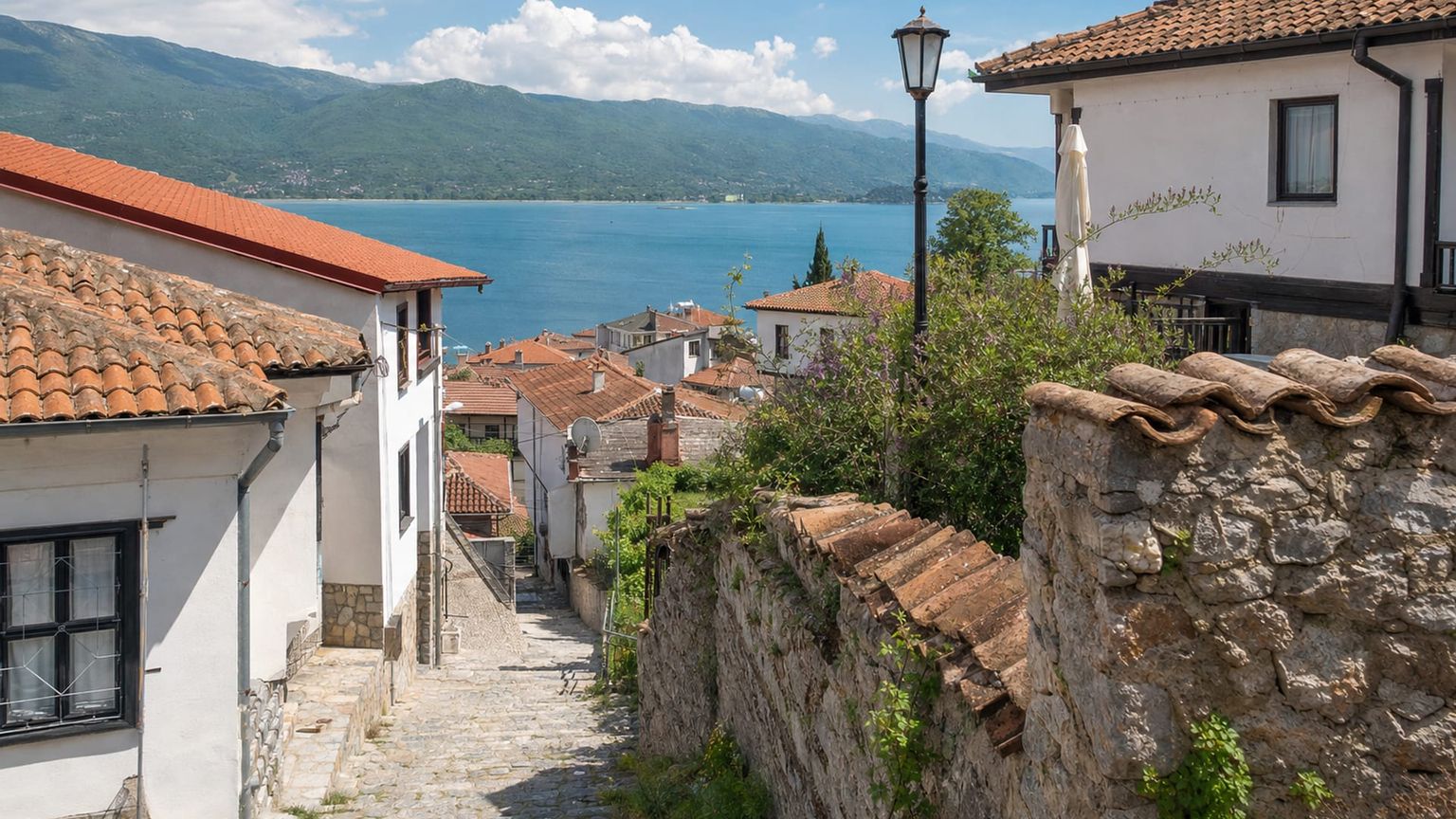
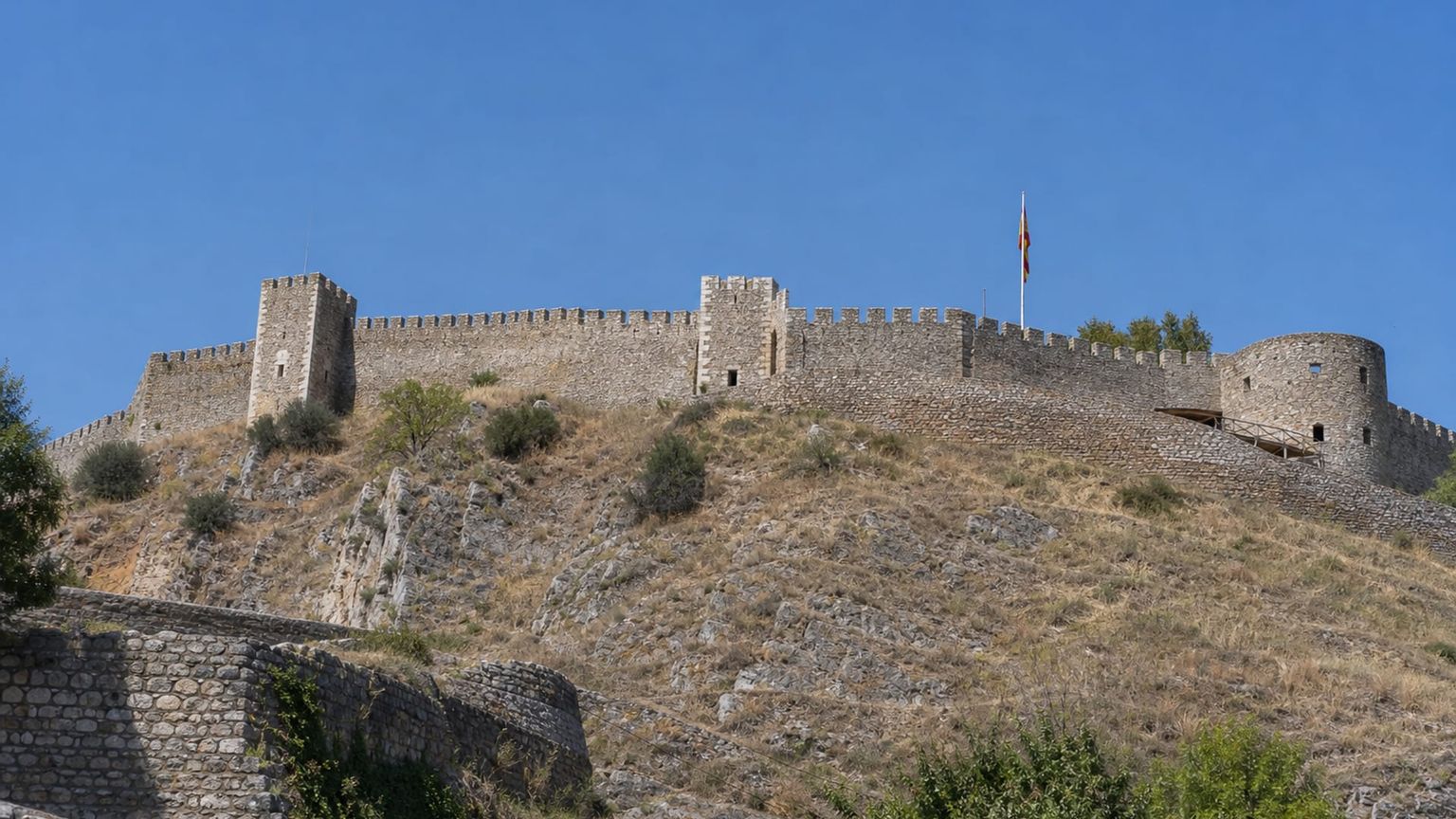
Start in Ohrid Old Town with the Ancient Theatre of Ohrid, then continue on foot in about 10 minutes to the Icons Gallery, Ohrid. From there, walk roughly 8 to 12 minutes uphill to Samuel’s Fortress for wide views, then descend in about 15 minutes to the Church of St. John at Kaneo near sunset, when the path and cliffside overlook are at their best.
Take a morning trip to the Bay of Bones Museum, which sits about 30 to 40 minutes from the central lakefront by car or arranged taxi. Spend 1 to 2 hours on the walkways and exhibits, then return to town for a late lunch on the Lakefront Promenade and an easy afternoon by Kaneo Bay, where you can swim or sit by the water before dinner.
Begin in Varoš, where the uphill lanes put you close to the Old Town core, then walk about 10 minutes to the Ancient Theatre of Ohrid if you want a second look in better daylight. After that, continue about 15 minutes through the upper streets toward Samuel’s Fortress, pause for photographs, and finish with a relaxed coffee near the lakefront, about 15 to 20 minutes downhill on foot.
End with a slower morning at the Icons Gallery, Ohrid, which takes about 45 minutes to 1 hour, then wander the nearby Old Town streets for a little shopping in the craft and souvenir shops. By afternoon, settle into a cafe in the Lakefront Promenade area for one last coffee or tea, with the water traffic and promenade activity serving as an easy backdrop before departure.
Business-class flights from the US to Ohrid
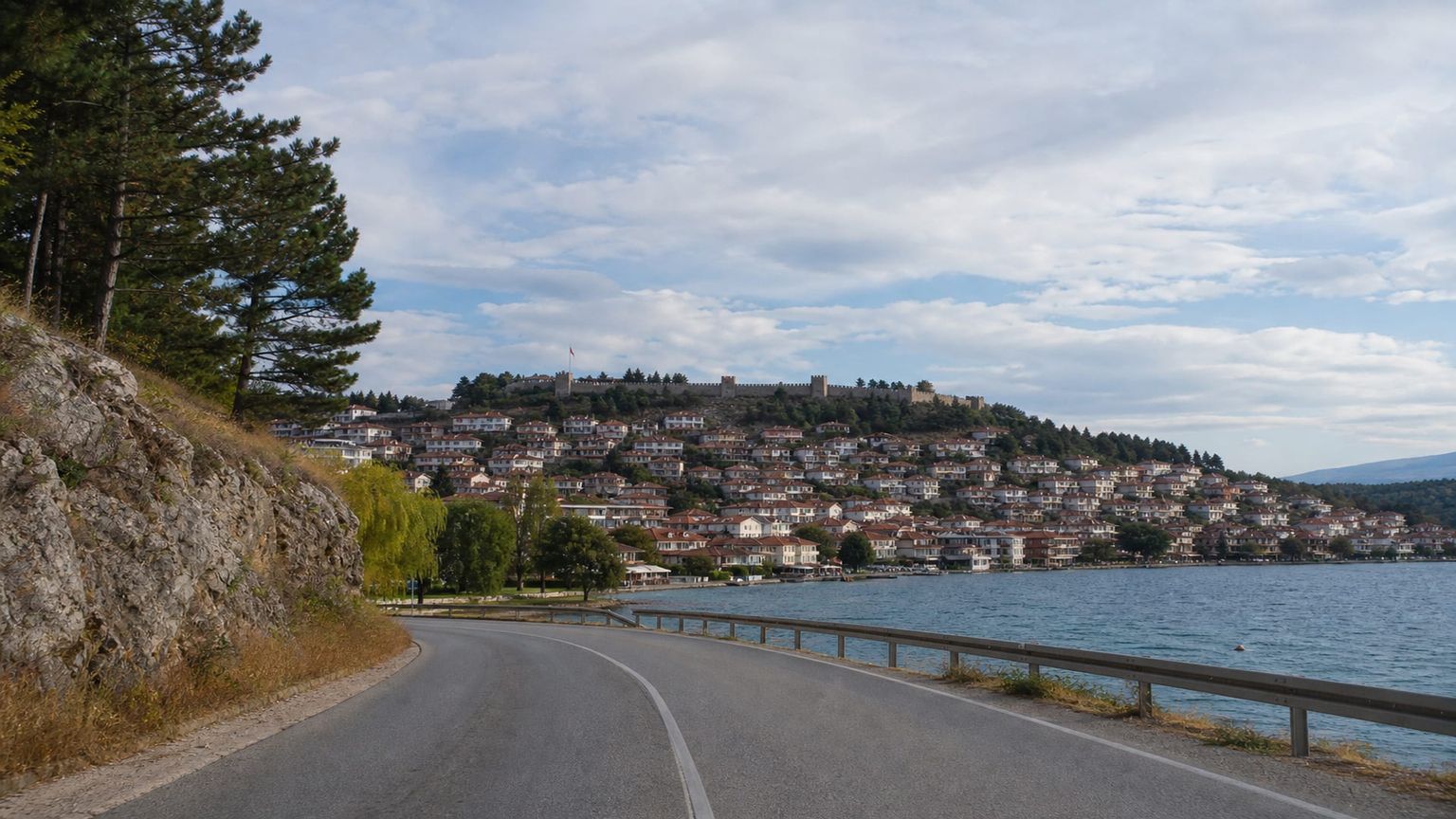
Ohrid is served mainly through one-stop itineraries, so the useful comparisons are the layover city, total travel time, and fare spread rather than nonstop options. From both coasts, the routing usually runs through a major European hub.
From New York (JFK), Aegean Airlines, Lufthansa, Turkish Airlines, Austrian Airlines, and Swiss International Air Lines are the main options, with total trip times of about 12 to 17 hours. Fares usually start at $2,100 and can reach $4,600.
From Los Angeles (LAX), the usual carriers are Turkish Airlines, Lufthansa, Austrian Airlines, Swiss International Air Lines, and Aegean Airlines. Round-trip fares generally run $2,400 to $5,200; if you do not mind a layover, common routings via IST or FRA can lower the fare.
Ohrid feels different when you slow down
A deliberate Ohrid trip gives each part of the city its own setting: the upper lanes of the Old Town for Samuel’s Fortress and the Icons Gallery, the waterline for Kaneo and the promenade, and taxis only when the slopes start to slow you down. That mix keeps the city compact without forcing every stop into one day. If you want help shaping the route, AranGrant experts can build it around the Old Town, the lakefront, and the season you choose