

Chapters:

Need help with your trip?
Our support team is available 24/7. Request a callback or call us directly at (833) 619-0908
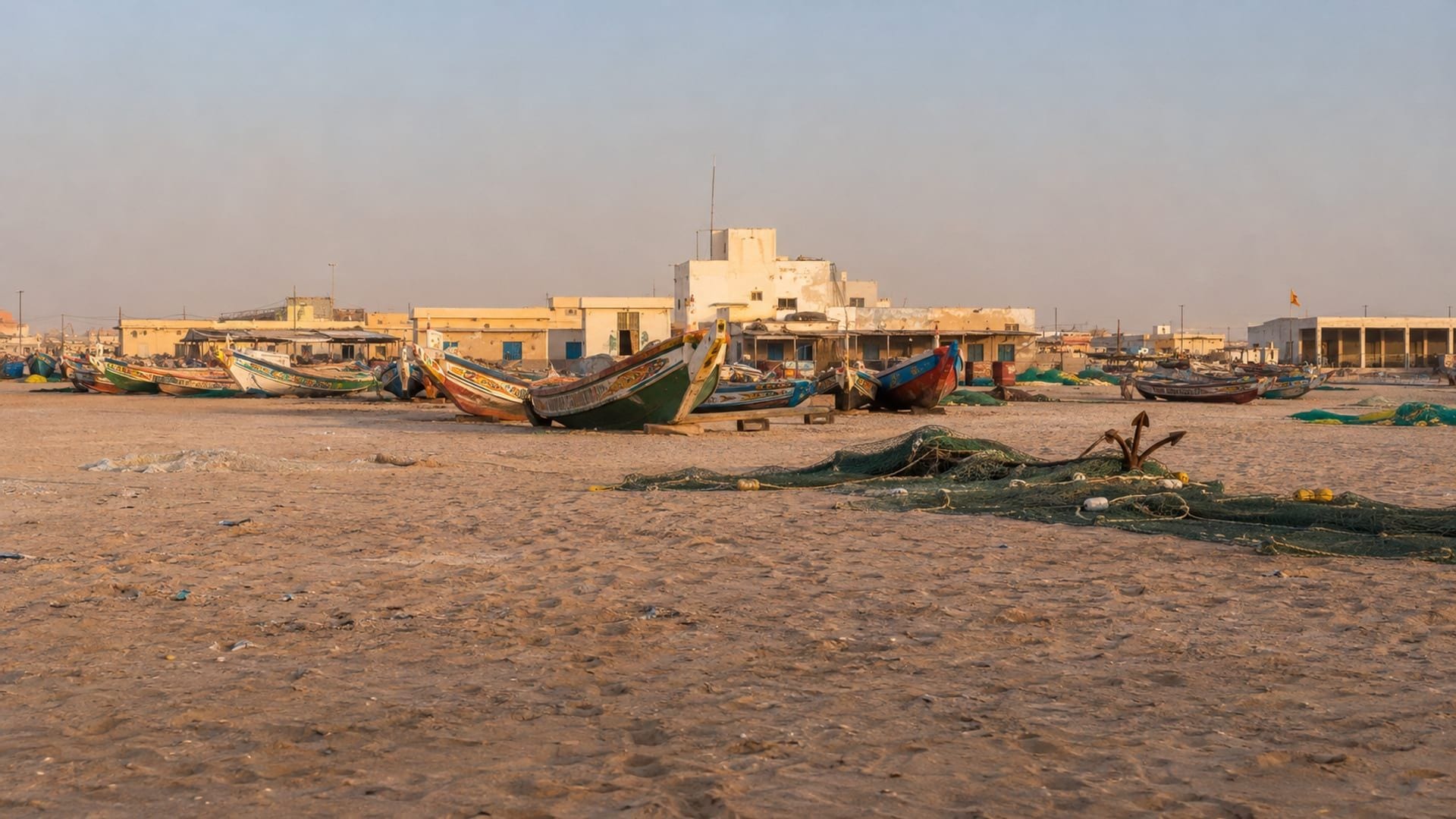
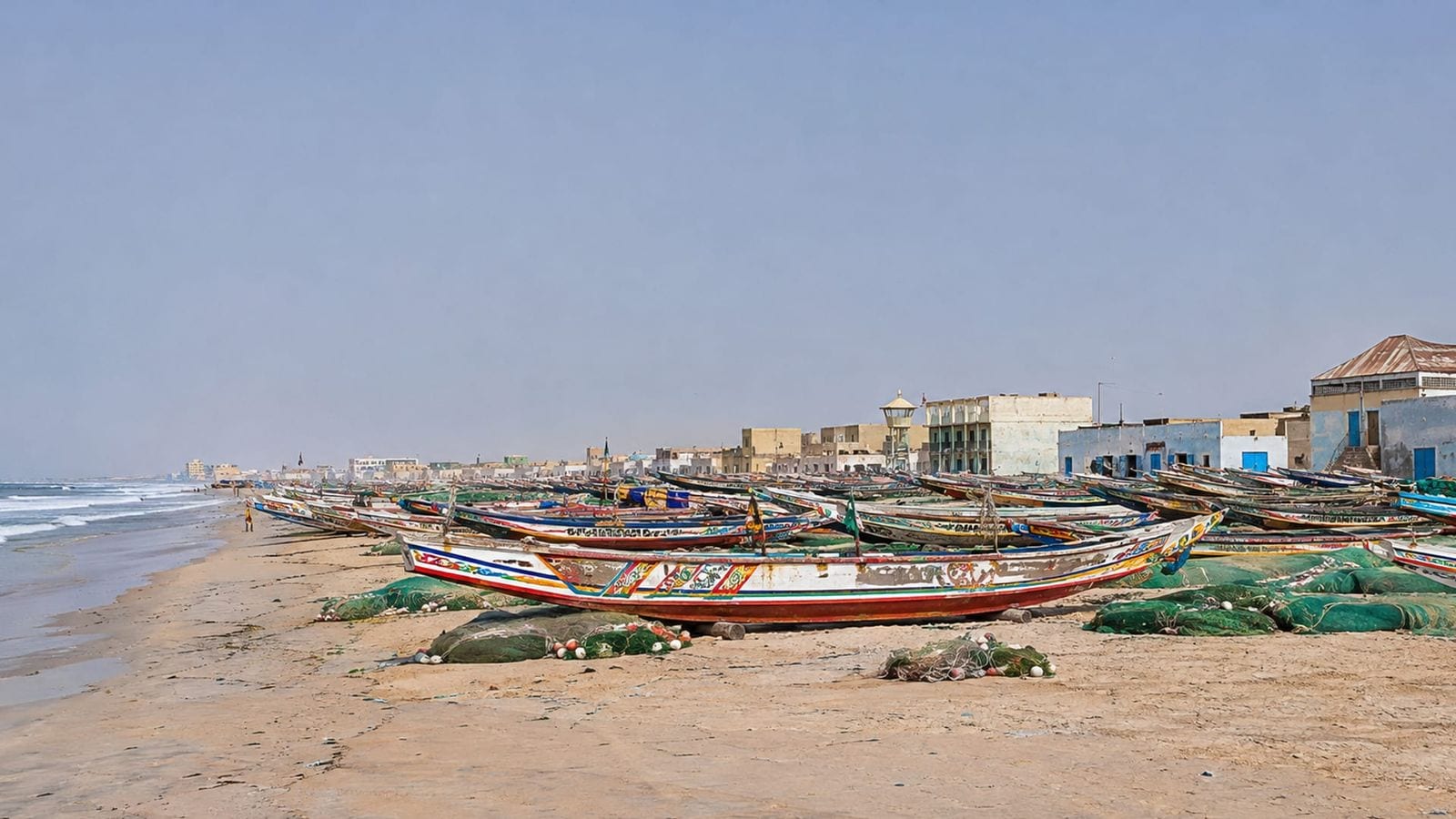
Nouakchott meets the Atlantic on a broad fishing beach, where crews haul painted wooden boats through the surf and carry their catch across the sand. At Port de Pêche, the capital’s connection to the ocean takes the form of daily labor, crowded boats, and fish bound for market.
Follow that coastal thread along Nouakchott Beach, then turn inland toward Sebkha and Marché Sixième. The shoreline gives way to trading streets, produce stalls, and household goods, while thieboudienne brings fish and rice together at the table.
Five days allow time for the coast, central landmarks, and neighborhood markets. Stay in Tevragh Zeina for its hotels and restaurants, using taxis between inland stops and the beach; November through February brings cooler conditions for exploring.
Useful things to know

Main language(s): Hassaniya Arabic
As-salamu alaykum (ah-sah-LAA-moo ah-LAY-koom) – Hello
Min fadlak (min FAD-lak) – Please
Shukran (SHOOK-ran) – Thank you
Tetkellem inglizi? (tet-KEL-lem in-GLEE-zee) – Do you speak English?
Bikam hadha? (bee-KAM HAA-tha) – How much does it cost?

Currency: Mauritanian ouguiya (MRU, UM)

Cash and cards: Cards and contactless are not widely accepted; carry roughly MRU 1,000 to MRU 2,000 ($25 to $50) in cash.

Tipping: Round up taxi fares and leave a small cash tip for good restaurant service; tipping is appreciated but not obligatory.

Traditional food: Thieboudienne, mechoui, couscous, and maafe are among the classic dishes of Nouakchott.

Water and coffee costs: Bottled water MRU 10 to MRU 20 ($0.25 to $0.50); espresso MRU 60 to MRU 100 ($1.50 to $2.50).

Taxis and ride apps: Ask your hotel to arrange a licensed taxi; confirm the fare before departure.

Plug and voltage: Type C socket, 220V

Dining and shop opening hours: Breakfast: 7 am to 10 am; lunch: 1 pm to 3 pm; dinner: 8 pm to 10 pm. Shops typically open 8 am to 8 pm, with midday breaks; some close for Friday prayers.

Emergency number: Police 117, ambulance 101, fire 118.
Where to stay in Nouakchott
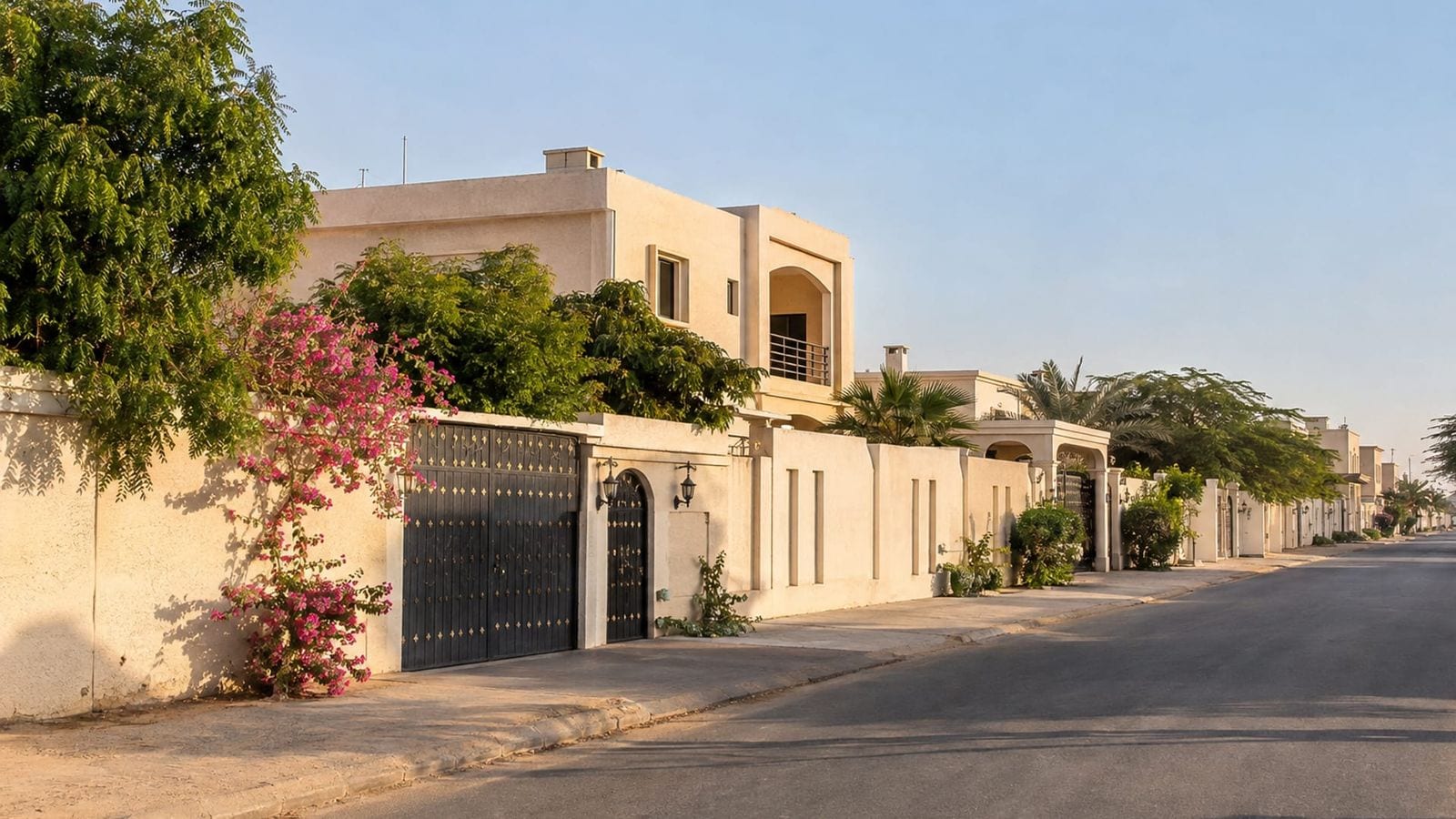
Tevragh Zeina is a northern residential district with embassies, restaurants, and many of Nouakchott’s higher-priced hotels. Visitors stay here for a wider choice of accommodation and places to eat, accepting taxi trips to the central markets and the fishing boats along the Atlantic coast.
Best for: Restaurant choice, hotel amenities, and quieter residential surroundings
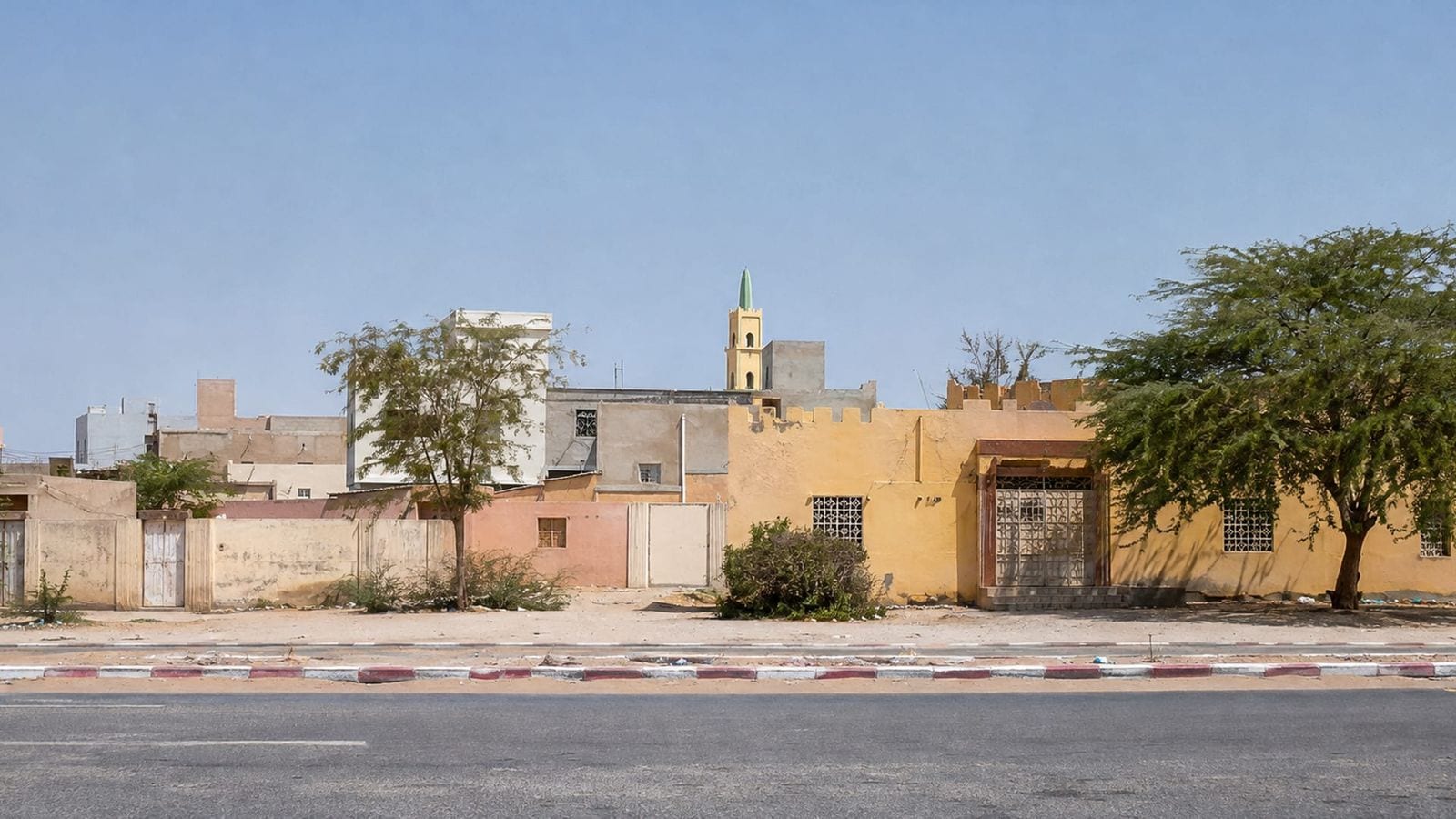
What to expect: Residential streets alternate with busier roads lined with restaurants and hotels.
Hotel prices: Higher-category hotels typically cost MRU 3,500 to MRU 6,500 ($90 to $165) a night.
Distance to major sights: Allow 15 to 25 minutes by taxi to Port de Pêche, depending on your hotel and traffic.
Quietness: Main roads carry daytime traffic; residential streets generally become quieter in the evening.
Main trade-off: Hotels tend to cost more, and the district’s spread makes taxis useful for meals and sightseeing.
Good to know: Choose a hotel with a restaurant if you prefer to avoid arranging a taxi for dinner.
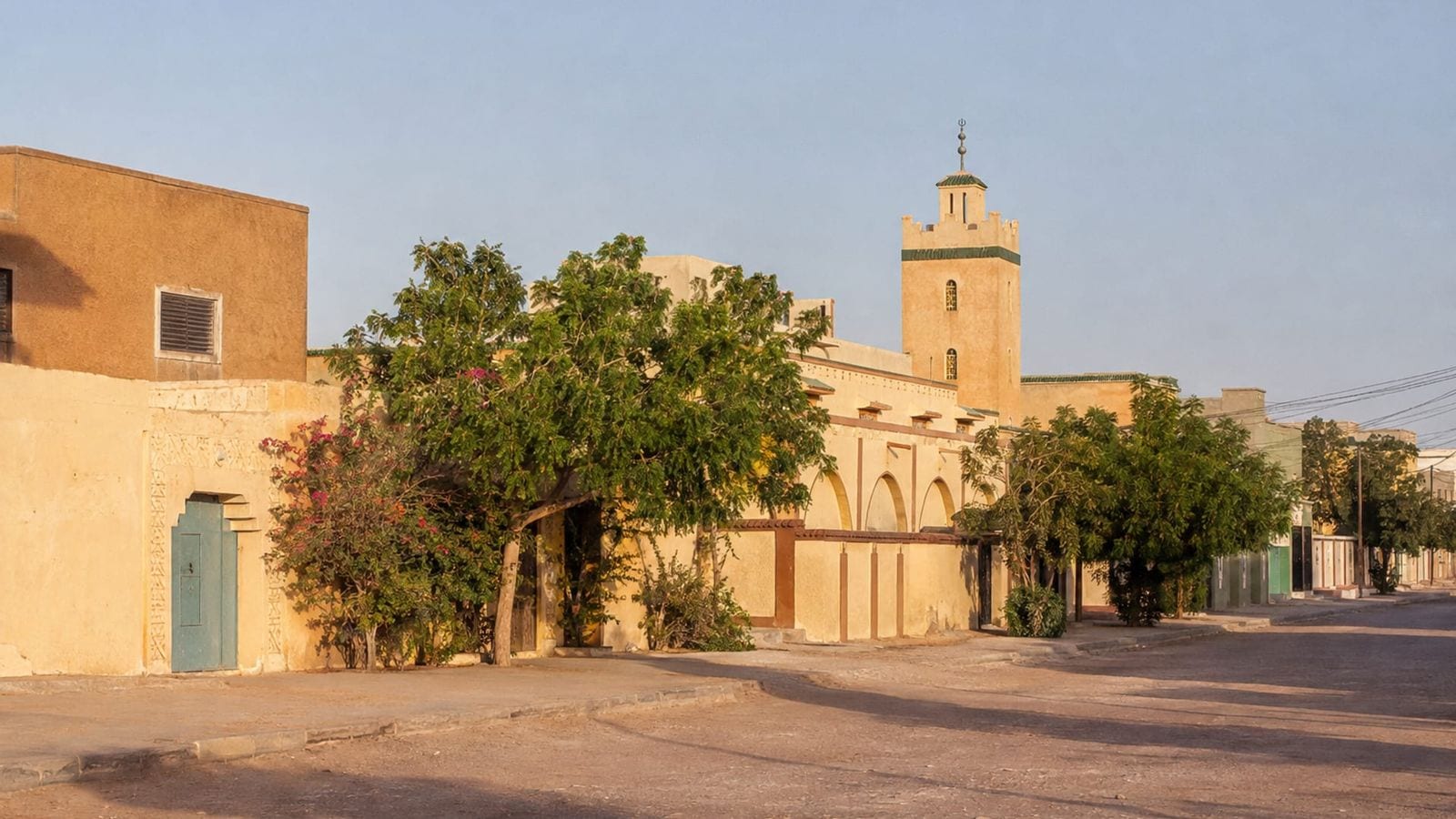
Ksar is an established inland district where residential streets meet shops, local businesses, and smaller hotels. Staying here puts everyday Nouakchott close at hand, with accommodation that can cost less than in Tevragh Zeina and taxi journeys needed for the fishing beach and coast.
Best for: Local shopping, everyday city life, and moderately priced accommodation
What to expect: Shops and traffic animate the main roads, with quieter residential streets behind them.
Hotel prices: Budget MRU 1,800 to MRU 3,500 ($45 to $90) nightly for a well-rated hotel.
Distance to major sights: The National Museum of Mauritania is roughly 10 to 20 minutes away by taxi.
Quietness: Commercial streets are active by day; evening noise depends heavily on proximity to main roads.
Main trade-off: The coast requires a taxi trip, and hotel facilities vary more than in Tevragh Zeina.
Good to know: Confirm the hotel’s exact map location before booking, since distances within Ksar can affect daily taxi costs.
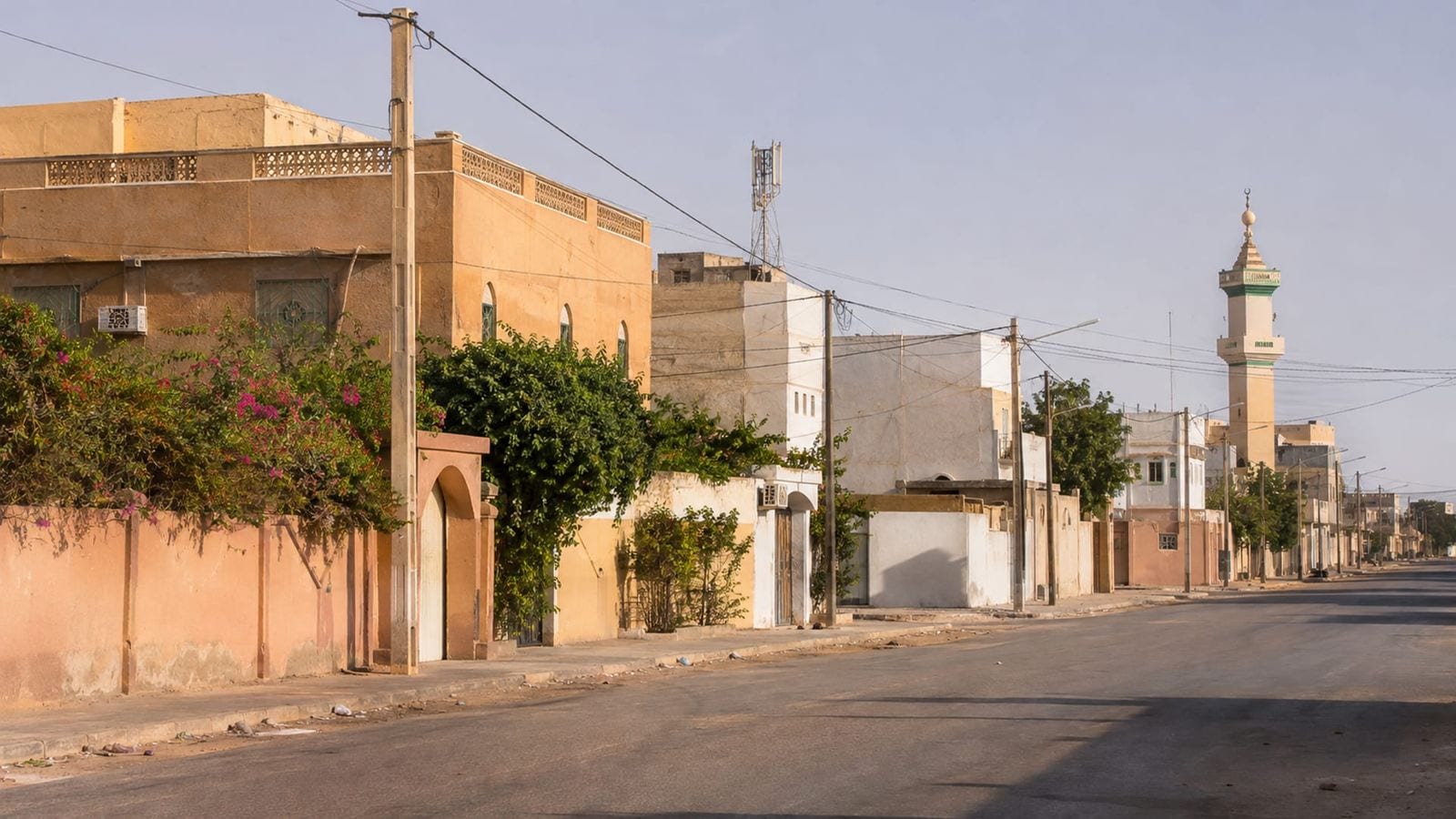
Sebkha is a densely populated district southwest of central Nouakchott, known for its markets and active commercial streets. Its modest accommodation appeals to travelers watching their spending who want neighborhood shops nearby and accept more traffic, street noise, and fewer hotel amenities.
Best for: Market browsing, neighborhood shopping, and lower accommodation costs
What to expect: Trading streets draw pedestrians, roadside vendors, and frequent vehicle traffic.
Hotel prices: Modest hotels generally charge MRU 1,200 to MRU 2,400 ($30 to $60) per night.
Distance to major sights: Reach the National Museum of Mauritania in 10 to 20 minutes by taxi, depending on traffic.
Quietness: Market activity makes daytime streets noisy; traffic can continue into the evening on larger roads.
Main trade-off: Accommodation choices and facilities are more limited than in the northern hotel districts.
Good to know: Request a room away from the road and confirm air-conditioning before paying for your stay.
Riyadh, Toujounine, and Dar Naim are less convenient for sightseeing: these outlying districts require longer taxi trips to central Nouakchott’s attractions and restaurants.
Hotel deals
How to get around Nouakchott efficiently
Negotiated private taxis and shared taxis connect Nouakchott’s spread-out districts, while walking suits short neighborhood trips.

Taxi
for convenience or late hours
Nouakchott’s private taxis use negotiated fares, so agree on MRU 50 to MRU 150 ($1.25 to $3.75) for a central trip before boarding. Hail one on a main road; private rides suit longer urban journeys and trips with luggage. Traffic affects journey times.

Walking
for short central distances
Central Nouakchott has sandy road edges and uneven sidewalks, making walking most suitable for short daytime trips between nearby shops. Walking costs nothing; allow 10 to 15 minutes for half a mile (0.8 km), and take a taxi for longer cross-city journeys.
Shared taxi
for fixed-route budget trips
Along Nouakchott’s main roads, shared taxis collect passengers traveling in the same direction. Tell the driver your destination before boarding and confirm the per-person fare, typically MRU 10 to MRU 20 ($0.25 to $0.50). These suit inexpensive daytime hops.
*Prices are based on rates updated as of November 2026 and may change at the time of travel.
Choose private taxis for luggage and coastal trips, shared taxis for daytime hops along main roads, and walking for nearby shops in central Nouakchott.
Iconic landmarks
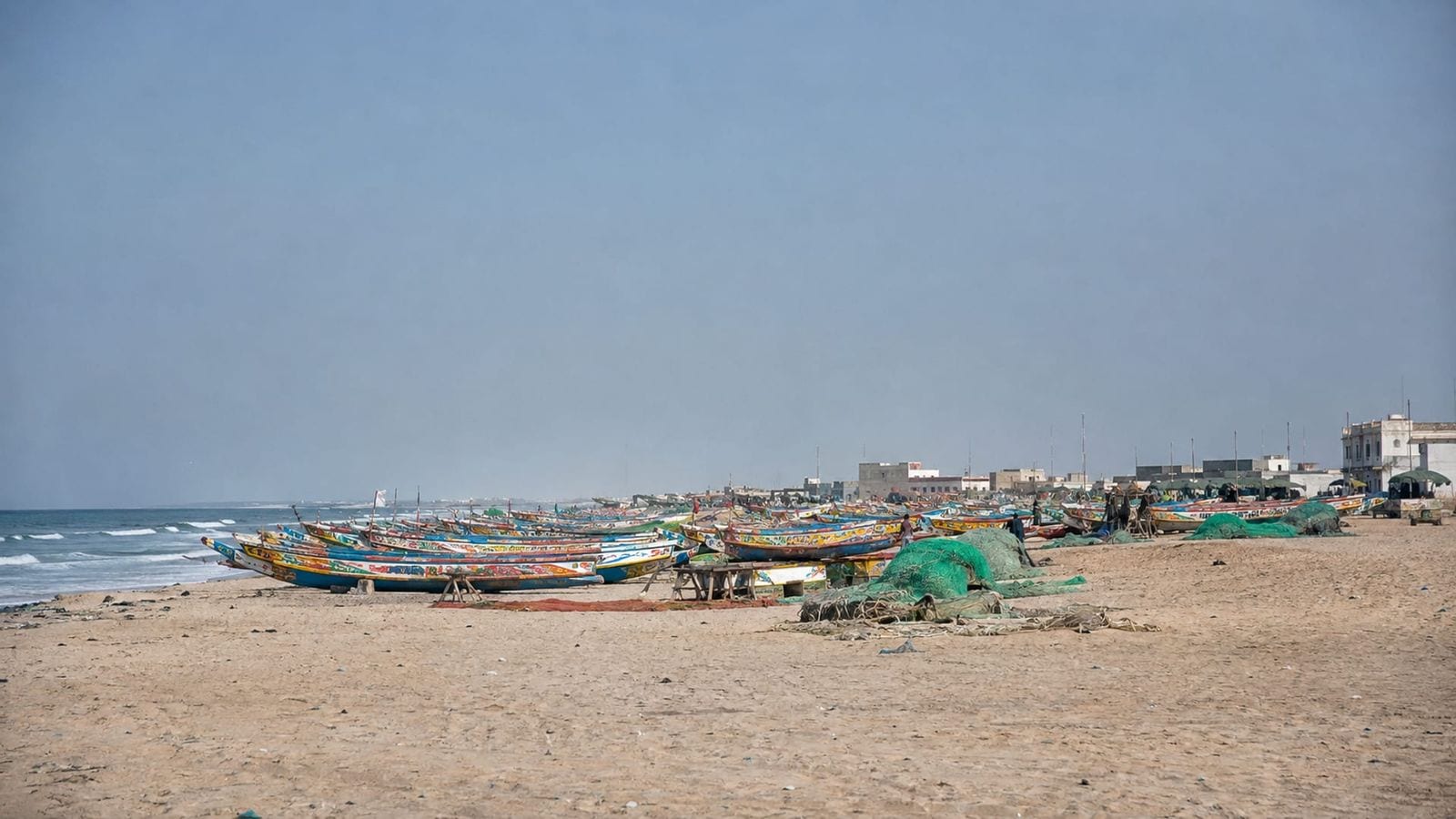
Port de Pêche
Nouakchott’s fishing harbor brings the city’s Atlantic economy into view: crews launch brightly painted wooden boats through the surf, unload their catch on the sand, and carry fish toward the market. Fishing boats line the broad beach.
Time needed: About 1 to 2 hours
Entry: Free to access
Tip: Come in the late afternoon to watch returning boats; ask before taking photos.
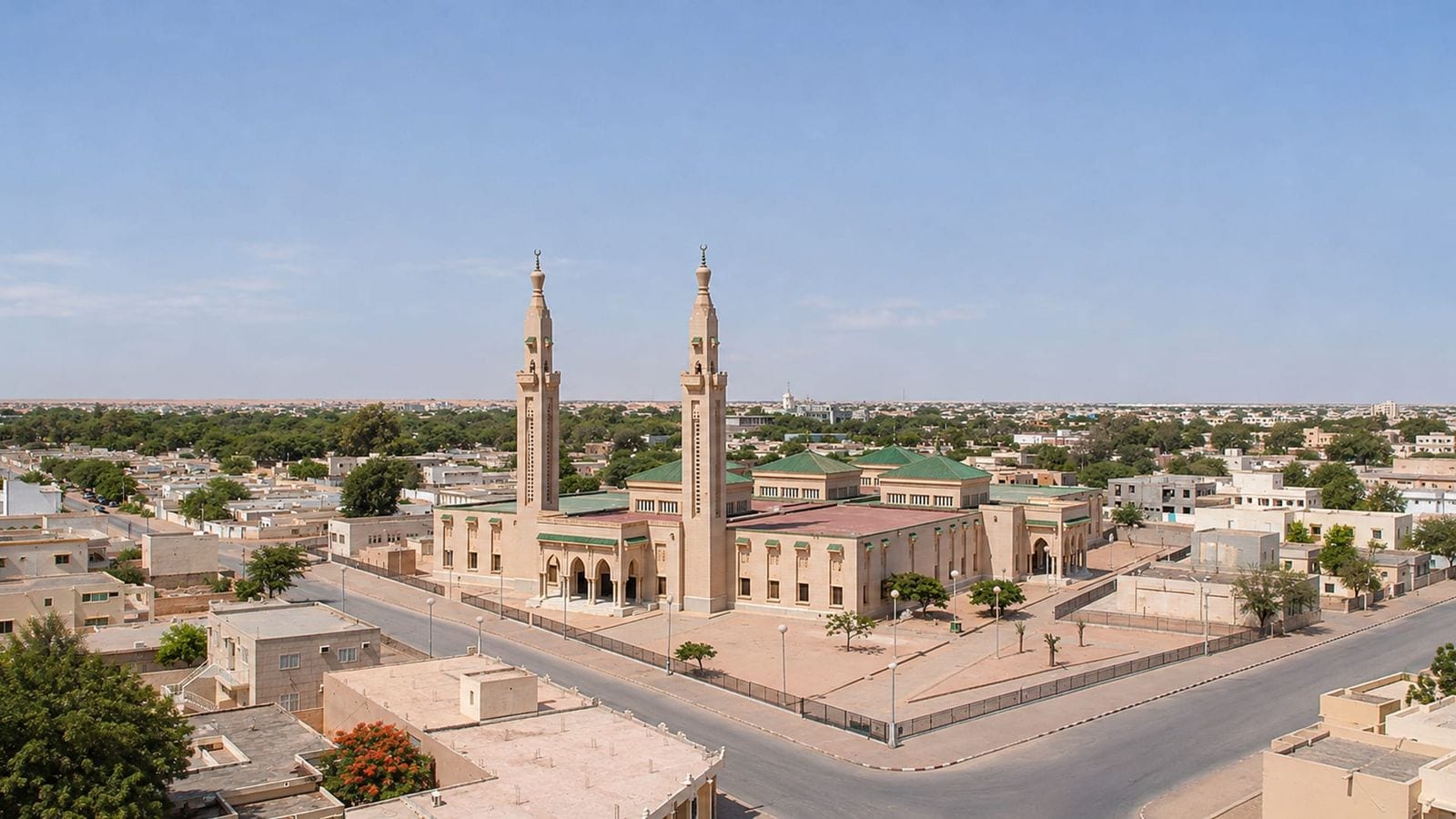
Saudi Mosque
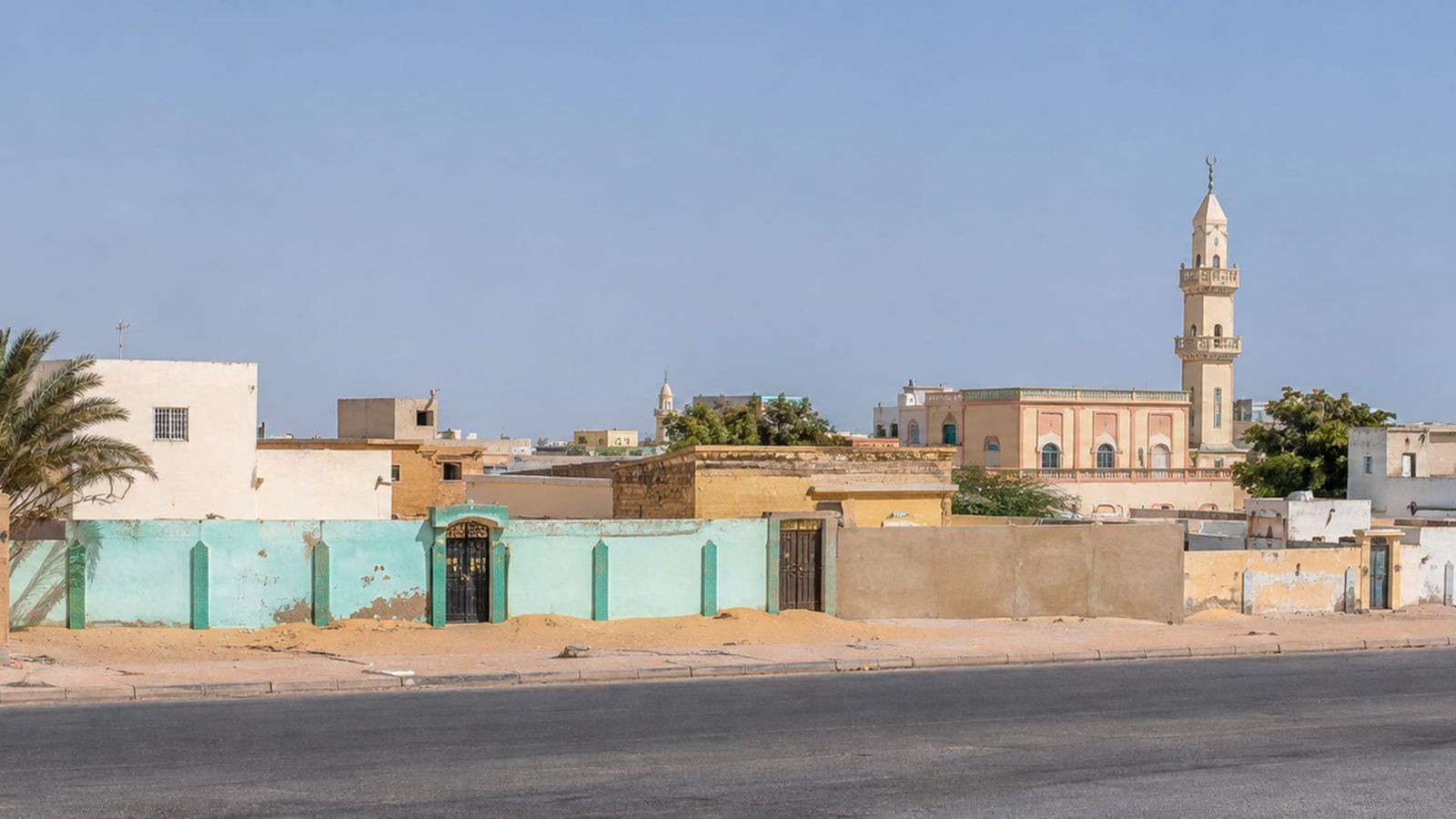
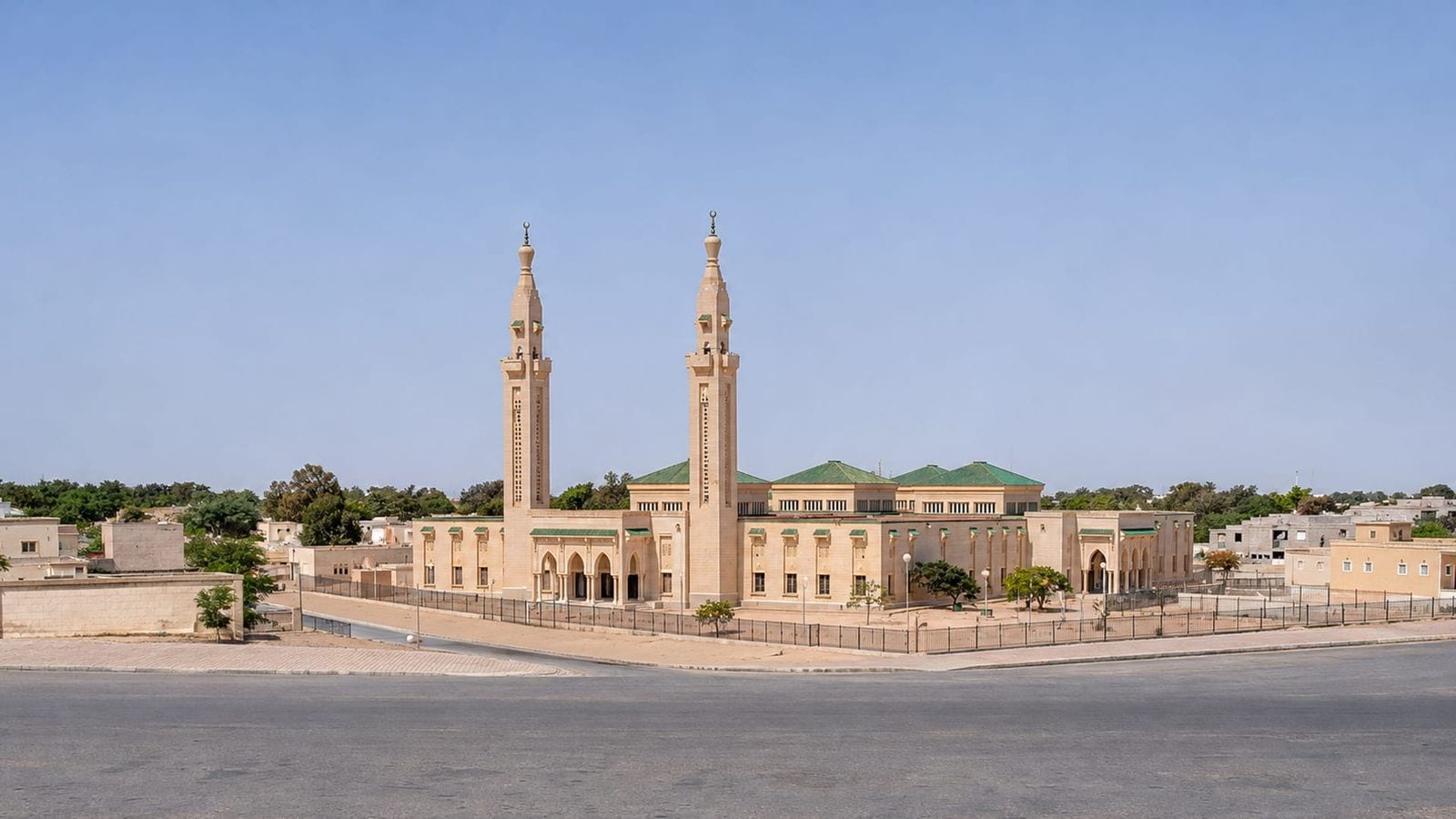
With its slender minarets and pale exterior, the Saudi Mosque is one of central Nouakchott’s most recognizable landmarks. The mosque serves an active congregation; travelers can appreciate its architecture from the surrounding streets.
Time needed: About 20 to 30 minutes
Entry: Free to view from outside
Tip: Keep your visit to the exterior if you are non-Muslim, and avoid prayer times.
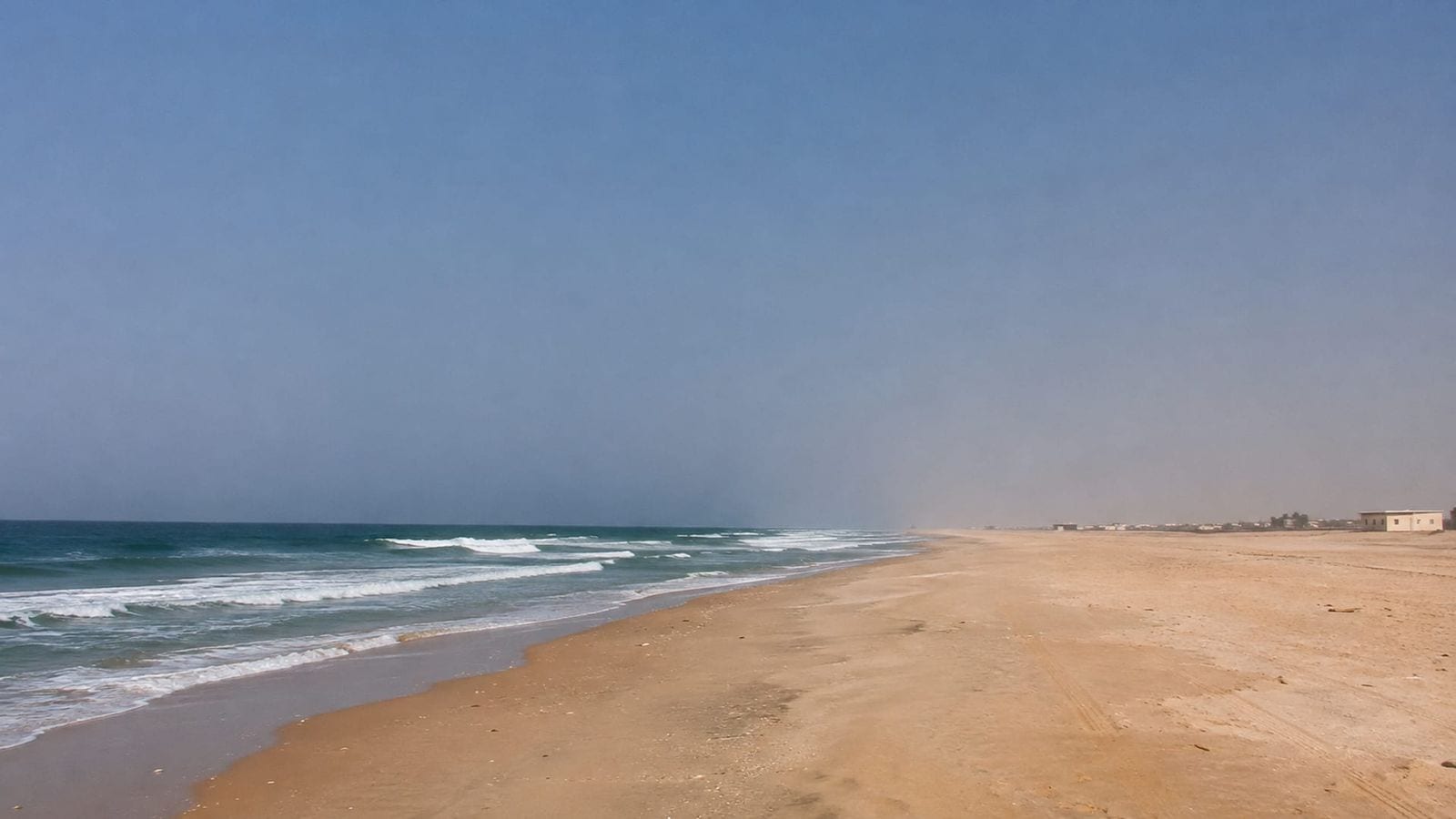
Nouakchott Beach
A long Atlantic shoreline marks Nouakchott’s western edge, where ocean surf meets a broad sweep of sand. Nouakchott Beach offers a view of the capital’s coastal setting, with an open horizon and space for a walk beside the breaking waves.
Time needed: About 1 to 2 hours
Entry: Free to access
Tip: Arrange a return taxi before walking onto the sand; distances inland are long.
Overlooked sites worth visiting

Marché Sixième
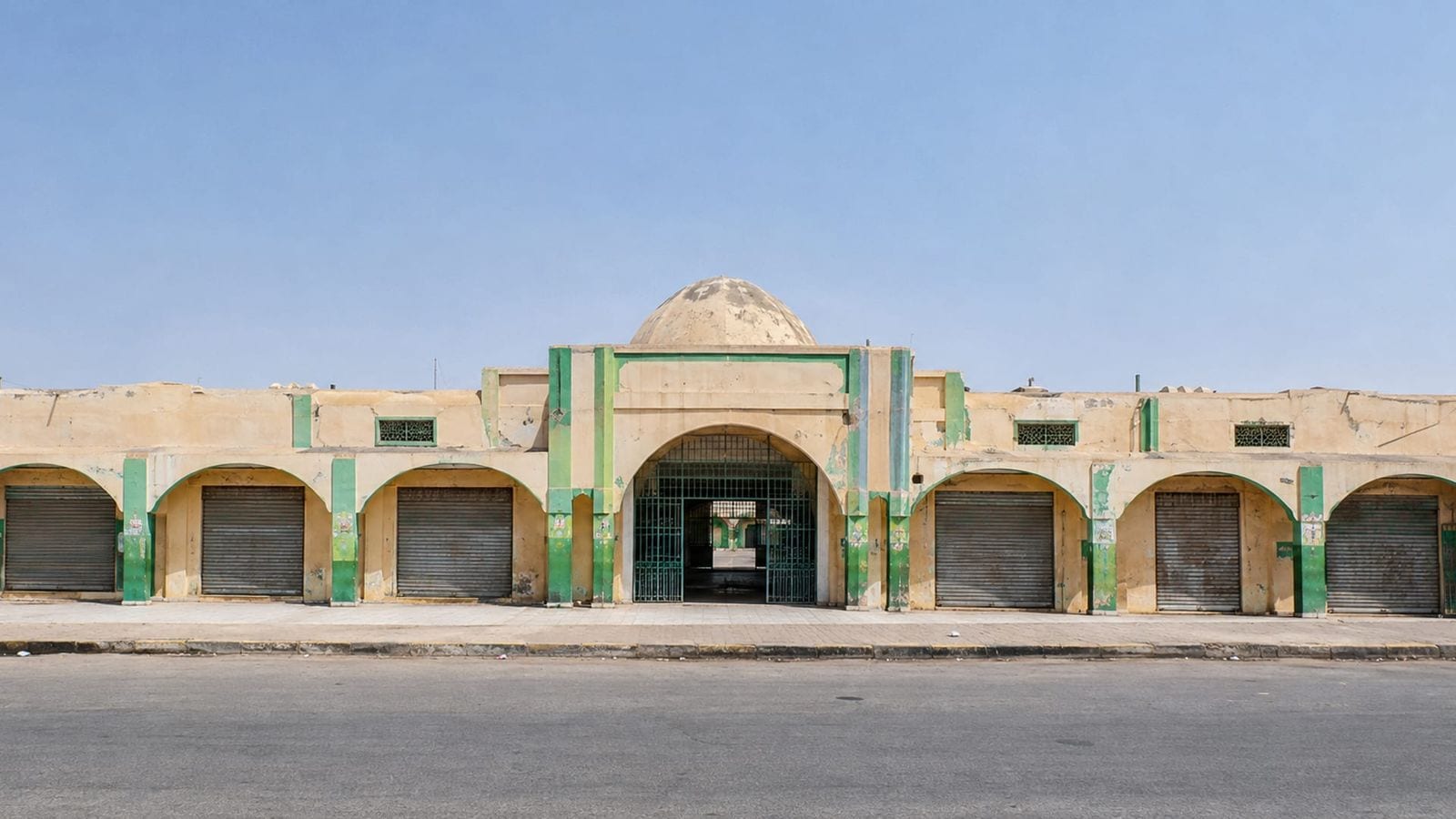
Marché Sixième brings you into Nouakchott’s everyday retail life, with stalls selling produce, clothing, and household goods.
Time needed: About 30 to 60 minutes
Entry: Free to access
Tip: Ask your taxi driver for Marché Sixième and agree on the fare before leaving.

Centre culturel marocain
Centre culturel marocain adds a Moroccan perspective to Nouakchott’s cultural scene through exhibitions, talks, and a library.
Time needed: About 30 to 60 minutes
Entry: Free
Tip: Ask at reception which exhibitions are open to visitors that day.
Traditional food
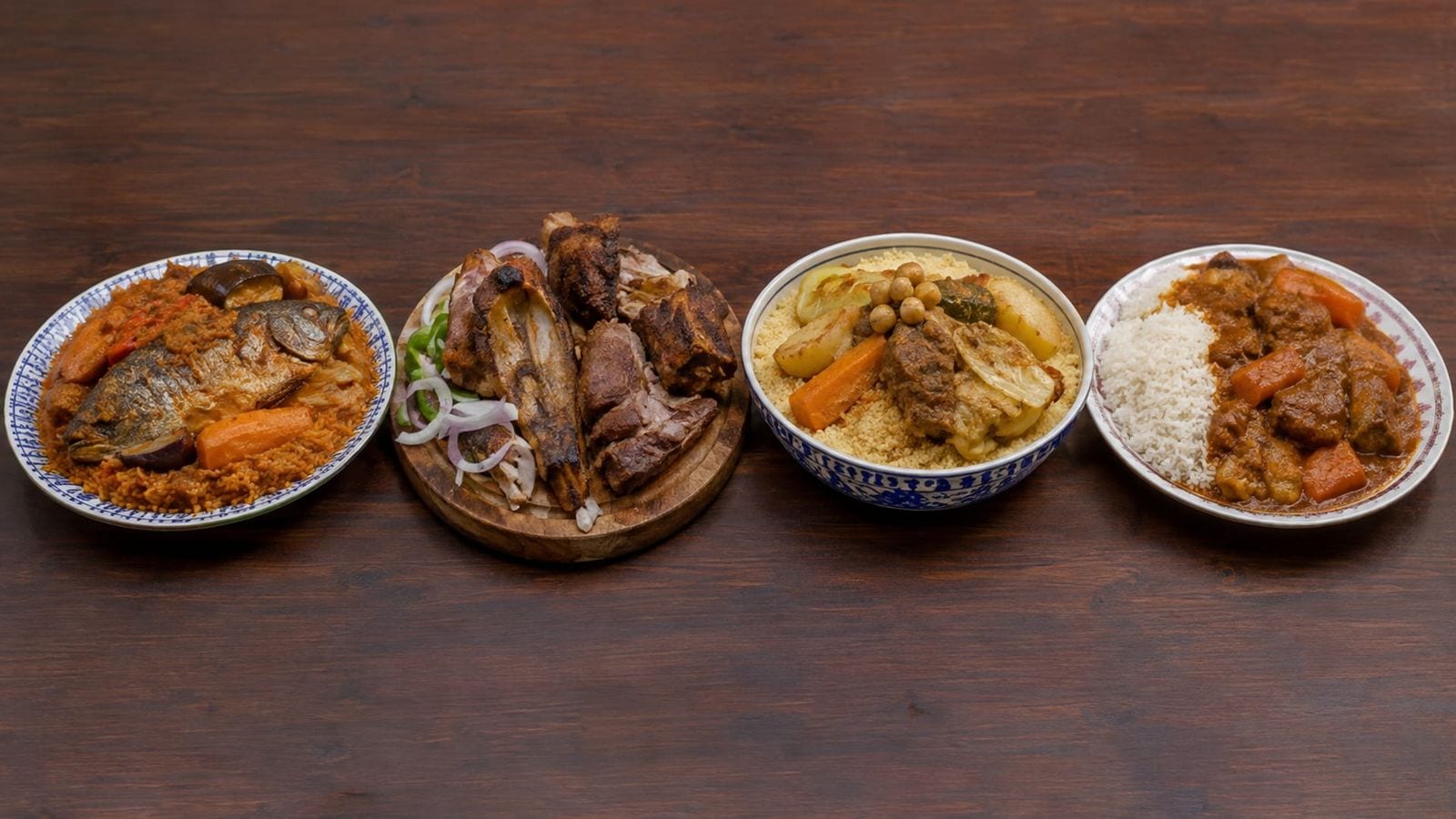
Fish, rice, lamb, and millet connect Nouakchott’s Atlantic setting with inland food traditions. Thieboudienne, mechoui, couscous, and maafe bring vegetables, roasted meat, and peanut sauces to meals.
Thieboudienne
Fish, rice, and vegetables cook with a seasoned tomato mixture in thieboudienne, a dish shared across this part of West Africa. Try it at La Tissayade, where it offers a connection to Nouakchott’s Atlantic catch.
Mechoui
Mechoui centers on lamb roasted slowly until the meat becomes tender, with seasoning that lets the lamb’s flavor lead. Choose La Palmeraie for this meat dish, which reflects the pastoral traditions behind Nouakchott’s cooking.
Couscous
Steamed semolina grains form the foundation of couscous, served with vegetables, broth, and sometimes meat. Le Prince offers a place to try this filling dish during a meal in Nouakchott, alongside the city’s other regional staples.
Maafe
Maafe combines a rich peanut sauce with vegetables and meat, usually accompanied by rice to absorb the sauce. Try it at Le Menata for a taste of the West African cooking traditions that contribute to Nouakchott’s food culture.
Best time to visit Nouakchott
Nouakchott’s cooler winter months favor outdoor exploring; spring heat and late-summer humidity change the appeal of longer walks.
Best for: Longer coastal walks and daytime market browsing in cooler winter weather
What you get: Expect 59°F to 84°F (15°C to 29°C), dry days, and comfortable afternoons; visitor activity is modest even during this favorable period.
Trade-offs: Dusty winds can reduce visibility, and evenings beside the Atlantic can feel cool.
Best for: Morning market trips followed by indoor meals during the hotter afternoons
What you get: Temperatures span 64°F to 99°F (18°C to 37°C), with dry heat and occasional dust; sightseeing crowds stay small across the city center.
Trade-offs: Heat and blowing sand can make extended walks through the trading streets tiring.
Best for: Short coastal outings and restaurant meals between the hottest daily hours
What you get: Days bring 75°F to 97°F (24°C to 36°C), higher humidity, and occasional rain; tourism stays limited, while markets draw local shoppers.
Trade-offs: Rain can leave roads waterlogged, and humid heat limits comfortable walking time.
Best for: Late-afternoon fishing boats and beach walks as cooler conditions return
What you get: Look for 61°F to 91°F (16°C to 33°C), declining humidity, and mostly dry weather; visitor numbers stay modest at the coastal landmarks.
Trade-offs: November afternoons can still be hot, with exposed sand offering little shade.
A realistic 5-day plan in Nouakchott
Arrival and departure frame three days of central landmarks, Sebkha’s trading streets, and the Atlantic shore. Taxi journeys connect the stops, with the fishing boats reserved for late afternoon.
From Nouakchott–Oumtounsy International Airport (NKC), take a taxi to Tevragh Zeina, allowing 45 to 60 minutes and MRU 1,000 to MRU 1,600 ($25 to $40); agree on the fare before departure. Check into your hotel, then choose a light dinner at Le Prince in Tevragh Zeina.
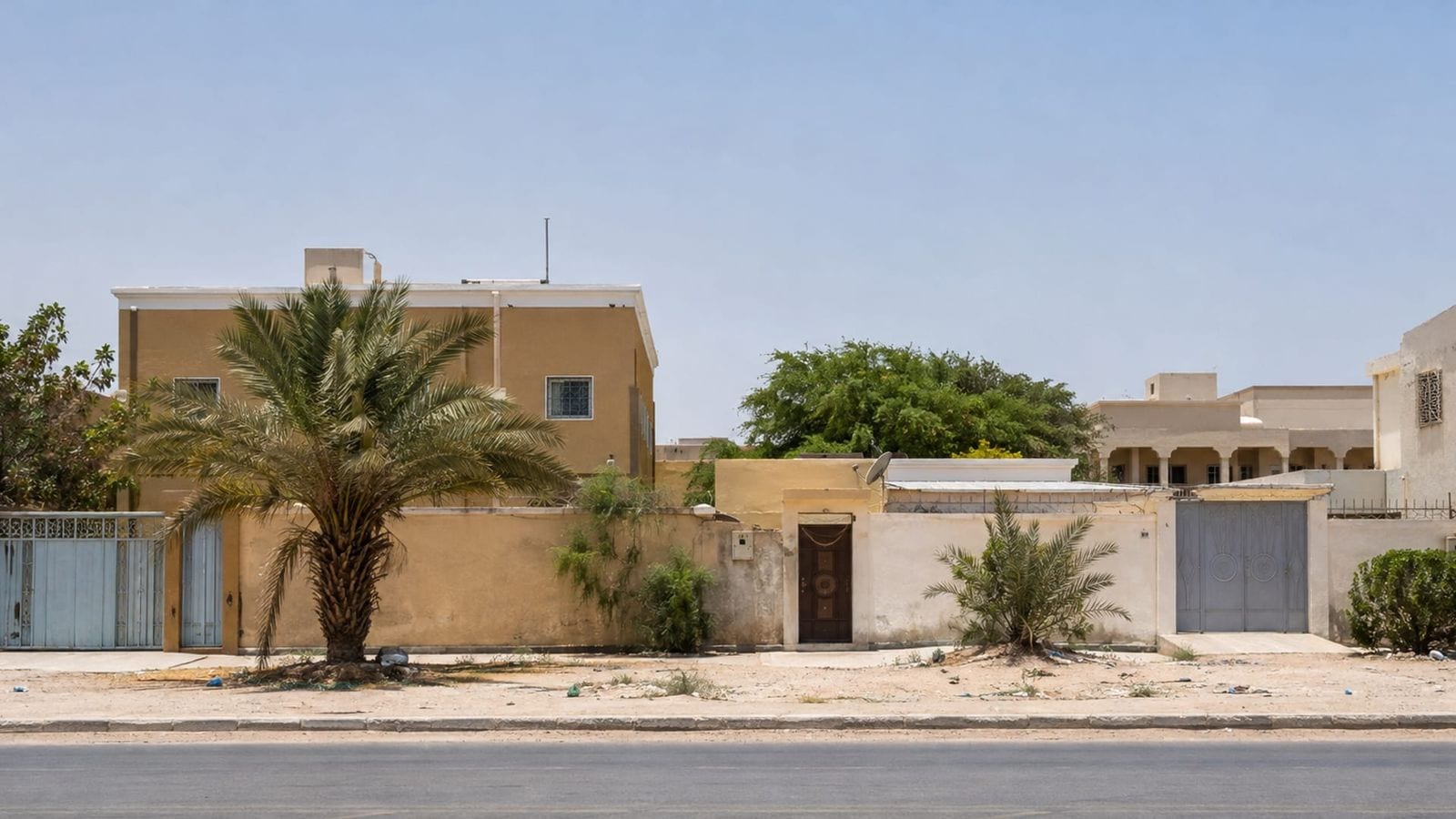
The Saudi Mosque introduces central Nouakchott through its pale facade and slender minarets. Allow 20 to 30 minutes outside, avoiding prayer times; non-Muslims should keep to the exterior. Continue by taxi for 10 to 20 minutes to Centre culturel marocain, allowing an hour for exhibitions available that day.
Begin among Sebkha’s trading streets, allowing an hour for neighborhood shops and roadside vendors. Continue by taxi to Marché Sixième, allowing 10 to 20 minutes for the journey and agreeing on the fare first. Spend another hour browsing its produce, clothing, and household goods; ask vendors before photographing their stalls.
Atlantic sand and fishing boats fill today’s coastal route. Walk along Nouakchott Beach for an hour, arranging your onward taxi before stepping onto the sand. Allow 10 to 20 minutes by taxi to Port de Pêche, then spend 1 to 2 hours watching the late-afternoon return of painted boats. Ask crews before taking photographs.
A final shopping stop in Tevragh Zeina keeps departure morning close to your hotel. Allow 30 to 60 minutes for neighborhood shops, followed by lunch at your hotel’s restaurant. Arrange a taxi directly to Nouakchott–Oumtounsy International Airport (NKC), allowing 45 to 60 minutes on the road plus your airline’s required check-in time.
Business-class flights from the US to Nouakchott
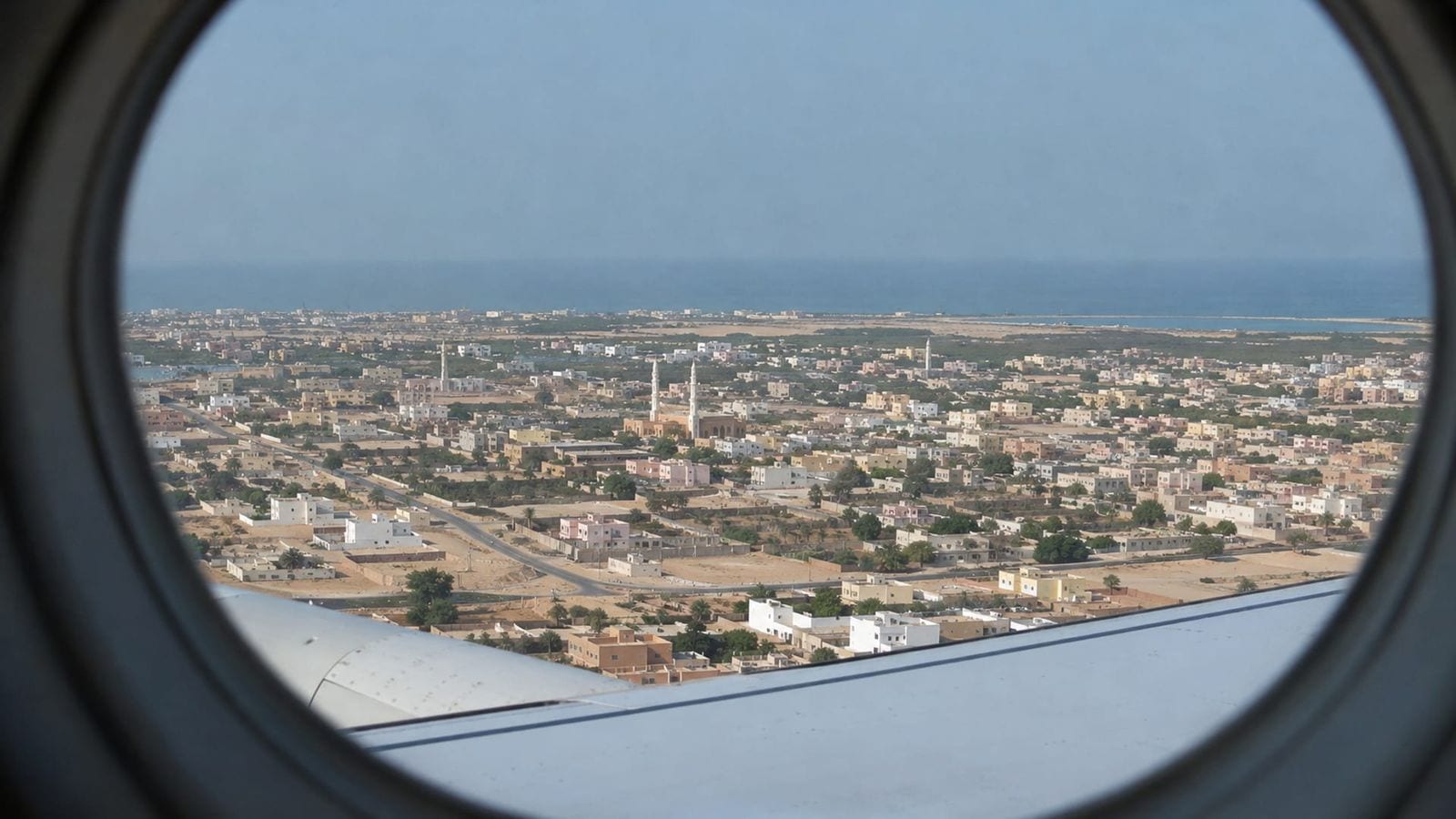
Flights from New York and Los Angeles to Nouakchott (NKC) connect through major hubs, with total travel time depending on the connection.
From New York, connecting journeys to Nouakchott (NKC) take 12 to 24 hours via Casablanca (CMN) or Istanbul (IST). Compare round-trip totals including taxes, then review baggage allowances, change fees, and refund conditions before paying.
Reaching Nouakchott (NKC) from Los Angeles involves a connection through Istanbul (IST), with total journeys taking 22 to 32 hours. Turkish Airlines and Mauritania Airlines are the listed airline options. Round-trip fares depend on travel dates and ticket conditions; compare totals including taxes and review baggage allowances and refund rules.
Nouakchott feels different when you slow down
A Nouakchott trip takes shape through specific journeys: a taxi from Tevragh Zeina to the Saudi Mosque, an hour among Sebkha’s shops, and a late afternoon watching boats return at Port de Pêche. Leave time for a fish-and-rice lunch and the long drive back to the airport. Cooler months give these outdoor stops more comfortable conditions. Ask AranGrant experts to arrange your flights to Nouakchott (NKC) for a winter trip that includes the city’s Atlantic shore







