

Chapters:

Need help with your trip?
Our support team is available 24/7. Request a callback or call us directly at (833) 619-0908
New York City’s waterfront links its industrial past to its public spaces: an elevated freight railway became the High Line, and former factory sites now frame parks along the East River. Bridges and ferries make the water part of an ordinary day of sightseeing.
Walk the High Line through Chelsea, cross the Brooklyn Bridge beneath its steel cables, and explore outdoor artworks at Socrates Sculpture Park. Each offers a different view of how New York City has turned infrastructure and industrial land into places for walking and gathering.
Five days give you time to follow this waterfront geography across Manhattan, Queens, and Brooklyn. Use the subway between neighborhoods, then leave time for the ferry journeys and bridge walks that reveal the skyline from the water.
Useful things to know

Main language(s): English

Currency: US dollar (USD, $)

Cash and cards: Cards and contactless payments are widely accepted; carry $40 to $60 in cash.

Tipping: Tip 18% to 20% of the pretax bill at restaurants with table service, unless gratuity is included.

Traditional food: New York-style pizza, bagels with lox, pastrami on rye, and New York-style cheesecake are classic dishes of New York City.

Water and coffee costs: Bottled water $2 to $4; espresso at a cafe counter $3 to $5.

Taxis and ride apps: Hail licensed yellow taxis on the street; metered short rides typically cost $15 to $25 before tip. Ride-hailing apps: Uber, Lyft.

Plug and voltage: Type A/B socket, 120V

Dining and shop opening hours: Breakfast: 7 am to 10 am; lunch: noon to 2 pm; dinner: 6 pm to 10 pm. Shops typically open 10 am to 8 pm, with shorter Sunday hours.

Emergency number: 911 for police, ambulance, and fire.
Where to stay in New York City
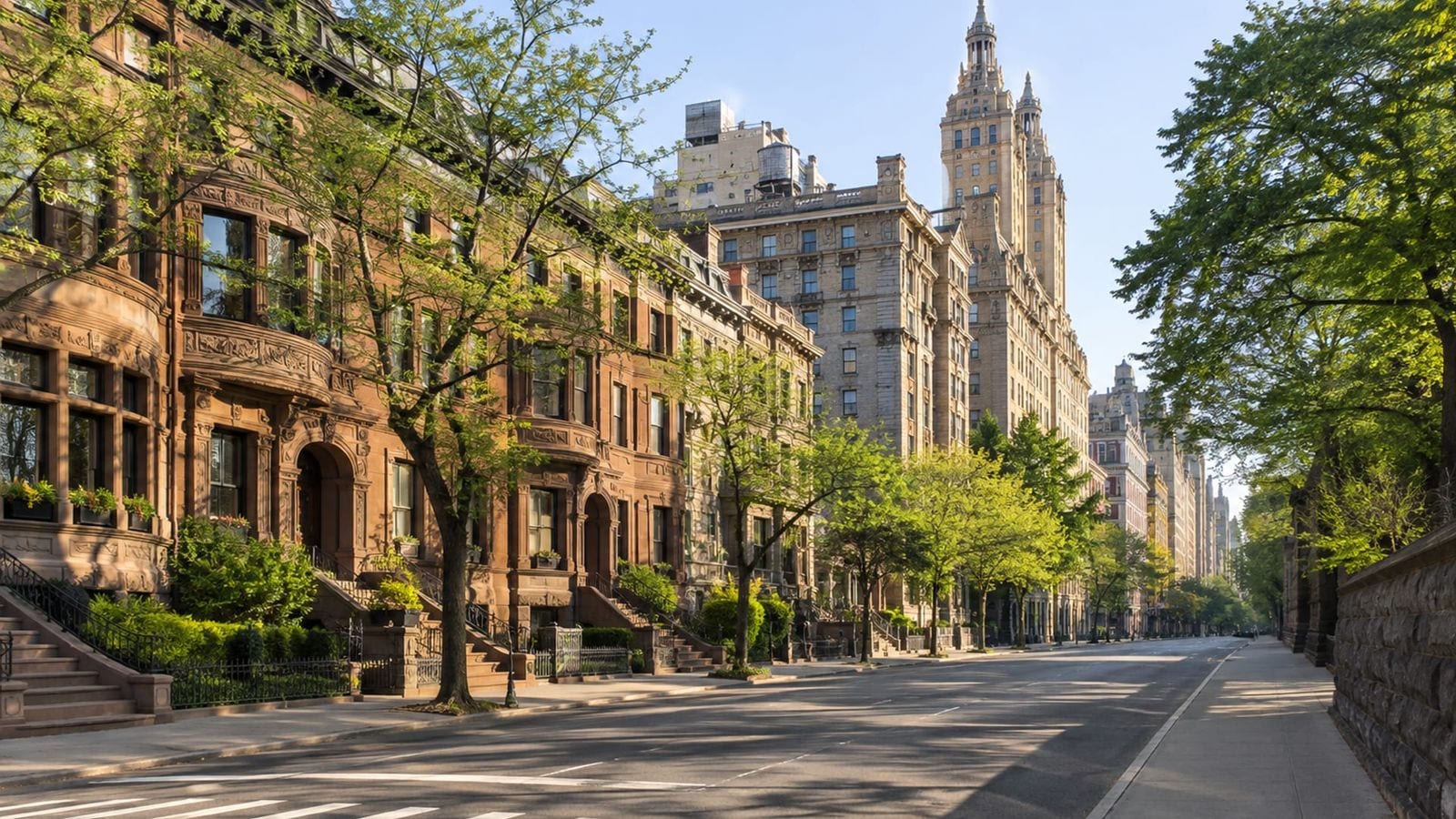
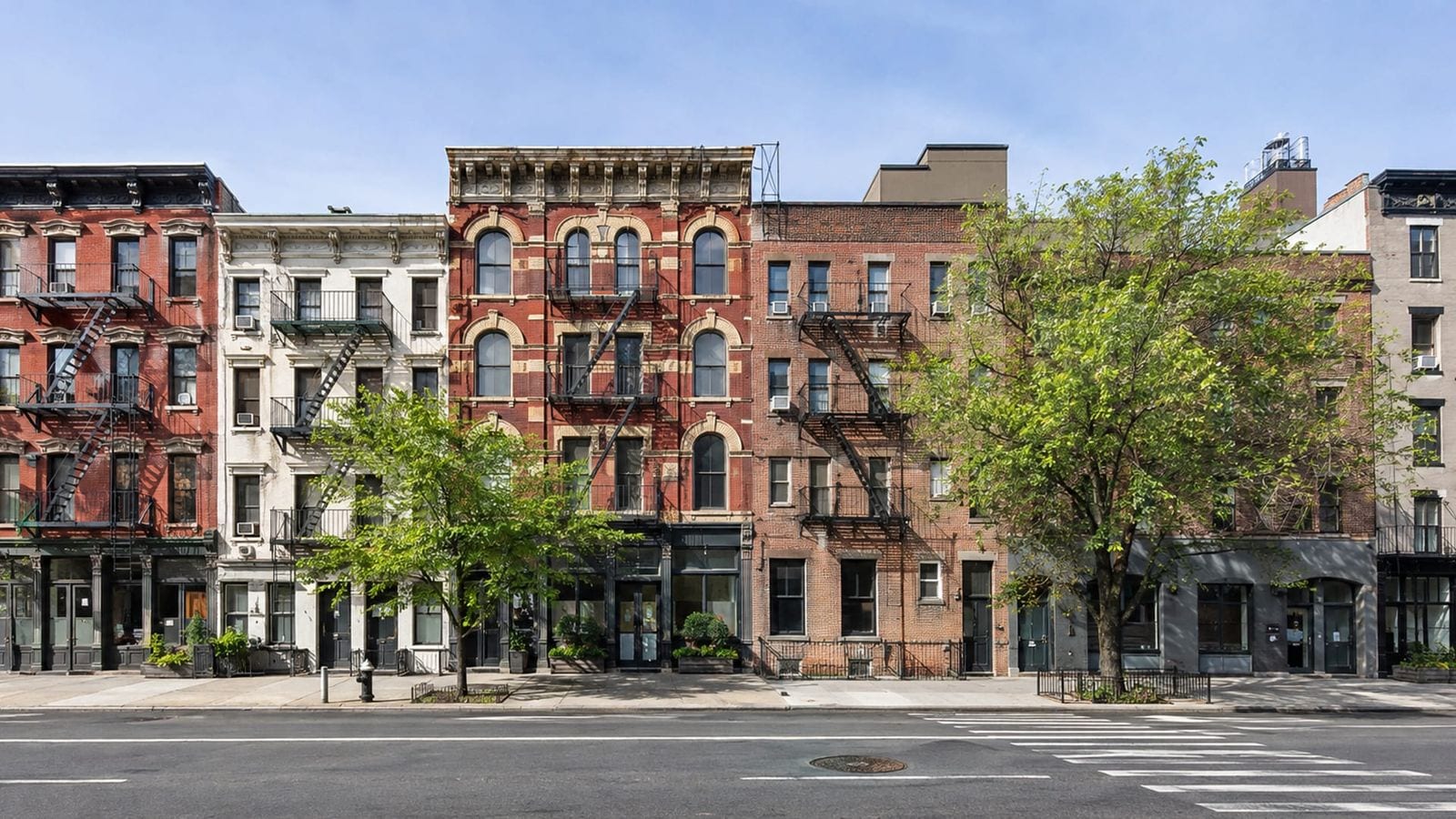
The Upper West Side is a residential Manhattan neighborhood of apartment buildings, museums, and avenues lined with restaurants and food shops. Visitors stay here for hotels near Central Park and Riverside Park, with subway connections to Midtown and quieter side streets after dinner.
Best for: Park walks, museum visits, and evenings near neighborhood restaurants
What to expect: Busy shopping avenues give way to residential side streets with apartment entrances and brownstones.
Hotel prices: Expect $250 to $500 a night for a well-rated hotel.
Distance to major sights: Central Park is a 5 to 20-minute walk from many hotels; Times Square takes 15 to 25 minutes by subway.
Quietness: Shopping avenues stay active by day; side streets generally become quieter in the evening.
Main trade-off: Downtown dining and nightlife require longer subway trips, and hotel choices thin farther north.
Good to know: Check the nearest subway line before booking: Broadway stations and Central Park West stations serve different routes.
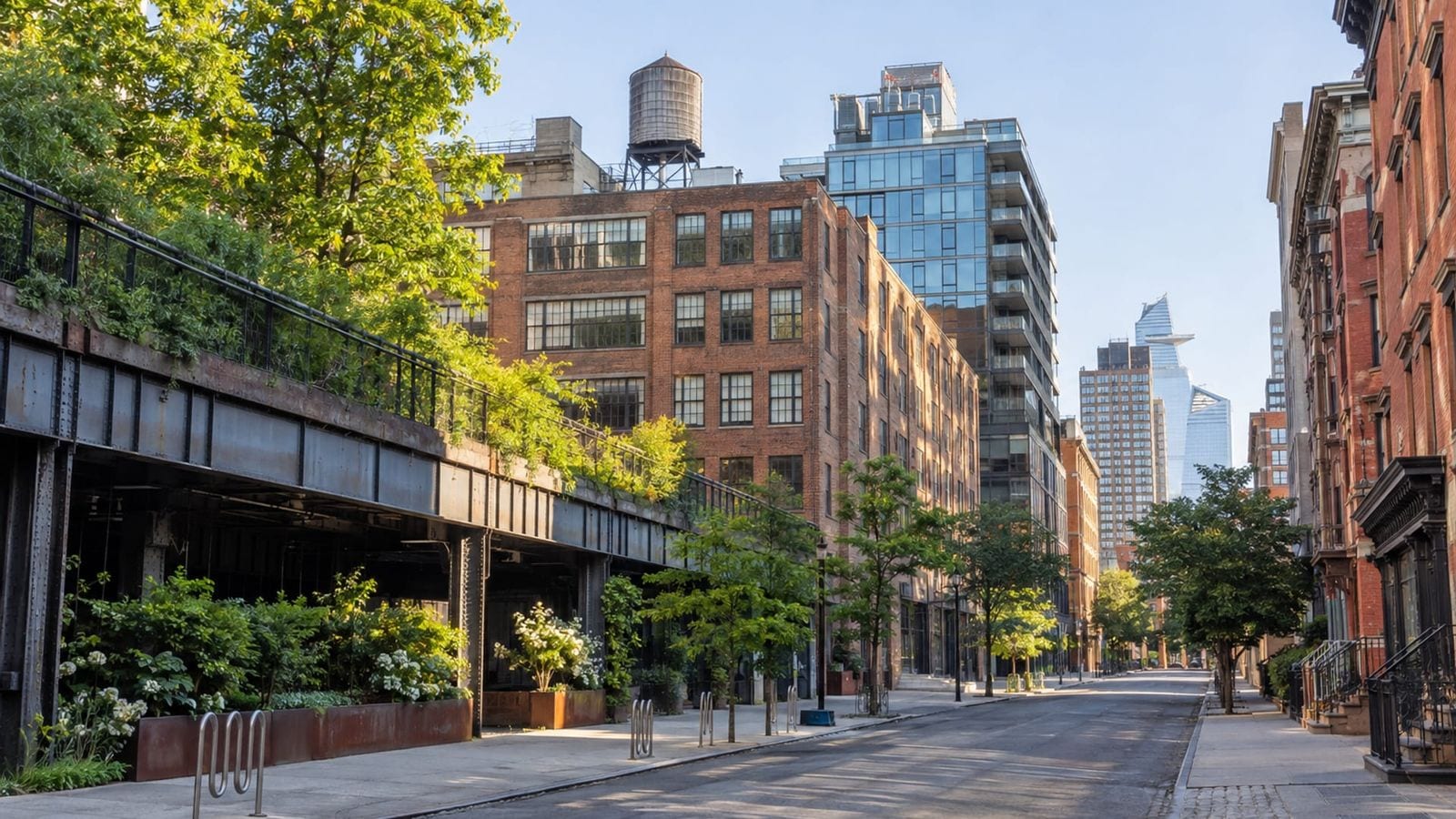
Chelsea combines residential blocks with art galleries, converted warehouses, and a broad selection of hotels on Manhattan’s west side. Staying here puts the High Line and Chelsea Market within walking distance, while subway stations connect the neighborhood with Midtown and Lower Manhattan.
Best for: Gallery visits, food shopping, and walks along the High Line
What to expect: Gallery streets draw daytime visitors, while restaurants and major avenues stay lively after dark.
Hotel prices: Well-rated hotels typically charge $275 to $550 a night.
Distance to major sights: The High Line and Chelsea Market are a 5 to 25-minute walk from many hotels.
Quietness: Western gallery blocks can quiet down after closing; avenue traffic continues into the evening.
Main trade-off: Hotels near the Hudson River can require a 10 to 20-minute walk to the nearest subway station.
Good to know: For frequent subway trips, choose a hotel near Seventh Avenue or Eighth Avenue and compare its walk to the station.
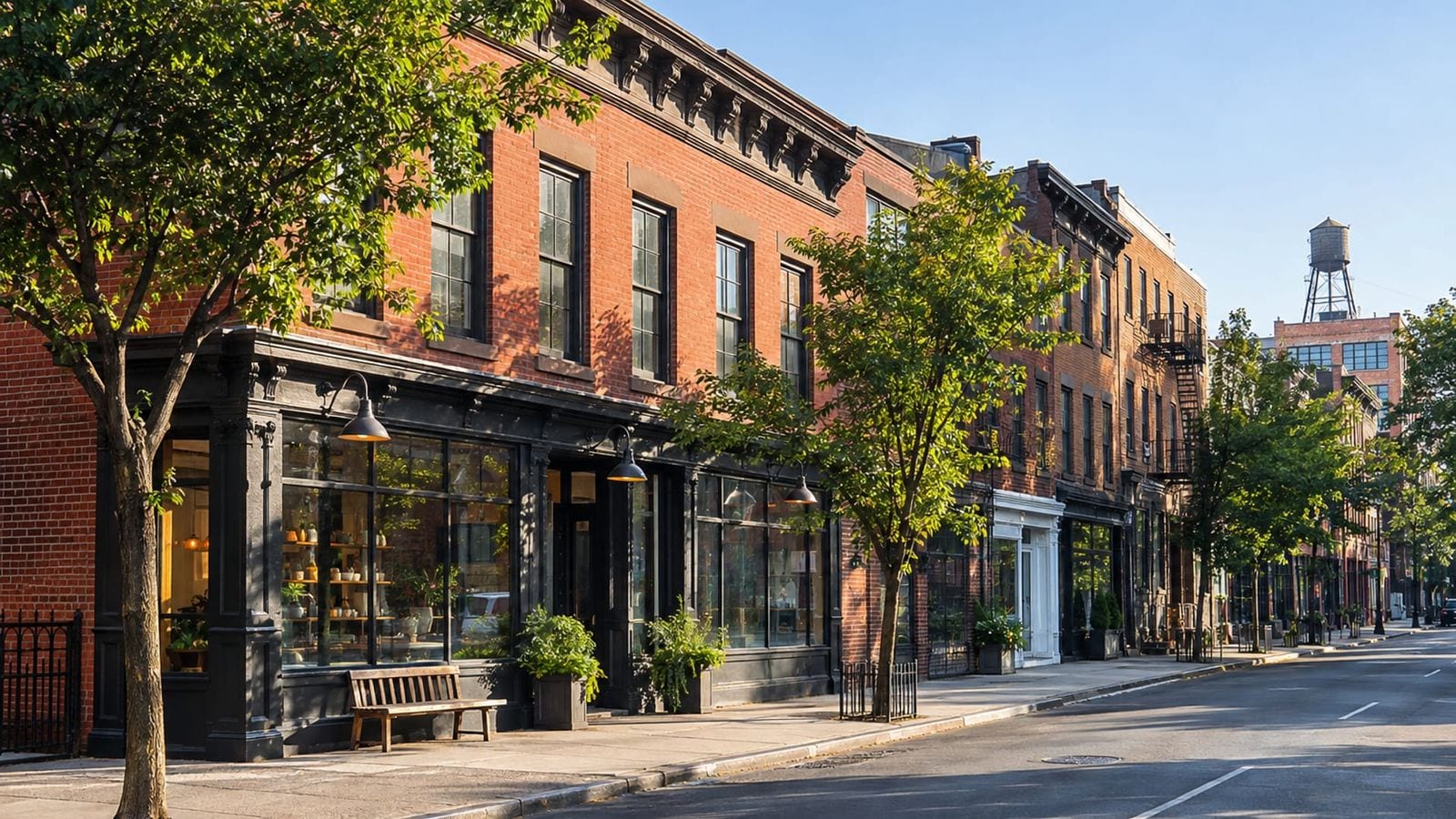
Williamsburg is a Brooklyn neighborhood where waterfront apartment towers meet older residential blocks, independent shops, and music venues. Its hotels appeal to visitors who want restaurants and nightlife close by, with East River views and subway connections to Manhattan for sightseeing.
Best for: Nightlife, independent shopping, and East River waterfront walks
What to expect: Bedford Avenue attracts shopping crowds, and nearby bars keep some blocks active late into the night.
Hotel prices: Budget $250 to $550 nightly for a well-rated hotel.
Distance to major sights: Union Square takes 20 to 35 minutes by subway from hotels near Bedford Avenue.
Quietness: Residential blocks are calmer during the day; streets near bars can become louder late in the evening.
Main trade-off: Most major Manhattan museums and landmarks require a subway journey, and waterfront hotels can be expensive.
Good to know: Compare the walk to Bedford Avenue station before booking; waterfront hotels can be 10 to 20 minutes away on foot.
Less convenient for sightseeing: East Elmhurst lacks subway stations; Canarsie requires long trips to Midtown; Tottenville involves a lengthy train and ferry journey to Manhattan.
Hotel deals
How to get around New York City efficiently
New York City’s 24-hour subway connects four boroughs, while buses, taxis, and walking cover neighborhood trips.

Metro
for longer distances
Subway trains run 24 hours, linking Manhattan with Brooklyn, Queens, and the Bronx. Tap a contactless card or phone; budget $3 to $4 per ride. Times Square to Lower Manhattan takes 20 to 30 minutes. Choose the subway for longer trips.

Taxi
for convenience or late hours
Yellow taxis charge metered city fares, typically $15 to $35 for short trips. John F. Kennedy International Airport (JFK) to Manhattan has an official flat fare; budget $90 to $130 with extras and 45 to 90 minutes. Hail one for luggage-heavy journeys.
Walking
for short central distances
Crossing the Brooklyn Bridge on its pedestrian walkway takes 30 to 45 minutes and costs nothing. Enter from Centre Street in Manhattan or Tillary Street in Brooklyn. Walking suits short neighborhood trips; use marked crossings and allow for signals.
*Prices are based on rates updated as of November 2026 and may change at the time of travel.
Choose the subway for longer borough trips, buses for crosstown journeys, taxis for heavy luggage, and walking for Chelsea or the Brooklyn Bridge.
Iconic landmarks
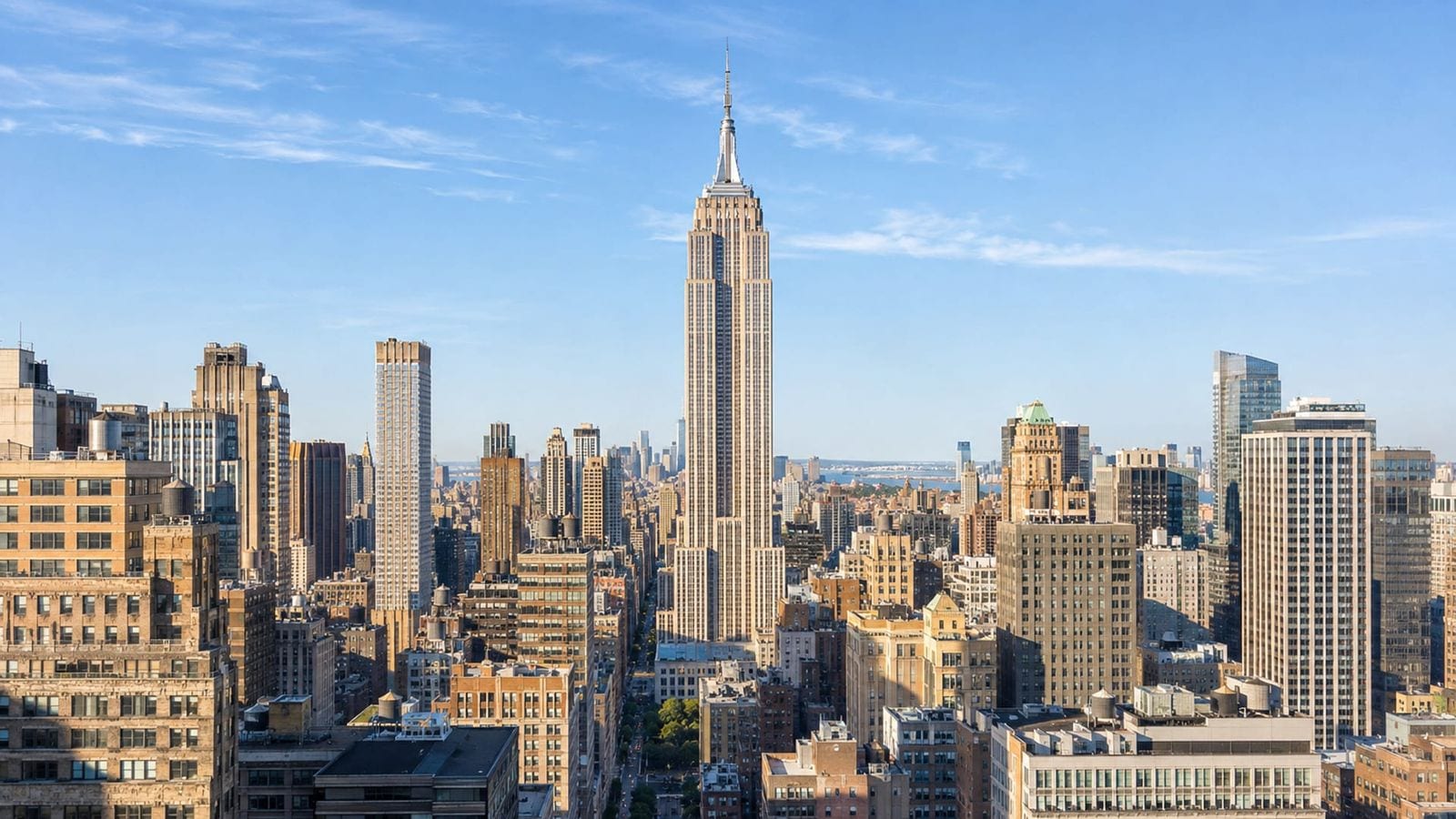
Empire State Building
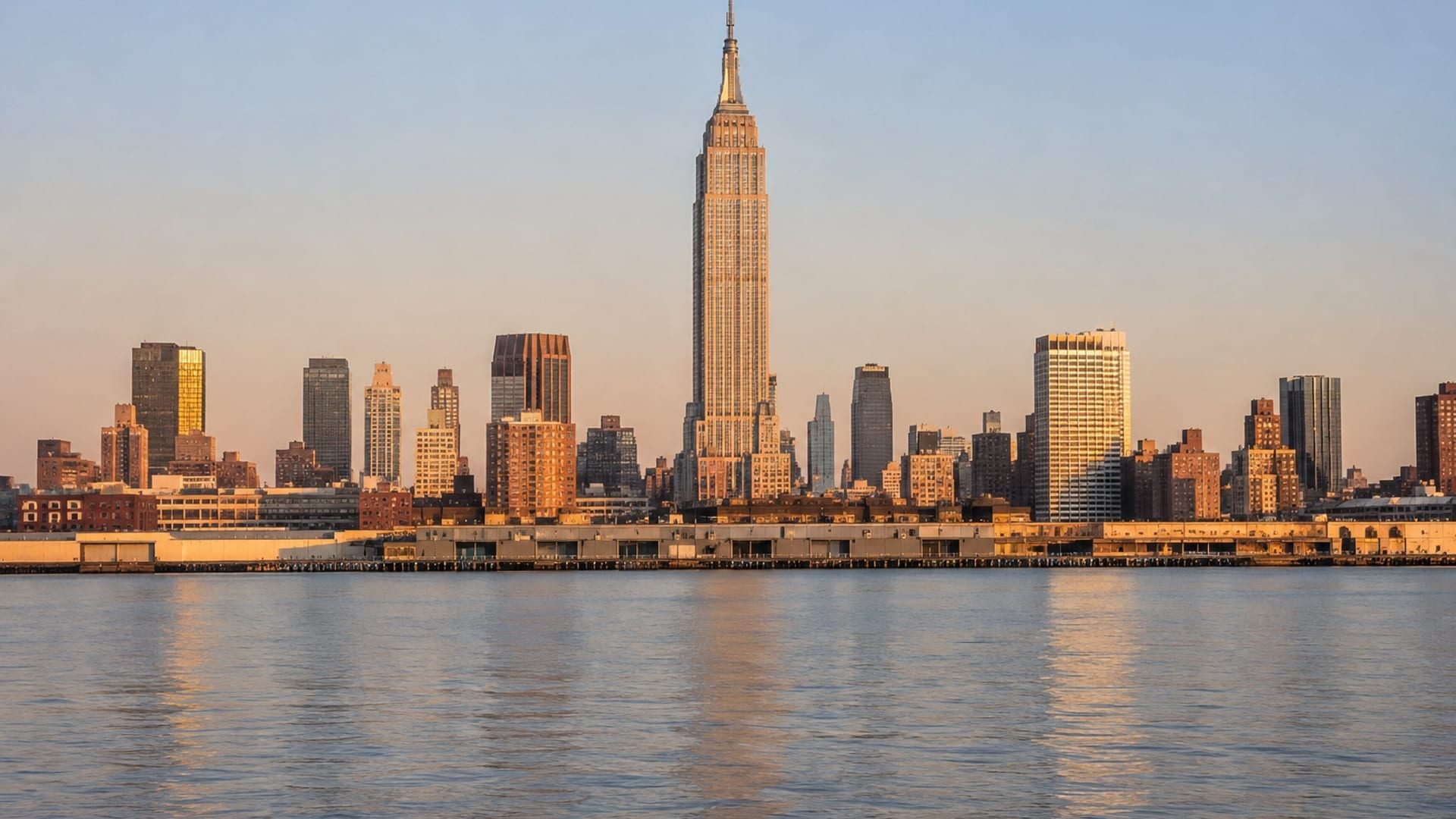
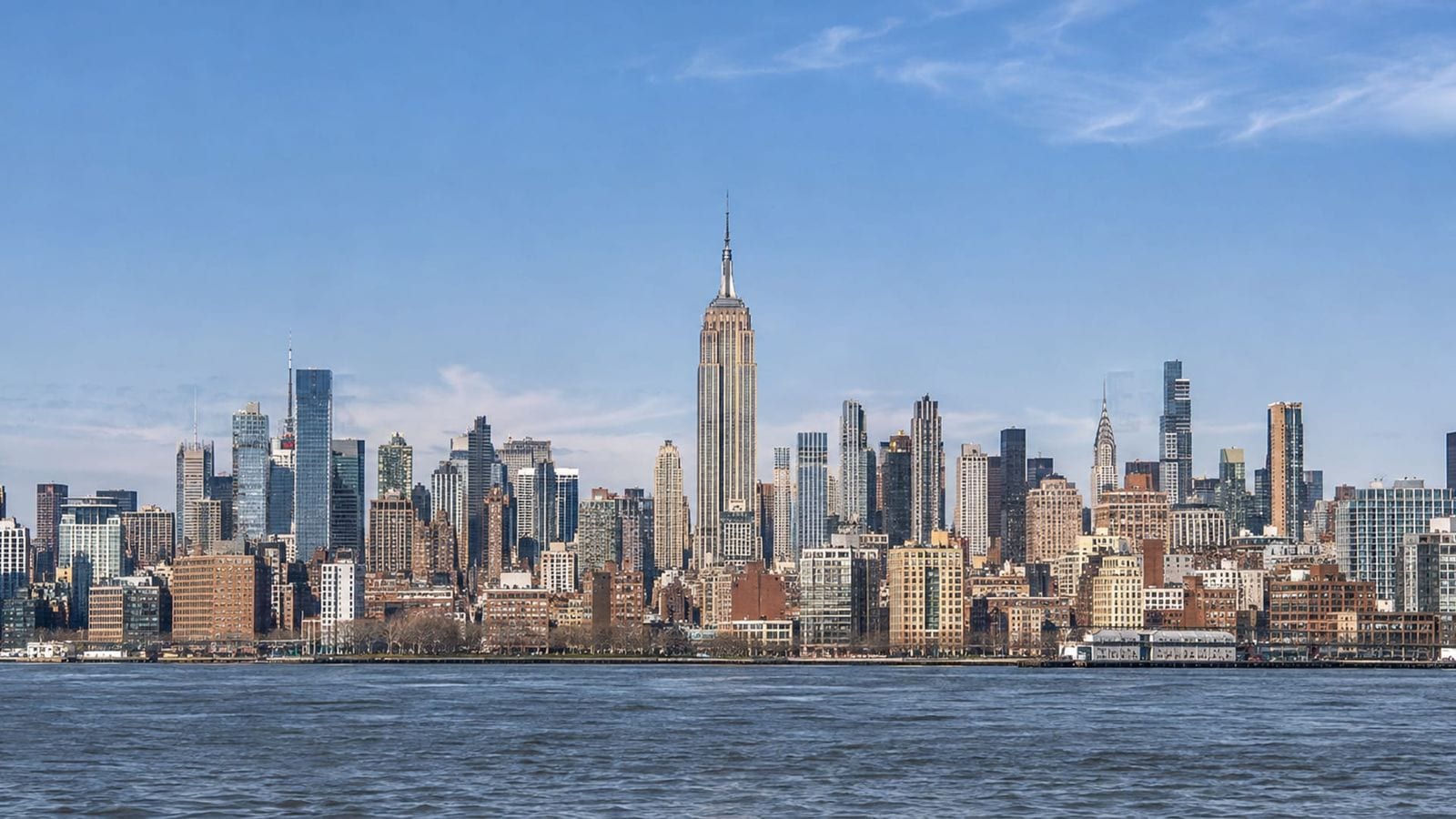
Rising above Midtown Manhattan, the Empire State Building pairs Art Deco architecture with sweeping skyline views. Its 86th-floor outdoor observatory offers views of the city’s rivers, dense blocks, and neighboring skyscrapers from above.
Time needed: About 1 to 2 hours
Entry: Expensive: includes the 86th-floor observatory Visit the official site for details.
Tip: Choose a clear weekday morning for shorter lines and long views over Manhattan.
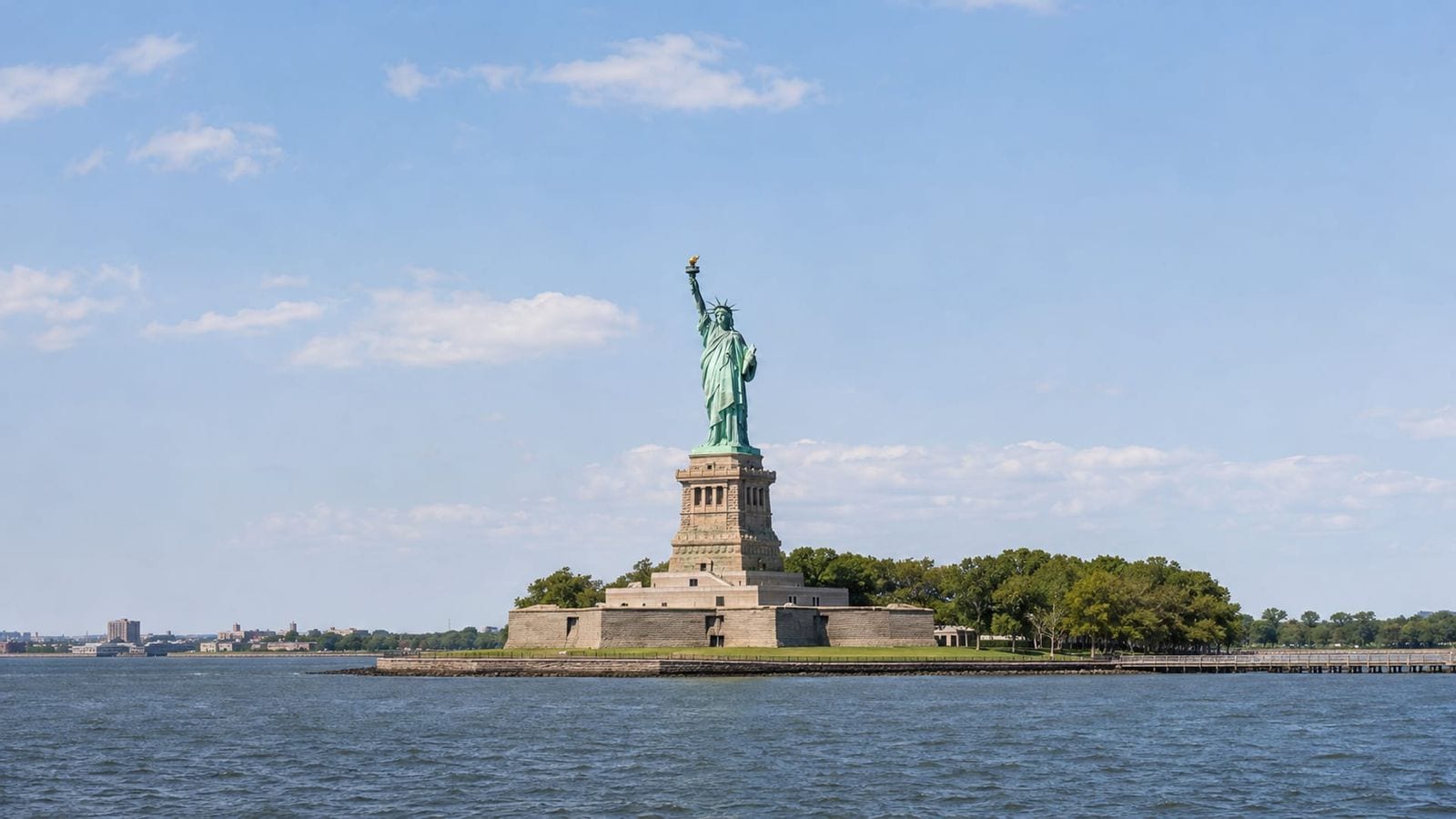
Statue of Liberty
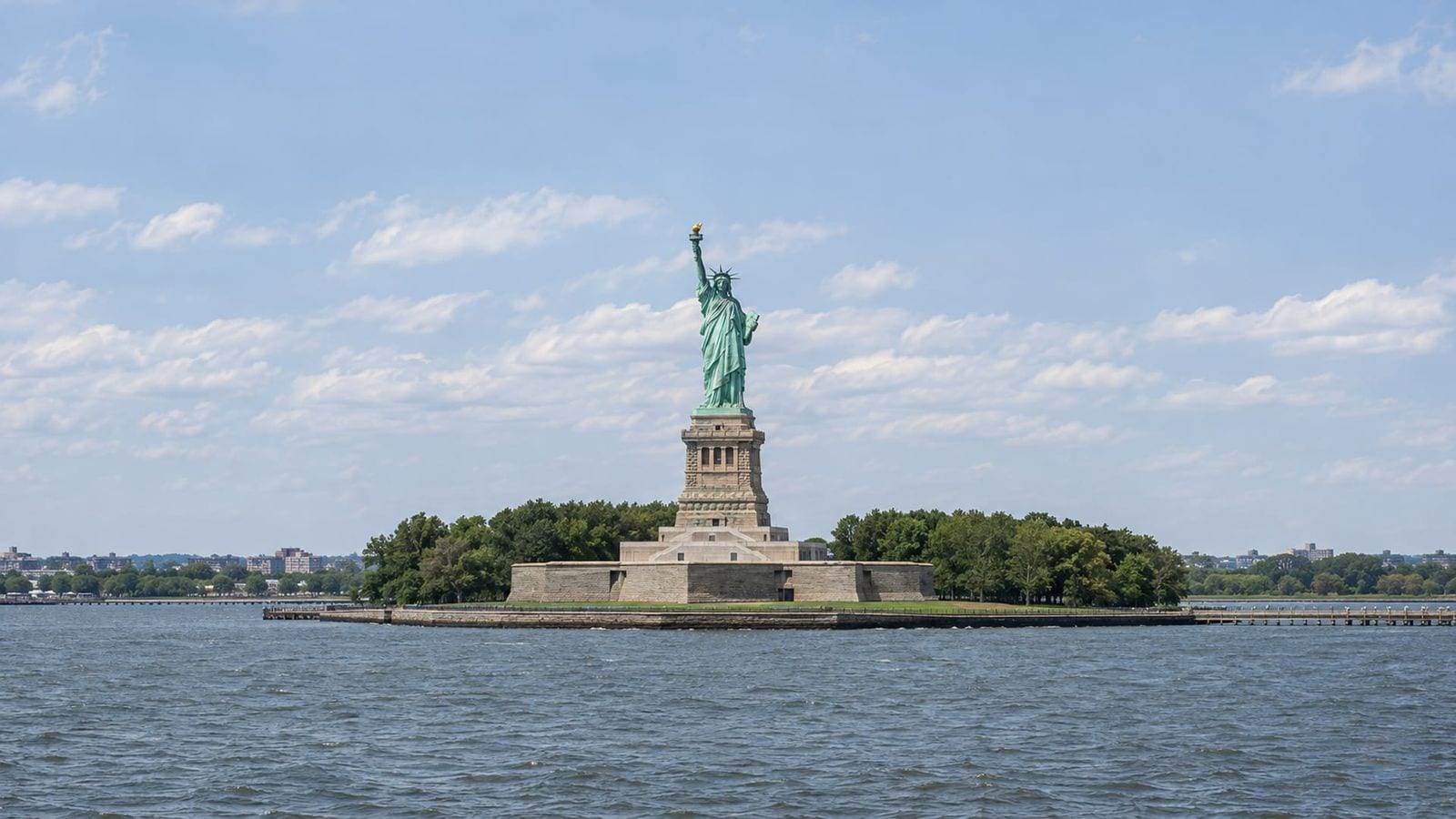
A ferry journey across New York Harbor brings you to the Statue of Liberty, France’s gift to the United States. Walk Liberty Island for close views of the copper monument and explore its museum to learn how this symbol of freedom took shape.
Time needed: About 3 to 4 hours
Entry: Expensive: includes the ferry and access to Liberty Island and Ellis Island Visit the official site for details.
Tip: Take the first ferry from Battery Park to leave more time for Ellis Island.
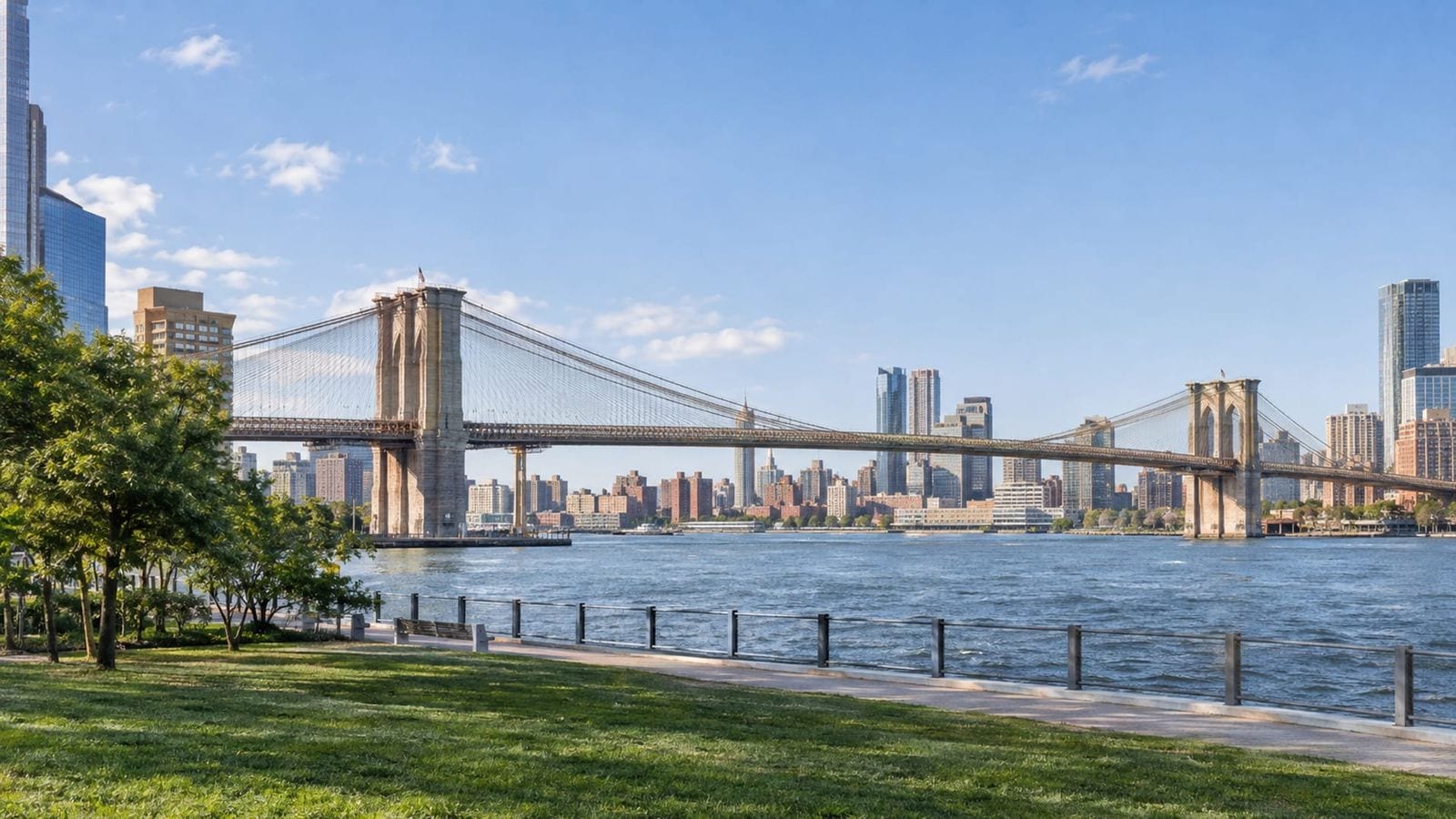
Brooklyn Bridge
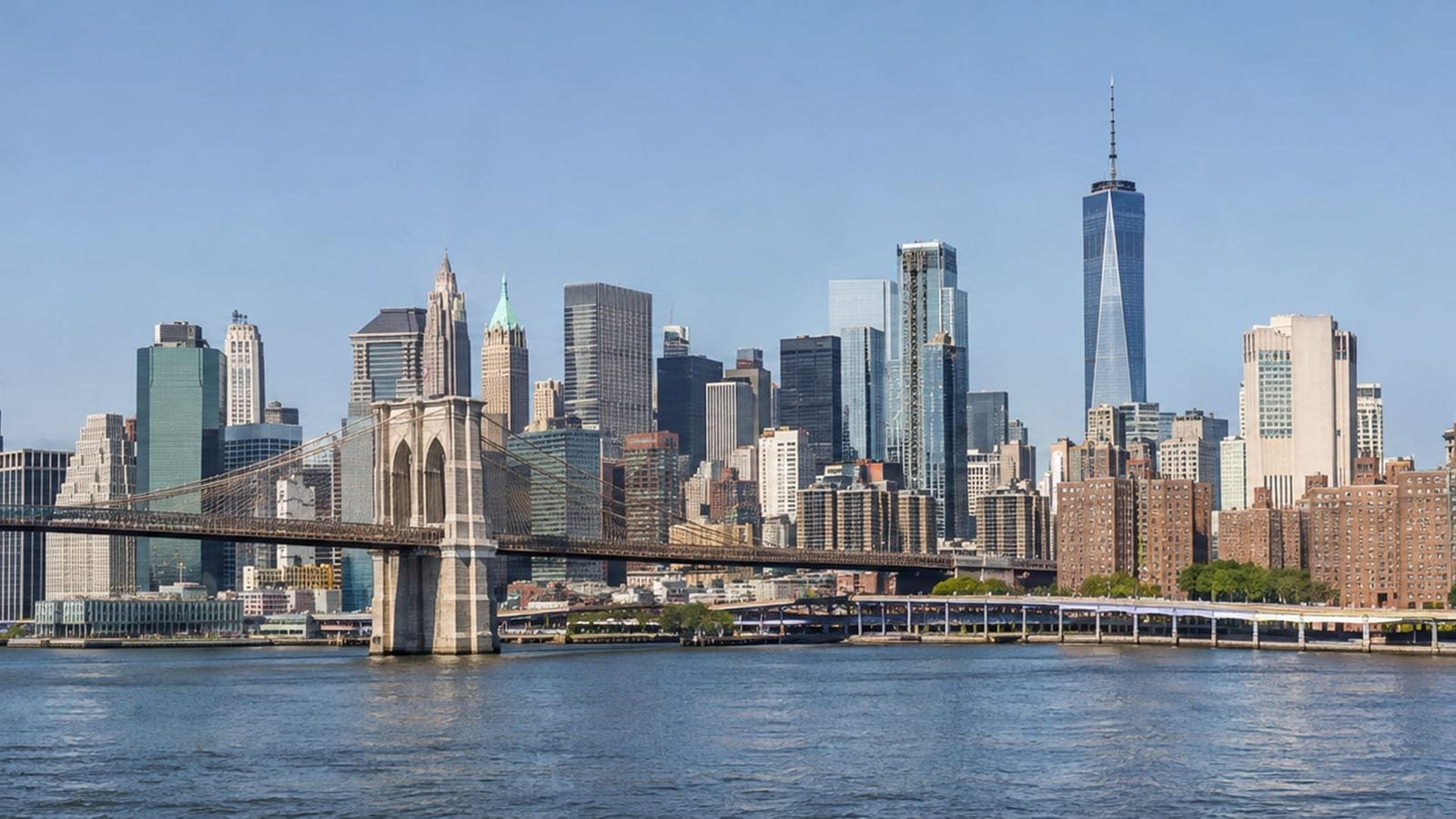
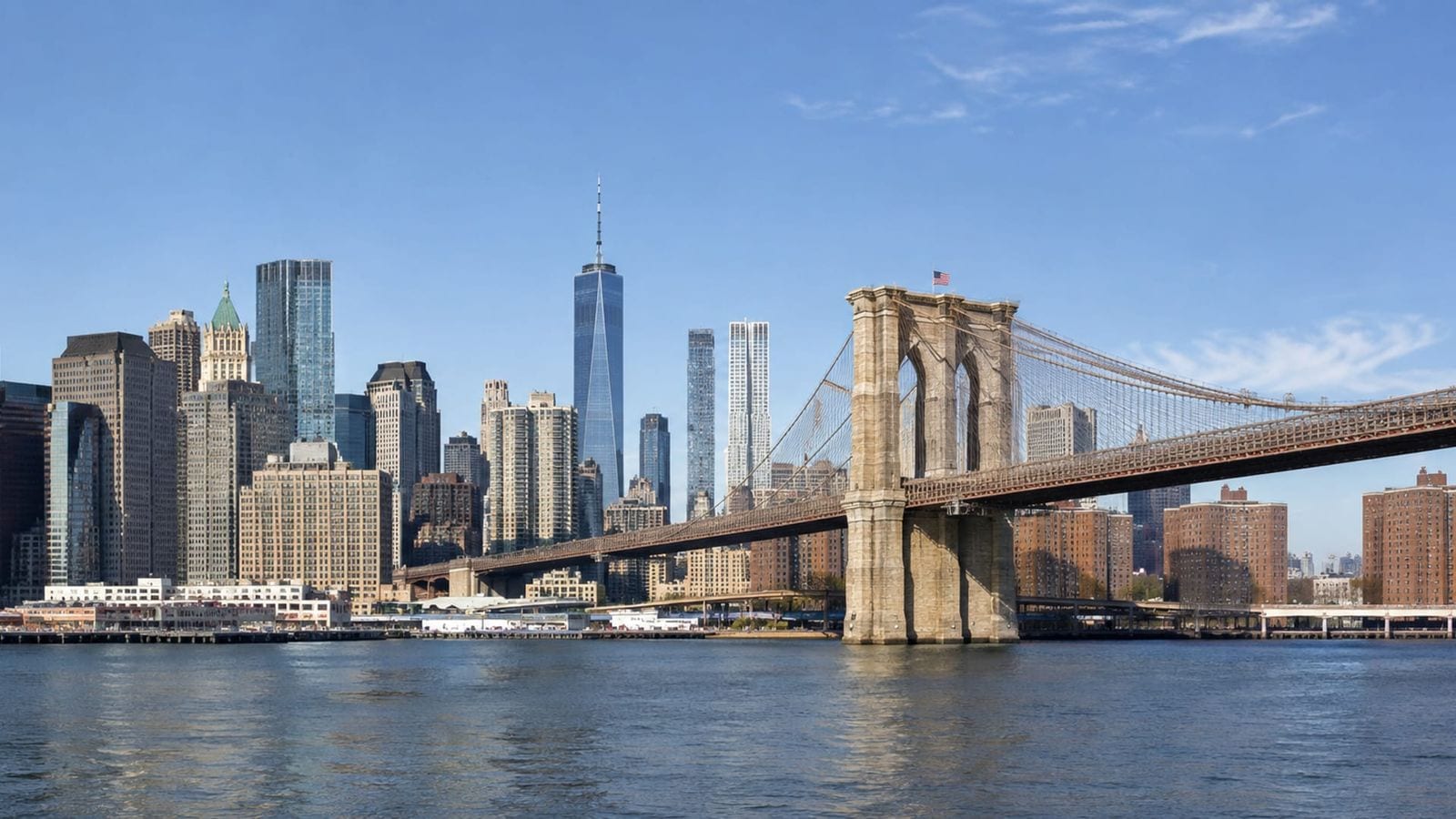
Granite towers and a web of steel cables make the Brooklyn Bridge an unmistakable New York landmark. The elevated pedestrian path connects Lower Manhattan with Brooklyn, opening views of the East River and the skyline throughout the crossing.
Time needed: About 1 to 2 hours
Entry: Free: includes access to the pedestrian path Visit the official site for details.
Tip: Start on the Brooklyn side before sunset for Manhattan views along the walk.
Overlooked sites worth visiting

Socrates Sculpture Park
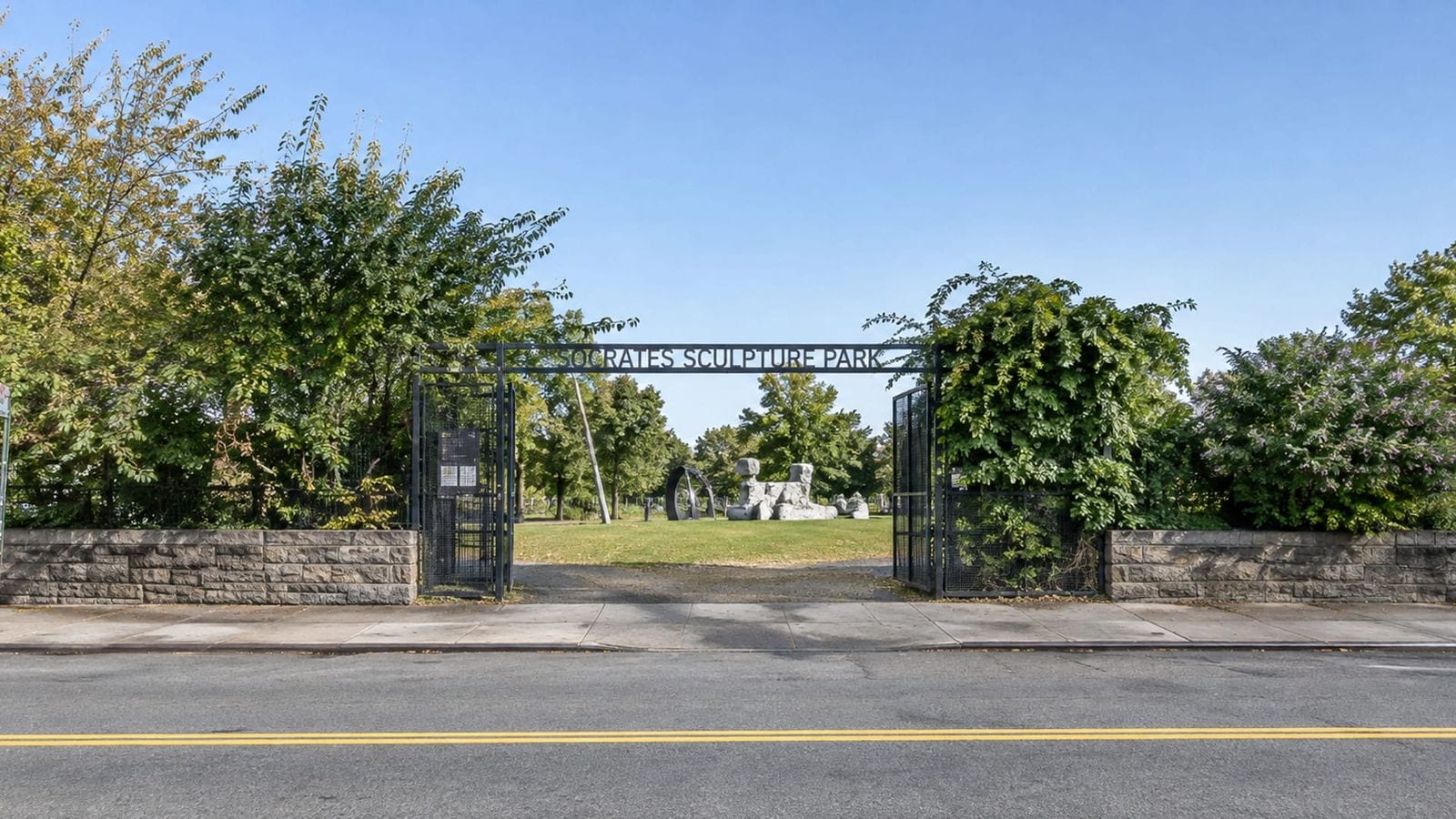
At Socrates Sculpture Park, large outdoor artworks share a former industrial waterfront in Queens. Paths lead past changing installations, with views across the East River toward Manhattan.
Time needed: About 45 minutes to 1 hour
Entry: Free to access
Tip: Choose late afternoon for light across the river toward Manhattan.

Nicholas Roerich Museum
The Nicholas Roerich Museum fills a Manhattan townhouse with the artist’s Himalayan landscapes and spiritual scenes. Its small galleries offer a focused look at his vivid use of color.
Time needed: About 45 minutes to 1 hour
Entry: Free: admission to the galleries
Tip: Combine the galleries with a walk in nearby Riverside Park.
Traditional food
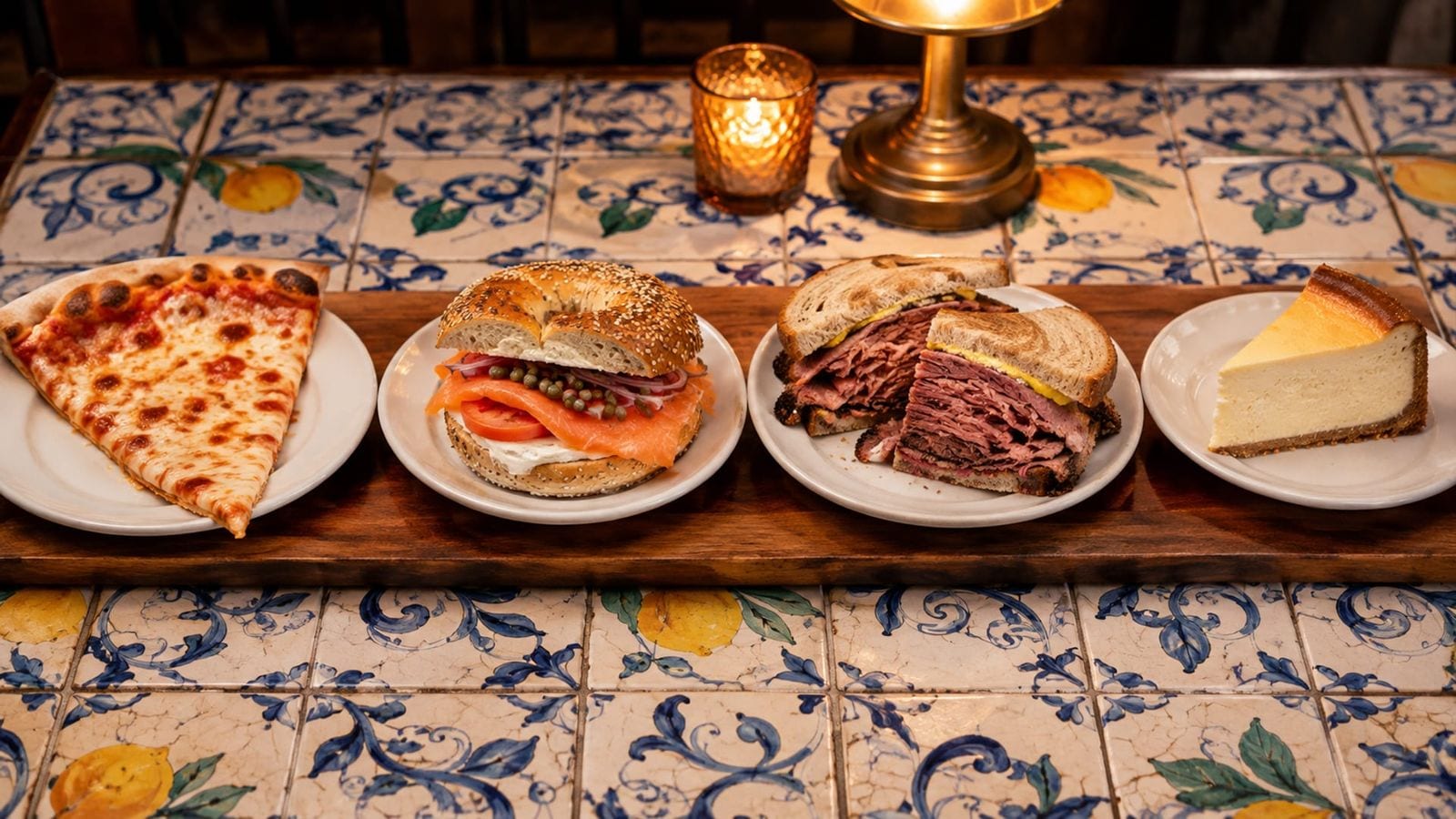
New York City’s deli counters and pizzerias put chewy dough, cured fish, peppery beef, and rich cream cheese at the center of meals, from a morning bagel to a late slice or a wedge of cheesecake.
New York-style pizza
A thin, flexible crust carries tomato sauce and mozzarella, with a browned edge sturdy enough to hold while folded. Joe’s Pizza serves this New York City staple by the slice, making it an easy stop between walks.
Bagels with lox
Chewy bagels pair with silky cured salmon and cream cheese, often joined by capers, tomato, or onion. Russ & Daughters Cafe serves this classic combination, drawing on New York City’s Jewish appetizing tradition.
Pastrami on rye
Pepper-crusted, smoked beef arrives warm on rye bread, with mustard cutting through the rich meat. Katz’s Delicatessen hand-carves its pastrami, giving this substantial sandwich its mix of tender slices and spiced edges.
New York-style cheesecake
Cream cheese gives this dense, rich cake its signature tang and creamy texture. Junior’s Restaurant serves its New York-style cheesecake over a thin sponge cake layer, with plain slices highlighting the filling.
Best time to visit New York City
Spring and fall favor New York City’s park walks; summer brings humid waterfront days, while winter shifts attention toward museums.
Best for: Central Park blossoms and longer walks through Chelsea’s gallery streets
What you get: Temperatures span 35°F to 72°F (2°C to 22°C); park paths grow busier as blossoms appear, and May brings more visitors to outdoor sights.
Trade-offs: March can feel wintry, and rain can interrupt High Line walks throughout the season.
Best for: Evening ferry journeys and waterfront walks beside Brooklyn’s Domino Park
What you get: Expect 64°F to 86°F (18°C to 30°C), with humid afternoons; school vacations bring heavier crowds to the Statue of Liberty and museums.
Trade-offs: Heat and humidity make midday bridge crossings tiring; thunderstorms can delay ferries.
Best for: Autumn foliage in Central Park and clear-day views from high observatories
What you get: Days range from 41°F to 77°F (5°C to 25°C); September stays busy, while fall foliage draws weekend walkers to Central Park in October.
Trade-offs: Hotel rates can climb during major events, and November brings colder waterfront winds.
Best for: Museum afternoons and warming deli lunches between Manhattan subway trips
What you get: Typical temperatures reach 27°F to 45°F (-3°C to 7°C); December attracts holiday crowds, while January and February bring fewer visitors.
Trade-offs: Short daylight hours and icy paths can limit park walks; holiday hotel rates can be high.
A realistic 5-day plan in New York City
An Upper West Side arrival leads into Chelsea, the harbor islands, and the waterfronts of Queens and Brooklyn. The five days alternate subway journeys with elevated walks, ferry crossings, and neighborhood food stops.
From John F. Kennedy International Airport (JFK), take AirTrain to Jamaica, then the E subway and an uptown C train to the Upper West Side. Allow 90 to 110 minutes and $12 to $16 per person. Settle into your hotel, then choose soup and a salad for a light dinner at Cafe Luxembourg.
Chelsea Market starts the morning with food stalls and breakfast options. Walk 5 minutes to the High Line, then spend 90 minutes following its elevated gardens north. From its northern end, walk 25 to 30 minutes to the Empire State Building for an afternoon observatory visit lasting 1 to 2 hours.
A morning ferry carries you from The Battery to the Statue of Liberty, followed by Ellis Island; allow 4 to 5 hours for both islands. After returning, take the 4 or 5 subway from Bowling Green to Brooklyn Bridge–City Hall, allowing 15 to 20 minutes including walking. Cross the Brooklyn Bridge toward Brooklyn in 45 to 60 minutes.
Outdoor installations fill the morning at Socrates Sculpture Park in Queens. Walk 15 minutes to the Astoria ferry landing, then allow 35 to 45 minutes aboard the southbound ferry to North Williamsburg. Spend the afternoon browsing Williamsburg’s Bedford Avenue shops before walking 20 minutes to Domino Park for waterfront views.
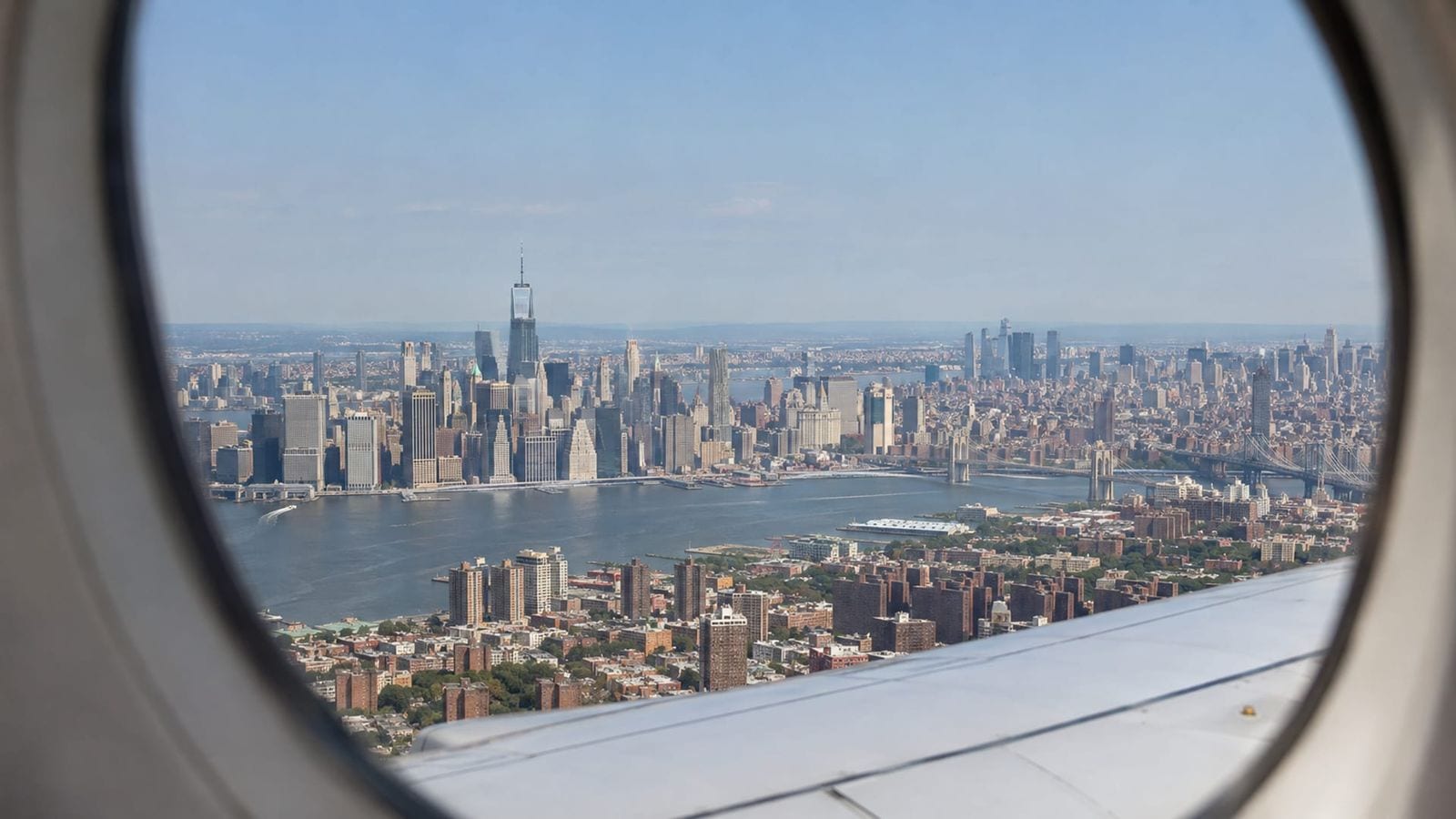
Before your airport journey, browse Zabar’s for coffee and food gifts on the Upper West Side, keeping purchases compatible with your flight. Return to your hotel for luggage, then allow 90 to 110 minutes for the subway and AirTrain to John F. Kennedy International Airport (JFK), plus your airline’s airport arrival allowance.
Business-class flights from the US to New York City
Compare the Los Angeles flight example with the New York origin note, which addresses travel within the destination area.
New York (NYC) is the destination itself, so this origin does not require a flight, an airline, or a connecting airport. For an arrival from another city, select John F. Kennedy International Airport (JFK) when comparing fares, then plan the onward trip into the city.
From Los Angeles (LAX), budget $1,500 to $4,000 round trip to New York (JFK). Nonstop flights take 5 to 6 hours with American Airlines, Delta Air Lines, or JetBlue. Connecting options include Delta Air Lines through Atlanta (ATL) and American Airlines through Chicago O’Hare (ORD), with total journeys of 7 to 11 hours.
New York City feels different when you slow down
A New York City trip can connect an Upper West Side breakfast with the High Line’s elevated gardens, a harbor ferry with the Brooklyn Bridge, and Queens sculpture with an afternoon in Williamsburg. Subway journeys leave time for neighborhood walks, while a few reserved landmark visits give each day a clear focus. Ask AranGrant experts to shape your New York City travel around spring park walks or fall waterfront afternoons, with time for the city’s deli counters between sights







