

Chapters:

Need help with your trip?
Our support team is available 24/7. Request a callback or call us directly at (833) 619-0908
New Orleans carries its Creole history into the kitchen: gumbo thickened with roux, rice dishes layered with seasoning, and sandwiches built on crisp French bread. Meals offer a way to trace the city’s French, African, Spanish, and Caribbean influences.
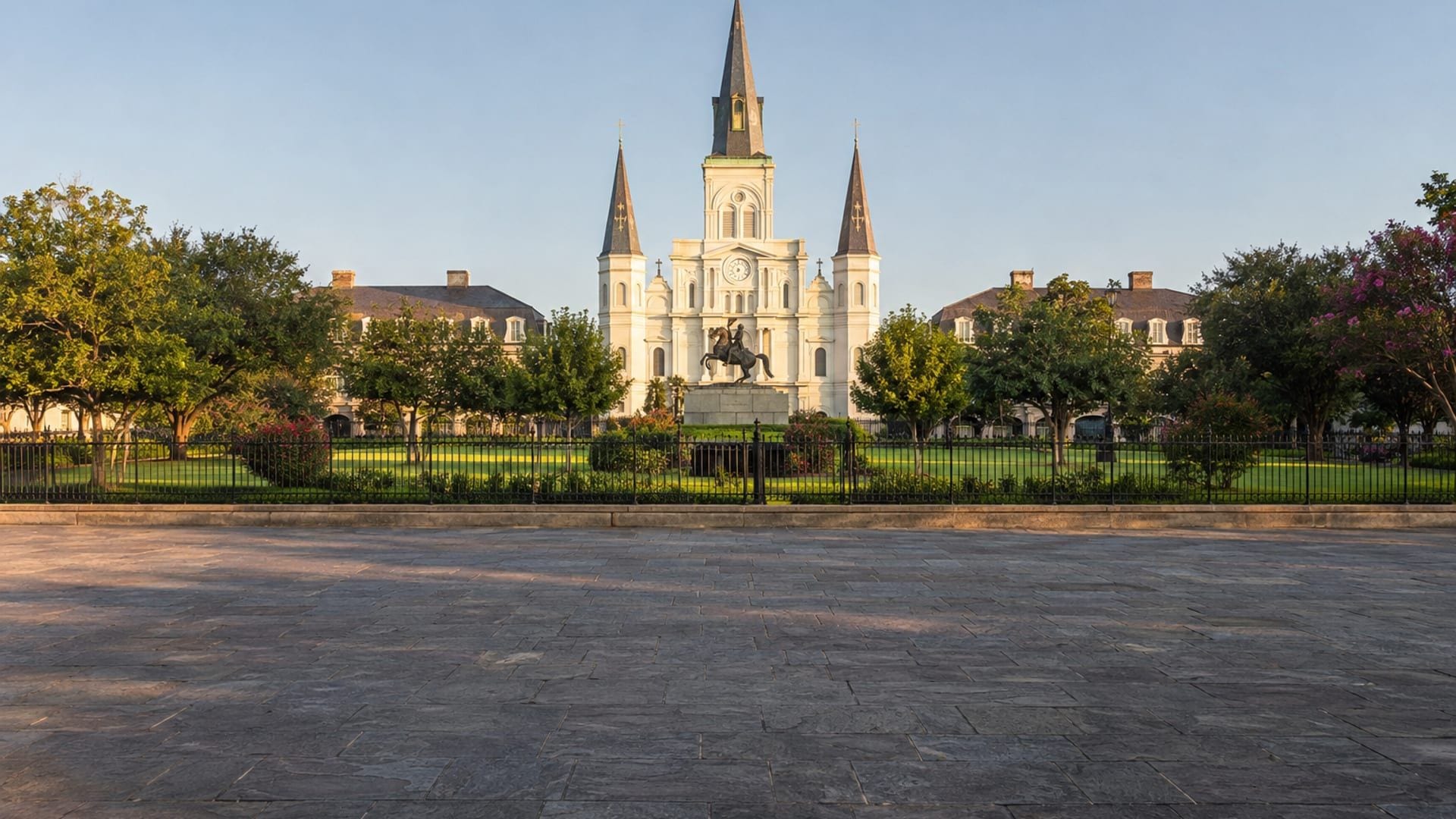
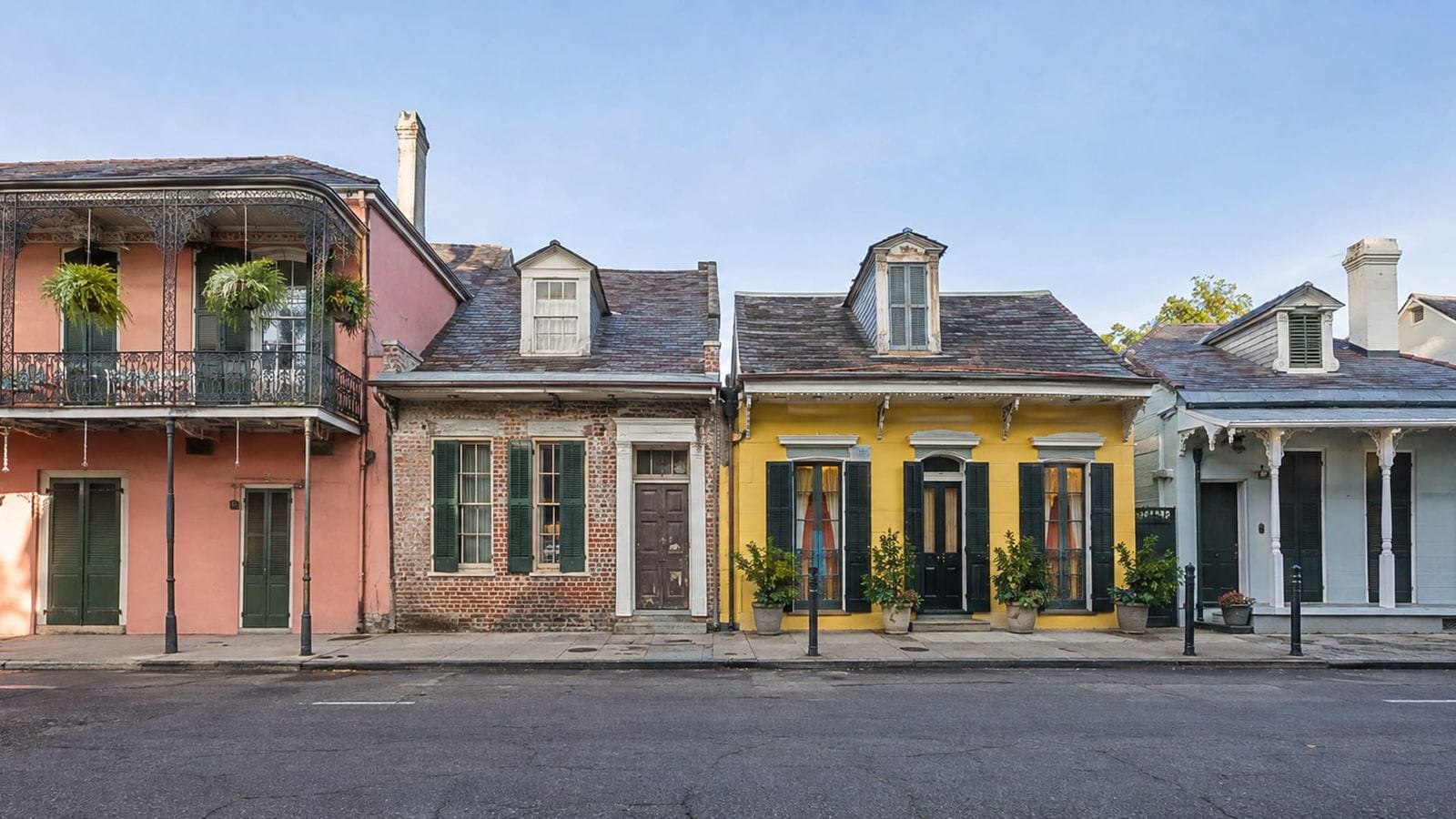
In the French Quarter, courtyard architecture and restaurant tables share the same compact blocks. Walk from Jackson Square to St. Louis Cathedral, then continue through streets where lunch can mean a po’boy and dinner a bowl of gumbo.
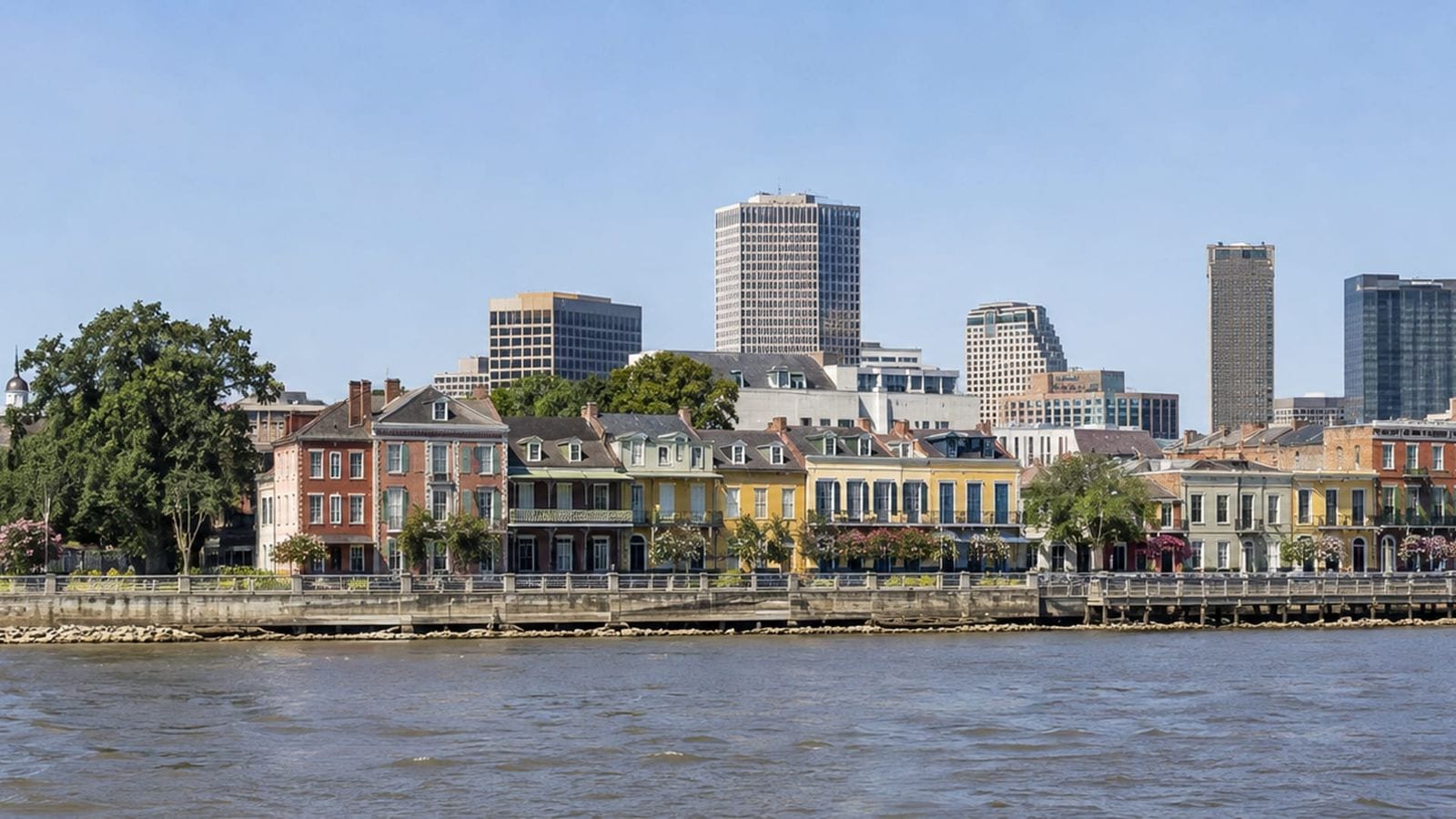
Five days leave room to follow those meals beyond the French Quarter. The Warehouse District pairs restaurants with galleries, while the St. Charles streetcar reaches the Garden District’s residential streets. Spring and fall bring milder weather for walks between meals.
Useful things to know

Main language(s): English

Currency: US dollar (USD, $)

Cash and cards: Cards and contactless payments are widely accepted; carry about $40 to $60 in cash for small purchases and tips.

Tipping: Tip 18% to 20% at restaurants and $1 to $2 per drink at bars; check whether the bill already includes gratuity.

Traditional food: Gumbo, jambalaya, red beans and rice, and po’boys are among the classic dishes of New Orleans.

Water and coffee costs: Bottled water $1 to $3; espresso $3 to $5.

Taxis and ride apps: Find licensed taxis at hotel taxi stands; metered short rides typically cost $10 to $20; Uber and Lyft also operate.

Plug and voltage: Type A/B socket, 120V

Dining and shop opening hours: Breakfast is usually 7 am to 10 am, lunch 11 am to 2 pm, and dinner 6 pm to 9 pm. Many shops open 10 am to 6 pm; some restaurants close on Mondays.

Emergency number: 911 for police, ambulance, and fire.
Where to stay in New Orleans
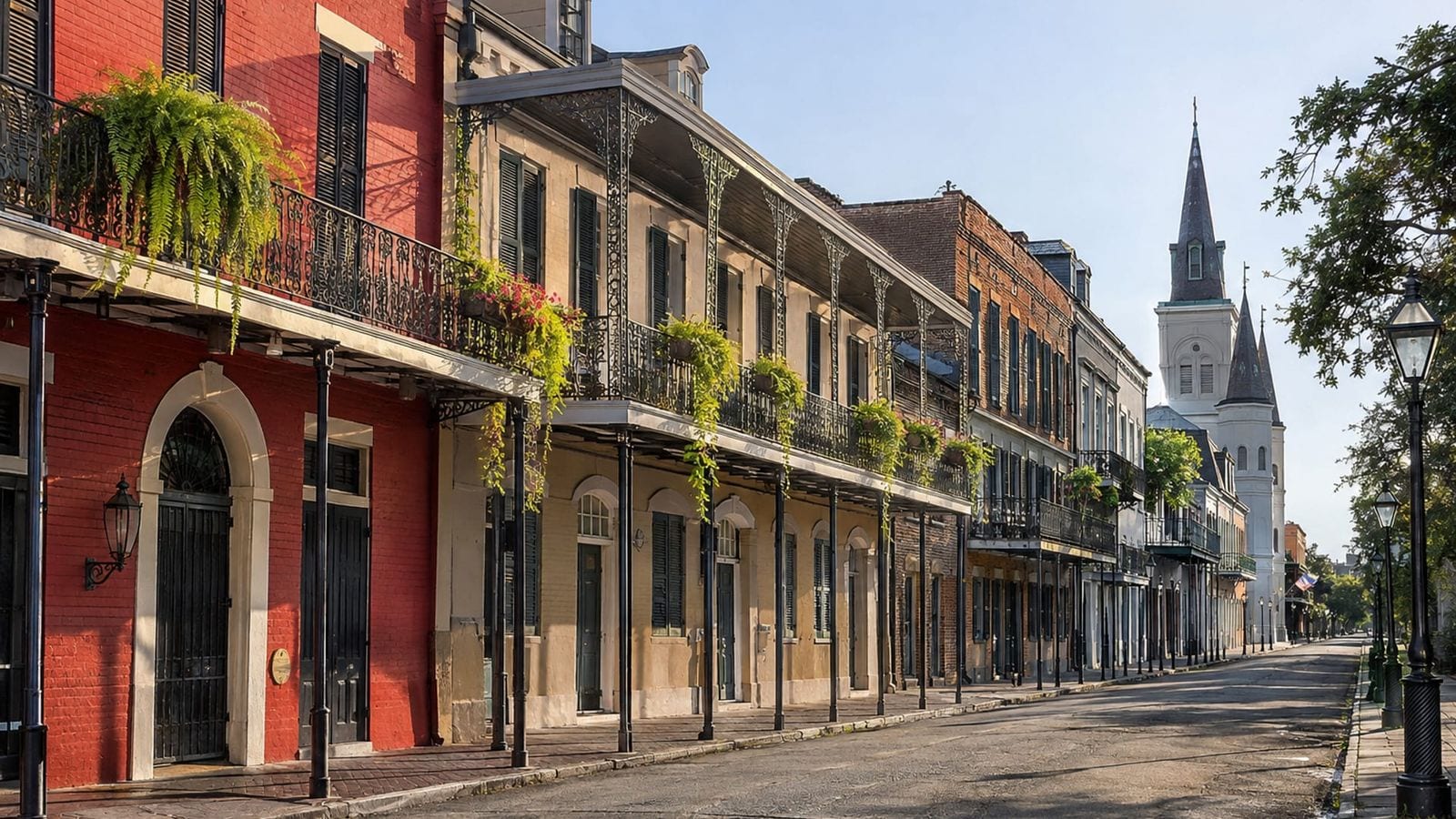
The French Quarter is New Orleans’ historic neighborhood of Creole townhouses, interior courtyards, and restaurants within walking distance of Jackson Square. Stay here for short sightseeing walks and a broad hotel choice, with careful room selection near the late-night bars on Bourbon Street.
Best for: Historic sightseeing, restaurant hopping, and exploring on foot
What to expect: Tour groups fill the main streets by day, and Bourbon Street draws late-night drinking crowds.
Hotel prices: Expect $180 to $350 a night for a well-rated hotel.
Distance to major sights: Jackson Square is a 5 to 20-minute walk from most hotels.
Quietness: Daytime crowds spread across the neighborhood; evening noise concentrates near Bourbon Street.
Main trade-off: Central hotels can bring street noise and higher rates during major festivals.
Good to know: Request an interior-facing room away from Bourbon Street if nighttime noise would disrupt your sleep.
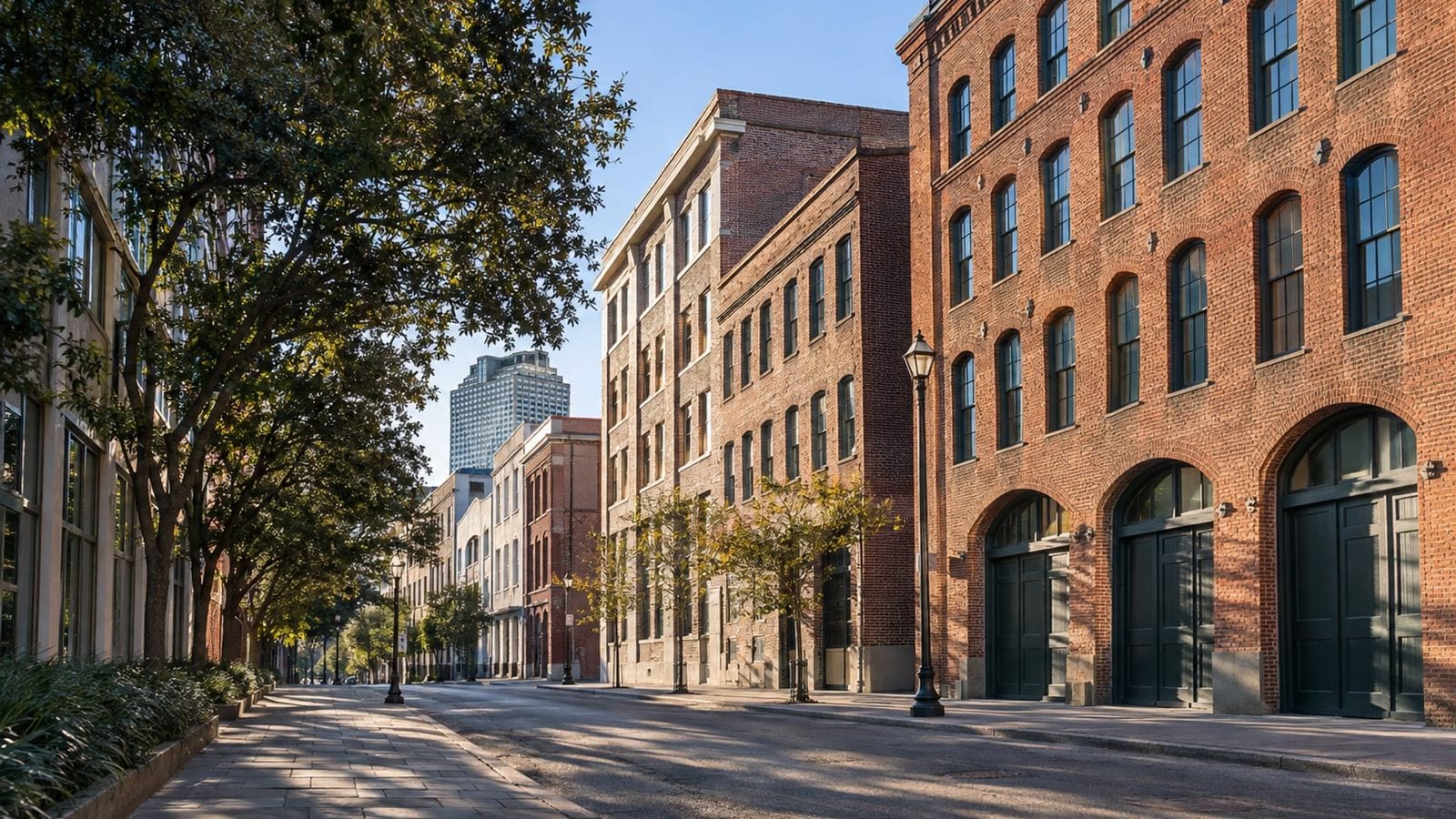
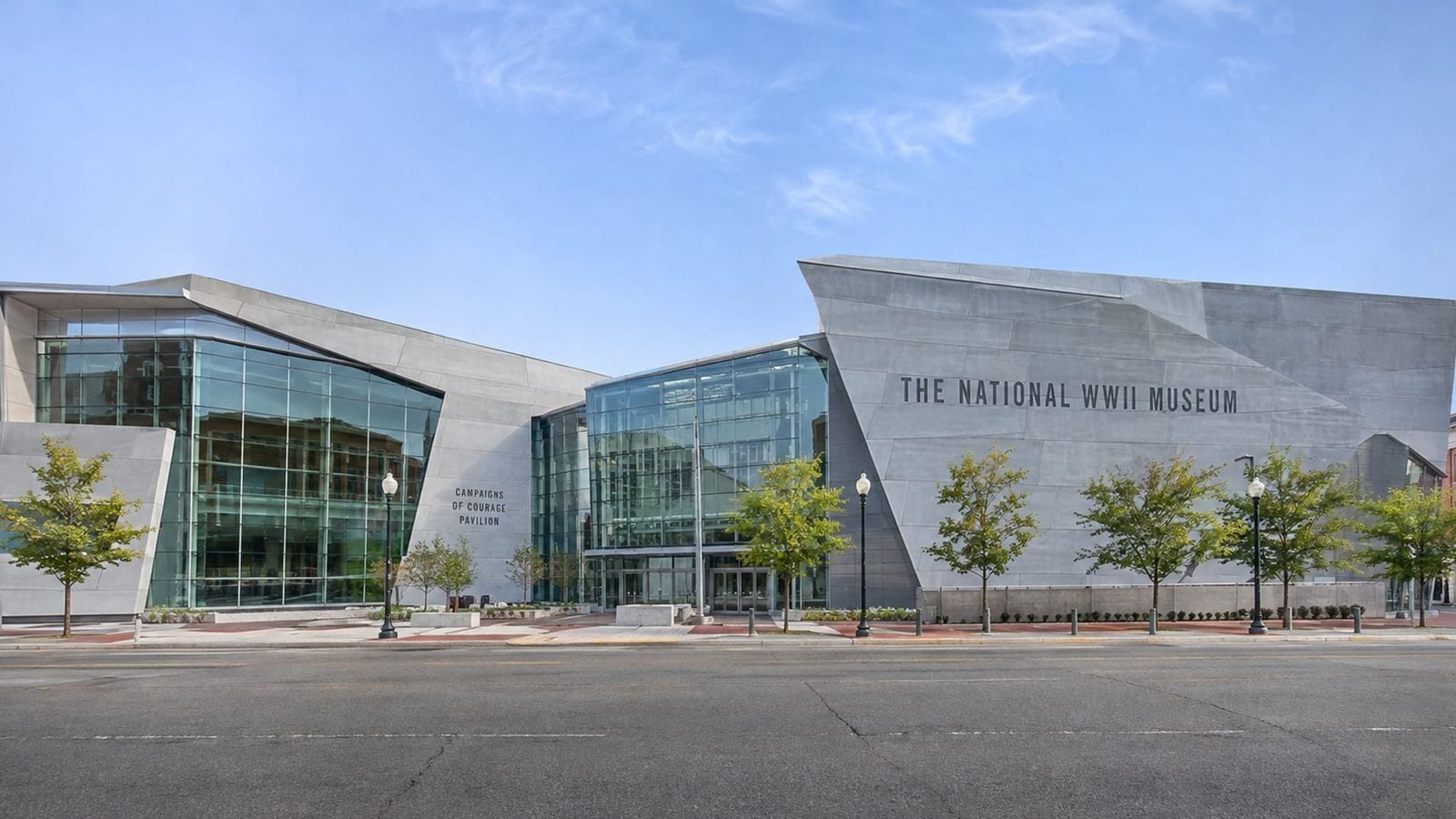
Converted warehouses, art galleries, and large museums define the Warehouse District, where hotels range from historic conversions to modern properties. Choose this neighborhood for the National WWII Museum and restaurant dinners, with the French Quarter a longer walk or a short taxi ride away.
Best for: Museum visits, gallery browsing, and restaurant-focused stays
What to expect: Museum visitors animate the daytime streets, while restaurants draw evening crowds to individual blocks.
Hotel prices: Well-rated hotels typically charge $160 to $300 per night.
Distance to major sights: The National WWII Museum is a 5 to 15-minute walk from many hotels.
Quietness: Museum blocks are busiest during the day; evenings are quieter away from restaurants and event venues.
Main trade-off: French Quarter nightlife requires a longer walk or taxi ride, and some blocks feel empty after dinner.
Good to know: Compare the hotel’s total with parking included, since overnight garage charges can offset a lower room rate.
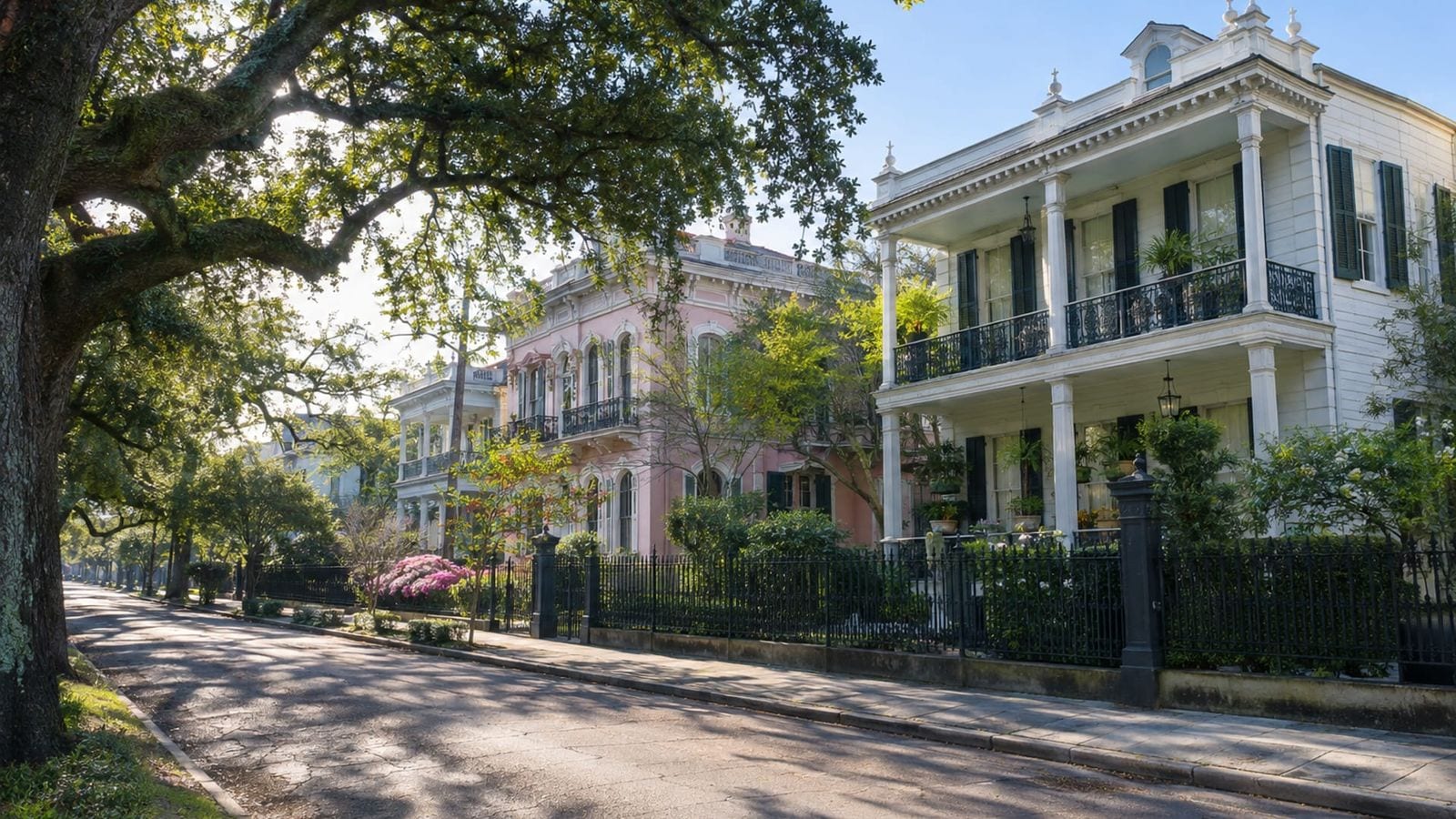
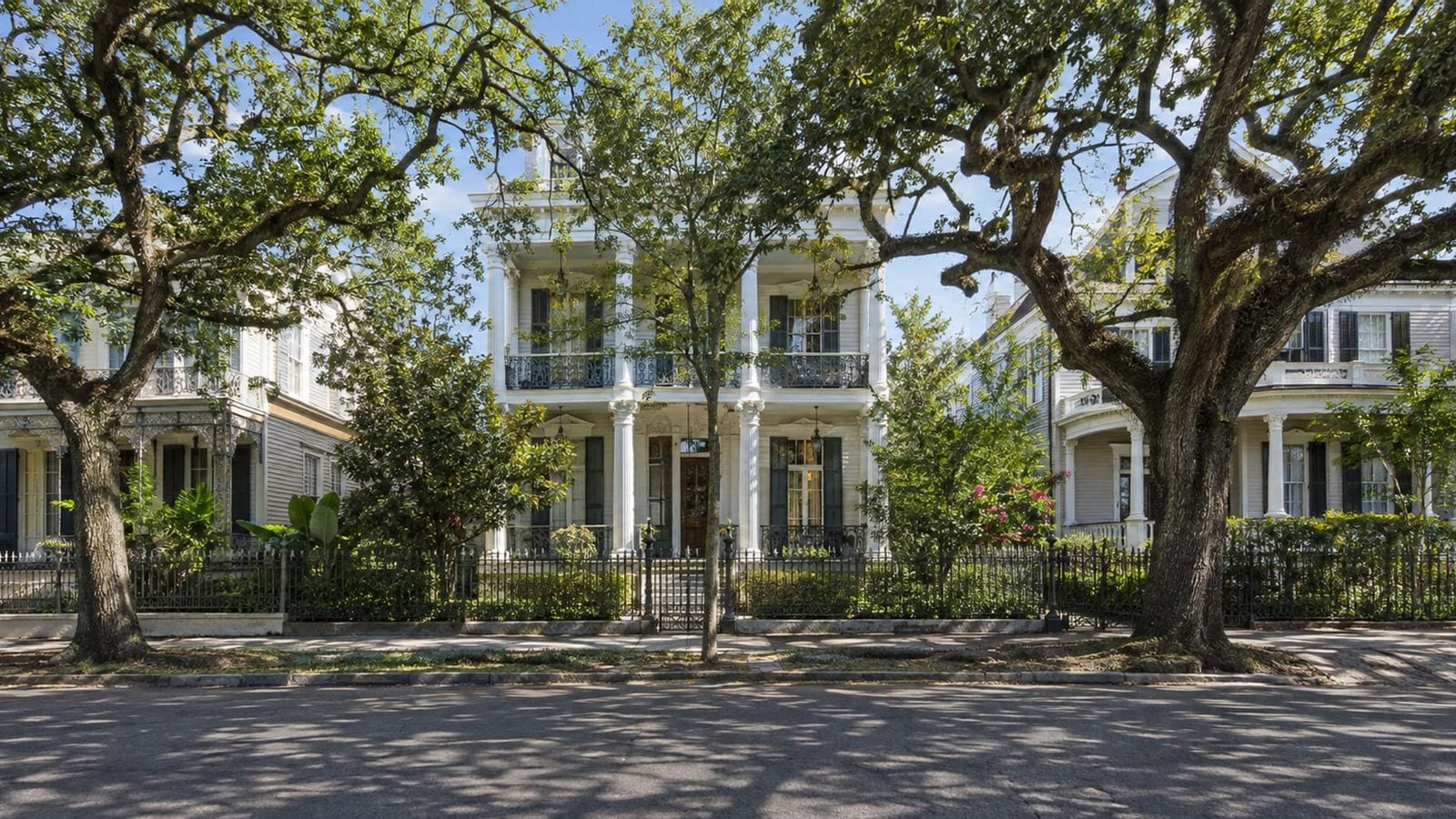
The Garden District pairs grand historic houses and leafy residential blocks with smaller hotels and inns near St. Charles Avenue. Travelers stay here for architecture walks and a quieter evening setting, accepting a streetcar journey or taxi ride to the French Quarter and its major landmarks.
Best for: Architecture walks, residential surroundings, and streetcar trips
What to expect: Walking tours pass historic homes during the day, while residential blocks grow quiet after dinner.
Hotel prices: Budget $170 to $320 nightly for a well-rated hotel.
Distance to major sights: Allow 25 to 40 minutes by St. Charles streetcar to Canal Street, followed by a 15 to 20-minute walk to Jackson Square.
Quietness: Daylight brings tour groups; evenings are generally calm, though streetcar noise reaches St. Charles Avenue.
Main trade-off: Fewer hotels limit room choices, and streetcar journeys take longer than taxi rides to downtown attractions.
Good to know: Choose a room away from St. Charles Avenue if passing streetcars would disturb your sleep.
Little Woods, West Lake Forest, and Venetian Isles are less convenient for sightseeing: all lie far from the French Quarter, making evening returns from its restaurants and music venues longer.
Hotel deals
How to get around New Orleans efficiently
The St. Charles streetcar connects downtown with the Garden District; walking, buses, taxis, Uber, and Lyft cover other New Orleans trips.

Bus and tram
for convenience
The St. Charles streetcar links downtown with the Garden District and Uptown. RTA buses extend coverage across New Orleans; single rides cost $1 to $2. Allow 20 to 40 minutes from downtown to the Garden District, depending on traffic.

Walking
for short central distances
Within the French Quarter, Jackson Square is a 10- to 15-minute walk from Canal Street. Walking is free and suits short trips between restaurants, galleries, and riverfront paths; uneven sidewalks require attention after dark.
Rideshare
for door-to-door trips
For trips between Louis Armstrong New Orleans International Airport (MSY) and the French Quarter, Uber and Lyft typically cost $35 to $65 and take 25 to 45 minutes. Request a ride in the app; this option suits luggage and late-night trips.
*Prices are based on rates updated as of November 2026 and may change at the time of travel.
Walk between French Quarter sights, take streetcars for the Garden District and buses farther afield, and choose taxis or ride-hailing for airport trips.
Iconic landmarks
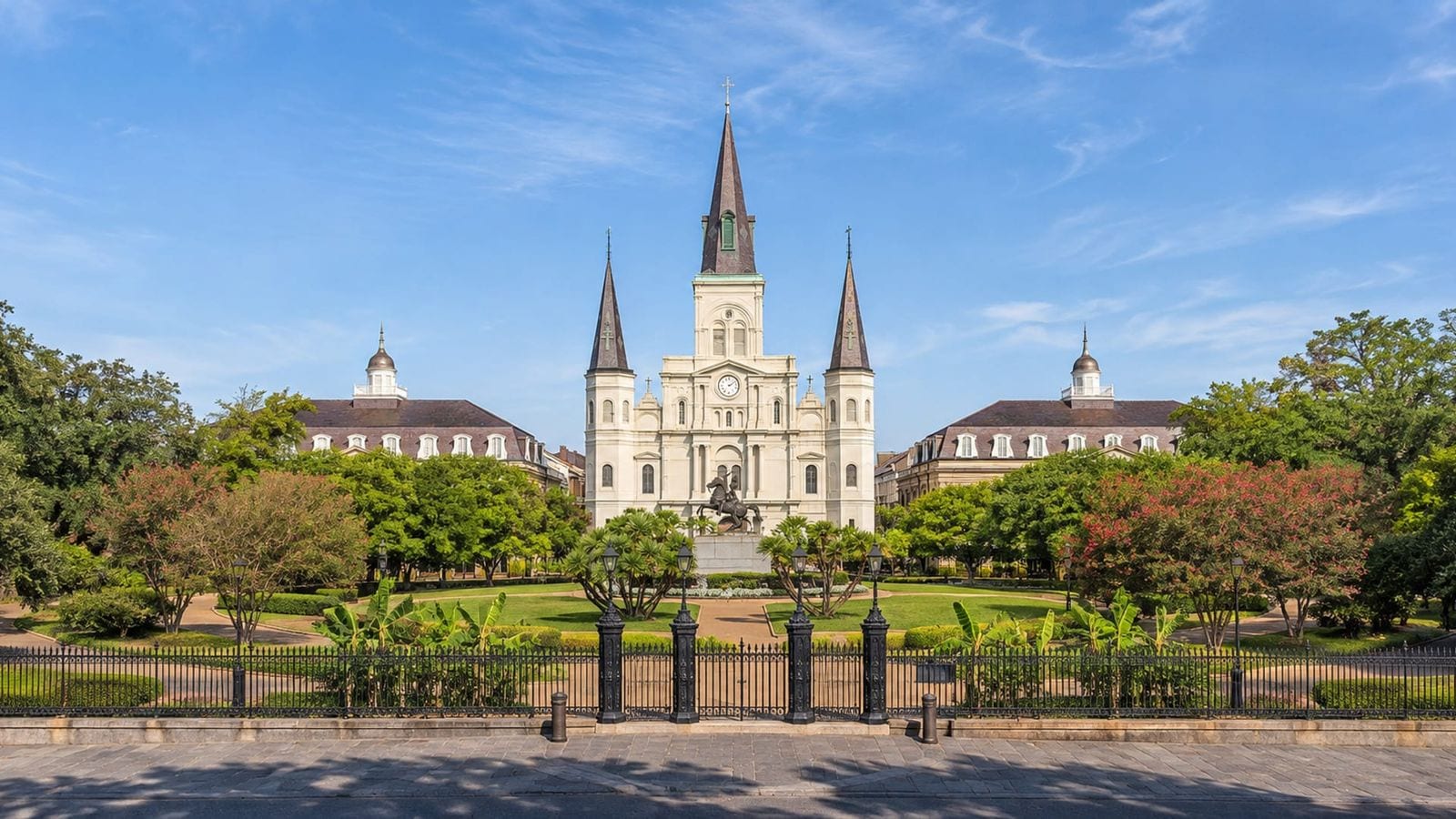
Jackson Square
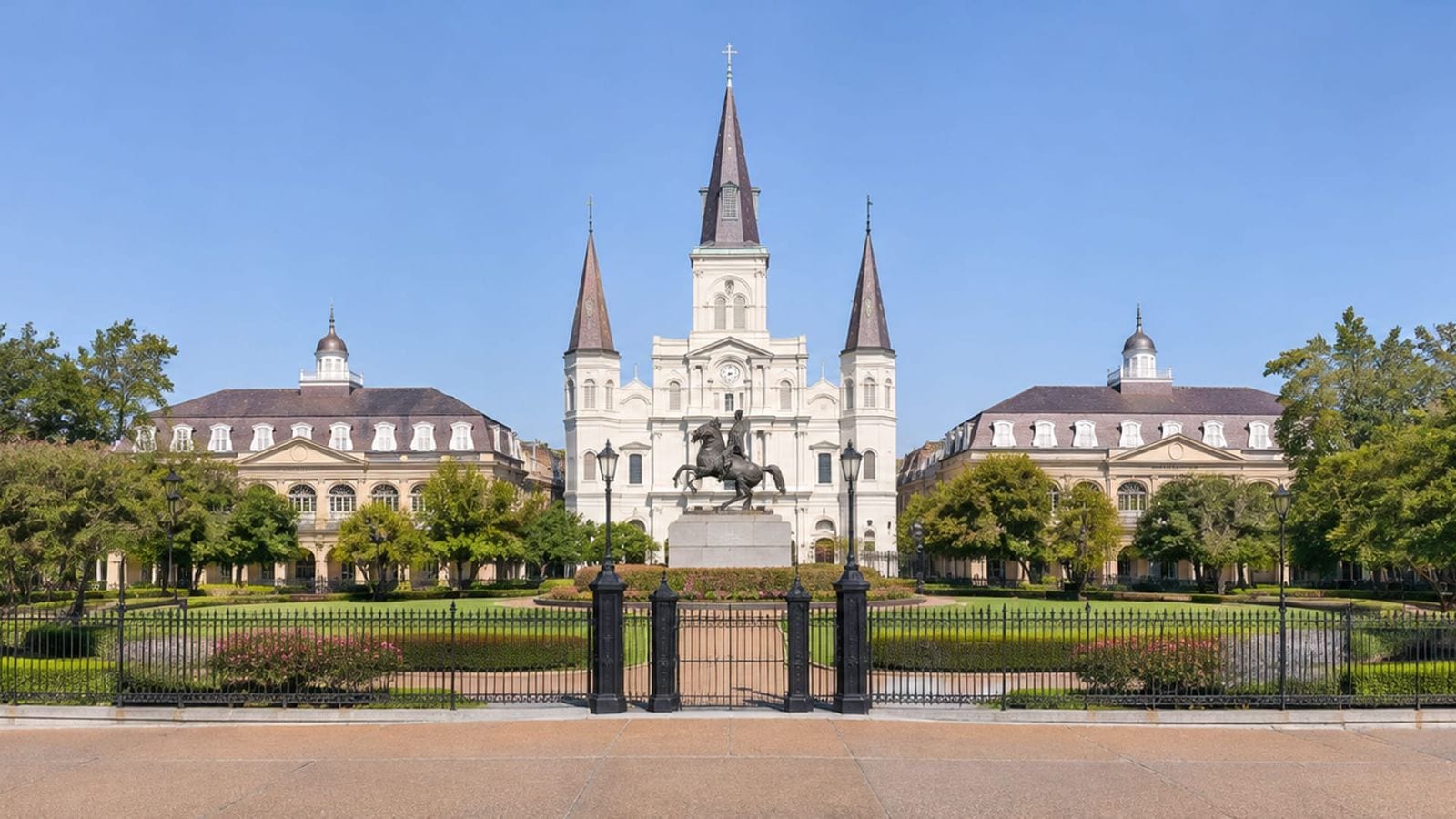
An equestrian statue of Andrew Jackson anchors this historic square, framed by the Pontalba Buildings and St. Louis Cathedral. Artists display their work along the surrounding iron fence, creating one of New Orleans’s signature scenes.
Time needed: About 1 to 2 hours
Entry: Free to access
Tip: Enter from Decatur Street in the morning for a front view of the cathedral.
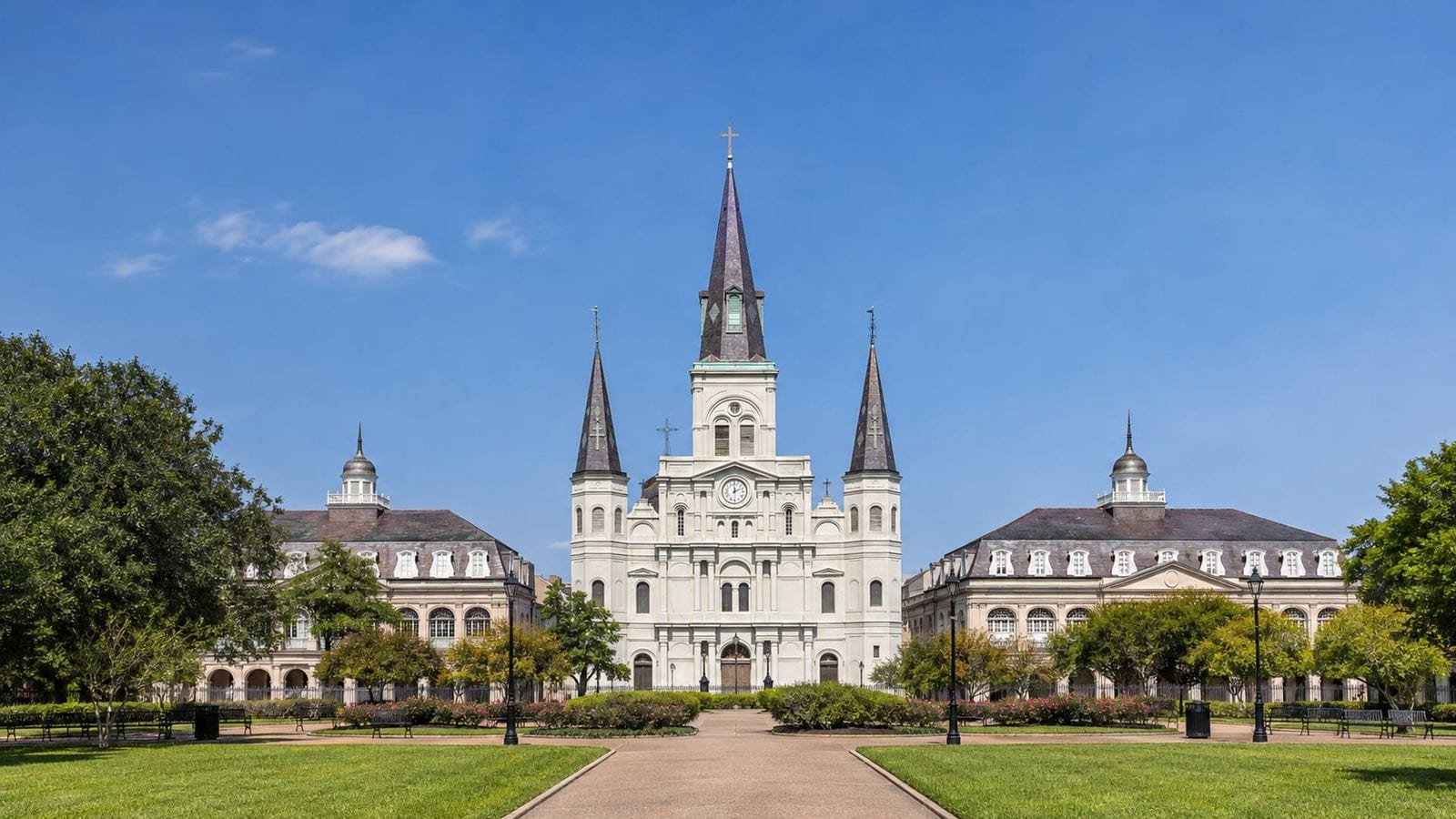
St. Louis Cathedral
Three steeples crown St. Louis Cathedral, the unmistakable landmark overlooking Jackson Square. Inside, stained glass, a painted ceiling, and the ornate sanctuary reveal the religious heritage of this active Roman Catholic cathedral.
Time needed: About 1 to 2 hours
Entry: Free to access
Tip: Aim for a weekday morning, and pause sightseeing whenever Mass is underway.
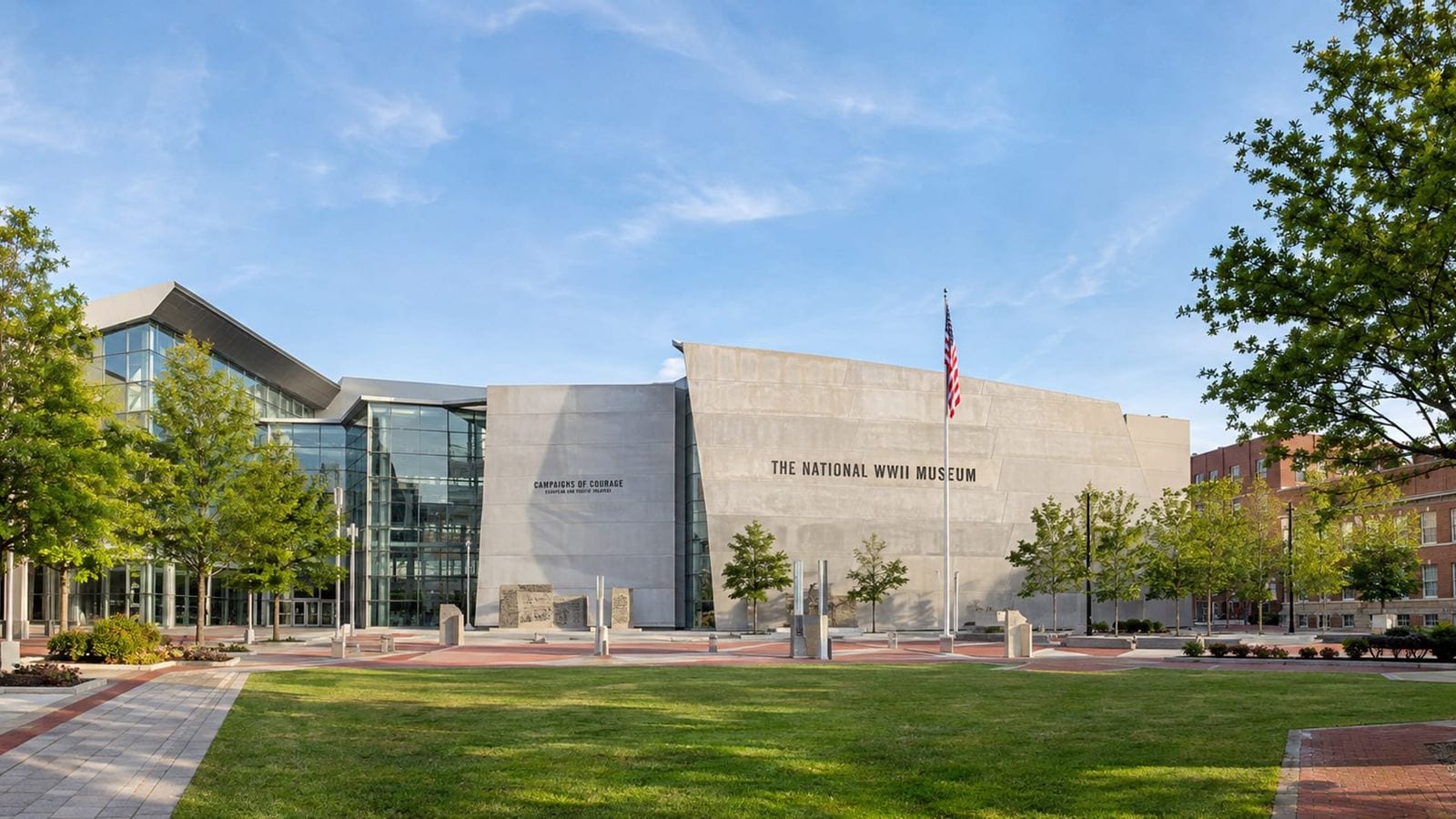
The National WWII Museum
Through personal testimony, wartime artifacts, and immersive galleries, The National WWII Museum traces the American experience of World War II. Its multiple pavilions examine the home front and campaigns across Europe and the Pacific.
Time needed: About 4 to 6 hours
Entry: Expensive: general admission covers the permanent exhibition galleries
Tip: Allow extra time for the Pacific exhibits, which occupy a separate pavilion.
Overlooked sites worth visiting

Couturie Forest
Couturie Forest brings woodland trails and lagoons into New Orleans City Park. Follow its paths to Laborde Mountain, a small rise that offers a different view of the city’s flat landscape.
Time needed: About 1 to 2 hours
Entry: Free to access
Tip: Use the Harrison Avenue entrance for direct access to the forest trails.

Newcomb Art Museum
Newcomb Art Museum explores art and design on Tulane University’s campus. Its collection includes Newcomb pottery, linking ceramics to the history of women’s art education in New Orleans.
Time needed: About 45 minutes to 1 hour
Entry: Free admission
Tip: Combine your museum stop with a walk along nearby St. Charles Avenue.
Traditional food
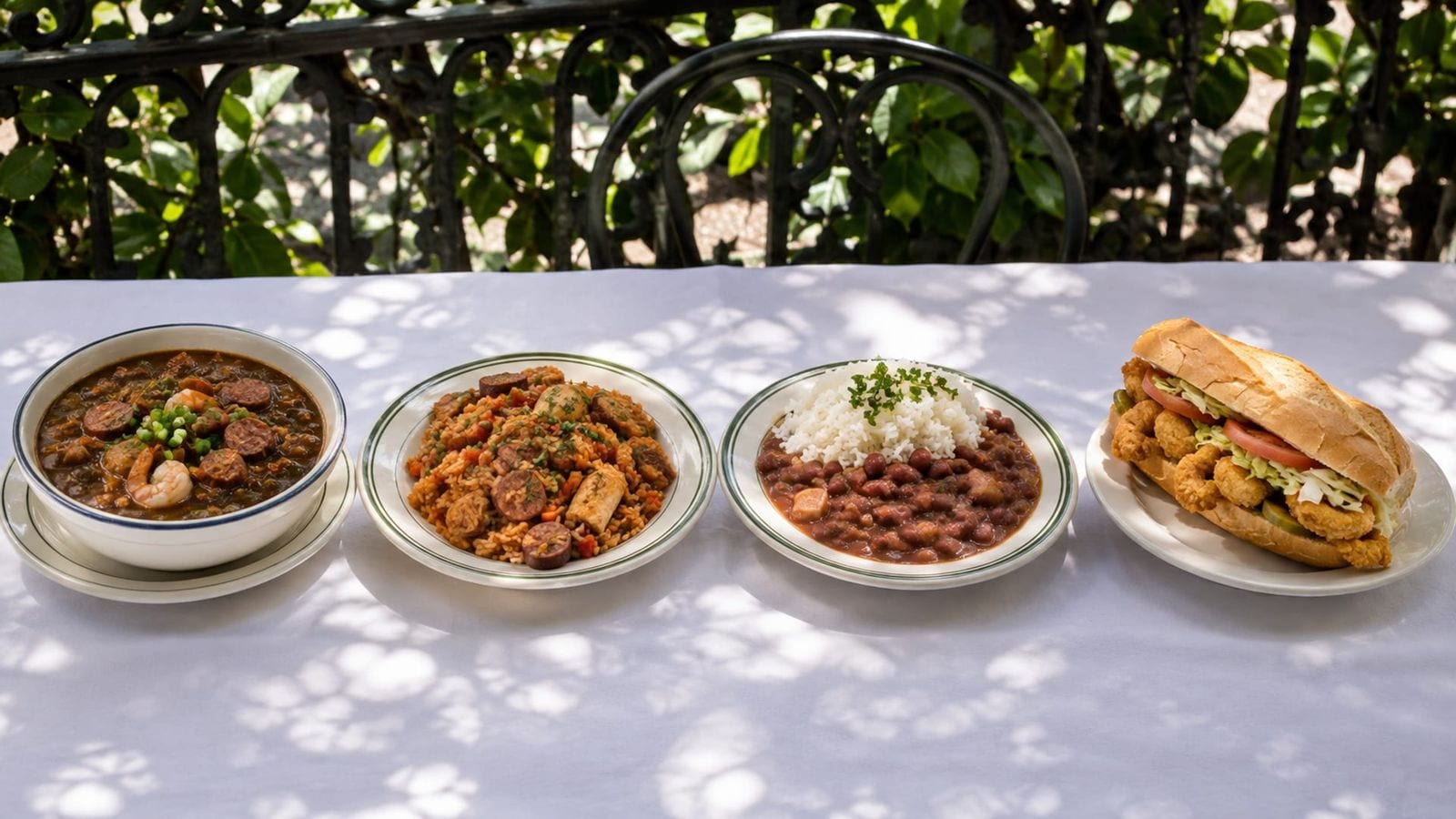
Roux, rice, seafood, and smoked sausage shape New Orleans cooking, with Creole and Cajun traditions sharing menus. Gumbo, jambalaya, red beans and rice, and po’boys span bowls and sandwich counters.
Gumbo
A dark roux gives gumbo its depth, with stock, vegetables, and seafood or meat completing the bowl. At Dooky Chase’s Restaurant, try a Creole version that brings this New Orleans tradition into a landmark dining room.
Jambalaya
Rice absorbs seasoned stock as meat, vegetables, and spices cook together in jambalaya. Order it at Napoleon House, where the menu’s version combines chicken and sausage, with tomatoes adding the Creole preparation’s familiar color.
Red beans and rice
Slow-cooked red beans turn creamy with onion, celery, bell pepper, and seasoning, then meet a serving of rice. At Joey K’s Restaurant, the dish comes with smoked sausage, linking a neighborhood meal to New Orleans’ Monday tradition.
Po'boy
Crisp French bread holds fillings such as fried shrimp or roast beef, often dressed with lettuce, tomato, pickles, and mayonnaise. Parkway Bakery and Tavern is known for this sandwich, including roast beef with gravy.
Best time to visit New Orleans
New Orleans shifts from mild winter walks to spring festivals, humid summers, and fall days suited to exploring its neighborhoods.
Best for: French Quarter walks, Garden District architecture, and outdoor festivals
What you get: Temperatures span 54°F to 85°F (12°C to 29°C), with growing warmth and festival crowds filling hotels during major music and food events.
Trade-offs: Festival weekends raise hotel rates, and late May can bring substantial heat and humidity.
Best for: Long museum afternoons, Creole restaurant meals, and early morning walks
What you get: Expect 74°F to 91°F (23°C to 33°C), high humidity, and frequent rain; sightseeing crowds thin between major events, though weekends vary.
Trade-offs: Heat limits midday walks, and hurricane season can disrupt flights and outdoor plans.
Best for: Gallery browsing, streetcar journeys, and neighborhood walks in late fall
What you get: Conditions range from 54°F to 88°F (12°C to 31°C), cooling toward November; weekend festivals draw crowds while weekdays offer more space.
Trade-offs: September stays hot, and hurricane season continues through November.
Best for: Cathedral views, museum galleries, and cool-weather French Quarter walks
What you get: Days and nights bring 45°F to 66°F (7°C to 19°C), with quieter stretches between holidays; Carnival events increase crowds as parades near.
Trade-offs: Cold fronts bring rain and chilly evenings; Carnival dates can sharply increase room rates.
A realistic 5-day plan in New Orleans
This five-day sequence starts with arrival, gives the French Quarter a full day, then follows the St. Charles streetcar toward art and architecture before a museum day in the Warehouse District.
From Louis Armstrong New Orleans International Airport (MSY), take a taxi to your Warehouse District hotel, allowing 25 to 45 minutes and $35 to $50 for one or two passengers. After unpacking, take a 10 to 15-minute taxi ride to Cafe Maspero in the French Quarter for a sandwich dinner, leaving the neighborhood’s sightseeing for tomorrow.
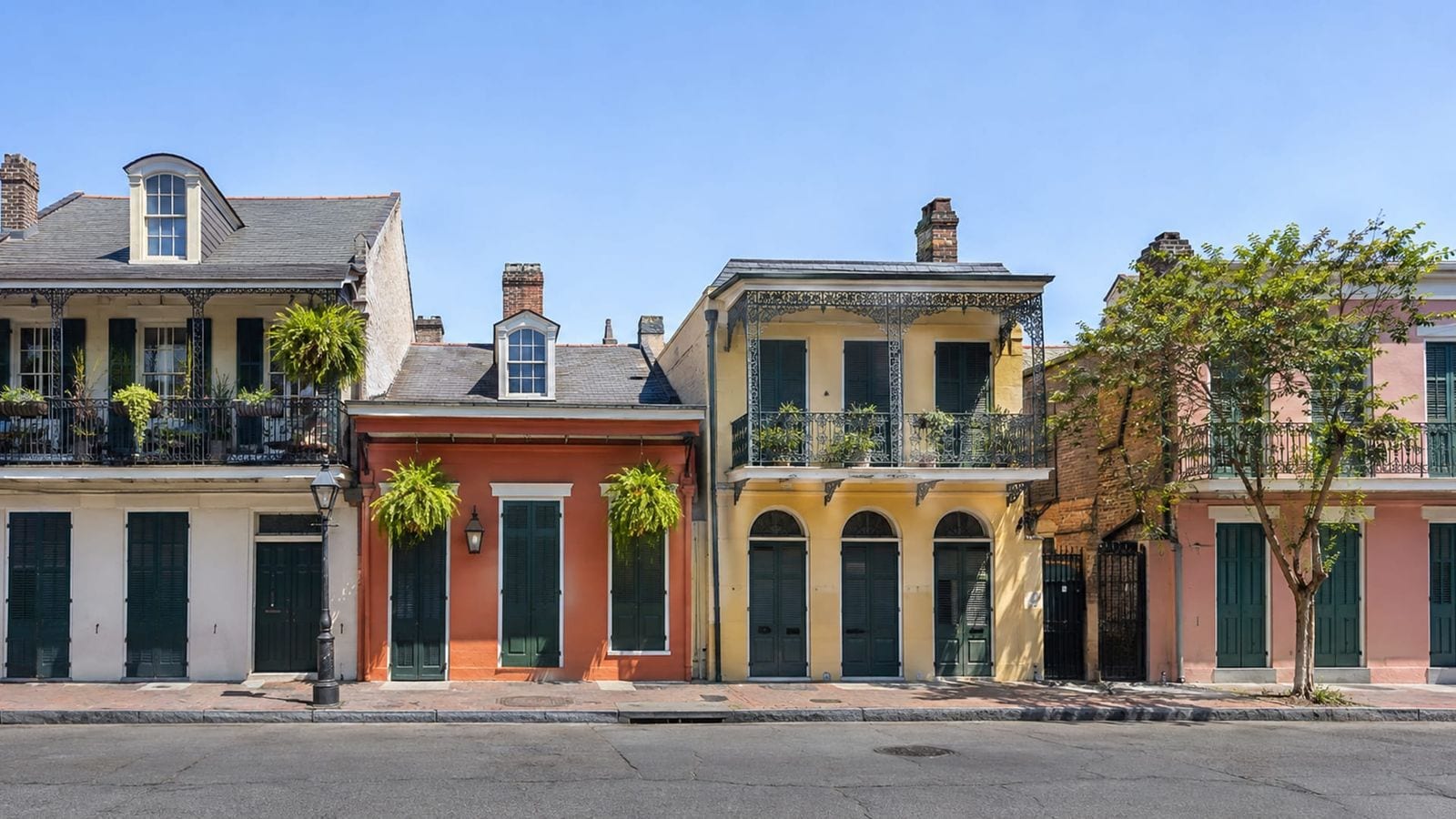
Jackson Square starts your French Quarter day: enter from Decatur Street at 9 am for cathedral views and the artists along the fence. Walk 2 minutes to St. Louis Cathedral, pausing sightseeing during Mass. Spend the afternoon exploring the French Quarter’s courtyard architecture on foot, then choose an early dinner in the neighborhood.
A morning architecture walk through the Garden District leads toward St. Charles Avenue. Allow 2 hours for the residential streets, then take the St. Charles streetcar toward Tulane University, allowing 30 to 40 minutes plus a 10-minute campus walk to Newcomb Art Museum. The museum opens Tuesday to Friday, 10 am to 5 pm, and Saturday, 11 am to 4 pm; allow an hour inside.
Devote 4 to 6 hours to The National WWII Museum in the Warehouse District, dividing your time between its European and Pacific campaign galleries. After lunch, walk 5 to 10 minutes to Julia Street for the neighborhood’s art galleries and converted warehouses. Schedule this day Tuesday to Saturday for the broadest gallery choice, allowing another 1 to 2 hours.
Before departure, browse the Warehouse District’s shops along Magazine Street, keeping purchases close to your hotel and stored luggage. Allow 45 to 60 minutes for a taxi to Louis Armstrong New Orleans International Airport (MSY), including traffic allowance, and budget $35 to $50 for one or two passengers. Reach the terminal 2 hours before a domestic flight.
Business-class flights from the US to New Orleans
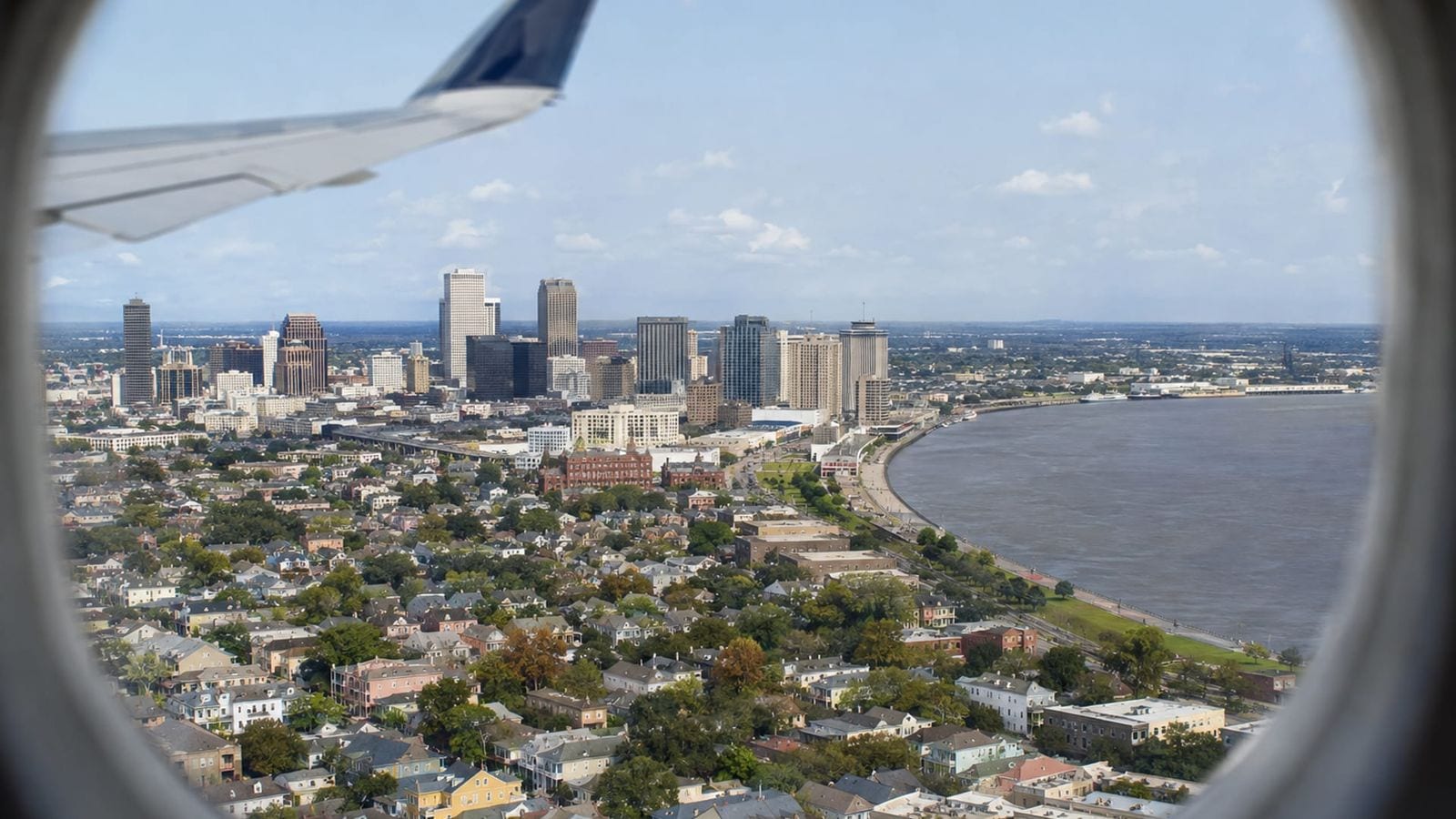
Compare New York and Los Angeles connections to New Orleans (MSY), with round-trip fare ranges and journey times for each departure city.
One-stop journeys from New York to New Orleans (MSY) take 5 to 8 hours via Atlanta (ATL) or Charlotte (CLT). Round-trip fares range from $700 to $1,600. Airline options include American Airlines, Delta Air Lines, and United Airlines.
For Los Angeles departures to New Orleans (MSY), connections through Dallas (DFW) or Houston (IAH) bring total journey times to 6 to 9 hours. Expect $900 to $2,200 round-trip, with Delta Air Lines, United Airlines, and American Airlines among the options.
New Orleans feels different when you slow down
A New Orleans trip can give each neighborhood its own part of the day: morning courtyard walks in the French Quarter, an afternoon among the Warehouse District’s galleries, and a streetcar journey toward the Garden District. Leave 4 to 6 hours for The National WWII Museum, and give gumbo and po’boys their own places in the meal plan. Ask AranGrant experts to shape your flights around a spring or fall stay, with time for Jackson Square and the city’s Creole tables







