

Chapters:

Need help with your trip?
Our support team is available 24/7. Request a callback or call us directly at (833) 619-0908
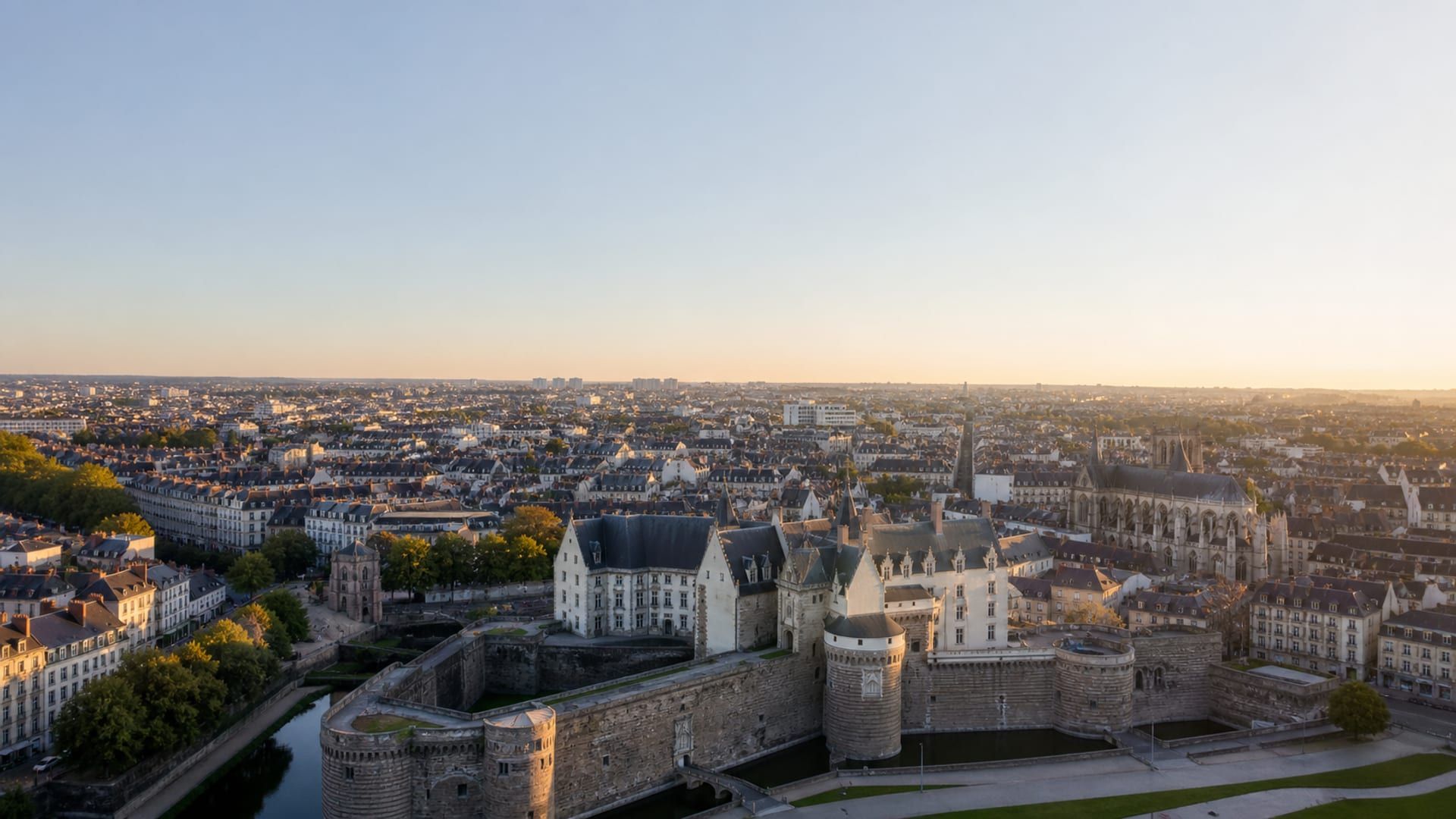
Nantes has a relaxed rhythm, but plenty happens once you start moving through the city. The château and old streets sit close to shops, cafés, and Passage Pommeraye, while the Loire draws you toward Île de Nantes and its converted shipyards, art spaces, and giant mechanical creations.
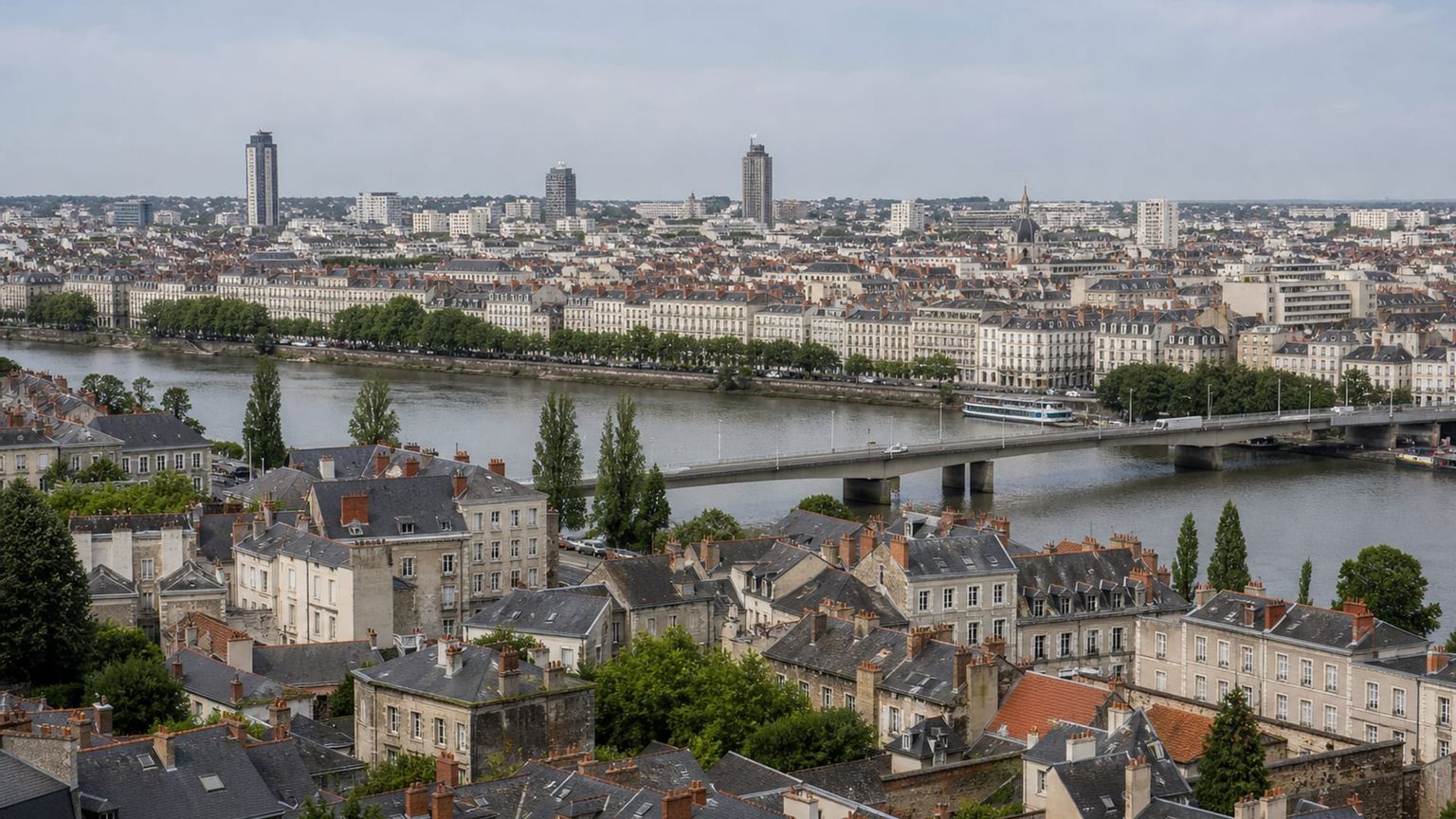
Away from the busiest streets, Talensac offers a more local side of the city with its market and neighborhood cafés, while the Erdre, Île de Versailles, and riverside paths provide quieter breaks between sightseeing days. Food, architecture, museums, and public spaces all fit naturally into a few well-planned days.
This article will help you choose where to stay, decide what deserves your time, get around efficiently, and enjoy Nantes without packing too much into each day.
Useful things to know

Main language(s): French
Bonjour (bohn-ZHOOR) – Hello
S’il vous plaît (seel voo PLEH) – Please
Merci (mehr-SEE) – Thank you
Parlez-vous anglais? (par-LAY voo ahn-GLAY) – Do you speak English?
Combien ça coûte? (kohm-BYEN sah KOOT) – How much does it cost?

Currency: Euro (EUR, €)

Cash and cards: Cards and contactless payments are common, but businesses may set a minimum card spend. Carrying a little cash is useful for small purchases.

Tipping: Service is included in restaurant prices, so tipping is optional. Round up the bill or leave a few euros when you particularly appreciated the service.

Traditional food: Beurre blanc, gâteau nantais, Petit-Beurre LU, Curé Nantais cheese, and berlingots nantais are among the foods closely associated with Nantes

Water and coffee costs: An espresso commonly costs about €2 to €2.50 ($2.25 to $2.80), while bottled water at cafés and restaurants is often €3 to €4.50 ($3.35 to $5)

Taxis and ride apps: Uber and Bolt operate in Nantes. Local taxis are also available, including Allo Taxis and Hep Taxis for reservations.

Plug and voltage: Type C and E sockets use 230V at 50Hz. US travelers need a plug adapter and should check that their devices support 230V.

Dining and shop opening hours: Lunch commonly runs from noon to 2:00 pm and dinner from 7:00 to 10:00 pm. Many shops open about 10:00 am to 7:00 pm and close on Sunday.

Emergency number: Call 112 for general emergencies. France also uses 15 for medical emergencies, 17 for police, and 18 for the fire service.
Where to stay in Nantes
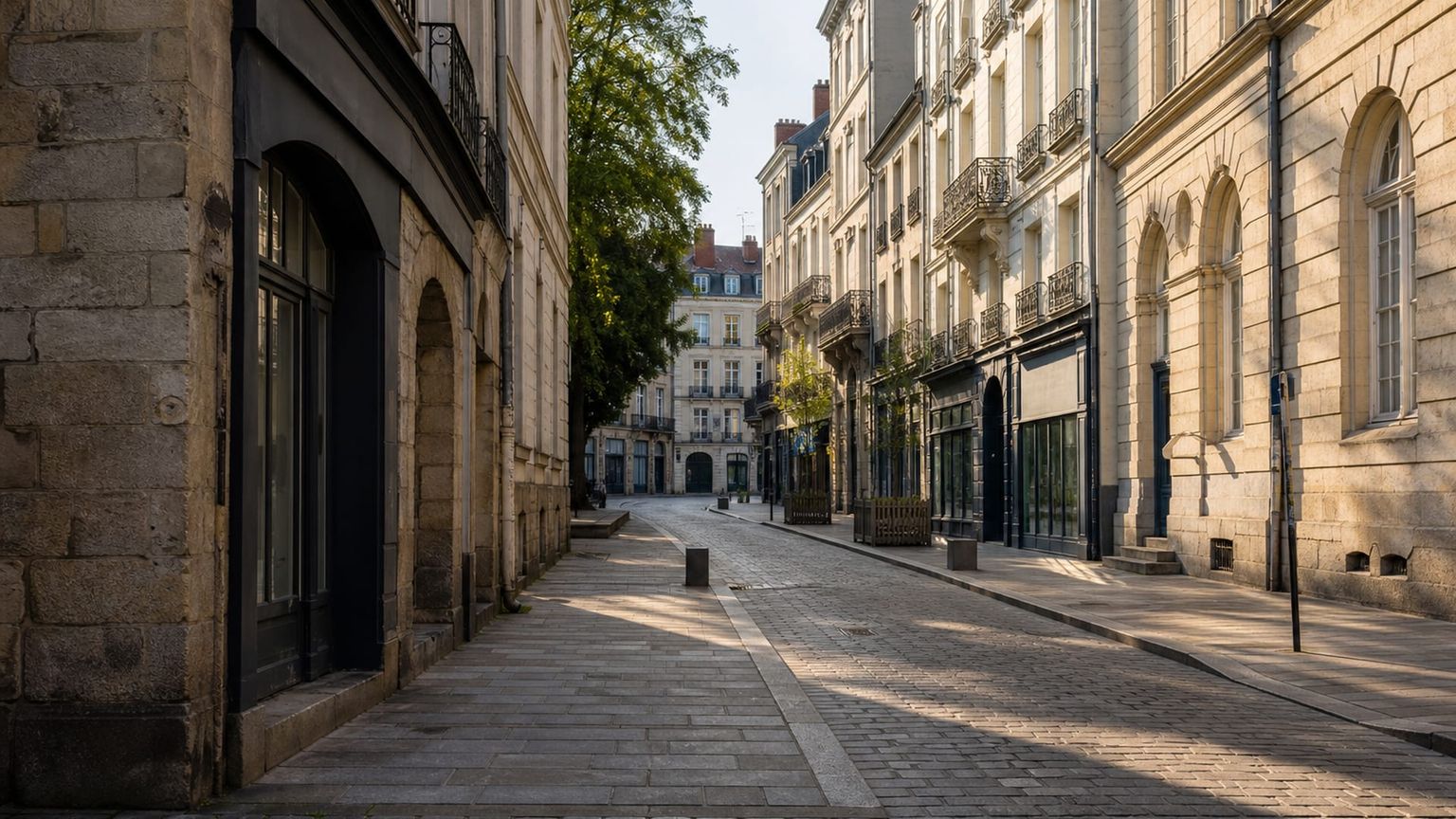
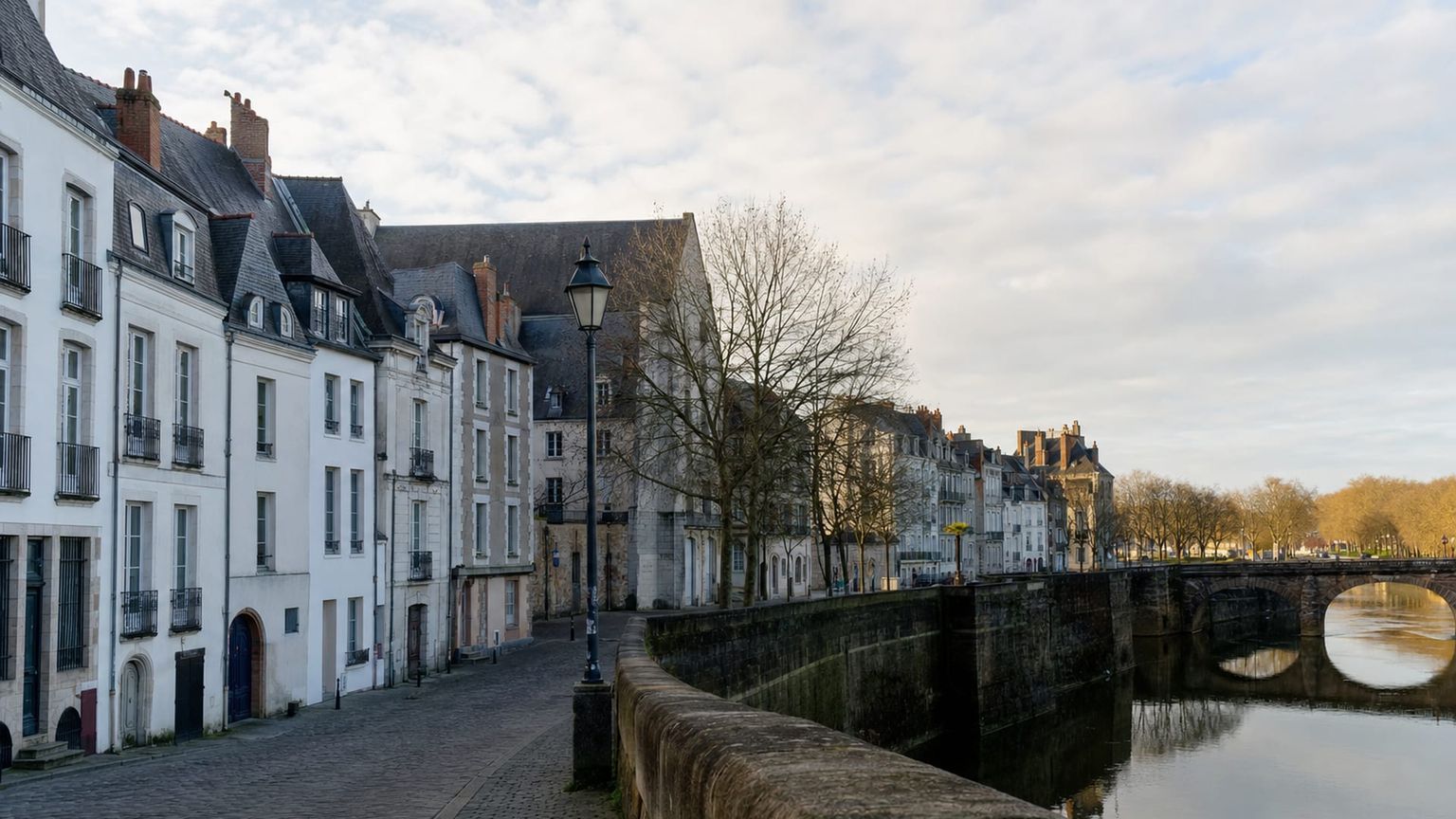
Centre-ville is Nantes’s historic, shopping, and dining heart, stretching from the medieval streets of Bouffay and the Château des Ducs de Bretagne to Place Royale and the elegant Graslin quarter. The area mixes monuments, shops, cafés, theaters, and busy tram hubs within a compact central district.
Best for: First-time visits, museum trips, and staying close to the main sights
What to expect: Busy daytime streets, steady restaurant traffic, and the most footfall after work and on weekends.
Hotel prices: Usually about 120€ to 220€ (~$132 to ~$242) per night for well-rated stays
Distance to major sights: About 5 minutes on foot to the Château des Ducs de Bretagne, roughly 10 minutes by tram to the Cathedral of St. Peter and St. Paul
Quietness: Lively in the day, with more noise from late diners and traffic in the evening.
Main trade-off: Central addresses cost more than outer districts, and some streets near bars stay active late.
Good to know: Commerce is the main tram interchange in the center, so nearby hotels give you direct tram access to several parts of Nantes.
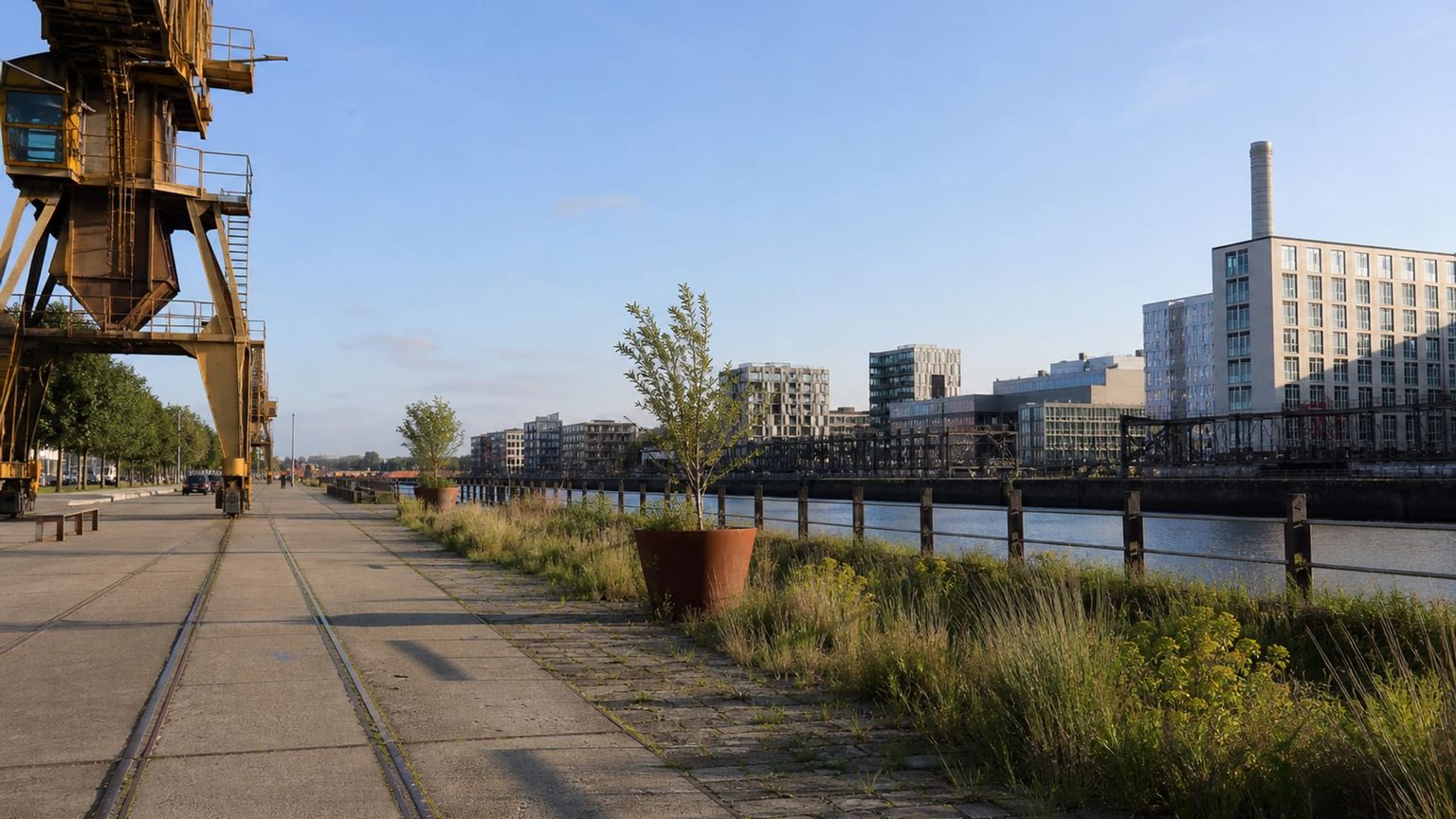
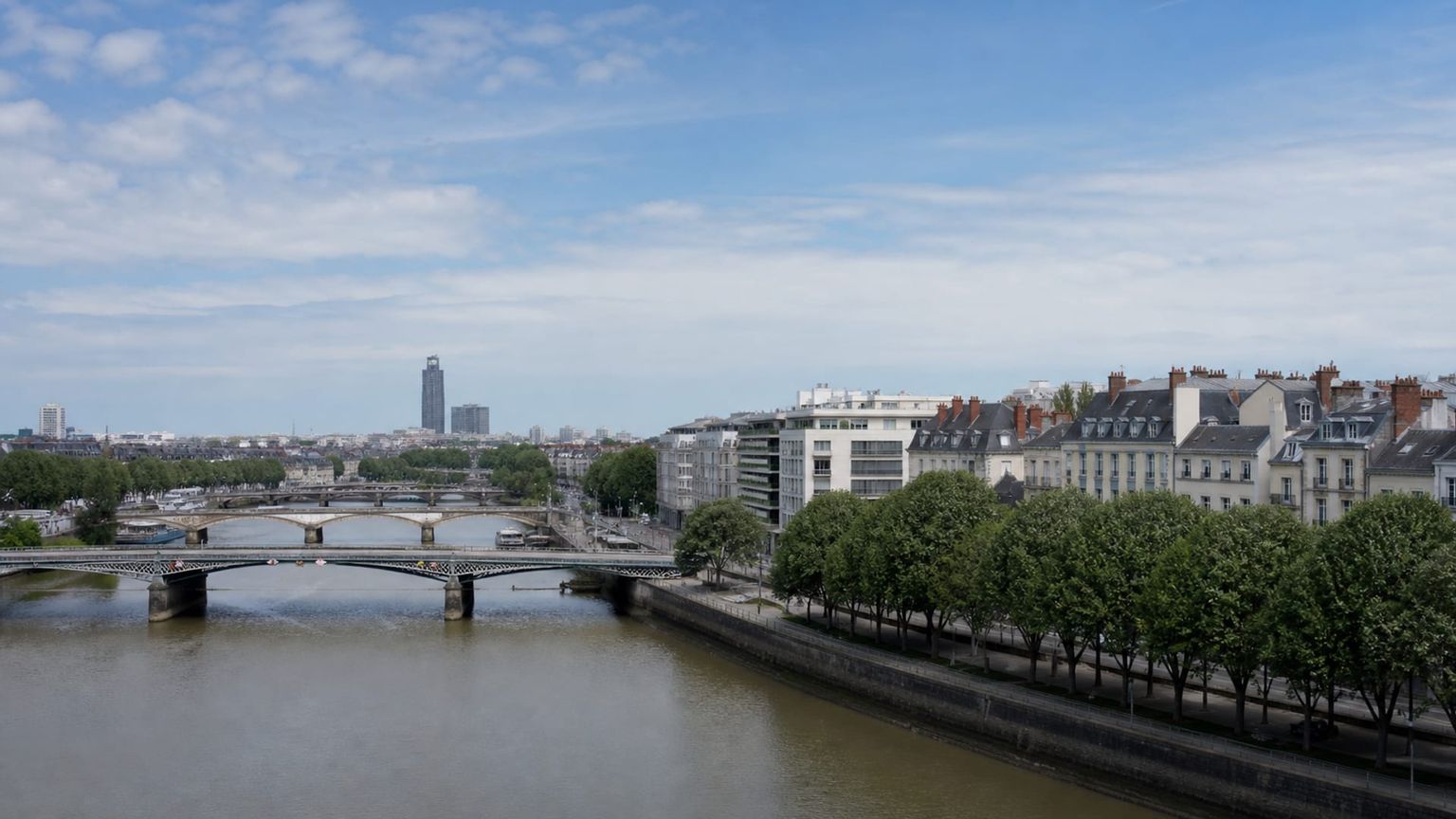
Île de Nantes stretches between two branches of the Loire south of the historic center, with former shipyard buildings, new apartments, cultural venues, and riverside paths. Les Machines de l’Île and Hangar à Bananes anchor the west, while Beaulieu and newer residential districts fill the east.
Best for: Modern hotels, river walks, and travelers who want a newer base
What to expect: Wide streets, newer housing, and a mix of local residents, students, and visitors around the major attractions.
Hotel prices: Usually about 100€ to 180€ (~$110 to ~$198) per night for well-rated stays
Distance to major sights: About 10 minutes on foot to the Machines of the Isle, roughly 15 minutes by tram to the Château des Ducs de Bretagne
Quietness: Calmer at night than the center, though event venues and riverfront paths can stay active.
Main trade-off: You will spend a little longer reaching the oldest streets, and the area has fewer classic café-lined blocks.
Good to know: Check the nearest stop before reserving: Line 5 crosses the island, while trams 2 and 3 serve Vincent Gâche on the eastern side of the district.
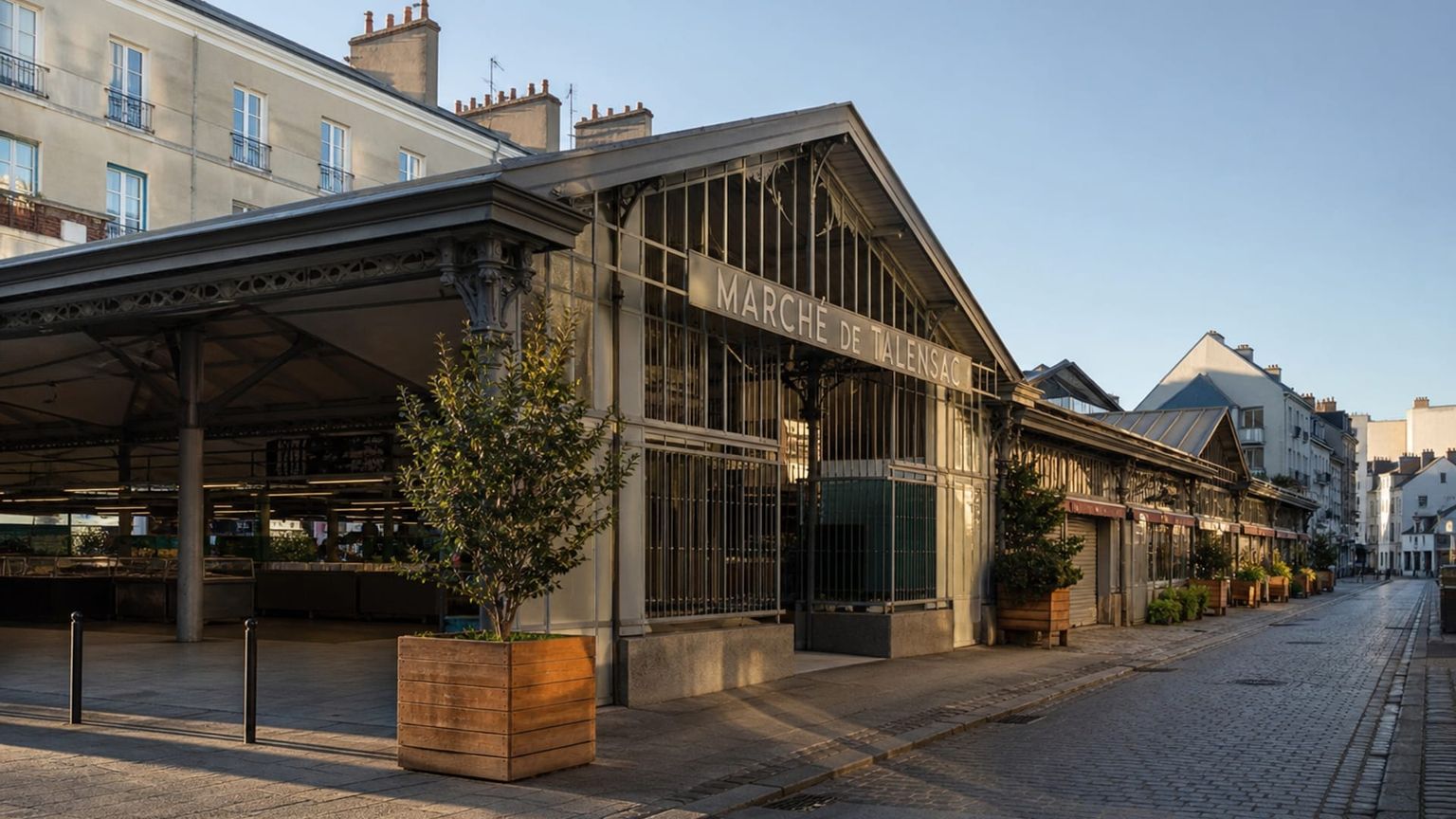
Talensac is the area around Nantes’s covered food market, within Hauts-Pavés–Saint-Félix just north of Centre-ville. The market hall, neighborhood cafés, local shops, and residential streets give it a more local character while keeping the historic center within walking distance.
Best for: Food-focused stays, local markets, and walking access to the center
What to expect: Morning market activity, neighborhood cafés, and a resident-heavy feel that quiets after dinner.
Hotel prices: Usually about 90€ to 160€ (~$99 to ~$176) per night for well-rated stays
Distance to major sights: About 10 minutes on foot to the Château des Ducs de Bretagne, roughly 12 minutes on foot to the Cathedral of St. Peter and St. Paul
Quietness: Active early in the day, then notably calmer in the late evening.
Main trade-off: You trade some hotel choice for a smaller, more residential lodging stock.
Good to know: The market opens at 8:00 am Tuesday through Sunday and closes by 1:00 or 1:30 pm, so plan your visit for the morning instead of late afternoon.
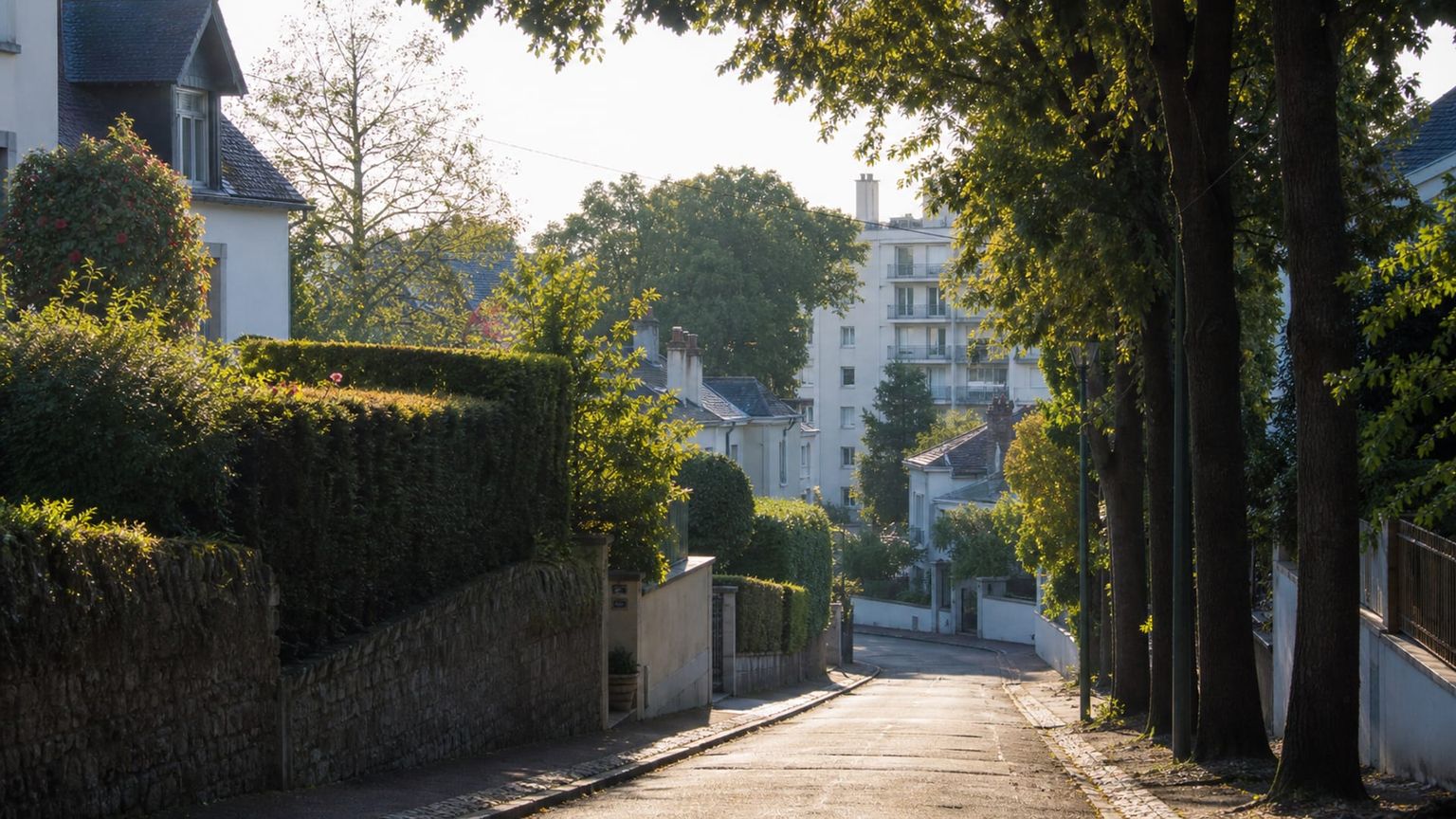
Procé refers to the residential streets around Parc de Procé in western Nantes, within Hauts-Pavés–Saint-Félix. The 30-acre (12-hectare) park, Chézine paths, mature trees, and small local shops shape the area, while C3 and C6 buses connect it with central Nantes in roughly 10 to 15 minutes.
Best for: Longer stays, quieter evenings, and access to green space
What to expect: Low-key residential streets, joggers in the park, and fewer tourists than in the center.
Hotel prices: Usually about 80€ to 140€ (~$88 to ~$154) per night for well-rated stays
Distance to major sights: About 15 minutes by tram to the Château des Ducs de Bretagne, roughly 20 minutes by tram to the Cathedral of St. Peter and St. Paul
Quietness: Quiet through most of the day and evening, with the park drawing local activity in daylight.
Main trade-off: You will rely more on transit or taxis, and dining choices are thinner than downtown.
Good to know: The Procé stop is served by C3 and C6 buses. Check how close your accommodation is to either route before booking, especially if you plan to take evening trips.
For a short first visit, the outer parts of Doulon-Bottière and Chantrerie add travel time to central sights. Nantes Erdre varies widely, so check the exact address and transit links before booking, especially if most of your plans are downtown.
Hotel deals
How to get around Nantes efficiently
Nantes has no metro, but trams, buses, the airport shuttle, and taxis cover the city and provide easy access to Nantes Atlantique Airport.

Tram and bus
for most city trips
Trams and buses cover central Nantes and outer districts, with lines 1, 2, and 3 meeting at Commerce. A 1-hour ticket costs €1.80 ($2) and also covers Navibus and local TER trips within the metropolitan area. Public transport is free on Saturdays and Sundays.

Airport shuttle
for direct trips to the airport
The airport shuttle links Nantes Atlantique Airport (NTE) with Nantes railway station in about 20 minutes, depending on traffic. A ticket costs €10 ($11.20) and includes one hour of onward travel on the Naolib network. The airport shuttle is not free on weekends, unlike buses that operate within the city.

Taxi
for luggage, late hours, and direct rides
Taxis are useful for airport transfers, trips with luggage, or late journeys when public transport is less convenient. A ride between Nantes Atlantique Airport (NTE) and the city center costs €30 to €35 ($33.50 to $39), with the final fare varying by time and distance.
*Prices are based on rates updated as of October 2026 and may change at the time of travel.
Use trams and buses for most city journeys, the airport shuttle for a direct NTE link, and taxis when luggage, timing, or a door-to-door ride matters.
Iconic landmarks
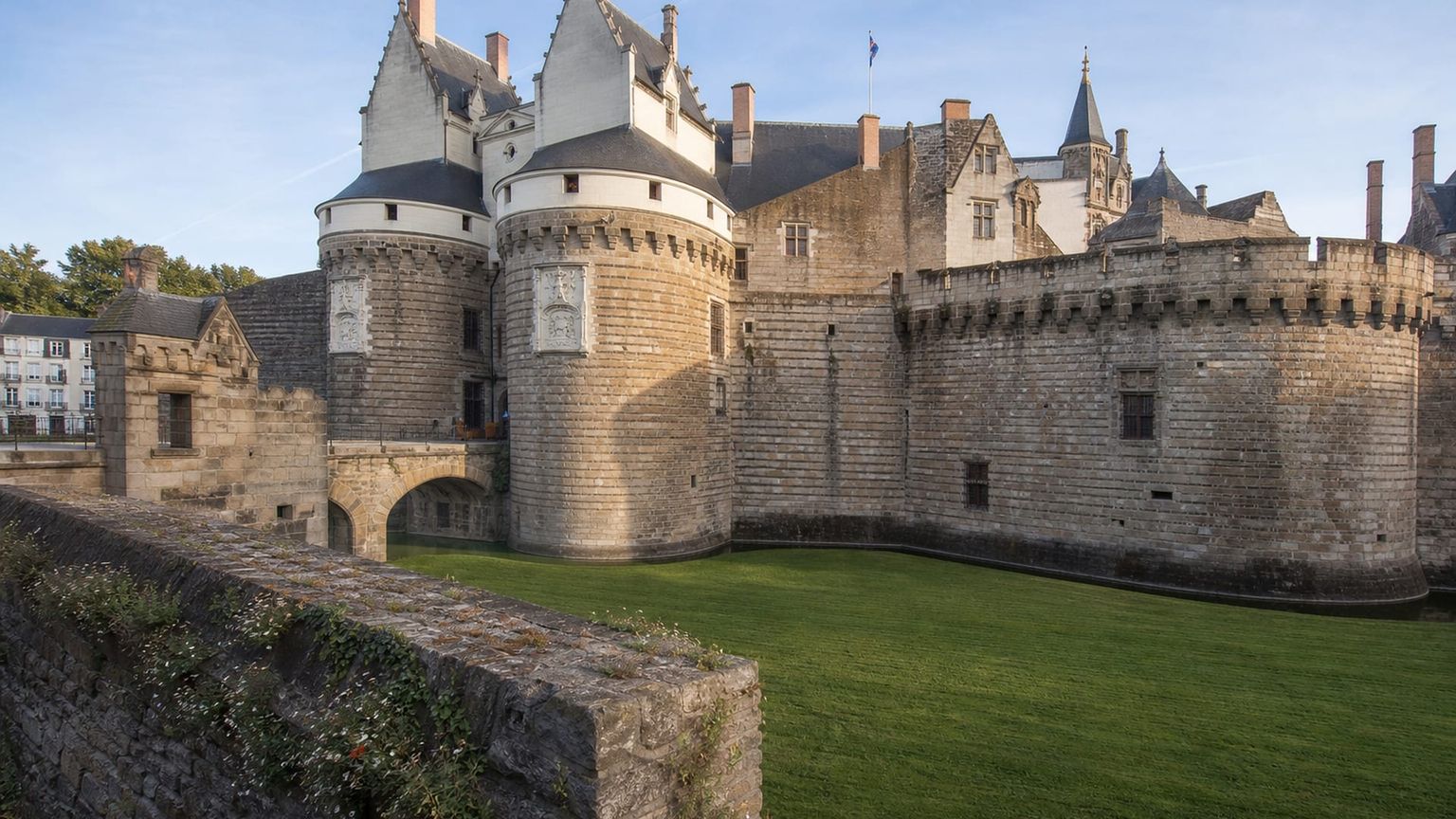
Château des Ducs de Bretagne
Built at the end of the 15th century for François II and Anne of Brittany, the Château des Ducs de Bretagne combines fortified walls with an elegant ducal residence. Inside, the Nantes History Museum traces the city’s development, while the ramparts overlook the historic center.
Time needed: About 2 to 3 hours
Entry: Standard admission costs $13 ($12) for the castle and history museum; the ramparts are included with museum access, with reduced rates for eligible visitors. Visit the official site for details.
Tip: Walk the ramparts before the museum for views over the courtyard and the old city.
Passage Pommeraye
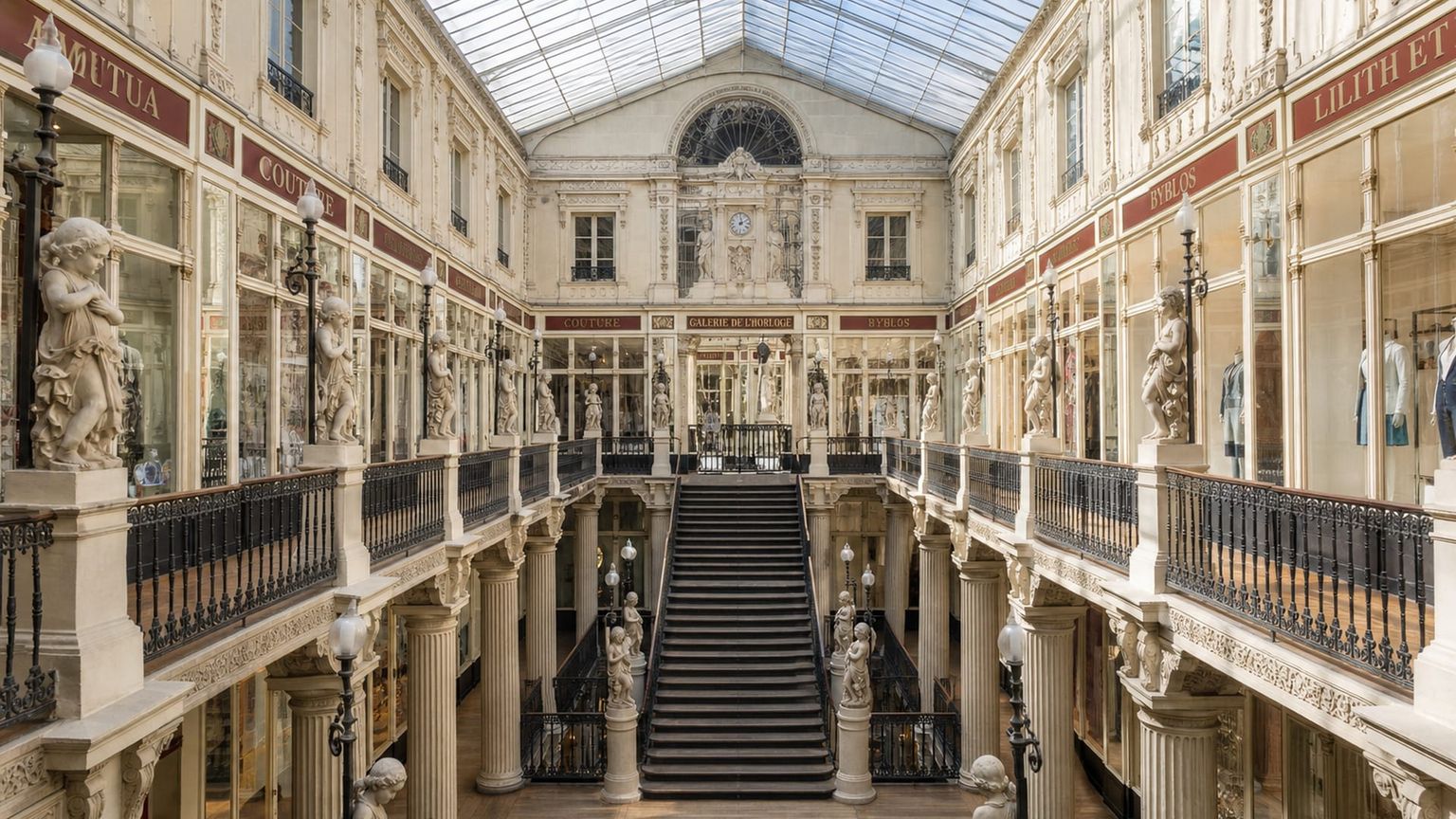
Passage Pommeraye is a three-level shopping arcade opened in 1843, with a monumental staircase, statues, ironwork, and a glass roof linking streets at different heights. Its richly decorated interior remains one of Nantes’s most distinctive 19th-century landmarks in the city center.
Time needed: About 30 to 45 minutes
Entry: Free to enter and no timed ticket is required, though individual shops and cafés set their own opening hours within the arcade.
Tip: Visit before lunch for an easier look at the staircases, statues, and glass roof.

Les Machines de l’Île
Les Machines de l’Île fills a former shipyard with large mechanical creatures inspired by Jules Verne, Leonardo da Vinci, and Nantes’s industrial past. The Galerie des Machines, Grand Elephant, and Carrousel des Mondes Marins each operate as separate ticketed attractions.
Time needed: About 2 to 4 hours
Entry: Entry ranges from $12 ($11) to $25 ($23), depending on galleries and rides; the Grand Elephant and some workshops sell separate tickets. Visit the official site for details.
Tip: The Grand Elephant will close for maintenance from November 2, 2026, until February 28, 2027.
Overlooked sites worth visiting

Île de Versailles
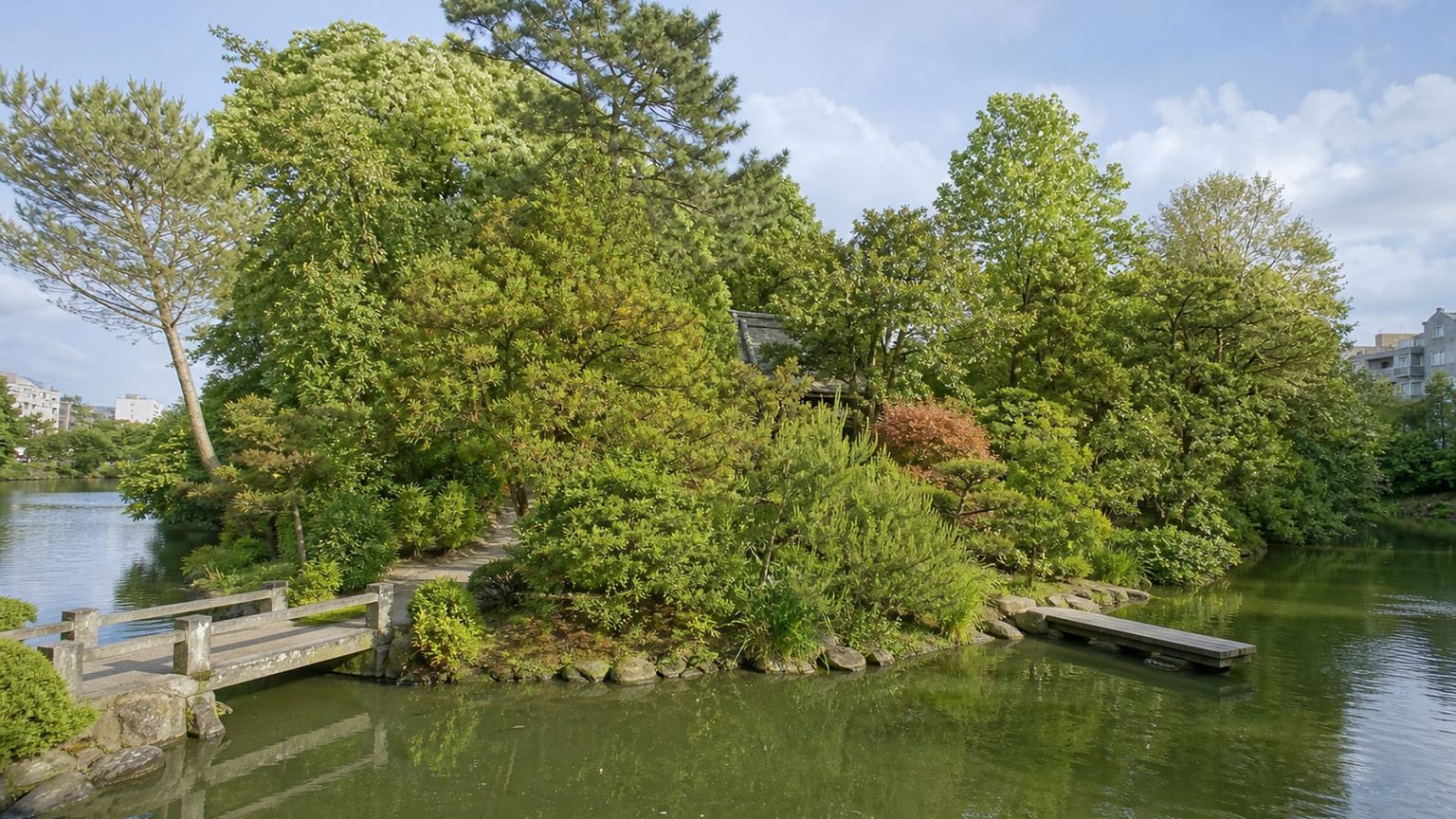
Île de Versailles is a Japanese-style garden on the Erdre, with ponds, bamboo, footbridges, and rockwork. The Maison de l’Erdre hosts exhibitions, and paths loop through it near central Nantes.
Time needed: About 45 minutes to 1 hour
Entry: Free to access; the island garden and paths are open at no charge. The teahouse is separate, so any tea or snack purchase is paid on site if you choose to stop there.
Tip: Go in the morning for an easier walk around the ponds and footbridges.

Musée Jules Verne
Musée Jules Verne occupies a 19th-century house above the Loire and explores the Nantes-born writer through books, manuscripts, illustrations, posters, objects, and models from his life and work.
Time needed: About 1 hour
Entry: Standard admission is typically about $6 to $9 (€5 to €8) for adults, with reduced rates for students, seniors, and children; temporary exhibitions may have separate pricing, so check current rates before you go. Visit the official site for details.
Tip: Pair the museum with the nearby Butte Sainte-Anne viewpoint over the Loire.
Traditional food
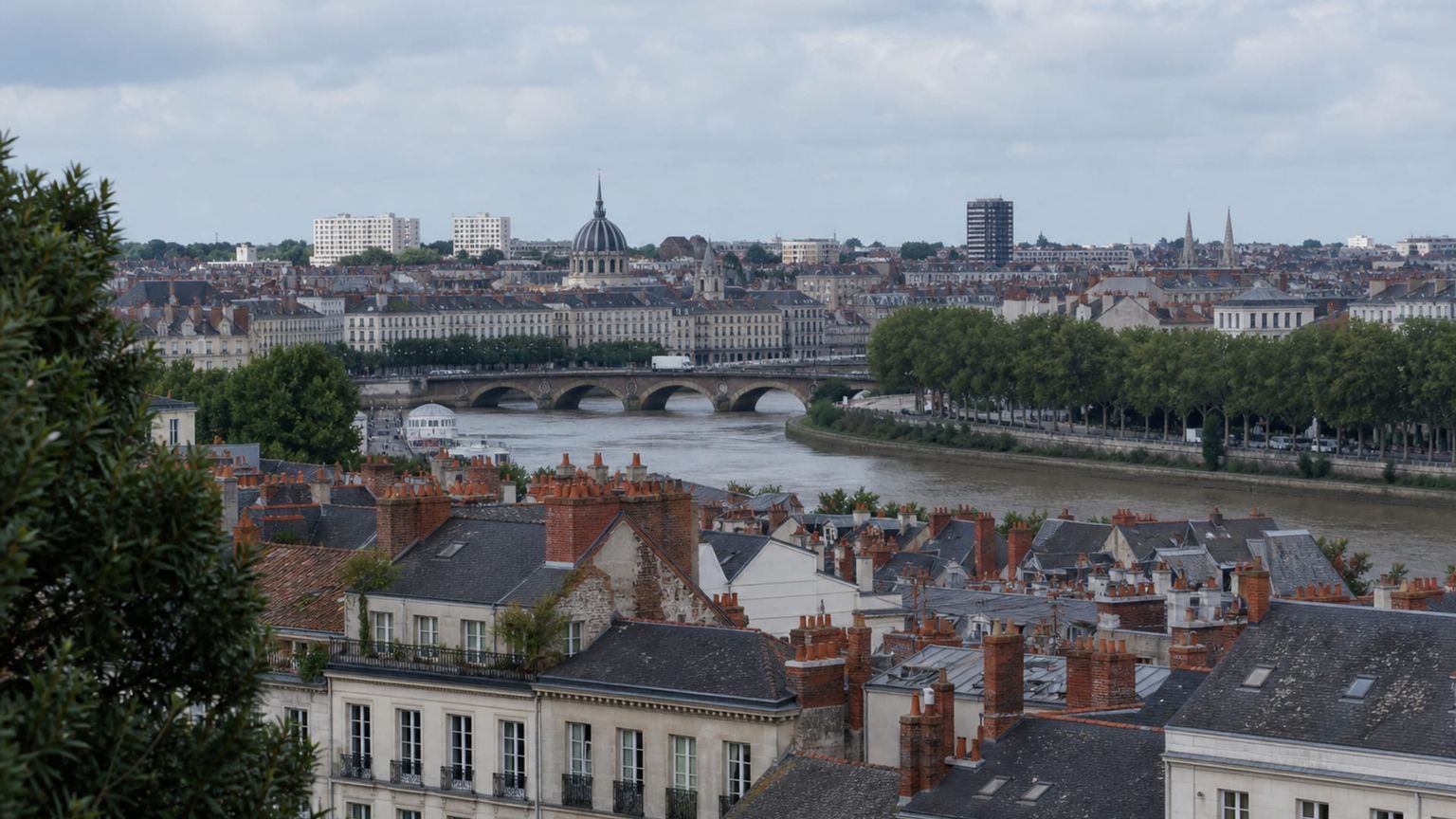
Nantes has a local food tradition shaped by Loire fish, butter-rich sauces, biscuits, and sweets. Beurre blanc, Petit-Beurre, gâteau nantais, and berlingots are among its best-known specialties.
Petit-Beurre
Petit-Beurre is a crisp butter biscuit created in Nantes in 1886 by Lefèvre-Utile (LU), with its scalloped rectangular shape still closely tied to the city. La Friande sells genuine LU Petit-Beurre alongside other Nantes specialties.
Beurre blanc
Beurre blanc is a warm sauce made by whisking butter into a reduction of shallots, vinegar, and often white wine, traditionally served with fish. Bateaux Nantais serves hake with seaweed beurre blanc on its dining cruises in Nantes.
Berlingots nantais
Berlingots nantais are small hard sugar candies traditionally flavored with fruit, mint, or other aromas and made in Nantes since the 19th century. Debotté sells house-made berlingots at its Nantes confectionery alongside chocolates and other sweets.
Gâteau nantais
Gâteau nantais is a soft almond cake soaked with rum and finished with a white rum glaze, a style now strongly associated with Nantes. Pâtisserie Visonneau makes a traditional version described as an almond cake soaked and glazed with rum.
Best time to visit Nantes
Nantes has mild weather year-round, but late spring and summer bring longer, drier days, while rain becomes more frequent from October.
Best for: Garden visits, river walks, outdoor cafés, and long days across the center
What you get: Average highs rise from 56°F (14°C) in March to 67°F (20°C) in May, with roughly 9 to 10 rainy days a month and increasing sunshine.
Trade-offs: Showers remain common through spring, and March mornings can still feel cool during longer walks
Best for: Outdoor dining, riverfront walks, festivals, and long evenings across the city
What you get: Average highs reach 73°F–78°F (23°C–25°C), while July and August are the driest months and bring more than 220 hours of sunshine on average.
Trade-offs: Summer events bring more activity to central Nantes, and occasional hot spells can make midday walks tiring.
Best for: Museums, markets, September walks, and indoor stops as rainfall increases
What you get: Average highs fall from 72°F (22°C) in September to 55°F (13°C) in November, while rain becomes much more frequent in late autumn.
Trade-offs: October and November are much wetter than September, and daylight shortens quickly through the season.
Best for: Museums, covered arcades, cafés, indoor sightseeing, and shorter city walks
What you get: Average highs stay near 49°F–51°F (9°C–11°C), with roughly 11 to 14 rainy days a month and far less sunshine than in spring or summer.
Trade-offs: Frequent rain and short winter days leave less time for gardens, riverside walks, and other outdoor stops.
A realistic 5-day plan in Nantes
Five days let you see Nantes without crossing the city back and forth. Group the historic center into nearby stops, devote a full day to Île de Nantes, and schedule Talensac and the Jules Verne museum between Wednesday and Sunday, when both are open.
Once you reach Nantes Atlantique Airport (NTE), take the €10 ($11) airport shuttle or a taxi into the center. After checking in, keep the first afternoon close to your hotel with a walk through Place Royale, the streets around Graslin, and the Loire-facing end of Rue de la Fosse. Stop for dinner nearby rather than adding another journey across town, then finish with a short evening walk through the center if you still have the energy.
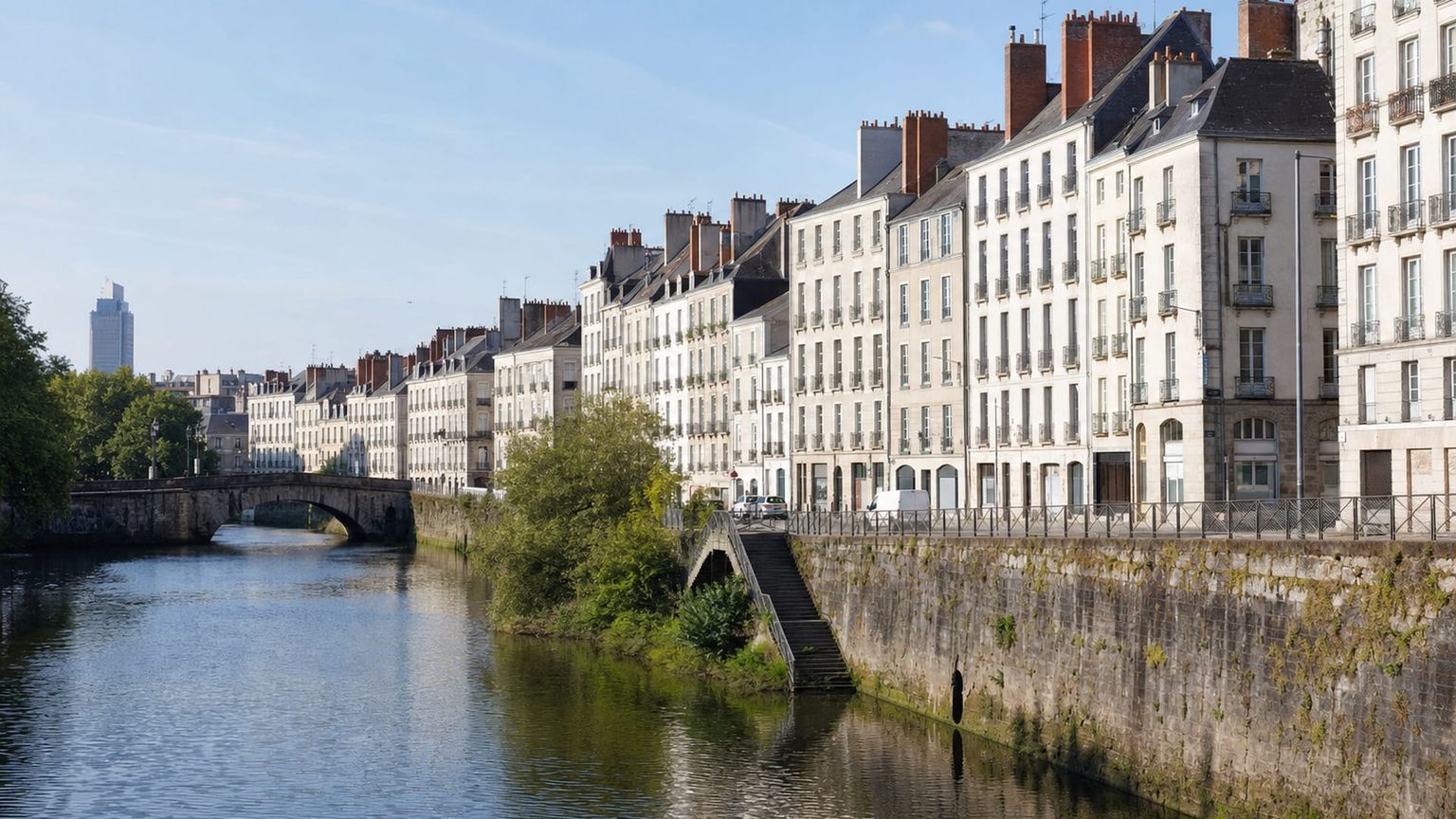
Begin the sightseeing with the Château des Ducs de Bretagne, leaving enough time for the history museum, courtyard, and ramparts. The cathedral is only a short walk away and reopened partially in 2025, so continue there before lunch in Bouffay. In the afternoon, head west through the center to Passage Pommeraye, where the three-level arcade, monumental staircase, statues, and glass roof provide a very different view of Nantes before dinner nearby.
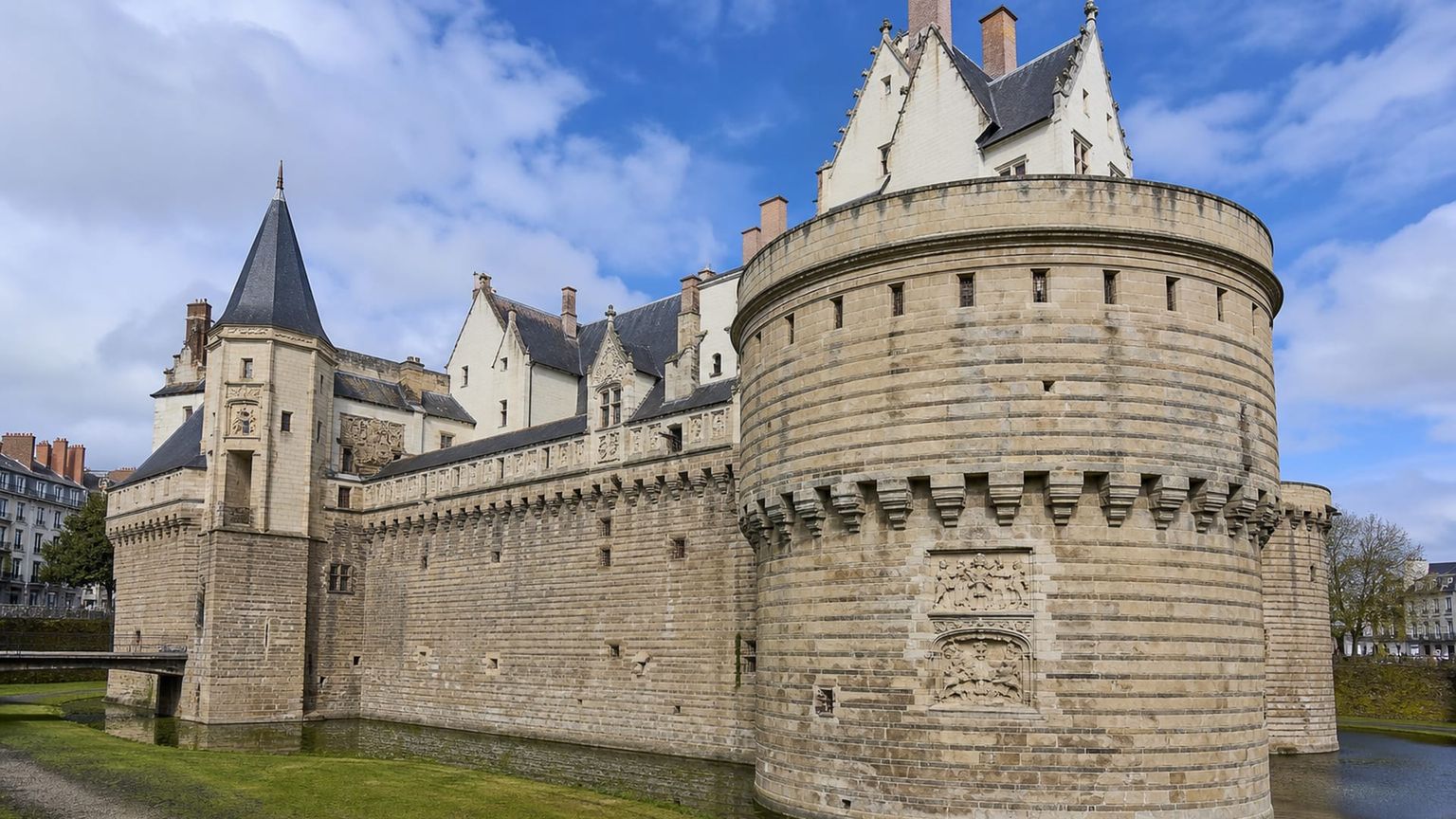
Head to Île de Nantes for Les Machines de l’Île, where the Galerie des Machines and the Grand Elephant introduce the city’s industrial past through large working mechanical creations. Book an Elephant ride if it is operating on your dates, then have lunch nearby. In the afternoon, walk west along Quai des Antilles toward Hangar à Bananes and the riverside art installations, with wide views across the Loire before returning to the center for dinner.

A morning at Marché de Talensac is worth planning before lunch, when the covered hall is full of produce, cheese, seafood, pastries, and local shoppers. From there, walk to Île de Versailles for the Japanese-style garden and a quiet loop beside the Erdre. After lunch, continue west to the Musée Jules Verne for books, manuscripts, models, and illustrations, then finish at nearby Butte Sainte-Anne for views across the Loire before dinner.
Keep the final morning around Graslin and the nearby shopping streets, with time for Place Graslin, Rue Crébillon, and a last café before you collect your bags. Have lunch in the center if your flight leaves later in the day, then take the airport shuttle or a taxi to Nantes Atlantique Airport (NTE). The shuttle runs every 20 to 30 minutes depending on the season, so check the departure time before leaving your hotel and avoid squeezing in another distant stop.
Business-class flights from the US to Nantes
Nantes (NTE) has no nonstop flights from the US; all flights to this destination from major US hubs require one stop in a European hub.
New York (JFK) to Nantes (NTE)
From New York (JFK), Royal Air Maroc connects to Nantes (NTE) through Casablanca (CMN), Air France through Paris (CDG), KLM through Amsterdam (AMS), and Iberia through Madrid (MAD). Total journey times range from about 10 hours to 15.5 hours, with round-trip business-class fares typically between $3,600 and $10,500.
Los Angeles (LAX) to Nantes (NTE)
From Los Angeles (LAX), the one-stop options are similar to those from JFK: Royal Air Maroc via Casablanca (CMN), Air France via Paris (CDG), KLM via Amsterdam (AMS), and Iberia via Madrid (MAD). Journey times range from about 14 to 23 hours. Round-trip business-class fares on this route range from $4,400 to $11,400.
Enjoy Nantes at your own pace
Nantes has enough variety to fill several days without needing a packed schedule. Group nearby sights, leave a full day for Île de Nantes, and save time for the markets, museums, cafés, and riverfront in between. A little structure helps you see more without turning the trip into a checklist. When your dates are set, AranGrant travel advisors can help you compare business-class flights to Nantes (NTE) and find a hotel that suits your plans.