

Chapters:

Need help with your trip?
Our support team is available 24/7. Request a callback or call us directly at (833) 619-0908
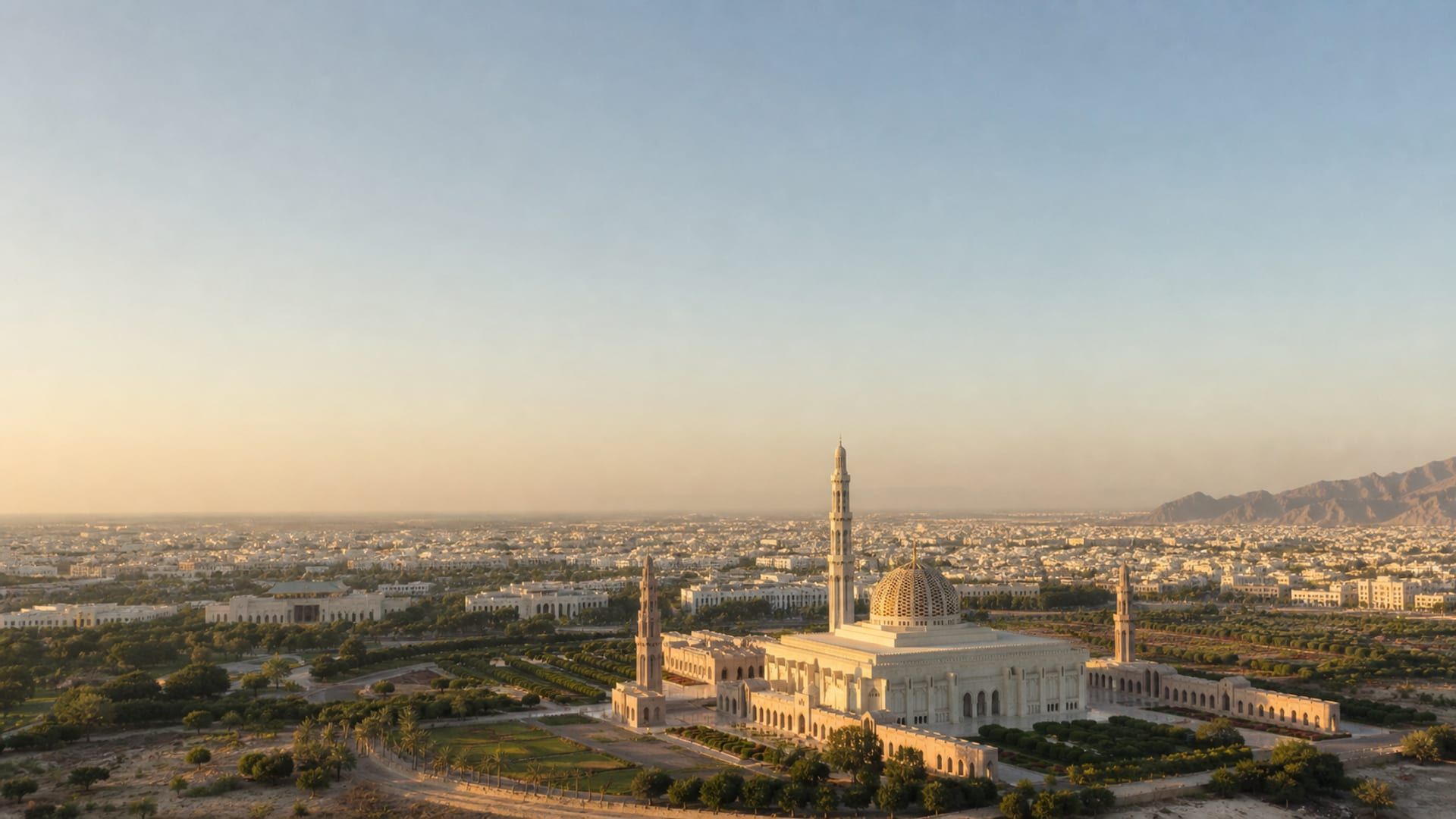
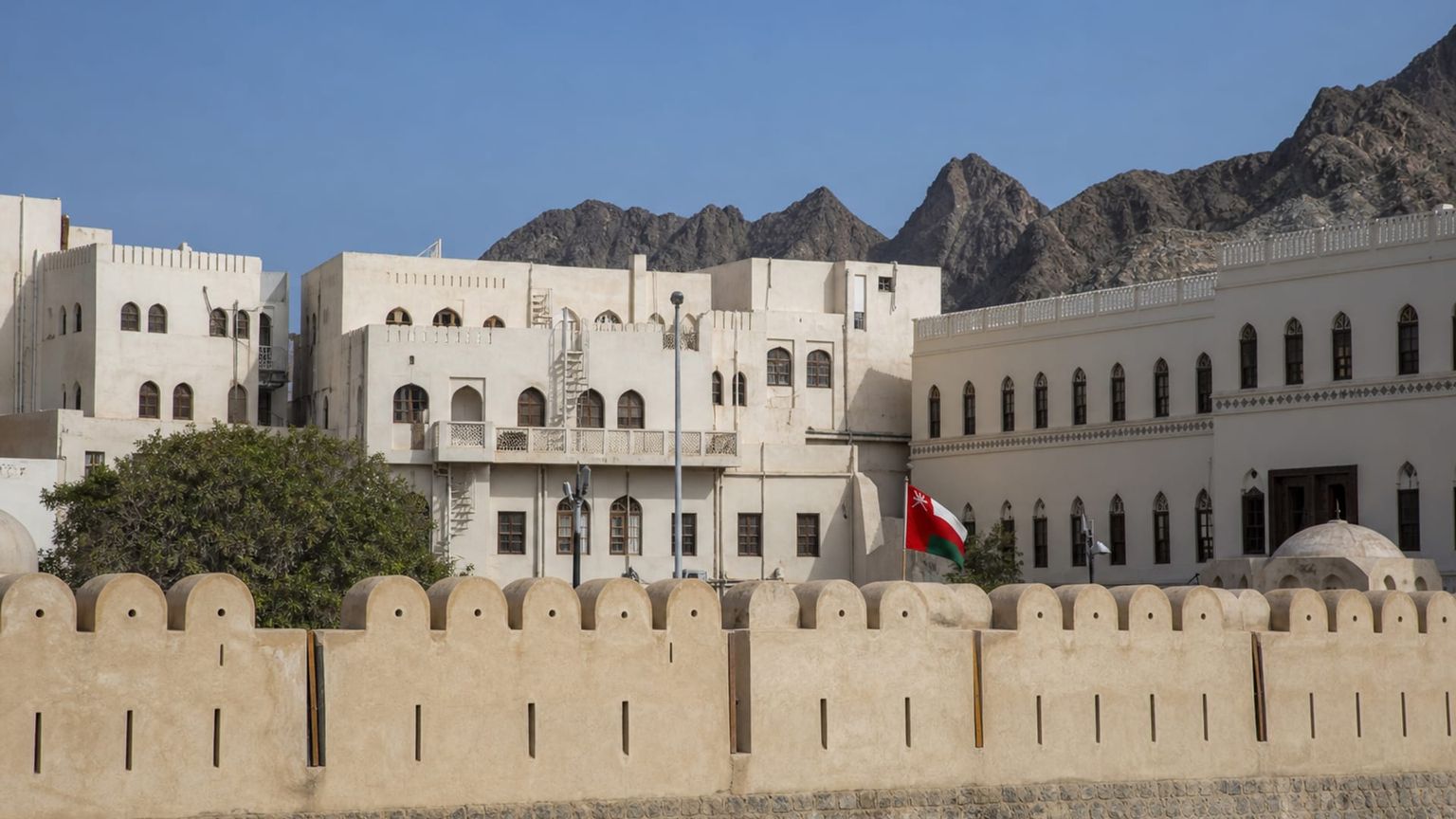
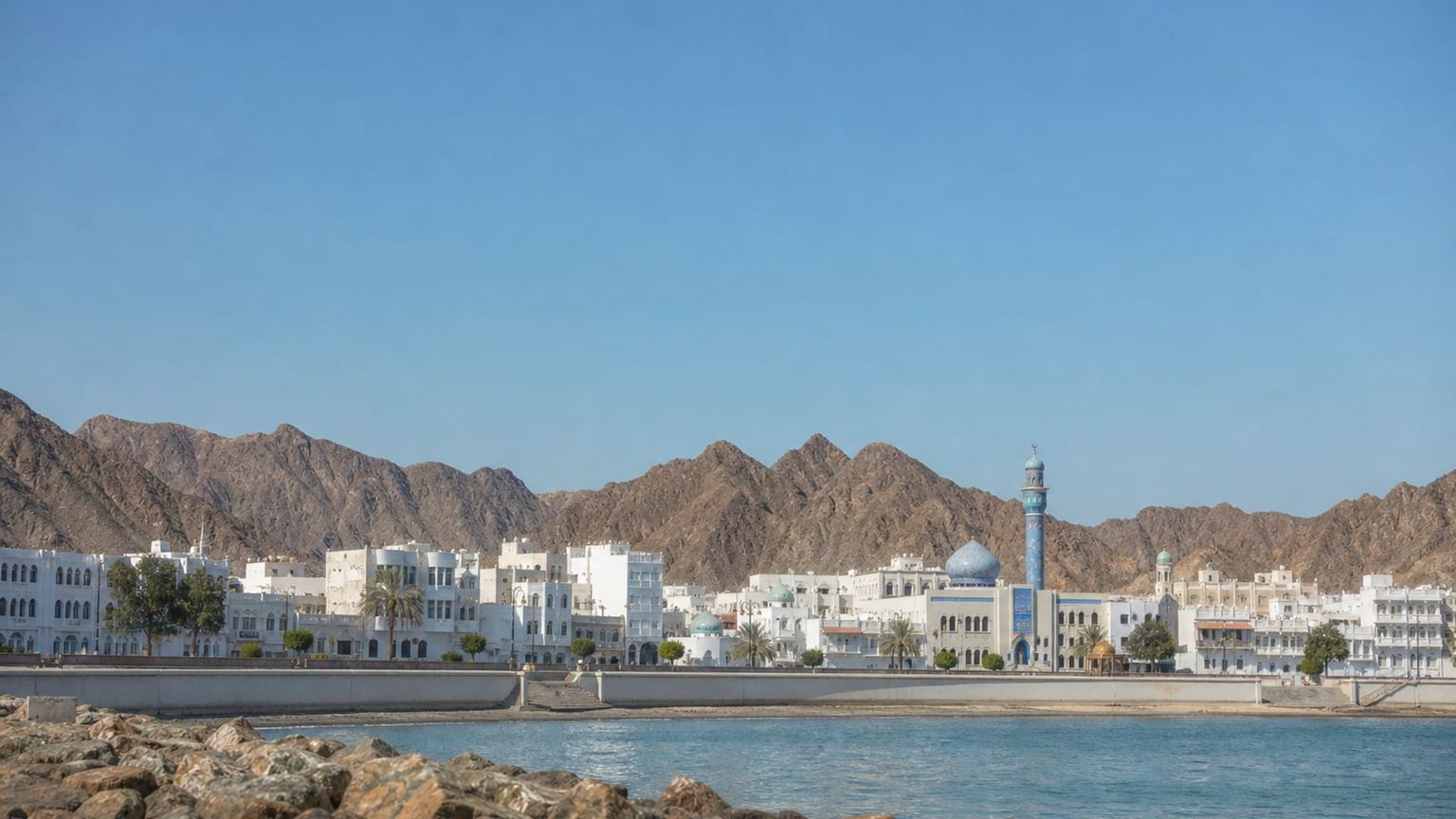
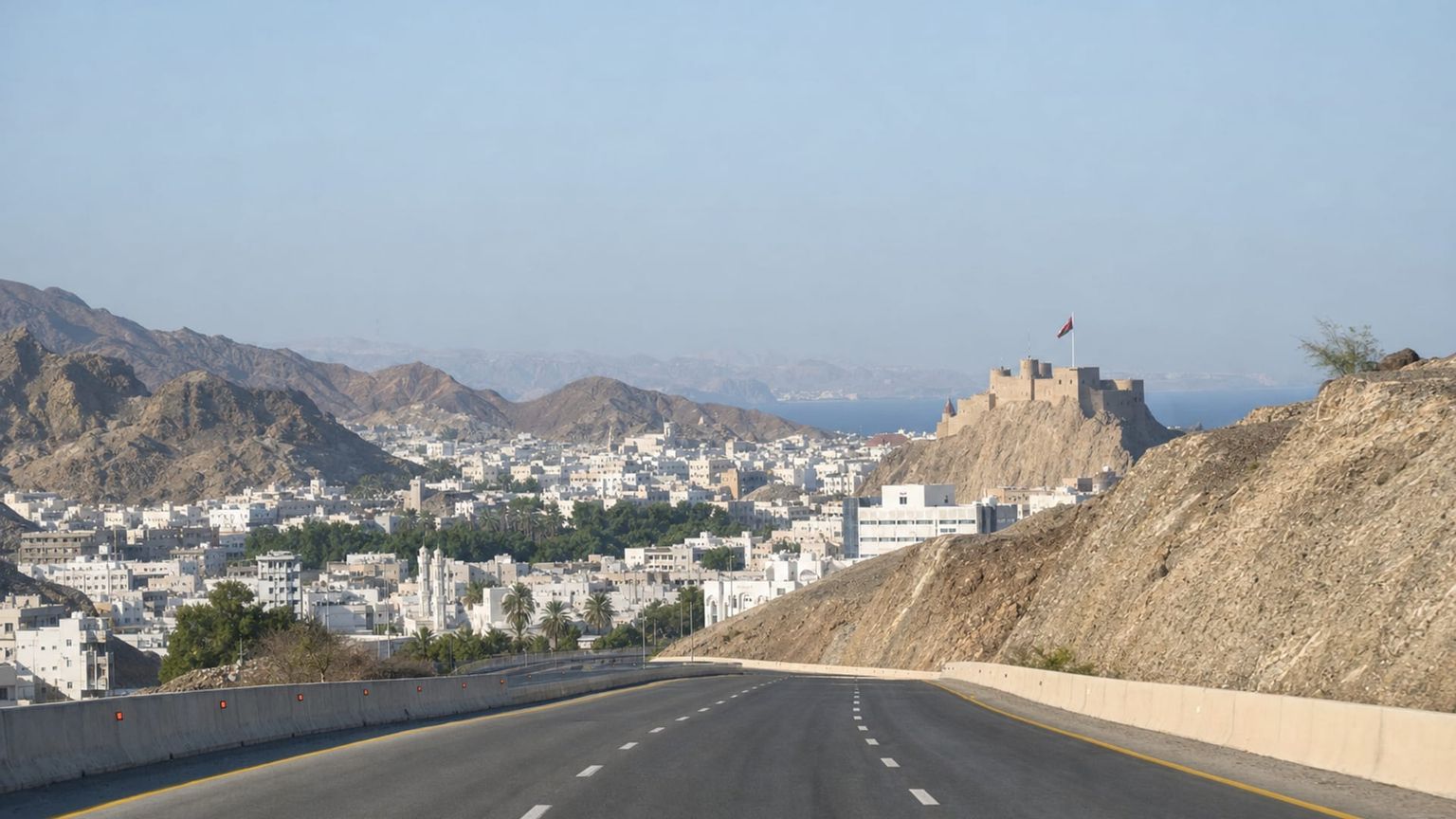
Muscat reveals itself in striking contrasts: the whitewashed harbor houses of Mutrah, the gleaming marble of the Sultan Qaboos Grand Mosque, and the beachside hotels of Qurum and Shatti Al Qurum. These districts stretch across the city, making taxis more practical than walking between major sights.
The city also follows its own rhythm. Business travelers may stay in Ruwi or Al Khuwair, while evenings draw visitors toward the waterfront, restaurants, and the opera house. Friday prayer can affect midday opening hours, so timing your day carefully helps avoid interruptions.
This five-day itinerary groups sights by district, pairing places that naturally fit together and reducing unnecessary backtracking. The result is a more relaxed way to experience Muscat’s mosques, markets, coastline, and evening atmosphere.
Useful things to know

Main language(s): Arabic
marhaban (mar-ha-ban) – Hello
min fadlik (min fad-lik) – Please
shukran (shook-ran) – Thank you
hal تتحدث الإنجليزية؟ (hal tatahaddath al-injleeziyya?) – Do you speak English?
bikam hatha؟ (bi-kam hatha?) – How much does it cost?

Currency: Omani rial (OMR, ر.ع.)

Cash and cards: Most places accept cards and contactless payments; carry OMR 10 to OMR 20 ($26 to $52) in cash for taxis and small vendors.

Tipping: Tipping is not expected, although rounding up the bill or leaving 5% for good service is appreciated.

Traditional food: Shuwa, majboos, harees, mashuai

Water and coffee costs: A small bottle of water costs OMR 0.20 (US$0.52), and a bar espresso costs OMR 1.50 (US$3.90) at a typical Muscat cafe.

Taxis and ride apps: OTaxi and Marhaba operate here; confirm the fare before you start.

Plug and voltage: Type G socket, 240V

Dining and shop opening hours: Breakfast is served from 7:00 am to 10:00 am, lunch from 12:30 pm to 3:00 pm, and dinner from 7:30 pm to 10:30 pm. Many restaurants close at midday on Fridays for prayer and reopen later in the day.

Emergency number: 9999 for police, ambulance, and fire
Where to stay in Muscat
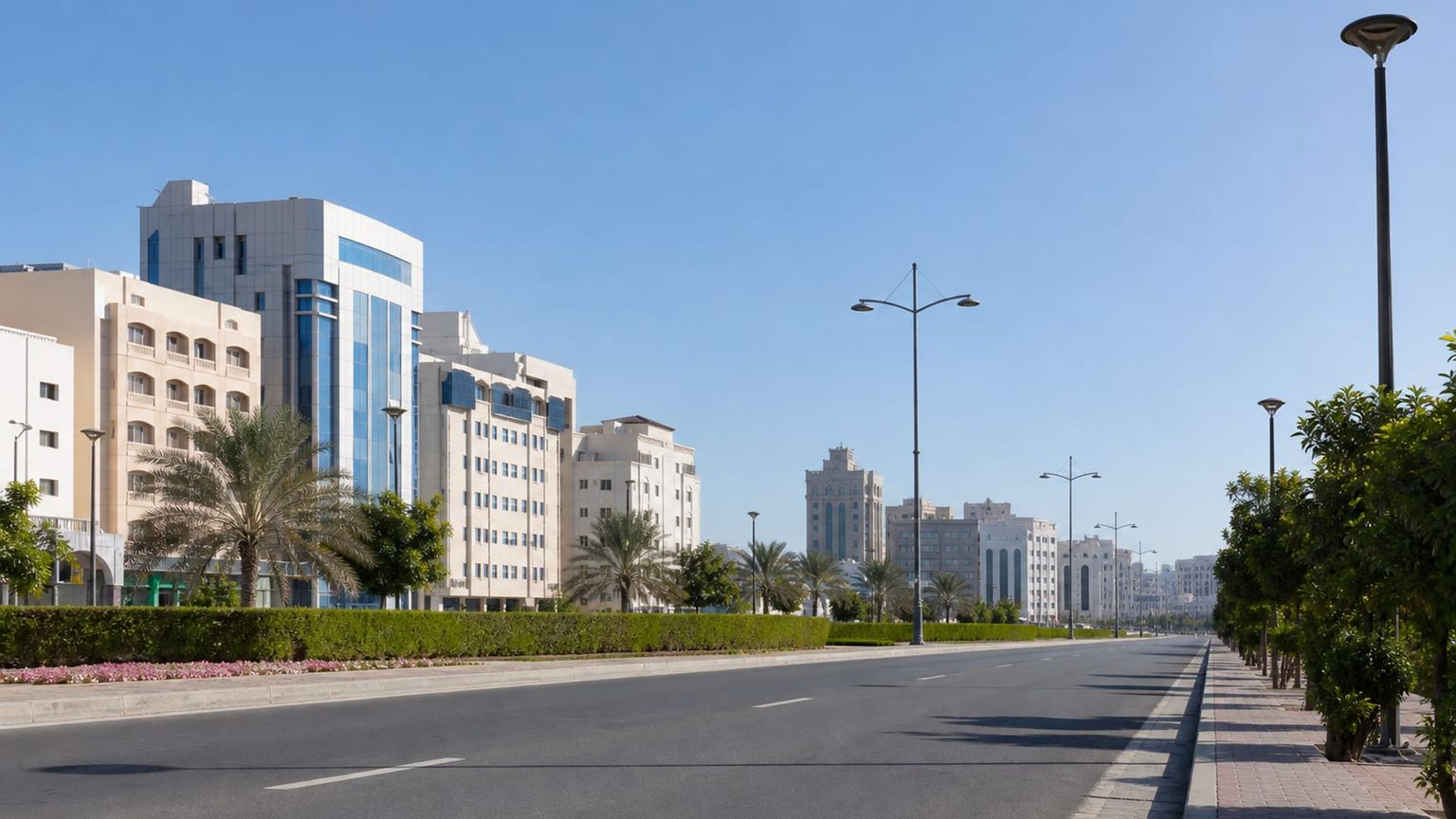
Al Khuwair stretches along Sultan Qaboos Street west of Ruwi, mixing embassies, government ministries, malls, and apartment blocks with a dense strip of restaurants and midrange hotels. It draws business travelers and anyone who wants many dining options within a short drive of downtown.
Best for: Dining, business trips, and travelers who want a central location with easy road connections
What to expect: Busy main roads, frequent traffic, and a steady flow of residents, office workers, and hotel guests
Hotel prices: Well-rated hotels cost OMR 27 to OMR 69 ($70 to $180) per night.
Distance to major sights: 15 to 20 minutes by car to Mutrah Souq and the Corniche
Quietness: Quieter at night on side streets, although main roads stay active into the evening
Main trade-off: You get easy road access and a wide choice of restaurants, but the district has no beach or waterfront view.
Good to know: Choose a hotel on a side street if you want less noise, since rooms facing Sultan Qaboos Street pick up evening traffic sounds.
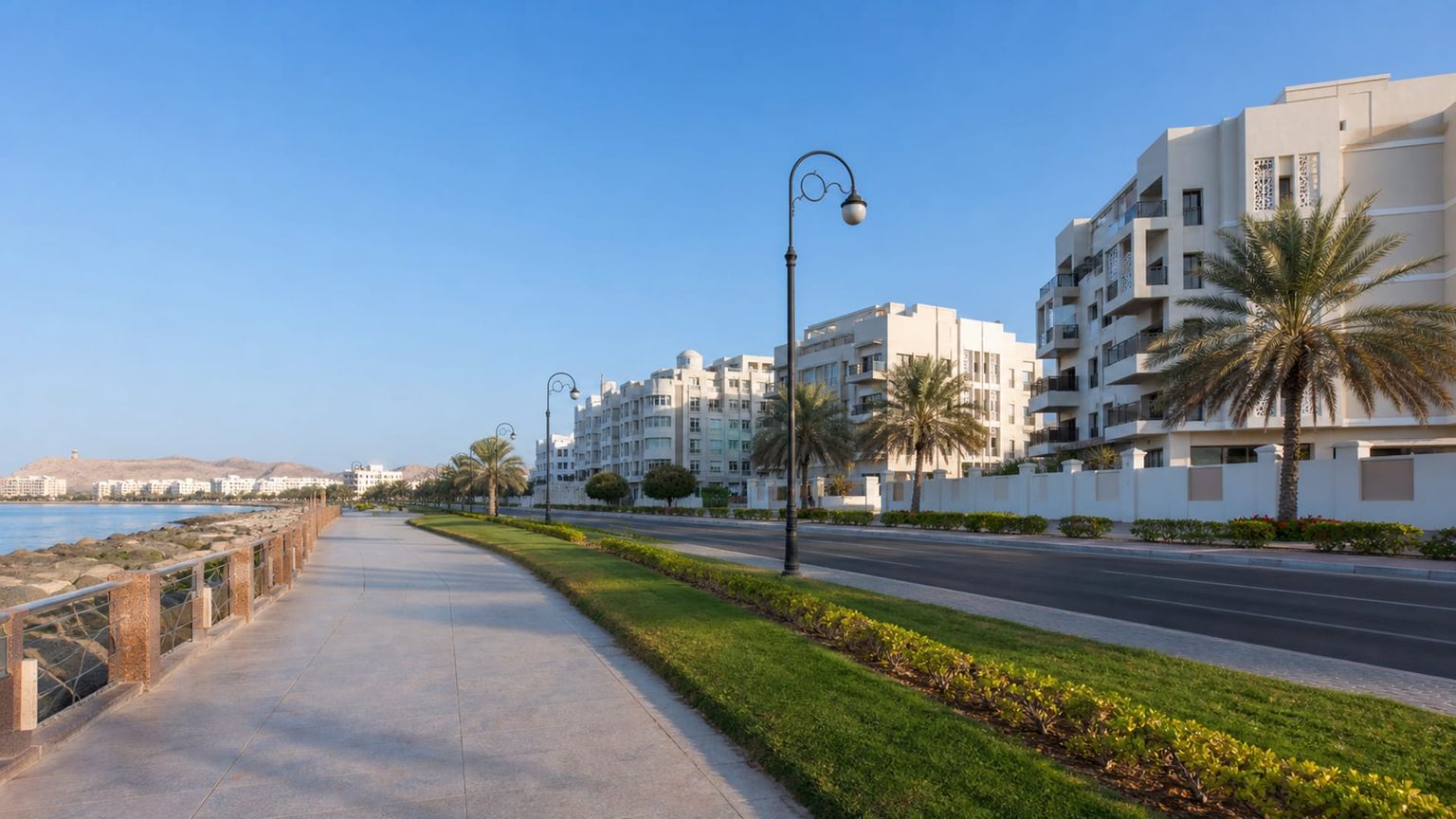
Shatti Al Qurum is Muscat’s beachside stretch of hotels, cafes, and embassies along the coast, home to the InterContinental, W Muscat, and Grand Hyatt. It gives visitors an easy seaside stay with direct beach access and a short drive to the Royal Opera House, Mutrah Souq, and other city sights.
Best for: Seaside stays, resort-style hotels, and travelers who want beaches near central Muscat
What to expect: Wide roads, polished hotel frontage, and a steady but not dense evening dining scene near the waterfront
Hotel prices: Well-rated hotels cost OMR 46 to OMR 115 ($120 to $300) per night.
Distance to major sights: 10 to 15 minutes by car to the Royal Opera House and 20 to 25 minutes to Mutrah Souq
Quietness: Calmer than downtown by day, with some evening activity near hotels and cafes
Main trade-off: Rates are higher than in inland districts, and you will still need a car or taxi for most sightseeing.
Good to know: Beach access is good here, but major attractions are too far to reach on foot, so plan to rely on taxis for most errands.
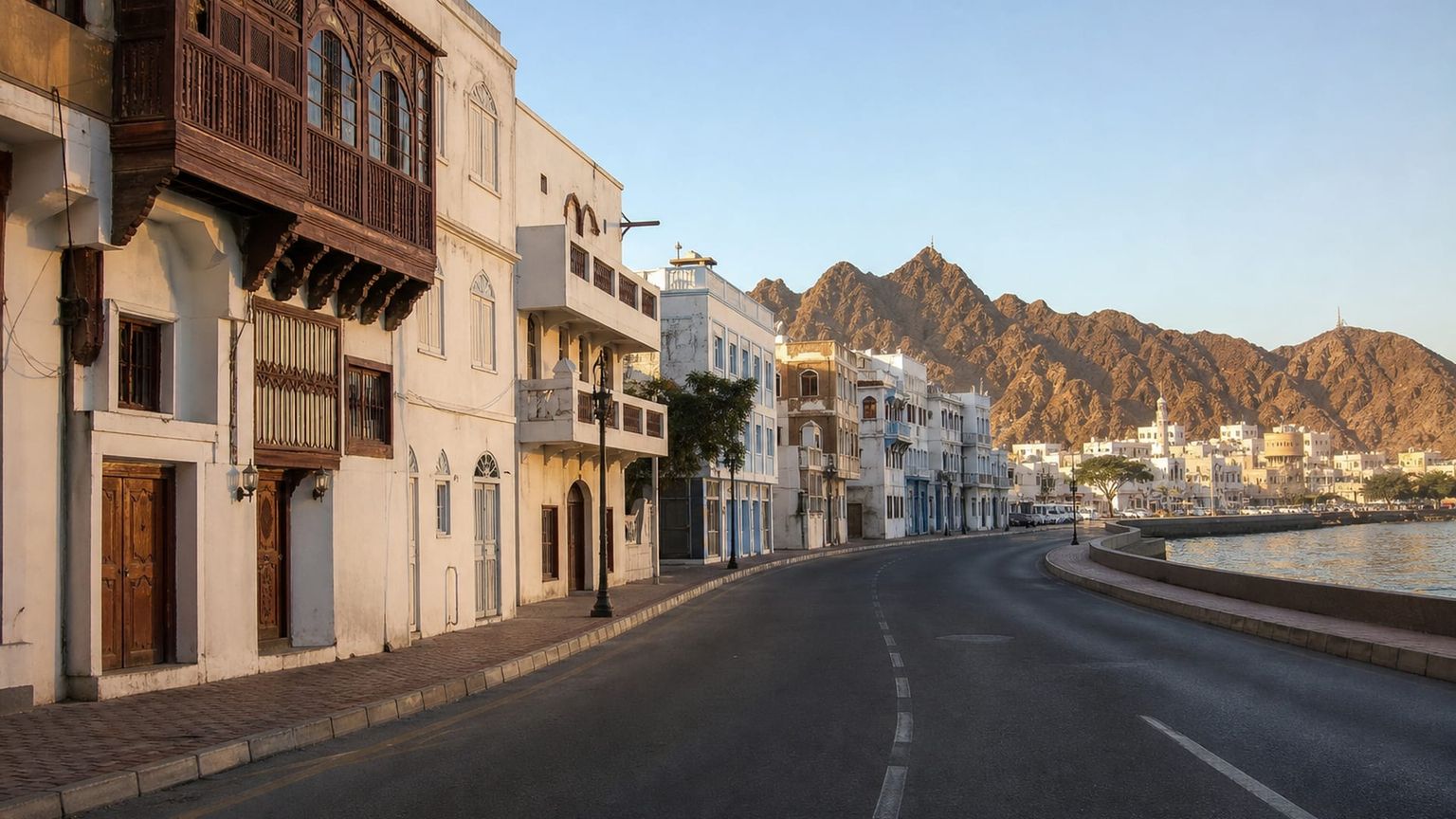
Mutrah is Muscat’s historic harbor district, where the Corniche, Mutrah Souq, old forts, and the fish market are within walking distance of most hotels. It gives travelers the city’s most atmospheric, walkable core, close to the working port, though the hotel stock is older and there’s no beach.
Best for: First-time sightseeing, harbor walks, and travelers who want historic atmosphere
What to expect: Busy daytime streets, waterfront promenades, and a lively stream of shoppers, taxi traffic, and evening walkers
Hotel prices: Well-rated hotels cost OMR 23 to OMR 62 ($60 to $160) per night.
Distance to major sights: 5 to 15 minutes on foot to Mutrah Souq and the Corniche; 20 to 30 minutes by car to the Royal Opera House
Quietness: Active through the day and early evening, then much quieter late at night
Main trade-off: You gain the easiest access to the souq and Corniche, but lodging choices are narrower, and some streets are hilly.
Good to know: If you plan early mornings or late dinners, confirm hotel parking or taxi access, because the old streets can slow curbside pick-ups.
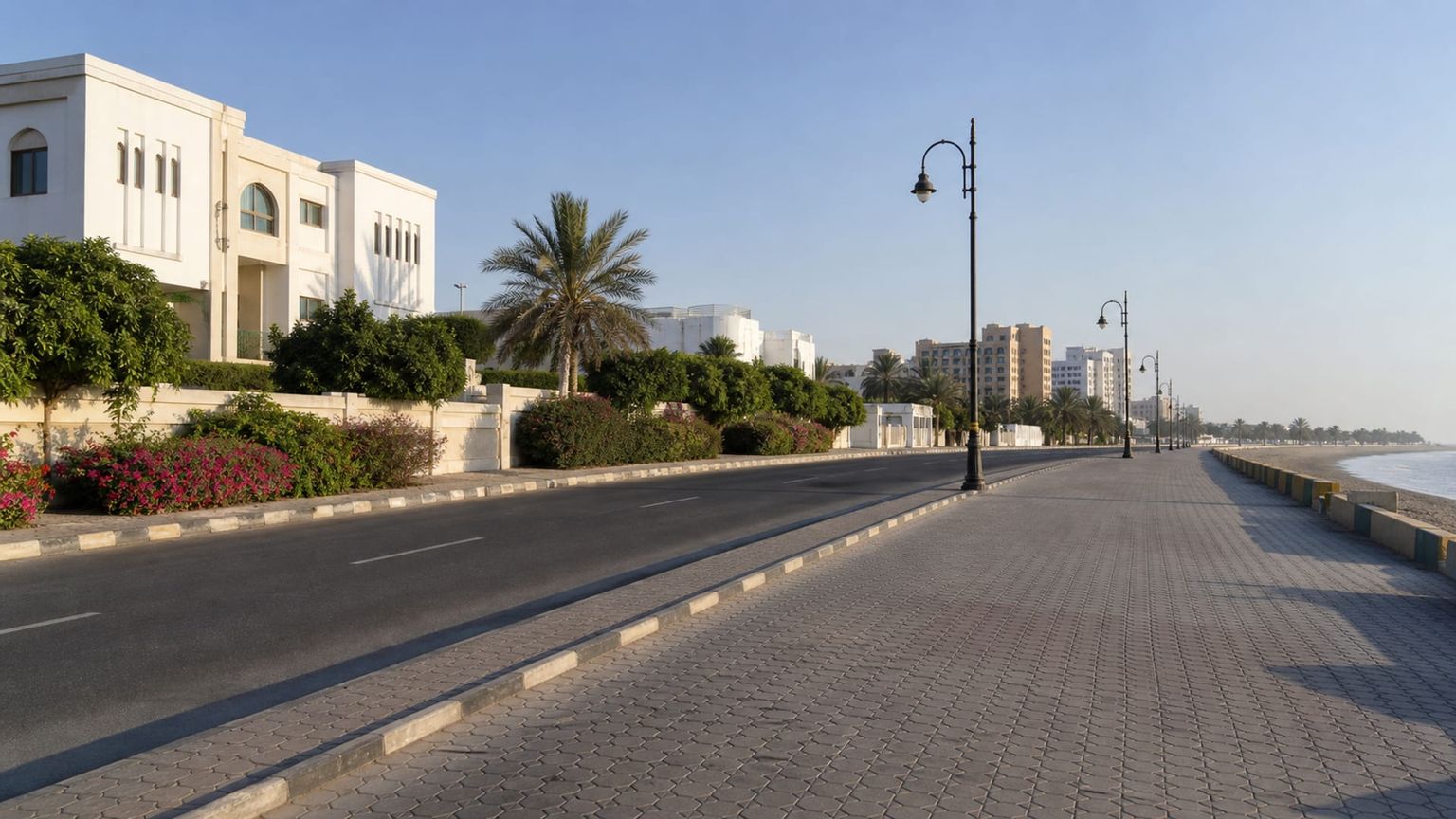
Qurum is a large residential and commercial district east of Al Khuwair, filled with malls, cafes, parks, and embassies. It gives visitors a practical location with a wide choice of hotels, positioned between the mosque and opera house inland and the beach hotels of Shatti Al Qurum on the coast.
Best for: Families, longer stays, shopping, and travelers who want room to move between city areas
What to expect: Active main roads, neighborhood cafes, and a local daytime pace that quiets somewhat after dinner
Hotel prices: Well-rated hotels cost OMR 31 to OMR 85 ($80 to $220) per night.
Distance to major sights: 10 to 15 minutes by car to the Royal Opera House and 20 to 25 minutes to Mutrah Souq
Quietness: Busiest during the day near malls and offices, quieter in the late evening on residential streets
Main trade-off: You will be close to many daily conveniences, but the district is spread out, so short trips often require a car.
Good to know: Pick a hotel near Qurum Beach or the main mall area if you want to reduce taxi use, because the district covers a wide area.
For leisure stays, skip Ruwi, which is business-focused and inland, and Seeb, which is near the airport and far from Mutrah and Old Muscat. Al Khuwair and Ghubra are also far from the historic core. Shatti Al Qurum is the district’s main beach area.
Hotel deals
Getting around Muscat
Muscat has no metro or tram, so buses, taxis, and ride apps handle most trips, with routes linking the airport to the city’s main districts.

Public bus
Mwasalat) (for budget travel to and from the airport
Mwasalat’s Route A1 connects the airport to Ruwi Bus Station in the city center, with fares of OMR 0.5 to OMR 1 ($1.30 to $2.60) and a ride time of 30 to 45 minutes. Buses run every 30 minutes, so check the schedule if you’re on a tight timeline.

Rental car
for day trips and flexibility
Renting a car gives the most flexibility for reaching sights outside central Muscat, such as Bimmah Sinkhole or the mountains. Rates start from OMR 8 ($20) a day, and major international agencies operate desks at Muscat International Airport.

Taxi
for convenience or late hours
Licensed orange-and-white taxis use meters, but airport pickups add a flat fee before the meter starts running. Including that fee, a ride from the airport into central Muscat costs OMR 8 to OMR 12 ($21 to $31), and cross-town trips often cost OMR 2 to OMR 5 ($5 to $13). You can flag one down or book through the OTaxi or Marhaba app to see the fare upfront.
*Prices are based on rates updated as of June 2026 and may change at the time of travel.
Take taxis for direct trips, the bus for a low-cost airport transfer, and a rental car if day trips outside Muscat are on your list.
Iconic places in Muscat
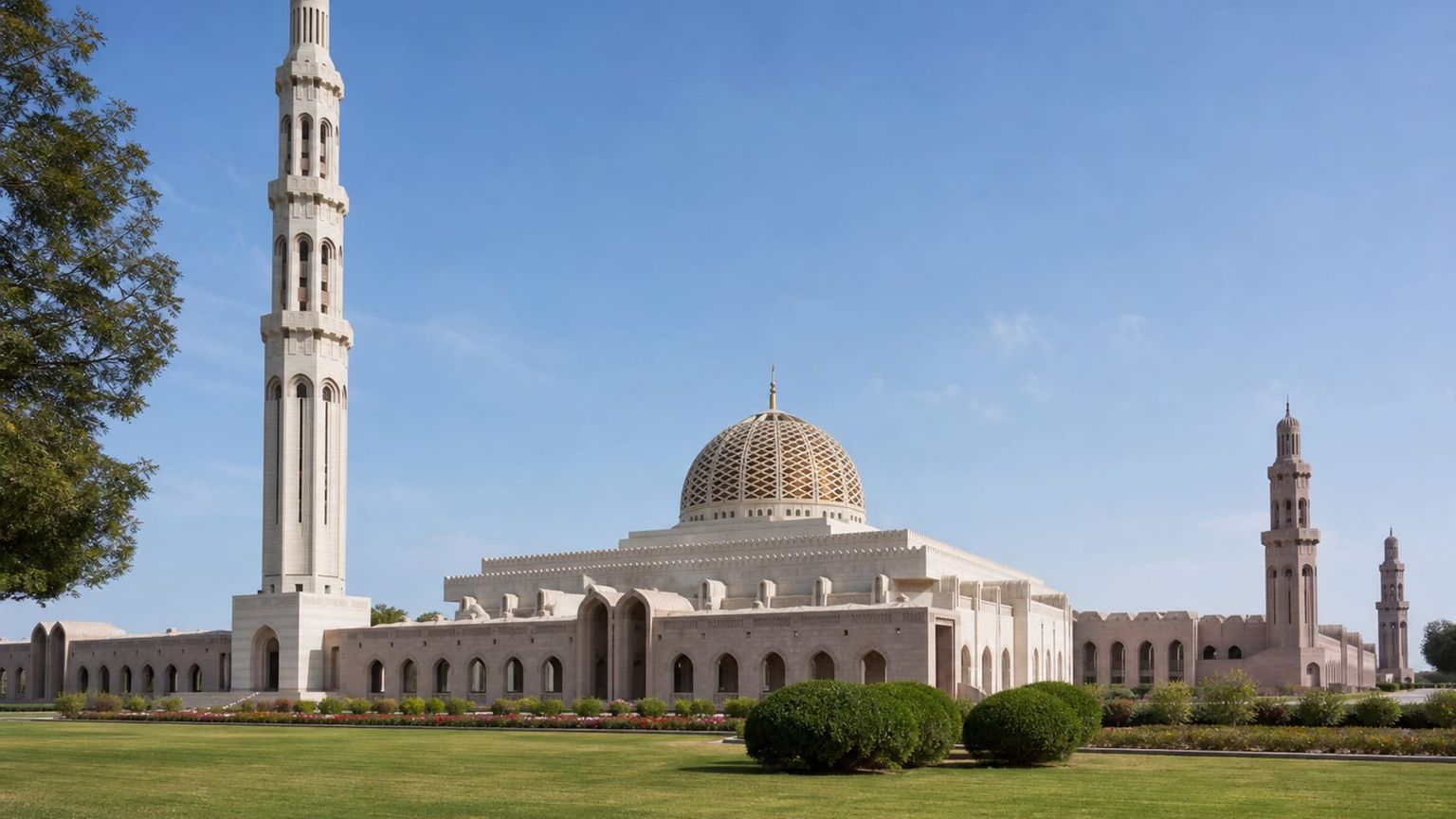
Sultan Qaboos Grand Mosque
Oman’s largest mosque opens its marble courtyards, prayer hall, and handwoven carpet to visitors outside prayer times. The main dome, carved prayer screens, and landscaped grounds make it one of Muscat’s defining landmarks.
Time needed: About 1 to 2 hours
Entry: Free entry for non-Muslims, but only from 8:30 to 11:00 am, Saturday through Thursday. Visit the official site for details
Tip: Visit early morning for cooler temperatures and quieter courtyards before crowds arrive.
Royal Opera House Muscat
This modern opera house anchors Muscat’s cultural district with Omani stonework, carved cedar ceilings, and a concert hall that hosts opera, ballet, and orchestral performances. Guided visits reveal the lobby, auditorium, and music hall.
Time needed: About 1 to 2 hours
Entry: Guided tours cost OMR 2 to OMR 4 ($5 to $10); show tickets range from OMR 5 to OMR 100 ($13 to $260). Visit the official site for details.
Tip: Go in the late morning if you want a tour before evening performance crowds arrive.
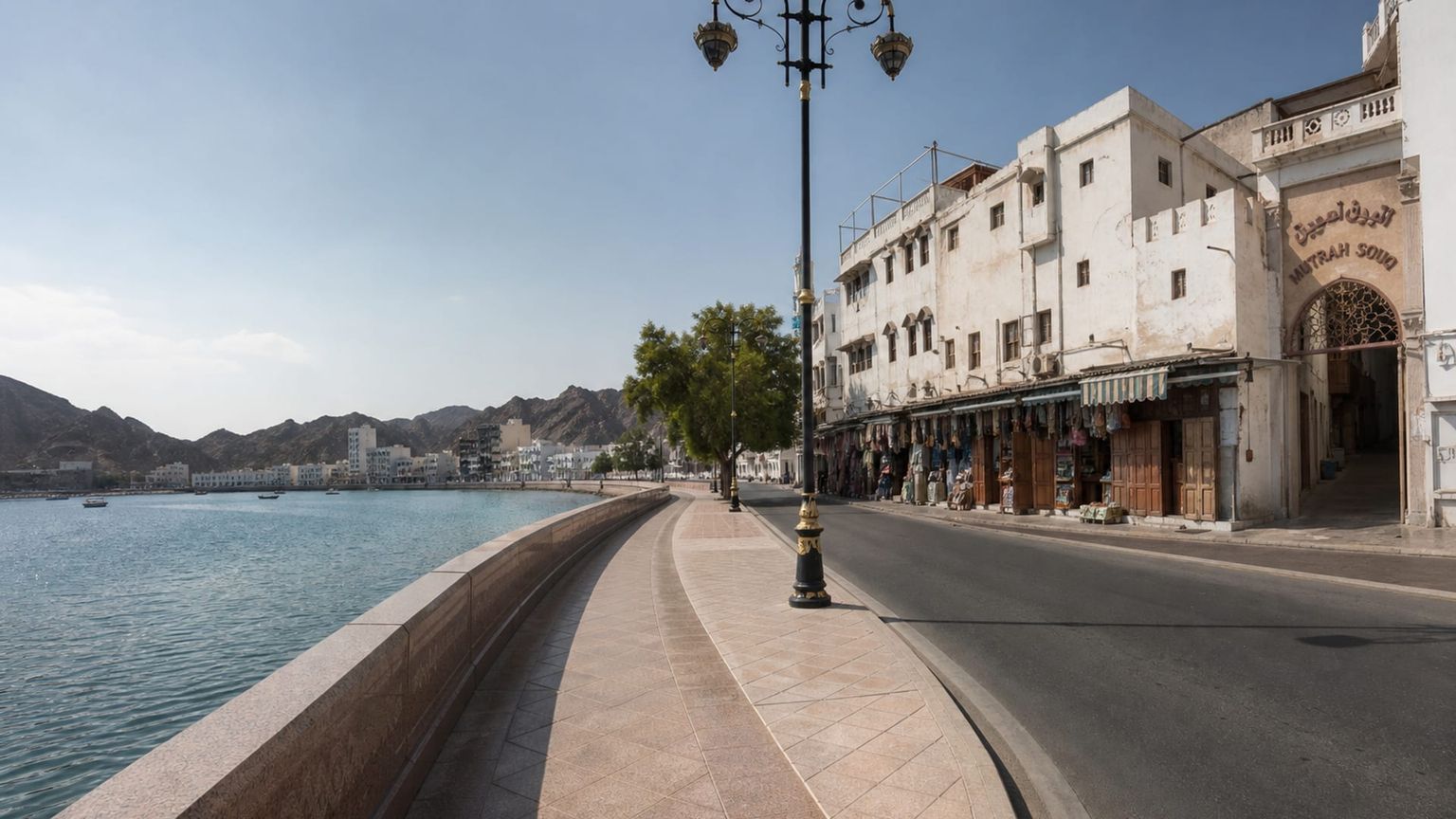
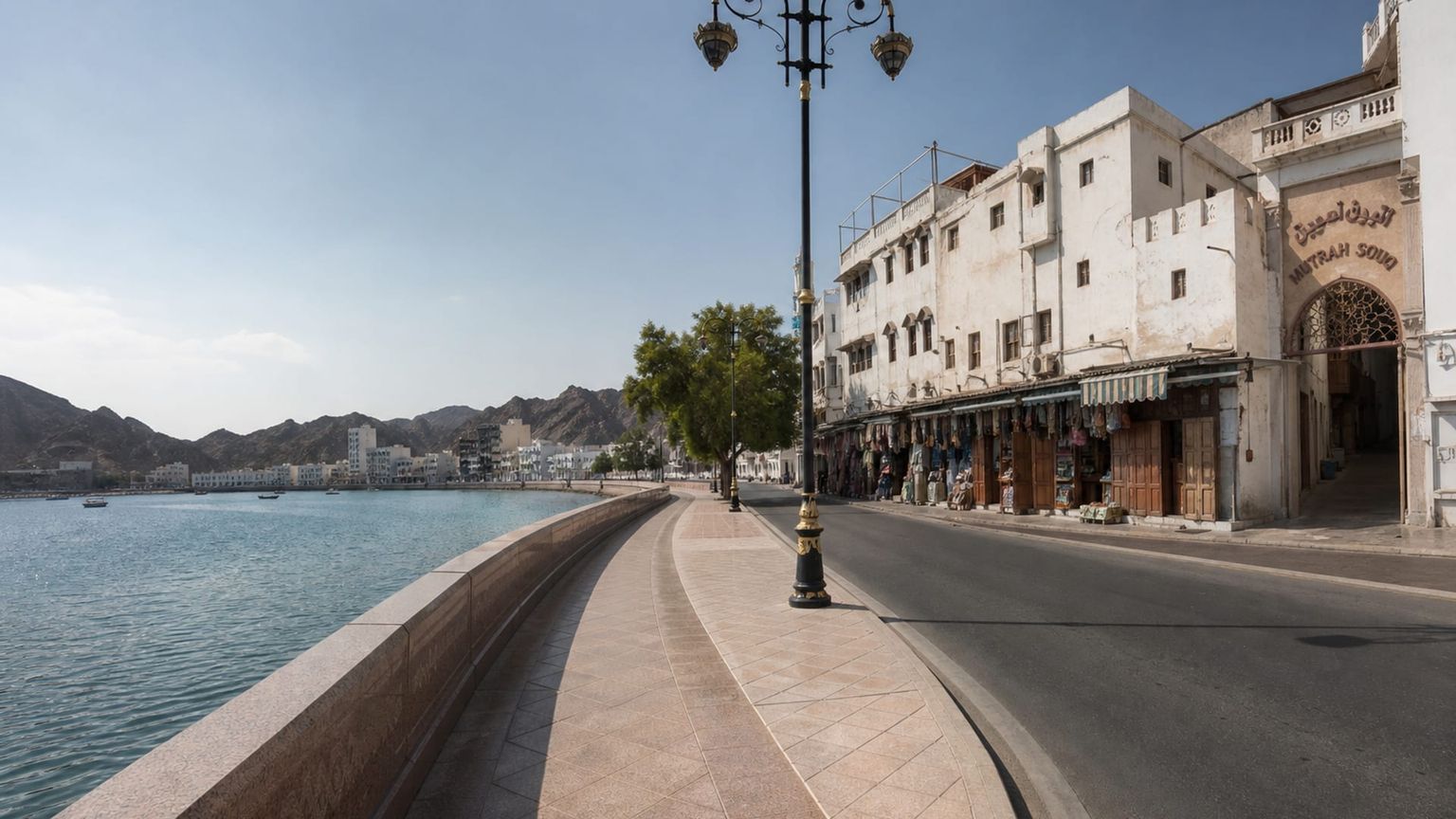
Mutrah Corniche and Mutrah Souq
The waterfront promenade curves past old harbor views, whitewashed buildings, and the fish market, then leads into Mutrah Souq’s lanes of frankincense, silver, textiles, and spices. It is the city’s clearest blend of sea, trade, and everyday life.
Time needed: About 2 to 3 hours
Entry: Free; parking near the Corniche costs OMR 0.4 to OMR 1.2 ($1 to $3).
Tip: Come at sunset, when Corniche light softens and souq lanes are lively.
Overlooked places in Muscat

Qurm Natural Park
This mangrove-fringed park on the Qurm waterfront offers boardwalks, lawns, and birdwatching away from heavy traffic, with paved paths circling a small lake and rose garden.
Time needed: About 1 to 2 hours
Entry: Entry is free, and the park is open daily from 6:00 am to 11:00 pm; no booking is needed.
Tip: Visit early morning for birdwatching, or near sunset for the best light on the lake.

Sultan's Armed Forces Museum
Housed in the 1845 Bait Al Falaj Fort, this compact museum traces Oman’s military history through uniforms, weapons, and maps, with a working falaj model in the grounds.
Time needed: About 45 minutes to 1 hour
Entry: Adults pay OMR 3 ($8), and children under 10 enter free, but all visitors must join an escorted tour. Visit the official site for details.
Tip: Check opening hours before you go, as they can shift seasonally.
What to eat in Muscat
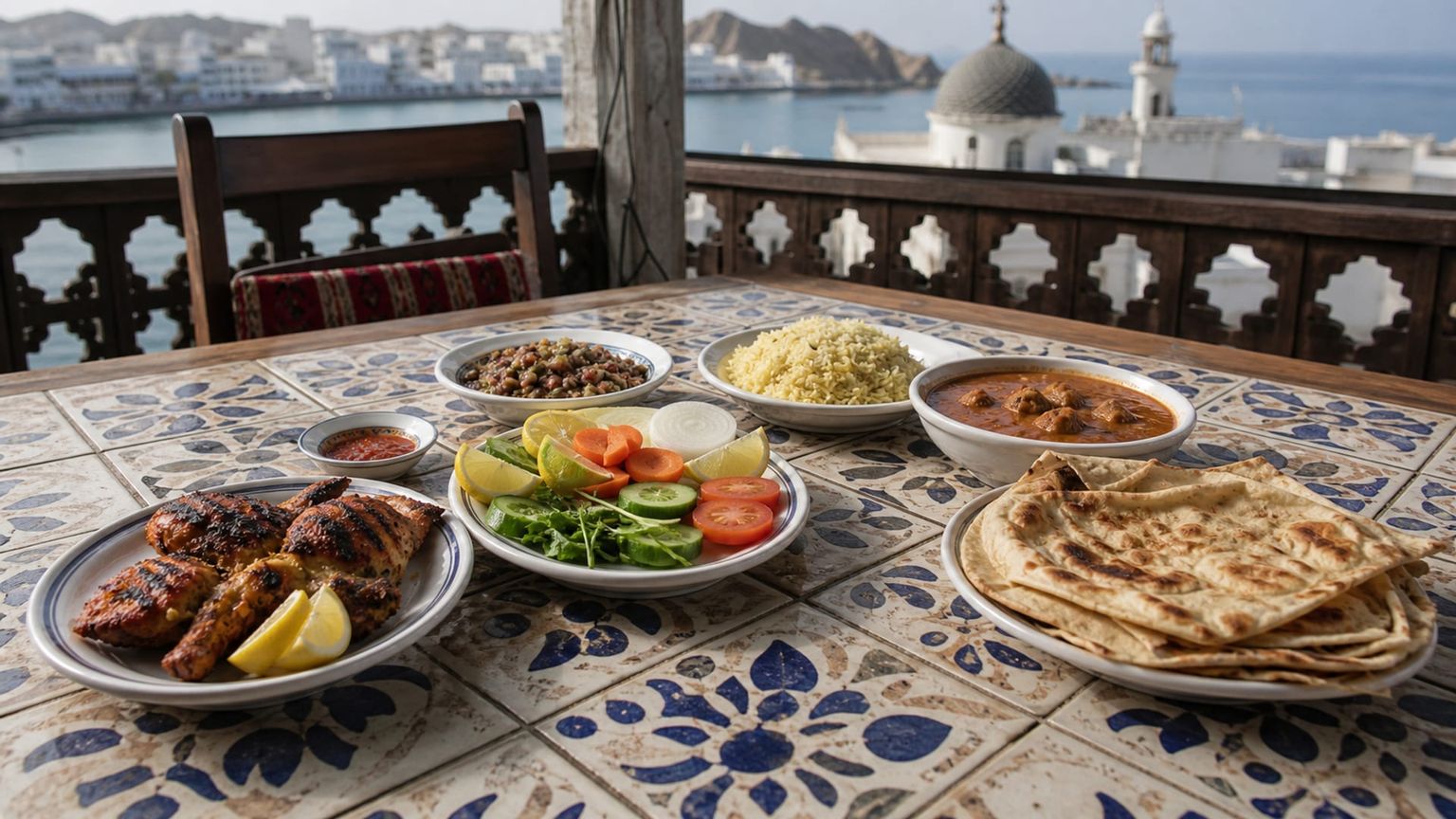
Omani cooking favors rice, lamb, and fresh seafood, slow-cooked or grilled over charcoal, and served on shared plates instead of individual courses.
Shuwa
Shuwa is slow-cooked lamb, marinated in spices and roasted for hours until tender, one of Oman’s defining dishes. Al Angham, inside the Royal Opera House, serves a refined version in an ornate dining room.
Majboos
Majboos layers spiced rice with meat or fish, so the aroma carries much of the appeal. Bait Al Luban in Mutrah serves a well-known version in a harbor setting that suits the dish’s coastal, family-style roots.
Harees
Harees brings cracked wheat and meat together into a soft, substantial dish, often served during cooler months and holidays. Kargeen Caffe in Qurum is a dependable place to try it in a relaxed garden setting.
Mashuai
Mashuai centers on grilled kingfish, usually served with lemon rice, showing how closely Muscat dining tracks the sea. Musandam at the InterContinental Muscat serves it on its weekly Omani Night.
Best time to visit Muscat
Muscat is hot most of the year, but winter offers the most comfortable weather for walking and sightseeing outdoors.
Best for: Mosque visits, Mutrah walks, and outdoor time in the coolest weather
What you get: Temperatures range from 63°F to 82°F (17°C to 28°C), the year’s most comfortable stretch, with the busiest sightseeing weeks and easiest walking conditions.
Trade-offs: Hotel prices rise, and popular sites draw more visitors.
Best for: Balanced days in March that still suit early sightseeing and beach time
What you get: Temperatures range from 73°F to 103°F (23°C to 39°C), climbing quickly through the season, with moderate crowds before summer heat sets in by May.
Trade-offs: Late spring heat arrives quickly, especially away from the coast.
Best for: Lower hotel rates, quieter sights, and mostly indoor-focused itineraries
What you get: Temperatures range from 86°F to 104°F (30°C to 40°C), with high humidity, lighter daytime crowds, and more air-conditioned downtime during heat.
Trade-offs: Midday walking becomes difficult, and outdoor visits need careful timing.
Best for: Comfortable outdoor sightseeing and evening walks along the harbor return
What you get: Temperatures range from 77°F to 97°F (25°C to 36°C), with September still quite hot but conditions steadily improving by late November.
Trade-offs: Heat can still linger into early autumn, especially in September.
A 5-day plan in Muscat
Muscat spreads across distinct corridors, so a five-day visit is easiest planned by area: arrival first, then the mosque and opera house, Mutrah’s historic harbor, a walkable beachfront day, and a light departure day near your hotel.
Land at Muscat Airport (MCT) and take a taxi to Al Khuwair, Qurum, or Shatti Al Qurum, depending on where you’re staying; the ride takes about 25 to 40 minutes and costs OMR 8 to OMR 12 ($21 to $31). After check-in, stay close to your hotel for the evening, drink plenty of water, and choose a simple dinner spot in Al Khuwair or a seaside restaurant in Shatti Al Qurum for an easy first night without crossing town.
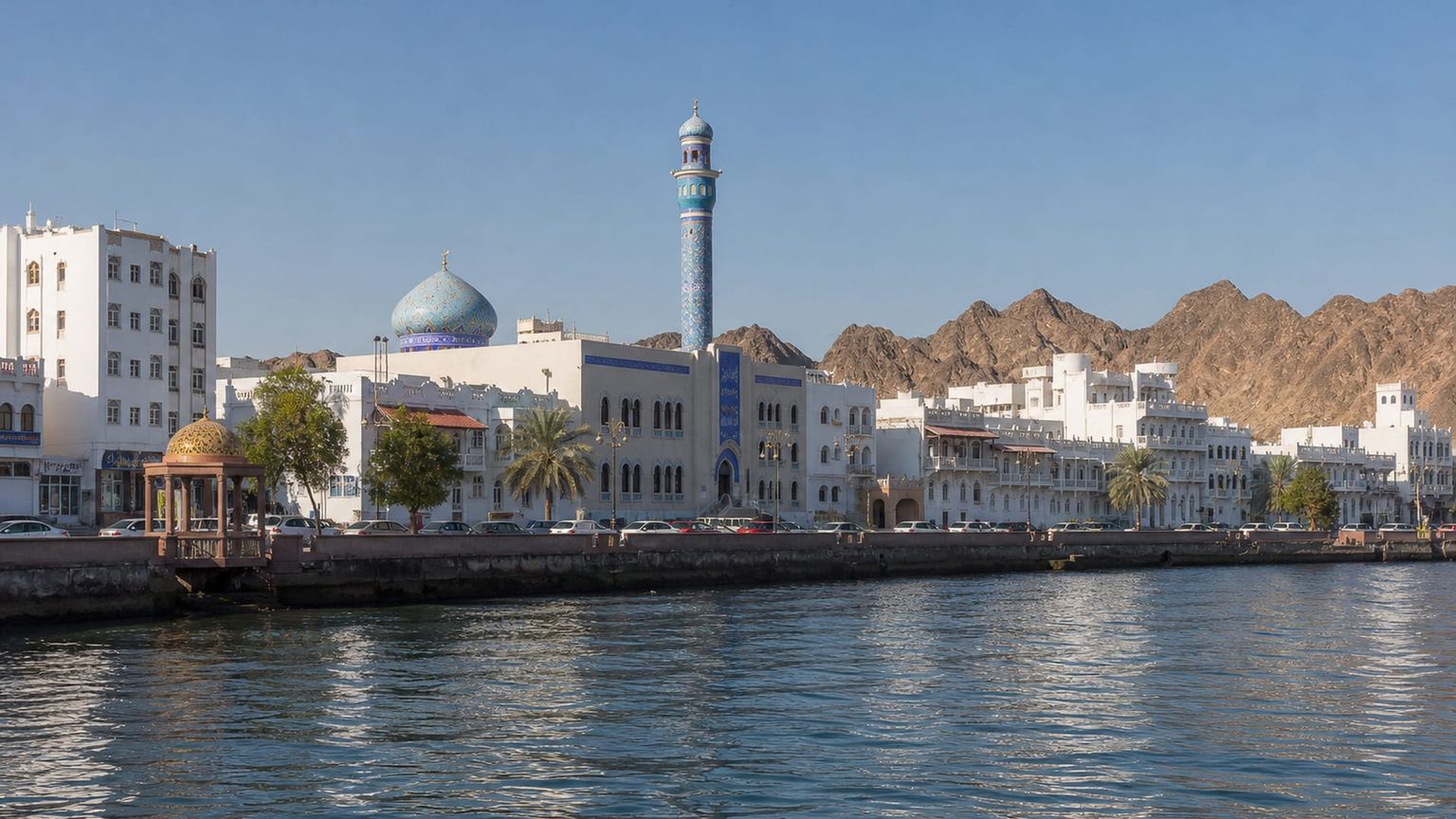
Begin at the Sultan Qaboos Grand Mosque in the early morning, when courtyards are cooler and quieter and non-Muslim visitors are welcome from 8:30 am to 11:00 am. Take a taxi for 5 to 10 minutes to the Royal Opera House Muscat for a guided tour or late-morning stop, then continue 5 to 10 minutes to Qurum Natural Park for a shaded walk along the creek. Finish with dinner in Qurum or Shatti Al Qurum, where the coastal road keeps evening movement simple.
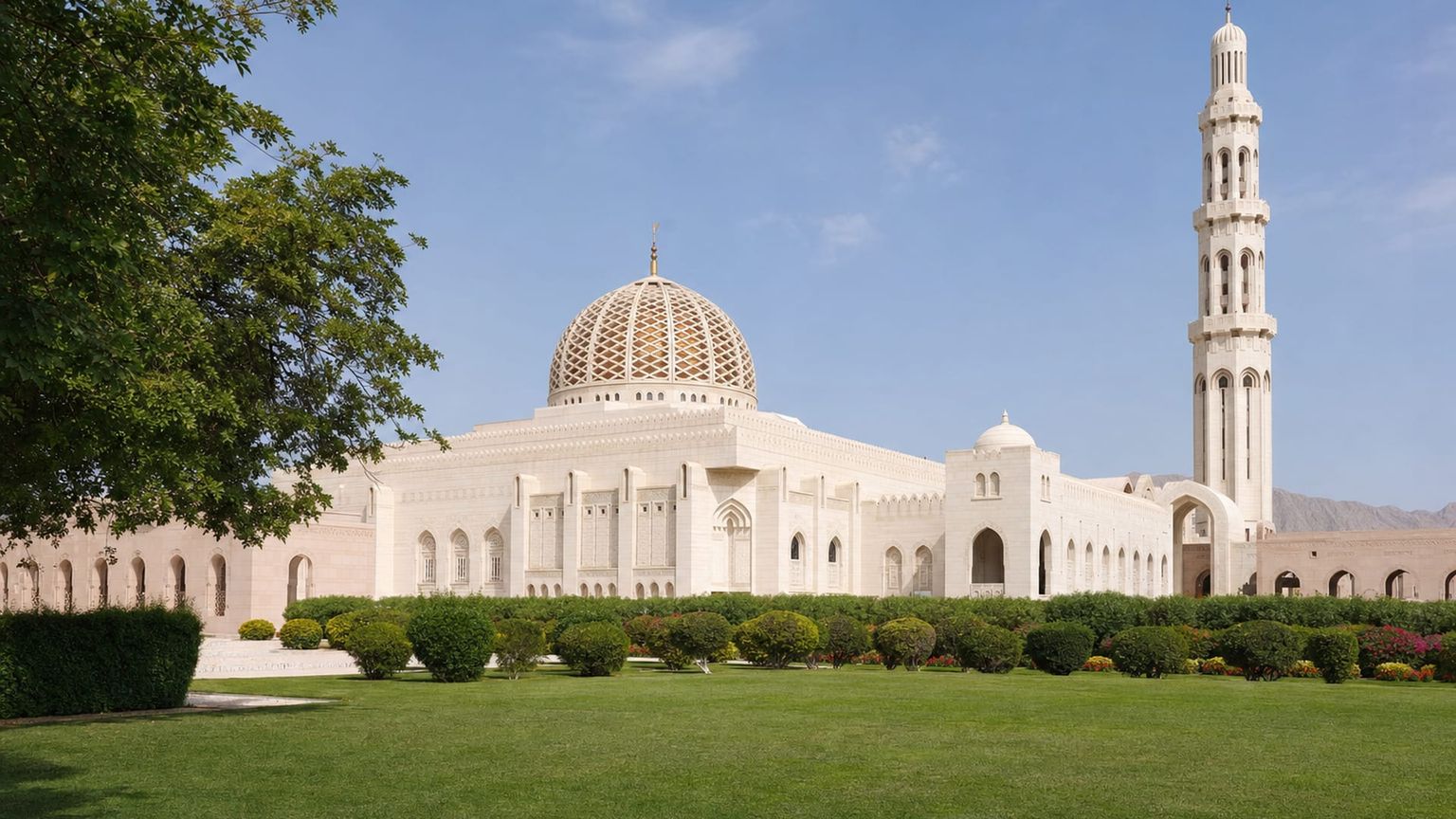
Start in Mutrah, where the Corniche and Mutrah Souq are within walking distance of each other, so you can move from the waterfront to the market lanes on foot. Spend 2 to 3 hours between the promenade, harbor views, and souq, then take a taxi 10 to 15 minutes to the Sultan’s Armed Forces Museum, where visitors must join an escorted tour, for a short afternoon visit before returning to Mutrah for dinner near the waterfront.
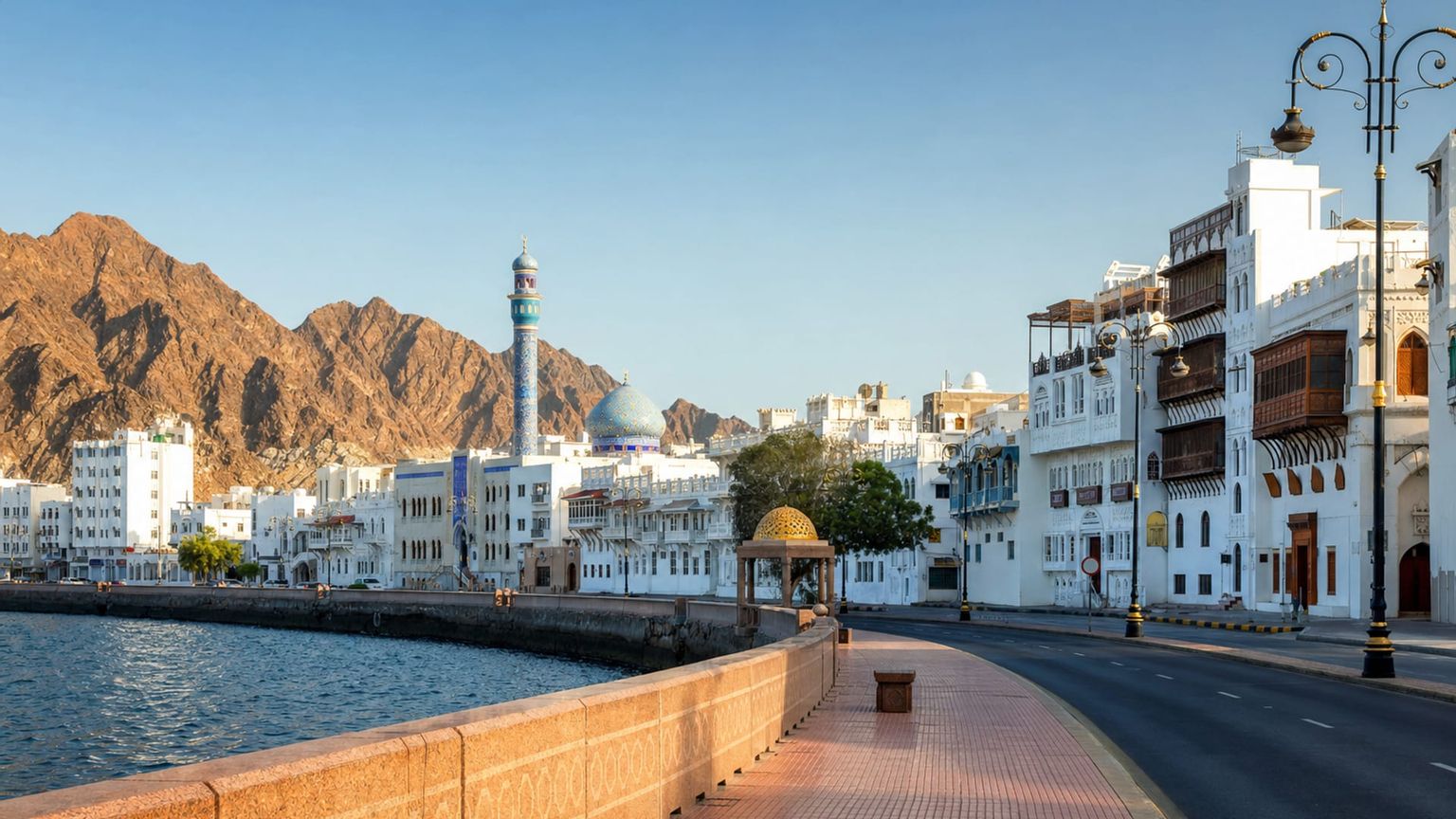
Spend the morning at Qurum Natural Park, walking the boardwalks and creekside paths before the heat builds, then take a taxi 5 to 10 minutes to Shatti Al Qurum for lunch by the beach. In the afternoon, walk the Shatti Al Qurum waterfront past the InterContinental and W Muscat hotels, browsing nearby cafes and the Omani Heritage Gallery. Stay for a seafood dinner overlooking the water as the evening cools.
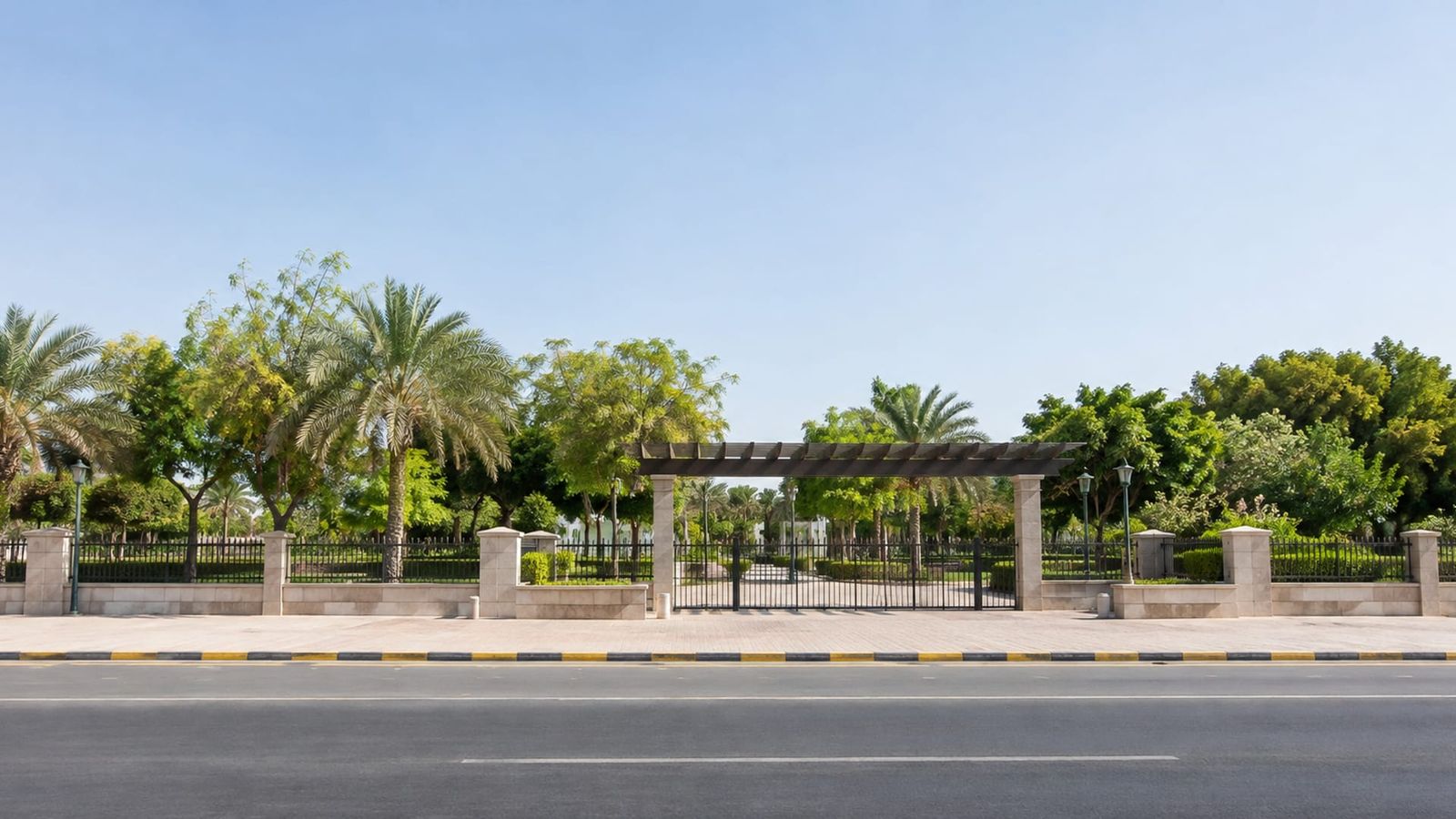
Keep your last day light: browse the Omani Heritage Gallery in Shatti Al Qurum for handwoven textiles and silverware, then relax at Qurum Beach or a beachfront cafe. If your flight leaves later in the day, end with coffee in Qurum, keeping the final hours near your hotel so the taxi transfer to Muscat Airport (MCT) stays simple. simple.
Business-class flights from the US to Muscat
All flights from the US to Muscat require at least one stop, so the carrier and layover city shape your total travel time.
New York (JFK) to Muscat (MCT)
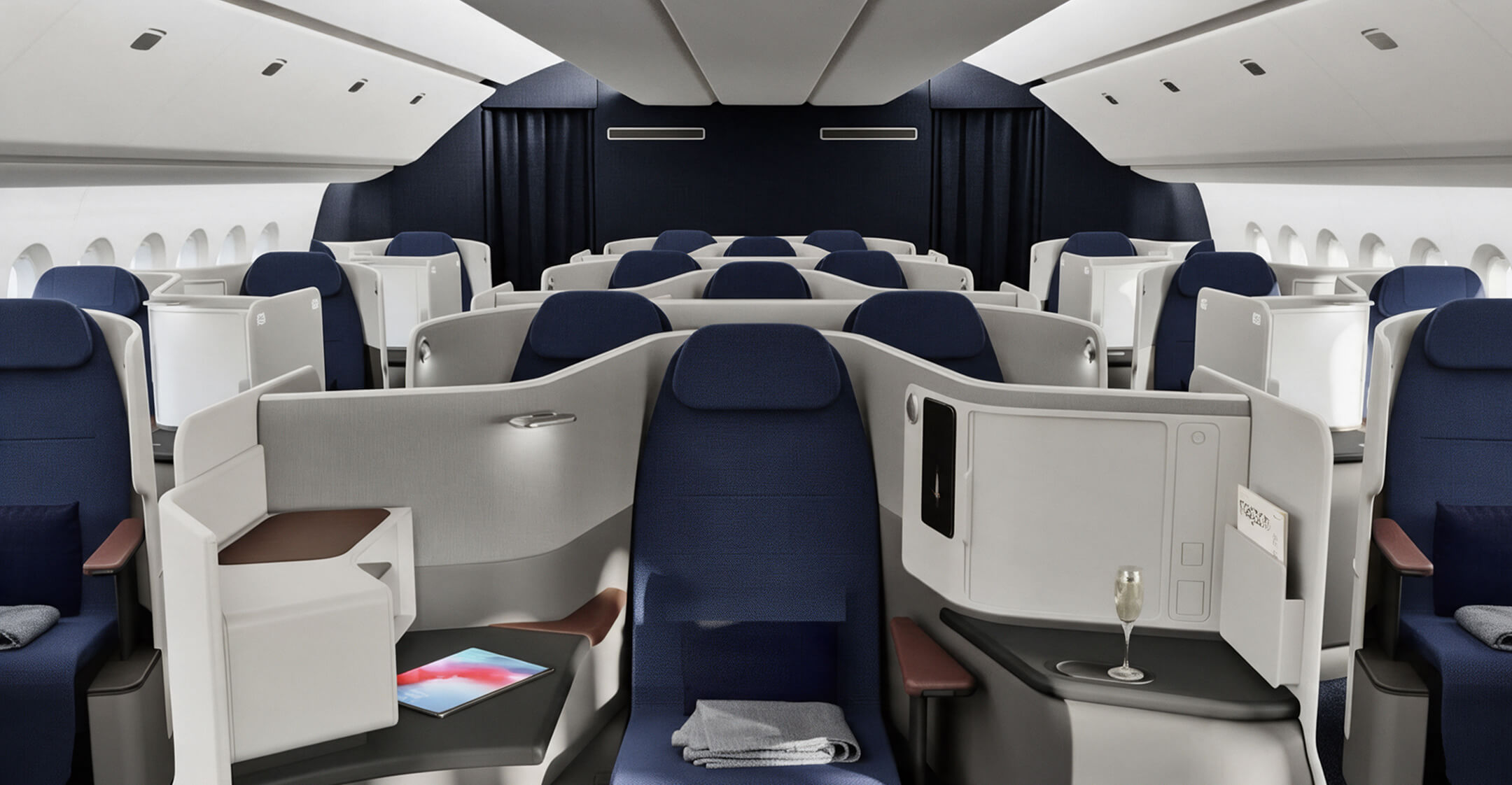
As no airline flies nonstop between New York (JFK) and Muscat (MCT), every route includes at least one stop. Major carriers like Qatar Airways, Emirates, Turkish Airlines, Etihad Airways, and Lufthansa connect through hubs like Doha (DOH), Dubai (DXB), Istanbul (IST), Abu Dhabi (AUH), or Frankfurt (FRA), with a total travel time of 16 to 22 hours. Round-trip business-class fares cost from $4,200 to $8,500.
Los Angeles (LAX) to Muscat (MCT)
No airline flies nonstop between Los Angeles (LAX) and Muscat (MCT) either. The fastest connections pass through Doha (DOH), Dubai (DXB), or Abu Dhabi (AUH). Qatar Airways, Emirates, Etihad Airways, Turkish Airlines, and Lufthansa serve the route via their respective hubs, with a total travel time of about 18 to 24 hours. Round-trip business fares run from $4,700 to $9,000.
Muscat is more than a stop in Oman
Splitting Muscat by district turns five days into a trip that flows: mornings for the mosque and opera house, afternoons in Mutrah’s harbor, evenings by the beach. That structure leaves room for both landmark stops and quieter corners like Qurum Natural Park. Once your days are mapped, the remaining piece is the flight itself. Our experts at AranGrant can help you find business-class fares from New York and Los Angeles that make the long trip out easier to plan.