

Chapters:

Need help with your trip?
Our support team is available 24/7. Request a callback or call us directly at (833) 619-0908
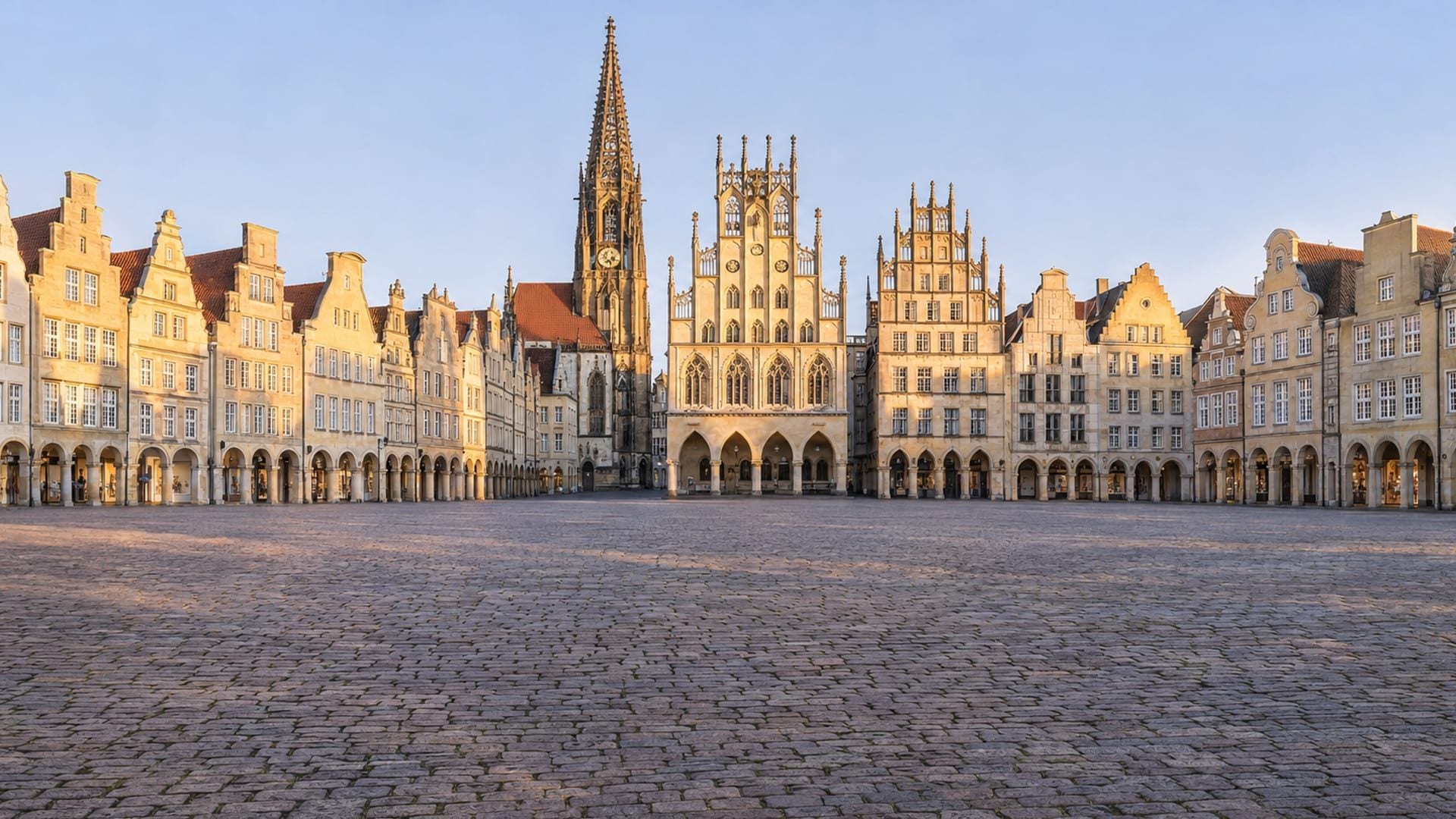
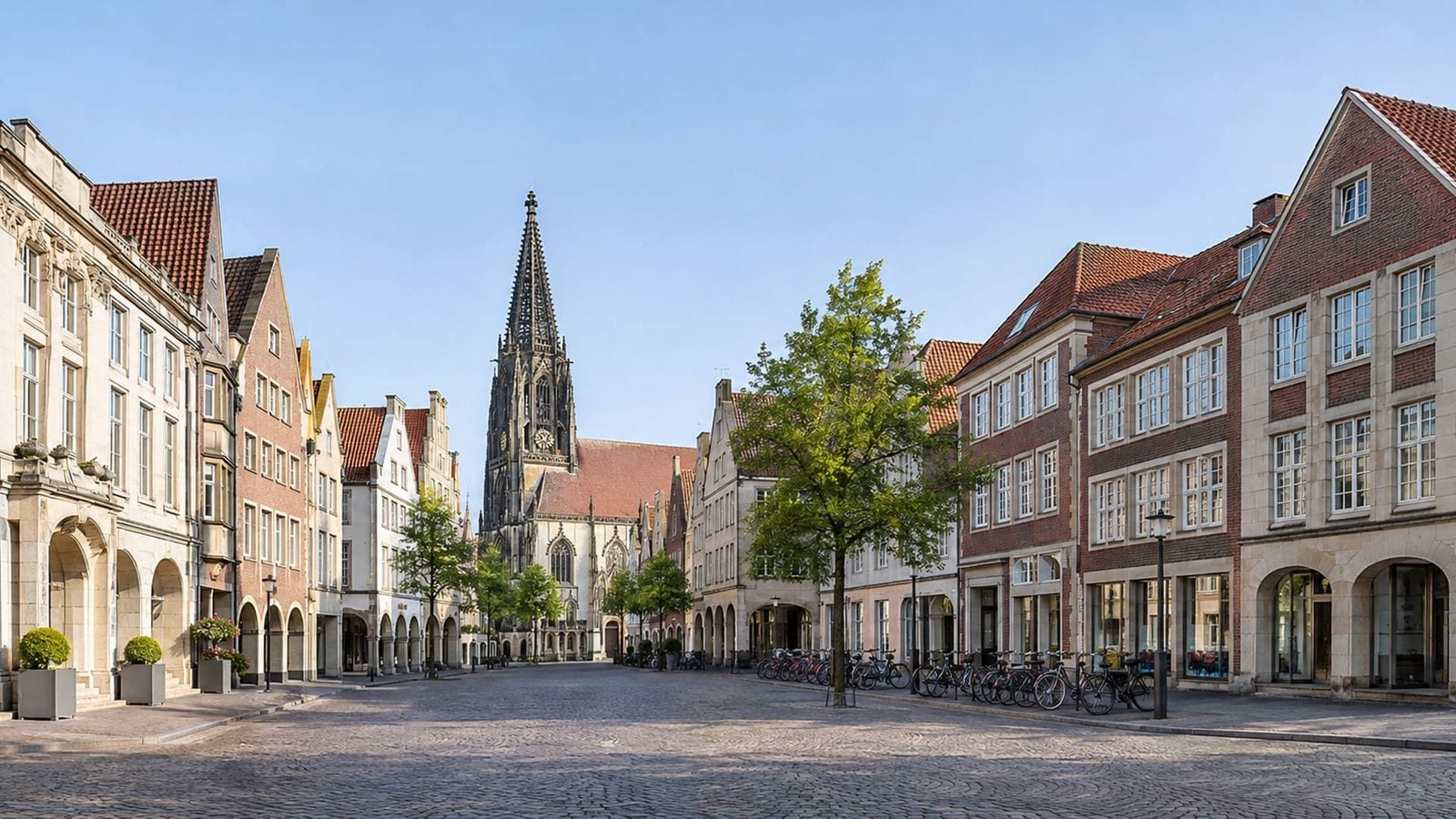
Münster’s gabled merchant houses tell a story of trade and reconstruction. Along Prinzipalmarkt, covered arcades preserve the shape of the historic commercial center, even though much of the architecture dates from rebuilding after World War II.
Follow those arcades to the Historic Town Hall, where the Friedenssaal connects Münster to the peace of 1648. Nearby, St.-Paulus-Dom adds medieval stonework and a 16th-century astronomical clock to a morning among shops and market stalls.
Allow five days to connect these central sights with Münster’s residential streets and parks. Choose a Wednesday or Saturday for the market on Domplatz, then extend the day north to Wienburgpark for ponds, meadows, and wooded paths.
Useful things to know

Main language(s): German
Guten Morgen (GOO-ten MOR-gen) – Good morning
Bitte (BIT-uh) – Please
Danke (DAHN-kuh) – Thank you
Sprechen Sie Englisch? (SHPREKH-en zee ENG-lish) – Do you speak English?
Wie viel kostet das? (vee feel KOS-tet dahs) – How much does it cost?

Currency: Euro (EUR, €)

Cash and cards: Cards and contactless are widely accepted; carry €20 to €50 ($22 to $55) for smaller purchases.

Tipping: Round up or tip 5% to 10% for good restaurant service; tell the server the total you want to pay.

Traditional food: Töttchen, Pfefferpotthast, Panhas, and Herrencreme are among the classic dishes of Münster.

Water and coffee costs: Bottled water €1 to €3 ($1 to $3); bar espresso €2 to €4 ($2 to $4).

Taxis and ride apps: Find licensed, metered taxis outside Münster Hauptbahnhof; ride-hailing apps include Uber and Bolt.

Plug and voltage: Type C/F socket, 230V

Dining and shop opening hours: Breakfast: 7 am to 10 am; lunch: noon to 2 pm; dinner: 6 pm to 9 pm. Shops usually open 10 am to 7 pm, Monday to Saturday; most close Sundays.

Emergency number: Police 110, ambulance and fire 112.
Where to stay in Münster
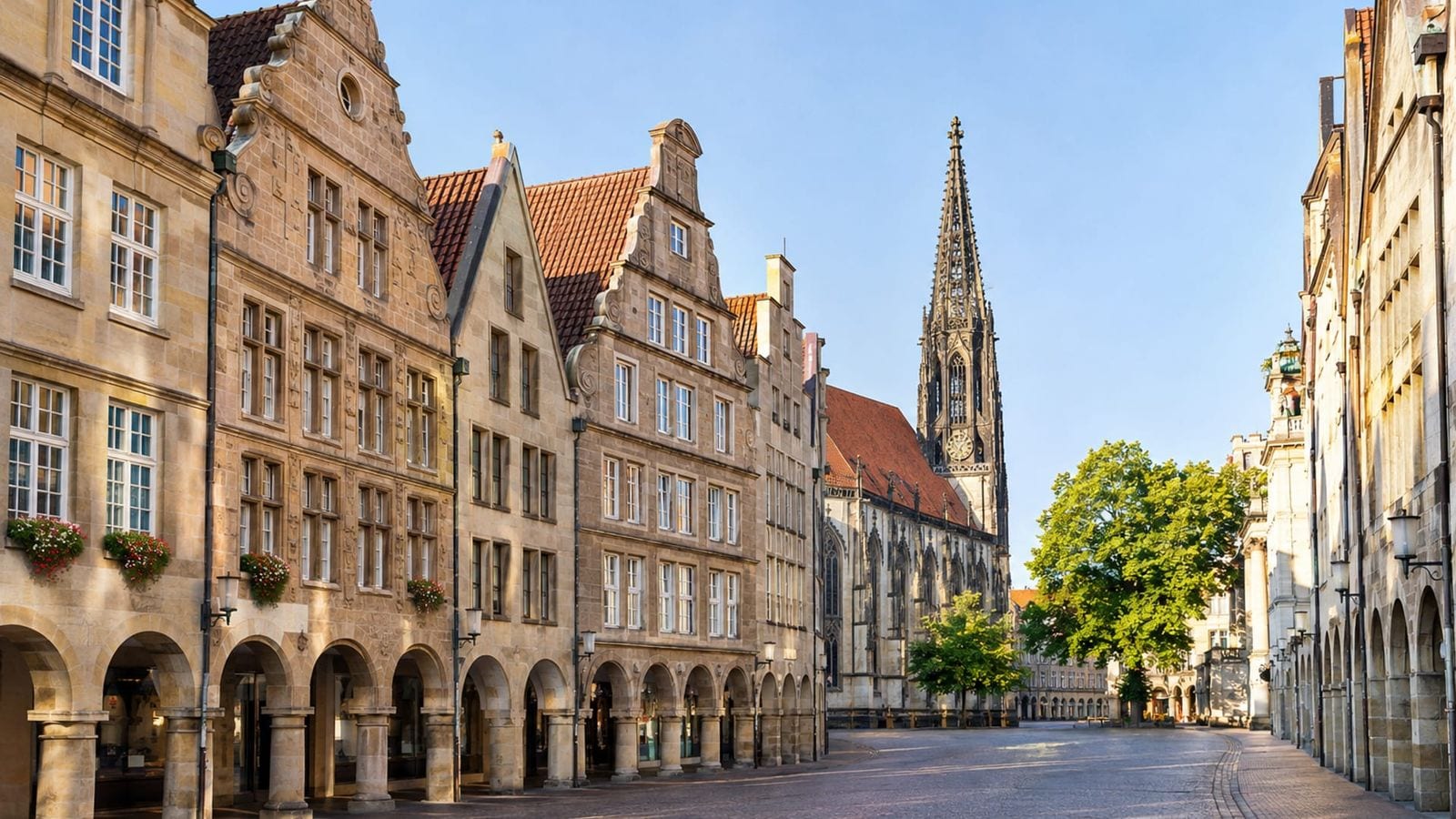
Altstadt is Münster’s historic center, with arcaded shopping streets, churches, and hotels within walking distance of the main sights. Stay here to explore Prinzipalmarkt and the cathedral on foot, with plenty of restaurants nearby and little need for buses during a short sightseeing trip.
Best for: Historic sights, shopping, and exploring the center on foot
What to expect: Shoppers and sightseeing groups fill the main streets during the day.
Hotel prices: Well-rated hotels cost €120 to €220 ($130 to $240) a night.
Distance to major sights: Prinzipalmarkt and St. Paulus-Dom are 5 to 15 minutes away on foot from most hotels.
Quietness: Busy shopping hours give way to quieter evenings, except near restaurants and bars.
Main trade-off: Central rooms can cost more, and pedestrian streets complicate arrival by car.
Good to know: If arriving by car, choose a hotel with parking and request its vehicle access directions before arrival.
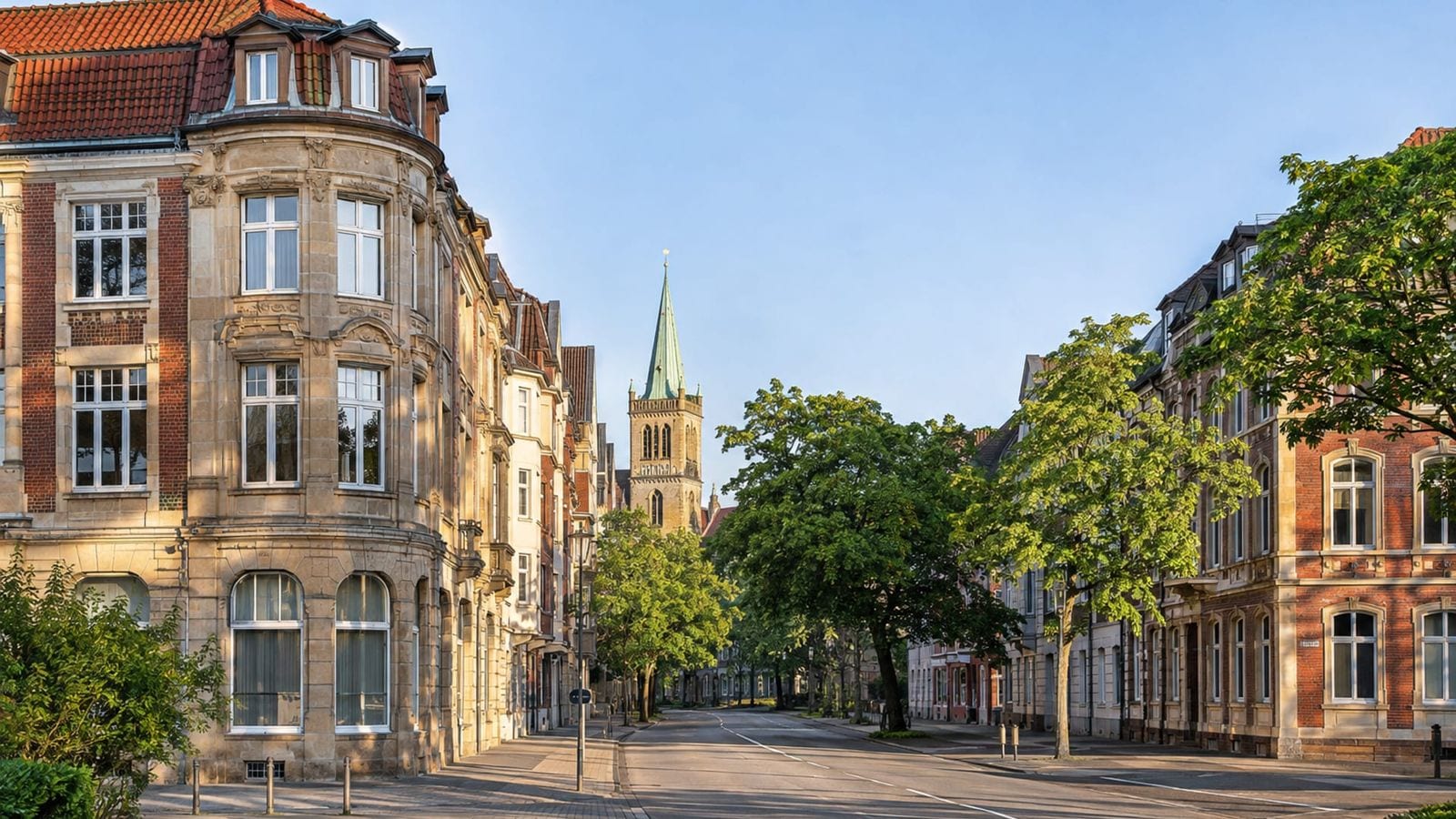
Bahnhofsviertel is the quarter surrounding Münster’s main train station, with numerous hotels and direct access to city buses and regional trains. Choose it for an easy arrival with luggage and walks into the historic center, accepting heavier traffic and more activity outside after dark.
Best for: Train arrivals, regional excursions, and convenient bus connections
What to expect: Travelers, buses, and late-opening food outlets keep the station streets active.
Hotel prices: Budget €90 to €170 ($100 to $185) nightly for a well-rated hotel.
Distance to major sights: Walk to Prinzipalmarkt in 15 to 20 minutes and St. Paulus-Dom in 20 to 25 minutes.
Quietness: Traffic dominates by day; station activity and late arrivals continue into the evening.
Main trade-off: The station surroundings have more traffic and less historic character than Altstadt.
Good to know: Request a room facing away from the station approach if you plan to sleep with the window open.
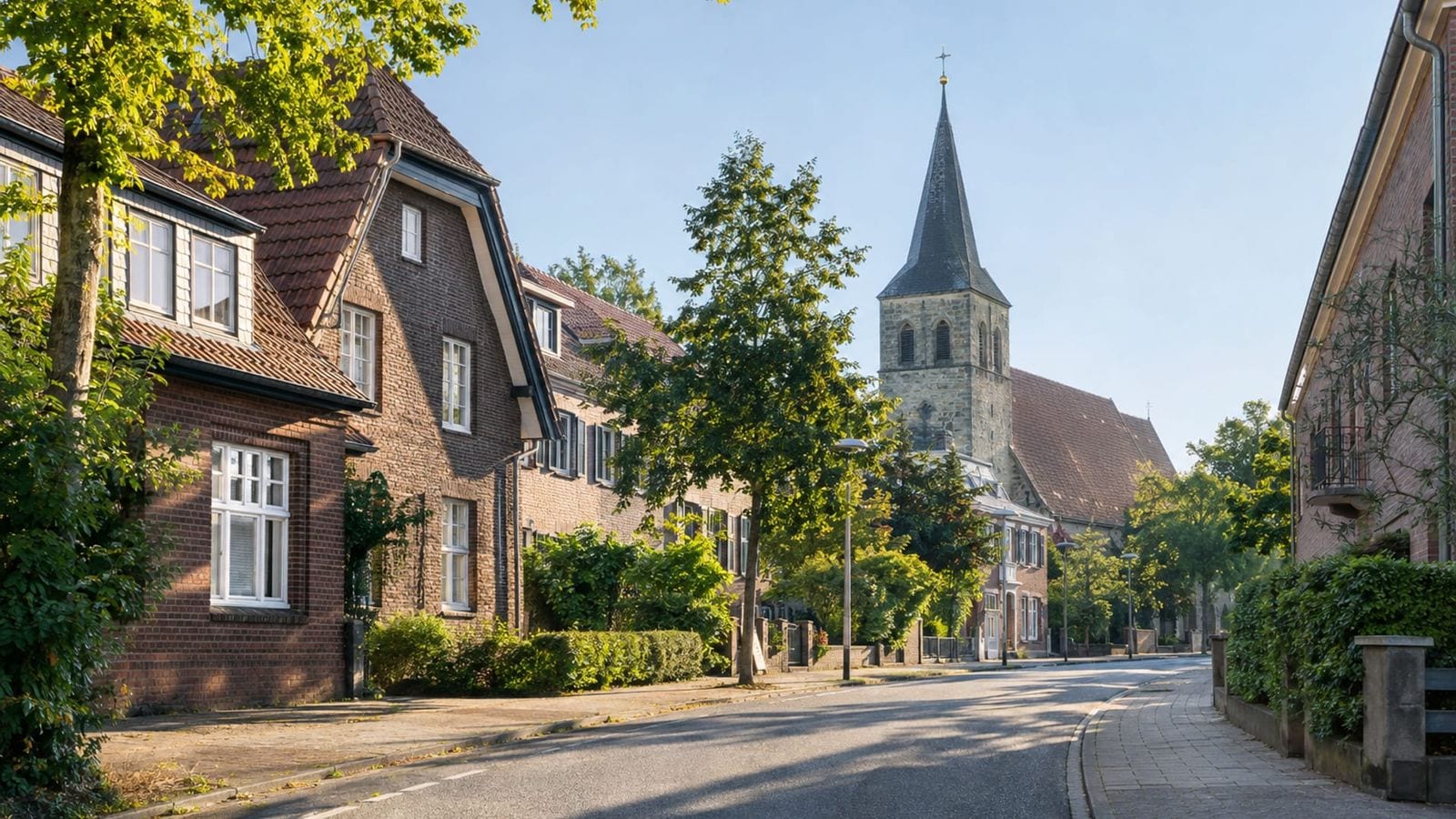
St. Mauritz is a residential district east of Münster’s historic center, where hotels offer a quieter setting among homes and leafy streets. Staying here suits travelers who prefer evenings away from the central shopping crowds and accept a bus ride or a longer walk to the main sights.
Best for: Residential surroundings, quieter evenings, and stays with a car
What to expect: Residential streets and local traffic shape daily life beyond the central shopping area.
Hotel prices: A well-rated hotel typically charges €100 to €190 ($110 to $210) per night.
Distance to major sights: Allow 10 to 25 minutes by bus to Prinzipalmarkt, depending on your hotel and connection.
Quietness: Local traffic brings daytime activity; residential side streets generally quiet down in the evening.
Main trade-off: Hotels are spread out, and reaching central sights takes longer than from Altstadt.
Good to know: Compare each hotel’s nearest bus stop before booking, since addresses across the district vary considerably.
Hiltrup in the south, Kinderhaus in the north, and Gievenbeck in the west are less convenient for sightseeing stays because they require longer trips to Münster’s historic center.
Hotel deals
How to get around Münster efficiently
Münster Hauptbahnhof connects airport buses, city buses, and regional trains, with Prinzipalmarkt a 15-minute walk away.

Walking
for short central distances
From Münster Hauptbahnhof, Prinzipalmarkt is about 15 minutes away on foot. Walking is free and suits short trips between the old town’s churches, shops, and museums; watch for bicycles when crossing the Promenade.

Bus and tram
for convenience
Many Münster bus routes converge at Hauptbahnhof, with stops spread across the station forecourt. Single fares cost roughly €3 to €5 ($3 to $6); buses suit longer trips, including the journey to Allwetterzoo in about 25 minutes.

Taxi
for convenience or late hours
At Münster Hauptbahnhof, taxi ranks provide departures for hotels throughout the city. Licensed taxis use meters, with a starting charge plus distance charges; short central trips typically cost €12 to €20 ($13 to $22) and take 5 to 15 minutes.
*Prices are based on rates updated as of November 2026 and may change at the time of travel.
Walk between Altstadt sights, take buses to outer neighborhoods, choose regional trains for nearby towns, and use taxis for trips with heavy luggage.
Iconic landmarks
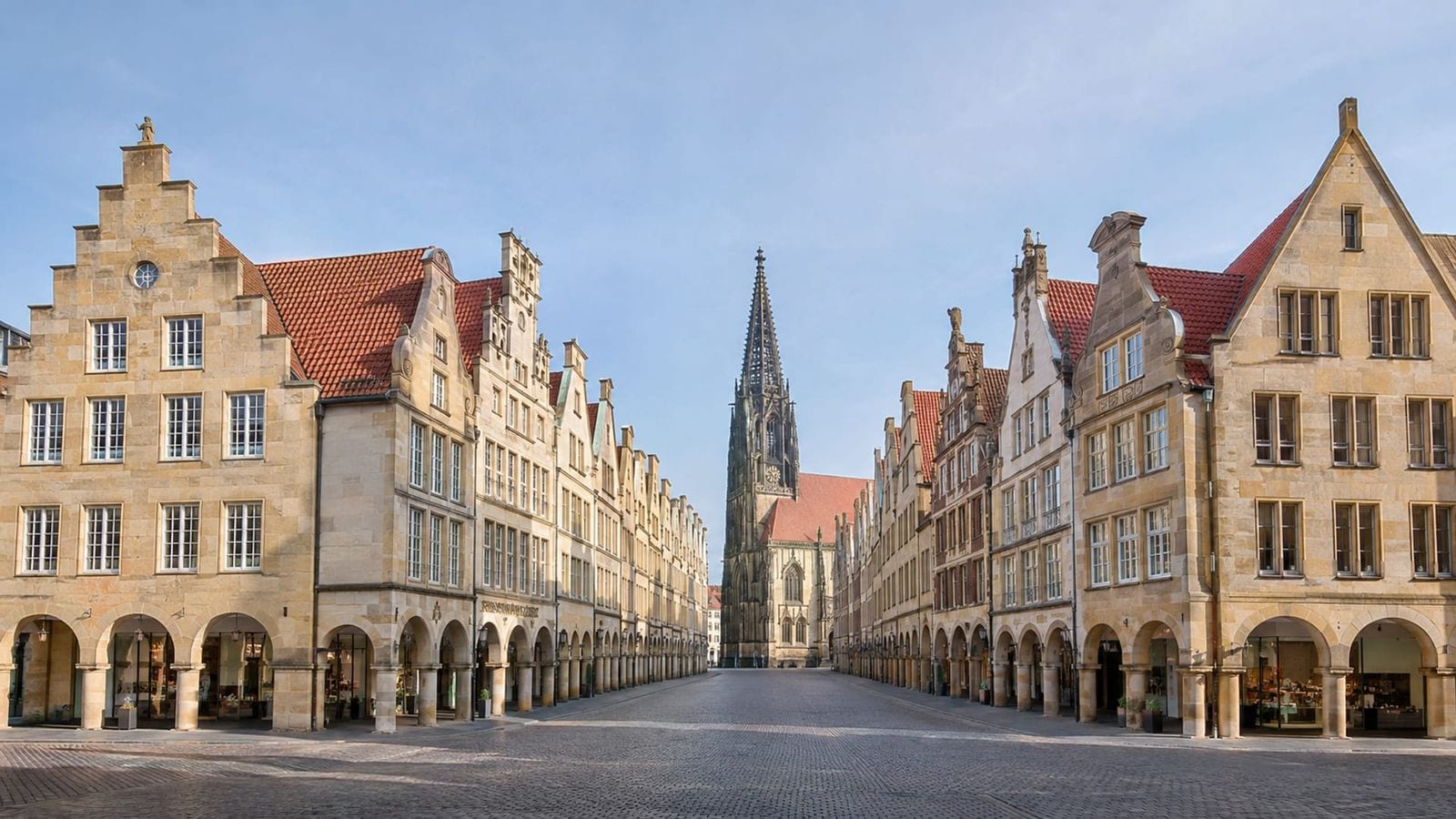
Prinzipalmarkt
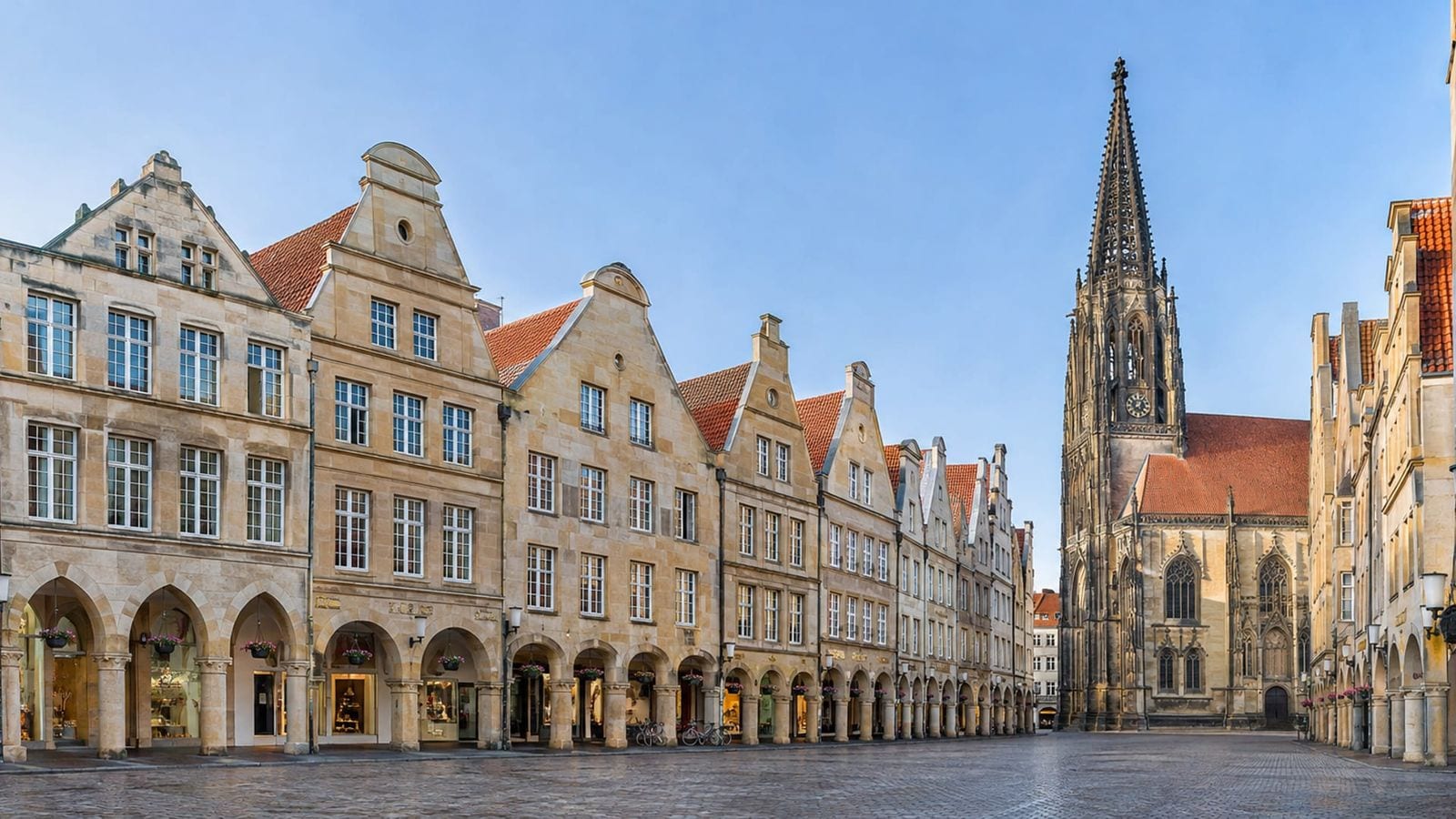
Gabled merchant houses and covered arcades frame Prinzipalmarkt, Münster’s historic commercial centerpiece. Its distinctive streetscape reflects centuries of trade, with much of the architecture reconstructed after World War II.
Time needed: About 30 to 45 minutes
Entry: Free: access to the street and arcades
Tip: Follow the covered arcades along Prinzipalmarkt during Münster’s rainy days.
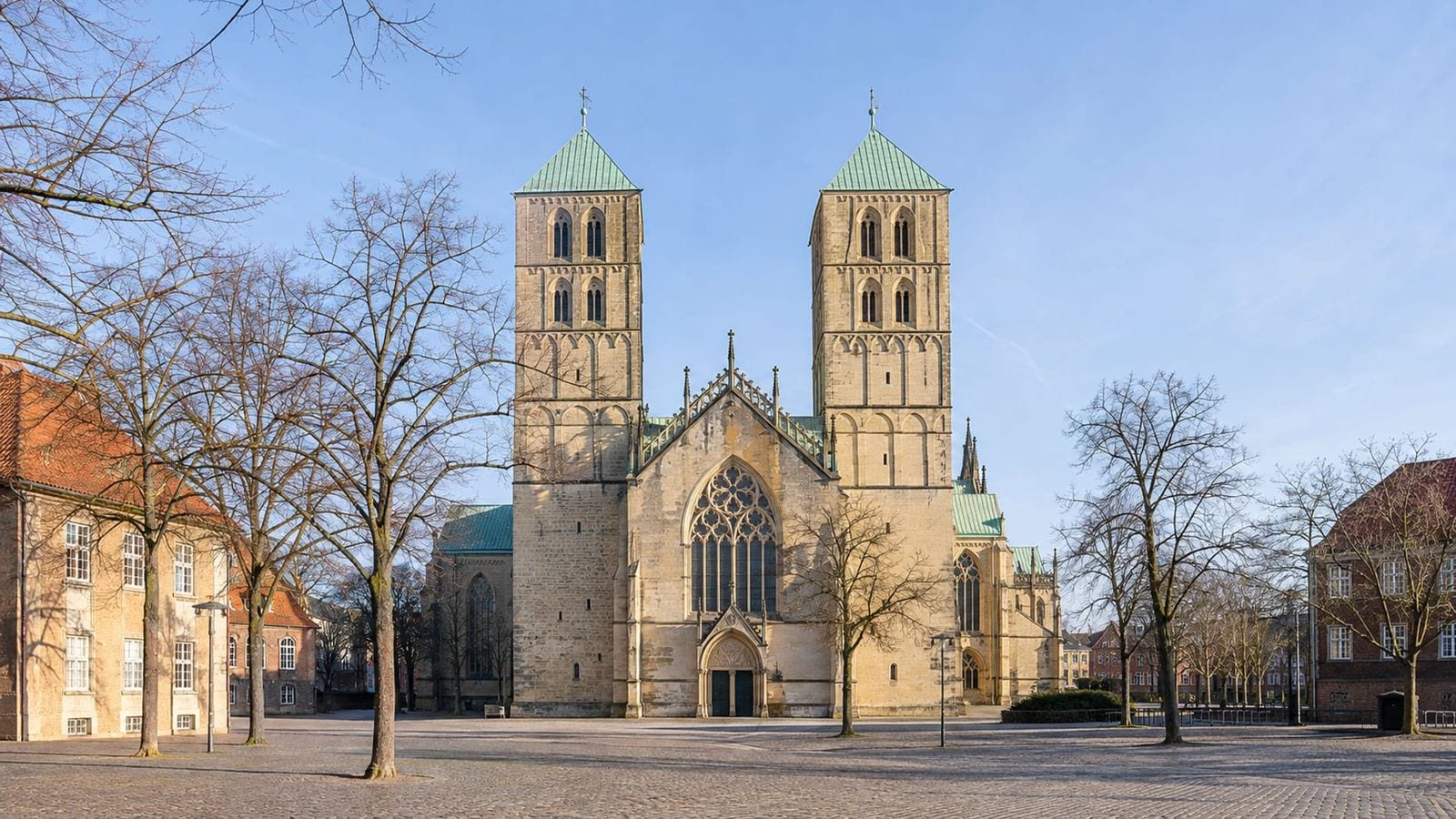
St.-Paulus-Dom
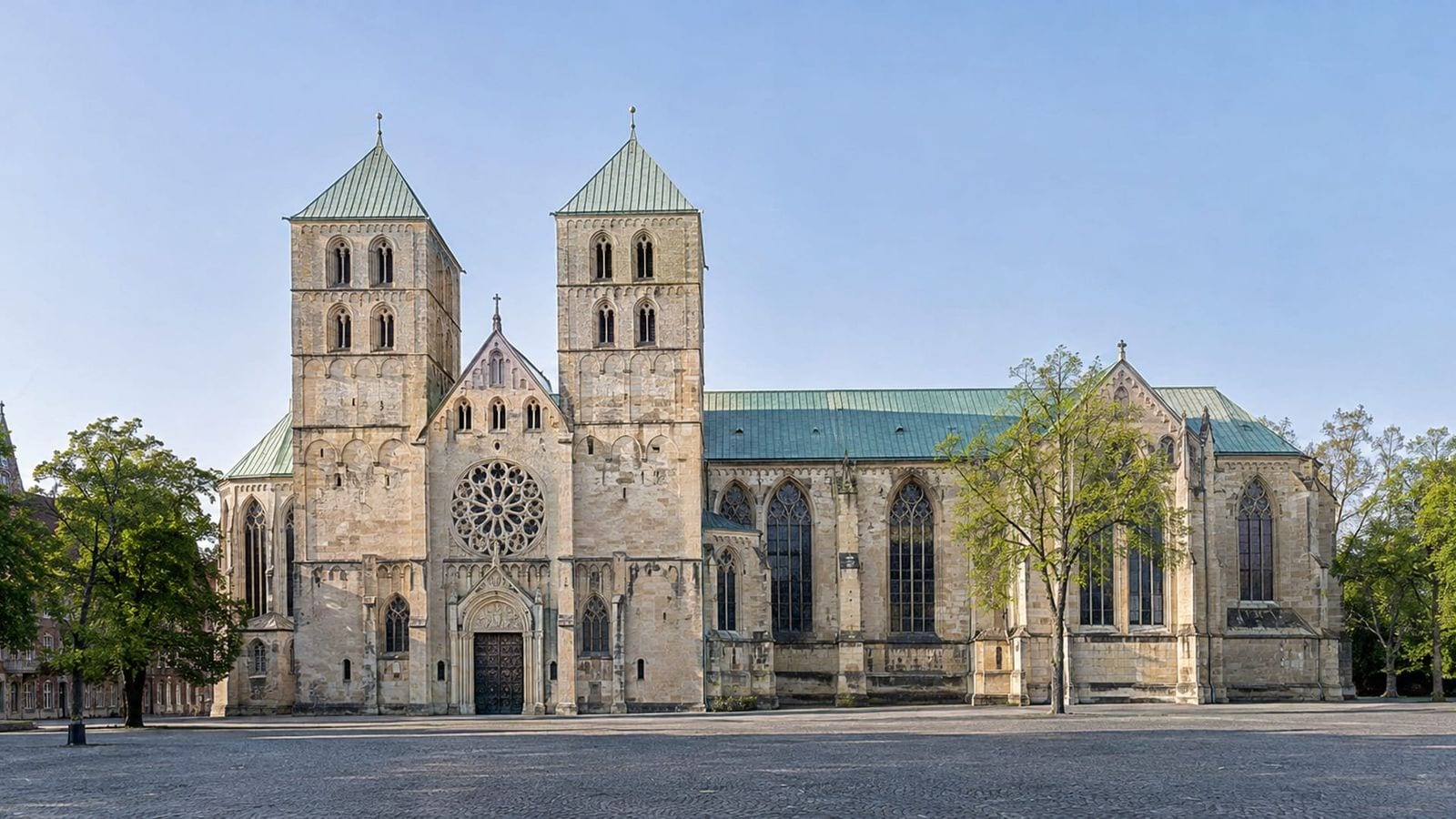
Münster’s medieval cathedral combines Romanesque and Gothic architecture beside the city’s central market grounds. Inside, a 16th-century astronomical clock and the quiet cloister offer two distinct reasons to explore beyond the nave.
Time needed: About 45 to 60 minutes
Entry: Free: access to the cathedral
Tip: On Wednesday or Saturday, pair the cathedral with the market on Domplatz.
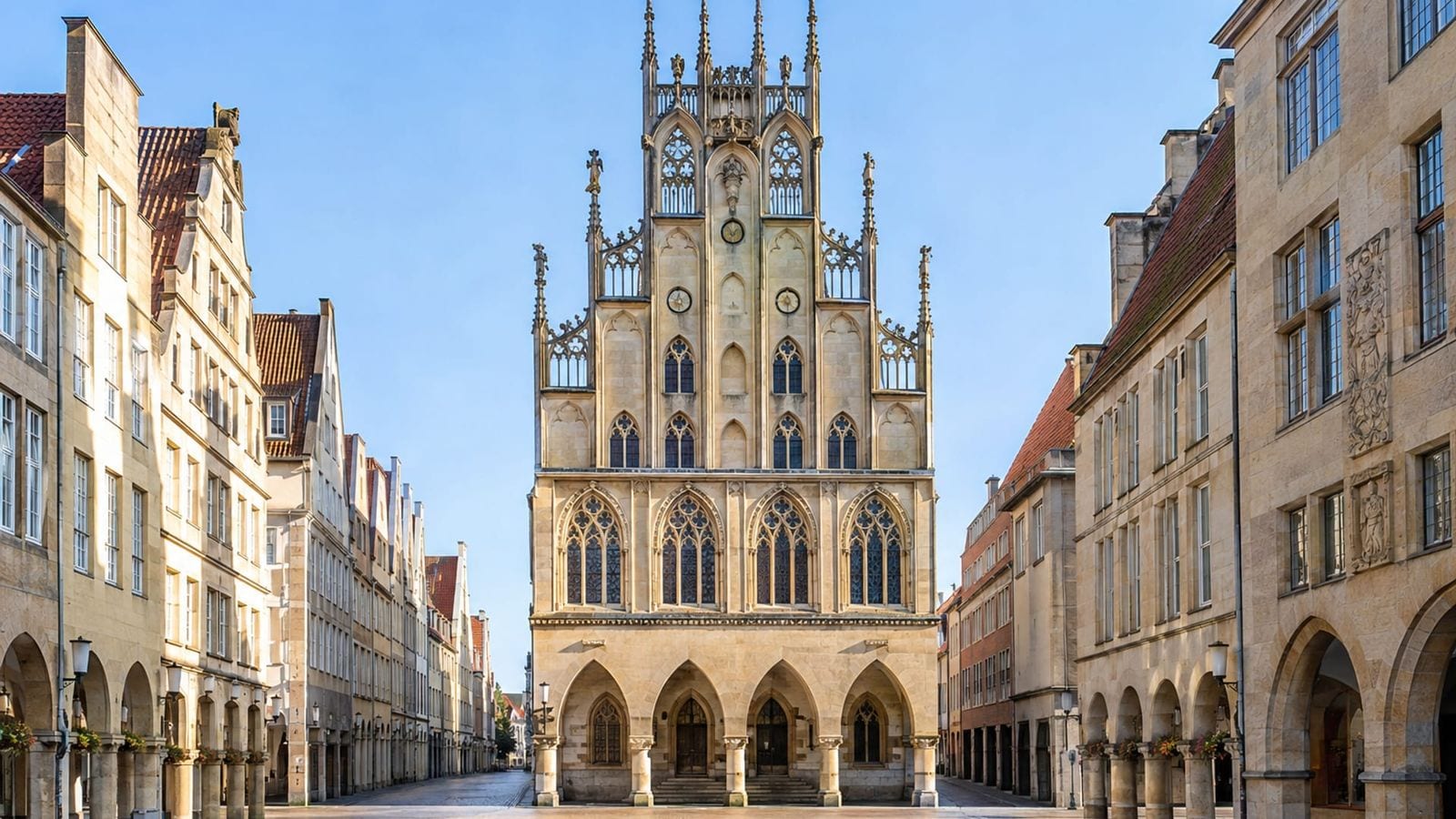
Historic Town Hall
Behind an ornate Gothic gable, the Historic Town Hall contains the Friedenssaal, where Spain and the Netherlands concluded their 1648 peace. Carved wooden paneling and portraits connect this intimate chamber to Münster’s diplomatic history.
Time needed: About 30 to 45 minutes
Entry: Low-cost: admission to the Friedenssaal
Tip: Allow time inside the Friedenssaal to examine its carved paneling up close.
Overlooked sites worth visiting

Wienburgpark
Ponds, meadows, and wooded paths give this northern Münster park a quieter character than the central green spaces. Its wetland habitats attract birds, with paths linking open lawns.
Time needed: About 45 minutes to 1 hour
Entry: Free to access
Tip: Go in the morning to watch birds near the ponds.

Villa ten Hompel
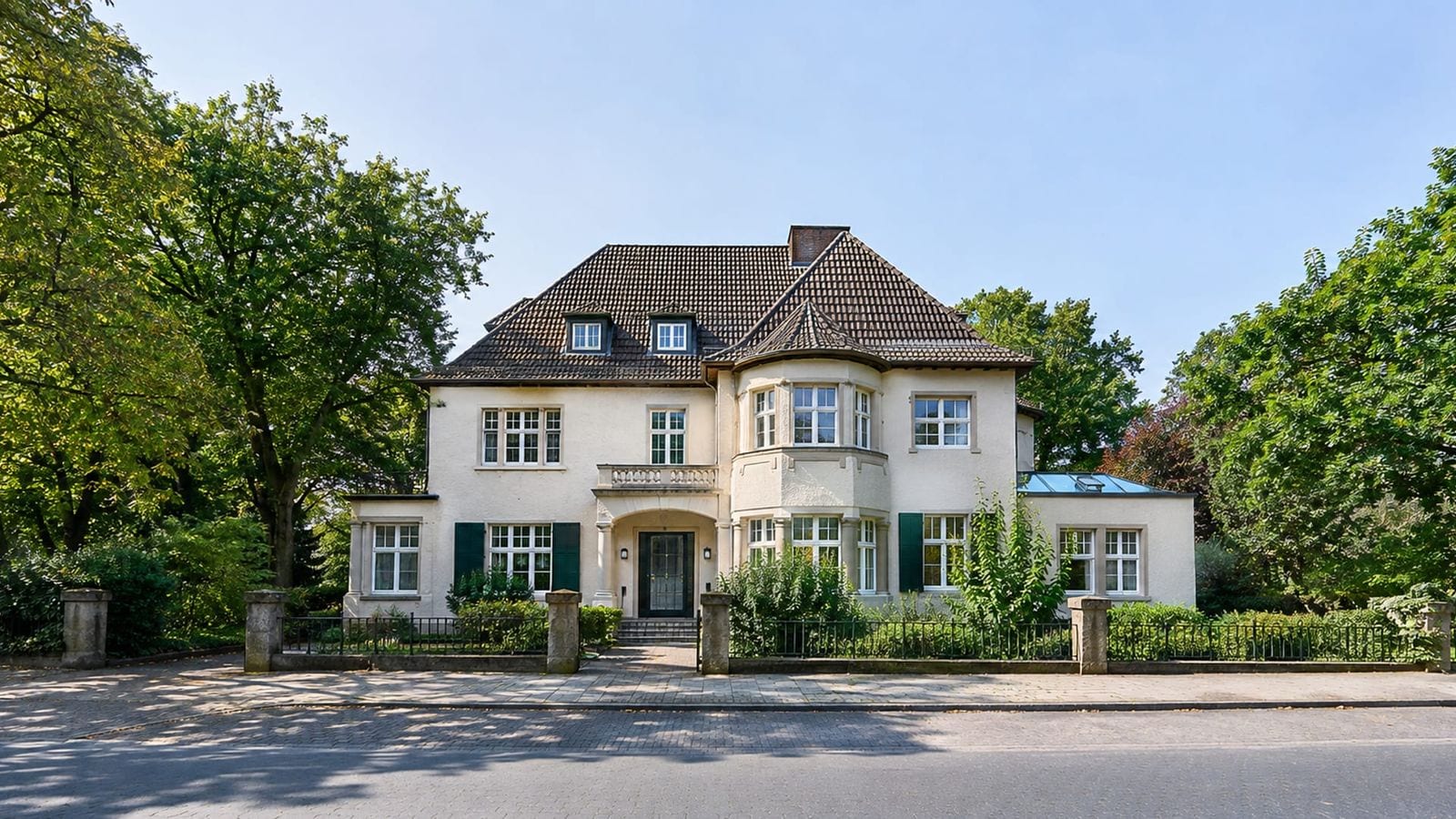
Villa ten Hompel explores how ordinary police institutions supported Nazi persecution. Exhibits in a former industrialist’s home connect local history with questions of responsibility.
Time needed: About 1 to 2 hours
Entry: Free: admission to the permanent exhibition
Tip: Choose a Sunday afternoon for a longer look at the permanent exhibition.
Traditional food
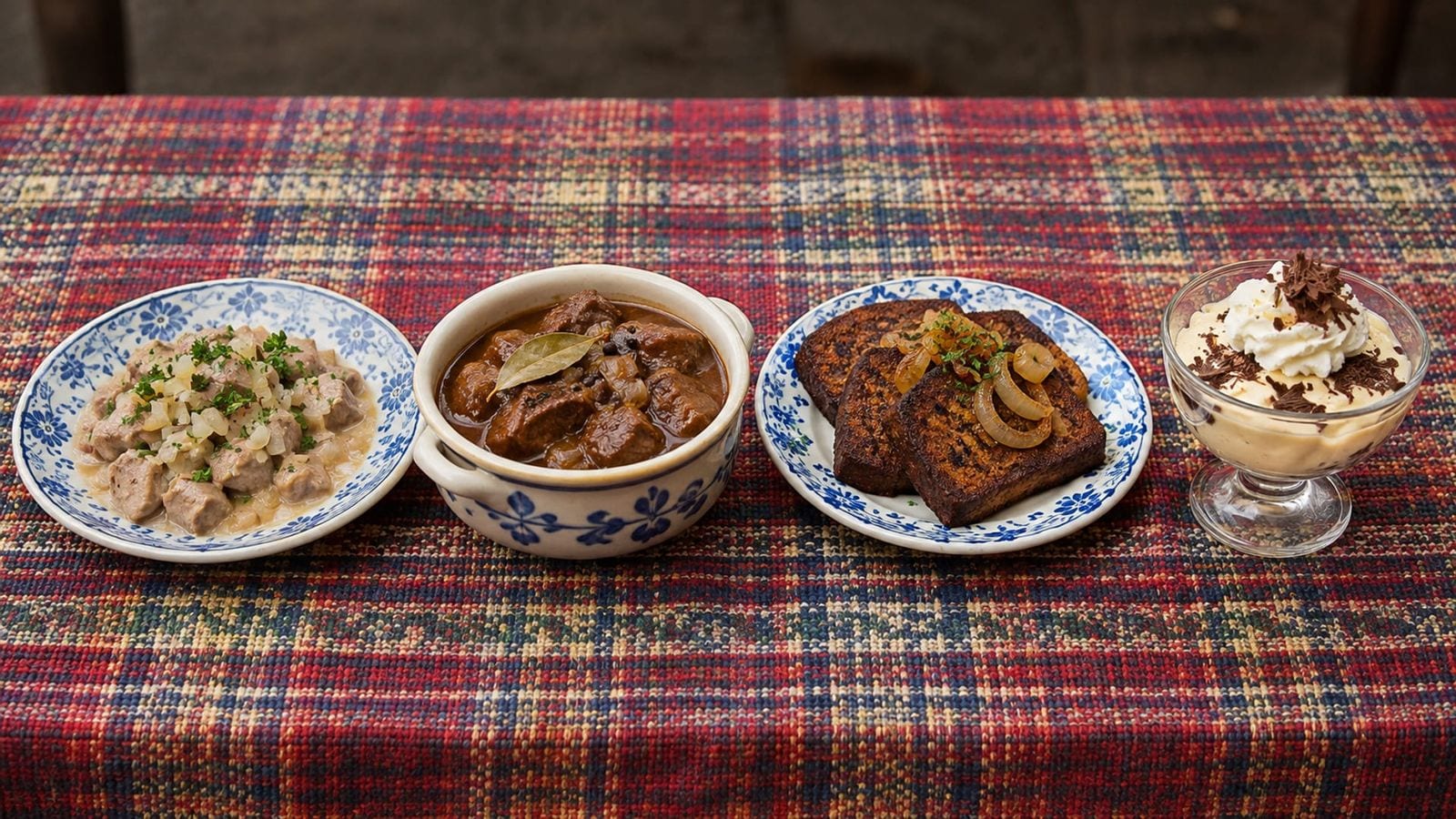
Münster’s Westphalian cooking favors beef, pork, onions, and hearty accompaniments. Töttchen and Pfefferpotthast bring savory depth, while Herrencreme finishes a meal with vanilla, chocolate, and rum.
Töttchen
Töttchen combines finely chopped veal with onions and a tangy sauce, reflecting Münster’s tradition of using economical cuts. Try this local specialty at Altes Gasthaus Leve, a long-established address for Westphalian cooking.
Pfefferpotthast
Beef and onions simmer into Pfefferpotthast, a peppery Westphalian stew traditionally seasoned with bay leaves and cloves. Pinkus Müller serves this hearty regional dish alongside the brewery’s own beers in Münster.
Panhas
Panhas combines buckwheat flour, meat broth, and sausage ingredients into a firm loaf, sliced and fried until crisp at the edges. Großer Kiepenkerl offers this Westphalian specialty as part of its regional cooking.
Herrencreme
Vanilla custard, whipped cream, chocolate pieces, and rum give Herrencreme its rich texture and distinctive flavor. Order this traditional Westphalian dessert at Kleiner Kiepenkerl to finish a meal in Münster’s historic center.
Best time to visit Münster
Münster’s seasons shift the balance between market mornings, park walks, and time inside its historic buildings.
Best for: Fresh greenery in Wienburgpark and market mornings before summer crowds
What you get: Expect 37°F to 66°F (3°C to 19°C), with cool mornings and milder afternoons; central sights draw more visitors as May brings longer days.
Trade-offs: March can feel cold, and rain can interrupt a walk from Domplatz to Wienburgpark.
Best for: Long daylight hours for park walks and exploring Münster’s central arcades
What you get: Temperatures reach 52°F to 75°F (11°C to 24°C); outdoor tables attract diners, and summer visitors add to daytime crowds on Prinzipalmarkt.
Trade-offs: Warm spells and rain can change outdoor plans; central shopping streets attract more visitors.
Best for: Autumn color in Wienburgpark and afternoons exploring the Friedenssaal
What you get: Days cool through 39°F to 68°F (4°C to 20°C), with fewer leisure visitors later in fall; September still allows comfortable afternoons outside.
Trade-offs: November brings shorter days and colder walks between the center and outer neighborhoods.
Best for: Indoor history at Villa ten Hompel and hearty Westphalian restaurant meals
What you get: Typical temperatures span 32°F to 43°F (0°C to 6°C); holiday shopping draws people to the center, while January brings quieter sightseeing.
Trade-offs: Cold, damp weather and early darkness shorten park walks and outdoor sightseeing.
A realistic 5-day plan in Münster
Five days connect Münster’s arcaded center with market stalls, northern parkland, and St. Mauritz. Place the Domplatz morning on Wednesday or Saturday and the Villa ten Hompel afternoon on Sunday.
From Münster Osnabrück Airport (FMO), take the S50 bus to Münster’s main train station, allowing 35 to 45 minutes and €8 to €12 ($9 to $13). Stay in Bahnhofsviertel, then walk to Gustav Grün on Wolbecker Straße for a light vegetable-filled wrap before an early evening.
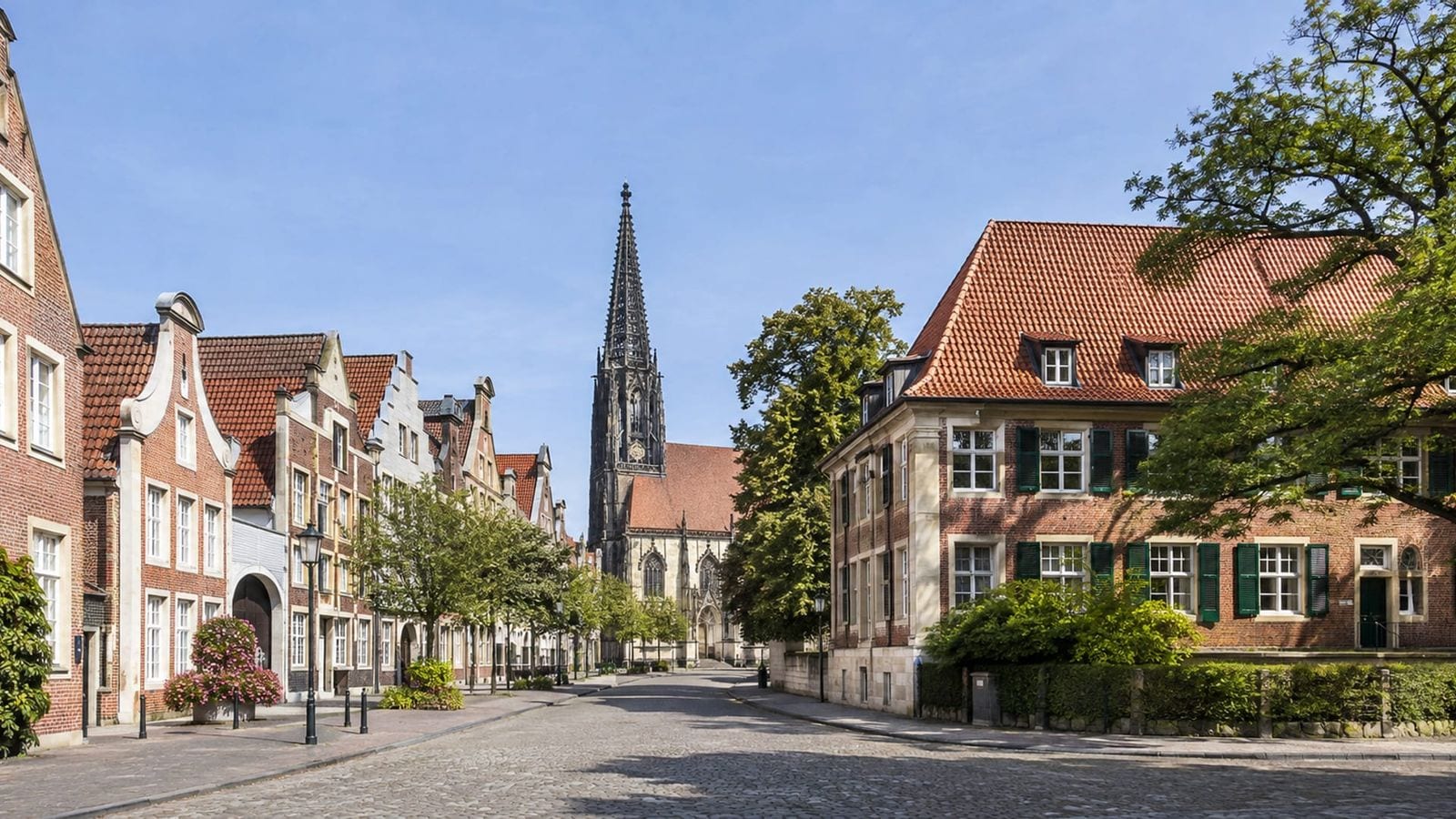
Prinzipalmarkt introduces Münster through its gabled merchant houses and covered arcades. Spend the morning exploring its shops, then walk 2 minutes to the Historic Town Hall. Allow 45 minutes for the Friedenssaal and its carved paneling, followed by lunch and further shopping in Altstadt.
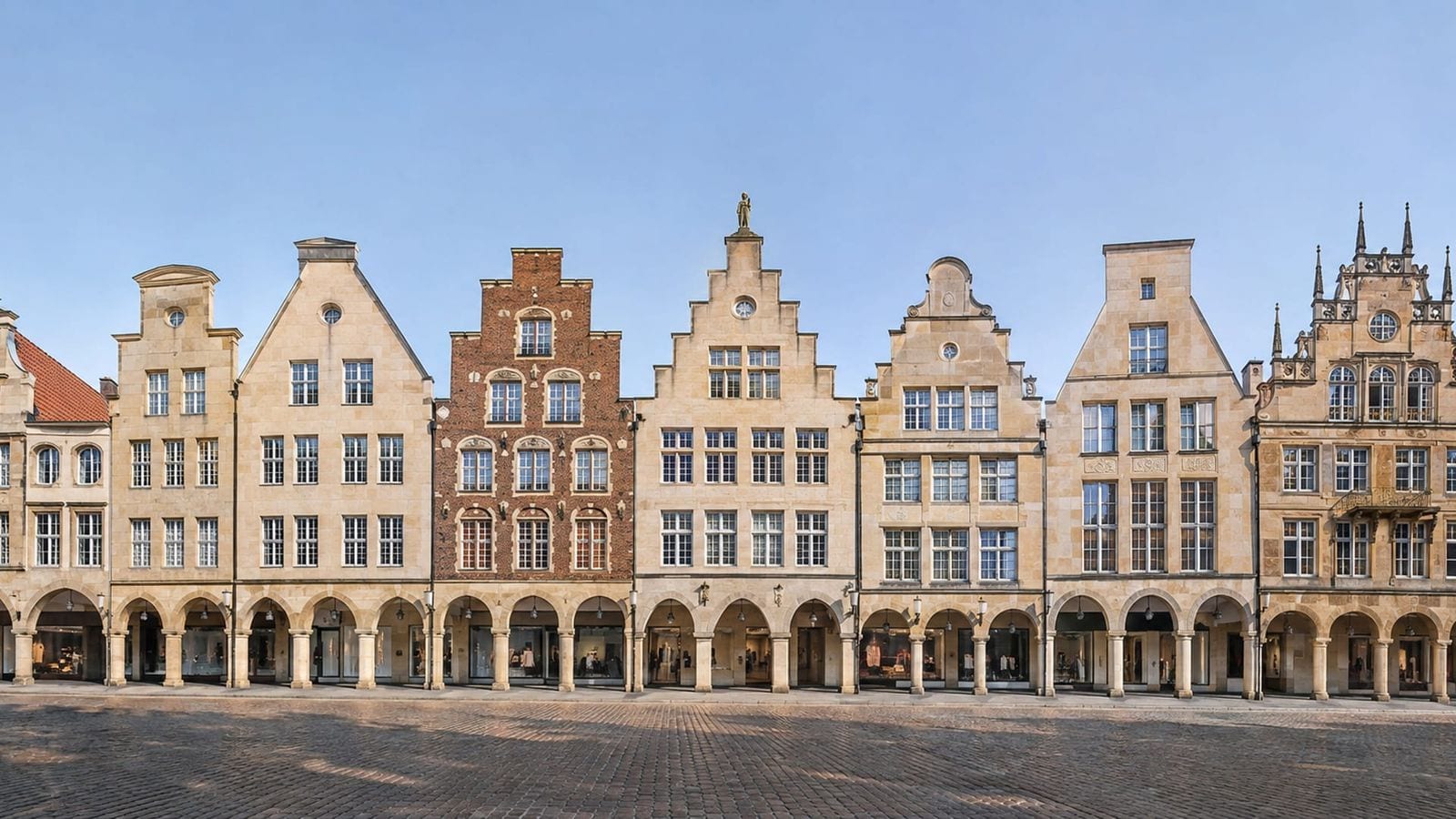
On Wednesday or Saturday morning, pair St.-Paulus-Dom with the market on Domplatz, allowing two hours for the cathedral, astronomical clock, and food stalls. Continue north on foot for 35 to 40 minutes to Wienburgpark, where ponds, meadows, and wooded paths fill the afternoon.
A Sunday walk through St. Mauritz reveals Münster’s residential streets east of the center. Allow an hour for the neighborhood, finishing near Villa ten Hompel for lunch. Its permanent exhibition opens Sunday afternoon; spend two hours examining how police institutions supported Nazi persecution.
Before departure, have breakfast at a café in Bahnhofsviertel and browse the shops near your hotel, keeping luggage collection within a short walk. Return to the main train station for the S50 bus to Münster Osnabrück Airport (FMO), allowing 35 to 45 minutes for the ride plus your airline’s check-in allowance.
Business-class flights from the US to Münster
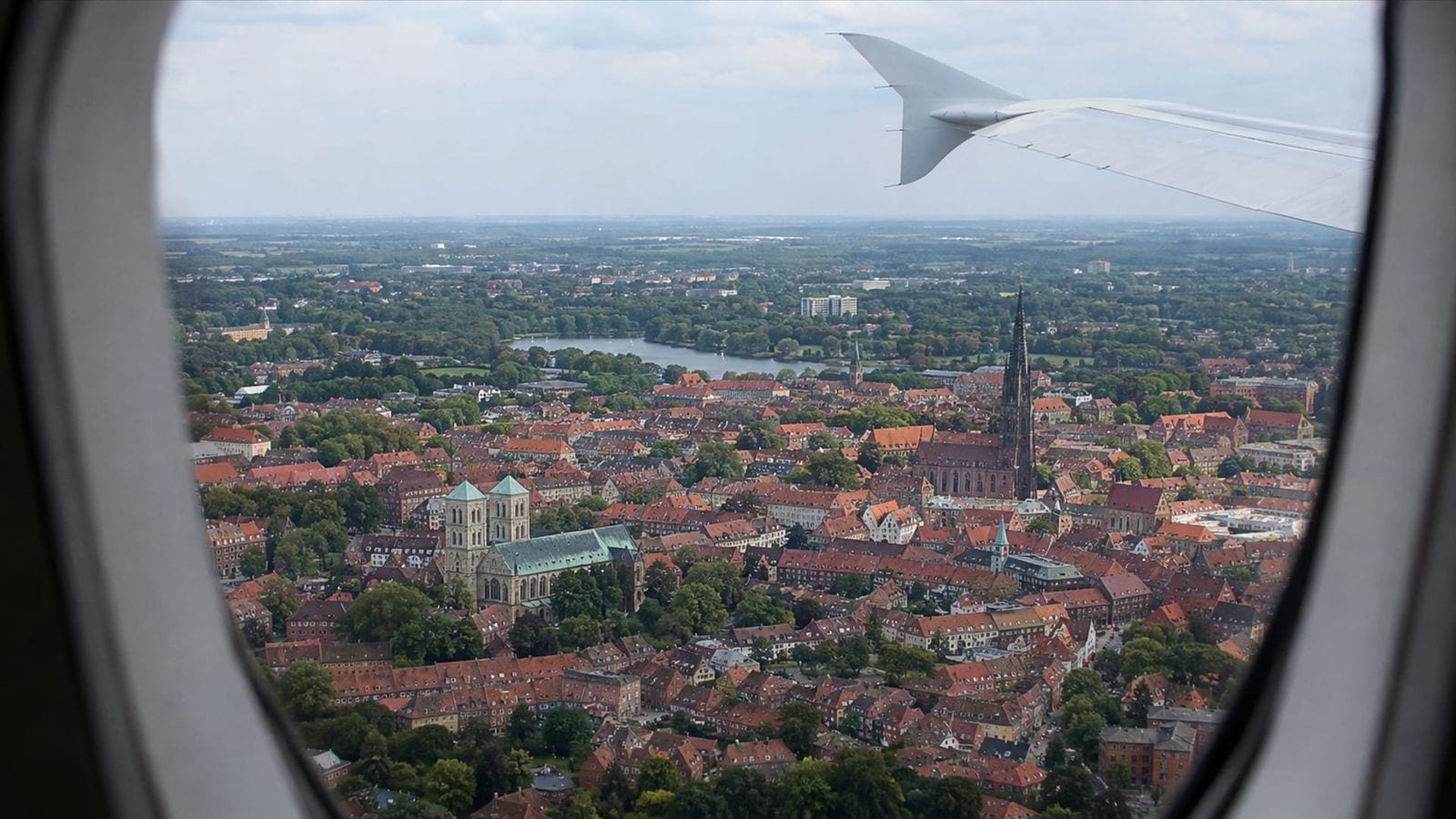
The New York and Los Angeles examples reach Münster Osnabrück Airport (FMO) with a connection in Munich (MUC).
From New York, Lufthansa connects through Munich (MUC) to Münster Osnabrück Airport (FMO), with a total journey time of 11 to 15 hours. Round-trip fares range from $3,500 to $7,000 for this connecting itinerary.
A journey from Los Angeles to Münster Osnabrück Airport (FMO) takes 14 to 18 hours with Lufthansa, including a connection in Munich (MUC). Allow $4,500 to $9,000 for the round trip on this route through southern Germany.
Münster feels different when you slow down
A Münster trip takes shape through specific choices: a hotel in Altstadt for short walks to Prinzipalmarkt, a Wednesday or Saturday morning on Domplatz, and a Sunday afternoon at Villa ten Hompel. Leave time for Wienburgpark and a Westphalian dinner, with buses connecting the longer stretches. Ask AranGrant experts to arrange flights to Münster Osnabrück Airport (FMO) around your preferred market morning and the days you want to spend exploring the city’s arcades