

Chapters:

Need help with your trip?
Our support team is available 24/7. Request a callback or call us directly at (833) 619-0908
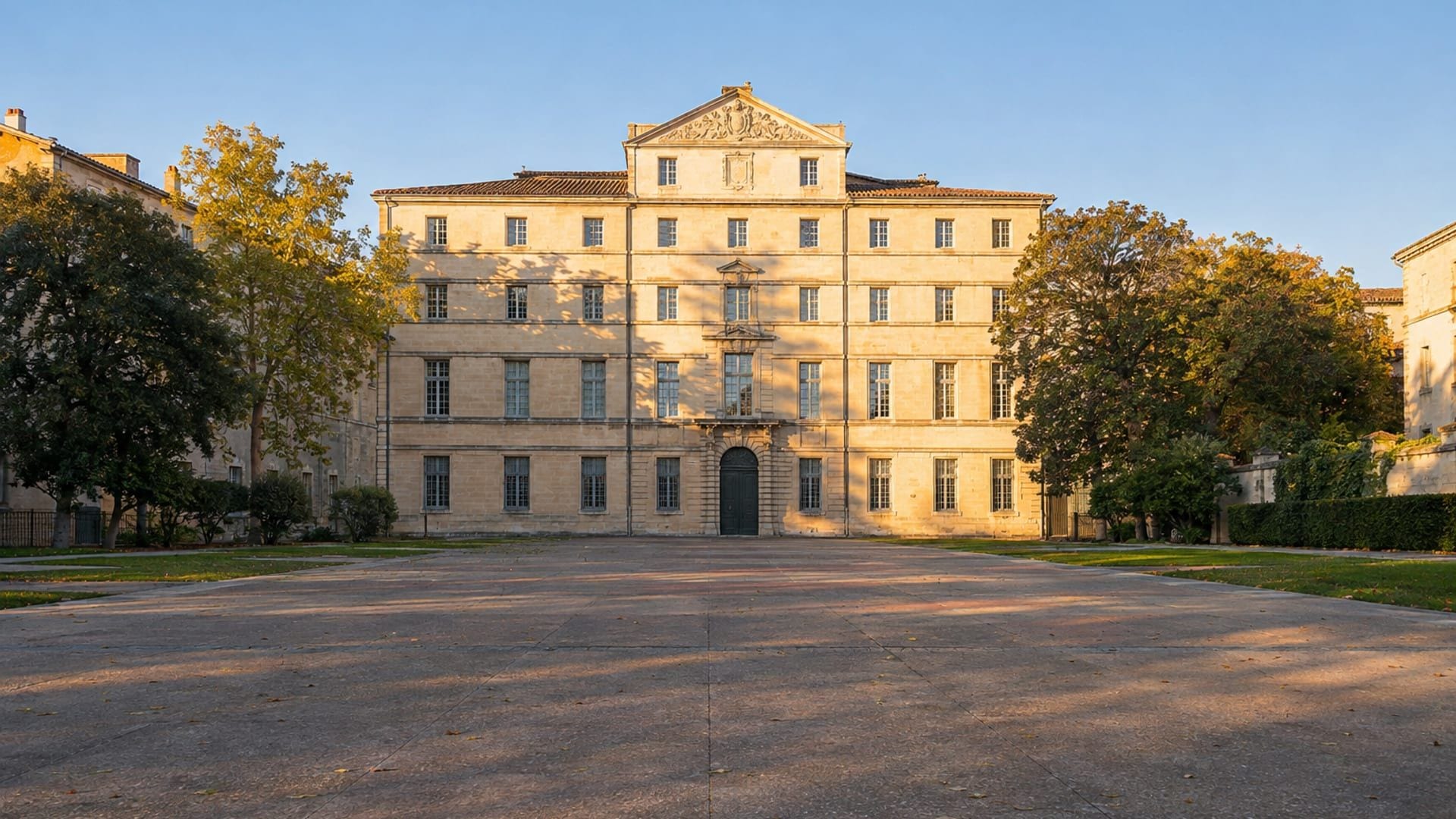
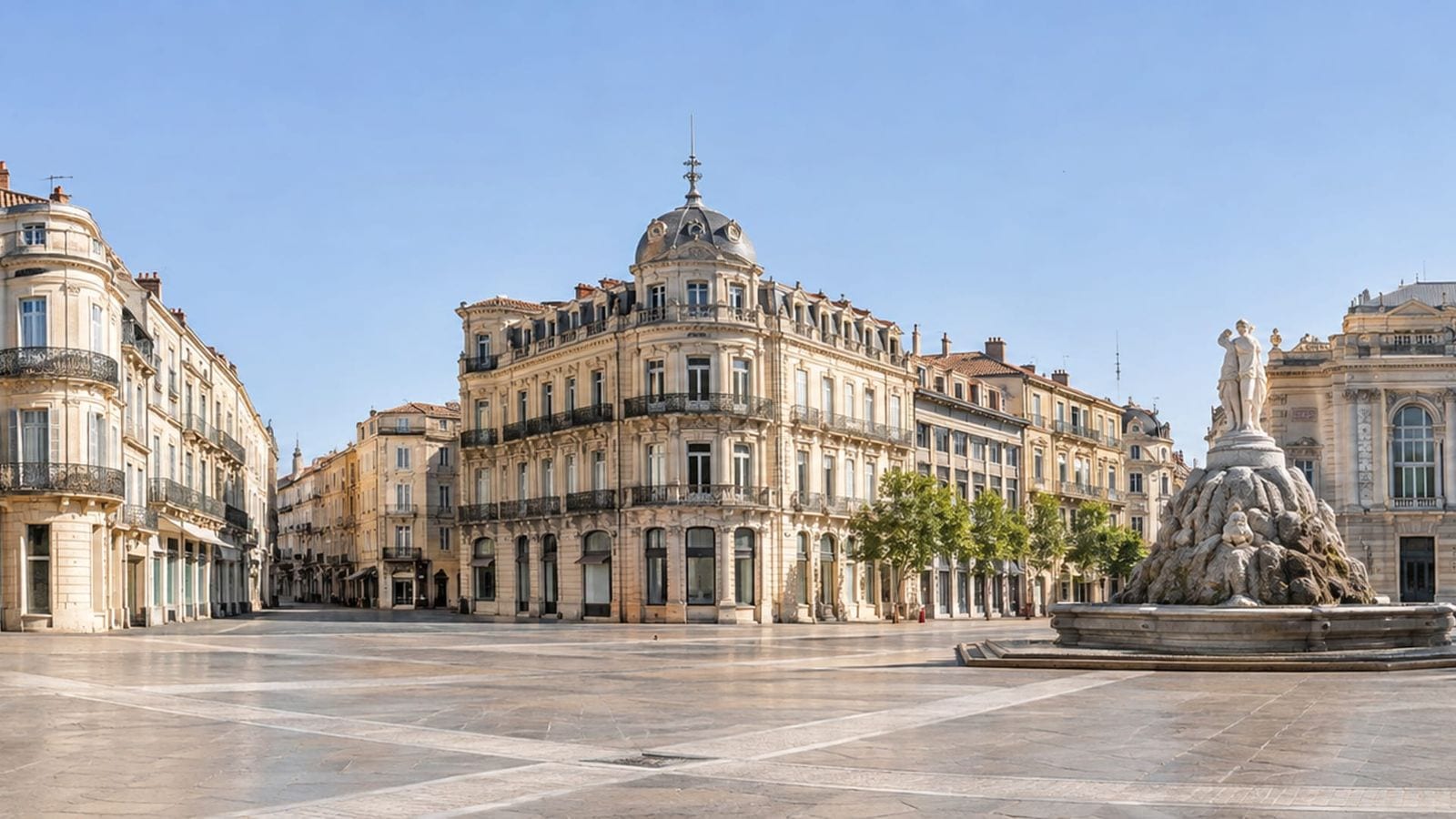
Montpellier’s architecture spans the medieval lanes of Écusson and the monumental neoclassical plazas of Antigone. Between them, the city offers two distinct ways to explore on foot: enclosed streets lined with older buildings and broad pedestrian spaces framed by repeating columns.
Follow that architectural contrast from Montpellier Cathedral, with its enormous entrance canopy, to the royal reliefs of the Arc de triomphe. Antigone extends the story eastward, where apartment buildings give classical forms a modern scale.
Five days allow time for these walks alongside Musée Fabre and the botanical collections of Jardin des Plantes. An Antigone hotel puts the historic center within walking distance, with trams available for longer trips.
Useful things to know

Main language(s): French
Bonjour (bohn-zhoor) – Hello
S’il vous plaît (seel voo pleh) – Please
Merci (mehr-see) – Thank you
Parlez-vous anglais ? (par-lay voo ahn-gleh) – Do you speak English?
Combien ça coûte ? (kohm-byen sah koot) – How much does it cost?

Currency: Euro (EUR, €)

Cash and cards: Cards and contactless are widely accepted; carry about €20 to €40 ($22 to $44) in cash.

Tipping: Round up or leave a small tip for good restaurant service; a service charge is included.

Traditional food: Clapassade, chichoumeille, brandade de morue, and tielle sétoise are among the classic dishes of Montpellier.

Water and coffee costs: Bottled water €1 to €3 ($1 to $3); bar espresso €2 to €3 ($2 to $3).

Taxis and ride apps: Find metered licensed taxis at Montpellier Saint-Roch train station; Uber and Bolt also operate.

Plug and voltage: Type C/E socket, 230V

Dining and shop opening hours: Breakfast: 7 am to 10 am; lunch: noon to 2 pm; dinner: 7:30 pm to 10 pm. Shops typically open 10 am to 7 pm; many independent shops close for lunch and on Sundays.

Emergency number: 112 for all emergencies; police 17, ambulance 15, fire 18.
Where to stay in Montpellier
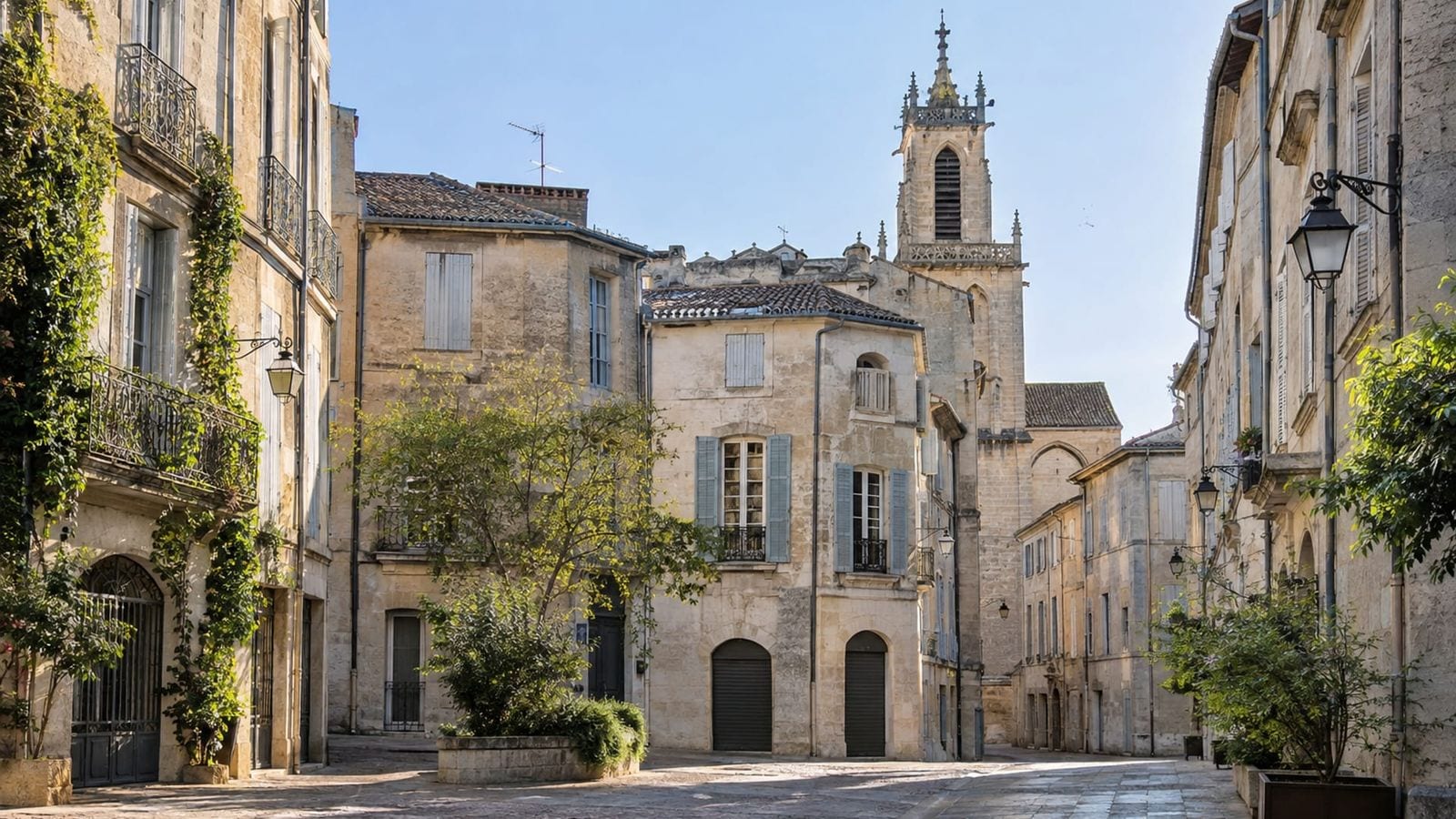
Écusson is Montpellier’s medieval center, with narrow lanes, small squares, and hotels in older buildings close to museums and restaurants. Stay here to explore the historic core on foot, with a wide choice of places to eat and the possibility of late-night noise beneath your windows.
Best for: Historic architecture, museum visits, and walking between restaurants
What to expect: Pedestrian lanes fill with shoppers during the day and restaurant customers in the evening.
Hotel prices: Well-rated hotels cost €110 to €220 ($120 to $240) a night.
Distance to major sights: Most locations are a 5 to 15-minute walk from Musée Fabre and Place de la Comédie.
Quietness: Shopping streets stay active by day; lanes near bars can remain noisy late into the evening.
Main trade-off: Older buildings may have stairs, small rooms, and limited soundproofing.
Good to know: Much of Écusson is pedestrianized; drivers should arrange parking and confirm the luggage drop-off point with their hotel.
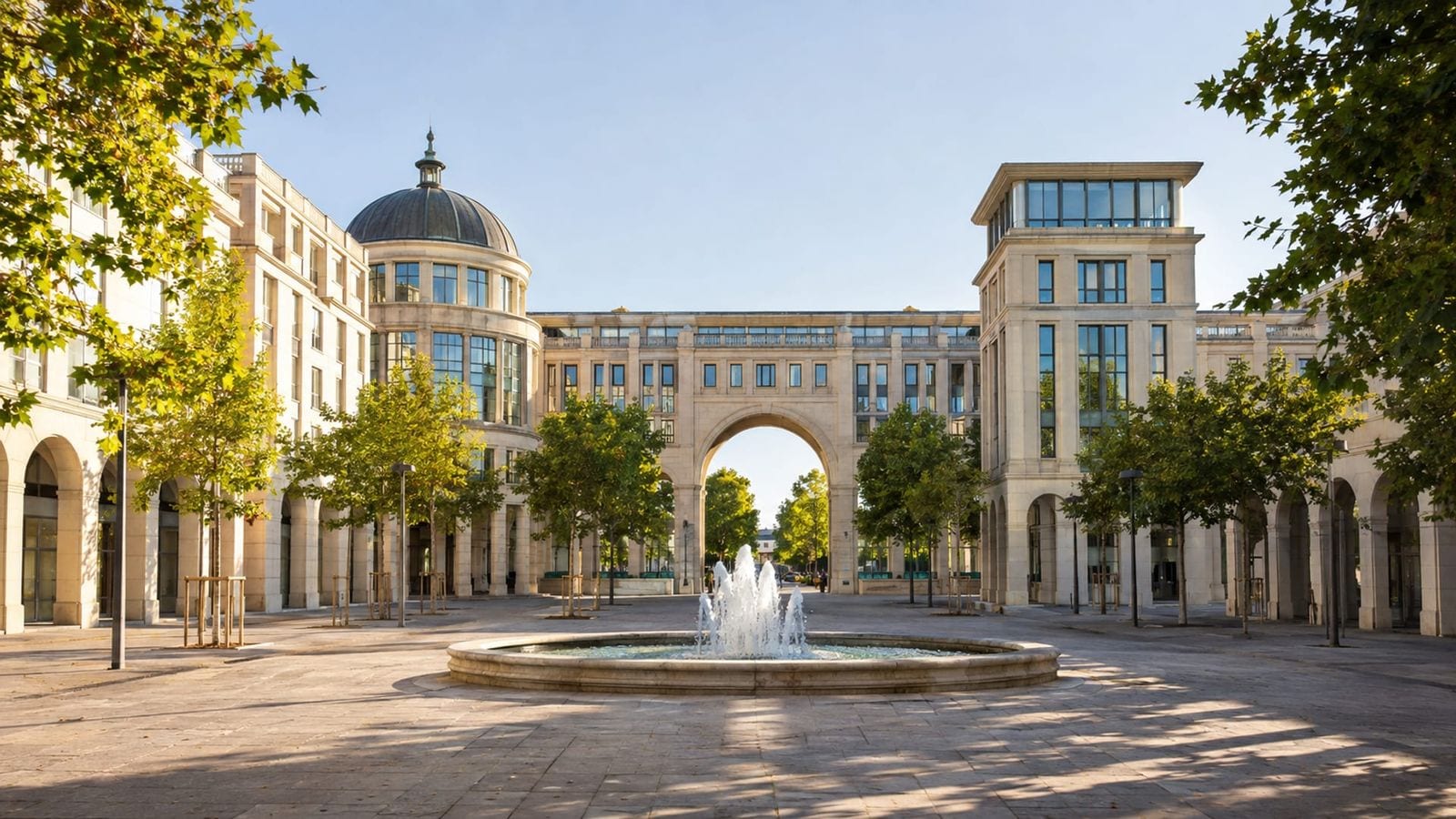
Antigone is a planned neighborhood of monumental neoclassical buildings, broad pedestrian spaces, and apartments east of the historic center. Its hotels suit visitors who prefer larger modern buildings and an easy walk to central shopping, with the Lez riverfront providing another walking route.
Best for: Riverfront walks, modern hotels, and access to central shopping
What to expect: Broad plazas attract pedestrians and restaurant customers, with fewer narrow shopping lanes than in Écusson.
Hotel prices: Allow €90 to €170 ($100 to $185) per night for a well-rated hotel.
Distance to major sights: Place de la Comédie is a 10 to 20-minute walk from most hotels.
Quietness: Pedestrian spaces see daytime activity; evenings are calmer away from restaurants and major roads.
Main trade-off: The monumental buildings offer less historic character than the medieval center.
Good to know: Compare the hotel’s precise location: properties toward the Lez require a longer walk to Place de la Comédie.
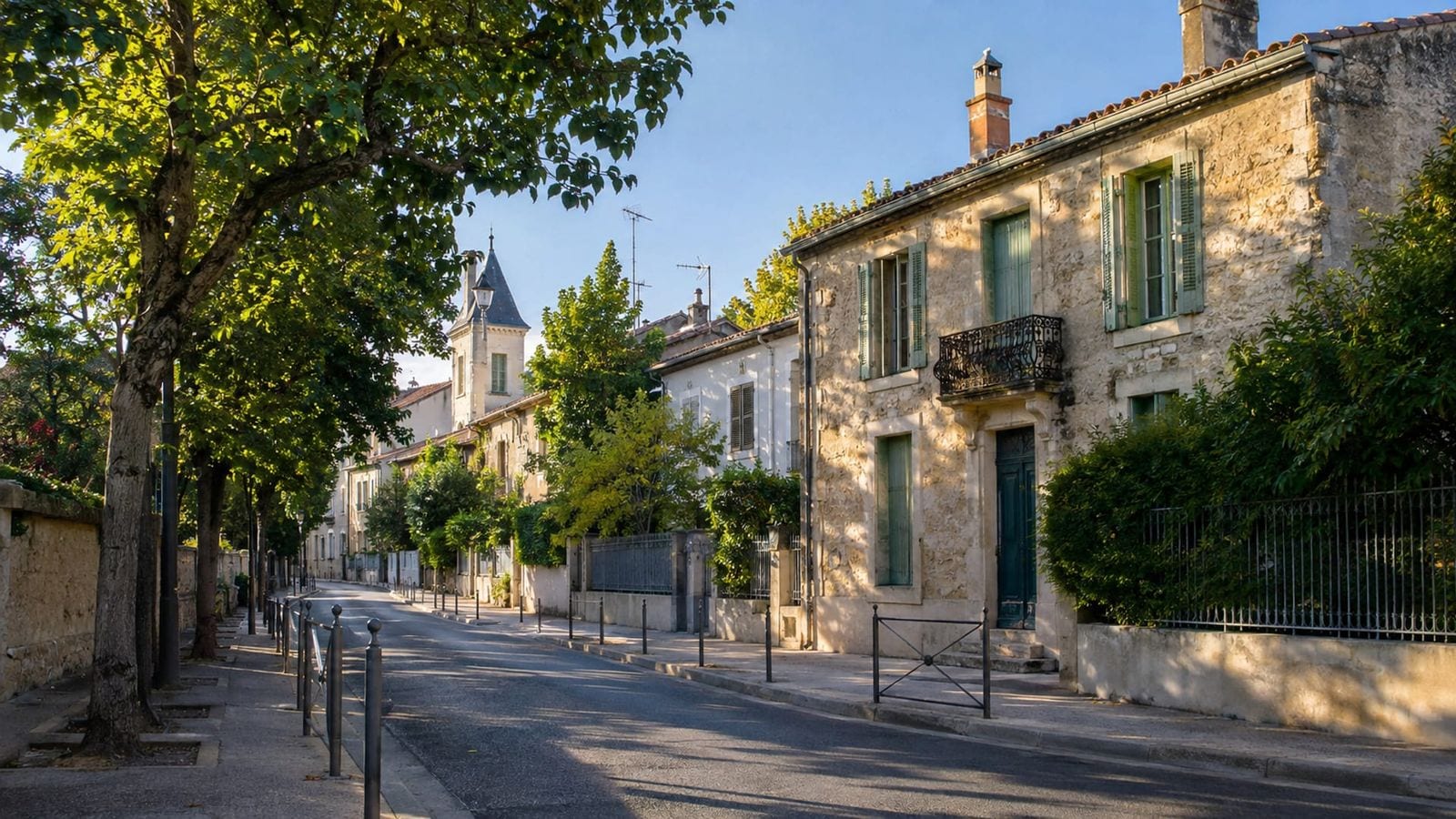
Boutonnet extends north of Montpellier’s historic center, mixing residential streets, university buildings, and small hotels in older houses. Visitors stay here for a quieter setting with gardens and neighborhood shops, accepting a longer walk to the main museums and evening restaurant choices.
Best for: Residential surroundings, smaller hotels, and quieter evenings
What to expect: Students and residents share streets lined with houses, apartment buildings, and neighborhood shops.
Hotel prices: A well-rated hotel typically charges €80 to €150 ($90 to $165) nightly.
Distance to major sights: From southern Boutonnet, Jardin des Plantes is a 10 to 20-minute walk.
Quietness: University activity brings daytime foot traffic; residential side streets generally become quieter in the evening.
Main trade-off: Hotel choices are fewer, and the walk home from central restaurants is longer.
Good to know: Choose southern Boutonnet to shorten the walk into Écusson; the neighborhood stretches farther north.
Less convenient for sightseeing: Mosson and Malbosc are far from the historic center; Prés d’Arènes has few major attractions and requires a longer trip to the old town.
Hotel deals
How to get around Montpellier efficiently
Montpellier’s pedestrian center favors walking, while trams, buses, taxis, Uber, and Bolt connect longer journeys.

Bus and tram
for convenience
Tram line 1 links Montpellier Saint-Roch station with Place de la Comédie in about 5 minutes. Visitors need paid tickets; resident free-travel passes do not cover tourists. Use trams for trips beyond the historic center.

Walking
for short central distances
From Place de la Comédie, walk to the Promenade du Peyrou through the historic center in about 15 minutes. Walking costs nothing and suits short central trips; narrow pedestrian streets and stone paving make rolling luggage slower.
Rideshare
for door-to-door trips
Uber and Bolt offer trips across Montpellier, with estimated fares displayed before booking. Budget roughly €10 to €25 ($11 to $28) for short urban journeys lasting 10 to 20 minutes. Choose this option after late dinners or with luggage.
*Prices are based on rates updated as of November 2026 and may change at the time of travel.
Walk through Écusson, take trams beyond the historic center, use the airport bus for a cheaper transfer, and choose taxis or ride-hailing with luggage.
Iconic landmarks
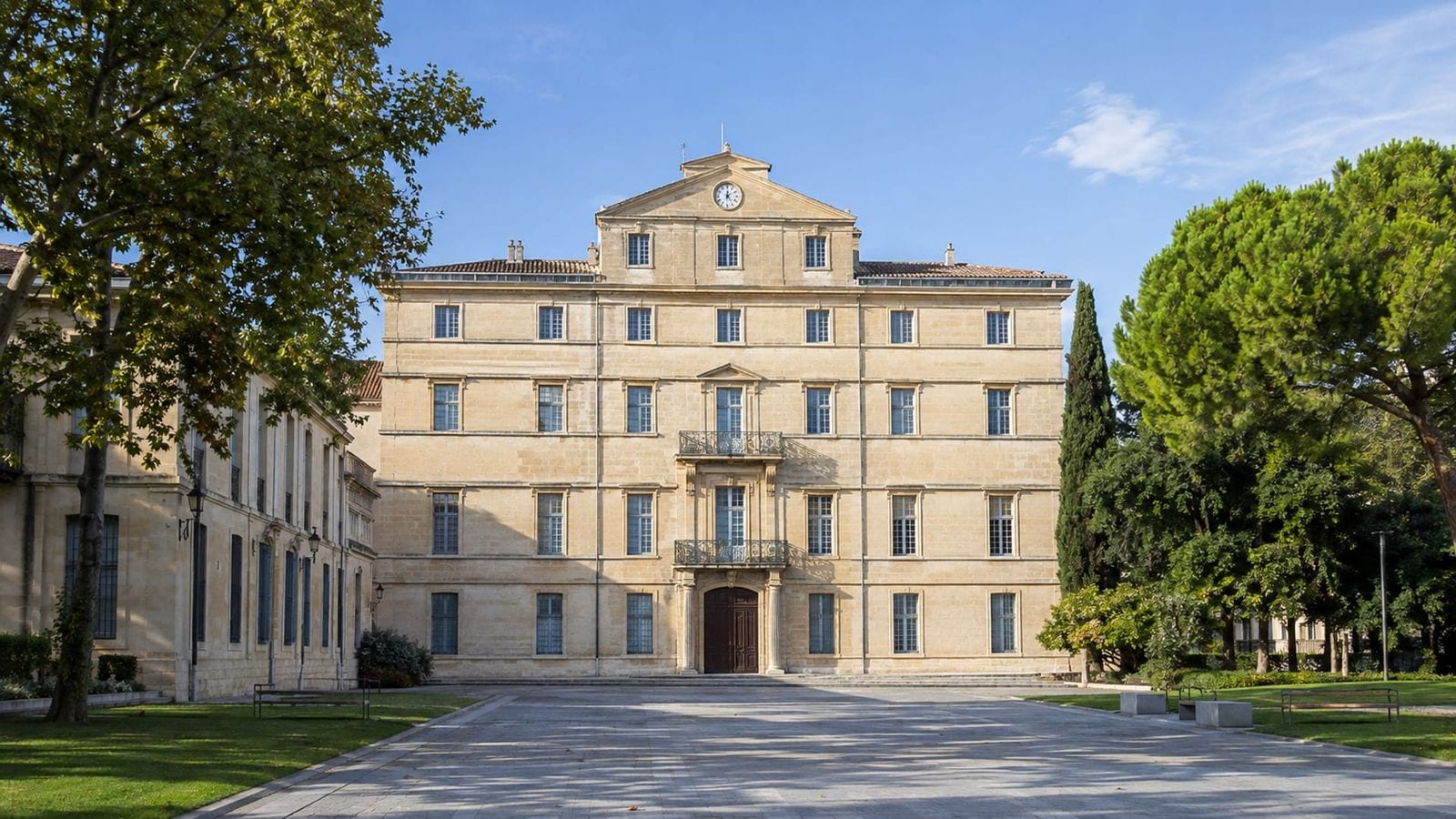
Musée Fabre
Paintings by Courbet, Delacroix, and Montpellier-born Frédéric Bazille anchor this major art museum. Its collection spans European painting from the Renaissance onward, with a substantial group of works by Pierre Soulages.
Time needed: About 2 to 3 hours
Entry: Moderately priced: permanent collection; closed on Mondays
Tip: Start with the Courbet rooms, then leave time for the large Soulages gallery.
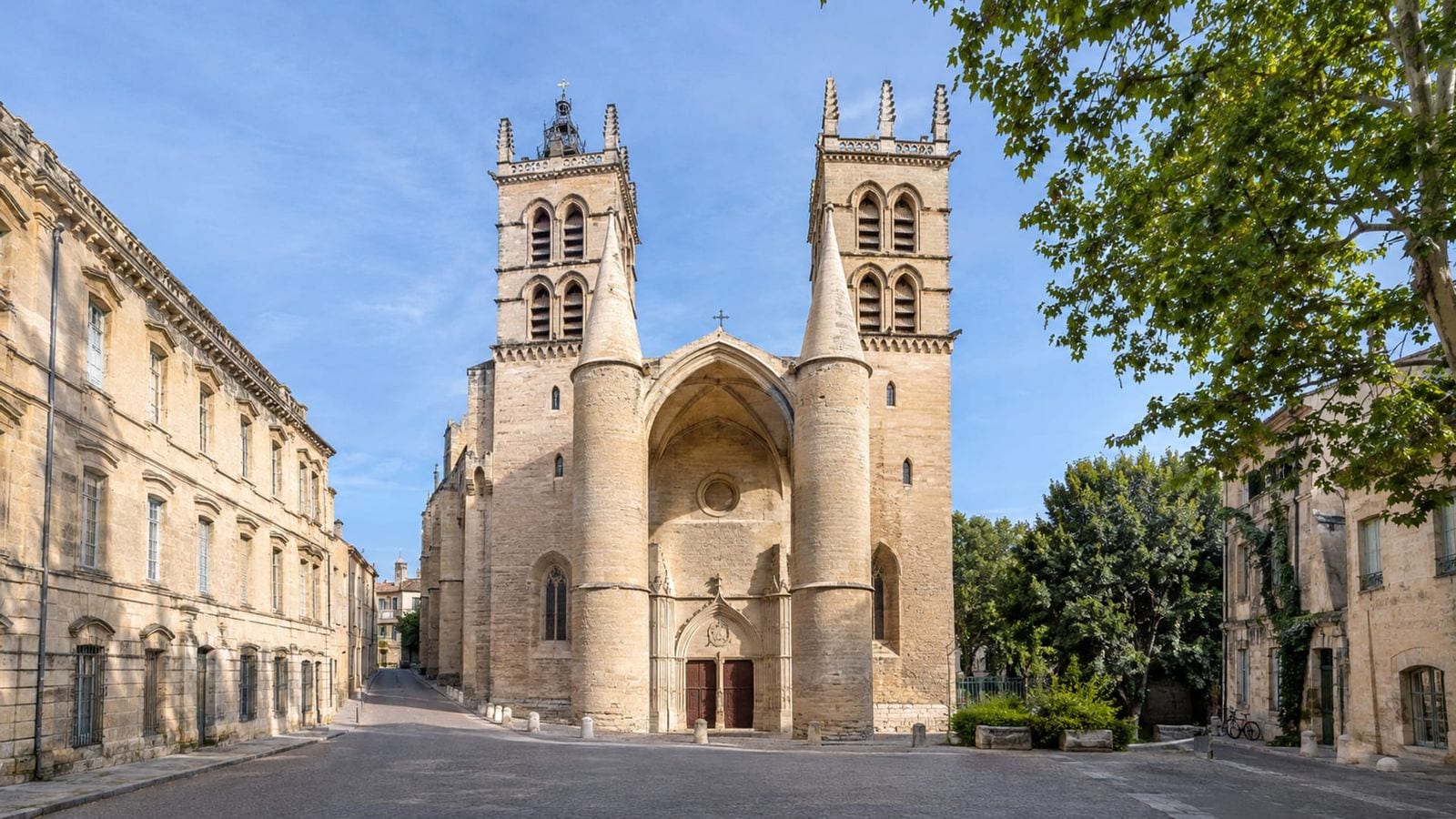
Montpellier Cathedral
Twin cylindrical towers support an enormous canopy over the entrance to Montpellier Cathedral, giving its Gothic facade a fortress-like profile. Inside, soaring vaults reveal the scale of a church founded as a monastery in 1364.
Time needed: About 30 to 45 minutes
Entry: Free: cathedral interior
Tip: Walk to the main entrance from Place Saint-Pierre to see the porch head-on.
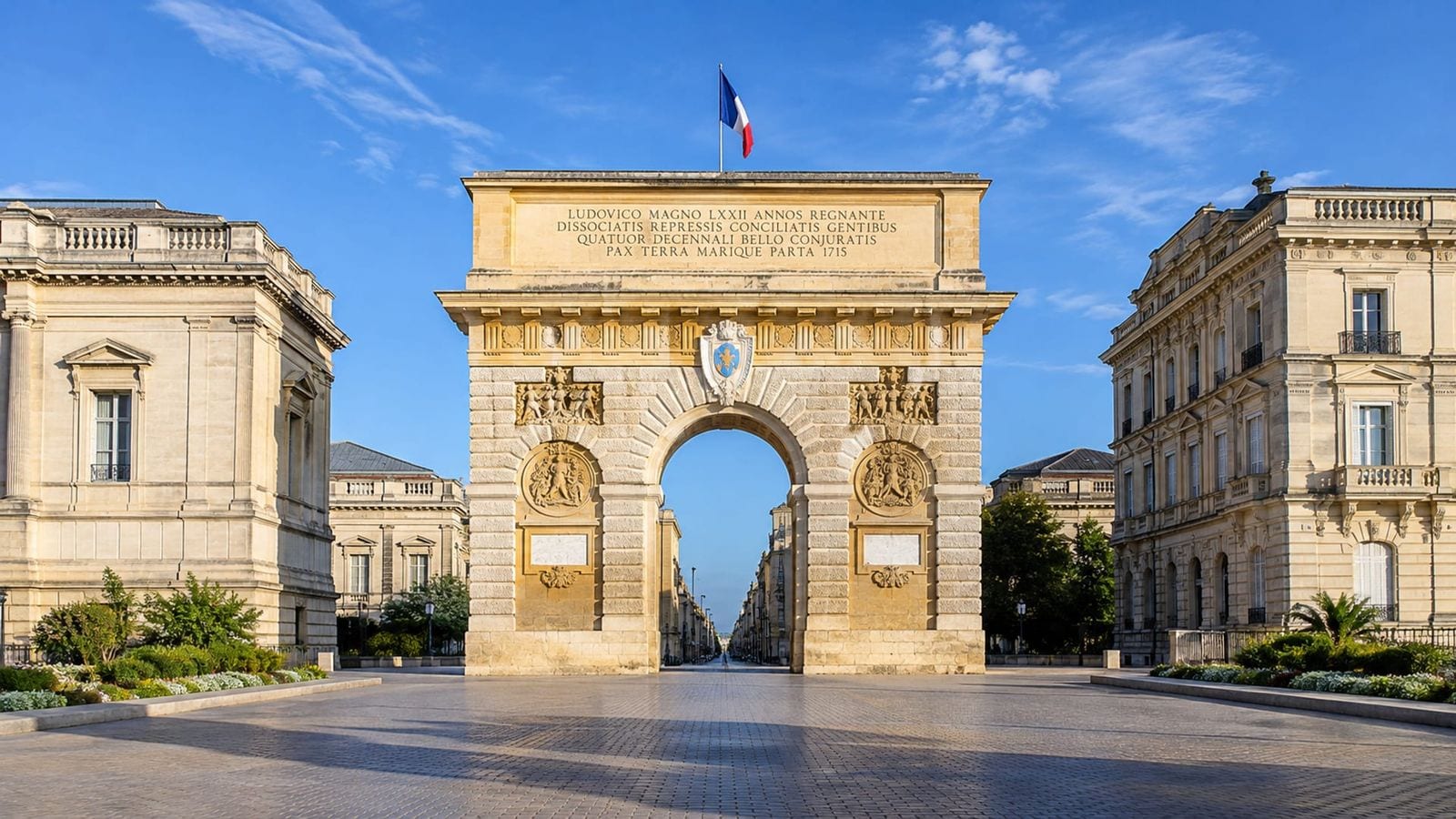
Arc de triomphe
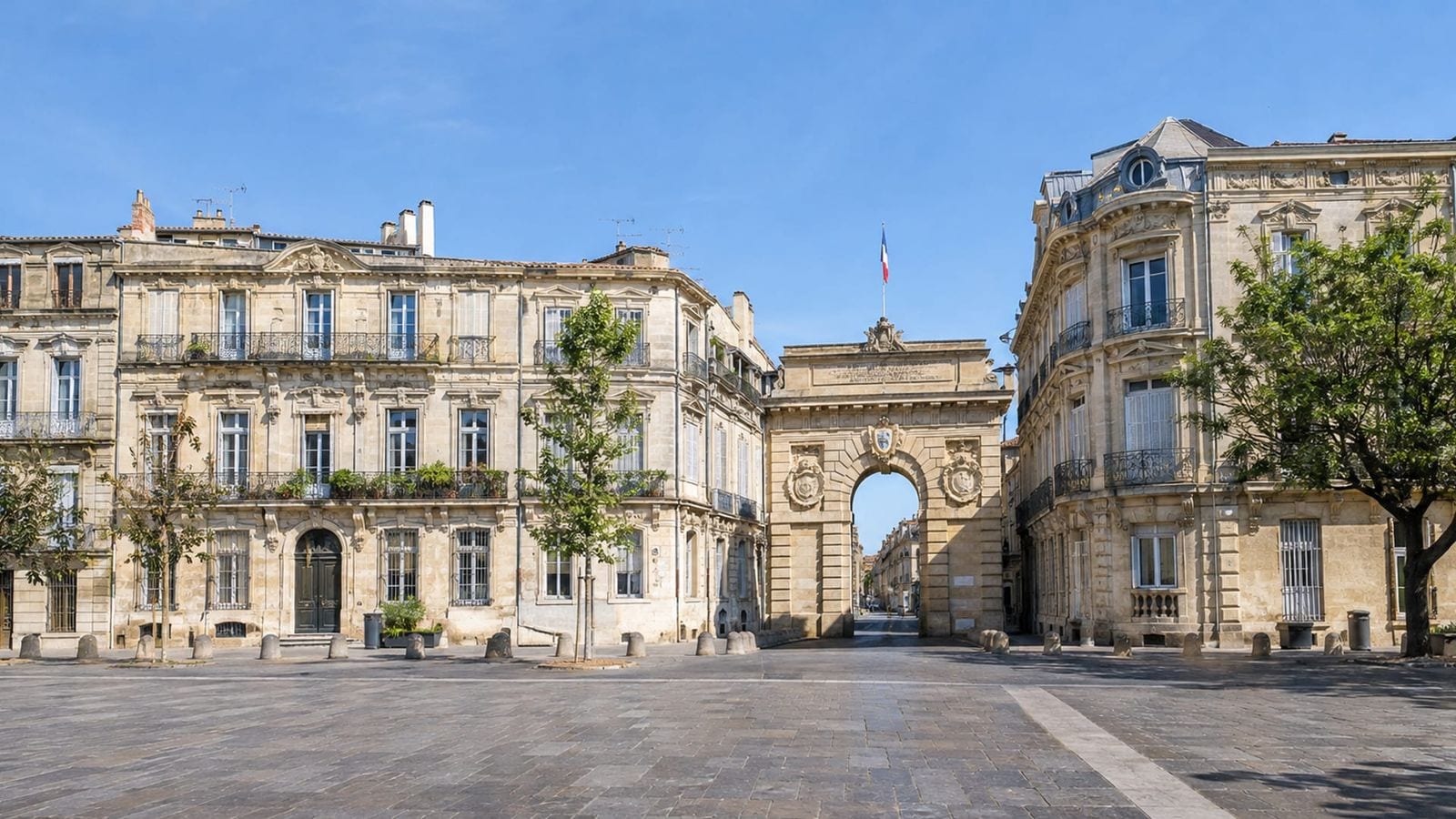
Built in the late 17th century to honor Louis XIV, Montpellier’s triumphal arch marks the western end of Rue Foch. Its carved reliefs celebrate the king’s reign, while the passage frames the route between the old city and the Peyrou.
Time needed: About 15 to 30 minutes
Entry: Free: exterior and passage
Tip: Approach along Rue Foch for a frontal view of the arch before crossing it.
Overlooked sites worth visiting

Parc de la Guirlande
Parc de la Guirlande preserves the grounds of an old estate in Montpellier’s Figuerolles neighborhood. Mature trees and shaded paths offer a quiet break away from the historic center.
Time needed: About 30 to 45 minutes
Entry: Free to access
Tip: Choose the shaded paths for a midday walk in Figuerolles.

Espace Dominique Bagouet
Espace Dominique Bagouet presents temporary art exhibitions in a small municipal gallery beside the historic center’s main square. Its compact rooms make a focused stop for regional art.
Time needed: About 30 to 45 minutes
Entry: Free admission
Tip: Combine the exhibition with a walk along nearby Esplanade Charles-de-Gaulle.
Traditional food
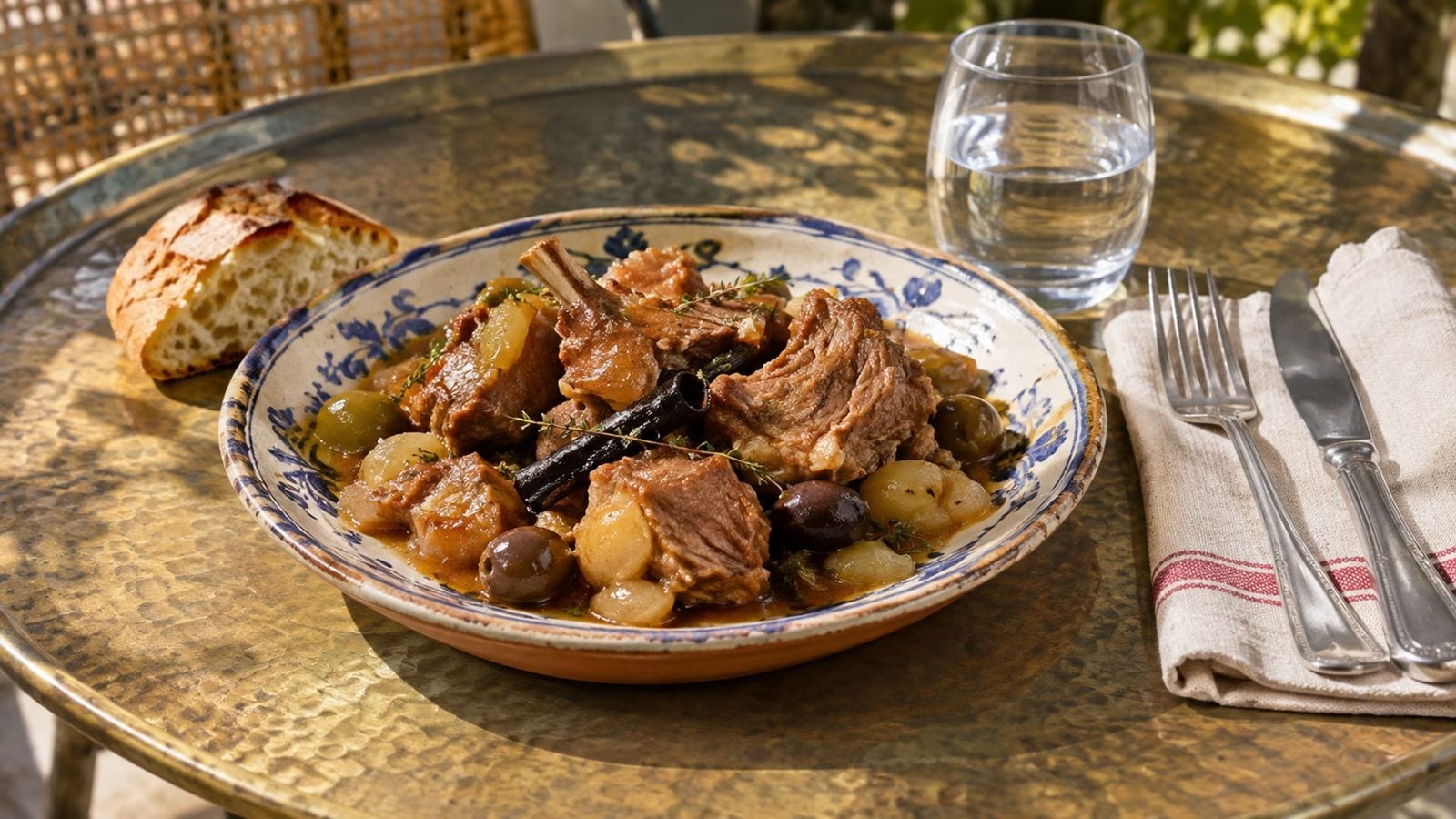
Montpellier’s regional cooking brings together lamb, salt cod, Mediterranean vegetables, and seafood pies. Garlic, olive oil, and slow cooking connect its inland traditions with the nearby coast.
Clapassade
Clapassade combines slow-cooked lamb with ingredients such as olives and licorice, giving this regional stew a distinctive savory sweetness. At Le Bouchon Saint Roch, ask whether it appears on the current menu.
Chichoumeille
Chichoumeille brings eggplant, tomatoes, onions, and garlic together in olive oil, cooking the vegetables until tender. Ask Le Petit Jardin whether this regional preparation features among its seasonal accompaniments.
Brandade de morue
Brandade de morue blends salt cod with olive oil into a creamy preparation, sometimes with potato and garlic. At La Diligence, ask whether the current menu includes brandade or another preparation of salt cod.
Tielle sétoise
Tielle sétoise encloses octopus in a tomato sauce inside a golden pastry crust, bringing coastal flavors to Montpellier’s regional table. Ask Chez Boris whether this seafood pie features on the current menu.
Best time to visit Montpellier
Spring and fall favor Montpellier’s walking routes; summer brings hotter afternoons, while winter offers quieter museum days.
Best for: Garden walks and exploring Écusson before the hottest afternoons of summer
What you get: 43°F to 73°F (6°C to 23°C), with warming afternoons and increasing visitors; Jardin des Plantes offers a seasonal focus for central walks.
Trade-offs: Cool mornings and rain can interrupt longer walks between Antigone and the historic center.
Best for: Long evenings in Antigone and early walks through the historic city center
What you get: 61°F to 86°F (16°C to 30°C), with hot afternoons and the busiest vacation period; central squares attract more visitors into the evening.
Trade-offs: Heat makes the exposed terraces of Promenade du Peyrou more comfortable early in the day.
Best for: Museum mornings and architectural walks as Montpellier’s summer heat eases
What you get: 45°F to 79°F (7°C to 26°C), moving from warm September days toward cooler November weather; crowds thin after the summer vacation season.
Trade-offs: Heavy rain can disrupt outdoor plans, particularly during autumn Mediterranean storms.
Best for: Unhurried art viewing at Musée Fabre and shorter walks through old Écusson
What you get: 37°F to 55°F (3°C to 13°C), with cool days and fewer vacation visitors; museums provide indoor stops between walks through the old center.
Trade-offs: Short daylight hours limit sightseeing, and Jardin des Plantes closes earlier than in summer.
A realistic 5-day plan in Montpellier
The five days begin and end in Antigone, with separate outings for Musée Fabre, Écusson’s cathedral and gardens, and the aqueduct west of the historic center.
From Montpellier (MPL), take a taxi to your hotel in Antigone, allowing 20 to 30 minutes and €30 to €50 ($33 to $55). After unpacking, explore the neighborhood’s broad pedestrian spaces for 30 minutes, then choose a restaurant on Place du Nombre-d’Or for a light dinner.
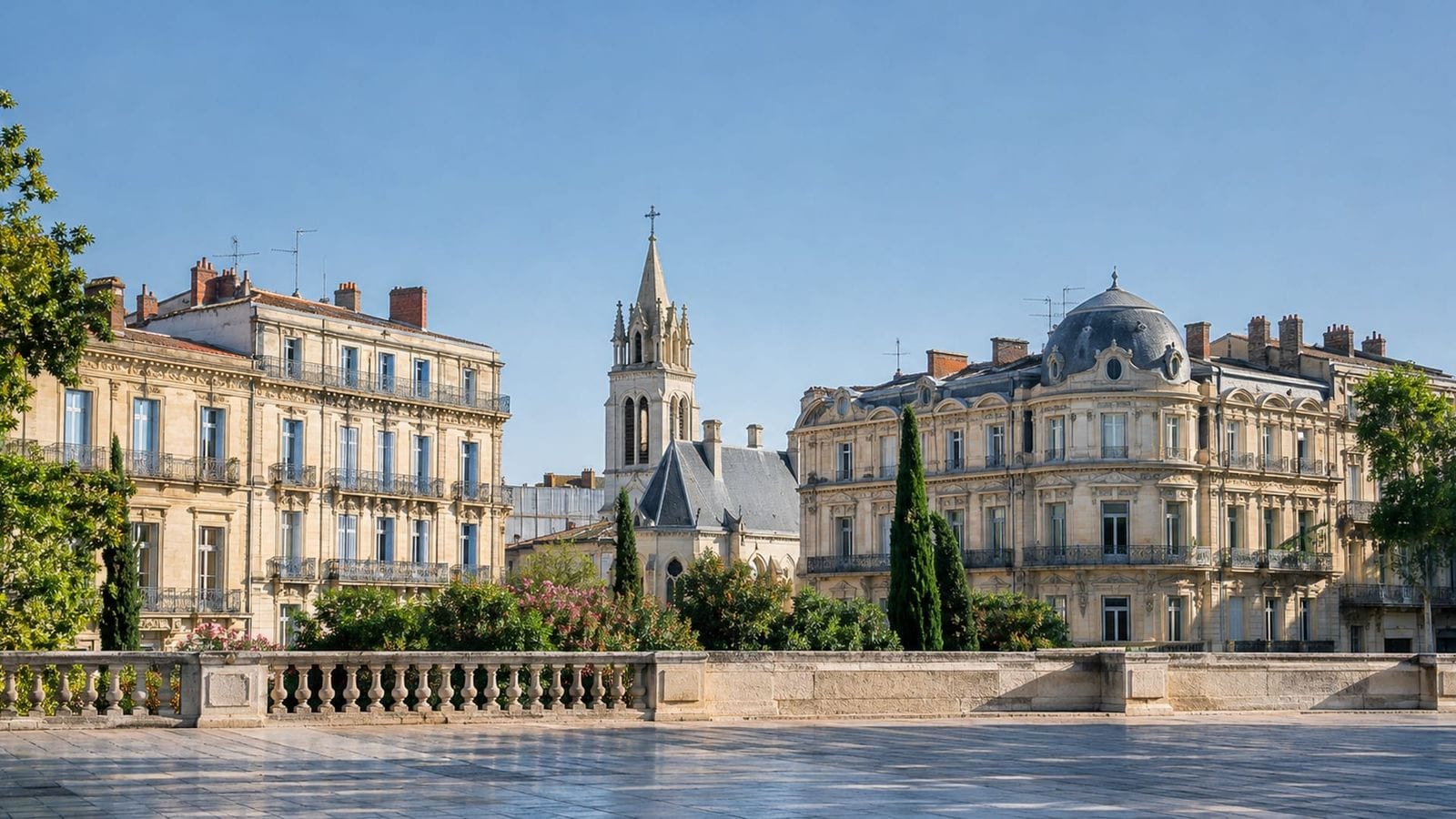
Musée Fabre fills the morning with Courbet, Bazille, and Soulages; allow three hours, Tuesday to Sunday, 10 am to 6 pm. Walk five minutes to Esplanade Charles-de-Gaulle for lunch nearby, then continue five minutes to Place de la Comédie. Spend the afternoon exploring the shopping lanes of Écusson.
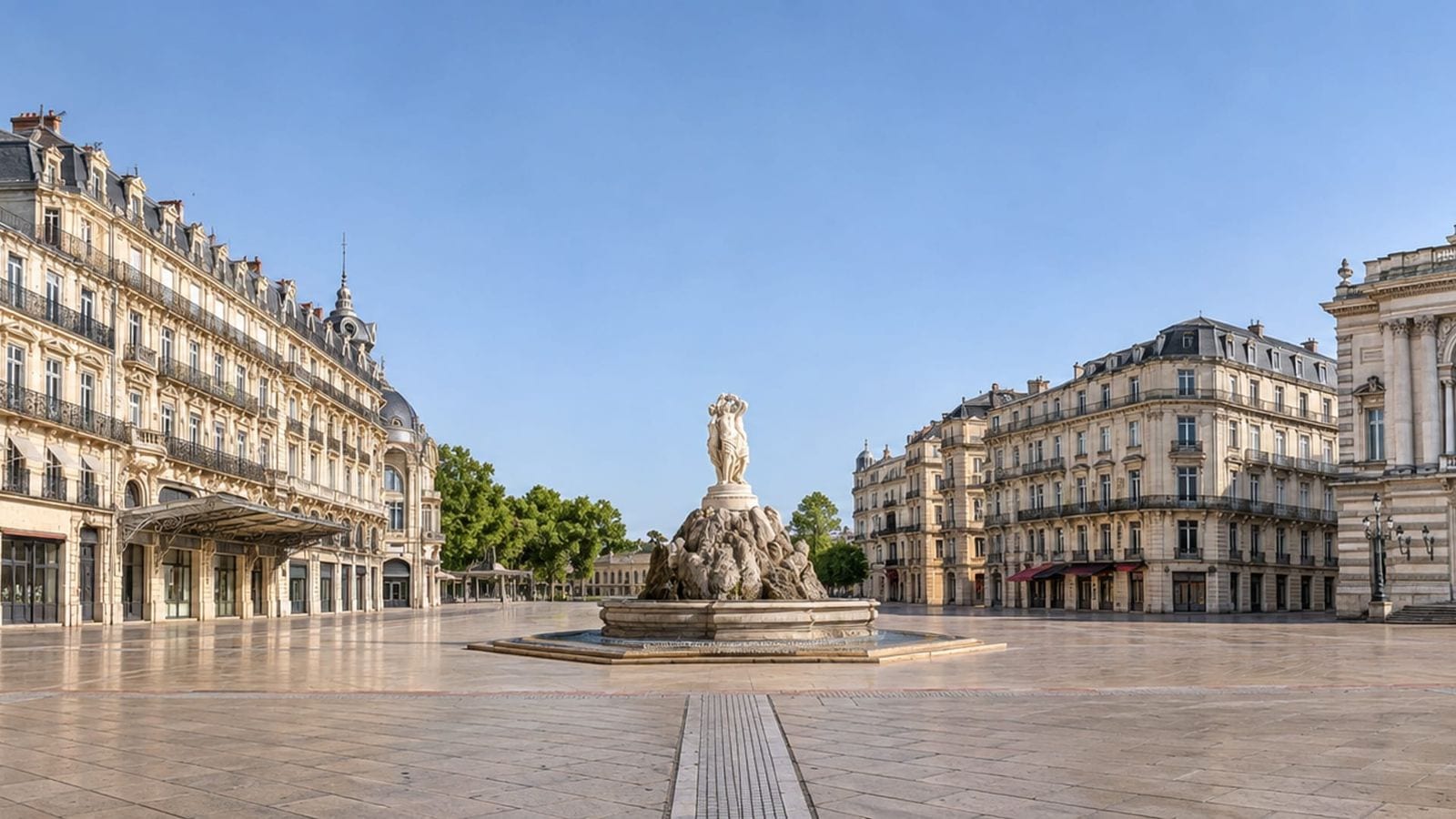
The fortress-like entrance to Montpellier Cathedral begins today’s walk through Écusson. Admire the exterior, then walk five minutes to Jardin des Plantes, open Tuesday to Sunday from noon, closing at 6 pm in winter and 8 pm in summer. Allow two hours among its botanical collections before walking ten minutes to Arc de triomphe.
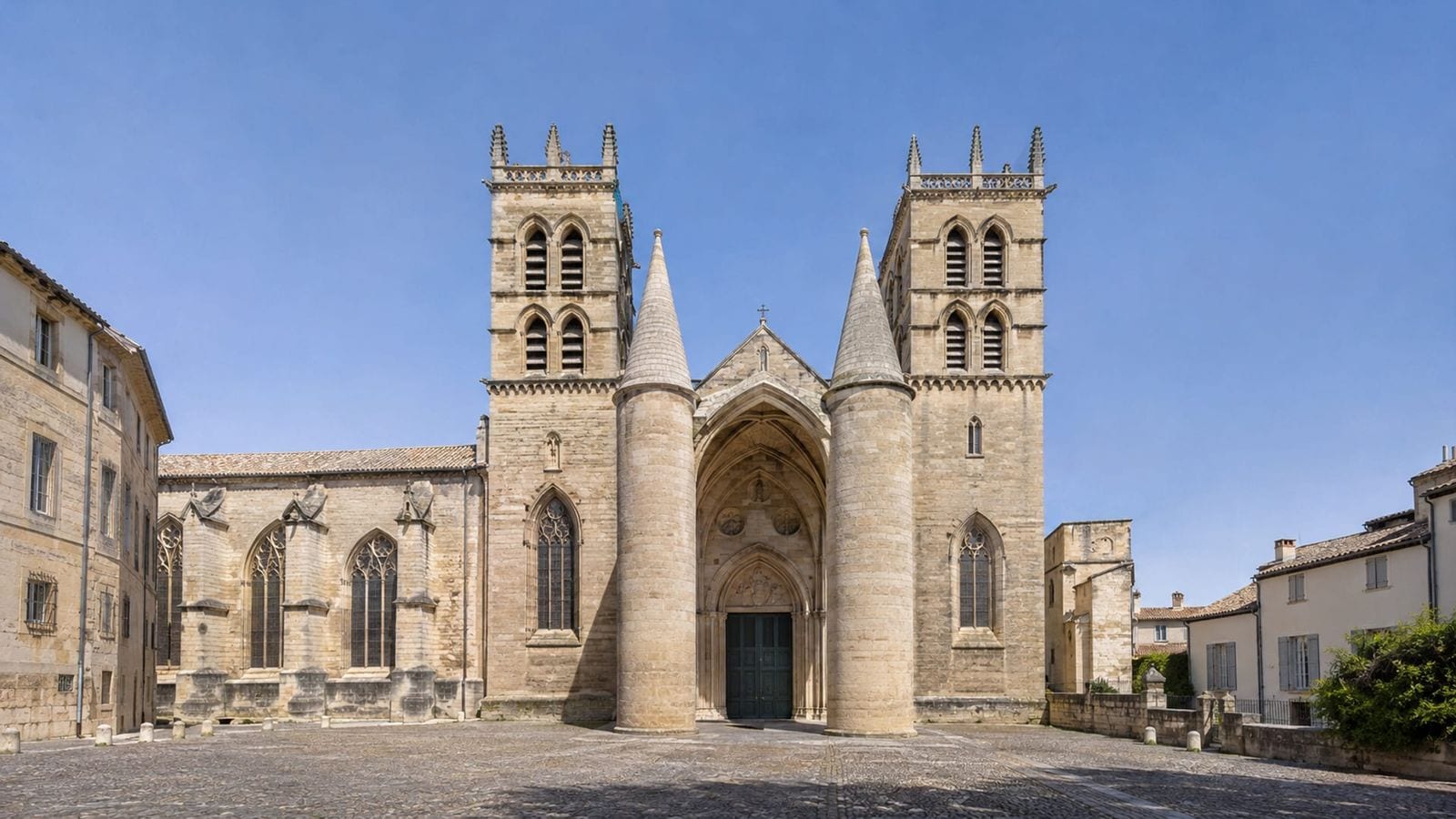
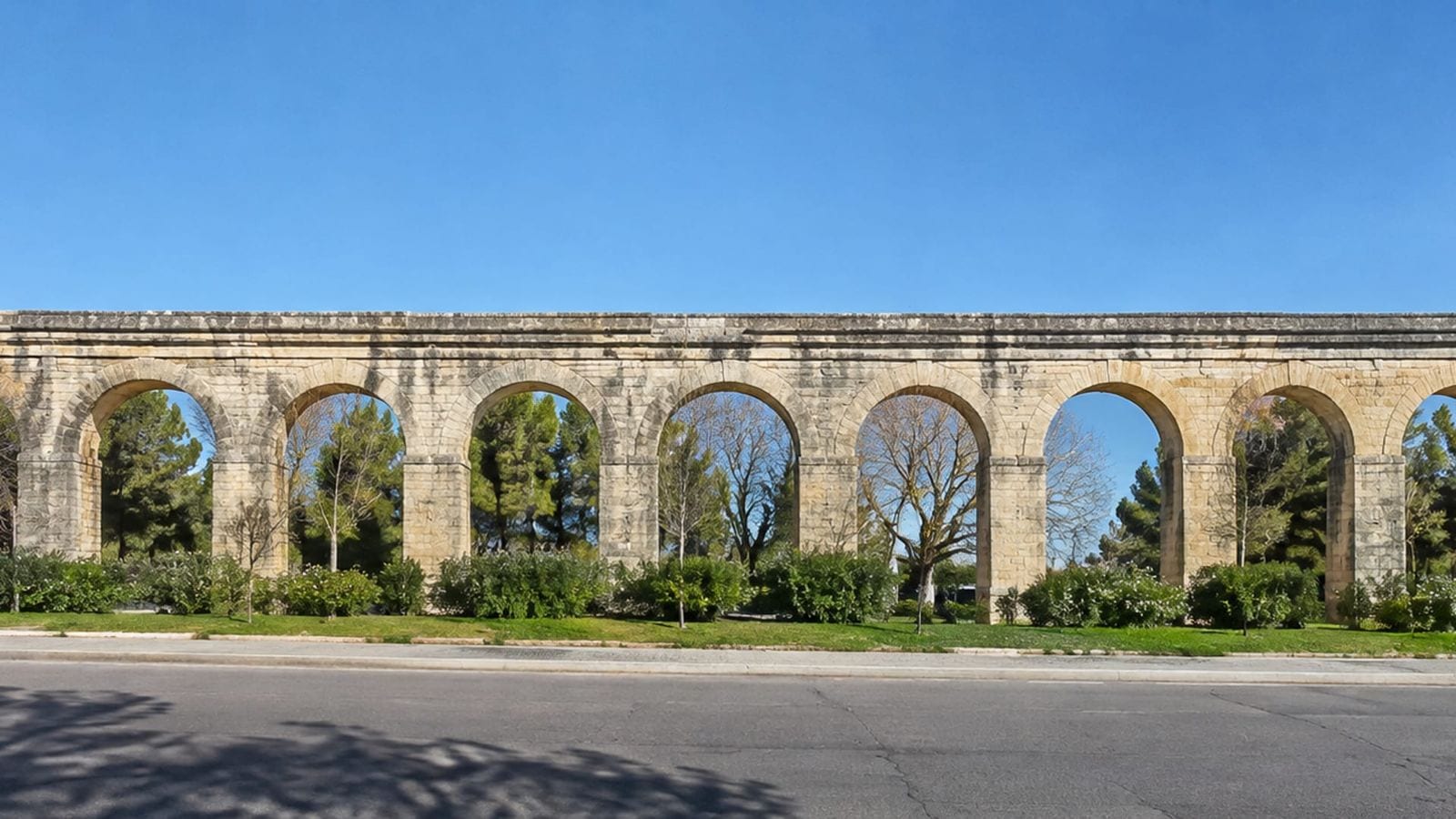
West of the historic center, Parc de la Guirlande offers shaded estate grounds for a morning walk. Spend an hour there, then walk 25 minutes toward Aqueduc Saint-Clément to study its double-tiered arches. Continue uphill for 15 minutes to Promenade du Peyrou, allowing an hour for its terraces and city views.
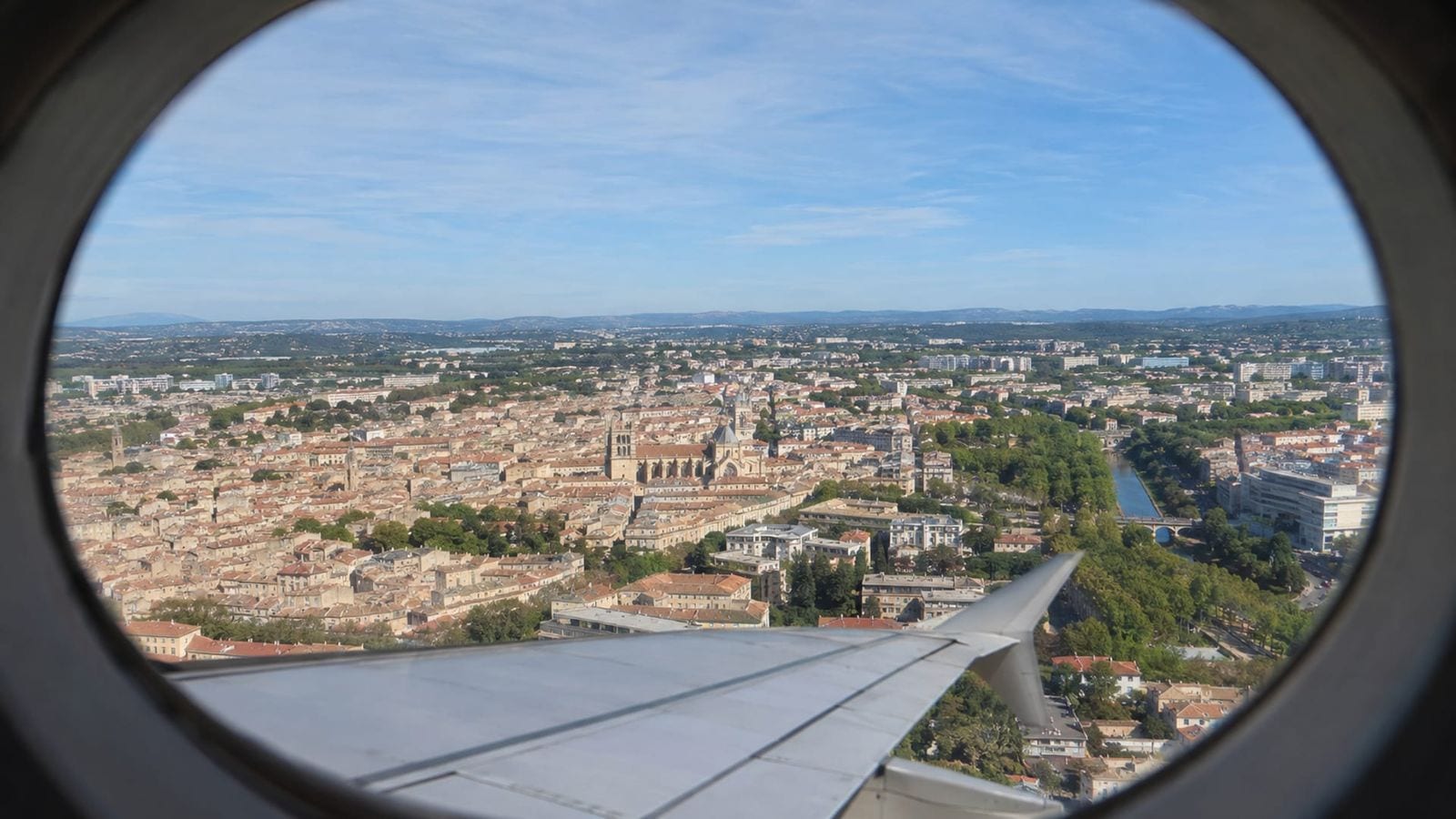
A final café breakfast and neighborhood shopping in Antigone keep departure morning close to your hotel. Allow an hour along its pedestrian plazas before collecting your luggage. A taxi from Antigone to Montpellier (MPL) takes 20 to 30 minutes; budget €30 to €50 ($33 to $55).
Business-class flights from the US to Montpellier
The New York and Los Angeles examples connect to Montpellier (MPL) through Paris (CDG), with different journey times and round-trip fare ranges.
From New York, Air France connects to Montpellier (MPL) through Paris (CDG), with a one-stop journey time of 11 to 15 hours. Round-trip fares range from $3,000 to $6,500 for this itinerary through the French capital.
Reaching Montpellier (MPL) from Los Angeles takes 14 to 18 hours on the one-stop Air France option through Paris (CDG). This itinerary carries round-trip fares of $4,000 to $8,000 and includes the connection in Paris.
Montpellier feels different when you slow down
A Montpellier trip can unfold through contrasting streets: a morning among the paintings at Musée Fabre, a walk beneath the entrance canopy of Montpellier Cathedral, and an evening in Antigone’s broad plazas. Leave another day for Aqueduc Saint-Clément and the terraces of Promenade du Peyrou, using trams for longer journeys between walks. Ask AranGrant experts to shape your flights to Montpellier around spring garden walks or a fall stay near Écusson







