

Chapters:

Need help with your trip?
Our support team is available 24/7. Request a callback or call us directly at (833) 619-0908
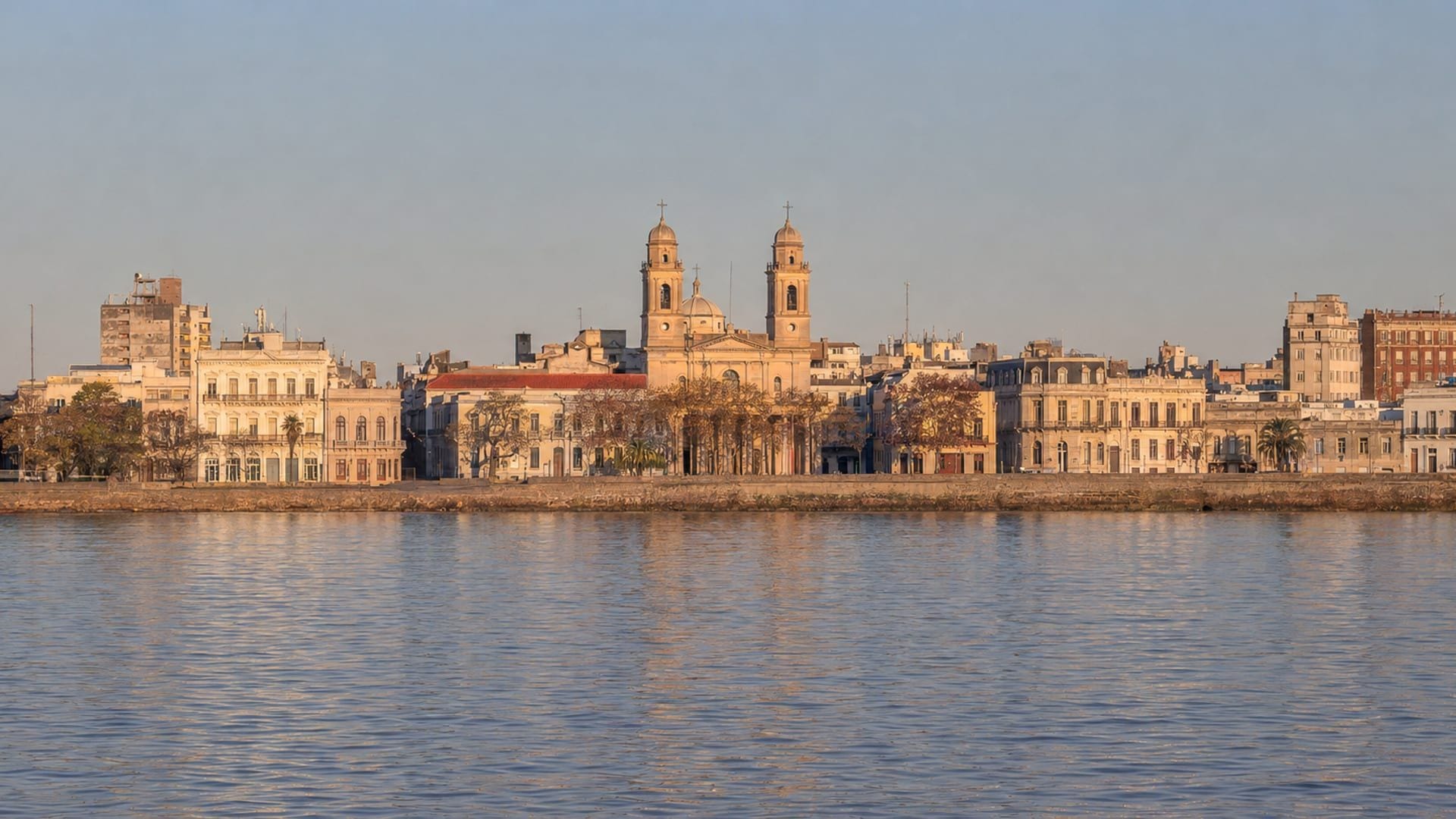
Montevideo stretches along the Río de la Plata with historic streets, broad avenues, beaches, markets, and residential neighborhoods that feel noticeably different. Ciudad Vieja brings colonial buildings and old cafés, while Pocitos adds a long beachfront, and the Rambla follows the coast for miles.
You can explore the old center in the morning, stop for grilled meat at Mercado del Puerto, then move toward the waterfront for a slower afternoon. The city suits long lunches, museum visits, and evenings that begin later than many visitors expect.
In this travel guide, you can discover where to stay, how to move between neighborhoods, and how to plan five days around Montevideo’s coastline, landmarks, and local rhythm.
Useful things to know

Main language(s): Spanish
Hola (OH-lah) – Hello
Por favor (por fah-VOR) – Please
Gracias (GRAH-see-ahs) – Thank you
¿Habla inglés? (AH-blah een-GLAYS) – Do you speak English?
¿Cuánto cuesta? (KWAHN-toh KWES-tah) – How much does it cost?

Currency: Uruguayan peso (UYU, $)

Cash and cards: Cards and contactless payments are widely accepted. Carry UYU 500–UYU 1,000 (US$13–US$26) for small purchases or cash-only situations.

Tipping: Tipping is optional. Leave 5%–10% in restaurants for good service, or simply round up smaller bills and taxi fares.

Traditional food: Chivito, asado, milanesa, tortas fritas, empanadas, and dulce de leche are among the foods most closely associated with Montevideo.

Water and coffee costs: Bottled water often costs UYU 80–UYU 120 (US$2–US$3), while an espresso usually costs UYU 120–UYU 180 (US$3–US$5).

Taxis and ride apps: Licensed taxis are common, while Uber and Cabify also operate in Montevideo. Check the license plate and app details before boarding.

Plug and voltage: Type C/F/I/L sockets, 230V. Bring a universal adapter if your devices use US plugs.

Dining and shop opening hours: Lunch often starts at 12:30 pm and dinner at 8:00 pm. Many shops open roughly from 9:30 am to 7:30 pm on weekdays.

Emergency number: Call 911 for police or general emergencies.
Where to stay in Montevideo
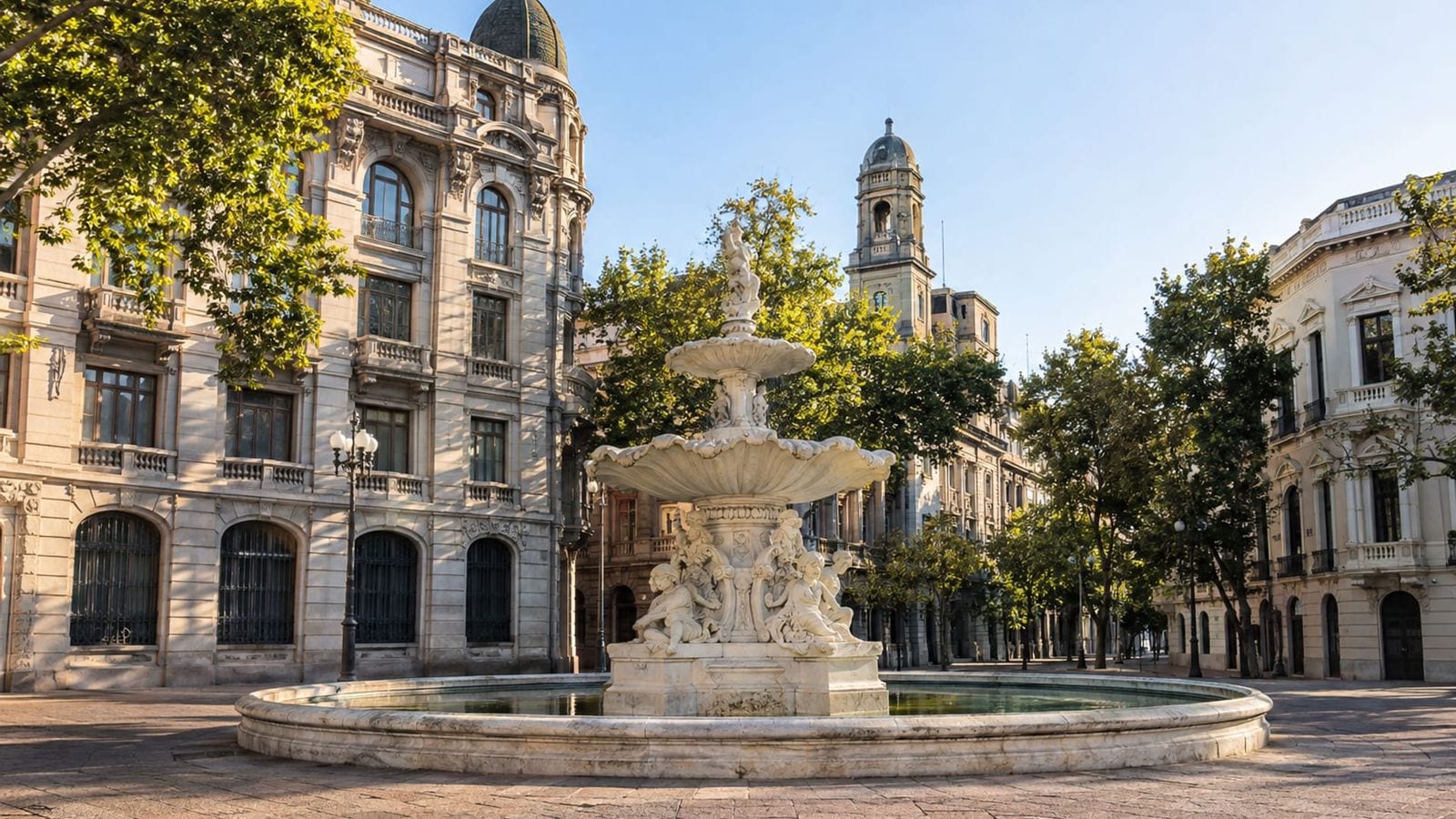
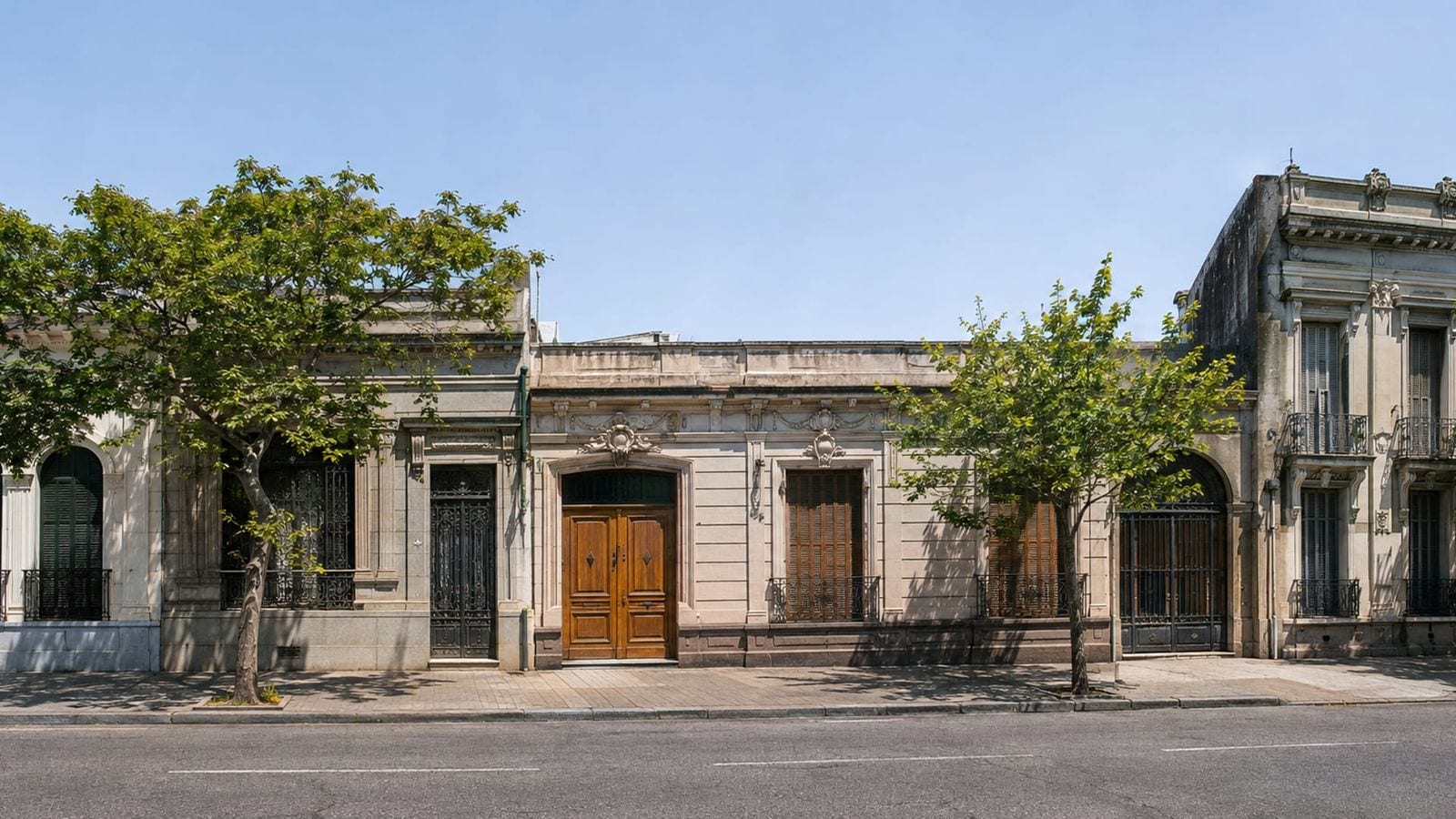
Ciudad Vieja carries Montevideo’s oldest urban character through historic facades, museums, cafés, and streets leading toward the port. Choose it for easy access to Plaza Independencia, Teatro Solís, Mercado del Puerto, and a part of the city that feels most connected to its past.
Best for: Sightseeing, architecture, museums, and dining within walking distance
What to expect: Daytime brings steady foot traffic, office workers, and visitors; evenings concentrate around restaurant blocks and a few busy corners.
Hotel prices: Usually about $70 to $140 per night for well-rated stays
Distance to major sights: 5 to 15 minutes on foot to Plaza Independencia and Teatro Solís
Quietness: Busier and noisier by day, with quieter side streets after dinner; weekends can be lively near main restaurant strips.
Main trade-off: The oldest streets can feel sparse late at night, and some blocks empty out after office hours.
Good to know: Choose a hotel near Plaza Independencia or the busier restaurant streets if you expect to return late.
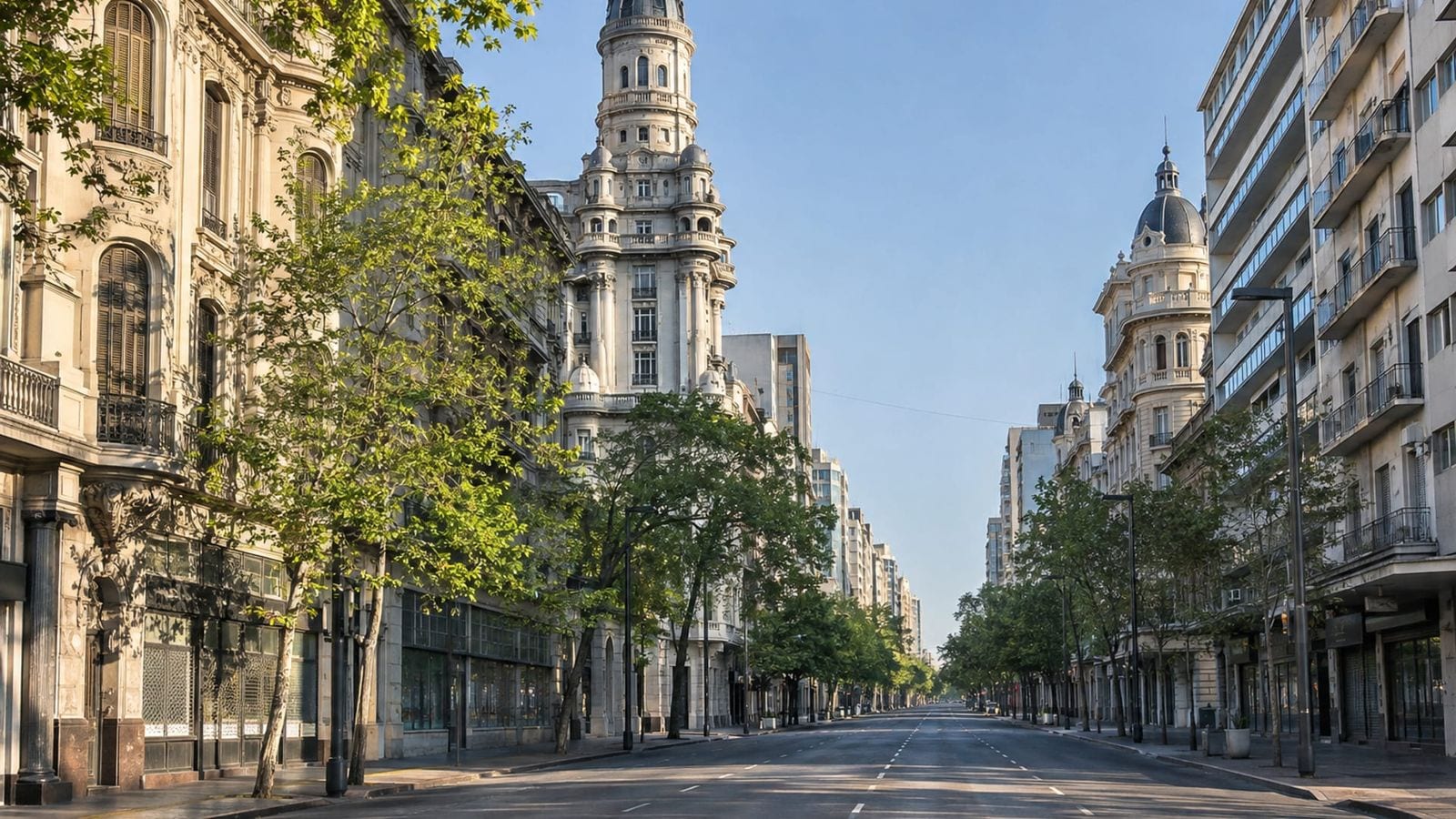
Centro feels busier and more practical, with 18 de Julio, offices, shops, theaters, and bus routes shaping the day. It suits shorter stays and travelers who want quick access across Montevideo, while keeping Ciudad Vieja close enough for an easy walk or short ride into the historic center.
Best for: Transit access, short stays, and travelers who prefer a central, everyday city setting
What to expect: Expect office traffic, busy avenues, lunch crowds, and a practical mix of shops, cafes, and apartment buildings.
Hotel prices: Usually about $60 to $120 per night for well-rated stays
Distance to major sights: 10 to 20 minutes on foot to Plaza Independencia and 15 to 25 minutes by bus to Parque Rodó
Quietness: Noisy during business hours, then calmer in the evening except along main boulevards and hotel streets.
Main trade-off: You trade atmosphere for convenience, and some blocks feel less appealing for evening strolls than the waterfront districts.
Good to know: A hotel near 18 de Julio gives you the broadest choice of buses for trips across Montevideo.
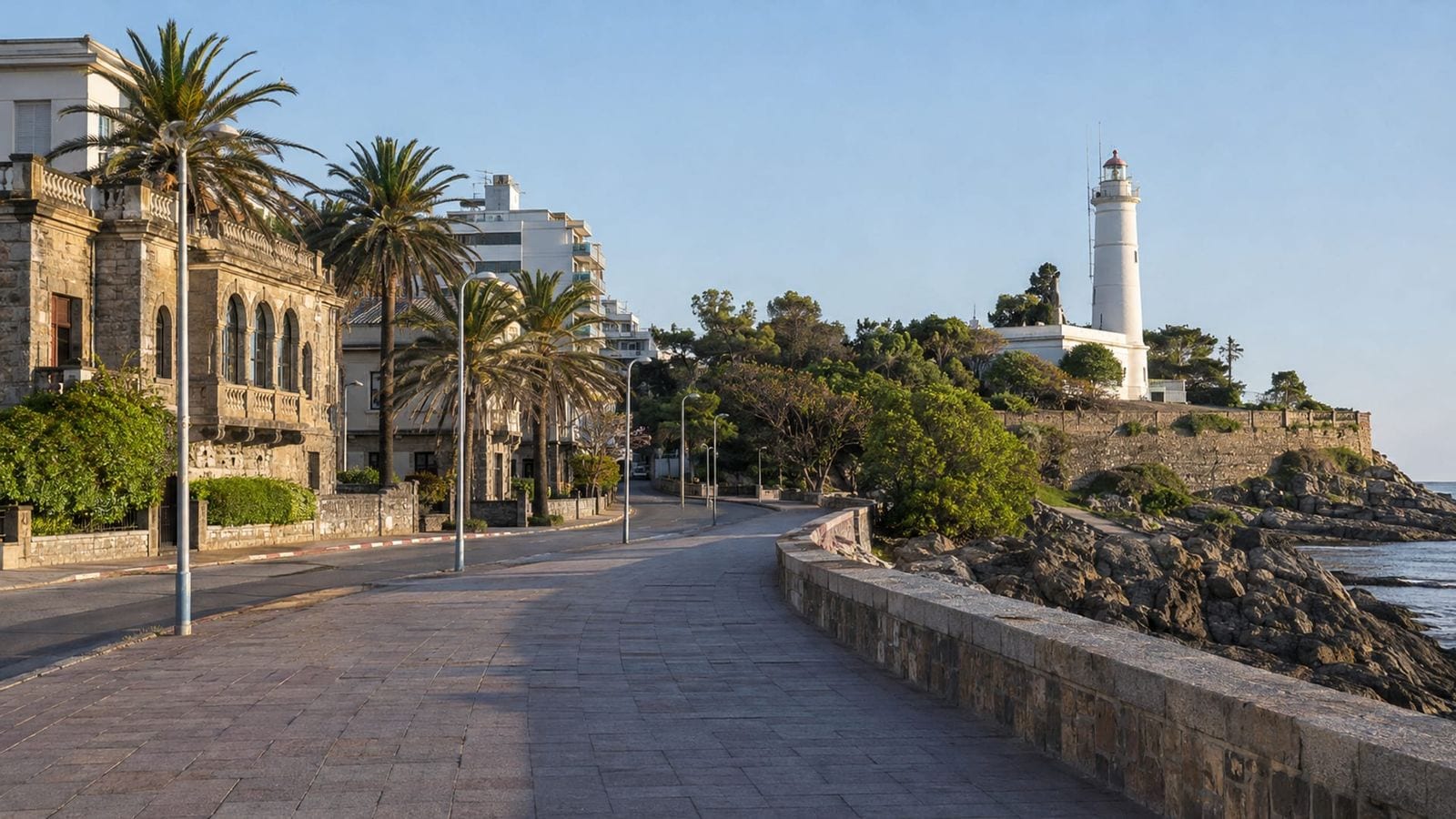
Punta Carretas brings a calmer residential feel to the coast, with restaurants, shopping, parks, and the Rambla all nearby. It works especially well if you want quieter evenings and easy waterfront walks while still keeping the historic center within a practical taxi or bus ride.
Best for: Waterfront walks, shopping, dining, and a quieter residential base
What to expect: Tree-lined streets, steady pedestrian traffic around the mall and restaurants, and a calmer pace away from the coast road.
Hotel prices: Usually about $90 to $180 per night for well-rated stays
Distance to major sights: 15 to 20 minutes by taxi to Plaza Independencia, about 10 minutes on foot to the rambla
Quietness: Quieter than the center in the evening, though restaurant streets and mall areas stay active later.
Main trade-off: Rates run higher here, and you will still need transport for the historic core and some museum visits.
Good to know: Check the exact distance to the Rambla before booking if waterfront walks are part of your daily plans.
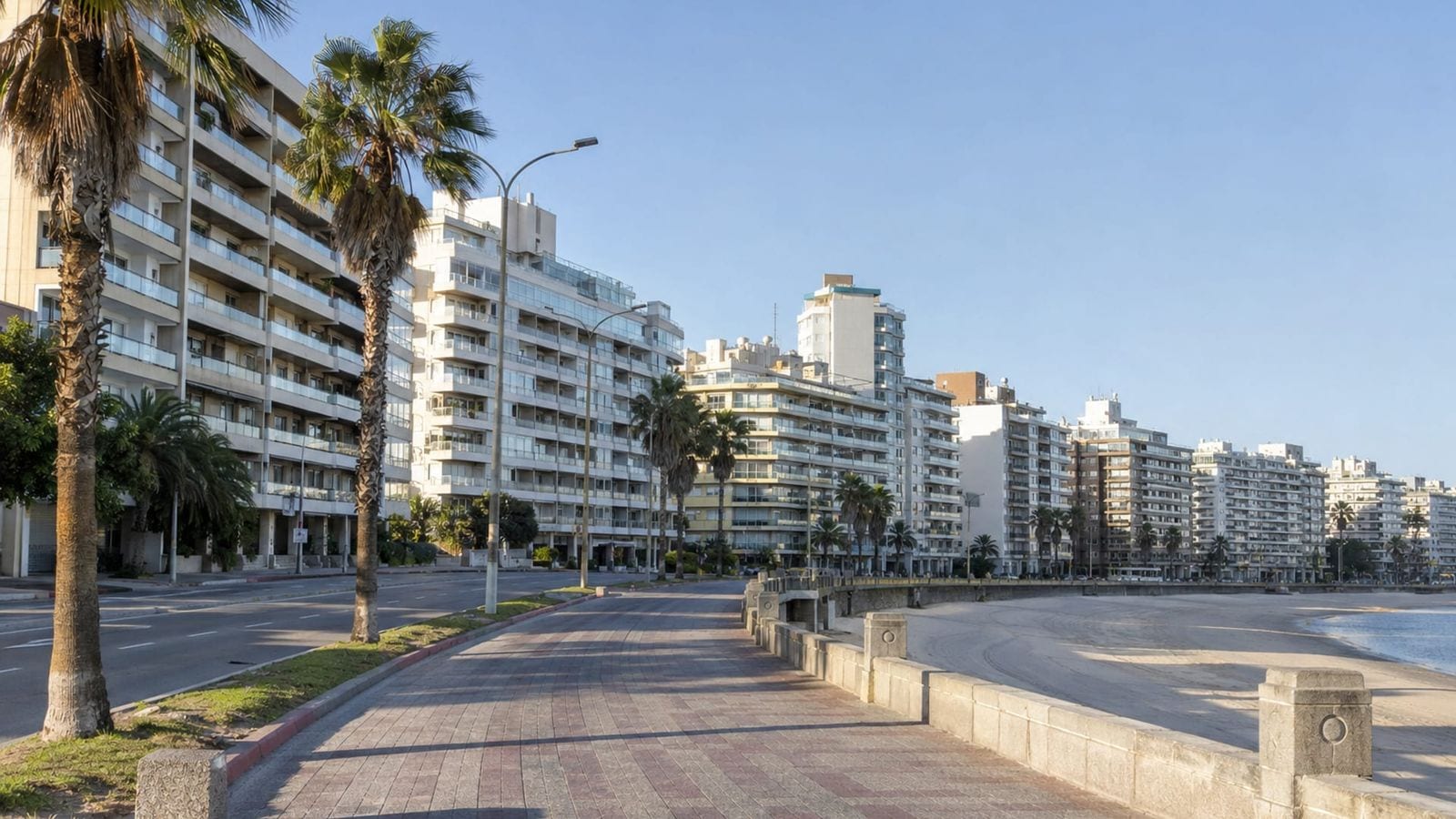
Pocitos gives you a more residential side of Montevideo, with apartment towers, cafés, restaurants, and a broad beach beside the Rambla. Choose it for longer stays, morning walks by the water, and evenings that feel more local, even if most historic sights require a bus or taxi ride.
Best for: Beach access, longer stays, and travelers who want a local residential district
What to expect: Expect busy sidewalks near Avenida Brasil and the beach, joggers on the rambla, and a younger crowd around cafes and bars.
Hotel prices: Usually about $80 to $170 per night for well-rated stays
Distance to major sights: 20 to 30 minutes by bus to Ciudad Vieja, about 5 minutes on foot to Pocitos beach
Quietness: Active by day and evening near the rambla, then quieter on interior residential streets.
Main trade-off: You will spend more time reaching the historic center, especially if you plan repeated museum or old-town visits.
Good to know: Stay within a few blocks of the Rambla if beach walks and easy waterfront access are priorities.
If sightseeing is your priority, avoid staying too far west in areas such as Cerro, La Teja, or Nuevo París. These neighborhoods add longer bus or taxi rides to Ciudad Vieja, Centro, Pocitos, and the Rambla, with fewer visitor services nearby.
Hotel deals
How to get around Montevideo efficiently
Travelers in Montevideo rely on buses, taxis, and rideshare services. Airport buses offer a lower-cost option between Carrasco Airport and the city.

Airport bus
for longer distances
CUTCSA and other bus companies serve Carrasco International Airport (MVD) and connect it with Montevideo. Depending on the service and distance, tickets to Montevideo generally cost UYU 86 (US$2). Pay onboard or check the operator’s ticket options before traveling.

Bus and tram
for convenience
Montevideo’s buses link Ciudad Vieja, Centro, Pocitos, Punta Carretas, and other districts. A 1-hour ticket costs UYU 52 (US$1.30) with a rechargeable STM public transport card or UYU 64 (US$1.60) in cash. Buy or reload the card at authorized STM locations.

Taxi
for convenience or late hours
Licensed taxis use metered fares, not fixed citywide prices, and rides are usually easy to find at hotels, main squares, and the Montevideo Airport (MVD). From the airport to central Montevideo, expect to pay UYU 1,400–UYU 2,000 (US$35–US$50). Short trips often cost UYU 240–UYU 600 (US$6–US$15).
*Prices are based on rates updated as of June 2026 and may change at the time of travel.
Use buses for cheap cross-town trips, taxis or Uber for quicker point-to-point rides, and walking when your day stays within Ciudad Vieja, Centro, or along the waterfront.
Iconic landmarks
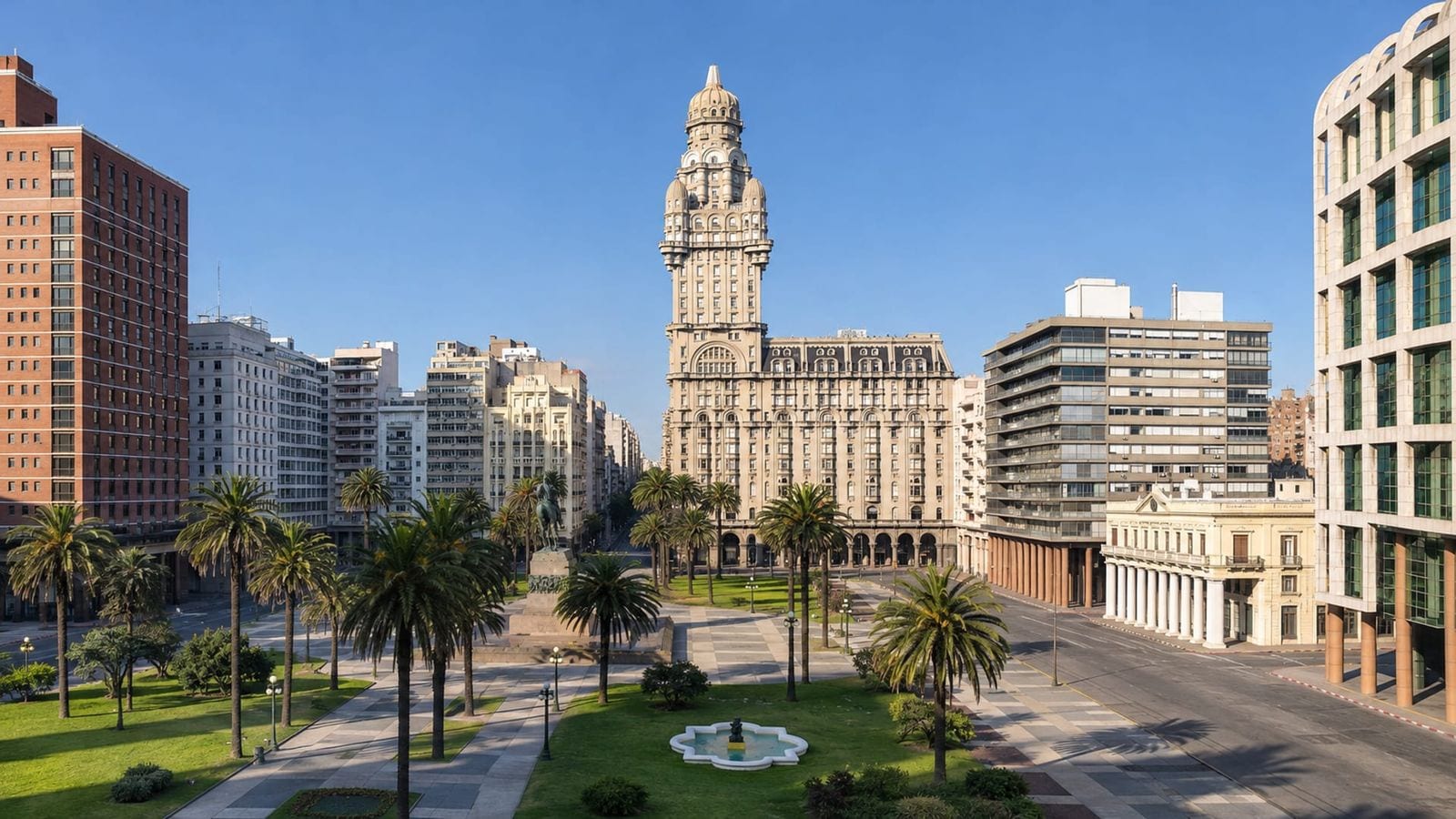
Palacio Salvo
Palacio Salvo has shaped Montevideo’s skyline since 1928. The 312-foot (95-meter) building rises beside Plaza Independencia, with an eclectic design, rooftop views, and links to La Cumparsita, the famous tango first played at a café that once occupied the site.
Time needed: About 2 to 3 hours
Entry: Free to walk through the district; museums, churches, and guided entries charge separately where applicable.
Tip: Go in the late morning for open doors and better light on the facades.
Solís Theatre
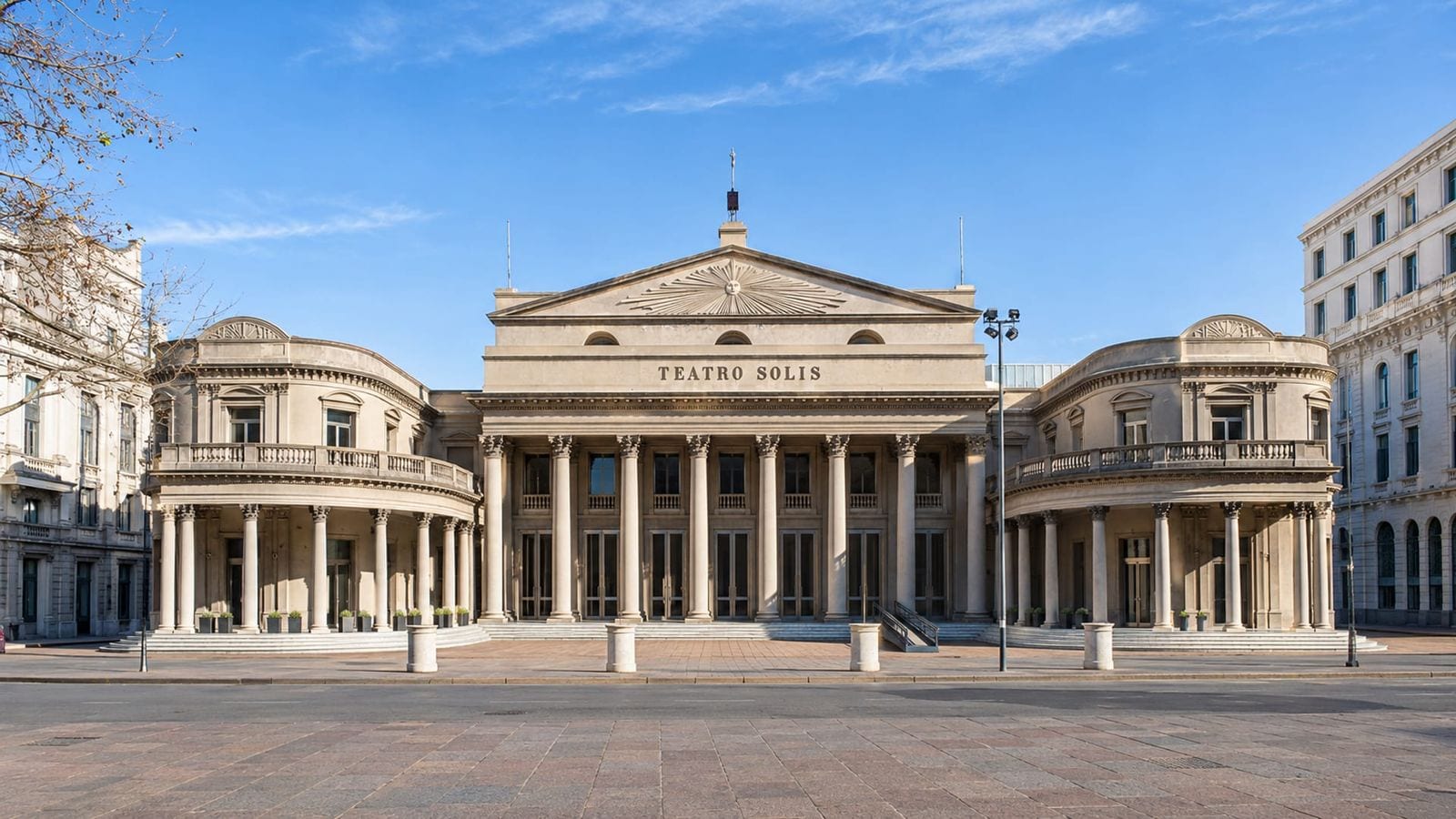
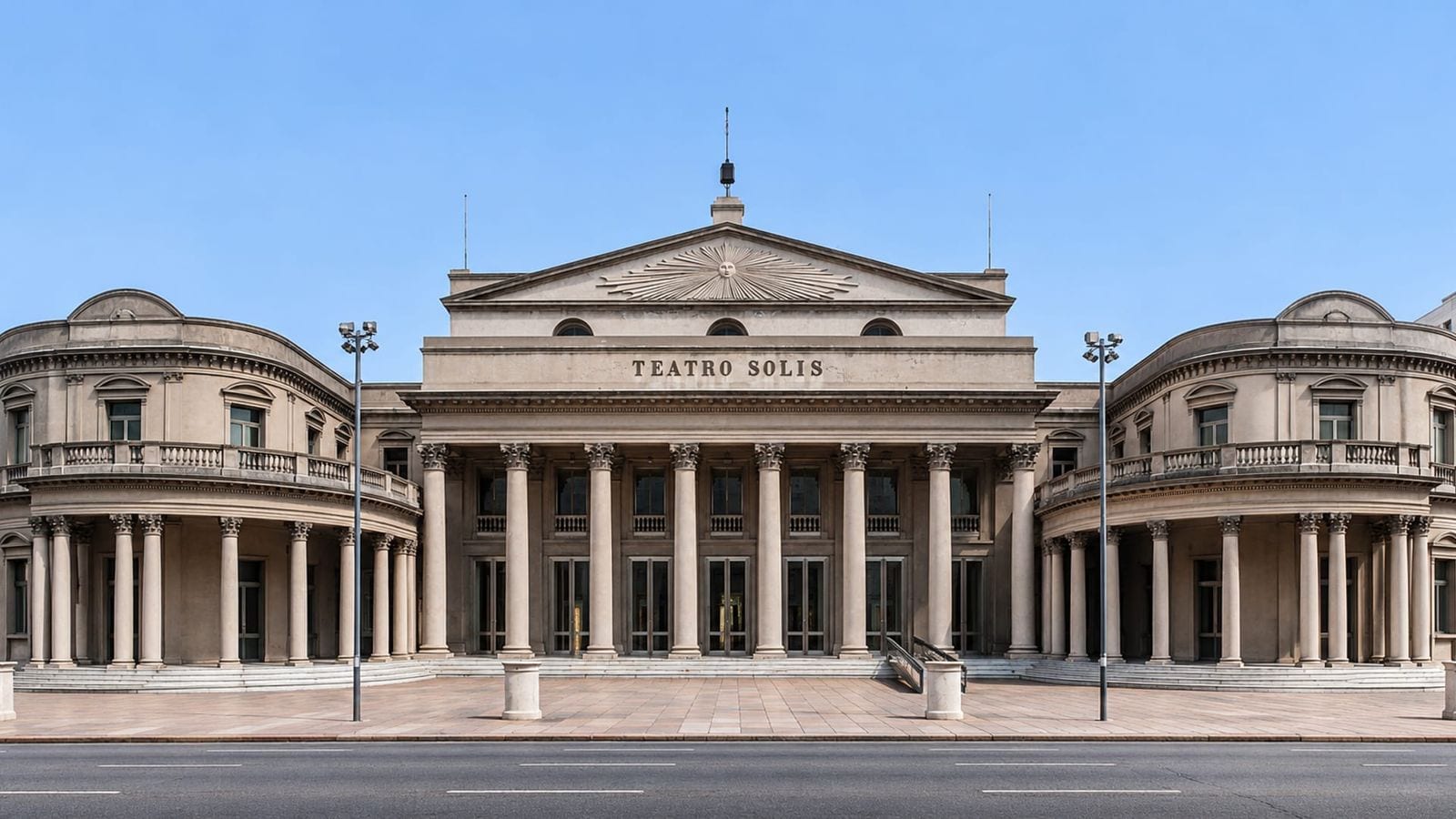
Opened in 1856, Solís Theatre is Montevideo’s oldest theater and one of its main cultural landmarks. Guided visits explore its history and interior spaces, although the exact route can change when rehearsals, performances, or technical work limit access.
Time needed: About 1 to 2 hours
Entry: Guided tour tickets cost about $8 ($320 UYU) to $12 ($480 UYU), depending on the visit format and current schedule. Visit the official site for details.
Tip: Tours run at set times, so check the day’s schedule before you walk over.
Rambla of Montevideo
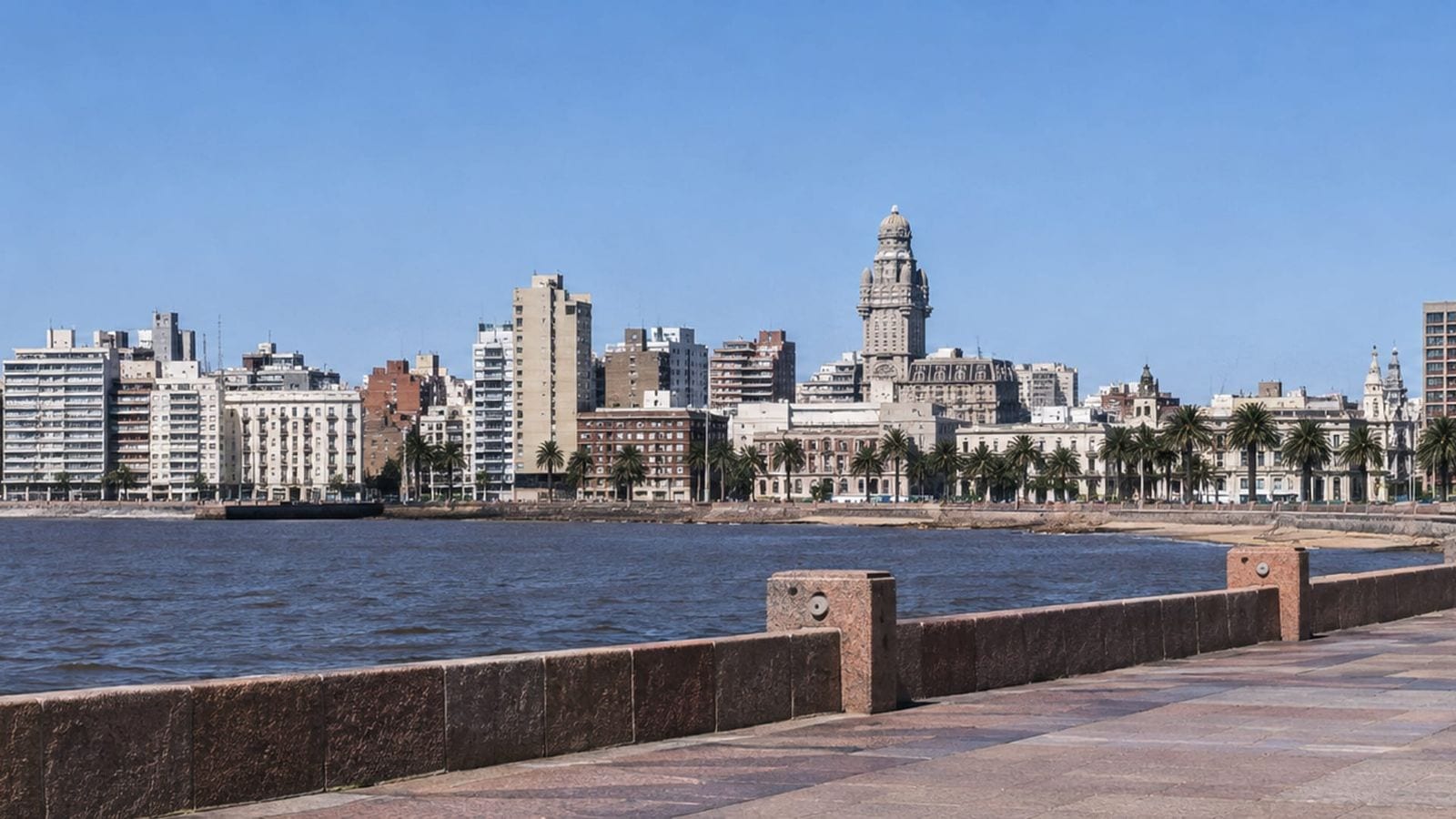
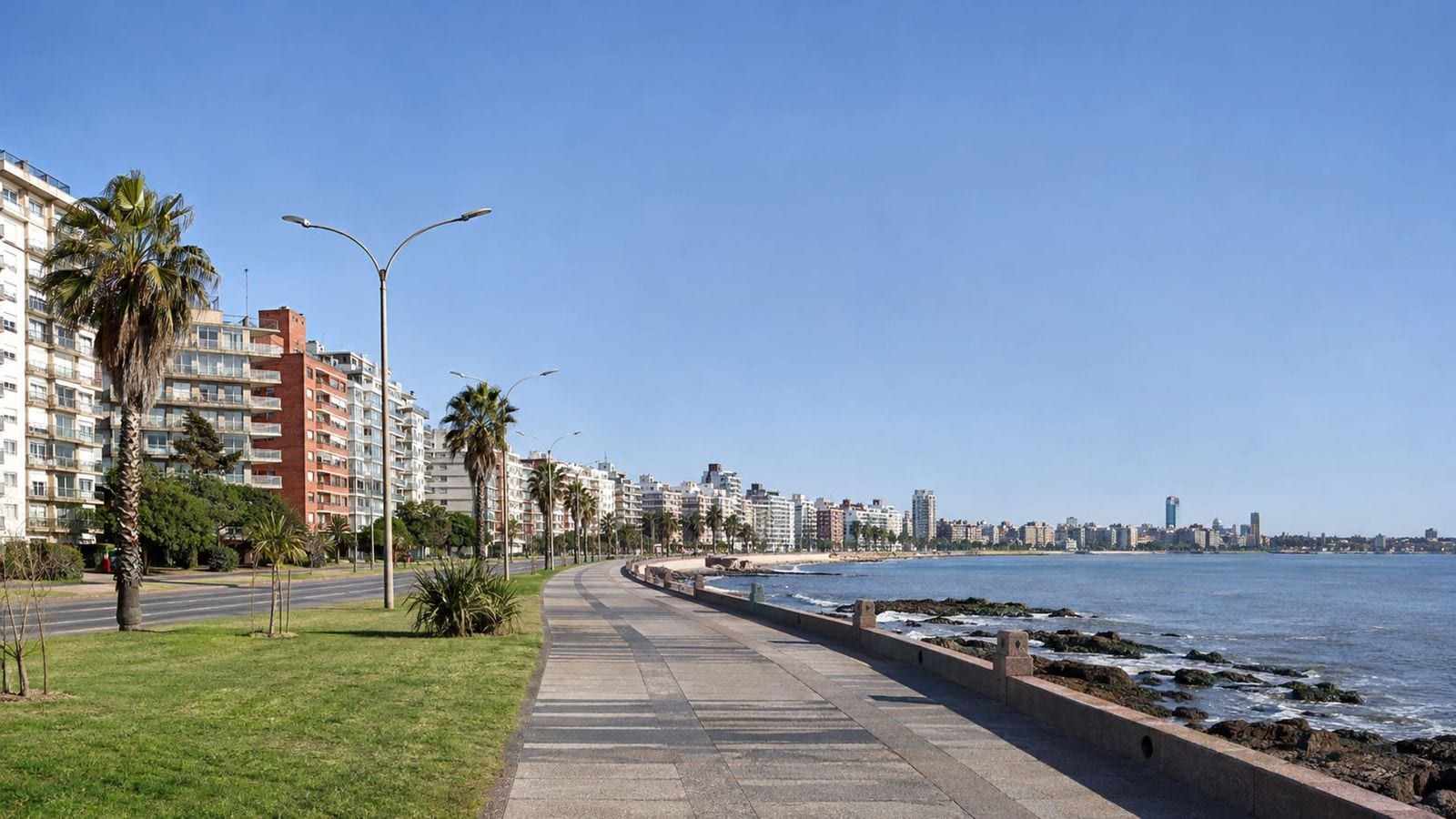
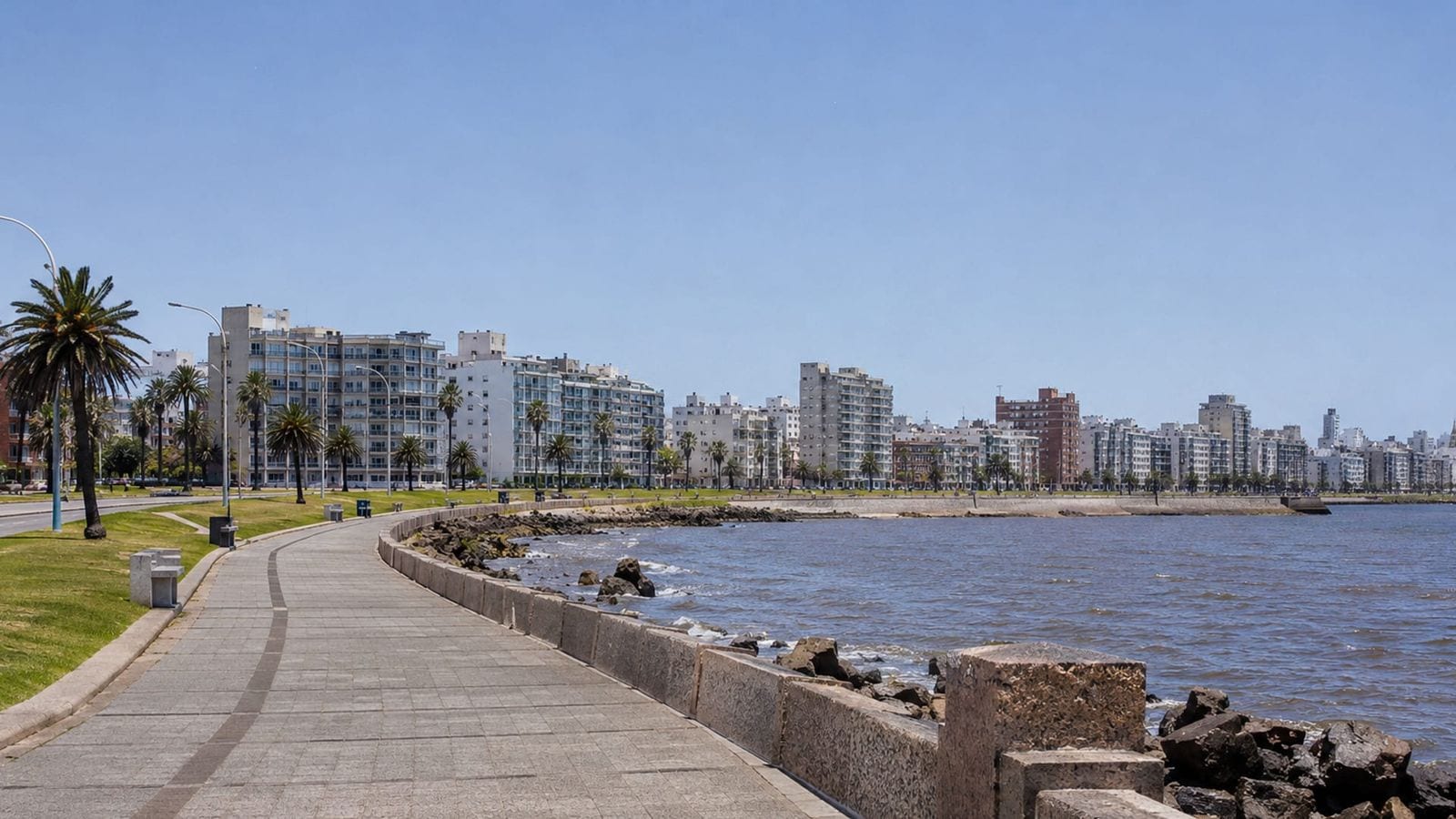
Montevideo’s Rambla follows the Río de la Plata for almost 19 miles (30 km), connecting beaches, parks, and coastal neighborhoods. Locals use the waterfront daily for walking, cycling, exercise, and sunset gatherings, making it one of the city’s defining public spaces.
Time needed: About 2 to 4 hours
Entry: Free to access along the public waterfront; bike rental, cafes, and beach facilities cost extra if you use them.
Tip: Visit near sunset for the widest water views and lighter traffic on the promenade.
Overlooked sites worth visiting

Faro de Punta Carretas
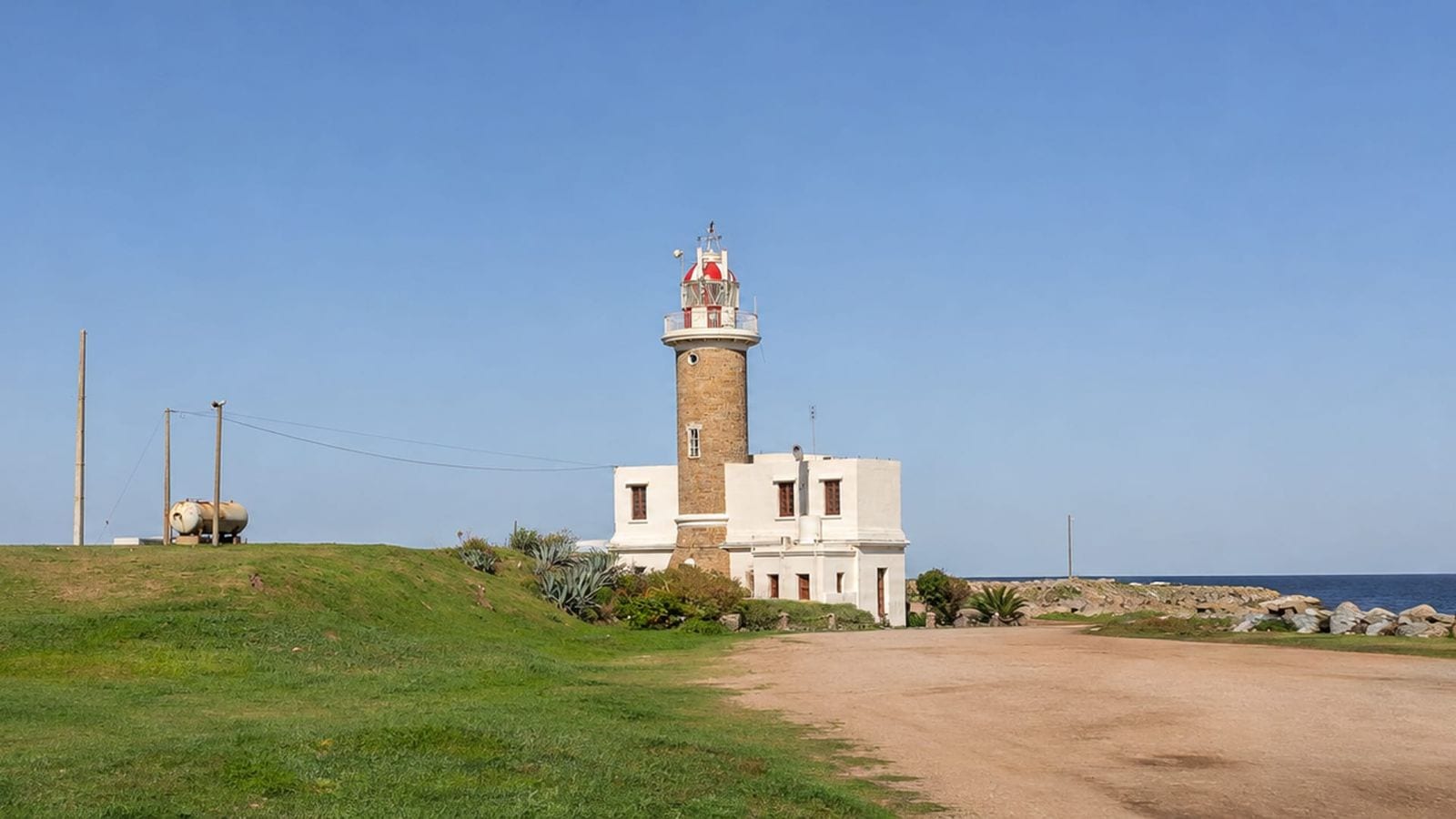
Faro de Punta Carretas stands at Montevideo’s southernmost point, where its 65-foot (20-meter) tower overlooks the Río de la Plata. Climb to the viewpoint for broad coastal views.
Time needed: 30–45 minutes
Entry: Viewpoint access costs UYU 35 (US$1). Check current opening times before visiting.
Tip: Go near sunset for wider coastal views and softer light over the water.

Museo del Carnaval
Museo del Carnaval explores Uruguay’s carnival traditions through costumes, candombe, murga, and historic displays. Its compact galleries offer a clear introduction to the celebration.
Time needed: About 1 hour
Entry: Standard tickets cost $4 to $6 (about UYU 160 to UYU 240) Visit the official site for details.
Tip: Check opening days before you cross the port area.
Traditional food
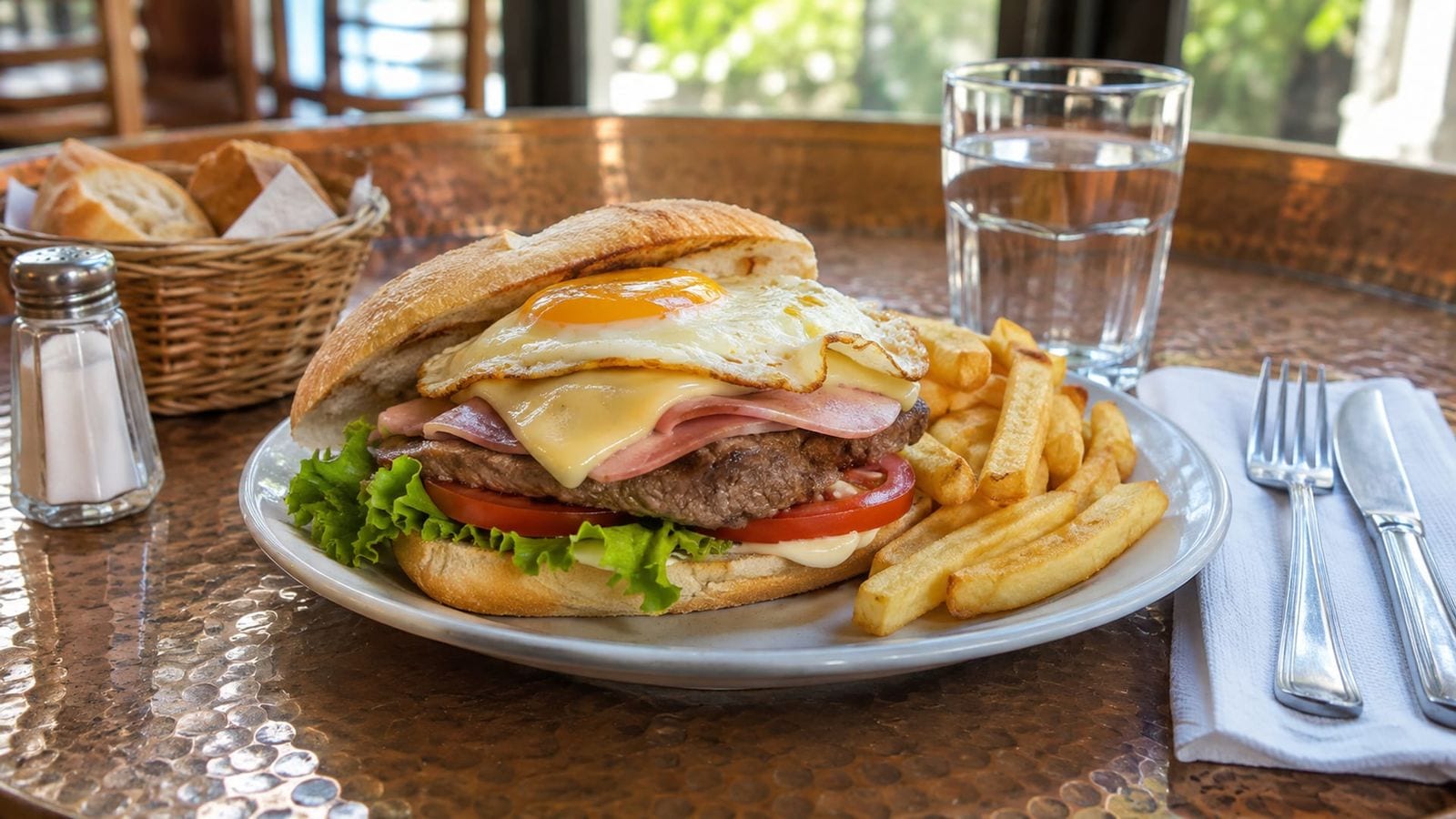
Montevideo’s food reflects Uruguay’s love of beef, generous sandwiches, simple fried dough, and long meals, with parrillas and traditional cafés playing a central role.
Chivito
Chivito layers thin beef with ham, cheese, egg, tomato, lettuce, and mayonnaise, often with fries on the side. La Pasiva serves the chivito canadiense at several Montevideo locations.
Milanesa napolitana
Milanesa napolitana tops a breaded beef cutlet with tomato sauce, ham, and melted cheese, usually with fries. Bar Facal serves its version with mozzarella, ham, bacon, tomato sauce, and a side dish.
Asado
Asado brings beef and other cuts together over a traditional parrilla, often with sausages and simple sides. El Palenque in Mercado del Puerto serves grilled meats, including asado de campo.
Tortas fritas
Tortas fritas use flour, fat, warm water, and salt to make simple rounds of fried dough, especially popular on rainy days. Look for licensed street stands around Montevideo, where this local tradition remains easy to try.
Best time to visit Montevideo
Spring and fall usually offer the best balance of mild weather, outdoor time, and lighter crowds, while summer suits beach days and long evenings.
Best for: Rambla walks, outdoor cafés, parks, and comfortable sightseeing
What you get: Temperatures usually range from 54°F–72°F (12°C–22°C), with longer days, blooming parks, and pleasant conditions for walking.
Trade-offs: Coastal winds and occasional showers can interrupt longer outdoor plans.
Best for: Beaches, waterfront dining, outdoor events, and long evenings
What you get: Expect 66°F–86°F (19°C–30°C), with the warmest weather, long daylight hours, active beaches, and busier stretches of the Rambla.
Trade-offs: Hot afternoons can make long walks less comfortable, especially away from the coast.
Best for: Museums, neighborhood walks, dining, and quieter sightseeing
What you get: Temperatures commonly fall between 57°F–76°F (14°C–24°C), with mild early fall weather, lighter crowds, and cooler evenings by May.
Trade-offs: Daylight shortens steadily, and evenings become noticeably cooler later in the season
Best for: Museums, cafés, theaters, markets, and quieter city streets
What you get: Winter brings 45°F–61°F (7°C–16°C), shorter days, brisk coastal weather, and fewer people around beaches and outdoor areas.
Trade-offs: Wind from the Río de la Plata can make the Rambla feel considerably colder.
A realistic 5-day plan in Montevideo
Five days give you enough time to explore Montevideo’s historic center, waterfront, neighborhoods, and food scene at a comfortable pace, with room for long lunches, café stops, and time beside the Río de la Plata.
After landing at Carrasco International Airport (MVD), take a taxi, rideshare car, or airport bus to Montevideo. Once you have checked in, keep the first evening easy. If you are staying in Pocitos or Punta Carretas, walk a short section of the Rambla before dinner and watch the light change over the water. In Centro or Ciudad Vieja, choose a nearby café or parrilla and save the longer walks, museums, and cross-town trips for the next day.
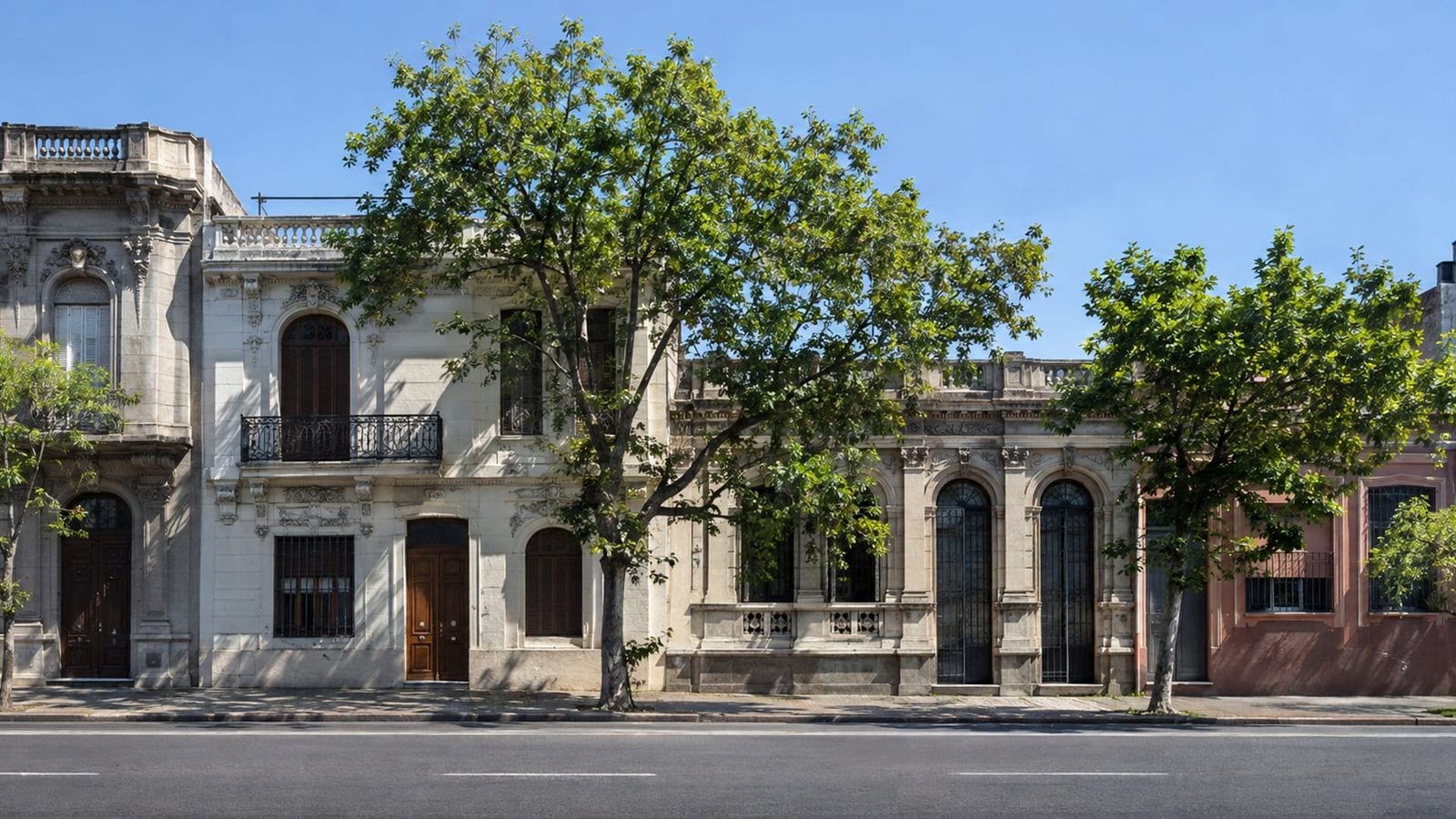
If you enjoy architecture and older neighborhoods, give the second day to Ciudad Vieja. Start around Plaza Constitución, then wander through the surrounding streets before walking toward Teatro Solís and Palacio Salvo near Plaza Independencia. Allow time for a guided theater visit, then continue toward Mercado del Puerto for a long lunch. Afterward, explore the port-side streets at a slower pace or return toward the Rambla for an early evening walk.
Spend the morning by the water in Pocitos, where the beach and Rambla give you a more residential view of Montevideo. Walk toward the Montevideo sign near Kibón, stop for coffee if you feel like slowing down, then continue to Punta Carretas for lunch. In the afternoon, head toward Faro de Punta Carretas for wider coastal views. If the weather is clear, stay for sunset before choosing a restaurant nearby instead of crossing back into the center.
Use the fourth day to see the parts of central Montevideo that feel more local than the old town. Walk along Avenida 18 de Julio through Centro, stopping around Plaza Cagancha and the nearby shops, theaters, and cafés, then continue toward Cordón for lunch. Spend the afternoon around Parque Rodó, where you can slow down among the trees before exploring the streets nearby. End the day with dinner in the area and enjoy a different rhythm from Ciudad Vieja and the coast.
Keep the last day flexible so you can follow the weather and your flight time. If you are staying near the center, visit Museo del Carnaval in the morning and have lunch around Ciudad Vieja before collecting your luggage. From Pocitos or Punta Carretas, a final walk along the Rambla or a relaxed café breakfast makes more sense. Leave enough time for the trip to Carrasco International Airport, especially if you are traveling during weekday traffic.
Business-class flights from the US to Montevideo
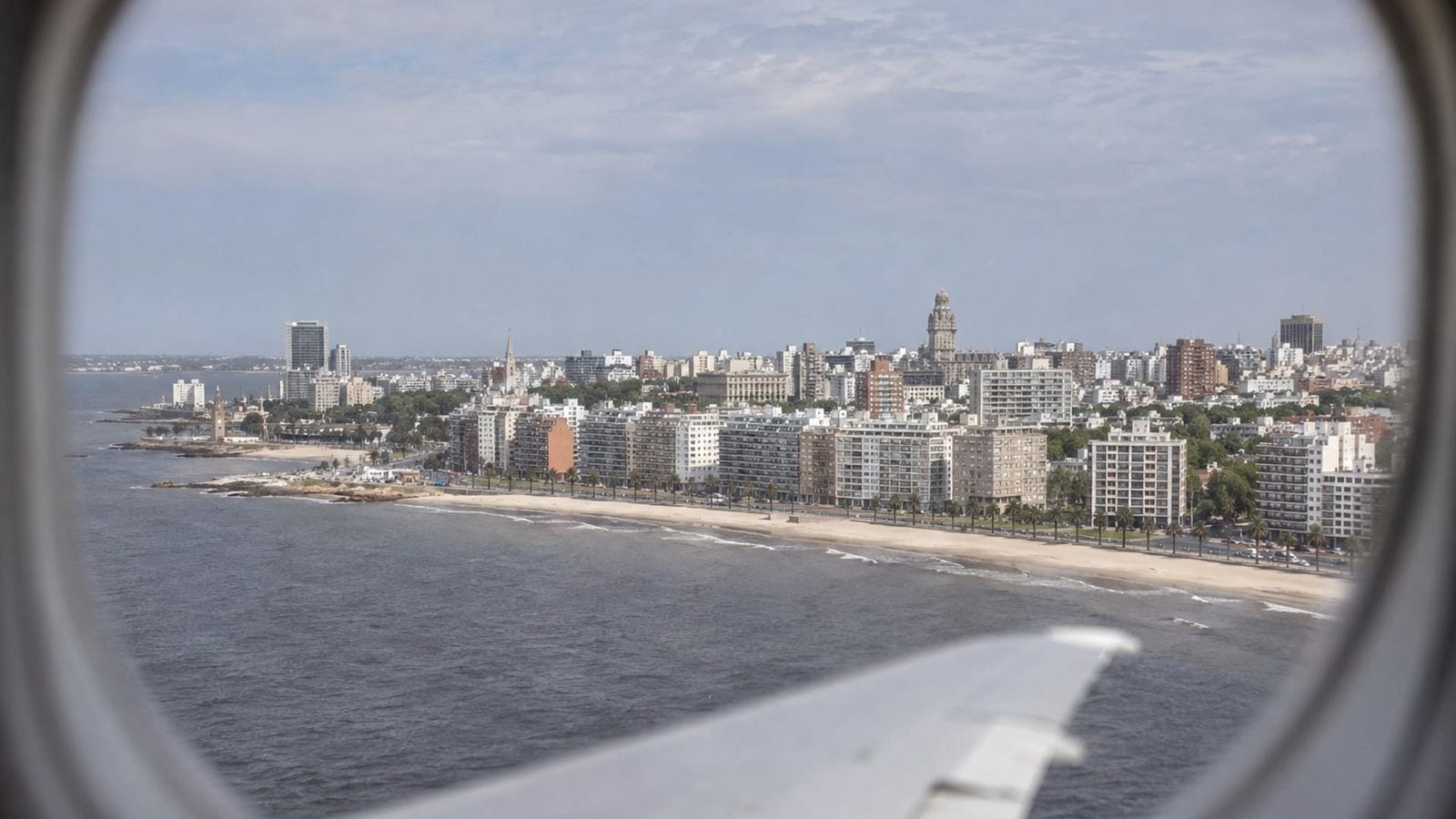
Travelers from both coasts can reach Montevideo in business class with one connection, usually through a major hub in North or South America.
New York (JFK) to Montevideo (MVD)
For travelers departing for Montevideo from New York, American Airlines offers flights through Miami (MIA), Copa Airlines through Panama City (PTY), Avianca through Bogotá (BOG), and LATAM through hubs such as São Paulo (GRU), Lima (LIM), or Santiago (SCL). The shortest flights on this route take 12–13 hours, while longer ones can reach 14–17 hours due to layover durations. Round-trip business-class tickets generally start at US$2,700 and can exceed US$5,500 around Christmas, New Year, and the Southern Hemisphere summer.
Los Angeles (LAX) to Montevideo (MVD)
Travelers from Los Angeles can take flights to Montevideo with LATAM through Santiago (SCL) or Lima (LIM), Copa Airlines through Panama City (PTY), and American Airlines through Miami (MIA). The fastest trips take roughly 13–15 hours, while less convenient connections can take more than 18 hours. Business-class tickets on this route usually start at US$3,000 and can exceed US$5,000 around winter holidays and the busiest summer travel weeks.
A slower pace suits Montevideo
Montevideo works best when you give each part of the city enough time. Ciudad Vieja brings history and architecture, Pocitos and Punta Carretas add the waterfront and longer evenings, while Centro makes cross-town travel easier. A simple structure keeps the days balanced without making the trip feel rigid.
Once your dates and preferred area are clear, the next step is choosing the right way to get there and where to stay. AranGrant can help you compare business-class flights and hotels that fit your schedule and travel preferences.