

Chapters:

Need help with your trip?
Our support team is available 24/7. Request a callback or call us directly at (833) 619-0908
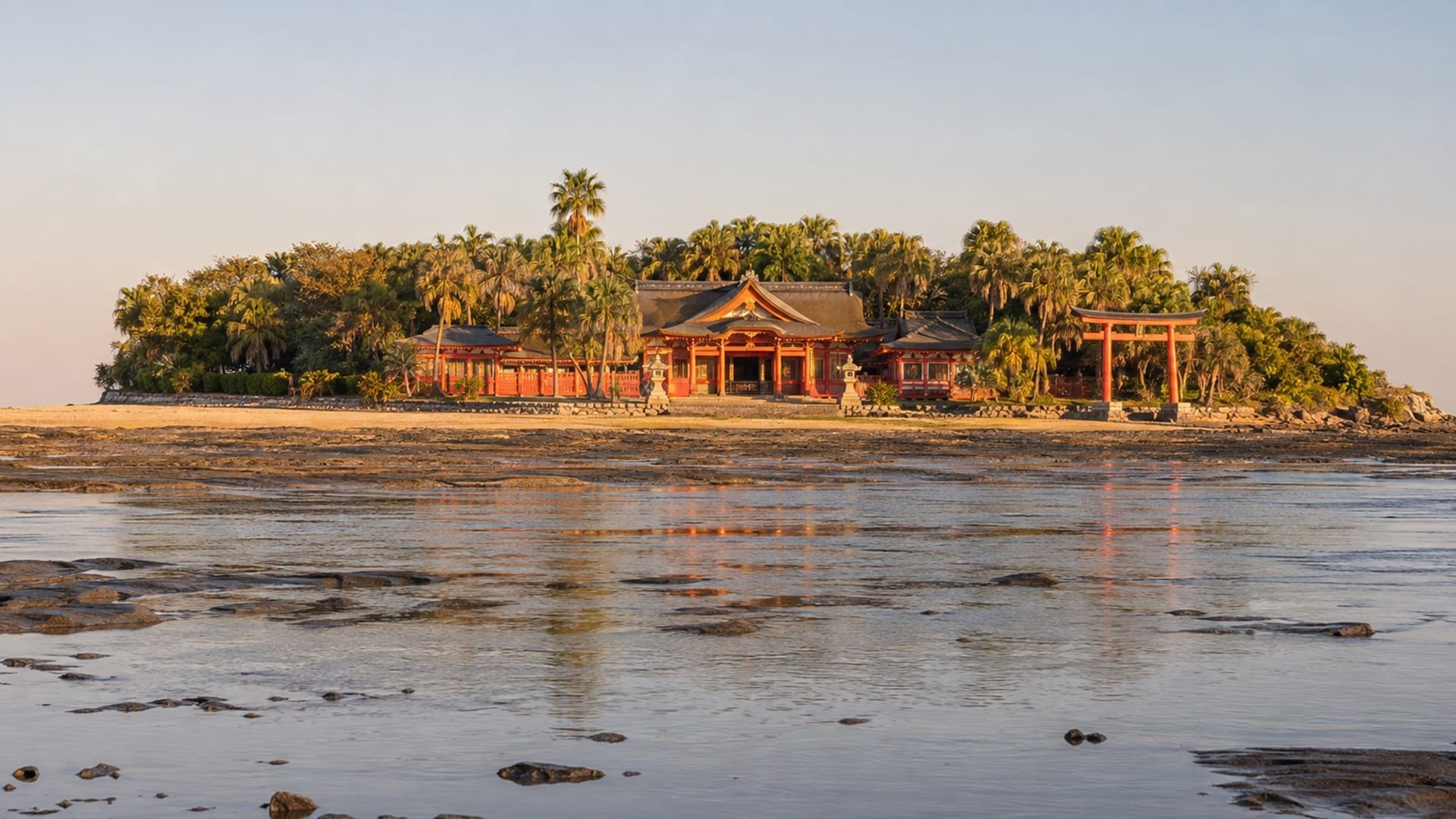
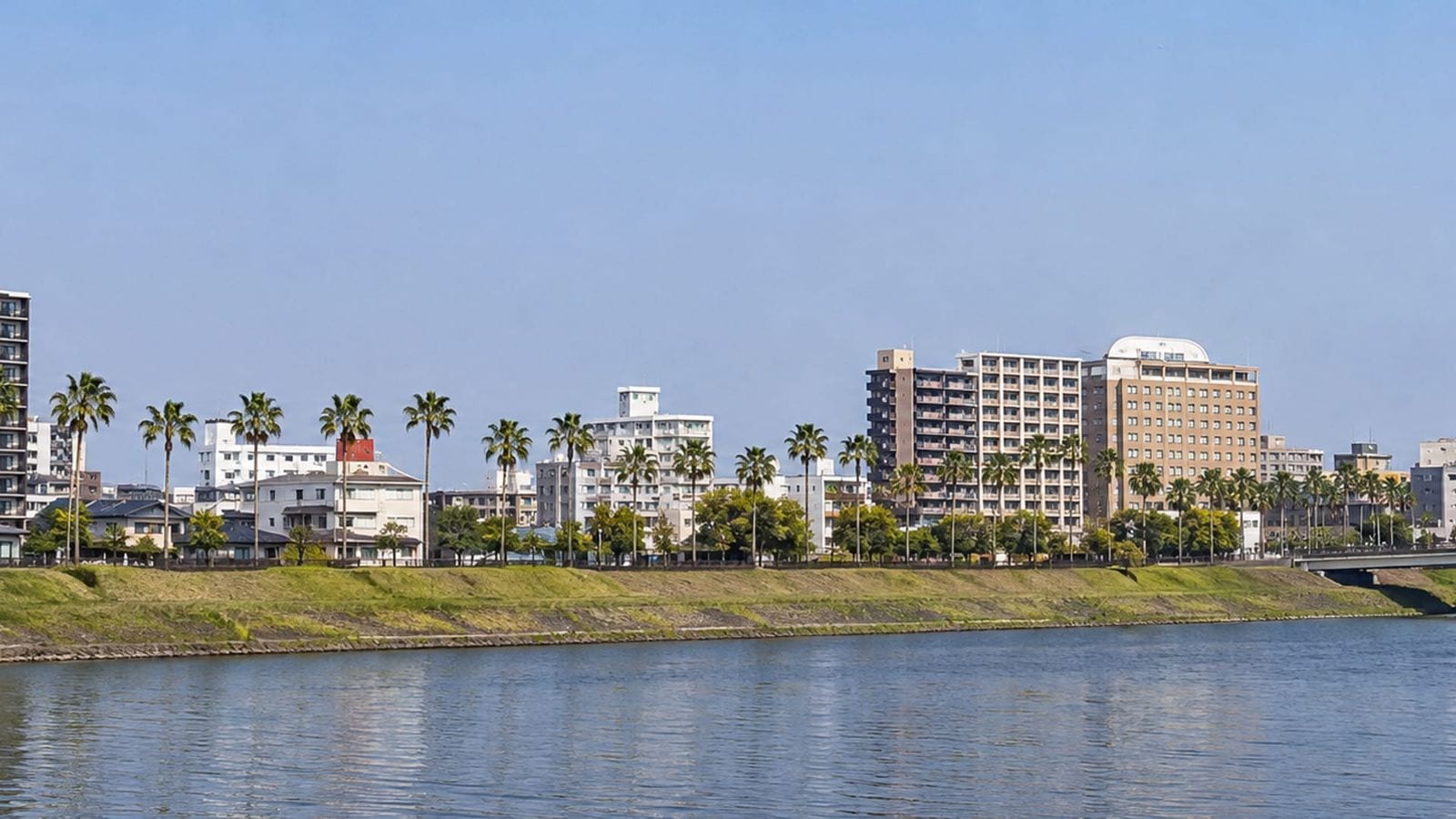
Miyazaki’s Pacific coast brings subtropical plants and ribbed rock formations to the approach to Aoshima Shrine. The island links the city’s seaside landscape with its shrine traditions, while chicken nanban and charcoal-grilled chicken give evenings a distinctly local focus.
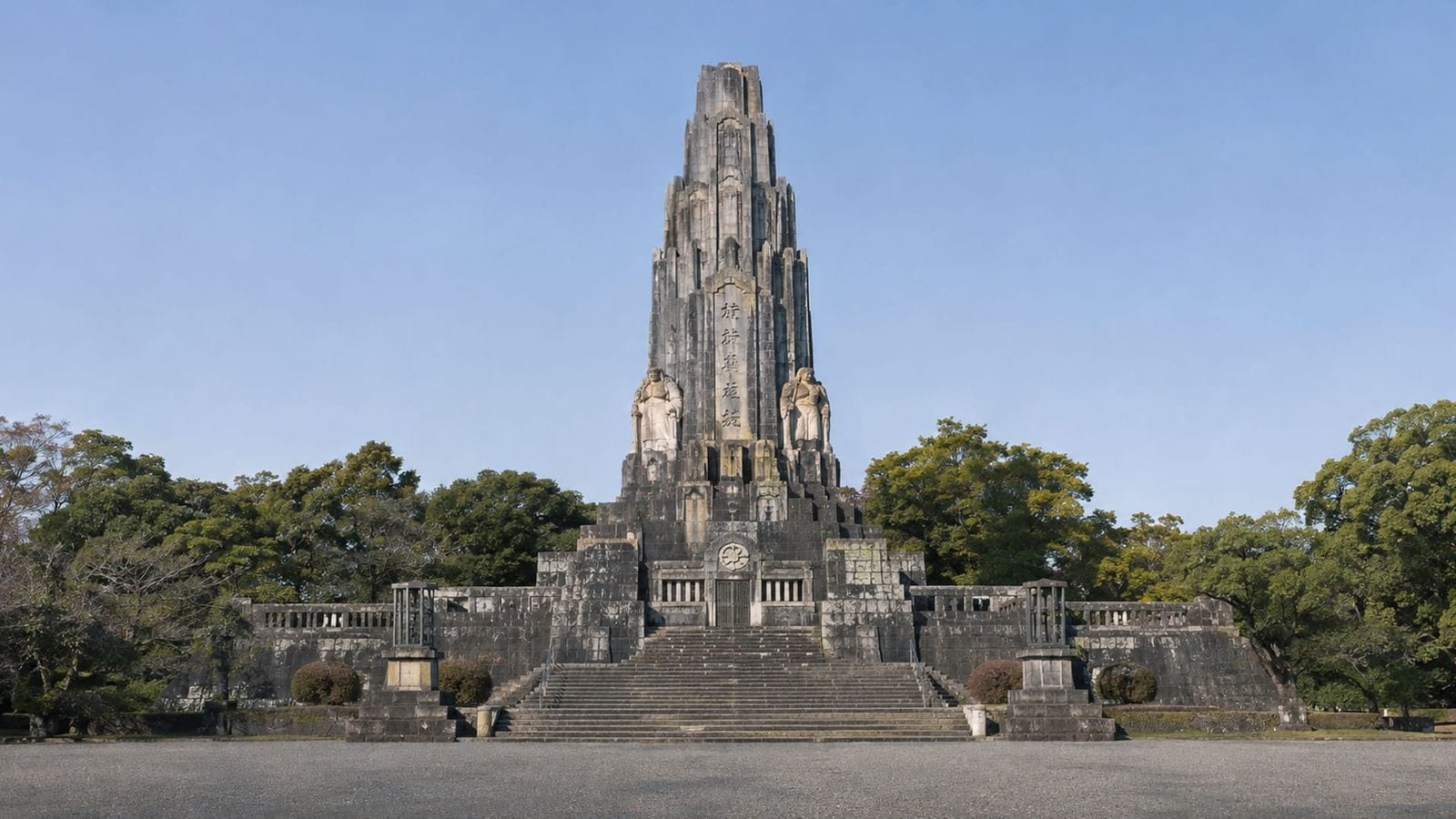
Follow the bridge to Aoshima Shrine, then explore the wooded grounds of Miyazaki Shrine inland. At Heiwadai Park, the Peace Tower adds a different historical perspective: its stonework dates to 1940, when imperial ideology shaped the monument.
Five days allow separate outings to the coast, shrine grounds, and hilltop park. The Miyazaki Station area connects these excursions with airport trains; Nishitachi brings restaurants and bars together for evenings after returning from the coast.
Useful things to know

Main language(s): Japanese
Konnichiwa (kohn-nee-chee-wah) – Hello
Onegaishimasu (oh-neh-guy-shee-mahss) – Please
Arigato gozaimasu (ah-ree-gah-toh goh-zai-mahss) – Thank you
Eigo o hanasemasu ka? (ay-goh oh hah-nah-seh-mahss kah) – Do you speak English?
Ikura desu ka? (ee-koo-rah dess kah) – How much does it cost?

Currency: Japanese yen (JPY, ¥)

Cash and cards: Cards are widely accepted at hotels and larger stores; carry about ¥5,000 to ¥10,000 ($35 to $70) for smaller businesses.

Tipping: Do not tip; tipping is not customary in Miyazaki.

Traditional food: Chicken nanban, charcoal-grilled chicken, hiyajiru, and kamaage udon are among the classic dishes of Miyazaki.

Water and coffee costs: Bottled water ¥100 to ¥200 ($0.70 to $1.40); espresso ¥300 to ¥500 ($2 to $3.50).

Taxis and ride apps: Licensed taxis use meters and queue at Miyazaki Station; a short ride costs ¥800 to ¥1,500 ($6 to $11); Uber.

Plug and voltage: Type A/B socket, 100V

Dining and shop opening hours: Breakfast: 7 am to 9 am; lunch: noon to 2 pm; dinner: 6 pm to 9 pm. Shops typically open from 10 am to 7 pm; some independent restaurants close one day a week.

Emergency number: Police 110, ambulance and fire 119.
Where to stay in Miyazaki
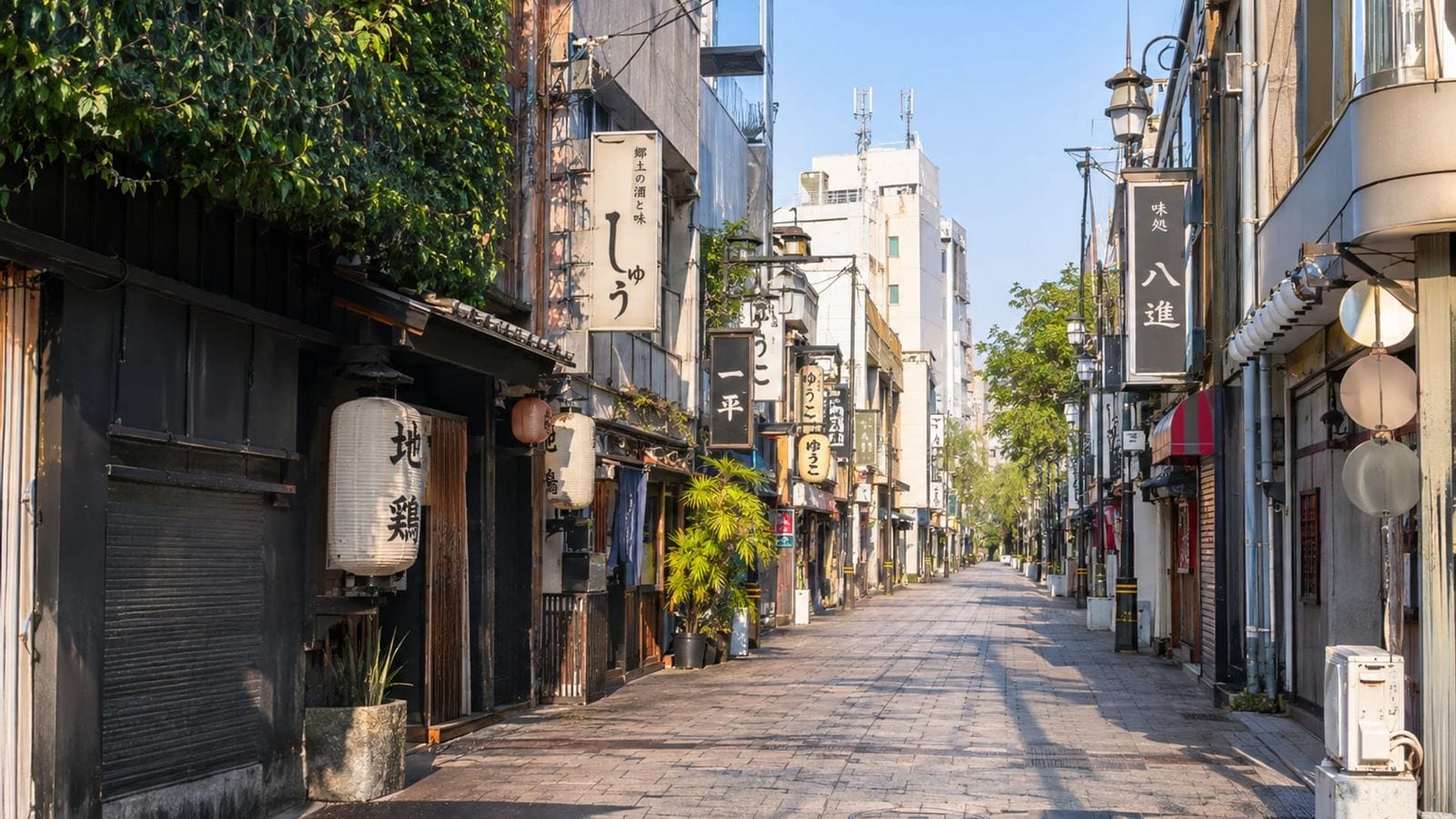
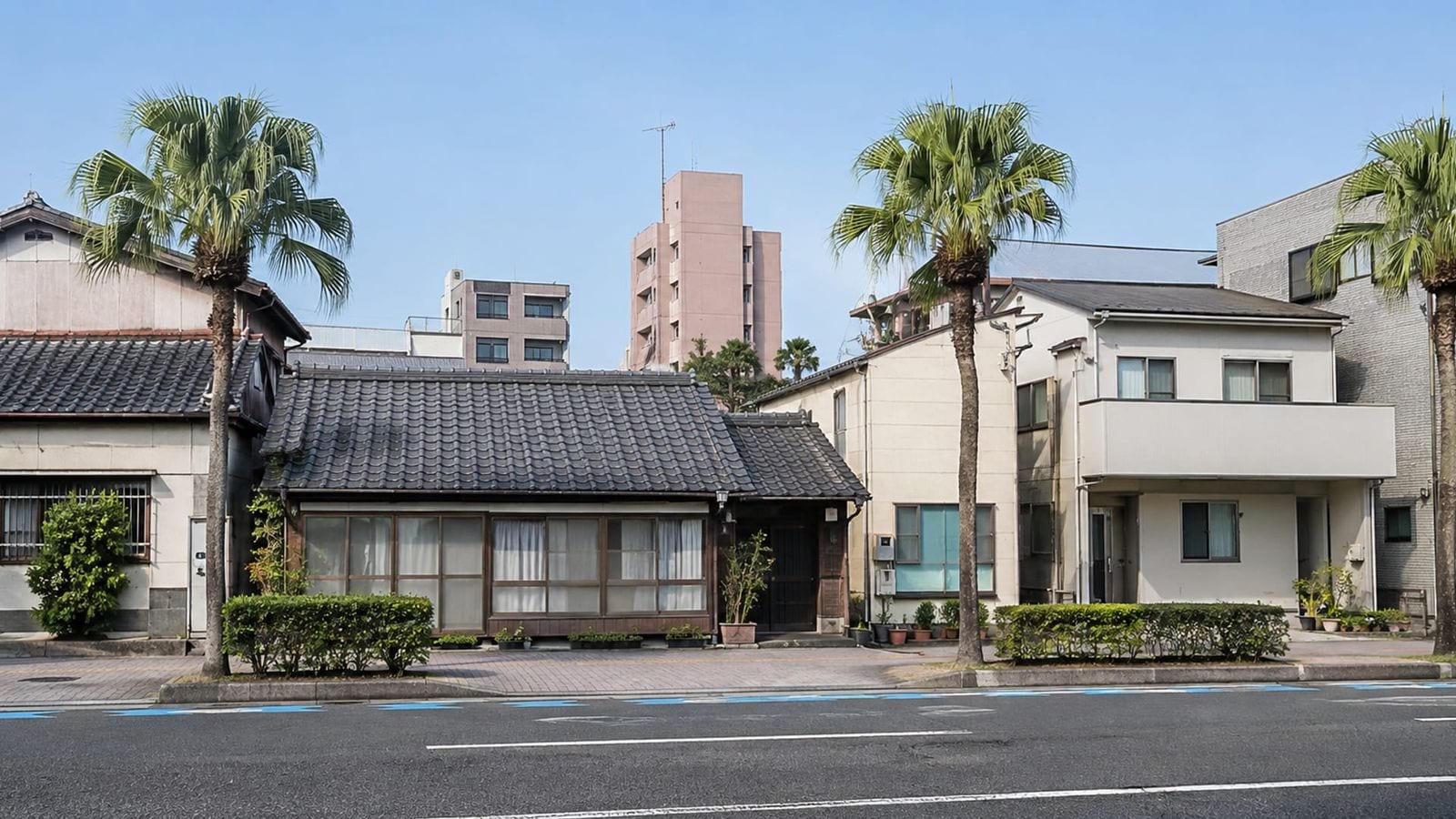
Nishitachi is Miyazaki’s central nightlife district, with compact lanes of restaurants and bars close to downtown hotels. Stay here for dinners within walking distance and evenings exploring the city’s food scene, with taxis available for trips to sights beyond the commercial center.
Best for: Restaurant hopping, nightlife, and dinners within walking distance
What to expect: Restaurant signs light the narrow lanes as dinner crowds give way to late-night drinkers.
Hotel prices: Well-rated hotels cost ¥7,000 to ¥15,000 ($45 to $100) a night.
Distance to major sights: Miyazaki Shrine is 15 to 20 minutes away by taxi.
Quietness: Side streets feel subdued by day; bar-lined lanes become louder after dinner.
Main trade-off: Late-night voices and taxis can disturb rooms facing the busiest lanes.
Good to know: Request a room away from the bar streets if you expect to sleep before midnight.
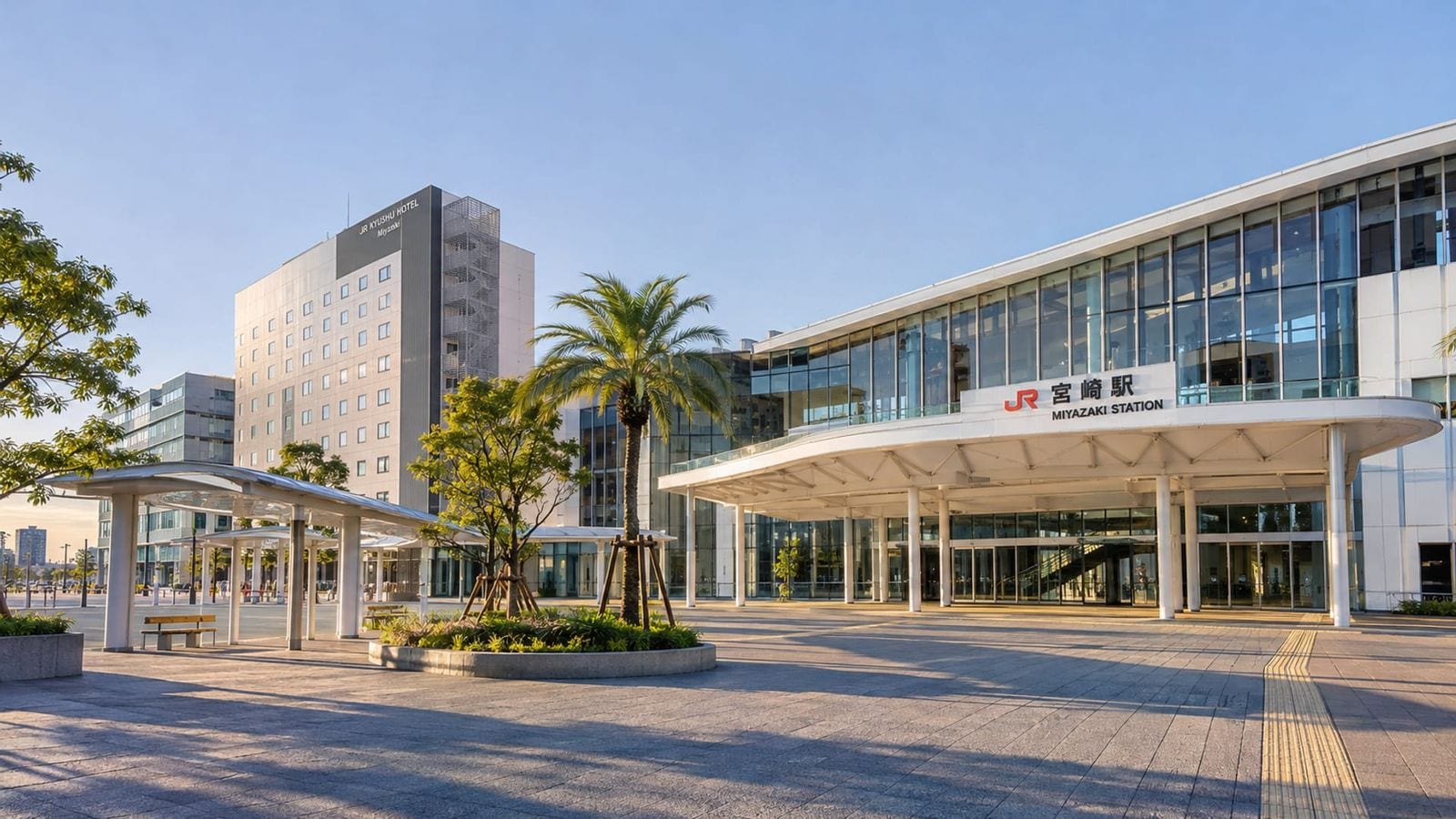
The Miyazaki Station area centers on the city’s main rail hub, with hotels, shopping, and restaurants within a short walk. Travelers stay here for train connections to Miyazaki Airport and Aoshima, while the downtown dining streets are reachable on foot without needing a taxi each evening.
Best for: Rail trips, airport connections, and shopping
What to expect: Commuters and shoppers fill the station approaches during the day, with fewer pedestrians later at night.
Hotel prices: Budget ¥8,000 to ¥17,000 ($55 to $115) nightly for a well-rated hotel.
Distance to major sights: Miyazaki Shrine takes 15 to 20 minutes by taxi; Aoshima takes 30 to 40 minutes by train.
Quietness: Daytime traffic concentrates near the station; evenings are generally calmer than Nishitachi.
Main trade-off: The main nightlife district requires a 15 to 20-minute walk.
Good to know: Compare the station exit with your hotel address before arrival; crossing between sides adds walking time.
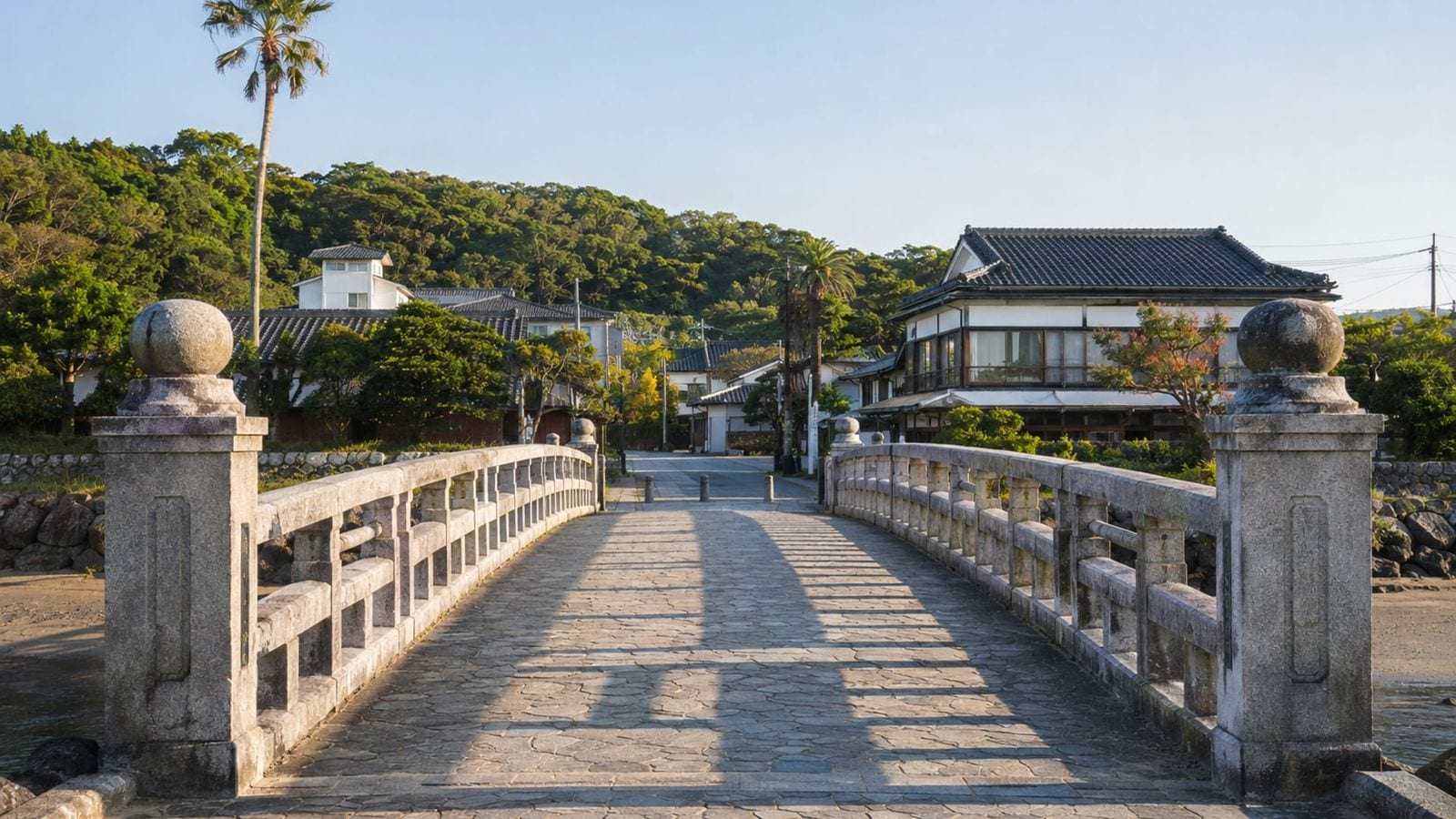
Aoshima is Miyazaki’s coastal resort area, where beach hotels and smaller inns face the Pacific near the shrine island. Choose it for beach walks and time beside the ocean, accepting a longer journey into central Miyazaki for shopping, nightlife, and a wider selection of restaurants.
Best for: Beach time, coastal walks, and ocean views
What to expect: Beachgoers and shrine visitors gather during the day, while the streets empty noticeably after dinner.
Hotel prices: A well-rated hotel typically costs ¥10,000 to ¥28,000 ($65 to $185) per night.
Distance to major sights: Aoshima Shrine is a 10 to 25-minute walk from hotels near Aoshima Station.
Quietness: The beach and shrine approach attract daytime visitors; evenings bring fewer people and ocean sounds.
Main trade-off: Central Miyazaki takes 30 to 40 minutes by train, and evening dining choices are fewer.
Good to know: Choose a hotel dinner plan if you prefer eating nearby after the shrine visitors leave.
Sadowara, Tano, and Takaoka are less convenient for a city-focused stay: these outlying districts require longer trips to downtown restaurants and Miyazaki Station.
Hotel deals
How to get around Miyazaki efficiently
Trains link Miyazaki Airport (KMI), Miyazaki Station, and Aoshima, while city buses and taxis reach sights beyond the rail stops.

Taxi
for convenience or late hours
From Miyazaki Station, metered taxis cover short central trips in 5 to 10 minutes for roughly ¥800 to ¥1,500 ($5 to $10). Use the station taxi rank for luggage-heavy journeys or evening trips after bus departures become infrequent.

Bus and tram
for convenience
Miyazaki Kotsu buses connect Miyazaki Station with Aoshima in roughly 50 to 70 minutes, with fares of ¥700 to ¥1,000 ($5 to $7). Board through the rear door, take a numbered ticket, and pay when exiting. Choose buses for coastal sightseeing.

Commuter rail
for longer distances
A 10 to 15-minute train journey links Miyazaki Airport with Miyazaki Station; ordinary fares fall within ¥350 to ¥550 ($2 to $4). Buy a ticket before boarding. JR trains suit airport transfers, while the Nichinan Line also reaches Aoshima.
*Prices are based on rates updated as of November 2026 and may change at the time of travel.
Choose trains for Miyazaki Airport (KMI) and Aoshima, buses for coastal stops, taxis for Heiwadai Park, and walking for Nishitachi’s restaurant lanes.
Iconic landmarks
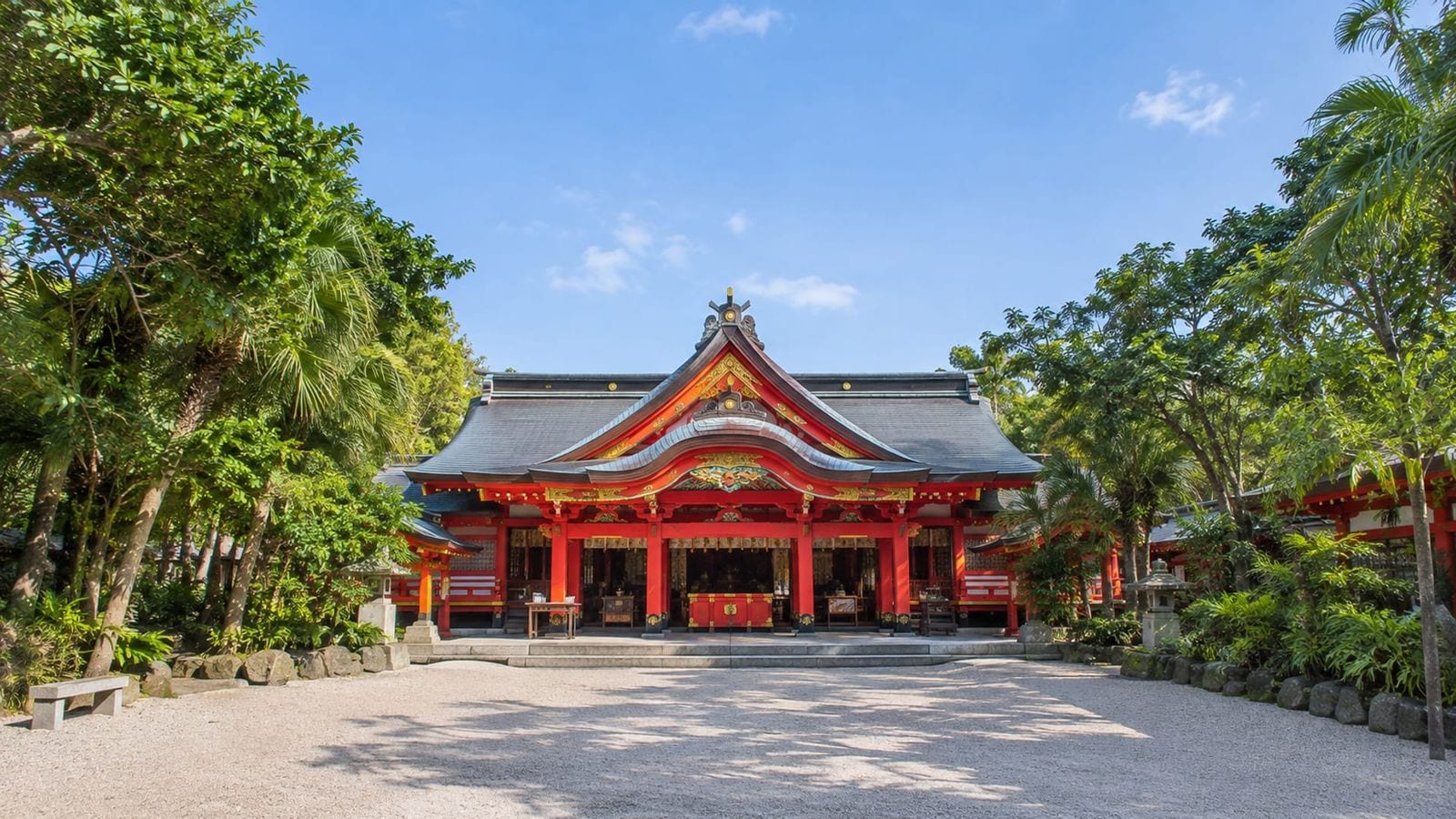
Aoshima Shrine
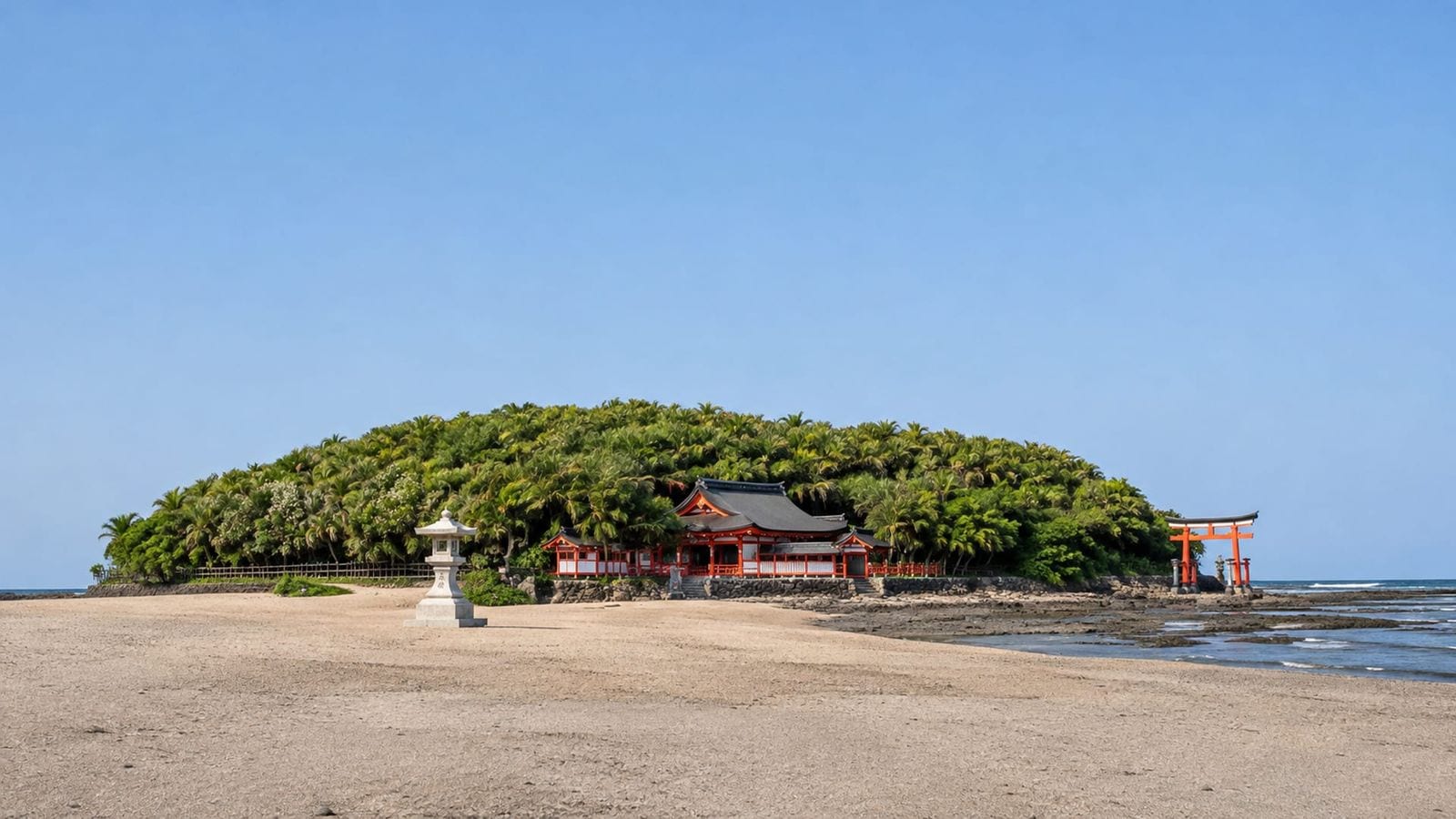
Across a pedestrian bridge from the coast, Aoshima Shrine brings vermilion buildings into a setting of subtropical plants. The island’s distinctive ribbed rocks frame the approach, linking one of Miyazaki’s best-known shrines with its coastal scenery.
Time needed: About 1 to 2 hours
Entry: Free to access
Tip: Cross the bridge at low tide to see more of the ribbed rocks beside Aoshima.
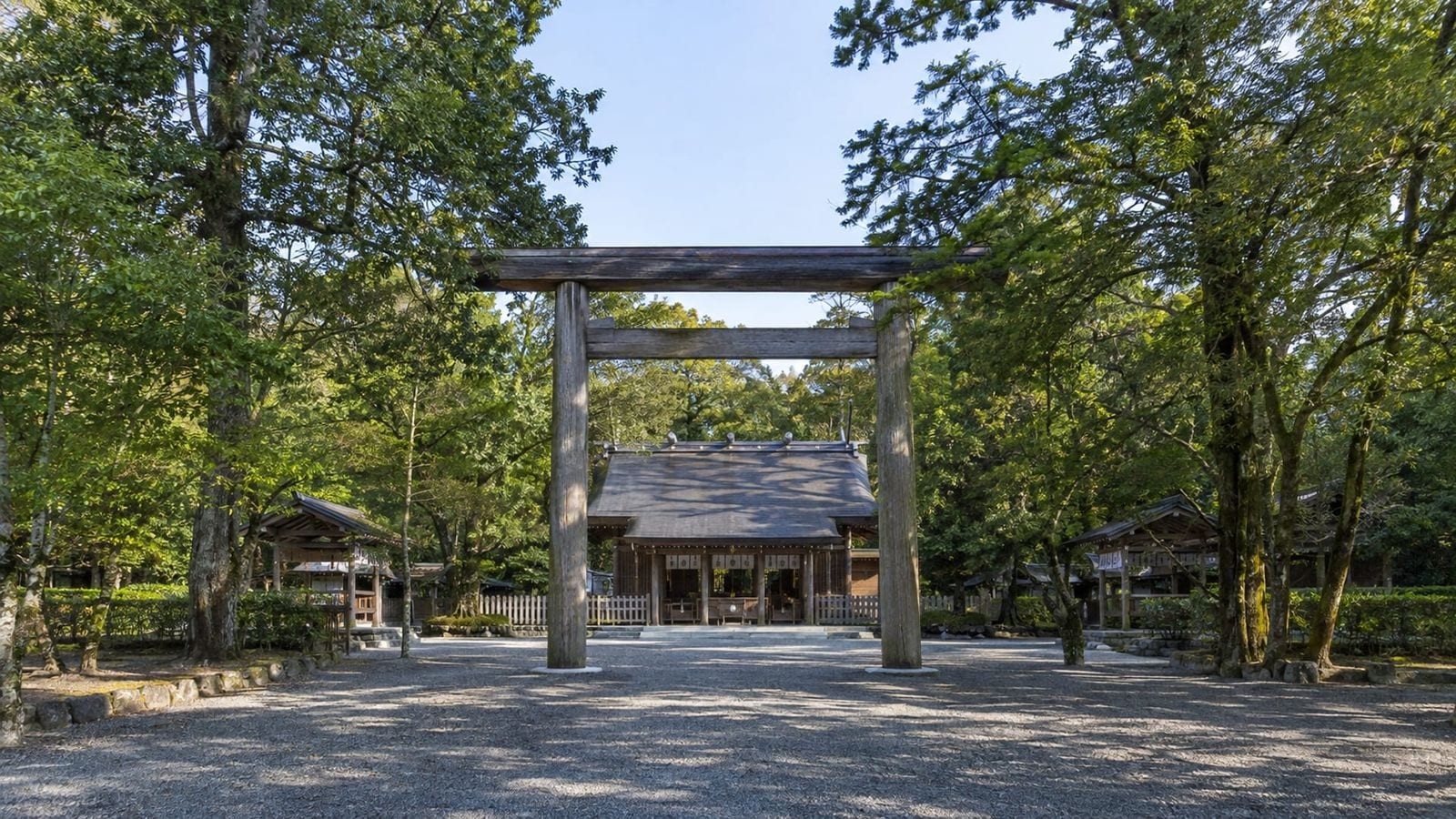
Miyazaki Shrine
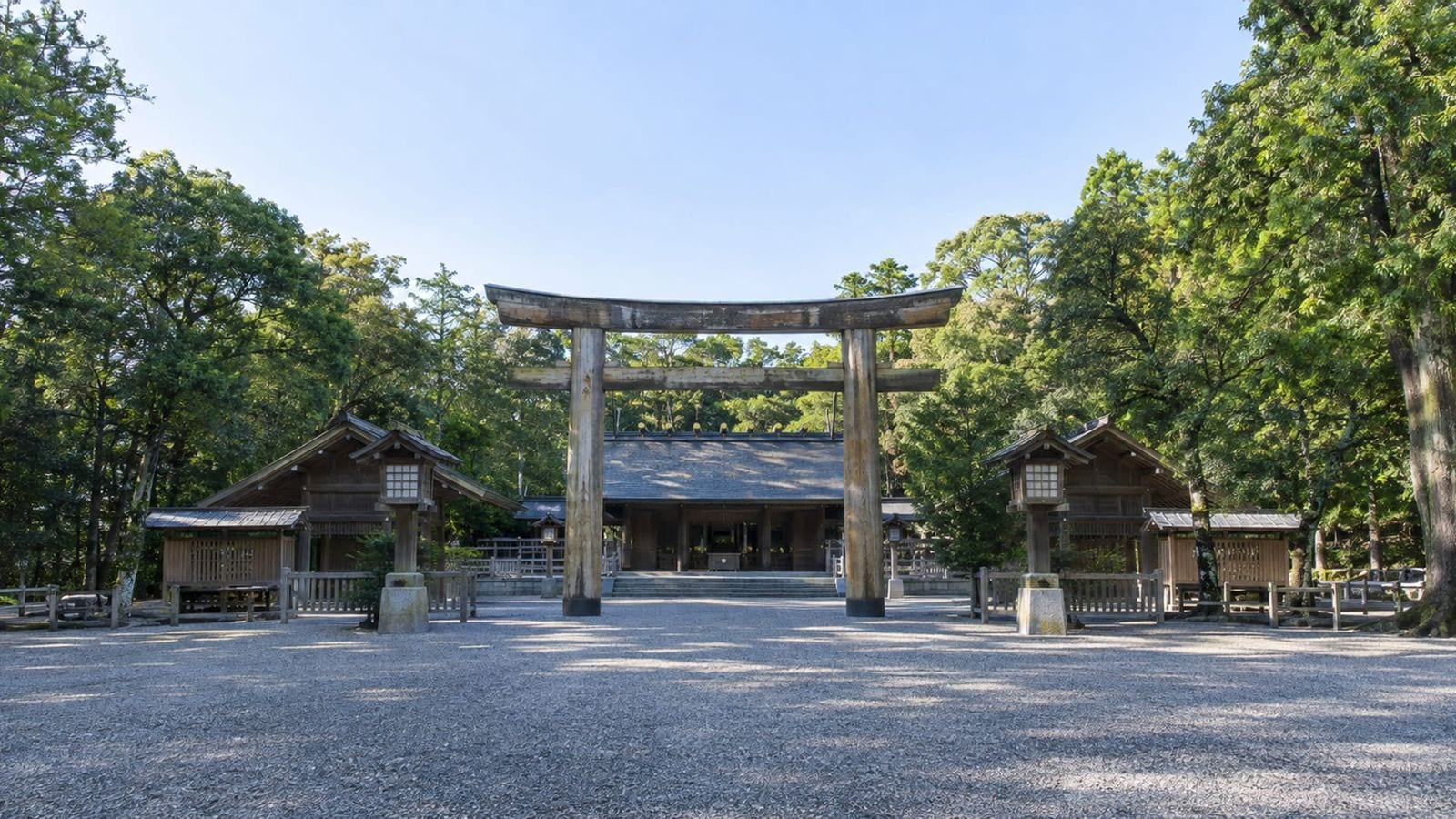
Dedicated to Emperor Jimmu, Japan’s legendary first emperor, Miyazaki Shrine connects the city’s identity with imperial mythology. Wooded grounds and unpainted timber buildings give the approach a different character from the city’s coastal shrines.
Time needed: About 1 to 2 hours
Entry: Free to access
Tip: Enter from the main approach to follow the shrine’s sequence of torii gates.
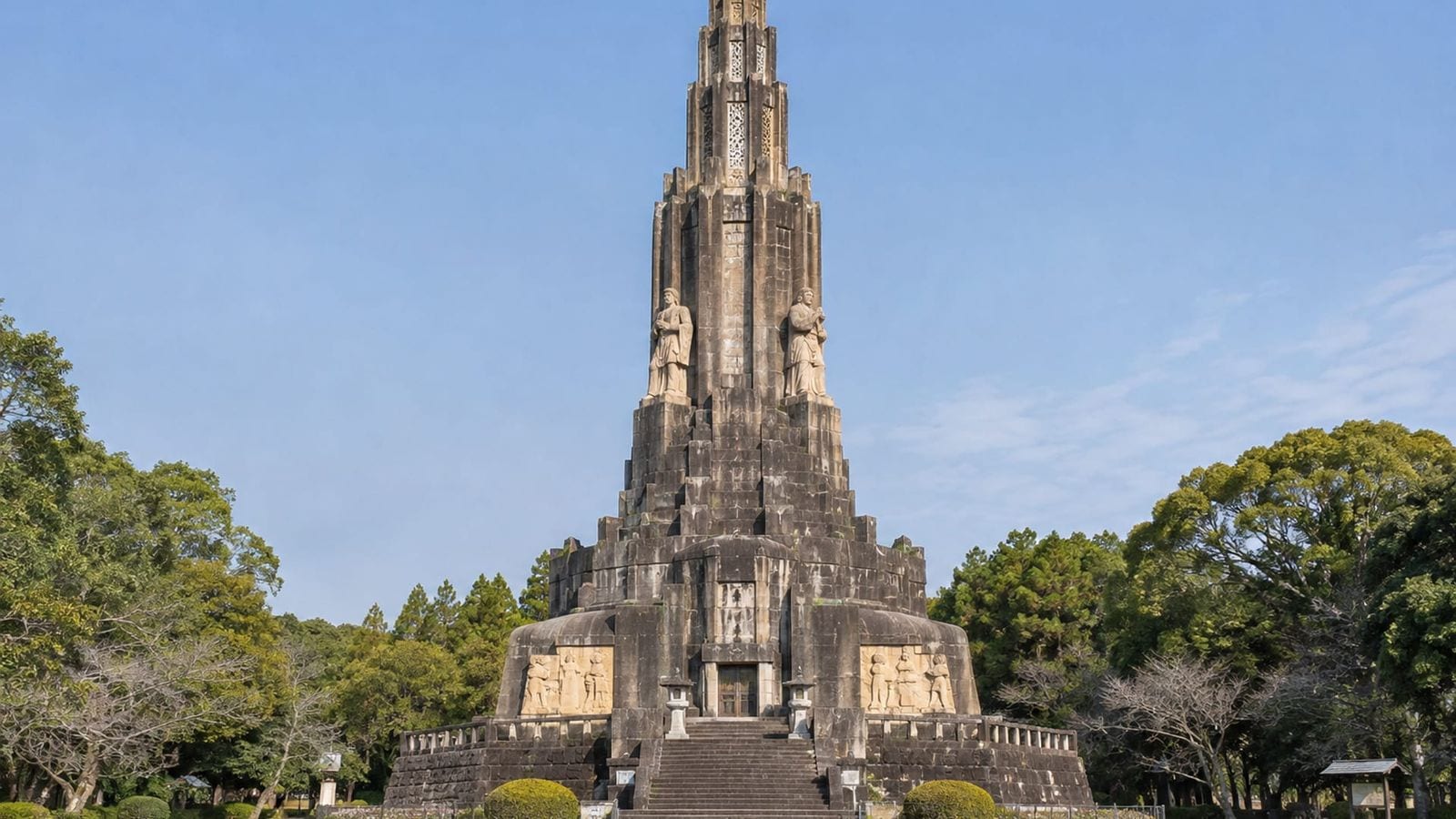
Peace Tower
Built in 1940, the Peace Tower rises above Heiwadai Park and incorporates stones gathered from Japan and overseas. Its monumental design reflects the imperial ideology of its construction era; the surrounding hilltop grounds overlook Miyazaki.
Time needed: About 1 to 2 hours
Entry: Free to access
Tip: Combine the tower with the nearby Haniwa Garden using Heiwadai Park’s paths.
Overlooked sites worth visiting

Ikime Burial Mounds
Grassy paths thread between ancient burial mounds at this archaeological park west of central Miyazaki. Several keyhole-shaped tombs reveal the scale of the area’s early ruling families.
Time needed: About 45 minutes to 1 hour
Entry: Free to access
Tip: Choose morning light for photographs of the grassy burial mounds.

Sadowara History Museum
A reconstructed Shimazu residence explores Sadowara’s history through traditional rooms and local exhibits. Below the former castle grounds, the building recalls the town’s samurai past.
Time needed: About 45 minutes to 1 hour
Entry: Free admission
Tip: Allow time for the garden as well as the rooms inside.
Traditional food
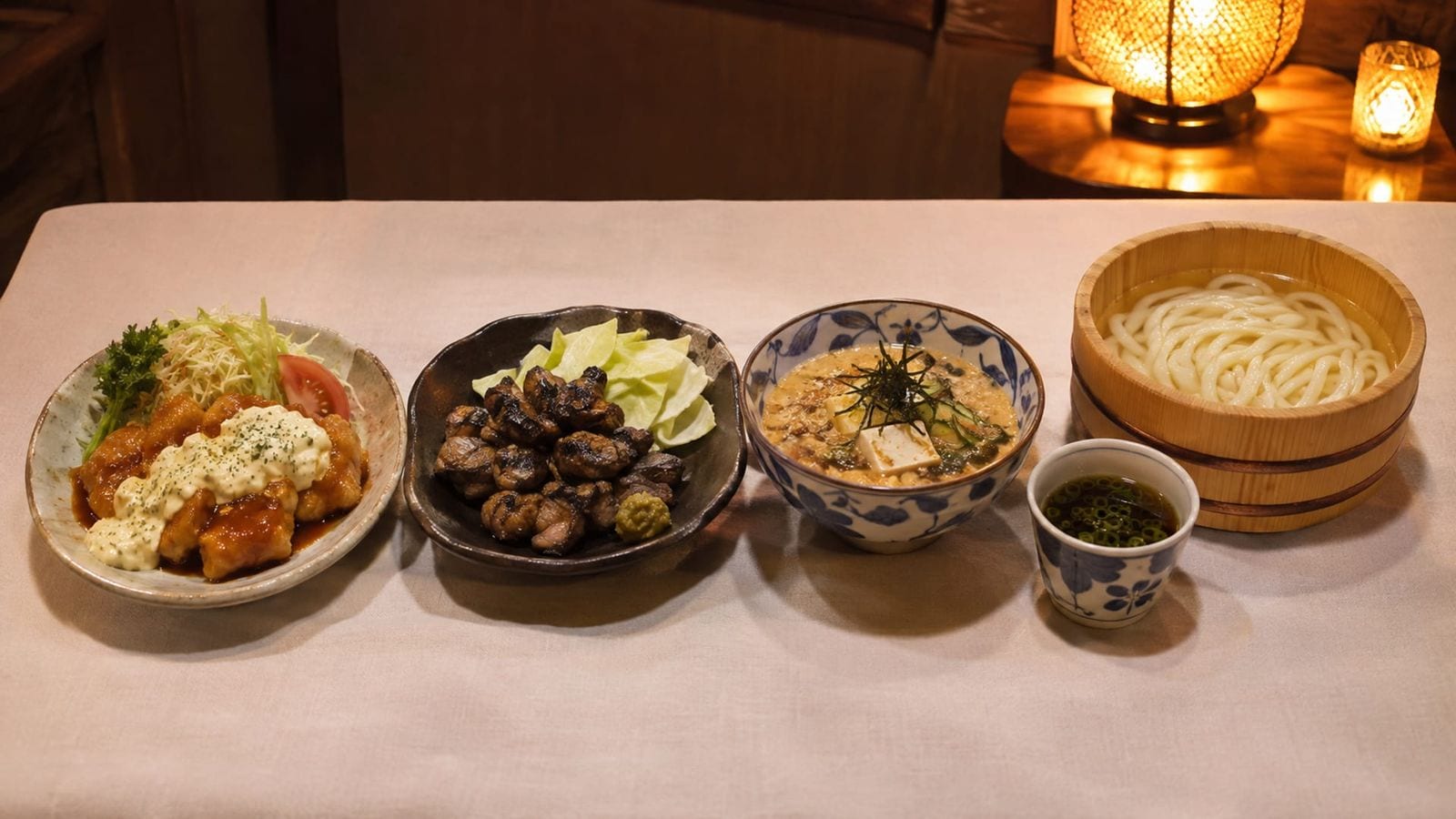
Chicken anchors Miyazaki’s cooking, from sweet vinegar and tartar sauce to smoky charcoal grilling. Cold miso soup and udon add lighter choices, with rice and cucumber balancing richer flavors.
Chicken nanban
Fried chicken meets sweet vinegar and a generous topping of tartar sauce in Miyazaki’s signature comfort dish. Try it at Ogura Honten, where the creamy sauce balances the vinegar’s sharpness and the chicken’s crisp coating.
Charcoal-grilled chicken
Bite-sized chicken pieces cook over fierce charcoal heat, developing a dark exterior and a pronounced smoky flavor. Maruman specializes in this Miyazaki favorite, with a firm texture that distinguishes it from fried chicken.
Hiyajiru
Cold miso broth combines fish, sesame, tofu, and cucumber, then pours over rice for a cooling meal. Suginoko serves this Miyazaki specialty, whose savory broth and fresh vegetables offer a contrast to the city’s richer chicken dishes.
Kamaage udon
Wheat noodles arrive hot in their cooking water, with a separate dipping sauce that seasons each mouthful. Try kamaage udon at Togakushi, a Miyazaki noodle restaurant known for this dish and its citrus-scented dipping sauce.
Best time to visit Miyazaki
Miyazaki offers mild winter sightseeing, warmer spring and fall walks, and a humid summer with heavier rain and coastal holiday crowds.
Best for: Wooded shrine walks and time on Aoshima before the heat of summer arrives
What you get: Expect 45°F to 77°F (7°C to 25°C), with warming afternoons for shrine walks; late April and early May bring larger holiday crowds to Aoshima.
Trade-offs: Golden Week brings heavier demand for Aoshima hotels and trains in late April and early May.
Best for: Beach days at Aoshima and cold hiyajiru between outings along the coastline
What you get: Temperatures reach 68°F to 90°F (20°C to 32°C); humid days and rainy periods accompany summer beach crowds, particularly during August.
Trade-offs: June brings heavier rain; summer heat and typhoons can interrupt coastal outings.
Best for: Exploring burial mounds and Heiwadai Park as the summer heat gradually fades
What you get: A range of 50°F to 84°F (10°C to 29°C) spans warm September and cooler November; beach crowds thin as the season advances into late fall.
Trade-offs: September can bring typhoons, so coastal plans may need to change with the forecast.
Best for: Daytime coastal walks and shrine grounds during Miyazaki’s cooler months
What you get: Days span 37°F to 59°F (3°C to 15°C), with generally quieter coastal paths; Miyazaki Shrine draws larger crowds during the New Year period.
Trade-offs: Cold ocean winds limit beach time, and shorter daylight reduces time for park walks.
A realistic 5-day plan in Miyazaki
The five days move from an arrival dinner to wooded shrines, ancient tombs, and Aoshima’s coast, followed by Heiwadai Park and shopping near Miyazaki Station before departure.
From Miyazaki Airport (KMI), take a train to Miyazaki Station, allowing 10 to 15 minutes and ¥300 to ¥500 ($2 to $4). Stay in the Miyazaki Station area for departure-day convenience. After unpacking, walk 15 to 20 minutes to Ogura Honten for a chicken nanban dinner, then take a taxi back to your hotel.
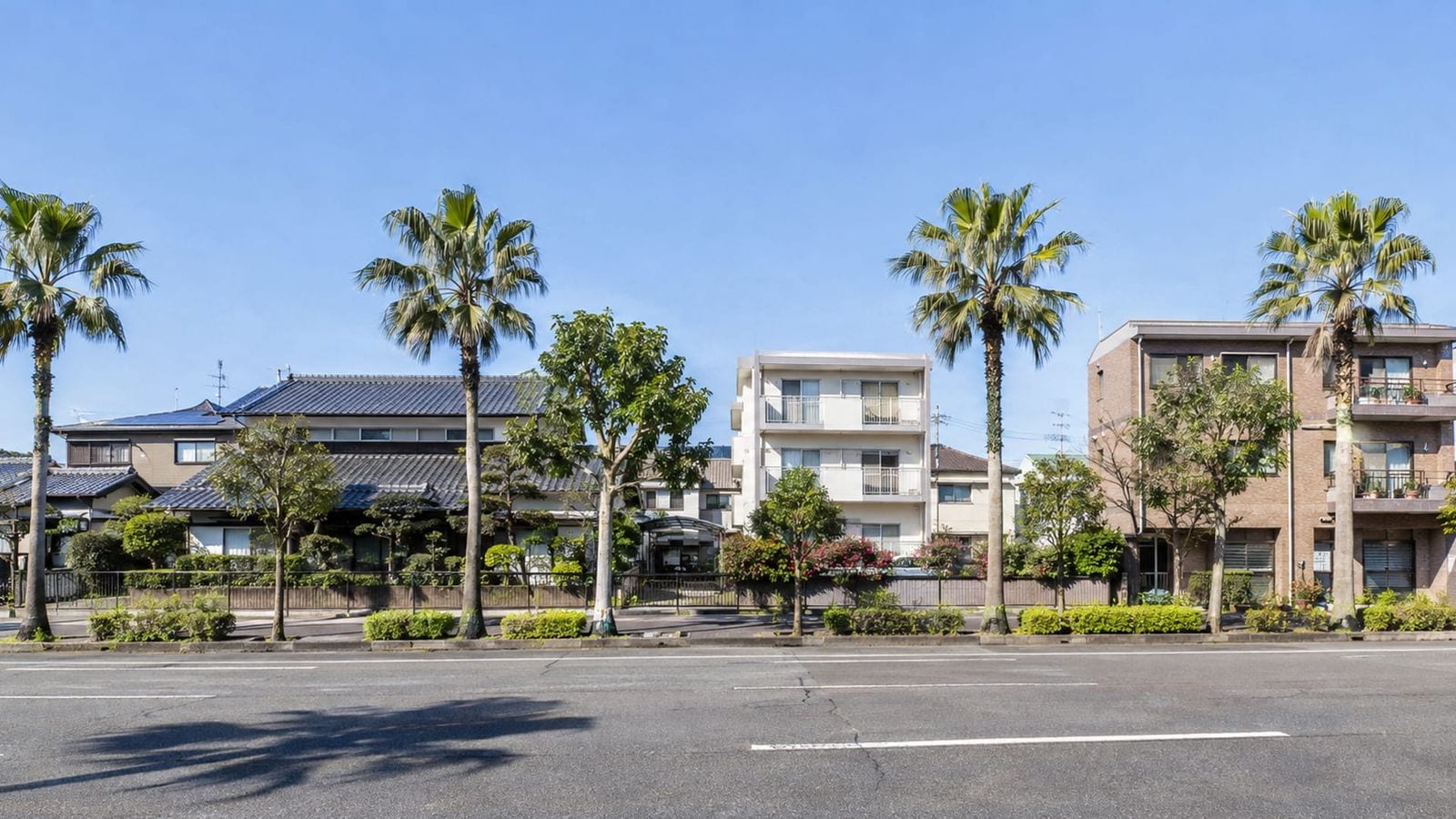
Wooded approaches lead into Miyazaki Shrine, where the timber buildings and torii gates merit 1 to 2 hours. Continue west by taxi for 25 to 35 minutes to Ikime Burial Mounds. Spend the afternoon following the grassy paths between the keyhole-shaped tombs; both sites offer free access.
A coastal day begins with the 30 to 40-minute train journey from Miyazaki Station to Aoshima. Walk 10 minutes to Aoshima Beach for a morning beside the Pacific, then continue 10 to 15 minutes across the pedestrian bridge to Aoshima Shrine. Allow 1 to 2 hours for the shrine and island paths, timing the coastal rocks for low tide.
For Miyazaki’s modern history, take a taxi from the Miyazaki Station area to Heiwadai Park, allowing 20 to 25 minutes. Examine the Peace Tower’s stonework before following the park paths for 5 to 10 minutes to Haniwa Garden. Give the clay figures and surrounding wooded trails the afternoon; access to both attractions is free.
Before your flight, browse AMU PLAZA MIYAZAKI in the Miyazaki Station area, with shopping generally beginning at 10 am. Leave purchases at your hotel until departure, then take the 10 to 15-minute train to Miyazaki Airport (KMI). Budget ¥300 to ¥500 ($2 to $4) for the ride and choose a departure that accommodates your airline’s check-in deadline.
Business-class flights from the US to Miyazaki
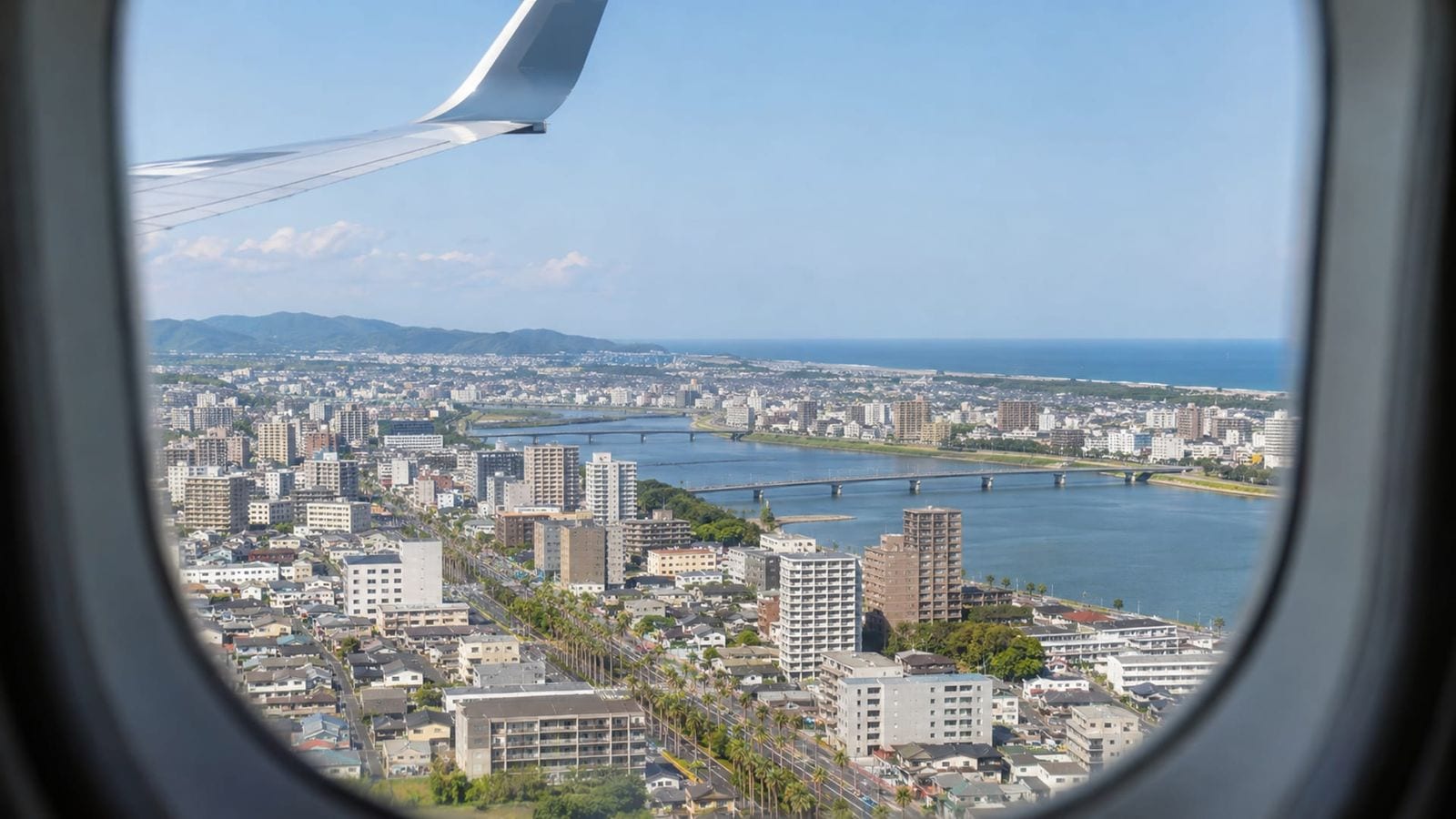
The New York and Los Angeles examples connect through Tokyo Haneda (HND), followed by a domestic flight to Miyazaki Airport (KMI).
From New York, a one-stop journey through Tokyo Haneda (HND) reaches Miyazaki Airport (KMI) in 17 to 22 hours. Round-trip fares range from $5,000 to $10,000, with Japan Airlines and All Nippon Airways among the listed airlines.
Los Angeles travelers connect at Tokyo Haneda (HND) on journeys of 15 to 20 hours to Miyazaki Airport (KMI). Allow $4,500 to $9,000 round trip for the listed options with Japan Airlines and All Nippon Airways.
Miyazaki feels different when you slow down
A Miyazaki trip takes shape through distinct outings: a train to Aoshima for the shrine and coastal rocks, a walk beneath the trees at Miyazaki Shrine, and an afternoon among Heiwadai Park’s clay figures. Staying near Miyazaki Station keeps airport journeys short, while Nishitachi draws evenings toward chicken dishes and small restaurants. Ask AranGrant experts to arrange flights that leave time for Aoshima’s low-tide scenery and a final meal in Miyazaki







