

Chapters:

Need help with your trip?
Our support team is available 24/7. Request a callback or call us directly at (833) 619-0908
Misawa’s aviation story began in October 1931, when the American plane Miss Veedol left Sabishiro Beach on the first nonstop transpacific flight. Today, Misawa, in eastern Aomori Prefecture, shares its airport with a joint US-Japan air base, while the museum beside the runway traces that history.
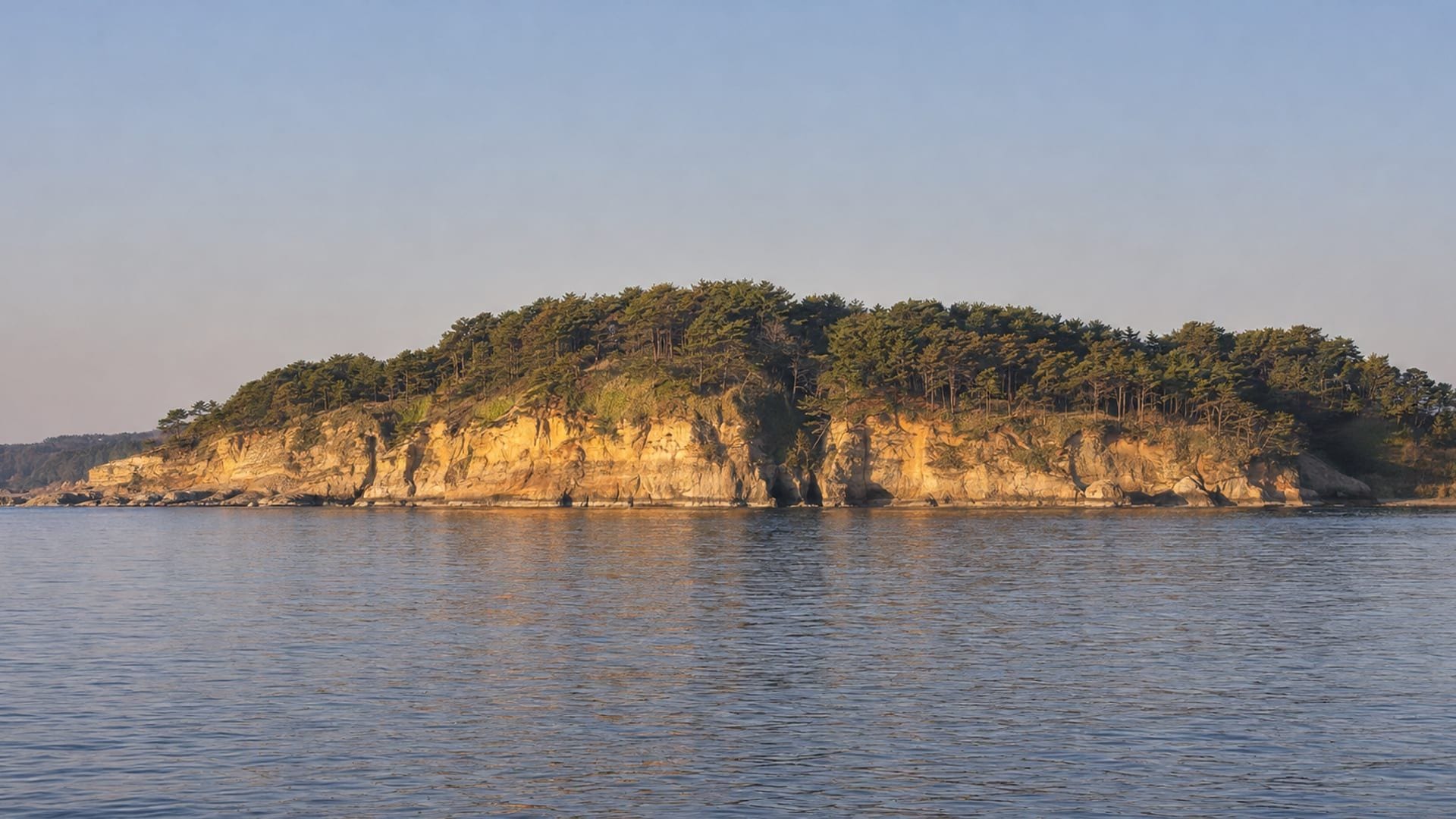
There is more to Misawa than its runways. The Pacific coast has sandy beaches, Lake Ogawara is ideal for quiet walks, and local restaurants serve fresh seafood from the Aomori coast. From May to October, you can also take a full-day trip to the volcanic temple grounds of Osorezan.
This guide covers where to stay, how to get around without a metro, what to eat, and how to plan five days between the Pacific coast, Lake Ogawara, and the Shimokita Peninsula.
Useful things to know

Main language(s): Japanese
Konnichiwa (kohn-nee-chee-wah) – Hello / good afternoon
Onegaishimasu (oh-neh-guy-shee-mas) – Please
Arigatou gozaimasu (ah-ree-gah-toh go-zai-mas) – Thank you
Eigo o hanasemasu ka? (eh-go oh ha-nah-seh-mas kah) – Do you speak English?
Ikura desu ka? (ee-koo-rah dess kah) – How much does it cost?

Currency: Japanese yen (JPY, ¥)

Cash and cards: Hotels and larger stores accept cards and contactless payments, but many small diners in Misawa still take cash only, so keep ¥5,000 to ¥10,000 ($32 to $63) on hand.

Tipping: Tipping is not part of Japanese culture, and staff may politely return any extra money you leave.

Traditional food: Misawa hokki-don, senbei-jiru, ichigo-ni, and Mutsu Bay scallops are among the regional dishes most closely associated with Misawa and the surrounding Nanbu area.

Water and coffee costs: A bottle of water from a vending machine costs ¥160 ($1), and a cup of coffee at a café costs ¥500 ($3).

Taxis and ride apps: You can find taxis at Misawa Station and Misawa Airport (MSJ) or book one through the GO app, which covers Misawa City.

Plug and voltage: Type A and Type B sockets, 100 V

Dining and shop opening hours: Restaurants serve breakfast from 7:00 am to 9:00 am, lunch from 11:30 am to 2:00 pm, and dinner from 6:00 pm to 9:00 pm, and many kitchens take last orders well before closing.

Emergency number: 110 for police, 119 for fire rescue and ambulance
Where to stay in Misawa
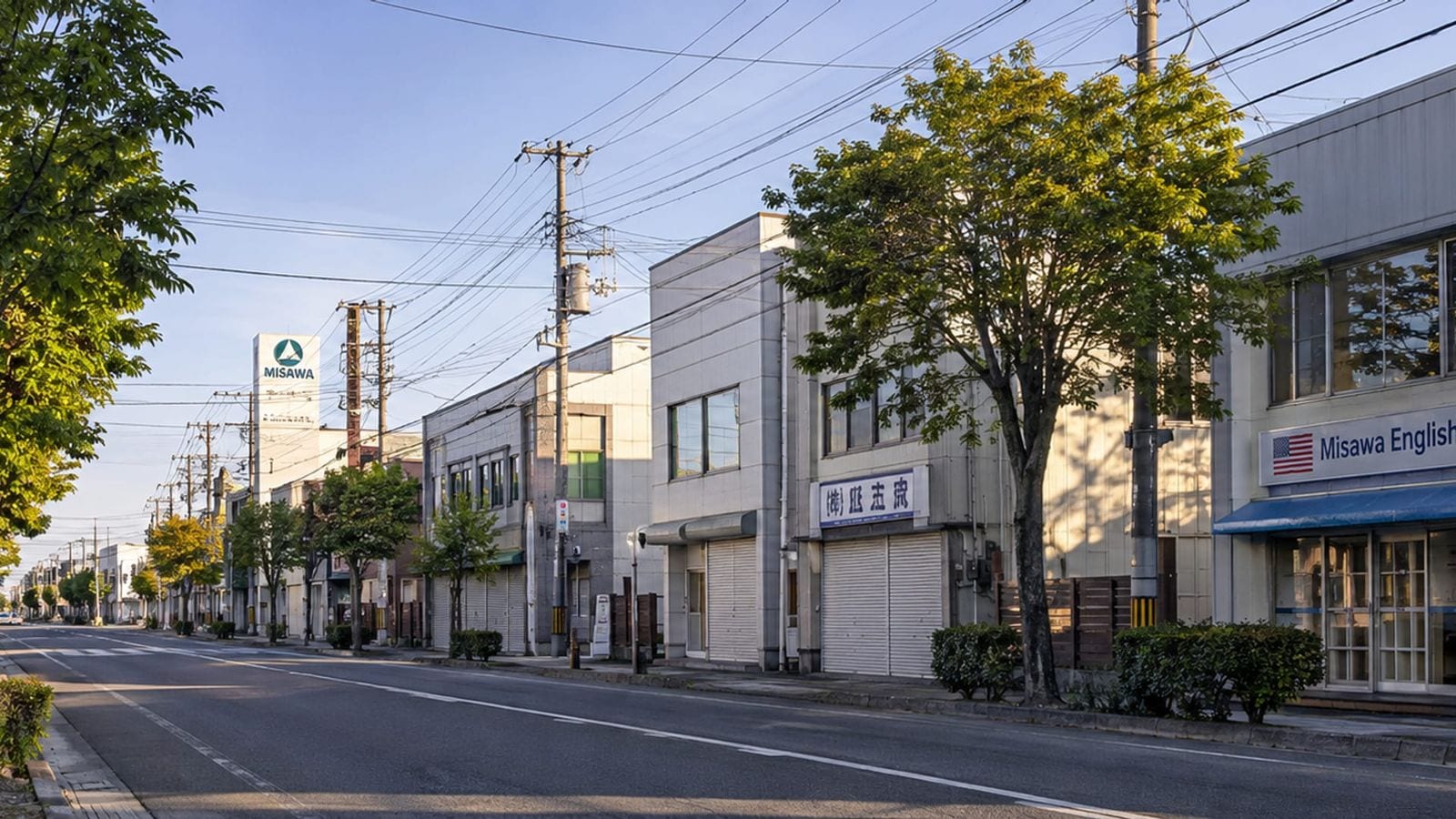
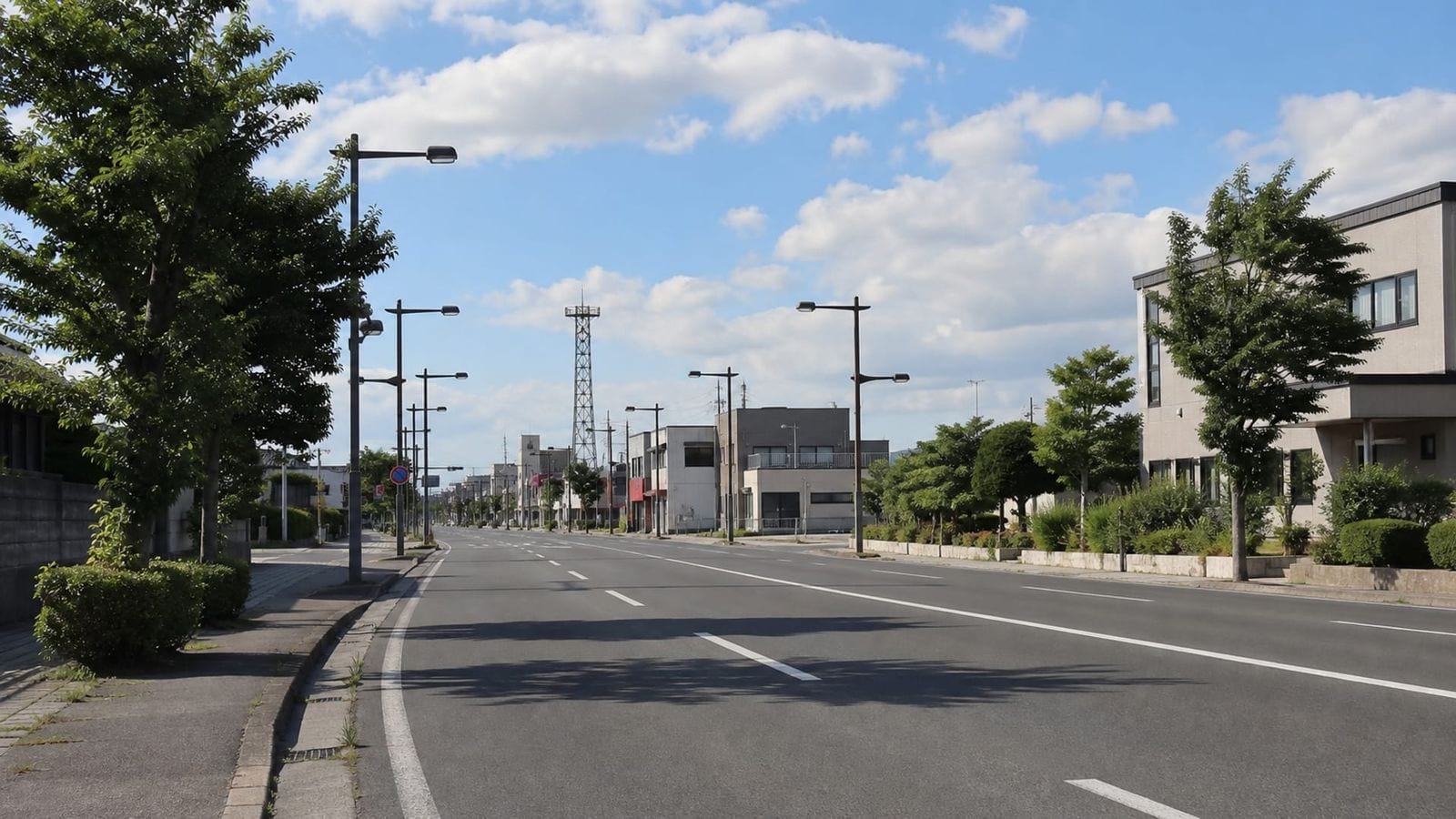
Downtown Misawa covers the Chuo-cho district near the main gate of Misawa Air Base. It centers on Sky Plaza Misawa, a shopping and community complex, with several main hotels a short walk away and most of the city’s restaurants, izakaya, and small bars, including those along White Pole Road.
Best for: Dining, evenings out, and travelers who want restaurants, shops, and the tourist office within walking distance
What to expect: Shoppers at Sky Plaza during the day, jets from the air base overhead, and izakaya and pubs that stay open into the evening
Hotel prices: Expect to pay ¥10,000 to ¥20,000 ($60 to $130) per night at well-rated hotels near Sky Plaza Misawa.
Distance to major sights: About 10 minutes by taxi to Misawa Airport (MSJ), and 10 to 15 minutes by taxi to the Misawa Aviation & Science Museum
Quietness: Streets are busy through the evening near the bars, but most hotel blocks are calm by late night.
Main trade-off: You can walk to restaurants and bars, but most hotels here have compact rooms and few resort-style amenities.
Good to know: The city tourist information office is on the first floor of Sky Plaza Misawa and is open from 10:00 am to 6:00 pm.
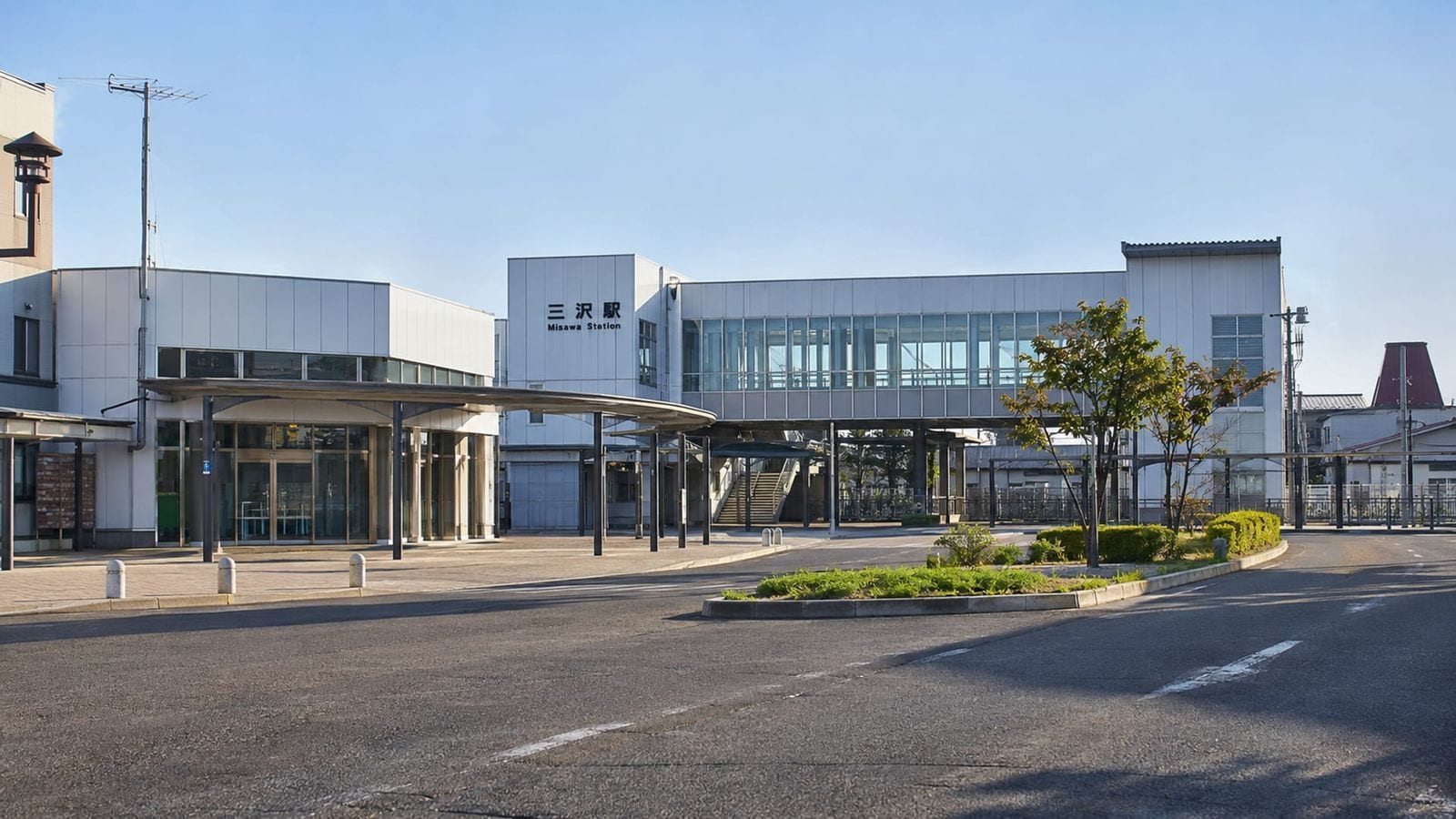
Misawa Station is the city’s stop on the Aoimori Railway, with trains to Hachinohe for Tohoku Shinkansen connections. The area is quiet and mostly residential, about a 10-minute drive from downtown. Hoshino Resorts Aomoriya, a large hot spring resort, is a 5-minute shuttle ride from the station.
Best for: Rail arrivals, Tohoku Shinkansen connections via Hachinohe, and stays at Hoshino Resorts Aomoriya
What to expect: Commuters around train times and quiet residential streets
Hotel prices: Well-rated hotels in this area cost ¥8,000 to ¥63,000 ($50 to $400) per night.
Distance to major sights: 5 minutes by shuttle to Hoshino Resorts Aomoriya; 10 to 15 minutes by taxi to Sky Plaza Misawa
Quietness: The area is quiet most of the day, with brief bursts of activity when trains arrive.
Main trade-off: You get direct rail access, but you will need a taxi or bus to reach downtown restaurants, the aviation museum, and the coast.
Good to know: Taxis wait outside the station, and the local Mi-Bus links it with downtown and the airport.
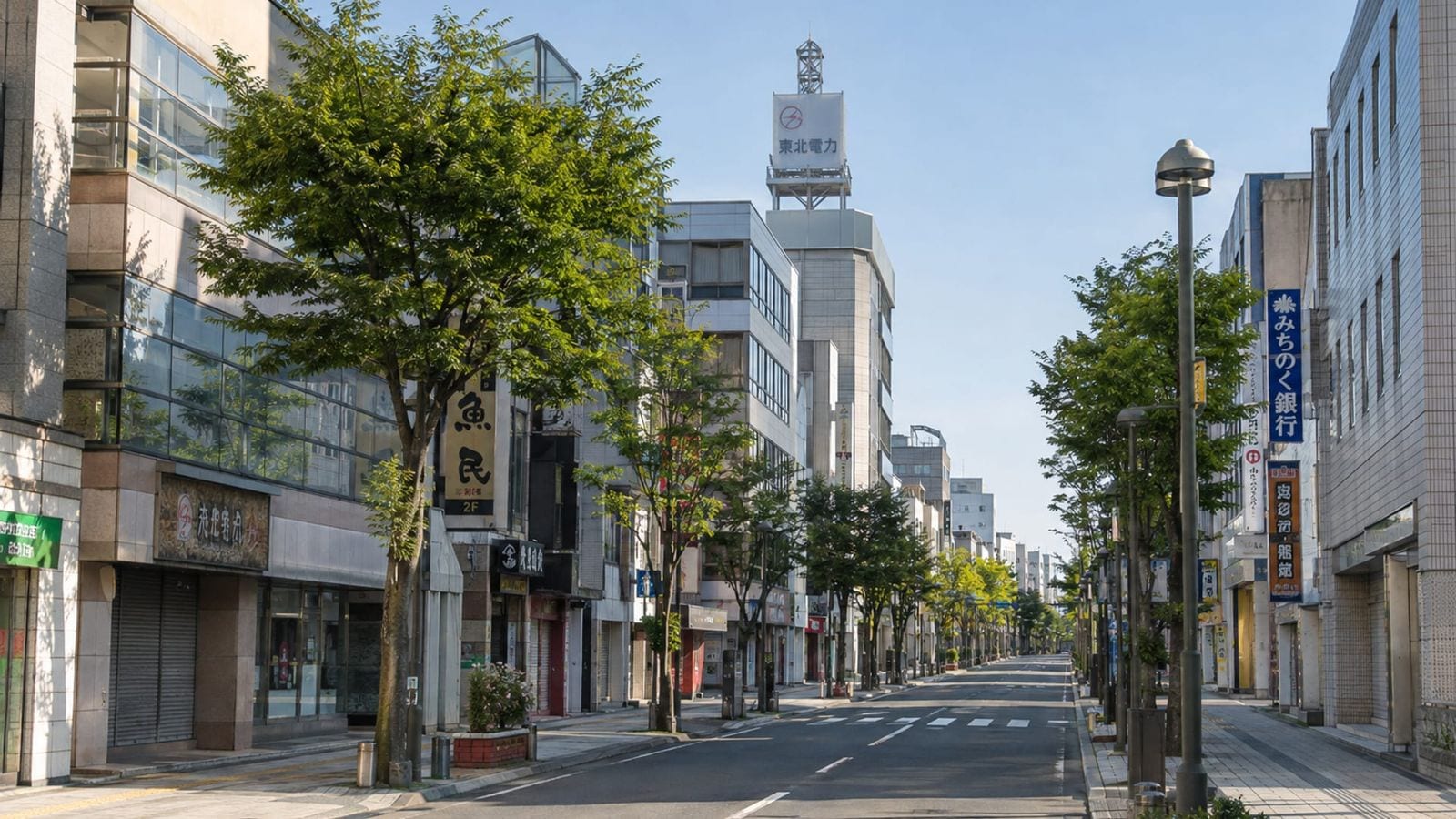
Hachinohe, a 20-minute train ride south of Misawa, is the largest city in the Nanbu area, and its center around Hon-Hachinohe Station has the widest choice of hotels nearby. Miroku Yokocho, an alley of small food stalls, is in the heart of downtown, along with shopping arcades and izakaya.
Best for: Travelers who want more hotel and restaurant choices, and easy Tohoku Shinkansen access via Hachinohe Station
What to expect: Office workers and shoppers in the arcades during the day, and food stalls at Miroku Yokocho that fill up in the evening
Hotel prices: Rooms at well-rated hotels such as Daiwa Roynet and Dormy Inn cost ¥9,000 to ¥18,000 ($55 to $115) per night.
Distance to major sights: 5 to 10 minutes on foot to Miroku Yokocho, or 35 to 45 minutes by train to Misawa Station
Quietness: Downtown is lively until the food stalls close, and most hotel streets are quiet overnight.
Main trade-off: There are more hotels and restaurants than in Misawa, but the area’s main sights are a 30 to 40-minute drive away.
Good to know: Hachinohe Station, the Shinkansen stop, is outside the center, so you will need to take the JR Hachinohe Line to Hon-Hachinohe Station.
Unless you are driving, avoid hotels in the rural outskirts of Misawa and along the coast. These areas have few restaurants and rare bus service, so every dinner and sightseeing trip depends on a taxi.
Hotel deals
Getting around Misawa
In Misawa, most visitors take taxis, while local buses and the Aoimori Railway cover airport and regional trips.

Train
for trips beyond the city
The Aoimori Railway links Misawa Station with Hachinohe in 20 minutes for ¥680 ($4) and with Aomori for ¥2,140 ($14). At Hachinohe, you can change to the Tohoku Shinkansen, where Green Car (first-class) and GranClass (premium) seats offer a business-class-style ride to Tokyo.

Bus
for budget airport links
Local buses connect Misawa Airport (MSJ) with Misawa Station in 10 minutes for ¥200 ($1), and the Mi-Bus runs between the station, City Hall, and downtown. Departures are infrequent and often timed to flights, so check timetables in advance.

Taxi
for convenience or late hours
Taxis are the easiest way to move around Misawa, especially after buses stop in the evening. Fares start at ¥700 ($4), and short downtown rides cost ¥700 to ¥1,500 ($4 to $10). You can book through the GO app or find taxis at Misawa Station and Misawa Airport (MSJ).
*Prices are based on rates updated as of November 2026 and may change at the time of travel.
Take taxis for dinners and short rides around Misawa, the Aoimori Railway for Hachinohe and Aomori, and a rental car for Osorezan and other day trips.
Iconic places in Misawa
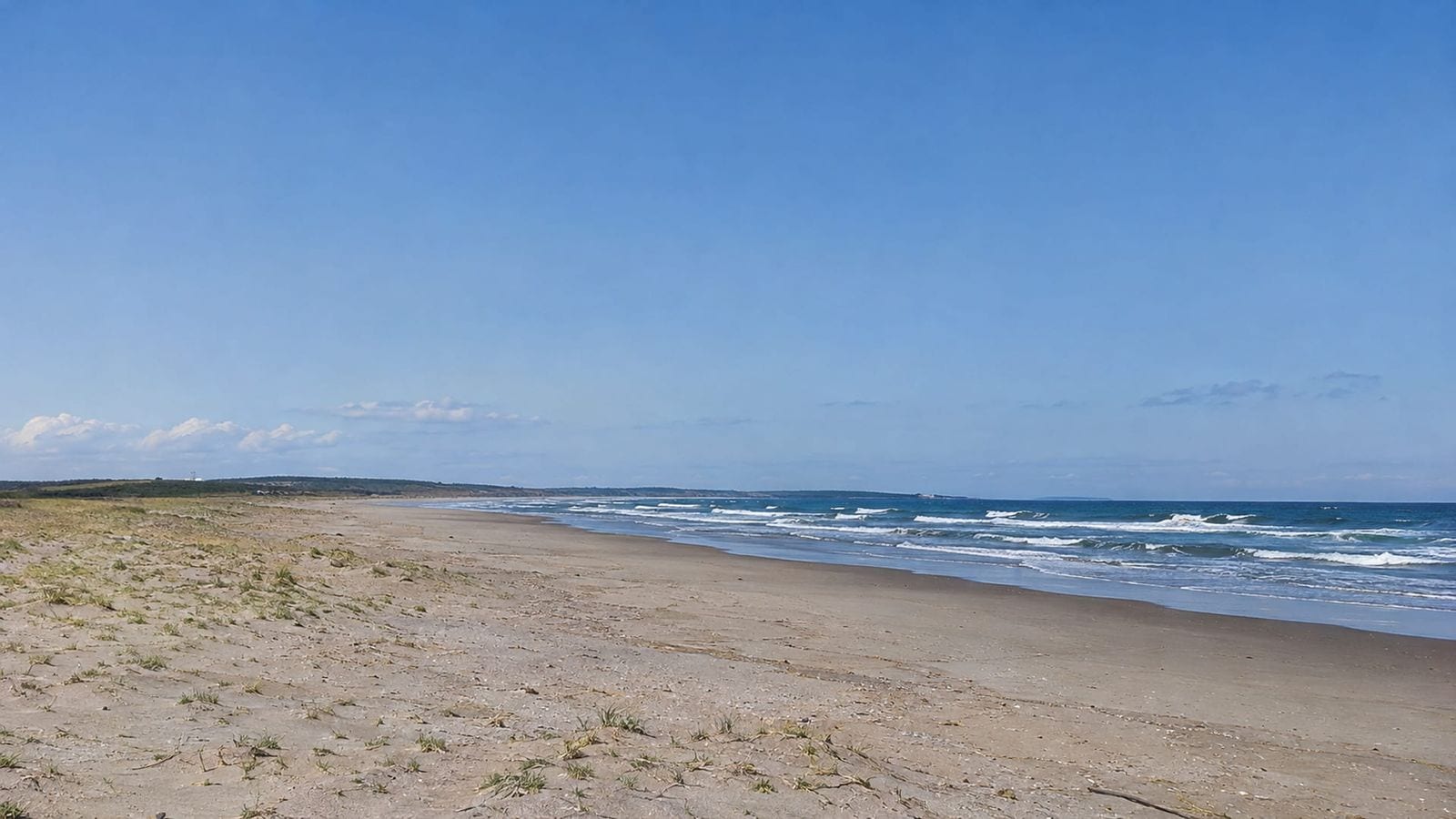
Sabishiro Beach
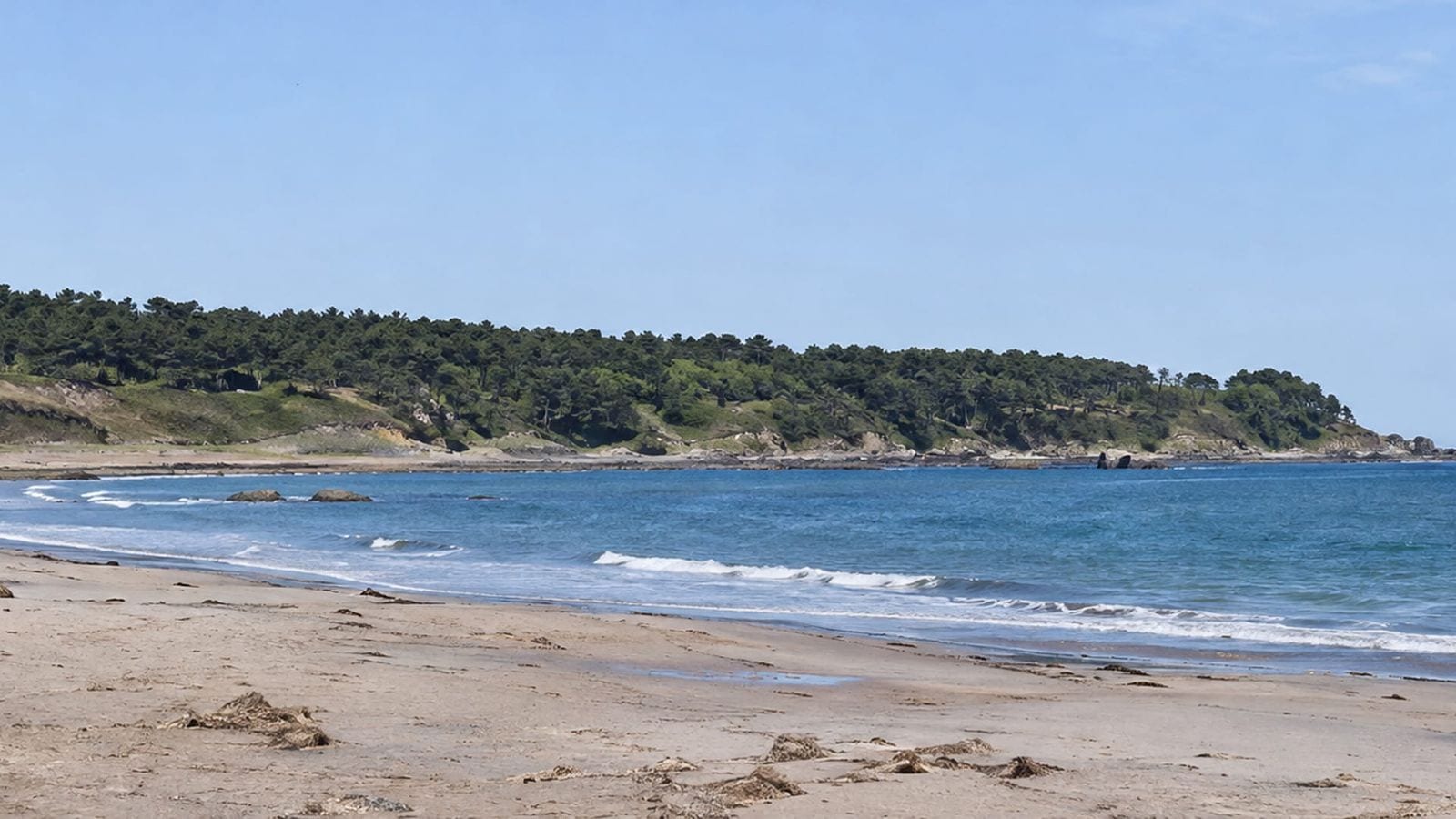
Sabishiro Beach stretches along Misawa’s Pacific edge, with a long, flat white-sand shore backed by pine forest. A replica of the Miss Veedol stands beside an observation tower near the spot where the 1931 transpacific flight took off.
Time needed: About 1 to 2 hours
Entry: Free
Tip: Go early, since the beach faces east and catches the sunrise over the Pacific.
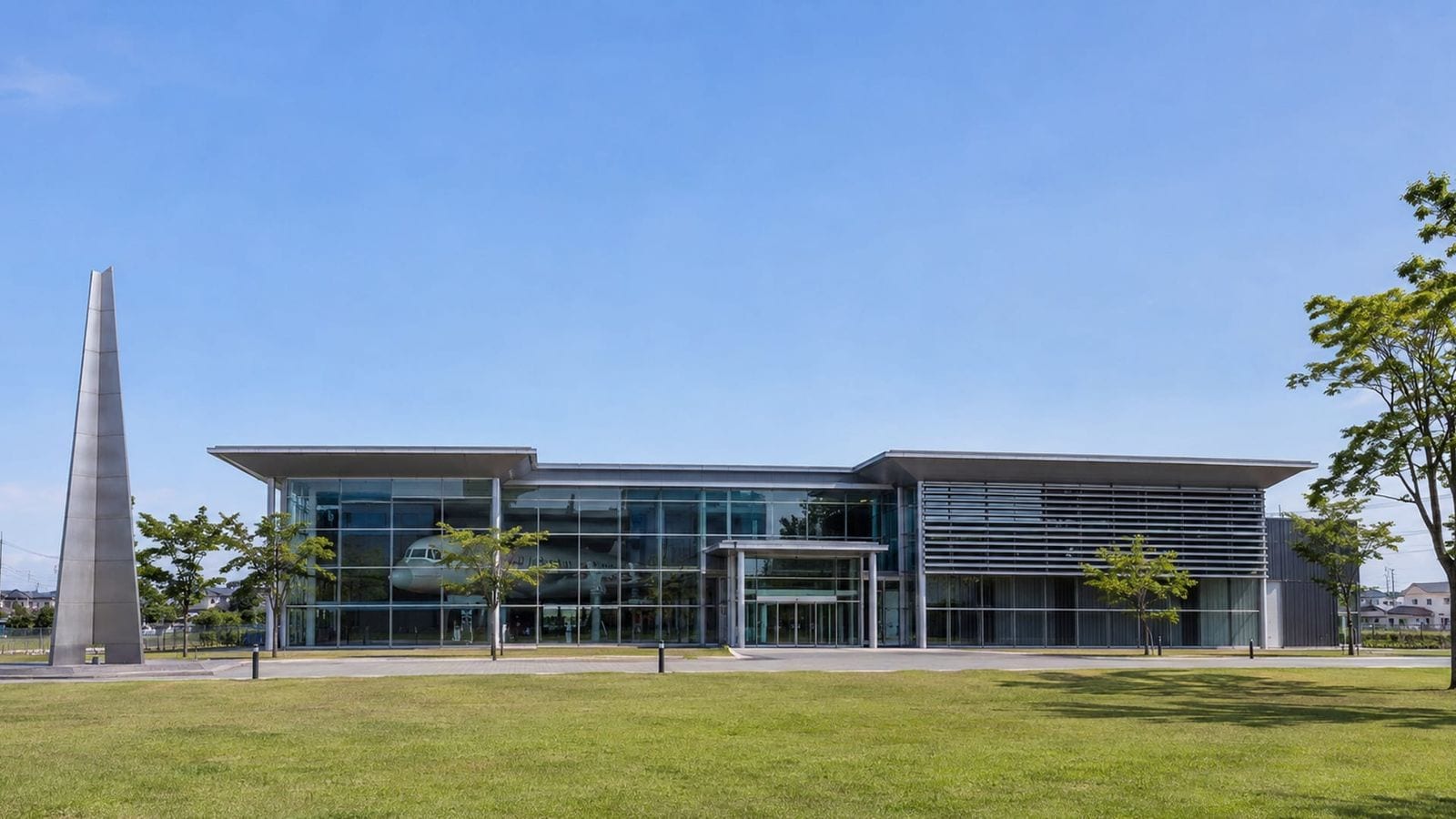
Misawa Aviation and Science Museum
This museum traces Misawa’s long link with flight through real aircraft, a full-scale Miss Veedol replica, and hands-on science exhibits. It is next to Misawa Airport (MSJ), so you get a rare look at the city’s aviation history in one stop.
Time needed: About 1 to 2 hours
Entry: Adult admission costs ¥700 ($4), and visitors under 18 enter free; closed Mondays. Visit the official site for details.
Tip: Visit on a clear afternoon for better light in the outdoor aircraft area.
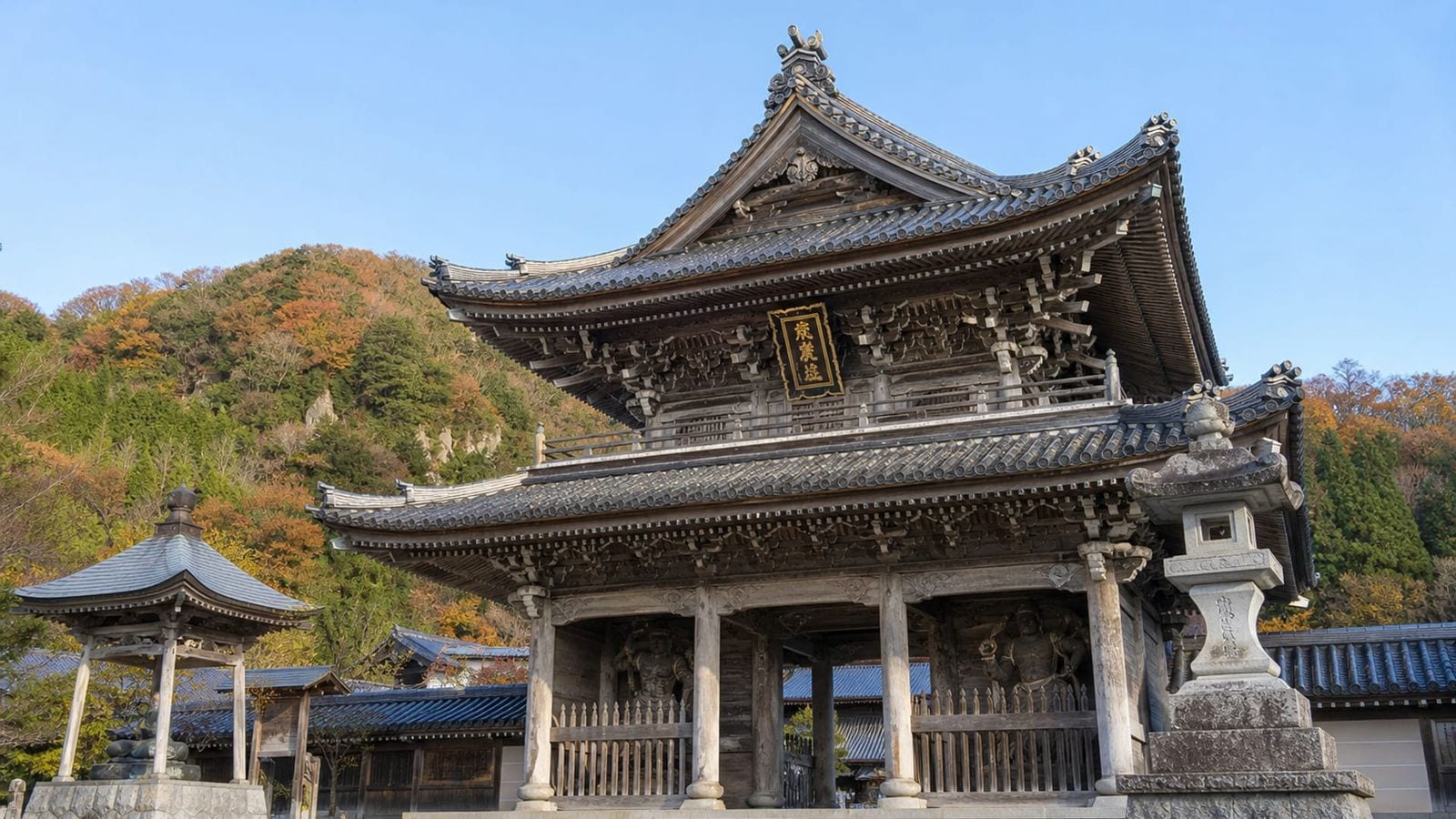
Osorezan Bodaiji Temple
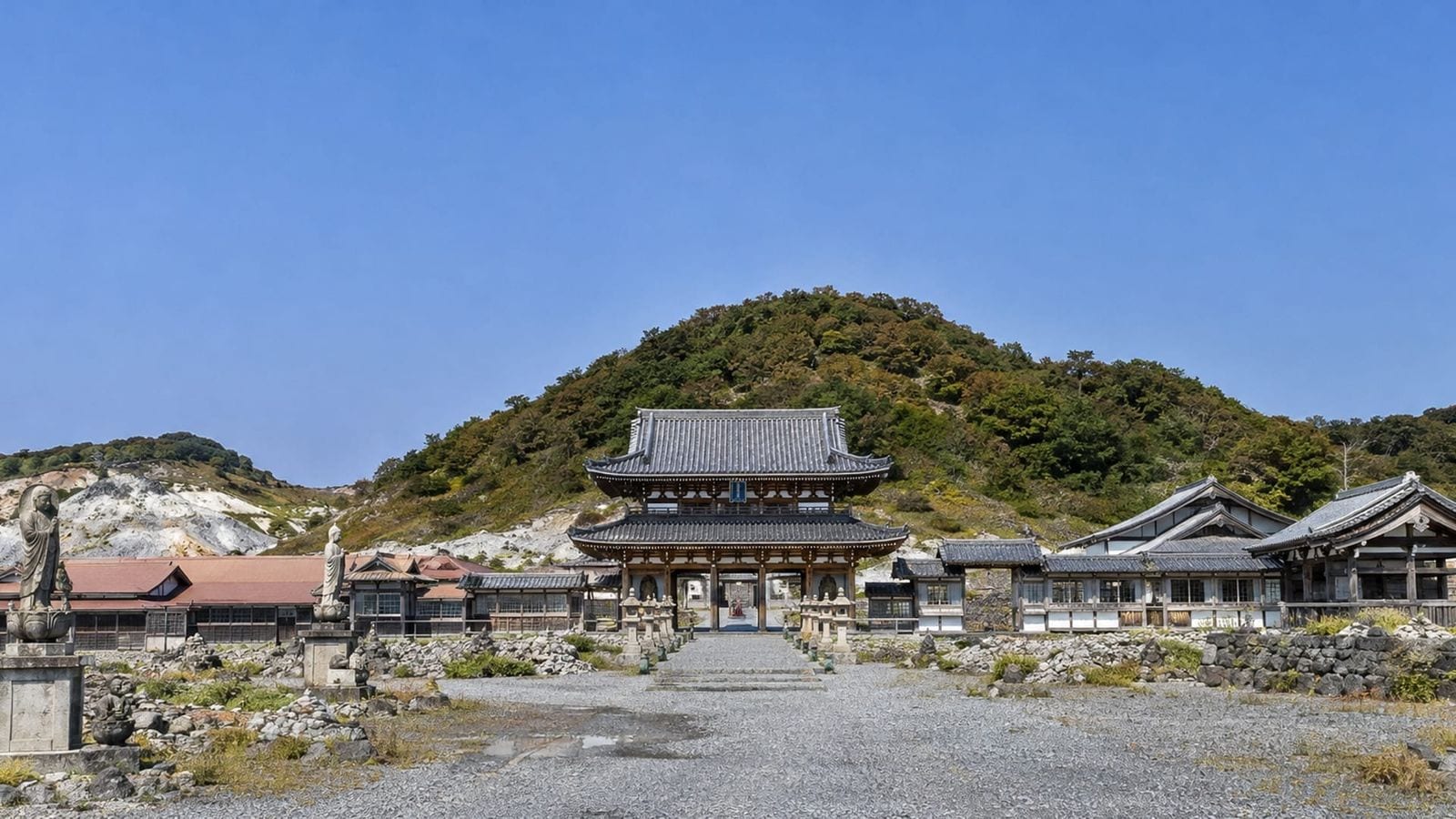
Osorezan Bodaiji Temple is on Mount Osore in Mutsu, on the Shimokita Peninsula, in a volcanic landscape tied to Buddhist worship and memorial rites. Sulfur vents, pale ground, and the temple buildings create one of northern Japan’s most distinctive sacred sites.
Time needed: About 2 to 3 hours
Entry: Admission costs ¥700 ($4). The temple is open only from May to October. Visit the official site for details.
Tip: Wear closed shoes, as the volcanic paths can be uneven and dusty.
Overlooked places in Misawa

Terayama Shuji Memorial Museum
This museum near Lake Ogawara honors Shuji Terayama, the avant-garde poet, playwright, and filmmaker who grew up partly in Misawa, with manuscripts, posters, and props from his Tenjo Sajiki troupe.
Time needed: About 1 hour
Entry: Adult admission costs ¥550 ($3). No advance booking is needed. The museum is closed on Mondays. Visit the official site for details.
Tip: Check the website for special exhibitions, which change throughout the year.

Ogawarako Park
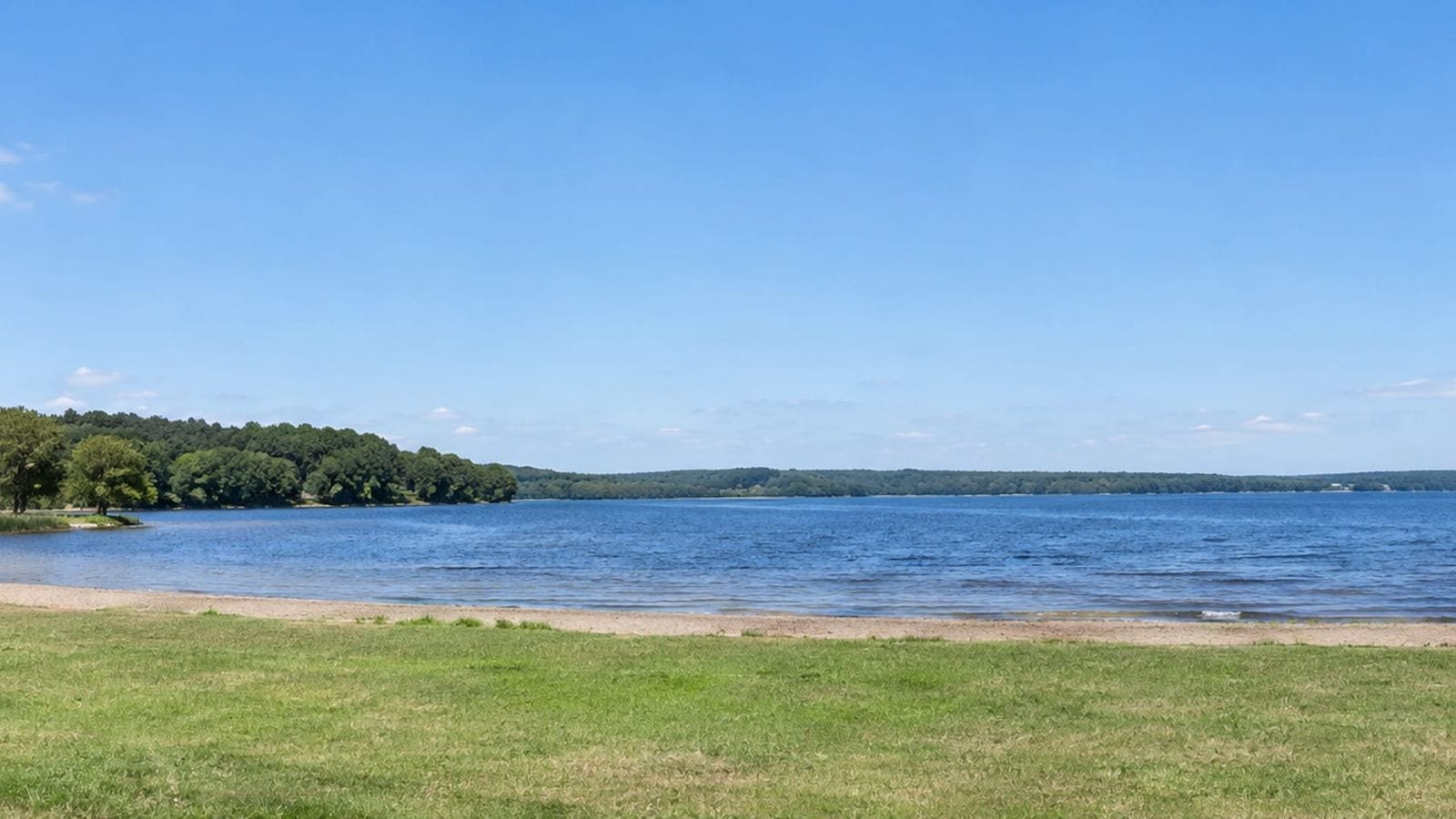
This free park in Tohoku Town, a 20-minute drive from Misawa, runs along the shore of Lake Ogawara, Aomori’s largest lake, with a 1.2-mile (2 km) row of cherry trees and swans on the water in winter.
Time needed: About 1 to 2 hours
Entry: Free, with 300 free parking spaces and no booking needed
Tip: Visit in late April or early May, when about 1,000 cherry trees bloom along the shore.
What to eat in Misawa
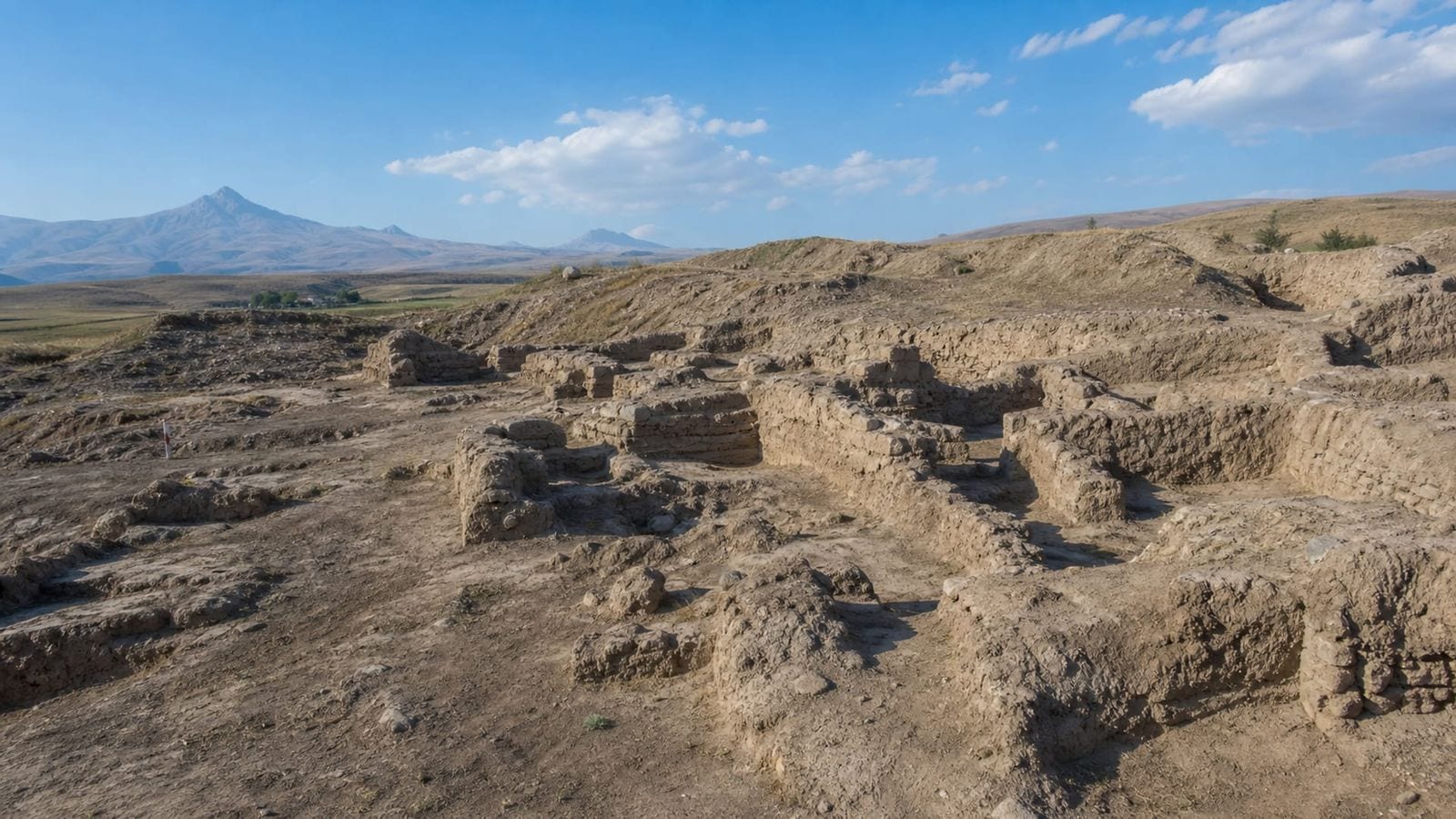
Seafood from the Pacific coast and Mutsu Bay fills Misawa’s local menus, alongside hearty Nanbu-area soups. You’ll find many classic dishes in downtown Misawa and nearby Hachinohe.
Misawa hokki-don
A rice bowl topped with surf clams caught off Misawa, served only from December to March and prepared raw, seared, or simmered depending on the restaurant. Kikuzushi in downtown Misawa serves a version with three kinds of clam.
Mutsu Bay scallops
Plump shellfish farmed in Mutsu Bay, Aomori’s best-known seafood, often grilled in the shell with butter and soy sauce or served raw as sashimi. Harumi Sushi, a sushi bar open for about four decades, serves local seafood and has an English menu.
Ichigo-ni
A clear soup of sea urchin and abalone from the Hachinohe coast, named for the way the urchin roe looks like wild strawberries in the broth. Kappo Sanriku, a long-running restaurant in central Hachinohe, serves it.
Senbei-jiru
A soy-based soup of chicken or pork, vegetables, and wheat crackers that soften in the broth, cooked across the Nanbu area as a filling winter meal. Minato Shokudo in Hachinohe serves it as a set with its marinated flounder rice bowl.
Best time to visit Misawa
Misawa has cool, foggy summers and snowy winters, so the best season depends on whether you plan to see the coast, the lake, or Osorezan.
Best for: Cherry blossoms at Lake Ogawara, museum visits, and Osorezan from May onward
What you get: Temperatures range from 30°F to 65°F (-1°C to 18°C), and the weather turns from snowy in early March to mild, pleasant days by late May.
Trade-offs: March still brings snow and cold winds, and Osorezan is closed until May 1.
Best for: Beach days at Sabishiro, long daylight hours, and easy Osorezan temple day trips
What you get: Temperatures range from 55°F to 79°F (13°C to 26°C), and the warmest, most humid weather usually arrives in mid-August.
Trade-offs: Cool sea winds bring frequent fog and drizzle to the coast until mid-August.
Best for: Osorezan in fall color, fresh local seafood, and comfortable walking days
What you get: Temperatures range from 37°F to 74°F (3°C to 24°C), and October brings drier, more settled days after the rainy month of September.
Trade-offs: September is the rainiest month of the year, and snow can return by late November.
Best for: Museum visits, hot spring stays, and hokki-don season in local restaurants
What you get: Temperatures range from 24°F to 41°F (-4°C to 5°C), and snow showers and brisk, cold winds are common from December through February.
Trade-offs: Cold winds keep beach walks short, and snowy roads make day trips by car slower.
A 5-day plan in Misawa
Five days in Misawa leave time for the city’s aviation history, the Pacific coast, Osorezan Bodaiji Temple, Hachinohe, and Lake Ogawara. Local buses are infrequent, so use a car or taxis around Misawa and the Aoimori Railway for Hachinohe.
After landing at Misawa Airport (MSJ), take a taxi to your hotel. If you are staying downtown, the ride takes 10 minutes. Stop by the tourist information office in Sky Plaza Misawa for maps and bus timetables, then walk to dinner at one of the Japanese pubs, known as izakaya, near White Pole Road. If you arrive between December and March, order a surf-clam hokki-don at Kikuzushi.
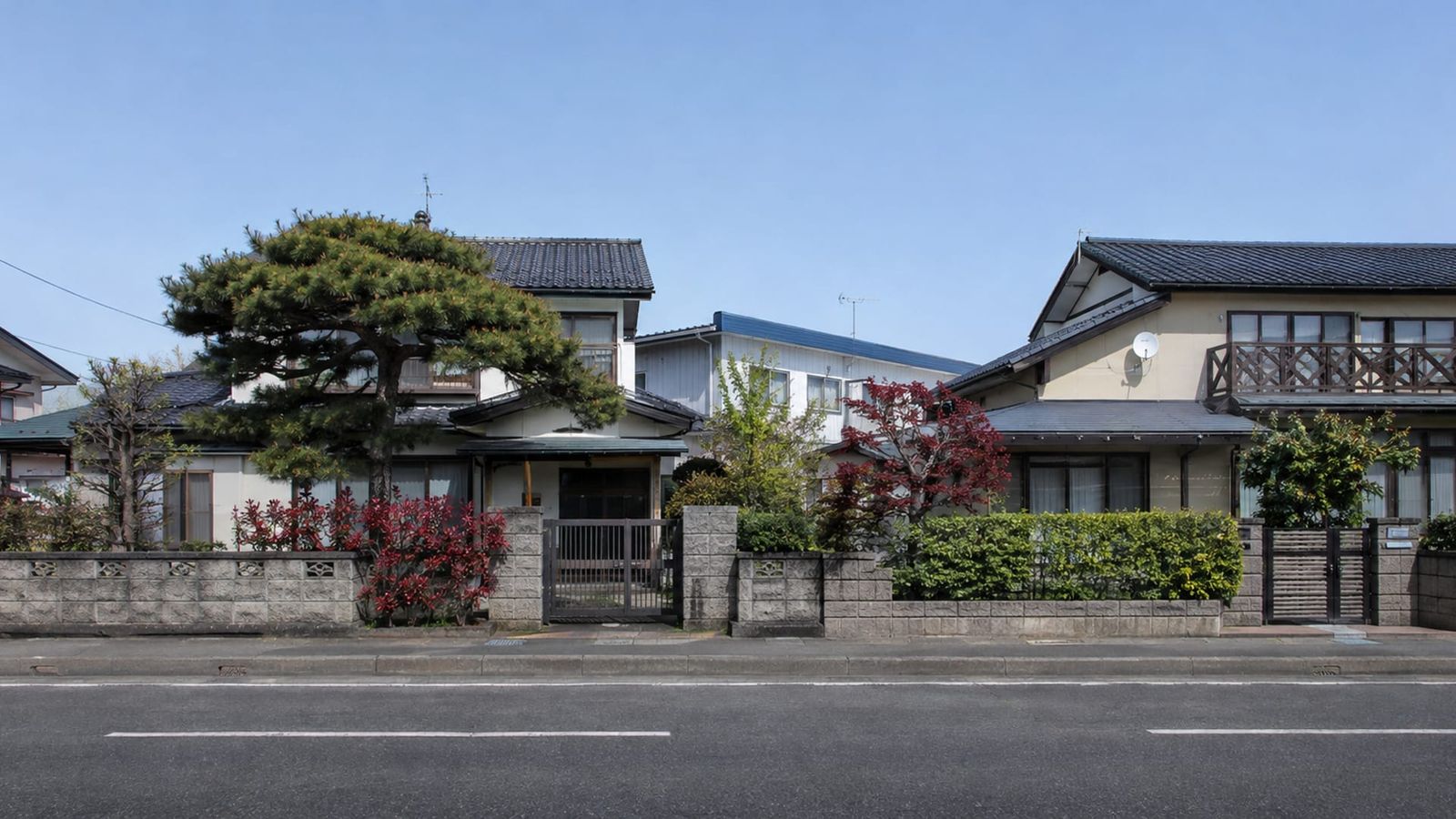
Start at the Misawa Aviation & Science Museum when it opens at 9:00 am, and allow 1 to 2 hours for the real aircraft, the full-scale Miss Veedol replica, and the hands-on science exhibits. The museum is closed on Mondays. In the afternoon, take a taxi or drive to Sabishiro Beach, where a second Miss Veedol replica and an observation tower mark the spot where the 1931 transpacific flight took off. End the day with Mutsu Bay scallops at Harumi Sushi.
Pick up a rental car at Misawa Airport (MSJ) and leave early for Osorezan Bodaiji Temple in Mutsu, a drive of 1.5 to 2 hours each way. Allow 2 to 3 hours to walk the volcanic grounds past sulfur vents to the pale shore of the crater lake, and bring a towel for the hot spring baths included with admission. The temple is open only from May to October, so in other months, spend this day exploring downtown Misawa instead.
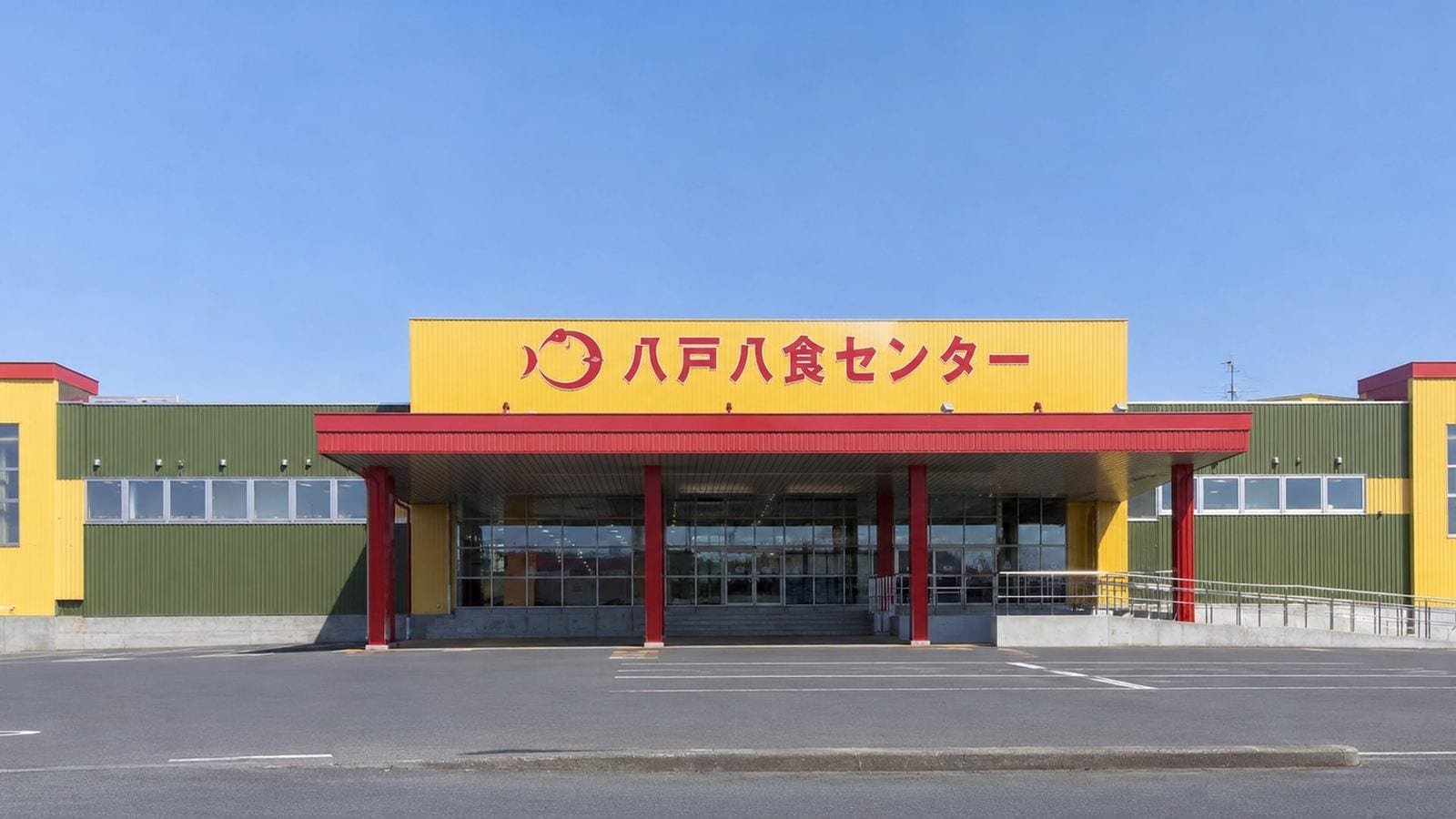
Take the Aoimori Railway to Hachinohe, 20 minutes away, and catch a local bus to Hachinohe Hasshoku Center, a large seafood market where you can grill your own seafood. Note that it closes on Wednesdays. In the afternoon, head to the city center around Hon-Hachinohe Station and explore the shopping arcades on foot. Try ichigo-ni at Kappo Sanriku for dinner, then stop at Miroku Yokocho, an alley of small food stalls, before the train back.
Keep the last morning slow near Lake Ogawara. Visit the Terayama Shuji Memorial Hall to see manuscripts, posters, and props from the poet and playwright’s Tenjo Sajiki troupe. In spring, continue to Ogawarako Park in neighboring Tohoku Town for the cherry trees along the shore, then drive or take a taxi to Misawa Airport (MSJ) for your flight.
Business-class flights from the US to Misawa
Misawa (MSJ) has no direct international flights, so travelers from the US connect through Tokyo to reach Misawa Airport (MSJ).
New York (JFK) to Misawa (MSJ)
From New York (JFK), Japan Airlines and American Airlines offer codeshare flights to Misawa (MSJ) with a layover at Tokyo Haneda (HND). The trip takes 19 hours with a 3-hour layover, and round-trip business-class fares cost from $7,200 to $8,400. Other airlines that offer flights on this route are Korean Air, All Nippon Airways (ANA), Finnair, EVA Air, and Alaska Airlines, all in partnership with Japan Airlines.
Los Angeles (LAX) to Misawa (MSJ)
From Los Angeles (LAX), one-stop itineraries pair American Airlines or Delta Air Lines flights to Tokyo Haneda (HND) with a Japan Airlines flight to Misawa (MSJ), for 16 to 17 hours total. Two-stop itineraries start with a first-class Alaska Airlines flight to San Francisco (SFO), then continue on Japan Airlines via Tokyo Haneda (HND), taking 19 hours. Round-trip business-class fares range from $6,300 to $8,000.
Explore Misawa's coastline, lakes, and local food
Misawa is easiest to enjoy when each day has one focus. Spend a day with the aviation museum and Sabishiro Beach, give Osorezan Bodaiji Temple its own day between May and October, and keep Hachinohe and Lake Ogawara for slower afternoons. With a hotel downtown or near the station, most drives stay short and evenings stay relaxed. When you are ready to go, AranGrant experts can help you book business-class flights to Misawa Airport (MSJ) and a hotel that suits your plans.







