

Chapters:

Need help with your trip?
Our support team is available 24/7. Request a callback or call us directly at (833) 619-0908
Mexico City trips often begin with a hotel in Polanco, a museum morning, and a late dinner in Roma or Condesa, while the historic center and Coyoacán get squeezed into whatever time is left. That pattern works until traffic, distance, and opening hours start deciding the day.
The city is large enough that short hops can still take 30 minutes, and popular sights draw heavy crowds at opening time and again in the evening. Without a plan, you spend more energy on timing than on the places themselves.
This guide sets out a tighter route through Mexico City, grouping neighborhoods and attractions so you can move with less backtracking and see more of the city’s distinct layers.
Useful things to know

Main language(s): Spanish
Hola (OH-lah) – Hello
Por favor (pohr fah-VOHR) – Please
Gracias (GRAH-see-ahs) – Thank you
¿Habla inglés? (AH-blah een-GLAYS) – Do you speak English?
¿Cuánto cuesta? (KWAHN-toh KWEHS-tah) – How much does it cost?

Currency: The local currency is the Mexican peso (MXN, $).

Cash and cards: Cards and contactless are widely accepted; carry about MXN 500 to MXN 1,000 ($30 to $60) in cash.

Tipping: Round up, or leave 10% in restaurants if service is good; a small tip for hotel staff and taxi drivers is appreciated.

Traditional food: Tacos al pastor, chiles en nogada, mole poblano, pozole

Water and coffee costs: Water about MXN 25 to 40 ($1.50 to $2.50), bar espresso about MXN 35 to 60 ($2 to $4).

Taxis and ride apps: Uber and DiDi operate here; confirm the plate before entering.

Plug and voltage: Type A/B socket, 127V

Dining and shop opening hours: Breakfast is about 07:00-10:00, lunch 14:00-16:00, and dinner 20:00-23:00. Many restaurants close one afternoon a week, often Sunday.

Emergency number: 911 for police, fire, or medical emergencies.
Where to stay in Mexico City
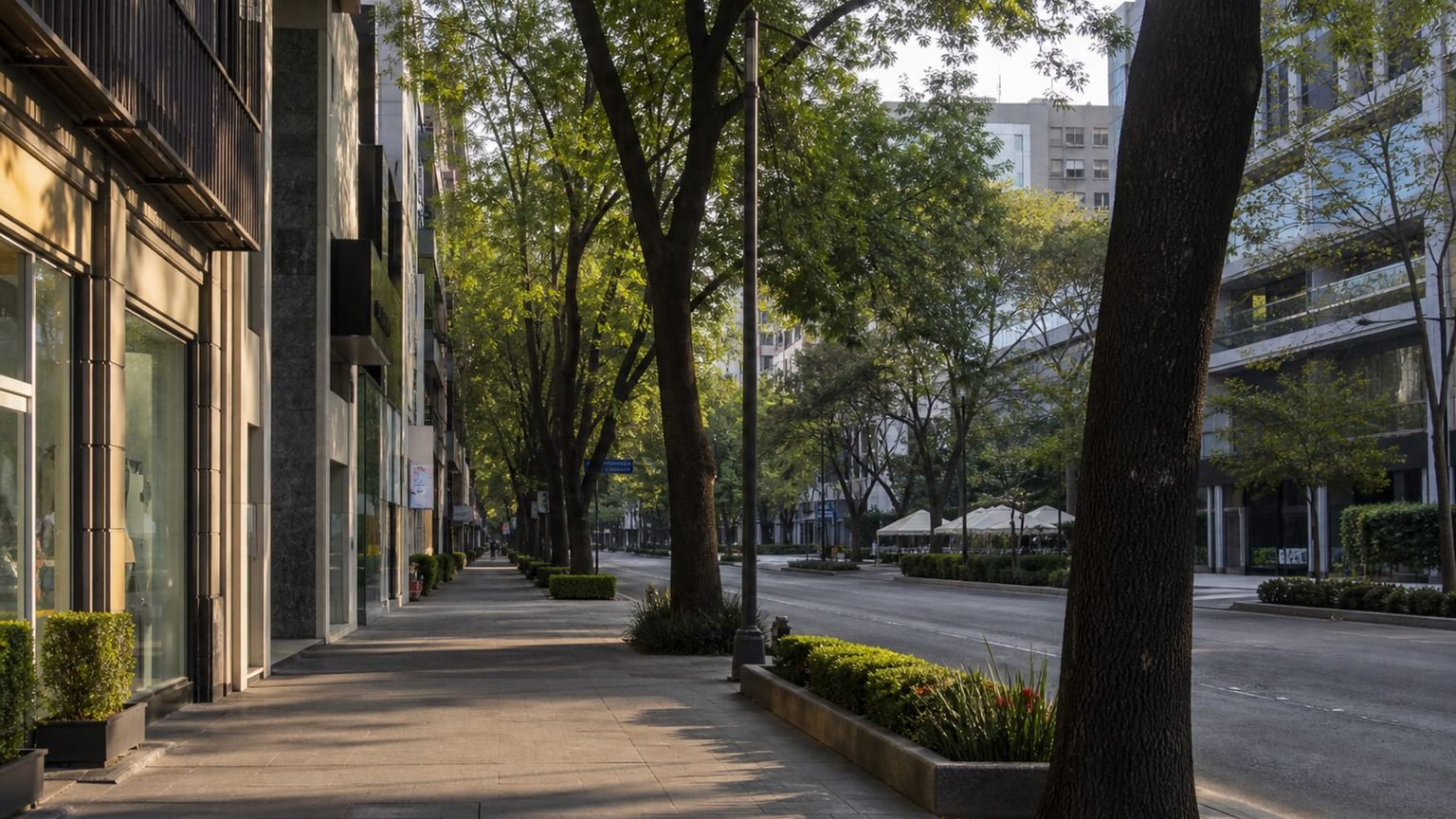
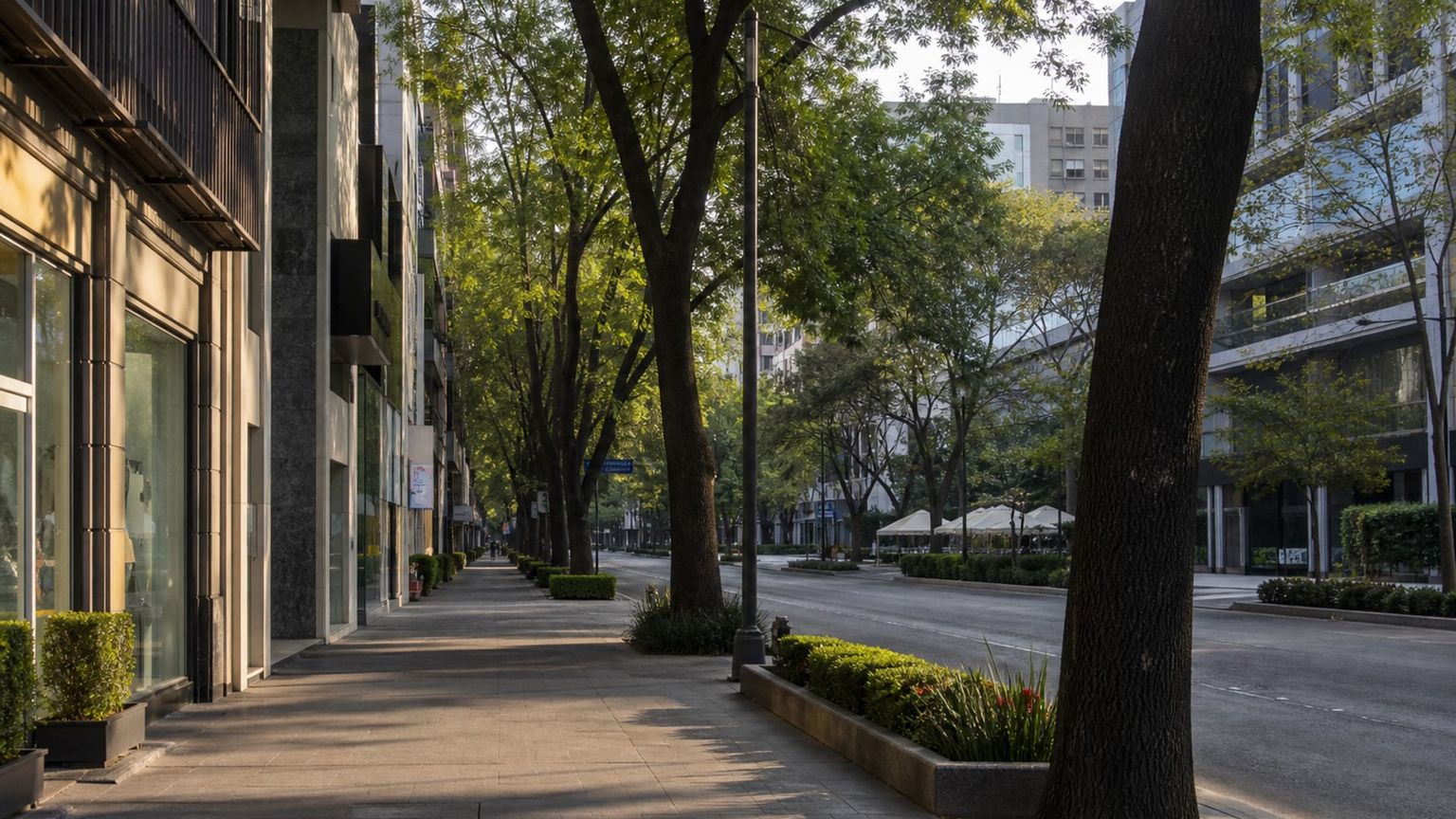
Polanco is Mexico City’s upscale hotel and dining district, with broad avenues, designer shops, and several major museums nearby. It suits travelers who want polished surroundings, easy restaurant choices, and fast access to Chapultepec and the city’s business corridors.
Best for: Dining, shopping, museums, and travelers who want a refined base
What to expect: Wide sidewalks, heavy daytime foot traffic, and busy restaurant streets that stay active into the evening.
Hotel prices: Usually about $180 to $450 per night for well-rated stays
Distance to major sights: 10 to 20 minutes by taxi to Chapultepec Park; about 15 to 25 minutes to Museo Nacional de Antropología
Quietness: Calmer in the morning and afternoon, then livelier after dinner on restaurant blocks.
Main trade-off: Hotel rates are higher than in many central neighborhoods, and some blocks can feel more corporate than residential.
Good to know: Choose a hotel a few streets off Presidente Masaryk if you want to reduce late-night restaurant noise.
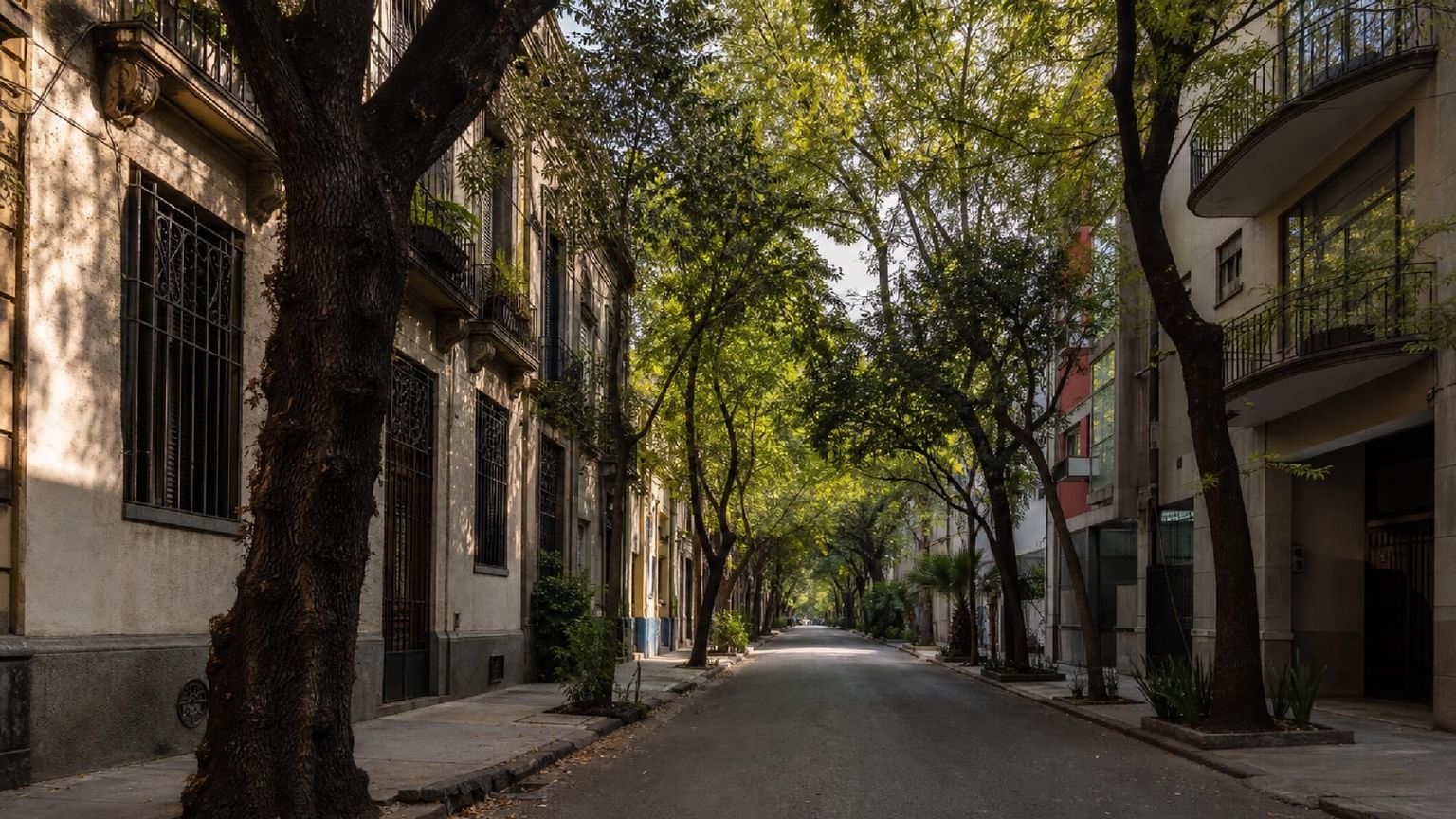
Roma Norte is a walkable neighborhood of tree-lined streets, cafés, galleries, and restored early 20th-century buildings. It matters because it puts restaurants, nightlife, and several central sights within easy reach without relying on long cross-city rides.
Best for: Food-focused stays, nightlife, and walking to nearby neighborhoods
What to expect: Busy sidewalks, constant café and bar traffic, and a younger crowd that keeps the area active well into the night.
Hotel prices: Usually about $120 to $320 per night for well-rated stays
Distance to major sights: About 15 to 25 minutes on foot to Parque México; roughly 20 to 30 minutes by taxi to the Zócalo
Quietness: Moderate by day, then noticeably louder on weekend evenings near bar streets.
Main trade-off: You trade quiet nights for a dense restaurant scene, and some streets get crowded late on Fridays and Saturdays.
Good to know: Book a room facing an interior courtyard if you are light-sensitive, since street noise can carry on busy blocks.
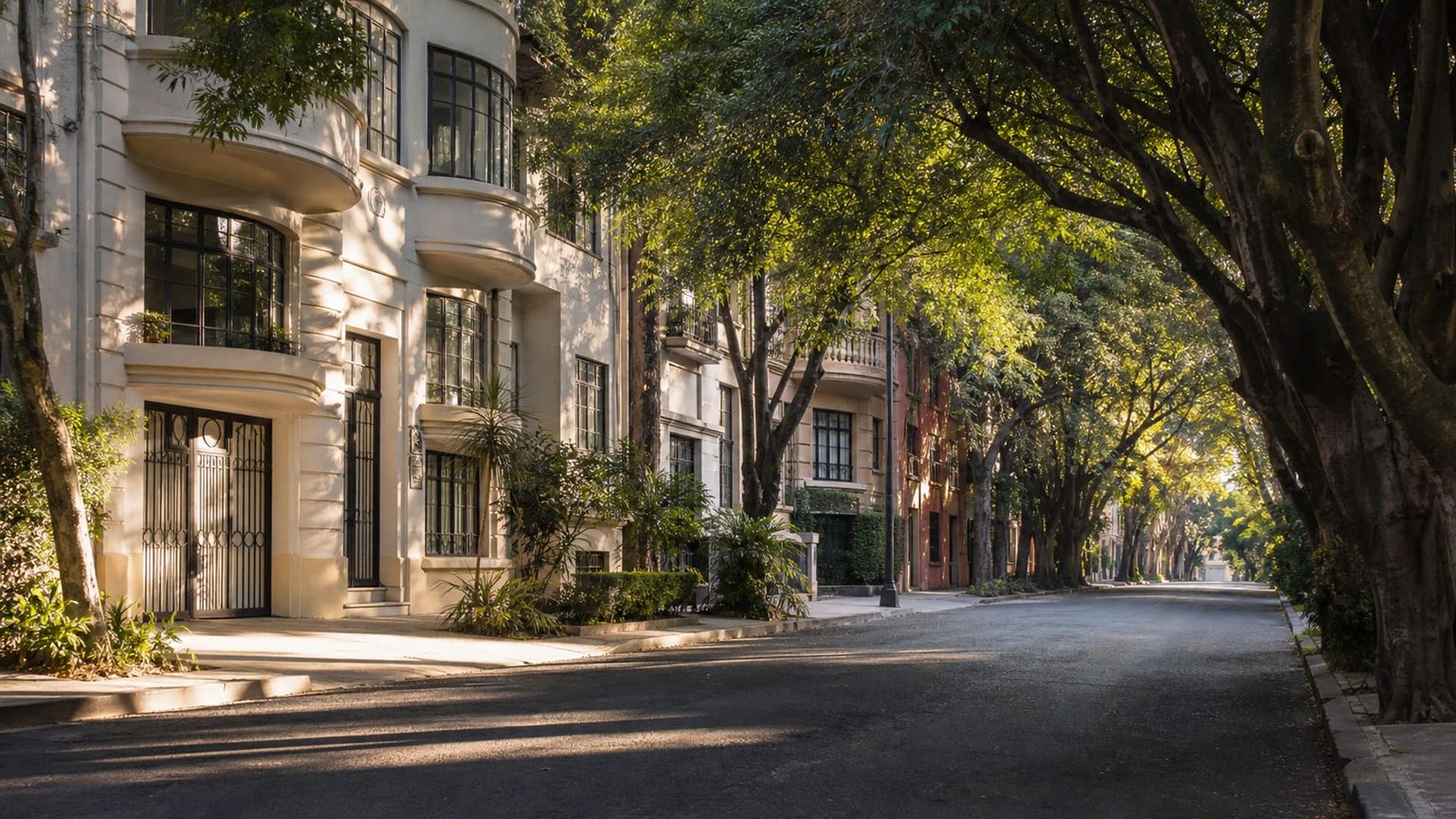
Condesa sits next to Roma and is known for park-lined avenues, cafés, bars, and a strong pedestrian feel around Parque México and Parque España. It works well for travelers who want an easygoing base with lots of places to eat and walk nearby.
Best for: Park walks, dining, relaxed evenings, and a walkable base
What to expect: Leafy streets, steady foot traffic, and a social atmosphere that stays active around the parks and main dining strips.
Hotel prices: Usually about $130 to $300 per night for well-rated stays
Distance to major sights: About 5 to 15 minutes on foot to Parque México; roughly 20 to 30 minutes by taxi to the Historic Center
Quietness: Quietest on residential side streets, but the main avenues can be lively until late evening.
Main trade-off: The area is popular, so the best-located hotels book early and weekend evenings can get noisy near bars.
Good to know: If you plan early mornings, stay a block or two from the park edges to avoid late-night café and bar noise.
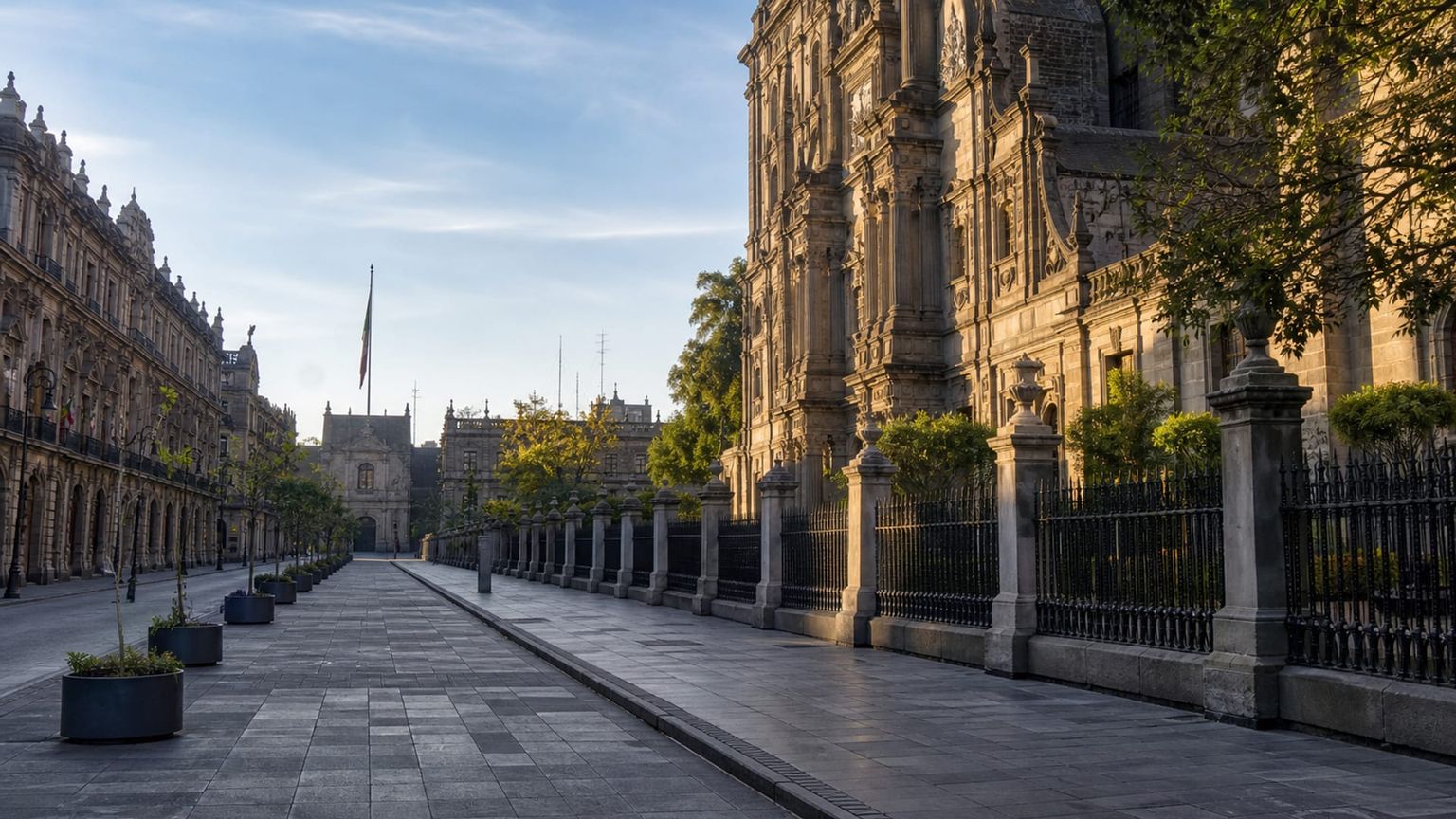
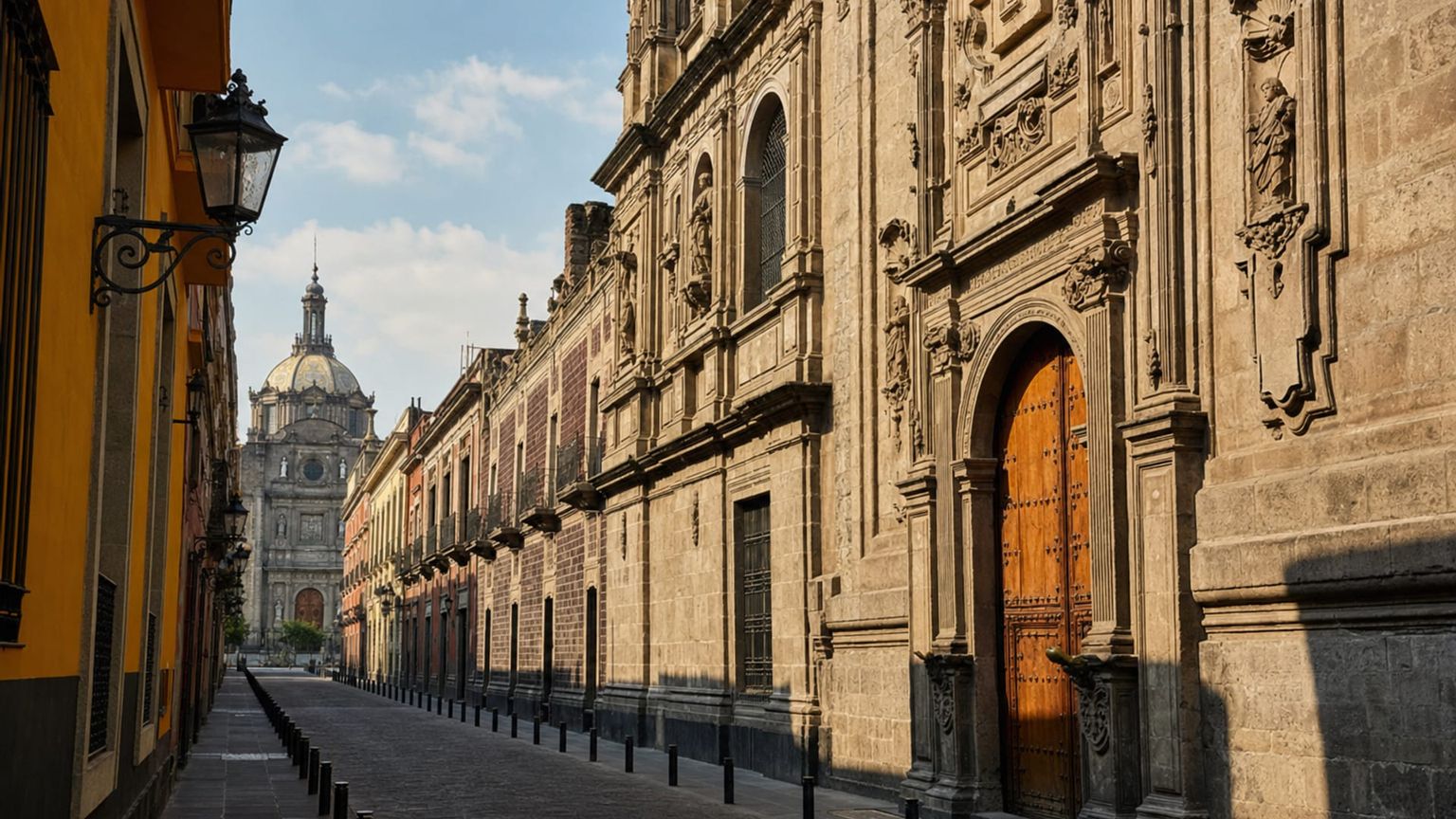
Centro Histórico is the city’s historic core, anchored by the Zócalo, grand colonial buildings, and major museums. It is the best place to stay if you want the main monuments and cultural sites close at hand, though the area changes character sharply after business hours.
Best for: Historic sights, museums, and travelers who want to walk to major landmarks
What to expect: Very busy daytime streets, tour groups, street vendors, and a quieter feel after office hours in some blocks.
Hotel prices: Usually about $80 to $220 per night for well-rated stays
Distance to major sights: You are already at the Zócalo, and it is about 5 to 15 minutes on foot to Palacio de Bellas Artes
Quietness: Loud and crowded by day, then much calmer at night on blocks away from the main plazas.
Main trade-off: Even the best blocks can feel sparse after dark, so you give up evening buzz for close access to the city’s headline sights.
Good to know: Pick a hotel close to the main squares if you want the shortest walks, but expect some blocks to empty out after dinner.
Travelers usually avoid staying in Nezahualcóyotl, Tláhuac, and Milpa Alta because they sit far from most major sights in central Mexico City, so cross-city trips can take a long time. Parts of Iztapalapa and Ecatepec are also less convenient for visitors, with fewer hotel options and longer, more cumbersome evening travel back from the historic center, Roma, or Polanco.
Hotel deals
How to get around Mexico City efficiently
Mexico City’s Metro, Metrobús, taxis, and ride-hail each solve a different part of the city, so the best trip usually mixes all four.

Metro
for longer distances
Mexico City’s Metro runs 12 lines, and a standard fare costs $0.25 (5 MXN) for any trip, with a reusable smart card and no time limit on the ride itself. It is the fastest option for cross-city trips, and Line 5 serves Mexico City (MEX) through Terminal Aérea, while Line 4 links the airport area with central transfers via Pantitlán.

Bus and tram
for convenience
RTP, Metrobús, and the trolleybus fill the gaps the Metro does not cover, with fares typically about $0.30 to $0.40 (6 to 8 MXN) and transfers valid only for that ride or line unless you tap out and pay again. Metrobús is the most useful trunk network for long north-south or east-west runs, while ordinary city buses cover dense local corridors, though routes and stops can be harder to decode without a map app.

Taxi
for convenience or late hours
Official airport taxis at Mexico City (MEX) use prepaid set fares, while street hails are best avoided; from the airport to central neighborhoods, expect roughly $15 to $30 (300 to 600 MXN) depending on the zone. Use authorized taxi booths inside the terminal, pay at the counter, then board the assigned cab, and outside the airport, licensed taxis are metered or zone-based, with card acceptance varying by company.
*Prices are based on rates updated as of June 2026 and may change at the time of travel.
Use the Metro for cheap cross-town movement, Metrobús for long surface corridors, and taxis or ride-hail for direct trips to Polanco, Coyoacán, and the airport.
Iconic landmarks
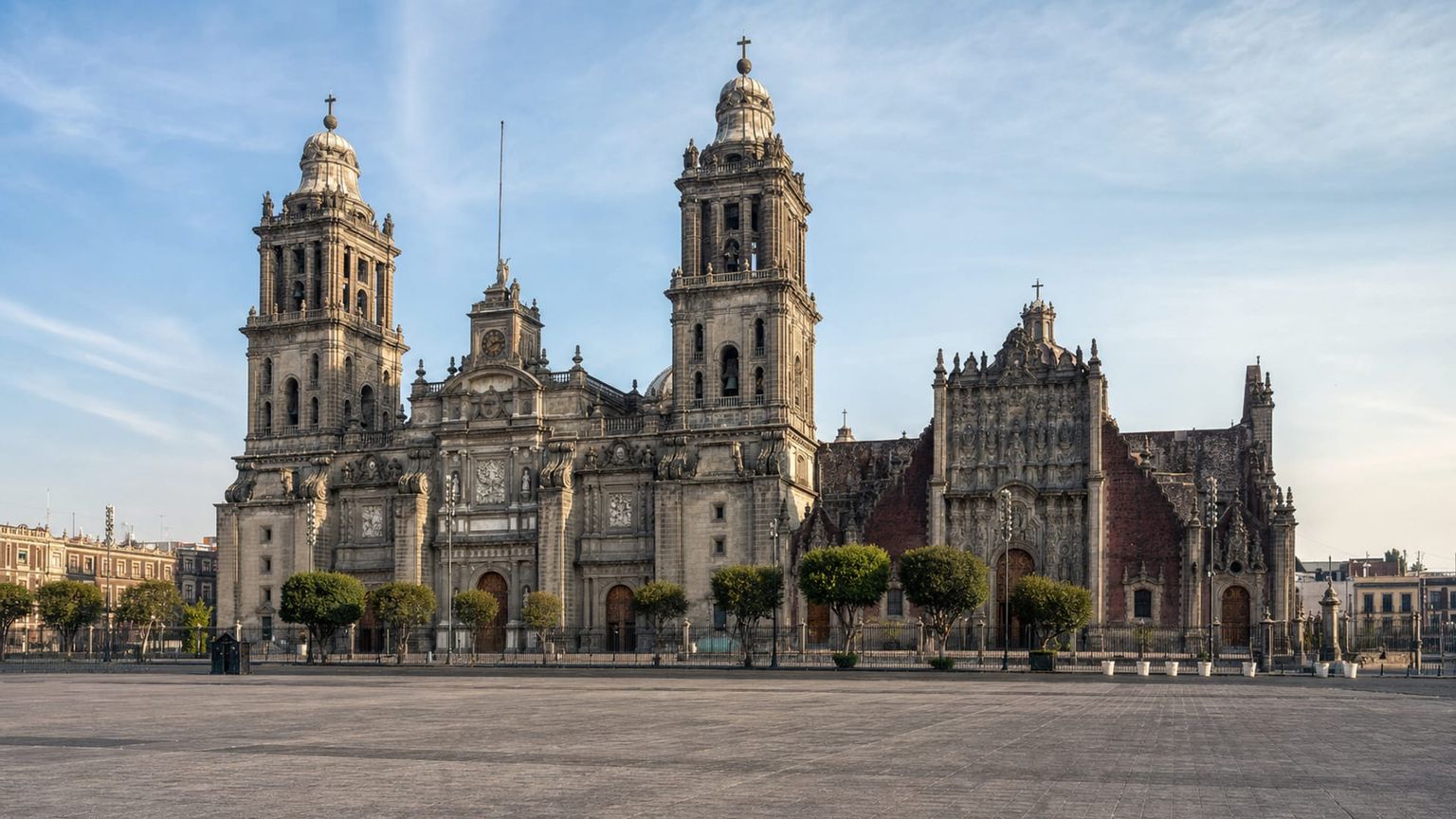
Zócalo and Metropolitan Cathedral
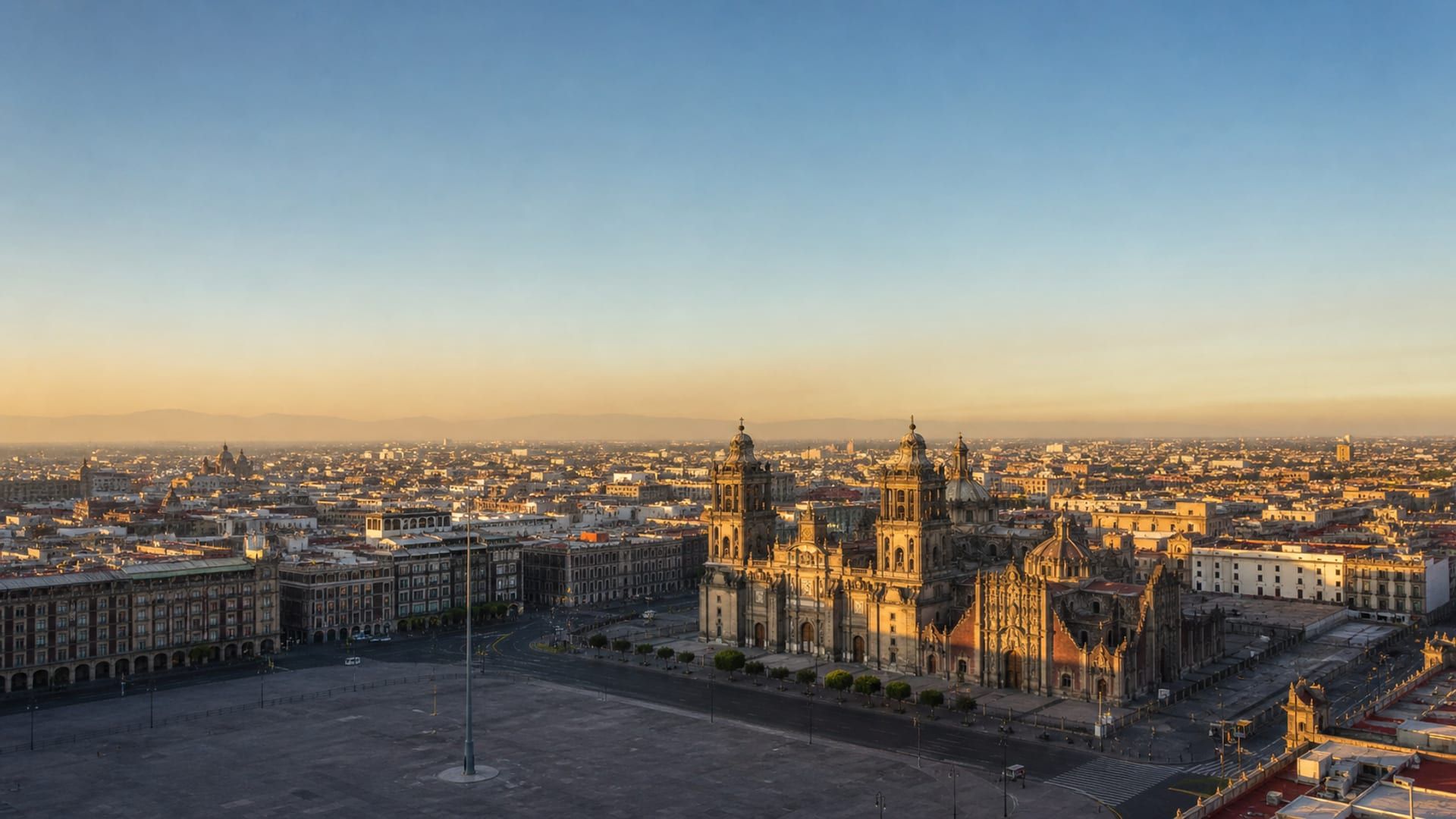
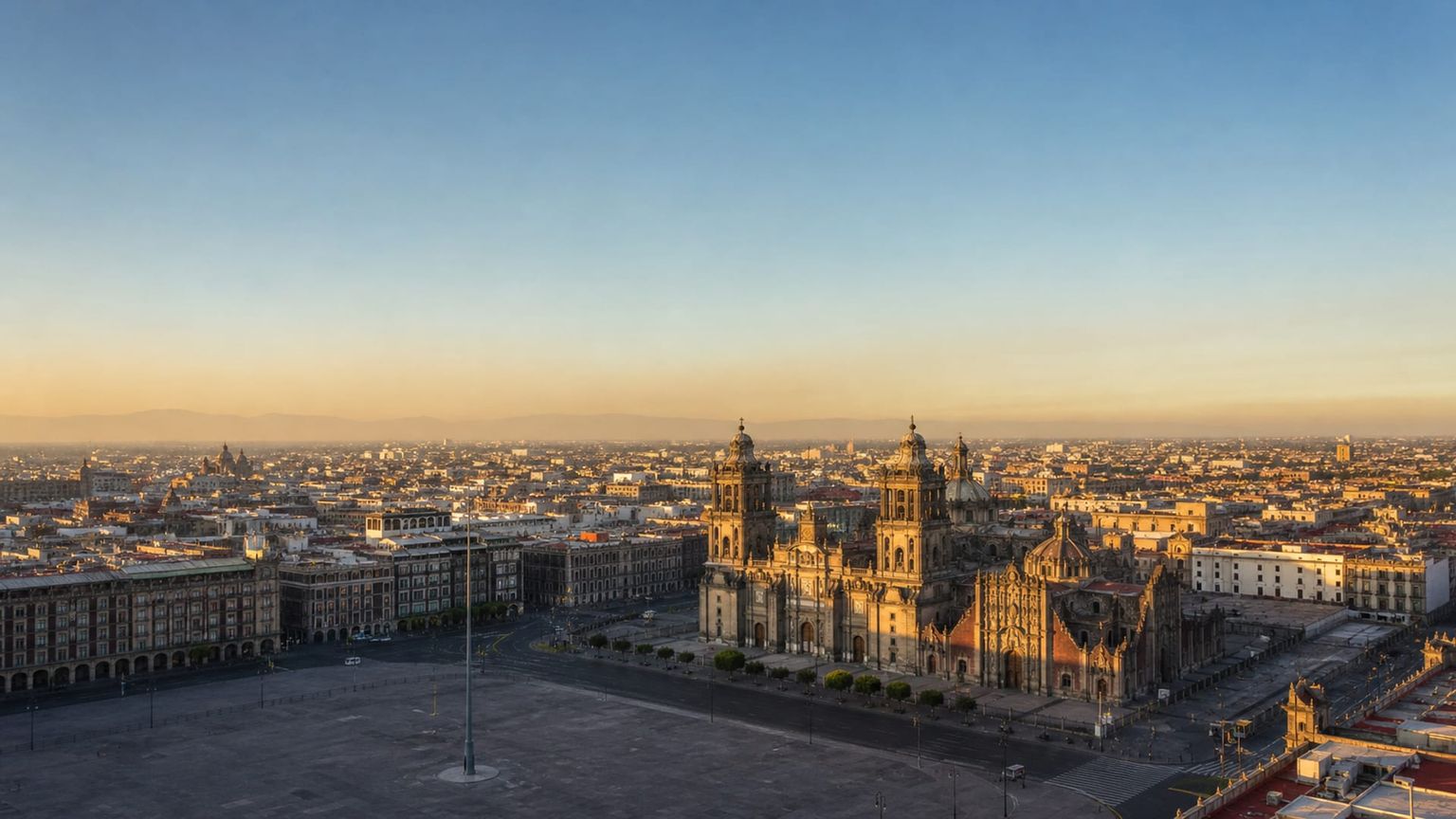
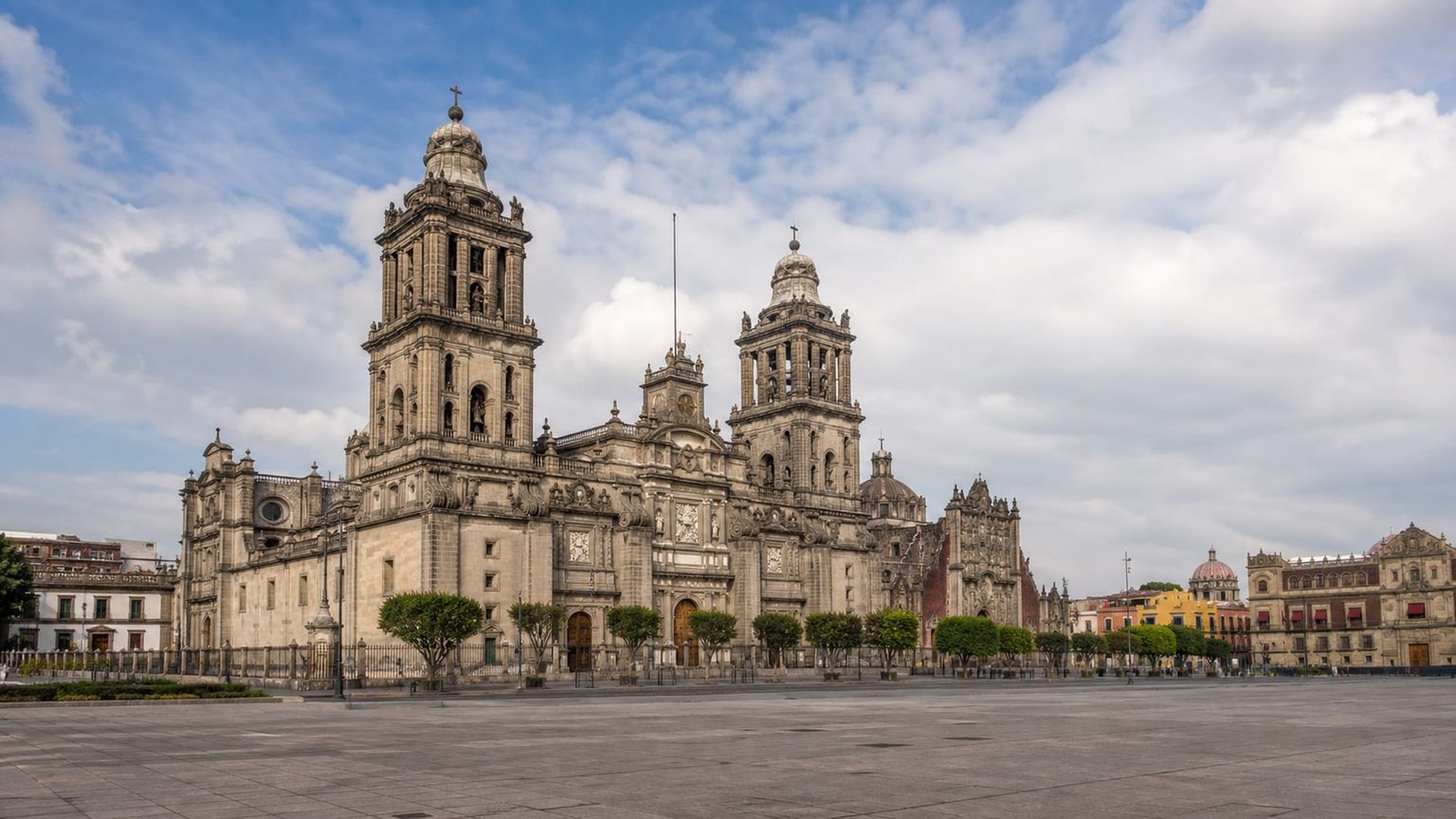
Mexico City’s main square anchors the historic center, with the Metropolitan Cathedral, the National Palace, and layers of colonial and civic architecture packed into one walkable block. It gives a direct read on the city’s long political and religious history.
Time needed: About 1 to 2 hours
Entry: Free to access; cathedral donations are optional, and entry to limited interior areas may vary by worship schedule and security checks.
Tip: Go early on a weekday, when the square is calmer and the cathedral interior is easiest to see.
Museo Nacional de Antropología
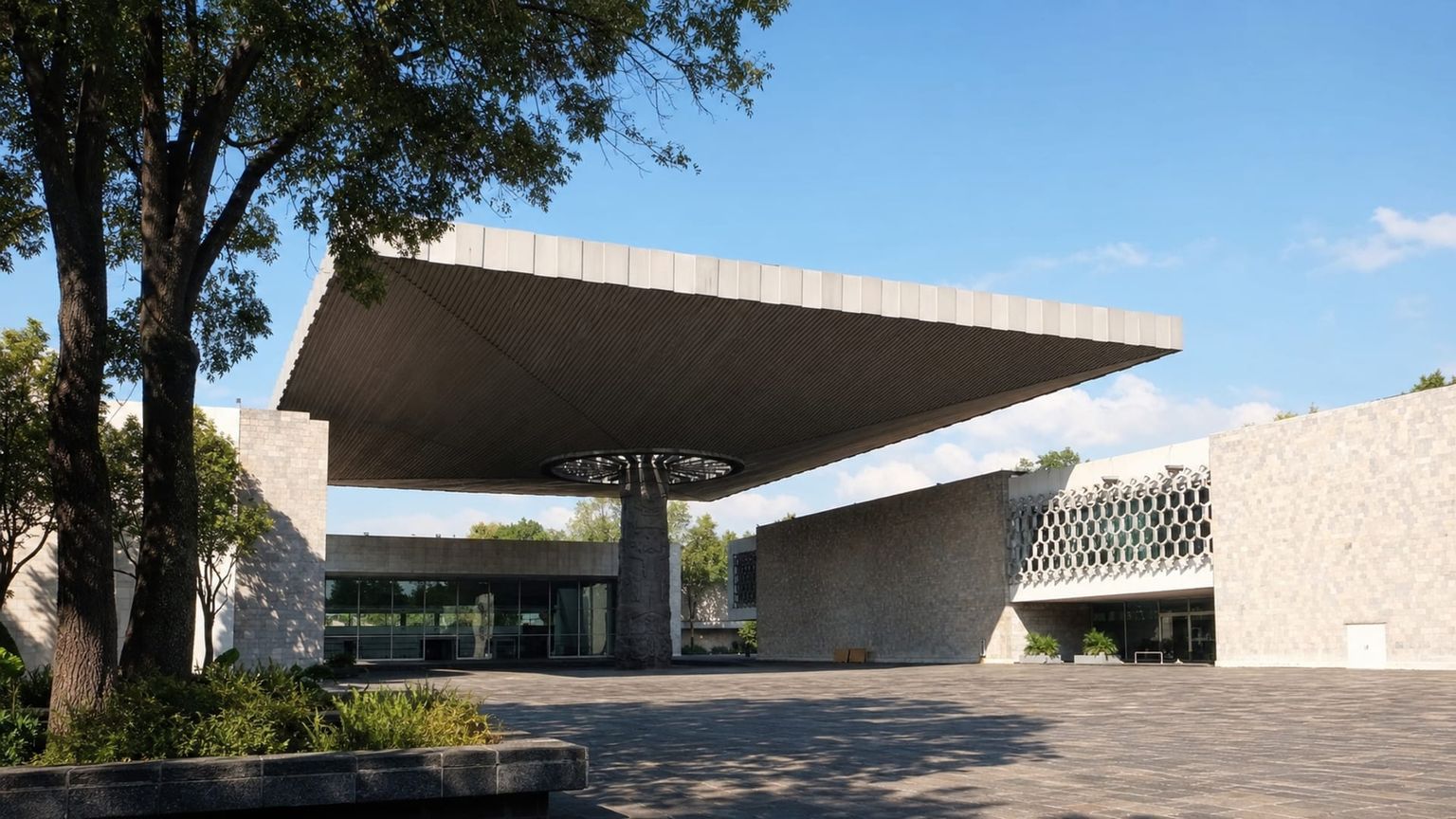
This landmark museum holds the country’s most important pre-Hispanic collections, including the Aztec Sun Stone, Maya art, and full-scale reconstructions of major civilizations. Its central courtyard and galleries make it one of the city’s essential museum visits.
Time needed: About 3 to 4 hours
Entry: Admission costs about $5 ($90 MXN) for general entry, with reduced rates for Mexican citizens, residents, students, teachers, and seniors. Visit the official site for details.
Tip: Arrive at opening time, then start with the Aztec halls before the midday crowds build.
Frida Kahlo Museum (Casa Azul)
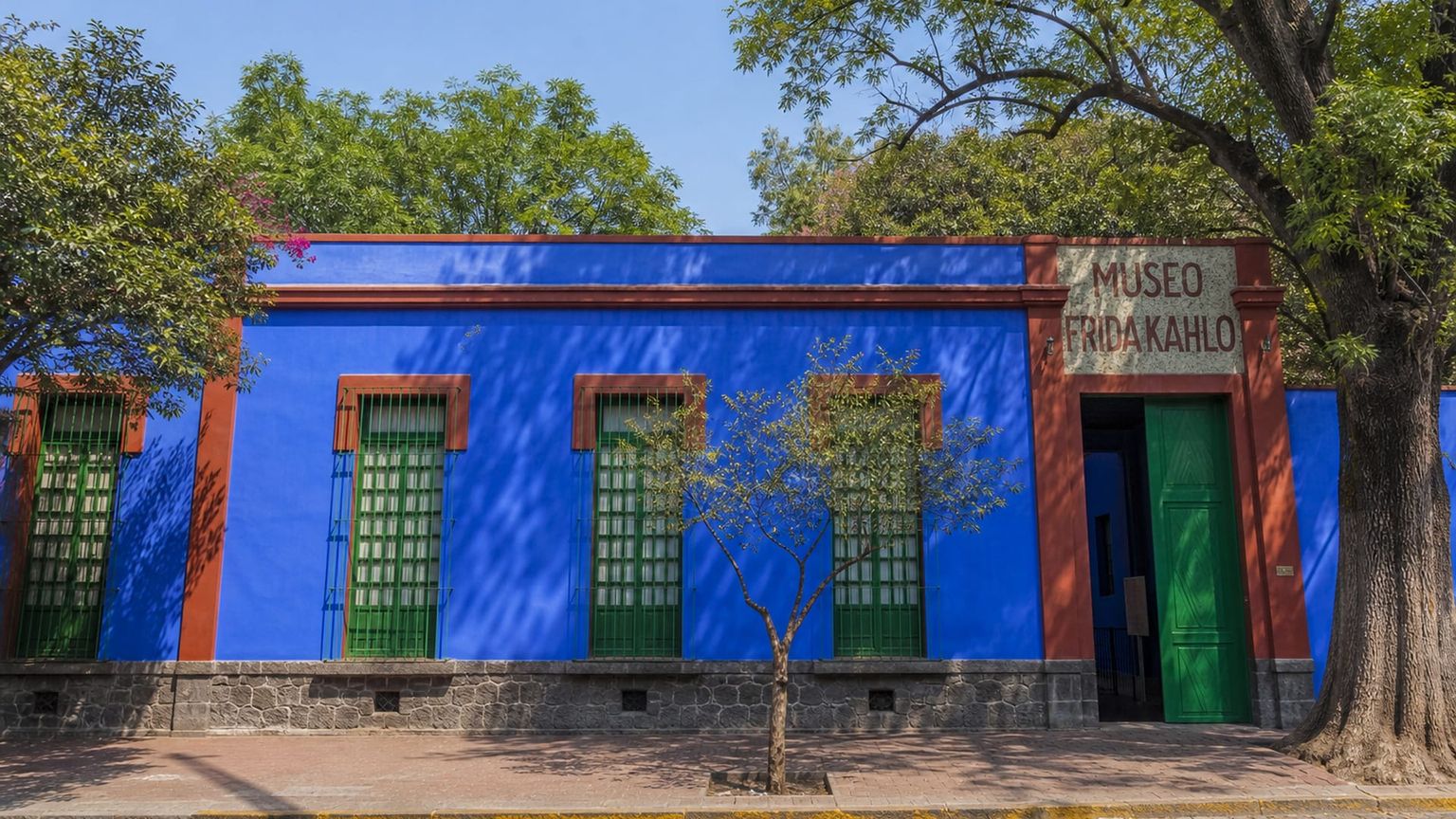
Set in Kahlo’s blue family home in Coyoacán, this museum preserves her studio, personal objects, and rooms tied to her life with Diego Rivera. The compact layout and original setting make it one of the city’s most visited art sites.
Time needed: About 1 to 2 hours
Entry: Admission costs about $14 ($280 MXN) for adults, with discounted rates for Mexican citizens, residents, students, and teachers. Visit the official site for details.
Tip: Choose an early slot, then linger in Coyoacán afterward for coffee and a slower walk.
Overlooked sites worth visiting

Museo Casa Estudio Diego Rivera y Frida Kahlo
Twin modernist studios in San Ángel show Rivera and Kahlo’s separate workspaces, linked by a bridge and cacti-filled courtyards. The preserved rooms keep the artists’ tools, furniture, and archive.
Time needed: About 1 hour
Entry: Standard admission is about $4 to $5 (MXN 70 to MXN 90) for adults, with discounts for students, teachers, and seniors. Expect a modest extra fee if you want to bring a camera inside the galleries. Visit the official site for details.
Tip: Go early to avoid school groups and get clearer light in the studios.

Parque Masayoshi Ohira
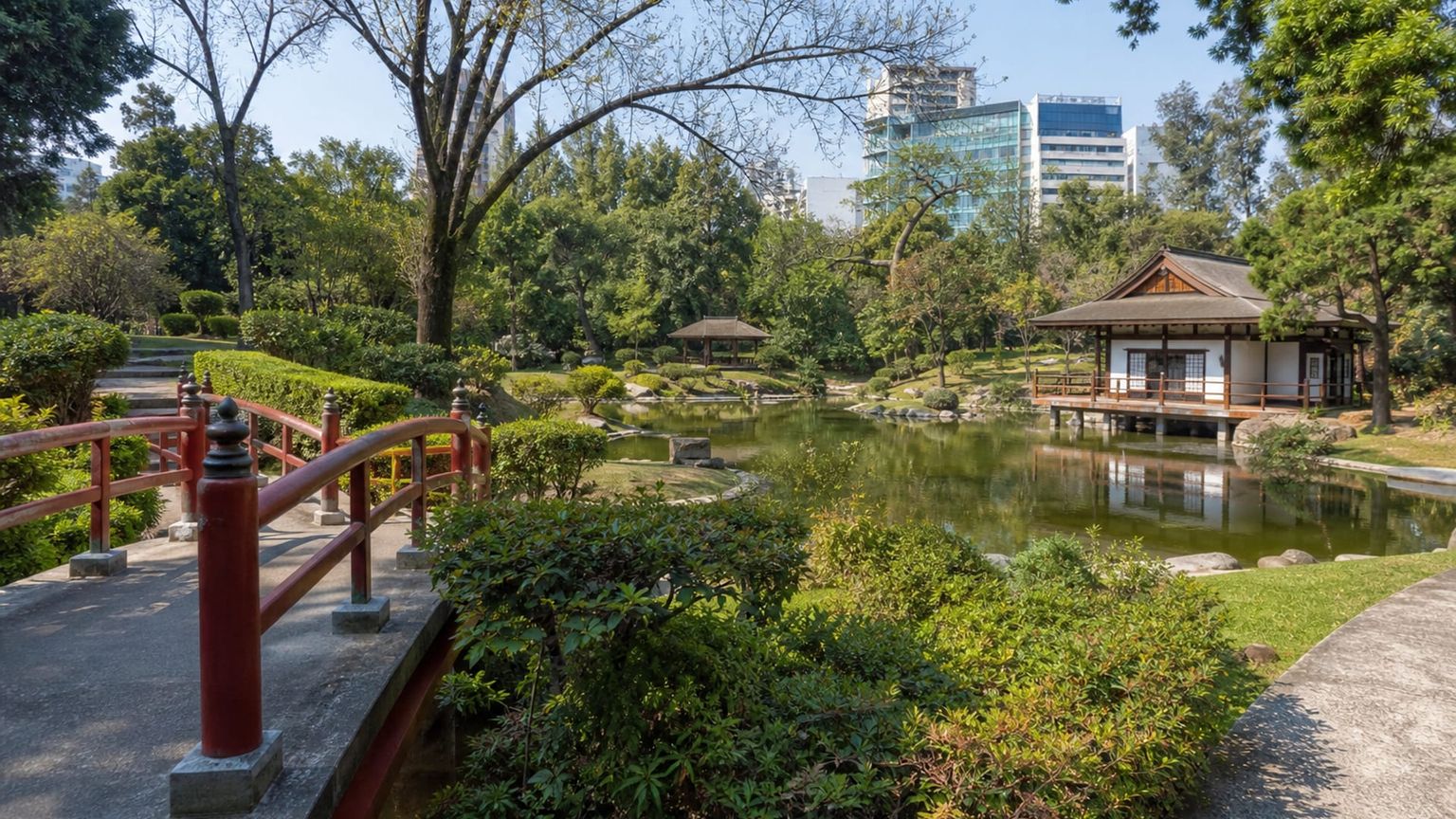
This Japanese-style park in Coyoacán has a red bridge, koi pond, bamboo, and trimmed paths that slow the pace without leaving the city. It draws local walkers, photographers, and families rather than tour buses.
Time needed: About 45 minutes to 1.5 hours
Entry: Free to access. There is no admission charge for the park, and you can visit during daytime opening hours without a ticket. Bring small cash only if you plan to buy snacks from nearby vendors or pay for parking.
Tip: Visit on a weekday morning for fewer crowds and cleaner pond reflections.
Traditional food
Mexico City’s cooking leans on corn, chiles, herbs, and slow sauces, then adds street-level energy at every hour. Expect tacos al pastor, mole, pozole, and chiles en nogada to show up in both markets and formal dining rooms.
Tacos al pastor
Marinated pork shaved from the spit, usually with pineapple, onion, cilantro, and salsa, is one of Mexico City’s defining street foods. El Huequito in the Centro Histórico is a classic stop for a straightforward version.
Chiles en nogada
Stuffed poblano peppers in walnut sauce with pomegranate and herbs appear in late summer and early fall. Azul Histórico in the Centro Histórico serves a well-known version in a refined setting.
Mole poblano
This deep sauce blends chiles, spices, nuts, and chocolate notes, usually over chicken or turkey. El Cardenal, with multiple Mexico City locations, is a reliable place to try it in a traditional meal.
Pozole
This hominy stew comes with pork or chicken and a table of garnishes, from lettuce to radish and lime. Pozolería Tezcoco in the Roma area is a familiar city pick for a bowl with depth and balance.
Best time to visit Mexico City
Mexico City works in every season, but the dry months make outdoor walks easier, while summer brings heavier rain, greener parks, and more afternoon planning.
Best for: Cool, dry days for museums, plazas, and long walks
What you get: About 45 to 72°F (7 to 22°C), with clear skies and steady visitor numbers at major sights
Trade-offs: Mornings can feel cold before the sun warms the city
Best for: Park time, neighborhood walking, and open-air dining
What you get: About 52 to 82°F (11 to 28°C), with busy weekends and more visitors during holidays
Trade-offs: Late spring can feel warm by midday
Best for: Museum days, greener parks, and flexible indoor plans
What you get: About 54 to 76°F (12 to 24°C), with fewer crowds early in the week and afternoon rain showers
Trade-offs: Rain can interrupt taxi timing and outdoor plans
Best for: Milder weather, cultural events, and balanced sightseeing days
What you get: About 50 to 75°F (10 to 24°C), with comfortable daytime conditions and moderate crowds
Trade-offs: Holiday periods can add congestion in the center
A realistic 5-day plan in Mexico City
Five days gives Mexico City room to show its range without forcing long cross-city detours. The plan starts in Polanco, then moves through major museums, the historic core, Coyoacán, and the park-lined streets of Condesa and Roma.
Land at Mexico City (MEX) and plan about 30 to 45 minutes by taxi or rideshare into Polanco, roughly $18 to $30 depending on traffic and the time of day. If you arrive in the afternoon, check into a hotel a few streets off Presidente Masaryk, drink plenty of water, and keep dinner close with a low-key meal on a nearby restaurant street so you are not crossing town after a long flight.
Start early at the Museo Nacional de Antropología, then spend about 3 to 4 hours with the Aztec halls and the central courtyard before lunch. From Polanco, the museum is about 10 to 20 minutes away by taxi, and Chapultepec Park sits nearby if you want a short walk afterward. Finish the afternoon in Roma Norte, about 15 to 20 minutes by taxi, for coffee and an easy dinner on the tree-lined streets near Plaza Río de Janeiro or Álvaro Obregón.
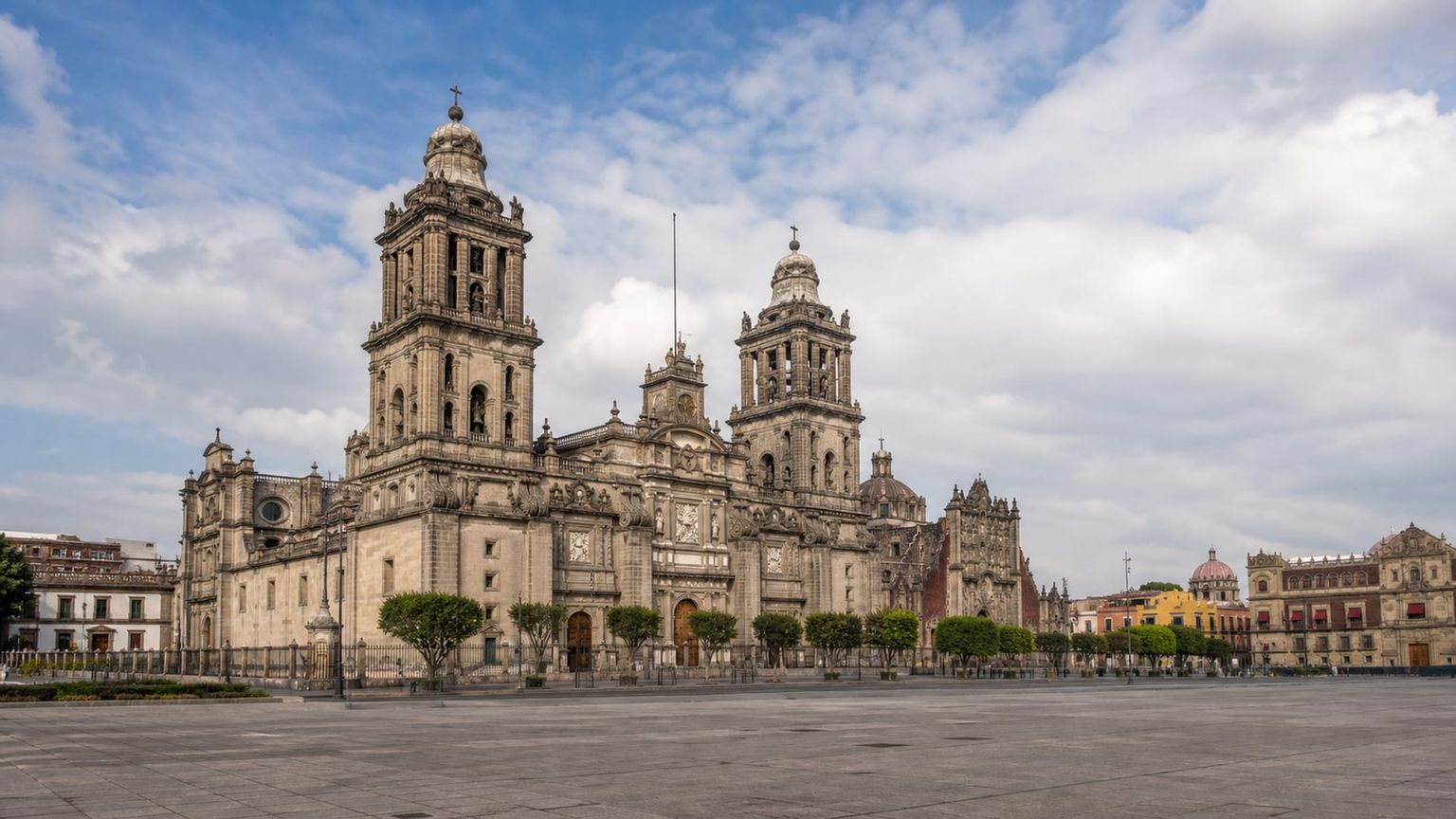
Begin in the Centro Histórico with the Zócalo and Metropolitan Cathedral, where you can spend about 1 to 2 hours taking in the square, the cathedral, and the surrounding colonial facades. From there, Palacio de Bellas Artes is about 5 to 15 minutes on foot, and the walk gives you a clean line through the historic core. After lunch, head south by taxi to the Frida Kahlo Museum in Coyoacán, about 30 to 40 minutes depending on traffic, and keep the visit to about 1 to 2 hours so you still have time for an early evening walk nearby.
Move first to Coyoacán for the Museo Casa Estudio Diego Rivera y Frida Kahlo, which takes about 1 hour and sits about 10 to 15 minutes by taxi from the Frida Kahlo Museum. From there, continue to Parque Masayoshi Ohira, roughly 10 minutes away by taxi, for a slower break among the koi pond, bamboo, and red bridge. End the day back in Condesa, about 25 to 35 minutes by taxi from Coyoacán, where Parque México and Parque España give you an easy place for an unhurried dinner walk.
Close the trip with a final museum stop in Polanco or Chapultepec, then shift to shopping on Avenida Presidente Masaryk, where designer stores and larger boutiques sit within a few blocks of each other. If your flight leaves later in the day, settle into a café in Roma Norte or Condesa for a last coffee and a light meal, then leave enough time for the ride back to Mexico City (MEX), which can take about 30 to 60 minutes depending on traffic.
Business-class flights from the US to Mexico City
Business-class examples to Mexico City often split between nonstop service and one-stop connections, depending on where you start. East Coast and West Coast travelers usually face different price bands and routing choices.
From New York, Aeromexico, American Airlines, Delta Air Lines, JetBlue, and United Airlines fly nonstop to Mexico City in about 5 to 6 hours. If you accept a connection, common hubs include ATL, DFW, IAH, MIA, and ORD, with total travel time from about 7 to 12 hours. Business-class fares from New York usually run from $1,000 to $2,400 round-trip, with occasional lower fares on sale.
Los Angeles travelers can fly nonstop with Aeromexico, American Airlines, Delta Air Lines, United Airlines, or Alaska Airlines in about 4 to 5 hours. One-stop options often connect through DFW, IAH, ATL, PHX, or DEN, and the trip usually stretches to about 6 to 10 hours when you choose a layover. From Los Angeles, business-class tickets generally start at $900 and can reach $2,100 round-trip.
Mexico City feels different when you slow down
A well-paced Mexico City trip ties together Polanco’s museum corridor, the Zócalo, Coyoacán, and the park streets of Condesa or Roma, with taxis, the Metro, and a few short walks keeping the day connected. That mix leaves room for lunch, galleries, and an early dinner without turning the city into a race. If you want a trip shaped around Chapultepec, the historic center, and Coyoacán, the AranGrant experts can help you build it