

Chapters:

Need help with your trip?
Our support team is available 24/7. Request a callback or call us directly at (833) 619-0908
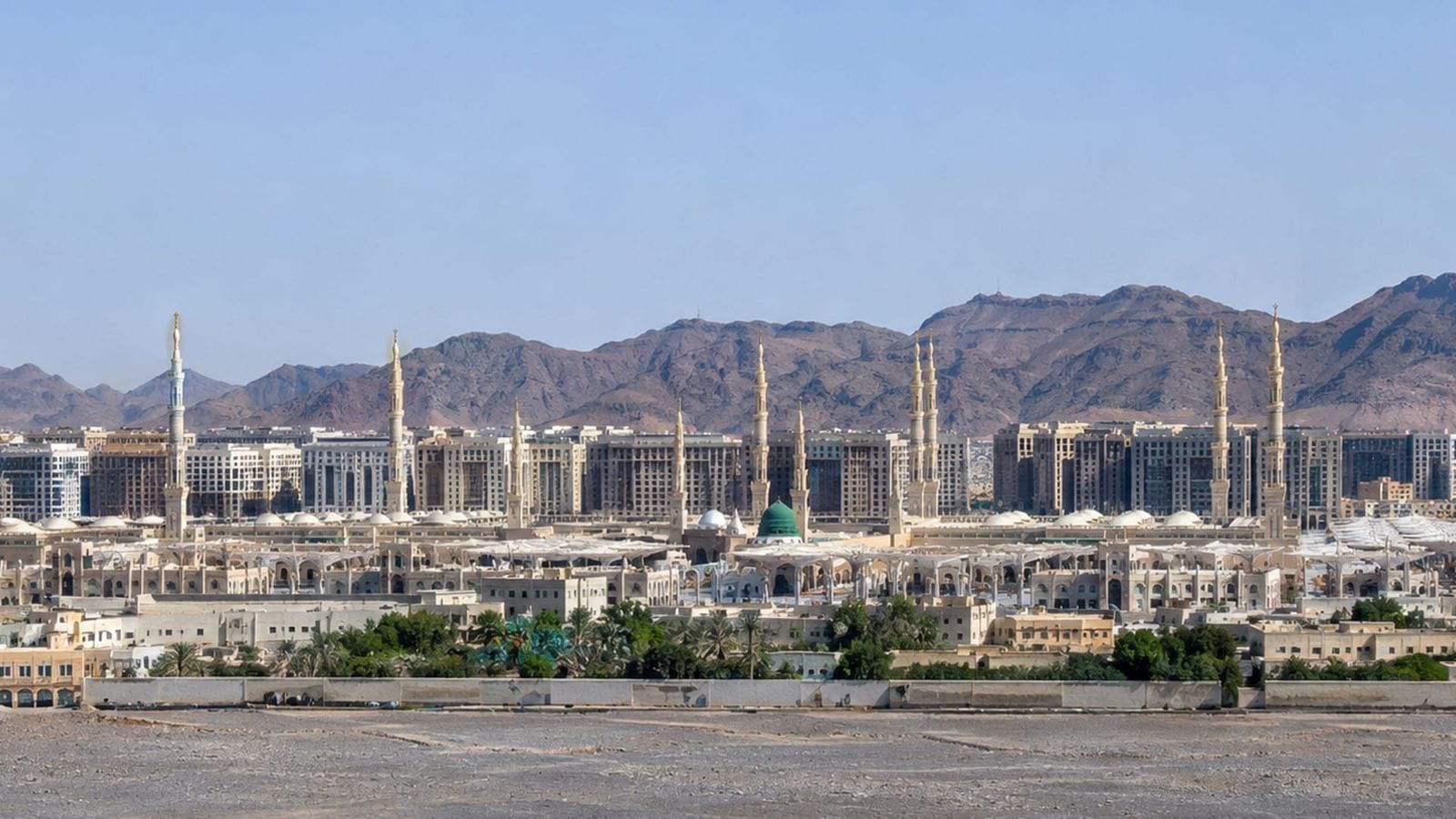
Medina trips often begin and end with the Prophet’s Mosque, then leave little room for the neighborhoods and museums that give the city context. Travelers also underestimate how prayer times, midday heat, and the distances beyond the central mosque zone affect each day.
That narrow approach can lead to long waits, repeated crossings of busy corridors, and rushed visits to Quba Mosque, Qiblatain Mosque, and Al-Madina Museum. Distances, security checks, and prayer times shape how much you can comfortably see in a day.
This guide organizes Medina by area, time of day, and transport choice, giving each day a clear purpose without making the trip feel rushed.
Useful things to know

Main language(s): Arabic
مرحبا (marhaban) – Hello
من فضلك (min fadlik) – Please
شكرا (shukran) – Thank you
هل تتحدث الإنجليزية؟ (hal tatakallam al-ingliziya?) – Do you speak English?
بكم هذا؟ (bikam hatha?) – How much does it cost?

Currency: Saudi riyal (SAR, ر.س)

Cash and cards: Cards and contactless payments are widely accepted, but carry SAR 50 to SAR 100 ($13 to $27) for small shops and taxis.

Tipping: Tip modestly, 5% to 10% in restaurants if no service charge is added.

Traditional food: Kabsa, mutabbaq, mandi, jareesh

Water and coffee costs: Bottled water typically costs SAR 5 ($1.35), while an espresso typically costs SAR 12 ($3.20).

Taxis and ride apps: Uber and Bolt operate throughout Medina. Check pickup points at the airport.

Plug and voltage: Type G socket, 220V, 60Hz

Dining and shop opening hours: Most restaurants serve breakfast from 6:30 am to 9:30 am, lunch from 12:30 pm to 3:00 pm, and dinner from 8:00 pm to 11:00 pm. Many close briefly between lunch and dinner.

Emergency number: Dial 999 for police, 997 for ambulance, and 998 for fire. You can also dial 911 for general emergency assistance.
Where to stay in Medina
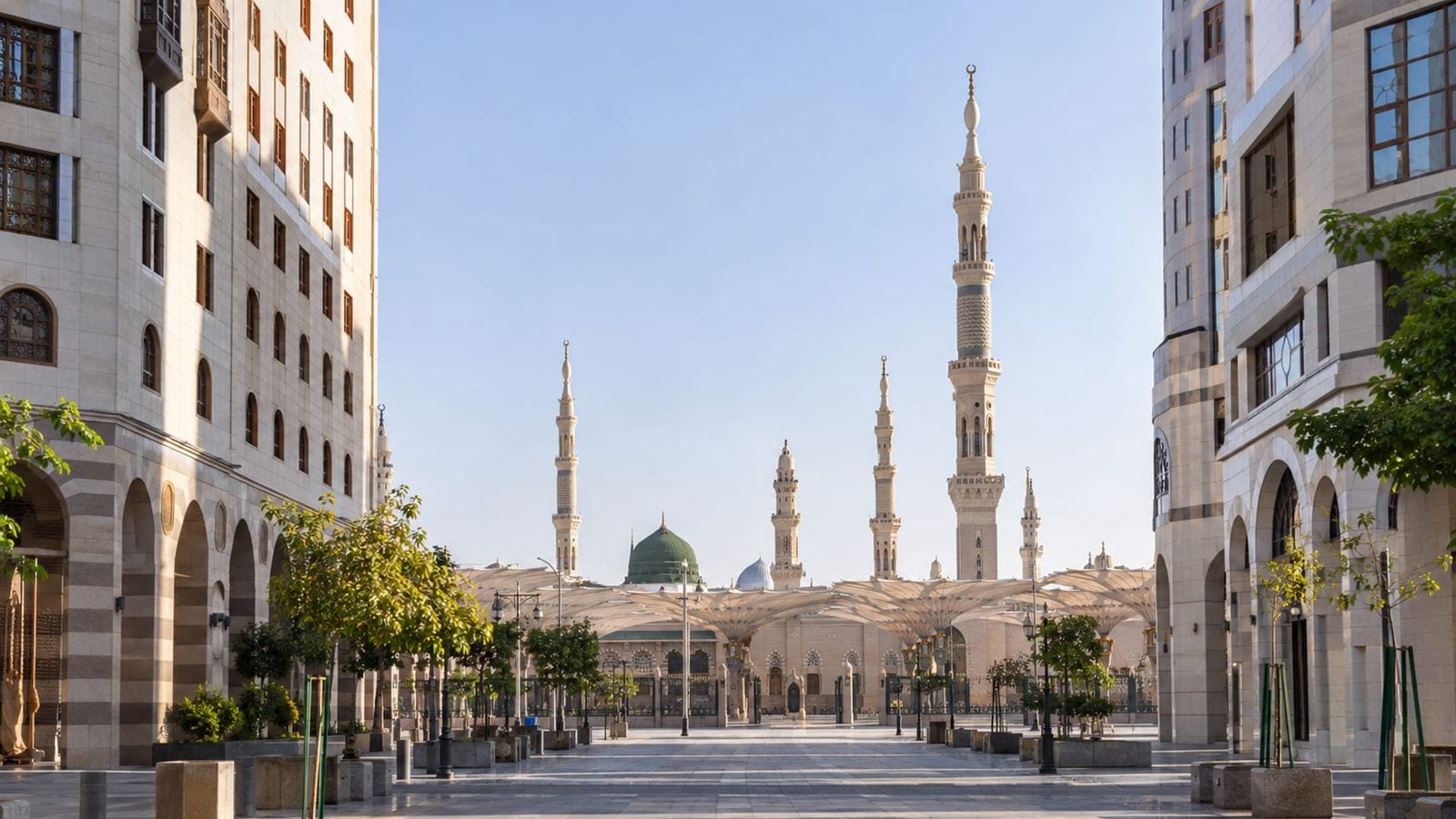
This is the core hotel zone around the Prophet’s Mosque, with the highest concentration of pilgrimage hotels, direct mosque access, and organized transport. It puts major religious visits within easy reach, and it stays busy from early morning until late evening.
Best for: Pilgrimage stays, short visits, and travelers who want the Prophet’s Mosque within easy reach
What to expect: Dense hotel towers, heavy pedestrian traffic, and a steady flow of worshippers, especially near prayer times
Hotel prices: Typically SAR 400 to SAR 1,200 ($107 to $320) per night for well-rated stays
Distance to major sights: 5 to 10 minutes on foot to Al-Masjid an-Nabawi
Quietness: Expect crowds throughout the day, with the busiest periods around prayer times.
Main trade-off: You pay more for proximity, and room choices tighten during peak pilgrimage periods.
Good to know: Book as early as possible if you want a room within a short walk of the mosque, since the nearest hotels sell out first.
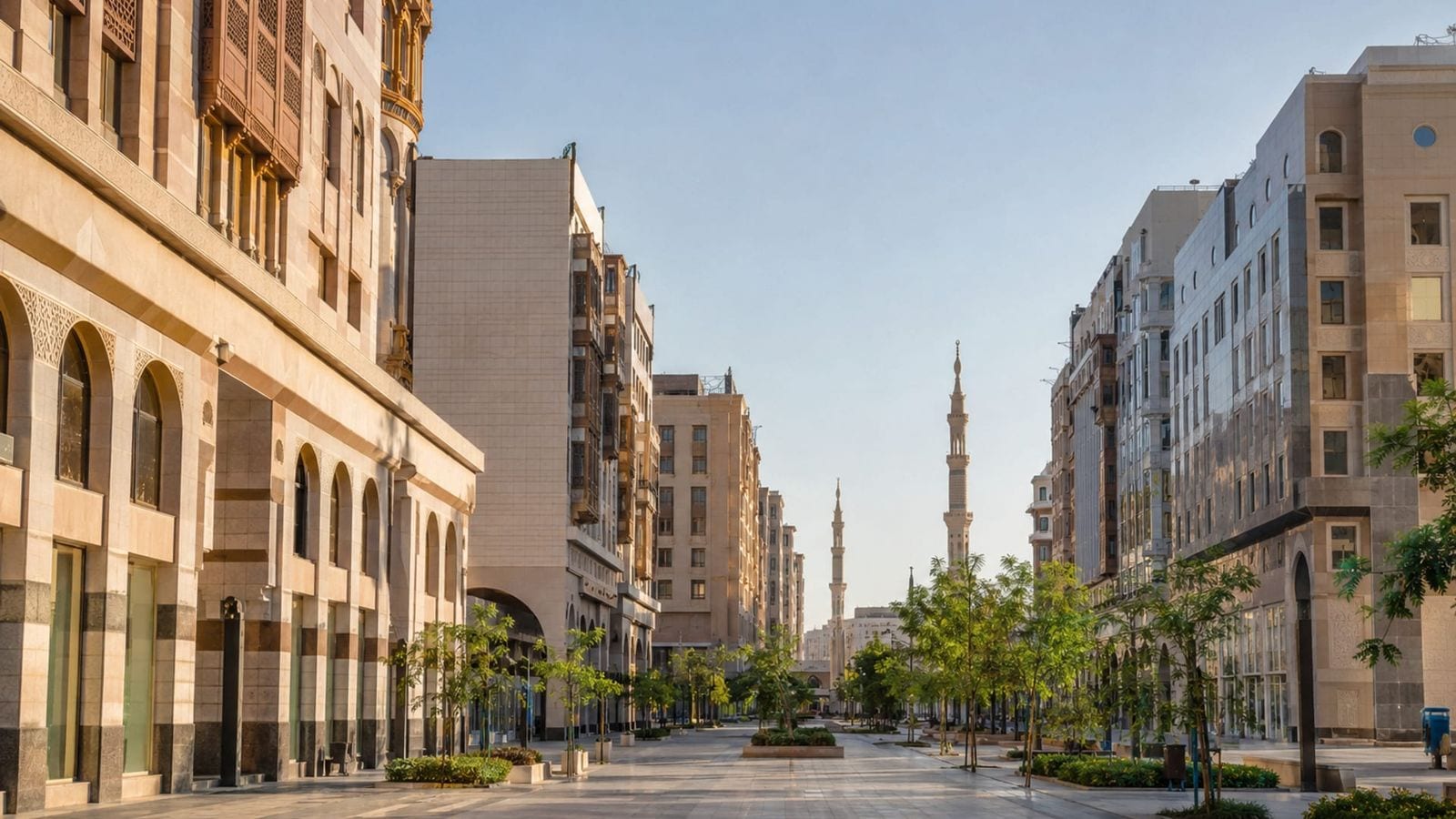
Sultana Street is a major commercial corridor south of the Haram area, lined with shops, restaurants, and midrange hotels. It suits visitors who want more meal options and lower rates while staying within a short ride of the mosque.
Best for: Midrange stays, dining access, and travelers who want more hotel choice than the Haram zone
What to expect: Active traffic, storefronts, and steady local activity, with the busiest stretch around shopping hours and dinner
Hotel prices: Typically SAR 250 to SAR 700 ($67 to $187) per night for well-rated stays
Distance to major sights: 10 to 20 minutes by taxi to Al-Masjid an-Nabawi
Quietness: Days are lively and evenings are active, although residential side streets calm down after shops close.
Main trade-off: You will spend time on short taxi rides, and traffic can slow the return after evening prayer.
Good to know: Choose a hotel with parking or a clear ride-hailing pickup point, because curbside stops can be crowded.
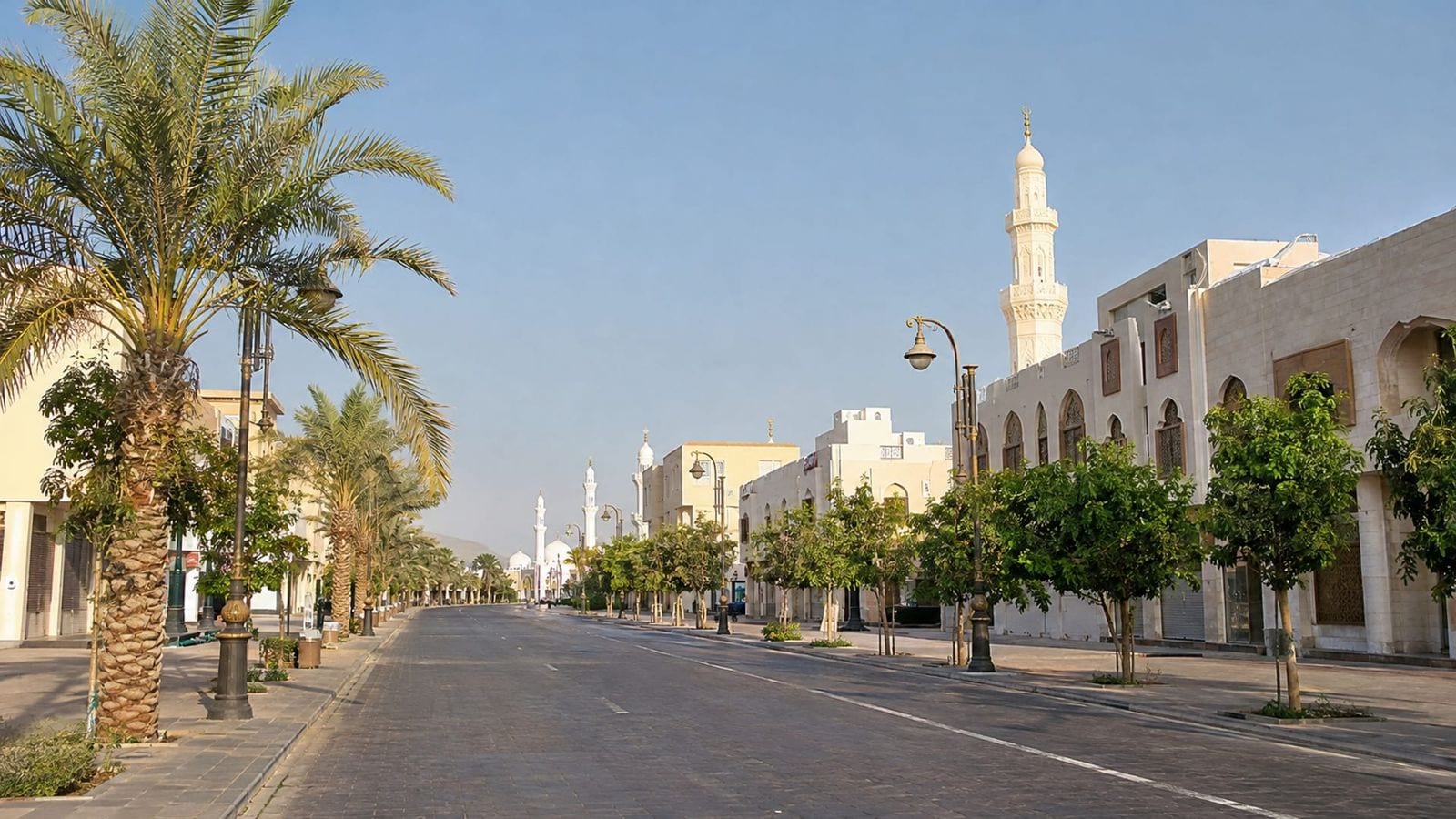
Quba Road runs toward the historic Quba Mosque and connects several residential and hotel clusters with the old-city core. It suits travelers who want access to a major mosque visit, local restaurants, and a location slightly removed from the most concentrated hotel blocks.
Best for: Visitors planning Quba Mosque visits, longer stays, and travelers who prefer a less concentrated hotel strip
What to expect: Broad roads, moderate traffic, and fewer pedestrian crowds than in Central Medina
Hotel prices: Typically SAR 220 to SAR 600 ($59 to $160) per night for well-rated stays
Distance to major sights: 15 to 25 minutes by taxi to Al-Masjid an-Nabawi, 10 to 15 minutes by taxi to Quba Mosque
Quietness: Daytime traffic is noticeable, while evenings are quieter once shop traffic drops.
Main trade-off: You have a wider choice of lower-priced hotels, but you will need taxis for most central mosque visits.
Good to know: Check the exact hotel location before booking, because the road covers both convenient stretches and sections that are less walkable.
Neighborhoods beyond Harat Al Manakhah and the central mosque district add significant transit time to the Prophet’s Mosque and offer fewer visitor amenities. The same applies to industrial areas and residential neighborhoods near the airport.
Hotel deals
How to get around Medina efficiently
In Medina, taxis and rideshare cars cover cross-city trips. The Haramain High Speed Rail connects Medina to Jeddah and Makkah but does not serve local stops within the city.

Bus
for budget-friendly regional trips
Medina’s bus network is limited, so most visitors rely on taxis or rideshare instead. Fares are usually low, often SAR 4 to SAR 11 ($1 to $3), depending on the route. Check the operator’s current ticketing system before travel, since payment methods and routes can change.

Rideshare
for upfront pricing
Uber and Bolt both operate in Medina, with pickup points available near major hotels and the mosque perimeter. Fares run close to metered taxi rates, with the advantage of a fare shown before you book, which can be useful around the busiest prayer times when street hailing gets harder.

Taxi
for convenience or late hours
Licensed taxis in Medina use metered fares. Short rides cost SAR 19–SAR 38 ($5–$10), while rides from the airport and trips across the city can cost SAR 56–SAR 131 ($15–$35), depending on traffic. You can hail them at taxi ranks or book one through a dispatch service; many drivers accept cards.
*Prices are based on rates updated as of June 2026 and may change at the time of travel.
Walk within the Prophet’s Mosque district, then rely on taxis or rideshare for everything farther away.
Iconic landmarks
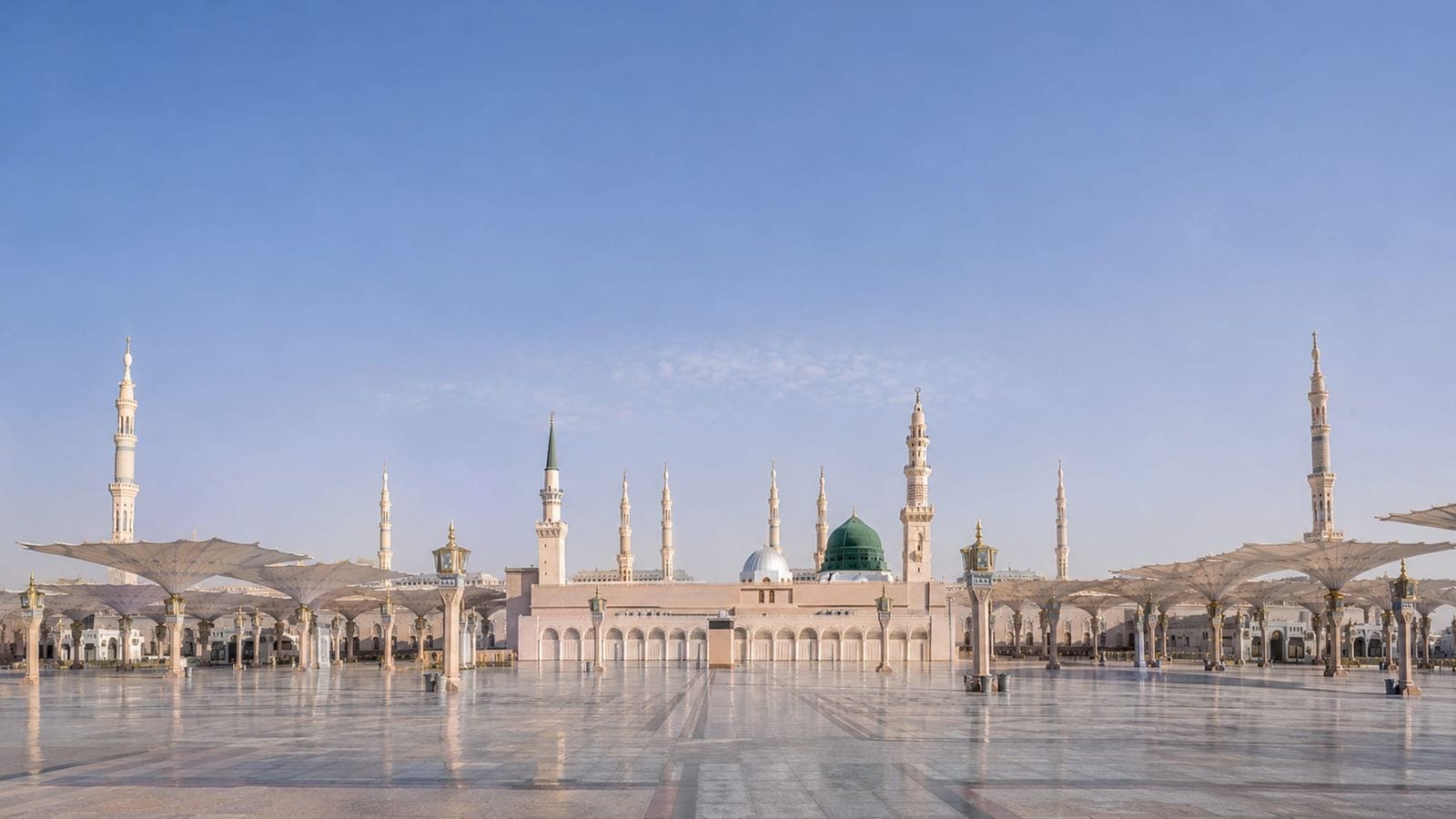
Al-Masjid an-Nabawi
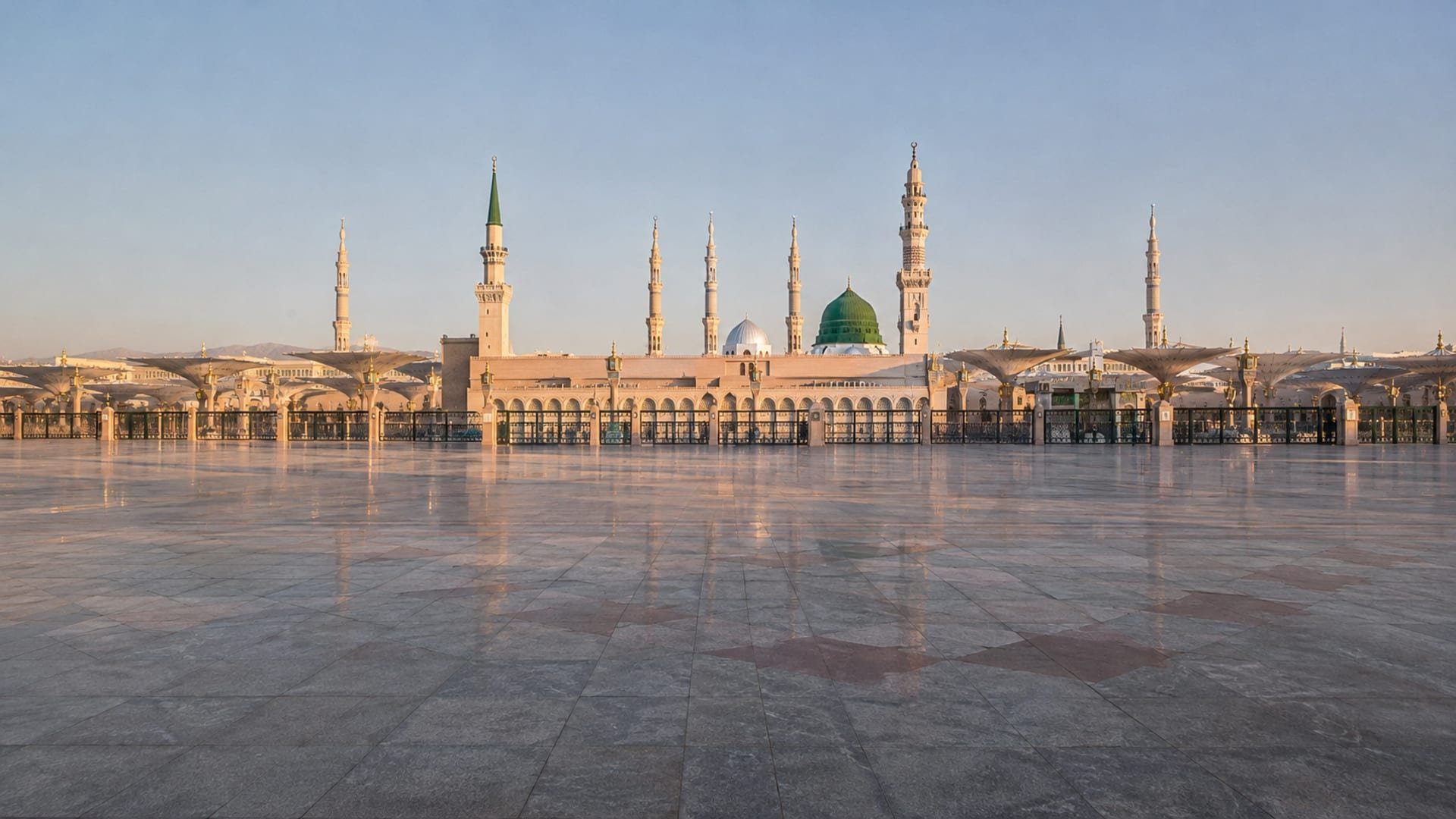
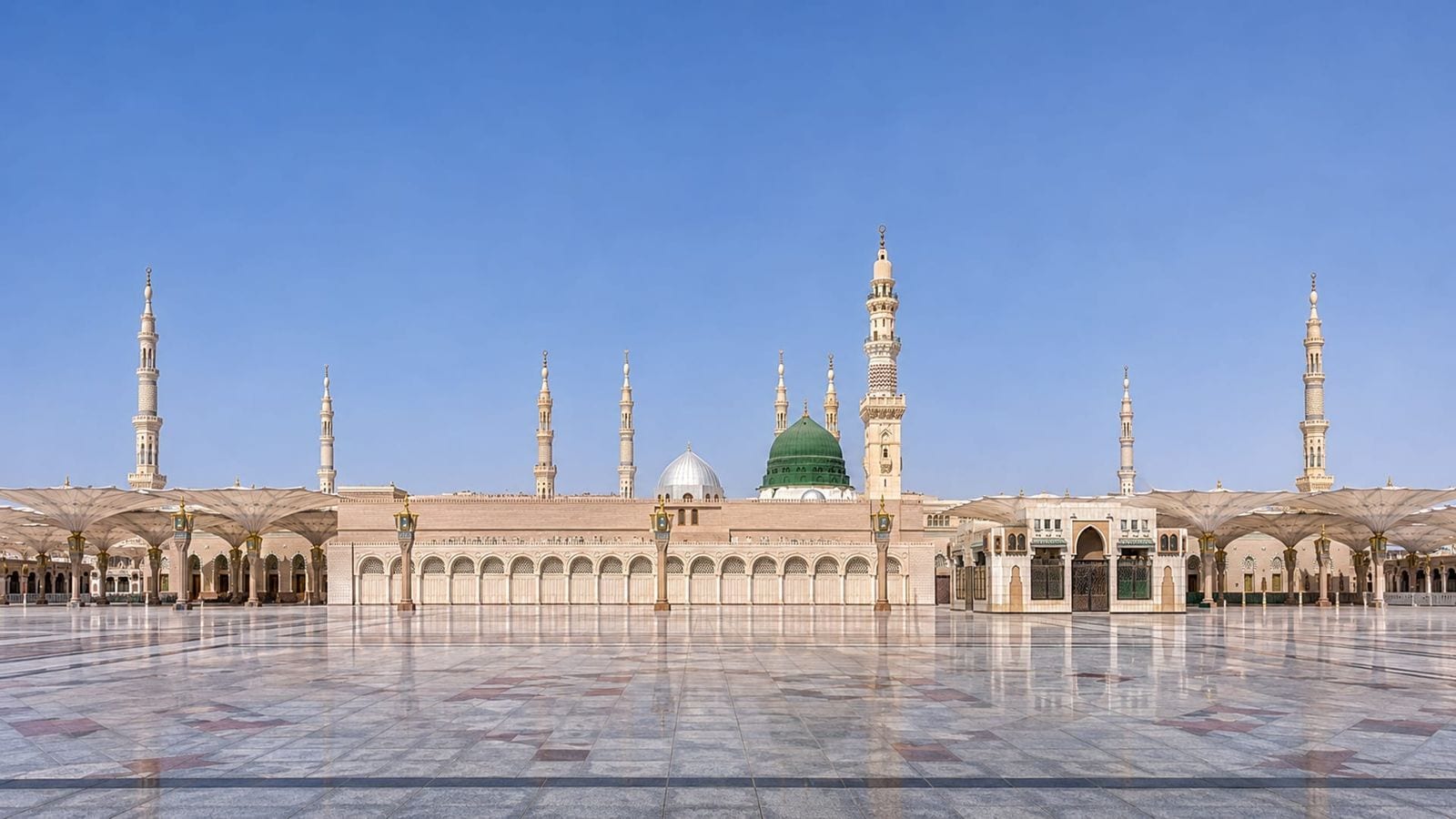
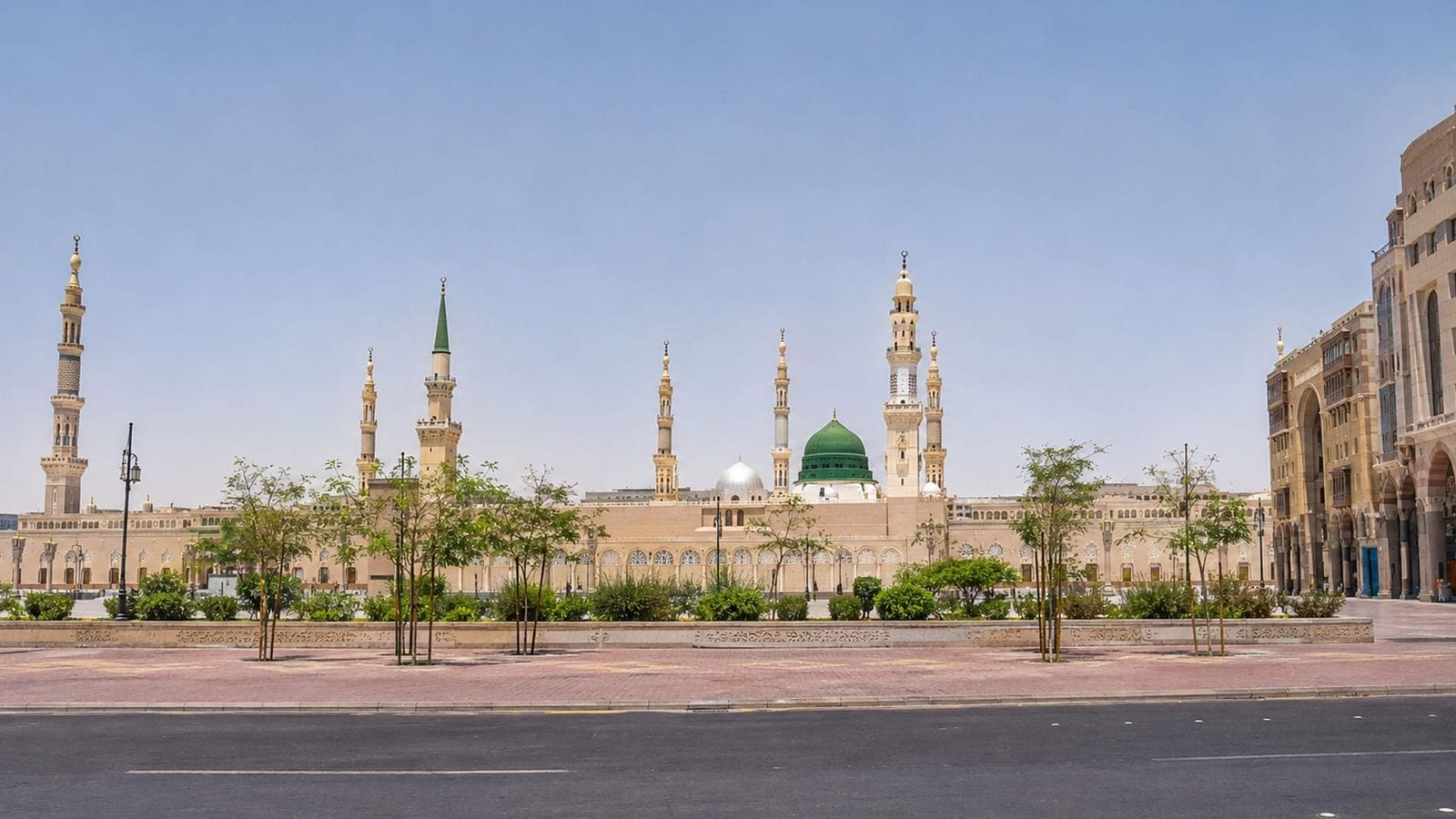
The Prophet’s Mosque anchors Medina’s old city and welcomes millions of worshippers each year. Its vast courtyard, marble floors, and Green Dome define the surrounding district. Non-Muslims cannot enter the prayer areas, but they can view the exterior and explore the surrounding district.
Time needed: 1 to 2 hours
Entry: Free to access; prayer areas follow mosque rules, and non-Muslims may view only the exterior and perimeter areas. Visit the official site for details.
Tip: Visit after sunrise or after sunset, when the courtyard is cooler and easier to photograph
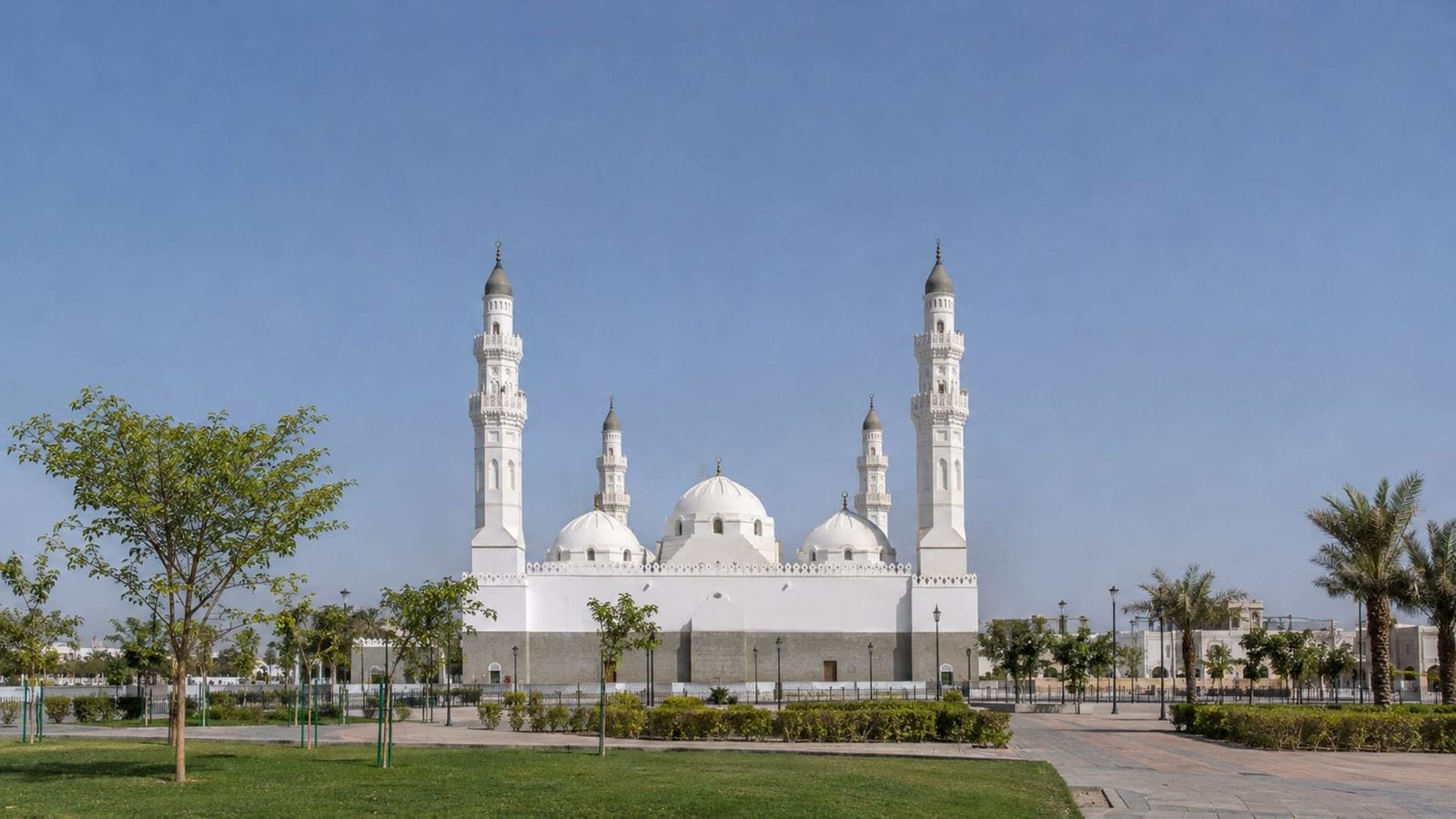
Quba Mosque
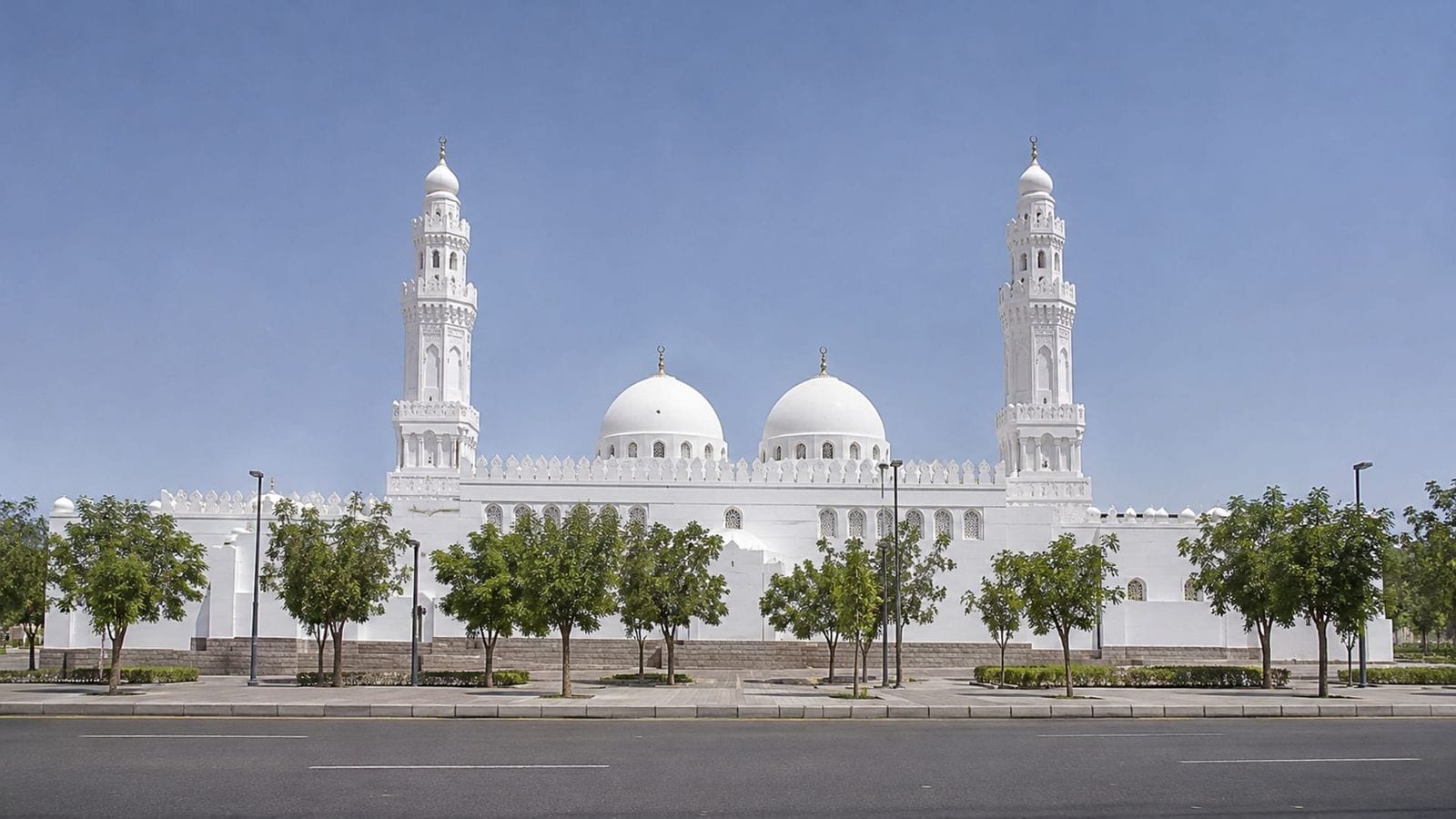
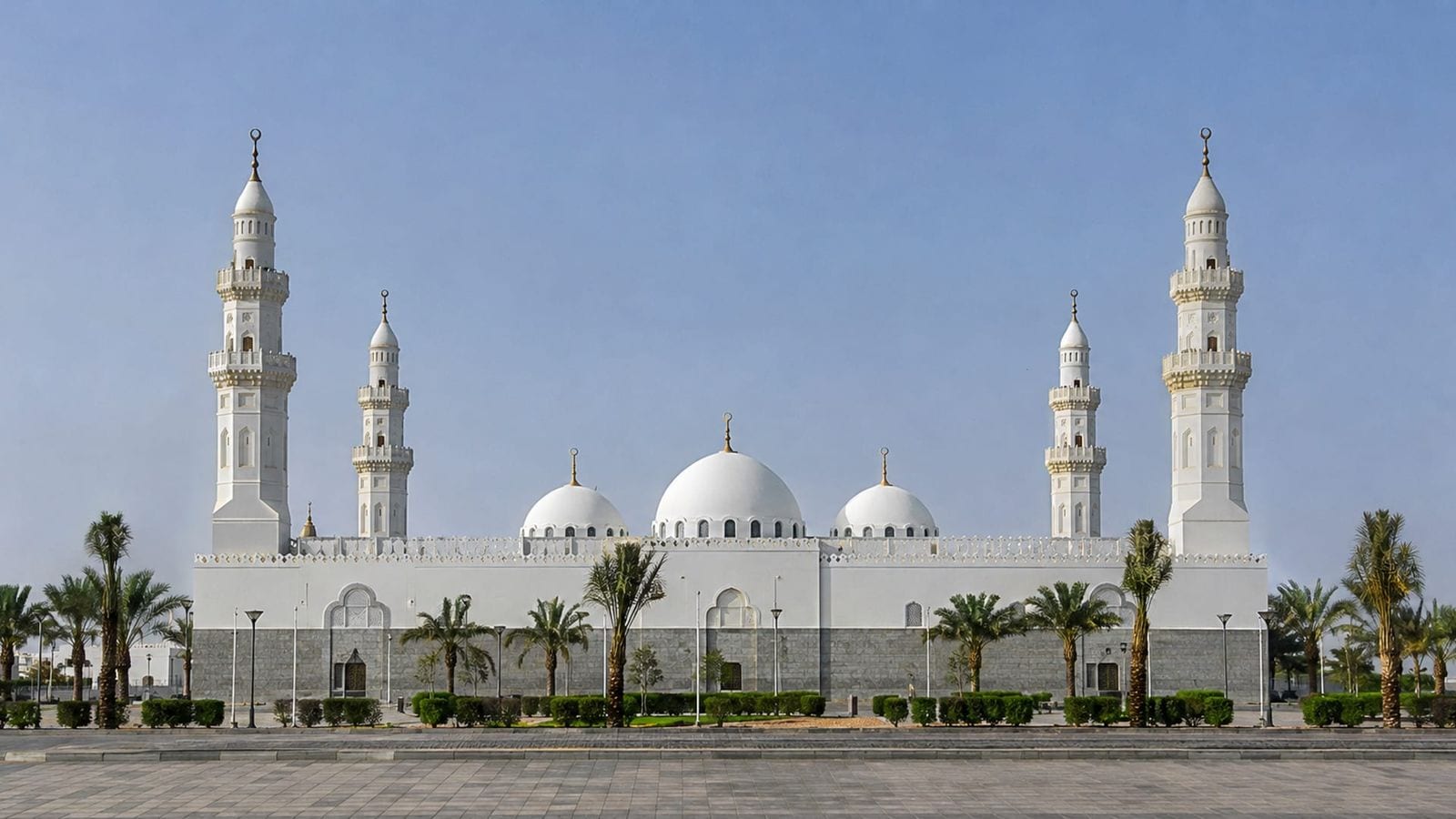
Quba Mosque, south of the center, is regarded as the first mosque built in Islam. Pilgrims visit its white-domed complex and spacious prayer hall, and the site is close enough to pair with other southern Medina stops.
Time needed: 1 to 1.5 hours
Entry: Free to access; visitors should dress modestly, remove shoes, and follow mosque rules inside the prayer spaces. Visit the official site for details.
Tip: Go early in the day, when crowds are lighter, and the marble forecourt is cooler.
Qiblatain Mosque
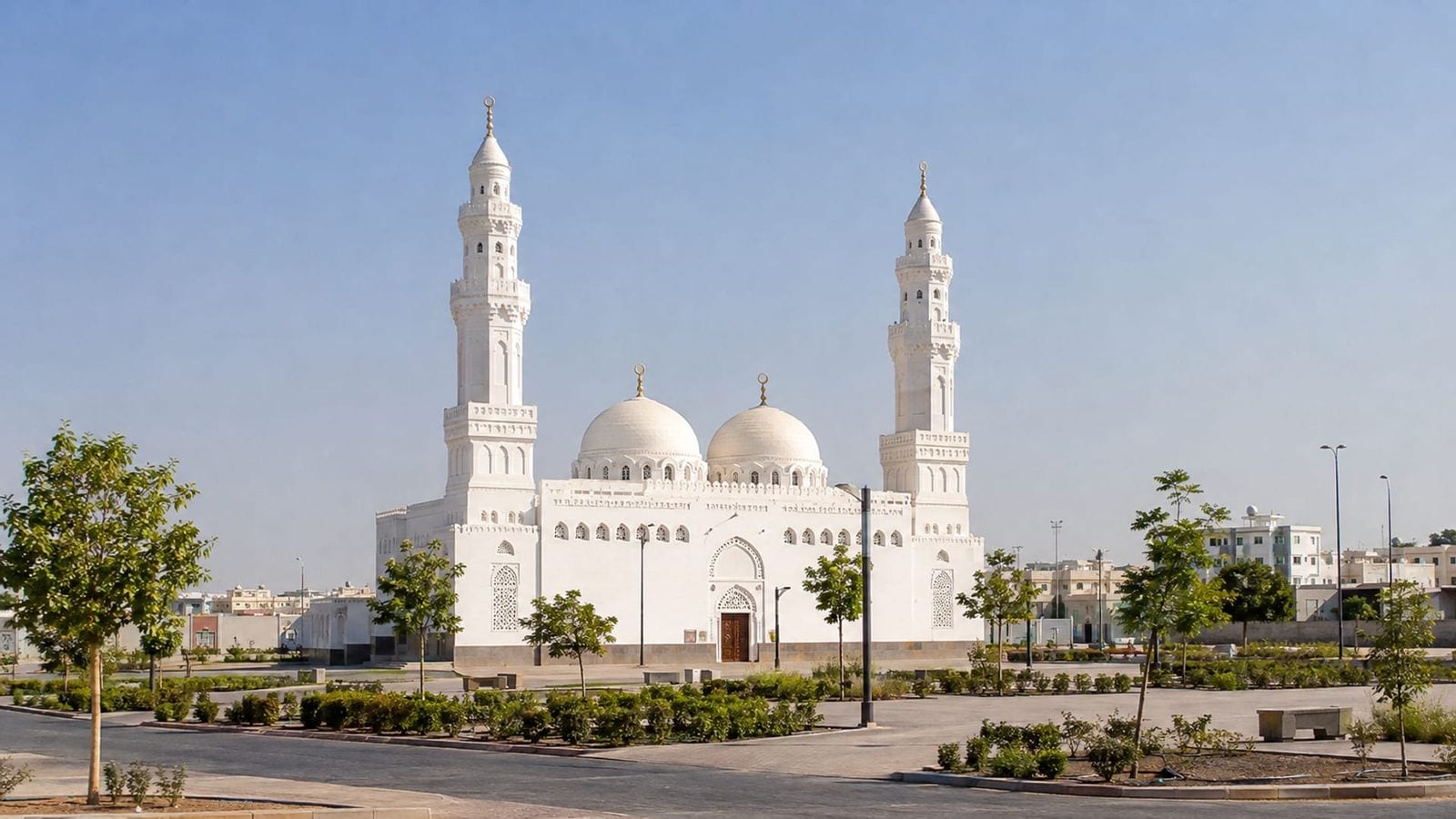
Qiblatain Mosque marks the moment of the prayer direction change from Jerusalem to Mecca, a defining event in Islamic history. The mosque is located northwest of the core and is worth a short visit for its twin-minaret facade and calm interior.
Time needed: 45 minutes to 1 hour
Entry: Free to access; modest dress is required, and visitors should plan for security checks and prayer-time closures.
Tip: Check prayer times before you go, since access can pause briefly during worship.
Overlooked sites worth visiting

Al-Baqi Cemetery
This historic cemetery next to the Prophet’s Mosque holds the resting places of many of his companions and family members, making it one of Medina’s most significant religious sites. Its limited opening hours mean many visitors miss it.
Time needed: 30 minutes to 1 hour
Entry: Free to access, although the cemetery opens on a limited schedule. Modest dress is expected, and visitors should approach respectfully.
Tip: Go during the Fajr window for a quieter visit.

Al-Madina Museum
This small museum traces Medina’s urban and religious history through displays on city life, manuscripts, and local crafts. Its compact galleries can be explored in just over an hour.
Time needed: 1 hour to 1.5 hours
Entry: Admission typically costs SAR 18 to SAR 30 ($5 to $8) for adults, with lower prices for children and students; temporary exhibits or guided visits may add a small extra fee depending on the day.
Tip: Go early if you want quieter galleries.
Traditional food
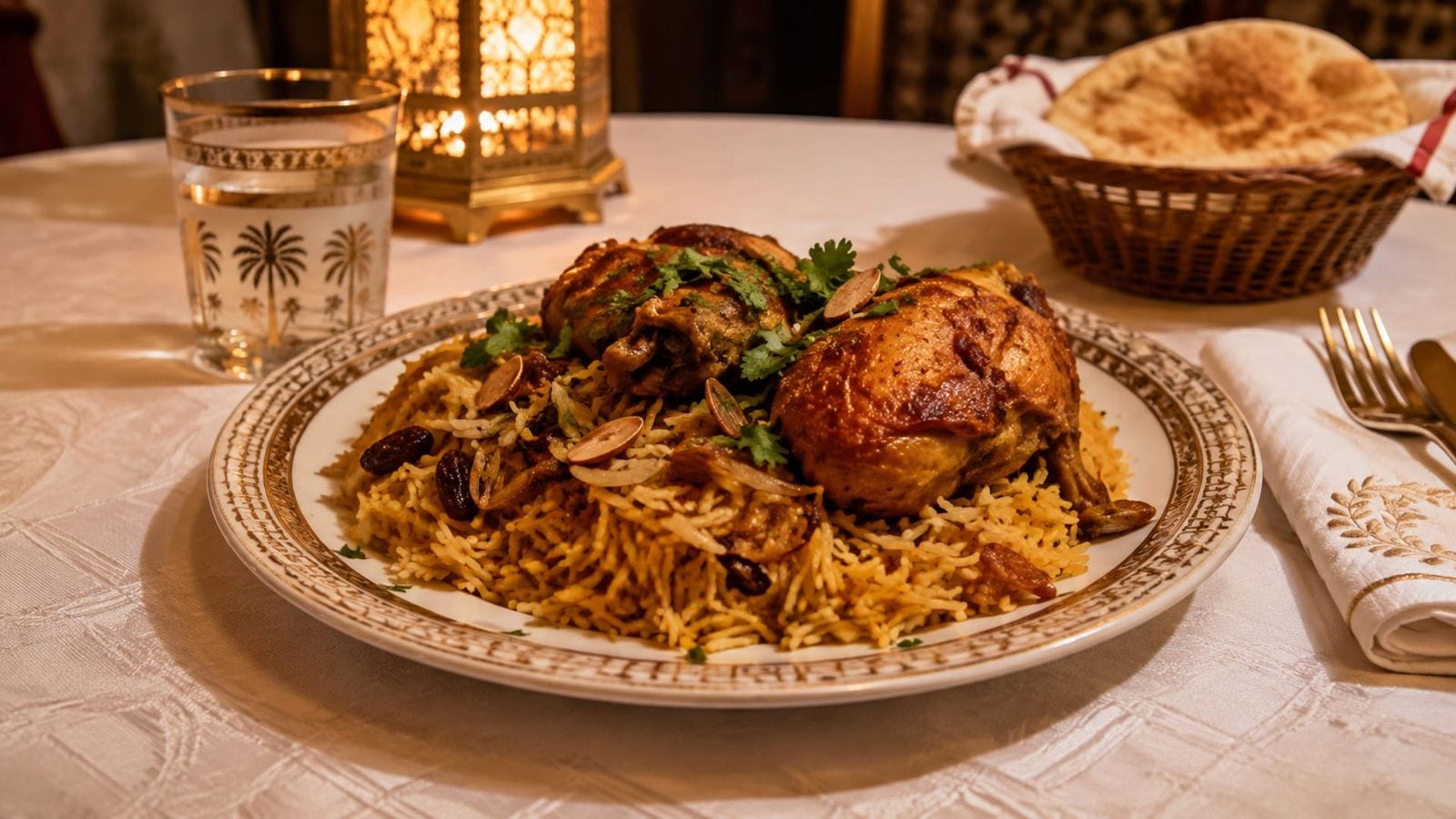
Medina’s cuisine centers on rice, slow-cooked meat, and warm spices. Meals tend to be simple, filling, and timed around prayer breaks and the city’s long lunch pause.
Kabsa
Kabsa pairs spiced rice with chicken or lamb, and is seasoned with cumin, cardamom, and dried lime. Al Tazaj in Medina is a dependable stop for it, especially if you want a familiar version in a casual setting.
Mutabbaq
Mutabbaq is a stuffed, pan-fried pastry that works as a snack or a light meal, often filled with meat, egg, and herbs. Al Romansiah in Medina serves it alongside a broad selection of other Saudi dishes.
Mandi
Mandi combines fragrant rice with slow-cooked meat and is usually served in generous portions. Hadramout Kitchen is well known in Medina for its mandi, Yemeni-style seasoning, and generous portions.
Jareesh
Jareesh uses crushed wheat cooked until soft, then finished with yogurt, onions, or meat depending on the recipe. Al Nakheel Restaurant serves it alongside other traditional Saudi dishes.
Best time to visit Medina
Medina is hottest in the middle of the year, while winter brings the most comfortable walking weather and a stronger flow of visitors around the mosque district.
Best for: Courtyard walks, mosque visits, and longer time on foot
What you get: 42°F to 80°F (6°C to 27°C), with the year’s most comfortable weather for walking and sightseeing
Trade-offs: Peak visitor demand can raise hotel rates and reduce room choice near the mosque.
Best for: Warm mornings before the strongest summer heat arrives
What you get: 55°F to 104°F (13°C to 40°C), with manageable mornings and increasingly hot afternoons
Trade-offs: Afternoons warm up quickly, so midday plans still need breaks
Best for: Travelers who plan around indoor time and short transfers
What you get: 81°F to 110°F (27°C to 43°C), with quieter streets during the hottest hours and more people moving after sunset
Trade-offs: The heat makes long outdoor stretches difficult
Best for: Steadier temperatures and flexible day planning
What you get: 68°F to 97°F (20°C to 36°C), with cooler weather and rising visitor numbers
Trade-offs: Demand later in the season can reduce hotel choice near the mosque
A realistic 5-day plan in Medina
A five-day Medina stay works best when you group the mosque district, southern mosques, and museum time into separate blocks. That keeps rides short, reduces backtracking, and leaves room for prayer-time pauses and unhurried meals.
Land at Prince Mohammad bin Abdulaziz International Airport (MED), then take a taxi into Central Medina near Al-Masjid an-Nabawi, a convenient choice if you want to be within easy walking distance of the mosque. The transfer takes 20 to 30 minutes in normal traffic and usually costs SAR 56 to SAR 94 ($15 to $25). Settle in, drink plenty of water, and keep dinner close to your hotel. A short evening walk to the mosque perimeter helps you get your bearings without overextending the first night.
Start early at Al-Masjid an-Nabawi, where a morning visit is more comfortable before the courtyards heat up and crowds build. From most Central Medina hotels, it is a 5- to 10-minute walk to the mosque, and you can spend 1 to 2 hours exploring the exterior, the courtyard, and the surrounding district. After that, ride 15 to 20 minutes south to Quba Mosque, where the white domes and shaded courtyards are worth exploring for 1 to 1.5 hours. Return to your hotel area for dinner, or continue to Sultana Street for a wider choice of restaurants.
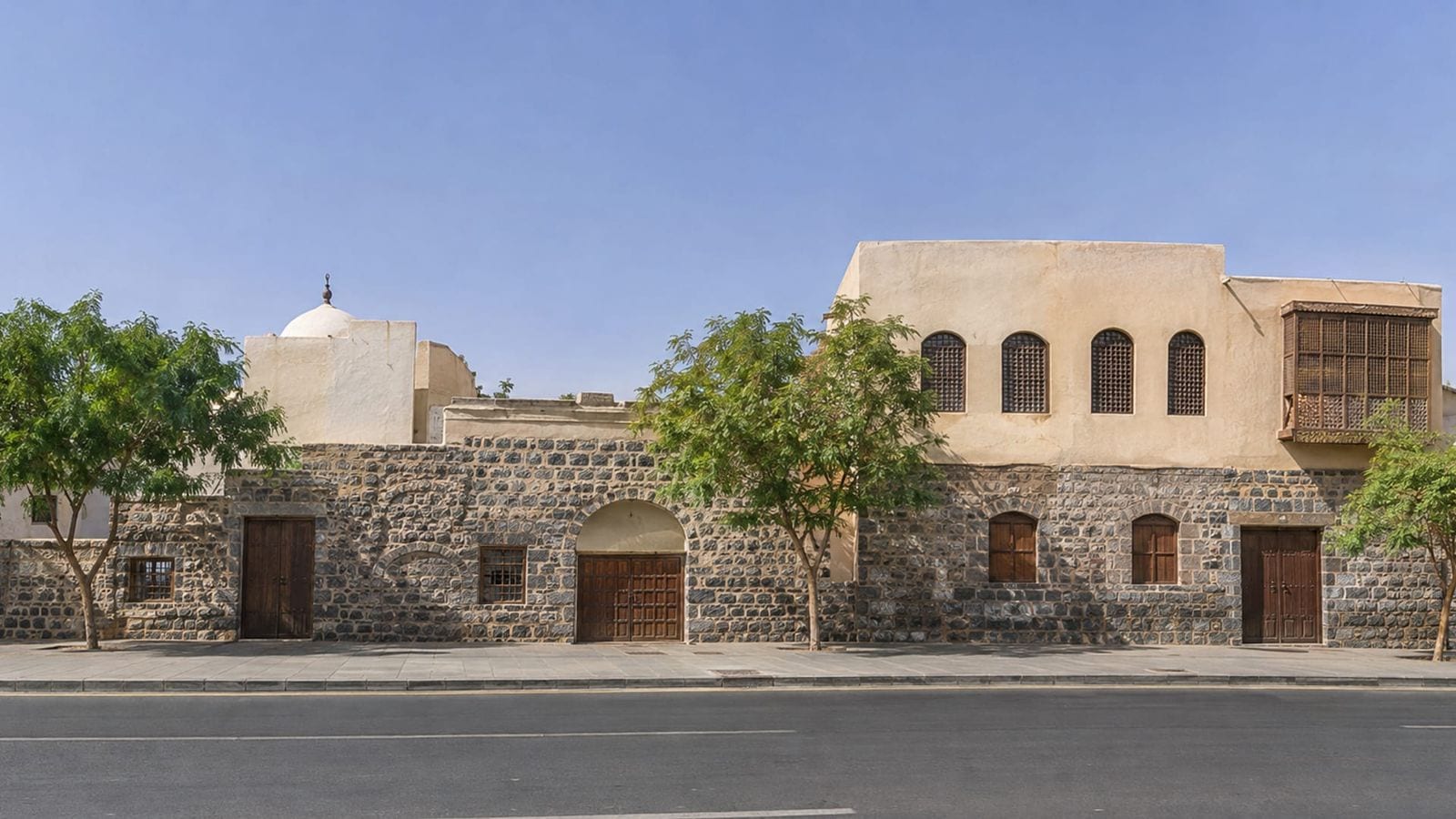
Begin at Qiblatain Mosque, a 15- to 20-minute taxi ride from Central Medina. It usually takes 15 to 20 minutes by taxi to reach it. Allow 45 minutes to 1 hour for the visit, then take a 20-minute taxi ride back toward the old city for Al-Madina Museum, where compact galleries on Medina’s history make an easy 1- to 1.5-hour follow-up visit. Break for lunch on the way back in the central area near the mosque district, then return to your hotel before the afternoon traffic builds again around prayer times.
Head north to Mount Uhud, about 3 miles (5 km) from the Prophet’s Mosque, for a morning visit to the Martyrs’ Cemetery and Archers’ Hill. Plan 3 to 4 hours to explore the viewpoints and surrounding sites at a relaxed pace. Bring water and sun protection, since there’s very little shade. In the afternoon, return to the mosque district and visit Al-Baqi Cemetery, right beside Al-Masjid an-Nabawi, during one of its limited opening periods, usually after Fajr or Asr. Finish the day with dinner near your hotel.
Spend your final day on Sultana Street, where you can browse shops, pick up dates or prayer items, and have a relaxed lunch without moving far between stops. If your flight leaves later in the day, stop at a cafe near your Central Medina hotel to give you time for one last quiet moment near the mosque before your taxi back to Prince Mohammad bin Abdulaziz International Airport (MED). Allow extra time for the airport transfer, especially in the afternoon.
Business-class flights from the US to Medina
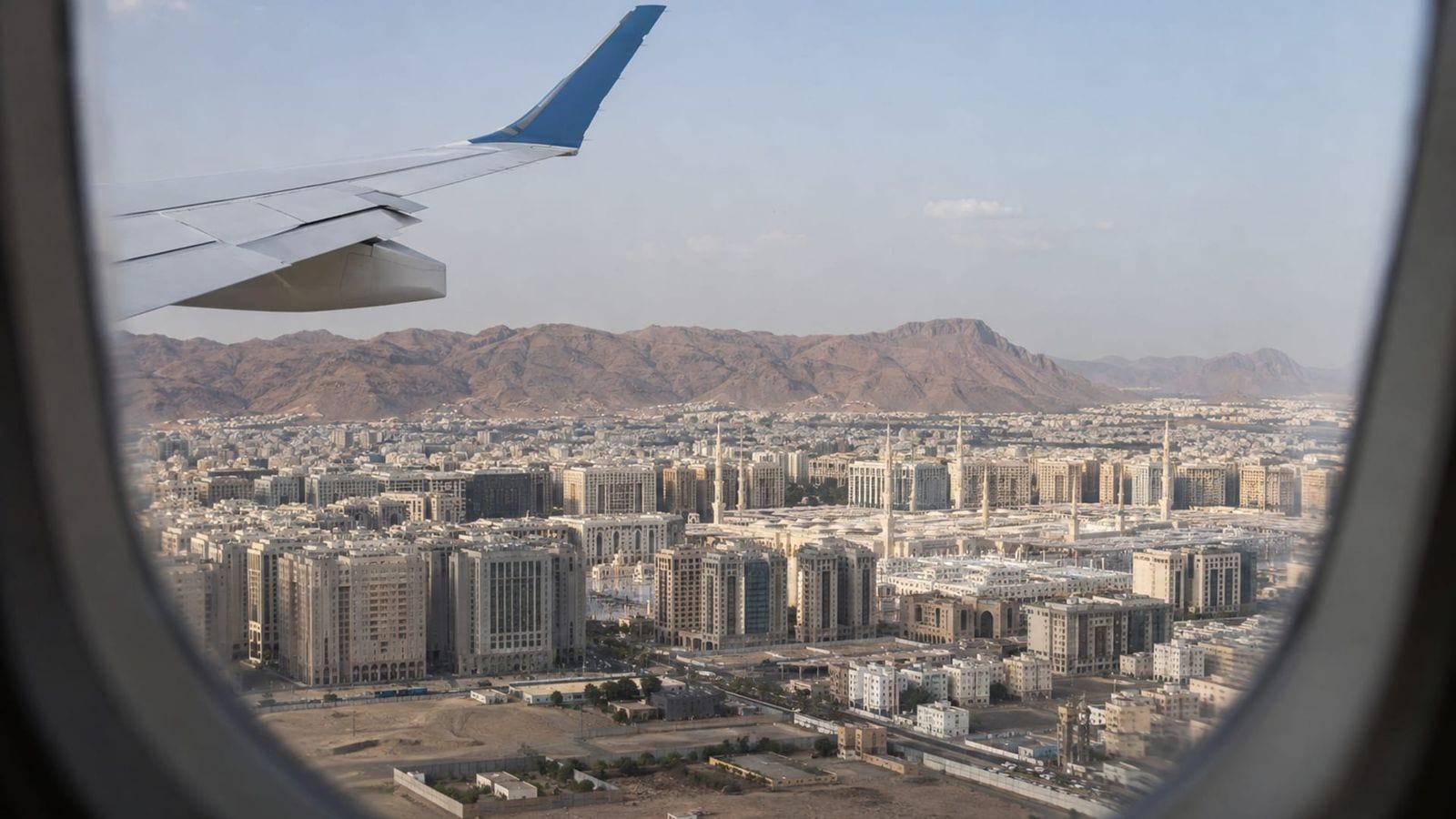
For long-haul arrivals, the most useful examples are the one-stop options from New York and Los Angeles. The best fares usually hinge on Middle East or Europe connections, so it pays to compare the layover city as well as the total fare.
From New York, Saudia, Qatar Airways, Turkish Airlines, Emirates, and Etihad Airways all price this route, with round-trip fares usually starting near $4,500 and rising to about $8,500 depending on dates and advance purchase. Typical itineraries run about 12 to 13 hours nonstop, or 15 to 20 hours with connections through Doha (DOH), Istanbul (IST), Dubai (DXB), Abu Dhabi (AUH), or Frankfurt (FRA).
Los Angeles itineraries are broader, with Saudia, Qatar Airways, Turkish Airlines, Emirates, Etihad Airways, and Air France all appearing in the market. Expect about 15 to 16 hours nonstop, or roughly 17 to 23 hours via Doha (DOH), Istanbul (IST), Dubai (DXB), Abu Dhabi (AUH), or Paris (CDG); round-trip fares usually range from $4,800 to $9,200.
Medina feels different when you slow down
A deliberate Medina trip follows the city’s actual shape, starting in Central Medina near Al-Masjid an-Nabawi, then stepping out to Quba Mosque, Qiblatain Mosque, and Al-Madina Museum by taxi when the timing makes sense. Meals fit around the long lunch pause, and evenings work best on Sultana Street or back near the mosque blocks. If you want help matching hotels, flights, and day order, AranGrant experts can build the trip around the part of Medina you plan to visit most