

Chapters:

Need help with your trip?
Our support team is available 24/7. Request a callback or call us directly at (833) 619-0908
Matsuyama’s history rises above the city in castle towers and follows its hot spring water into a wooden bathhouse dating to 1894. Matsuyama Castle and Dogo Onsen Honkan give two distinct forms to that inheritance: a hilltop stronghold and a public bathing tradition that continues today.
At Matsuyama Castle, gates and interconnected towers reveal the defenses of an original Japanese castle. Across town, Dogo Onsen Honkan invites a soak, while nearby Ishiteji Temple brings the city’s history into the living traditions of the Shikoku pilgrimage.
Give these places separate mornings. Ichibancho offers hotels near the castle approach, and trams connect central Matsuyama with Dogo Onsen. Five days leave room for both, plus hillside walks and the galleries at Miurart Village.
Useful things to know

Main language(s): Japanese
こんにちは (kon-nee-chee-wah) – Hello
お願いします (oh-neh-guy shee-mahss) – Please
ありがとうございます (ah-ree-gah-toh goh-zah-ee-mahss) – Thank you
英語を話せますか? (eh-goh oh hah-nah-seh-mahss kah) – Do you speak English?
いくらですか? (ee-koo-rah dess kah) – How much does it cost?

Currency: Japanese yen (JPY, ¥)

Cash and cards: Cards are widely accepted at hotels and larger stores; carry about ¥5,000 to ¥10,000 ($33 to $67) for smaller businesses.

Tipping: Do not tip; pay the stated bill at restaurants and in taxis.

Traditional food: Taimeshi, goshiki somen, nabeyaki udon, and jakoten are among the classic dishes of Matsuyama.

Water and coffee costs: Bottled water ¥100 to ¥200 ($1 to $2); espresso ¥300 to ¥500 ($2 to $4).

Taxis and ride apps: Licensed, metered taxis wait at Matsuyama Airport and Matsuyama Station; Uber also operates in Matsuyama.

Plug and voltage: Type A/B socket, 100V

Dining and shop opening hours: Breakfast: 7 am to 9 am; lunch: noon to 2 pm; dinner: 6 pm to 9 pm. Shops typically open from 10 am to 7 pm; individual restaurants have weekly closing days.

Emergency number: Police 110, ambulance and fire 119.
Where to stay in Matsuyama
Dogo Onsen is Matsuyama’s hot spring district, with traditional inns, hotels, and shopping near Dogo Onsen Honkan. Stay here for easy access to public baths and accommodation with Japanese meals, while trams connect the district with the city center for castle sightseeing and evening dining.
Best for: Hot spring bathing, traditional inns, and evenings close to public baths
What to expect: Visitors fill the shopping lanes during the day, with bathers keeping the district active after dinner.
Hotel prices: Hotels and inns typically cost ¥15,000 to ¥40,000 ($100 to $270) nightly, with meals affecting the rate.
Distance to major sights: Dogo Onsen Honkan is a 5 to 15-minute walk from many accommodations; hillside inns take longer.
Quietness: Daytime brings sightseeing groups; evenings become quieter beyond the main bathhouse approaches.
Main trade-off: Traditional inns can cost more, and central Matsuyama requires a tram or taxi trip.
Good to know: Compare room-only and meal-inclusive plans before booking, since dinner can account for a substantial share of an inn’s rate.
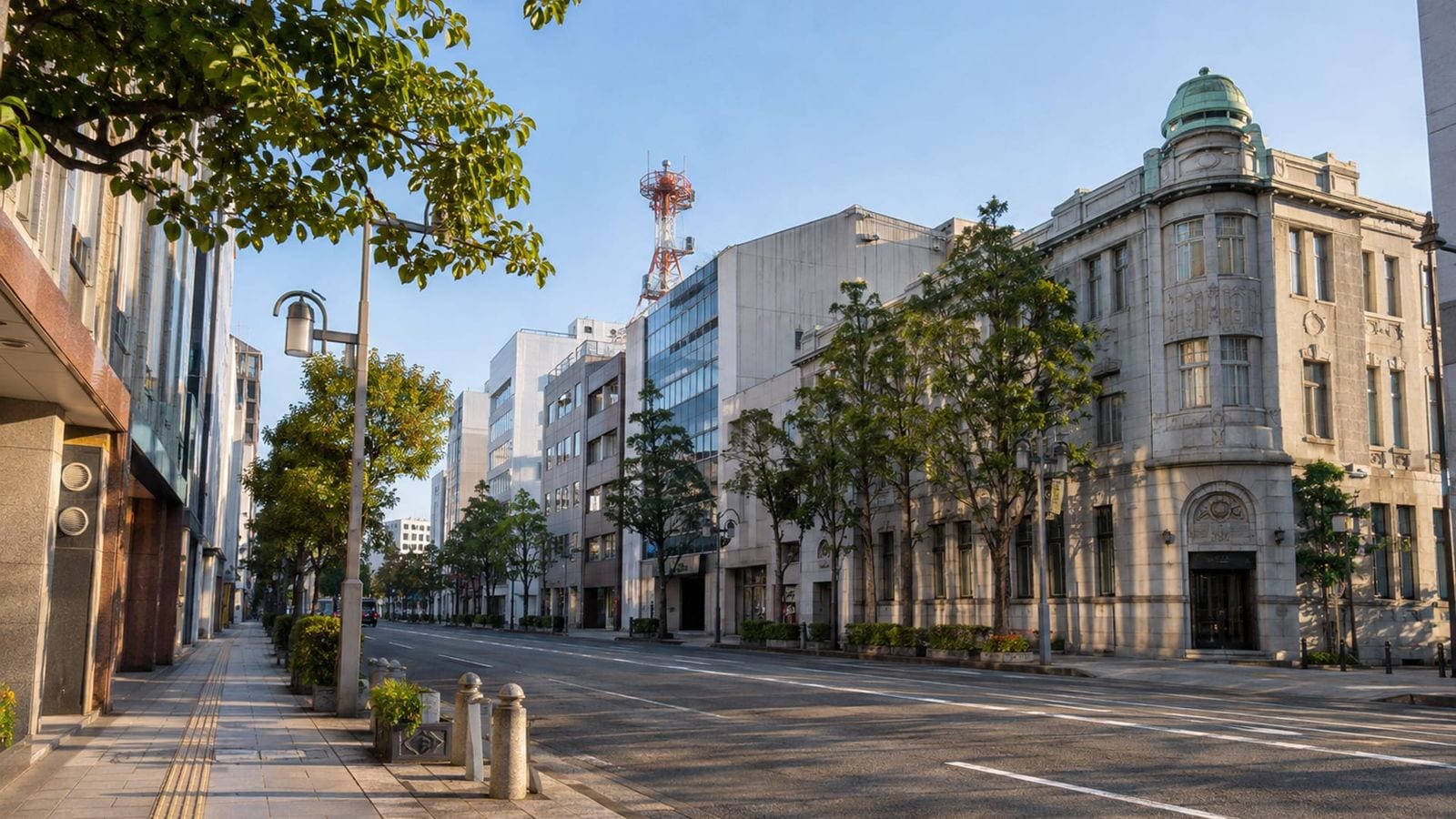
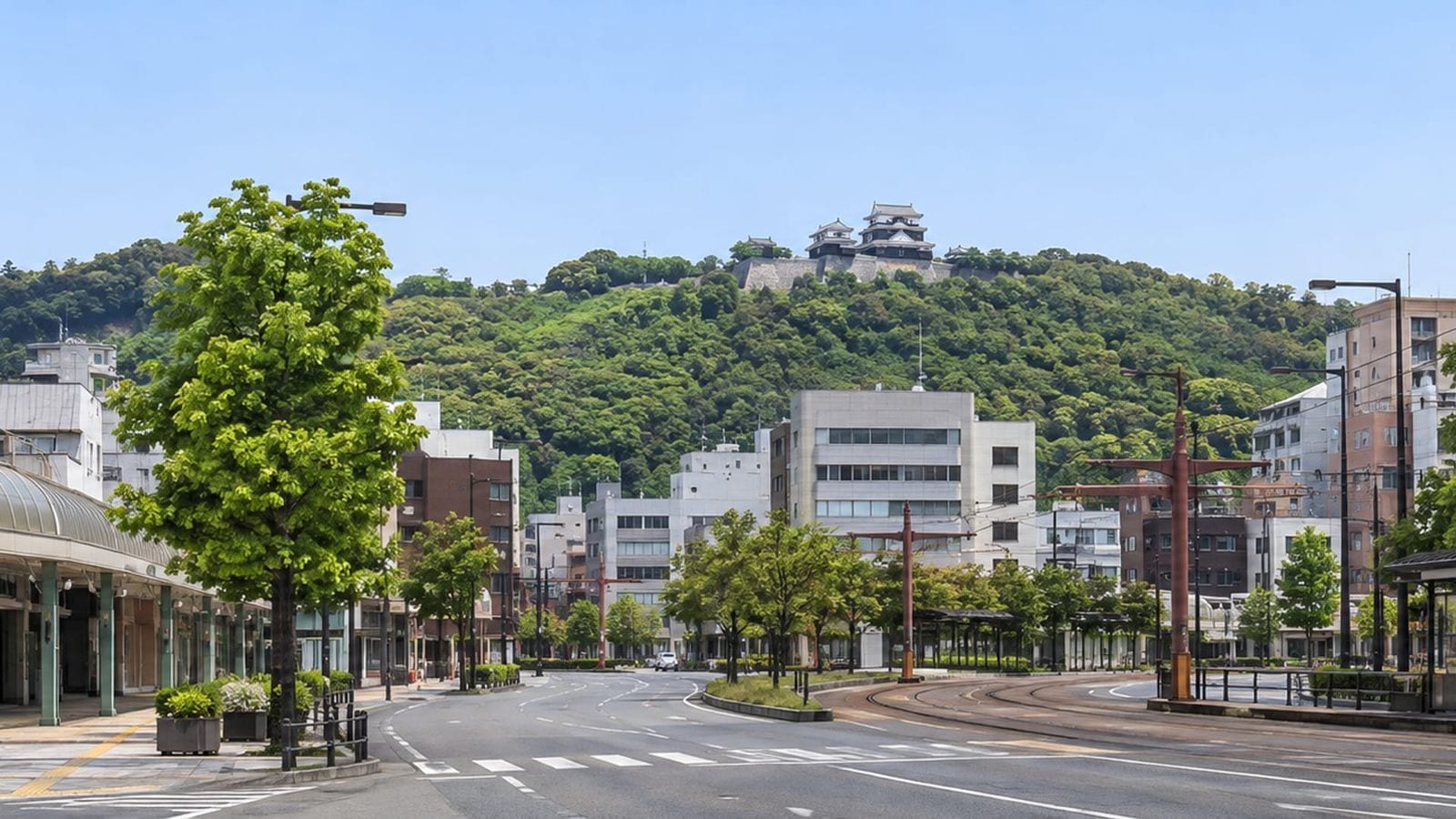
Ichibancho occupies a central strip south of Matsuyama Castle, with several hotels close to tram stops and downtown dining. Choose this district to reach the castle ropeway on foot and travel to Dogo Onsen by tram, while keeping restaurants and the city’s shopping streets within walking distance.
Best for: Castle sightseeing, tram connections, and downtown dining
What to expect: Trams and road traffic animate the main road, while nearby restaurants attract evening diners.
Hotel prices: Allow ¥8,000 to ¥18,000 ($55 to $120) per night for a well-rated hotel.
Distance to major sights: Walk 5 to 15 minutes to the Matsuyama Castle ropeway’s lower station, then allow time for the ascent.
Quietness: Traffic is noticeable by day; restaurant activity continues into the evening on nearby blocks.
Main trade-off: Central convenience comes with traffic noise and fewer traditional inn choices than Dogo Onsen.
Good to know: Request a room away from the main road if tram and vehicle noise could interrupt your sleep.
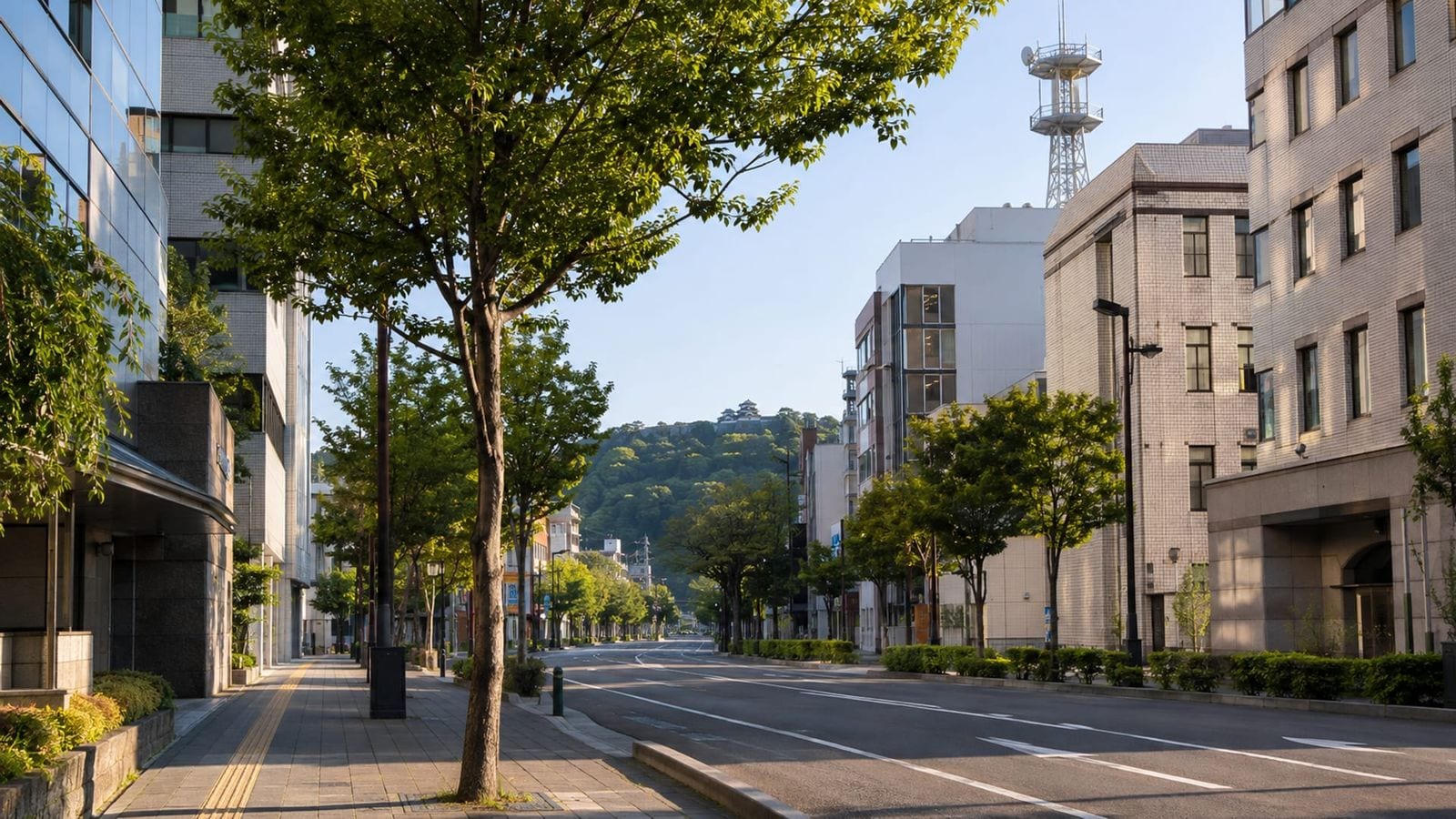
Sanbancho is a downtown district with hotels among restaurants, bars, and apartment buildings south of the main shopping streets. Staying here puts dinner choices close to your room and offers access on foot to central shopping, with trams a short walk away for trips to Dogo Onsen and other sights.
Best for: Evening dining, nightlife, and shopping on foot
What to expect: Restaurant signs and small bars draw evening crowds, with quieter residential stretches farther east.
Hotel prices: A well-rated hotel generally ranges from ¥7,000 to ¥16,000 ($45 to $110) a night.
Distance to major sights: Dogo Onsen Honkan takes 25 to 35 minutes by tram and walking, depending on your hotel’s location.
Quietness: Some blocks are subdued during the day; bars can keep nearby streets active late at night.
Main trade-off: Nightlife noise varies by block, and hotels are farther from tram stops than those along Ichibancho.
Good to know: Compare the hotel’s exact address with the nearest tram stop; this long district can add several blocks to each journey.
Mitsuhama, Takahama, and Horie are less convenient for sightseeing stays: Mitsuhama and Takahama are west of the central sights; Horie is farther north. All require extra travel to Matsuyama Castle and Dogo Onsen.
Hotel deals
How to get around Matsuyama efficiently
Iyotetsu trams link central Matsuyama with Dogo Onsen, while buses, taxis, and walking cover airport transfers and trips beyond tram stops.

Bus and tram
for convenience
Iyotetsu trams connect JR Matsuyama Station, Okaido, and Dogo Onsen. Budget ¥200 to ¥300 ($1 to $2) per ride and board through the rear door, paying when you exit. Central journeys take 10 to 25 minutes, making trams useful for sightseeing.

Taxi
for convenience or late hours
At Matsuyama City Station, taxi stands offer metered rides for trips beyond the tram stops. Budget roughly ¥1,000 to ¥2,000 ($7 to $13) for short central journeys of 5 to 15 minutes; taxis suit luggage and trips after trams stop running.

Walking
for short central distances
Between Okaido and the Matsuyama Castle Ropeway boarding area, the walk takes about 10 minutes. Walking costs nothing and suits short central trips; the covered Okaido and Gintengai shopping streets provide shelter during rain.
*Prices are based on rates updated as of November 2026 and may change at the time of travel.
Walk between central shops and the castle approach, take trams to Dogo Onsen, use buses for the airport, and choose taxis for Miurart Village or luggage.
Iconic landmarks
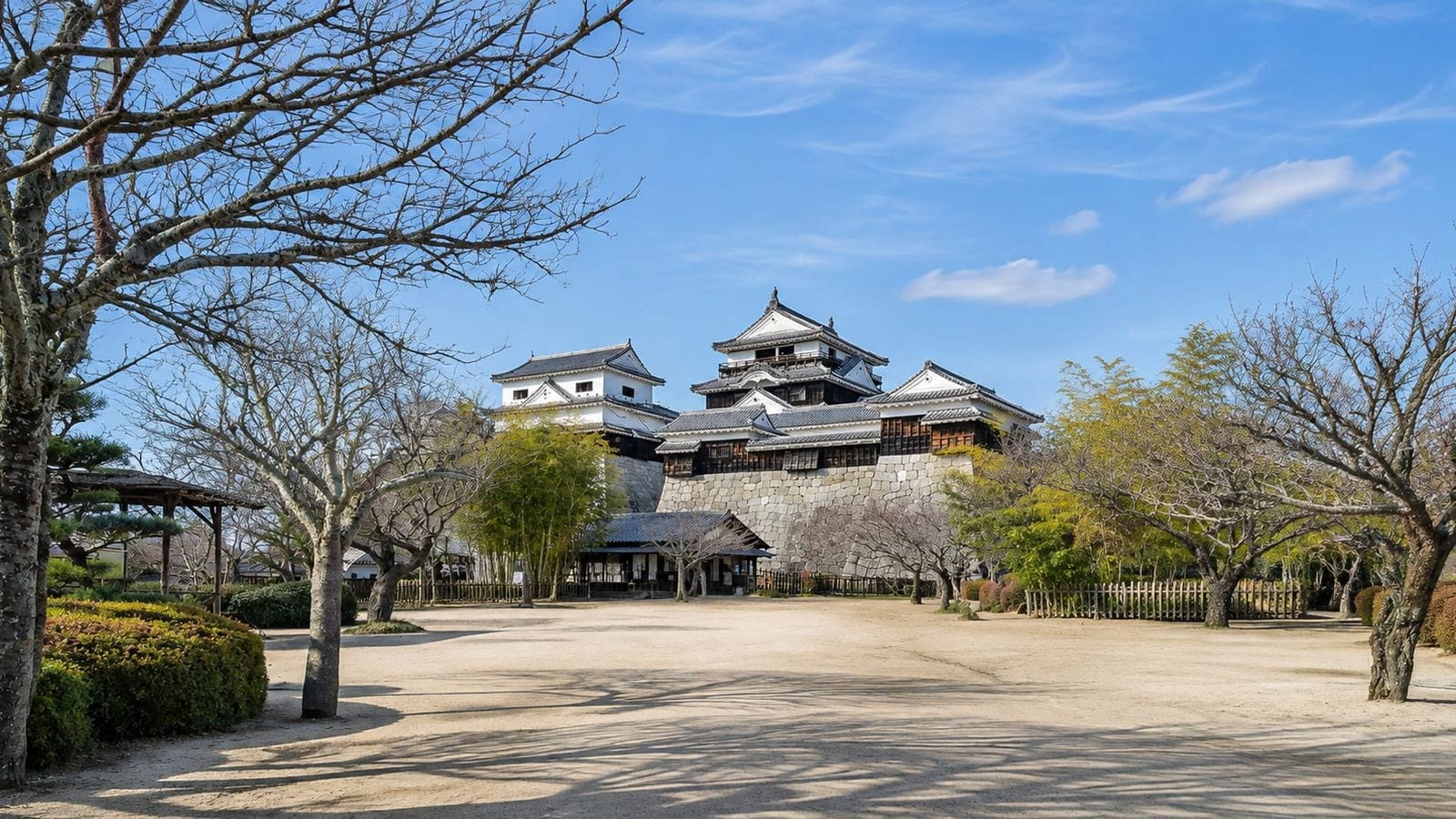
Matsuyama Castle
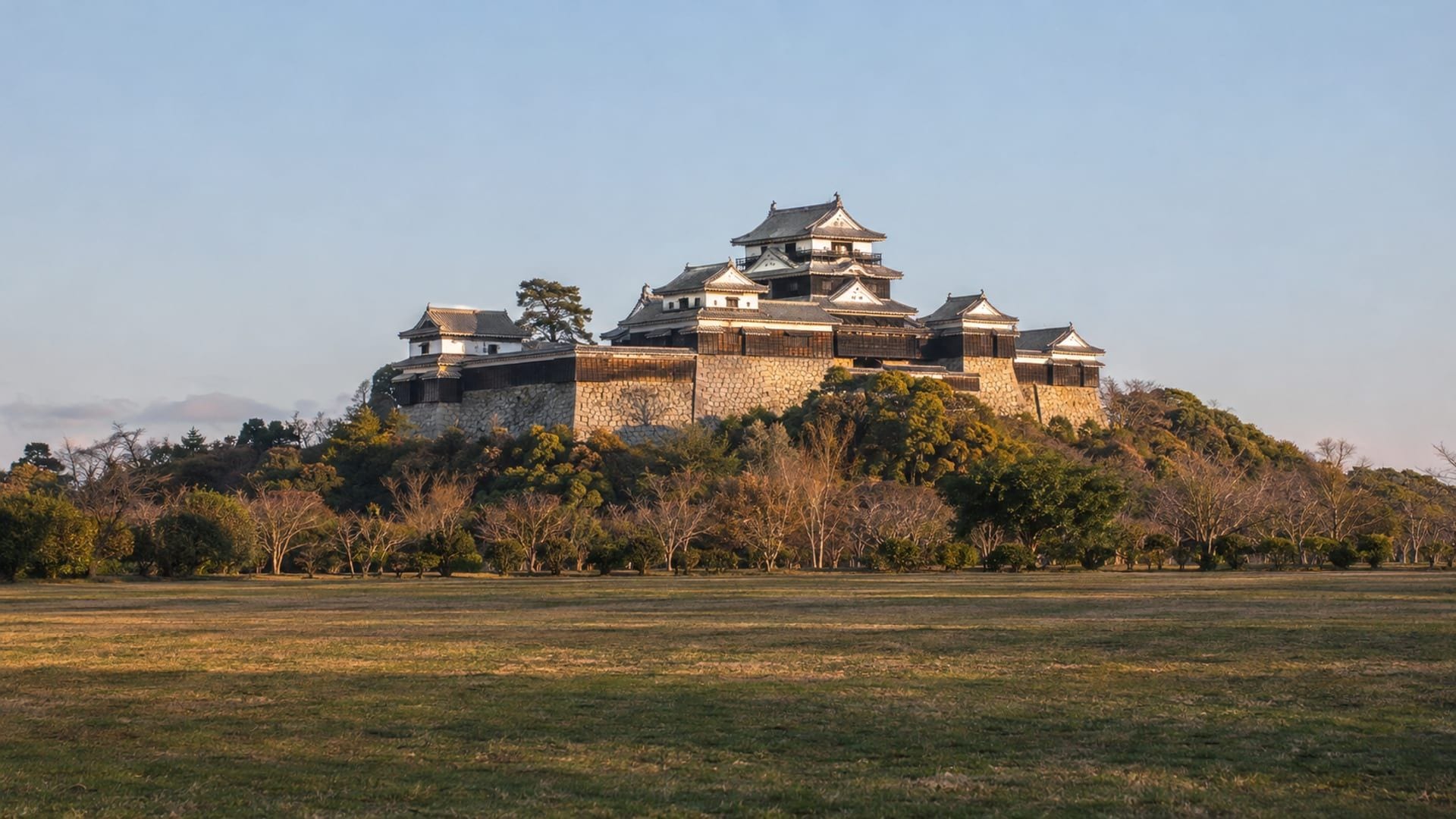
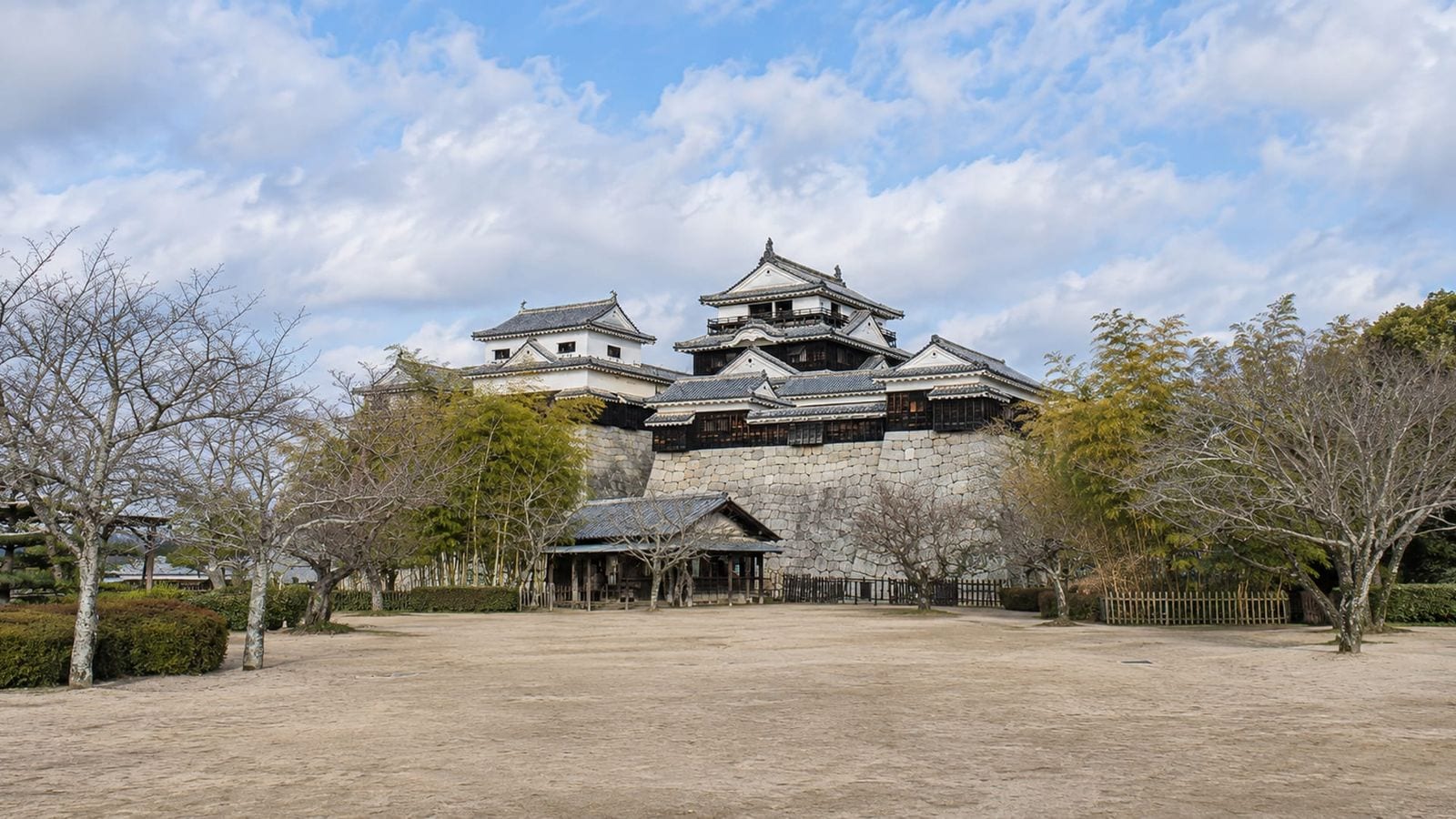
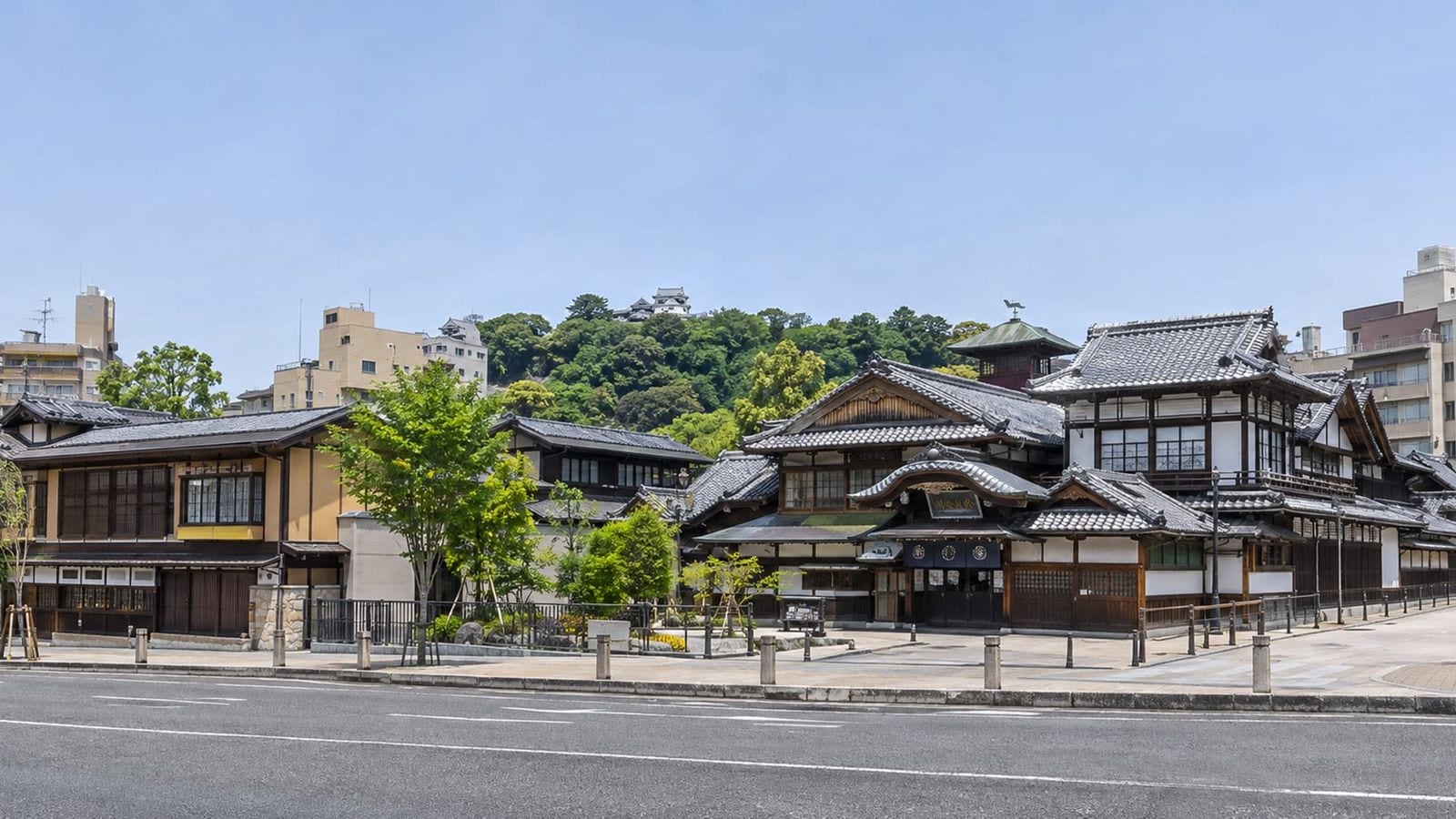
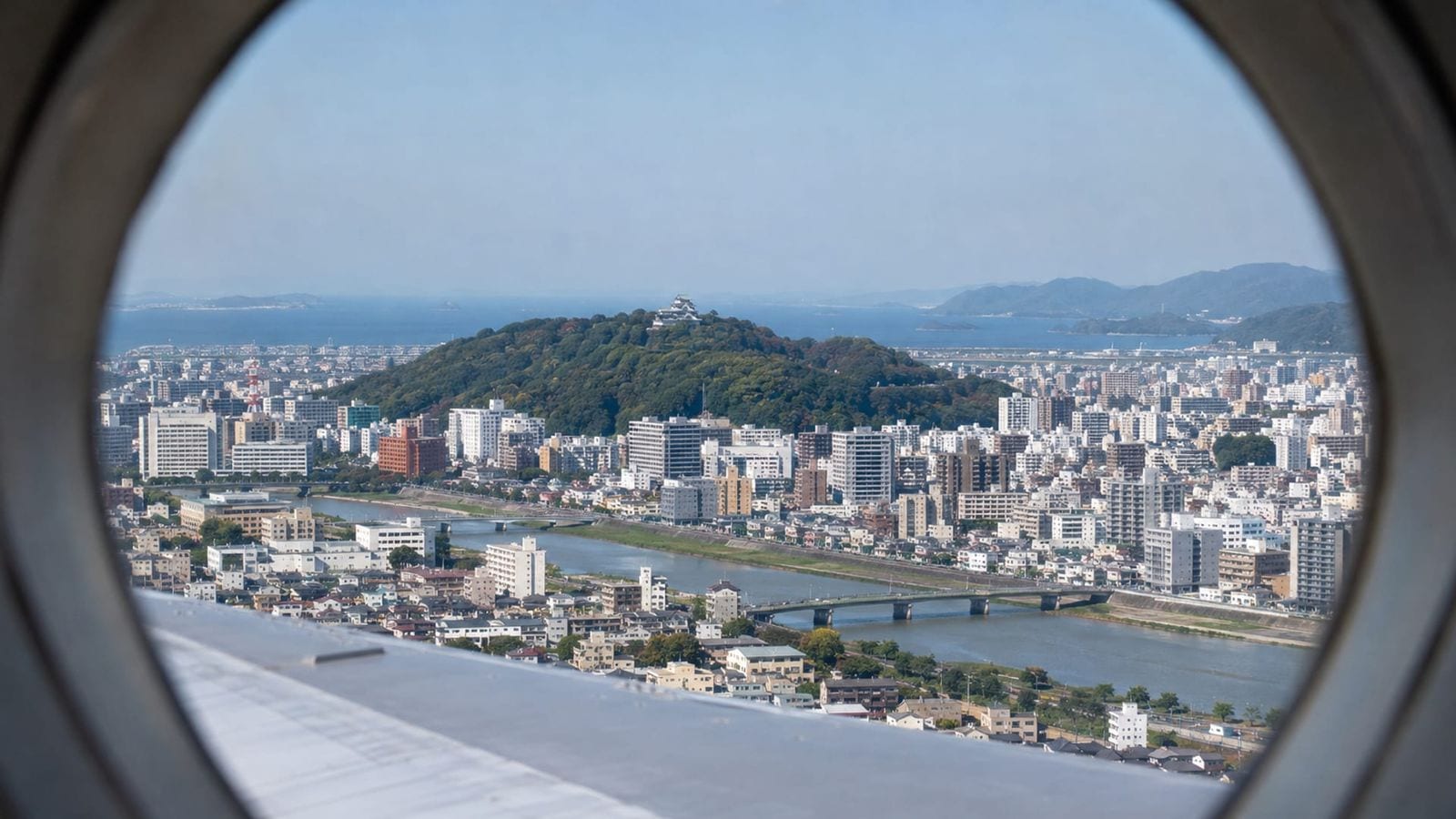
One of Japan’s twelve surviving original castles, Matsuyama Castle crowns Mount Katsuyama above the city center. Its interconnected towers, defensive gates, and hilltop grounds reveal how a feudal stronghold controlled the surrounding plain.
Time needed: About 1 to 2 hours
Entry: Low-cost: admission to the main keep
Tip: Take the chairlift only in dry weather; the ropeway offers an enclosed ride.
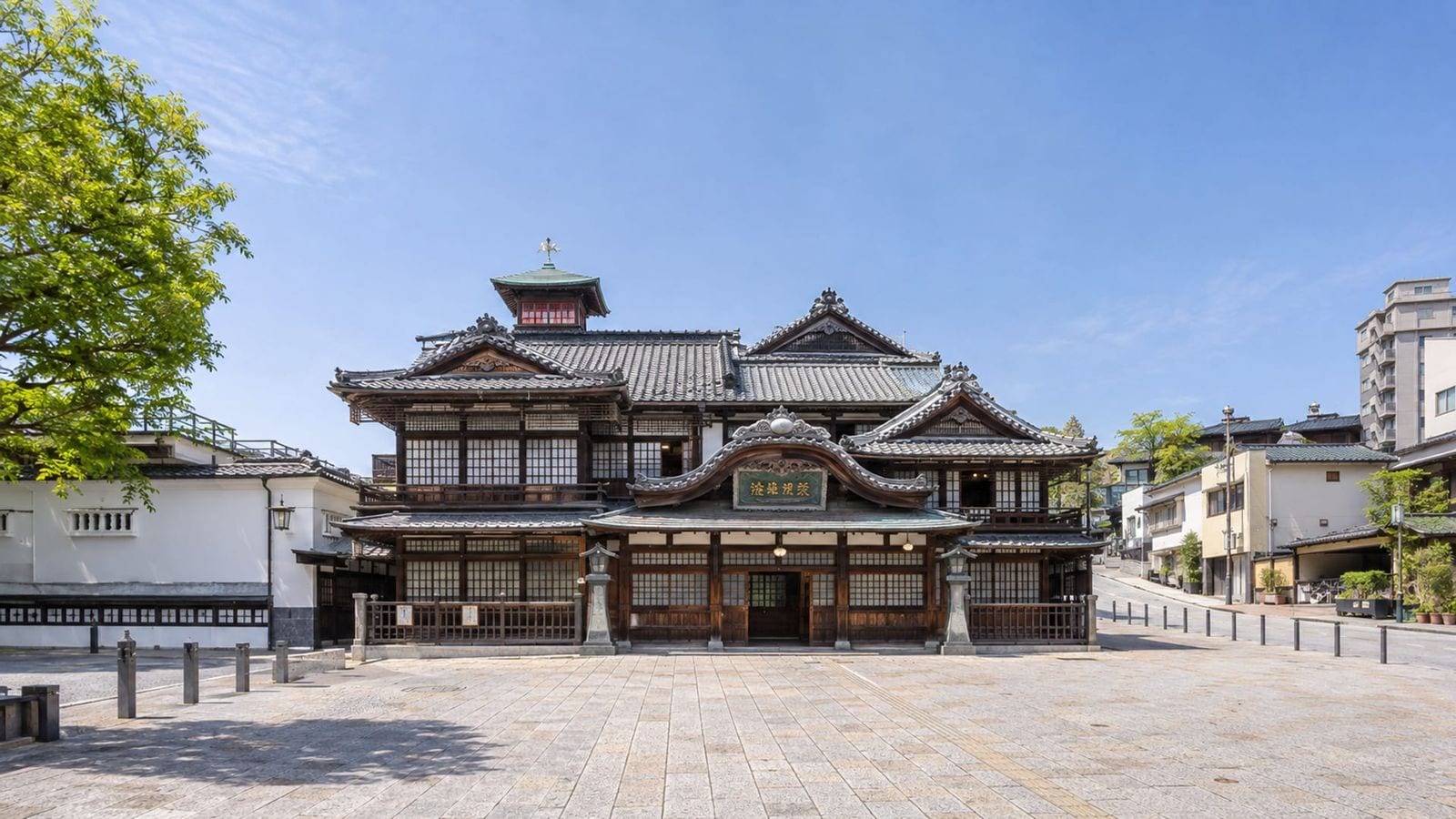
Dogo Onsen Honkan
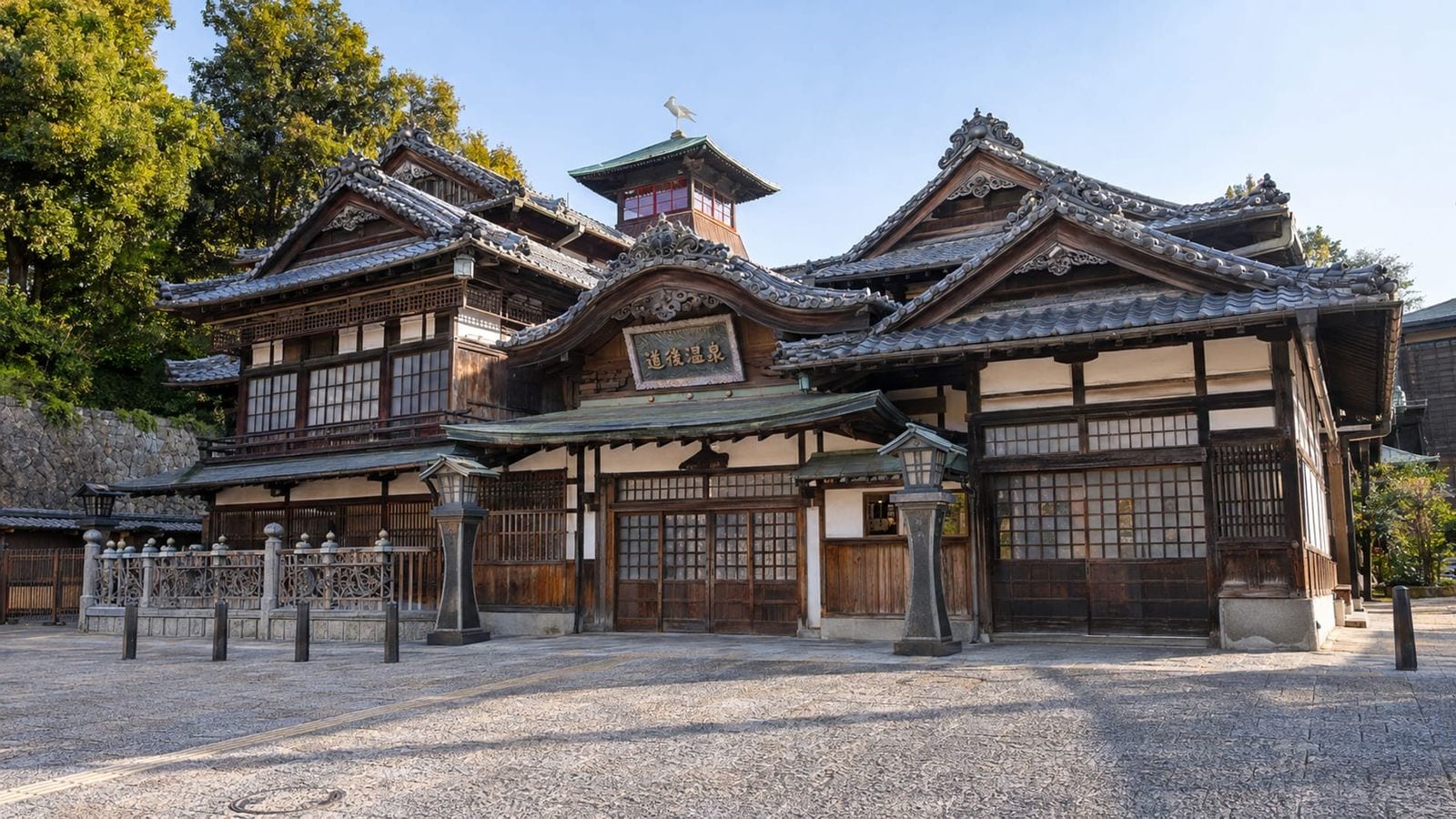
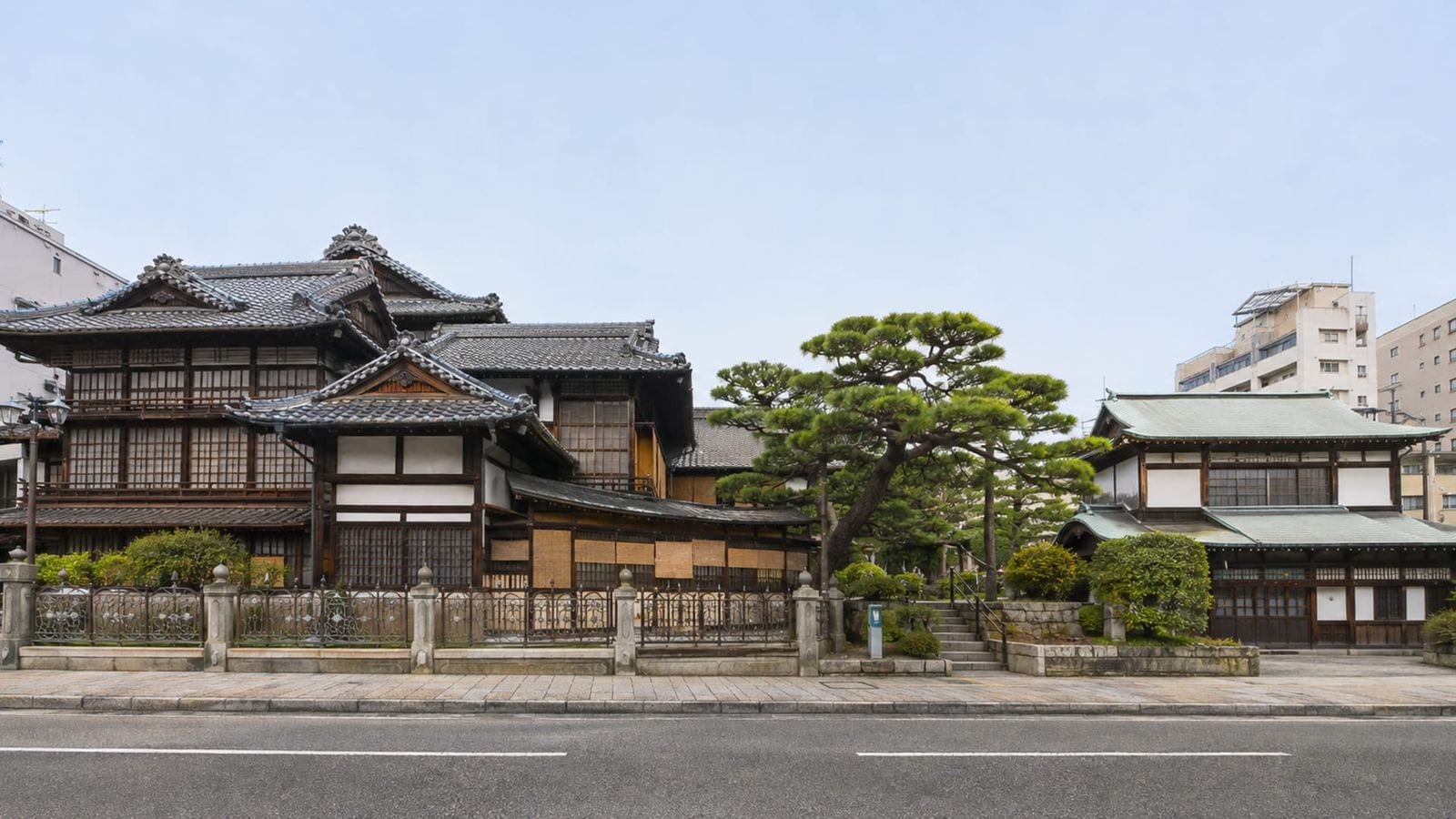
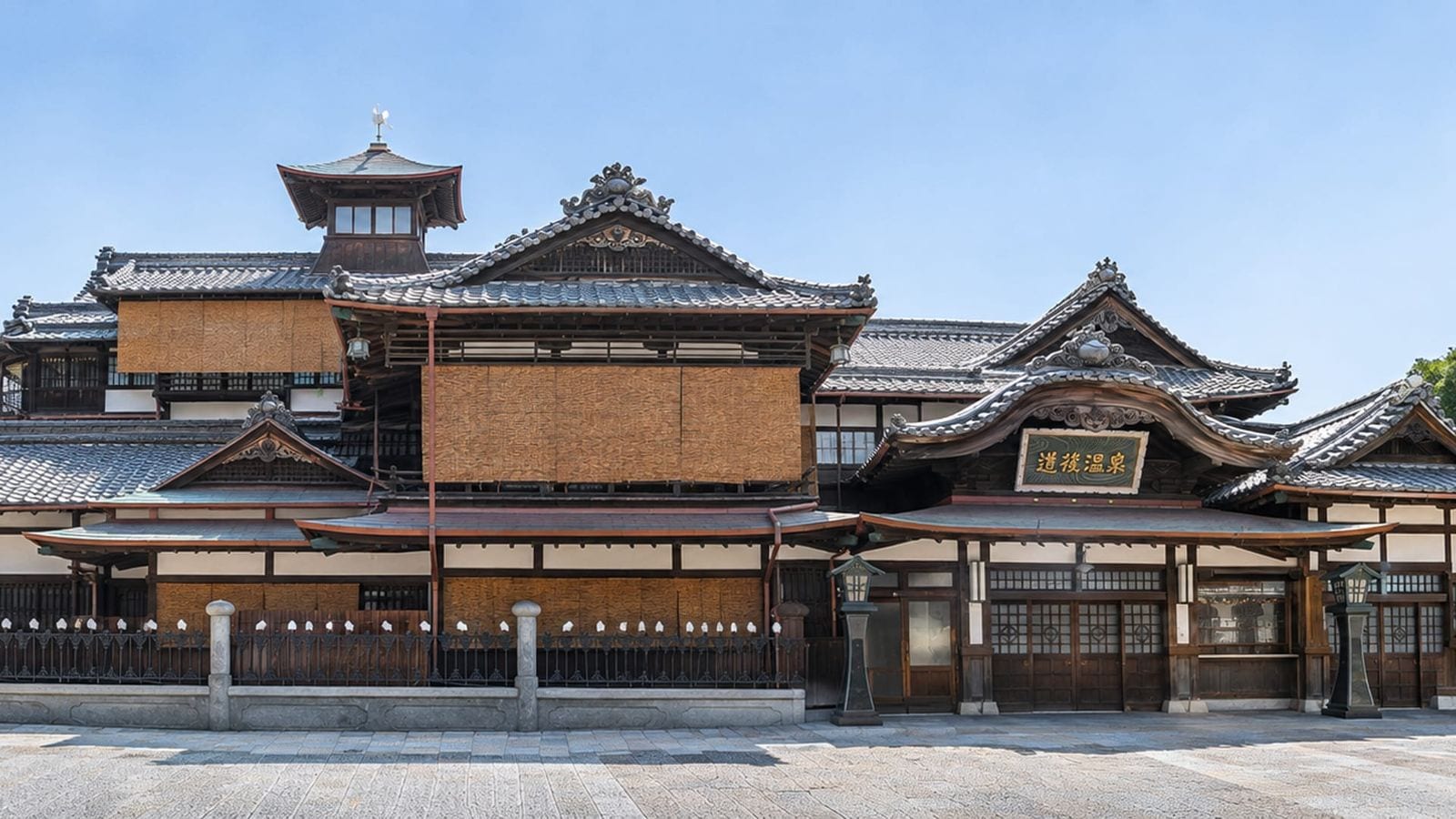
With its tiled roofs and wooden galleries, Dogo Onsen Honkan anchors Matsuyama’s historic hot-spring neighborhood. The public bathhouse dates to 1894, and its communal baths let travelers experience the city’s celebrated bathing tradition.
Time needed: About 1 to 2 hours
Entry: Low-cost: admission to the basic bathing course
Tip: Wash thoroughly before entering the hot communal bath at Dogo Onsen Honkan.
Ishiteji Temple
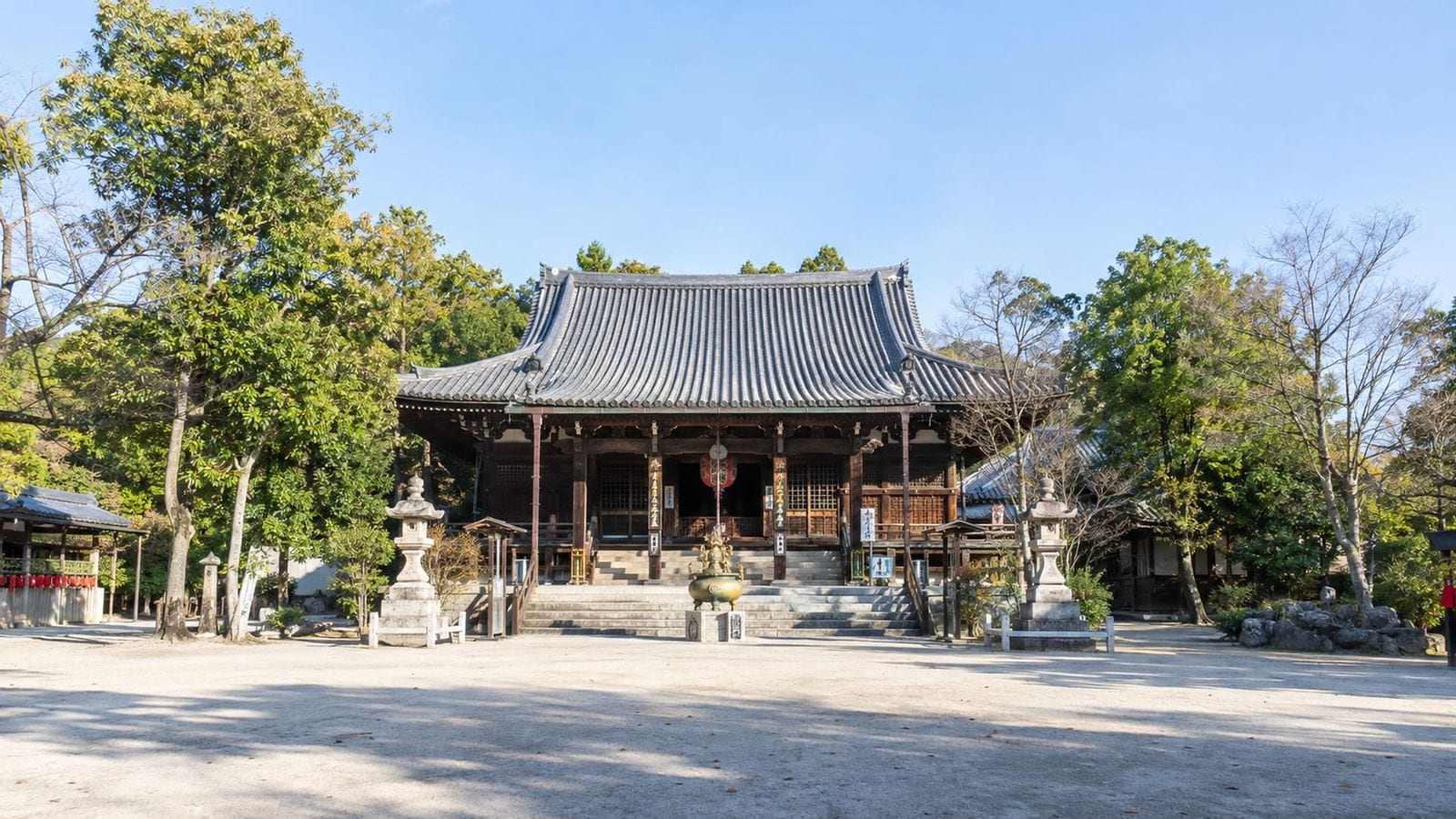
Pilgrims in white robes come to Ishiteji Temple, number 51 on the Shikoku pilgrimage, east of Dogo Onsen. A monumental gate, a three-story pagoda, and incense-filled grounds introduce the Buddhist traditions woven into Matsuyama’s daily life.
Time needed: About 1 to 2 hours
Entry: Free: access to the temple grounds
Tip: From Dogo Onsen, allow about 20 minutes on foot to reach Ishiteji Temple.
Overlooked sites worth visiting

Matsuyama General Park
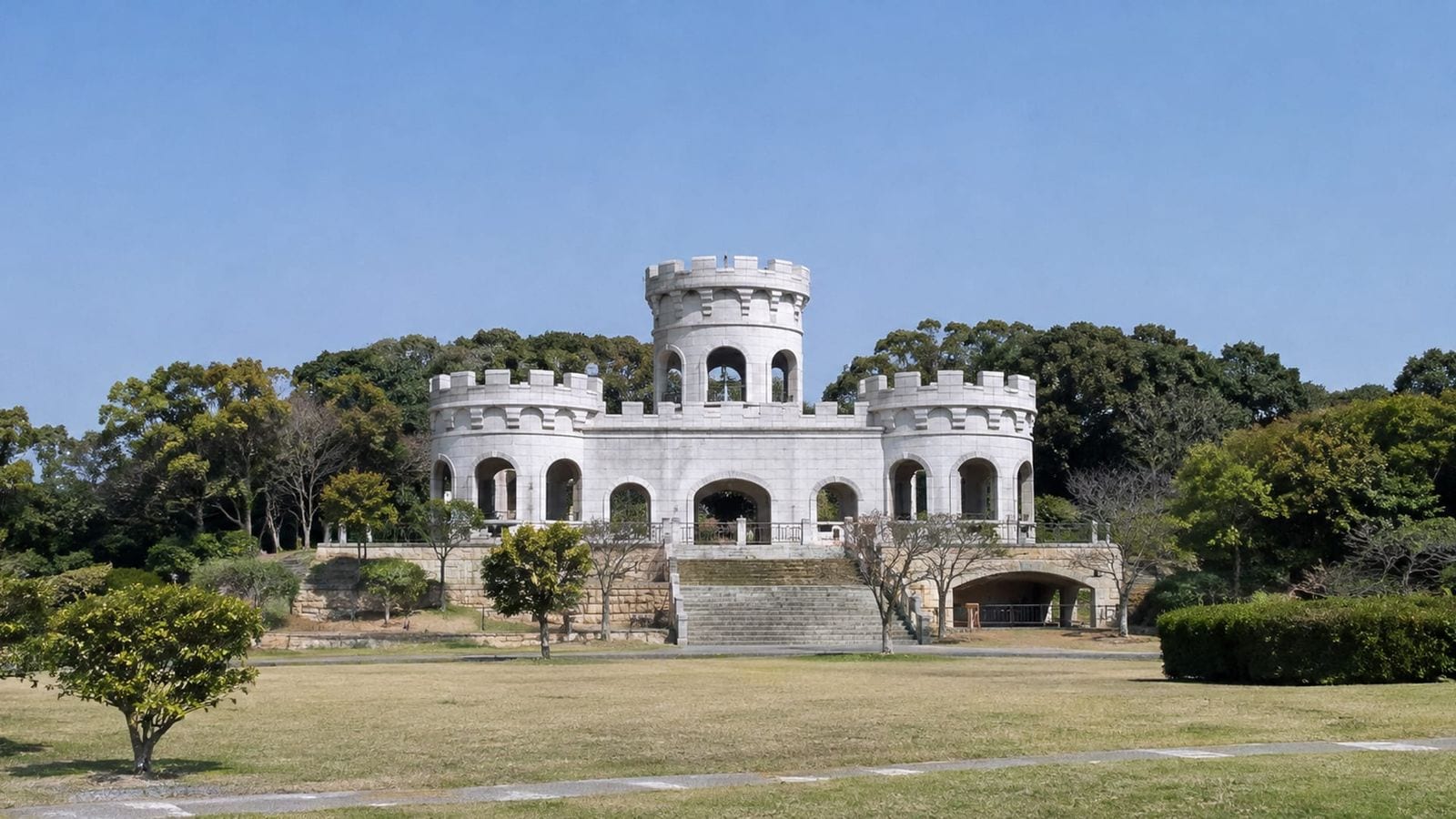
Matsuyama General Park spreads across a hillside with walking paths, lawns, and a European-style observation tower. The grounds offer views across the city toward the Seto Inland Sea.
Time needed: About 1 to 2 hours
Entry: Free to access
Tip: Head to the observation tower for views toward the Seto Inland Sea.

Miurart Village
Miurart Village pairs changing art exhibitions with a sculpture garden in northern Matsuyama. Its galleries introduce a quieter side of the city’s art scene, beyond the museum circuit.
Time needed: About 1 hour
Entry: Low-cost: admission to the art museum
Tip: Allow time for the outdoor sculptures before entering the galleries.
Traditional food
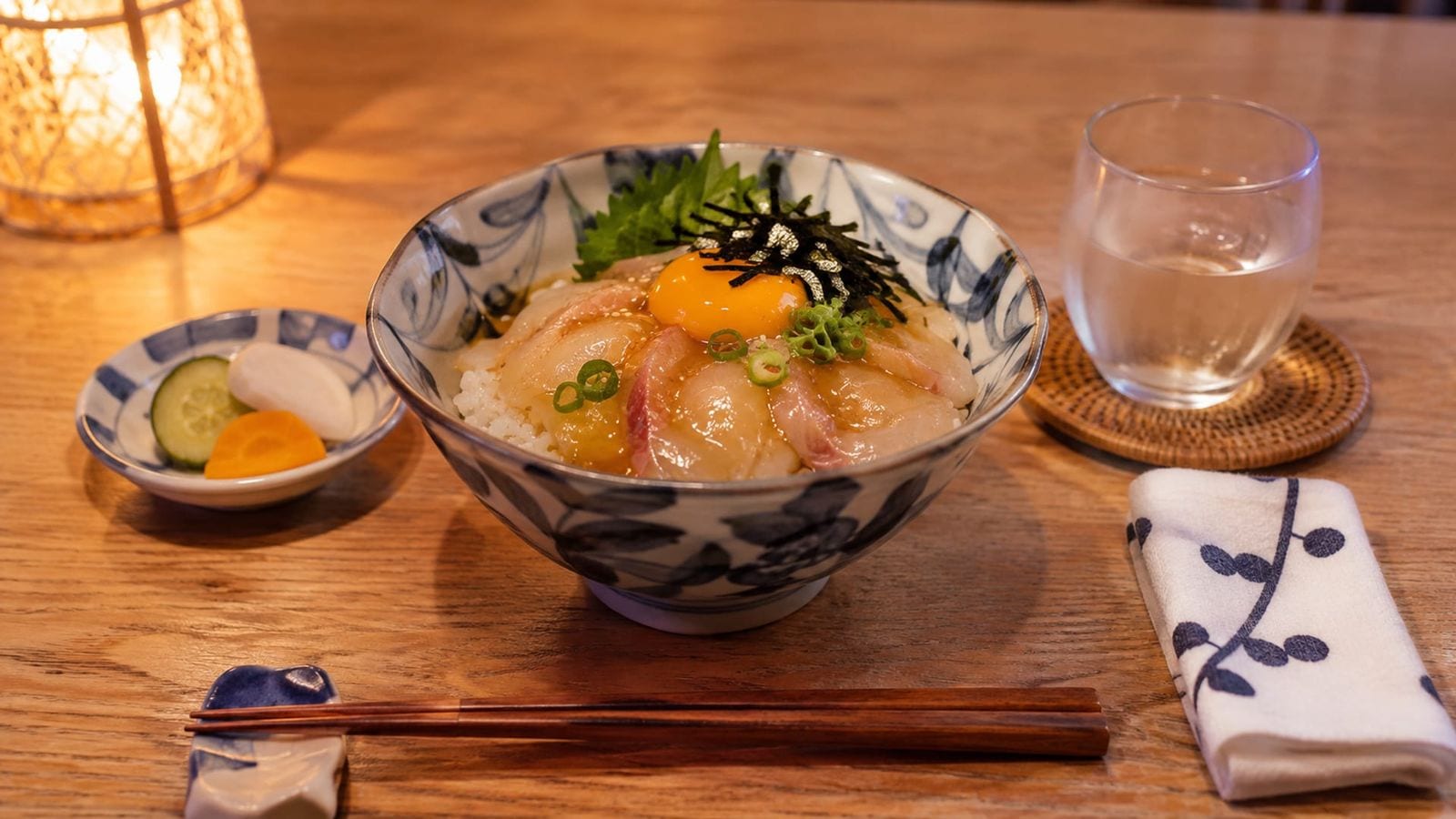
Sea bream, fish cakes, and noodles define Matsuyama’s table. Taimeshi highlights the local taste for seafood, while sweet-savory nabeyaki udon and colorful goshiki somen offer contrasting noodle meals.
Taimeshi
Sea bream gives taimeshi its name; one regional preparation pairs raw slices with egg and seasoned sauce over rice. Try this style at Kadoya Okaido in Matsuyama, where the fish and rice arrive with their accompanying sauce.
Goshiki somen
Five colors distinguish these fine wheat noodles, traditionally tinted with ingredients such as egg and green tea. Goshiki serves its namesake specialty in Matsuyama, offering a chance to taste the city’s colorful noodle tradition.
Nabeyaki udon
Thick wheat noodles cook in a sweet-savory broth with beef and other toppings, arriving in an individual metal pot. Asahi specializes in Matsuyama’s nabeyaki udon, a warming lunch with a notably sweeter broth than many visitors expect.
Jakoten
Ground small fish, including finely crushed bones, become savory fried cakes with a firm texture and concentrated seafood flavor. Order jakoten at Nikitatsuan in Matsuyama as part of a meal featuring regional cooking.
Best time to visit Matsuyama
Spring and fall favor Matsuyama’s castle paths, summer brings heat and rain, and winter gives hot spring bathing a stronger appeal.
Best for: Cherry blossoms at Matsuyama Castle and walks between the city’s historic sights
What you get: Expect 41°F to 75°F (5°C to 24°C), with increasing warmth; cherry blossoms draw crowds to Matsuyama Castle, particularly on clear weekends.
Trade-offs: Cherry blossom weekends and late April to early May holidays bring heavier demand for Dogo Onsen stays.
Best for: Indoor art at Miurart Village and early starts on Matsuyama Castle’s paths
What you get: Temperatures reach 66°F to 91°F (19°C to 33°C); humidity rises, and summer vacation brings families to Dogo Onsen despite the daytime heat.
Trade-offs: June brings seasonal rain; July and August make the exposed castle grounds hot by midday.
Best for: Cooler afternoons for Ishiteji Temple and Matsuyama General Park’s hillside paths
What you get: A range of 46°F to 84°F (8°C to 29°C) spans warm September and cool November; autumn weekends attract visitors to the castle and hot springs.
Trade-offs: September can bring typhoon disruptions; November evenings call for an extra layer after bathing.
Best for: Hot spring bathing at Dogo Onsen Honkan and shorter outings through downtown
What you get: Days and nights span 36°F to 54°F (2°C to 12°C), with fewer sightseeing crowds outside holiday periods; Dogo Onsen draws winter bathers.
Trade-offs: Cold winds can shorten hilltop walks at Matsuyama Castle, and daylight ends earlier.
A realistic 5-day plan in Matsuyama
Five days connect arrival in Ichibancho with castle architecture, Dogo Onsen bathing, temple grounds, and northern Matsuyama’s art. Place the park and Miurart Village outing on Wednesday through Sunday.
From Matsuyama Airport (MYJ), take an airport limousine bus to Ichibancho, allowing 35 to 45 minutes and ¥900 to ¥1,200 ($6 to $8). Check into your hotel, then walk 10 to 15 minutes south to Sanbancho for a light dinner of noodles before returning to your room.
Matsuyama Castle fills the morning with original towers, defensive gates, and views toward the Seto Inland Sea. Allow two hours, then walk downhill for 20 to 30 minutes to Bansuiso for its French-style architecture and interiors. Schedule Bansuiso for Tuesday to Sunday, 9 am to 6 pm.
A tram ride of 20 to 25 minutes from Ichibancho brings you to Dogo Onsen. Start with a bath at Dogo Onsen Honkan, allowing 90 minutes and washing thoroughly before entering the communal water. After lunch in Dogo Onsen, walk about 20 minutes east to Ishiteji Temple for its monumental gate and three-story pagoda.
Across western and northern Matsuyama, pair Matsuyama General Park with Miurart Village on a Wednesday to Sunday. Spend two hours exploring the park’s hillside paths and observation tower, then take a taxi north, allowing 30 to 40 minutes. Miurart Village opens 9:30 am to 5 pm; allow 90 minutes for its sculptures and galleries.
Before departure, spend an hour browsing shops in Ichibancho and having coffee near your hotel. Collect your bags there, then take an airport limousine bus to Matsuyama Airport (MYJ), allowing 35 to 45 minutes for the journey and additional time for traffic before your flight.
Business-class flights from the US to Matsuyama
The New York and Los Angeles examples connect through Tokyo (HND) before the final flight to Matsuyama (MYJ).
From New York, a one-stop journey through Tokyo (HND) to Matsuyama (MYJ) takes 17 to 22 hours. Round-trip fares range from $5,500 to $10,000, with All Nippon Airways and Japan Airlines listed for this route.
Los Angeles travelers reach Matsuyama (MYJ) with a connection in Tokyo (HND), allowing 14 to 19 hours for the journey. All Nippon Airways and Japan Airlines are the listed airlines; round-trip fares range from $4,500 to $9,000.
Matsuyama feels different when you slow down
A Matsuyama trip can give the castle a full morning, reserve another for bathing at Dogo Onsen Honkan, and leave an afternoon for Ishiteji Temple. Ichibancho keeps downtown meals and the castle approach close, while trams carry you to Dogo Onsen and a taxi extends the journey to Miurart Village. Add taimeshi or a pot of nabeyaki udon between outings. Ask AranGrant experts to shape your flights around spring castle walks or a fall stay near Dogo Onsen’s baths