

Chapters:

Need help with your trip?
Our support team is available 24/7. Request a callback or call us directly at (833) 619-0908
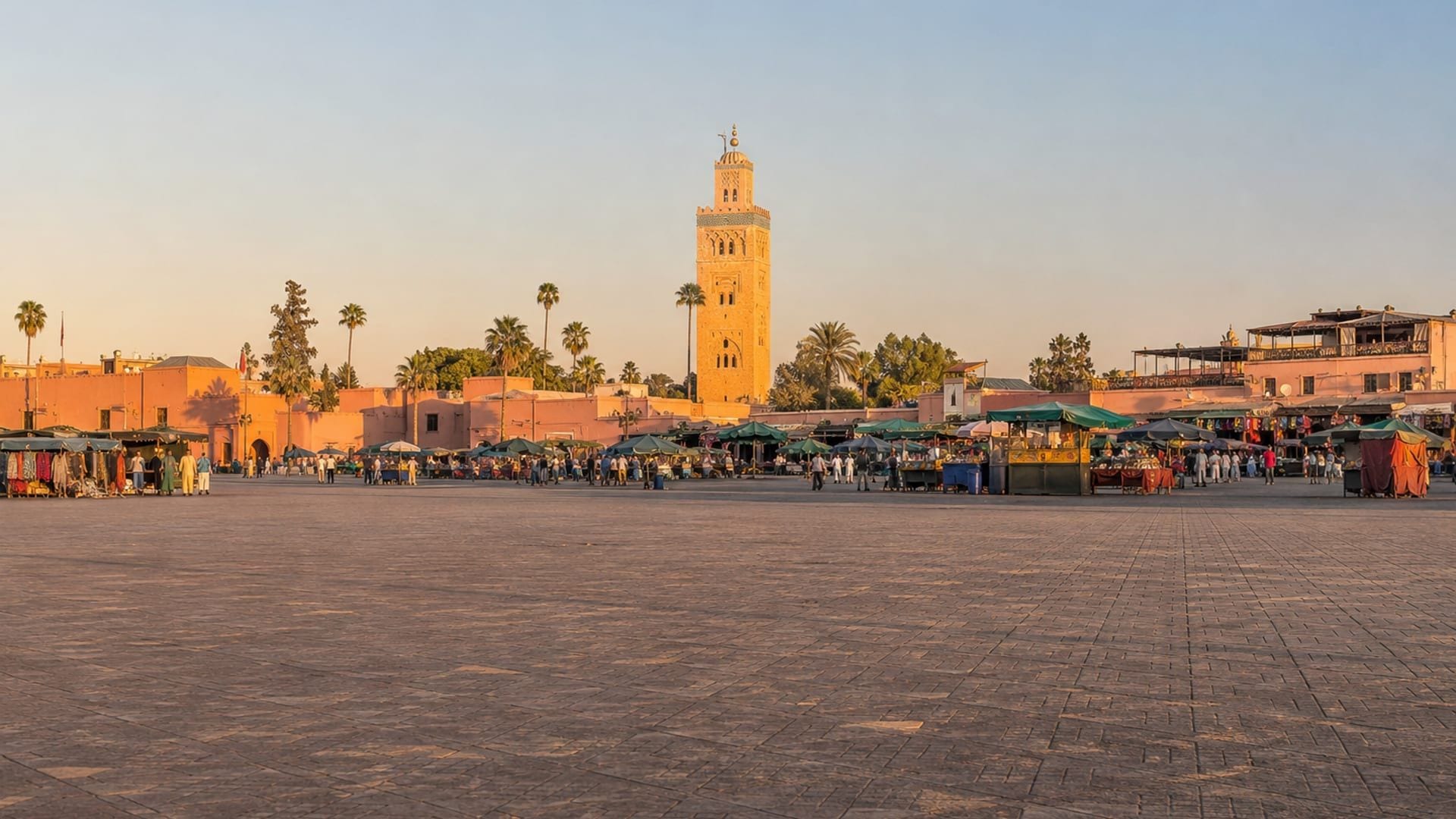
Marrakesh draws visitors into a city of terracotta walls, tiled courtyards, palm-lined avenues, and souks filled with spices and woven textiles. Inside the medina, Jemaa el-Fnaa changes throughout the day as juice sellers, musicians, and evening crowds take over the square. Nearby palaces and gardens reveal a quieter side of the city through carved cedar, zellige tilework, shaded paths, and carefully restored interiors.
This guide walks you through a five-day stay in Marrakesh, from choosing the right neighborhood and navigating the city to exploring historic landmarks, sampling Moroccan dishes, and selecting the most comfortable season for your trip.
Useful things to know

Main language(s): Arabic, French
Salam (sah-LAHM) – Hello
Min fadlak (min FAD-lak) – Please
Shukran (SHOOK-ran) – Thank you
Tatakallam al-ingliziya? (ta-ta-KA-lam al-in-gli-ZEE-ya) – Do you speak English?
Bkam hadha? (b-kam HA-dha) – How much does it cost?

Currency: Moroccan dirham (MAD, د.م.)

Cash and cards: Large hotels, established restaurants, and many shops accept cards. Carry MAD 200–MAD 400 ($20–$40) for souks, small cafés, tips, and taxi fares.

Tipping: Round up smaller bills or leave 5%–10% in restaurants when service is not included.

Traditional food: Tagine, couscous, pastilla, and harira

Water and coffee costs: Bottled water generally costs MAD 10–MAD 15 ($1–$1.60). An espresso in a central café is commonly MAD 15–MAD 25 ($1.60–$2.70).

Taxis and ride apps: Careem and inDrive operate in Marrakesh, although driver coverage may vary. Confirm the vehicle and fare before entering.

Plug and voltage: Type C/E socket, 220V

Dining and shop opening hours: Cafés often serve breakfast from 7:00 am to 10:00 am. Lunch commonly begins between 12:30 pm and 3:00 pm, while dinner service usually starts at 7:30 pm.

Emergency number: Call 19 for police and 15 for an ambulance or the fire department.
Where to stay in Marrakesh
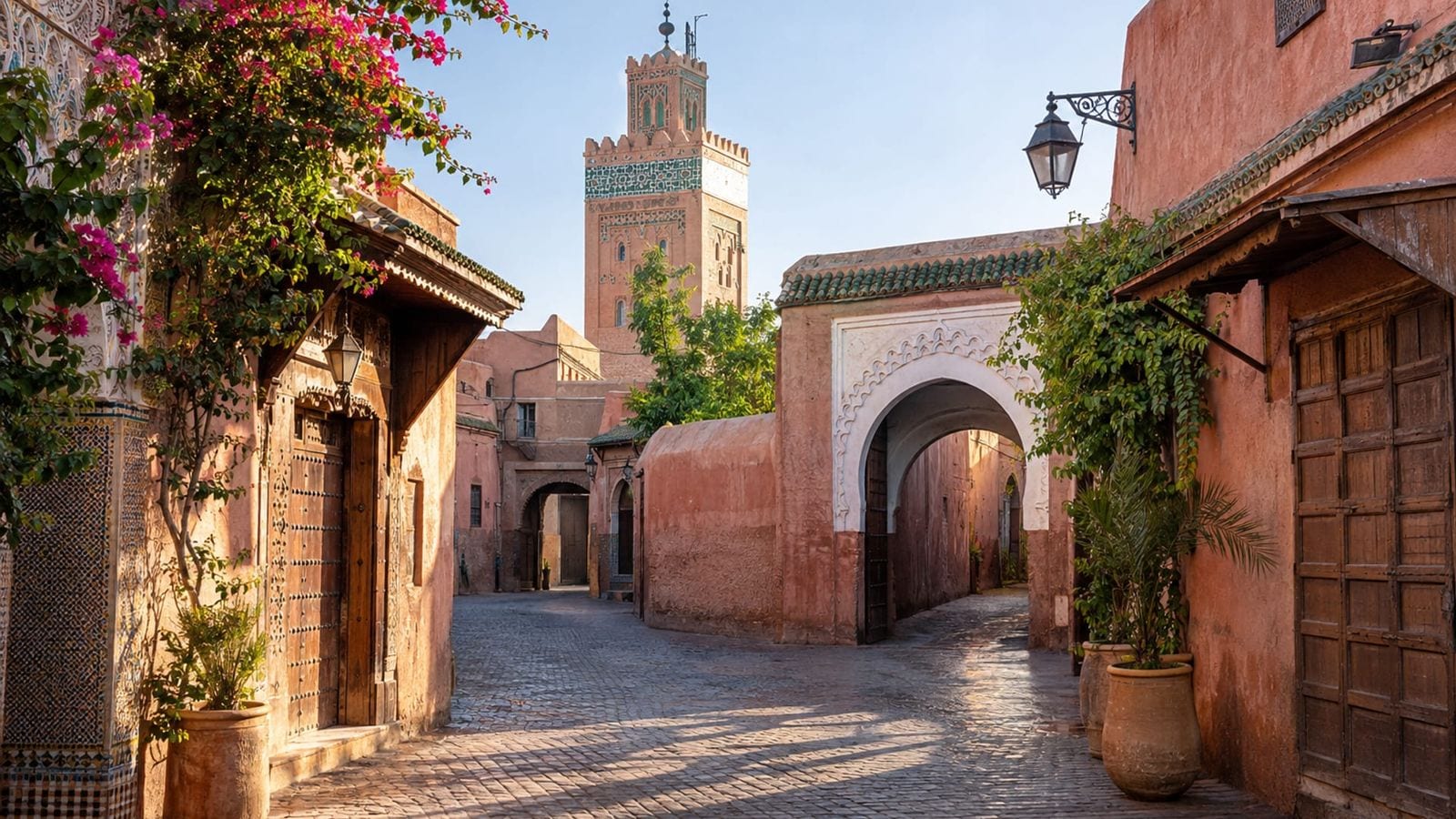
The Medina forms Marrakesh’s historic center, enclosed by reddish walls and filled with riads, souks, mosques, workshops, and narrow pedestrian lanes. Jemaa el-Fnaa, Koutoubia Mosque, and many of the city’s most visited landmarks are within walking distance.
Best for: First-time visits, historic sights, souks, and traditional riads
What to expect: Narrow lanes, dense pedestrian traffic, market stalls, motorcycles, and lively evenings near the main square
Hotel prices: Rooms in popular riads and hotels generally cost MAD 900–MAD 2,500 ($100–$270) per night.
Distance to major sights: Jemaa el-Fnaa and Koutoubia Mosque are commonly 5 to 15 minutes away on foot, depending on the riad’s location.
Quietness: Streets near the square are active late into the evening, while smaller residential lanes become quieter after shops close.
Main trade-off: Vehicles cannot reach many properties, so arrivals may include a walk through busy lanes with luggage.
Good to know: Ask your riad for a precise meeting point and luggage assistance before arrival.
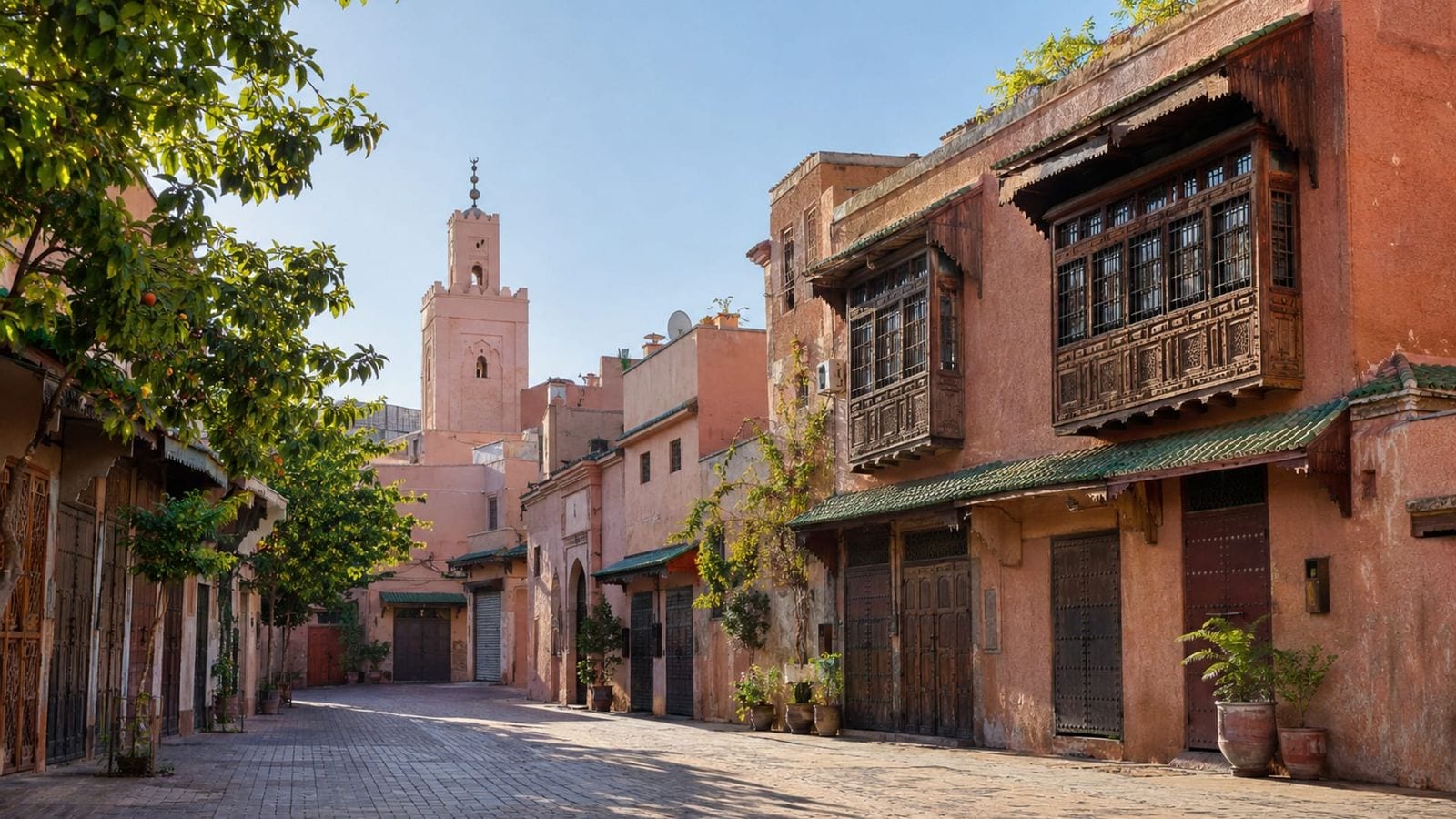
The Mellah is Marrakesh’s historic Jewish quarter, located south of Jemaa el-Fnaa near Bahia Palace, El Badi Palace, and the spice market. Its wider streets and more accessible taxi points make arrivals easier than in the deepest parts of the medina.
Best for: Palace visits, historic streets, market access, and shorter walks
What to expect: Local shops, palace visitors, spice stalls, residential streets, and steady daytime activity
Hotel prices: Nightly rates typically range from MAD 800–MAD 2,200 ($90–$240).
Distance to major sights: Bahia Palace is within the district, while Jemaa el-Fnaa generally takes 10 to 20 minutes to reach on foot.
Quietness: The main streets are busy during the day but usually become calmer after dinner.
Main trade-off: Navigation can still be confusing, and some streets become crowded around palace opening times.
Good to know: Properties near a recognized gate or main road offer more convenient taxi pickups after dark.
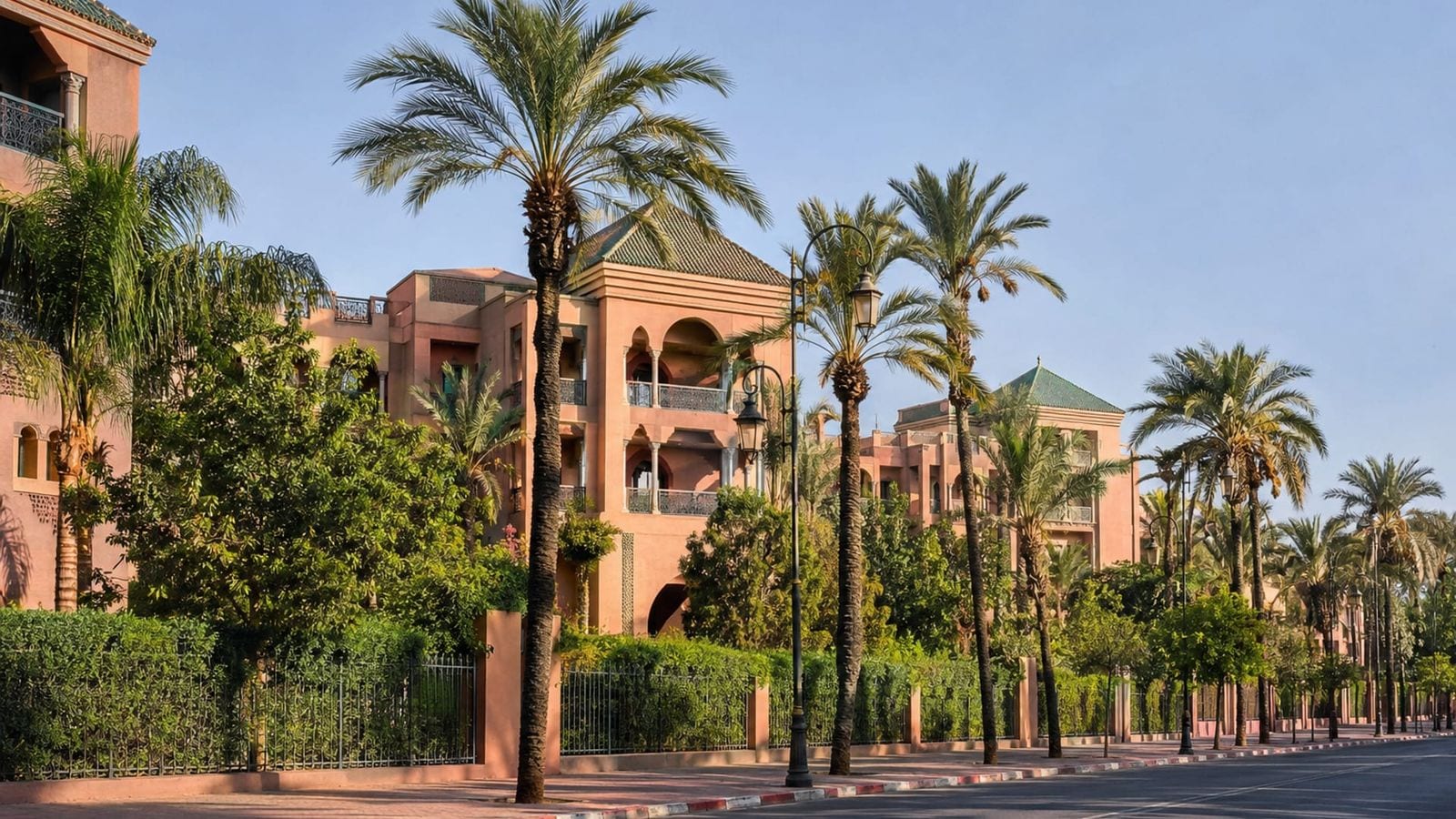
Hivernage is a modern hotel district west of the medina, with large properties, restaurants, lounges, landscaped avenues, and easier vehicle access. The neighborhood appeals to travelers who prefer full-service hotels and more spacious rooms.
Best for: Larger hotels, evening dining, convenient car access, and leisure stays
What to expect: Broad roads, hotel entrances, restaurant terraces, taxis, and active nightlife around selected venues
Hotel prices: Expect to pay MAD 1,200–MAD 3,500 ($130–$380) per night at many established hotels.
Distance to major sights: Jemaa el-Fnaa generally takes 10 to 20 minutes by taxi, while Koutoubia Mosque is approximately 20 to 30 minutes away on foot.
Quietness: Residential and hotel streets are quiet during the day, while areas near restaurants and clubs become livelier after dark.
Main trade-off: Most medina attractions require a taxi ride or a longer walk.
Good to know: Choose Hivernage if you want easier luggage handling, larger facilities, and a quieter return after sightseeing.
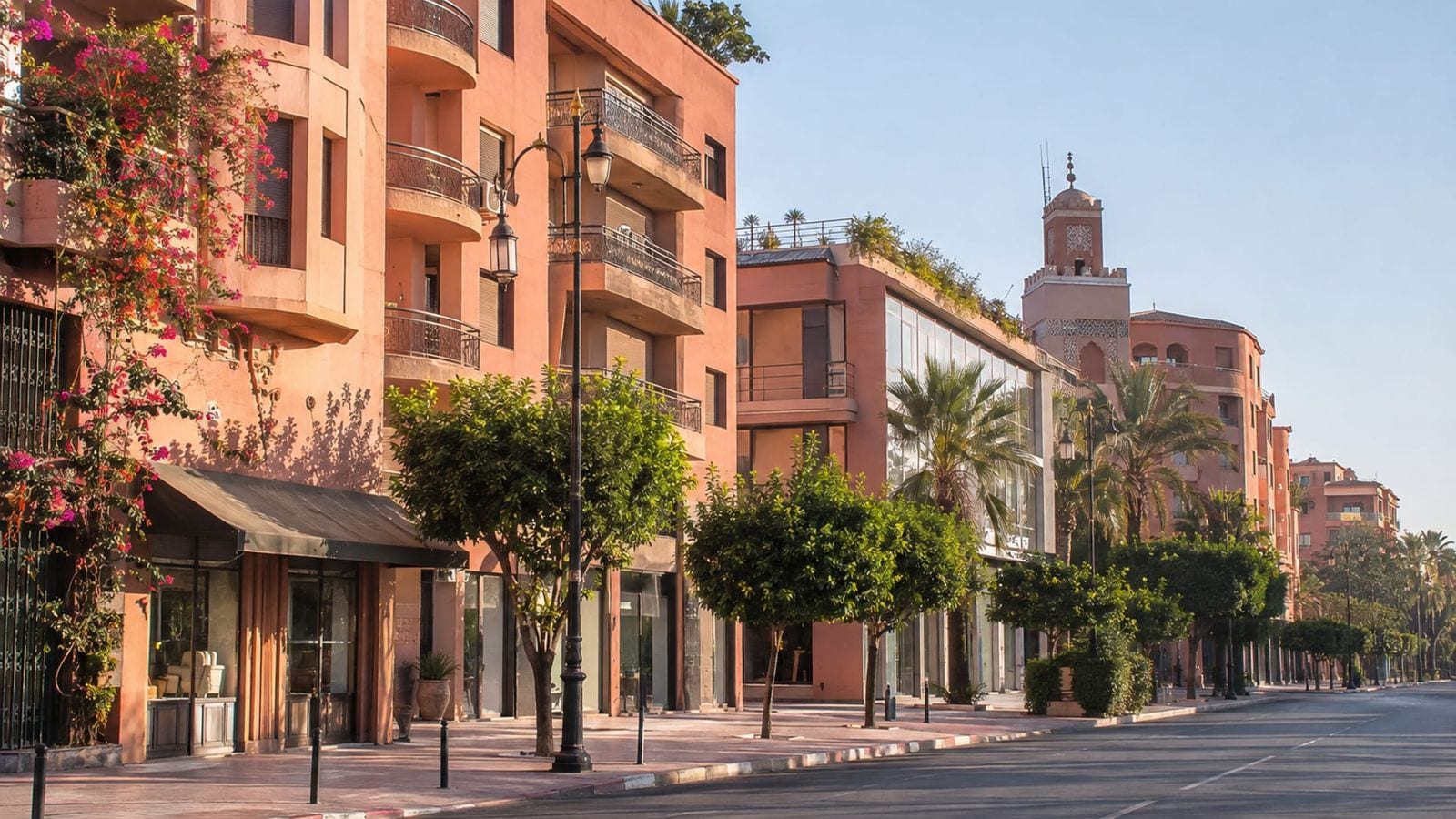
Gueliz is Marrakesh’s modern downtown, developed during the French Protectorate and known for cafés, shops, galleries, offices, and the city’s main railway station. Its wider streets and fixed-price businesses provide a different experience from the medina.
Best for: Shopping, cafés, train access, modern hotels, and longer stays
What to expect: Busy avenues, contemporary restaurants, office traffic, boutiques, and a more local weekday atmosphere
Hotel prices: Hotels in Gueliz commonly charge MAD 700–MAD 2,000 ($80–$210) per night.
Distance to major sights: Jemaa el-Fnaa usually takes 15 to 25 minutes by taxi, while Marrakesh railway station is 5 to 15 minutes away, depending on the property.
Quietness: Side streets are quieter than the main avenues, although road traffic remains noticeable through the evening.
Main trade-off: The souks, palaces, and medina atmosphere are far away from the hotels.
Good to know: Gueliz is particularly convenient if you plan to travel by train or want cafés and shops within an easy walk.
Sidi Youssef Ben Ali, Aïn Itti, and outer parts of Hay Mohammadi require longer journeys to the medina and principal landmarks. Hotels near Route de Casablanca may suit business travelers, but they are less convenient for a sightseeing-focused visit.
Hotel deals
Getting around Marrakesh
Much of the medina is pedestrianized, while journeys to Gueliz, Hivernage, and the airport require road transportation.

Public bus
for inexpensive journeys between central districts
City buses connect the medina with Gueliz, Hivernage, the airport area, and other parts of Marrakesh. Tickets generally cost MAD 3–MAD 6 ($0.30–$0.60) and are usually purchased on board with small change. Travel times commonly range from 15 to 40 minutes, depending on traffic, stops, and the route.

Calèche
for a scenic journey around the walls or Palmery
Marrakesh’s horse-drawn carriages usually accommodate up to five passengers. Drivers commonly charge MAD 150–MAD 200 ($16–$20) per hour, although the final amount depends on the route and length of the ride. Popular routes follow the city walls, Hivernage avenues, or parts of the Palmery.

Taxi
for airport transfers and direct trips
Petit taxis handle journeys within Marrakesh, while larger vehicles may be used for airport transfers and destinations outside the city. Central trips cost MAD 20–MAD 60 ($2–$6), with higher prices possible late at night. Confirm that the meter is running or agree on the fare before departure.
*Prices are based on rates updated as of July 2026 and may change at the time of travel.
Walk inside the medina, use buses for inexpensive journeys to Gueliz or Hivernage, and choose taxis or ride apps for attractions beyond comfortable walking distance.
Iconic places in Marrakesh
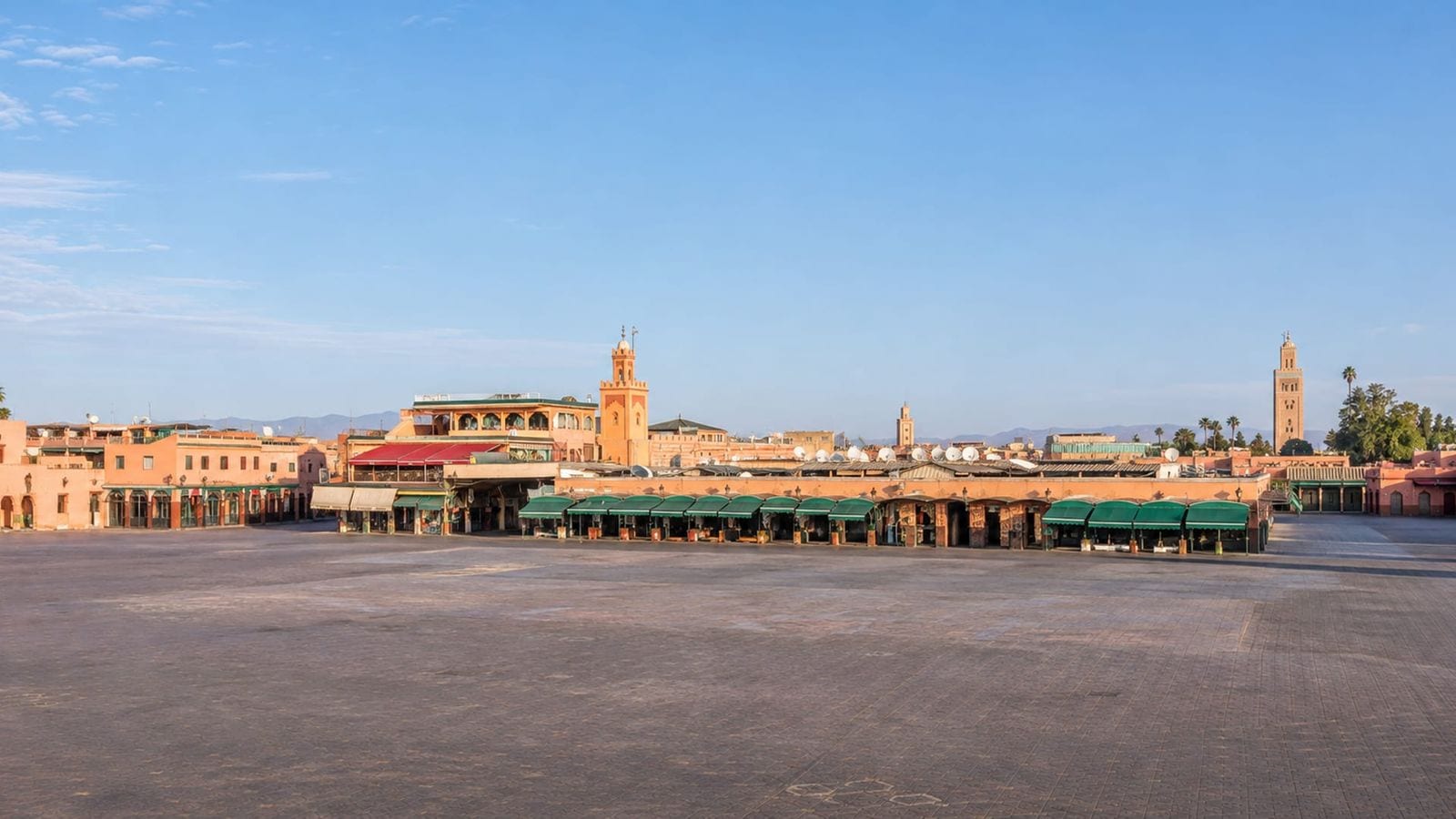
Jemaa el-Fnaa
Jemaa el-Fnaa has shaped public life in Marrakesh for centuries and is the medina’s most recognizable gathering place. During the day, juice sellers, herbalists, performers, and market vendors spread across the square.
Time needed: 1 to 2 hours
Entry: Free to access
Tip: View the square from a rooftop before walking through the food stalls after sunset.
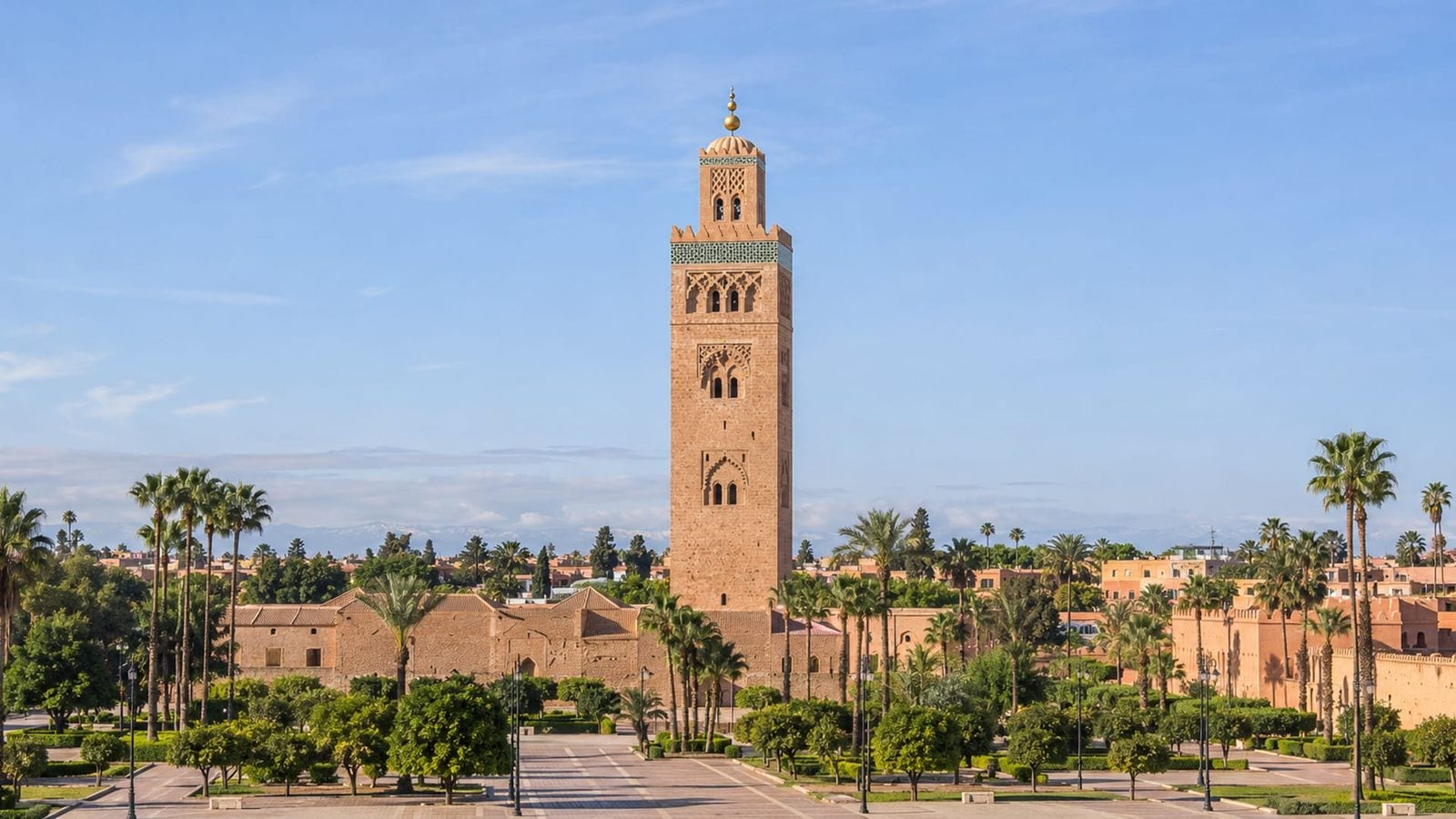
Koutoubia Mosque
Koutoubia Mosque, completed during the 12th century under the Almohad dynasty, is known for its 253-foot (77-meter) minaret, geometric stonework, and decorative arches. Non-Muslims cannot enter the prayer hall, but the exterior, plaza, and nearby gardens provide clear views of the monument.
Time needed: 30 to 45 minutes
Entry: The exterior and gardens are free to visit.
Tip: Visit shortly before sunset, when warmer light brings out the tower’s stone details.
Bahia Palace
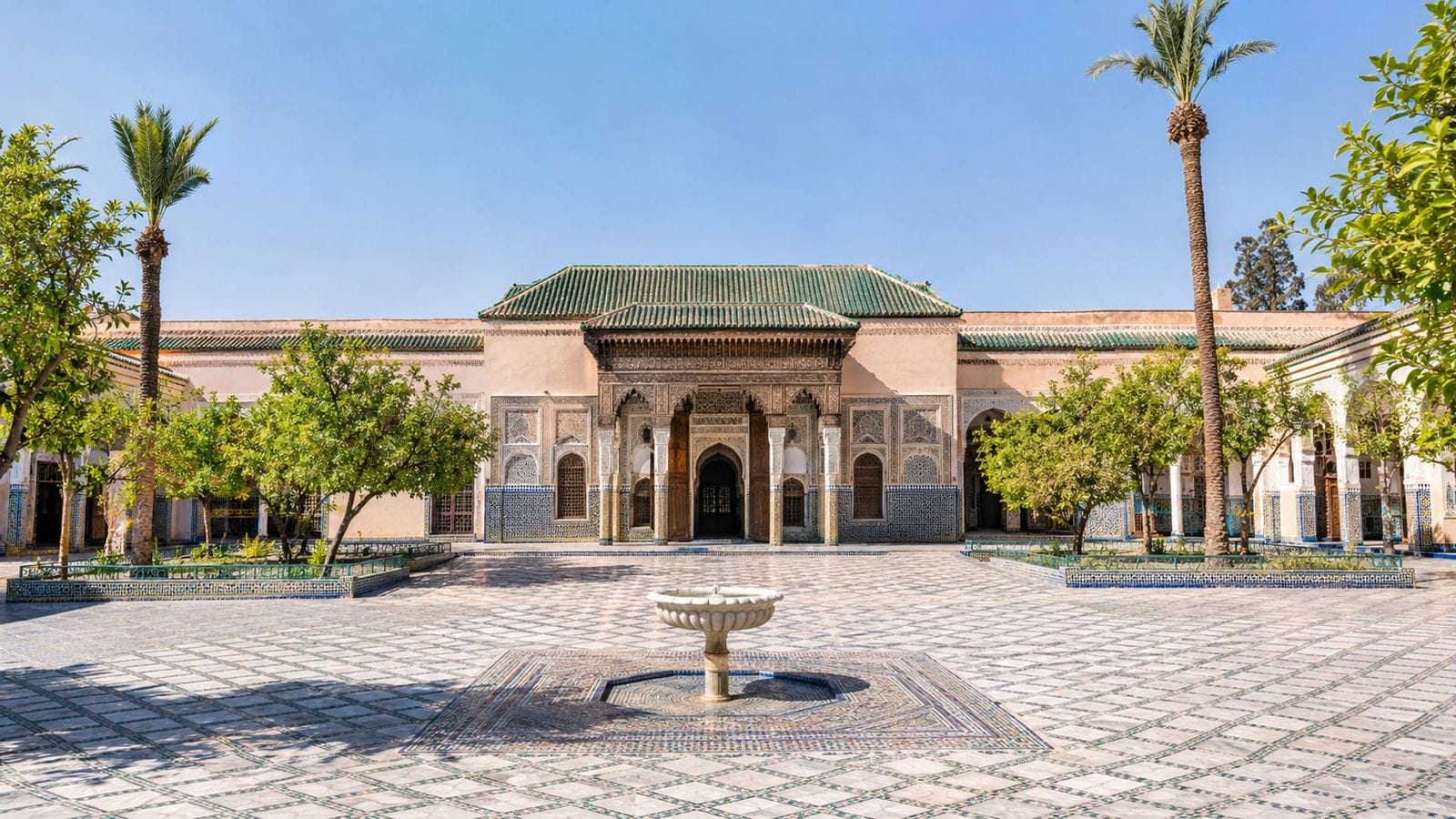
Bahia Palace was created during the late 19th century for Grand Vizier Si Moussa and later expanded by his son, Ba Ahmed. The palace attracts visitors with zellige floors, painted cedar ceilings, carved stucco, marble courtyards, and rooms arranged around gardens planted with citrus and jasmine.
Time needed: 1 to 2 hours
Entry: Adult admission generally costs MAD 70–MAD 100 ($8–$11). Visit the official site for details.
Tip: Arrive near opening time, before tour groups fill the courtyards and decorated rooms.
Overlooked places in Marrakesh

Secret Garden
Secret Garden occupies a restored riad complex whose origins date to the Saadian period. Reopened after extensive restoration in 2016, it is known for its two stunning courtyards.
Time needed: About 1 to 1.5 hours
Entry: Adult tickets generally cost MAD 100 ($11).
Tip: Visit early in the day, when the narrow paths and shaded seating areas are less crowded.

Marrakech Museum
The building is known for its tiled courtyard, painted cedar ceilings, and enormous metal chandelier suspended above the central hall. Its exhibitions combine Moroccan art and historic objects.
Time needed: Approximately 1 hour
Entry: Adult admission commonly costs MAD 60–MAD 70 ($6.50–$7.50).
Tip: Combine the museum with nearby Ben Youssef Madrasa and the northern souks before lunch.
What to eat in Marrakesh
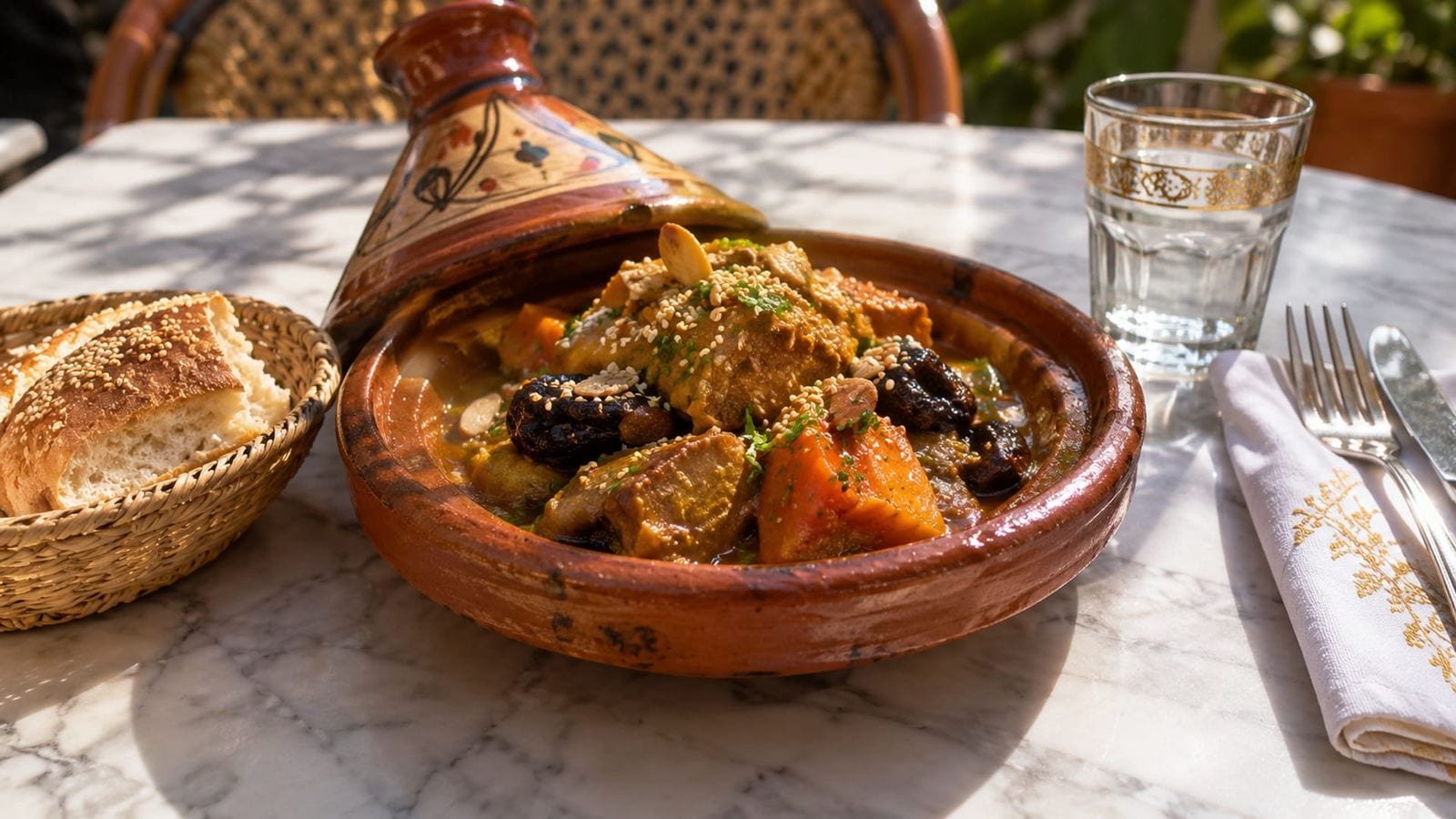
Marrakesh cuisine combines slow-cooked meat, semolina, legumes, preserved lemons, dried fruit, saffron, cumin, cinnamon, and fresh herbs.
Tagine
Tagine is a slow-cooked dish named after the conical clay vessel used to prepare it. Versions may combine lamb with prunes, chicken with preserved lemon, or vegetables with olives and spices. You can enjoy the dish at Al Fassia.
Couscous
Couscous consists of steamed semolina served with vegetables, chickpeas, broth, and lamb or chicken. Many traditional riads and Moroccan dining rooms include it on their lunch menus.
Pastilla
Pastilla combines crisp pastry with a sweet-and-savory filling of pigeon or chicken, almonds, cinnamon, and sugar. Dar Yacout serves an elaborate version as part of its multi-course Moroccan dining experience.
Harira
Harira is a tomato-based soup made with lentils, chickpeas, herbs, spices, and sometimes meat. Chez Chegrouni serves the soup near Jemaa el-Fnaa, with terrace views over the square.
Best time to visit Marrakesh
Spring and fall bring the most comfortable conditions for palace courtyards, souk walks, and outdoor dining.
Best for: Medina walks, palace visits, gardens, and clear sightseeing days
What you get: Temperatures generally range from 46°F to 68°F (8°C–20°C), with mild afternoons and cooler conditions after sunset.
Trade-offs: Holiday periods can increase hotel demand, and evenings may require a jacket.
Best for: Souks, courtyards, rooftop dining, and longer outdoor visits
What you get: Travelers can expect temperatures between 55°F and 86°F (13°C–30°C), with warm afternoons and increasingly dry conditions toward May.
Trade-offs: Popular spring dates often bring higher hotel prices and more visitors at major landmarks.
Best for: Early palace visits, hotel pools, shaded gardens, and late dinners
What you get: Daytime temperatures commonly rise from 68°F to 100°F (20°C–38°C), with the strongest heat during July and August.
Trade-offs: Long medina walks become exhausting during the middle of the day.
Best for: Balanced sightseeing, outdoor meals, markets, and evening walks
What you get: The season brings temperatures of 59°F–88°F (15°C–31°C), with hot conditions in September and milder days later in autumn.
Trade-offs: Early autumn may still require midday breaks, while holiday weekends increase visitor numbers.
A 5-day plan in Marrakesh
Five days in the city provide enough time to visit the medina, Mellah, palace district, gardens, museums, Gueliz, and Jemaa el-Fnaa. This itinerary keeps attractions in nearby groups and avoids unnecessary journeys across the city.
Land at Marrakesh Menara Airport (RAK), then take an authorized taxi, ride-app car, or hotel transfer to your accommodation. A journey to Hivernage or Gueliz generally takes 10 to 20 minutes, while reaching a medina riad may involve additional walking from the nearest vehicle-accessible gate. After checking in, have dinner close to your hotel and keep the first evening light. Travelers staying near the medina can visit Jemaa el-Fnaa briefly before returning for an early night.
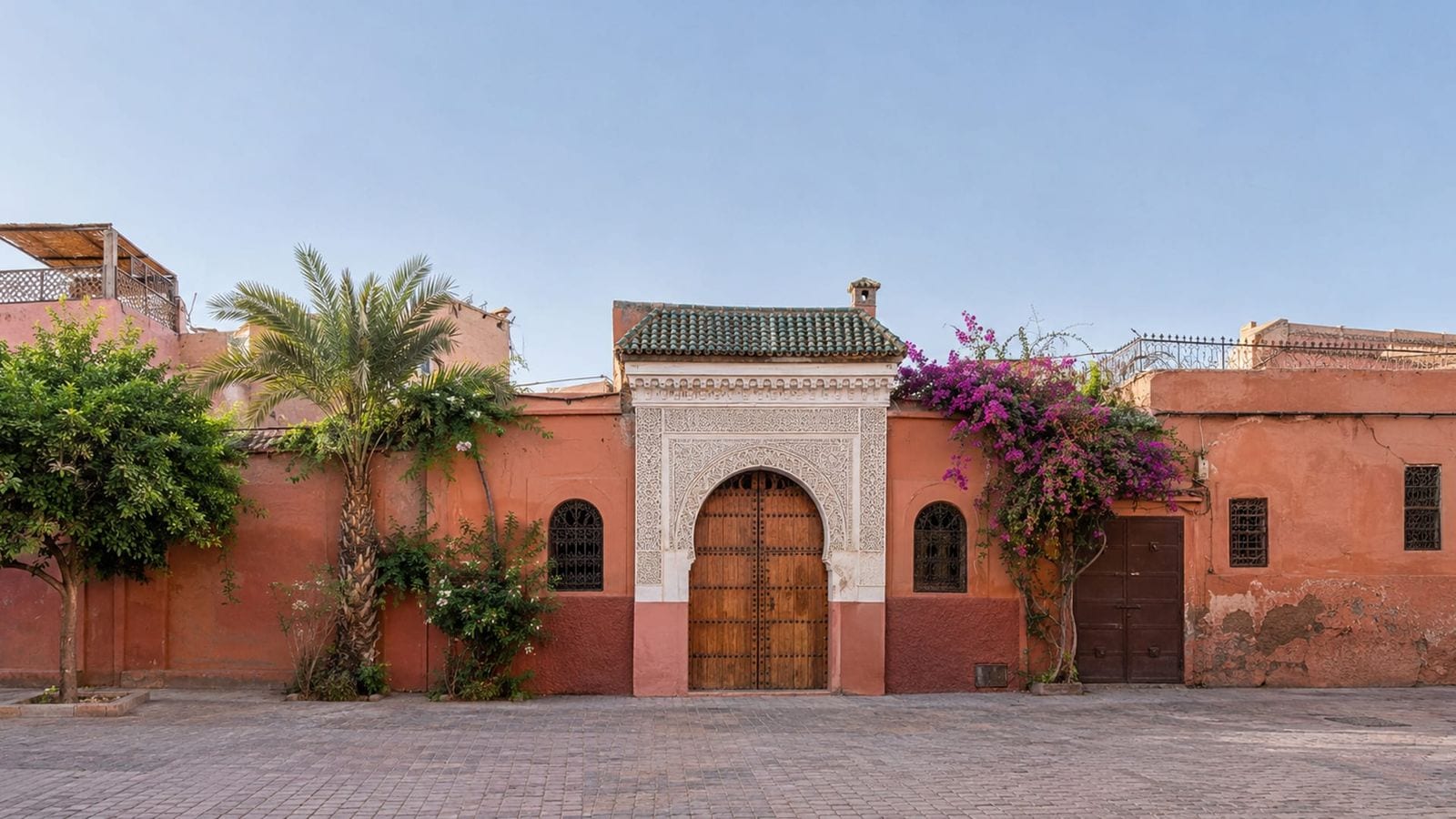
Begin at Bahia Palace shortly after opening to avoid crowds and heat, spending 1 to 1.5 hours exploring its carved ceilings, mosaic courtyards, and shaded gardens. From there, walk into the nearby Mellah, the historic Jewish quarter, where narrow streets reveal spice stalls, bakeries, and traditional shops. Pause for lunch in a small local restaurant or rooftop café. In the late afternoon, make your way toward Jemaa el-Fnaa, watching the square transform as musicians and food vendors set up.
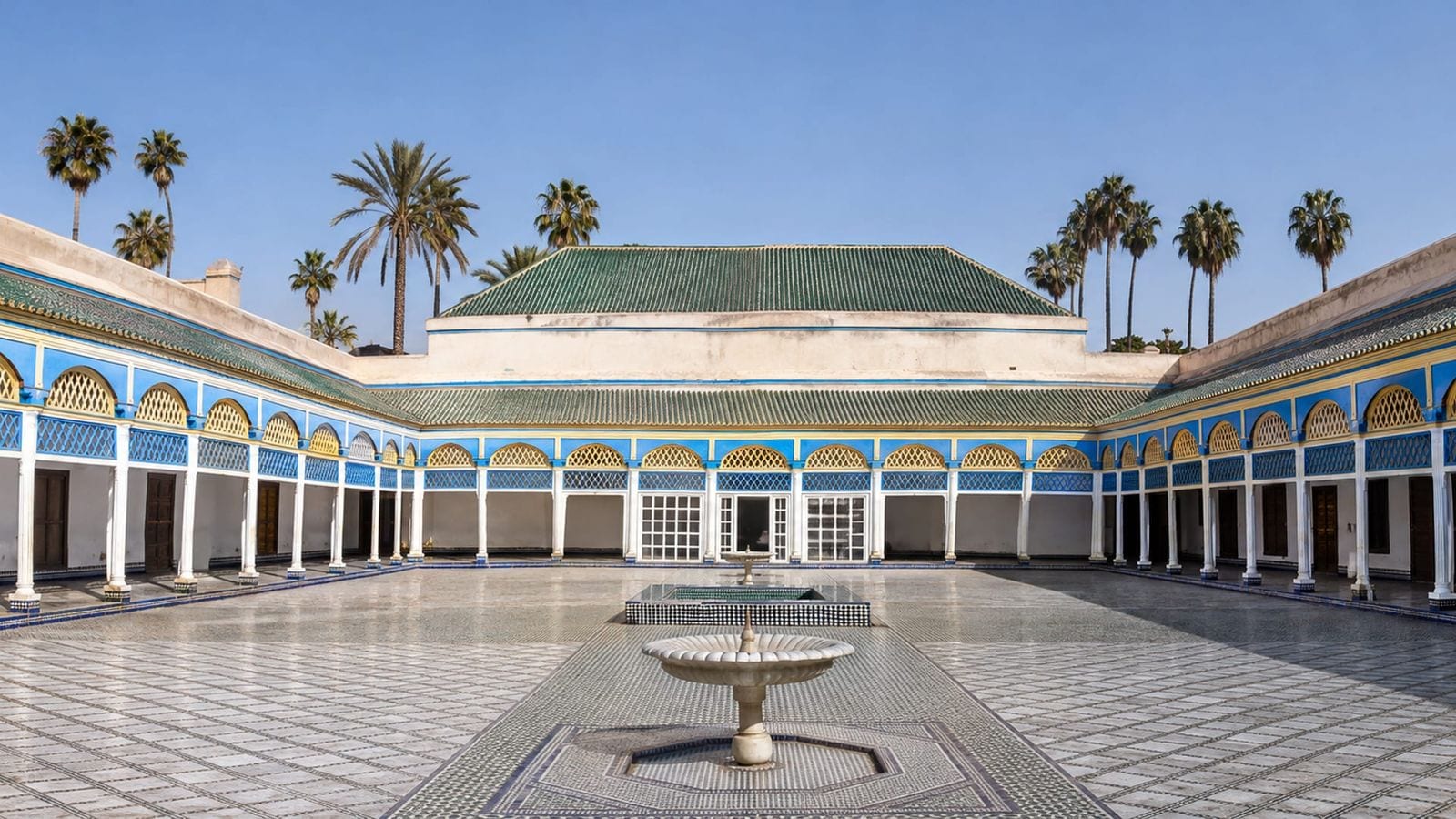
Start your morning at Le Jardin Secret, arriving early to enjoy its courtyards and Islamic garden. It is a 5–10 minute walk to the nearby medina souks. Continue through the souks toward Marrakech Museum and Ben Youssef Madrasa, both within a 5-minute walk of each other. Allow 10–15 minutes to reach a lunch café in the alleys. In the afternoon, browse artisan and textile workshops at a slower pace. Return to your hotel to rest, or head back out in the evening for a second visit to Jemaa el-Fnaa.
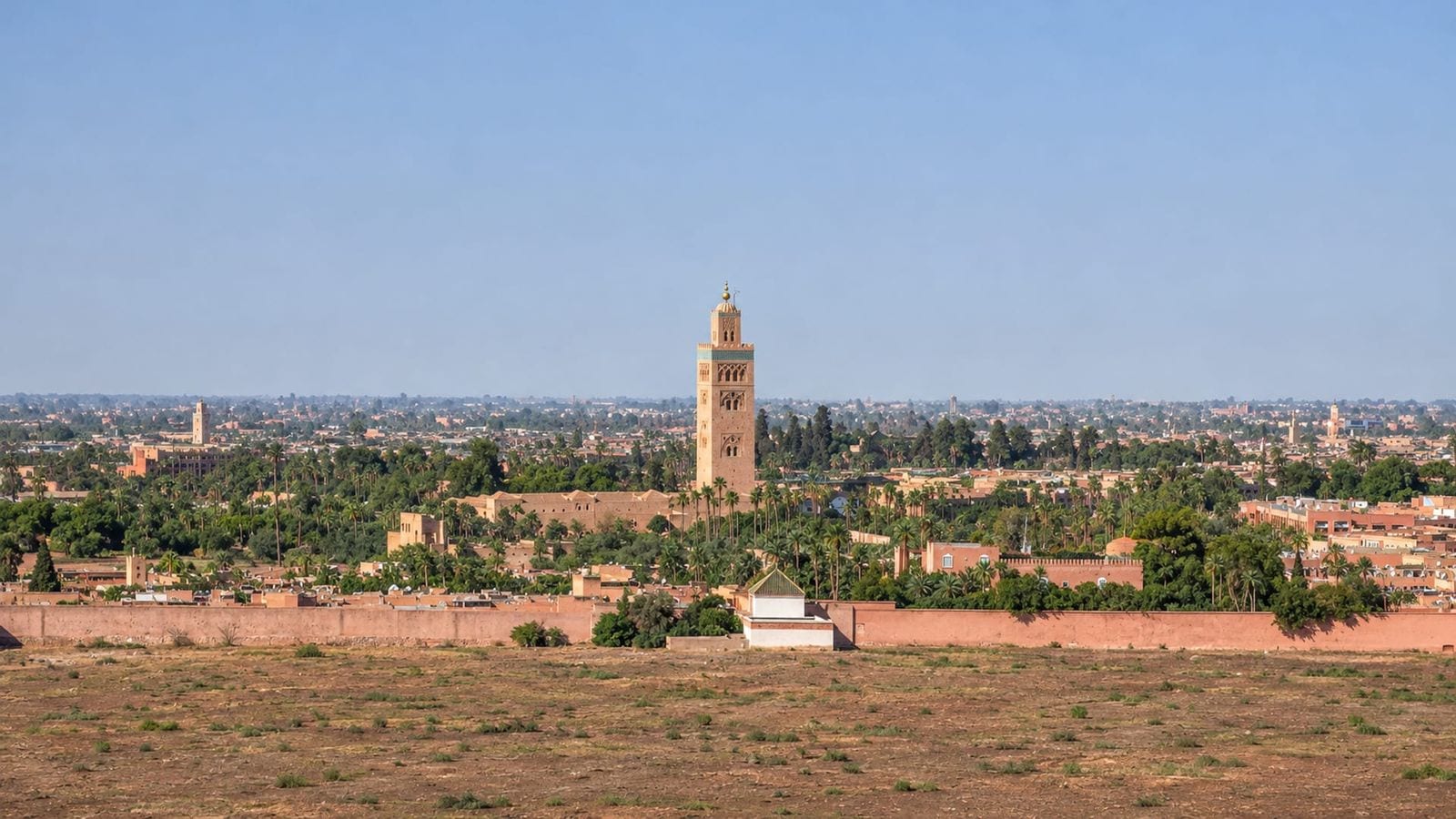
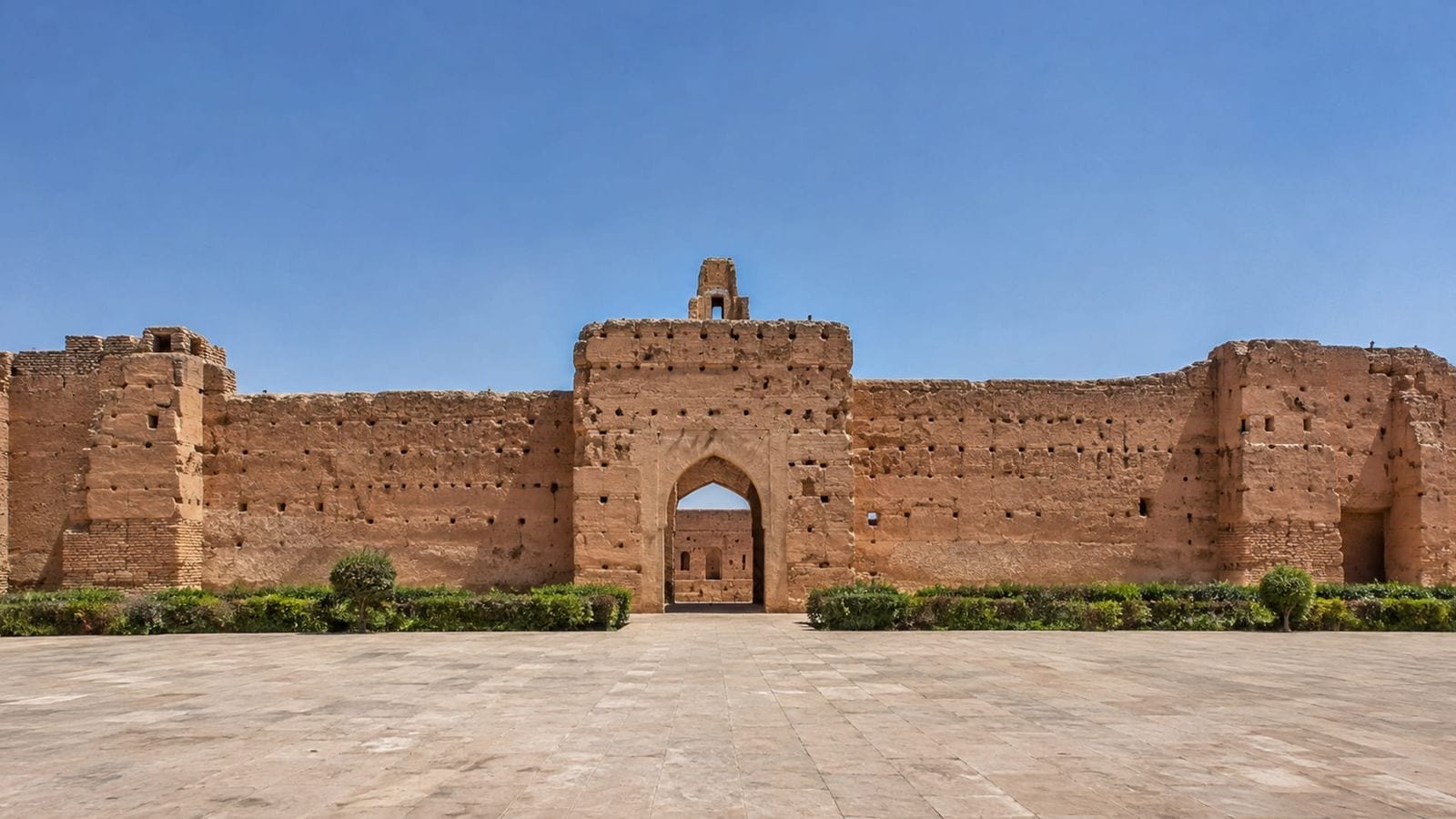
Begin the day near Koutoubia Mosque, walking through its surrounding gardens while the air is still cool and the light is soft. From there, walk for 10 minutes toward El Badi Palace, exploring its vast ruins, sunken gardens, and stork-filled walls, then pass through the nearby Mellah if time allows. After a late morning of sightseeing, return to your hotel for rest. In the evening, travel to Hivernage, a modern district known for upscale restaurants and lounges.
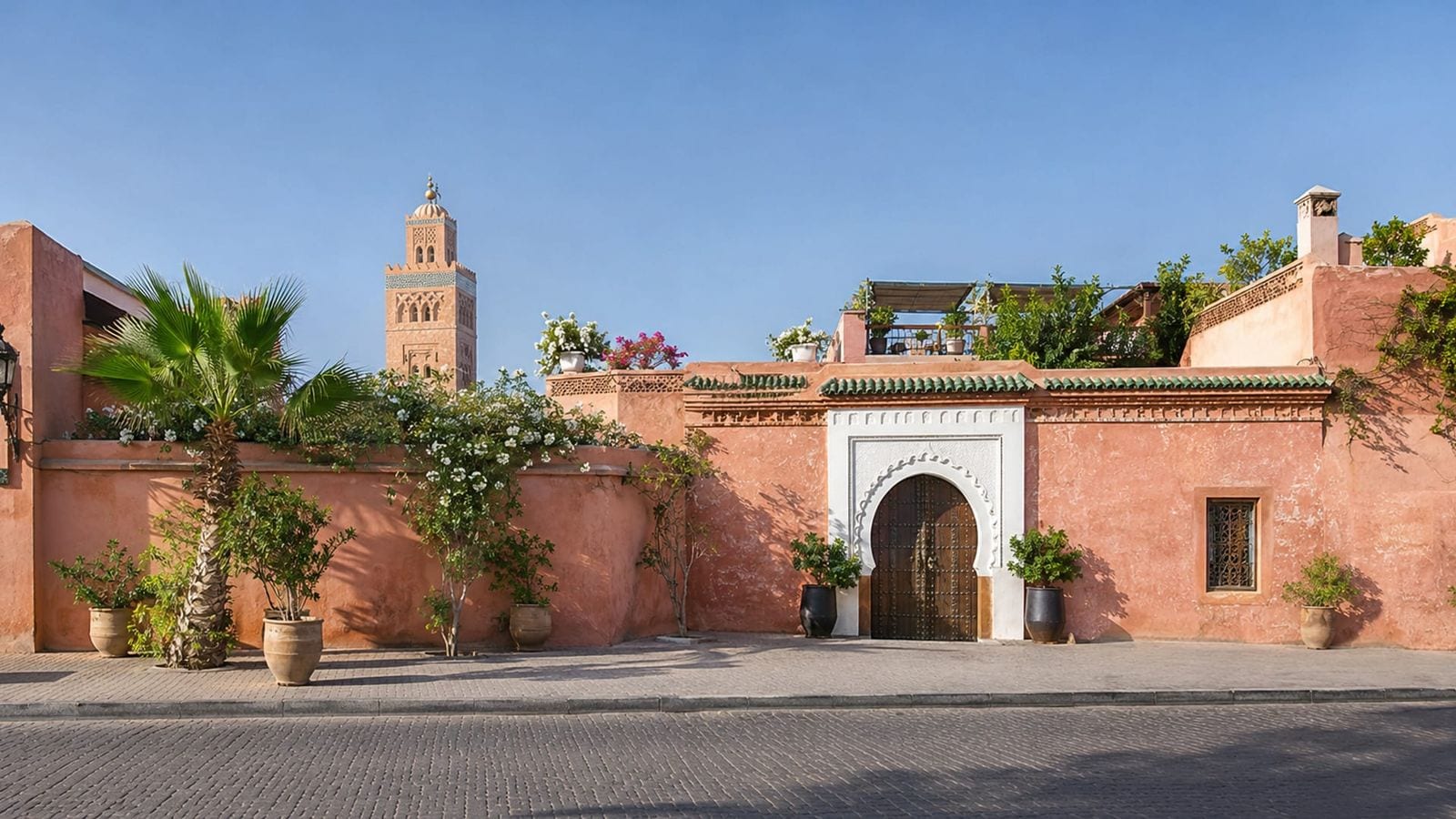
Use your final day to explore Gueliz, the modern district of Marrakech, where wide boulevards and cafés offer a contrast to the medina’s narrow streets. It is a good place for shopping, bookstores, or a relaxed breakfast without bargaining. Pick up any last souvenirs or enjoy a final coffee before returning to your hotel. Collect your luggage and plan your departure carefully, as travel time to the airport can take up to 40 minutes depending on traffic. Arrive early for check-in and security
Business-class flights from the US to Marrakesh
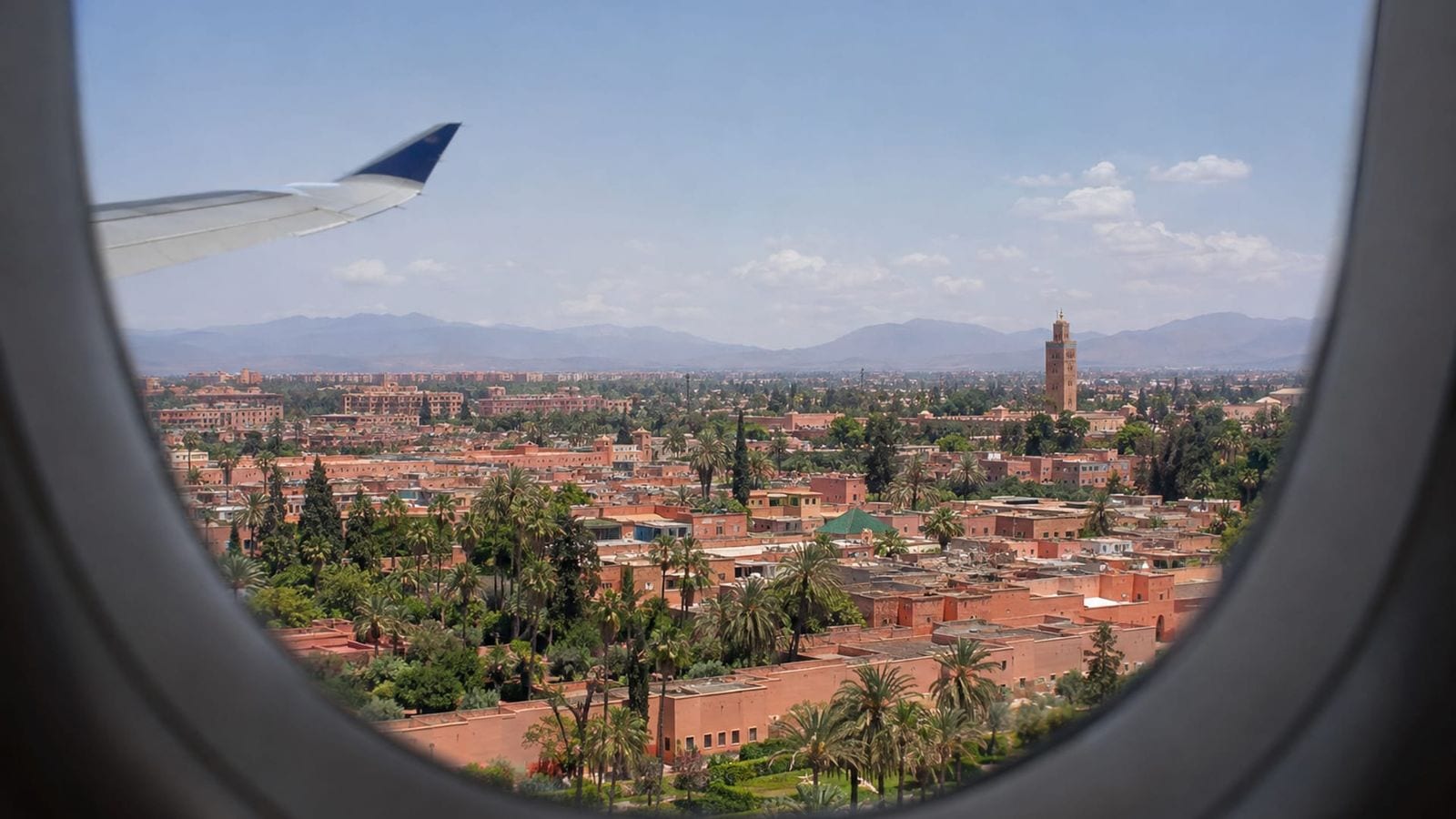
There are currently no nonstop flights to Marrakesh from the US. Instead, travelers can opt for connecting flights from major hubs.
New York (JFK) to Marrakesh (RAK)
Royal Air Maroc, Air France, Iberia, TAP Air Portugal, Turkish Airlines, and other carriers provide one-stop itineraries through Casablanca (CMN), Paris Charles de Gaulle (CDG), Madrid (MAD), Lisbon (LIS), or Istanbul (IST). Connecting flights usually take 12 to 16 hours. Round-trip business-class fares on this route commonly cost $2,400–$5,100.
Los Angeles (LAX) to Marrakesh (RAK)
Flights from Los Angeles International Airport (LAX) to Marrakesh require at least one connection. Royal Air Maroc, Air France, Iberia, Lufthansa, and Turkish Airlines offer itineraries through Casablanca (CMN), Paris Charles de Gaulle (CDG), Madrid (MAD), Frankfurt (FRA), or Istanbul (IST). Total travel time typically ranges from 14 to 21 hours, depending on the route and layover. Business-class tickets from the airlines generally cost $4,200–$7,700.
Experience Marrakesh beyond Jemaa el-Fnaa
Marrakesh reveals its character through contrasts: the noise and movement of Jemaa el-Fnaa, the delicate tilework of Bahia Palace, the shaded courtyards of Le Jardin Secret, and the modern cafés and galleries of Gueliz. Its most memorable days often combine one major landmark with time for tea, market browsing, and an unplanned turn through the medina. If you are visiting Marrakesh soon, our AranGrant experts can help you book business-class tickets and hotels for your trip.







