

Chapters:

Need help with your trip?
Our support team is available 24/7. Request a callback or call us directly at (833) 619-0908
Malta trips often begin with Valletta, a couple of headline churches, and one beach day squeezed between transfers. It is an easy way to see the highlights, but many first-time visitors underestimate how long it can take to move between Valletta, the coast, Mdina, and the island’s southern sights.
That approach is not wrong, but it can leave the south, the harbor crossings, and smaller museums feeling like afterthoughts. Bus journeys, taxi costs, and heavier afternoon crowds at the main attractions also shape each day more than many first itineraries expect.
This guide spreads the island out at a more comfortable pace, starting in Valletta before moving on to the prehistoric temples, Fort Rinella, and Mdina, then finishing with an easy departure day.
Useful things to know

Main language(s): Maltese, English
Bongu (bon-joo) – Hello/good morning
Jekk jogħġbok (yek yohjbok) – Please
Grazzi (grat-see) – Thank you
Titkellem bl-Ingliż? (teet-kell-em bel-ing-leez) – Do you speak English?
Kemm jiswa? (kem yees-wa) – How much does it cost?

Currency: Euro (EUR, €)

Cash and cards: Cards and contactless payments are widely accepted, including on public buses. Carry €20–€40 ($23–$46) for small purchases, cash-only businesses, and tips.

Tipping: Tipping is appreciated but not compulsory. Round up small bills or leave 5%–10% for good restaurant service when the bill does not already include a service charge.

Traditional food: Rabbit stew, pastizzi, lampuki pie, and Maltese or Gozitan ftira

Water and coffee costs: Bottled water often costs €1–€2 ($1–$2), while an espresso generally costs €1.50–€3 ($2–$3), depending on the venue.

Taxis and ride apps: Bolt and eCabs operate across Malta. Prices and pickup times vary with demand, so prebook airport and late-night journeys when timing is important.

Plug and voltage: Malta uses Type G sockets with a 230V, 50Hz electrical supply.

Dining and shop opening hours: Cafés commonly open for breakfast from 7:00 am or 8:00 am. Restaurants often serve lunch from noon and dinner from 7:00 pm, though schedules vary.

Emergency number: Dial 112 for police, fire, or medical emergencies.
Where to stay in Malta
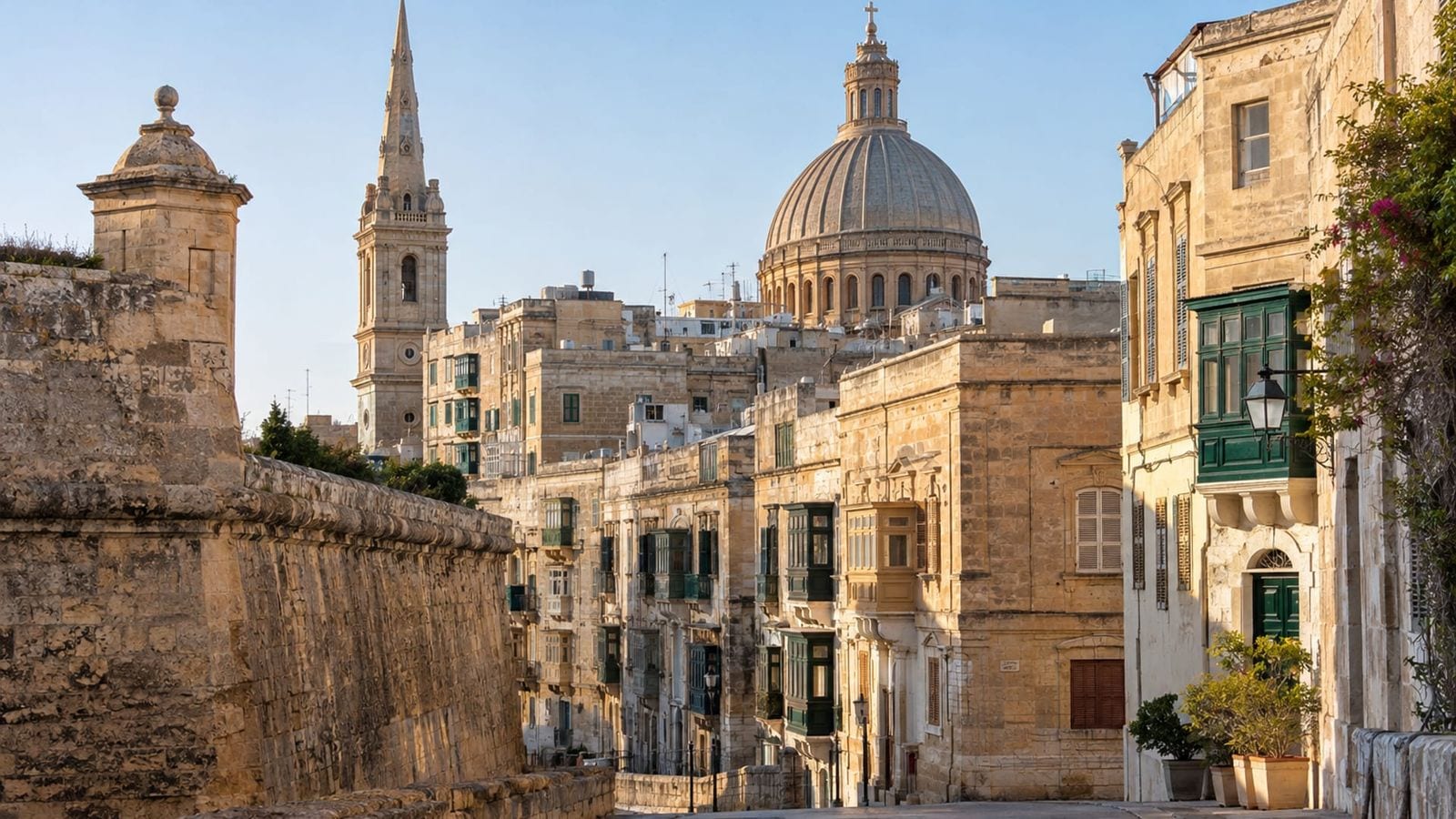
Malta’s compact capital combines Baroque streets, museums, and the island’s main ferry links within an easy-to-walk historic center. It suits travelers who want to explore on foot while staying close to Malta’s best-known landmarks.
Best for: First-time visits, museum days, and travelers who want to walk to major sights
What to expect: Busy daytime streets, many cafes, and a steady flow of visitors, then quieter lanes after dinner
Hotel prices: Rooms generally cost €180 to €320 ($200 to $350) per night.
Distance to major sights: 5 to 10 minutes on foot to St. John’s Co-Cathedral and the Upper Barrakka Gardens
Quietness: Busy by day, much calmer in the evening once day-trippers leave.
Main trade-off: Rooms often cost more than in nearby towns, and some streets have stairs or steep climbs.
Good to know: Parking is limited and often expensive, so this works best if you plan to rely on walking, taxis, or the ferry network.
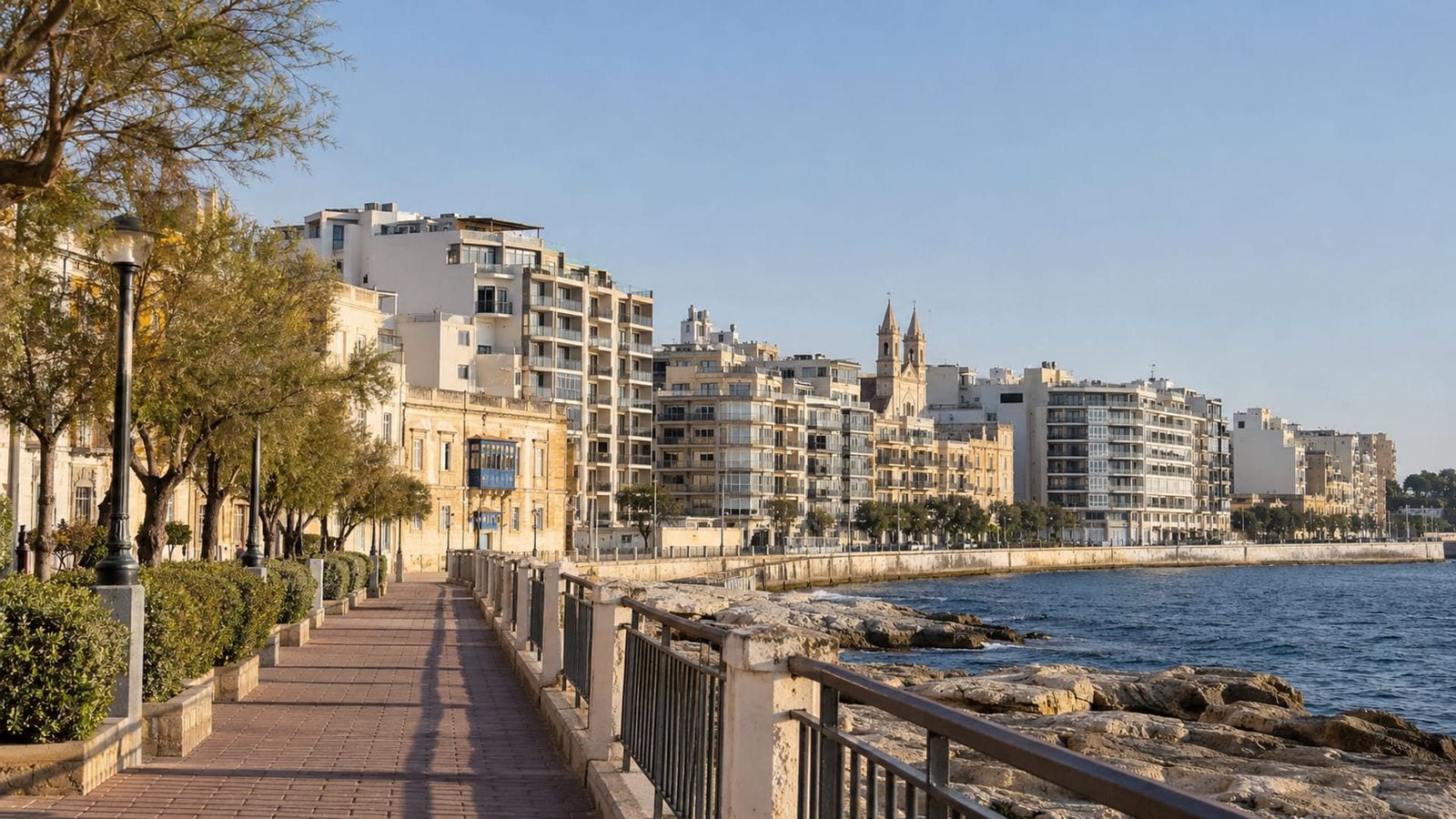
Sliema stretches along the northeast coast, with waterfront promenades, apartment buildings, shopping streets, and frequent ferries to Valletta. It suits travelers who want more dining and retail choices than Valletta, plus easy connections to the capital.
Best for: Waterfront walks, dining, shopping, and frequent ferry access to Valletta
What to expect: Lively promenades, regular traffic, and plenty of people out for meals, errands, and evening walks
Hotel prices: Nightly rates usually range from €130 to €240 ($145 to $265) .
Distance to major sights: 5 minutes by ferry, or 15 to 20 minutes by bus or taxi, to Valletta and the Upper Barrakka Gardens
Quietness: Quieter along the seafront, with more noise in the evening near restaurants and main roads
Main trade-off: Sliema has a more modern feel than Valletta and requires a ferry, bus, or taxi ride to reach many of Malta’s historic landmarks.
Good to know: The ferry is useful, but late-night returns can be slower than a taxi if you stay far from the waterfront.
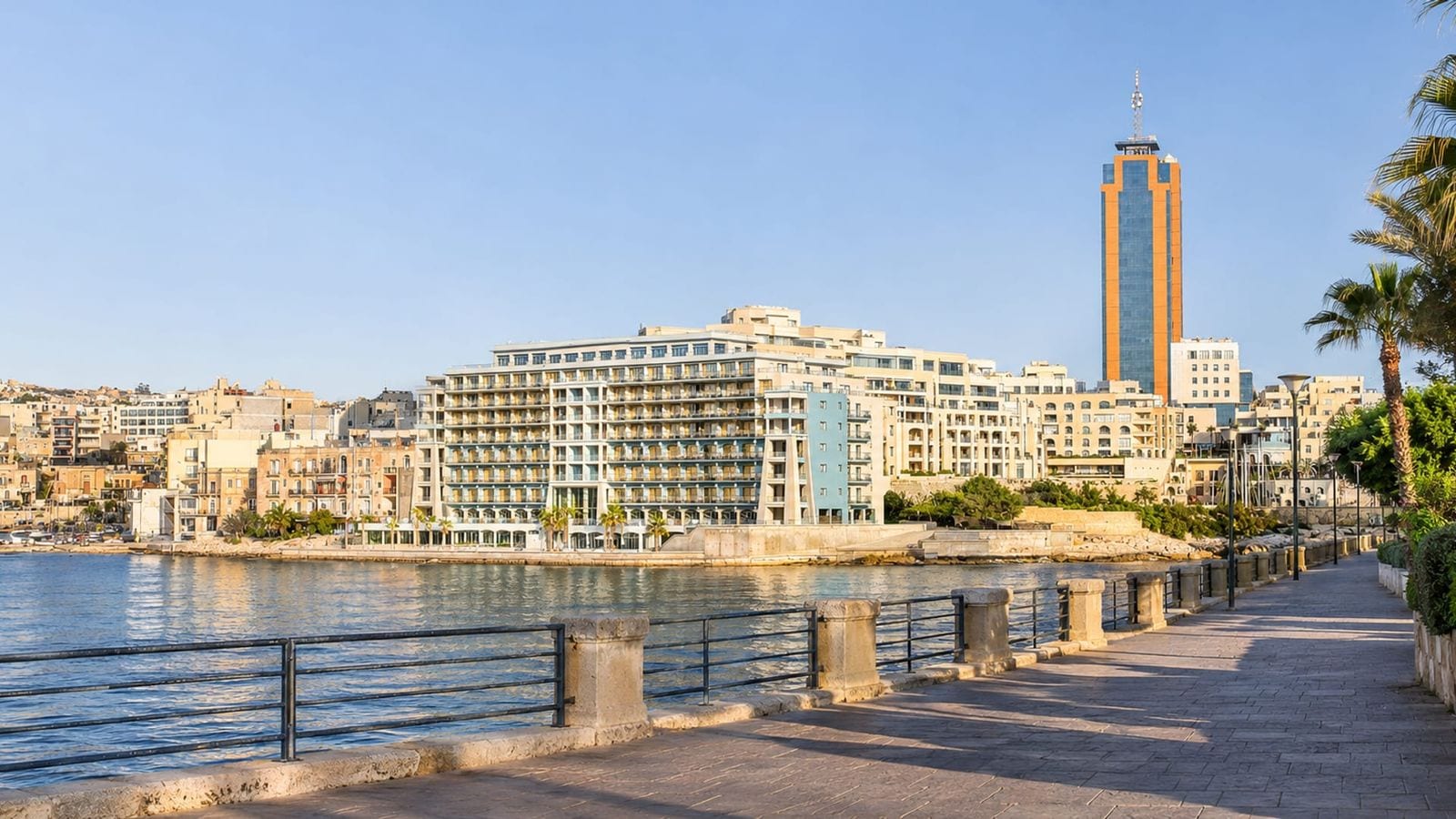
St. Julian’s has a dense mix of hotels, restaurants, and nightlife around Spinola Bay and Paceville. It suits travelers who want late dining, bars, and a dense hotel supply within reach of the island’s busiest entertainment zone.
Best for: Nightlife, restaurant-heavy trips, and travelers who want a large hotel selection
What to expect: Crowded streets at night, busy bars, and a constant stream of taxis and ride-hailing cars
Hotel prices: Typically €120 to €260 ($130 to $285) per night for well-rated stays
Distance to major sights: 20 to 30 minutes by bus or taxi to Valletta and 15 minutes to Sliema
Quietness: Noisy near Paceville and along the main roads, with a quieter edge near the bay
Main trade-off: The area can be loud at night, and some of the busiest blocks are not ideal for light sleepers.
Good to know: If you need early mornings, choose a room away from Paceville, because the late-night scene can run past midnight.
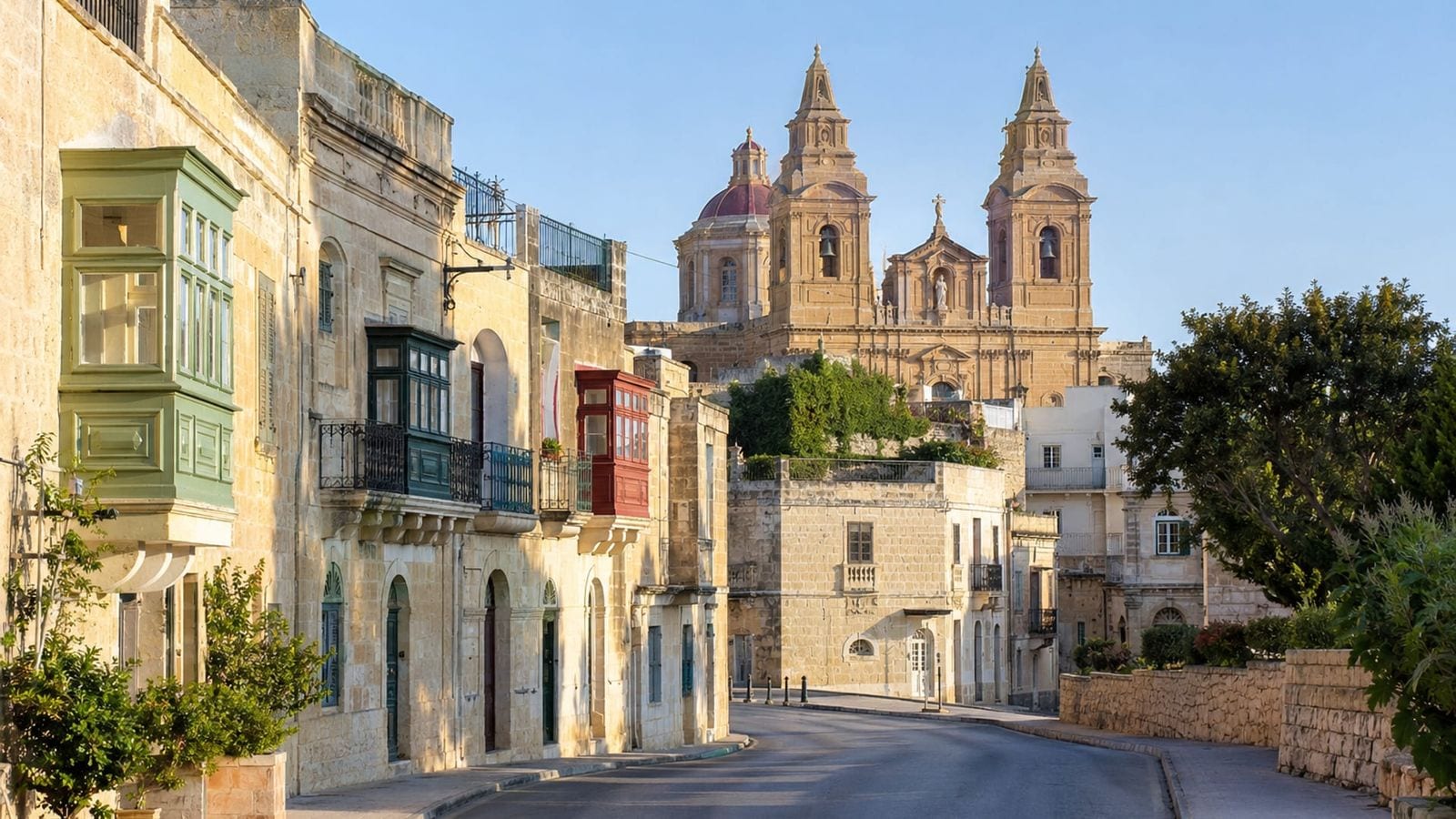
Mellieħa spreads across Malta’s northern hills above the island’s largest sandy beaches and the road to the Gozo ferry. It suits travelers who want wider beaches, quieter evenings, and a more resort-focused stay away from the main urban areas.
Best for: Beach time, quieter evenings, and travelers planning a northern Malta stay
What to expect: A mix of village streets, resort hotels, and beach traffic, with more space than in the central districts
Hotel prices: Typically €100 to €220 ($110 to $240) per night for well-rated stays
Distance to major sights: 45 to 60 minutes by car or bus to Valletta, and 10 minutes by car to Mellieħa Bay
Quietness: Calmer than the main coastal party zones by day and generally quiet at night outside hotel clusters
Main trade-off: You will spend more time on buses or taxis if most of your plans are in Valletta or the south.
Good to know: Beach access is good here, but you will want transport plans in place because the area sits far from the capital and central nightlife.
Marsaskala and Birżebbuġa are farther from Valletta, Sliema, and Mdina, so getting to many of Malta’s main sights usually takes longer by bus or taxi. St. Paul’s Bay and Qawra suit resort-style vacations, but travelers planning a short sightseeing trip may spend more time commuting to central Malta.
Hotel deals
How to get around Malta efficiently
You can get around Malta by walking and taking buses, ferries, taxis, and ride-hailing cars, depending on where you are heading.

Ferry
for harbor crossings
The Sliema–Valletta ferry is one of the fastest, most scenic ways to cross the harbor. It runs every 30 minutes from 6:45 am to 7:30 pm (later in summer). Fares are €3.00 ($3.40) by day or €3.50 ($4.00) at night, with a day return at €5.00 ($5.70). A second route with the same schedule and price connects Valletta with the Three Cities.

Bus
for convenience
Malta Public Transport serves Valletta, Sliema, St. Julian’s, Mdina, Rabat, and the airport. Tickets cost €2.00 ($2.30) in winter and €2.50 ($2.85) in summer and are valid for two hours. Day and multi-day passes are also available. The airport journey to Valletta takes 35 minutes, longer during busy periods.

Taxi
for convenience or late hours
Licensed taxis in Malta use meters. Airport transfers from Malta International Airport (MLA) cost €16–€22 ($18–$25) to Valletta and €20–€30 ($23–$34) to Sliema or St. Julian’s. Taxis can be hailed on the street, booked by phone, or requested through an app. Most accept cards.
*Prices are based on rates updated as of June 2026 and may change at the time of travel.
Walk in Valletta, use ferries for quick harbor crossings, choose buses for wider island hops, and take taxis or ride-hailing when you need to save time or move after dinner.
Iconic landmarks
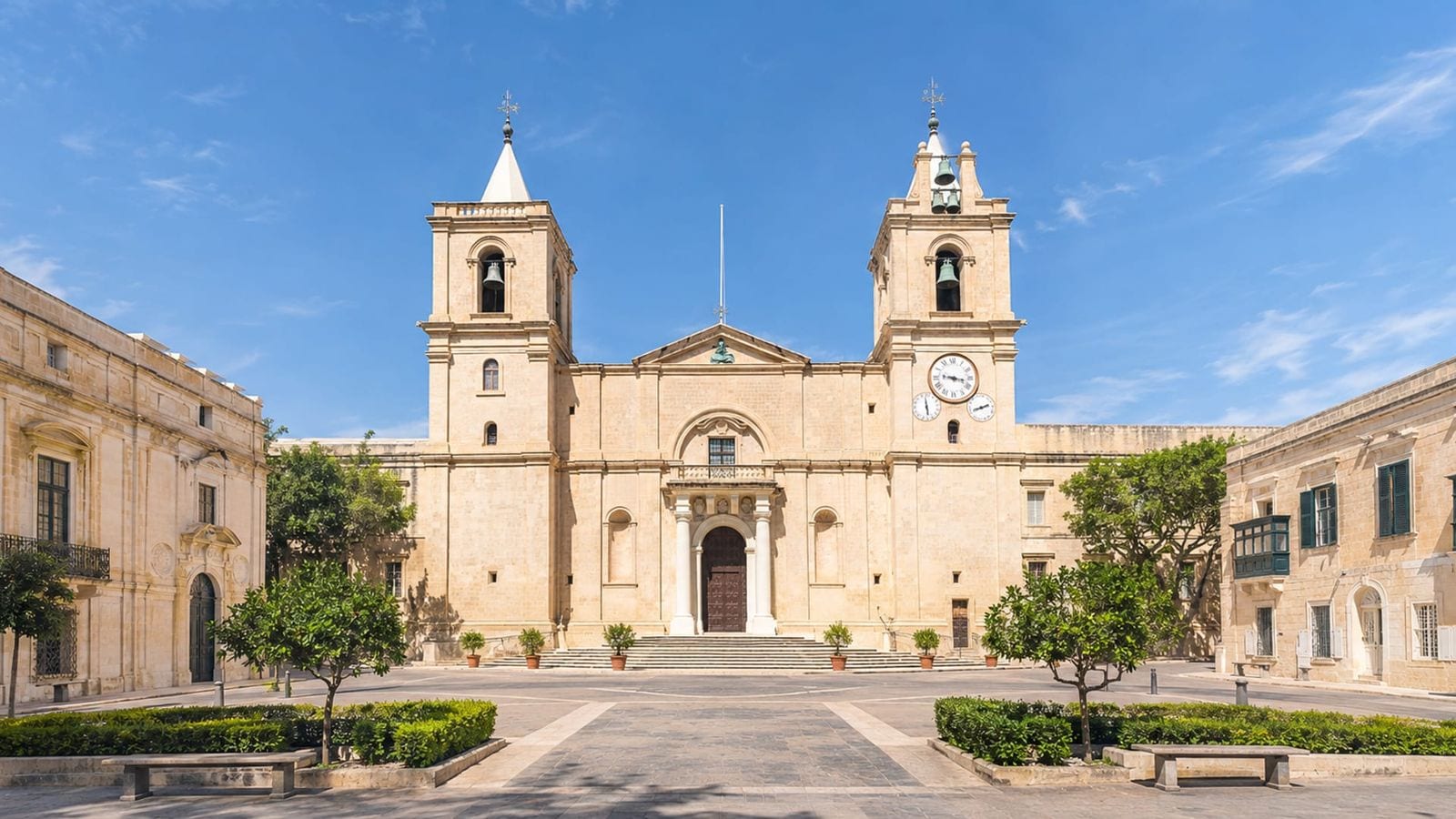
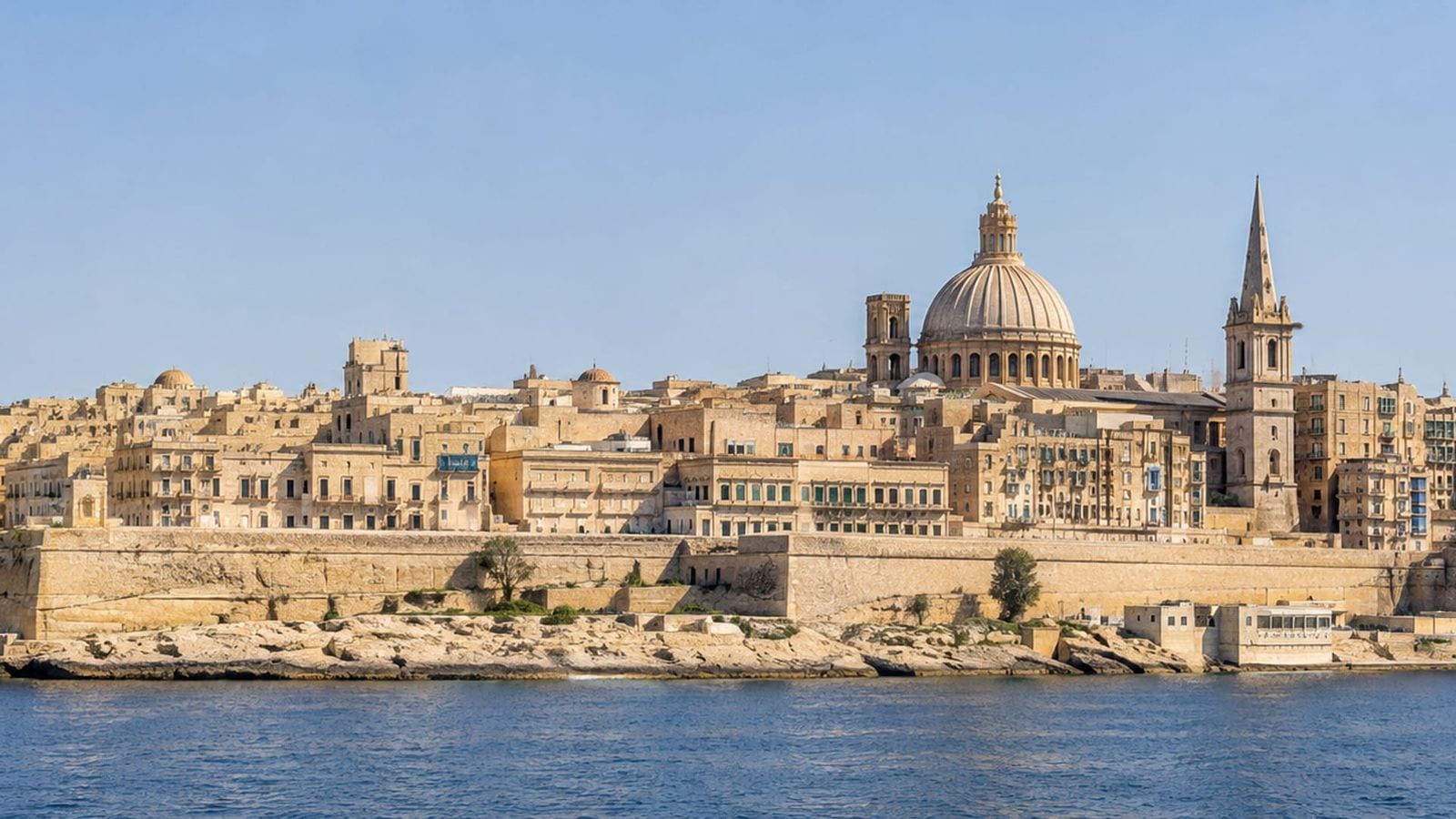
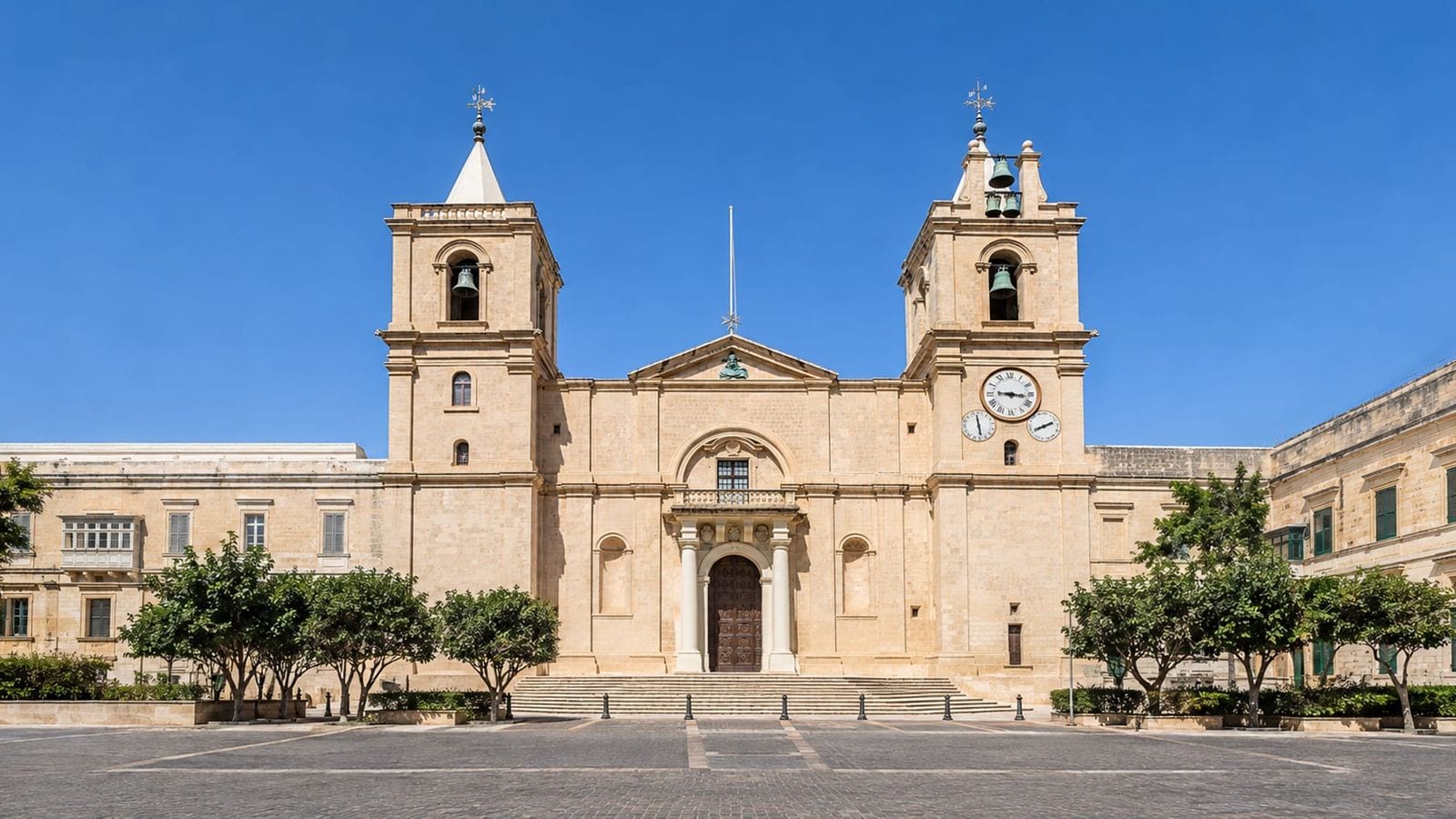
St. John's Co-Cathedral
Baroque exterior, a vaulted nave, and CaraBaroque exterior, a vaulted nave, and Caravaggio’s The Beheading of Saint John the Baptist anchor Valletta’s most famous church. The marble tombstones and gilded side chapels deserve time beyond the main nave.
Time needed: 1 to 2 hours
Entry: Admission costs €15 ($17) for adults and €13 ($15) for seniors and students. Visit the official site for details.
Tip: Go early for lighter crowds and better light on the gilded chapels and floor tombs.
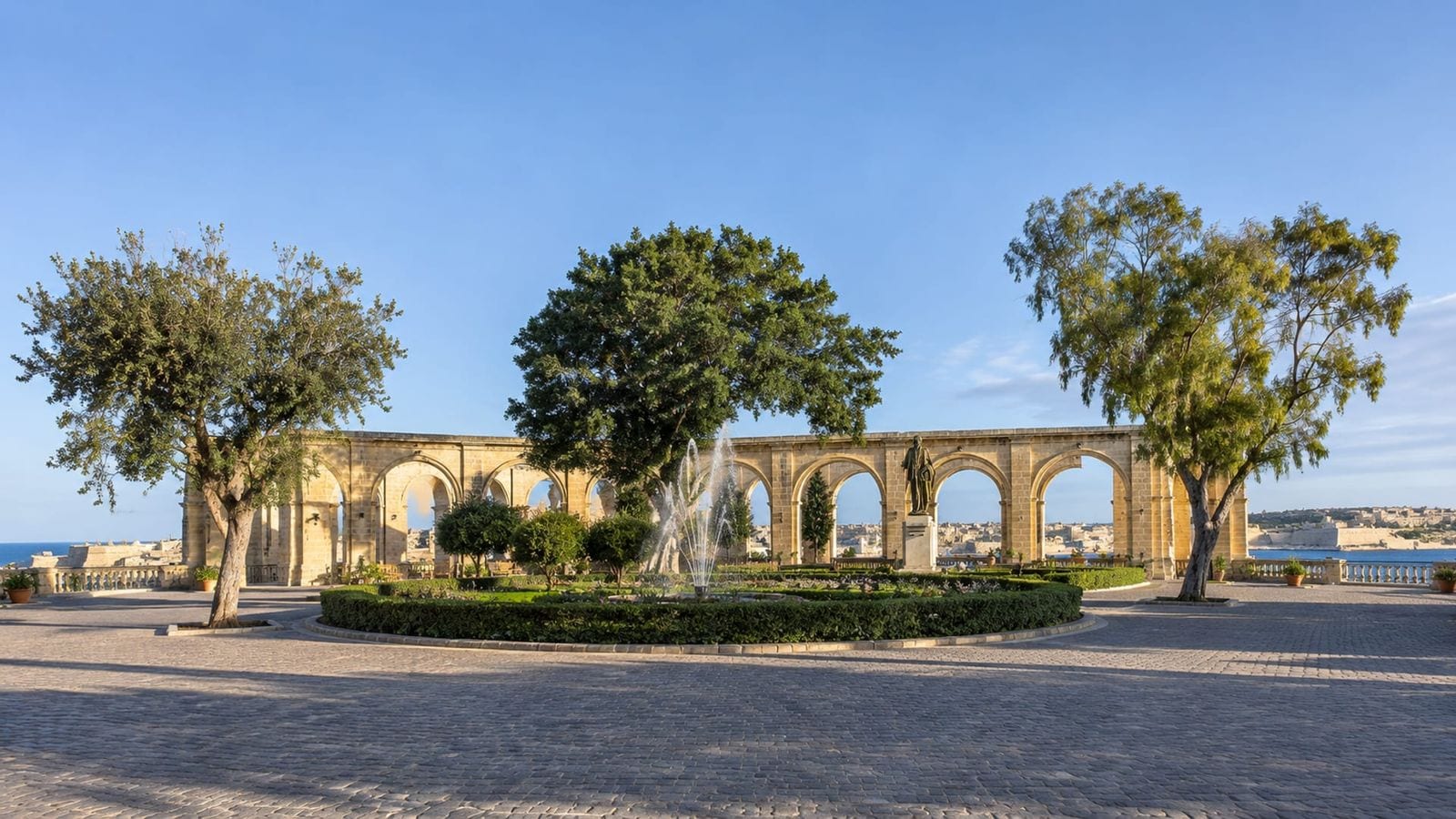
Upper Barrakka Gardens
Set on Valletta’s city ramparts, these gardens look over the Grand Harbour and the Three Cities. The Saluting Battery below fires daily at noon and 4:00 pm. Visitors can watch the ceremony from the garden terrace above.
Time needed: 30 to 45 minutes
Entry: Free to access. No timed ticket is required for the gardens or the upper terrace paths.
Tip: Arrive a little before noon if you want to watch the Saluting Battery from above.
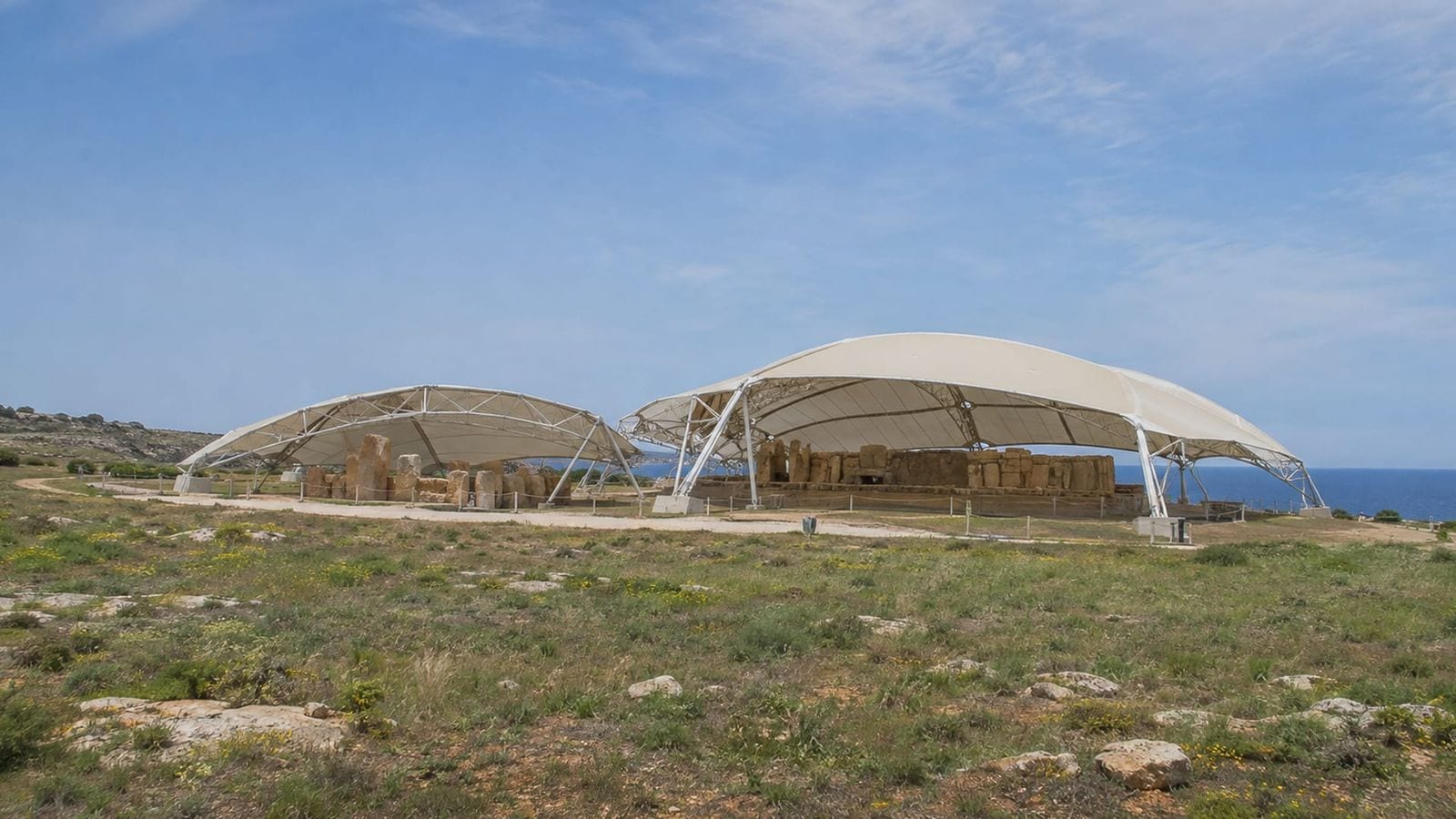
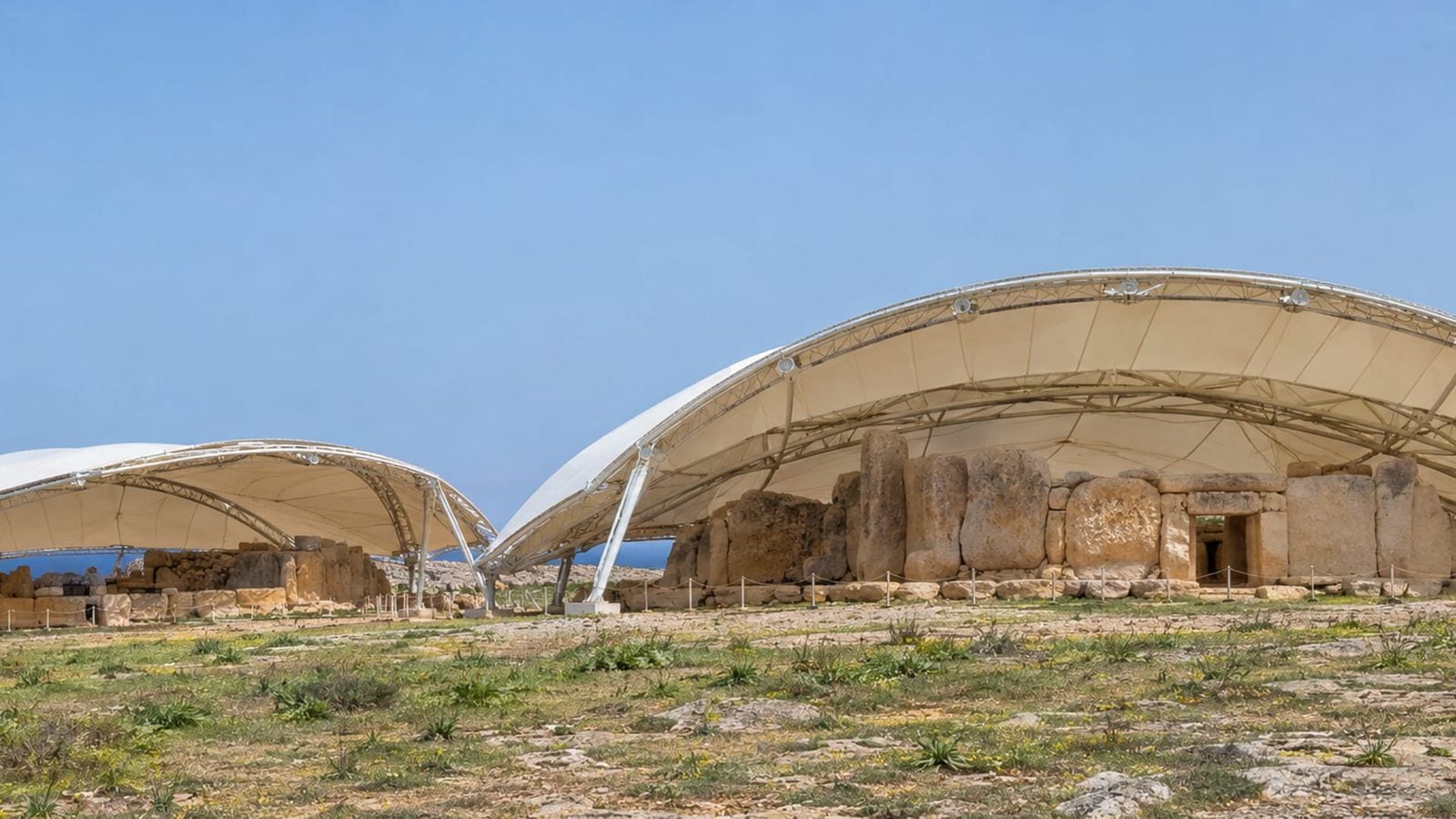
Ħaġar Qim and Mnajdra Temples
These UNESCO-listed megalithic temples are located on a ridge 9.3 miles (15 km) southwest of Valletta, with aligned stone chambers and prehistoric carvings. The nearby Visitor Centre explains the site before you walk to the shelters.
Time needed: 2 to 3 hours
Entry: Admission costs €10 ($12) for adults, with discounted rates of €7.50($9) for students and seniors; children under 12 enter free. Visit the official site for details.
Tip: Visit in the morning, before the heat builds on the exposed hillside approach.
Overlooked sites worth visiting

Fort Rinella
A Victorian artillery fort with the Armstrong 100-ton gun, restored barracks, and live historical re-enactments. The fort stands on the Kalkara waterfront, overlooking the Grand Harbour.
Time needed: 1.5 to 2 hours
Entry: Adult admission costs €15 ($16); tickets for children, students, and seniors cost €9 ($10). The fort opens only on Saturdays, from 10:00 am to 4:30 pm. Visit the official site for details.
Tip: Visit for the firing demo, then walk the quay at sunset.

Domvs Romana
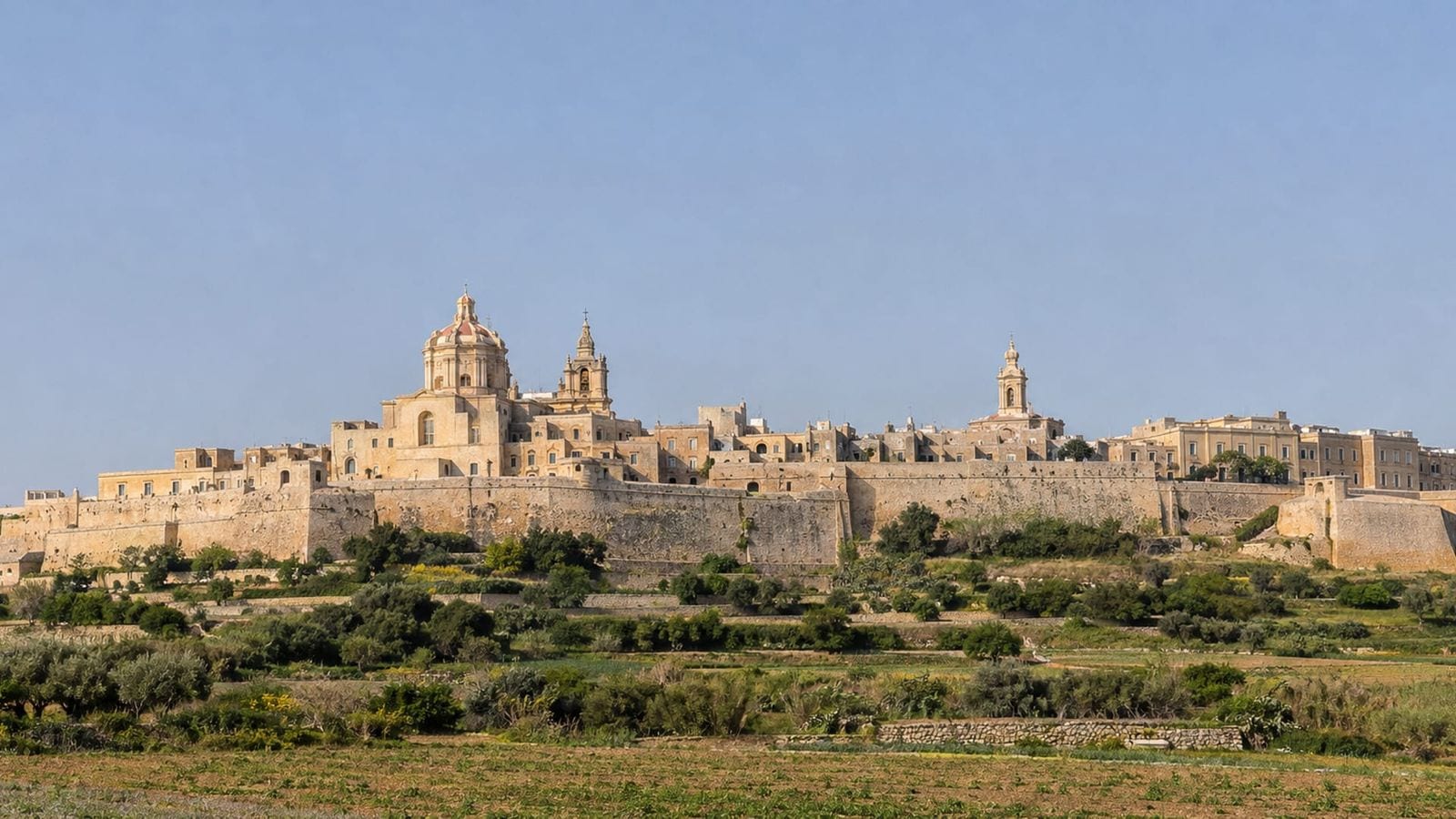
This small Roman townhouse in Mdina preserves fine floor mosaics, a peristyle layout, and a well-curated museum of sculpture and coins. It gives a close look at elite domestic life in Roman Malta.
Time needed: 45 minutes to 1 hour
Entry: Admission costs €6 ($7); admission for students and seniors is €4.50 ($5). Tickets are sold at the museum. Visit the official site for details.
Tip: Pair it with Mdina early in the day, before coach tours arrive.
Traditional food
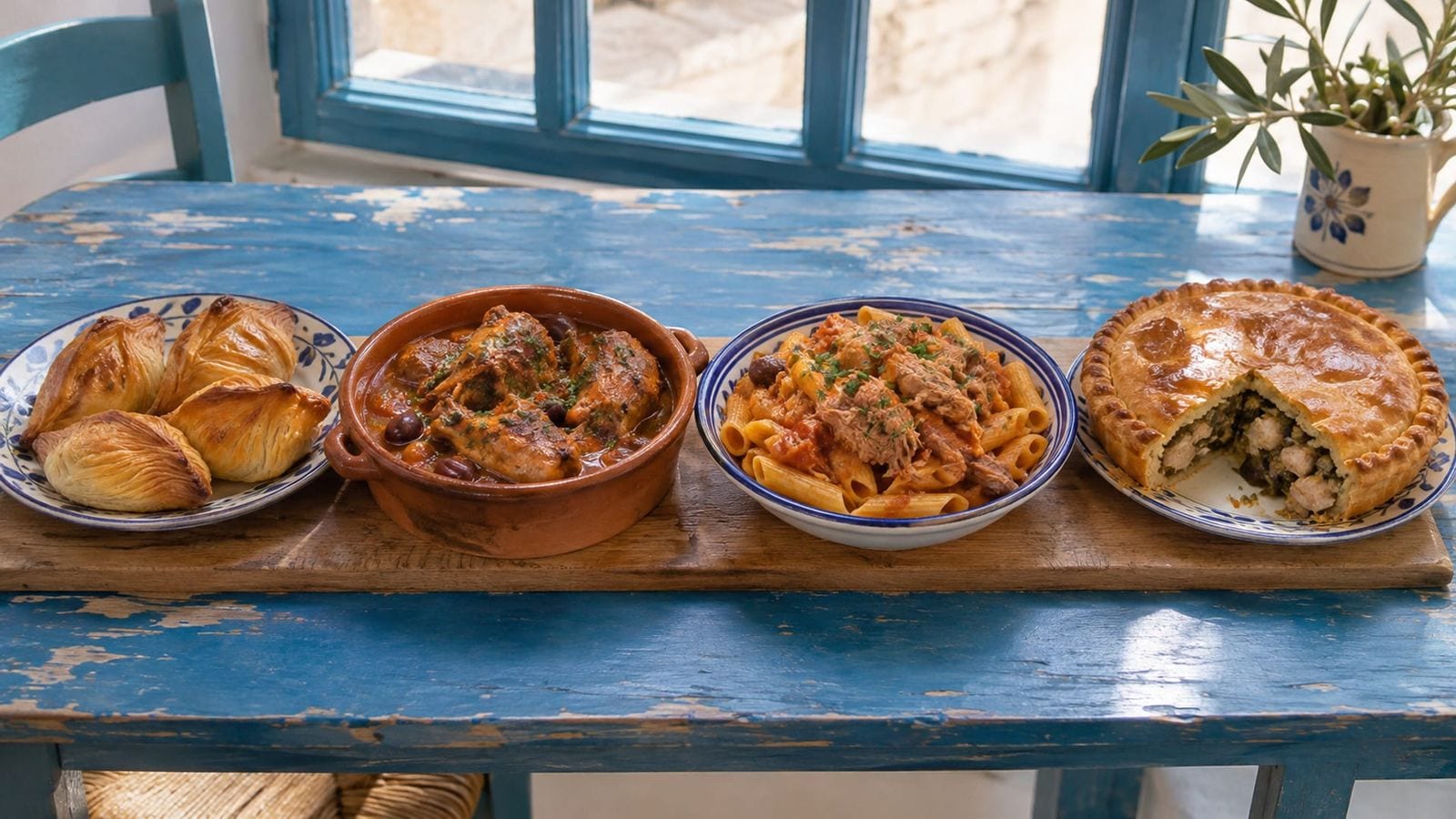
Maltese cooking leans on rabbit, fish, capers, tomato, garlic, and pastry, with hearty stews and savory snacks that fit the island’s long lunch hours and late dinners.
Pastizzi
These flaky pastries usually contain ricotta or spiced peas and make an easy breakfast or afternoon snack. Caffè Cordina serves them with coffee in the center of Valletta.
Fenek stew
Rabbit stew is Malta’s national dish, usually slow-cooked with wine, garlic, herbs, and vegetables until the meat becomes tender. Ta’ Kris in Sliema serves rabbit dishes in a small dining room just off the main shopping streets.
Rabbit pasta
This pasta version uses Malta’s signature rabbit in a rich sauce, often with tomatoes and wine. Gululu in St. Julian’s serves spaghetti with rabbit sauce in its dining room overlooking Spinola Bay.
Lampuki pie
Made with seasonal dolphinfish, olives, capers, spinach, and pastry, lampuki pie is one of Malta’s best-known autumn dishes. Ta’Nenu the Artisan Baker in Valletta includes traditional Maltese dishes on its menu, though lampuki availability depends on the season.
Best time to visit Malta
Malta is a year-round destination, but spring and fall offer the most comfortable weather for exploring Valletta, Mdina, and the prehistoric temples on foot.
Best for: Temple visits, harbor walks, and longer sightseeing days
What you get: 50°F to 75°F (10°C to 24°C), with moderate crowds and good light for outdoor sites
Trade-offs: Easter periods and school breaks can push up hotel demand.
Best for: Beach time, boat trips, and long evenings in Sliema or St. Julian’s
What you get: 68°F to 91°F (20°C to 33°C), with the busiest beaches, ferries, and restaurants
Trade-offs: Midday heat and stronger sun make exposed sites harder to enjoy.
Best for: Balanced sightseeing, swimming early in the season, and easier restaurant bookings
What you get: 52°F to 84°F (11°C to 29°C), with thinner crowds after summer and comfortable walking weather
Trade-offs: Occasional rain can interrupt outdoor plans later in the season.
Best for: Museum time, city walks, and lower-season hotel rates
What you get: 43°F to 68°F (6°C to 20°C), with lighter crowds and shorter lines at major sights
Trade-offs: Wind and rain can make ferry crossings and coastal walks less appealing.
A realistic 5-day plan in Malta
Five days give you enough time to explore Malta when you group nearby sights and limit unnecessary cross-island journeys. This plan starts in Valletta, then moves south for the temples, east for Fort Rinella, and west to Mdina before a gentler last day.
Land at Malta Airport (MLA), then take a taxi or prebooked transfer to Valletta, which usually takes 15 to 25 minutes and costs €18 to €32 ($20 to $35), depending on traffic and pickup point. If you prefer more restaurants nearby, Sliema and St. Julian’s both make good places to stay, with easy ferry and taxi connections to Valletta. Settle in, unpack, and keep dinner close to your hotel, such as a low-key waterfront meal in Sliema or Spinola Bay, so you can turn in early.
Start with St. John’s Co-Cathedral in Valletta, then walk 5 minutes to the Upper Barrakka Gardens for harbor views and, if timing lines up, the noon cannon firing below. After lunch, stay on foot in Valletta for the afternoon, since the cathedral and gardens are close together and the old streets make a compact loop. Finish with an early dinner in the capital, then walk through the quieter streets once the daytime crowds begin to leave.
A morning drive to Ħaġar Qim and Mnajdra Temples takes 25 to 35 minutes from Valletta, and the exposed ridge is best before the heat builds. Plan roughly 2 to 3 hours on site, including the Visitor Centre, then return toward the capital for lunch. On a Saturday, cross the harbor to Kalkara for Fort Rinella,20 minutes by taxi from Valletta, and stay for the cannon-firing demo before walking the quay at sunset.
Important: schedule this day for a Saturday, since Fort Rinella currently opens only on Saturdays (10:00 am–4:30 pm). On other days, swap in a different afternoon stop instead.
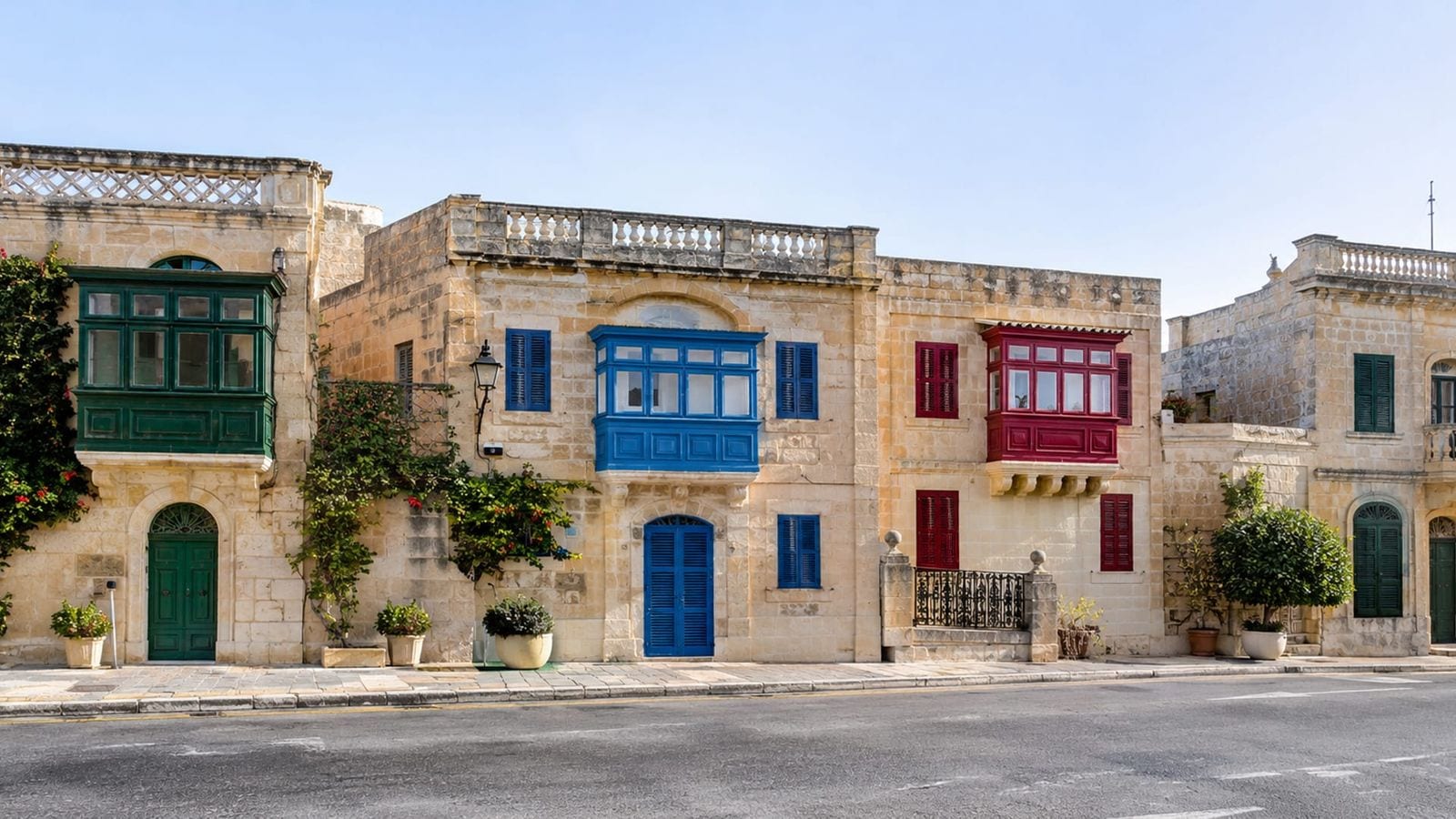
Begin at Domvs Romana in Rabat, a 10- to 15-minute walk from central Mdina, then continue through Mdina’s historic streets. Spend the morning exploring the museum and Mdina’s quiet streets, then head 30 to 40 minutes by taxi or bus back toward the northeast coast. End with a waterfront evening in St. Julian’s or Sliema, where restaurant choices are broader, and the harbor side stays active after dark.
For a final slow day, pair one last museum stop with easy shopping and a cafe break rather than another full transfer. Valletta keeps the final day simple because its shops, museums, churches, and cafés are close together. If you are staying in Sliema or St. Julian’s, build in time for a last promenade along the seafront and a relaxed lunch near the bay before heading to Malta Airport (MLA).
Business-class flights from the US to Malta
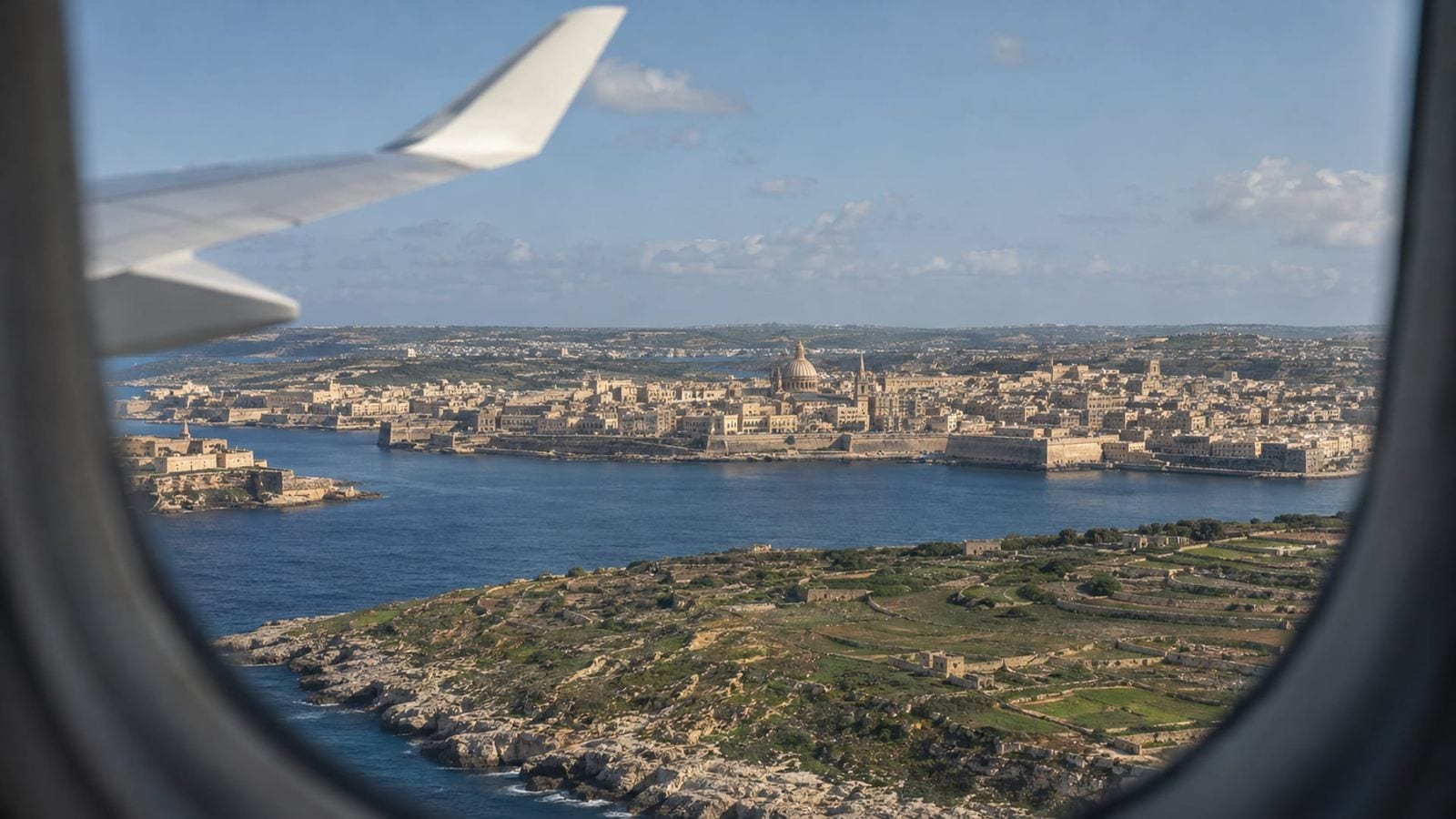
From New York and Los Angeles, trips to Malta usually involve one stop, often at a major European hub. Compare the total journey time as carefully as the fare, since longer layovers can add several hours to the trip.
New York (JFK) to Malta (MLA)
Delta Air Lines operates the only nonstop flight from New York to Malta, a seasonal route launched in June 2026 running 9 to 10 hours, with round-trip fares ranging from $4,000 to $12,700. Air France, British Airways, Lufthansa, Turkish Airlines, ITA Airways, and Emirates all offer one-stop New York itineraries, with total travel times in the 12 to 16 hour range. Lufthansa itineraries connecting through Frankfurt (FRA) generally cost $3,900 to $12,400.
Los Angeles (LAX) to Malta (MLA)
From Los Angeles, there are no nonstop flights to Malta. Turkish Airlines, Lufthansa, British Airways, Emirates, Air France, and ITA Airways all serve this route with a connection, and total journey time often runs 15 to 19 hours. Turkish Airlines’ one-stop option via Istanbul (IST) runs $4,900 to $9,300, with other common connections through Frankfurt (FRA), London (LHR), Paris (CDG), or Rome (FCO).
Malta feels different when you slow down
A good Malta trip keeps the movement clear, Valletta on foot, ferries across the harbor, taxis for Mdina and the south, and enough time for St. John’s Co-Cathedral, the Upper Barrakka Gardens, and one unhurried meal. That kind of plan leaves room for the island’s scale without turning every transfer into a project. If you want help shaping dates, hotel choice, or flight timing, the AranGrant experts can build your Malta route around the season and the neighborhoods you want most