

Chapters:

Need help with your trip?
Our support team is available 24/7. Request a callback or call us directly at (833) 619-0908
Málaga folds a long Mediterranean history into a small footprint. A Roman theater lies at the foot of a Moorish fortress, and Pablo Picasso’s birthplace anchors a city that art still shapes at nearly every turn.
The old town, the harbor, and the hills above it each hold a different pace: narrow tapas streets, a modern promenade of galleries and cafes, and the climb up to the Alcazaba and Gibralfaro walls for views over the bay.
This guide lays out five days in Málaga area by area, with where to eat, where to stay, and how to move between them.
Useful things to know

Main language(s): Spanish
Hola (OH-lah) – Hello/good morning
Por favor (por fah-VOR) – Please
Gracias (GRAH-see-ahs) – Thank you
¿Habla inglés? (AH-blah een-GLAYS) – Do you speak English?
¿Cuánto cuesta? (KWAHN-toh KWES-tah) – How much does it cost?

Currency: Euro (EUR, €).

Cash and cards: You can pay with cards and contactless almost everywhere; carry €20 to €40 ($23 to $46) in cash for taxis, markets, and small vendors.

Tipping: Round up small bills; leave 5%–10% in midrange restaurants if service is good.

Traditional food: espetos de sardinas, gazpachuelo, fritura malagueña, porra antequerana

Water and coffee costs: A bottle of water costs €2 ($2), and a bar espresso costs €1.50 to €2.50 ($2 to $3).

Taxis and ride apps: Uber and Bolt operate here; taxis are also easy to find.

Plug and voltage: Type C/F socket, 230V

Dining and shop opening hours: Breakfast is served from 8:00 am to 10:30 am, lunch from 1:30 pm to 3:30 pm, and dinner from 8:30 pm to 11:00 pm; kitchens often close in between.

Emergency number: 112 for police, fire, and medical emergencies
Where to stay in Málaga
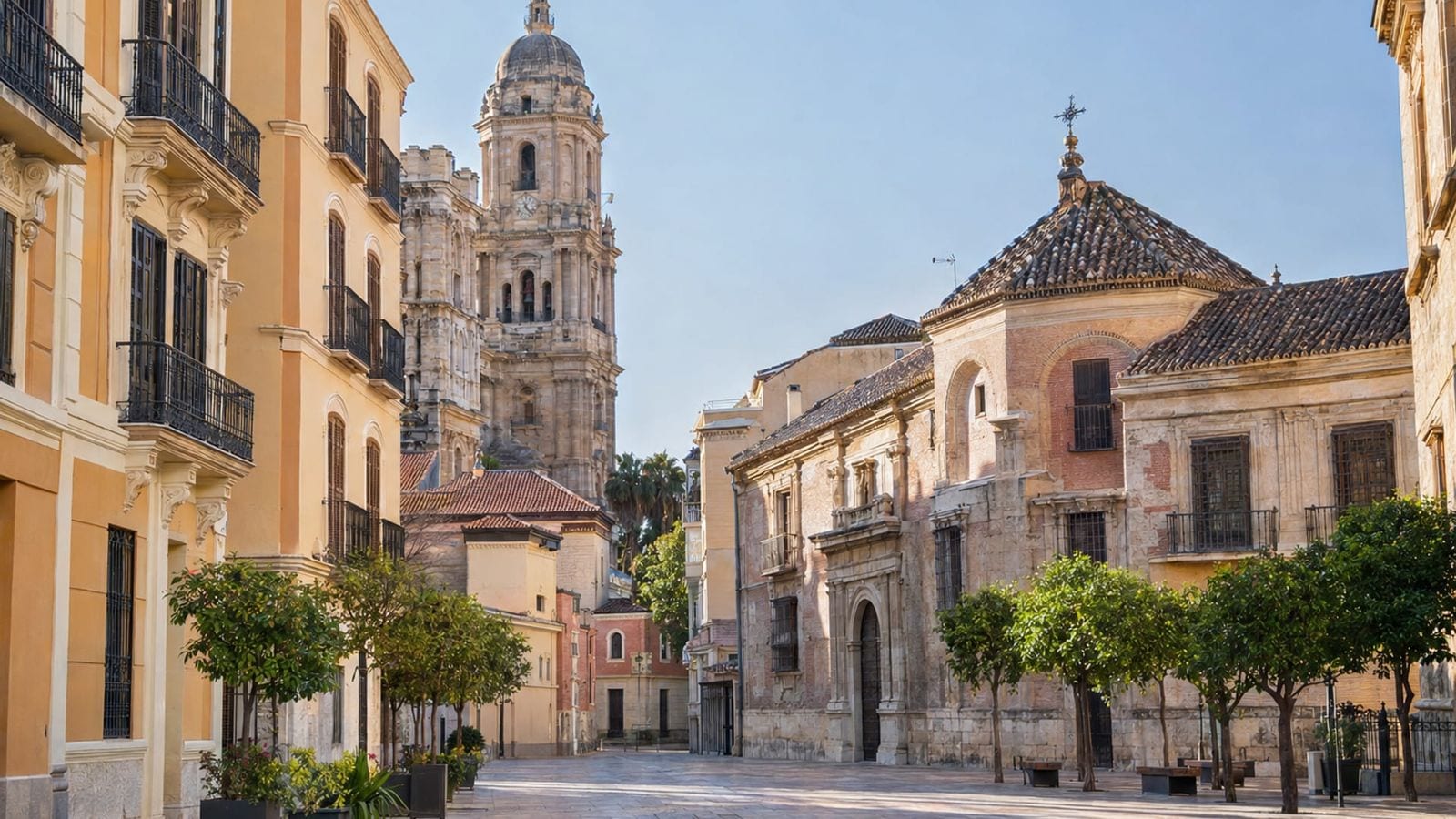
Málaga’s historic core gathers the Cathedral, Roman Theater, museums, and the main shopping streets in one walkable district. It suits visitors who want to step out into the city’s oldest streets, dine near Plaza de la Merced, and reach major sights without planning transport for every outing.
Best for: First-time visits, sightseeing, and travelers who want to walk to the main monuments
What to expect: Busy pedestrian streets, restaurant terraces, and steady foot traffic from morning until late evening
Hotel prices: Well-rated stays cost €140 to €260 ($160 to $300) per night.
Distance to major sights: 5 to 10 minutes on foot to Málaga Cathedral and the Roman Theater
Quietness: Lively by day and into the evening, with noticeable street noise near the main squares
Main trade-off: Rooms in the center cost more, and weekends can bring late-night noise from bars and terraces.
Good to know: Choose a room off the main streets for quiet nights; central blocks stay loud even after the rest of the city settles down.
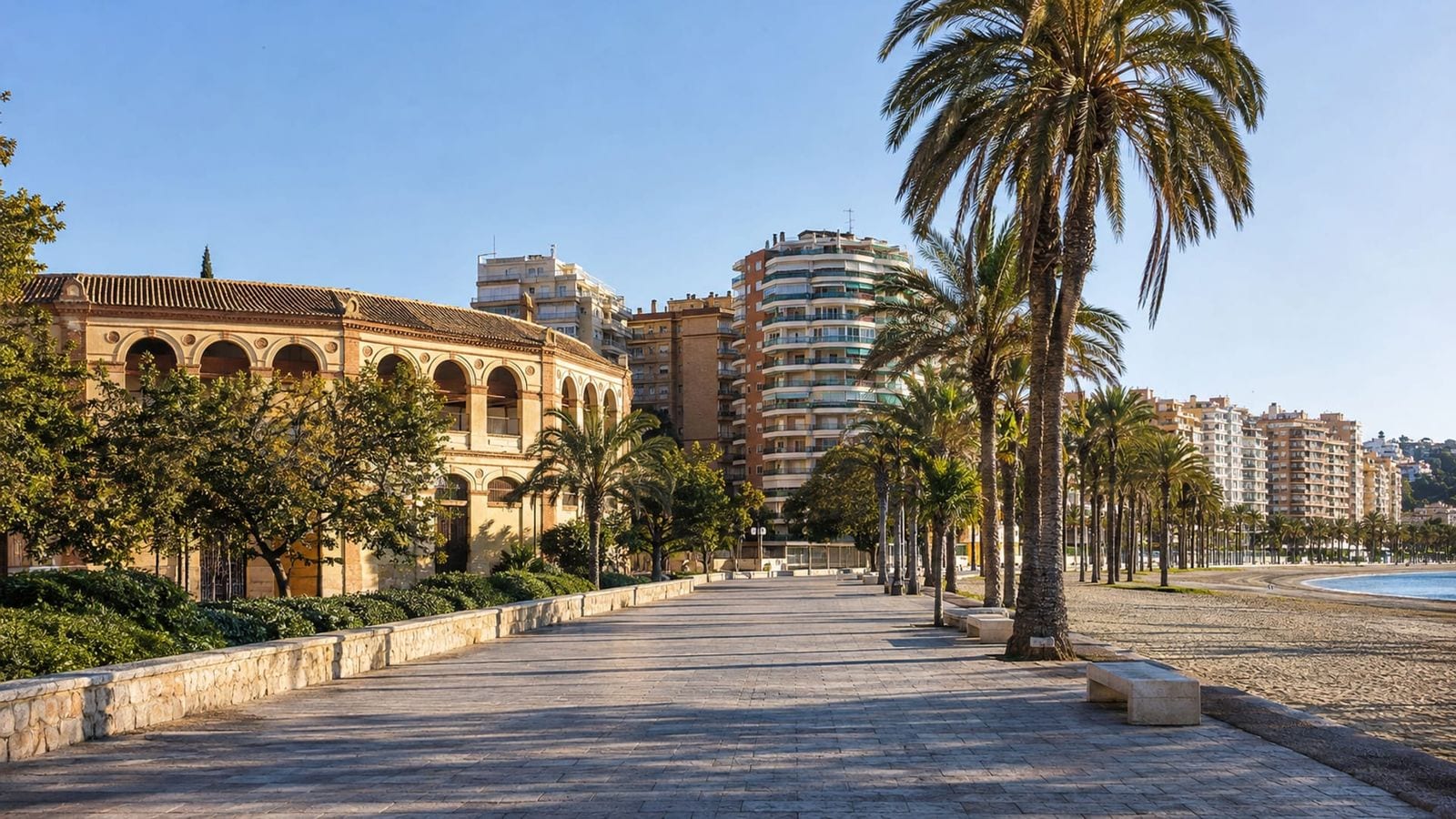
La Malagueta lies east of the old town beside Málaga’s Blue Flag city beach, with apartment hotels, seafood restaurants, and a long seafront promenade for morning walks. It suits travelers who want the coast within reach while staying close enough to the center for museums and evening plans.
Best for: Beach time, seaside walks, and travelers who want the coast near the center
What to expect: A residential seafront with beachgoers by day, calmer sidewalks at night, and more activity along the promenade in season
Hotel prices: Well-rated stays cost from €130 to €240 ($150 to $275) per night.
Distance to major sights: 10 to 15 minutes on foot to Málaga Cathedral and the historic center
Quietness: Quieter than the old town, although summer evenings can bring more promenade traffic and restaurant noise
Main trade-off: You will pay a little more for sea views, and you still need to walk or ride in for the densest nightlife.
Good to know: Book early in summer if you want a seafront room, since the best-facing apartments sell out faster than inland stays.
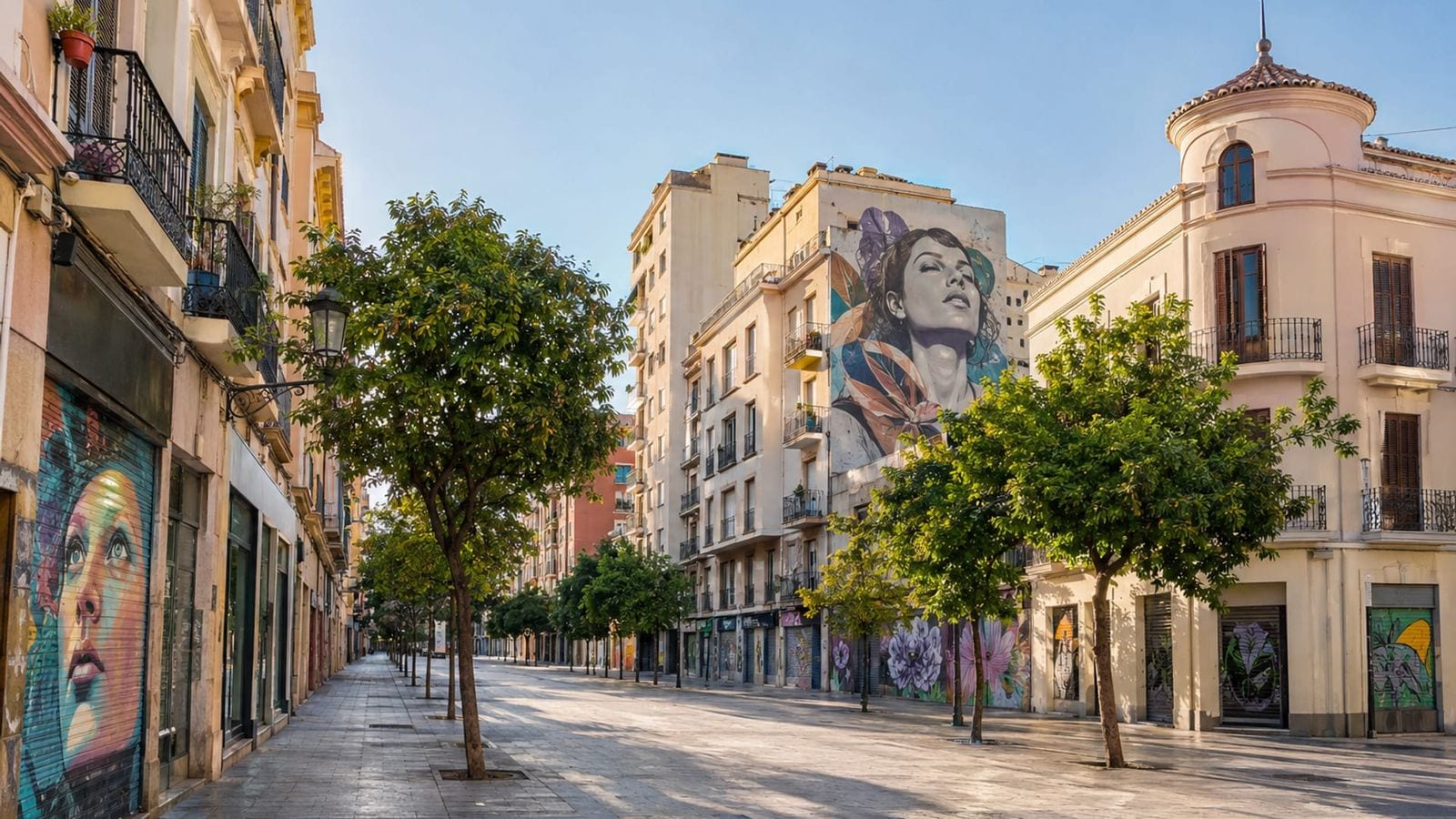
Soho lies between the port and the historic center, filled with street art from the MAUS urban art project, plus cafés, galleries, and newer hotels in a compact grid. It suits travelers who want a central location with easier vehicle access and a quieter, less tourist-heavy feel than the old town.
Best for: Design lovers, midrange hotels, and travelers who want central access without staying in the busiest core
What to expect: A mixed city neighborhood with cafés, local apartments, and lighter foot traffic than the historic center
Hotel prices: Well-rated rooms cost €110 to €210 ($125 to $240) per night.
Distance to major sights: 10 to 12 minutes on foot to Málaga Cathedral and about 8 minutes to the port
Quietness: Quieter in the day than the old town, then livelier around bars and dining spots after dark
Main trade-off: You lose a little of the postcard setting, and some blocks feel plain instead of scenic.
Good to know: Check the exact block before booking, because some streets are near late-night bars while others are noticeably calmer.
Puerto de la Torre, Campanillas, and Churriana lie far from Málaga’s main sights and rely on buses or taxis at night. El Palo and Pedregalejo suit a beach stay more than quick access to the historic core.
Hotel deals
Getting around Málaga
Málaga has no direct metro link to the airport; getting around blends walking, the airport bus, Cercanías trains, and taxis for hillside spots.

Rail
for crossing the city and reaching the airport
Málaga’s Metro, Lines 1 and 2, costs €1.35 ($2) and links the university area and western districts to the historic center, running until 11:00 pm (1:30 am on weekends). The separate Cercanías C1 train costs €1.80 ($2), runs every 20 minutes, and is the fastest link to the airport.

Bus
for convenience
EMT Line A Express connects Málaga-Costa del Sol Airport (AGP) with the center, alongside intercity buses for longer coastal trips. The airport bus costs €4 ($5), with tickets valid for one ride, and the trip to Alameda Principal takes 20 to 25 minutes outside peak traffic; local city buses cover most neighborhoods.

Taxi
for convenience or late hours
Licensed taxis use metered fares; the regulated airport fare to central Málaga runs €17 to €25 ($20 to $29), depending on the time of day. An airport supplement may apply, so confirm the meter is running. From the terminal to the historic center, the ride takes 15 to 20 minutes.
*Prices are based on rates updated as of June 2026 and may change at the time of travel.
Take the train for the cheapest airport transfer, a taxi for door-to-door convenience, and walk in the center, where Centro Histórico, Soho, and the waterfront lie close together.
Iconic places in Málaga
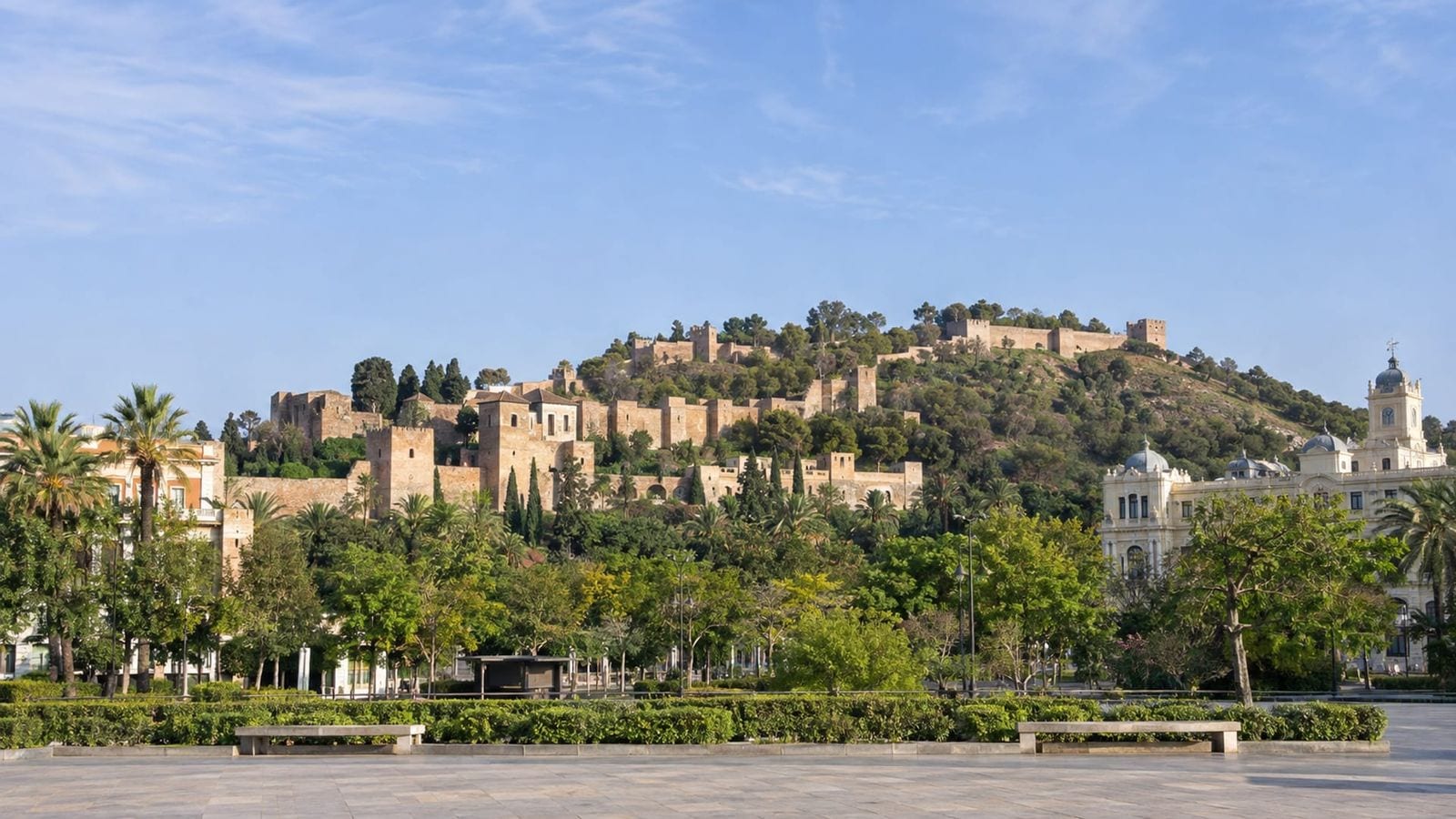
Alcazaba of Málaga and Gibralfaro Castle
Málaga’s twin fortresses trace the city’s Moorish defenses: the 11th-century Alcazaba rises from the old town, linked by a historic walled corridor to the 14th-century Gibralfaro Castle above, which gives the best classic view of the bay, bullring, and harbor.
Time needed: About 2 to 3 hours for both
Entry: Individual entry costs €7 ($8) each; the combined ticket costs €10 ($11) and is valid for 48 hours. Visit the official site for details
Tip: Visit the Alcazaba first, then climb to Gibralfaro for sunset views.
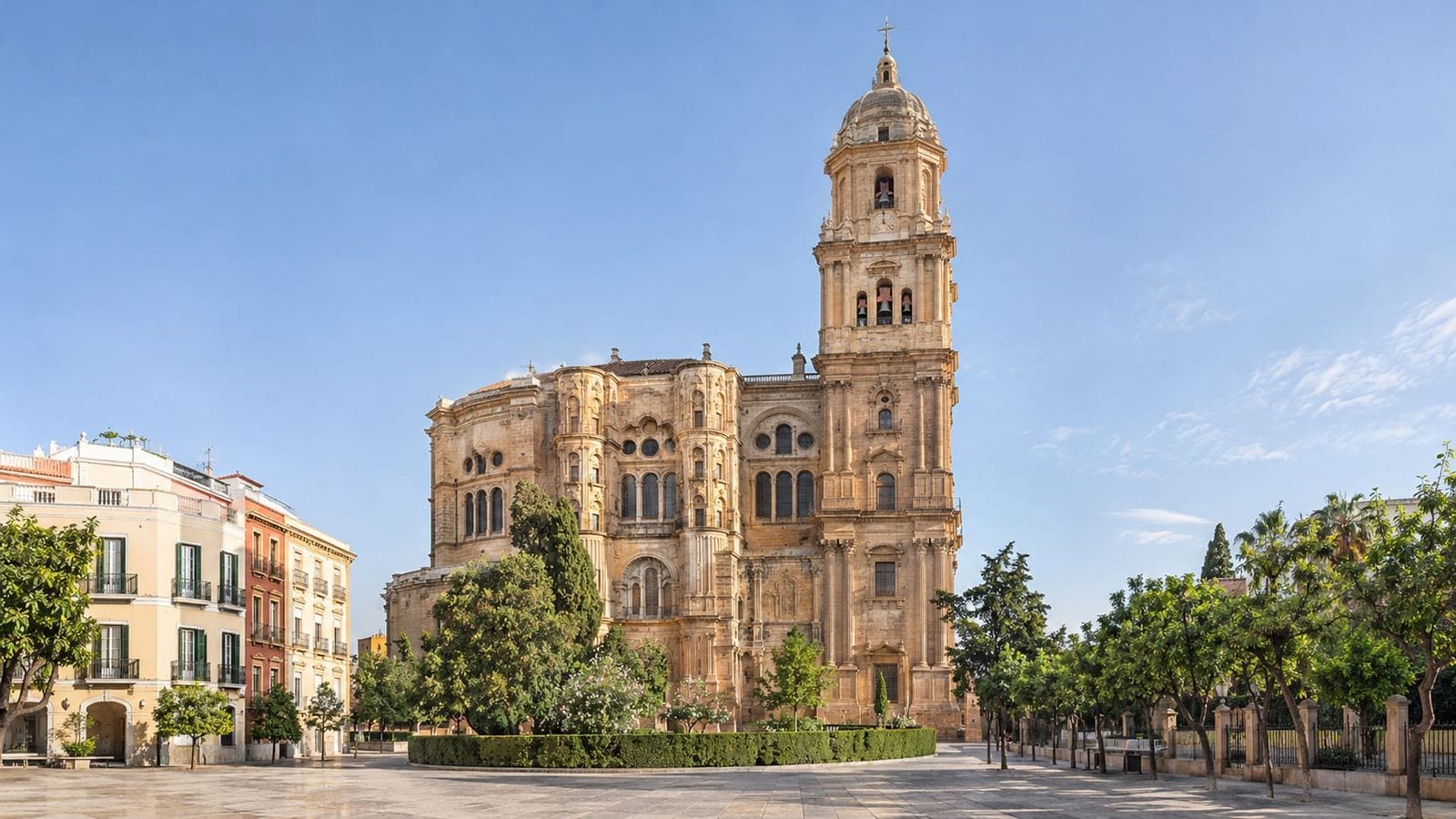
Málaga Cathedral
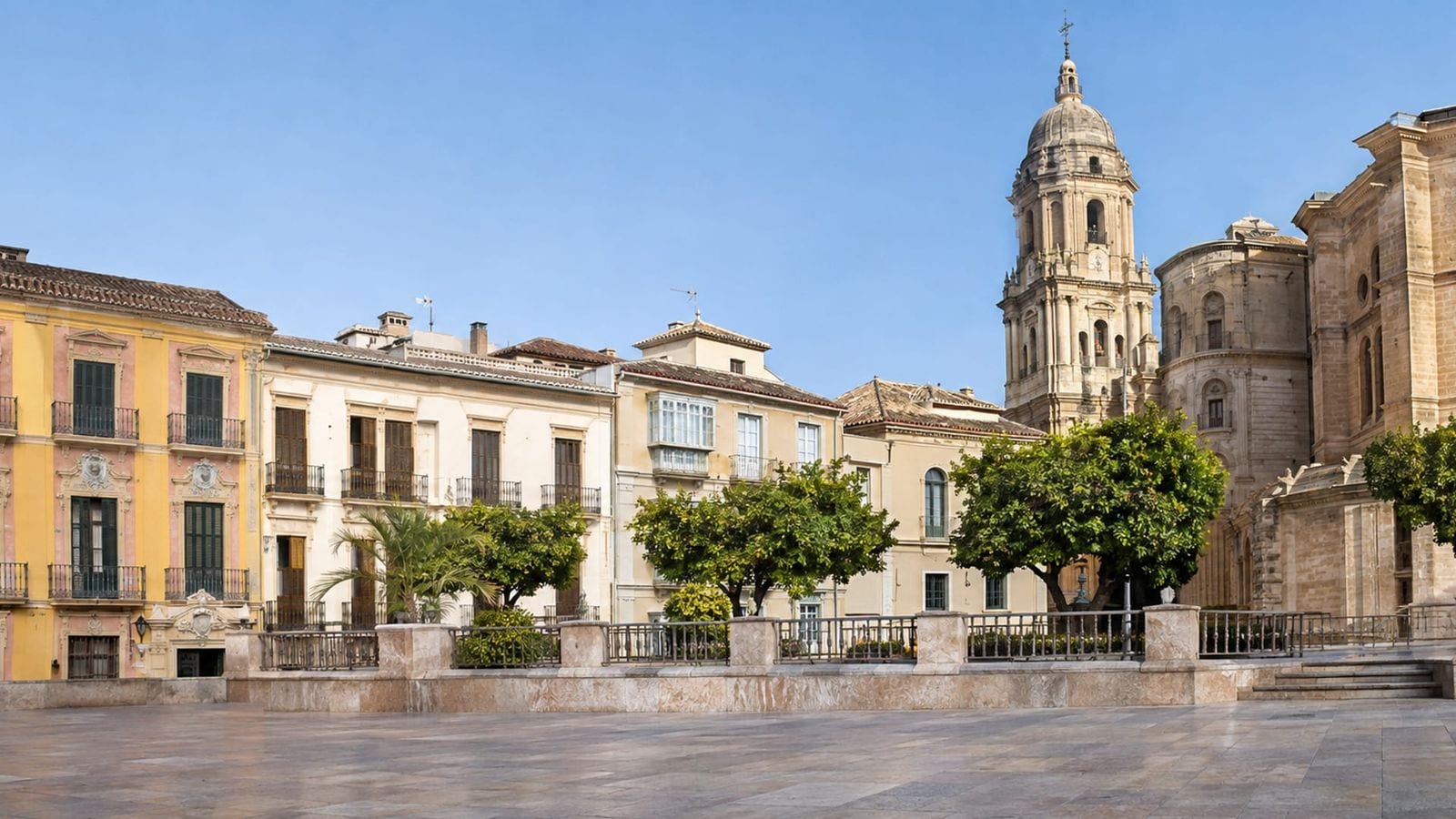
Known locally as La Manquita, this Renaissance cathedral was left with one unfinished tower, a detail that defines its silhouette. Inside, expect a vaulted nave, side chapels, and a strong contrast between the ornate choir and the bright interior space.
Time needed: About 1 hour
Entry: Standard tickets cost €7 to €10 ($8 to $11). Visit the official site for details
Tip: Visit midmorning, when the nave is bright, and the surrounding streets are still calm.
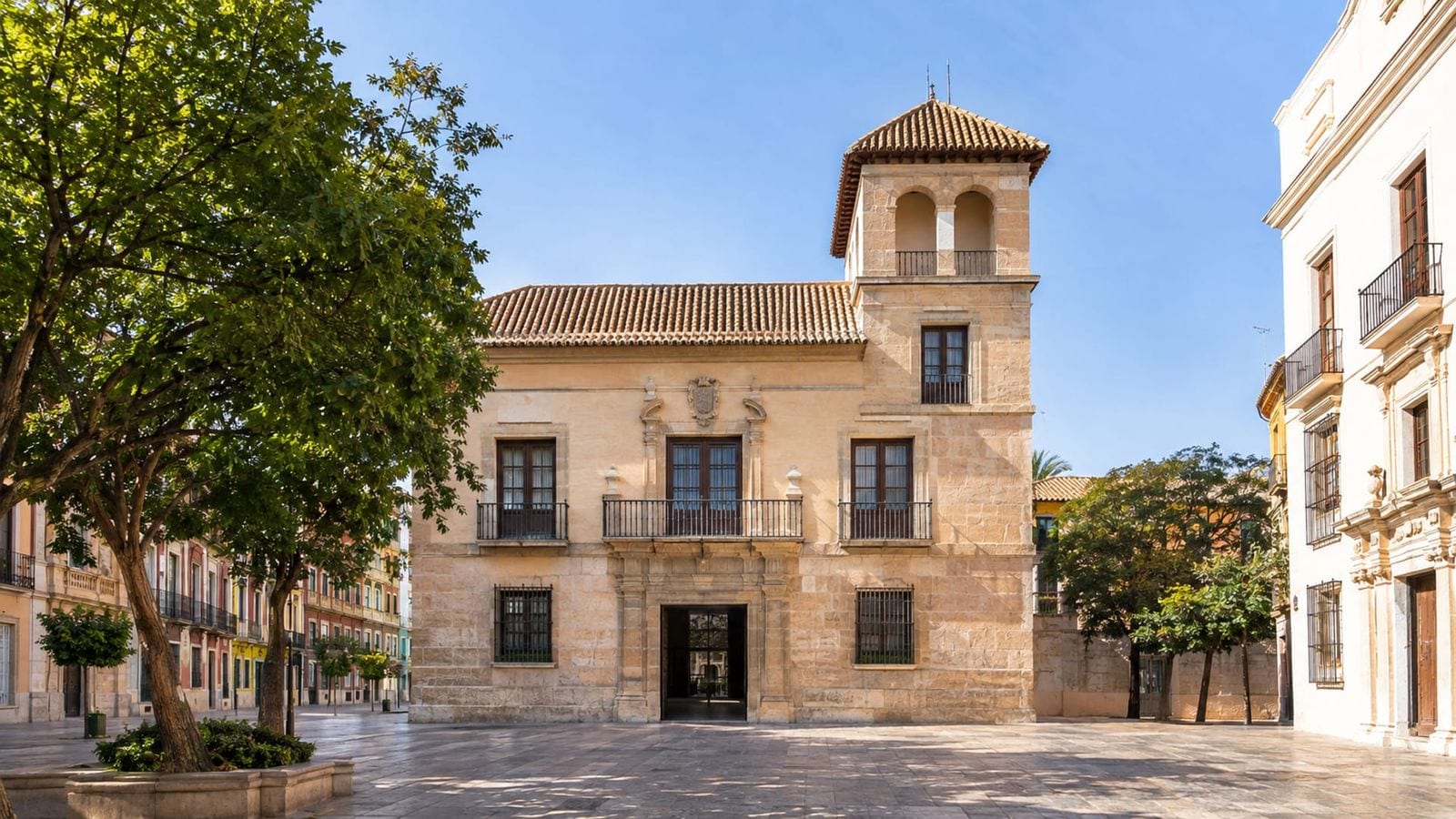
Picasso Museum
Housed in the 16th-century Palacio de Buenavista, this museum holds more than 200 works donated by Picasso’s family, tracing his career from early academic studies through Cubism and ceramics. The basement reveals Phoenician, Roman, and Moorish remains found during restoration.
Time needed: About 1 to 2 hours
Entry: General admission costs €13 ($15); reduced tickets cost €11 ($13). Visit the official site for details
Tip: Weekday mornings are quietest, or visit free during the last two hours on Sundays.
Overlooked places in Málaga

Málaga Park
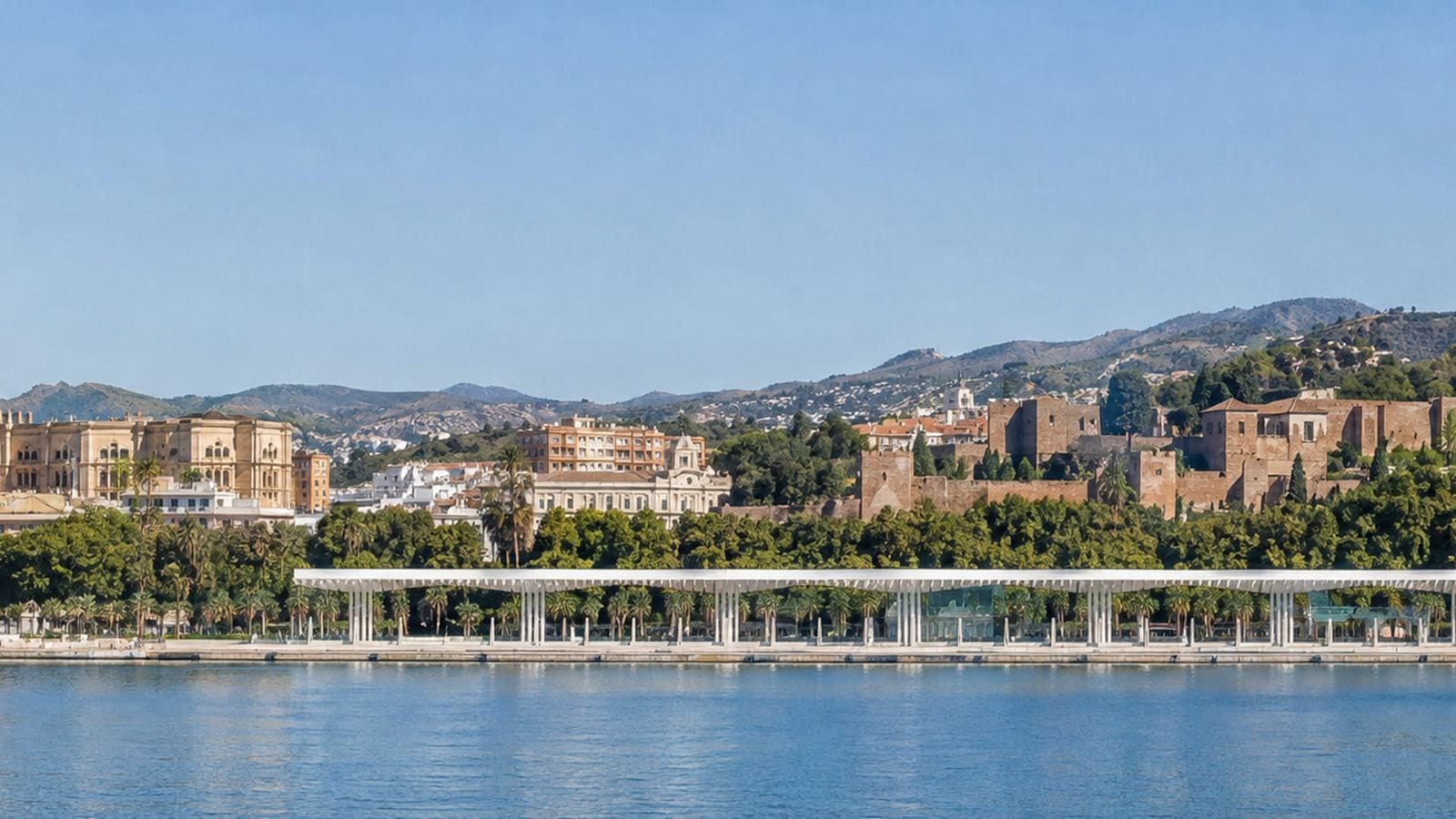
A long subtropical promenade linking the port to the old town, lined with palms, fountains, and tiled benches. It offers a shaded walk with public art, not a rushed sightseeing checklist.
Time needed: About 1 hour
Entry: Free entry. Open daily, dawn to late evening.
Tip: Visit late afternoon for softer light and cooler paths.

Centre Pompidou Málaga
A compact branch of the Paris museum, known for its colorful cube above the harbor and rotating modern-art shows. The collection changes often, so the visit stays focused and manageable in one stop.
Time needed: About 1 to 2 hours
Entry: Combined tickets cost €9 ($10). Free entry Sundays from 4:00 pm. Visit the official site for details.
Tip: Check the current exhibition list before setting out.
What to eat in Málaga
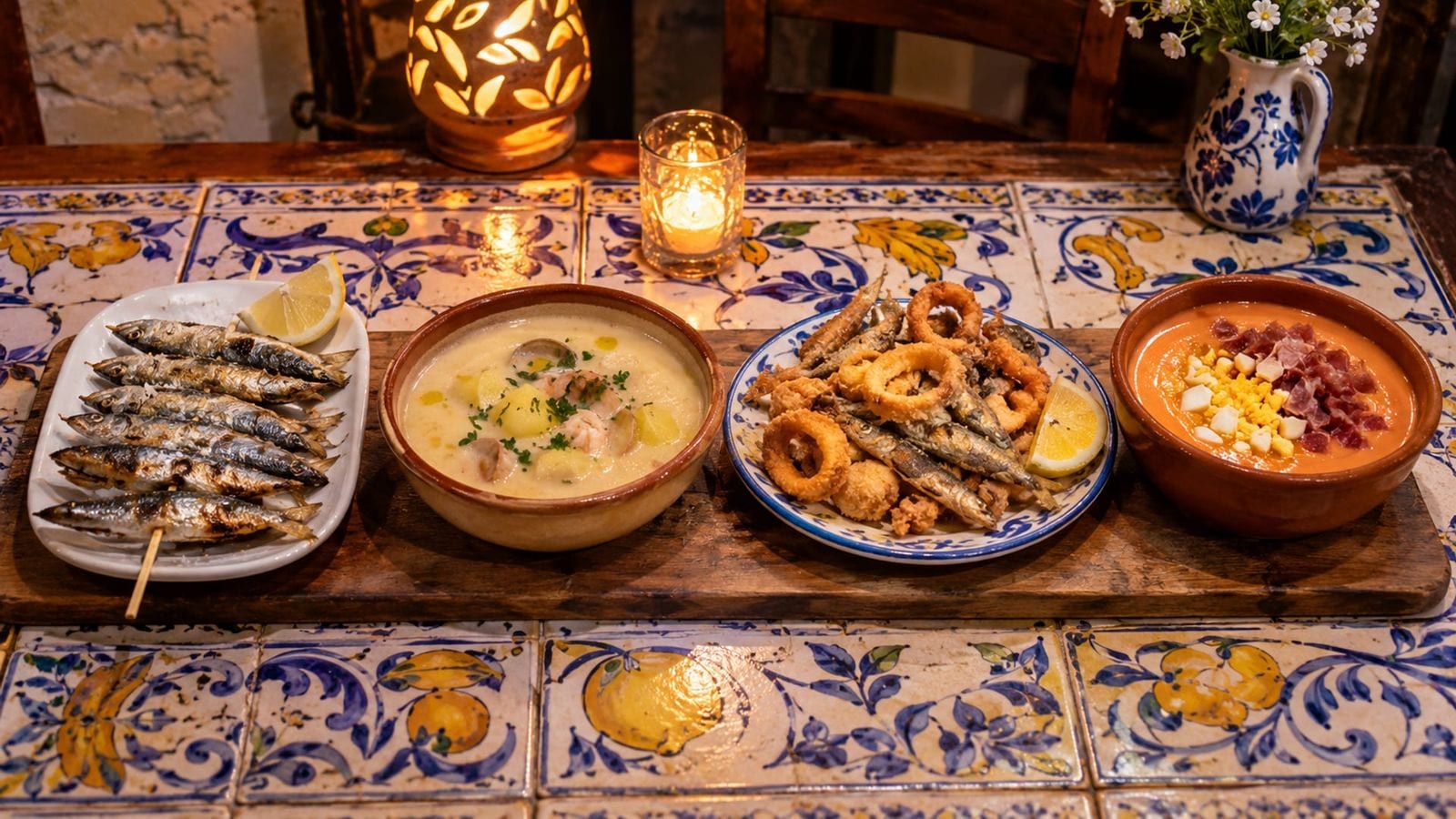
At Atarazanas Market, crates of anchovies, tomatoes, citrus, and olives set the pace for a city that grills fish fast and lingers over cold soups and bread.
Espetos de sardinas
Skewered sardines are grilled over open heat, then served simply with salt and smoke. El Tintero, on the eastern waterfront, is a classic place to order them near the sea.
Gazpachuelo
This warm Málaga soup blends fish stock, mayonnaise, and potato into a rich coastal dish. Mesón Mariano in the center is a strong local choice for a traditional version.
Fritura malagueña
A mixed fry of small fish and seafood gives you the clearest taste of a Málaga seaside lunch. El Pimpi serves a well-known version in the historic center.
Porra antequerana
This thicker cold tomato soup, topped with egg and ham, is one of Málaga’s most recognizable summer dishes. Almijara Casual Bar, in the center, is known for its own version.
Best time to visit
Málaga swings from hot, crowded beach summers to mild winters suited to museums and hilltop walks. Pick based on sea time or easier sightseeing.
Best for: Walking the center, the parks, and the hilltop castles
What you get: Expect temperatures between 60°F and 77°F (16°C to 25°C), with moderate crowds and comfortable walking weather.
Trade-offs: Popular dates can push hotel prices up.
Best for: Beach days, late dinners, and long evenings along the port and promenade
What you get: Temperatures between 72°F and 90°F (22°C to 32°C), with the biggest crowds and the most time spent near the coast
Trade-offs: Midday heat can make uphill sightseeing tiring.
Best for: City walks, museum visits, and quieter time along the harbor and waterfront
What you get: Temperatures between 63°F and 82°F (17°C to 28°C), with lighter crowds and cooler evenings than in the peak season
Trade-offs: Early autumn can still bring hot afternoons.
Best for: Easy museum days and clear hilltop views
What you get: Temperatures between 49°F and 64°F (9°C to 18°C), with the calmest streets and fewer tour groups
Trade-offs: Sea swimming and long beach days are limited.
A 5-day plan in Málaga
Five days in Málaga go from the old town to the hill above it, then out to the harbor and the beach at La Malagueta, before a final morning back in the historic center to close the trip.
Land at Málaga (AGP), then take the airport bus or a taxi into Soho or Centro Histórico. The airport bus costs €4 ($5) and takes 20 to 25 minutes; a taxi costs €17 to €25 ($20 to $29) and takes 15 to 20 minutes. Stay in Soho for a quieter first night, or in Centro Histórico to walk to dinner without arranging transport. Keep dinner simple, with seafood or tapas near the port or in the old town, then turn in early before the city gets lively.
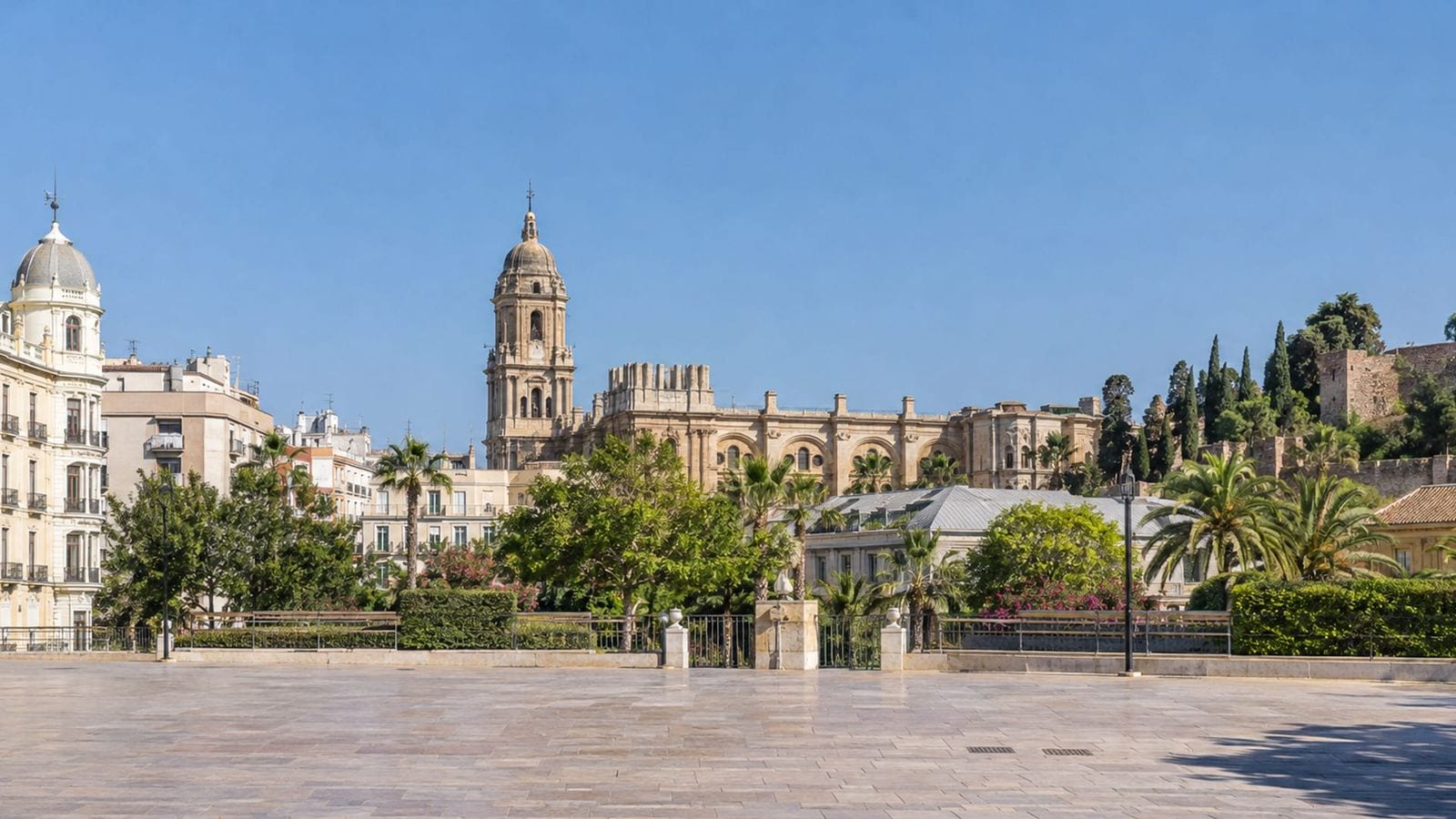
Start with Málaga Cathedral in the midmorning light, then walk 5 to 10 minutes to the Roman Theatre and another 2 to 3 minutes uphill to the Alcazaba of Málaga. Allow 1 hour for the cathedral, 30 minutes for the Roman Theatre, and 1 to 2 hours for the Alcazaba, including the terraces. From there, it is a 5- to 10-minute walk to Málaga Park for a shaded break between the port and the center. Finish with an easy waterfront walk, then dinner in Centro Histórico, where you can stay close to the main monuments and avoid crisscrossing the city after dark.
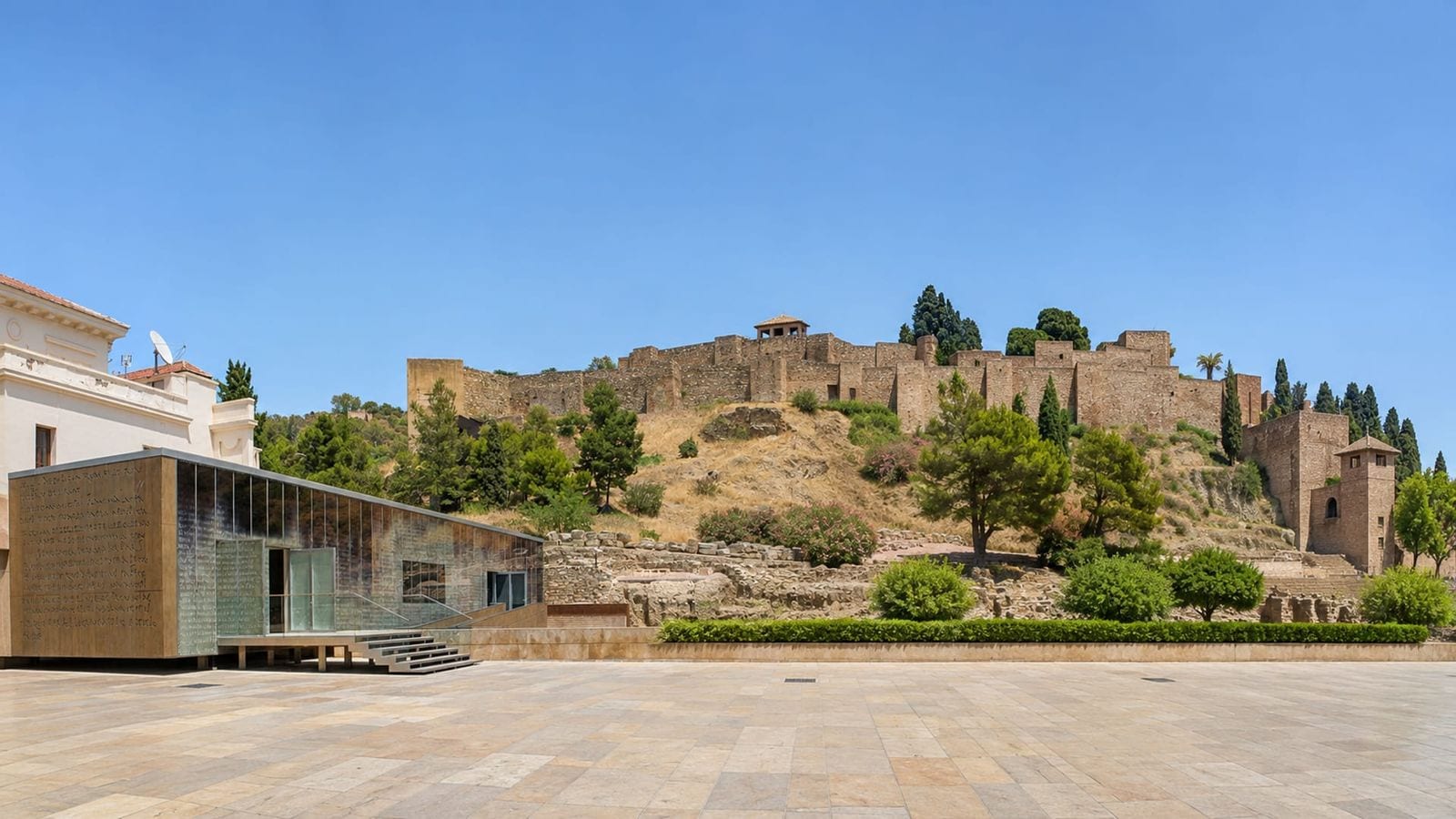
Begin at Centre Pompidou Málaga, right on the harbor, for a late morning by the water. From there, walk 15 minutes through Málaga Park to the historic center and its main shopping streets. After lunch, head uphill to Gibralfaro Castle by taxi or a long walk, then descend for sunset views over the bay. The castle visit takes 1 to 2 hours, and the walk back to the center takes 15 to 20 minutes. Finish with dinner near the cathedral, close to the old streets and your hotel.
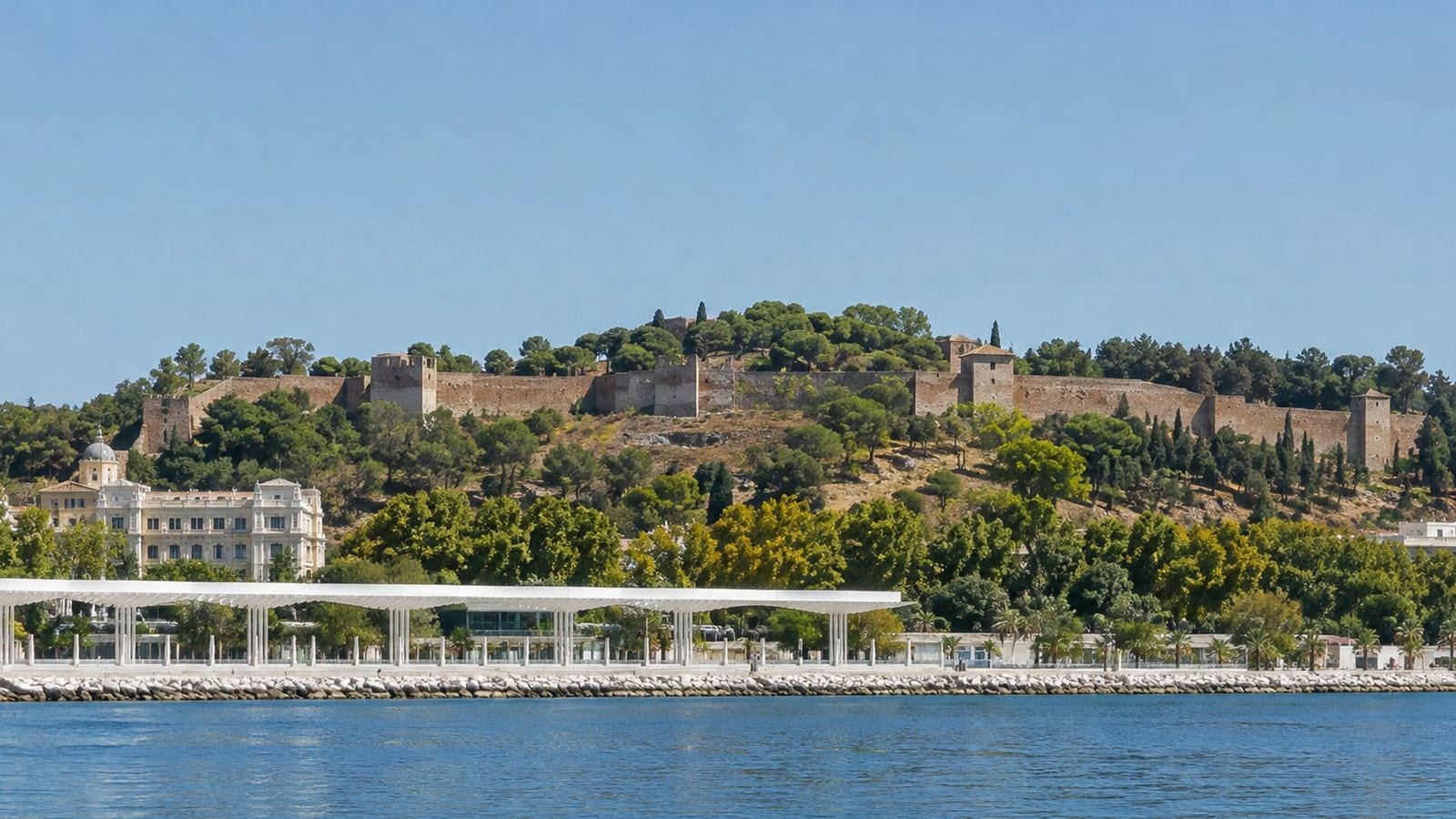
Set out early for Gibralfaro Castle if you did not visit it the day before, since the light is clearer and the paths are less exposed to heat. Pair it with the Alcazaba of Málaga below, which takes 1 to 2 hours, and budget 15 to 20 minutes to move between the two on foot if you stop for views. After that, walk 10 minutes down to Málaga Park for a shaded rest, then continue 5 minutes to the port area for coffee or a late lunch. Spend the afternoon in La Malagueta, where the beach and promenade give you a change of pace without pulling you far from the center.
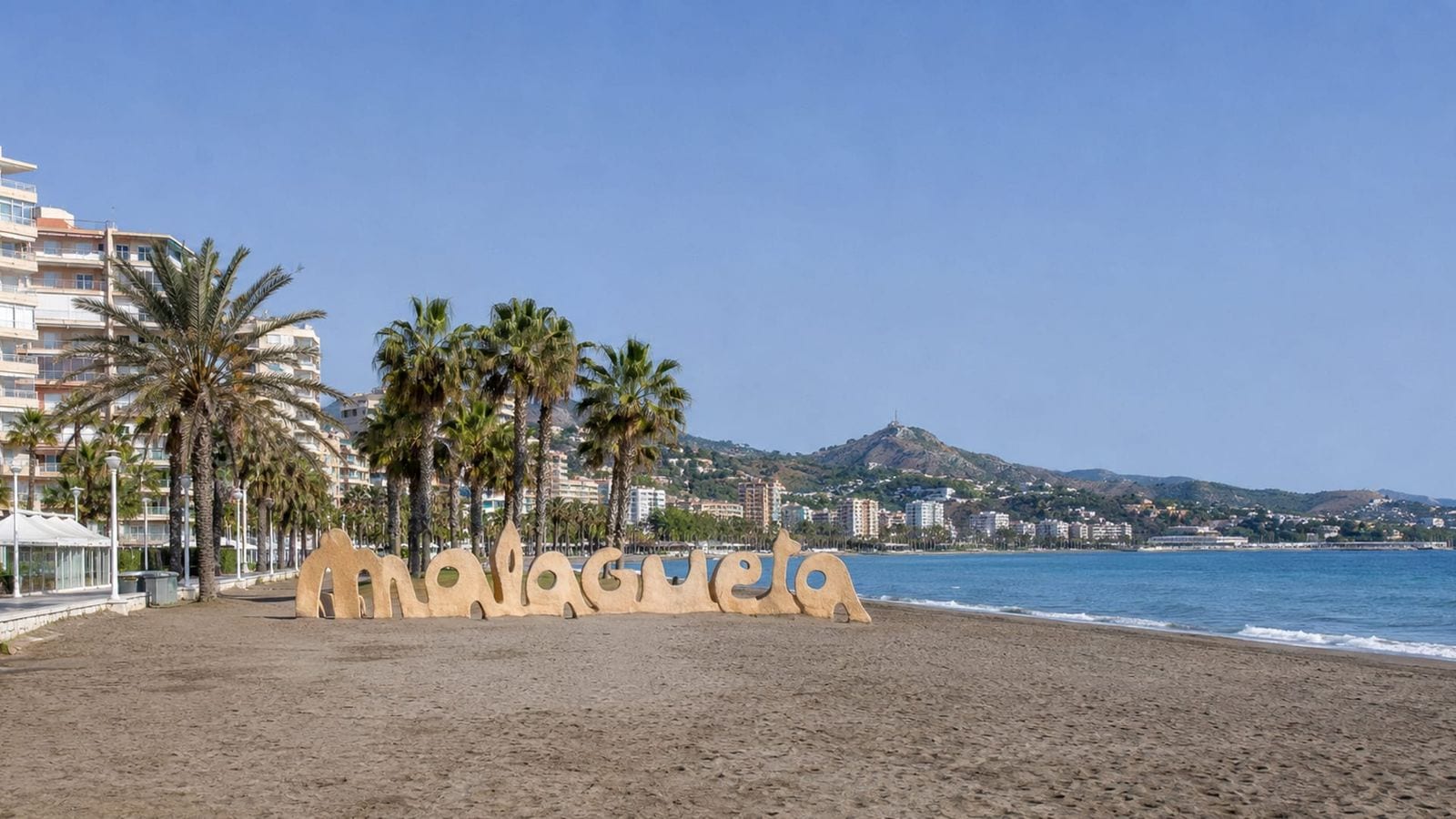
A final morning centers on one last museum visit, a walk through Centro Histórico’s shopping streets, and coffee in Soho before departure. If time allows, return to Centre Pompidou Málaga, then walk 15 minutes back for souvenirs and a relaxed lunch. Soho makes a good final stop, between the port and the old town, keeping you close to the hotel. Leave time to collect bags, then take the airport bus or a taxi to Málaga Airport (AGP).
Business-class flights from the US to Malaga
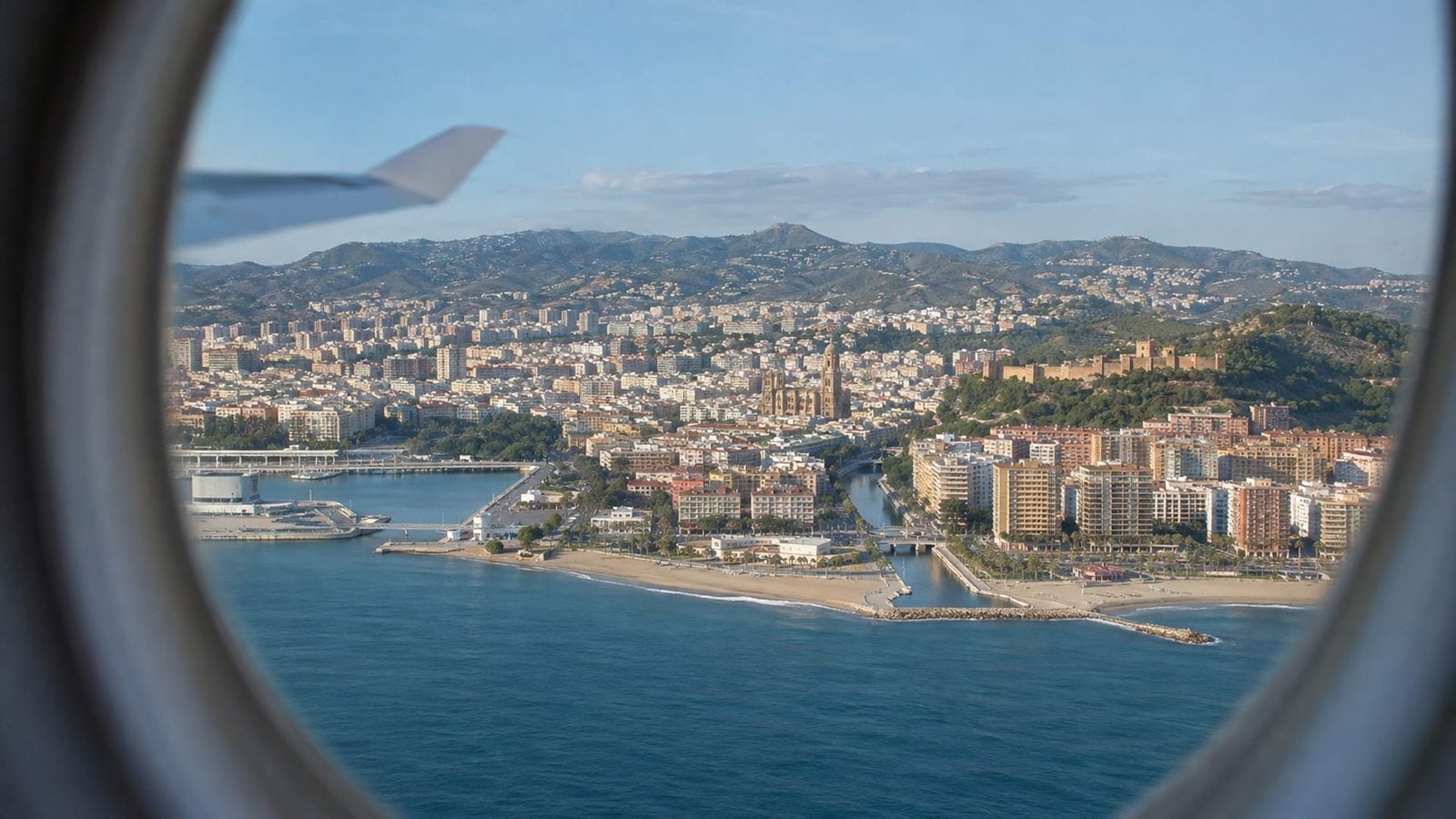
Business-class fares to Málaga vary by coast, airline, and layover length. Most itineraries include at least one connection.
From New York (JFK/EWR) to Málaga (AGP)
From late May through September, United Airlines offers nonstop flights to Málaga from Newark (EWR) on a Boeing 757 with 16 lie-flat Polaris business class seats, taking about 8 hours. Outside that window, or from New York (JFK), expect one stop through Madrid (MAD), Lisbon (LIS), or London (LHR) on Iberia, TAP Air Portugal, British Airways, or American Airlines. Round-trip business-class fares typically range from $3,200 to $6,500.
Los Angeles (LAX) to Málaga (AGP)
From Los Angeles (LAX), business-class flights to Málaga typically connect once, through hubs like Madrid (MAD), London (LHR), or Paris (CDG), on airlines including Iberia, British Airways, Air France, American Airlines, and Lufthansa. Total travel time takes 15 to 18 hours. Round-trip business-class fares typically range from $3,700 to $7,900.
Málaga deserves your time
A deliberate Málaga trip keeps the walking tight: Cathedral to Alcazaba, then down through Málaga Park to the port, with one hilltop run to Gibralfaro and a slower evening in Soho or Centro Histórico. That gives the city room to show its layered center, its seafront, and its late dinners without forcing long cross-town moves. When you’re ready to book, the AranGrant team can arrange your business-class flights and hotel stay.