

Chapters:

Need help with your trip?
Our support team is available 24/7. Request a callback or call us directly at (833) 619-0908
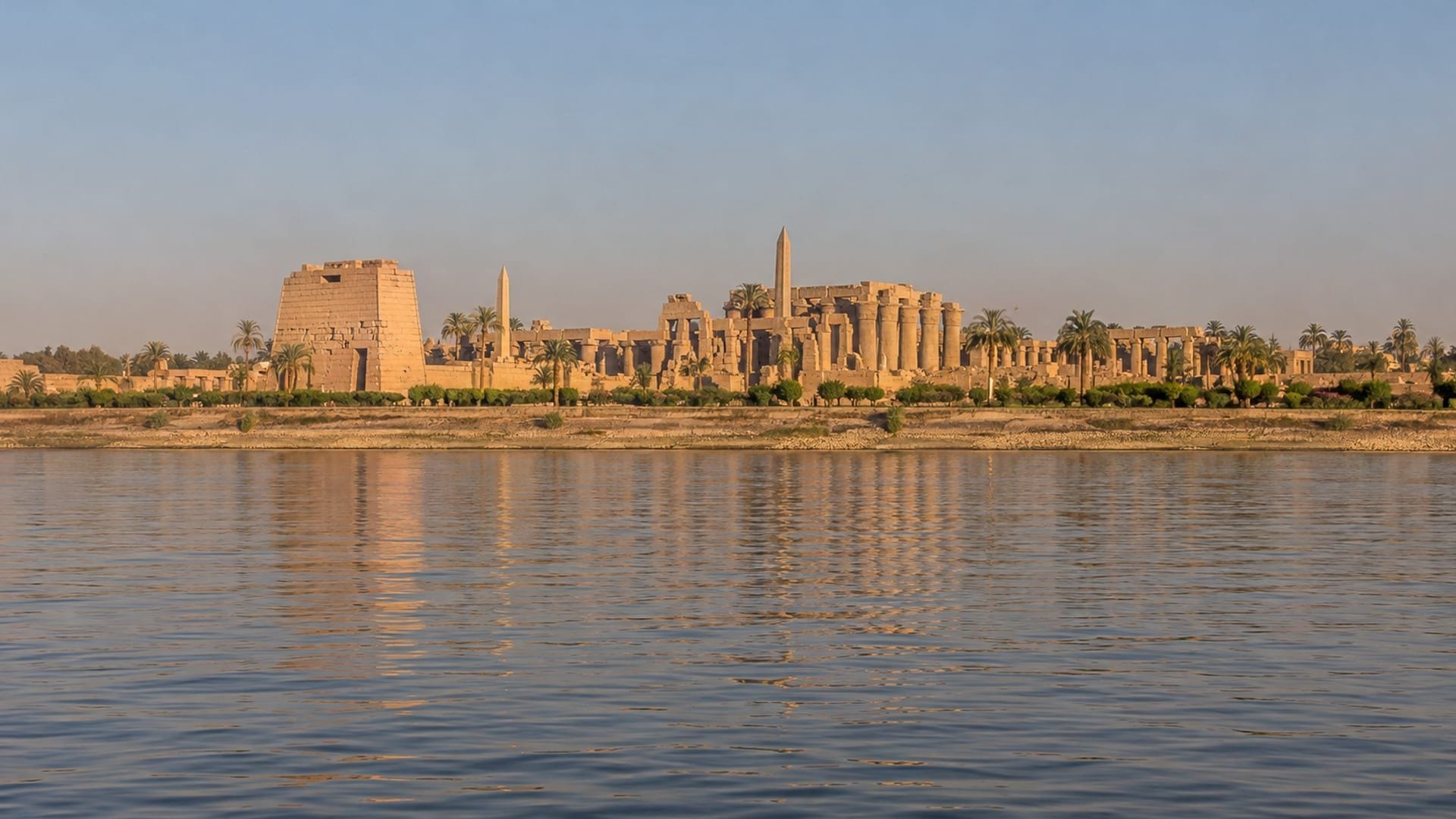
Luxor’s ancient monuments face each other across the Nile: temples rise within the modern city on the East Bank, while royal tombs cut into the desert hills to the west. The river divides a landscape shaped by ancient Thebes, where successive pharaohs built sanctuaries and prepared elaborate burial chambers.
At Karnak, 134 columns fill the Great Hypostyle Hall. Luxor Temple brings colossal statues into the city center, while the Valley of the Kings leads underground to painted gods and funerary texts. Each reveals a different part of that sacred landscape.
Five days allow separate outings on both banks, with time between excursions beside the Nile. Taxis connect the scattered western monuments; the public ferry links the riverbanks.
Useful things to know

Main language(s): Arabic
أهلاً (ah-lan) – Hello
من فضلك (min fad-lak) – Please
شكراً (shok-ran) – Thank you
بتتكلم إنجليزي؟ (bit-it-kal-lim ing-lee-zee?) – Do you speak English?
بكام؟ (bi-kam?) – How much does it cost?

Currency: Egyptian pound (EGP, E£)

Cash and cards: Cards are accepted at larger hotels and restaurants; carry EGP 500 to EGP 1,000 ($10 to $20) for cash purchases.

Tipping: Leave 10% in restaurants for good service, even if the bill includes a service charge.

Traditional food: Ful medames, ta’ameya, koshari, and molokhia are among the classic dishes of Luxor.

Water and coffee costs: Bottled water EGP 10 to EGP 20 ($0.20 to $0.40); espresso EGP 60 to EGP 120 ($1.20 to $2.40).

Taxis and ride apps: Ask your hotel to arrange a licensed taxi; confirm the fare before the ride.

Plug and voltage: Type C/F socket, 220V

Dining and shop opening hours: Breakfast 7 am to 10 am, lunch 1 pm to 4 pm, dinner 8 pm to 11 pm. Shops usually open 10 am to 10 pm; some close for Friday prayers.

Emergency number: Police 122, ambulance 123, fire 180.
Where to stay in Luxor
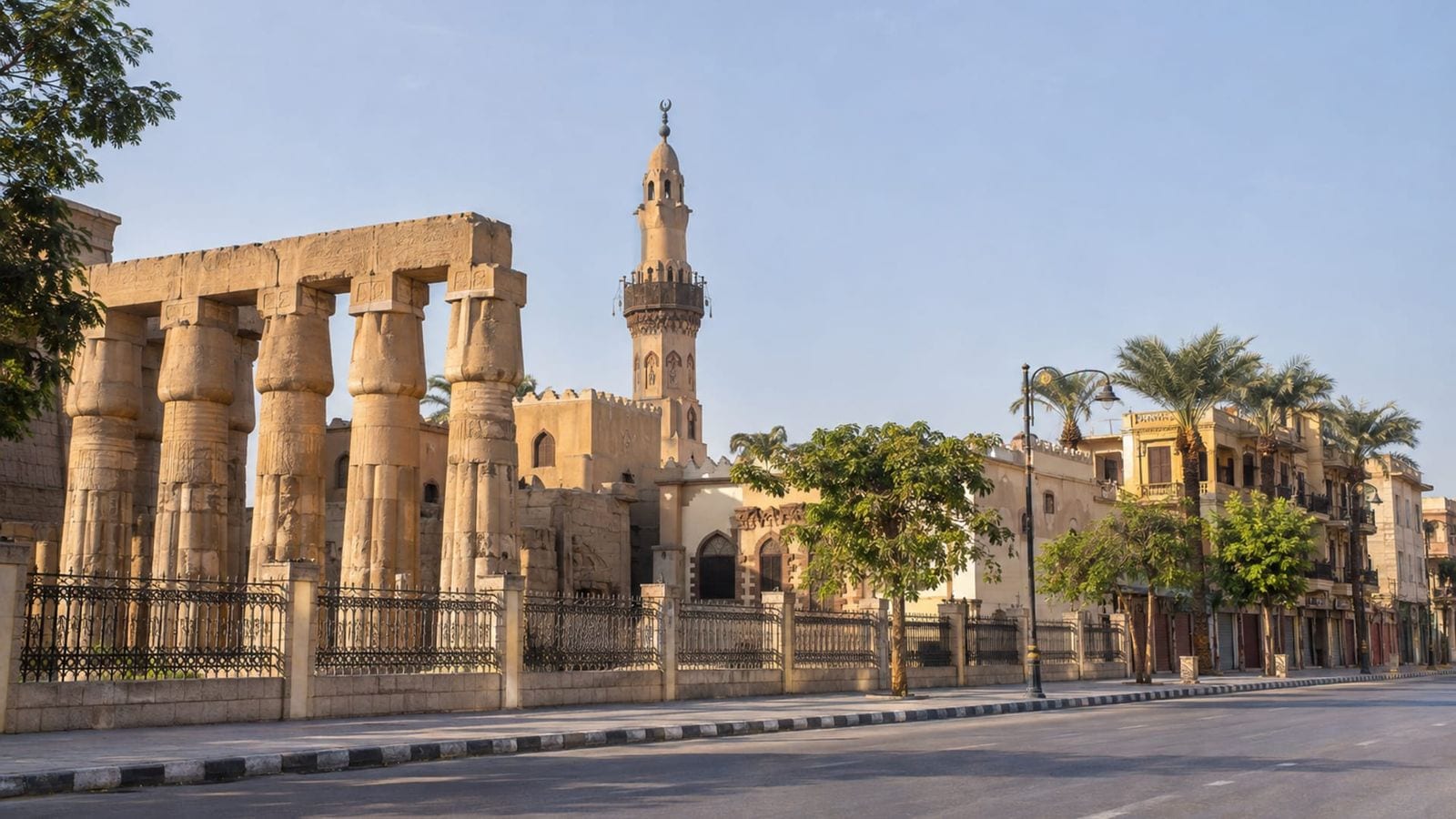
Luxor City Center is the compact East Bank heart of the city, with hotels near Luxor Temple, shops, and restaurants serving visitors and residents. Staying here puts evening walks beside the Nile and several major sights within easy reach, though traffic and sales approaches can interrupt a stroll.
Best for: Walking to Luxor Temple, restaurant choice, and evening outings
What to expect: Traffic, tour groups, and vendors keep the streets near Luxor Temple busy.
Hotel prices: Well-rated hotels cost EGP 2,000 to EGP 6,000 ($40 to $120) a night.
Distance to major sights: Luxor Temple is a 5 to 20-minute walk from many central hotels.
Quietness: Sightseeing crowds fill the daytime streets; traffic and restaurant activity continue after dark.
Main trade-off: Convenient sightseeing comes with more street noise and persistent sales approaches.
Good to know: Request a room away from the street if traffic noise would disturb your sleep.
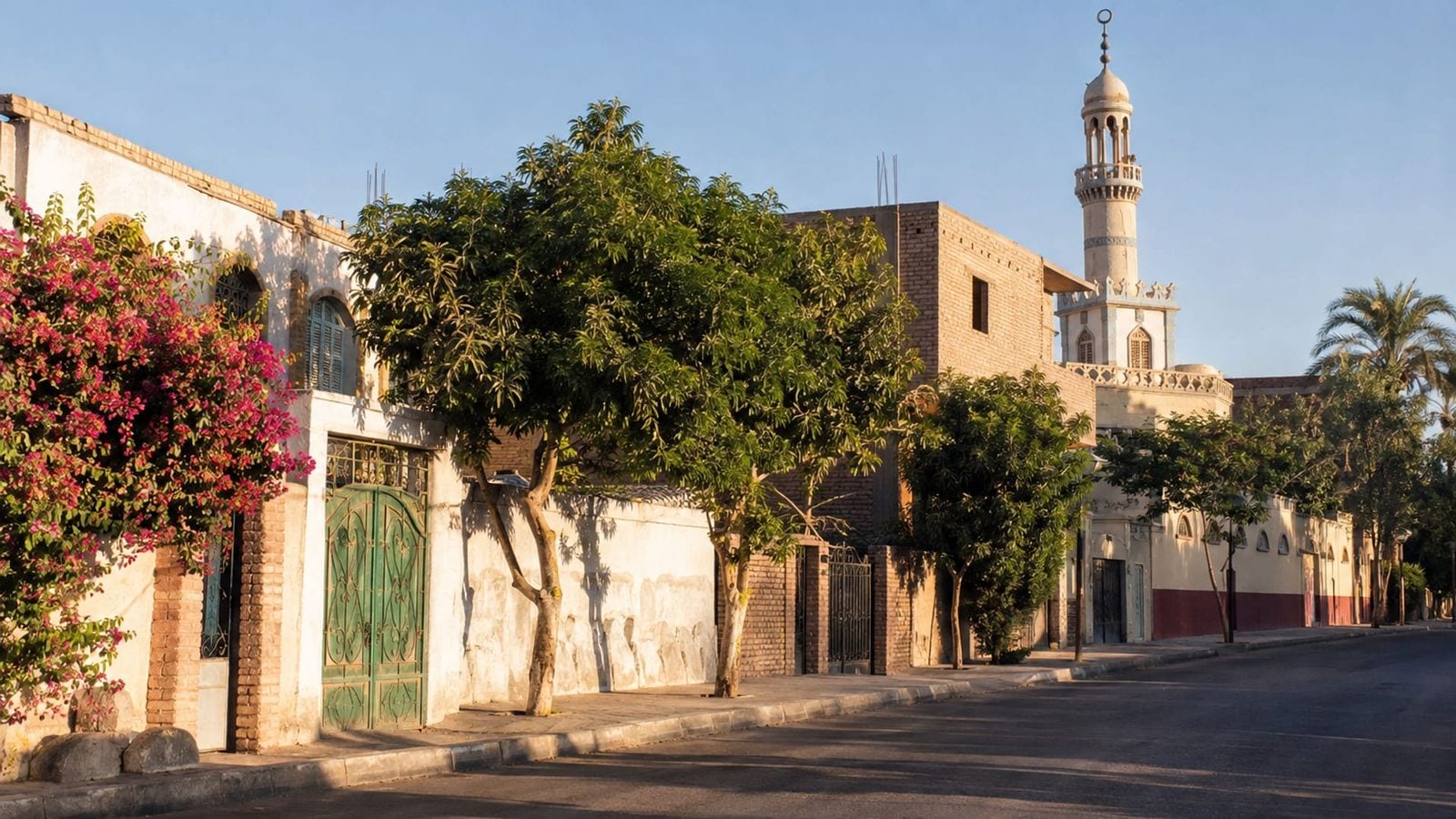
Al Awameya is a southern East Bank neighborhood with residential streets and a choice of larger hotels, including properties along the Nile. Visitors stay here for pools, river views, and more hotel facilities, accepting taxi trips to the main temple sights and fewer attractions outside the door.
Best for: Pool time, Nile views, and hotels with extensive facilities
What to expect: Residential streets meet hotel entrances and busy roads carrying traffic toward central Luxor.
Hotel prices: Allow EGP 3,000 to EGP 10,000 ($60 to $200) nightly for a well-rated hotel.
Distance to major sights: Allow 10 to 15 minutes by taxi to Luxor Temple, depending on your hotel and traffic.
Quietness: Daytime roads can be busy; riverside hotel grounds are generally calmer in the evening.
Main trade-off: Hotel facilities add comfort, but most sightseeing requires transport.
Good to know: Compare room categories carefully: a hotel beside the Nile does not guarantee a river view.
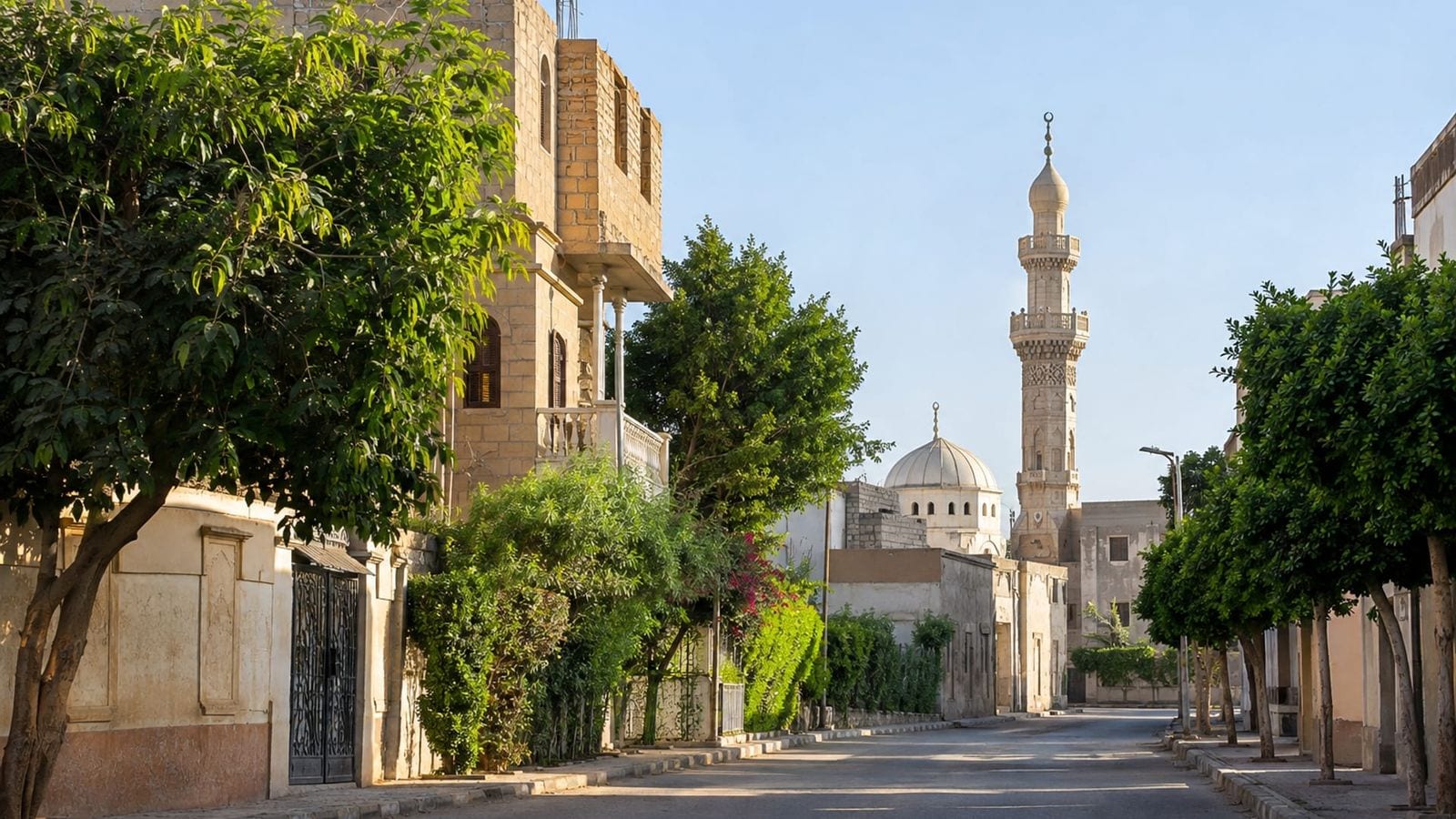
Al Bairat is a West Bank village area where small hotels and guesthouses stand among residential lanes and cultivated land near the Nile. A stay here brings access to the western archaeological sites and a quieter setting, with river crossings needed for evenings and sightseeing in central Luxor.
Best for: West Bank sightseeing, village walks, and smaller guesthouses
What to expect: Local households, agricultural activity, and guesthouses share lanes with passing motorcycles.
Hotel prices: A well-rated small hotel typically charges EGP 1,250 to EGP 4,000 ($25 to $80) per night.
Distance to major sights: The Colossi of Memnon are roughly 10 to 20 minutes away by taxi, depending on your accommodation.
Quietness: Farm activity starts early; evenings usually bring less traffic than central Luxor.
Main trade-off: East Bank dinners and attractions require a boat crossing or a longer road journey.
Good to know: Ask your hotel which ferry landing to use and how to reach it after an evening across the Nile.
For evenings near Luxor Temple, El Bayadiya and El Awameya are less convenient because they lie farther south; Karnak also requires a longer trip to the downtown restaurants.
Hotel deals
How to get around Luxor efficiently
The Nile shapes travel in Luxor: passenger ferries cross between the banks, taxis connect monuments, and walking links central sights.

Taxi
for convenience or late hours
From Luxor International Airport (LXR), taxis reach central hotels in 20 to 30 minutes. Fares are generally negotiated: allow EGP 300 to EGP 600 ($6 to $12). Agree on the total before departure; taxis suit airport transfers and trips between West Bank monuments.

Walking
for short central distances
Luxor Temple and Luxor Museum are connected by a roughly 20-minute walk along the East Bank Corniche. Walking is free and suits short central trips; choose early morning in summer, since the exposed riverfront offers little protection from the heat.
Ferry
for island or coastal routes
Cross the Nile between central Luxor and the West Bank on the public passenger ferry, a crossing of 5 to 10 minutes plus waiting. Budget EGP 10 to EGP 30 ($0.20 to $0.60) each way; pay at the landing. Continue by taxi to the West Bank tombs and temples.
*Prices are based on rates updated as of November 2026 and may change at the time of travel.
Choose walking for the central Corniche, the public ferry for a river crossing, and a taxi for airport transfers or the scattered West Bank monuments.
Iconic landmarks
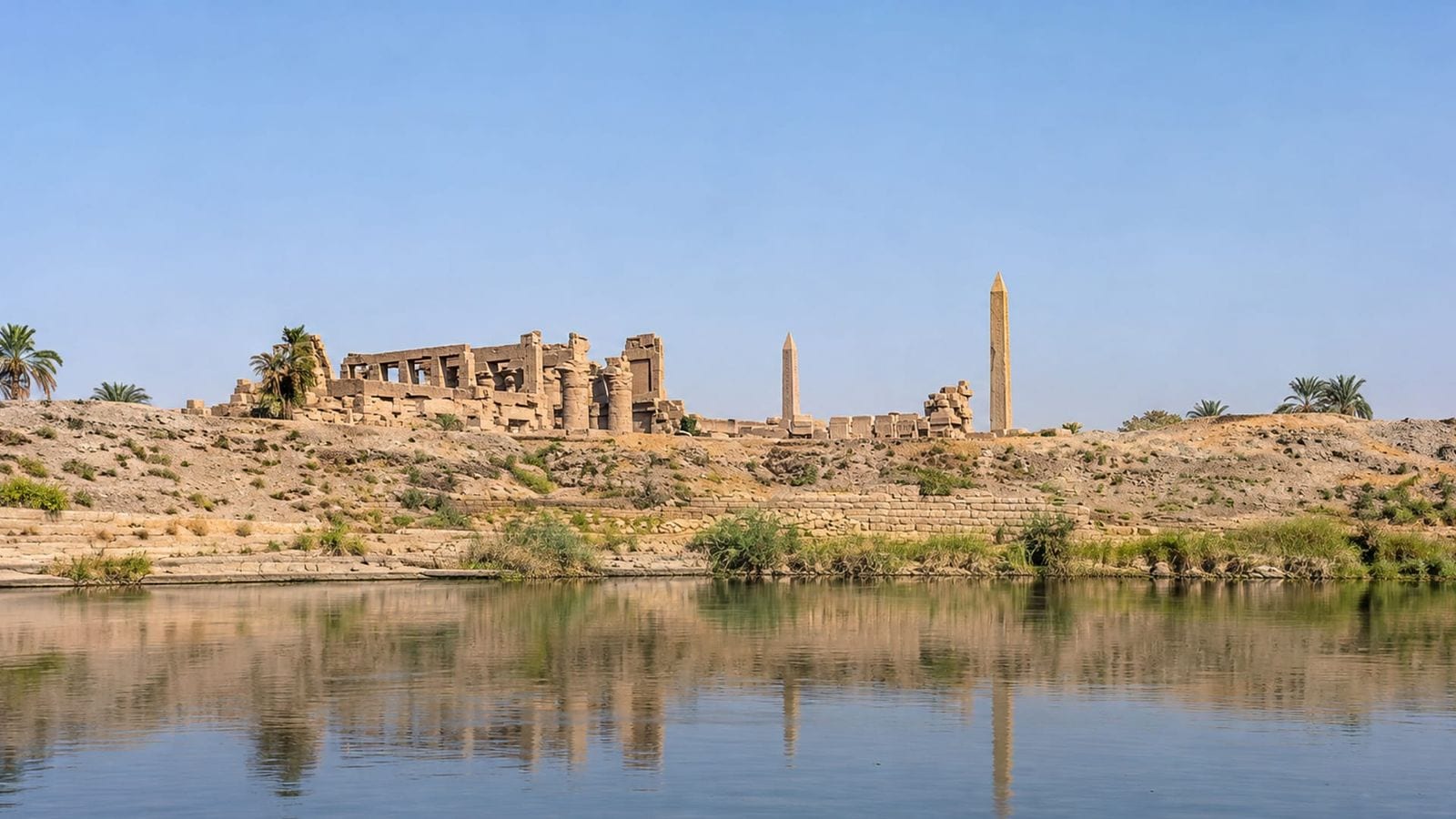
Karnak
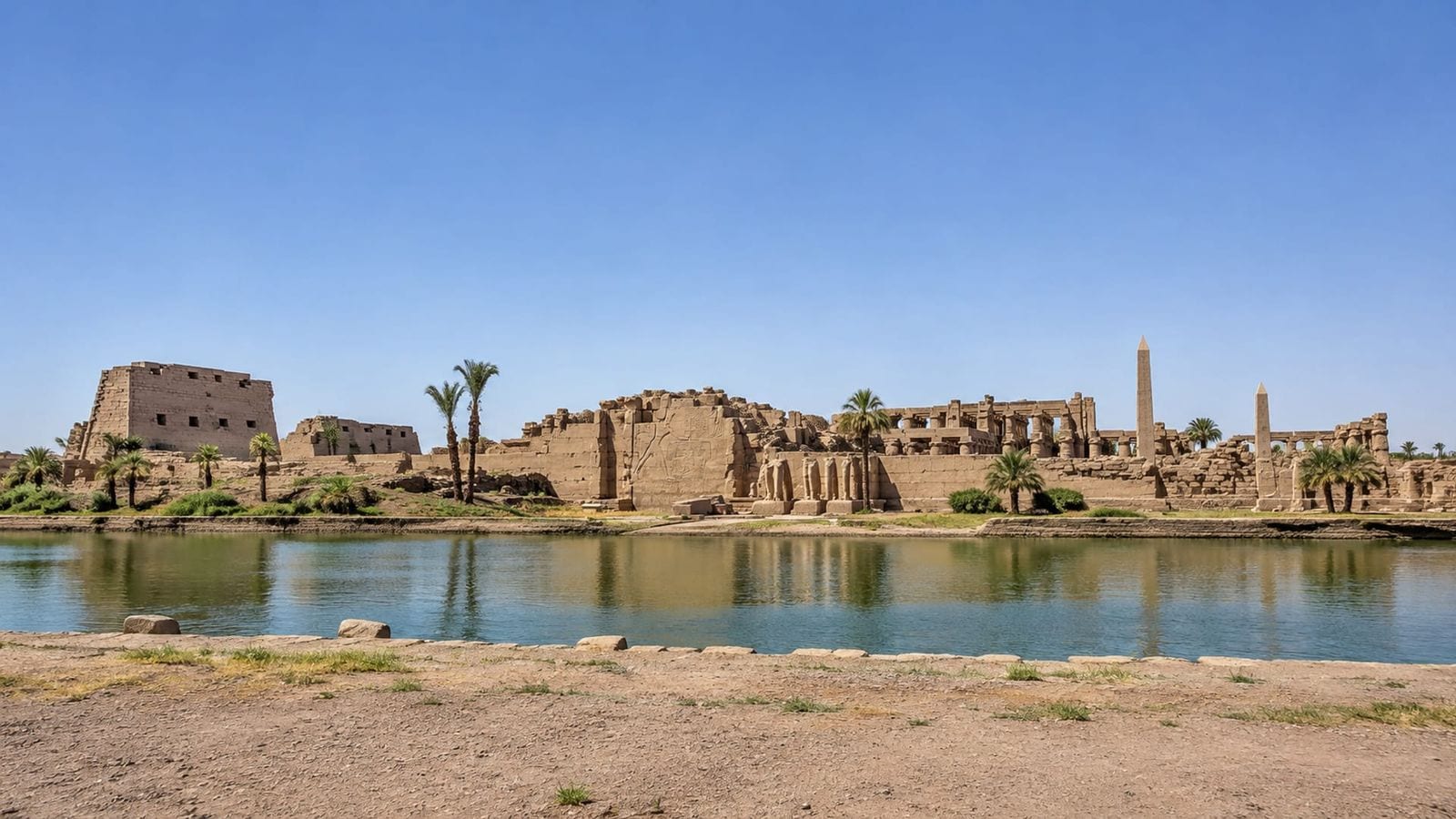
Successive pharaohs expanded Karnak into a vast temple complex dedicated to Amun and other gods. Its Great Hypostyle Hall contains 134 towering columns, while obelisks, carved ceremonial scenes, and a sacred lake reveal its religious importance.
Time needed: About 2 to 3 hours
Entry: Moderately priced: standard admission covers the main temple complex
Tip: Arrive at Karnak when it opens to see the hypostyle hall before tour groups.
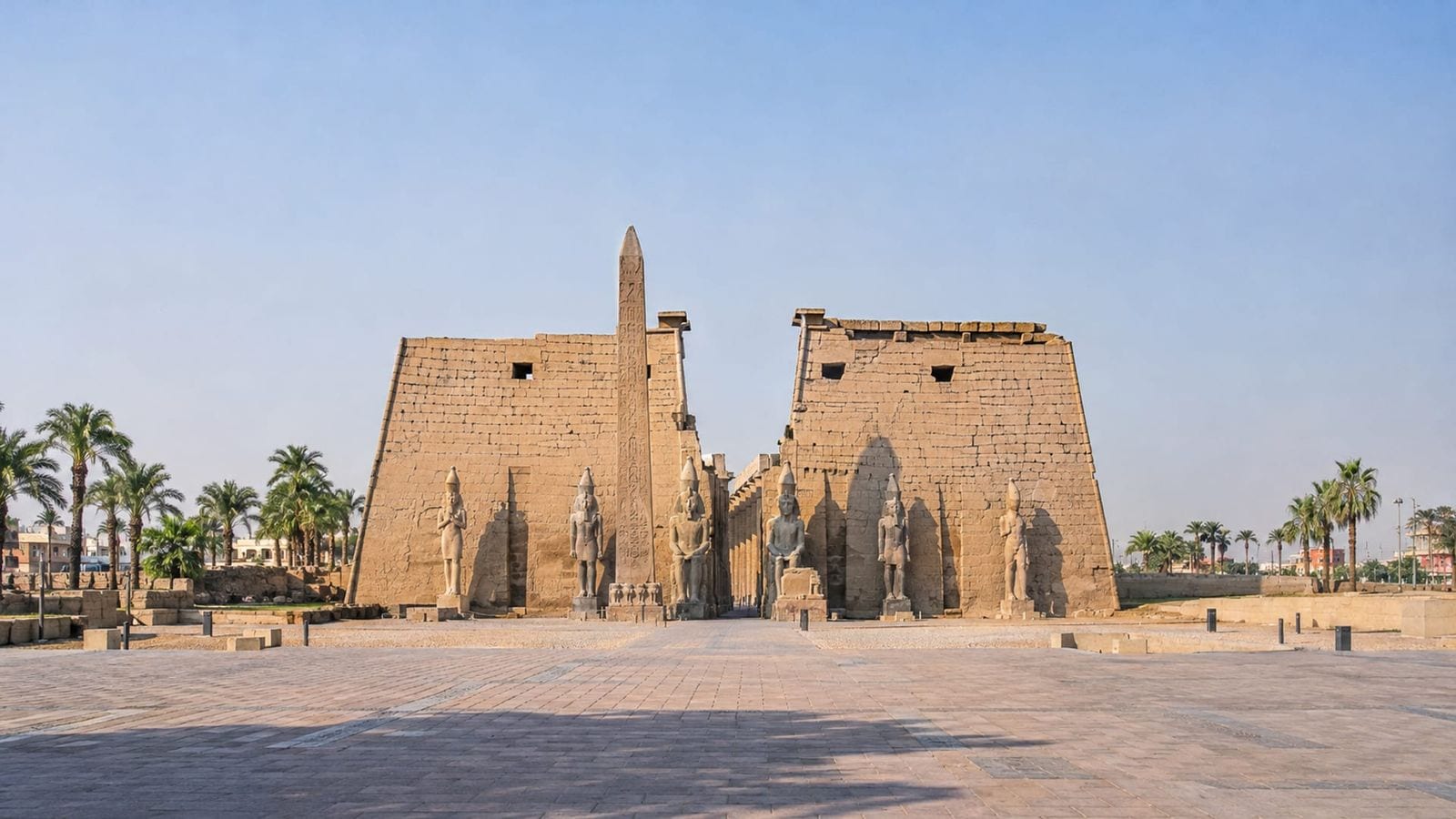
Luxor Temple
At the heart of modern Luxor, Luxor Temple brings royal courts, colossal statues, and tall columns into the city center. Amenhotep III and Ramesses II shaped much of the monument, which illuminates the ancient celebration of the Opet festival.
Time needed: About 1 to 2 hours
Entry: Moderately priced: standard admission covers the temple
Tip: Go to Luxor Temple after sunset, when lighting defines the columns and courts.
Valley of the Kings
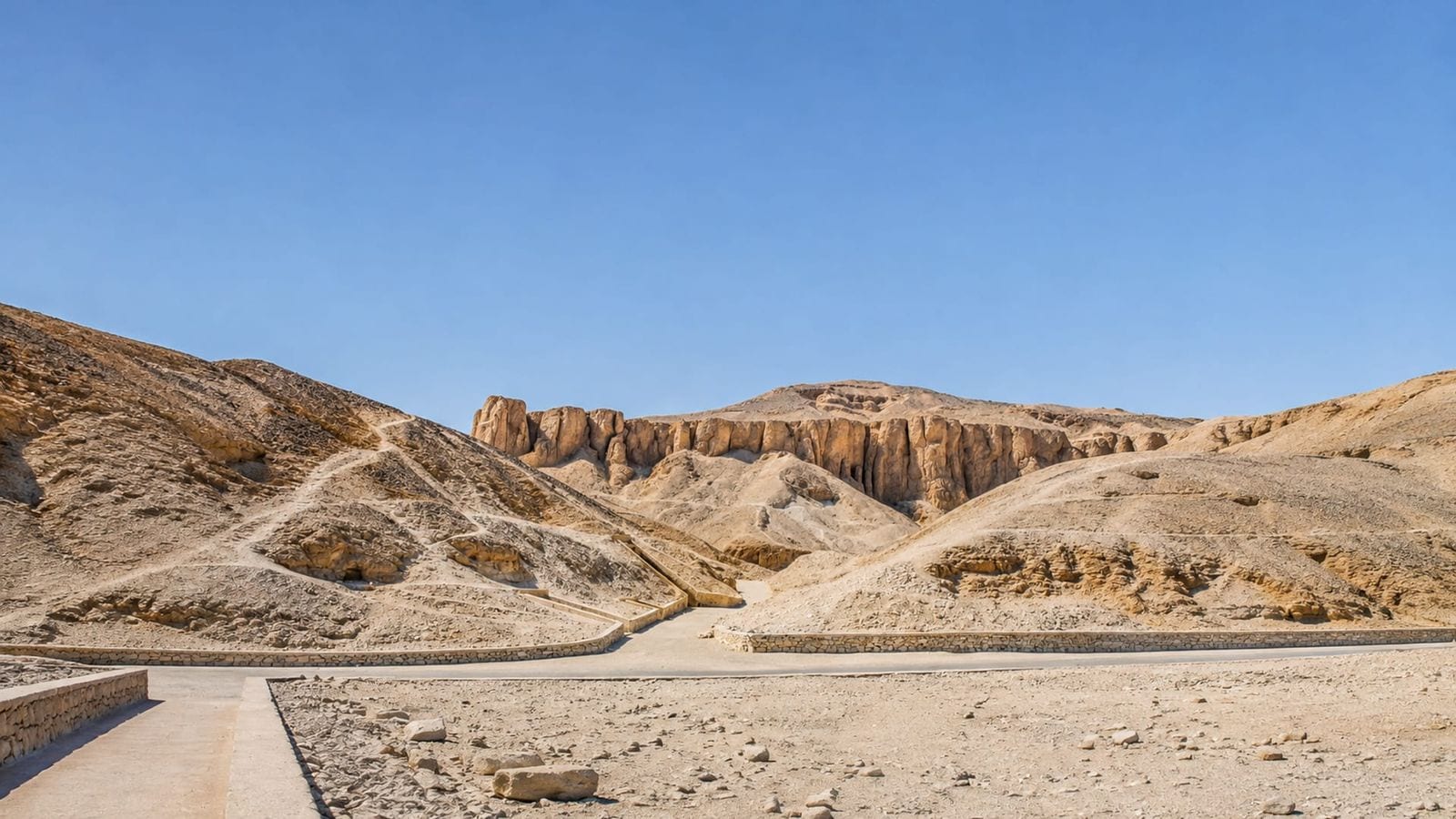
Royal tombs cut deep into the desert hills make the Valley of the Kings a defining West Bank landmark. Inside, painted gods and funerary texts trace the pharaohs’ journey into the afterlife; the selection of accessible tombs changes.
Time needed: About 2 to 3 hours
Entry: Moderately priced: standard admission covers three eligible tombs; certain tombs require separate tickets
Tip: Start at the Valley of the Kings early; the exposed paths heat up by noon.
Overlooked sites worth visiting

Deir el-Shelwit
Dedicated to Isis, this small Roman-era temple preserves carved reliefs behind an unassuming exterior. Its isolated West Bank setting offers a quieter contrast to Luxor’s temple courts.
Time needed: About 30 to 45 minutes
Entry: Low-cost
Tip: Combine the temple with nearby Malqata on the same West Bank taxi trip.

Tomb of Roy
The tomb of this Eighteenth Dynasty official contains vivid painted scenes of farming, funerary rituals, and the afterlife. Its small chapel rewards a close look at the figures and colors.
Time needed: About 20 to 30 minutes
Entry: Low-cost
Tip: Ask for Roy by name at the Dra Abu el-Naga ticket office.
Traditional food
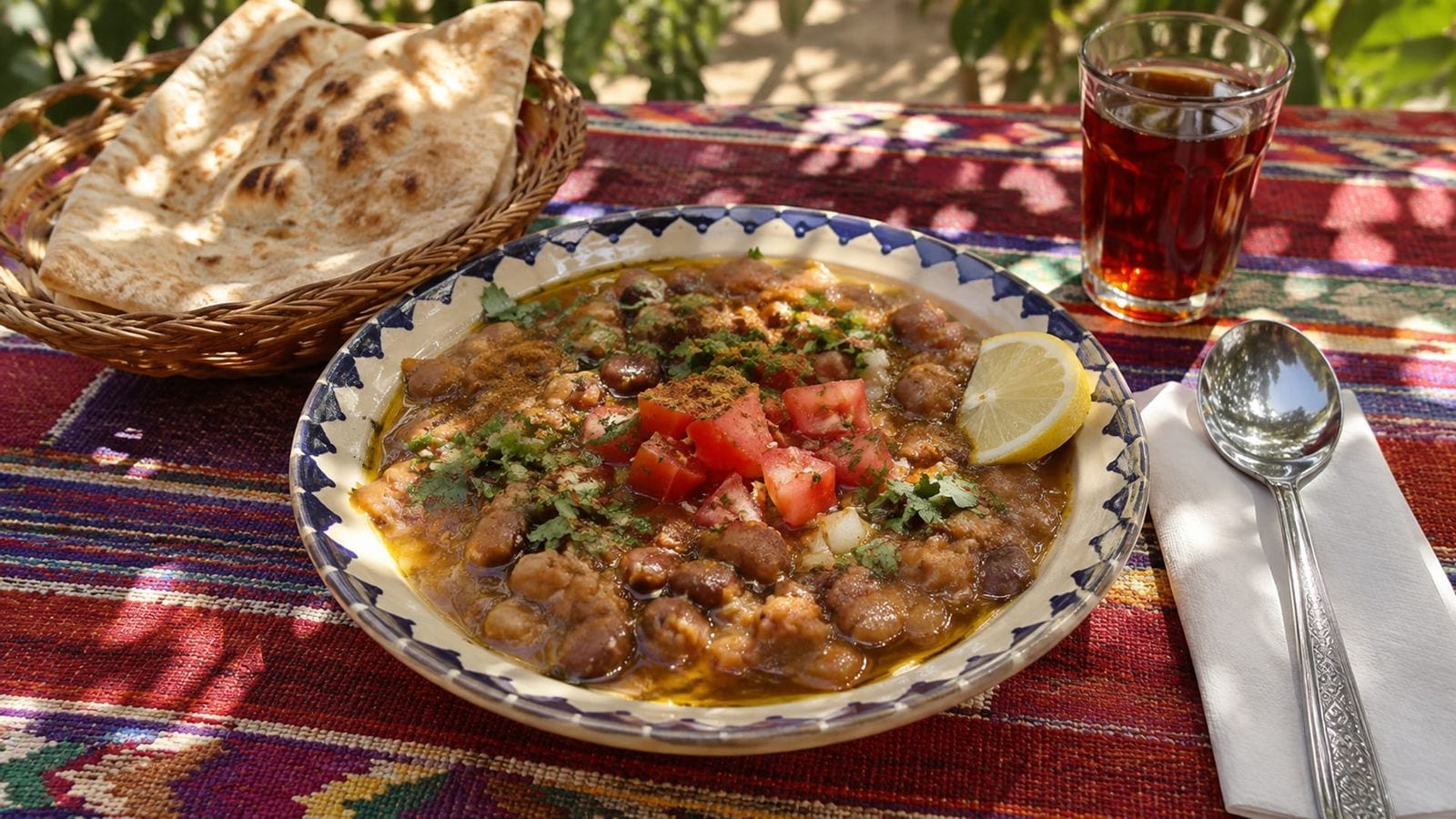
Luxor’s Egyptian cooking draws on fava beans, lentils, rice, and leafy greens. Ful medames and ta’ameya anchor breakfast, while koshari and garlic-scented molokhia offer filling lunches and dinners.
Ful medames
Slow-cooked fava beans form the heart of ful medames, with oil, lemon, and cumin adding richness and sharpness. Try it at Aisha Restaurant, accompanied by bread for scooping up the beans at breakfast or lunch.
Ta’ameya
Ground fava beans and fresh herbs give ta’ameya its green interior beneath a crisp fried crust. Al-Sahaby Lane serves these Egyptian fritters with bread and accompaniments, a filling choice for a meat-free meal.
Koshari
Rice, lentils, and pasta meet chickpeas, tomato sauce, and crisp fried onions in koshari. Try this substantial Egyptian dish at Koshari El Zaeem, adding the garlic vinegar and chili sauce to suit your taste.
Molokhia
Finely chopped jute leaves create molokhia’s distinctive silky texture, with garlic and coriander seasoning the broth. Order it at Sofra Restaurant & Cafe, where rice accompanies this traditional Egyptian dish.
Best time to visit Luxor
Luxor’s winter favors long temple outings, while summer heat shifts sightseeing toward the earliest hours.
Best for: Pairing early West Bank tomb visits with evenings beside the Nile in town
What you get: Temperatures span 54°F to 100°F (12°C to 38°C) as spring advances; March attracts more visitors, while May brings hotter temple outings.
Trade-offs: Dusty winds can reduce visibility, and May afternoons make exposed temple courts tiring.
Best for: Exploring temples early, then returning to a hotel pool before midday heat
What you get: Expect 75°F to 108°F (24°C to 42°C), with hotter spells possible; fewer leisure visitors mean thinner crowds at many monuments by midday.
Trade-offs: Extreme afternoon heat limits comfortable time on the exposed paths at the Valley of the Kings.
Best for: Combining Karnak and West Bank excursions as the afternoon heat retreats
What you get: Readings range from 54°F to 104°F (12°C to 40°C) across the season; crowds build as November brings cooler days for longer temple outings.
Trade-offs: September still brings intense heat; November attracts more tour groups to the main monuments.
Best for: Spending longer days among temple courts and exploring the western tombs
What you get: Days and nights range from 43°F to 77°F (6°C to 25°C); this popular sightseeing season brings more groups to Karnak and the royal tombs.
Trade-offs: Early taxi departures can feel cold, and the main monuments draw their largest seasonal crowds.
A realistic 5-day plan in Luxor
Arrival and departure frame three sightseeing days: East Bank temples first, royal tombs next, then the southern West Bank’s carved reliefs and monumental statues.
From Luxor International Airport (LXR), take a taxi to your hotel in Al Awameya, allowing 25 to 35 minutes and EGP 500 to EGP 800 ($10 to $16); agree on the fare before departure. For a light dinner, choose soup and salad at Steigenberger Nile Palace, then rest before the temple visits.
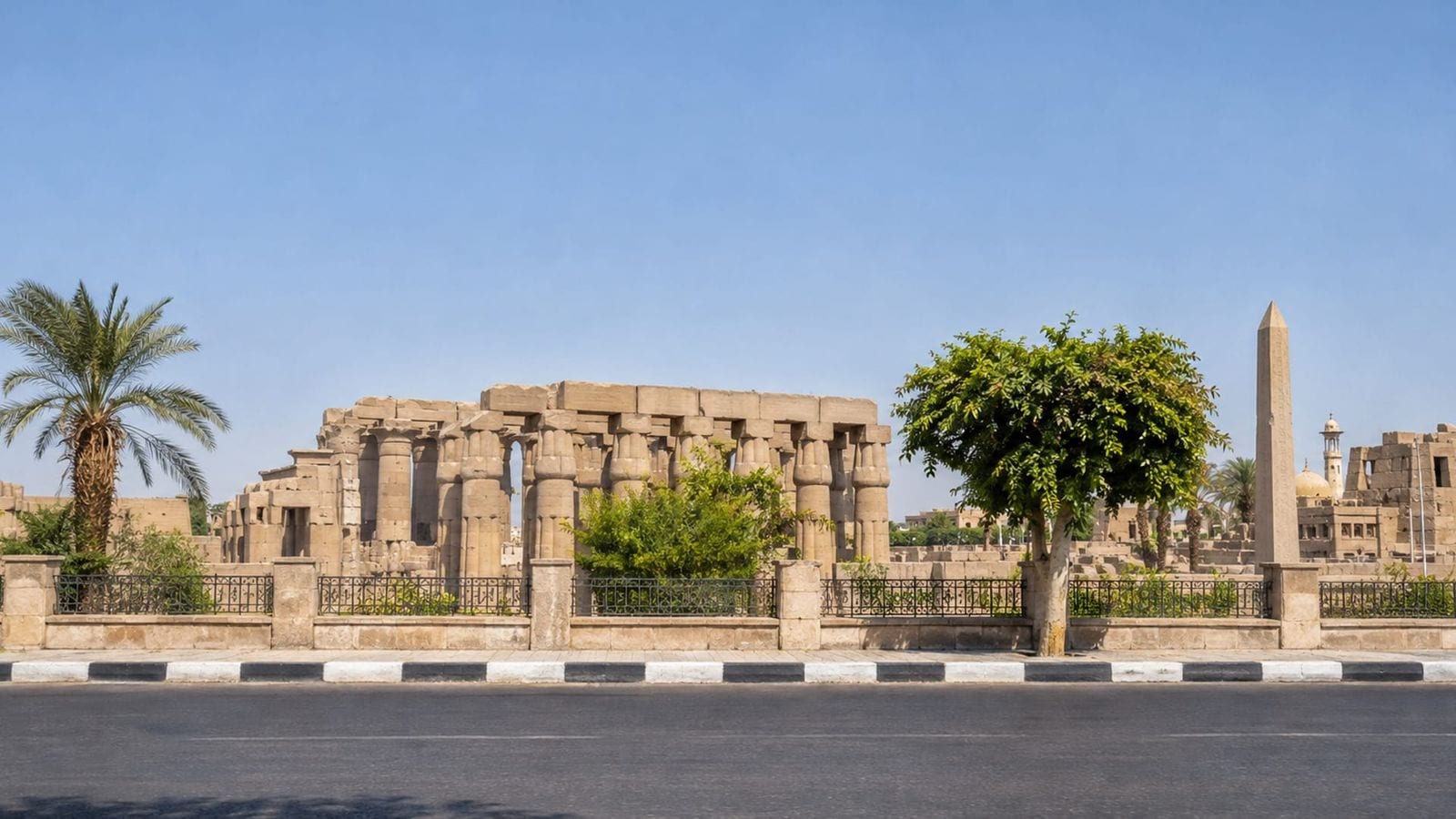
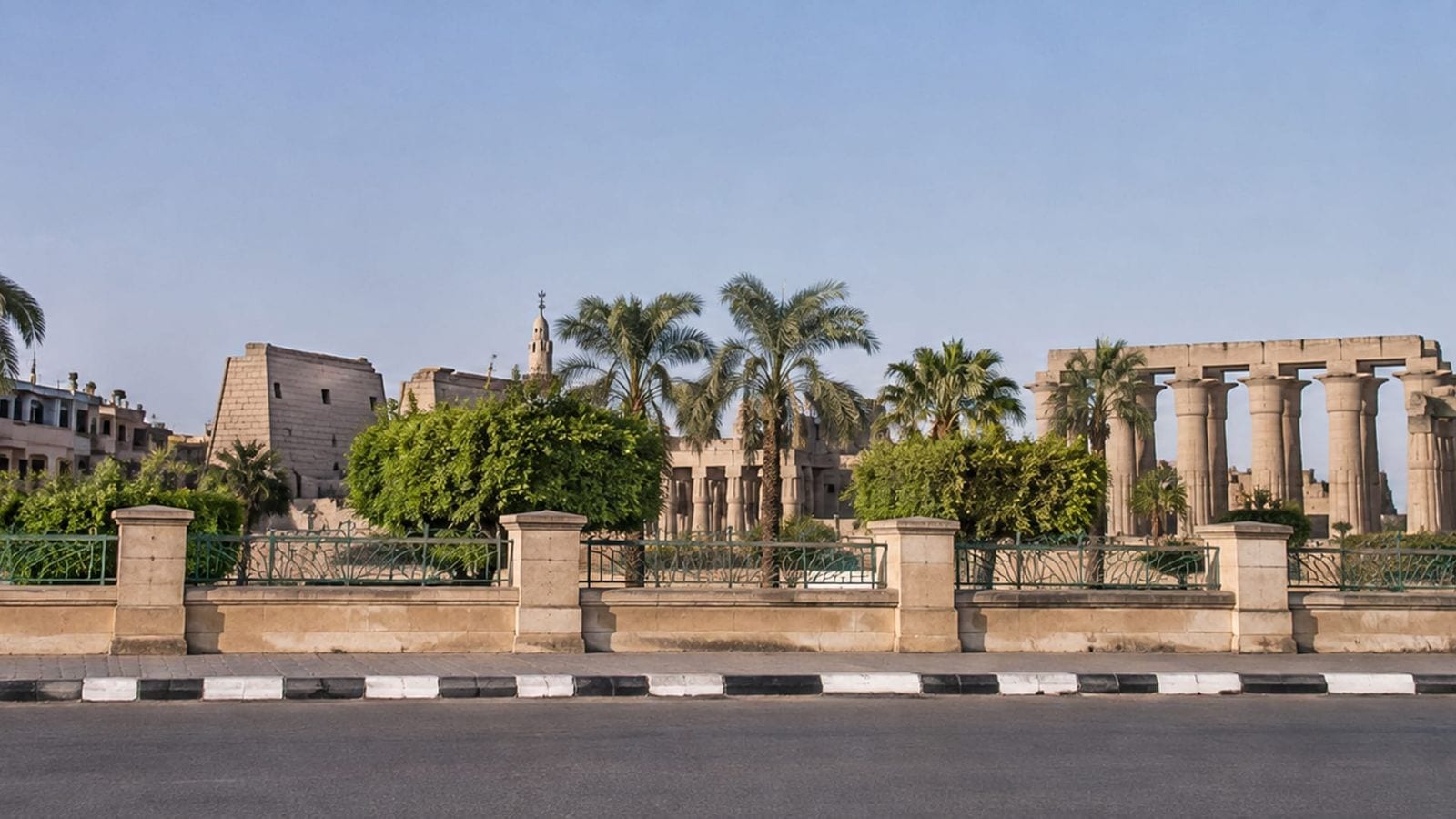
Karnak begins the day with 2 to 3 hours among its hypostyle columns, obelisks, and sacred lake. Take a taxi south for 10 to 15 minutes to Luxor City Center for lunch. Enter Luxor Temple after sunset for 1 to 2 hours exploring its illuminated courts and colossal statues.
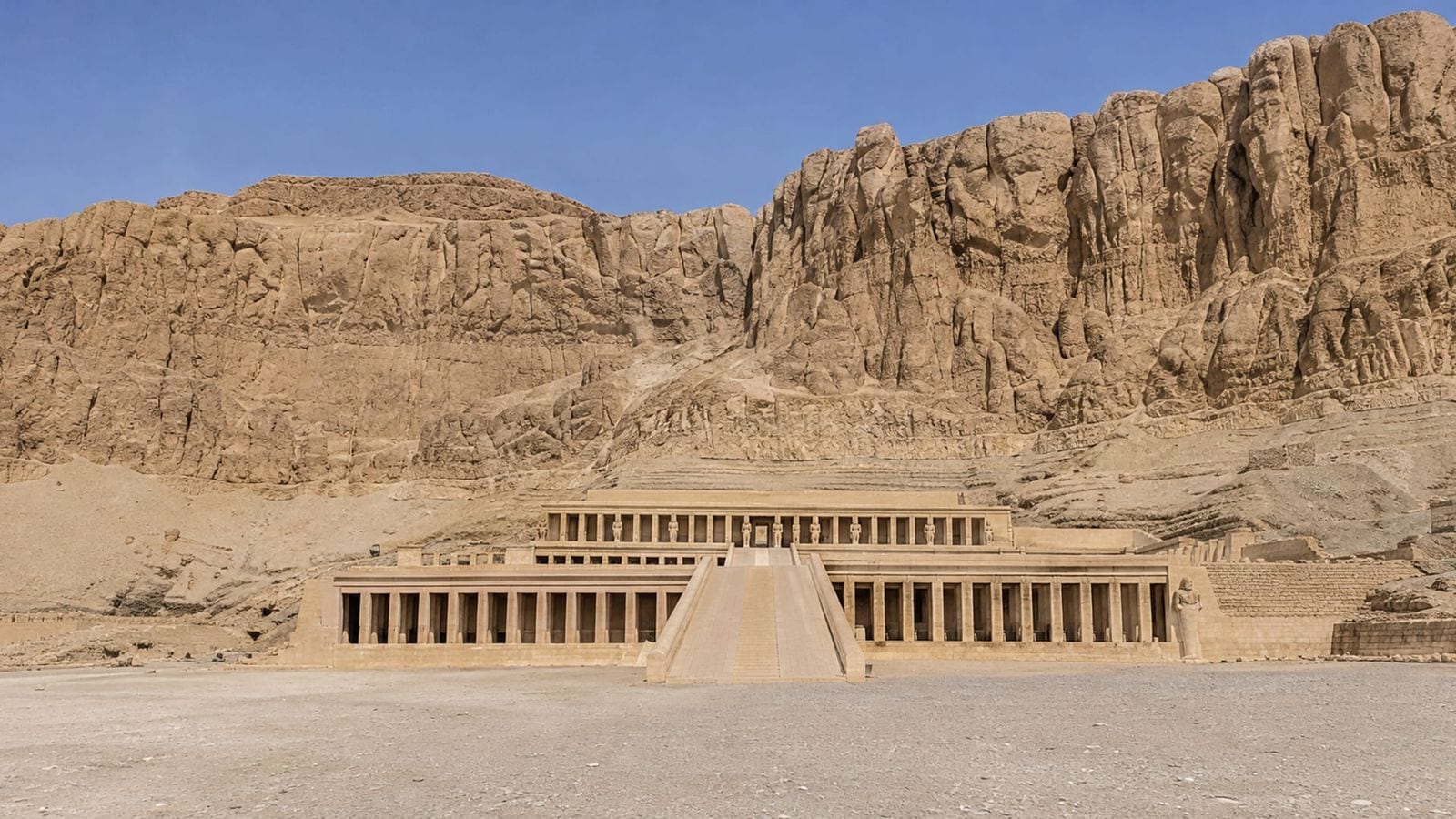
An early start at the Valley of the Kings gives you 2 to 3 hours for the three eligible tombs covered by standard admission. Drive 10 to 15 minutes to the Temple of Hatshepsut for its terraces, then continue 10 to 15 minutes to the Tomb of Roy for painted farming and funerary scenes.
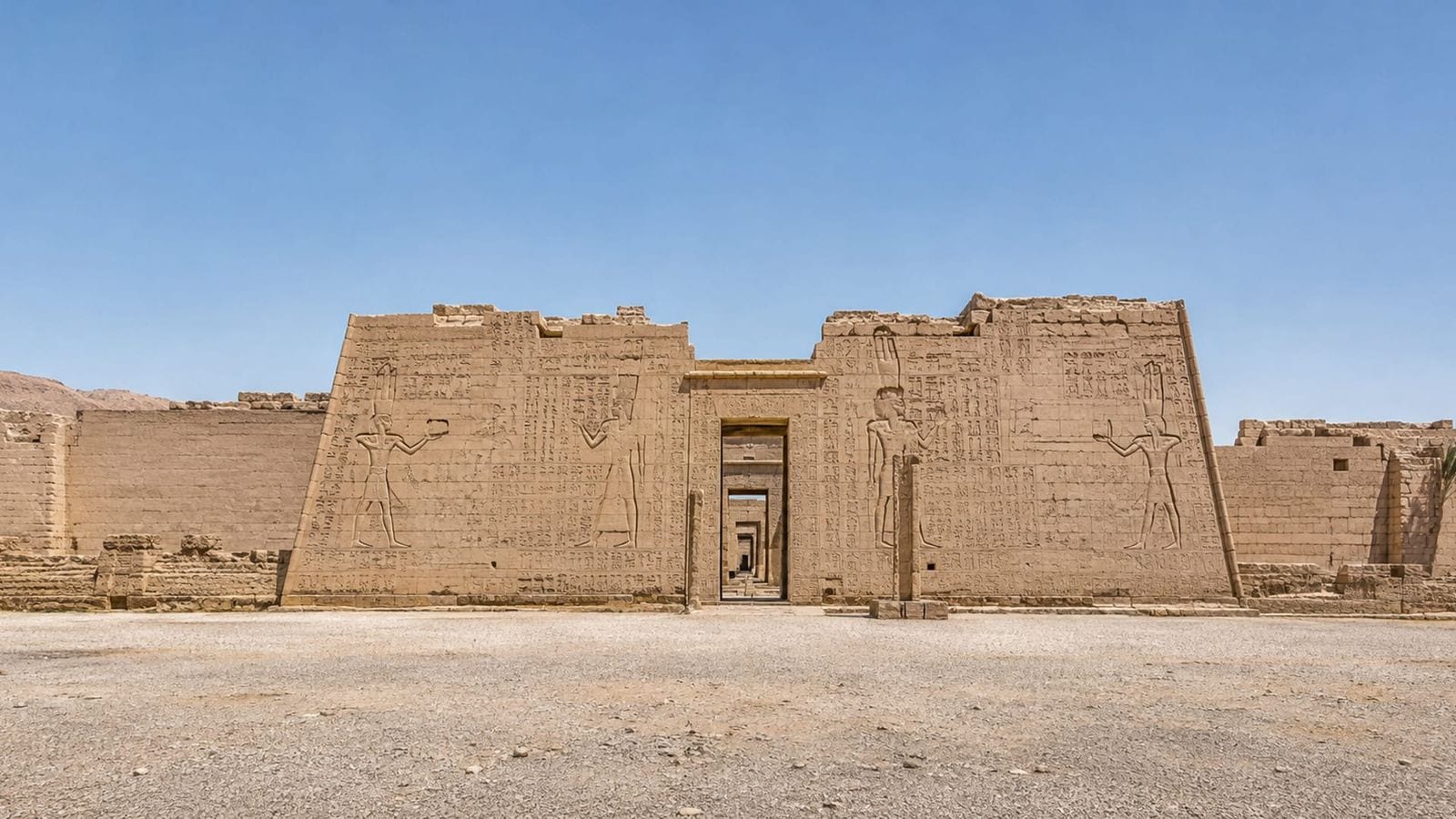
Across the southern West Bank, begin with 30 to 45 minutes examining Deir el-Shelwit’s carved reliefs. Travel 15 to 20 minutes by taxi to Medinet Habu for two hours exploring its decorated courts. After lunch nearby, continue 10 minutes to the Colossi of Memnon for a final stop beside the monumental statues.
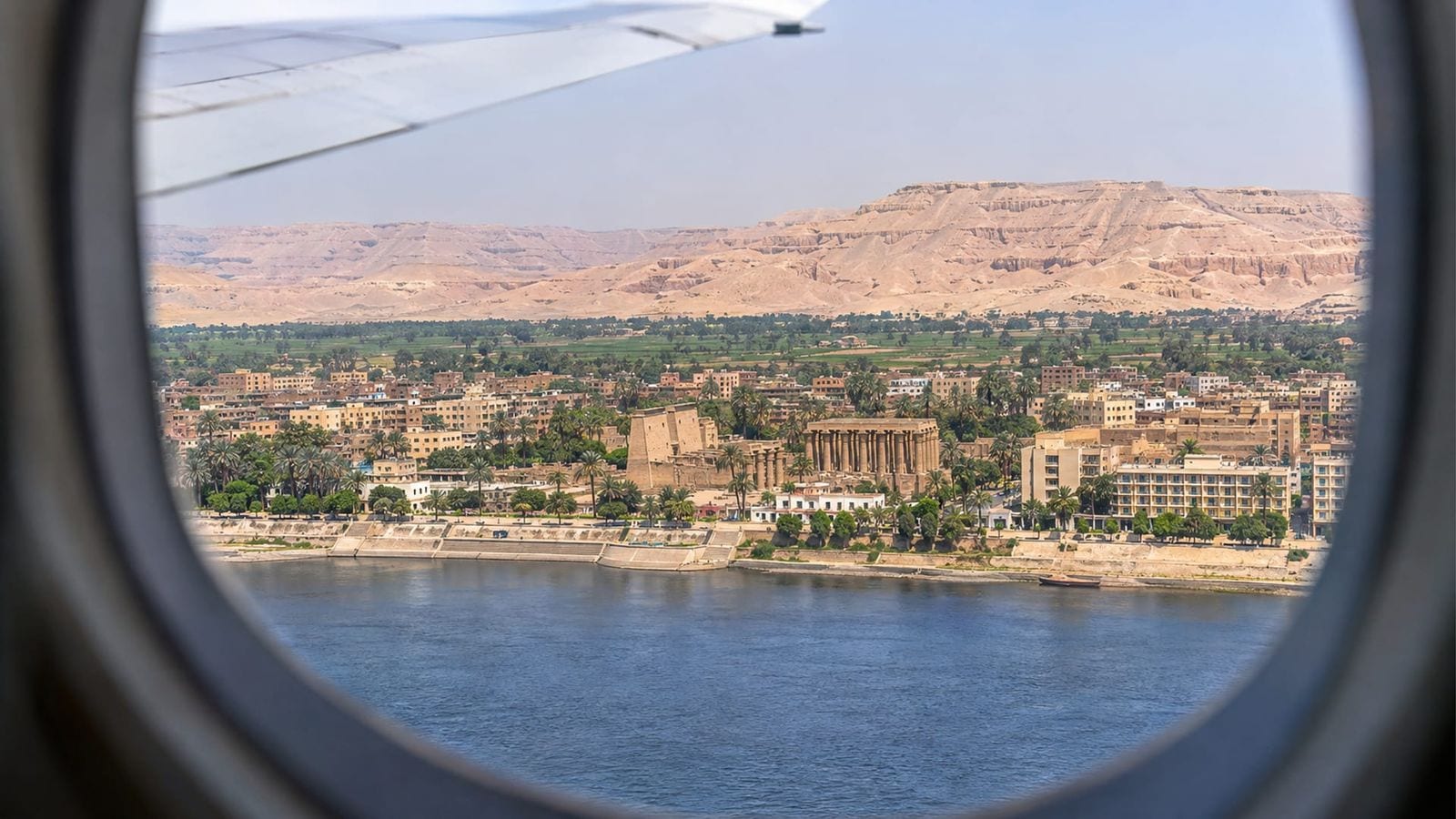
A late breakfast and coffee at your hotel in Al Awameya leave time to enjoy the Nile views before departure. From this southern East Bank neighborhood, allow 25 to 35 minutes by taxi to Luxor International Airport (LXR), plus the airline’s required check-in time.
Business-class flights from the US to Luxor
Connections through Cairo (CAI) link both New York and Los Angeles with Luxor (LXR), with different journey times and round-trip fare ranges.
From New York, EgyptAir connects through Cairo (CAI) to Luxor (LXR), with a total journey time of 14 to 20 hours. Round-trip fares range from $3,500 to $6,500, covering the journey through Cairo (CAI) and onward to Luxor (LXR).
Traveling from Los Angeles to Luxor (LXR) with EgyptAir involves a connection in Cairo (CAI). Allow 22 to 32 hours for the complete journey, including the connection; round-trip fares range from $4,500 to $8,000.
Luxor feels different when you slow down
A considered Luxor trip gives each bank its own time: Karnak’s columns and Luxor Temple’s illuminated courts on one day, painted royal tombs on another. Al Awameya offers Nile views between excursions, while taxis connect the scattered West Bank monuments and the public ferry carries you across the river. Let AranGrant experts shape your flights and hotel stay around winter temple days or a room beside the Nile, with time for Medinet Habu beyond the headline sights