

Chapters:

Need help with your trip?
Our support team is available 24/7. Request a callback or call us directly at (833) 619-0908
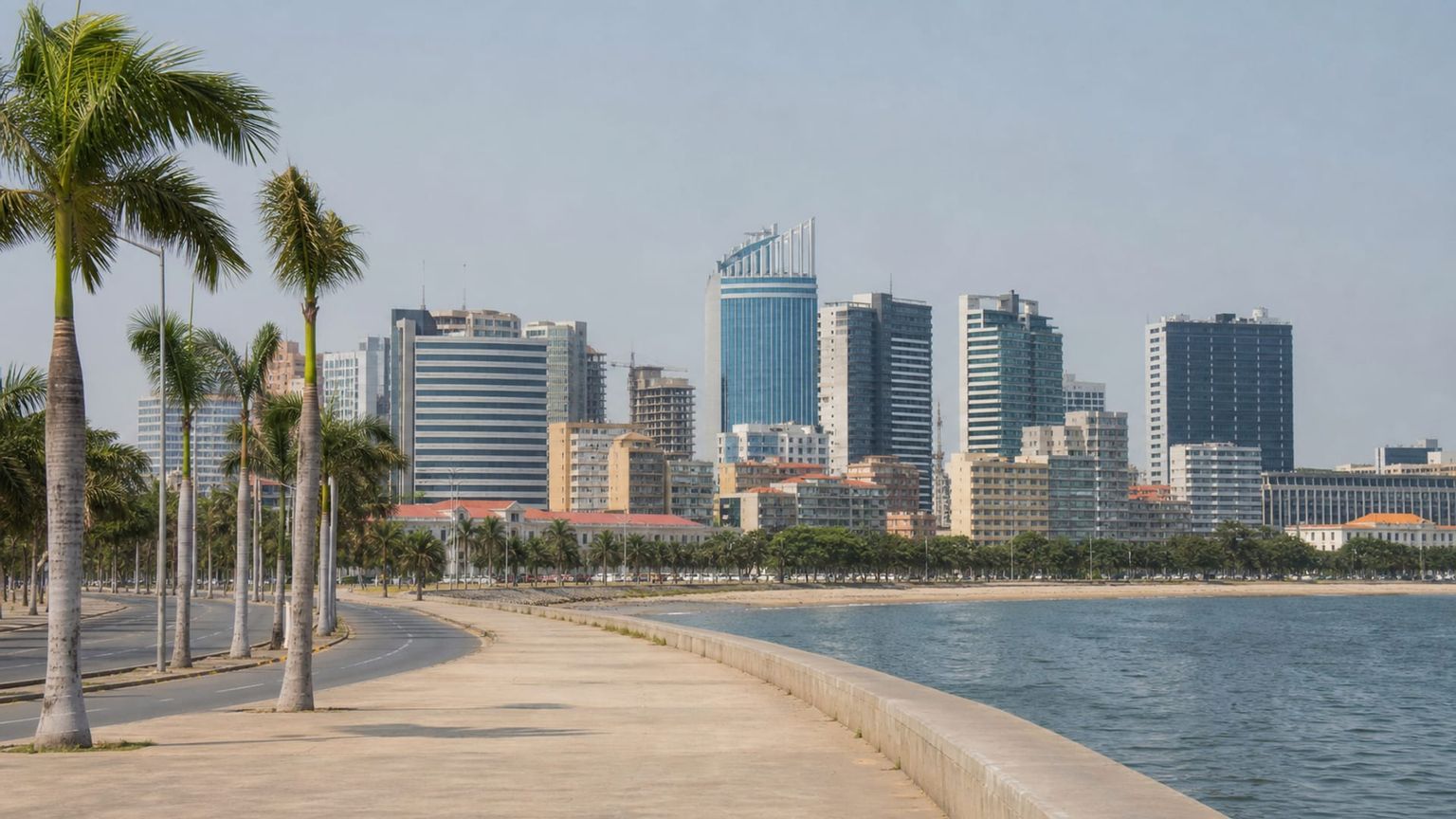
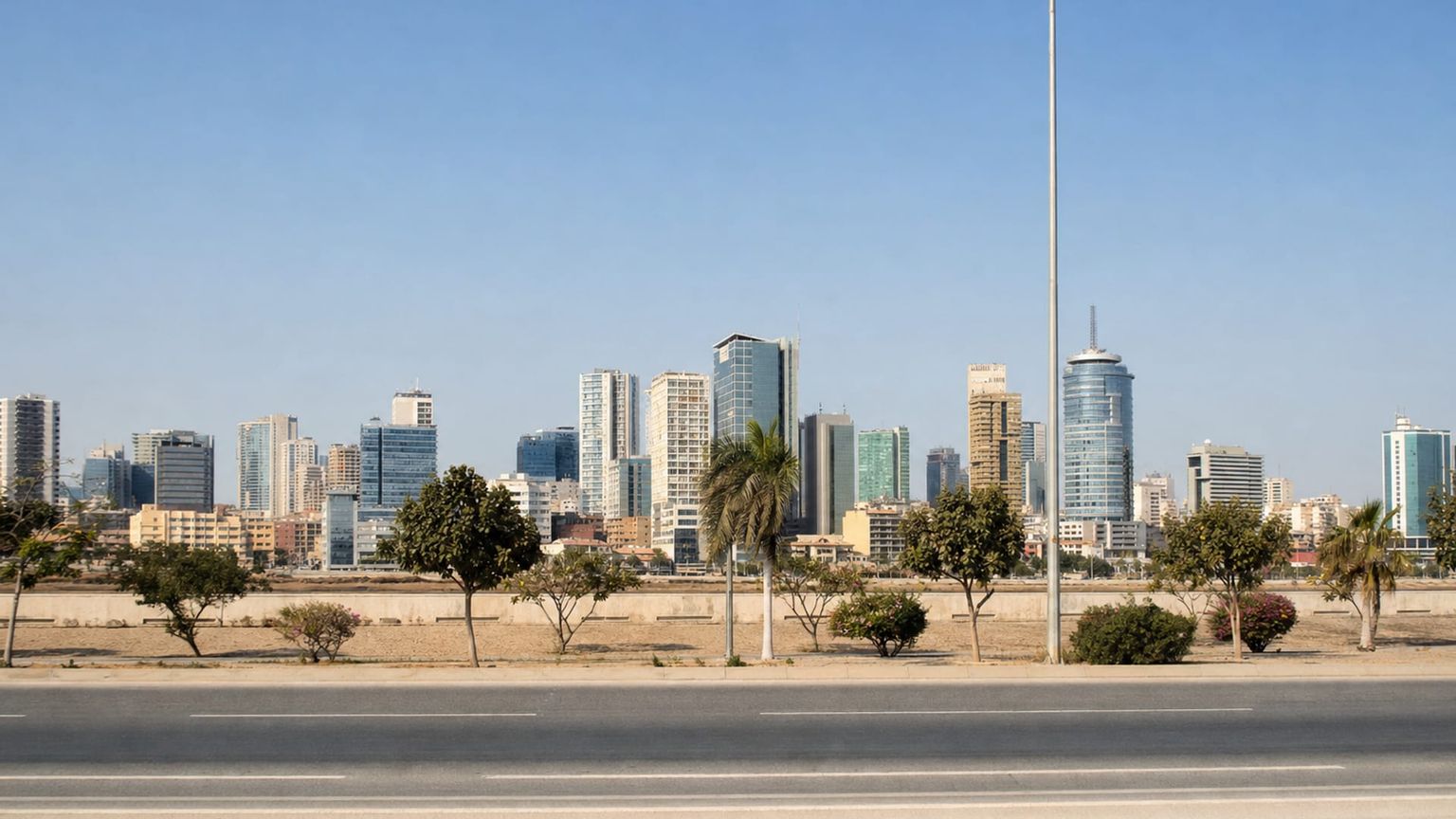
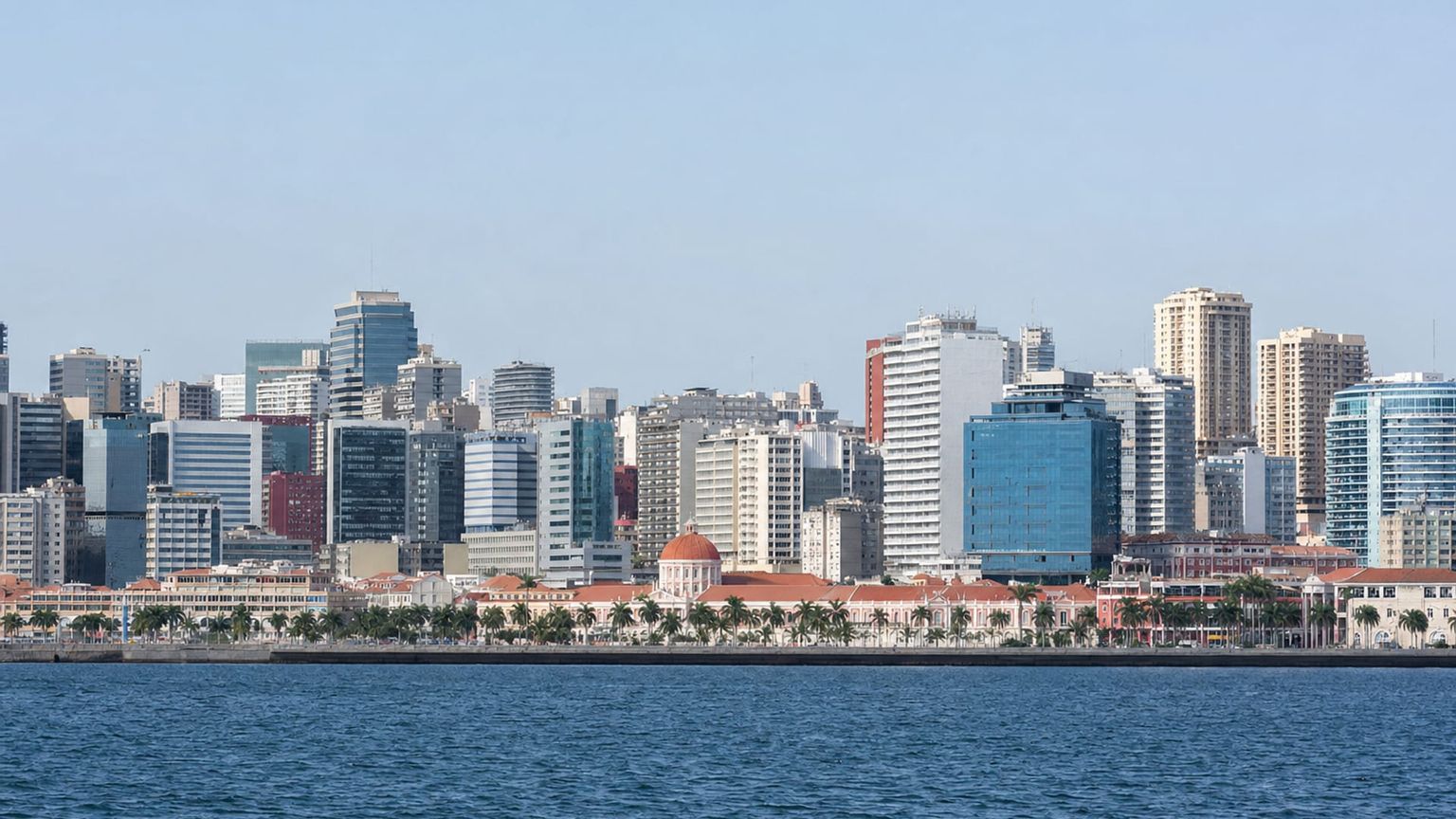
Luanda stretches along Angola’s Atlantic coast, where a broad bayfront, Portuguese-era buildings, and busy commercial streets tell different parts of the capital’s story. The city has a pace of its own, with traffic that can turn a short journey into a substantial part of the day.
Above the harbor, Fortaleza de São Miguel looks over the water, while museums examine Angola’s history and cultural traditions. Ilha do Cabo draws diners to its beaches and seafood restaurants, and Talatona has a newer side of Luanda, with shopping centers and business hotels.
Getting to know the city takes some planning, especially when attractions lie in different districts. This article covers where to find a hotel, how to travel between neighborhoods, what to eat, and when to visit.
Useful things to know

Main language(s): Portuguese
Olá (oh-LAH) – Hello
Por favor (por fah-VOR) – Please
Obrigado/Obrigada (oh-bree-GAH-doo/dah) – Thank you
Fala inglês? (FAH-lah een-GLAYSH?) – Do you speak English?
Quanto custa? (KWAN-too KOOSH-tah) – How much does it cost?

Currency: Angolan kwanza (AOA, Kz)

Cash and cards: International cards are accepted at some major hotels, upscale restaurants, and shopping centers. Carry kwanzas for smaller purchases and taxis.

Tipping: Tipping is optional. Leave 5%–10% at restaurants if service is not included, and round up taxi fares when appropriate.

Traditional food: Muamba de galinha, calulu, funge, and moamba de peixe are among Angola’s traditional dishes, featuring chicken, fish, cassava, and local vegetables.

Water and coffee costs: At city cafés, a bottle of water costs Kz 900 ($1), while an espresso is about Kz 1,000 ($1.10).

Taxis and ride apps: Yango and Heetch operate in Luanda. Confirm the driver’s details and license plate before entering the vehicle.

Plug and voltage: Type C/F sockets, 230 V, 50 Hz. US travelers need a plug adapter and should check appliance voltage compatibility.

Dining and shop opening hours: Breakfast is commonly served from 7:00–10:00 am, lunch from 12:30–3:00 pm, and dinner from 7:00 pm. Restaurant and shop hours vary by district.

Emergency number: Police 110, ambulance 112, fire 118
Where to stay in Luanda
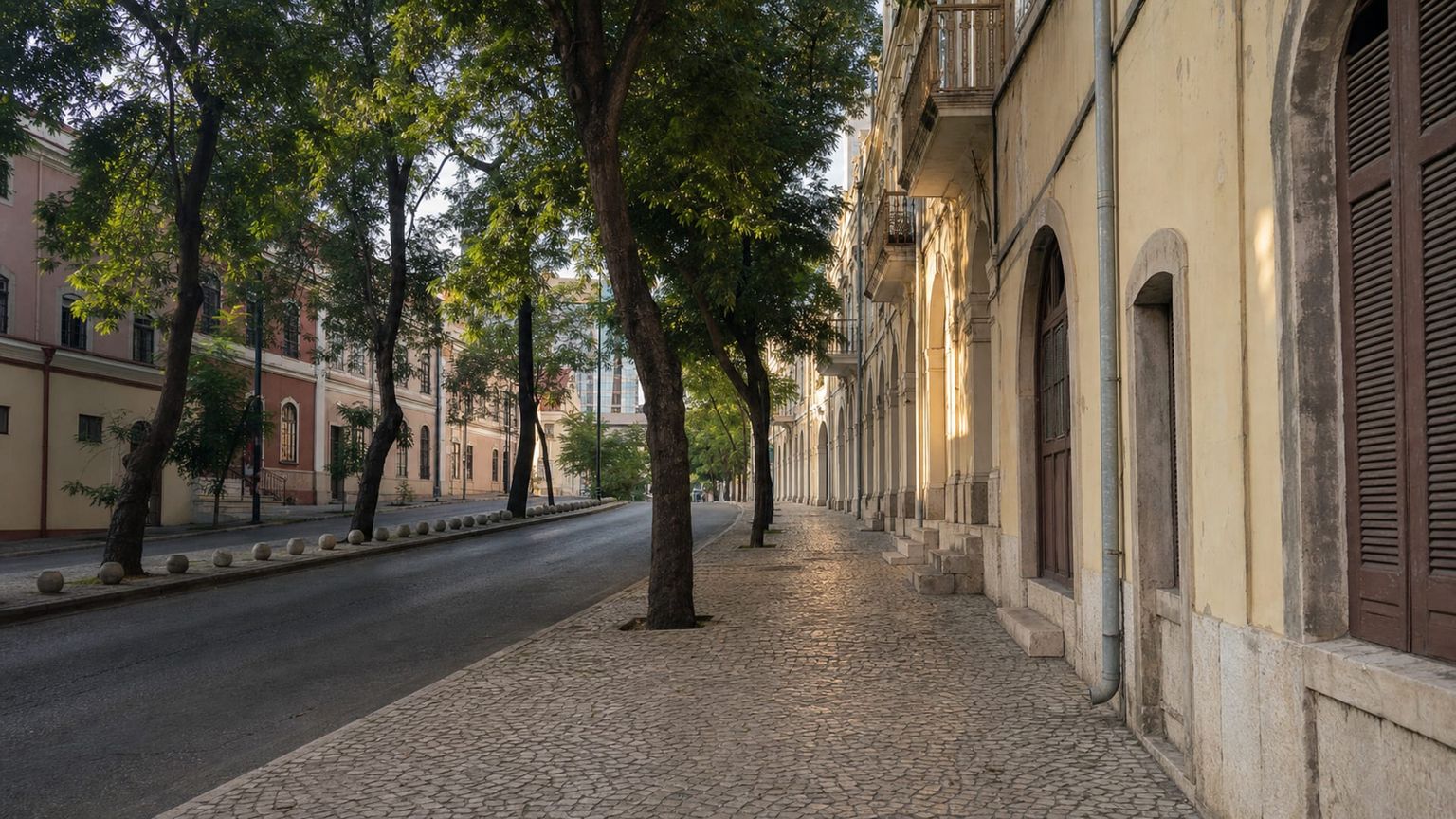
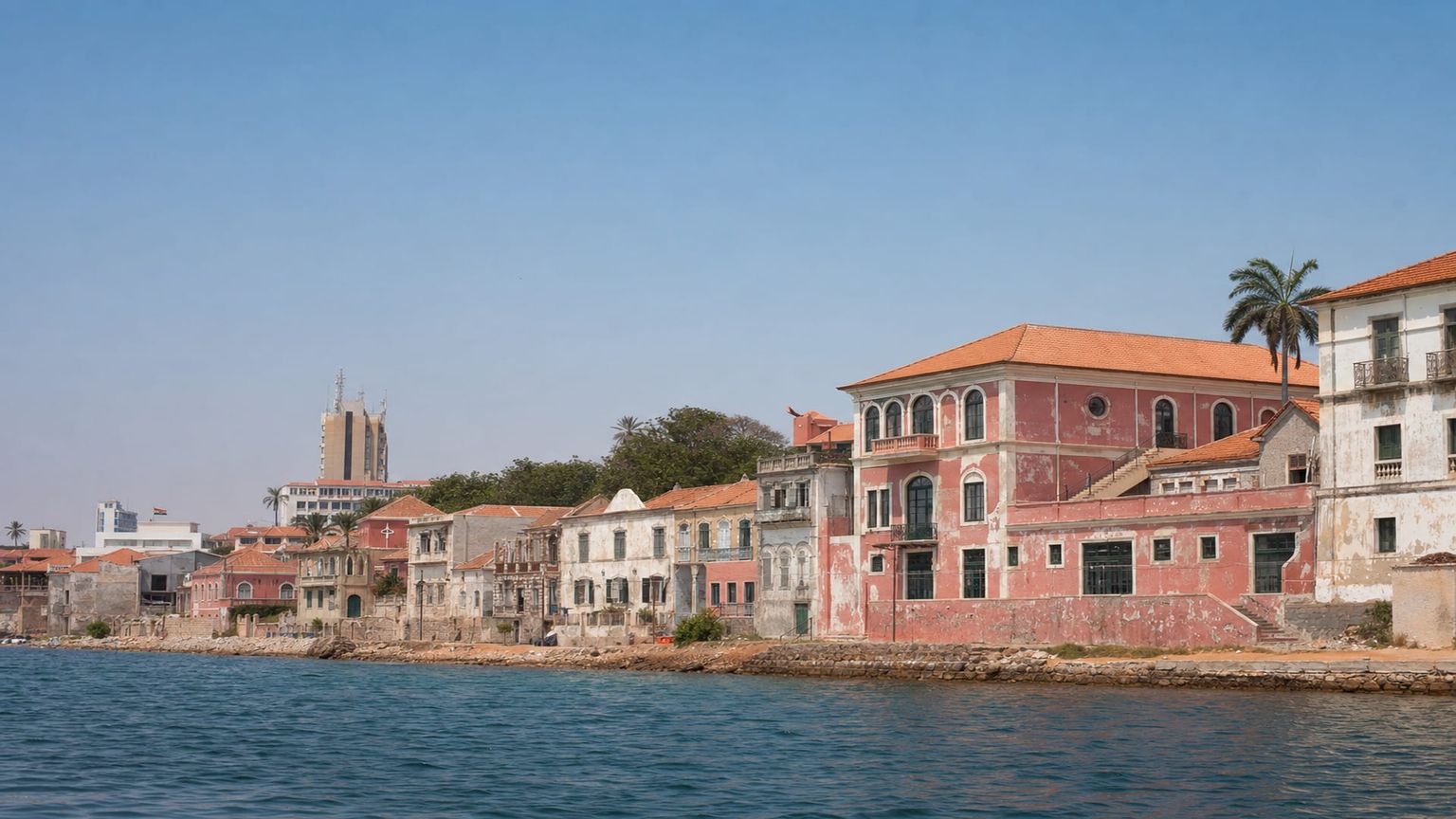
Ingombota covers part of central Luanda, including streets near the Marginal and several major hotels. Offices, shops, and restaurants share the downtown blocks, while the bayfront provides access to waterfront sights. It is a useful location for business appointments and visits to the old city.
Best for: Business trips, bay views, and first-time visitors who want central access
What to expect: Busy streets by day, hotel traffic at night, and some foot traffic near the waterfront.
Hotel prices: Usually about 150,000 Kz to 300,000 Kz (~165$ to ~330$) per night for well-rated stays
Distance to major sights: About 5 to 15 minutes by car to Fortaleza de São Miguel and the Marginal; about 10 to 20 minutes to Ilha do Cabo
Quietness: Daytime is active and traffic-heavy; evenings are calmer, with some hotel and restaurant activity.
Main trade-off: Central positioning comes with higher room rates and heavier traffic during business hours.
Good to know: Ingombota covers a broad district. Check the exact hotel address, since access to the bayfront differs by neighborhood.
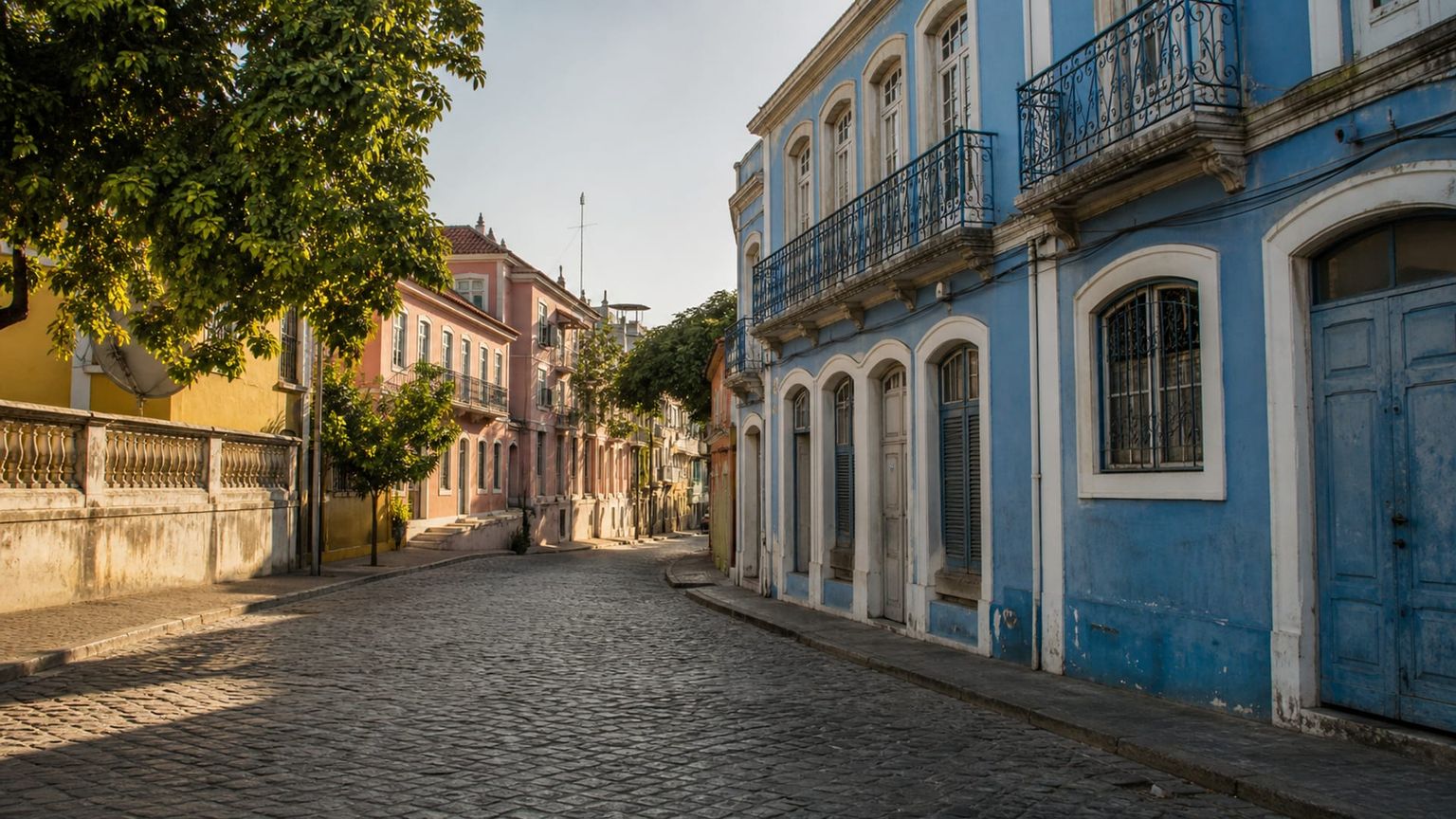
Ilha do Cabo is a narrow peninsula separating Luanda Bay from the Atlantic, with beaches, seafood restaurants, and beach clubs along its waterfront. Hotels and residential buildings share the strip, while bars and late dinners draw crowds, particularly on weekends. The strip is 4.35 miles (7 km) long.
Best for: Dining, nightlife, and travelers who want seaside access
What to expect: Lively evenings, beachside promenades, and more activity on weekends than weekdays.
Hotel prices: Usually about 180,000 Kz to 360,000 Kz (~198$ to ~396$) per night for well-rated stays
Distance to major sights: About 10 to 20 minutes by car to Ingombota and Fortaleza de São Miguel; about 25 to 35 minutes to Talatona
Quietness: Days are moderate and beach-oriented; nights get noisy near restaurants and bars.
Main trade-off: You pay for the waterfront setting, and late-night noise can be noticeable near the busiest stretches.
Good to know: Check whether a hotel faces the Atlantic or Luanda Bay before booking; the two sides have different views and exposure to sea breezes.
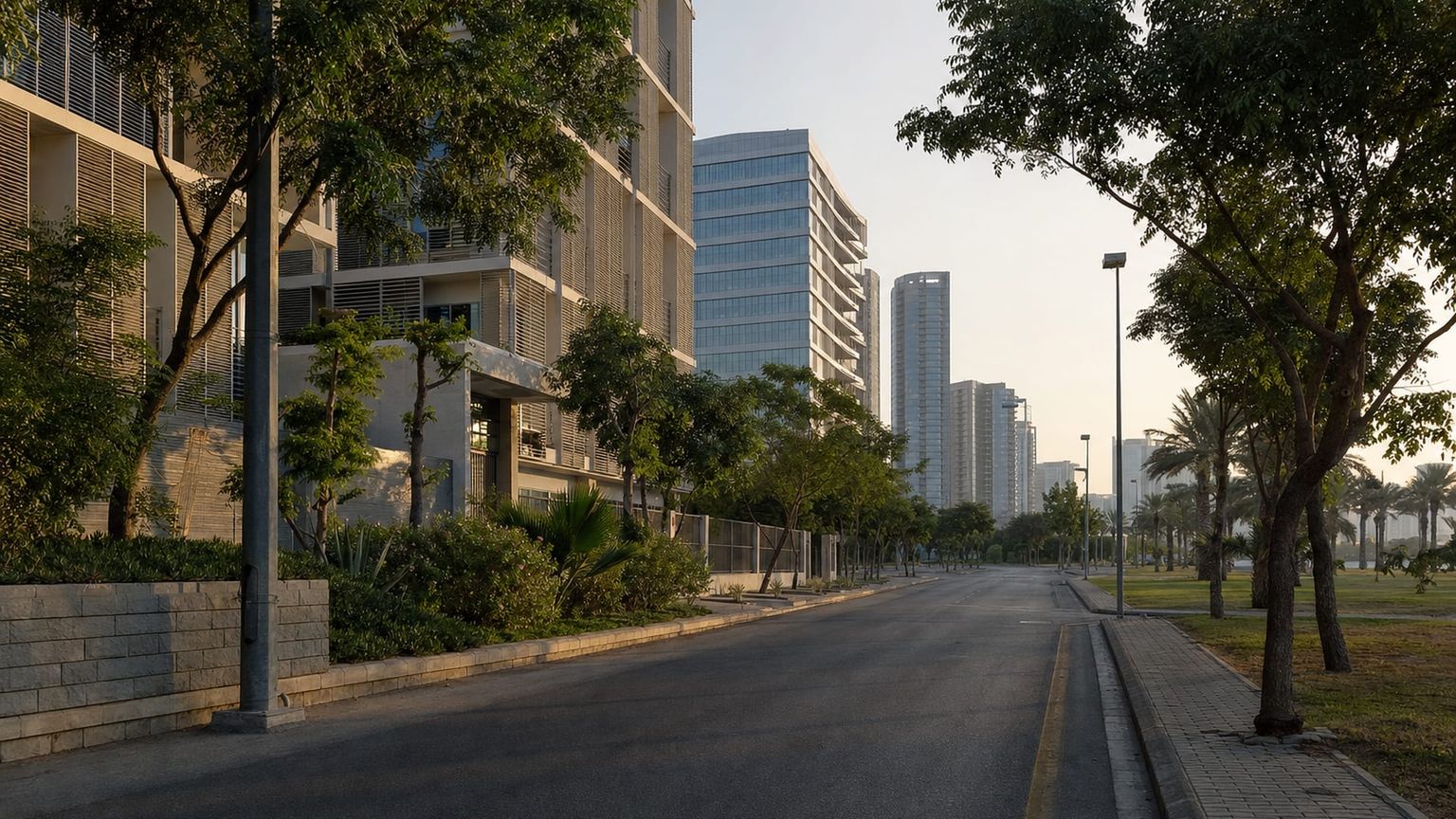
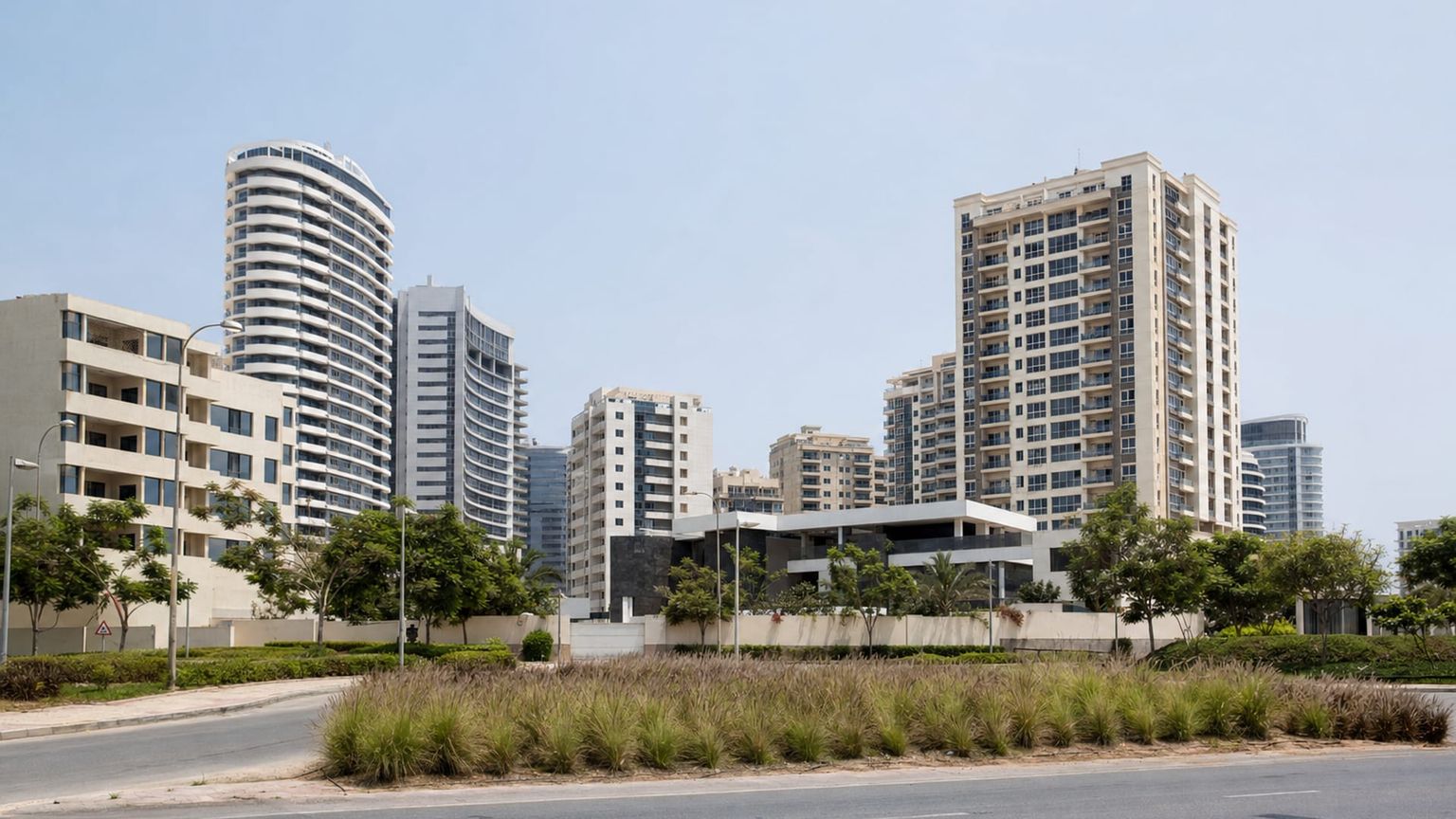
Talatona is a business and residential district in southern Luanda, with office buildings, hotels, conference venues, and shopping centers. Belas Shopping is a local landmark, while apartment complexes and wide roads give the district a different character from the older waterfront neighborhoods.
Best for: Business travel, longer stays, and travelers who prefer newer hotels
What to expect: Wide roads, car-oriented development, and quieter streets than central Luanda.
Hotel prices: Usually about 140,000 Kz to 280,000 Kz (~154$ to ~308$) per night for well-rated stays
Distance to major sights: About 20 to 35 minutes by car to Ingombota and Fortaleza de São Miguel; about 15 to 25 minutes to the airport area
Quietness: Daytime is busy around malls and offices; evenings are quieter away from shopping centers.
Main trade-off: You gain newer lodging and easier parking, but you will spend more time reaching the waterfront and historic sights.
Good to know: Before booking, confirm that your hotel has backup power and water supplies, as outages can affect air conditioning, internet, and showers.
For a short sightseeing trip, avoid hotels in Cacuaco, Viana, and Benfica, where trips to central Luanda can take a long time. Ilha do Cabo has weekend traffic and nightlife noise, while Talatona adds travel time to the bayfront and museums.
Hotel deals
How to get around Luanda efficiently
Luanda’s heavy traffic makes transport planning important. Prearranged taxis and ride apps handle most visitor trips; public buses are less suitable.

City buses
for local routes, but not recommended for tourists
Luanda has no metro, so visitors rely on road transport and, for longer regional trips, the Luanda Railway rather than an urban subway. There is no underground network to plan around, and trips across central districts usually take about 20 to 45 minutes by car depending on traffic.

Taxi
for airport transfers and prearranged journeys
Hotel-arranged taxis are useful for airport transfers, business appointments, and evening journeys. Short private rides may cost Kz 2,000–Kz 5,000 ($2–$5); longer trips cost more. Confirm the total fare in kwanzas before leaving, as taximeters are uncommon.

Ride apps
for point-to-point trips
UGO, Yango, and Heetch operate in Luanda. Yango advertises fares starting at Kz 450 ($0.50), but the final price depends on distance, demand, and traffic. Check the driver’s identity and plate, avoid shared rides, and follow your hotel’s transport advice.
*Prices are based on rates updated as of October 2026 and may change at the time of travel.
For city visits, arrange a private car through your hotel or use a vetted ride service. Allow extra time at rush hour and confirm fares before departure.
Iconic landmarks
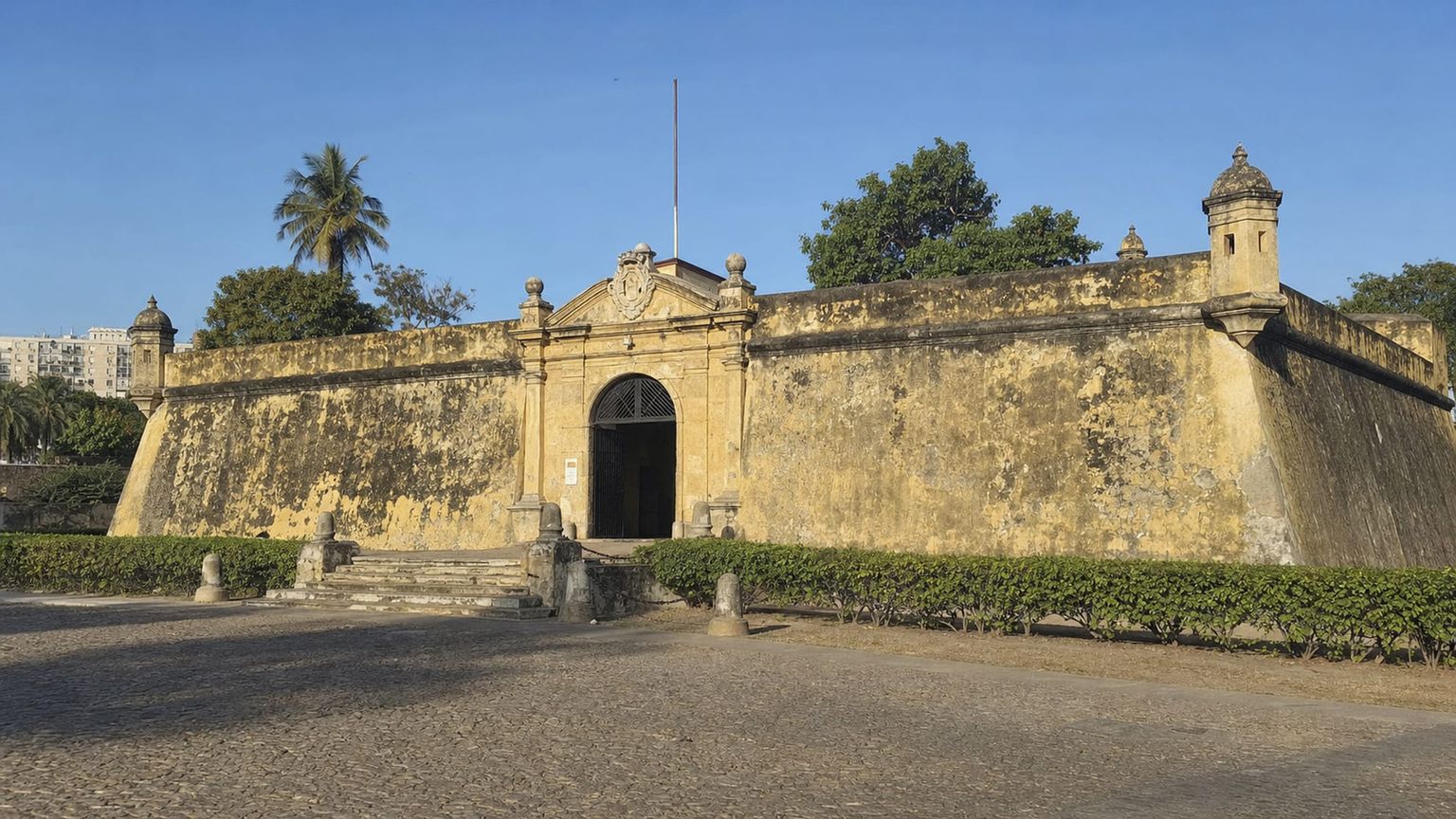
Fortaleza de São Miguel
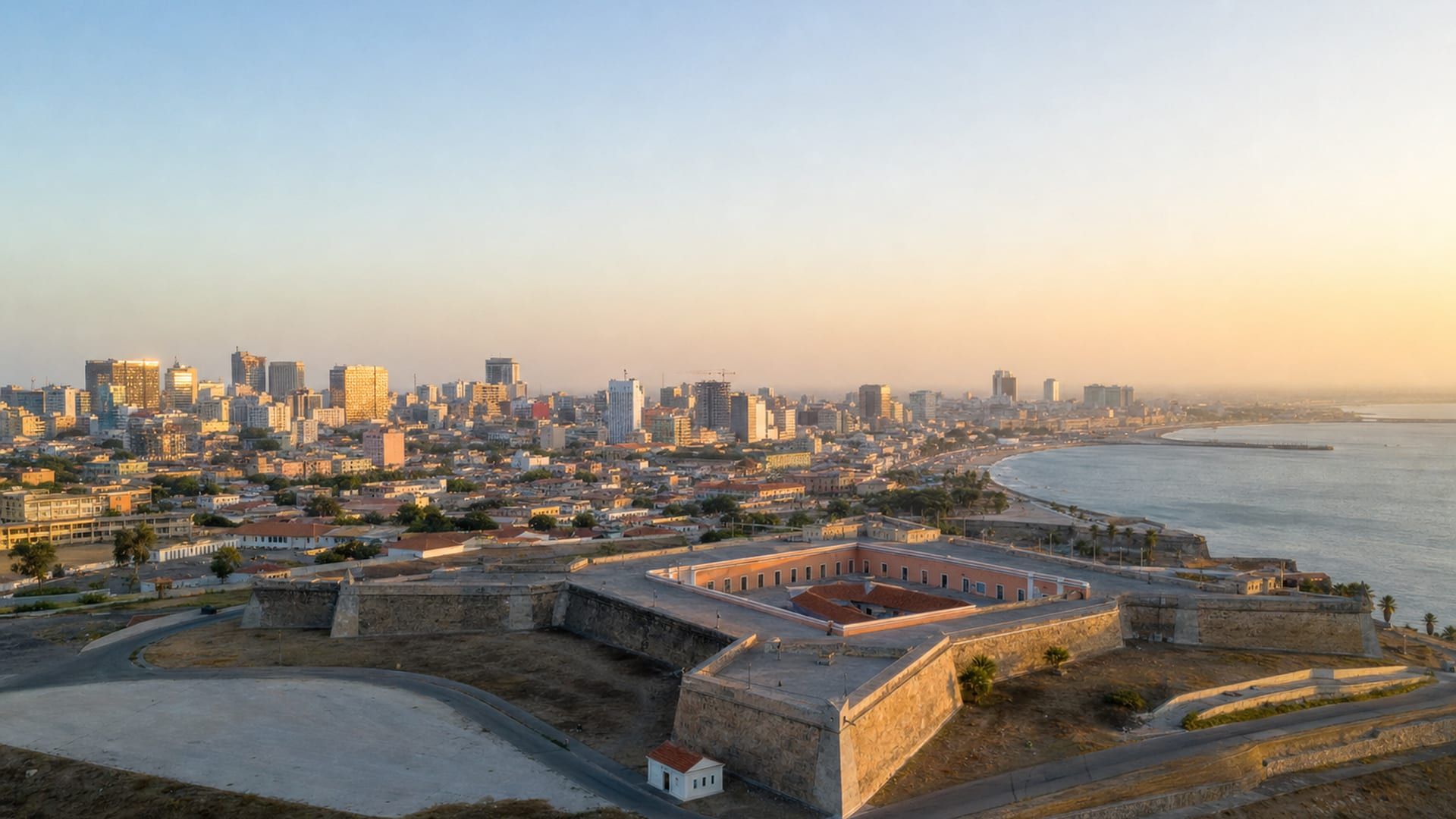
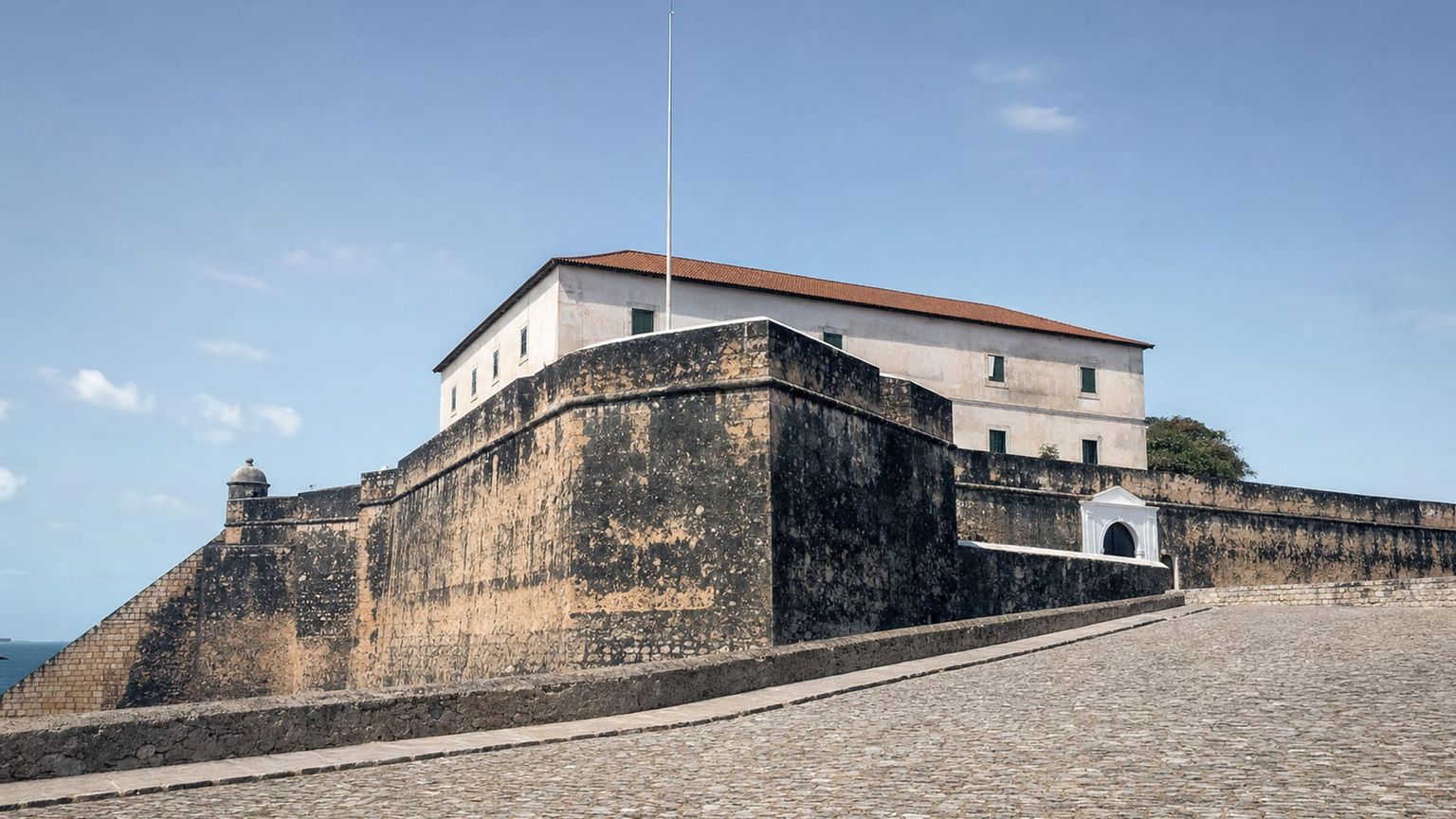
The Portuguese built Fortaleza de São Miguel in the 16th century overlooks Luanda Bay and now houses the National Museum of Military History. Inside, you’ll find cannons, military vehicles, tiled panels, and exhibitions covering Angola’s wars, while the ramparts provide views of the harbor and city.
Time needed: About 1 to 2 hours
Entry: Admission is about $2 ($1,000 Kz) for adults, with lower rates for children and students, depending on the museum desk policy.
Tip: Visit before midday, as the exposed courtyards and ramparts offer little shade.
National Museum of Slavery
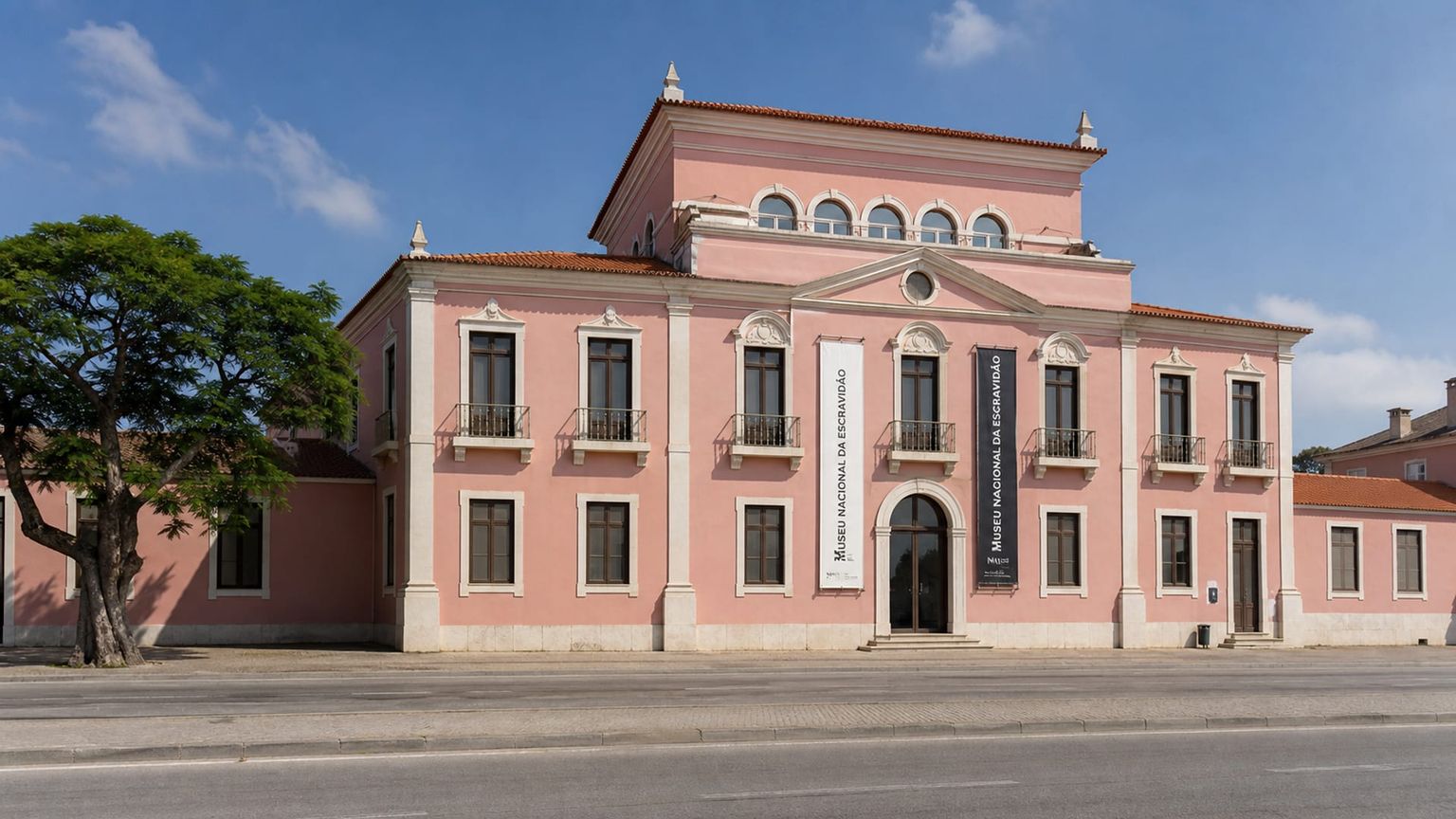
The National Museum of Slavery occupies a former chapel at Morro da Cruz, south of central Luanda. Through documents and historical objects, it tells the story of Angola’s role in the Atlantic slave trade. Enslaved people underwent baptism at the chapel before their forced departure overseas
Time needed: About 1 hour
Entry: Admission is about $1 ($500 Kz) per adult, with discounted entry for school groups and children at the ticket desk.
Tip: Most exhibit texts are in Portuguese; a local guide can help explain the documents.
Ilha do Cabo
Stretching between Luanda Bay and the Atlantic, Ilha do Cabo is a narrow peninsula lined with beaches, seafood restaurants, and waterfront bars. Weekends draw larger crowds to its beach clubs, while the bay-facing shore has views of Luanda’s skyline and harbor, particularly as the sun goes down.
Time needed: About 2 to 3 hours
Entry: Free to access, while beach clubs, parking areas, and restaurants charge separately for umbrellas, seating, and meals.
Tip: For swimming, choose Praia da Marinha or Jango Veleiro, both designated guarded beaches.
Overlooked sites worth visiting

Palácio de Ferro
Palácio de Ferro stands on Rua Major Kanhangulo, where ornate iron balconies and a yellow facade recall Luanda’s architecture. Today, the restored building hosts art exhibitions and performances.
Time needed: About 30 to 45 minutes
Entry: Free to access; no ticket is sold for the wall itself, and you can view it from the sidewalk at any time of day. If you want photos with softer light, late afternoon is the best window, and there is no formal admission desk or timed entry.
Tip: Look at the current event program: a concert or exhibition can change what you see.

Museu Nacional de Antropologia
In Luanda’s Coqueiros neighborhood, the National Museum of Anthropology displays masks, carvings, tools, and household objects from Angola’s communities, with a focus on Lunda-Cokwe traditions.
Time needed: About 1 hour
Entry: Admission is typically about $2 to $5 (about 1,700 to 4,200 kwanzas) for adults, with prices sometimes adjusted locally. Expect to pay at the entrance in cash, and opening hours can shift on holidays or for maintenance, so check locally before you go.
Tip: Some exhibition rooms have closed for repairs, so expect a smaller display than usual.
Traditional food
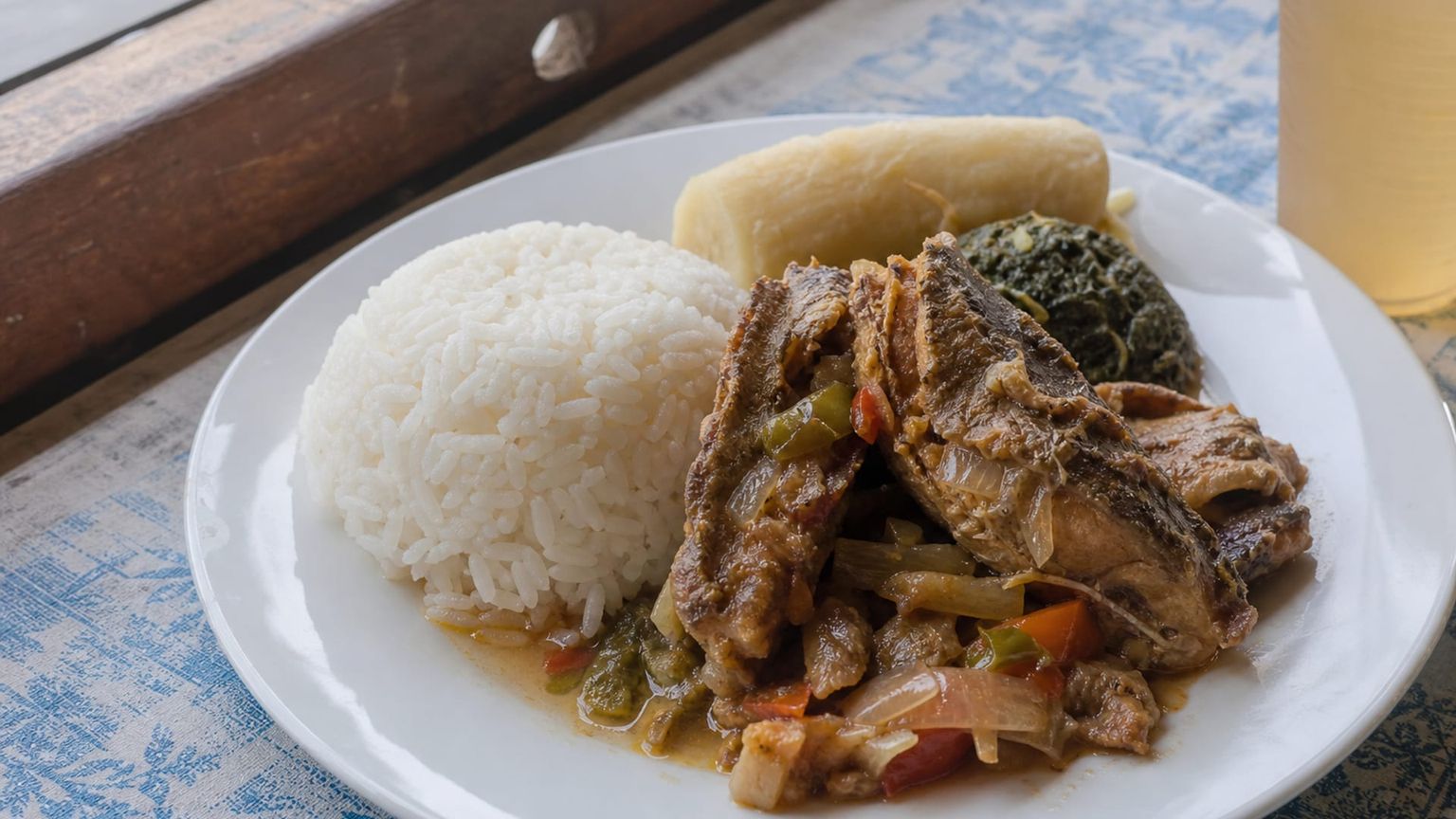
In Luanda, palm oil, cassava, fresh fish, and leafy vegetables appear in everyday cooking. From slow-cooked stews to soft funge, traditional meals draw on ingredients from Angola’s coast and interior.
Muamba de galinha
Muamba de galinha simmers chicken with red palm oil, okra, garlic, and chili, giving the sauce its distinctive color and flavor. O Sítio in Nova Vida lists the dish with funge on its menu, alongside several other Angolan specialties.
Calulu
Calulu cooks fresh and dried fish with leafy greens, okra, tomatoes, and palm oil, producing a rich, savory stew. Otto Luanda on Ilha do Cabo lists calulu with funge, kizaca, and beans among its traditional Angolan dishes.
Funge
Funge is a smooth, thick accompaniment made by stirring cassava or corn flour into hot water. Funge House on Avenida Lenine specializes in Angolan home-style meals, where funge accompanies sauces, fish, and slow-cooked meats.
Mufete de peixe
Mufete de peixe features grilled fish served with palm-oil beans, sweet potato, plantain, and a fresh onion-and-tomato sauce. PIMMS in Luanda serves this traditional Angolan dish as a Friday lunch special, according to its official menu.
Best time to visit Luanda
Luanda stays warm throughout the year. June to September brings cooler, dry weather, while March and April have the heaviest rainfall.
Best for: Beach afternoons and waterfront dinners during the warmer, more humid months
What you get: Daytime temperatures reach 84°F–87°F (29°C–31°C), with evenings near 75°F–77°F (24°C–25°C). The sea is warm, and short showers are common.
Trade-offs: High humidity can make afternoons uncomfortable, while sudden rain can delay trips across the city.
Best for: Indoor museums, traditional restaurants, and short walks between rain showers
What you get: Highs reach 86°F–88°F (30°C–31°C) in March and April, the wettest months. Rainfall drops in May, although daytime temperatures remain warm.
Trade-offs: Heavy rain can flood roads in March and April and delay journeys between hotels and attractions.
Best for: Exploring the fortress, markets, and waterfront in cooler, mostly dry weather
What you get: From June to August, highs reach 75°F–79°F (24°C–26°C), with nights near 66°F–69°F (19°C–21°C). Rain is rare during the local dry season, cacimbo.
Trade-offs: Morning mist and low clouds can hide views of the bay, even when the rest of the day is dry.
Best for: Waterfront visits and city sightseeing before the heavier summer rains
What you get: September is mostly dry, with highs near 77°F (25°C). By November, temperatures reach 83°F (28°C), and afternoon showers become more frequent.
Trade-offs: Rain becomes more frequent in November and can interrupt outdoor visits or slow road transfers.
A realistic 5-day plan in Luanda
Five days in Luanda leave time for the old city, museums, the bayfront, and southern districts without crossing the city repeatedly. Group nearby attractions, use prearranged cars for transfers, and leave room for long lunches and traffic.
Your first day begins at Dr. António Agostinho Neto International Airport (NBJ), outside central Luanda. Take a prearranged car to your hotel in Ingombota and allow plenty of time for the transfer. After you check in, keep the afternoon free to rest and have an easy dinner near the hotel. If you arrive early enough, take a short drive along the Marginal to see the bay and waterfront buildings before turning in for the night.
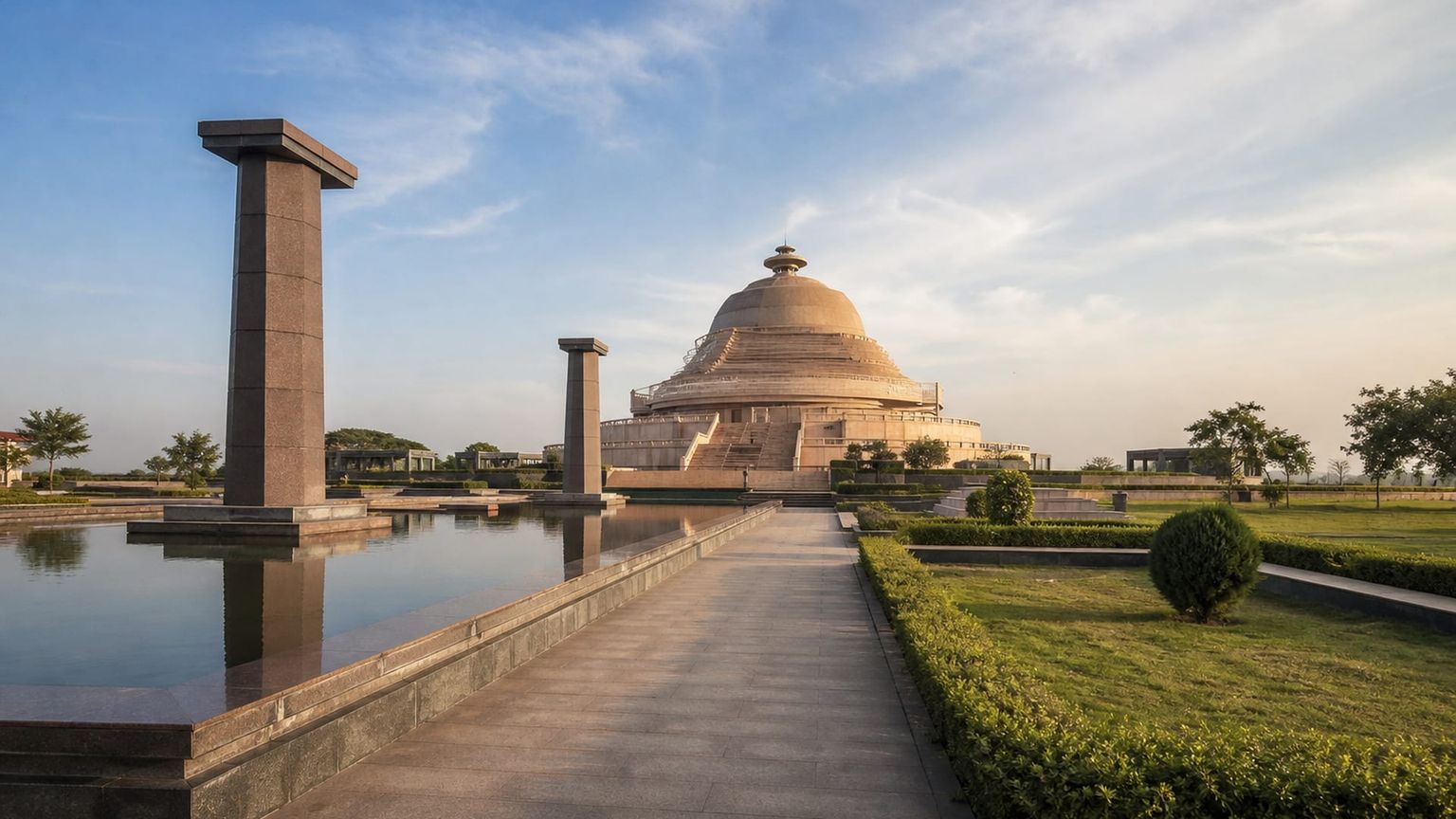
After breakfast, head up to Fortaleza de São Miguel. Explore the cannons, tiled walls, and military exhibits, then look across the harbor from the ramparts. Continue by car to the National Museum of Anthropology in Coqueiros, where masks, carvings, and everyday objects introduce Angola’s cultural traditions. Have lunch downtown before returning to the hotel for a break. The evening is free for a meal near the Marginal, without another long transfer.
Spend the morning at Palácio de Ferro, admiring its ironwork and visiting the exhibition on display. From there, take a short car ride toward the Marginal for views across Luanda Bay and lunch near the waterfront. Later, head onto Ilha do Cabo, where the Atlantic-facing beaches and bay-side restaurants show two sides of the peninsula. Settle in for seafood near sunset, when the city lights begin to appear across the water, then return to your hotel by car.
On the fourth day, leave the central districts behind for the National Museum of Slavery at Morro da Cruz. The former chapel and its exhibits tell a difficult part of Angola’s history; allow time to read them properly. Continue south to Talatona for lunch, then browse Belas Shopping’s stores or stop for coffee. This keeps the longer journey in one direction instead of returning downtown between visits. Have dinner in Talatona before taking a prearranged car back to your hotel.
Enjoy breakfast near your hotel and leave the morning open for final purchases or a coffee overlooking the bay. Collect your luggage, then take a hotel-arranged car directly to Dr. António Agostinho Neto International Airport (NBJ). The airport lies well outside central Luanda, and traffic can significantly affect the journey. Plan your departure time around the flight’s check-in requirements, and allow extra time for the road transfer.
Business-class flights from the US to Luanda
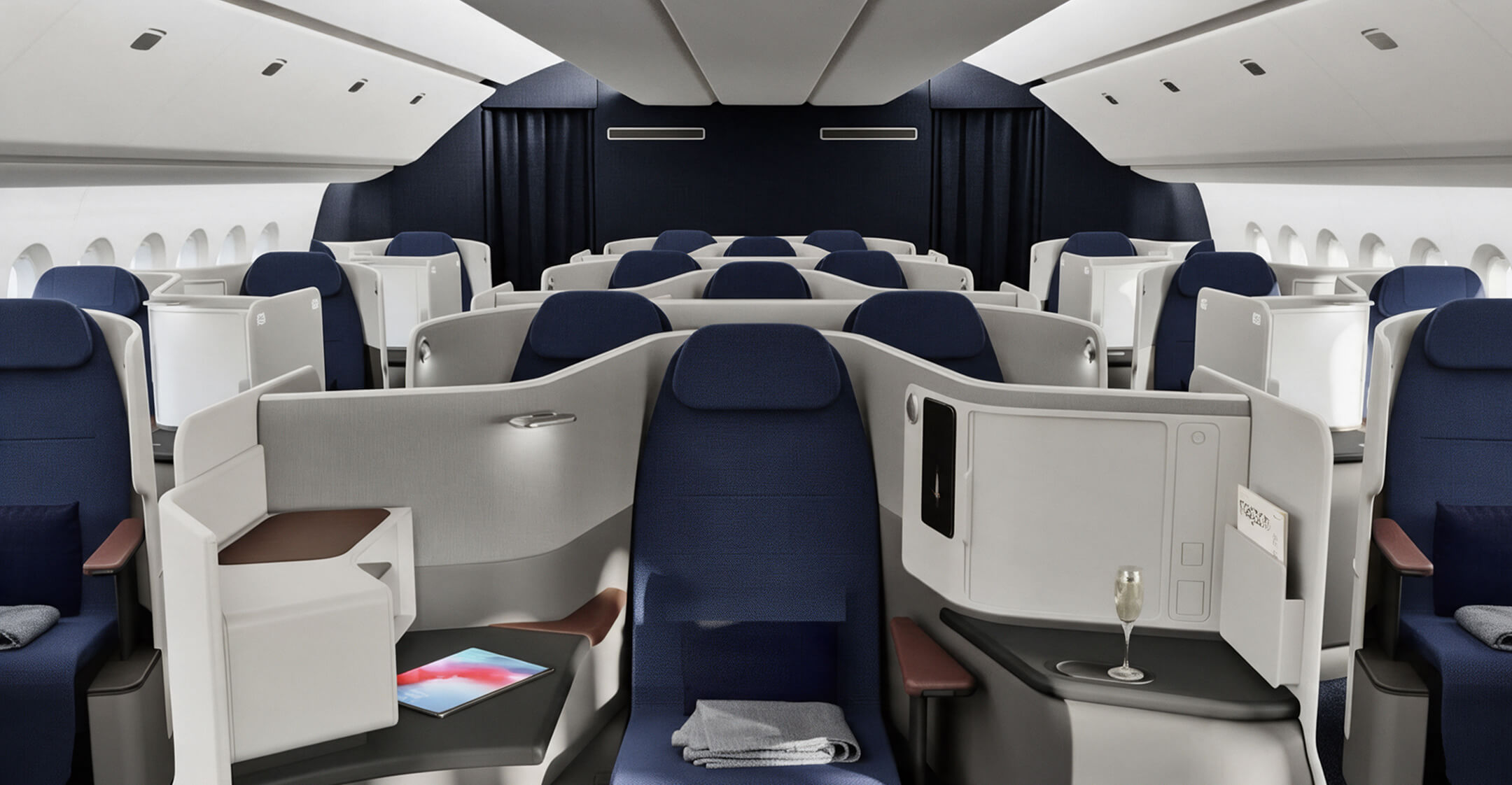
There are no nonstop flights from the US to Luanda. Business-class travelers reach Dr. António Agostinho Neto International Airport (NBJ) with one or more layovers.
New York (JFK) to Luanda (NBJ)
TAP Air Portugal provides one of the shorter routes from JFK to Luanda (NBJ), connecting through Lisbon (LIS) in about 19 hours. Lufthansa also flies on this route, with a layover in Frankfurt (FRA). Other options involve two stops, including SWISS and Lufthansa via Zurich and Frankfurt, or ITA Airways and Ethiopian Airlines via Rome and Addis Ababa. With longer layovers, journeys can reach 54 hours. Round-trip business-class fares range from $4,500 to $10,000, depending on demand.
Los Angeles (LAX) to Luanda (NBJ)
From LAX, the journey to Luanda (NBJ) takes 26–54 hours. Lufthansa provides a one-stop route through Frankfurt (FRA), while other airlines require two layovers. These include JetBlue and TAP Air Portugal via New York and Lisbon, Air Canada and TAP via Montréal and Lisbon, and Iberia and TAAG via Madrid and Lisbon. Round-trip business-class tickets cost $6,000–$11,000.
Luanda beyond the waterfront
Luanda deserves more than a quick look at its waterfront. Its museums, historic buildings, coastal restaurants, and southern districts each reveal a different part of the city. Plan your days by area, leave enough time for traffic, and avoid packing too many stops into one outing. A little structure leaves more time to appreciate what you see. When you’re ready to arrange your trip, AranGrant travel agents can help you find business-class flights and hotels that fit your plans.