

Chapters:

Need help with your trip?
Our support team is available 24/7. Request a callback or call us directly at (833) 619-0908
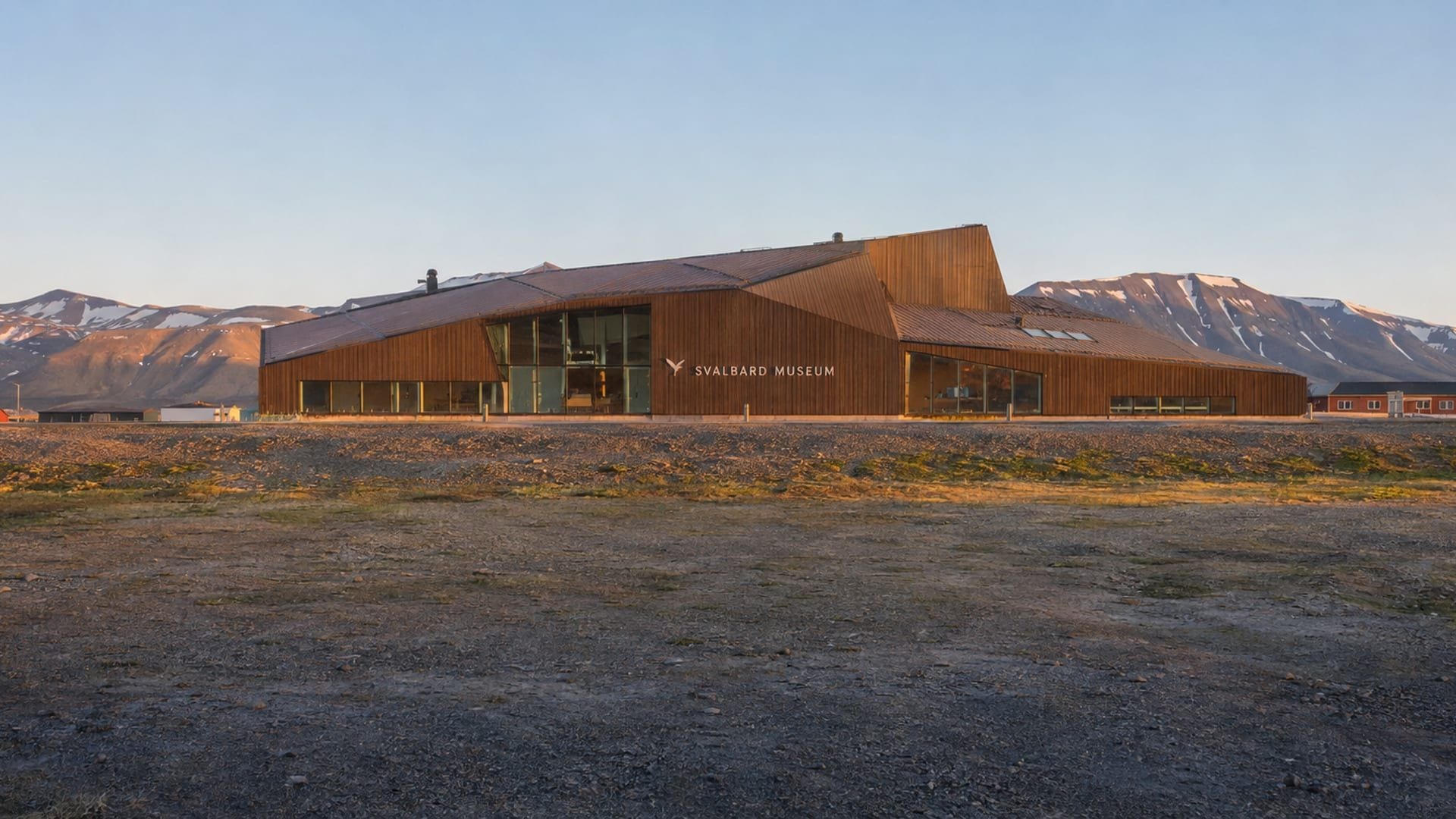
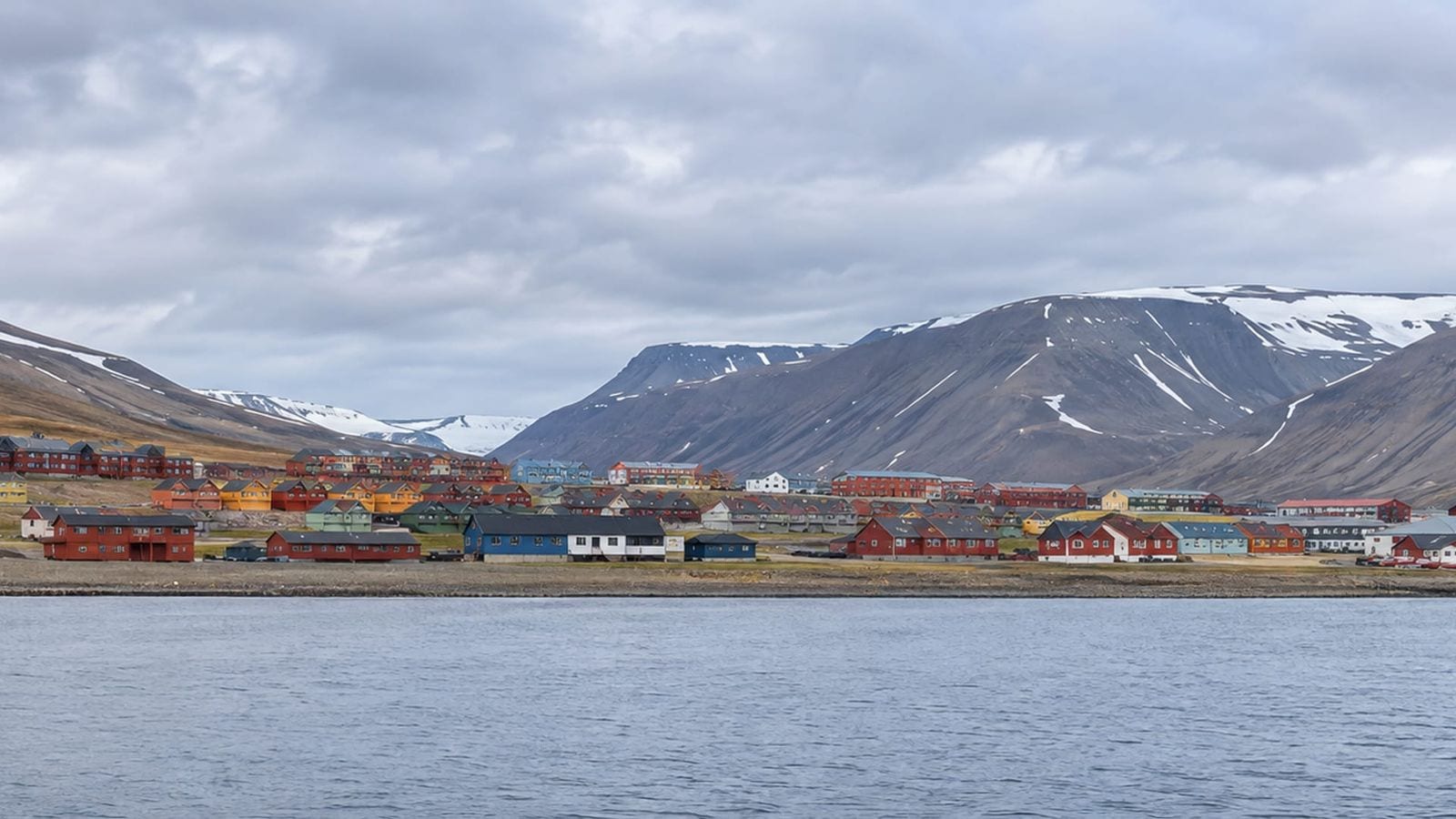
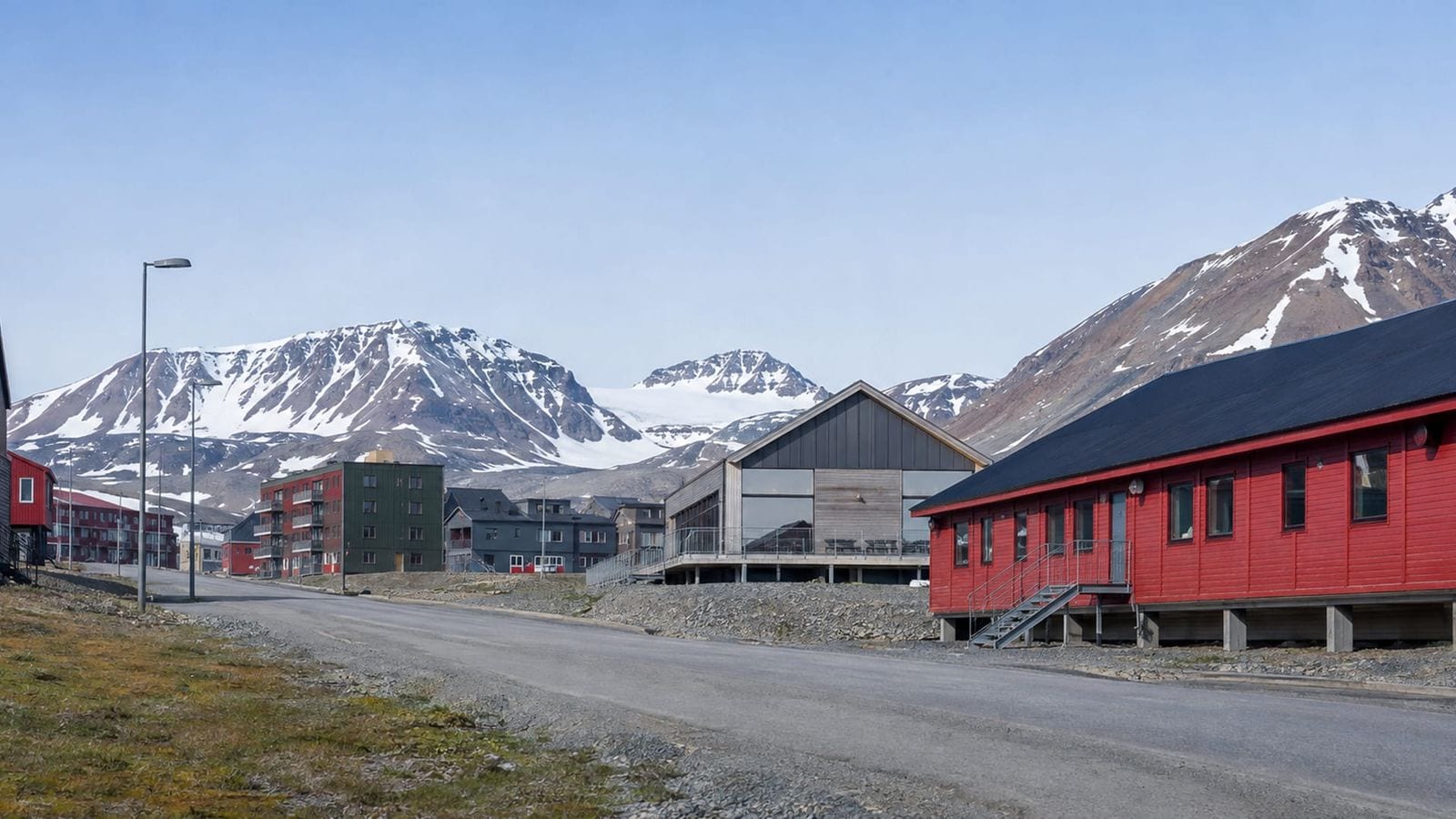
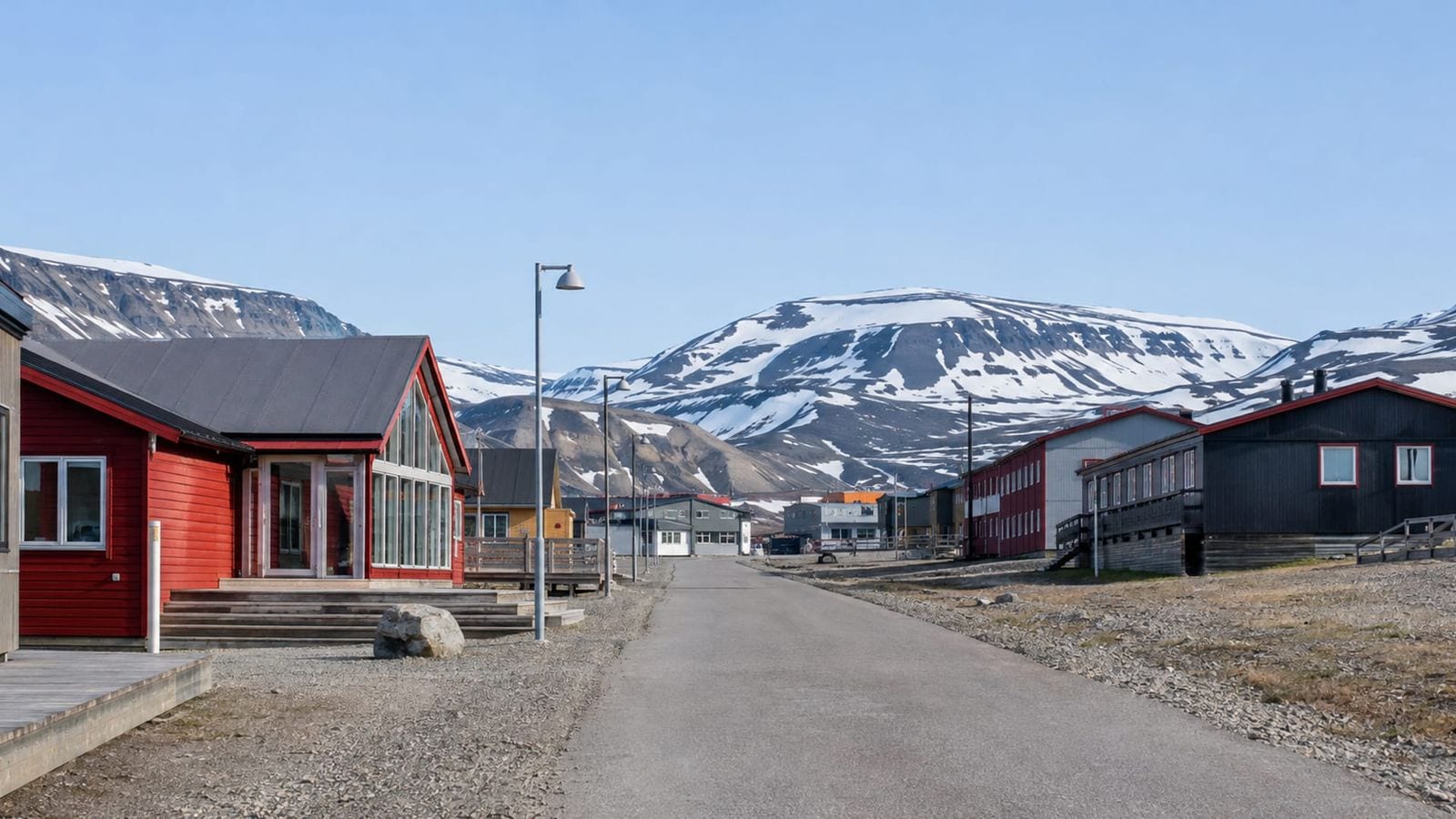
Longyearbyen grew from coal mining, and that history still shapes the town beneath its steep Arctic mountains. Former miners’ accommodation in Nybyen now houses travelers, while industrial traces connect the upper valley with a settlement that began in 1906.
Svalbard Museum puts the mining years alongside exploration and wildlife. At Mine 3, a guided underground tour brings the equipment and confined passages into view; above the center, Svalbard Church tells another chapter of community life.
Five days leave time to connect these places without filling every daylight hour. Sentrum concentrates shops and restaurants, while Nybyen lies uphill: the walk between them becomes a different proposition when ice, wind, or polar darkness enters the picture.
Useful things to know

Main language(s): Norwegian
Hei (hay) – Hello
Vær så snill (vair soh snil) – Please
Takk (tahk) – Thank you
Snakker du engelsk? (SNAH-ker doo ENG-elsk) – Do you speak English?
Hvor mye koster det? (vor MOO-eh KOS-ter deh) – How much does it cost?

Currency: Norwegian krone (NOK, kr)

Cash and cards: Cards and contactless are widely accepted; carry roughly NOK 100 to NOK 200 ($10 to $20) in cash.

Tipping: Round up or leave 5% to 10% for good restaurant service; tipping is optional.

Traditional food: Reindeer stew, whale steak, pan-fried Arctic char, and fish soup are among the classic dishes of Longyearbyen.

Water and coffee costs: Bottled water NOK 25 to NOK 40 ($2 to $4); espresso NOK 35 to NOK 55 ($3 to $5).

Taxis and ride apps: Ask your hotel to call a licensed taxi; confirm the fare before departure.

Plug and voltage: Type C/F socket, 230V

Dining and shop opening hours: Breakfast: 7 am to 10 am; lunch: noon to 2 pm; dinner: 6 pm to 9 pm. Shops typically open from 10 am to 6 pm, with shorter weekend hours.

Emergency number: Police 112, ambulance 113, fire 110.
Where to stay in Longyearbyen
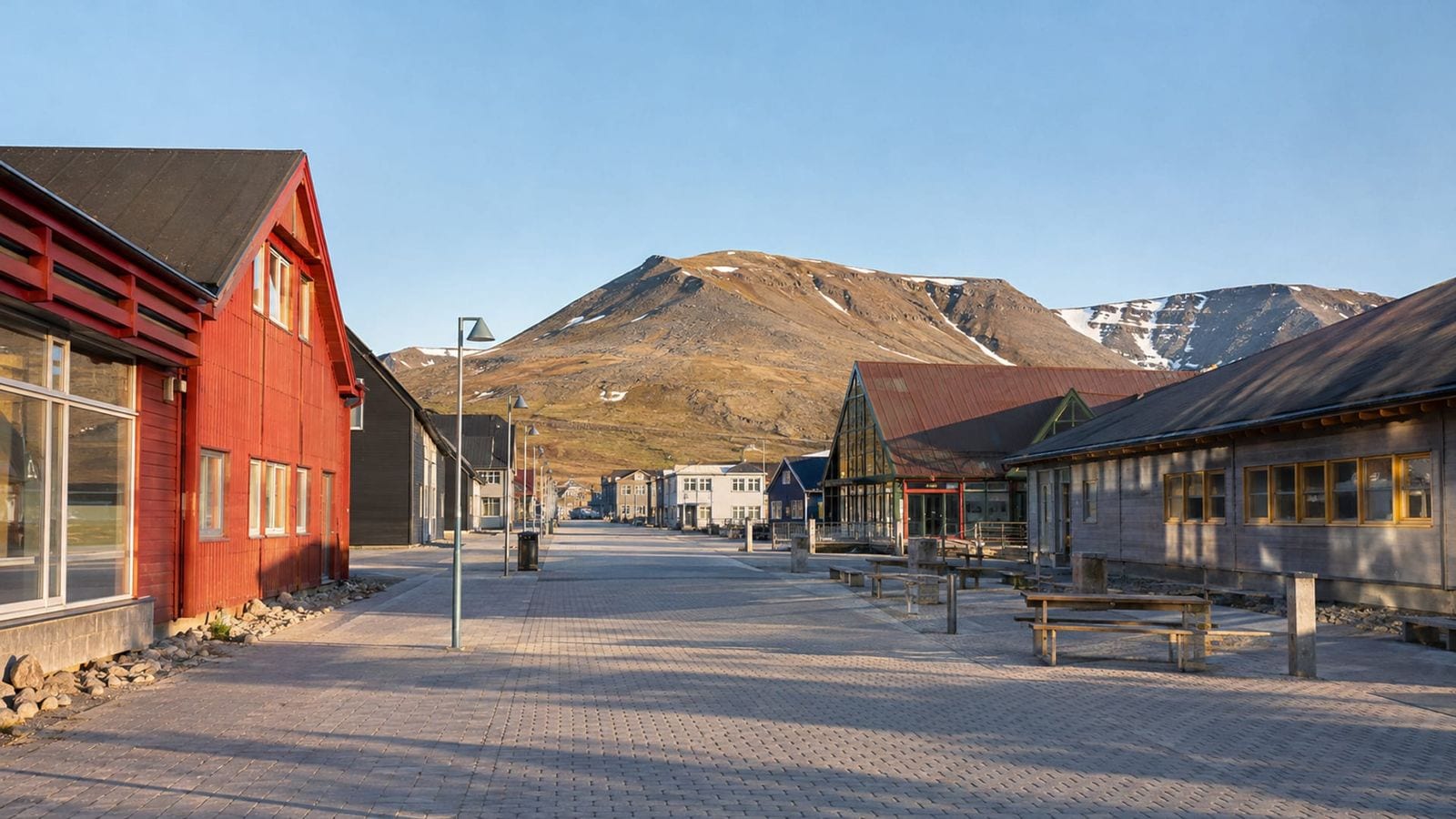
Sentrum is Longyearbyen’s compact town center, where hotels share the main pedestrian stretch with restaurants, shops, and expedition offices. Staying here puts most everyday errands and evening meals within a short walk, with the Svalbard Museum close enough to reach without arranging a taxi.
Best for: Walking to restaurants, museum visits, and access to shops
What to expect: The compact center attracts shoppers and excursion groups during the day, with restaurant activity in the evening.
Hotel prices: Well-rated hotels cost NOK 2,000 to NOK 4,000 ($185 to $370) a night.
Distance to major sights: The Svalbard Museum is a 5 to 15-minute walk from central hotels.
Quietness: Daytime activity centers on shops and tour departures; evenings are quieter away from restaurants and bars.
Main trade-off: Central hotels usually cost more than the simpler guesthouses farther up the valley.
Good to know: Choose a hotel with an on-site restaurant if you want to avoid walking outside for dinner during winter.
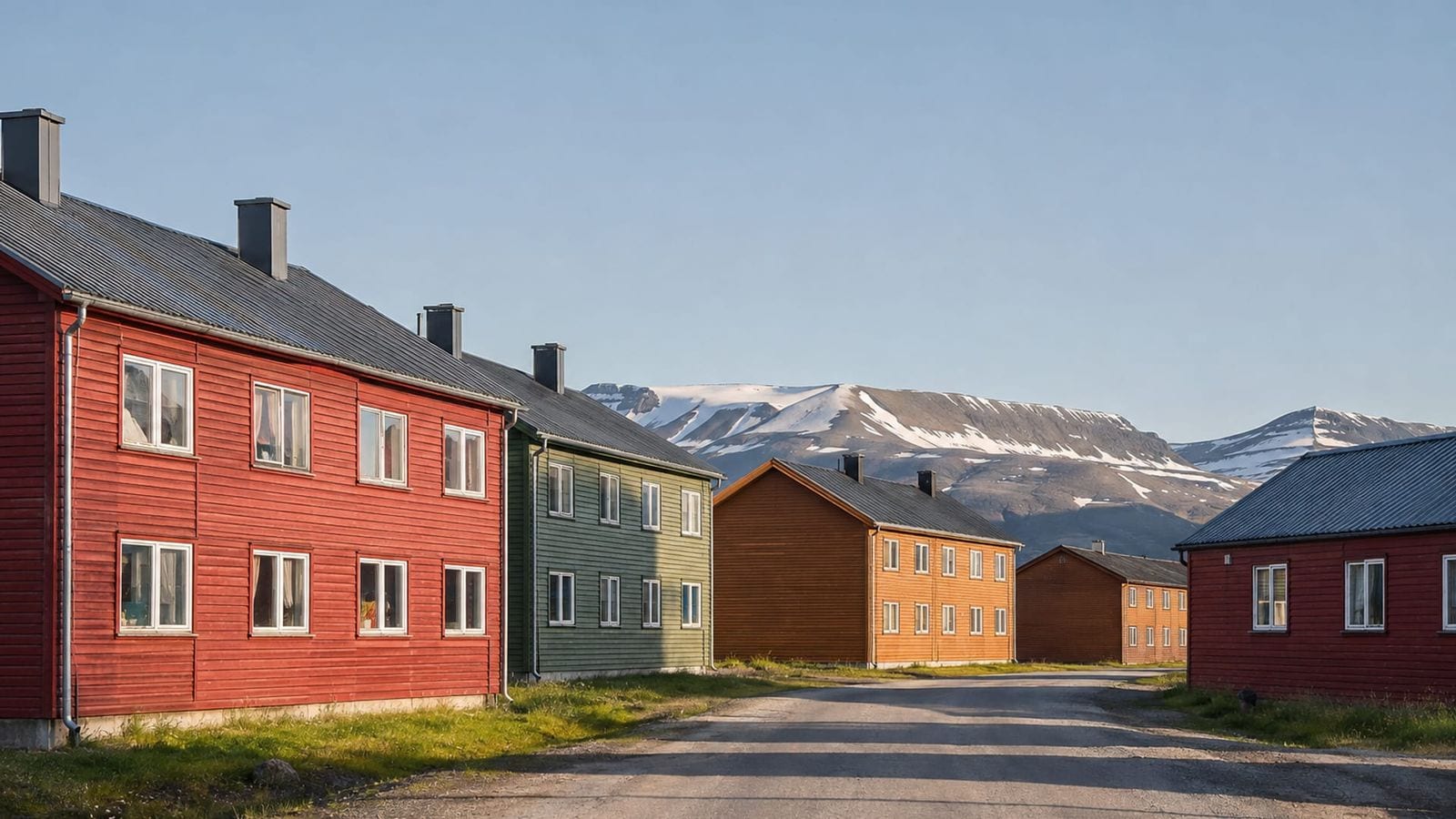
Nybyen is a former mining settlement uphill from central Longyearbyen, with guesthouses occupying former miners’ accommodation beneath steep mountains. Travelers stay here for lower room prices and the historic setting, accepting a longer walk downhill for the town’s main shops and restaurants.
Best for: Mining history, mountain scenery, and lower-cost stays
What to expect: Guesthouses and former mining buildings give this small settlement a quieter atmosphere than the town center.
Hotel prices: Guesthouse rooms typically range from NOK 1,000 to NOK 2,200 ($90 to $205) a night.
Distance to major sights: Allow 5 to 10 minutes by taxi to the Svalbard Museum.
Quietness: Guest departures bring some daytime movement; evenings generally have little street activity.
Main trade-off: The uphill return from the center feels longer in wind, snow, or icy conditions.
Good to know: Compare bathroom arrangements before booking, since lower-priced guesthouse rooms may share facilities.
Nybyen is less convenient for frequent trips to central restaurants, shops, and museums: expect a walk of about 1.2 miles (2 km) each way, or taxi rides for evenings out.
Hotel deals
How to get around Longyearbyen efficiently
Flight-timed airport buses connect Longyearbyen’s hotels, taxis cover longer town trips, and walking links the compact center.

Taxi
for convenience or late hours
Taxis connect central Longyearbyen with outlying hotels and the harbor. Town trips use meters; allow roughly NOK 150 to NOK 300 ($14 to $28) for short rides of 5 to 10 minutes. Request a pickup through your hotel for luggage or icy conditions.

Walking
for short central distances
From central Longyearbyen, Svalbard Museum is a short walk, with many hotels and restaurants within 5 to 15 minutes on foot. Walking costs nothing and suits central outings. Stay within town: polar bear precautions apply beyond the settlement.

Bus and tram
for convenience
Timed to scheduled flights, the airport bus links Svalbard Airport (LYR) with major Longyearbyen hotels. Allow 15 to 30 minutes and roughly NOK 100 to NOK 150 ($9 to $14) each way. Use it for airport transfers; confirm your hotel’s stop when boarding.
*Prices are based on rates updated as of November 2026 and may change at the time of travel.
Walk between central sights, take the airport bus for flight connections, and request a taxi for Nybyen’s uphill return or trips with luggage in icy weather.
Iconic landmarks
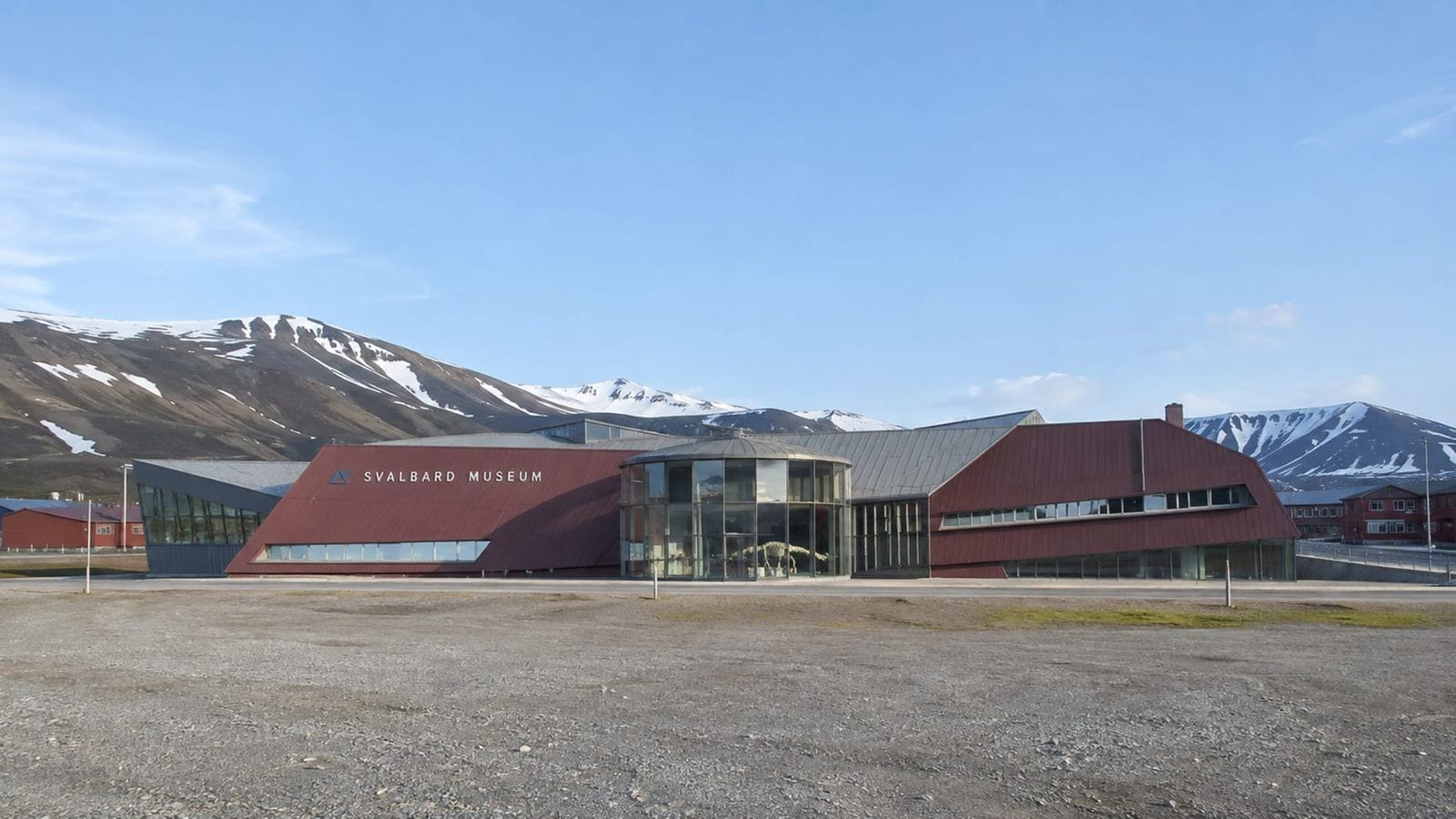
Svalbard Museum
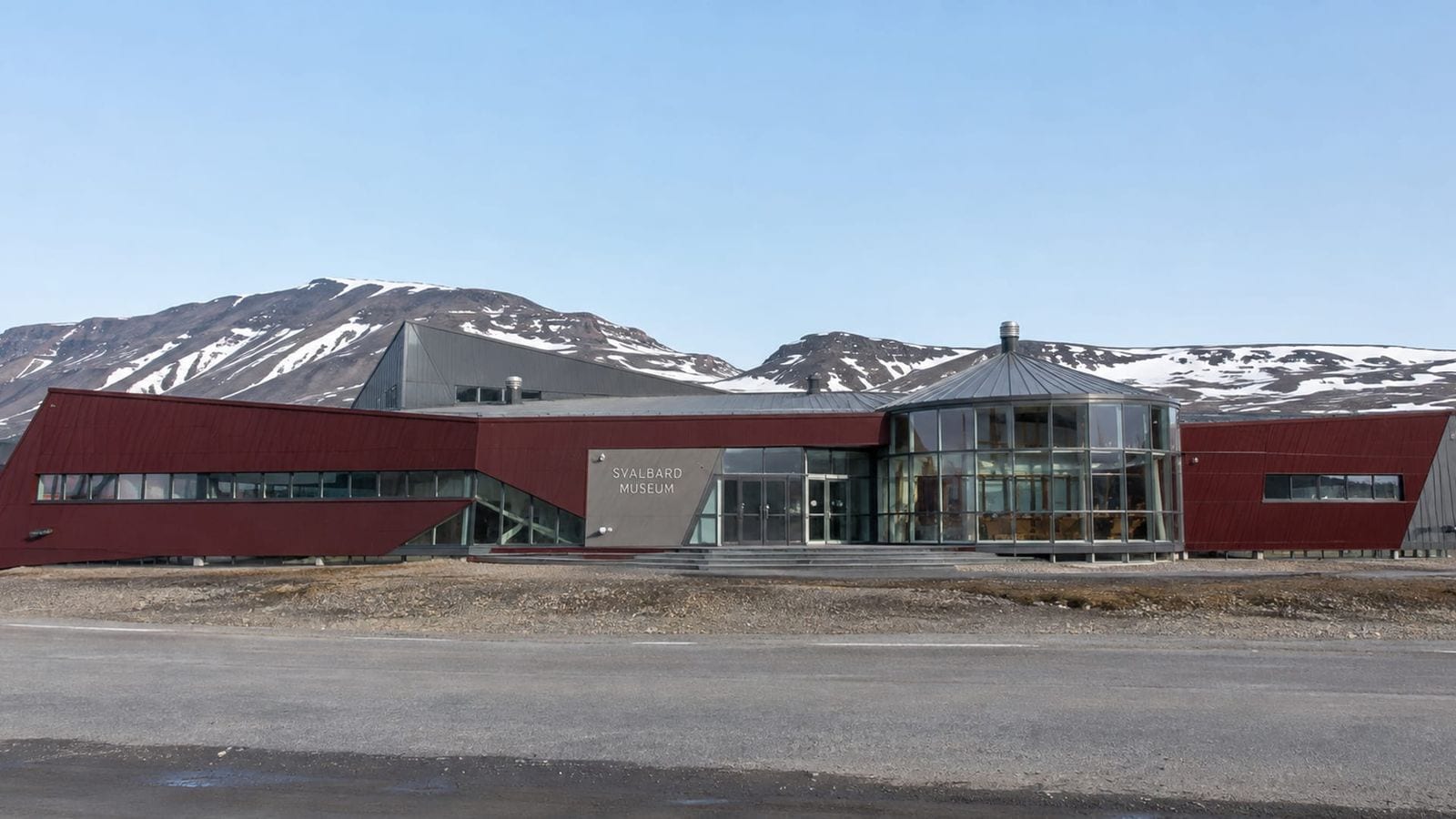
Svalbard Museum traces Longyearbyen’s coal-mining roots alongside the archipelago’s wildlife and exploration history. Displays connect polar bears, reindeer, trapping, and settlement, giving the surrounding Arctic landscape a human context.
Time needed: About 1 to 2 hours
Entry: Moderately priced: museum admission
Tip: Leave outdoor footwear at the entrance, following the museum’s indoor custom.
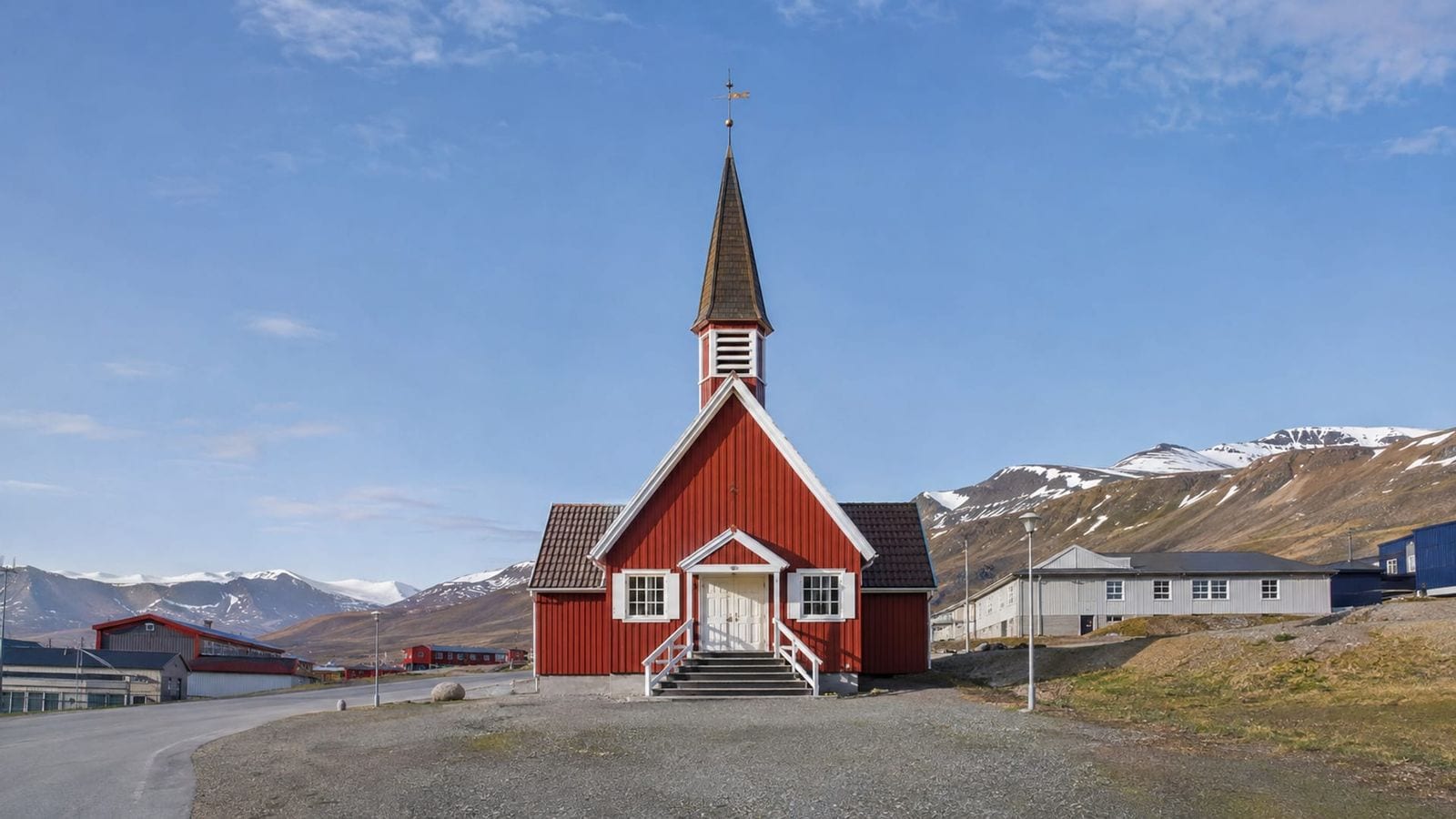
Svalbard Church
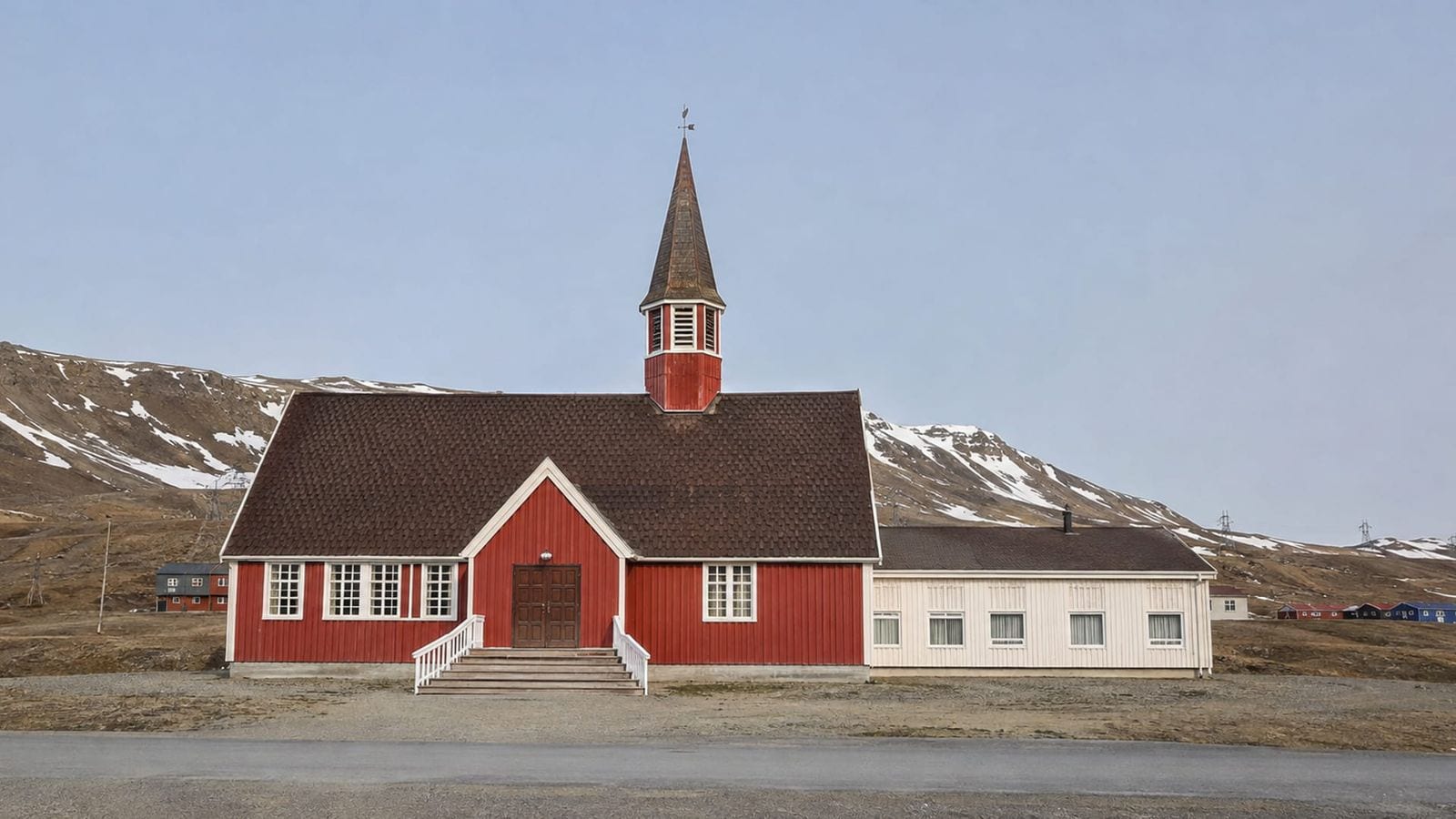
Above Longyearbyen’s town center, Svalbard Church pairs a red wooden exterior with a welcoming interior. The present church opened in 1958, replacing the earlier building destroyed during World War II, and continues to serve the local community.
Time needed: About 1 to 2 hours
Entry: Free: church access
Tip: Follow the road uphill from the town center; icy stretches can slow the walk.
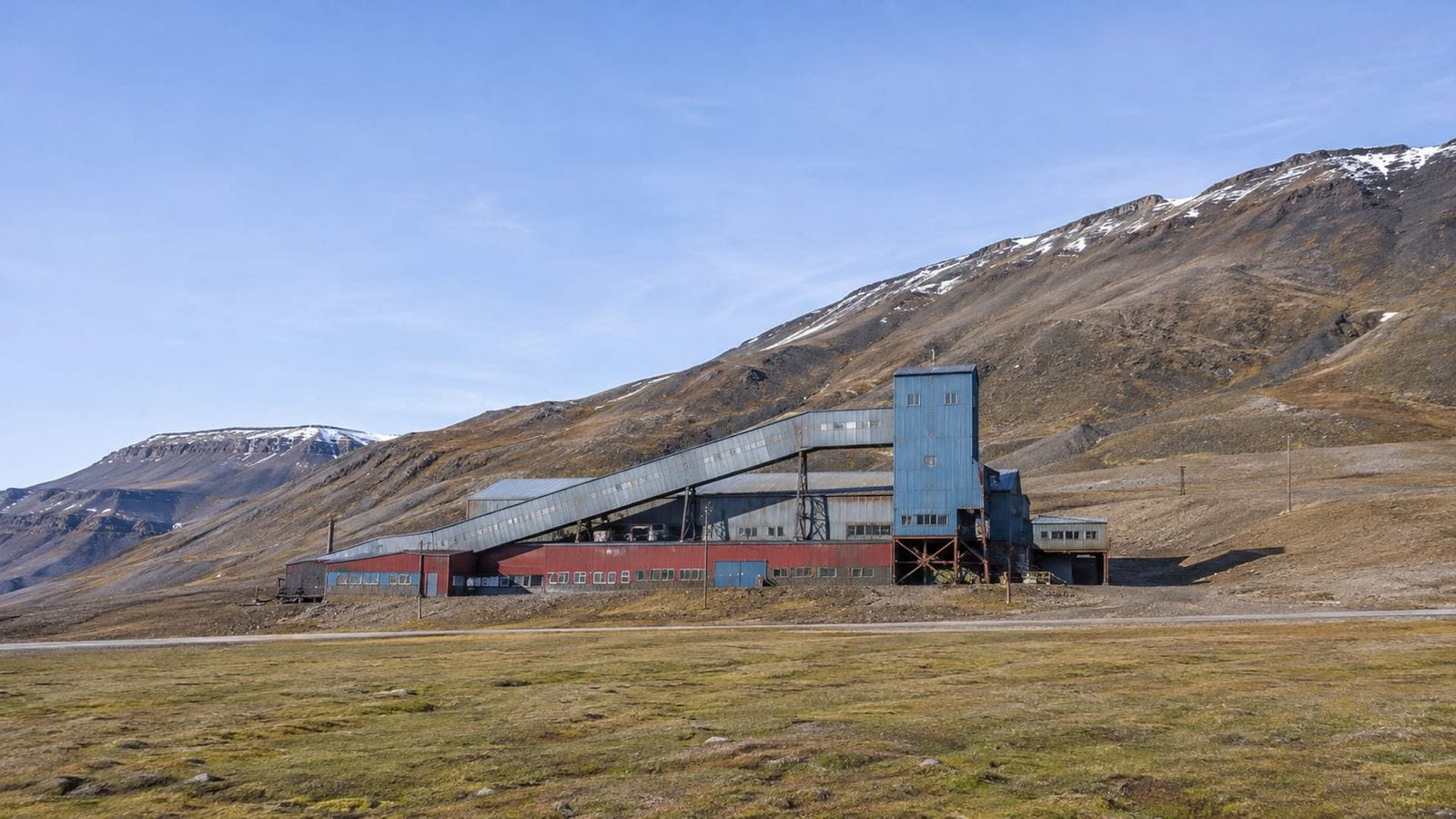
Mine 3
A guided tour of Mine 3 takes you into the coal industry that shaped Longyearbyen. Production ended in 1996; equipment and underground passages reveal the cramped conditions miners faced, bringing the town’s industrial history into close view.
Time needed: About 1 to 2 hours
Entry: Expensive: guided mine tour
Tip: Wear warm layers for Mine 3’s underground tour, even during the summer months.
Overlooked sites worth visiting

Longyearbyen cemetery
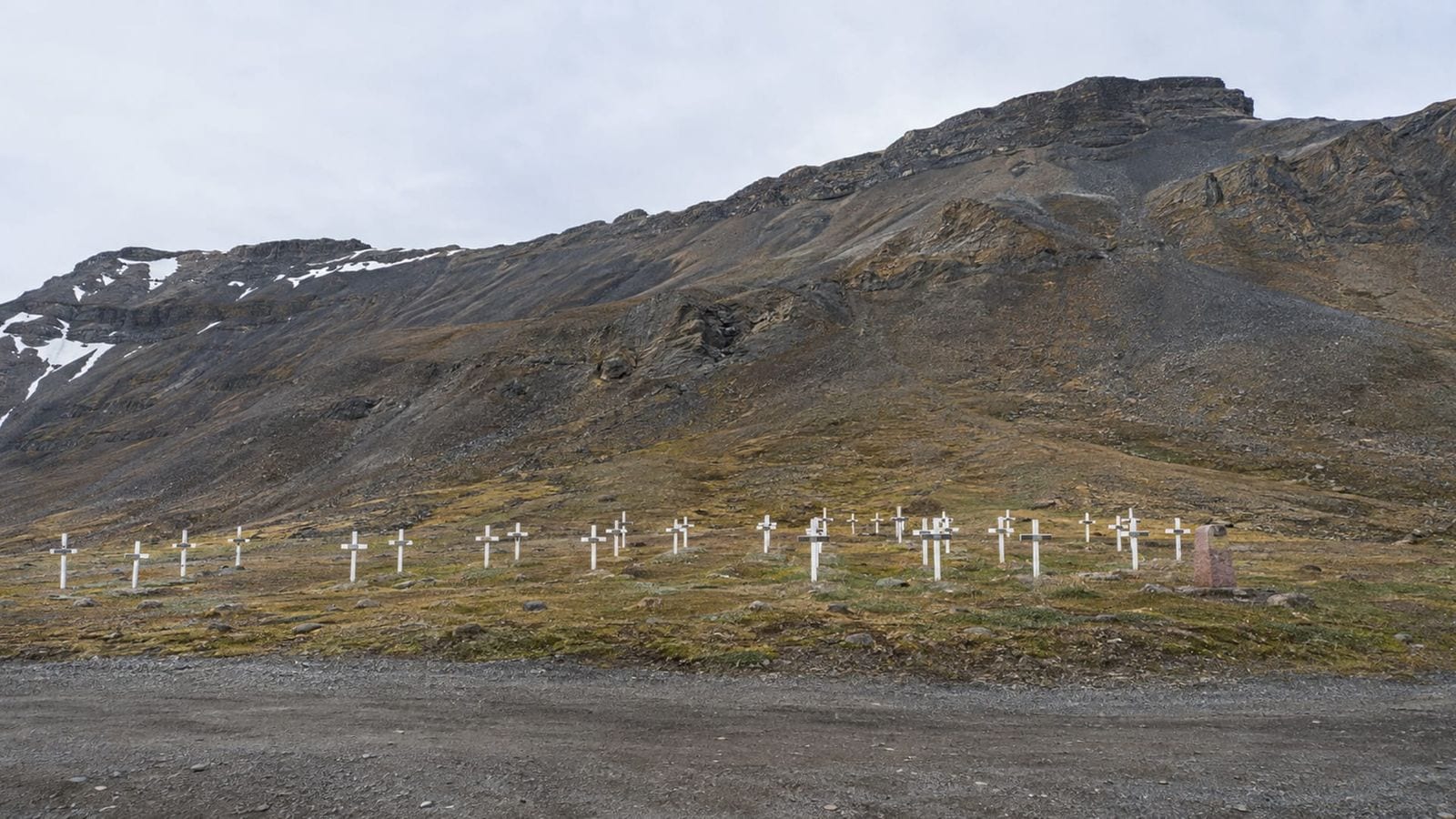
White crosses mark Longyearbyen cemetery beneath the mountains. Graves of miners who died in the 1918 influenza pandemic connect this small burial ground to the town’s early mining years.
Time needed: About 20 to 30 minutes
Entry: Free to access
Tip: Choose a daylight visit during the light season to read the grave markers.

Longyearbyen folkebibliotek
Longyearbyen folkebibliotek offers quiet indoor pause in Kulturhuset, with books and reading space. Its shelves give visitors a glimpse of everyday cultural life in this Arctic mining town.
Time needed: About 20 to 40 minutes
Entry: Free to enter
Tip: Use this indoor stop during the polar night, when outdoor sightseeing is dark.
Traditional food
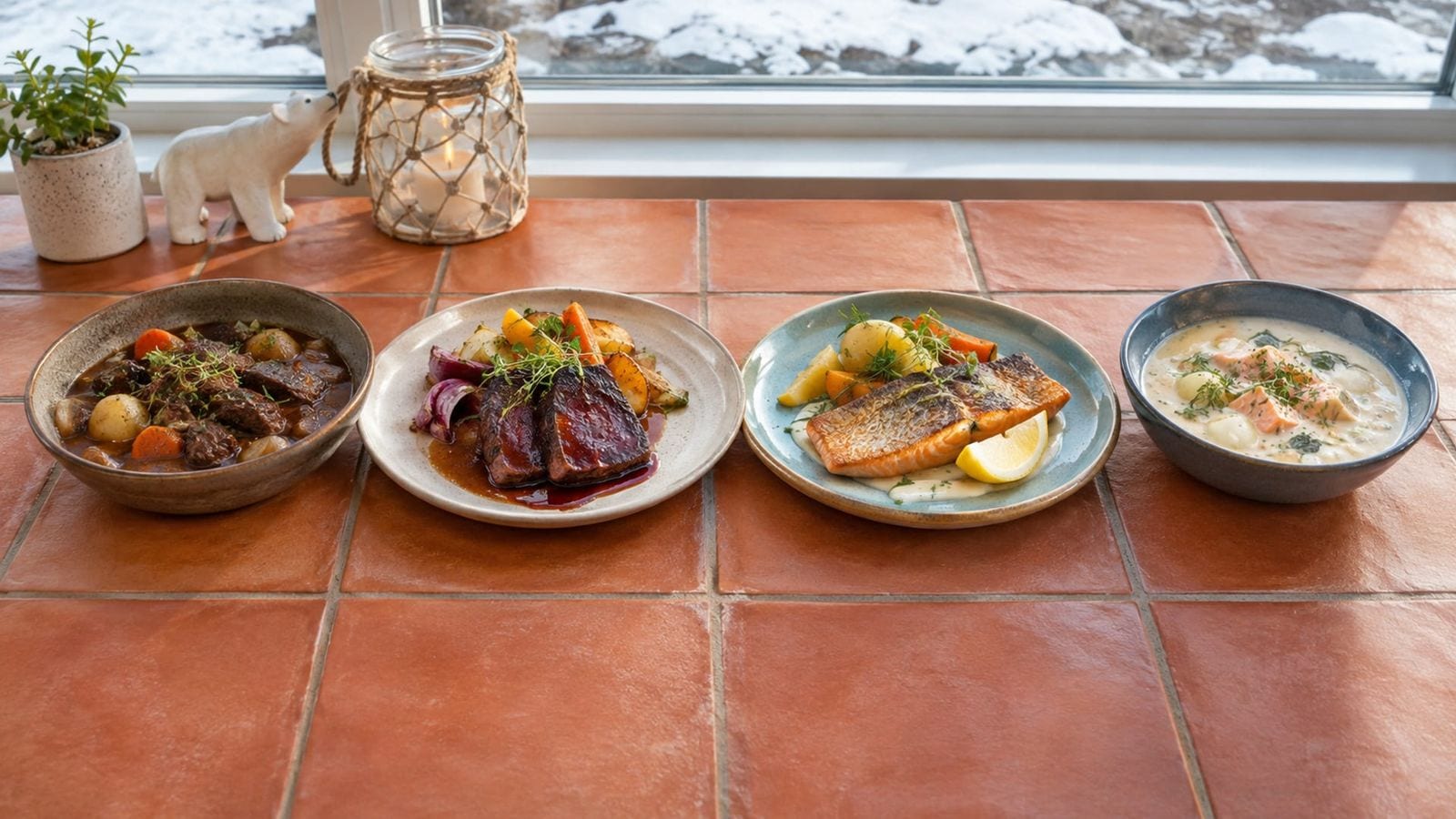
Longyearbyen’s restaurant menus bring reindeer, whale, Arctic char, and warming fish soup to the table. Game, fish, and rich sauces connect dinner with the town’s northern setting and cold climate.
Reindeer stew
Tender reindeer meat gives this warming stew its distinctive game flavor, with vegetables and a rich sauce completing the dish. Try Kroa for this hearty northern meal, with preparations changing through the year.
Whale steak
Whale steak has dark, lean flesh and a pronounced flavor, usually paired with vegetables and a savory sauce. Restaurant Nansen offers a setting for exploring this northern ingredient when it features on the menu.
Pan-fried Arctic char
Arctic char has delicate pink flesh and a mild flavor, with pan-frying adding crisp skin to contrast with the tender fish. At Huset, seasonal menus interpret northern ingredients, so request char when arranging dinner.
Fish soup
Pieces of fish and vegetables fill a warming broth, often enriched with cream for a fuller texture. Restaurant Polfareren is a place to try fish soup, with the day’s preparation determining the fish and accompaniments.
Best time to visit Longyearbyen
Longyearbyen’s seasons change both the light and the outings, from winter darkness to summer days when the sun never sets.
Best for: Returning sunlight, snowy valley views, and guided outings over the snow
What you get: Expect 0°F to 30°F (-18°C to -1°C), lengthening daylight, and a busy snow excursion season; Easter can bring more visitors to town hotels.
Trade-offs: Biting wind and icy streets persist even as daylight expands.
Best for: Midnight sun, guided hikes, and long daylight hours for exploring the town
What you get: Temperatures reach 36°F to 50°F (2°C to 10°C); summer visitors and cruise arrivals bring more activity to the center and excursion departures.
Trade-offs: Snow outings give way to summer activities, while low cloud can obscure mountain views.
Best for: Changing Arctic light, museum afternoons, and evenings with northern food
What you get: Readings of 14°F to 39°F (-10°C to 4°C) accompany shrinking daylight; fewer summer visitors leave quieter streets before winter darkness.
Trade-offs: Freezing ground and limited snow can restrict the choice of outdoor excursions.
Best for: Polar night, possible northern lights, and indoor stops between outings
What you get: Conditions range from -4°F to 23°F (-20°C to -5°C), with polar darkness through much of the period and fewer visitors outside holiday dates.
Trade-offs: Darkness conceals landscape views, and severe weather can interrupt flights and excursions.
A realistic 5-day plan in Longyearbyen
The five days connect Nybyen’s former miners’ accommodation with museum collections, the cemetery, Svalbard Church, and Mine 3, leaving arrival and departure days for short outings.
From Svalbard Airport (LYR), take a taxi to your guesthouse in Nybyen, allowing 15 to 20 minutes and NOK 350 to NOK 550 ($32 to $51); confirm the fare before departure. Unpack, then walk to Coal Miners’ Bar & Grill in Nybyen for a light dinner before an early night.
Svalbard Museum gives your first full day historical context: allow two hours for its mining, exploration, and wildlife displays. Walk 10 minutes into Sentrum for lunch, then continue to Longyearbyen folkebibliotek for 40 minutes among its books and reading spaces in Kulturhuset.
The former miners’ accommodation in Nybyen introduces Longyearbyen’s residential history on a guided neighborhood walk. Continue downhill toward Longyearbyen cemetery, allowing 20 to 30 minutes between the neighborhood and burial ground. Spend 30 minutes examining the white crosses and early mining-era graves.
Begin uphill at Svalbard Church, exploring the red wooden landmark and its valley views for an hour. A prearranged taxi takes about 15 minutes to Mine 3, where a guided underground tour adds one to two hours of coal-mining history. Wear warm layers inside the mine, including during summer.
Before your flight, bring your luggage by taxi to Sentrum for a final browse through the center’s shops and breakfast at a café. This stop follows the downhill route from your guesthouse toward the airport. Continue by taxi to Svalbard Airport (LYR), allowing 10 to 15 minutes for the drive.
Business-class flights from the US to Longyearbyen
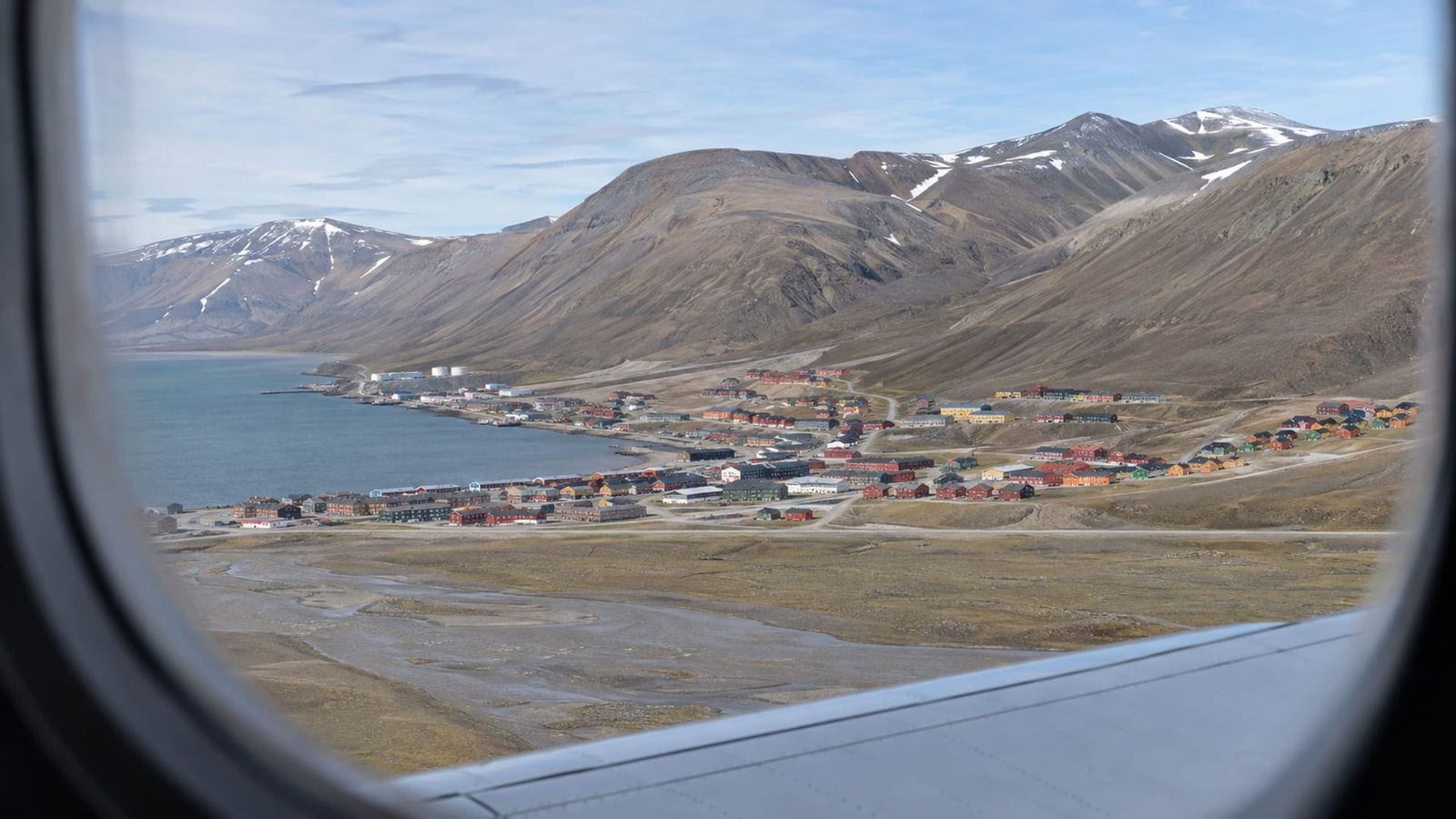
Flights from New York and Los Angeles reach Longyearbyen (LYR) through Scandinavian hubs, with Oslo (OSL) providing the final connection.
From New York, connections through Oslo (OSL) reach Longyearbyen (LYR), with round-trip fares of $3,500 to $7,500. SAS Scandinavian Airlines offers connecting itineraries; Norwegian also operates the Oslo (OSL) leg. Allow 12 to 18 hours overall, with some itineraries also passing through Copenhagen (CPH).
Los Angeles departures generally connect through Copenhagen (CPH) and Oslo (OSL) before reaching Longyearbyen (LYR). Round-trip fares range from $4,500 to $9,000. SAS Scandinavian Airlines can cover the journey, while Norwegian also operates the final leg from Oslo (OSL). Total travel time is 18 to 26 hours.
Longyearbyen feels different when you slow down
A Longyearbyen trip takes shape between Nybyen’s former miners’ accommodation and Sentrum’s restaurants, with Svalbard Museum giving context before a guided descent into Mine 3. Walking connects central stops; taxis shorten the uphill return when ice or darkness changes the evening. Leave room for Svalbard Church and a warming fish soup after time outside. Ask AranGrant experts to shape your flights around Longyearbyen’s returning spring light or summer’s midnight sun







