

Chapters:

Need help with your trip?
Our support team is available 24/7. Request a callback or call us directly at (833) 619-0908
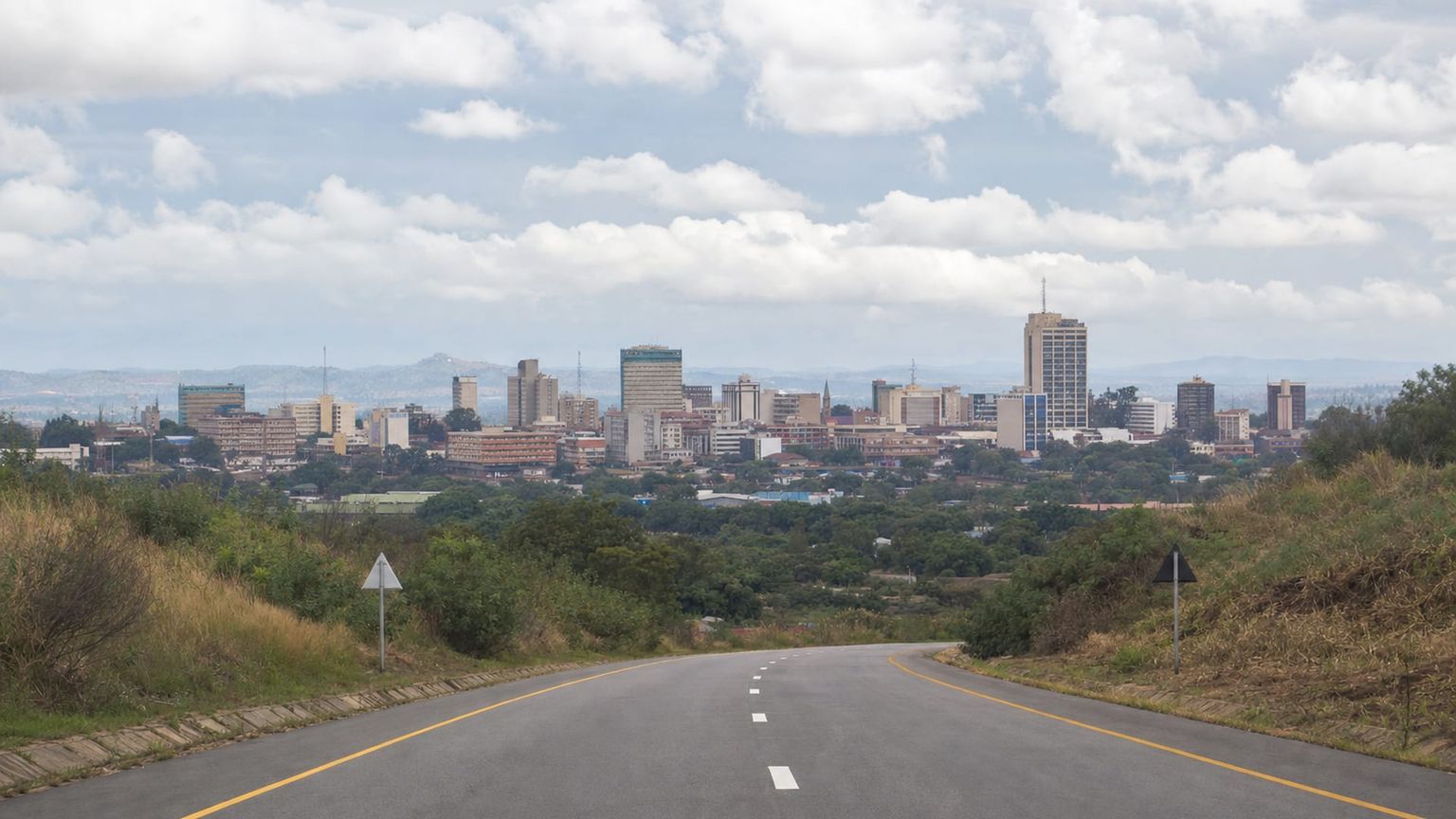
Lilongwe is not a city you understand from one square or one central street. Its markets, government district, residential areas, and greener corners are spread across different parts of the capital, with taxis linking most of the places visitors want to see. That layout gives the city a slower rhythm and means each area feels slightly different from the next.
Old Town is lively and commercial, City Centre is more formal, and the quieter districts open onto gardens, wildlife, and local restaurants. There is also plenty of modern Malawian history woven into the city.
A little planning goes a long way here. With the right hotel area and a sensible daily route, Lilongwe feels much easier to explore without spending the whole trip in traffic.
Useful things to know

Main language(s): English and Chichewa

Currency: Malawian kwacha (MWK, MK)

Cash and cards: Cash remains important in Lilongwe. Visa and Mastercard work at many larger hotels, shops, and restaurants, but smaller businesses may accept cash only

Tipping: Tipping is optional. About 5% to 10% is common in restaurants when service is good, and there is no service charge on the bill.

Traditional food: Nsima, chambo, goat stew, kondowole, and local vegetables served as relish are among the foods commonly associated with Malawian cooking

Water and coffee costs: Bottled water at cafés often costs MWK 1,500–MWK 2,500 ($0.85–$1.40), while coffee at modern cafés can cost about MWK 8,000 ($4.60).

Taxis and ride apps: Local ride-hailing services include Ipemelere, TOLO RIDE, and Vaya Taxi. Hotels can also arrange taxis or trusted drivers.

Plug and voltage: Type G sockets use roughly 230–240V at 50Hz. US travelers need a plug adapter and should check that their devices support the voltage.

Dining and shop opening hours: Many cafés open by 7:30–8:00 am, restaurants serve into the evening, and shops commonly close by 5:30–6:00 pm, earlier on Sundays.

Emergency number: Call 997 or 990 for police, 998 for ambulance and medical emergencies, and 999 for fire.
Where to stay in Lilongwe
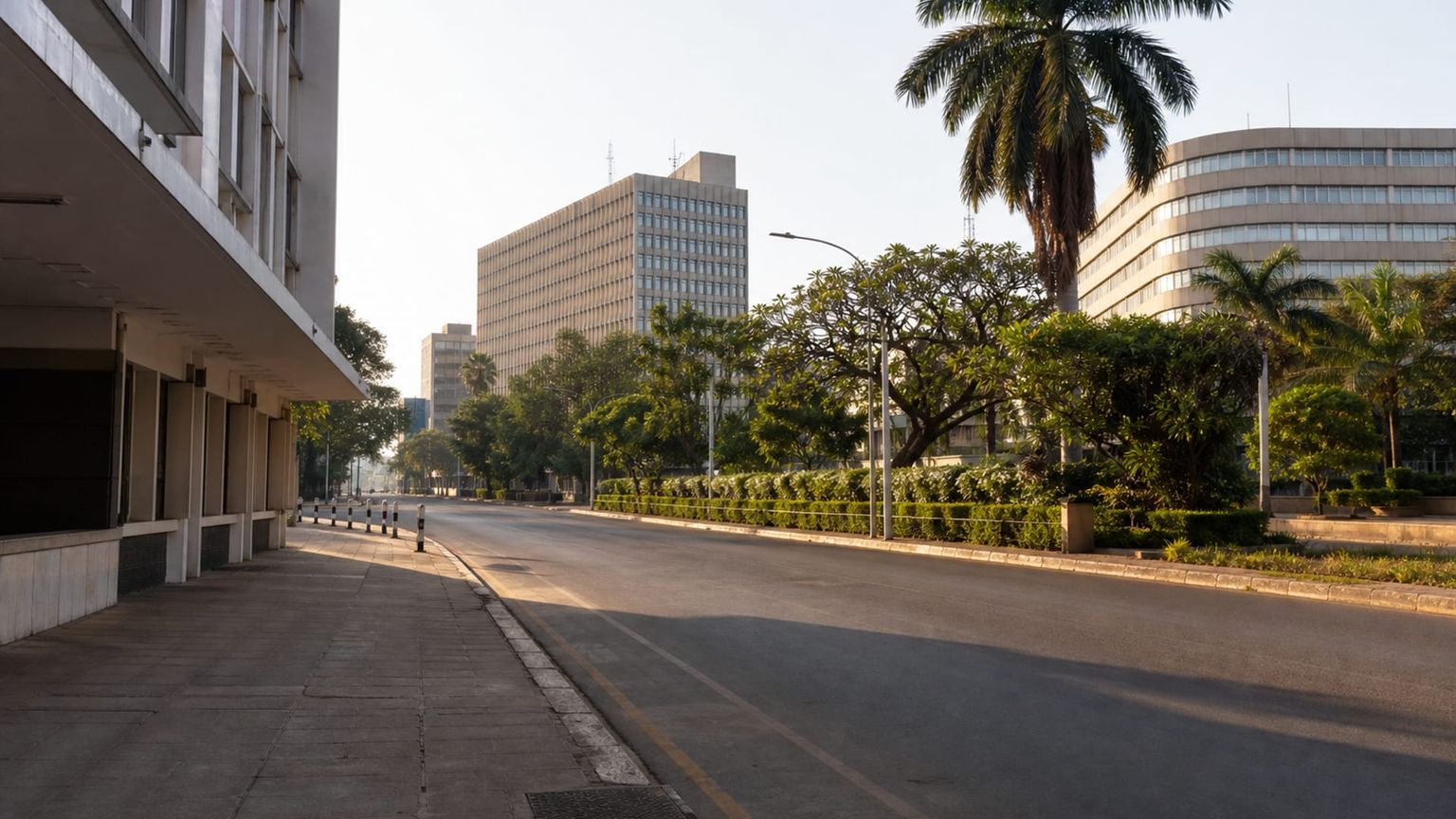
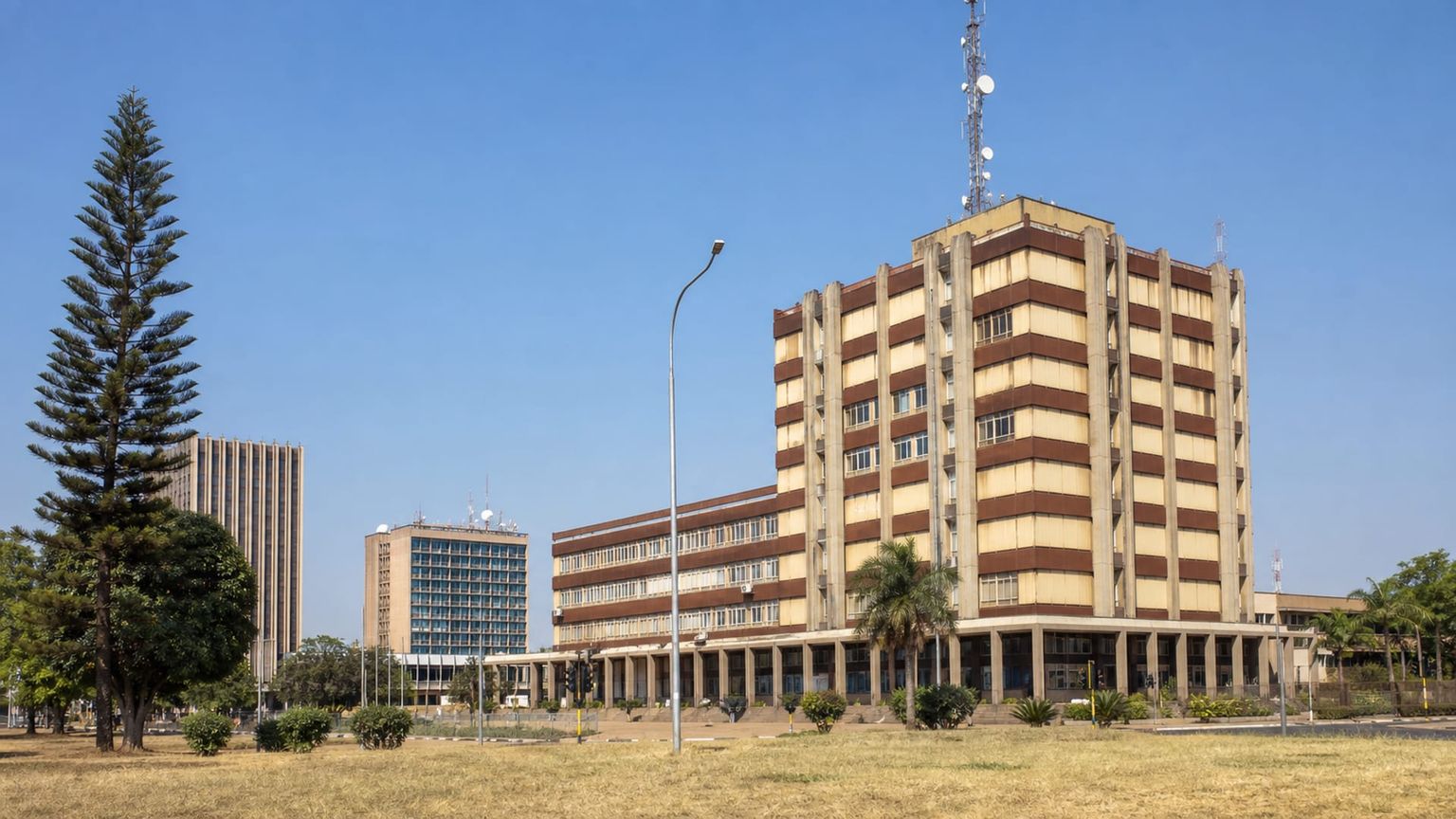
Lilongwe’s city center is the capital’s administrative district, with ministries, embassies, banks, conference venues, and several major hotels. Wide roads and landscaped grounds separate many buildings, so taxis are useful even when destinations look close on the map across the district.
Best for: Business trips, short stays, and visitors who want close access to central errands
What to expect: Daytime brings office traffic and a steady flow of shoppers; after dark, the streets thin out quickly.
Hotel prices: Usually about $80 to $180 per night for well-rated stays
Distance to major sights: About 10 minutes by taxi to Parliament Building, about 15 minutes to Lilongwe Wildlife Centre
Quietness: Busy in the day, notably calmer in the evening
Main trade-off: You pay more for central location, and the area offers less evening dining and nightlife than the newer hotel districts.
Good to know: Check the exact hotel location before booking: the city center covers a broad area, and walking between offices, restaurants, and sights is limited.
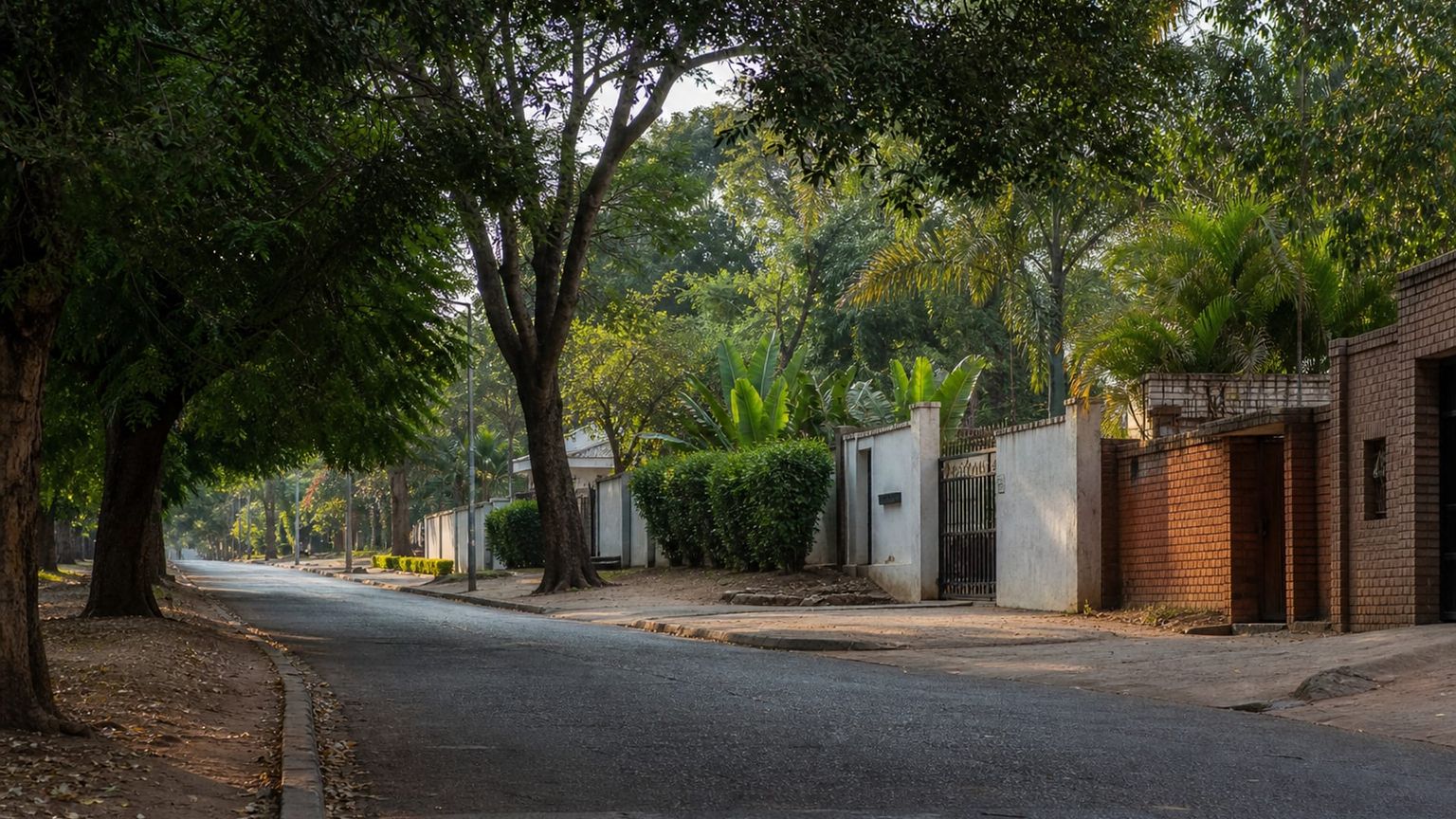
Area 47 is a mainly residential district between Lilongwe’s Old Town and the city center, with guesthouses, apartments, local restaurants, and Gateway Mall nearby. Its lower-density streets suit longer visits, while road links keep shopping and central districts within a short taxi ride.
Best for: Embassy visits, longer stays, and travelers who want quieter evenings with central access
What to expect: Tree-lined streets, compound walls, and limited street activity shape the area, with most movement coming from cars rather than pedestrians.
Hotel prices: Usually about $70 to $160 per night for well-rated stays
Distance to major sights: About 10 to 15 minutes by taxi to the Old Town and about 20 minutes to the Kumbali Cultural Village area
Quietness: Calmer during the day, very quiet after dark
Main trade-off: You may need a taxi for most meals and errands, and prices tend to sit above those in more local neighborhoods.
Good to know: Gateway Mall is one of the area’s main landmarks, with a supermarket, shops, banks, and places to eat close to many Area 47 accommodations.
Area 18 is a busy residential district north of Lilongwe’s city center, centered on a major roundabout and local market. Guesthouses and apartments sit among homes and everyday shops, while the main roads provide easy access toward Kanengo and Kamuzu International Airport.
Best for: Longer stays, self-catering, and travelers with business on Lilongwe’s north side
What to expect: Traffic is moderate on main roads, while side streets stay largely residential and quiet for much of the day.
Hotel prices: Usually about $50 to $120 per night for well-rated stays
Distance to major sights: About 15 minutes by taxi to the City Centre and about 20 to 25 minutes to Kamuzu International Airport (LLW)
Quietness: Generally calm by day and quiet at night
Main trade-off: You will spend more time in taxis for central dining and sightseeing than you would in the City Centre or Area 47.
Good to know: The roundabout can become congested at busy times, so allow extra travel time when heading toward the city center or Kamuzu International Airport.
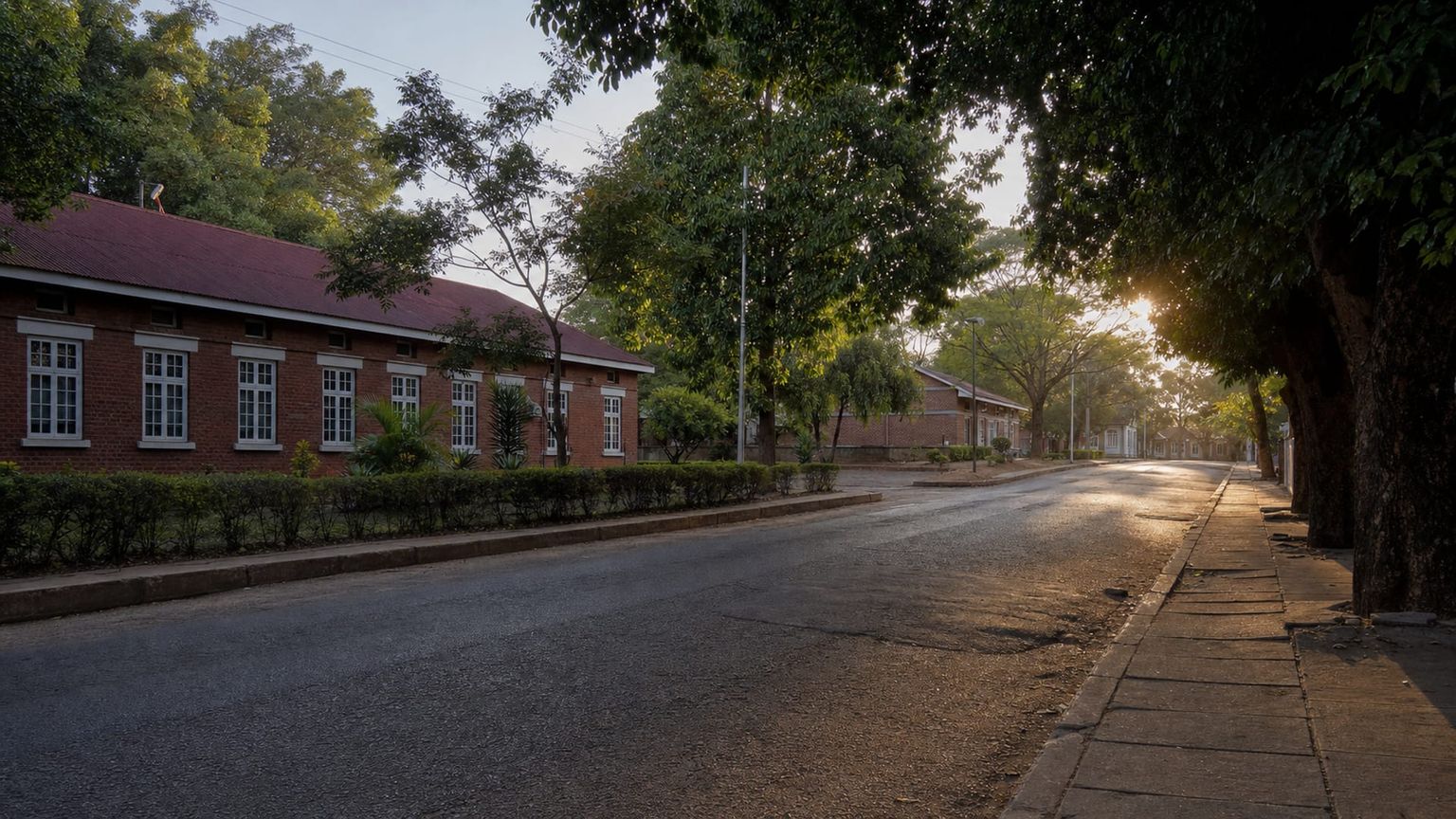
Old Town is Lilongwe’s original commercial core, built around markets, bus depots, small shops, banks, and older hotels south of the planned city center. Its compact street pattern and steady daytime trade give visitors a closer look at everyday commerce than the government district to the north.
Best for: Budget-minded stays, market access, and travelers who want a busier local base
What to expect: Expect active daytime foot traffic, minibuses, and market noise, with fewer people out late at night.
Hotel prices: Usually about $35 to $90 per night for well-rated stays
Distance to major sights: About 10 minutes by taxi to the City Centre and about 20 minutes to the Lilongwe Wildlife Centre
Quietness: Energetic in the day, quieter but less inviting after dark
Main trade-off: Rooms can cost less, but traffic, noise, and limited late-night dining are the tradeoff.
Good to know: Take a taxi after dark instead of walking between hotels, restaurants, and shops; this precaution applies across Lilongwe, not only Old Town.
Travelers focused on central Lilongwe may find Area 25 and Kanengo inconvenient, since both add taxi time and have fewer visitor services nearby. Mchesi is closer to Old Town, but hotel choices are limited, so check the exact location before booking.
Hotel deals
How to get around Lilongwe efficiently
Lilongwe has no urban rail system. Minibuses handle low-cost local trips, while taxis and local ride-hailing cover faster or pre-booked journeys.

Minibus
for low-cost daytime trips
Minibuses are the main form of public transport in Lilongwe. Fares vary by route and are MWK 2,500–MWK 6,000 ($1.50–$3.50) for many city trips. Pay the conductor in cash and confirm the destination before boarding.

Taxi
for airport transfers, luggage, and evening rides
Take a taxi for airport transfers, late journeys, or trips with luggage. Agree on the fare before departure. Pre-booked transfers between Kamuzu International Airport (LLW) and Lilongwe cost MWK 61,000–MWK 78,000 ($35–$45).

Local ride-hailing
for convenience or late hours
Ganyu Ipemelere is a local ride-hailing service in Lilongwe, with bookings available by app or phone. Fares are quoted before the trip. The rate is MWK 3,000 ($1.70) per kilometer. Vaya Taxi is another local app-based option.
*Prices are based on rates updated as of October 2026 and may change at the time of travel.
Use minibuses for budget-friendly rides, taxis for airport and evening journeys, and local ride-hailing services when you want a quoted fare before setting out locally.
Iconic landmarks
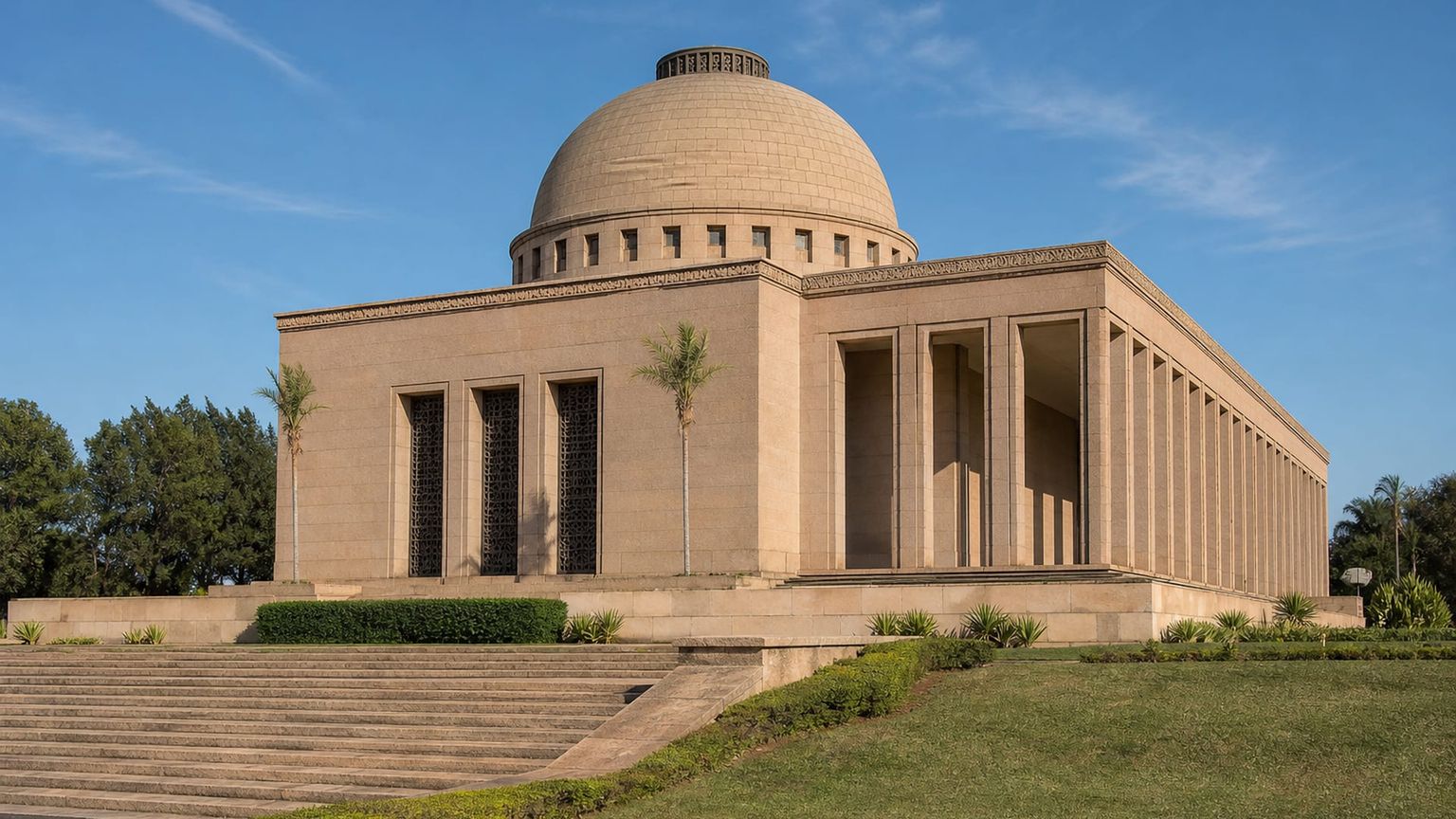
Kamuzu Mausoleum
The Kamuzu Mausoleum is the marble-and-granite resting place of Hastings Kamuzu Banda, Malawi’s first president after independence. Four pillars carry the words Unity, Loyalty, Obedience, and Discipline, while the memorial grounds place his political legacy in the heart of the capital.
Time needed: About 1 hour
Entry: Admission is free, and the grounds and museum accept walk-in visits during posted opening hours without a timed ticket.
Tip: Visit before midday, when the open memorial grounds are cooler and easier to explore.
Lilongwe Wildlife Centre
Lilongwe Wildlife Centre protects rescued and rehabilitating animals within 173 acres (70 hectares) of forest between Old Town and the city center. Visitors follow shaded trails and boardwalks through the sanctuary, with birdlife, river scenery, and conservation work forming the main experience.
Time needed: About 2 to 3 hours
Entry: Admission costs about $10 to $15 ($10,000 to MK15,000) for adults, with lower rates for children and Malawian residents. Visit the official site for details.
Tip: Go early for cooler trails and more time to explore before the afternoon heat.
National Memorial Tower
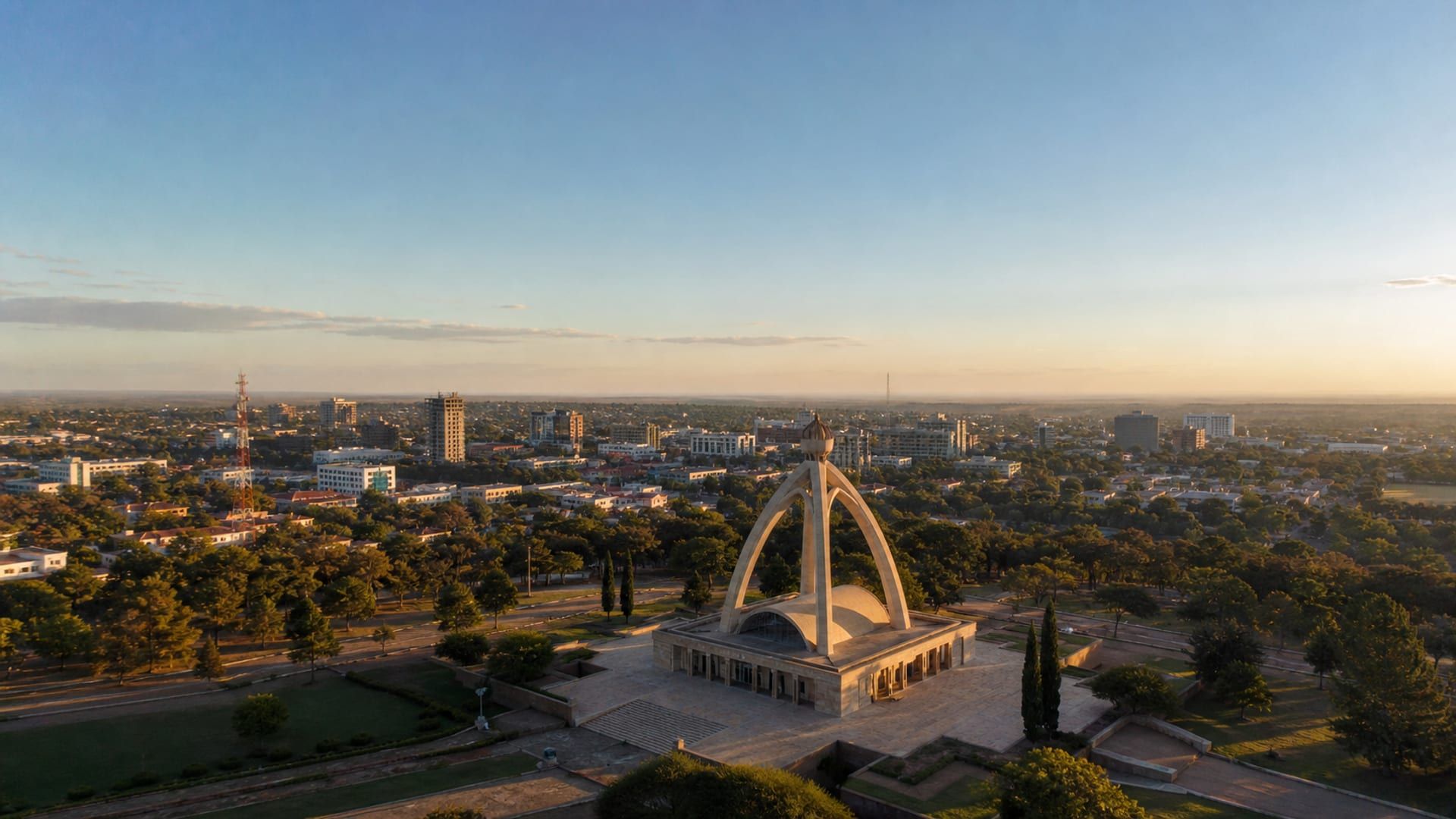
The National Memorial Tower commemorates Malawians who died in the First and Second World Wars and other military operations. A statue of Hastings Kamuzu Banda stands in the same memorial park, and the tower’s upper levels provide broad views across Lilongwe when access is available.
Time needed: About 1 to 2 hours
Entry: Admission is free, and you can enter during regular market hours without a ticket or timed entry.
Tip: Climb only if you are comfortable with steep stairs and ladders inside the tower.
Overlooked sites worth visiting

Lilongwe Botanic Garden
Lilongwe Botanic Garden in Area 14 preserves indigenous trees and medicinal plants for research and conservation. Its open grounds and shaded spaces offer a quiet look at Malawi’s native plant life.
Time needed: About 15 to 30 minutes
Entry: Free to access
Tip: Contact the National Herbarium and Botanic Gardens before visiting to arrange access permission.

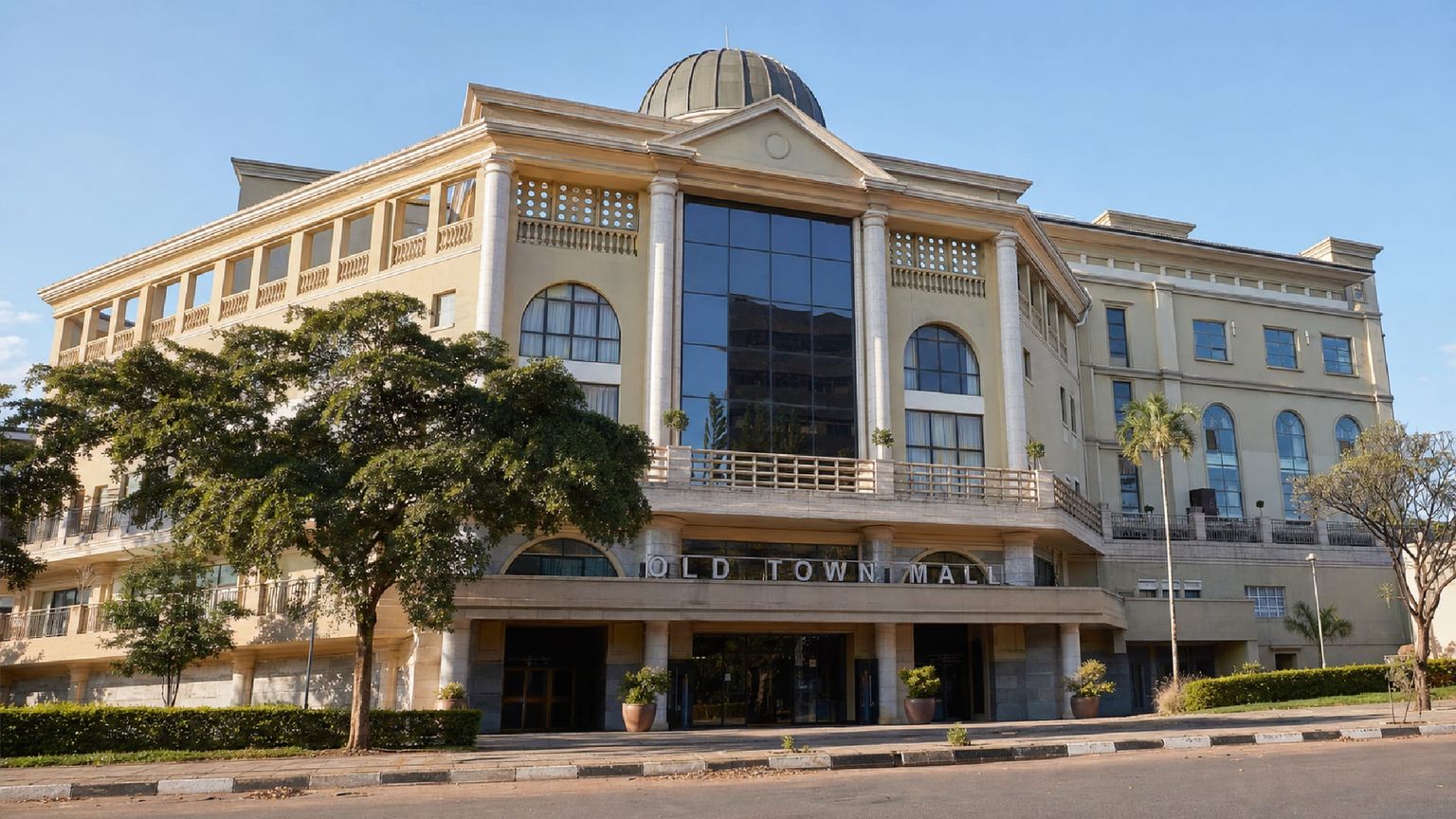
Old Town Mall
Old Town Mall is a compact retail center in Lilongwe’s older commercial district, with shops, services, and souvenir outlets. It is a useful stop for local crafts, practical purchases, and a meal.
Time needed: About 1 to 2 hours
Entry: Free to access; purchases at cafes and shops cost about $2 to $20 ($2 to MWK 34,000) depending on what you buy
Tip: Look for African Habitat for Malawian crafts and textiles, and Chambo Market Bookshop for local literature and artwork.
Traditional food
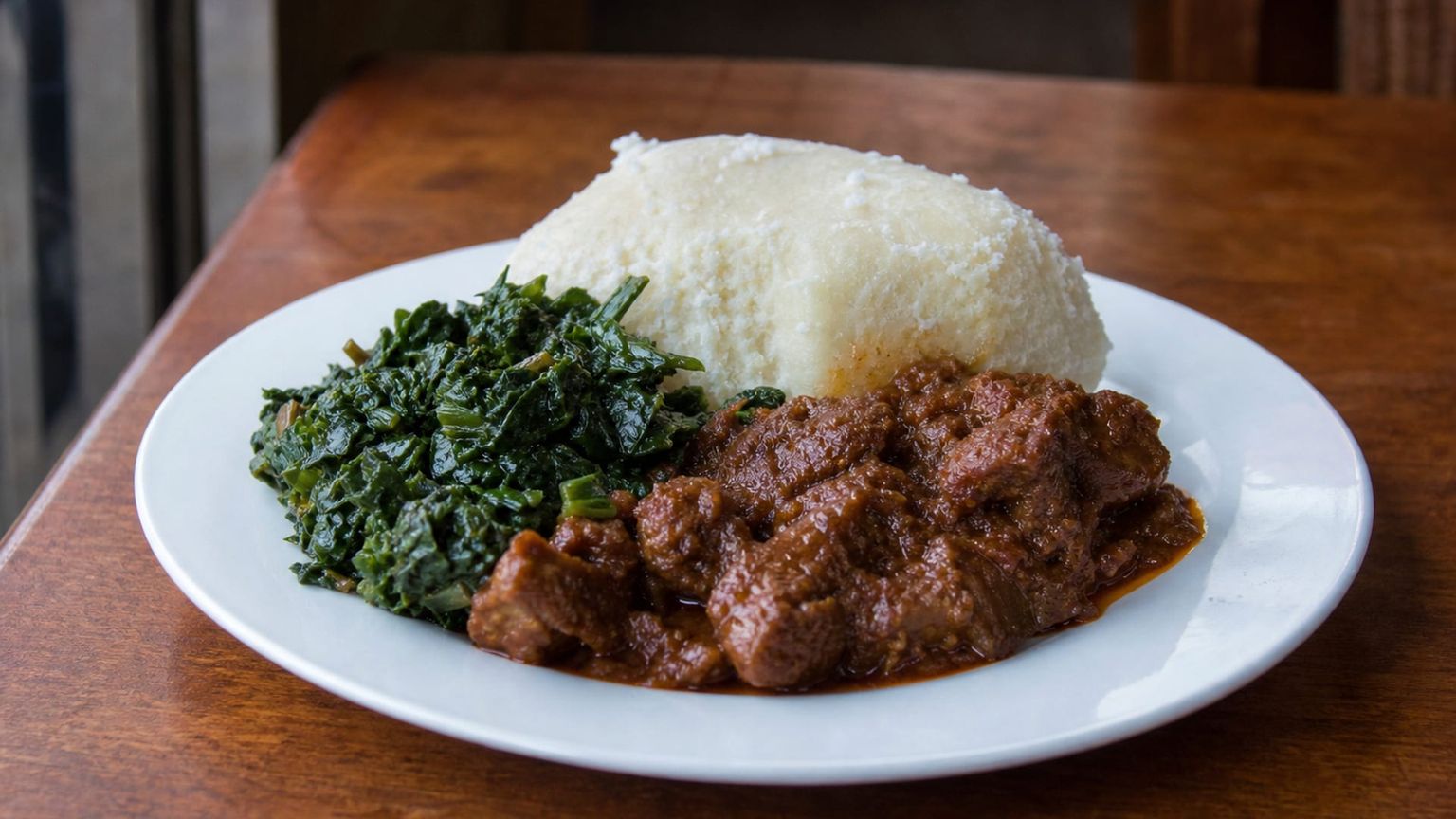
Lilongwe’s local food centers on maize, Lake Malawi fish, slow-cooked meat, and simple fried snacks. Nsima, chambo, goat stew, and mandasi are among the dishes worth seeking out in the capital.
Nsima
Nsima is a thick maize porridge served with ndiwo, the relishes of vegetables, beans, fish, or meat that give the meal its flavor. LivingSpace Lodge serves Malawian fish with nsima, making it an easy place to try the staple in Lilongwe.
Chambo
Chambo is a Lake Malawi fish, usually grilled, fried, or pan-cooked and served with vegetables, rice, chips, or nsima. Lilongwe Golf Club lists both pan-fried Malawi chambo and chambo meunière on its restaurant menu as a local fish option.
Goat stew
Goat stew is made by slowly cooking goat until tender in a savory sauce, then serving it with nsima, rice, or another starch. MJ’s Restaurant in the city center includes goat stew on its current Malawian menu and serves it with a choice of starch.
Mandasi
Mandasi are lightly sweet pieces of fried dough, commonly eaten warm with tea for breakfast or as a snack. The Rose Eatery in Area 9 lists mandasi on its current menu, making it a straightforward place to try them with tea or as a quick morning bite.
Best time to visit Lilongwe
Lilongwe has a long dry season and a wetter summer. June through August bring the coolest weather, while September and October are hotter and dry.
Best for: Wildlife visits, outdoor sightseeing, markets, and longer daytime outings
What you get: June through August is dry and mild, with average highs near 72°F–76°F (22°C–24°C) and nighttime lows dropping to about 51°F–54°F (11°C–12°C).
Trade-offs: Early mornings and evenings can feel cool, so bring a light layer for outdoor plans and early departures.
Best for: Outdoor sightseeing, markets, wildlife visits, and dry-weather day trips
What you get: September stays very dry, while average highs climb from about 80°F (27°C) to 84°F (29°C) by November as the rainy season approaches.
Trade-offs: October and November bring the hottest afternoons, and the first heavier rains can arrive late in the season.
Best for: Green scenery, indoor stops, relaxed meals, and trips with flexible timing
What you get: December through February is the wettest period, with average highs near 77°F–80°F (25°C–27°C) and frequent afternoon or evening rain.
Trade-offs: Heavy showers can slow traffic and affect road conditions, so allow extra time between stops.
Best for: Markets, city sightseeing, and outdoor stops as the rains begin to ease
What you get: March is still wet, but rainfall drops sharply by May. Average highs fall from about 80°F (27°C) to 78°F (26°C) through the season.
Trade-offs: March showers can still disrupt road travel, while evenings become noticeably cooler by May.
A realistic 5-day plan in Lilongwe
Five days in Lilongwe leave enough time for its monuments, wildlife, markets, and green spaces without repeating long routes. Keep central sights together, devote one day to Old Town, and set another aside for Kumbali beyond the central districts.
After landing at Kamuzu International Airport (LLW), take a taxi to your hotel. The drive in gives a first sense of how spread out Lilongwe is. Once checked in, keep the first outing nearby with a late lunch or coffee, time to pick up cash and water, and a look at the district where you are staying. Have dinner close by and take the rest of the evening slowly, saving the mausoleum, markets, and wildlife visits for the full days ahead.
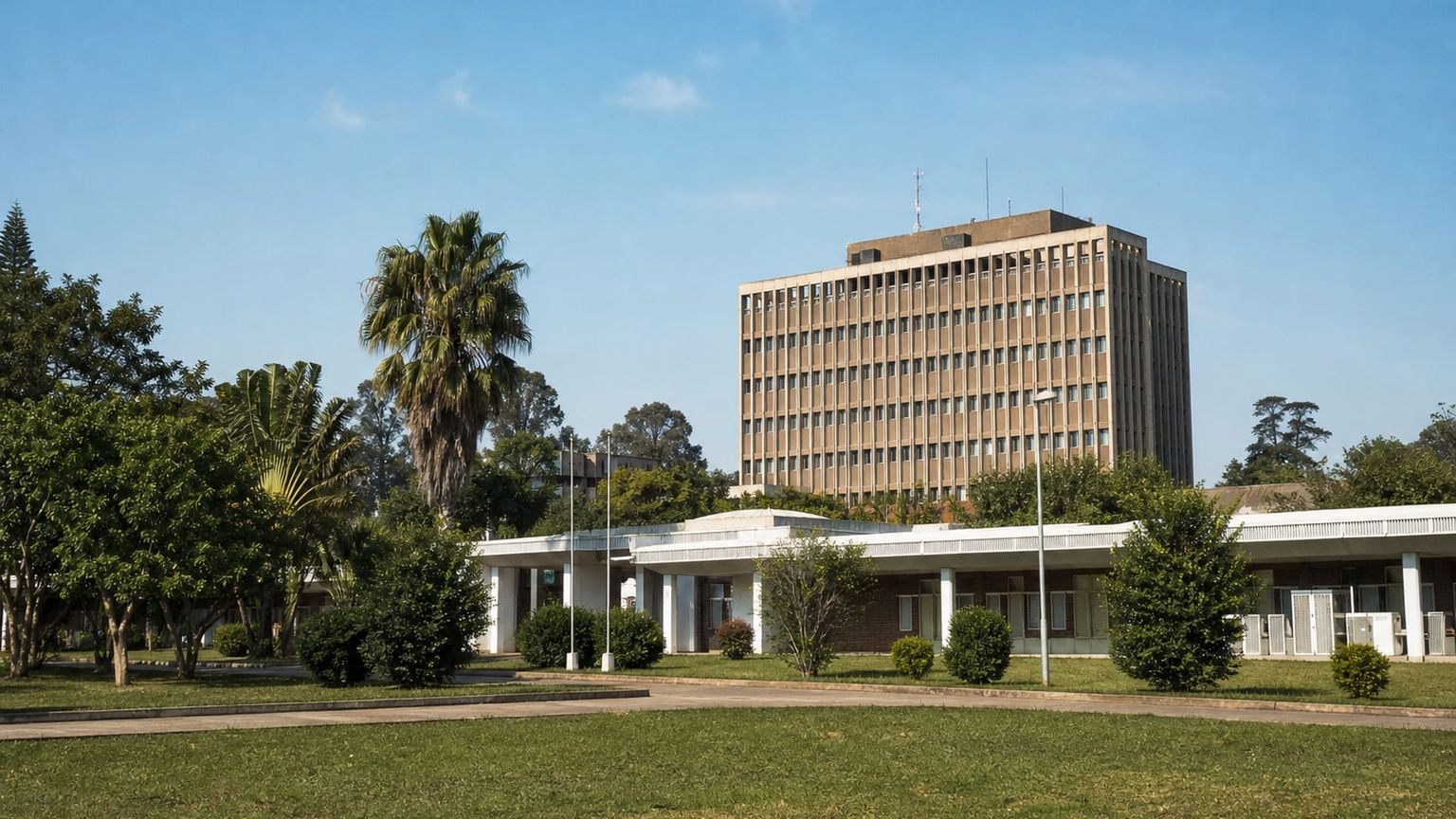
Make your first full day about Lilongwe’s political history. Visit the Kamuzu Mausoleum, then continue to the National Memorial Tower and the nearby statue of Hastings Kamuzu Banda. After lunch, head to Lilongwe Botanic Garden in Area 14, where daytime access is available with permission. Walk among indigenous trees and medicinal plants before returning to your hotel, keeping the day within the northern and central city districts.
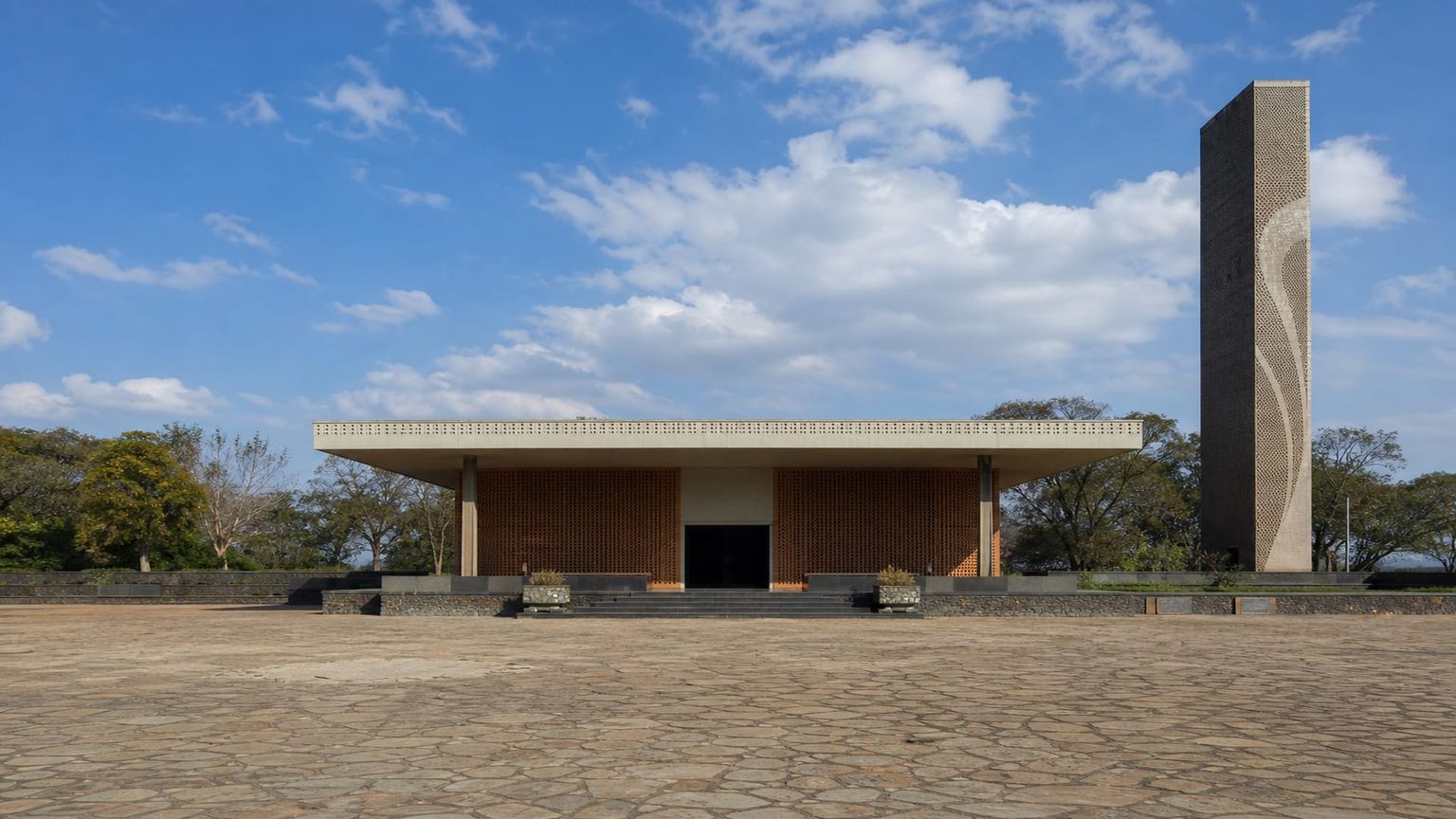
Plan the Wildlife Centre for a day other than Wednesday, when it is closed. Spend the morning following forest trails and boardwalks through the 173-acre (70-hectare) sanctuary, looking for birdlife and learning about rescued animals. After lunch, continue into Old Town for the walled market, where produce, clothing, crafts, and everyday trade fill the aisles. Finish at Old Town Mall for souvenir shops or coffee before taking a taxi back to your hotel.
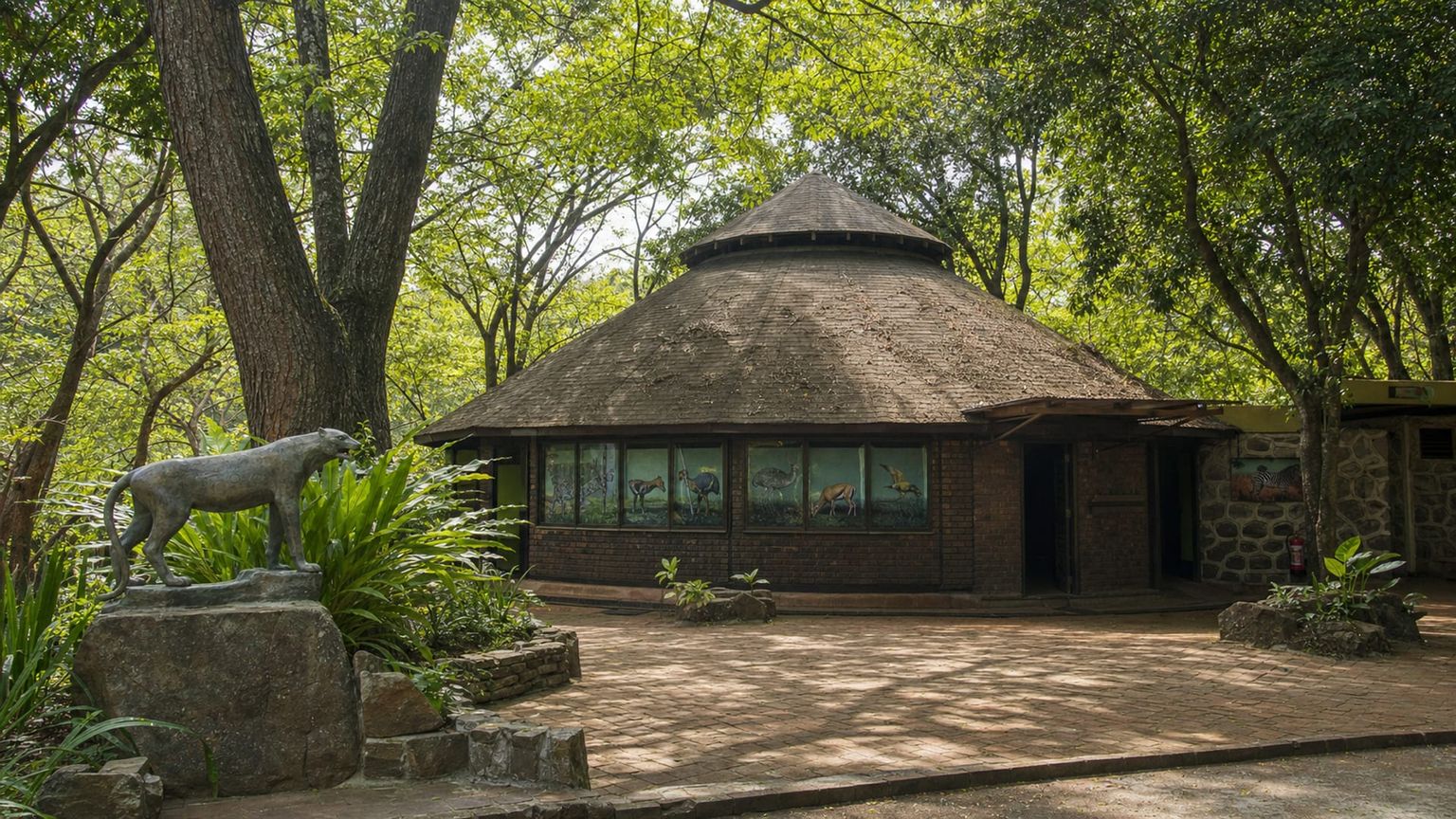
A day at Kumbali takes you beyond Lilongwe’s commercial districts without requiring a long transfer. Head to Kumbali Country Lodge and its game reserve, where zebra, impala, sable antelope, wildebeest, and birdlife occupy a protected landscape just outside the center. Book the reserve experience in advance, then have lunch at the property and add a village tour if it is available on your date. Return to Lilongwe before dinner.
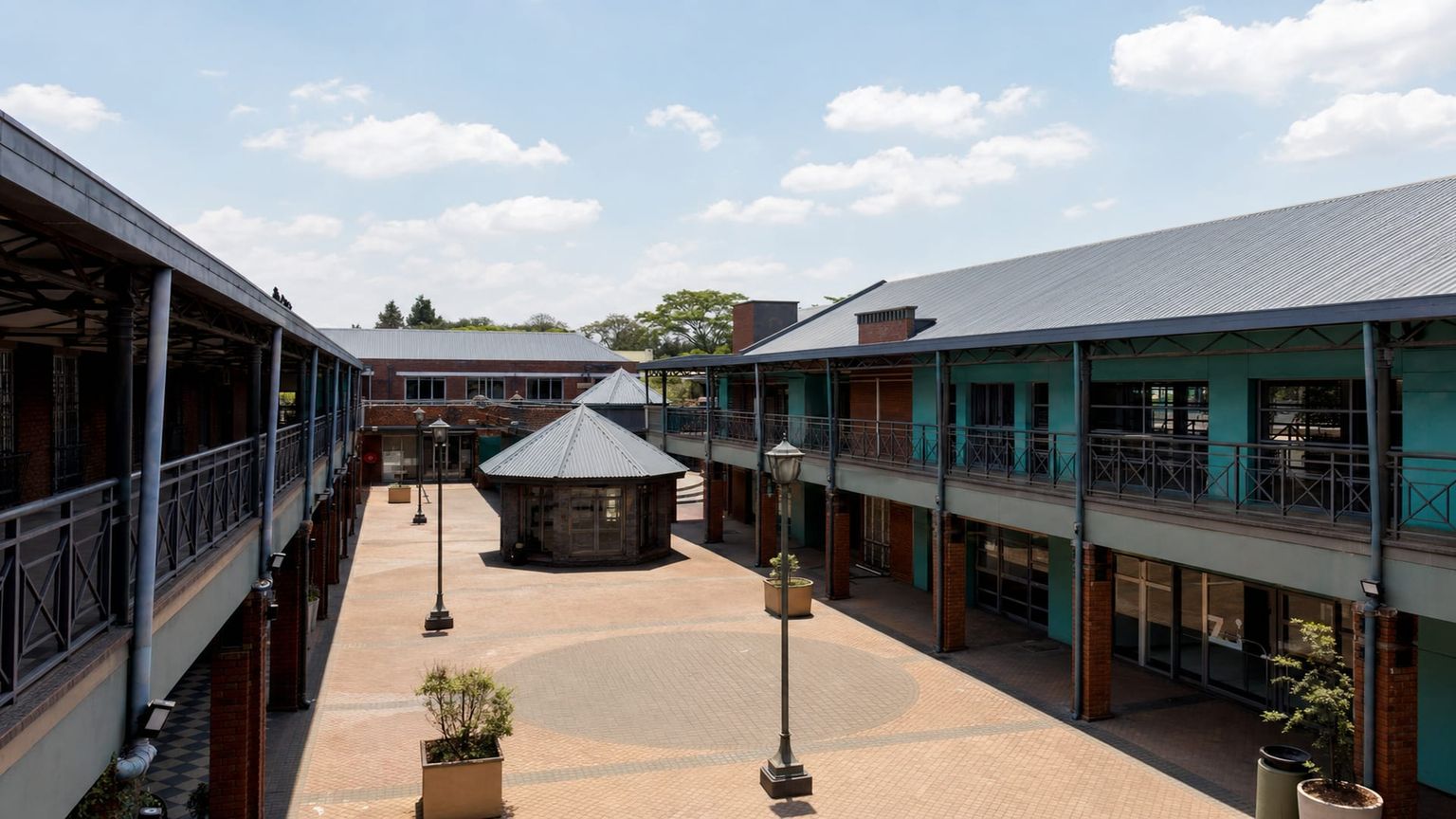
If your flight leaves later in the day, use the final morning for an easy stop in Area 47. Gateway Mall has a supermarket, banks, shops, cafés, and restaurants, so it is a useful place for local products, forgotten items, or a relaxed breakfast before departure. Return to your hotel for your bags, then take a taxi to Kamuzu International Airport (LLW). Leave extra time for a longer ride through traffic instead of visiting another attraction across the city.
Business-class flights from the US to Lilongwe
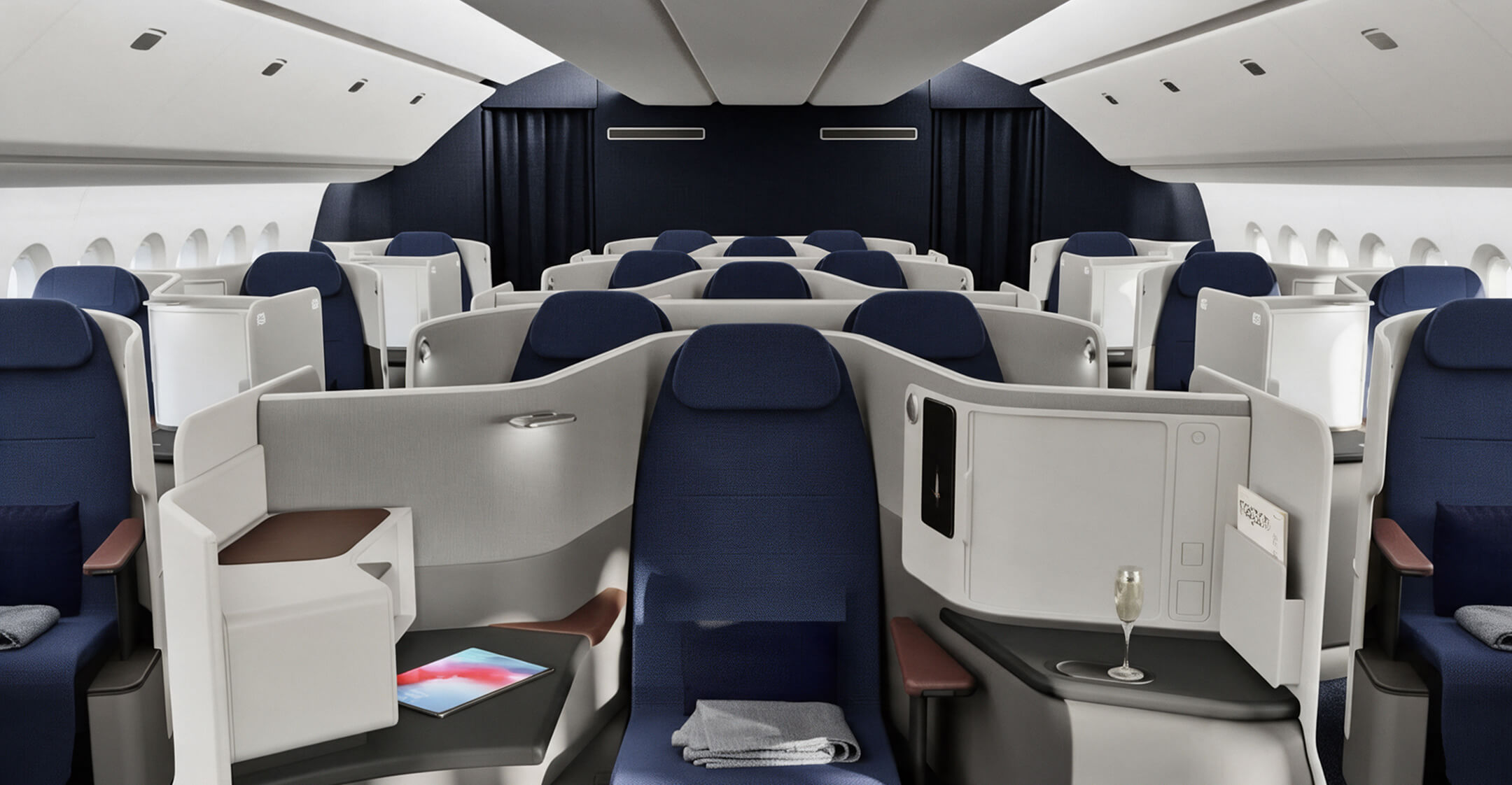
Lilongwe (LLW) has no nonstop flights from the US, so business-class trips to this destination require at least two layovers through major hubs.
New York (JFK) to Lilongwe (LLW)
From New York (JFK), business-class flight options include ITA Airways with Ethiopian Airlines via Rome (FCO) and Addis Ababa (ADD), Lufthansa with Ethiopian via Frankfurt (FRA) and ADD, Etihad with Ethiopian via Abu Dhabi (AUH) and ADD, and SWISS via Zurich (ZRH) and Johannesburg (JNB). Total journey times range from about 33 to 57 hours, with round-trip fares typically between $3,900 and $14,500.
Los Angeles (LAX) to Lilongwe (LLW)
From Los Angeles (LAX), Emirates and Kenya Airways connect through Dubai (DXB), Nairobi (NBO), and Nampula (APL), while United and Ethiopian Airlines fly via Washington Dulles (IAD) and Addis Ababa (ADD). Other options include Emirates with Airlink via Dubai and Johannesburg (JNB), and ITA Airways with Ethiopian via Rome (FCO) and ADD. Trips take about 24 to 35 hours, although some take 59, with round-trip fares of $6,400 to $11,100.
Take Lilongwe one area at a time
Lilongwe is spread out, so it helps to plan each day around one part of the city. Keep nearby sights together, leave enough time for taxi rides, and avoid filling every day with too many stops. This gives you more time to enjoy the places you visit without rushing across town. When your dates are set, AranGrant travel experts can help you compare business-class flights to Lilongwe (LLW) and find a hotel that fits your trip.