

Chapters:

Need help with your trip?
Our support team is available 24/7. Request a callback or call us directly at (833) 619-0908
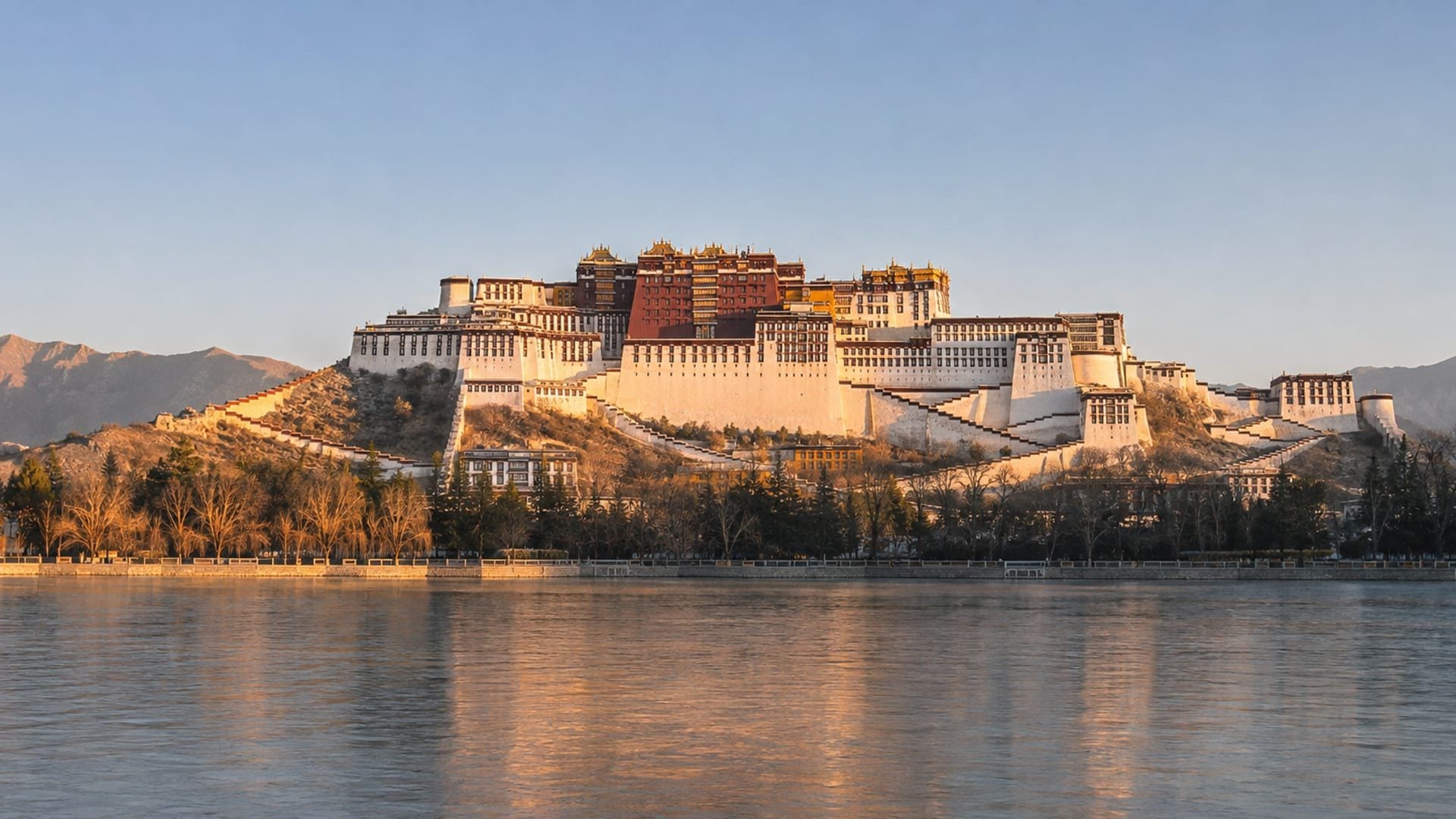
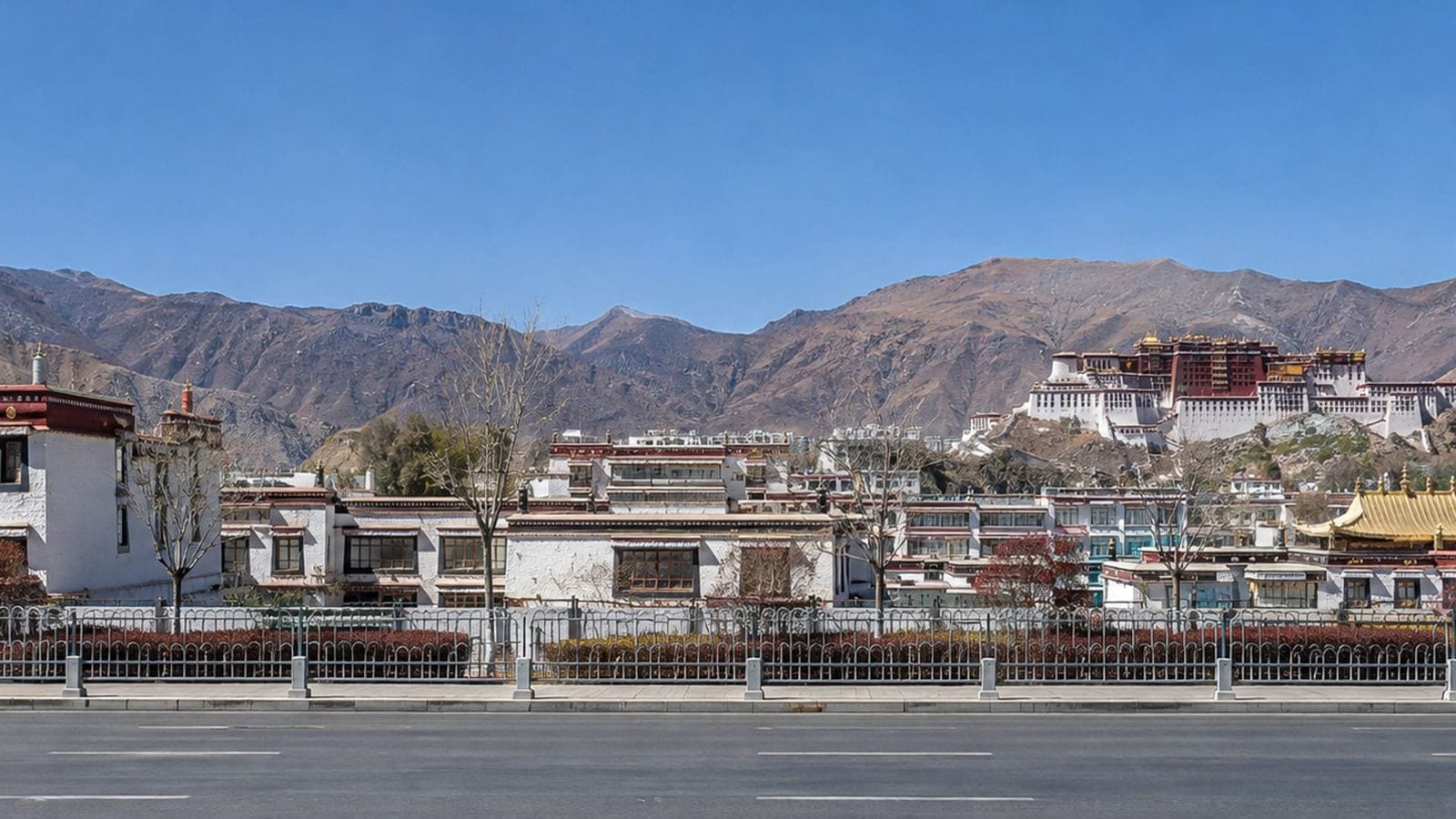
Lhasa’s religious architecture rises from a city more than 11,000 feet (3,350 m) above sea level. Potala Palace crowns Red Hill, while the seventh-century Jokhang Temple anchors the historic quarter. Pilgrimage connects these monumental buildings with the lanes below.
At Jokhang Temple, watch pilgrims follow the clockwise Barkhor circuit before entering the chapels. Potala Palace reveals former government quarters and religious chambers; farther north, Sera Monastery introduces the colleges that sustained Tibetan Buddhist scholarship.
Five days allow time for these landmarks and a gentle arrival at altitude. Keep the first evening in Lhasa Old Town short, then use cars for the northern monasteries and group the western gardens and museum into one day.
Useful things to know

Main language(s): Tibetan, Mandarin Chinese
བཀྲ་ཤིས་བདེ་ལེགས། (tah-shee deh-lek) – Hello
སྐུ་མཁྱེན། (koo-khyen) – Please
ཐུགས་རྗེ་ཆེ། (took-jay-chay) – Thank you
ཁྱེད་རང་དབྱིན་སྐད་ཤེས་ཀྱི་ཡོད་པས། (khyeh-rahng yin-keh sheh-kee yoh-peh) – Do you speak English?
འདི་ག་ཚོད་རེད། (dee gah-tsoh reh) – How much does it cost?

Currency: Chinese yuan (CNY, ¥)

Cash and cards: Foreign cards and contactless have limited acceptance; carry about ¥300 to ¥500 ($42 to $70) in cash.

Tipping: Leave no tip in restaurants or taxis; tipping is not customary in Lhasa.

Traditional food: Momos, thukpa, tsampa, and sha phaley are among the classic dishes of Lhasa.

Water and coffee costs: Bottled water ¥2 to ¥5 ($0.30 to $0.70); espresso ¥20 to ¥35 ($3 to $5).

Taxis and ride apps: Licensed taxis use meters; a short ride costs ¥10 to ¥20 ($1.40 to $2.80); DiDi.

Plug and voltage: Type A/C/I socket, 220V

Dining and shop opening hours: Breakfast is typically 8 am to 10 am, lunch noon to 2 pm, and dinner 7 pm to 9 pm. Shops generally open 10 am to 9 pm; all times follow China Standard Time.

Emergency number: Police 110, ambulance 120, fire 119.
Where to stay in Lhasa
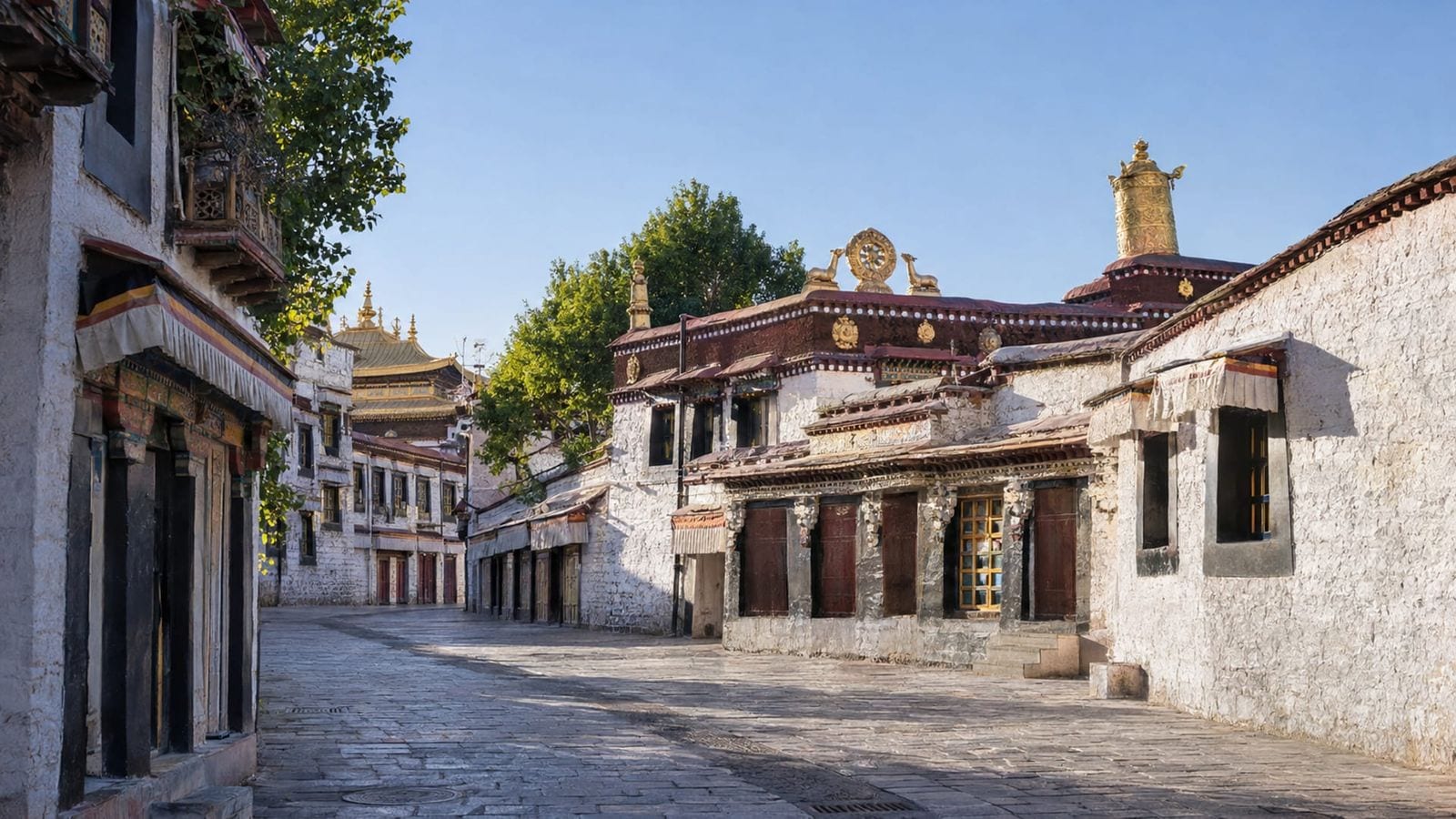
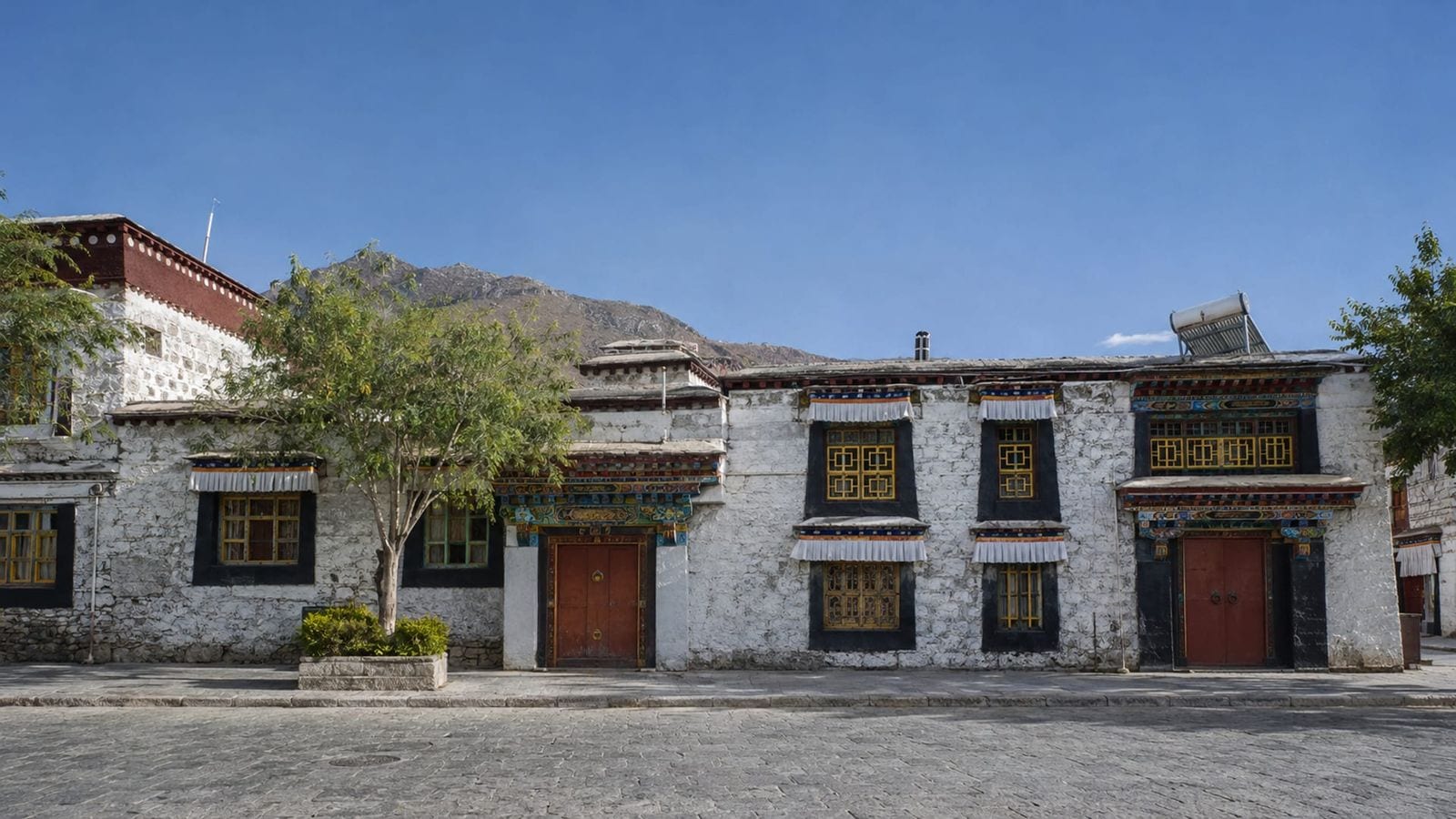
Lhasa Old Town is the historic quarter surrounding Jokhang Temple, with narrow lanes, Tibetan homes, and small hotels close to major religious landmarks. Staying here puts pilgrimage circuits and traditional architecture within walking distance, with busier lanes during daytime hours.
Best for: Walking, religious landmarks, and traditional architecture
What to expect: Pilgrims, shoppers, and tour groups fill the lanes near Jokhang Temple during the day.
Hotel prices: Well-rated hotels cost ¥300 to ¥800 ($40 to $110) a night.
Distance to major sights: Jokhang Temple is a 5 to 20-minute walk from hotels across the quarter.
Quietness: Temple approaches draw daytime crowds; lanes away from the main walking circuit become quieter in the evening.
Main trade-off: Narrow lanes can limit vehicle access, leaving a walk between your drop-off point and hotel.
Good to know: Ask your hotel for its nearest vehicle drop-off point before arriving with luggage.
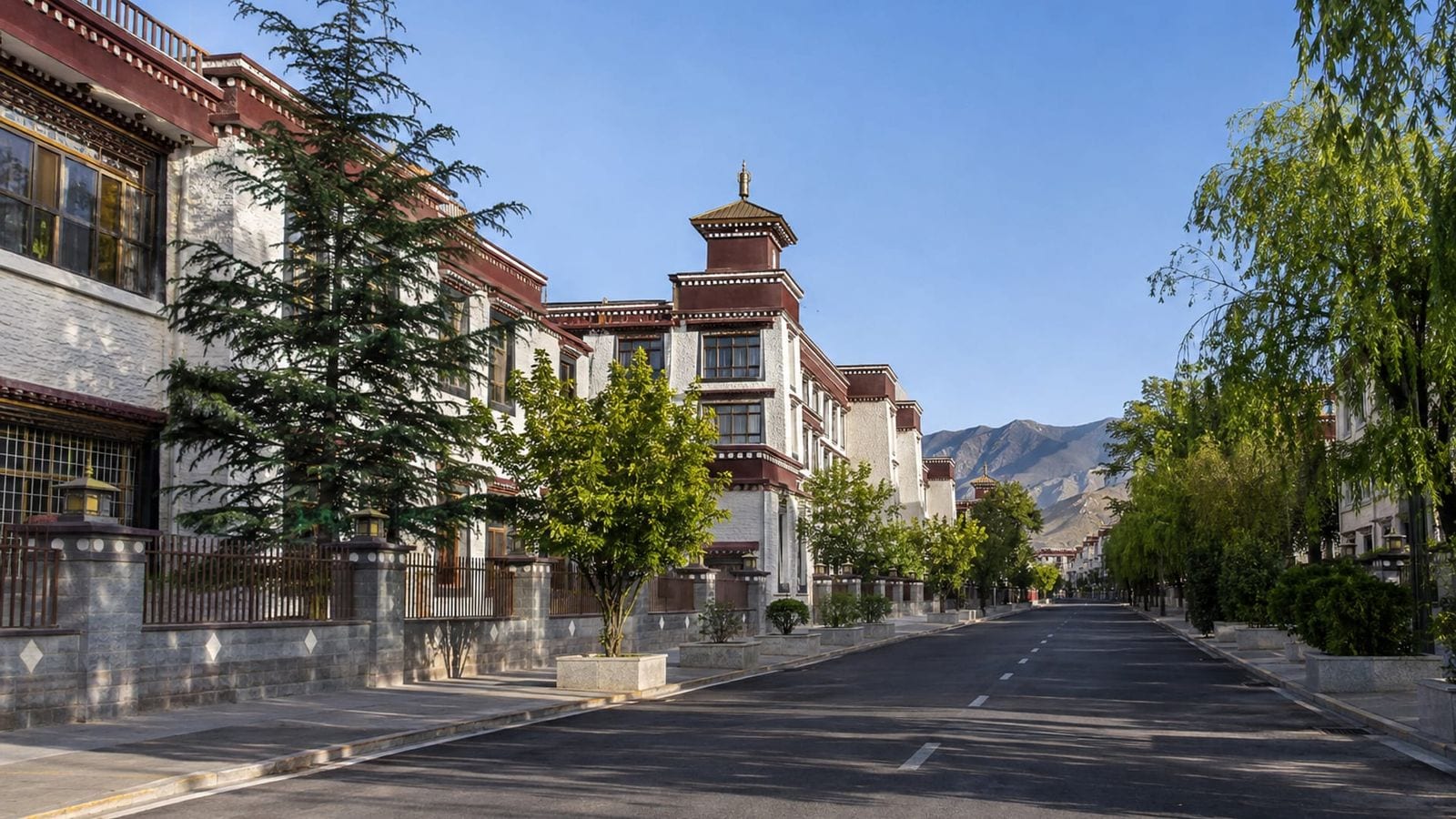
Liuwu New Area is a modern district south of the Lhasa River, with broad roads, newer hotels, and access to Lhasa Railway Station. Travelers choose it for rail arrivals and larger properties, accepting taxi journeys to the old town and its principal temples on the opposite side of the river.
Best for: Rail arrivals, larger hotels, and stays away from old-town crowds
What to expect: Wide roads and modern developments create a more spread-out setting than the historic center.
Hotel prices: Budget ¥250 to ¥650 ($35 to $90) nightly for a well-rated hotel.
Distance to major sights: Allow 20 to 35 minutes by taxi to Potala Palace, depending on your hotel and traffic.
Quietness: Main roads carry daytime traffic; hotels on side streets generally have quieter evenings.
Main trade-off: Reaching the historic center requires a river crossing and adds transport time to sightseeing days.
Good to know: Choose a hotel near Lhasa Railway Station only if your itinerary includes a train journey.
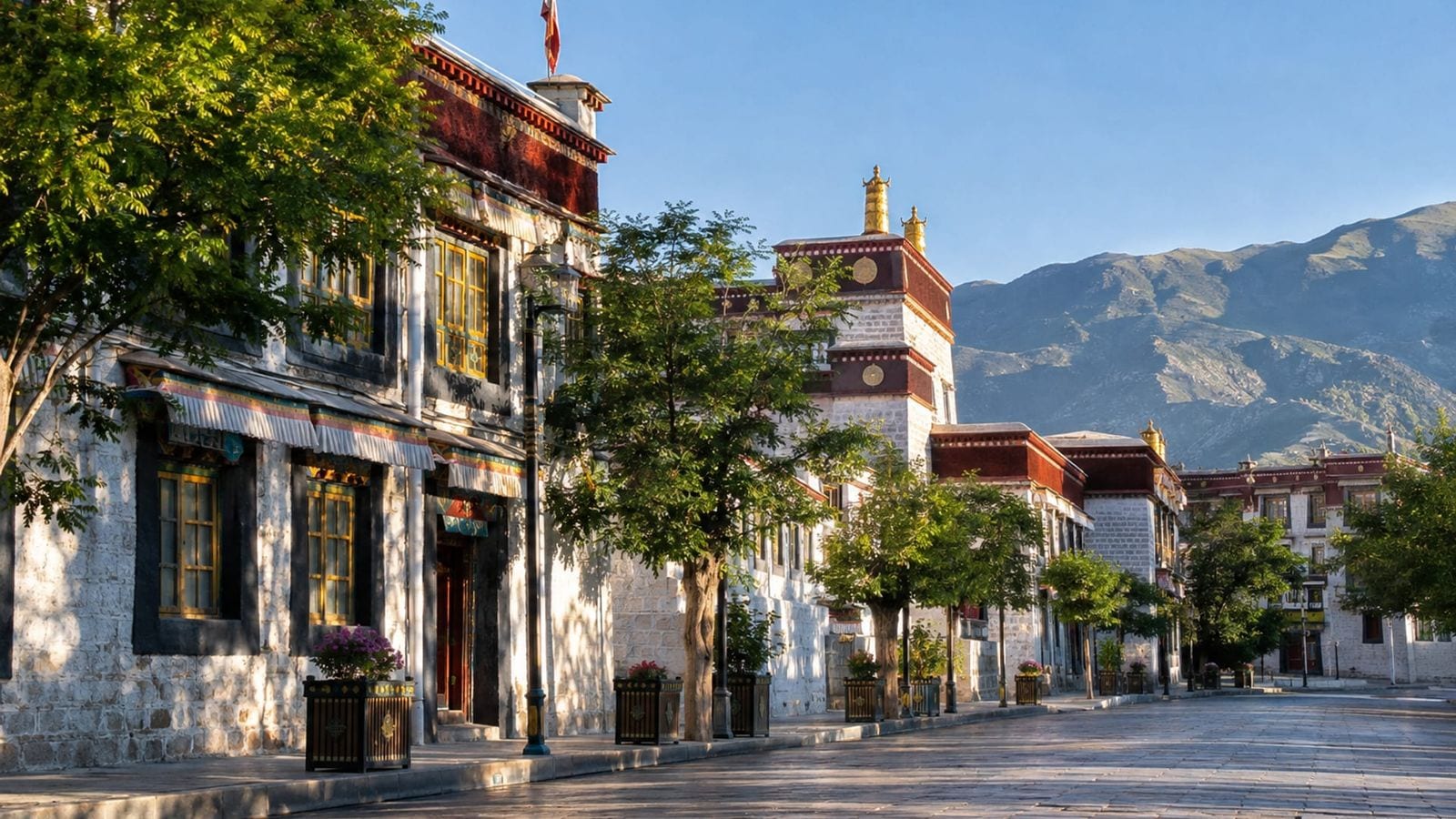
Dongga is a western urban area in Doilungdeqen District, where residential development and hotels extend beyond Lhasa’s central sightseeing neighborhoods. A stay here offers access to the city’s western approaches and a choice of modern accommodation, with longer taxi journeys to the old town.
Best for: Western road connections and stays outside the central sightseeing neighborhoods
What to expect: Residential blocks, local shops, and broad roads shape everyday street life.
Hotel prices: A well-rated hotel typically charges ¥200 to ¥500 ($30 to $70) per night.
Distance to major sights: Potala Palace is a 25 to 40-minute taxi journey, depending on the hotel’s location and traffic.
Quietness: Through roads stay active by day; residential side streets become calmer in the evening.
Main trade-off: Daily trips to central landmarks can offset savings on accommodation.
Good to know: Foreign travelers should confirm that their chosen hotel can register their passports before paying.
Liuwu, Dongga, and Deqing are less convenient for sightseeing stays: Liuwu is across the river from the old city, while Dongga and Deqing require longer trips to the Potala Palace and Jokhang Temple.
Hotel deals
How to get around Lhasa efficiently
Walking connects Lhasa Old Town’s temple lanes, while taxis, DiDi, and public buses cover longer journeys across the city.

Taxi
for convenience or late hours
Metered taxis cover central Lhasa, with short trips typically costing ¥10 to ¥20 ($1.40 to $2.80). Ask your hotel to write your destination in Chinese. Allow 10 to 20 minutes for central hops; taxis suit trips across town while you acclimatize.

Walking
for short central distances
From Jokhang Temple to Potala Palace, the walk takes roughly 30 to 40 minutes through central Lhasa. Walking is free and suits short outings near Barkhor Street. Follow pilgrims clockwise around religious landmarks, and take a slower pace at this altitude.

Bus and tram
for convenience
Public buses connect Lhasa Railway Station with the city center, with fares generally ¥1 to ¥2 ($0.15 to $0.30). Carry small cash and show your destination in Chinese before boarding. Allow 30 to 60 minutes for station trips; buses suit daytime travel.
*Prices are based on rates updated as of November 2026 and may change at the time of travel.
Walk the lanes near Jokhang Temple, choose taxis for northern monasteries and uphill approaches, and use daytime buses for trips to Lhasa Railway Station.
Iconic landmarks
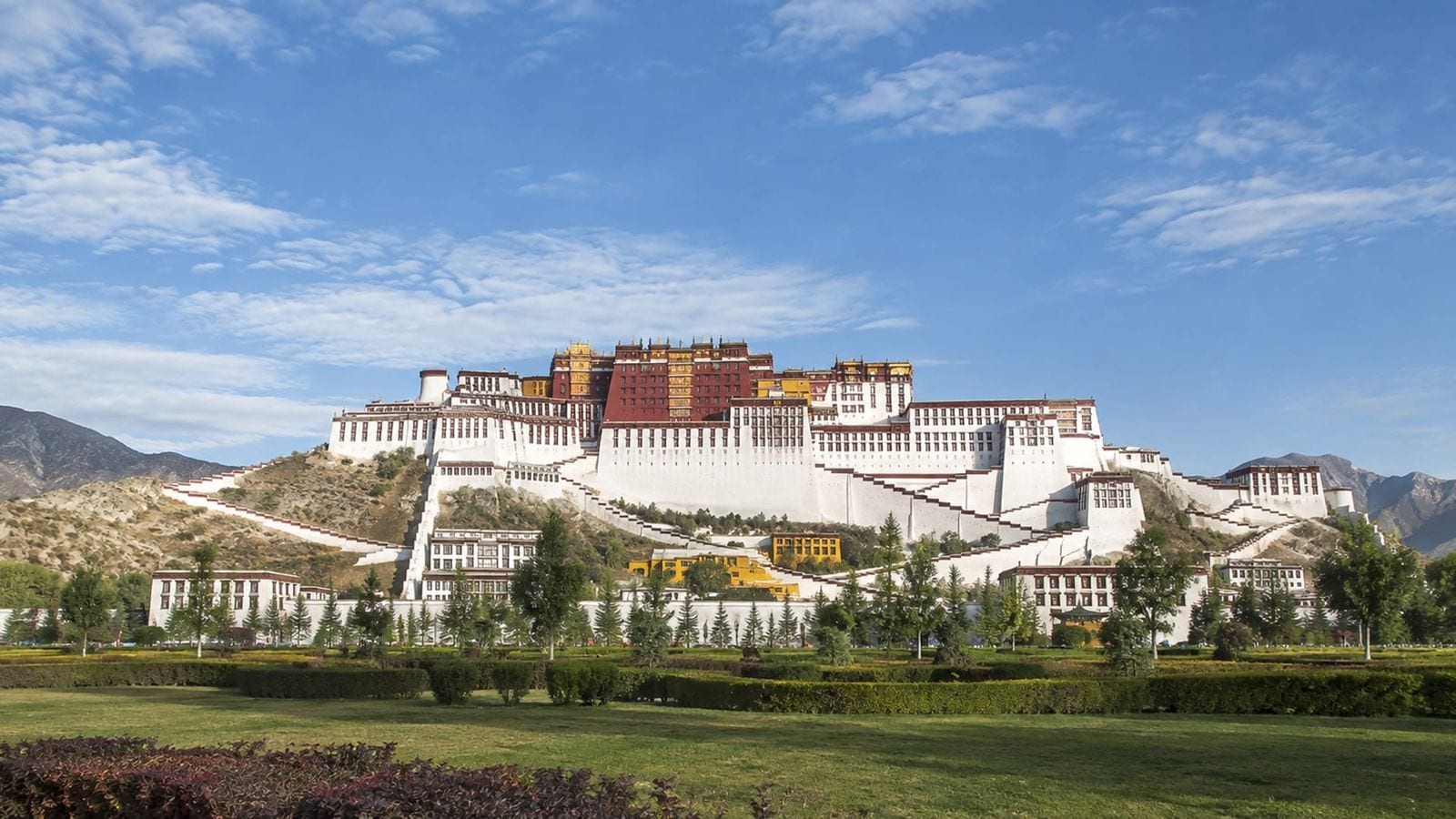
Potala Palace
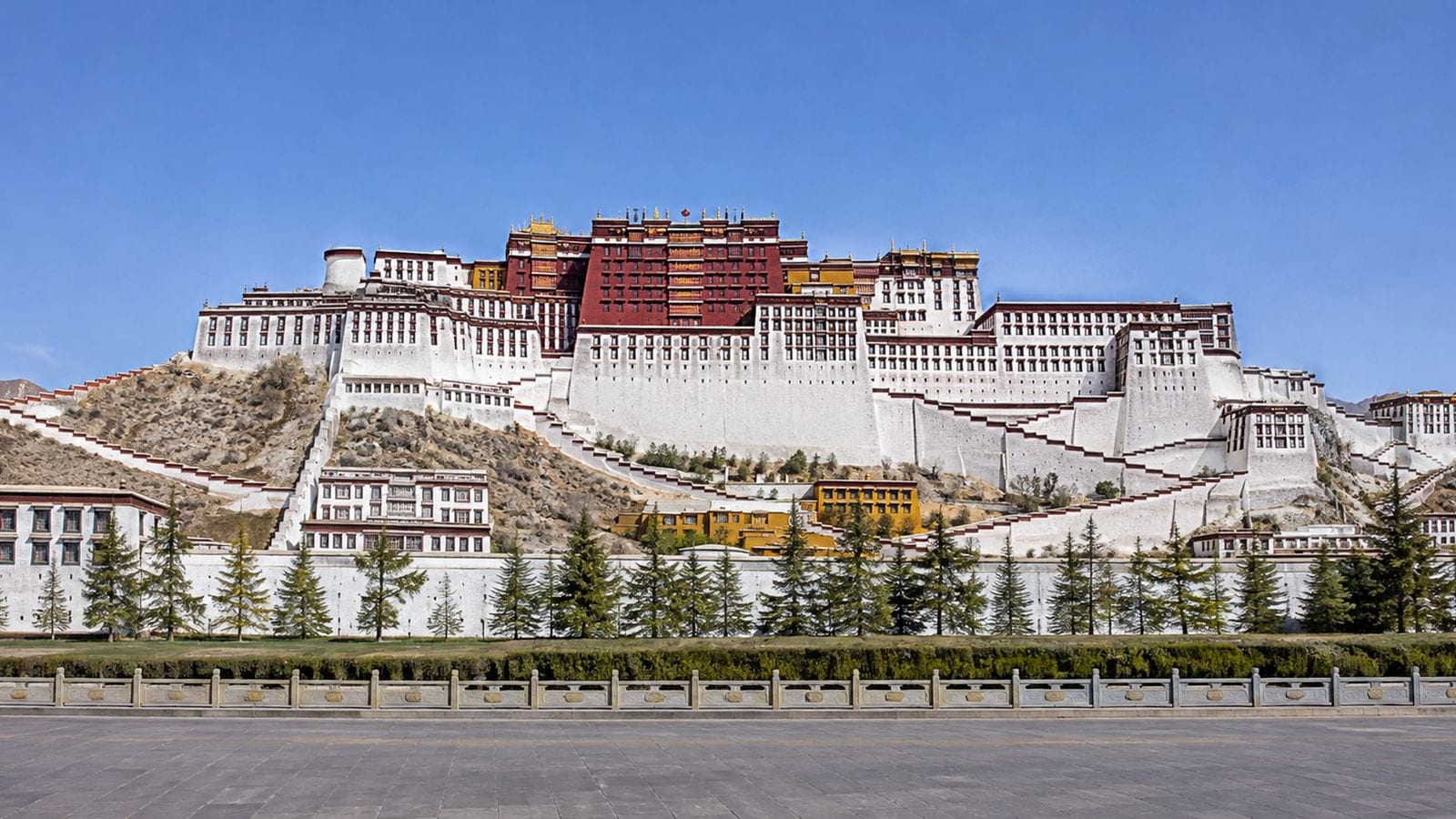
Rising above central Lhasa on Red Hill, Potala Palace combines the White Palace’s former government quarters with the Red Palace’s religious chambers. Its chapels and gilded tombs reveal the institution that shaped Tibet for centuries.
Time needed: About 2 to 3 hours
Entry: Expensive: peak-season palace admission; advance booking required
Tip: Allow time for the uphill approach; the palace interior visit is timed.
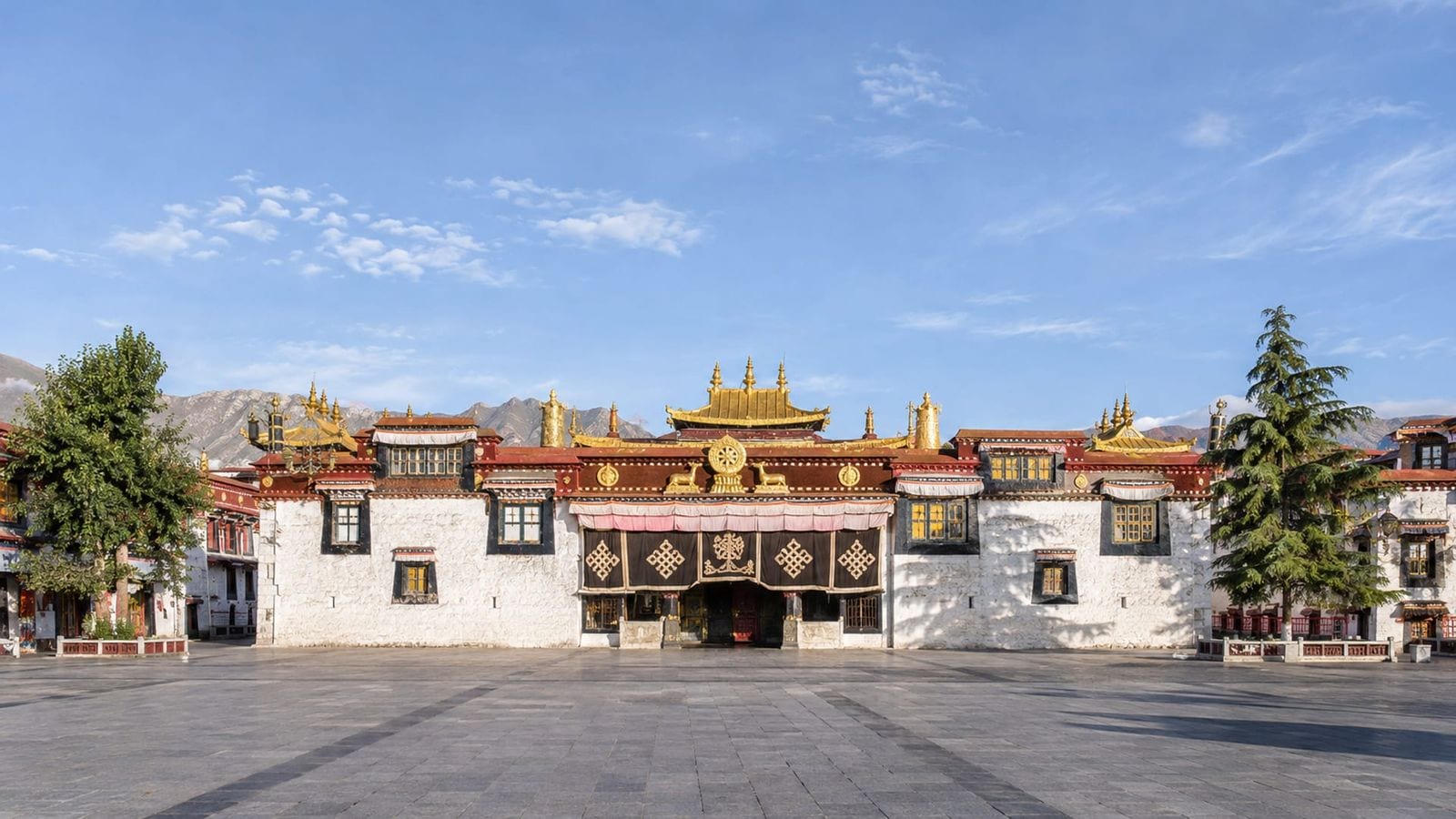
Jokhang Temple
Pilgrims circle Jokhang Temple through the lanes of the Barkhor before approaching its sacred chapels. Founded in the seventh century, this temple shelters the revered Jowo Shakyamuni image, a central focus of Tibetan Buddhist devotion.
Time needed: About 1 to 2 hours
Entry: Moderately priced: temple admission
Tip: Follow the clockwise flow of pilgrims on the Barkhor circuit outside here.
Sera Monastery
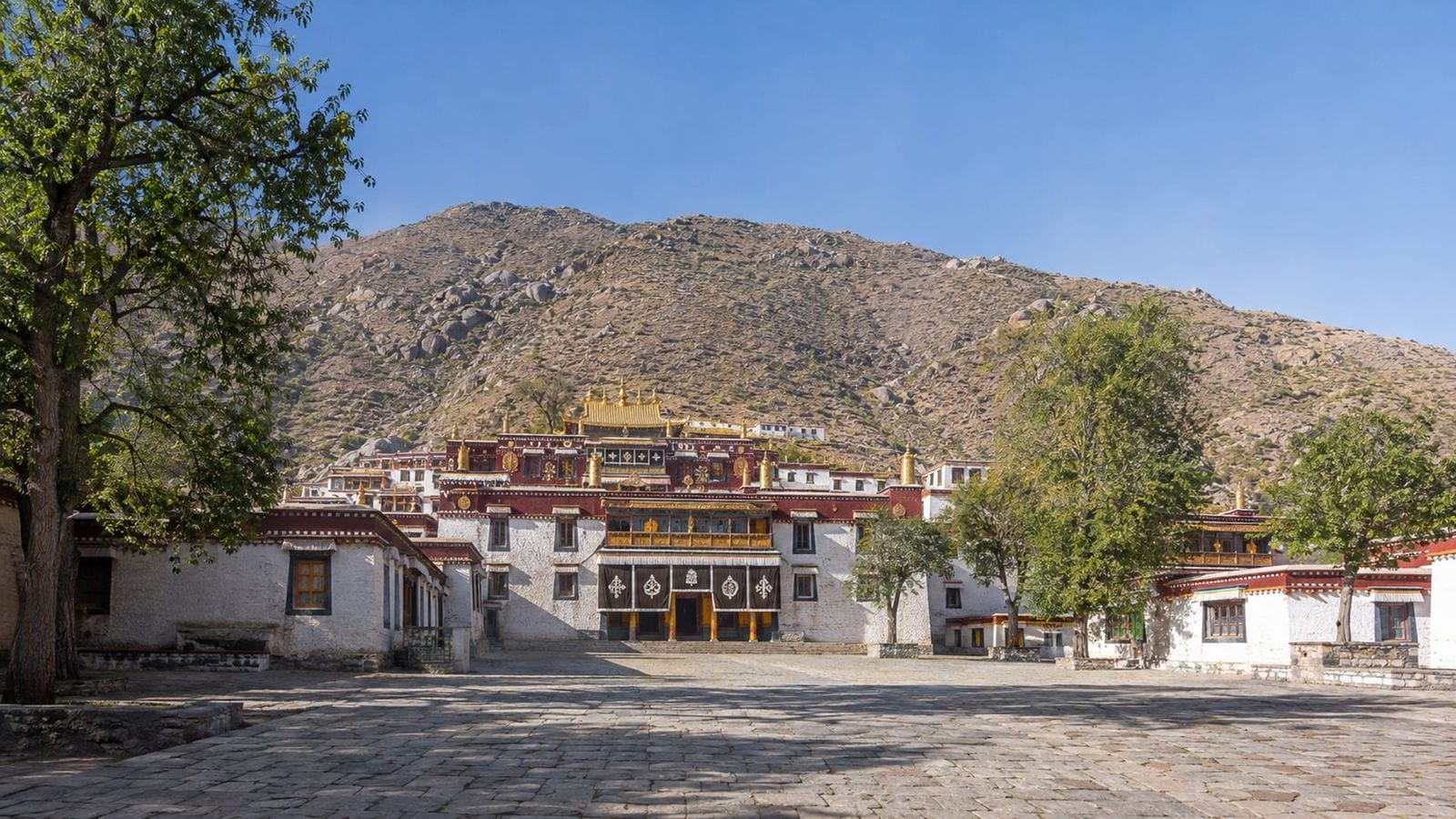
At the foot of the mountains north of central Lhasa, Sera Monastery preserves assembly halls, chapels, and monastic colleges. Founded in 1419, it is one of the great Gelug monasteries associated with the city’s Buddhist scholarship.
Time needed: About 2 to 3 hours
Entry: Low-cost: monastery admission
Tip: Take a taxi to Sera Monastery, then follow the main path to its courtyards.
Overlooked sites worth visiting

Pabonka Monastery
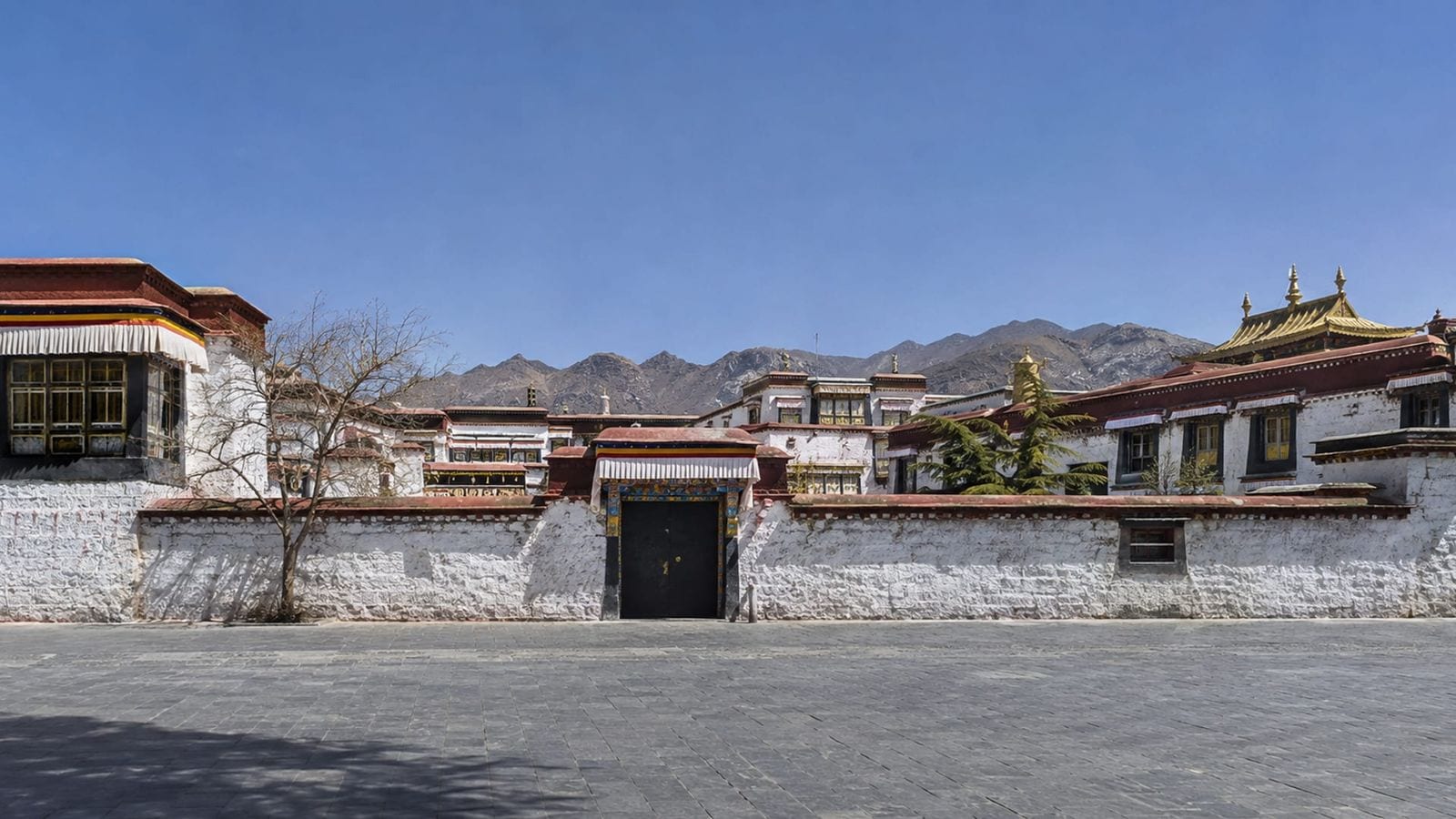
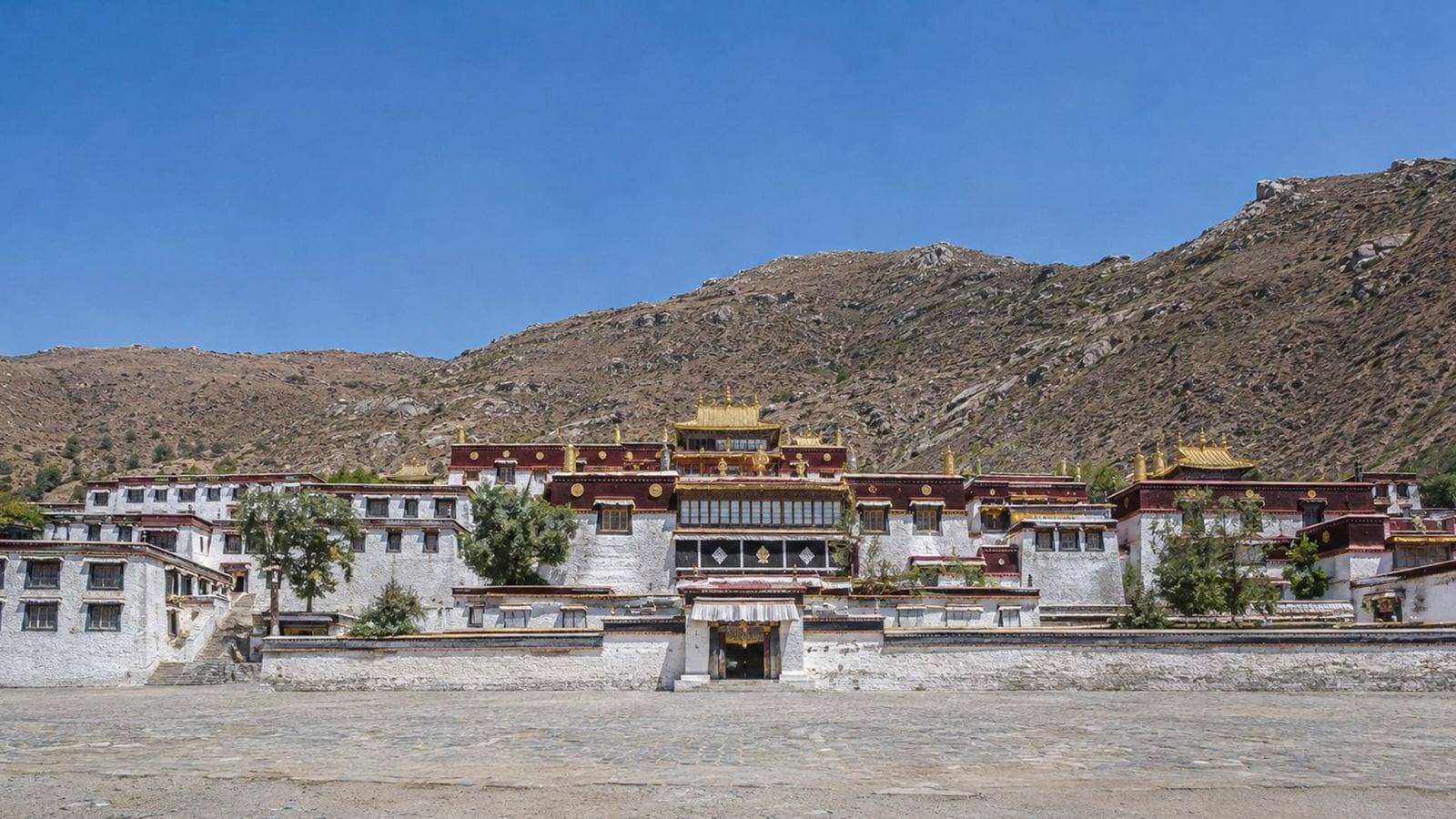
Above Lhasa’s northern suburbs, Pabonka Monastery combines small chapels with a rocky hillside setting. Its paths and views across the valley reward a slower outing away from the old town.
Time needed: About 1 to 2 hours
Entry: Low-cost
Tip: Arrange a return pickup before taking the uphill path to the chapels.

Yak Museum of Tibet
The Yak Museum of Tibet explores the animal’s role in Tibetan life through tools, textiles and art. Exhibits connect yak herding with transport, household traditions and plateau’s economy.
Time needed: About 1 to 2 hours
Entry: Free
Tip: Ask your driver for the Yak Museum of Tibet in Liuwu.
Traditional food
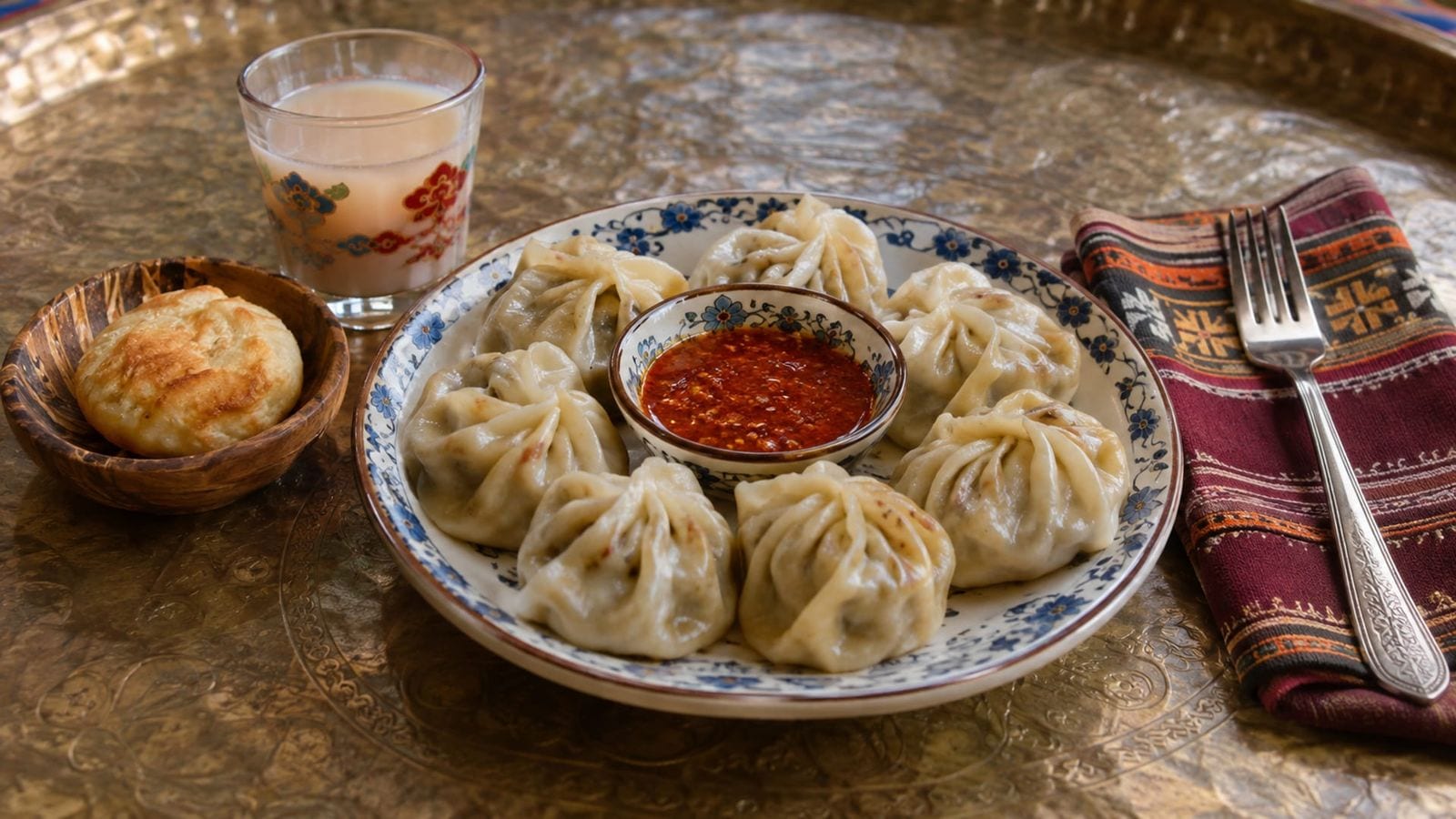
Barley flour, yak meat, and warming broths shape Tibetan cooking in Lhasa. Momos and sha phaley bring savory fillings, while thukpa and tsampa show how noodles and roasted grain anchor everyday meals.
Momos
Pleated dough encloses a savory meat or vegetable filling in these Tibetan dumplings, commonly served steamed with a spicy dipping sauce. Try momos at Tibetan Family Kitchen for an introduction to Lhasa’s Tibetan cooking.
Thukpa
A warming noodle soup, thukpa combines broth with vegetables and meat for a substantial bowl suited to Lhasa’s cool evenings. Lhasa Kitchen serves this Tibetan staple, with noodles carrying the flavors of the broth.
Tsampa
Roasted barley flour gives tsampa its nutty flavor; tea and butter traditionally bind it into small portions shaped by hand. At Makye Ame, try this Tibetan staple to understand barley’s central role in plateau cooking.
Sha phaley
Sha phaley encloses seasoned minced meat in a wheat dough pocket, fried until the outside turns crisp and golden. Order it at Dunya Restaurant to try the contrast between its browned crust and savory meat filling.
Best time to visit Lhasa
Lhasa has dry, cold winters, warming spring days, summer rain, and clearer autumn weather for exploring its temples and gardens.
Best for: Temple walks and palace visits before the busiest summer travel months begin
What you get: Temperatures span 27°F to 66°F (-3°C to 19°C), with cold early mornings, warming afternoons, and fewer tour groups than during summer.
Trade-offs: Wind and dust can affect walks; March travel restrictions can limit foreign visitors’ access.
Best for: Green gardens at Norbulingka and warmer days for exploring monastery grounds
What you get: Expect 48°F to 73°F (9°C to 23°C), greener gardens, and the year’s busiest visitor period, with tour groups at the principal landmarks.
Trade-offs: Summer brings most of Lhasa’s rain, and popular palace entry times face greater demand.
Best for: Clearer valley views from Pabonka Monastery and walks through Lhasa Old Town
What you get: Days and nights range from 23°F to 70°F (-5°C to 21°C); crowds ease after early October, while November brings much colder evenings.
Trade-offs: Early October’s national holiday draws crowds; temperatures fall sharply toward November.
Best for: Quieter palace visits and sunny daytime walks through the historic quarter
What you get: Conditions range from 16°F to 48°F (-9°C to 9°C), with dry air, sunny afternoons, and fewer leisure travelers at the major landmarks.
Trade-offs: Freezing nights and limited warmth make long outdoor monastery visits more demanding.
A realistic 5-day plan in Lhasa
The five days begin with a quiet arrival, then connect Lhasa’s palace and temple with northern monasteries, western gardens, and a museum stop before departure.
From Lhasa Gonggar Airport (LXA), an arranged car reaches Lhasa Old Town in 60 to 90 minutes; budget ¥250 to ¥350 ($35 to $50). Have your Tibet tour operator arrange the required travel permit and transfer before departure. Ask your hotel for its nearest vehicle drop-off point, then limit the evening to a light dumpling dinner at Tibetan Family Kitchen.
Potala Palace starts the sightseeing program with a timed reservation and an uphill approach; allow 2 to 3 hours. A 10 to 15-minute drive east brings you to Jokhang Temple for another 1 to 2 hours among its chapels. Continue directly onto the adjoining Barkhor circuit, following pilgrims clockwise through Lhasa Old Town.
North of central Lhasa, Pabonka Monastery pairs hillside chapels with valley views during a 1 to 2-hour morning visit. Arrange a driver to wait, then travel east to Sera Monastery in approximately 20 to 30 minutes. Allow 2 to 3 hours for its assembly halls and monastic colleges before returning to your hotel.
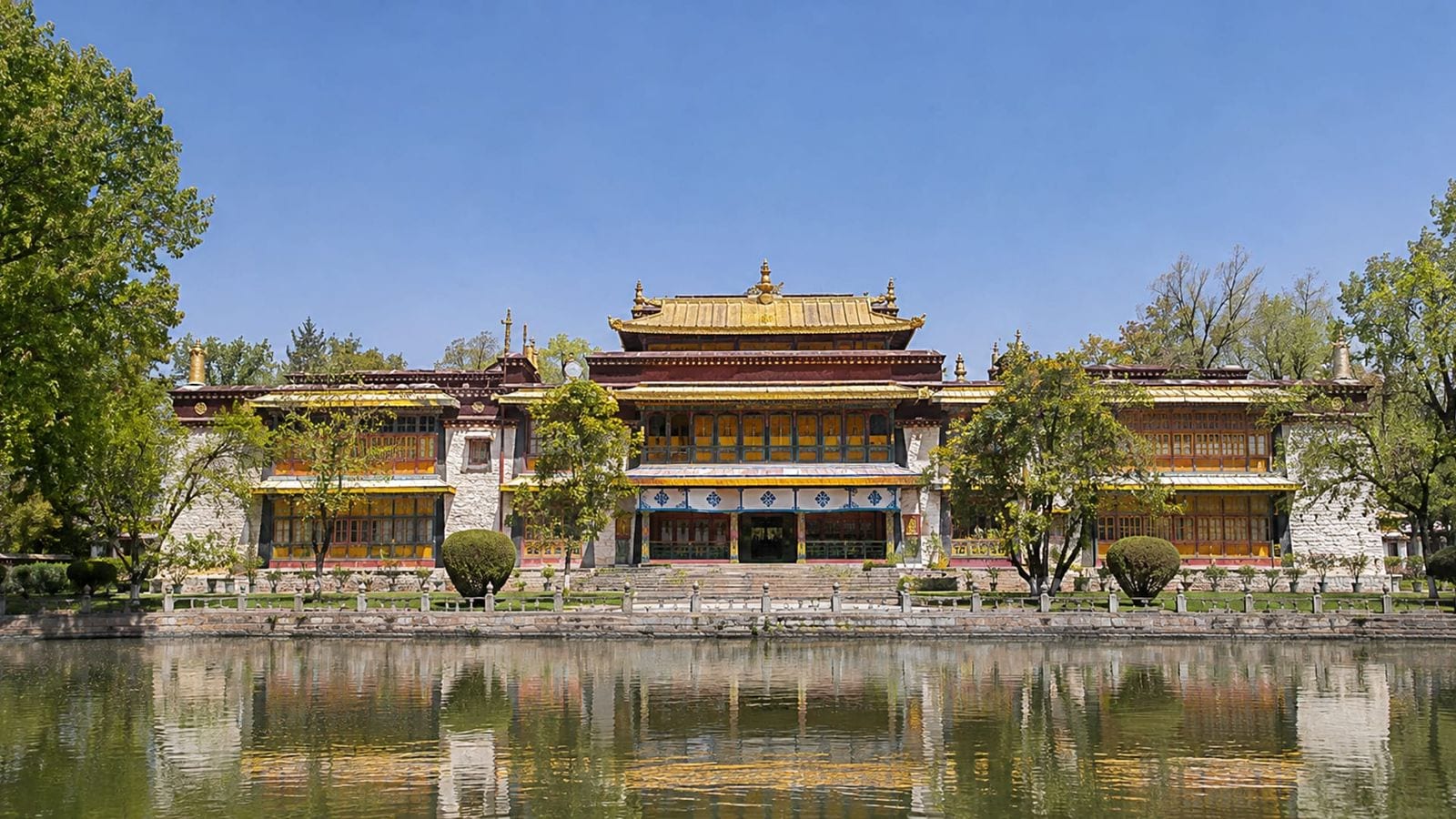
A western Lhasa pairing brings together Norbulingka and Tibet Museum without a long transfer. Spend 2 to 3 hours exploring Norbulingka’s gardens and palace buildings, then walk approximately 15 minutes to Tibet Museum for its Tibetan history and cultural collections. Schedule the museum portion Tuesday to Sunday and allow another 2 hours.
Before an afternoon or evening departure, arrange a one-way car journey through Liuwu New Area for the Yak Museum of Tibet, open Tuesday to Sunday. Allow 1 to 2 hours for its herding tools, textiles, and art, with luggage kept in your arranged car. Continue toward Lhasa Gonggar Airport (LXA), allowing 60 to 90 minutes for the drive.
Business-class flights from the US to Lhasa
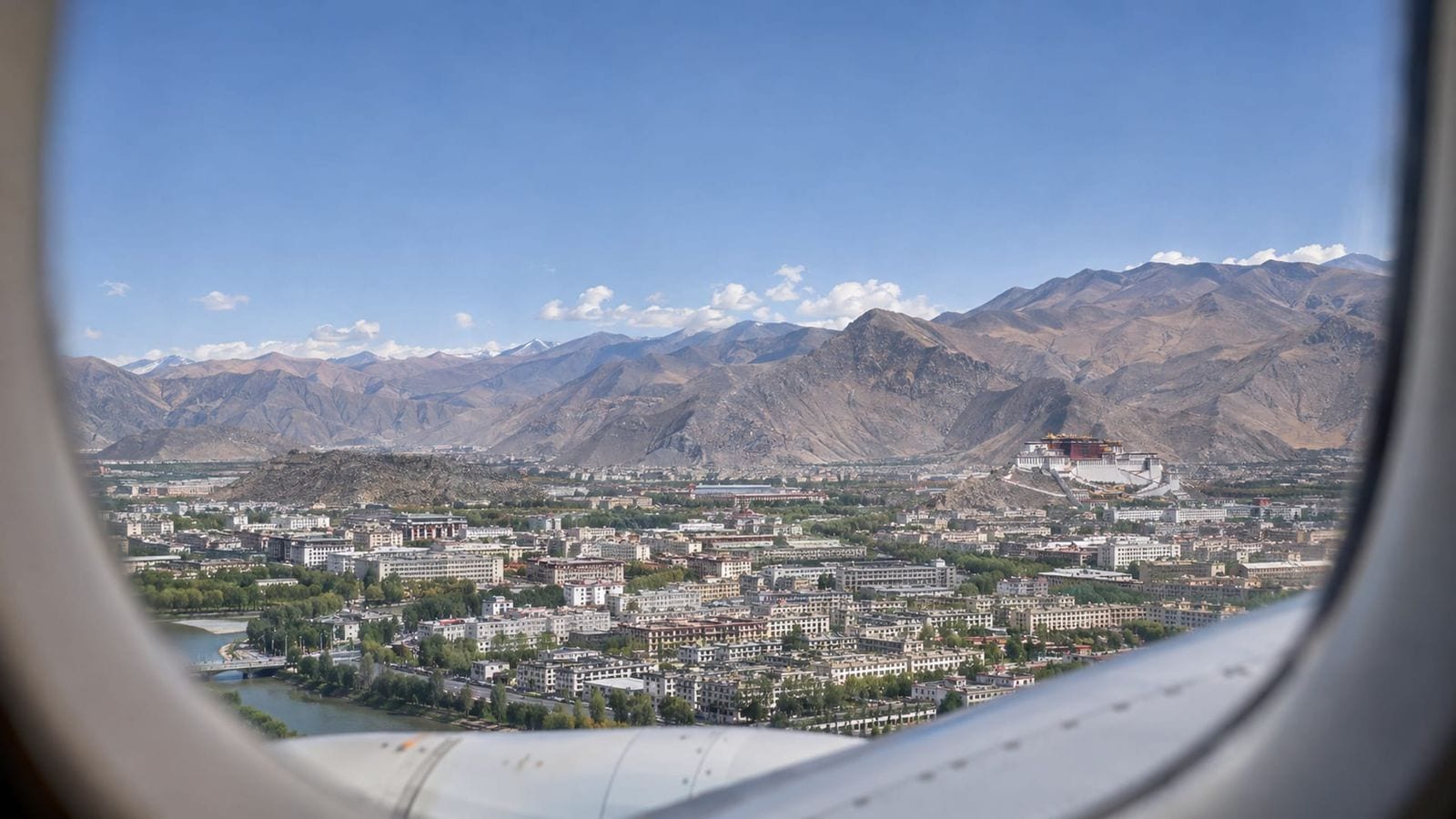
Flights from New York and Los Angeles reach Lhasa (LXA) through Beijing (PEK); these examples compare round-trip fares and total journey times.
From New York, the one-stop journey to Lhasa (LXA) connects through Beijing (PEK). Air China round-trip fares range from $5,500 to $11,000, with a total journey time of 22 to 32 hours including the connection.
Air China connects Los Angeles with Lhasa (LXA) on a one-stop itinerary through Beijing (PEK), taking 22 to 31 hours in total. Round-trip fares for this route range from $5,000 to $10,000, including the connecting flights.
Lhasa feels different when you slow down
A thoughtful Lhasa trip leaves the arrival evening for a short walk and momos, then gives Potala Palace and Jokhang Temple their own day. Taxis bring the northern monasteries within reach, while Norbulingka and Tibet Museum share a western outing. Staying in Lhasa Old Town keeps the pilgrimage lanes close, with vehicle drop-offs arranged outside the narrowest streets. Ask AranGrant experts to shape your flights around five days of palace, monastery, and museum visits