

Chapters:

Need help with your trip?
Our support team is available 24/7. Request a callback or call us directly at (833) 619-0908
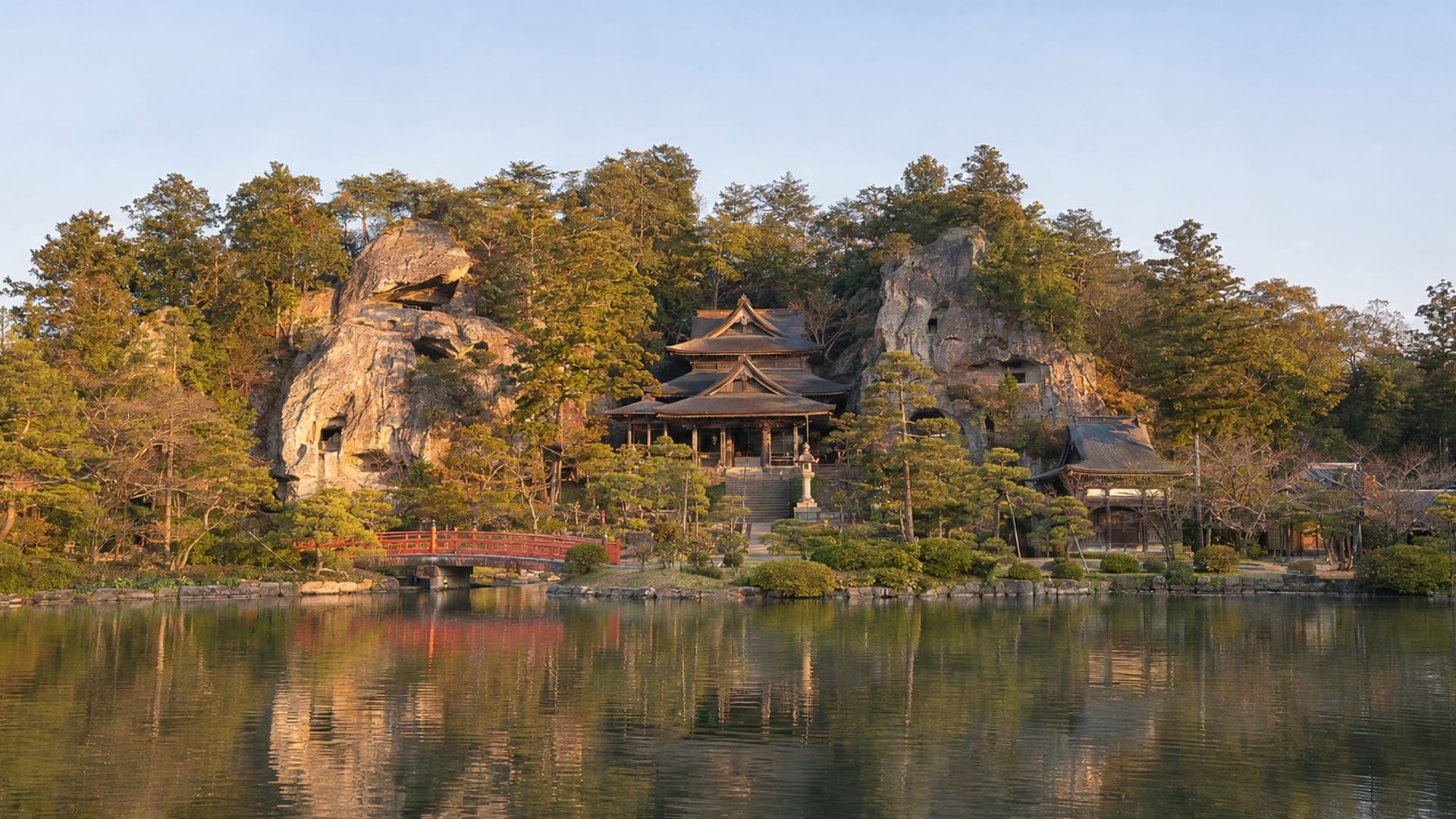
Komatsu’s wooded southern hills hold Natadera Temple, founded in 717, where Buddhist halls stand beside pale rock formations. That meeting of stone, trees, and religious architecture gives a journey through the city a tangible starting point, with hot spring bathing nearby in Awazu Onsen.
Follow the wooded paths at Natadera Temple, then examine wooden carvings at Komatsu Tenmangu Shrine. An evening in Awazu Onsen extends the focus on the landscape through mineral baths and dinner at a traditional inn.
Five days allow time for these southern sights alongside the museums near Komatsu Station. Choose Doiharamachi for evenings on foot, and use buses or taxis for journeys between the station, airport, and temple grounds.
Useful things to know

Main language(s): Japanese
こんにちは (kon-nee-chee-wah) – Hello
お願いします (oh-neh-guy shee-mahs) – Please
ありがとうございます (ah-ree-gah-toh goh-zah-ee-mahs) – Thank you
英語を話せますか? (eh-goh oh hah-nah-seh-mahs kah) – Do you speak English?
いくらですか? (ee-koo-rah dess kah) – How much does it cost?

Currency: Japanese yen (JPY, ¥)

Cash and cards: Cards are common at larger businesses; carry about ¥5,000 to ¥10,000 ($35 to $70) for smaller shops.

Tipping: Do not tip; tipping is not customary in Komatsu.

Traditional food: Komatsu udon, shio yakisoba, kabura sushi, and oshizushi are among the classic dishes of Komatsu.

Water and coffee costs: Bottled water ¥100 to ¥200 ($0.70 to $1.40); espresso ¥300 to ¥500 ($2 to $3.50).

Taxis and ride apps: Find licensed, metered taxis at Komatsu Station or Komatsu Airport (KMQ); Uber also operates in Komatsu.

Plug and voltage: Type A/B socket, 100V

Dining and shop opening hours: Typical meals: breakfast 7 am to 9 am, lunch 11:30 am to 2 pm, dinner 6 pm to 8 pm. Many shops open 10 am to 7 pm; restaurant closing days vary.

Emergency number: Police 110, ambulance and fire 119.
Where to stay in Komatsu
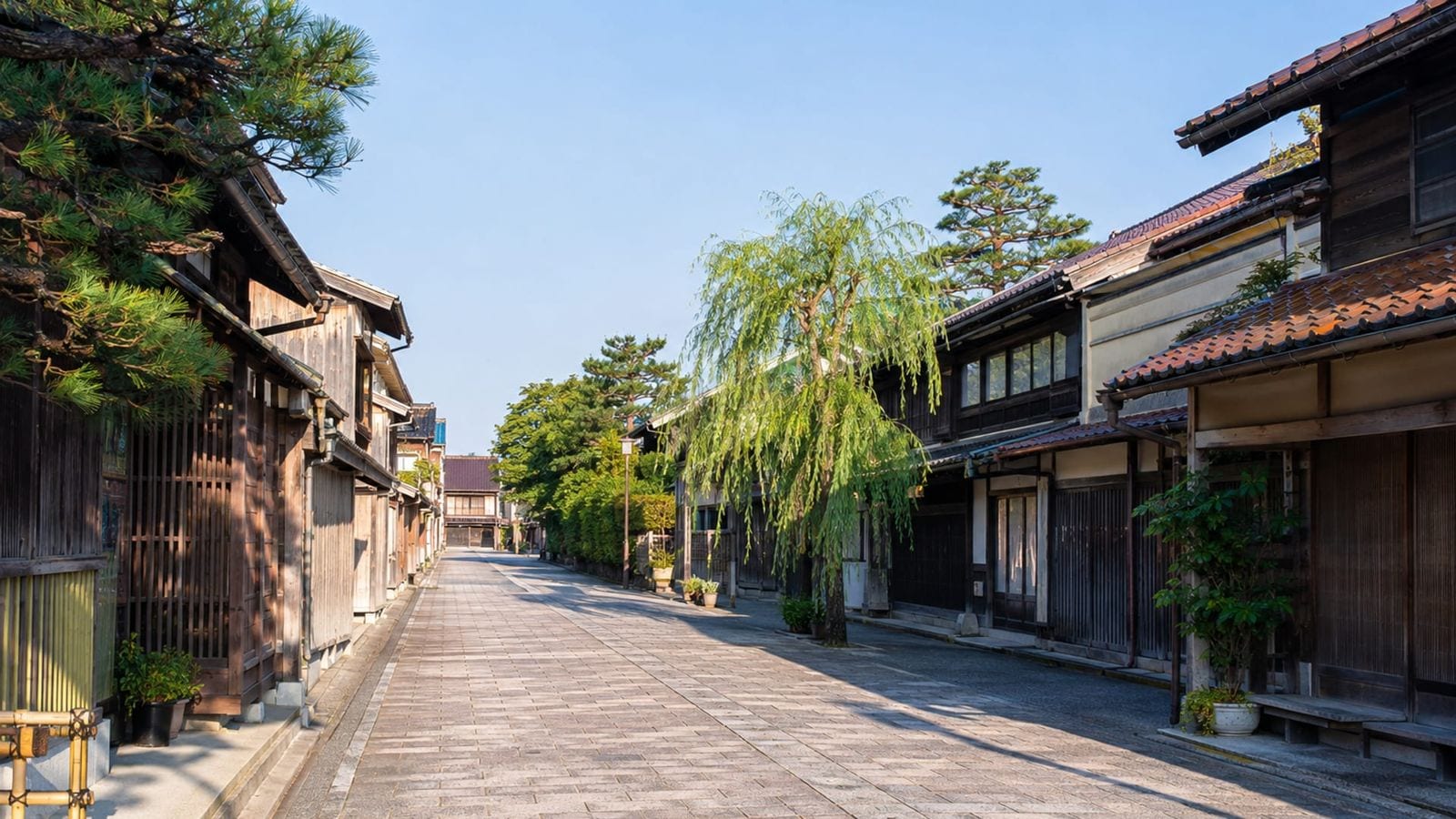
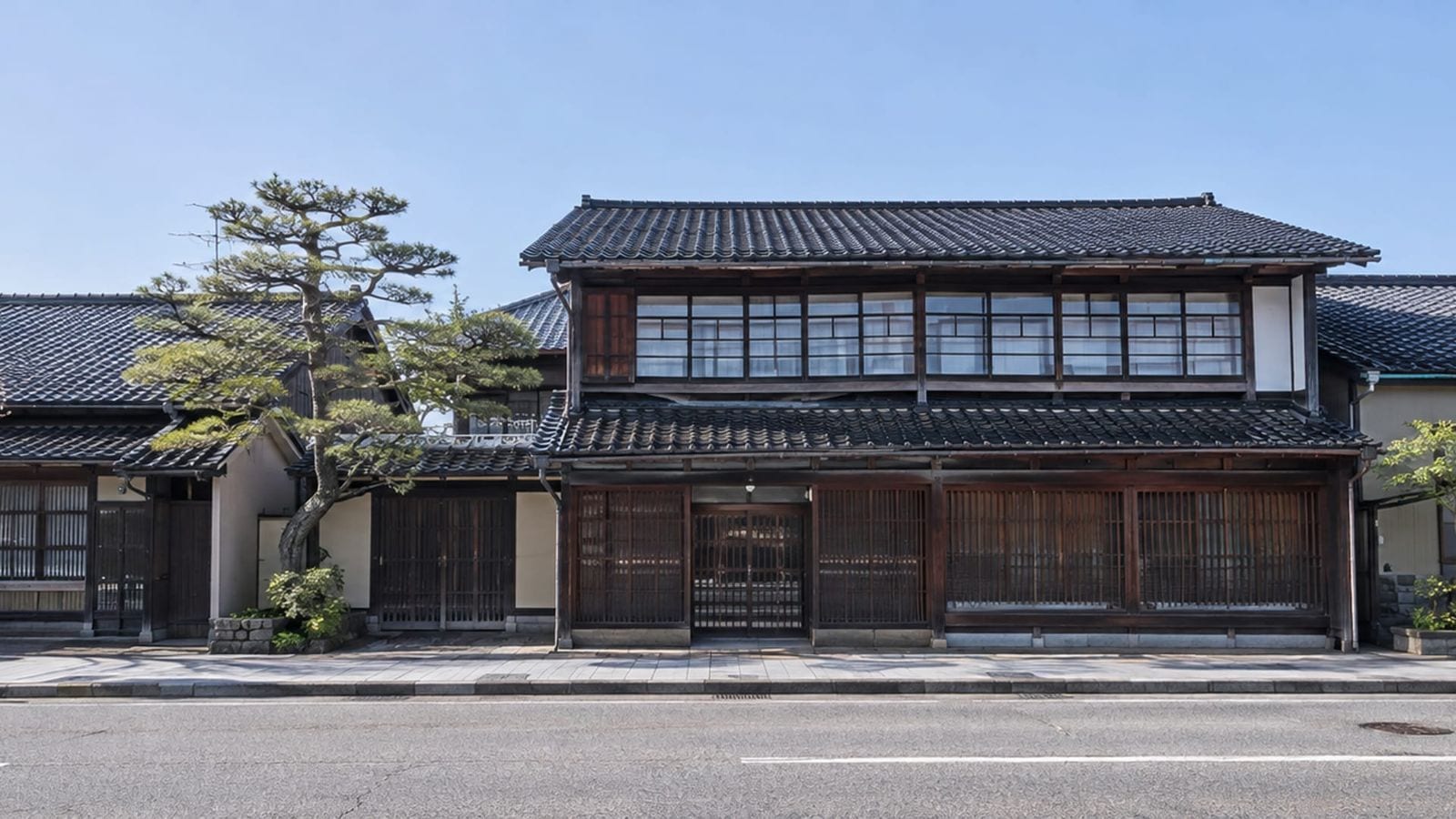
Doiharamachi is a central district beside Komatsu Station, with compact hotels and restaurants that make evenings manageable on foot after a day exploring the city. Stay here for train connections and a choice of nearby places to eat, with the station serving as your main transport link.
Best for: Train travel, restaurant access, and exploring central Komatsu on foot
What to expect: Restaurants and station traffic bring activity to otherwise modest city streets.
Hotel prices: Hotels typically charge ¥7,000 to ¥14,000 ($45 to $95) a night.
Distance to major sights: Science Hills Komatsu is a 10 to 15-minute walk away.
Quietness: Station traffic keeps daytime active; restaurant streets can stay lively into the evening.
Main trade-off: Compact hotel rooms and traffic near the station offer less seclusion than a hot spring stay.
Good to know: Choose a room away from the railway if passing trains disturb your sleep.
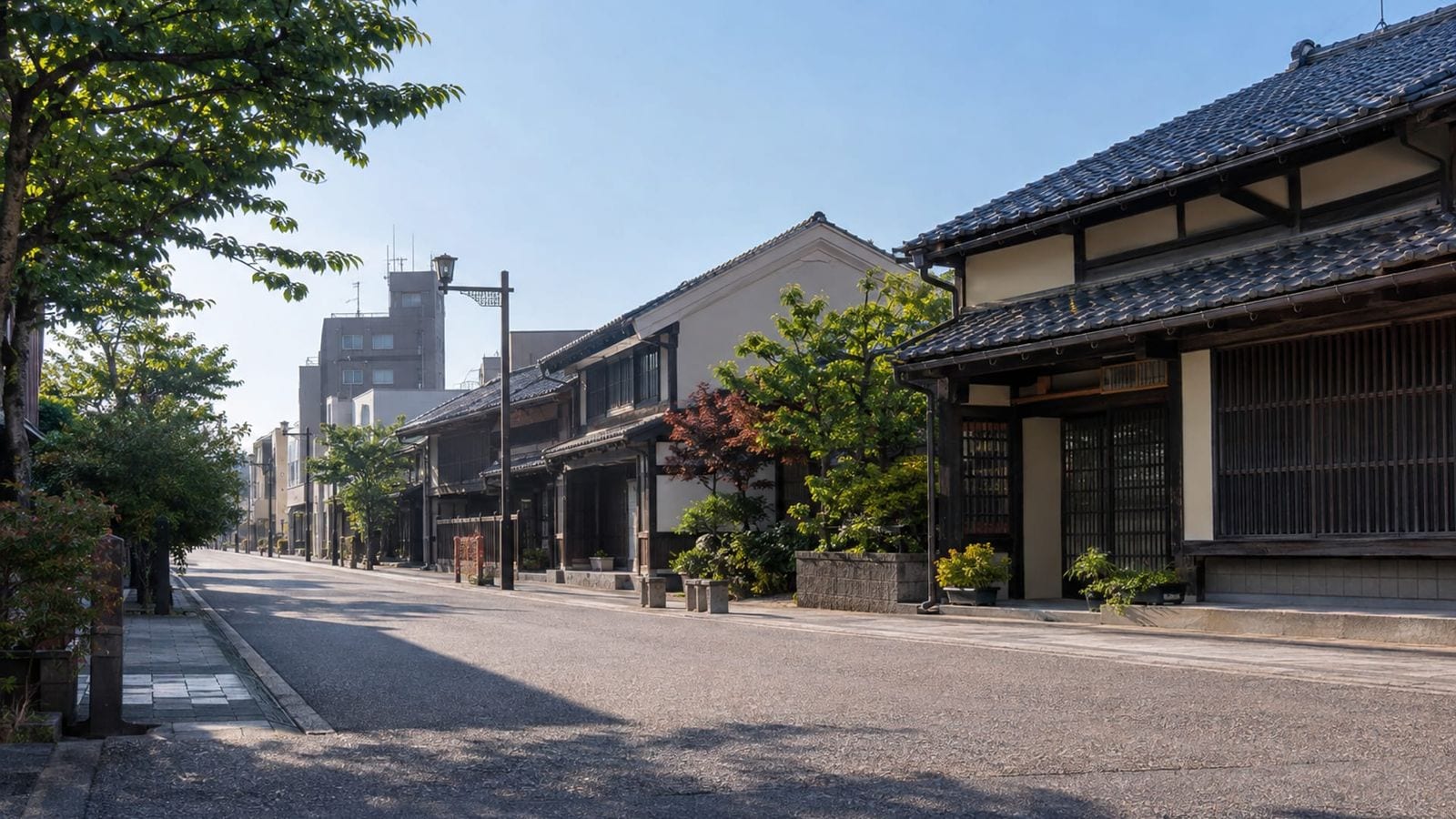
Hinodemachi lies east of Komatsu Station, where hotels share the district with offices, homes, and wider roads leading toward the city’s cultural attractions. Visitors can choose it for access to Science Hills Komatsu and accommodation within walking distance of the station’s east exit.
Best for: Science Hills Komatsu, station access, and trips with a car
What to expect: Hotel entrances, offices, and passing cars create a quieter street scene than the station’s restaurant side.
Hotel prices: Allow ¥8,000 to ¥15,000 ($55 to $100) per night for a hotel room.
Distance to major sights: Walk to Science Hills Komatsu in 5 to 15 minutes, depending on your hotel.
Quietness: Road traffic is noticeable during the day; pedestrian activity thins out in the evening.
Main trade-off: Dinner choices are more dispersed, so some evenings involve walking across the station.
Good to know: Compare hotel parking charges when choosing between properties in this district.
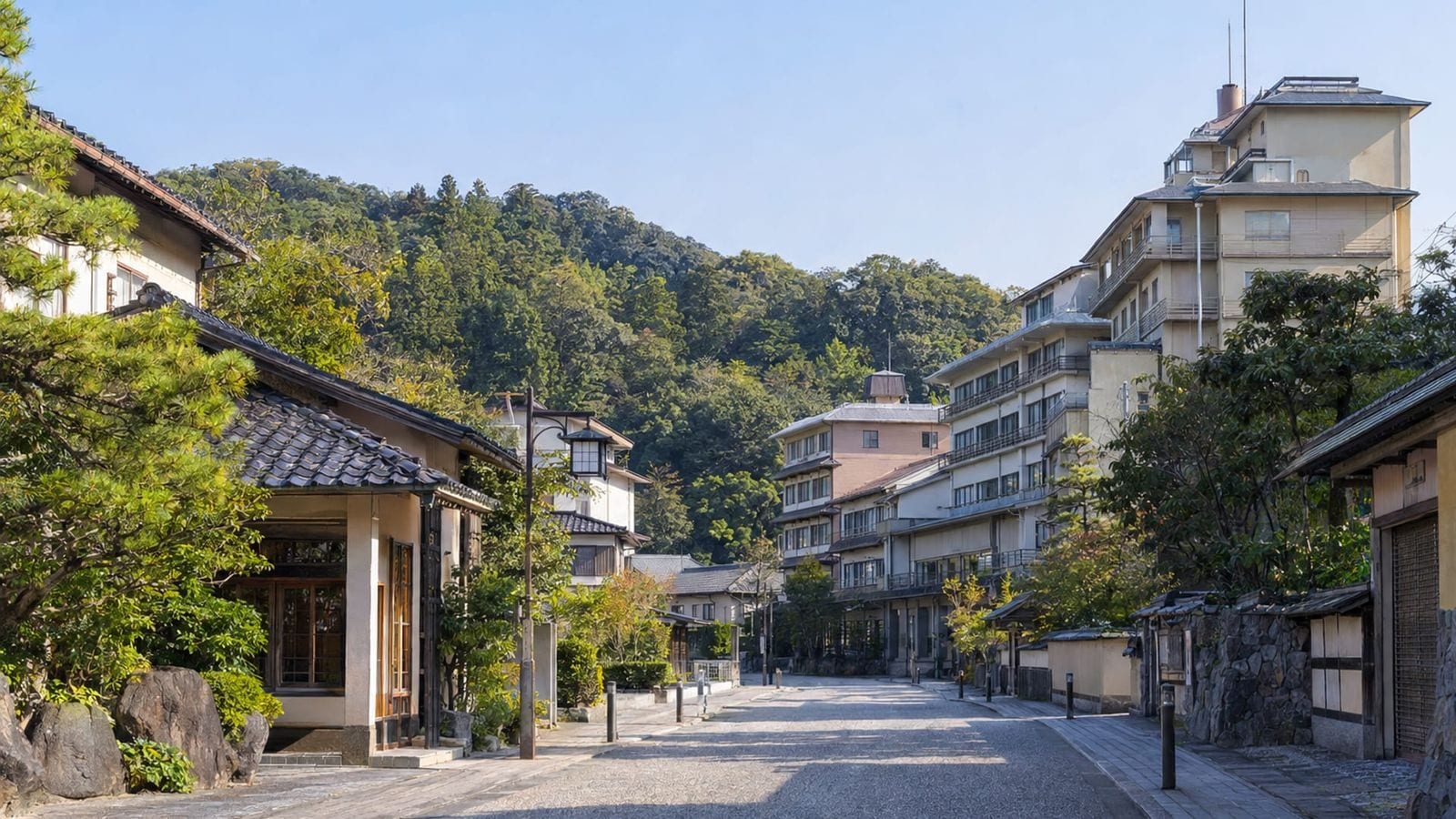
Awazu Onsen is Komatsu’s established hot spring district, with traditional inns clustered near the foot of the wooded hills south of the city center. A stay here centers on mineral baths and meals at your inn, making it a distinct alternative to the hotels beside Komatsu’s railway station.
Best for: Hot spring bathing, inn dining, and a stay away from the city center
What to expect: Traditional inns dominate the district, with limited shopping and evening street activity.
Hotel prices: Ryokan rooms generally range from ¥25,000 to ¥60,000 ($165 to $400) nightly, depending on meals and occupancy.
Distance to major sights: The Motorcar Museum of Japan is 5 to 10 minutes away by taxi.
Quietness: Daytime visitors bring some activity; evenings center on the inns and their dining rooms.
Main trade-off: Central Komatsu requires a bus or taxi journey, and independent dinner options are limited.
Good to know: Awazu Station is separate from the hot spring district; ask your inn whether it offers a station pickup.
Hotels on Komatsu’s rural outskirts are less convenient for a stay centered on downtown sights and restaurants, particularly for travelers without a car who need to return in the evening.
Hotel deals
How to get around Komatsu efficiently
Komatsu Station anchors trips by rail, airport bus, taxi, and foot, while Uber offers another way to request a car.

Taxi
for convenience or late hours
From Komatsu Airport, a metered taxi to Komatsu Station takes about 10 minutes and costs ¥2,000 to ¥3,000 ($13 to $20). Use the airport taxi stand or the station rank for luggage-heavy trips and destinations beyond central Komatsu.

Walking
for short central distances
Komatsu Station is about a 15-minute walk from Komatsu Castle Park. Walking is free and suits short central trips between the station, shops, and parks; reaching the airport or the southern temple area calls for motorized transport.

Bus and tram
for convenience
For the Komatsu Airport–Komatsu Station trip, public buses take about 15 minutes, with fares of ¥200 to ¥400 ($1 to $3). Board outside the terminal for the station; this route suits airport transfers when you can match the departure schedule.
*Prices are based on rates updated as of November 2026 and may change at the time of travel.
Walk between central shops, take the bus between Komatsu Station and the airport, and choose taxis for Natadera Temple or an evening in Awazu Onsen.
Iconic landmarks
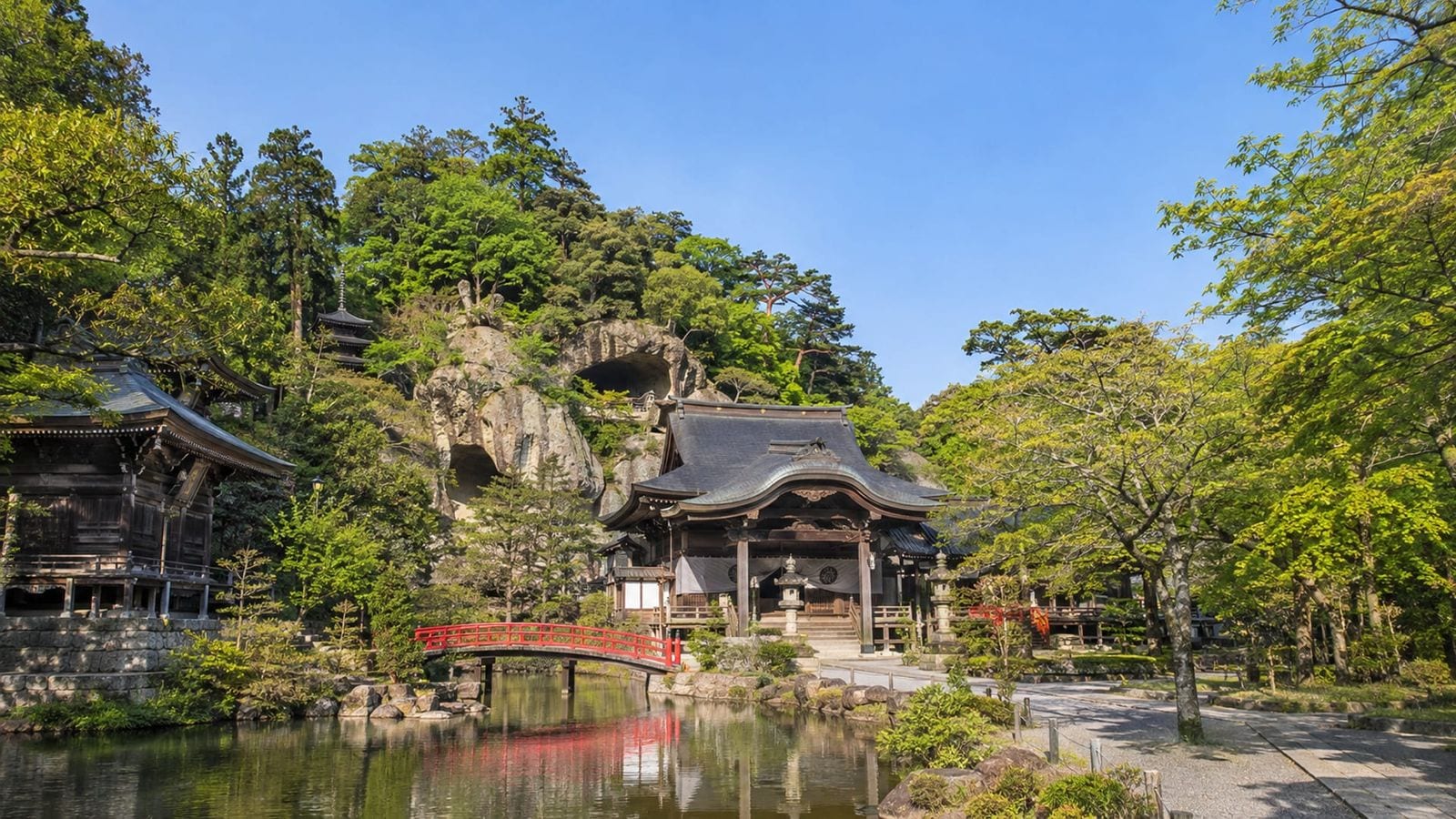
Natadera Temple
Rocky cliffs, wooded paths, and Buddhist halls give Natadera Temple its distinctive setting in southern Komatsu. Founded in 717, the temple combines devotion to Kannon with reverence for Mount Hakusan, linking its architecture to the landscape.
Time needed: About 1 to 2 hours
Entry: Low-cost: admission to the temple grounds
Tip: Allow extra time for the stone steps and uneven paths beneath the cliffs.
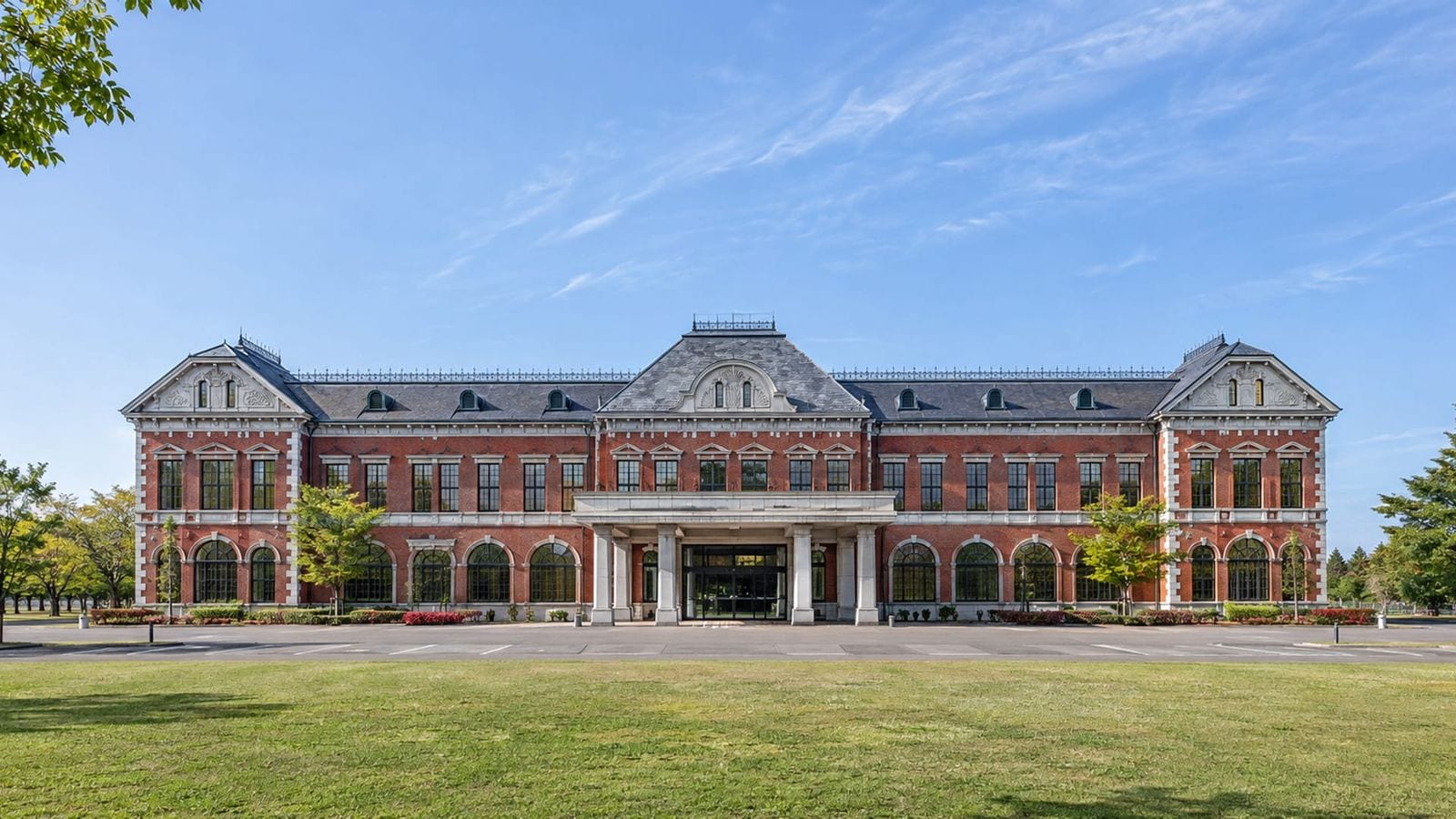
Japan Automobile Museum
Hundreds of vehicles fill the Japan Automobile Museum, a major collection in Komatsu housed in a red-brick building. Japanese passenger cars share the galleries with European and American models, tracing changes in everyday travel and automotive design.
Time needed: About 1 to 2 hours
Entry: Low-cost: admission to the museum galleries
Tip: Photograph the vehicle labels as you explore to identify favorite cars later.
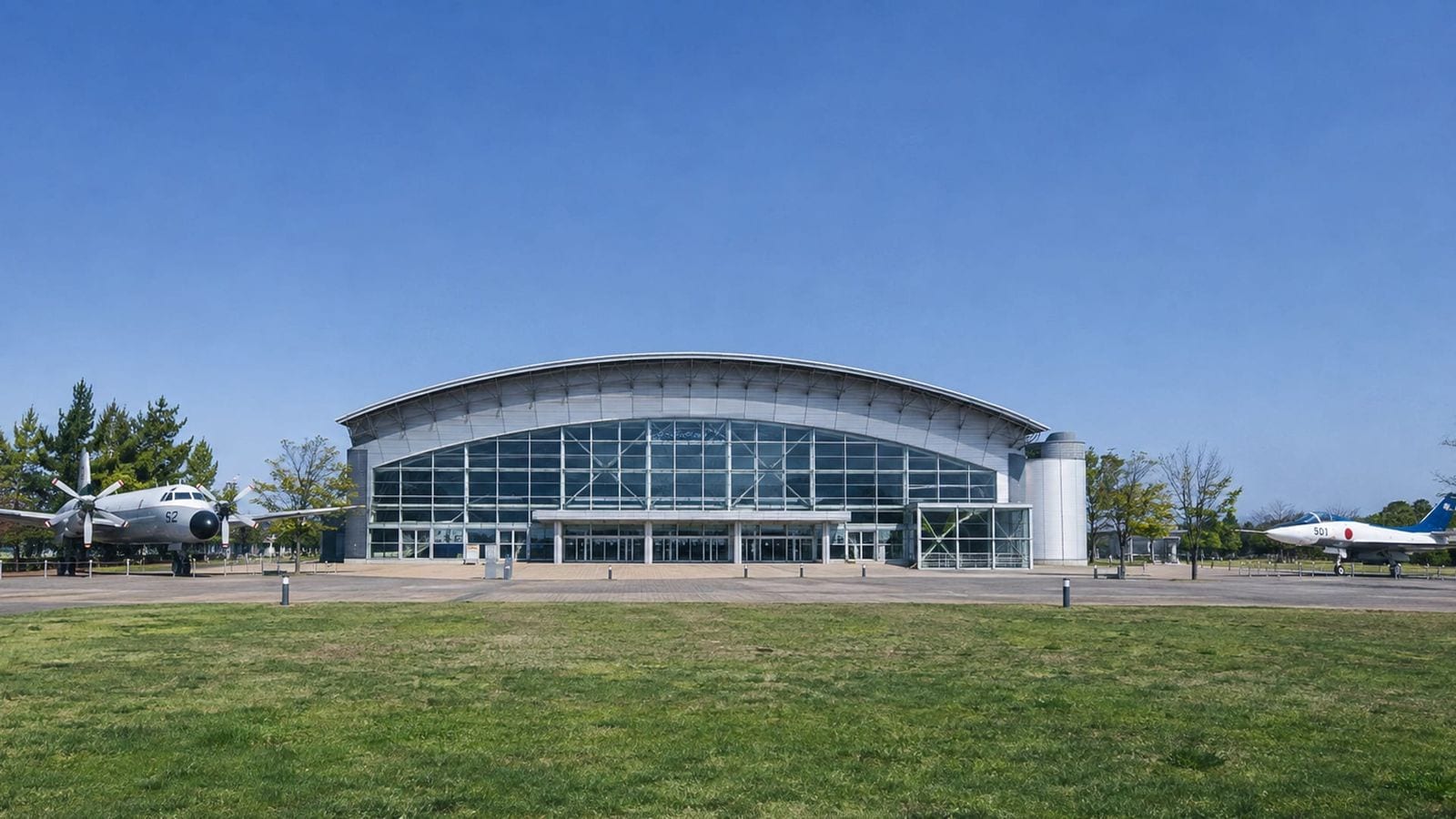
Ishikawa Aviation Plaza
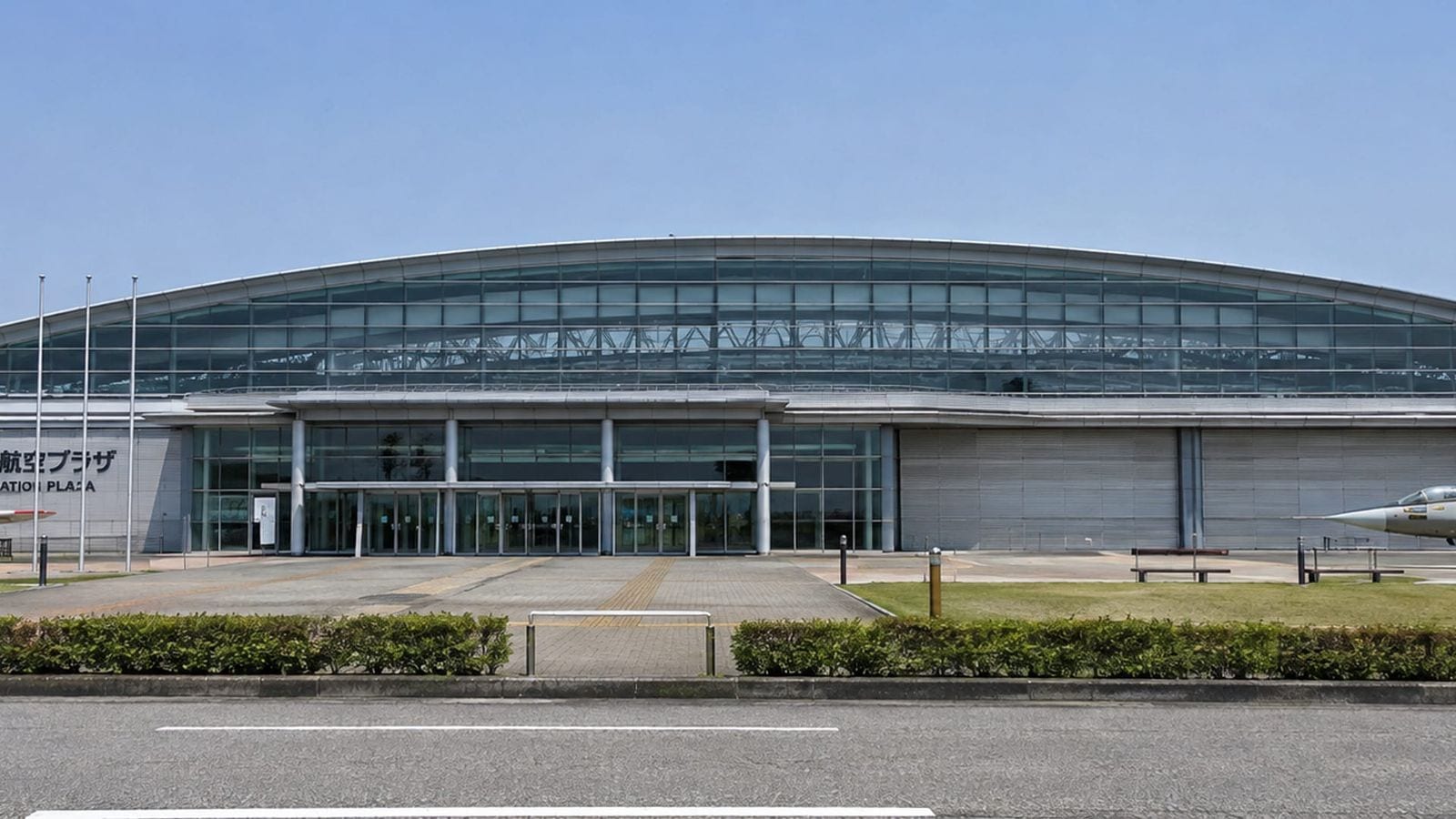
Beside Komatsu Airport, Ishikawa Aviation Plaza brings the city’s aviation identity into focus through aircraft displays and hands-on exhibits. Its collection includes helicopters and fixed-wing aircraft, with cockpits and flight equipment to examine.
Time needed: About 1 to 2 hours
Entry: Free: admission to the exhibition areas
Tip: Combine the aircraft galleries with your airport trip; allow time for the walk.
Overlooked sites worth visiting

Komatsu Tenmangu Shrine
Komatsu Tenmangu Shrine honors the deity of learning. Its wooded grounds and historic wooden buildings offer a quiet setting for a short walk, with carved details to examine along the way.
Time needed: About 30 to 45 minutes
Entry: Free to access
Tip: Pause at the shrine buildings to examine their wooden carvings.

Miyamoto Saburo Art Museum
Miyamoto Saburo Art Museum explores the work of a painter born in Komatsu. Changing displays draw on the city’s collection, offering a compact look at his figure painting and career.
Time needed: About 45 minutes to 1 hour
Entry: Low-cost: admission covers the museum’s exhibitions.
Tip: Pair the museum with a walk through nearby Rojo Park.
Traditional food
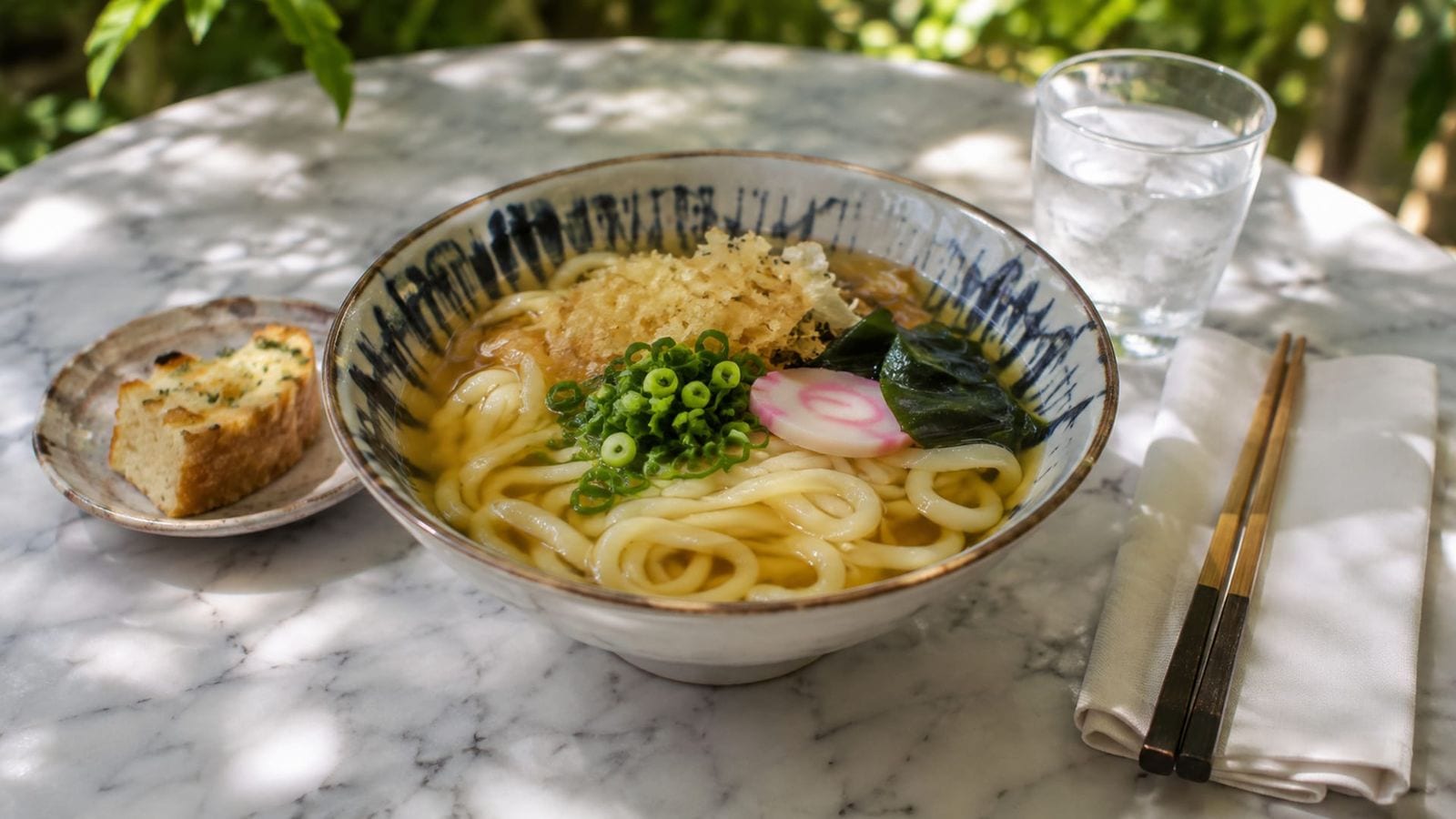
Komatsu’s table brings together wheat noodles, seafood, and preserved winter flavors. Komatsu udon and shio yakisoba offer everyday meals, while kabura sushi pairs fish with fermented turnip.
Komatsu udon
Fine wheat noodles and a savory broth define Komatsu udon, a local meal with a lighter texture than many thicker udon styles. Try a bowl at Nakasa, where the noodles provide an introduction to this city specialty.
Shio yakisoba
Thick noodles, vegetables, and a salt-based seasoning distinguish Komatsu’s shio yakisoba from versions dressed with brown sauce. Order it at Seichan, a Chinese restaurant associated with the city’s noodle tradition.
Kabura sushi
Salted yellowtail tucked into turnip ferments with rice koji to make kabura sushi, a winter specialty with sweet and tangy flavors. Look for its seasonal offering at Shibazushi Komatsu Airport Shop before departure.
Oshizushi
Seasoned rice and seafood are pressed together to make oshizushi, then cut into portions that hold their shape. Try this style at Yonehachi, a Komatsu sushi restaurant where pressed preparations complement the menu.
Best time to visit Komatsu
Spring flowers, humid summers, autumn foliage, and snowy winters change the experience of Komatsu’s parks and temple grounds.
Best for: Cherry blossoms in Rojo Park and longer walks through wooded temple grounds
What you get: Temperatures span 37°F to 73°F (3°C to 23°C); cherry blossom days draw more visitors to Rojo Park, while March brings cooler conditions.
Trade-offs: March can feel cold, and spring rain can shorten walks through Natadera Temple.
Best for: Indoor aircraft displays and science exhibits between trips into the hills
What you get: Expect 64°F to 88°F (18°C to 31°C), humid afternoons, and rain early in summer; holiday periods bring more domestic travelers in August.
Trade-offs: Heat and humidity make Natadera Temple’s steps more demanding; June and July bring frequent rain.
Best for: Changing leaves at Natadera Temple and bathing evenings spent in Awazu Onsen
What you get: Days range from 45°F to 82°F (7°C to 28°C); foliage attracts visitors to Natadera Temple, with cooler walks toward the end of the season.
Trade-offs: September can stay humid, while November brings colder rain and shorter daylight.
Best for: Hot spring stays in Awazu Onsen and seasonal kabura sushi during cold months
What you get: Winter brings 32°F to 48°F (0°C to 9°C), snow, and cold rain; outdoor sights generally draw fewer visitors outside the New Year holiday.
Trade-offs: Snow and ice can complicate temple paths and delay road travel between sights.
A realistic 5-day plan in Komatsu
The five days move from station-side arrival to shrine carvings, southern temple grounds, hot springs, and technology museums, leaving the final morning near Komatsu Station.
From Komatsu Airport (KMQ), take the bus to Komatsu Station, a 15-minute trip costing roughly ¥250 to ¥400 ($2 to $3). Stay in Doiharamachi, leave your bags at your hotel, and have a light udon dinner at Komatsu Station before returning on foot.
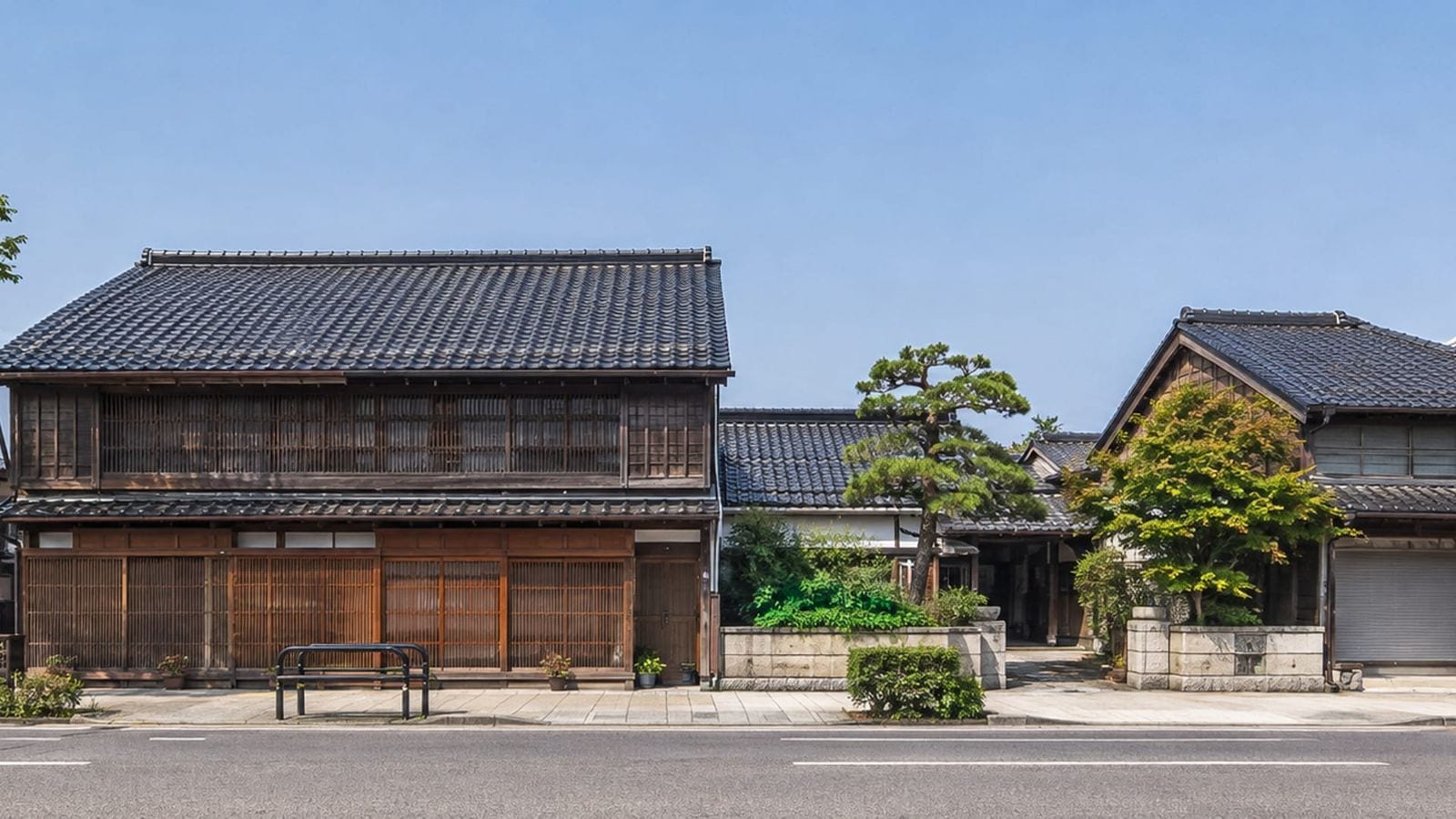
Wooden carvings introduce the morning at Komatsu Tenmangu Shrine. Take a taxi for roughly 10 minutes to Rojo Park, explore its landscaped grounds, then walk 5 minutes to Miyamoto Saburo Art Museum for paintings by Komatsu’s native son. Schedule the museum portion outside Monday, its regular closing day.
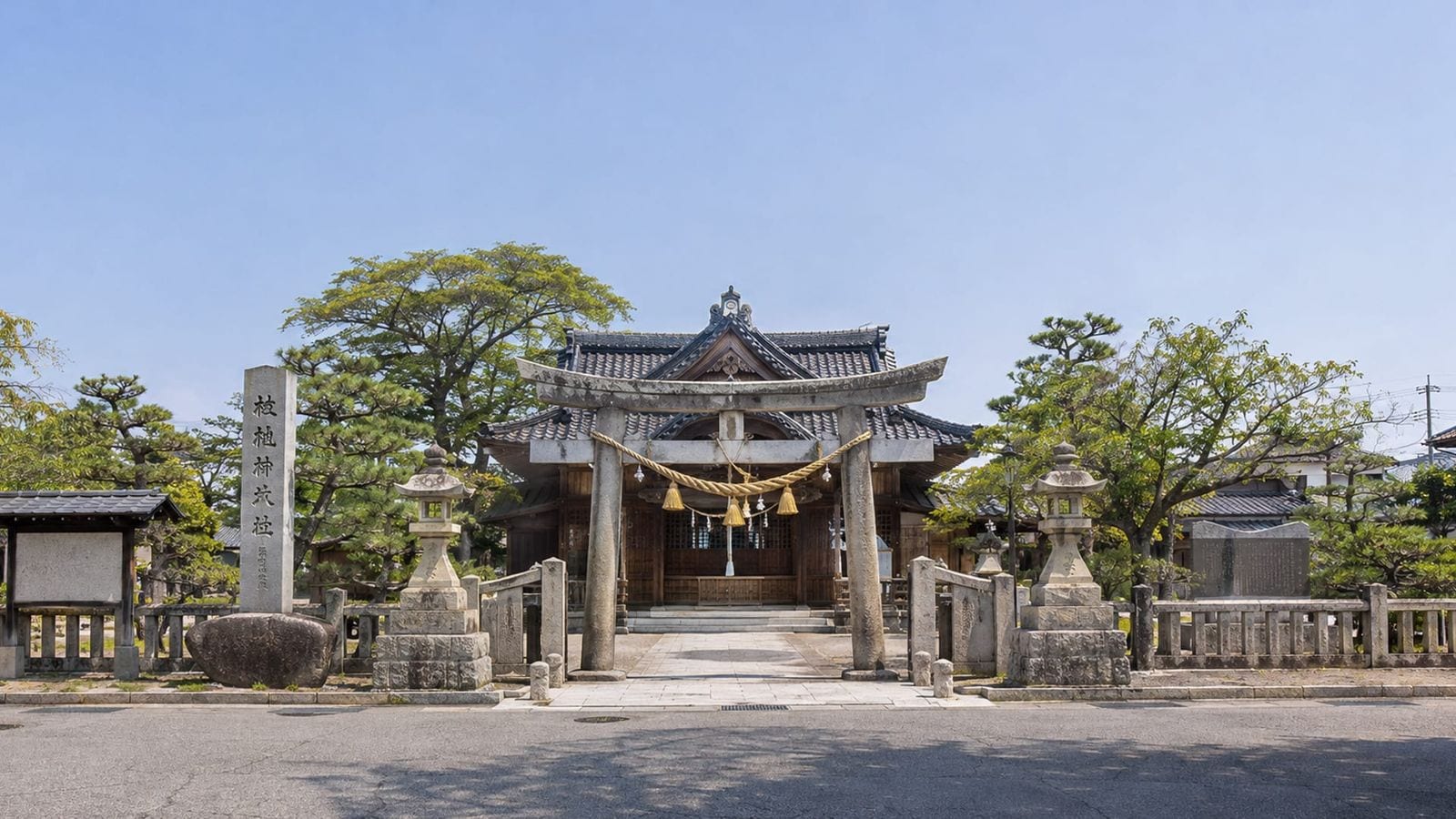
Natadera Temple’s cliffs and wooded paths deserve two hours before a 15-minute taxi ride to Japan Automobile Museum. Spend another two hours examining Japanese and overseas cars, then continue by taxi for 10 minutes to Awazu Onsen for an evening centered on bathing and an inn dinner arranged with your reservation.
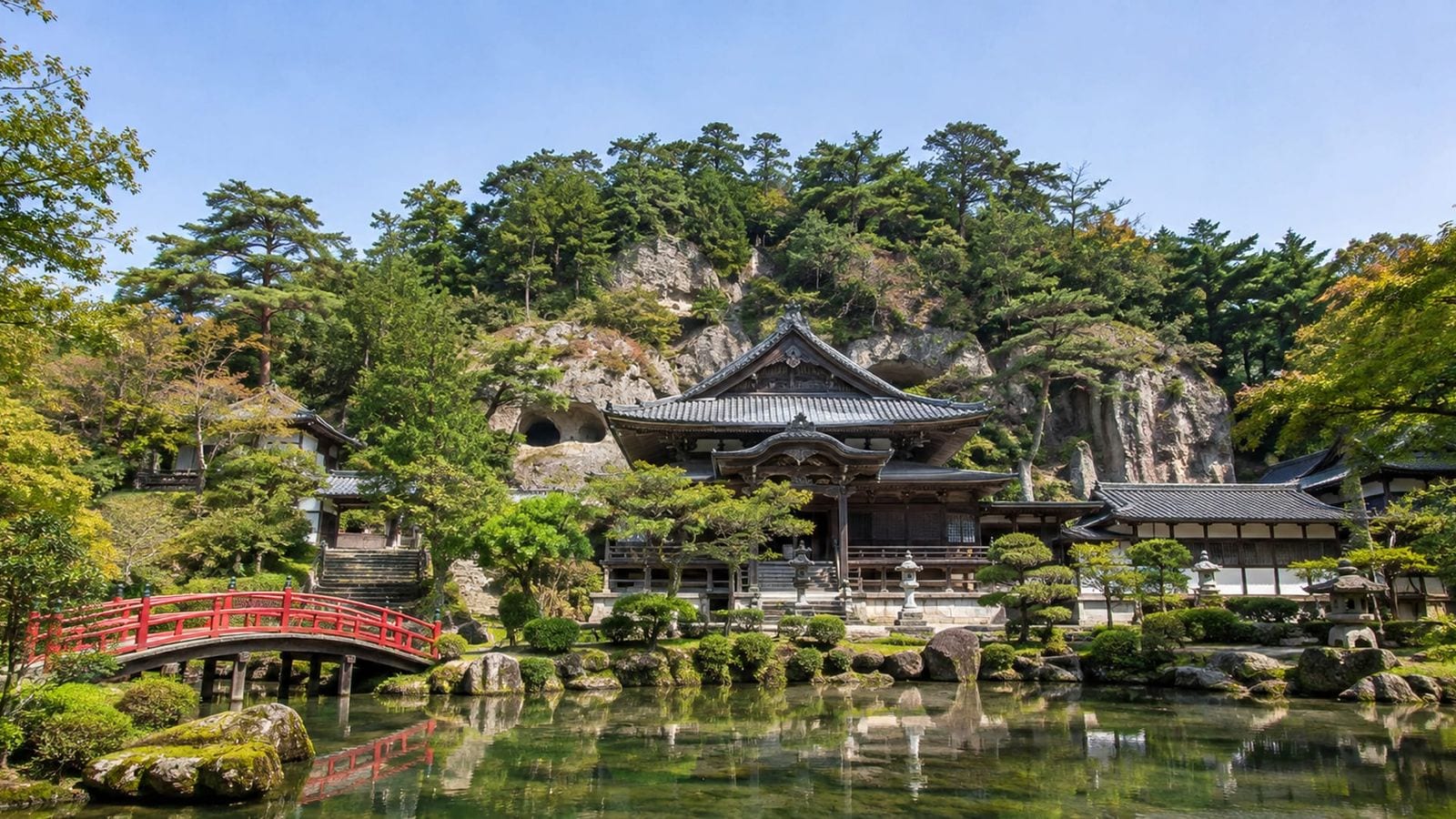
Begin east of the station at Science Hills Komatsu, allowing two hours for interactive exhibits; avoid Monday, its regular closing day. A taxi takes roughly 15 minutes onward to Ishikawa Aviation Plaza, where aircraft and cockpit equipment fill another two hours. Return to your hotel by taxi after the galleries.
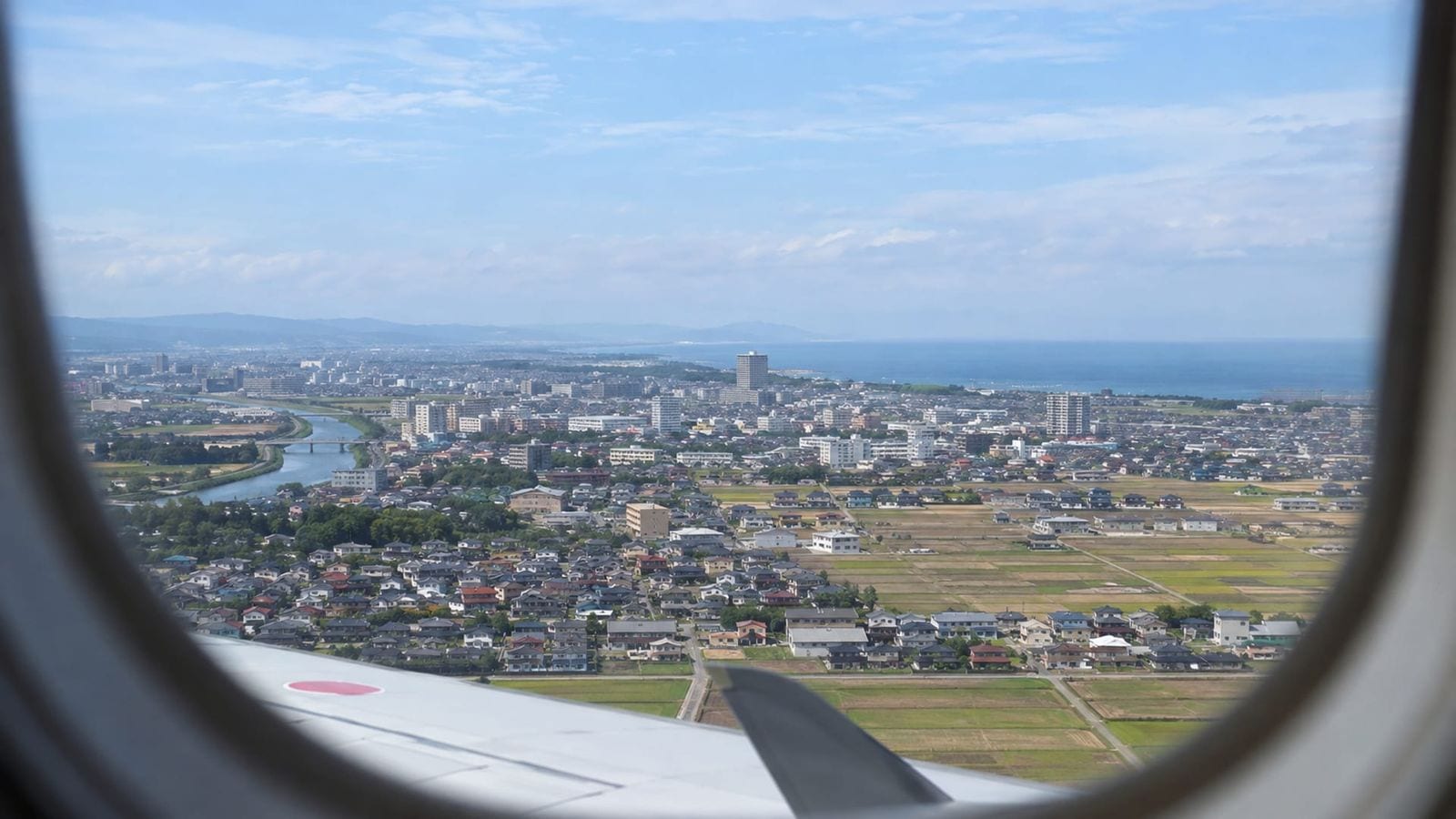
A final morning in Doiharamachi leaves time for shopping near Komatsu Station without crossing the city before departure. Collect your luggage from the hotel, then take the airport bus from Komatsu Station to Komatsu Airport (KMQ), allowing roughly 15 minutes aboard plus the interval before the next departure.
Business-class flights from the US to Komatsu
These two fare examples connect New York and Los Angeles with Komatsu Airport (KMQ) through Tokyo Haneda (HND).
From New York, the one-stop journey to Komatsu Airport (KMQ) connects through Tokyo Haneda (HND) and takes 16 to 20 hours. Round-trip fares range from $5,500 to $10,000, with All Nippon Airways and Japan Airlines listed for this route.
Los Angeles travelers reach Komatsu Airport (KMQ) via Tokyo Haneda (HND), with All Nippon Airways and Japan Airlines offering the listed connections. Allow 14 to 18 hours for the journey; round-trip fares range from $4,500 to $9,000.
Komatsu feels different when you slow down
A Komatsu trip gives each part of the city its own time: a morning beneath Natadera Temple’s cliffs, an afternoon examining aircraft, and an evening at an Awazu Onsen inn. Doiharamachi keeps dinner close to your hotel, while buses cover the airport transfer and taxis connect the southern sights. Leave space for udon between museum visits and for bathing before your inn dinner. Ask AranGrant experts to shape your flights around a spring or autumn stay in Komatsu







