

Chapters:

Need help with your trip?
Our support team is available 24/7. Request a callback or call us directly at (833) 619-0908
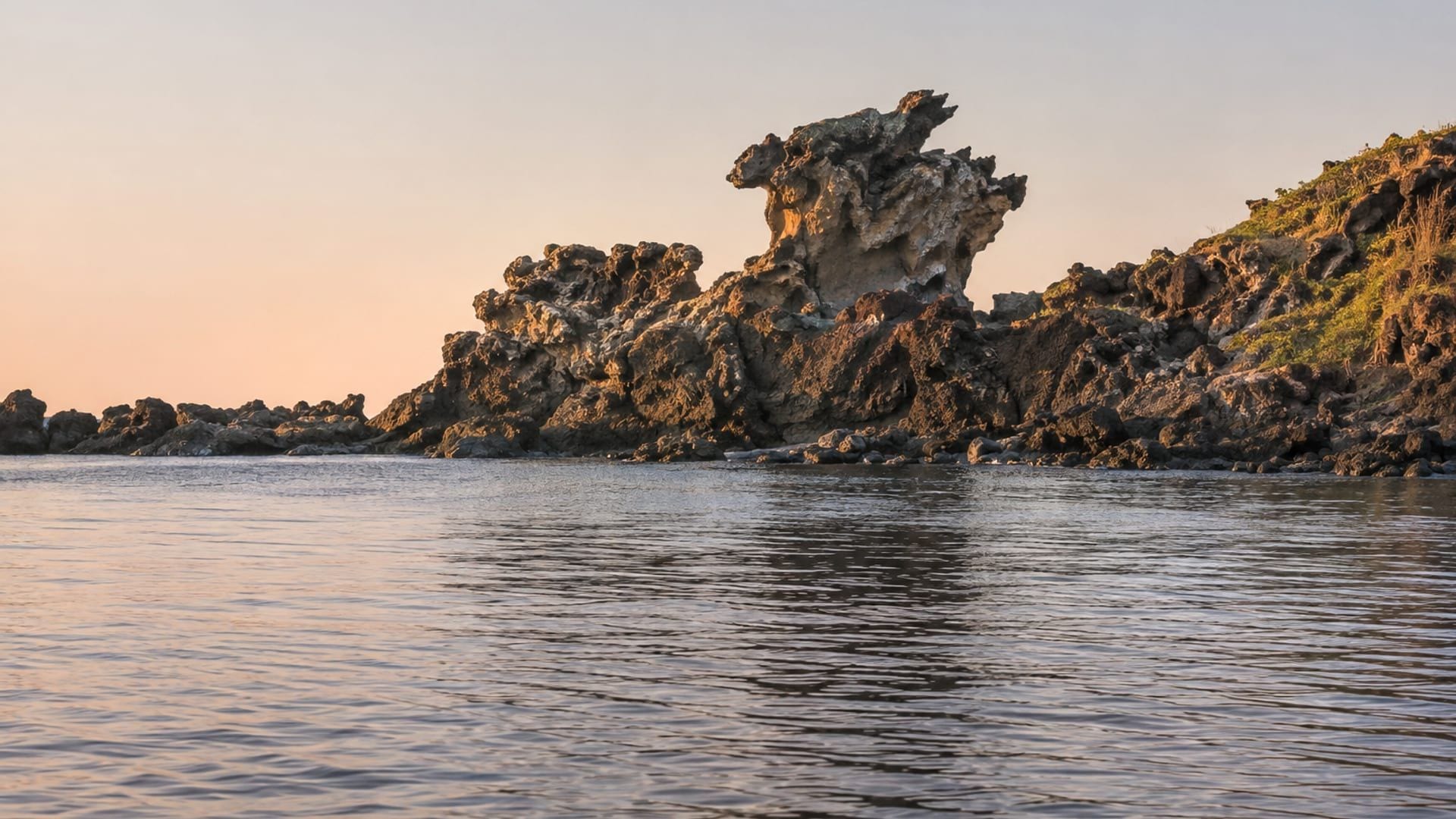
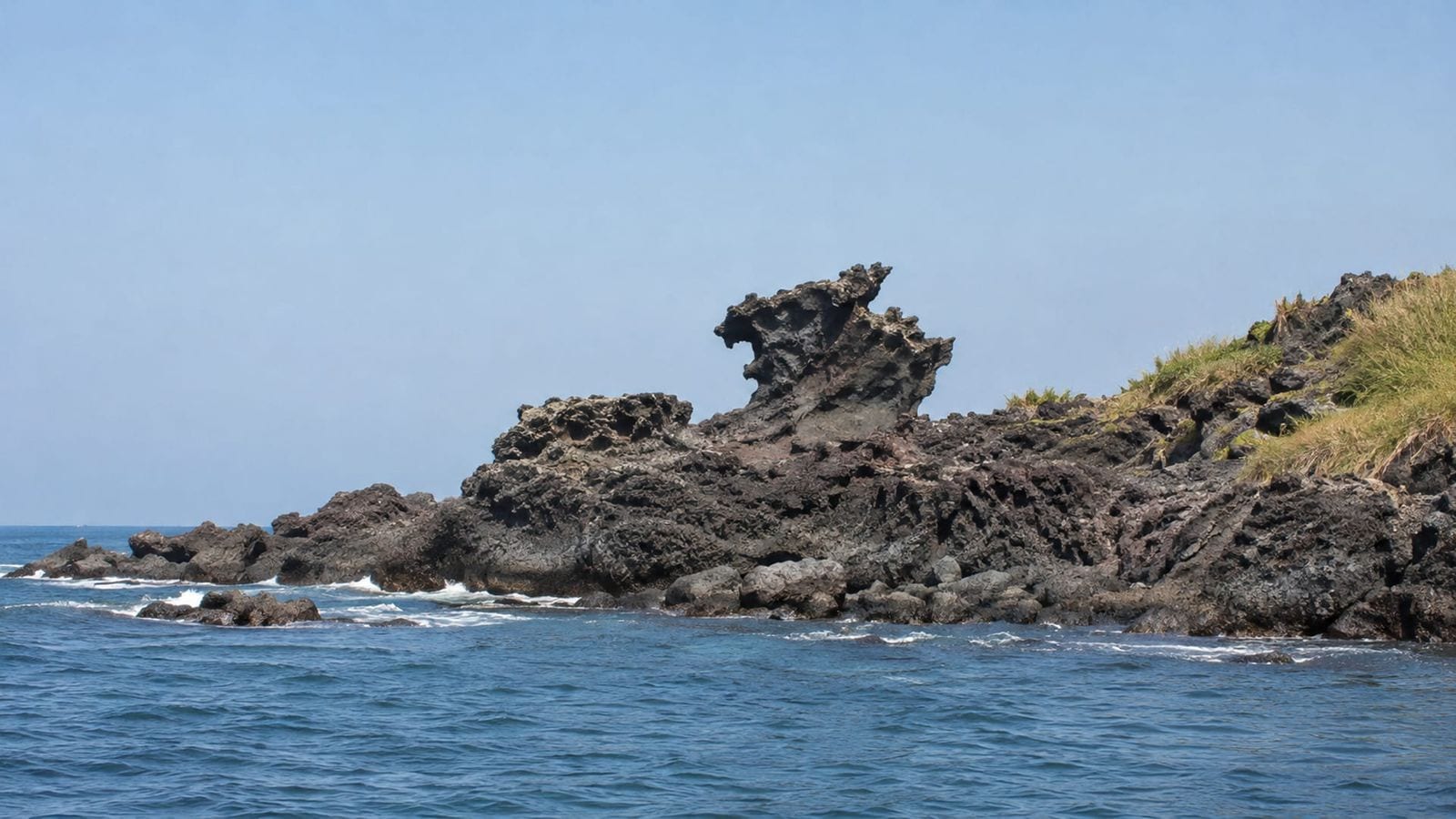
Jejudo’s volcanic coastline reaches into Jeju City, where Yongduam Rock rises above the water in the shape of a dragon. Dark stone also appears in guardian figures and local legends, giving the northern shore a connection to the island’s geological past.
At Jeju Stone Park, outdoor sculptures and geological exhibits explain that connection. Samseonghyeol brings another origin story into view through three sacred hollows, while Byeoldobong Park offers coastal paths overlooking Jeju Harbor.
Five days leave time for these landscapes alongside the older city’s historic streets. Yeon-dong puts hotels near Jeju International Airport (CJU); buses and taxis connect it with the waterfront, while the inland stone park calls for a separate excursion.
Useful things to know
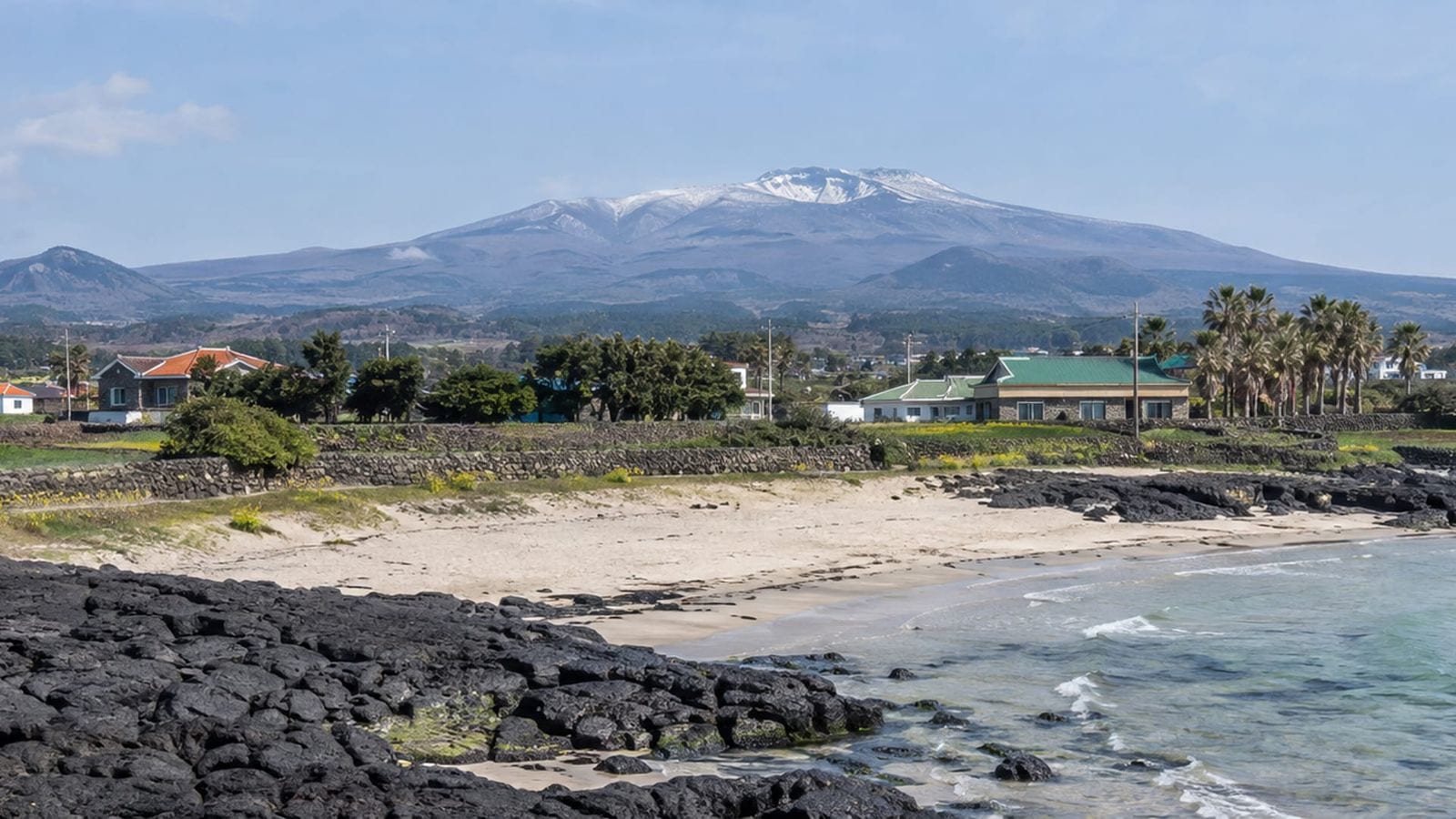

Main language(s): Korean
안녕하세요 (an-nyeong-ha-se-yo) – Hello
부탁합니다 (bu-tak-ham-ni-da) – Please
감사합니다 (gam-sa-ham-ni-da) – Thank you
영어 하세요? (yeong-eo ha-se-yo) – Do you speak English?
얼마예요? (eol-ma-ye-yo) – How much does it cost?

Currency: South Korean won (KRW, ₩)

Cash and cards: Cards are widely accepted; carry about KRW 20,000 to KRW 50,000 ($15 to $40) for markets and small purchases.

Tipping: Skip tipping; restaurants, taxis, and hotels do not generally expect it.

Traditional food: Black pork barbecue, abalone porridge, sea urchin seaweed soup, and pork noodle soup are among the classic dishes of Jejudo.

Water and coffee costs: Bottled water KRW 500 to KRW 2,000 ($0.40 to $1.50); espresso KRW 3,000 to KRW 5,000 ($2 to $4).

Taxis and ride apps: Licensed, metered taxis queue at Jeju International Airport (CJU); short rides cost KRW 5,000 to KRW 10,000 ($4 to $8); request taxis through Kakao T.

Plug and voltage: Type C/F socket, 220V

Dining and shop opening hours: Breakfast is usually 7 am to 9 am, lunch noon to 2 pm, and dinner 6 pm to 8 pm. Shops typically open 10 am to 9 pm; individual closing days vary.

Emergency number: Police 112, ambulance and fire 119.
Where to stay in Jejudo
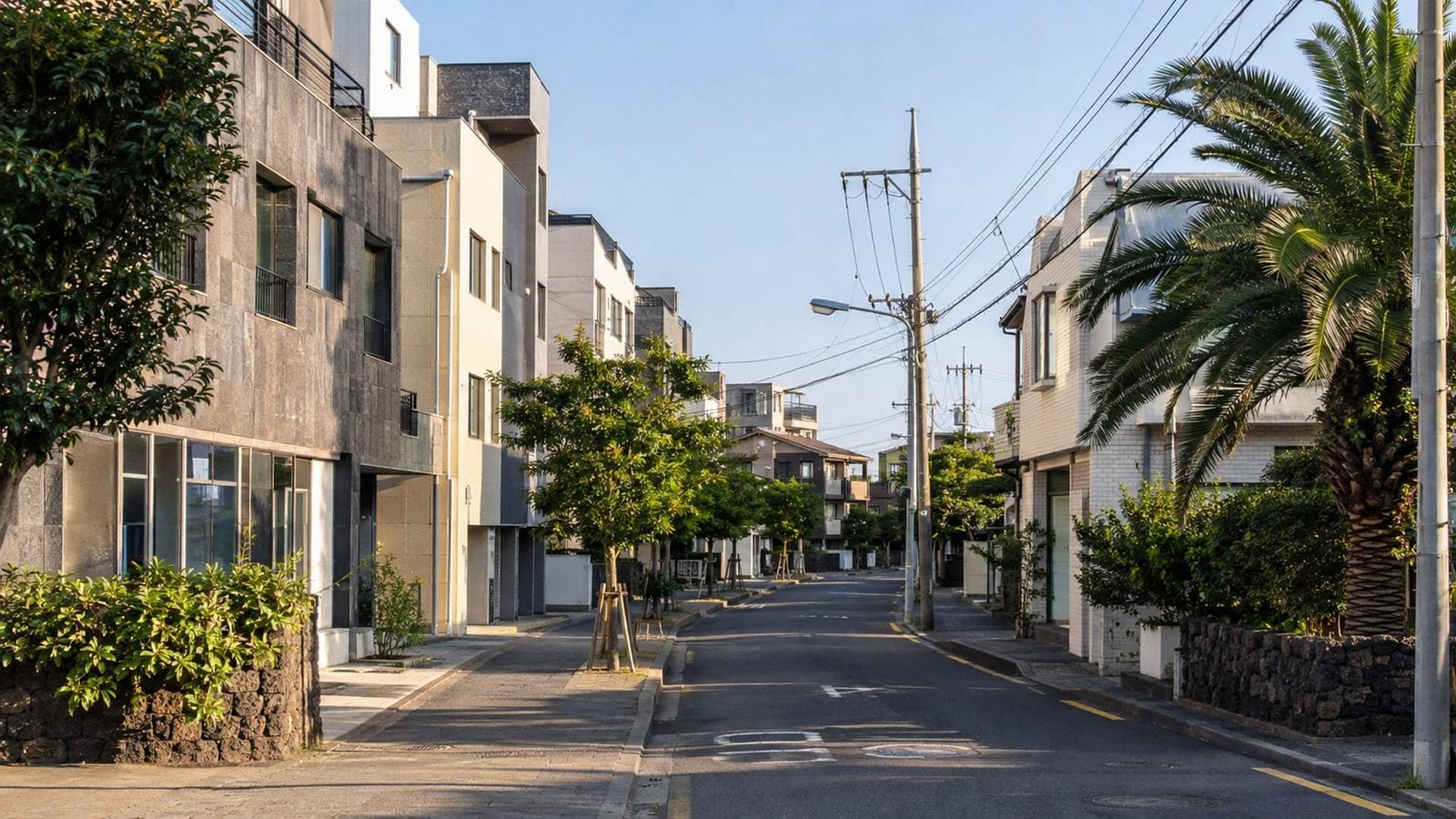
Yeon-dong is a neighborhood in western Jeju City, with hotels, restaurants, and shopping streets that attract visitors arriving through Jeju International Airport (CJU). Stay here for a broad hotel choice and dinners within walking distance, with taxis connecting you to the older city center.
Best for: Restaurant evenings, shopping, and short airport transfers
What to expect: Restaurant streets draw evening crowds, and traffic continues along the larger roads.
Hotel prices: Well-rated hotels cost KRW 70,000 to KRW 160,000 ($50 to $115) a night.
Distance to major sights: Dongmun Market is 20 to 30 minutes away by taxi.
Quietness: Shopping brings daytime activity; restaurant streets stay lively into the evening.
Main trade-off: The older city’s waterfront and historic landmarks require a bus or taxi ride.
Good to know: Choose a room away from restaurant streets if you need an early night before a morning flight.
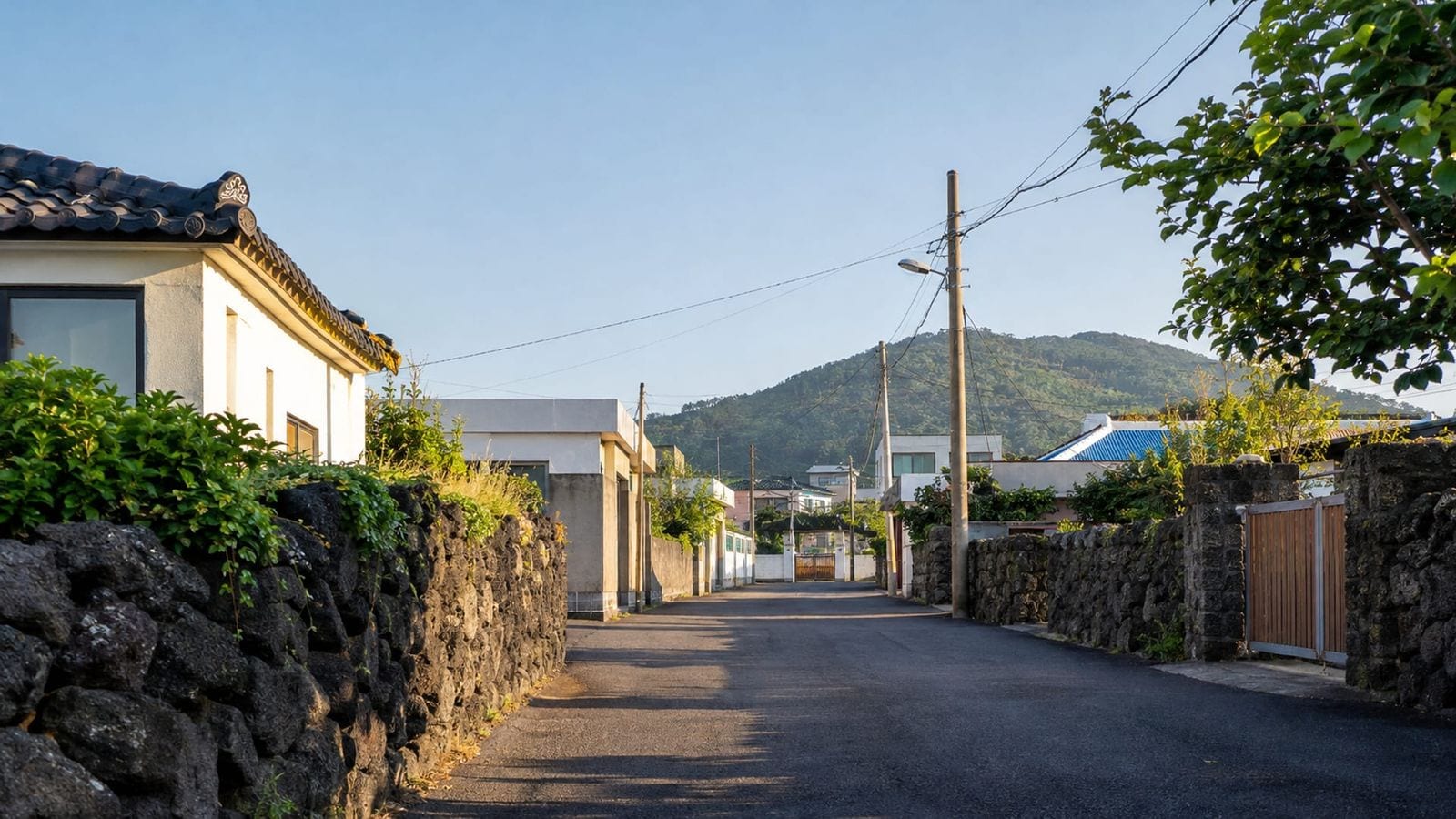
Nohyeong-dong forms part of western Jeju City, where apartment blocks, large stores, and hotels line broad roads beyond the older center. Visitors stay here for modern accommodation and everyday shopping, accepting longer journeys to the waterfront and the historic sights near Dongmun Market.
Best for: Modern hotels, shopping, and exploring western Jeju City
What to expect: Busy intersections and large stores shape the streets, with residential blocks beyond the main roads.
Hotel prices: Budget KRW 80,000 to KRW 220,000 ($55 to $160) nightly for a well-rated hotel.
Distance to major sights: Halla Arboretum is a 10 to 15-minute taxi ride away.
Quietness: Main roads carry traffic by day and evening; residential side streets become quieter after dinner.
Main trade-off: Broad roads and longer blocks make walking between attractions less appealing.
Good to know: Compare the hotel’s parking charges if you plan to rent a car; parking terms vary between properties.
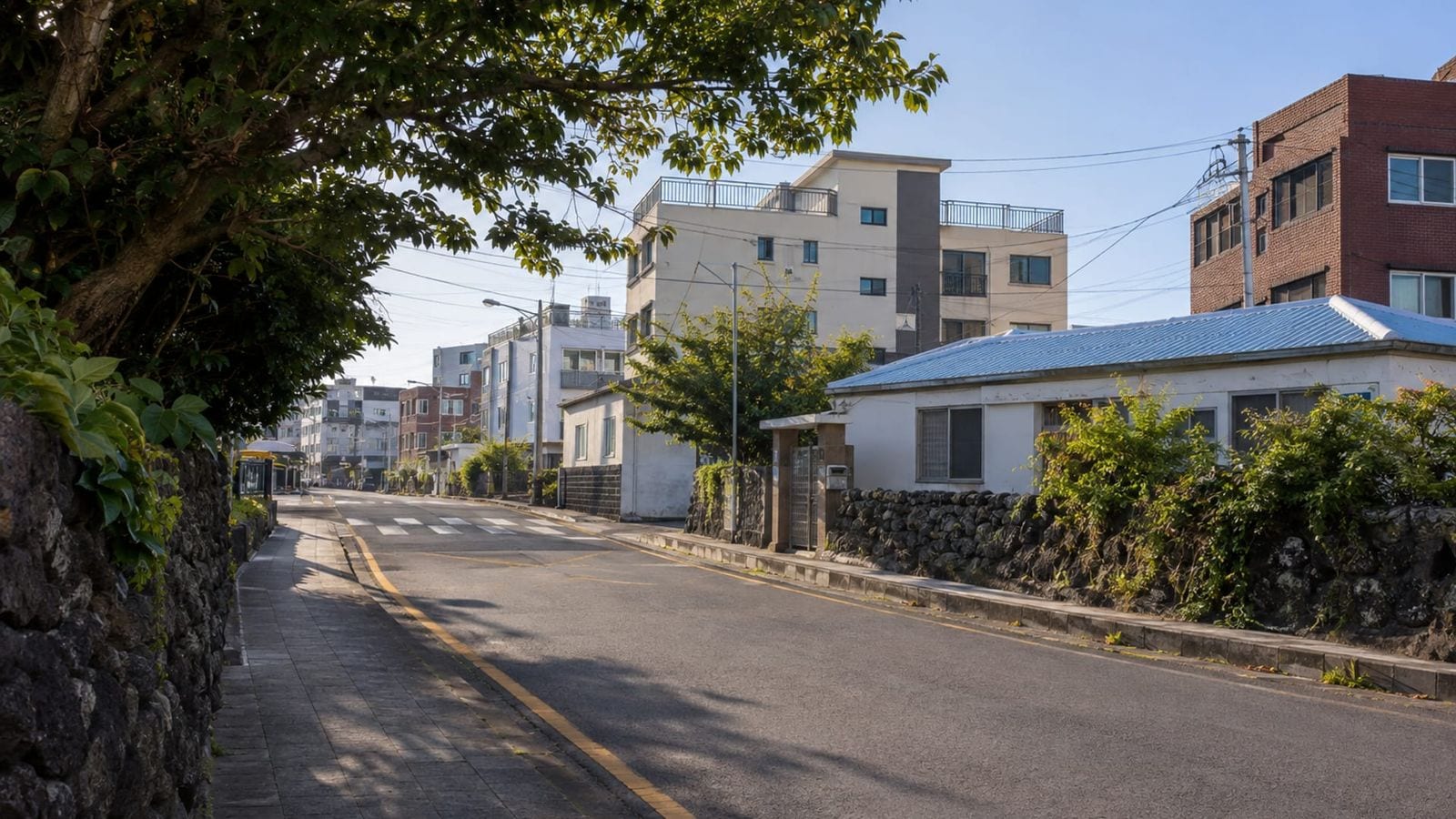
Samdo 2-dong reaches from the historic streets near Gwandeokjeong toward Jeju City’s northern waterfront, with several established hotels along the coast. Choose this neighborhood for walks between heritage sights and the sea, plus access to the older center’s restaurants and traditional market.
Best for: Historic sightseeing, waterfront walks, and exploring the older center
What to expect: Older streets inland give way to larger waterfront hotels and roads carrying coastal traffic.
Hotel prices: A well-rated hotel typically charges KRW 70,000 to KRW 180,000 ($50 to $130) per night.
Distance to major sights: From the waterfront hotels, Gwandeokjeong is a 10 to 20-minute walk.
Quietness: Sightseeing brings daytime activity; evenings are quieter inland, while waterfront roads retain traffic.
Main trade-off: Coastal wind can make waterfront walks uncomfortable, particularly in winter.
Good to know: Compare sea-view and city-view room categories before booking; a waterfront address does not guarantee an ocean view.
Less convenient for central sightseeing: Bonggae-dong lies inland, east of downtown; Ara-dong is uphill from the waterfront; Oedo-dong adds travel time to Dongmun Market from the city’s western edge.
Hotel deals
How to get around Jejudo efficiently
Buses connect Jeju International Airport (CJU) with the city, taxis cover longer trips, and walking links the older center’s sights.

Taxi
for convenience or late hours
From Jeju International Airport (CJU), a metered taxi to Yeondong usually takes 10 to 20 minutes and costs about KRW 6,000 to KRW 12,000 ($4 to $9). Fares increase with distance and slow traffic; choose taxis for luggage or late arrivals.

Walking
for short central distances
Between Dongmun Market and Jeju’s waterfront, walking offers free travel through the older city center, with many stops 10 to 20 minutes apart. Use sidewalks and marked crossings for short sightseeing trips; take a bus for journeys to Yeondong.

Bus and tram
for convenience
At Jeju International Airport (CJU), public buses connect with Yeondong and Jeju Bus Terminal, typically in 10 to 30 minutes. Budget KRW 1,000 to KRW 3,000 ($1 to $2) for city trips; tap a T-money card when boarding and exiting. Buses suit daytime travel.
*Prices are based on rates updated as of November 2026 and may change at the time of travel.
Walk between the older center’s landmarks, take buses for daytime trips across Jeju City, and choose taxis for airport luggage or journeys to Jeju Stone Park.
Iconic landmarks
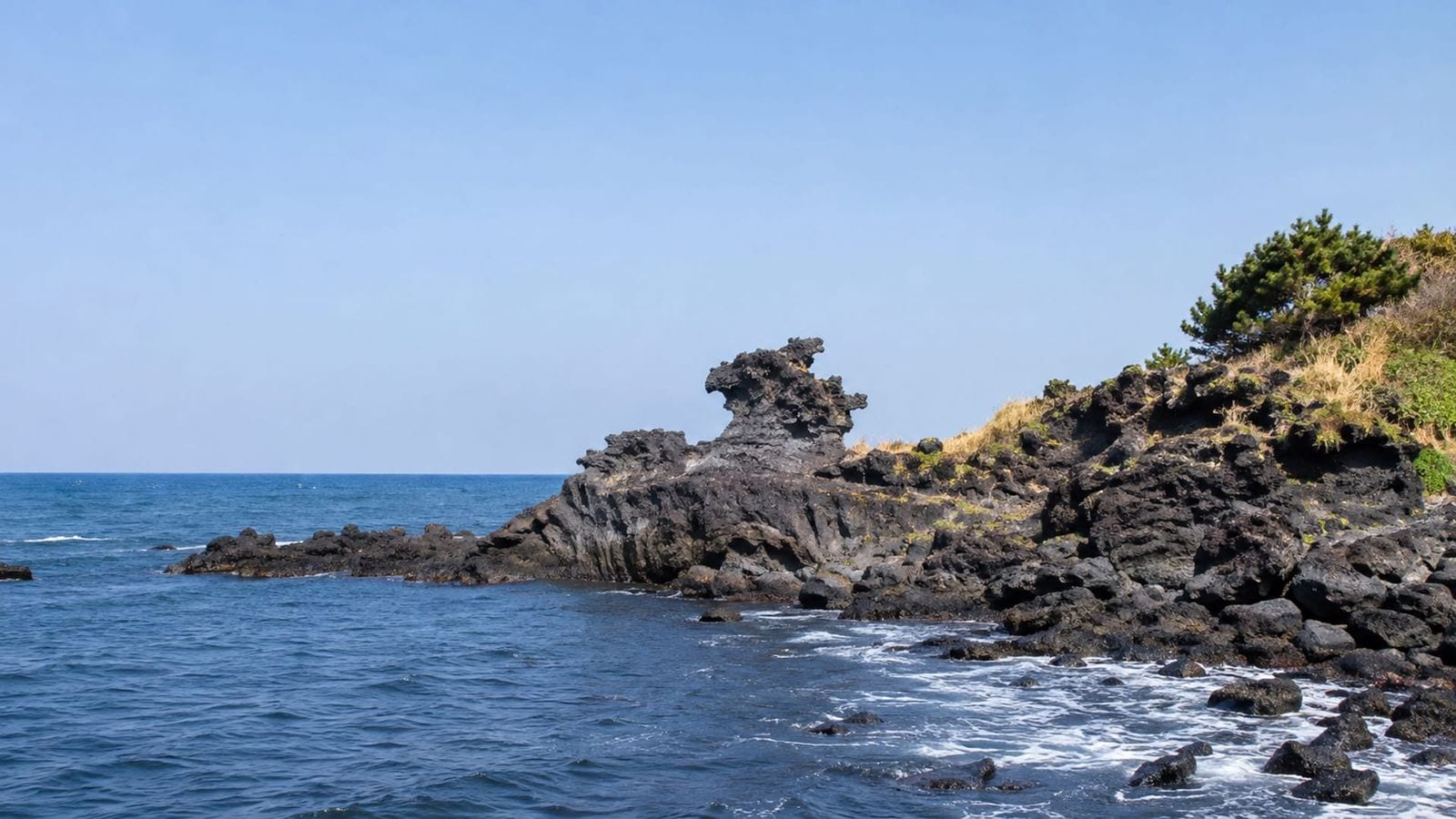
Yongduam Rock
A dragon-shaped volcanic rock rises from the shoreline near central Jeju City, linking the island’s lava geology with local legend. Coastal paths reveal its profile against the sea, while aircraft approach the nearby airport overhead.
Time needed: About 1 to 2 hours
Entry: Free to access
Tip: Come before sunset to photograph the dragon profile against the evening sky.
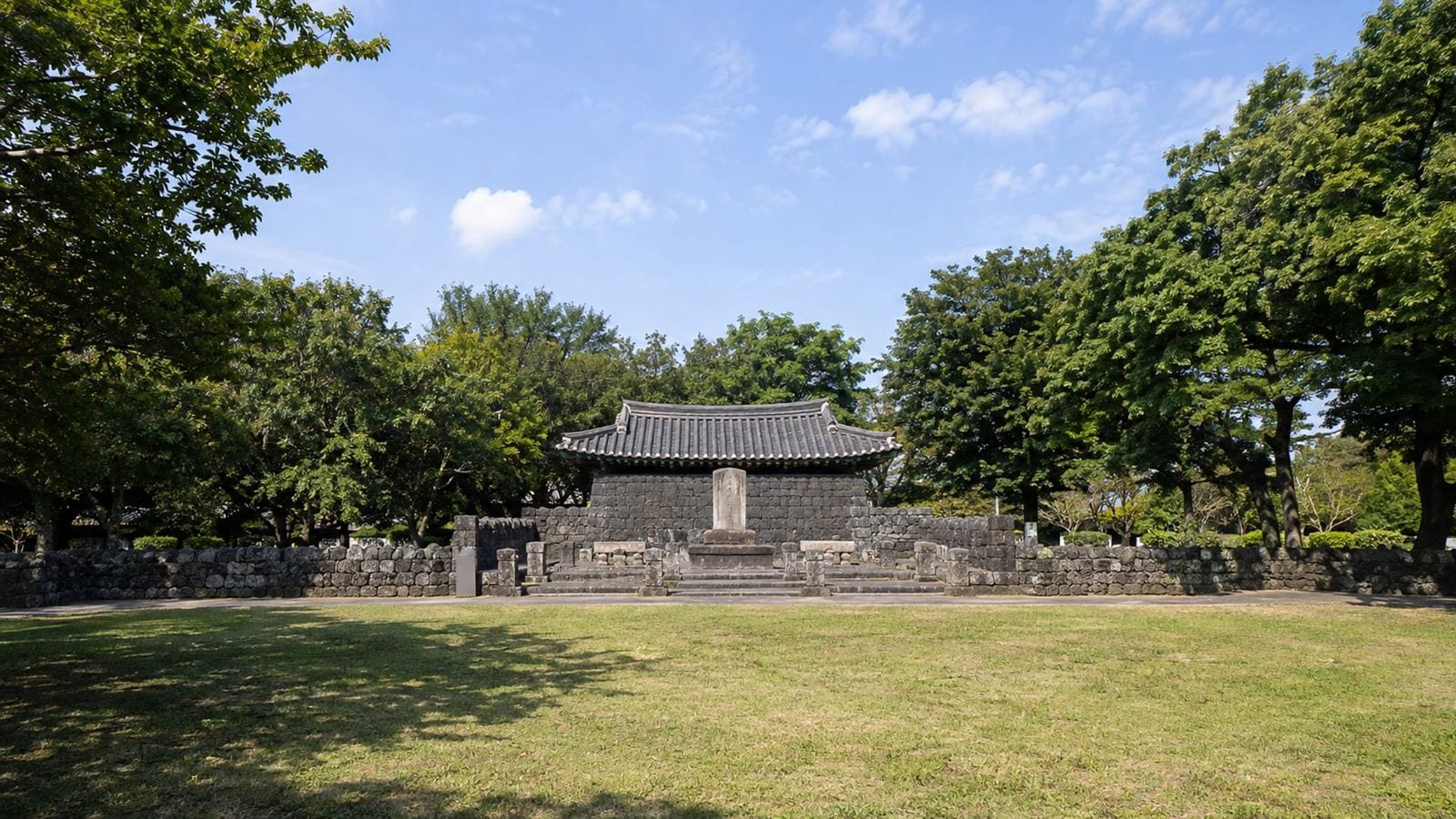
Samseonghyeol
Three sacred hollows mark the legendary birthplace of the founders of Tamna, Jeju’s historic kingdom. Within central Jeju City, wooded grounds and ancestral shrines connect the island’s origin story with traditions of clan worship.
Time needed: About 1 to 2 hours
Entry: Low-cost: admission to the grounds
Tip: Pair the wooded grounds with nearby Jeju Folklore and Natural History Museum.
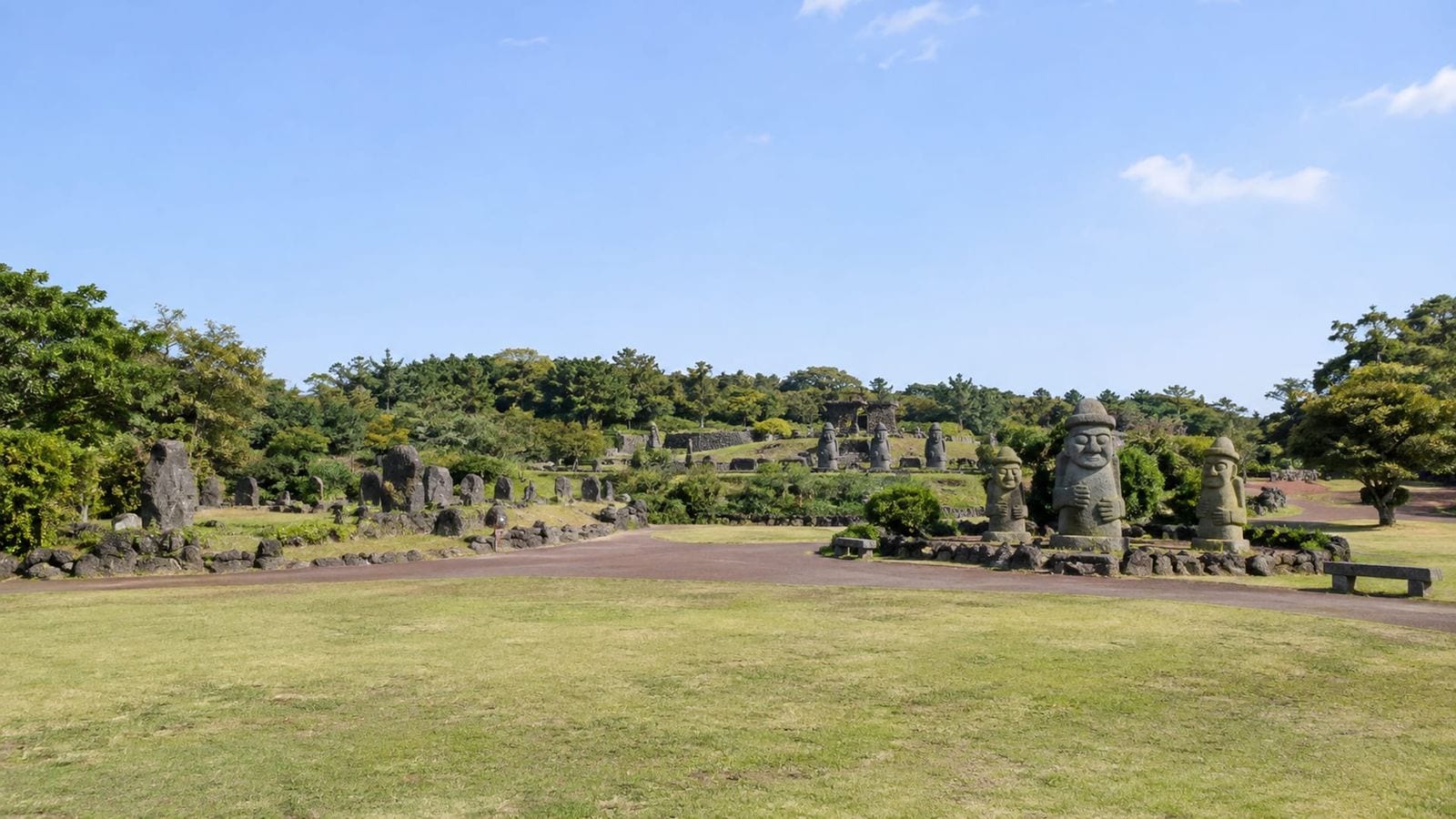
Jeju Stone Park
Drawing on Jeju’s volcanic landscape and creation legends, this cultural park brings together stone sculptures, traditional guardian figures, and geological exhibits. Its outdoor paths show how lava shaped island life and belief.
Time needed: About 2 to 3 hours
Entry: Low-cost: admission to the park
Tip: Allow time for the outdoor stone displays as well as the indoor museum halls.
Overlooked sites worth visiting

Byeoldobong Park
Byeoldobong Park follows a coastal hill east of Jeju Harbor, with walking paths above the sea. Its slopes offer views of passing boats and a quieter stretch of the city’s volcanic shoreline.
Time needed: About 1 to 2 hours
Entry: Free to access
Tip: Take the coastal path for views toward Jeju Harbor before climbing the hill.

Kim Man-deok Memorial Hall
Kim Man-deok Memorial Hall traces the life of a Jeju merchant who funded famine relief in 1795. Exhibits connect her charitable legacy with the island’s trading history and community life.
Time needed: About 45 minutes to 1 hour
Entry: Free admission
Tip: Combine the galleries with a walk along nearby Sanjicheon.
Traditional food
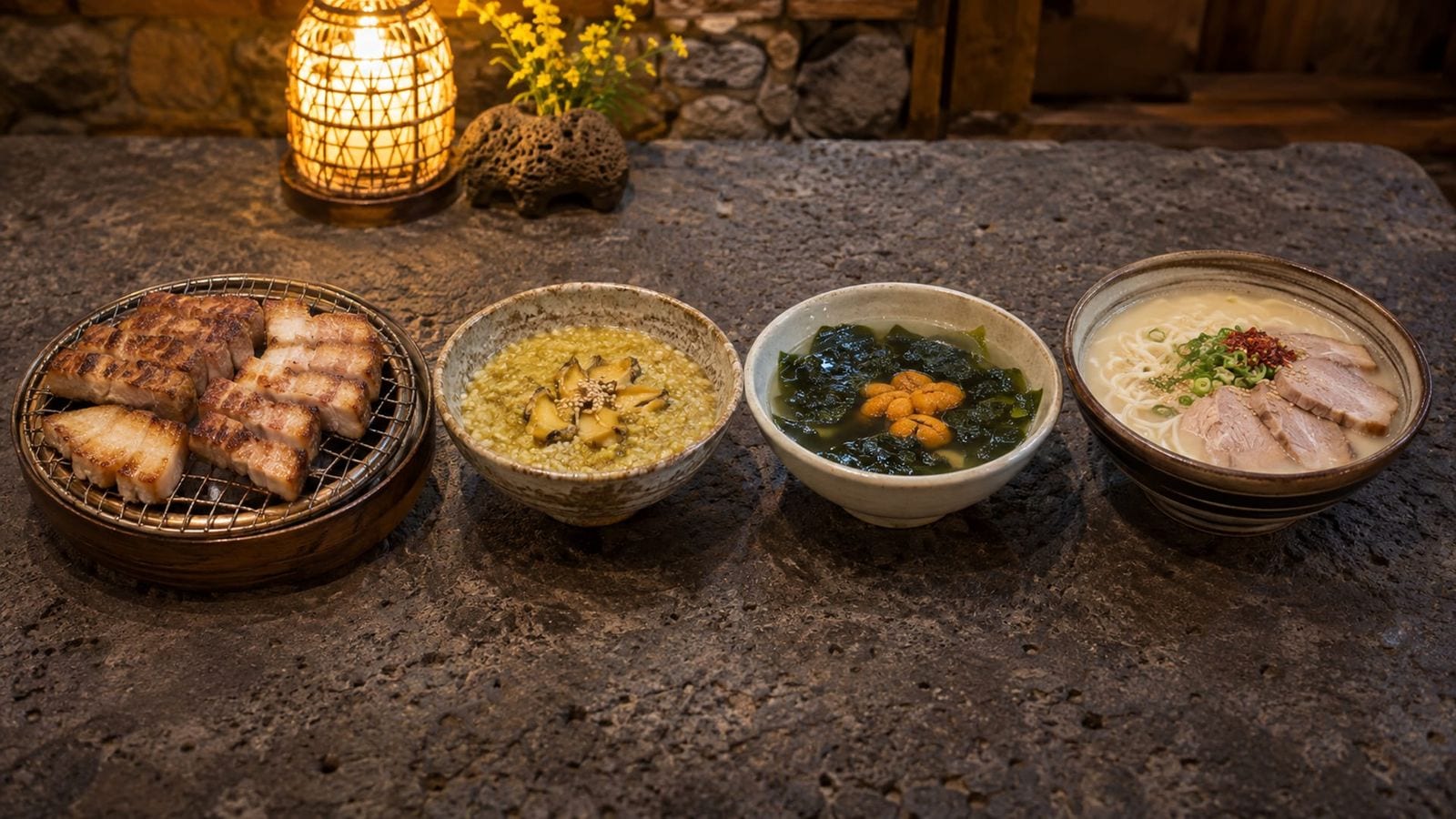
Jejudo’s cooking draws on coastal seafood and island pork: abalone enriches rice porridge, sea urchin flavors seaweed soup, and black pork barbecue brings diners together over a tabletop grill.
Black pork barbecue
Thick cuts of Jejudo black pork cook over a grill, developing browned edges while retaining their fat. Try the dish at Donsadon, where grilled pork comes with accompaniments that balance the richness of the meat.
Abalone porridge
Rice slowly cooks with chopped abalone into a savory porridge, often enriched with the shellfish’s innards for a deeper flavor. Myeongjin Jeonbok serves this coastal staple alongside other dishes centered on abalone.
Sea urchin seaweed soup
Sea urchin adds a delicate marine sweetness to a light broth of tender seaweed, a combination rooted in Jejudo’s coastal cooking. Order it at Yuri-ne, whose menu brings together seafood and other island specialties.
Pork noodle soup
Wheat noodles and slices of boiled pork fill a bowl of rich pork broth, making this a substantial Jejudo meal. Ollae Guksu specializes in the dish, with the noodles, meat, and broth forming the focus of its compact menu.
Best time to visit Jejudo
Spring and fall favor Jeju City’s coastal walks, while summer brings humidity and winter adds stronger winds.
Best for: Wooded walks at Samseonghyeol and coastal paths before summer humidity arrives
What you get: Expect 43°F to 73°F (6°C to 23°C), with warming afternoons and growing visitor numbers; spring weekends bring more company to coastal paths.
Trade-offs: March can feel cold on the waterfront, and wind can interrupt an otherwise mild afternoon.
Best for: Long daylight hours for coastal scenery and museum stops during midday heat
What you get: Temperatures reach 66°F to 86°F (19°C to 30°C); school vacations increase crowds, while humid afternoons make indoor museum stops appealing.
Trade-offs: Seasonal rain and occasional typhoons can disrupt flights and exposed coastal walks.
Best for: Clearer coastal views and longer walks among Jeju Stone Park’s outdoor figures
What you get: A range of 50°F to 81°F (10°C to 27°C) spans warm September days and cooler November walks; holiday periods can bring concentrated crowds.
Trade-offs: September can still bring typhoons, and November evenings need warmer layers beside the sea.
Best for: Museum afternoons and warming pork noodle soup between short waterfront walks
What you get: Winter brings 37°F to 52°F (3°C to 11°C), with fewer visitors outside holiday periods; exposed waterfront paths feel colder in coastal wind.
Trade-offs: Strong winds can affect flights, and cold spells shorten comfortable visits to outdoor sights.
A realistic 5-day plan in Jejudo
The five days move from arrival in Yeon-dong to founding legends, volcanic stone, and the older waterfront. Place museum and park days between Tuesday and Sunday to accommodate Monday closures.
From Jeju International Airport (CJU), take a taxi to Yeon-dong, allowing 10 to 15 minutes and KRW 6,000 to KRW 10,000 ($4 to $7). Stay in this neighborhood for short airport transfers. Have a light dinner at Maison Glad Jeju, then return to your hotel.
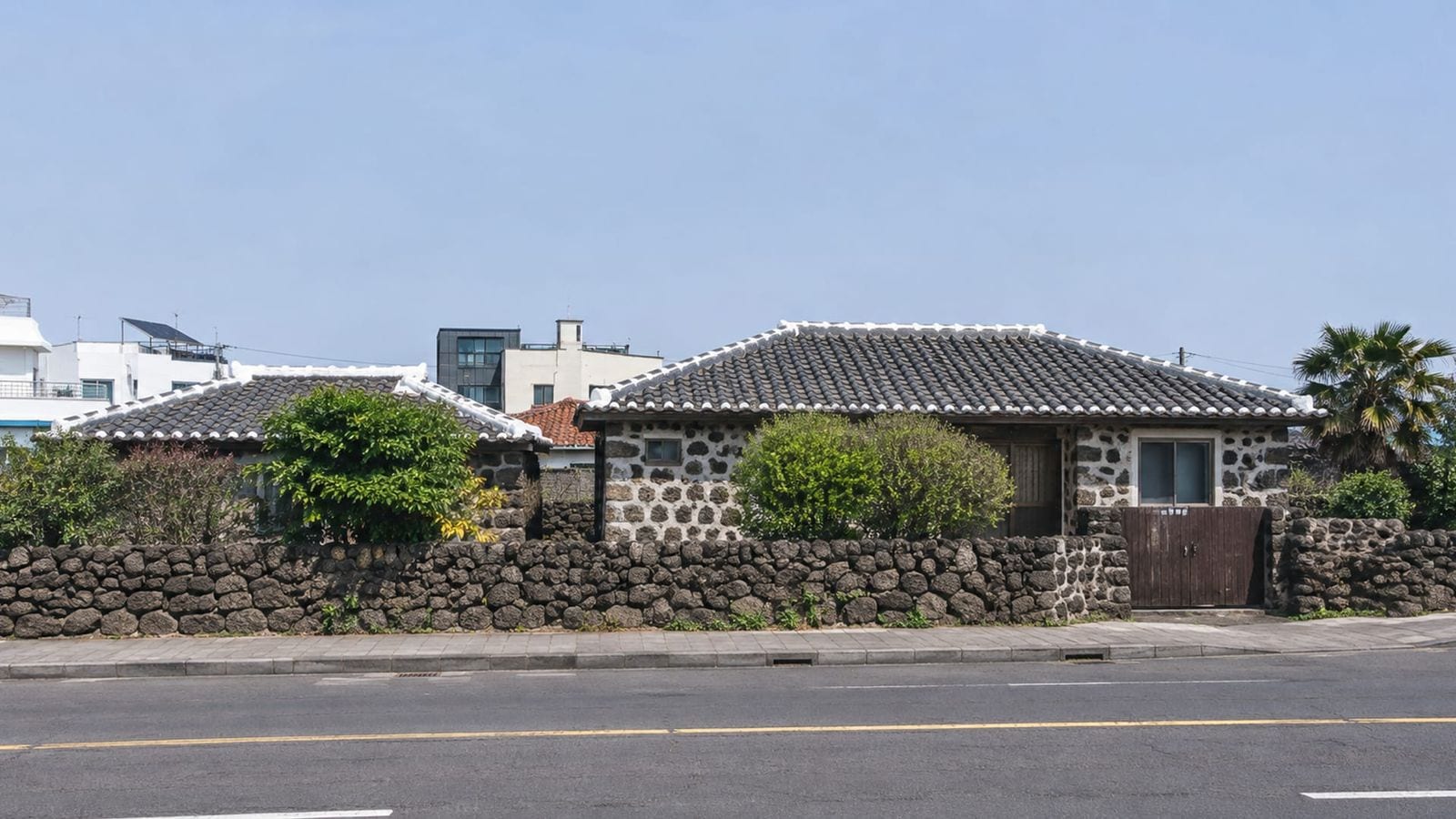
Jeju’s founding legends introduce the morning at Samseonghyeol; allow 1 to 2 hours among its sacred hollows and wooded grounds. Walk 5 to 10 minutes to Jeju Folklore and Natural History Museum for an afternoon exploring island geology and traditional life. Schedule the museum Tuesday to Sunday; it closes Mondays.
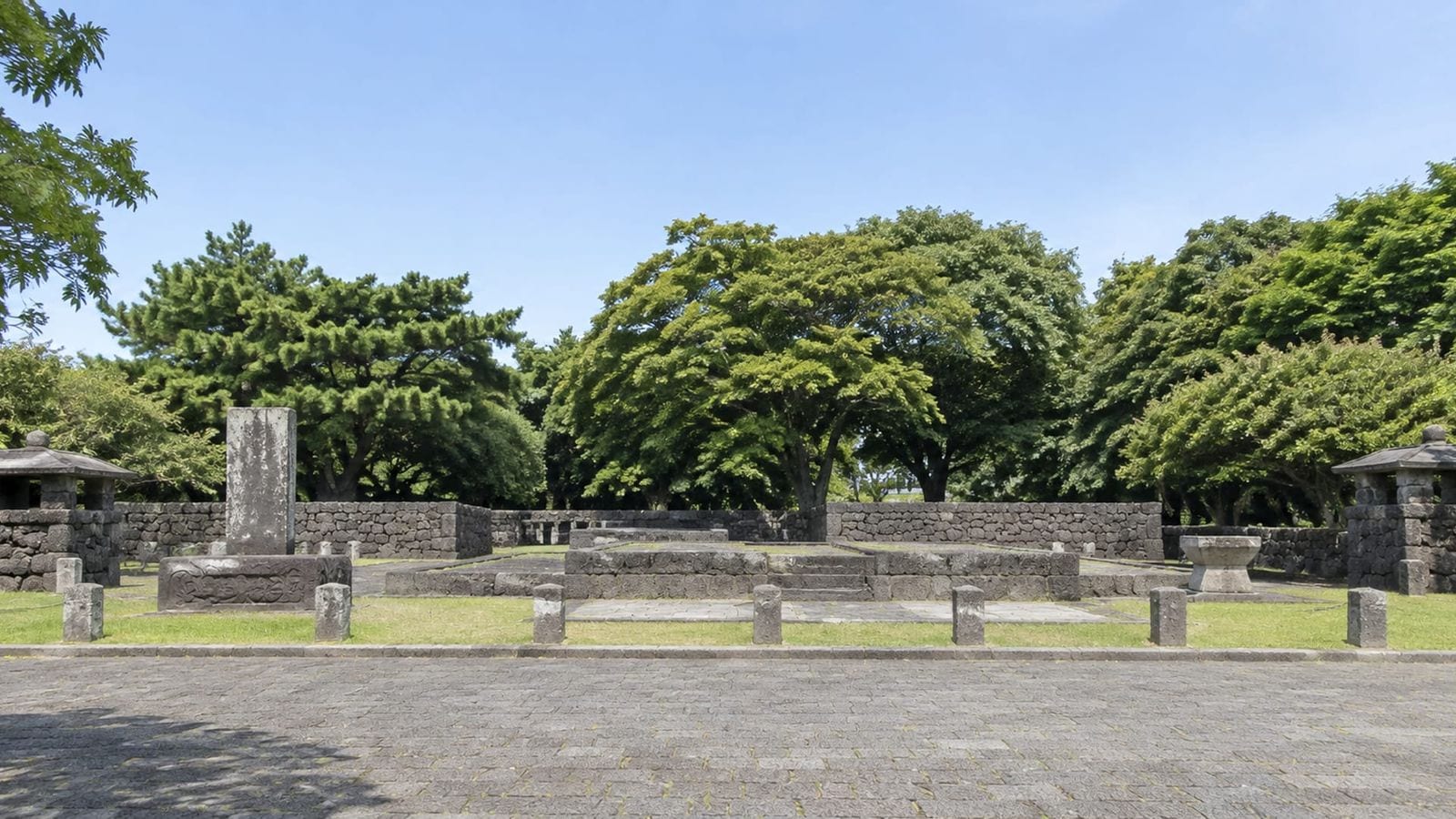
Begin with 2 to 3 hours at Jeju Stone Park, combining geological exhibits with outdoor guardian figures; the park closes Mondays. A taxi west to Byeoldobong Park takes 35 to 45 minutes. Spend another 1 to 2 hours following its coastal paths and climbing for views toward Jeju Harbor.
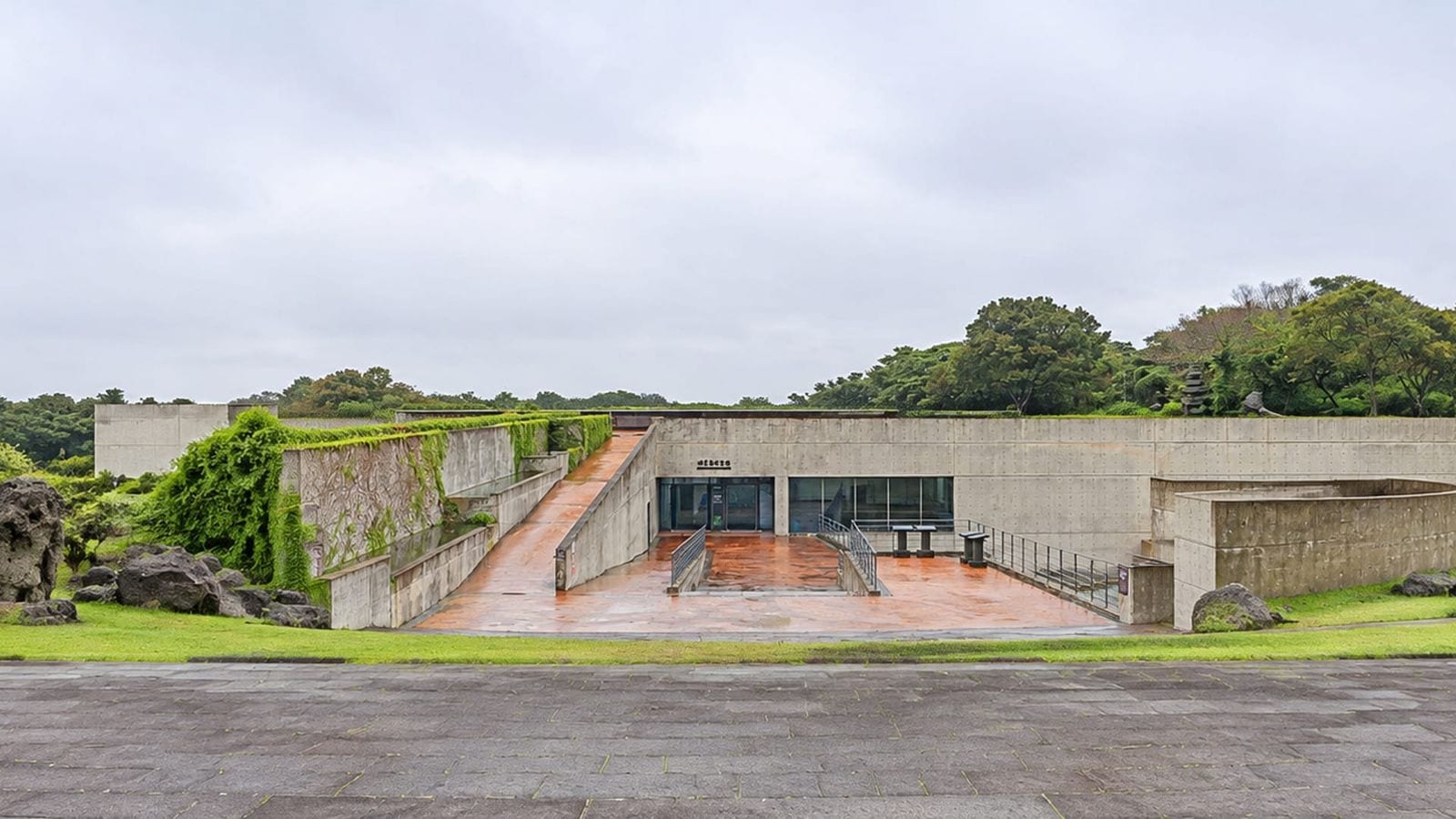
Along Sanjicheon, Kim Man-deok Memorial Hall introduces the merchant who funded famine relief in 1795; allow an hour, Tuesday to Sunday. Walk 15 to 20 minutes to Gwandeokjeong and explore the historic streets of Samdo 2-dong. Continue 25 to 30 minutes on foot to Yongduam Rock for coastal views before sunset.
Before your flight, browse the shopping streets of Yeon-dong and stop at a neighborhood café for breakfast. Collect your luggage from your hotel, then allow 10 to 15 minutes by taxi to Jeju International Airport (CJU), budgeting KRW 6,000 to KRW 10,000 ($4 to $7).
Business-class flights from the US to Jejudo
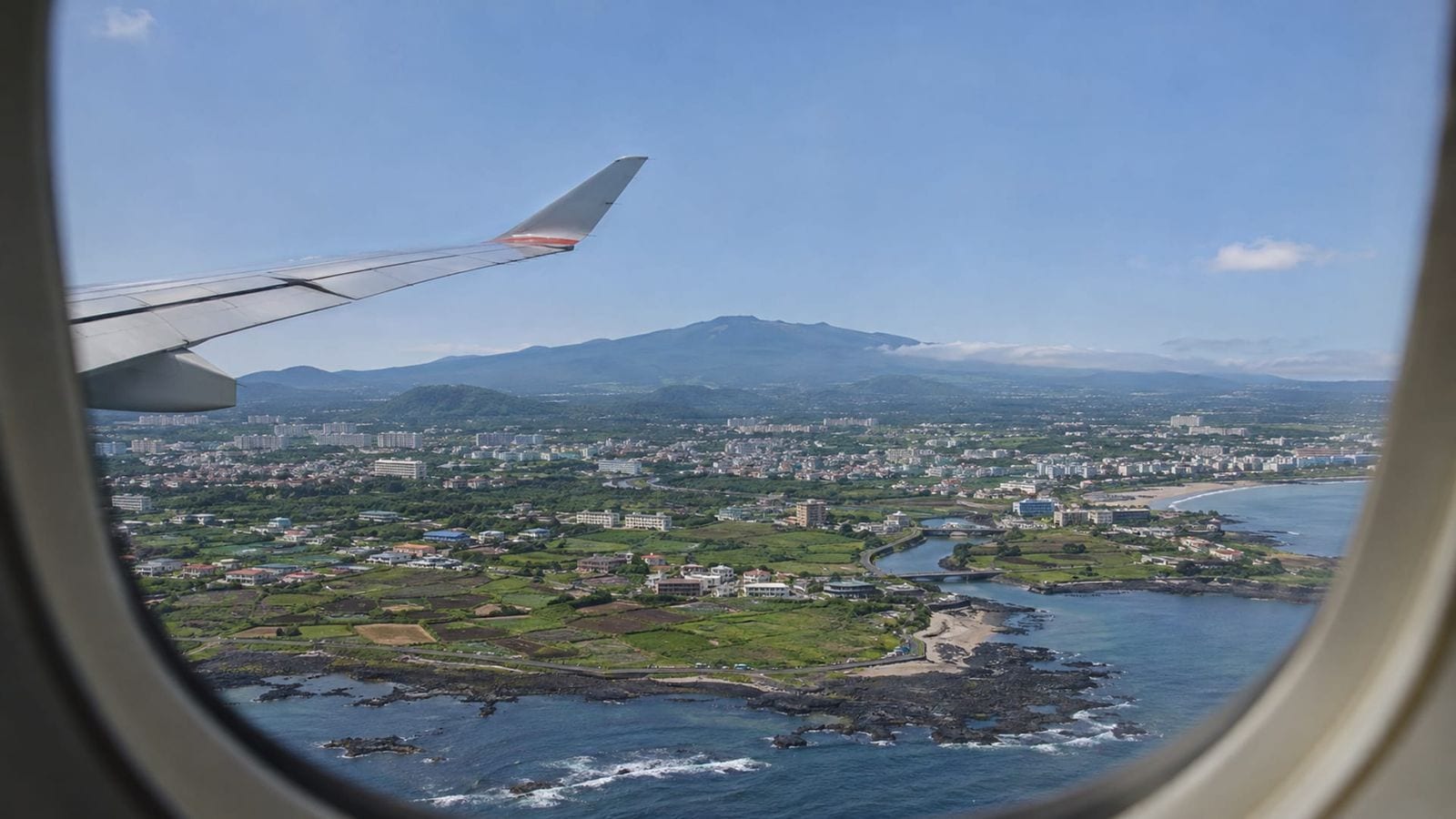
Connections to Jeju International Airport (CJU) shape these fare examples from New York and Los Angeles, with Shanghai (PVG) as the listed transfer point.
From New York, a one-stop journey to Jeju International Airport (CJU) through Shanghai (PVG) takes 20 to 27 hours, with round-trip fares of $5,000 to $9,000. Listed airlines include Korean Air, Jeju Air, and China Eastern Airlines.
Los Angeles travelers connect through Shanghai (PVG) to reach Jeju International Airport (CJU). Round-trip fares range from $4,500 to $8,500, and the journey takes 18 to 25 hours. Airline options listed for this route include Korean Air, Jeju Air, and China Eastern Airlines.
Jejudo feels different when you slow down
A Jejudo trip takes shape through specific choices: Yeon-dong for short airport transfers, Samdo 2-dong for historic streets, and a separate excursion to Jeju Stone Park. Leave an evening for black pork barbecue and a coastal walk at Yongduam Rock, then place museum visits on days that avoid Monday closures. Ask AranGrant experts to arrange your flights to Jeju International Airport (CJU) for a spring or fall stay with time for the northern waterfront







