

Chapters:

Need help with your trip?
Our support team is available 24/7. Request a callback or call us directly at (833) 619-0908
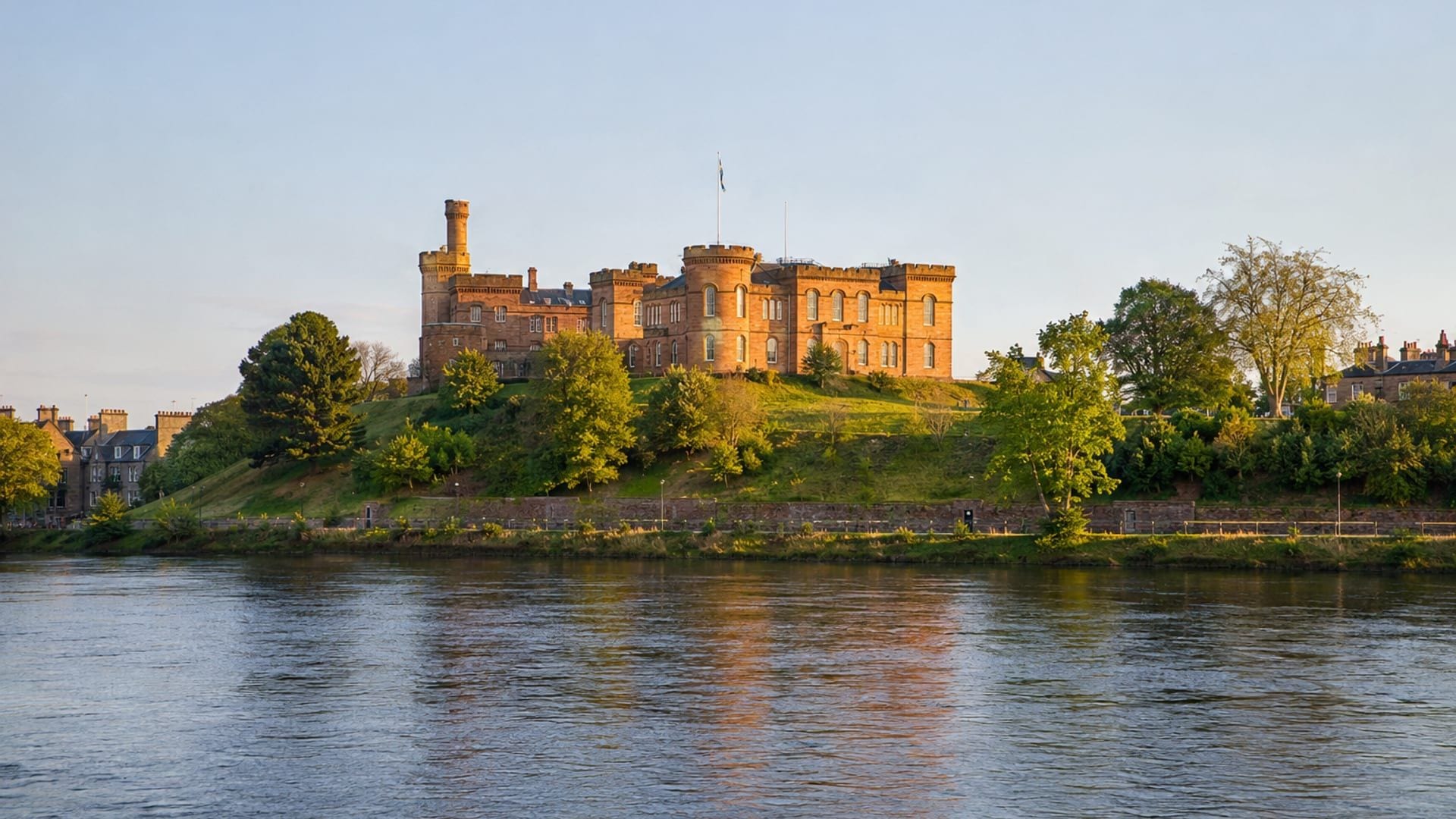
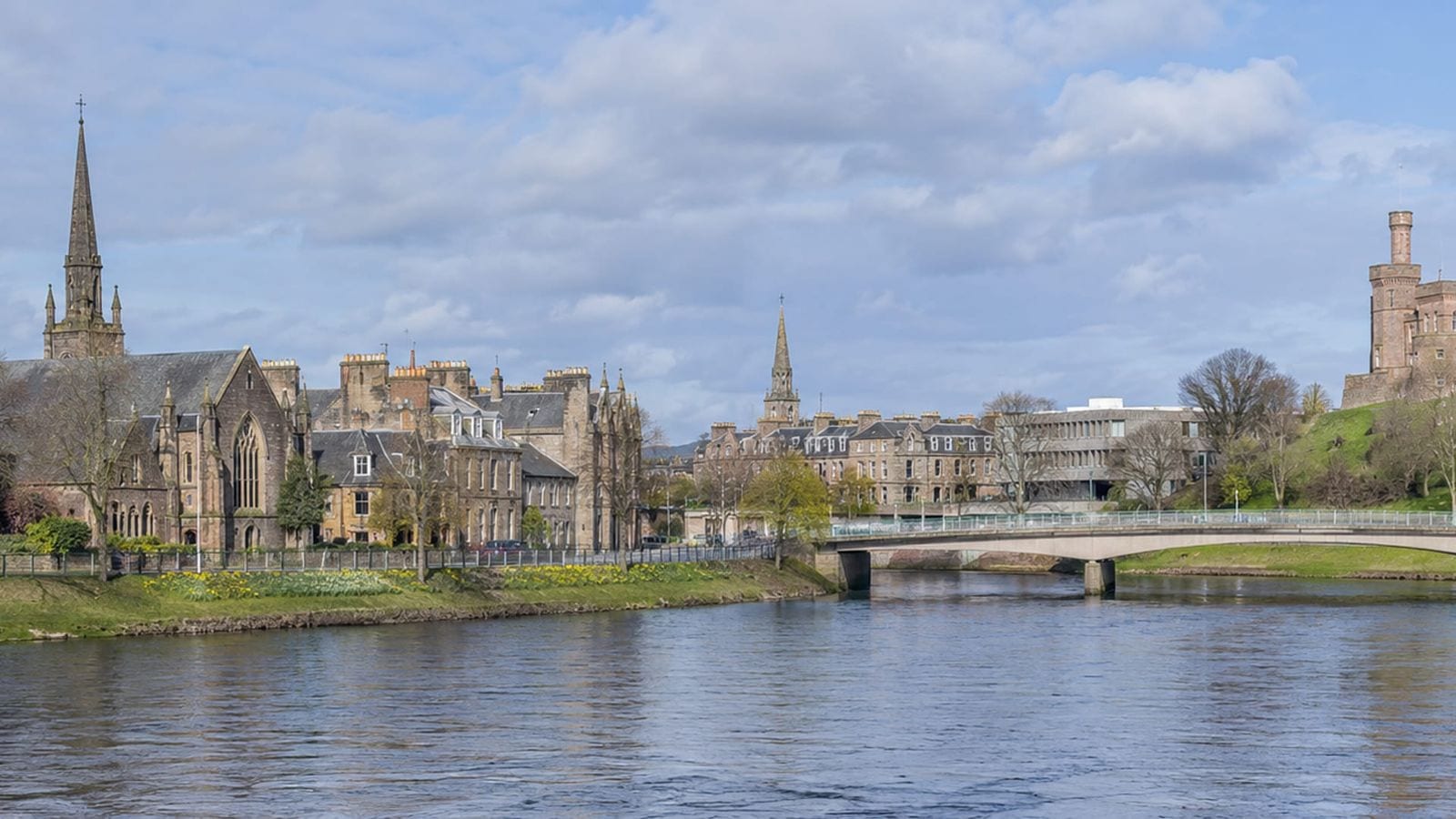
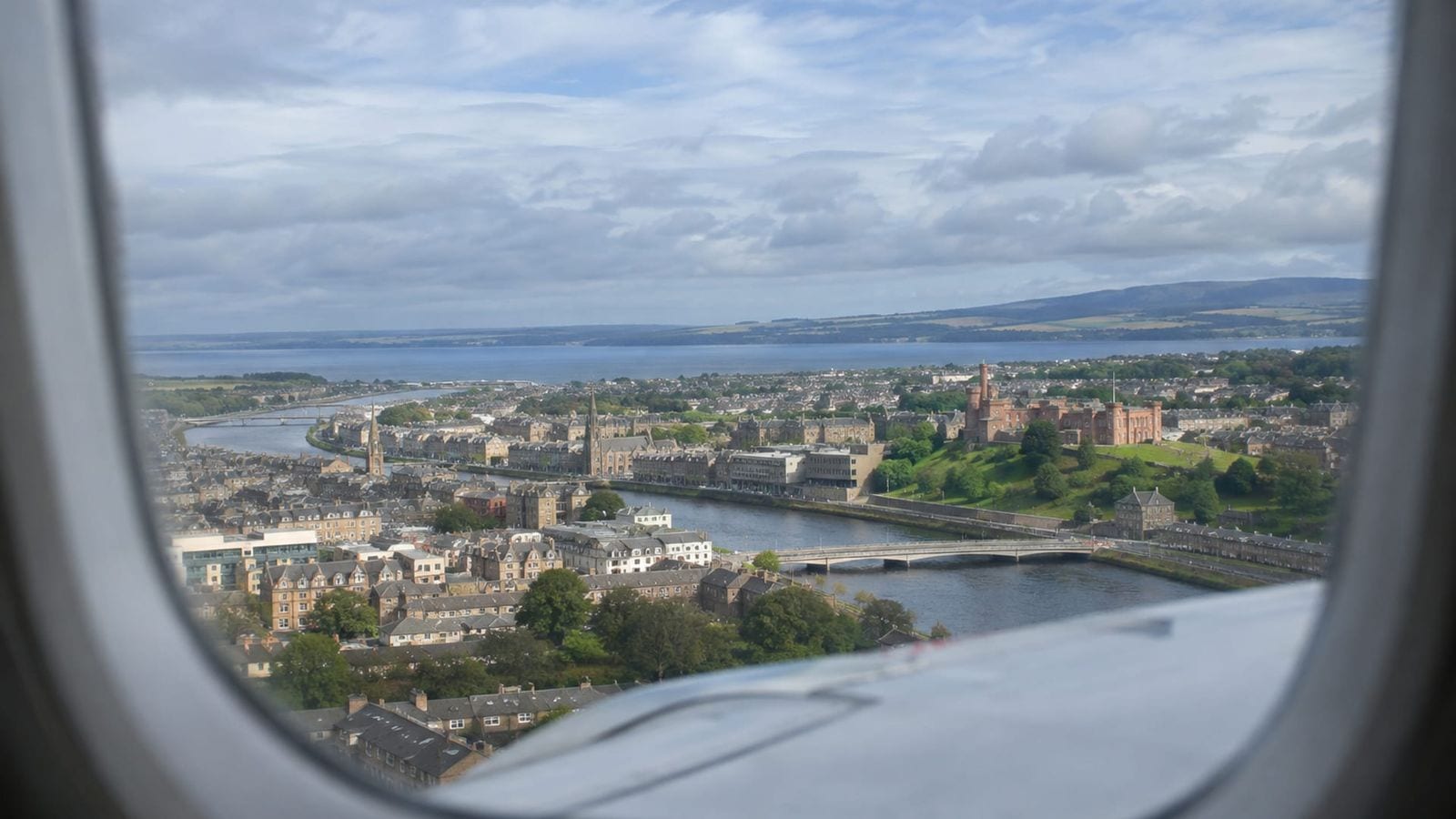
Inverness gives you a compact city center, the River Ness, Highland history, and easy access to Culloden without requiring long daily transfers. The main sights are close together, while quieter areas such as Crown and Ness Bank give you different options for where to stay.
Planning still benefits from some structure. Inverness Castle Experience, the cathedral, museums, riverside walks, and Culloden each need different amounts of time, and opening hours can affect how you arrange the days. Weather and daylight also change the pace of a visit across the year.
This guide covers where to stay, how to get around, what to see, when to visit, and how to organize five days in Inverness, along with practical flight options from the US.
Useful things to know

Main language(s): English is the main language; Scottish Gaelic is also used.

Currency: Pound sterling (GBP, £)

Cash and cards: Cards and contactless payments are widely accepted in Inverness. Carry £20–£40 ($27–$54) for small shops, markets, rural stops, or occasions when card payment is unavailable or inconvenient.

Tipping: Tipping is optional. In restaurants and taxis, about 10% is a common guideline for good service. Check the bill first, since some restaurants may already include a service charge before adding more.

Traditional food: Cullen skink, haggis, Scotch broth, stovies, venison, Scottish salmon, and cranachan are among the traditional Scottish foods commonly found in and around Inverness.

Water and coffee costs: Expect roughly £2.50–£4 ($3.40–$5.40) for an espresso in central cafés. Bottled water can cost £3–£4 ($4.05–$5.40) in cafés, while supermarkets and shops usually charge less.

Taxis and ride apps: Local taxi companies are the main option in Inverness. Inverness City Taxis and SafeKab offer app or online booking for airport transfers, early departures, and late-night trips.

Plug and voltage: Scotland uses Type G three-pin sockets with a 230V electricity supply. Travelers from the US need a UK plug adapter, and dual-voltage devices can connect without a voltage converter.

Dining and shop opening hours: Restaurant hours vary, but many city-center kitchens serve dinner until 9:00 pm–9:45 pm. Eastgate shops generally open 9:00 am–5:30 pm, with shorter Sunday hours; individual stores vary.

Emergency number: Call 999 or 112 for police, fire, ambulance, or other immediate emergencies. For urgent medical advice that is not life-threatening, call NHS 24 on 111, which operates across Scotland day and night.
Where to stay in Inverness
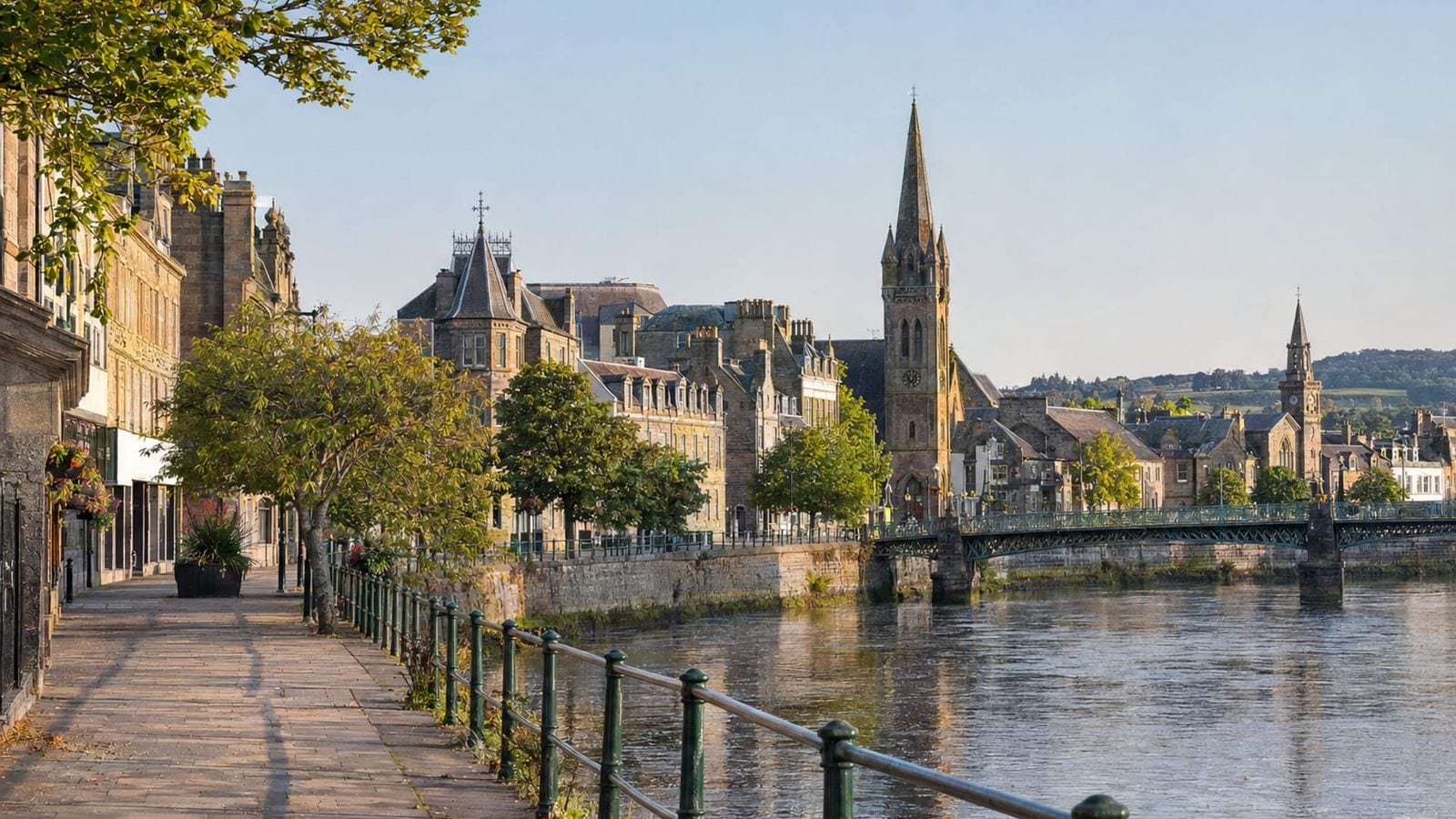
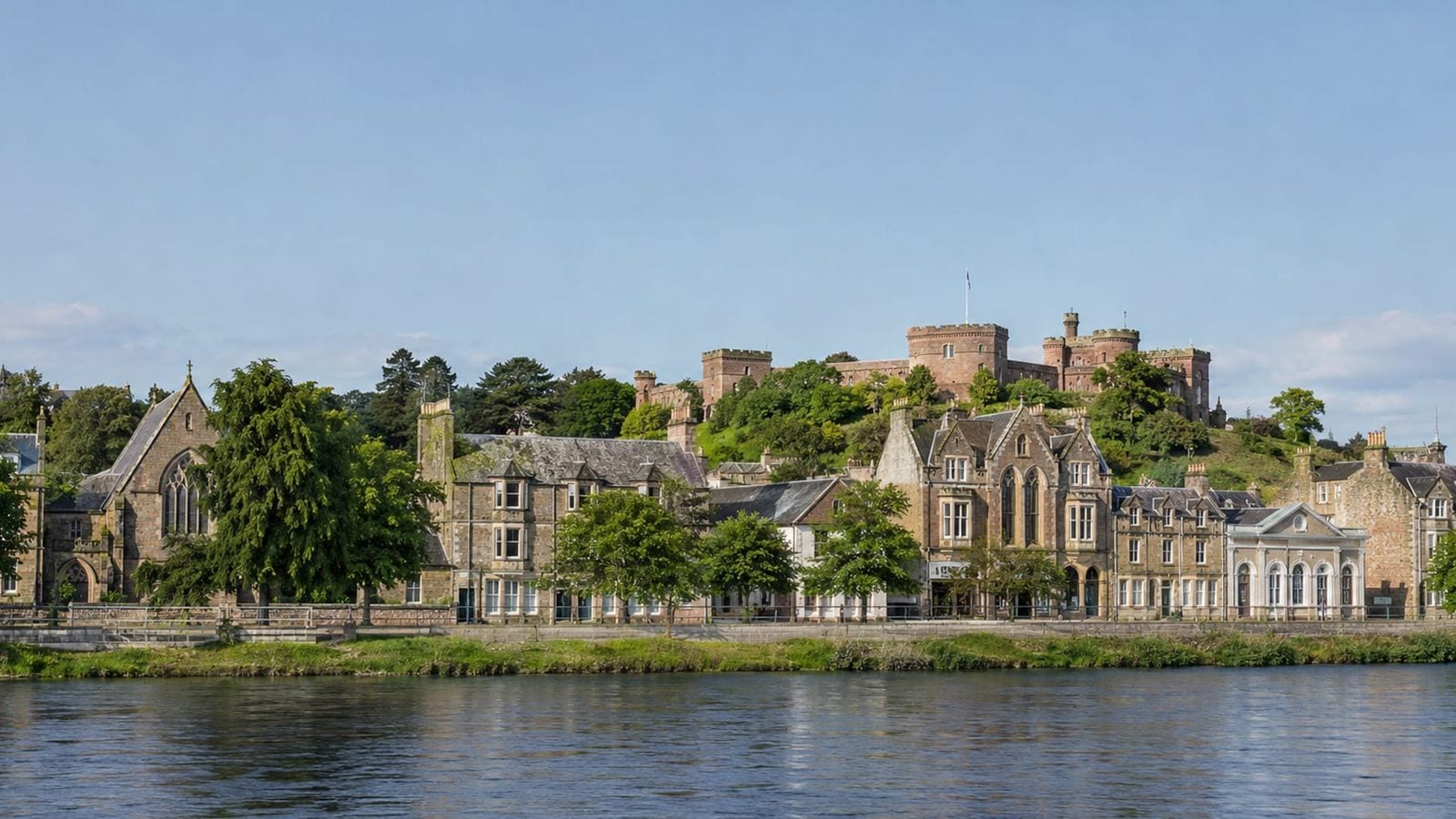
Inverness City Centre is a compact area beside the River Ness, with restaurants, shops, hotels, Inverness Railway Station, and the bus station close together. Inverness Castle, the Old High Church, and nearby riverside walks are also within easy reach on foot from many central hotels.
Best for: First-time visits, car-free stays, and easy access to dining and transport
What to expect: Busy pavements by day, with lighter foot traffic after dinner and a few late-opening bars.
Hotel prices: Usually about $140 to $240 per night for well-rated stays
Distance to major sights: 5 to 15 minutes on foot to Inverness Castle and the Old High Church
Quietness: Lively through the day, then noticeably calmer late evening, although streets near bars stay active.
Main trade-off: Central rooms can cost more, and weekend noise is more likely near the riverfront and bar streets.
Good to know: Book summer stays well ahead if you want a specific hotel, room category, or station-area location, since availability tightens closer to travel.
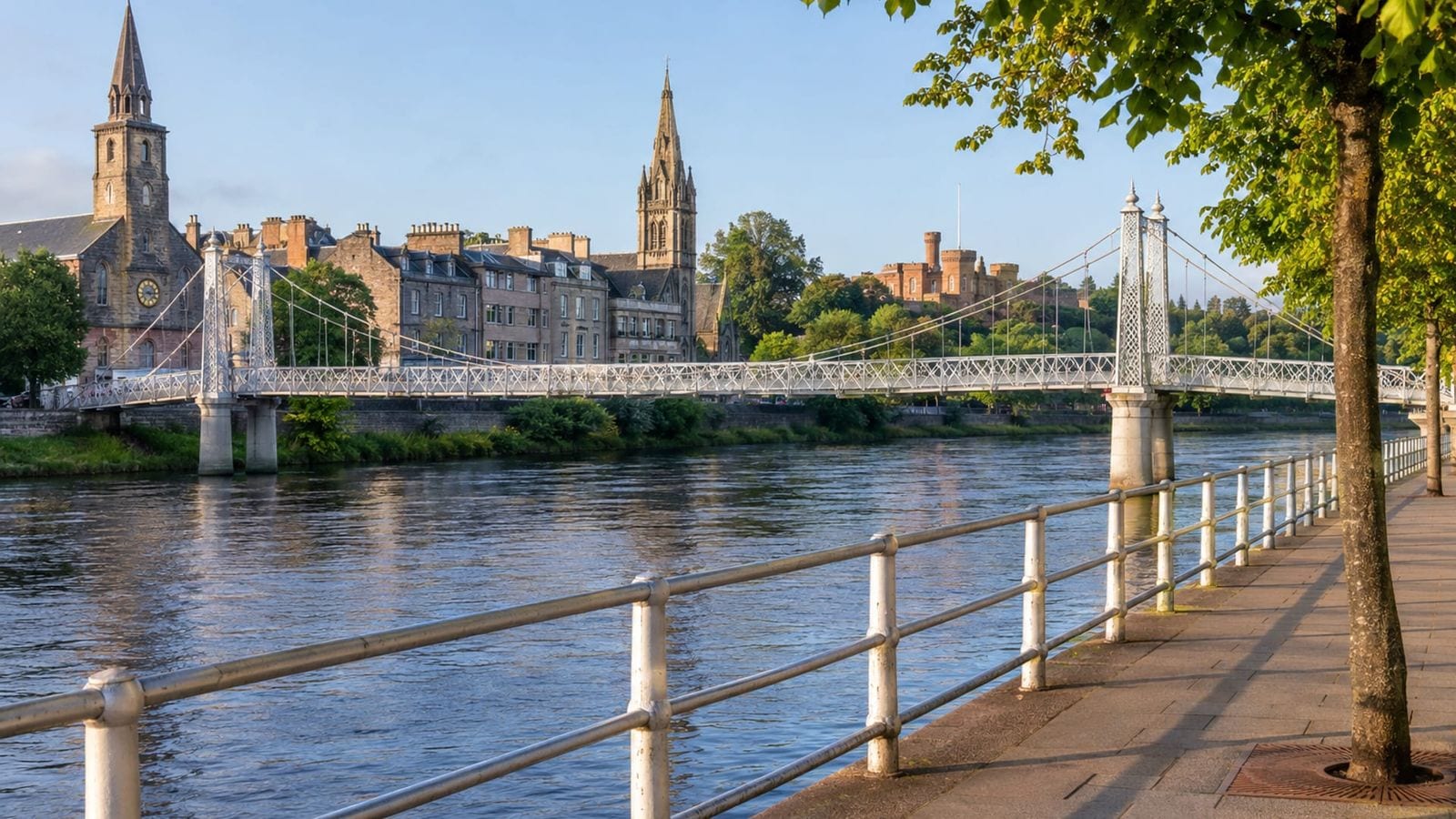
River Ness and Ness Bank form a riverside lodging area beside central Inverness, with hotels, restaurants, footpaths, Inverness Cathedral, and Eden Court Theatre nearby. Many properties overlook the river, while the city center is within easy walking distance from both banks.
Best for: Scenic walks, photography, and travelers who want a quieter central stay
What to expect: People out for river walks, joggers, and diners, with more activity in good weather and on weekend afternoons.
Hotel prices: Usually about $150 to $260 per night for well-rated stays
Distance to major sights: 10 to 20 minutes on foot to Inverness Castle, 15 minutes on foot to Inverness Cathedral
Quietness: Calmer than the core shopping streets by day, and often quiet at night except near restaurants and hotels.
Main trade-off: You gain river views, but the best properties can be pricier and a little farther from the station.
Good to know: Check the hotel’s exact position before booking, since the walk to Inverness Railway Station can range from about 10 to 20 minutes.
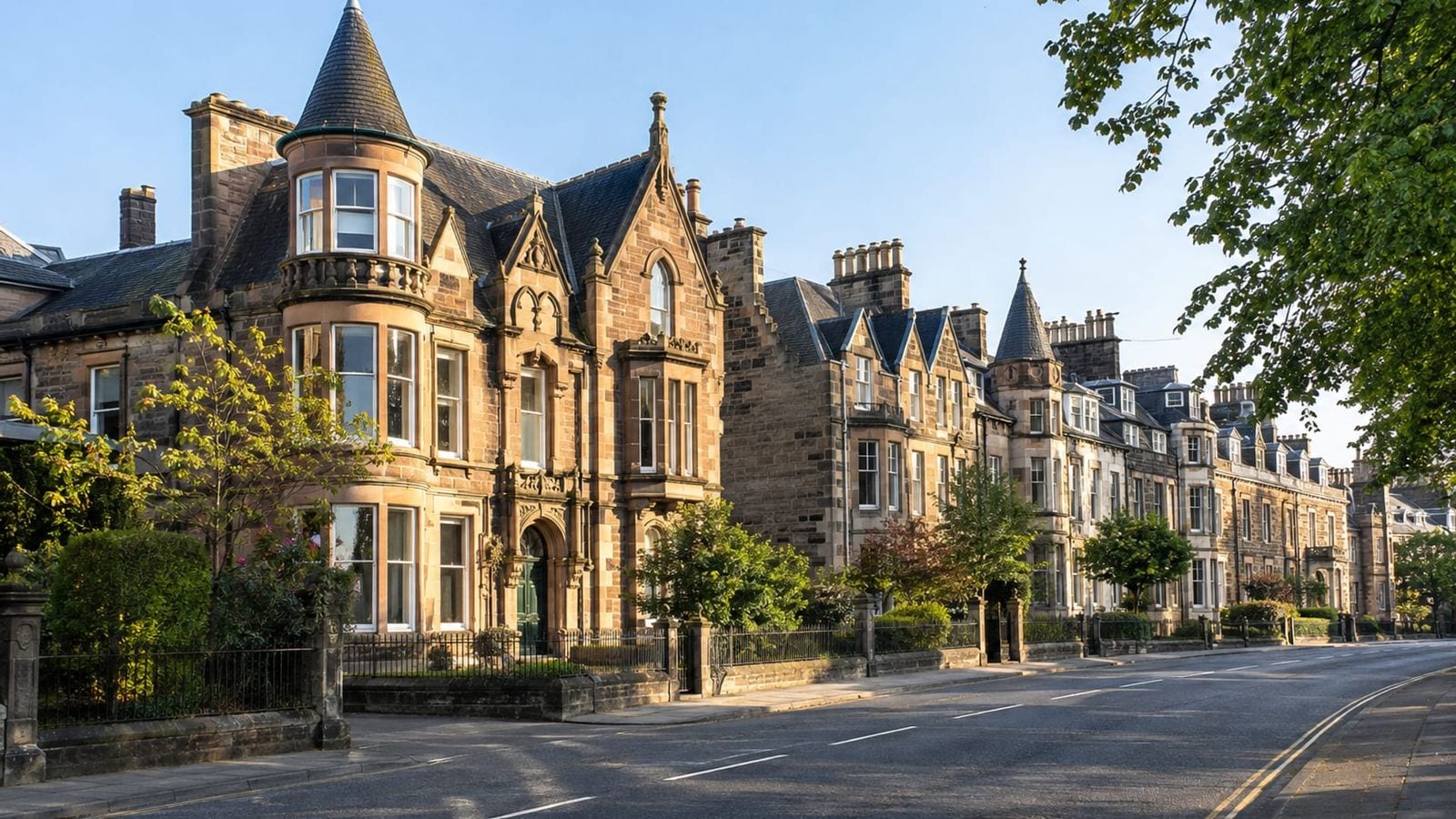
Crown is a residential neighborhood east and southeast of central Inverness, with Victorian homes, independent shops, cafes, and guesthouses. The city center and major sights are within walking distance, while quieter side streets give the neighborhood a distinctly residential character.
Best for: Families, longer stays, and visitors who want a residential setting close to the center
What to expect: Mostly local residents, small shops, and quieter streets, with a modest uptick in café traffic around school and commuting hours.
Hotel prices: Usually about $120 to $210 per night for well-rated stays
Distance to major sights: 10 to 20 minutes on foot to Inverness Castle, 15 to 25 minutes on foot to the River Ness
Quietness: Quiet most evenings, with only light daytime activity on the main roads and near local shops.
Main trade-off: You give up some immediate doorstep convenience for restaurants and nightlife, and the walk back from the center is longer.
Good to know: Parking varies by property and street. Some accommodations provide private parking, while several Crown streets have permit-controlled spaces.
For a more practical stay, avoid Dalcross, West Seafield, Longman Industrial Estate, Miller Street, and the outer Inshes retail areas. These locations have fewer evening options and require longer car trips to central Inverness.
Hotel deals
How to get around Inverness efficiently
Inverness has no metro or tram network, so buses, taxis, and trains handle most trips beyond the compact central area and nearby districts.

Metro
for longer distances
Trains are useful for trips to Inverness Airport Railway Station and destinations beyond the city. The ride from Inverness Railway Station to the airport station costs £6.10 ($8.25) and takes about 11 minutes, with a Stagecoach bus link available for the final trip to the airport terminal.

Bus and tram
for convenience
Use buses for rides to Inverness Airport, Culloden Battlefield, Raigmore, retail parks, and outer neighborhoods. Stagecoach North Scotland and Highland Council operate local routes, and participating services are capped at £2 ($2.70) for a single journey.

Taxi
for convenience or late hours
Taxis and private-hire cars are useful for late hours, luggage, or fixed-time trips. Daytime tariffs start at £4.90 ($6.60) for the first mile, while a trip between central Inverness and Inverness Airport typically costs £25 to £35 ($34 to $47).
*Prices are based on rates updated as of August 2026 and may change at the time of travel.
Use buses for most local trips, taxis for luggage or late hours, and trains for the airport station or longer journeys to towns beyond Inverness city.
Iconic landmarks
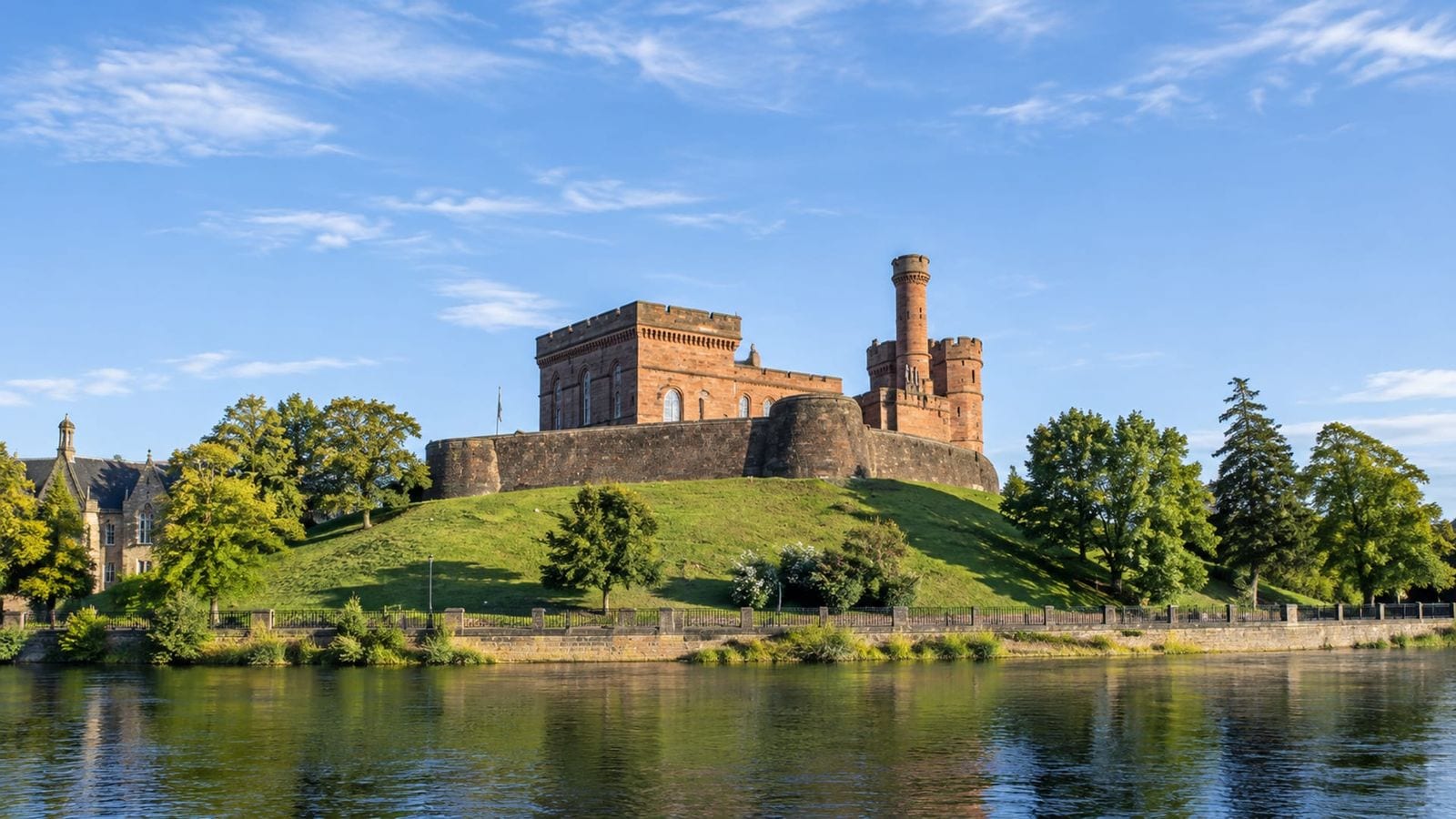
Inverness Castle Viewpoint
The Inverness Castle Experience occupies the 19th-century courthouse and former jail above the River Ness. Its South and North Towers contain exhibitions on Highland history and culture, while the Great Glen roof terrace has broad views across central Inverness and the river.
Time needed: Allow 2 to 3 hours to explore both towers and the terrace.
Entry: Free to access; the exterior terrace and public viewpoints have no admission charge and no timed entry
Tip: Book a timed slot in advance and leave enough time for the rooftop terrace.
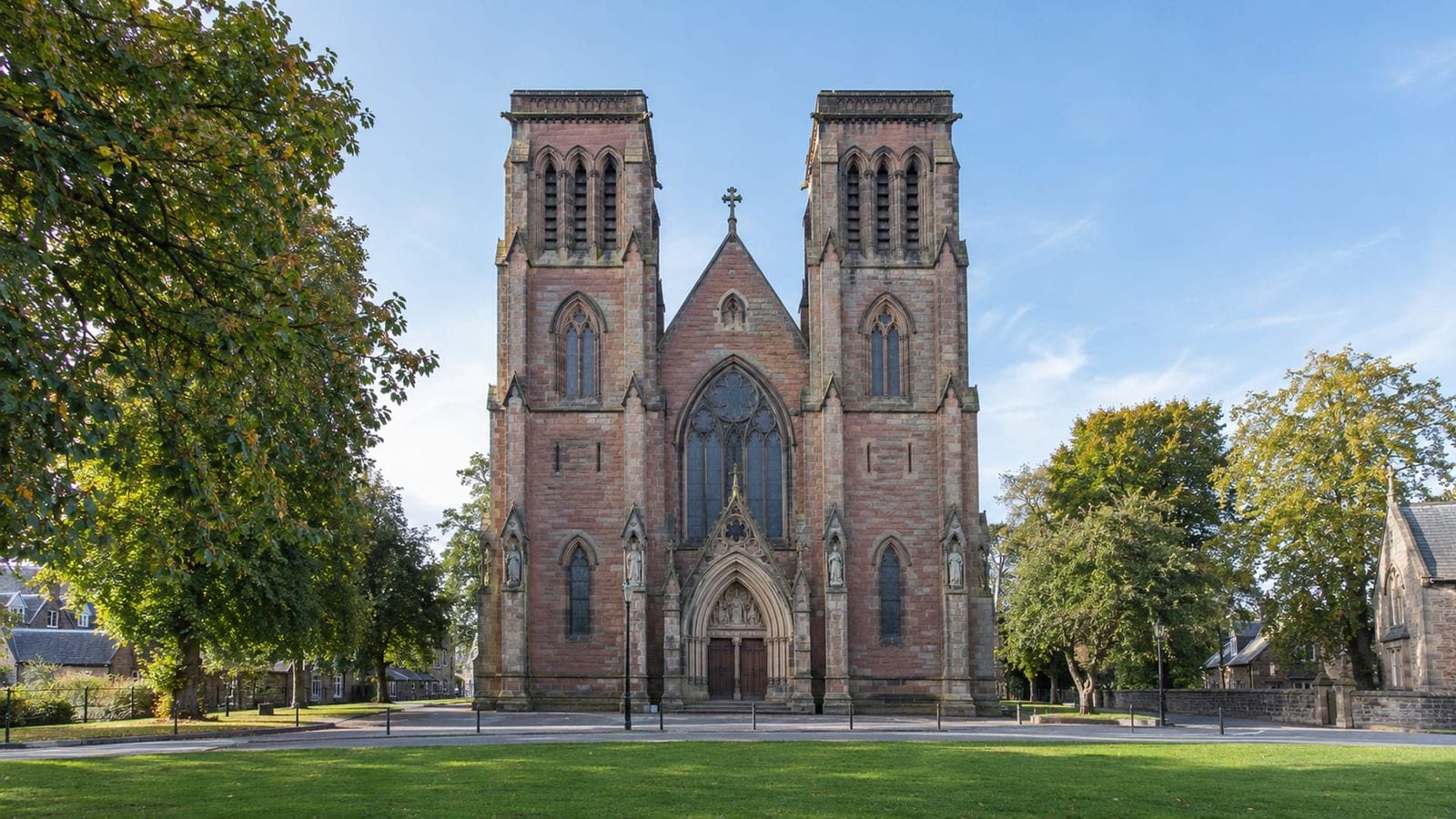
Inverness Cathedral
Inverness Cathedral is a Gothic Revival building on the west bank of the River Ness, completed in the 19th century and dedicated to St Andrew. The red sandstone exterior leads to a high nave with stone columns, stained-glass windows, carved details, and a richly decorated chancel.
Time needed: About 1 hour
Entry: Free to enter; donations are welcome, and special events or concerts may carry separate charges Visit the official site for details.
Tip: Check the service schedule before visiting so sightseeing does not overlap with worship.
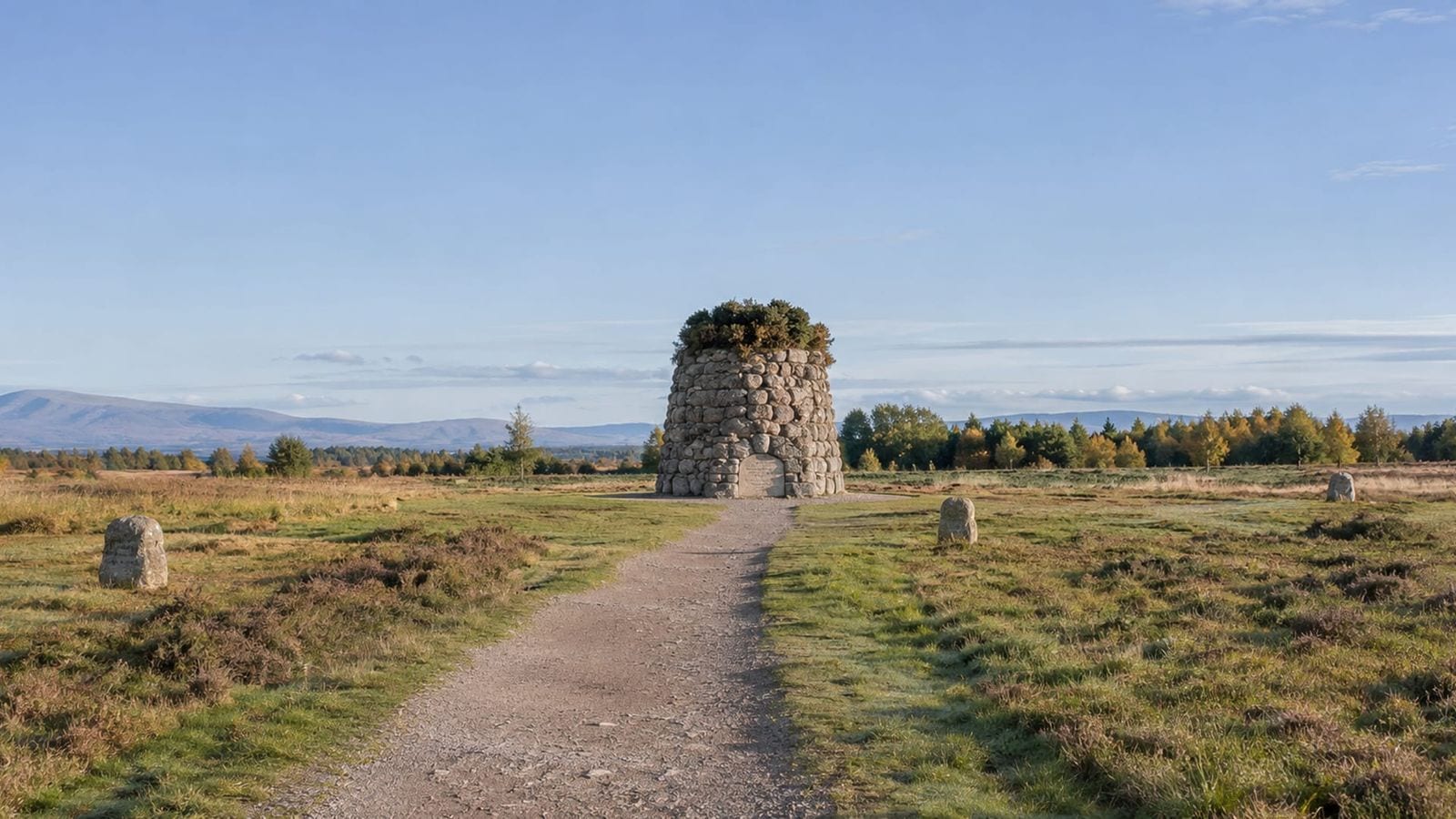
Culloden Battlefield
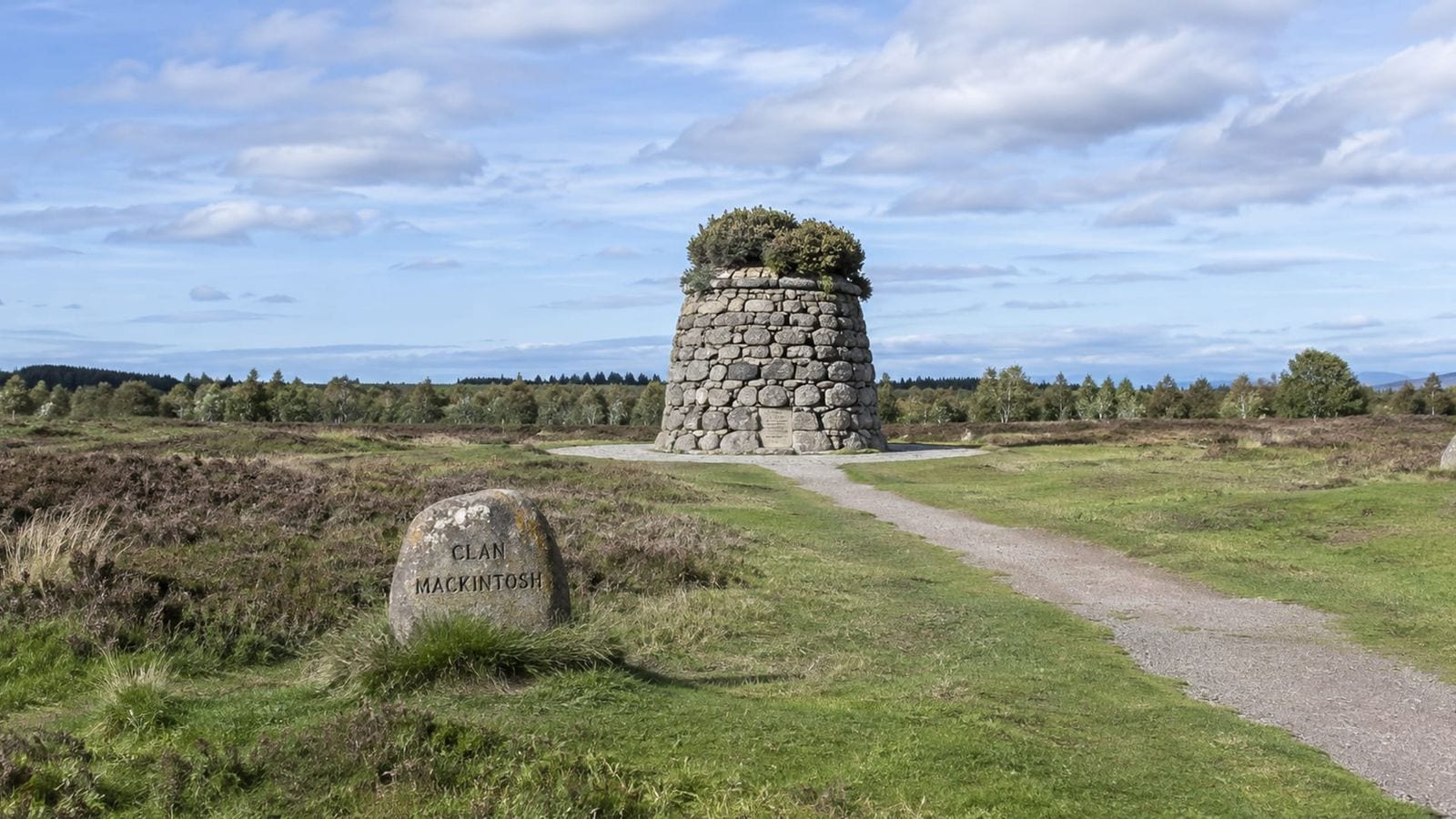
Culloden Battlefield, 5 miles (8 km) east of Inverness, marks the site of the April 16, 1746 battle that ended the final Jacobite Rising. The visitor center explains the campaign and battle, while paths across the moor lead past clan grave markers, the memorial cairn, and Leanach Cottage.
Time needed: About 2 hours
Entry: Standard admission costs about £17 to £22 ($22 to $28) for adults, with lower rates for children and family tickets Visit the official site for details.
Tip: Start inside the visitor center, then follow the marked route across the battlefield.
Overlooked sites worth visiting

Inverness Botanic Gardens
Inverness Botanic Gardens near Bught Park include a Tropical House, cactus collection, ponds, and outdoor planting. The compact site gives visitors both indoor and outdoor displays in one stop.
Time needed: About 1 to 2 hours
Entry: Visitor center admission is about $13 ($10), with reduced tickets for children and family options available. The battlefield paths outside the center can be viewed from public access areas without a ticket, but the museum exhibit and orientation film are ticketed. Visit the official site for details.
Tip: Visit during daylight to see both the Tropical House and outdoor gardens.

Inverness Museum and Art Gallery
Inverness Museum and Art Gallery near the castle covers Highland archaeology, natural history, social history, and art. Permanent collections are displayed alongside changing temporary exhibitions.
Time needed: About 45 minutes to 1 hour
Entry: Entry is free for the permanent galleries. Some temporary exhibitions or special events may carry a separate charge, but the core collection, including the Highland history displays and local art rooms, can be viewed at no cost during standard opening hours. Visit the official site for details.
Tip: Check the opening day first because the museum closes on Sundays and Mondays.
Traditional food
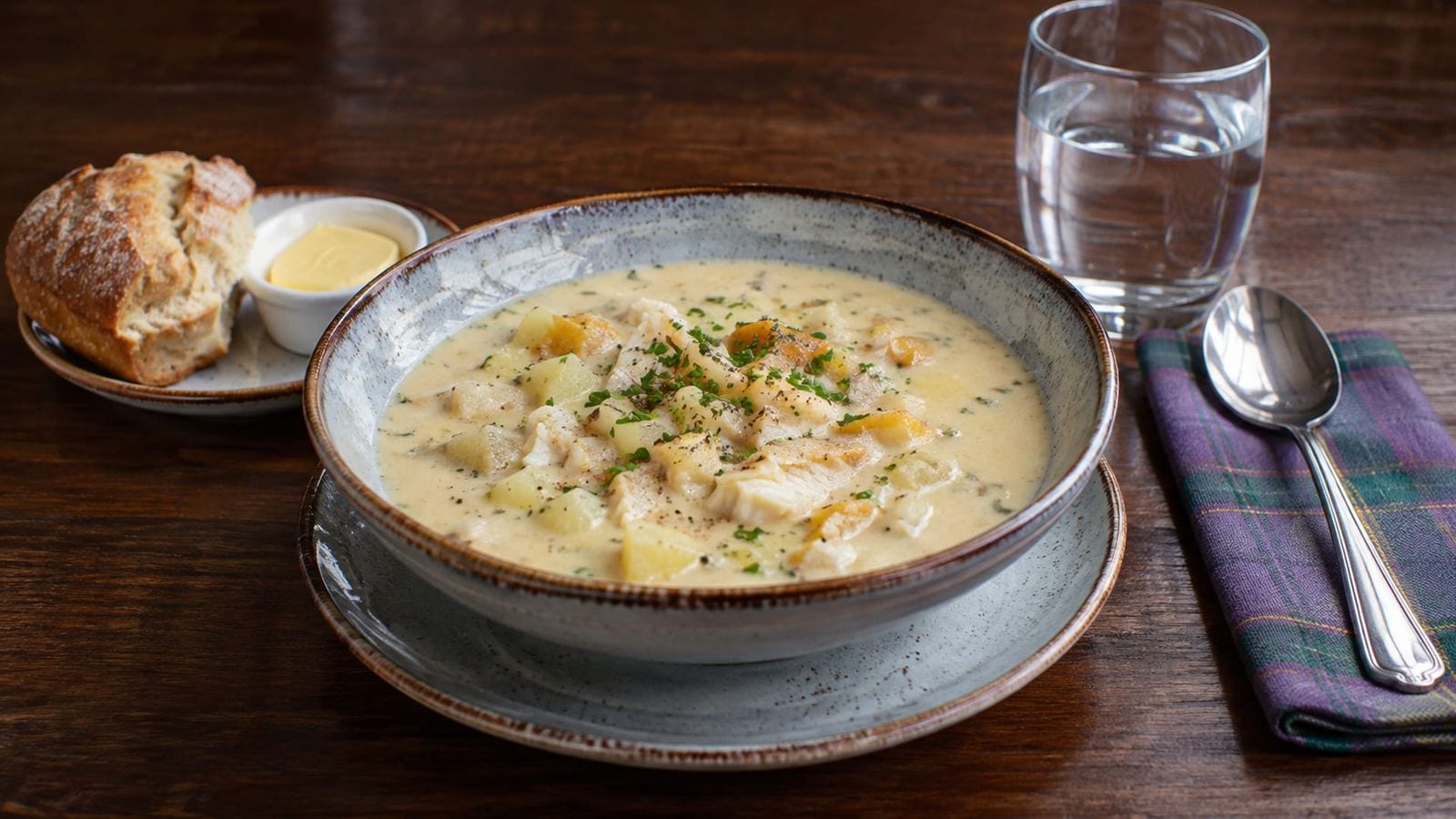
Traditional Scottish dishes are easy to find across Inverness, with smoked fish, haggis, venison, oats, and local produce appearing regularly on current city menus.
Cullen skink
Cullen skink is a thick Scottish soup made with smoked haddock, potatoes, and cream or milk, with a rich texture and pronounced smoky flavor. Beira currently serves a version with smoked haddock, potato, and cream.
Haggis
Haggis traditionally combines sheep offal, oatmeal, onion, spices, and stock, creating a dense, savory dish often served with neeps and tatties. Charlie’s Cafe currently serves haggis with neeps, tatties, and gravy.
Highland venison
Venison is widely used in Highland cooking and is commonly served as steaks, roasts, or slow-cooked cuts with rich sauces and seasonal vegetables. Prime Steak & Seafood currently serves slow-braised venison shank.
Cranachan
Cranachan traditionally combines cream, toasted oats, raspberries, honey, and whisky into a light Scottish dessert with contrasting creamy and crisp textures. Beira currently serves a cranachan panna cotta finished with toasted oats and cream.
Best time to visit Inverness
Inverness is nicer from spring through early fall, when daylight is longer, more attractions are open, and outdoor plans are easier to arrange.
Best for: Longer daylight, lower visitor numbers, and outdoor sightseeing before summer
What you get: Temperatures rise from about 36°F to 59°F (2°C to 15°C), while attraction openings and visitor numbers increase through spring.
Trade-offs: Rain is common throughout the season, and March evenings can still be cold with limited daylight.
Best for: Long daylight hours, day trips, and the widest choice of open attractions
What you get: Temperatures typically range from 49°F to 66°F (9°C to 19°C), with up to 17.5 hours of daylight and peak visitor numbers.
Trade-offs: Hotels fill earlier, prices rise, and popular attractions and restaurants are busiest during July and August.
Best for: Fewer visitors, greater hotel availability, and fall color across the Highlands
What you get: Temperatures fall from about 62°F to 38°F (17°C to 3°C), while visitor numbers and daylight decrease steadily through fall.
Trade-offs: October and November bring wetter weather, shorter days, and fewer daylight hours for outdoor sightseeing.
Best for: Low visitor numbers, lots of hotel options, and a quieter central Inverness
What you get: Temperatures usually range from 34°F to 46°F (1°C to 8°C), with the lowest visitor levels and roughly 75% of attractions open.
Trade-offs: Daylight is short, sunset comes early, and some attractions operate reduced hours or close for part of winter.
A realistic 5-day plan in Inverness
Five days in Inverness allow time for the city’s main historic sites, Culloden, the River Ness, and quieter green spaces. Each day focuses on a distinct part of the area, without repeating attractions or filling the days with unnecessary trips.
After arriving at Inverness Airport (INV), travel to the City Centre by taxi in about 20 minutes or take Stagecoach Service 1. Keep the first evening open for the River Ness, where paths beside the water pass central bridges, historic buildings, and restaurants on both banks. Dinner near the river or station keeps the arrival day flexible if the flight or airport transfer takes longer than expected.
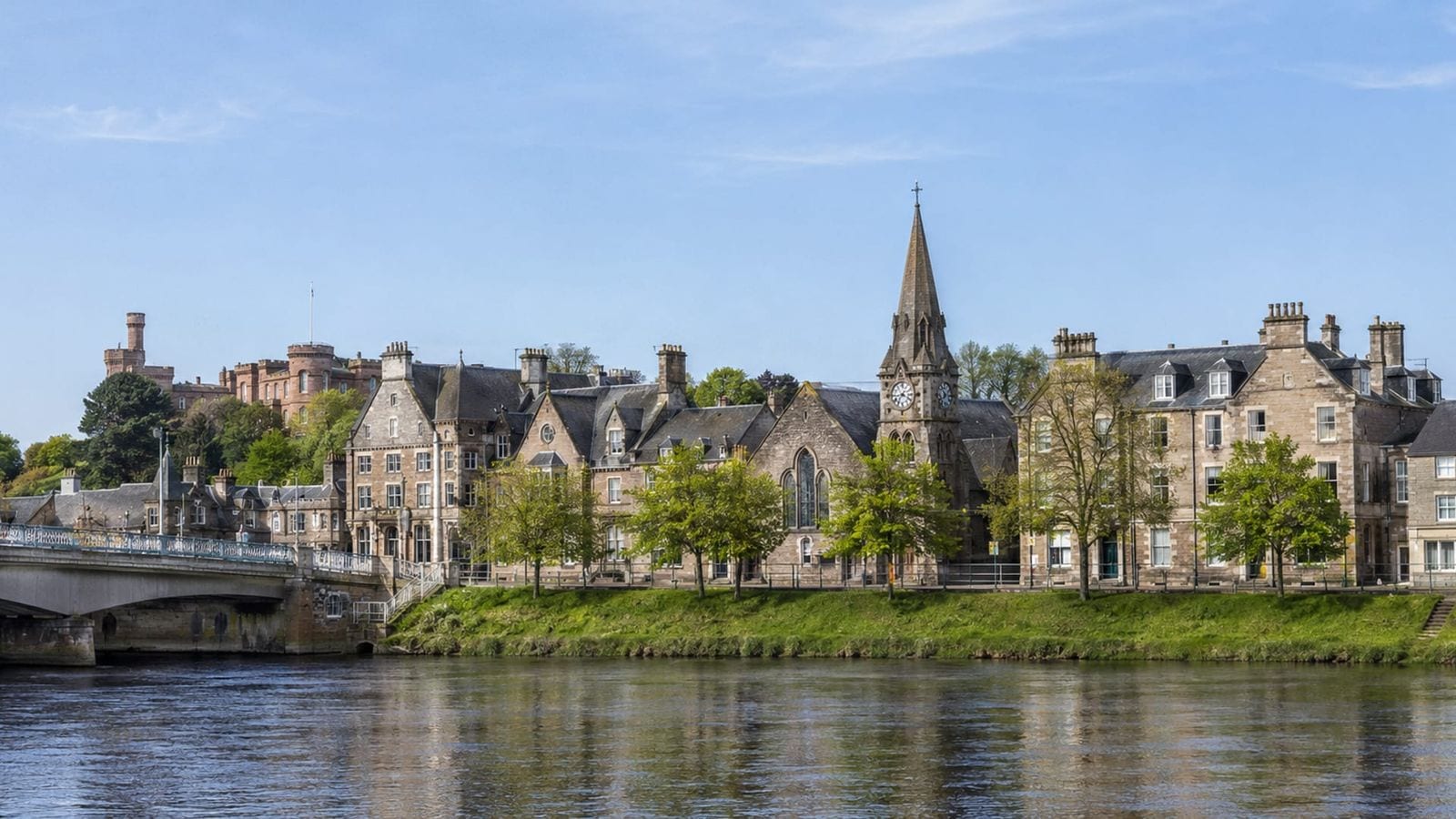
The Inverness Castle Experience introduces Highland history and culture through exhibitions inside its two towers, with city and river views from the rooftop terrace. Nearby, Inverness Museum and Art Gallery covers Highland archaeology, natural history, and local art. Inverness Cathedral adds a different part of the city’s history through its Victorian Gothic architecture, stained glass, carved stone, and high nave.
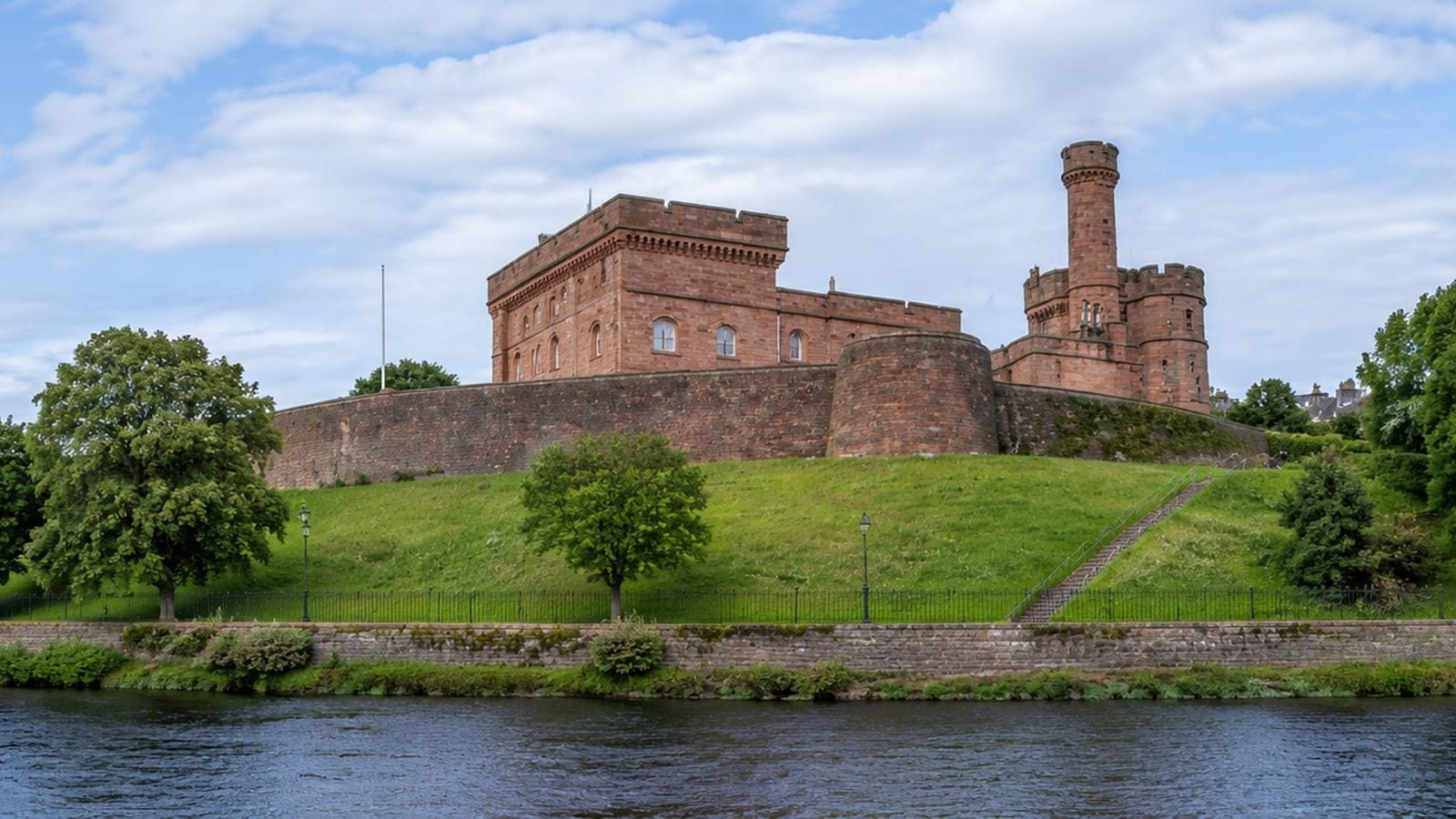
Follow the River Ness south from the center, crossing the pedestrian bridges and continuing through the greener sections of the riverbank. Inverness Botanic Gardens adds indoor and outdoor collections, including tropical plants, cacti, ponds, and landscaped gardens. Allow 1 to 1.5 hours there, then use the return along Ness Bank to see another stretch of the river before dinner.
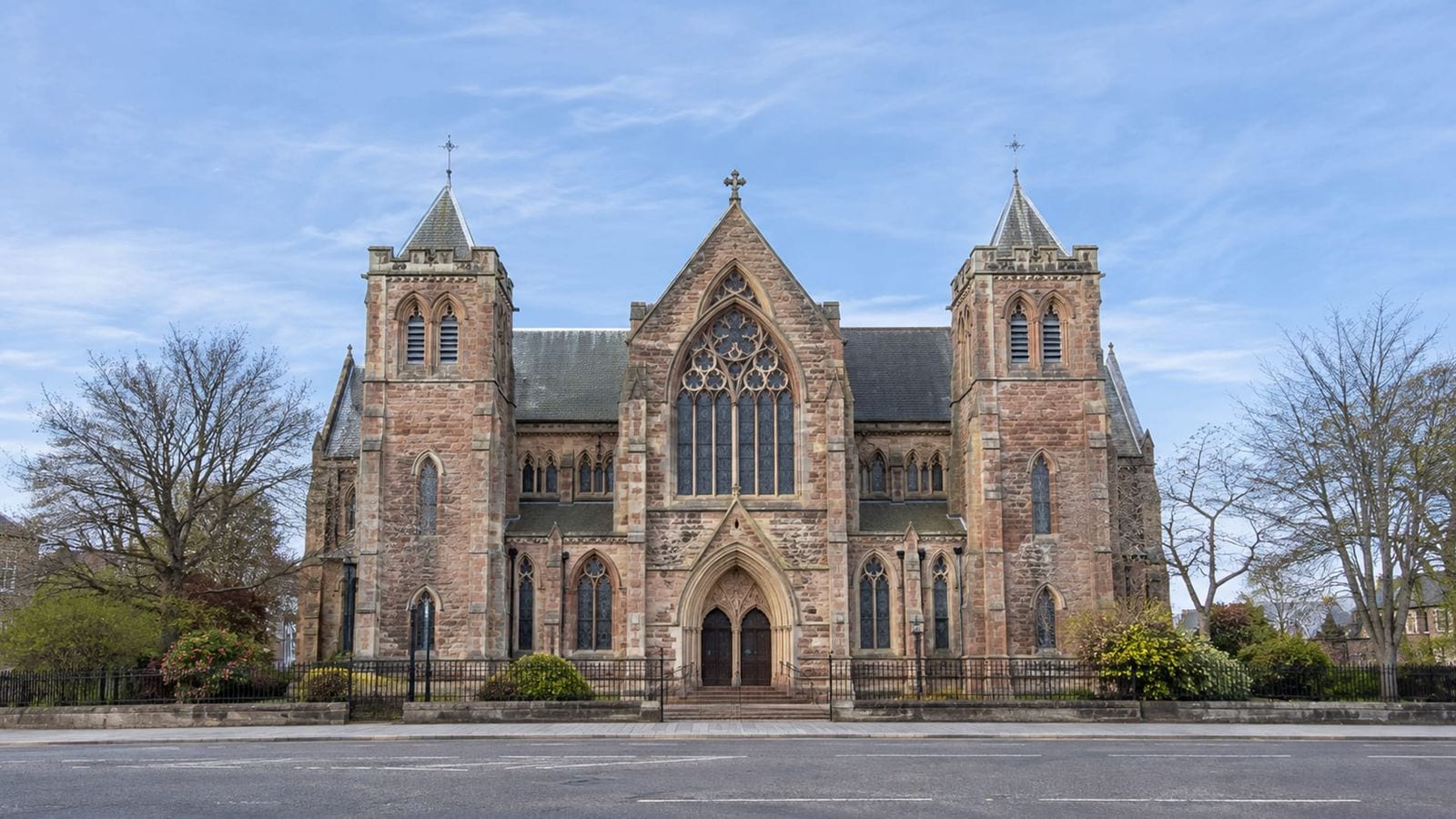
Culloden gives this day a clear historical focus. The visitor center explains the events that led to the battle of April 16, 1746, while the battlefield paths lead past marked battle lines, clan graves, the memorial cairn, and Leanach Cottage. Allow about 2 hours for the museum and field. The site is 5 miles (8 km) east of Inverness, with travel taking 15 to 20 minutes by taxi or about 25 minutes by bus.
Keep the final morning flexible for the City Centre, Crown, or one last stretch of the River Ness. Central Inverness has shops and cafes close to the railway station, while Crown provides a more residential setting with Victorian streets and independent businesses. Leave enough time to collect luggage before departure. A taxi from central Inverness to Inverness Airport (INV) takes about 20 minutes.
Business-class flights from the US to Inverness
Reaching Inverness from the US usually requires one stop through a major European hub. Below, compare business-class options from two US coasts.
New York (JFK) to Inverness (INV)
Travelers leaving New York John F. Kennedy International Airport (JFK) can reach Inverness Airport (INV) with Aer Lingus via Dublin Airport (DUB), British Airways via London Heathrow Airport (LHR), or KLM via Amsterdam Airport Schiphol (AMS). The fastest itineraries take 10.5 hours, while longer options take up to 15 hours. Round-trip business-class fares range from about $4,000 to $9,900.
Los Angeles (LAX) to Inverness (INV)
From Los Angeles International Airport (LAX), the main one-stop options are British Airways flights through London Heathrow Airport (LHR) and KLM flights through Amsterdam Airport Schiphol (AMS). Flight times generally fall between 14 and 16 hours. Round-trip business-class fares range from about $4,000 to $10,400, with the final price depending on travel dates and the itinerary selected.
Bringing Your Inverness Trip Together
A well-planned Inverness trip groups the city center, River Ness, Culloden, and nearby sights into clear days without unnecessary backtracking. This structure gives each area enough time and makes it easier to adjust plans for weather or opening hours. Once you know your schedule, AranGrant can help you arrange flights and hotels that fit the trip you have planned.







