

Chapters:

Need help with your trip?
Our support team is available 24/7. Request a callback or call us directly at (833) 619-0908
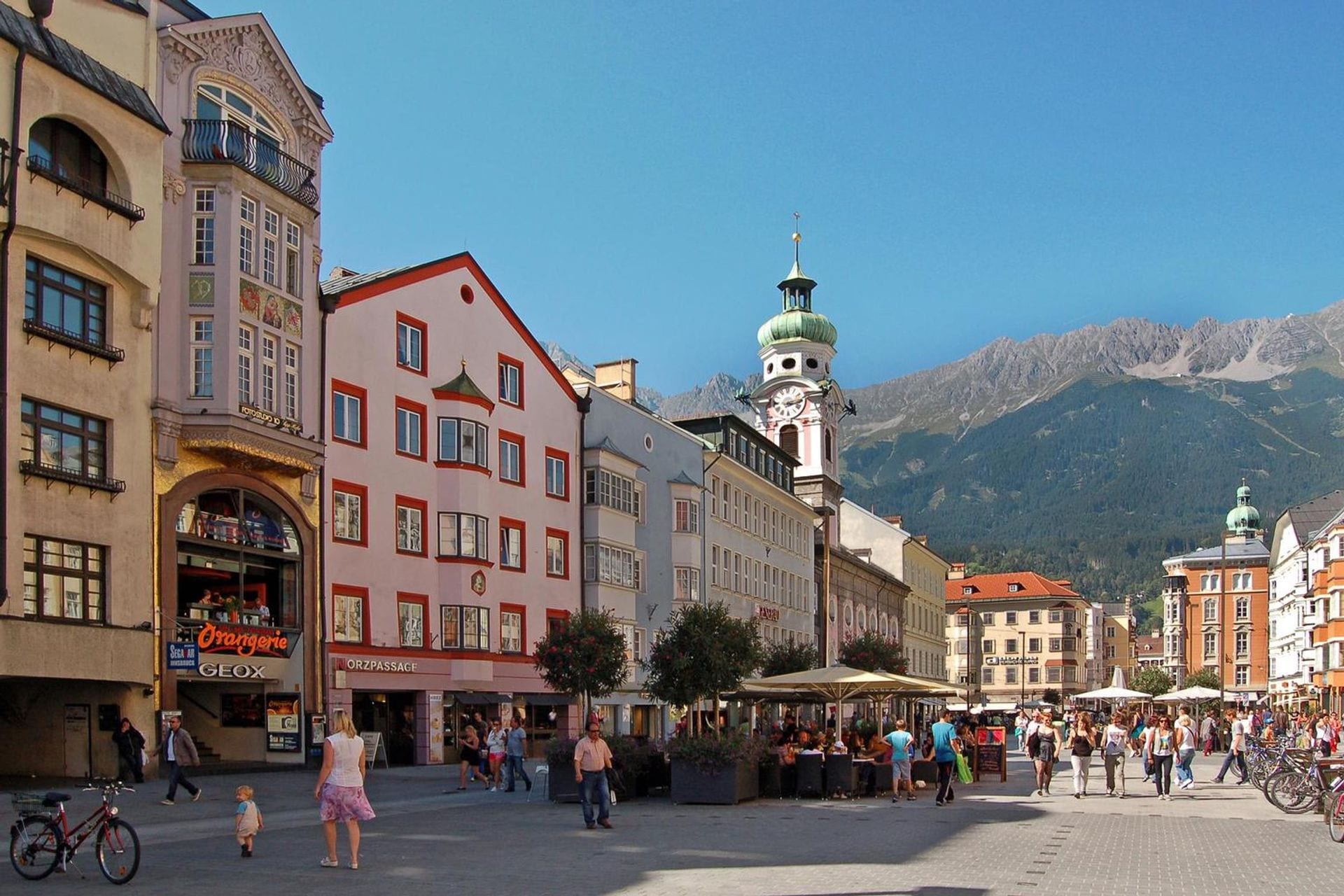
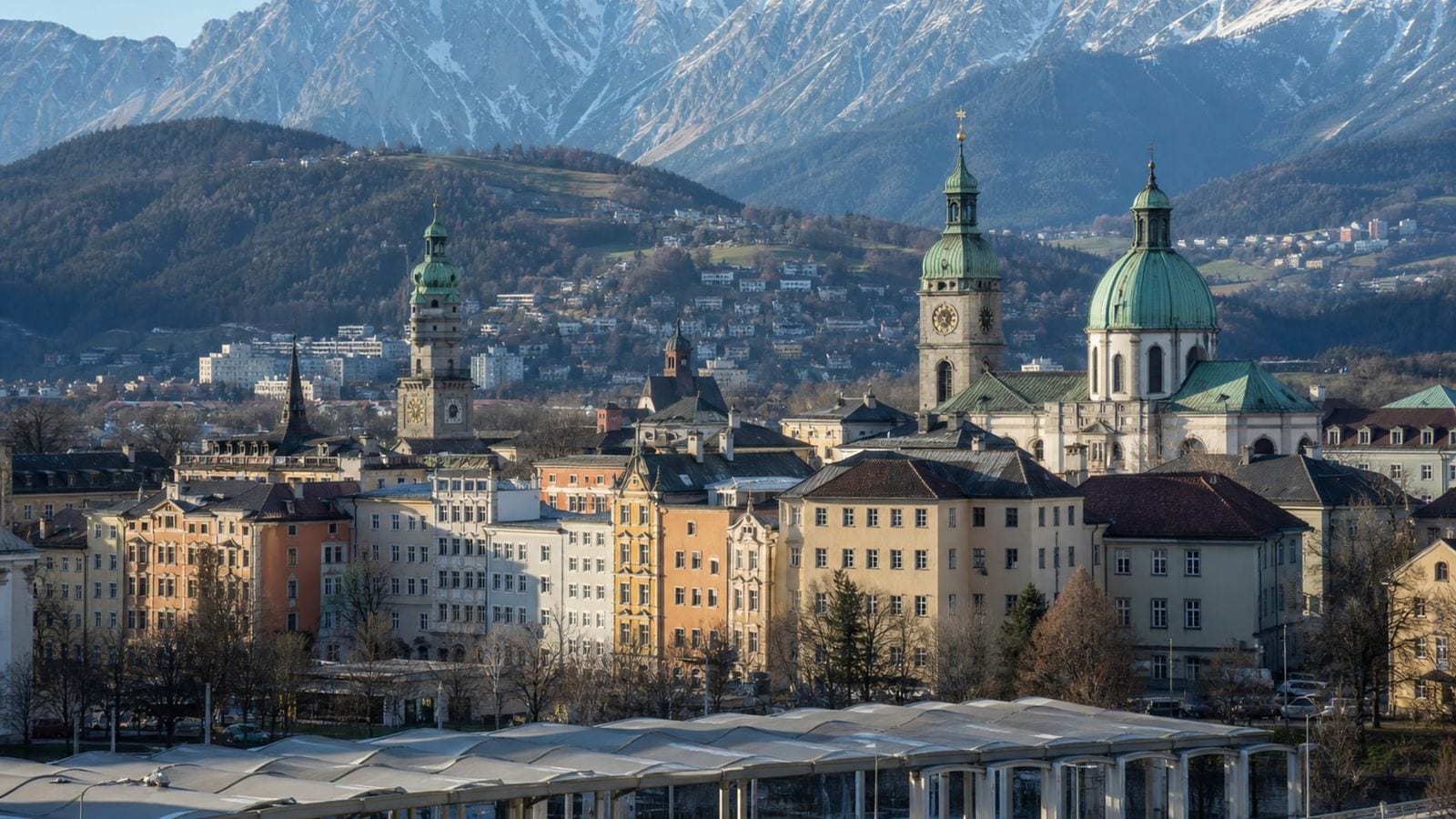
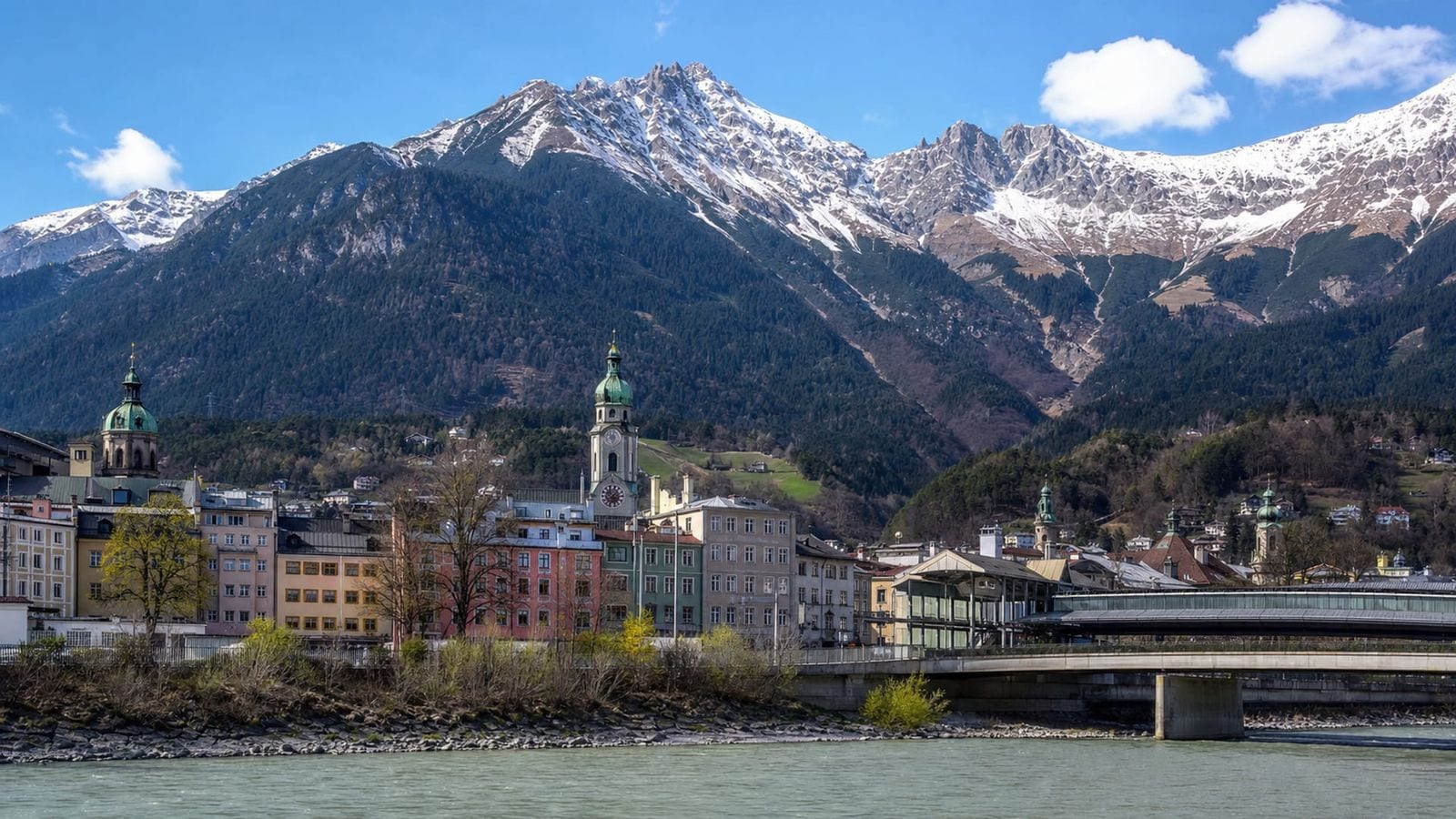
Innsbruck is a city where the Alps never leave the frame. Look up from almost any street in the old town and the gray peaks of the Nordkette fill the sky, close enough to reach by funicular before lunch.
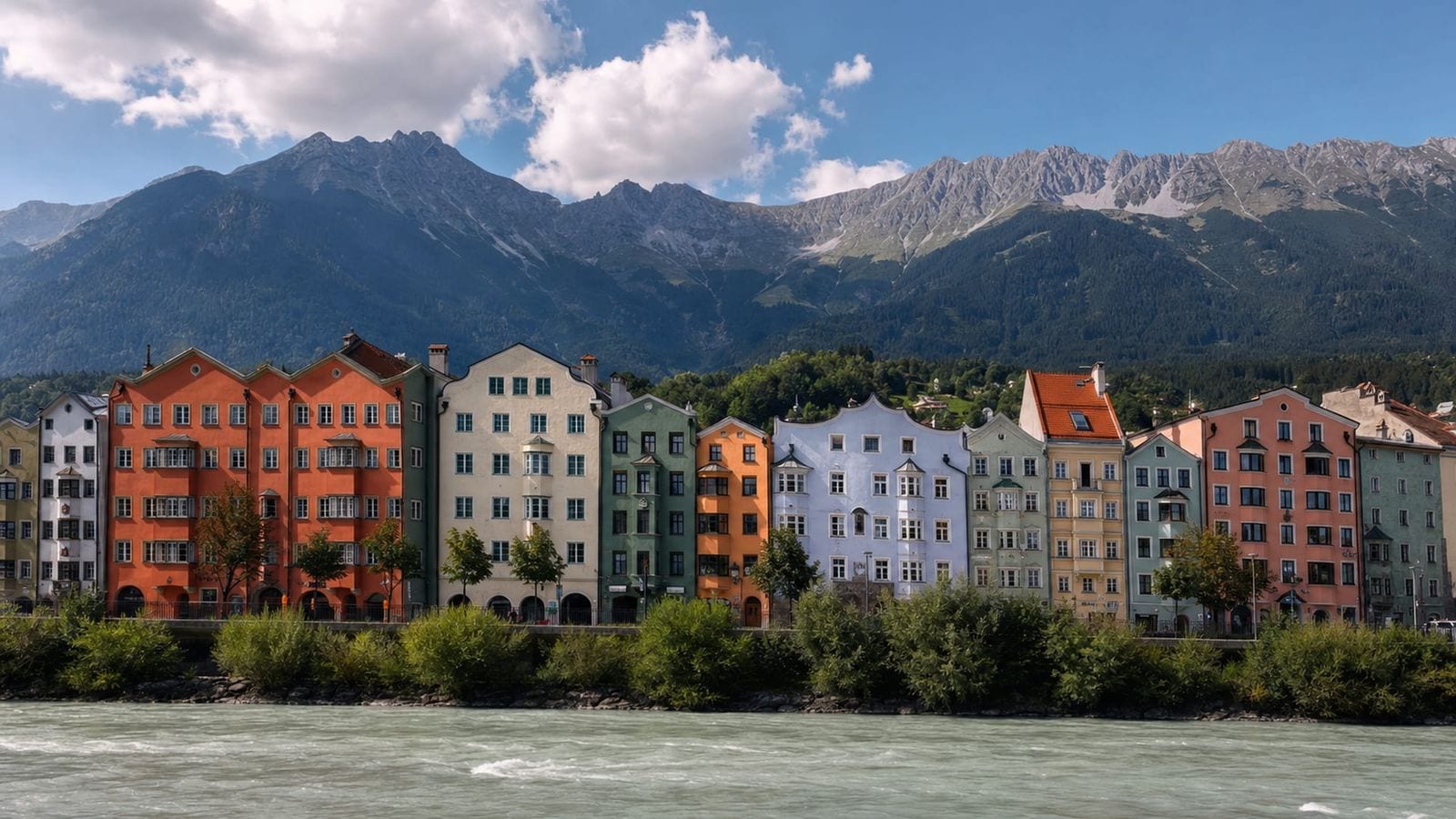
Down in the valley, the pace is unhurried. Arcaded streets lead past pastel facades, coffeehouses serve strudel to a mix of locals and visitors, and the Inn River runs fast and green past rows of colorful houses. Imperial history is everywhere, from the gilded balcony of the Golden Roof to the bronze figures of the Court Church.
A few days here give you both sides of Innsbruck: mornings in thin mountain air and evenings over Tyrolean dumplings in a candlelit Gasthaus.
Useful things to know

Main language(s): German
Griaß di (gree-us dee) – Hello / good morning
Bitte (BIT-teh) – Please
Danke (DAHN-keh) – Thank you
Sprechen Sie Englisch? (SHPREH-khen zee ENG-lish?) – Do you speak English?
Wie viel kostet das? (vee feel KOSS-tet dahs?) – How much does it cost?

Currency: Euro (EUR, €)

Cash and cards: Most hotels, restaurants, and shops take cards and contactless payments. A small amount of cash, €20 to €50 ($22 to $56), covers market stalls, mountain huts, and tips.

Tipping: Locals round up the bill or add 5% to 10% for good service, usually telling the server the total when paying instead of leaving cash on the table.

Traditional food: Tiroler Gröstl, Käsespätzle, Speckknödel, and Apfelstrudel are the Tyrolean classics you will find on menus across Innsbruck.

Water and coffee costs: An espresso in a café costs €3 ($3.40), and a small bottle of mineral water costs €3 to €4 ($3.40 to $4.50).

Taxis and ride apps: Bolt and Uber both operate in Innsbruck, and you can also find licensed taxis at stands outside the main station and the airport.

Plug and voltage: Type C and Type F sockets, 230 V

Dining and shop opening hours: Hotels serve breakfast from 7:00 am to 10:00 am, restaurants serve lunch from 12:00 pm to 2:00 pm and dinner from 6:00 pm to 10:00 pm. Most shops are closed on Sundays.

Emergency number: 112 for police, fire, and medical emergencies
Where to stay in Innsbruck
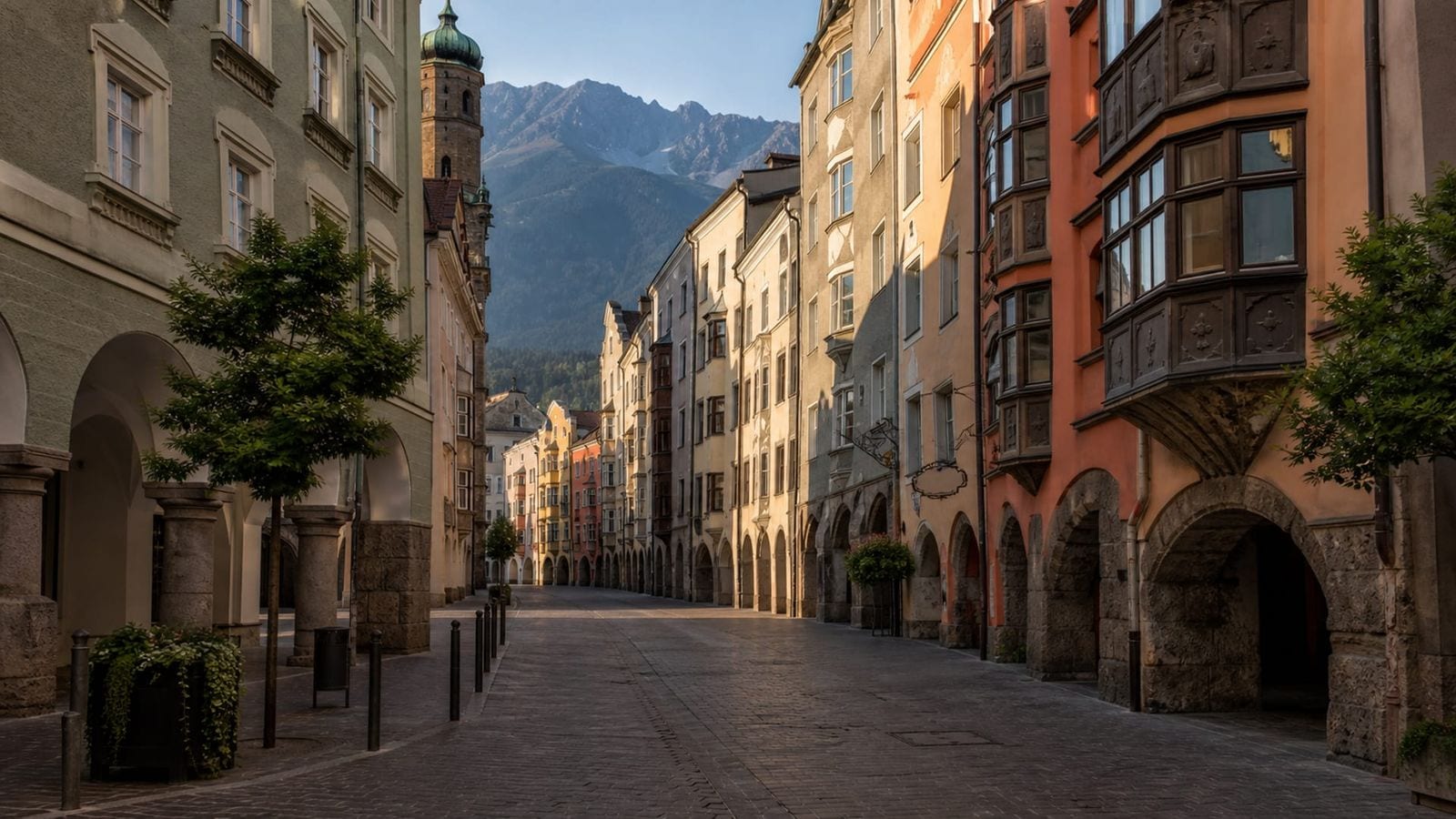
The Altstadt is Innsbruck’s medieval core, a pedestrian zone of arcaded streets and painted townhouses on the south bank of the Inn River. The Golden Roof, the Imperial Palace, and the Court Church are a few minutes apart on foot, and cafés and restaurants fill the ground floors.
Best for: Historic sightseeing, short stays, and travelers who want to walk to the major sights
What to expect: Narrow streets, constant foot traffic, and the busiest dinner scene in the city center
Hotel prices: Well-rated hotels charge €130 to €300 ($145 to $335) per night, with the highest rates in December and summer.
Distance to major sights: A 5-minute walk to the Golden Roof and a 5-minute walk to the Imperial Palace
Quietness: The area is busy during the day and lively at night, with late activity near restaurants and bars.
Main trade-off: Rooms cost more than elsewhere in the city, and older buildings often have smaller layouts or limited elevator access.
Good to know: The old town is a pedestrian zone, so ask your hotel in advance where a taxi can drop you off with luggage.
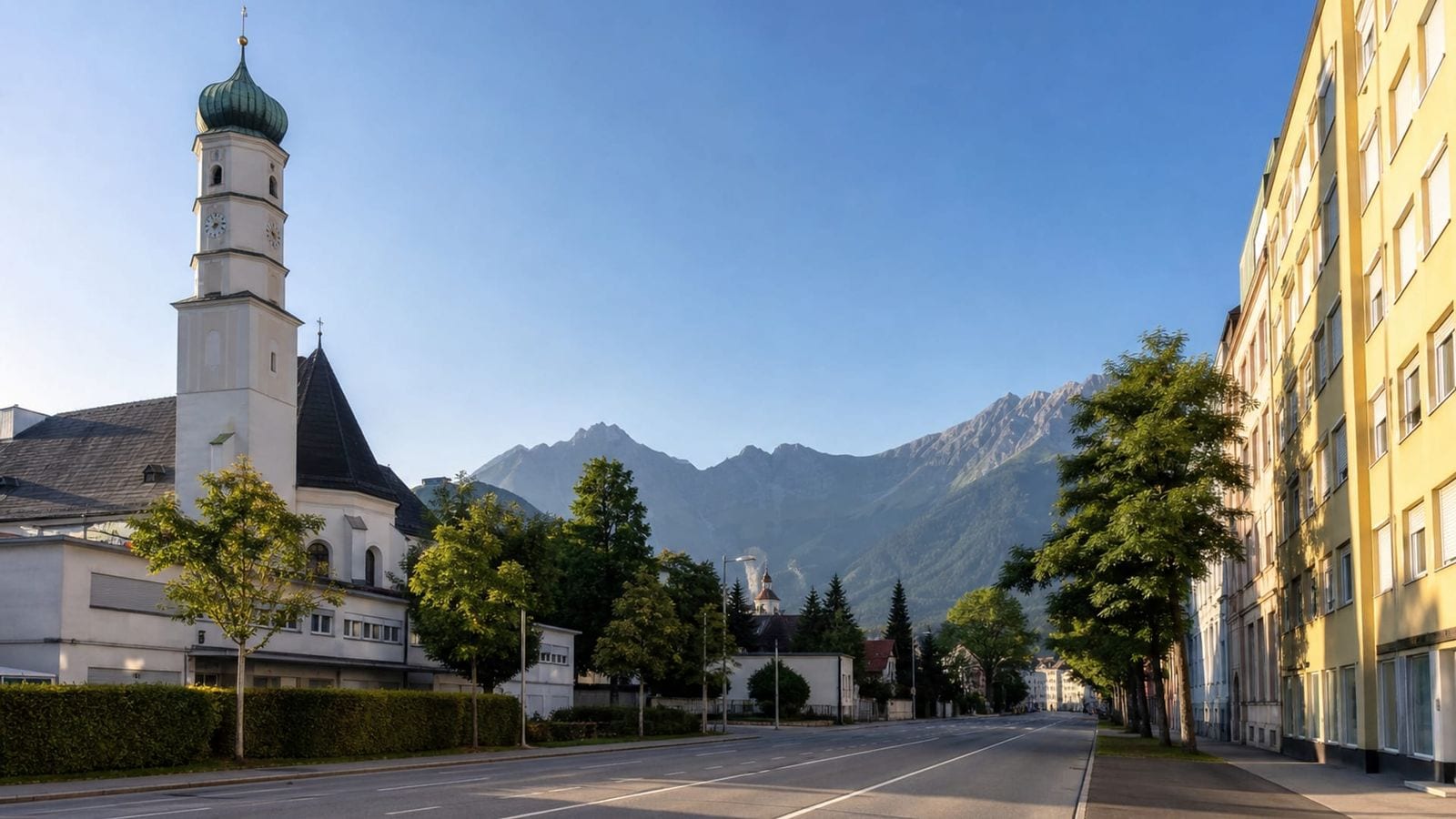
Wilten lies just south of the city center, between the main train station and the Bergisel ski jump. The baroque Wilten Basilica and Wilten Abbey anchor the neighborhood, and the Wiltener Platzl square has coffee shops and a Saturday farmers’ market. Tram 1 runs from here to the old town.
Best for: Travelers who want a residential neighborhood with a direct tram line to the old town
What to expect: Residential streets, independent cafés, and lighter foot traffic than in the old town
Hotel prices: Well-rated hotels in this area cost €110 to €220 ($125 to $245) per night.
Distance to major sights: About 15 minutes by tram to the Golden Roof; a 15- to 20-minute walk to the Bergisel ski jump
Quietness: This area is calmer than the center during the day, with a local evening crowd and few late-night venues.
Main trade-off: The main sights are a tram ride or a 20-minute walk away, so getting around takes more time.
Good to know: Hotels near the main station offer easy access to the airport’s F bus and trains to Munich and Vienna, all of which stop there.
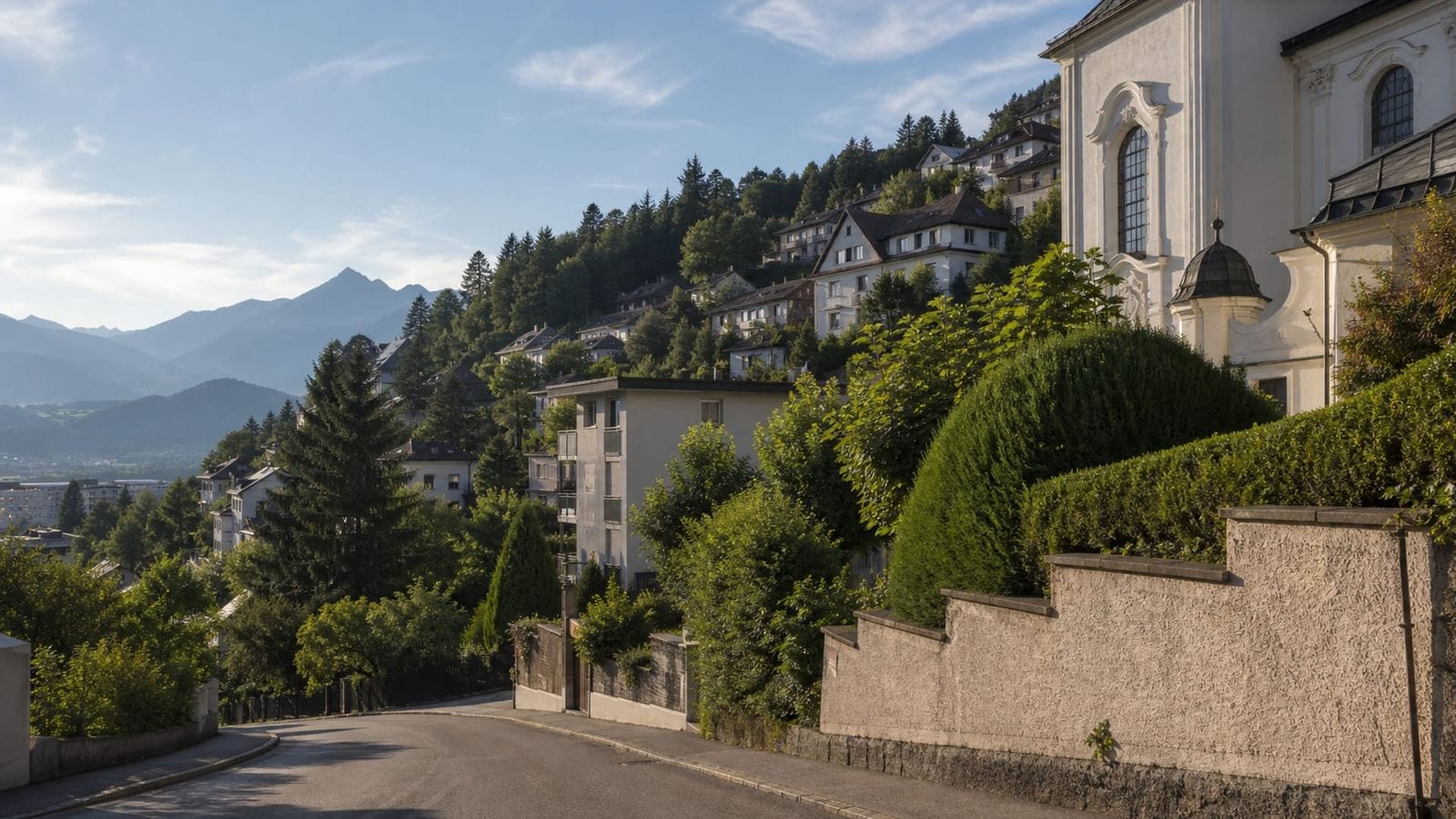
Hötting is one of Innsbruck’s oldest districts, set across the Inn River from the old town on the lower slopes of the Nordkette. Its former village core still has a rural feel, and family-run inns on the hillside look out over the city rooftops to the Patscherkofel and Serles peaks.
Best for: Calmer evenings, longer stays, and travelers who want mountain views and easy access to hiking trails
What to expect: Residential streets, steep climbs in the upper part, and fewer restaurants than in the central districts
Hotel prices: Rooms in well-rated hotels and guesthouses cost €110 to €200 ($125 to $225) per night.
Distance to major sights: A 10- to 15-minute walk to the Golden Roof, and about 15 minutes on foot to the Nordkette funicular at Congress station
Quietness: Evenings are quiet, and the streets get busier only during weekday morning and evening commutes.
Main trade-off: Most hotels are 3-star, and streets in the upper part are steep, so walks back from dinner take more effort.
Good to know: Before booking, check how high up the hotel is, since addresses near the river are much easier to reach on foot.
Reichenau, Rossau, Amras, and the Olympic Village lie east of the old town and consist mostly of high-rise housing, shopping centers, and industrial zones. Restaurants are scarce, and every trip to the main sights means a bus or taxi ride.
Hotel deals
Getting around Innsbruck
Innsbruck has no metro, but the old town, the main station, and the airport are only a few miles apart, so trams, buses, and taxis connect all three.

S-Bahn and regional trains
for trips beyond the city
Trains from the main station reach Hall in Tirol, with its medieval old town, in 9 minutes, and the alpine resort of Seefeld in 36 minutes. One-way tickets to either town start at €5 ($6). Buy them from ÖBB machines at the station or in the ÖBB app.

Bus and tram
for convenience
Five tram lines and a bus network cover the city, and tram 1 connects Wilten with the old town. A single ticket costs €3.30 ($3.70), and a 24-hour ticket costs €7.30 ($8.20). Buy tickets at stop machines or in the IVB app. The F bus to the airport takes 20 minutes and uses the same single ticket.

Taxi
for convenience or late hours
Licensed taxis wait at the main station and the airport, and Bolt and Uber also operate in the city. Meters start at €8.25 ($9.20), so short rides cost €10 to €16 ($11 to $18) and a trip from the center to the airport costs €15 to €20 ($17 to $22). Drivers accept cash and cards.
*Prices are based on rates updated as of November 2026 and may change at the time of travel.
Take tram 1 between Wilten and the old town, the F bus or a taxi to the airport, and the S-Bahn for trips beyond the city, such as Hall in Tirol or Seefeld.
Iconic places in Innsbruck
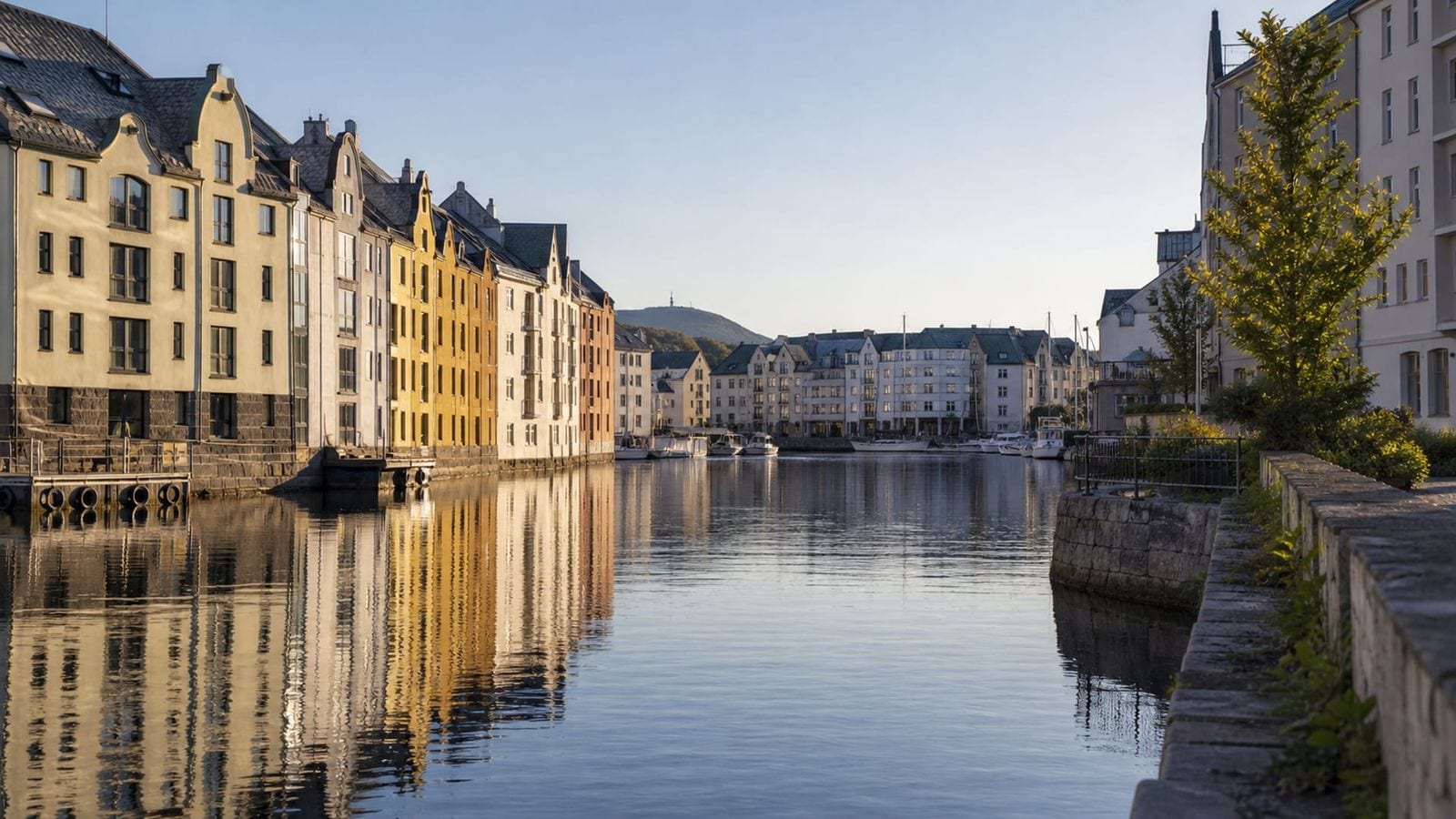
Golden Roof
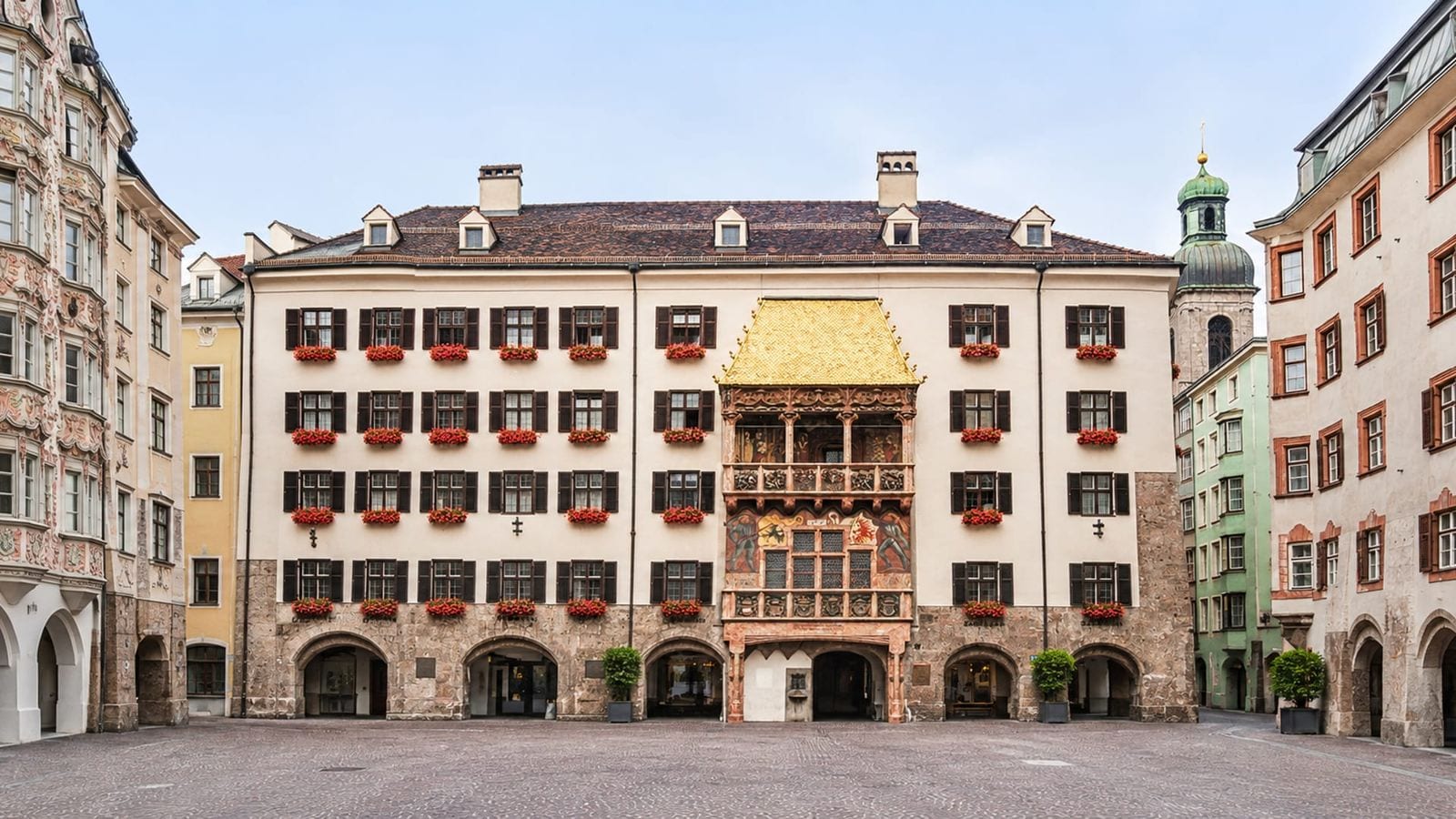
The Golden Roof crowns a late-Gothic balcony on Herzog-Friedrich-Strasse, covered with 2,657 fire-gilded copper tiles. Emperor Maximilian I had it built around 1500 to watch tournaments in the square below, and the museum inside tells his story.
Time needed: 45 minutes to 1 hour
Entry: Admission costs €6 ($6.70), or €3 ($3.40) for seniors and students. Visit the official site for details.
Tip: If you visit between October and April, avoid Mondays, when the museum is closed.
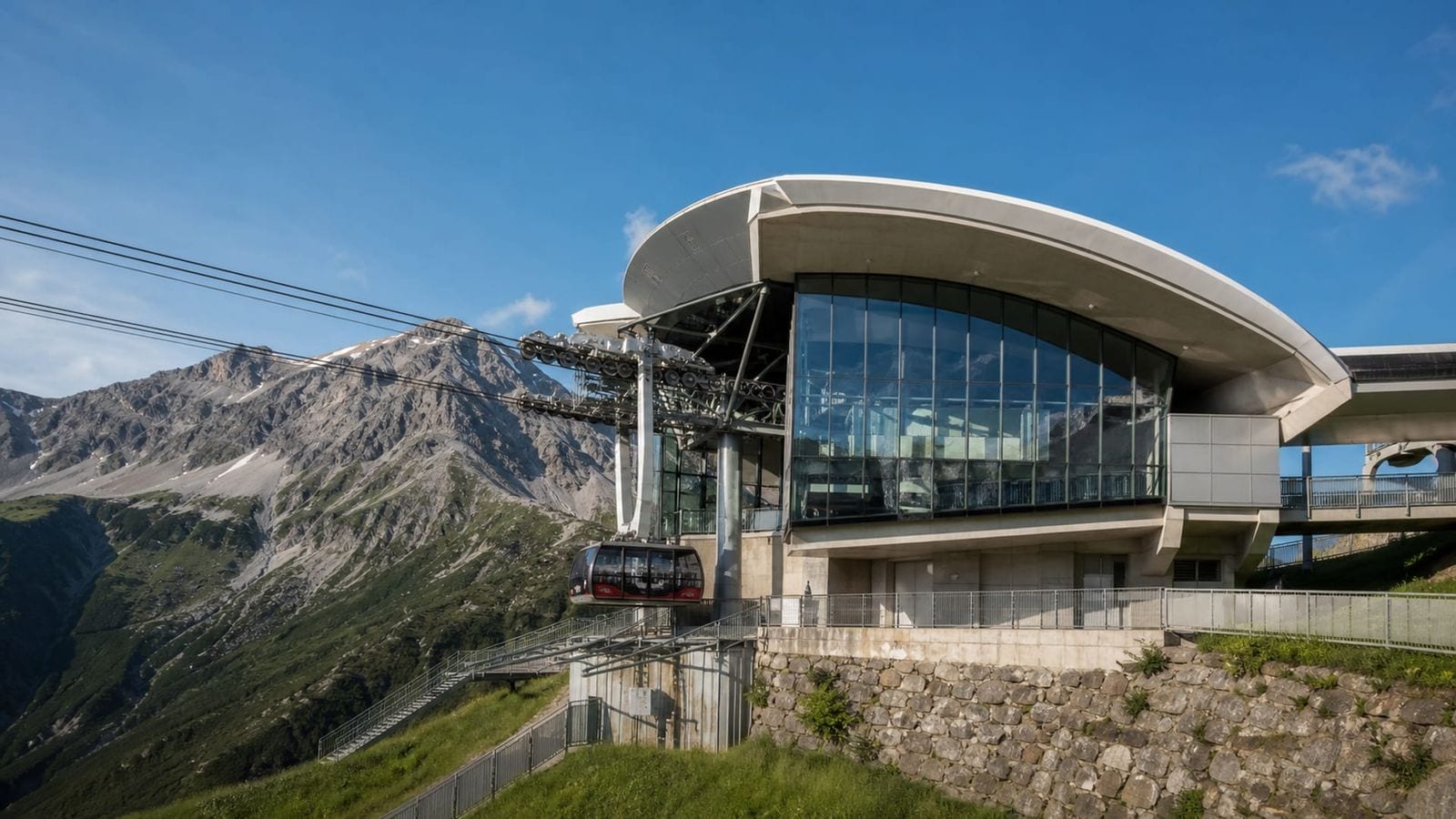
Nordkette cable car
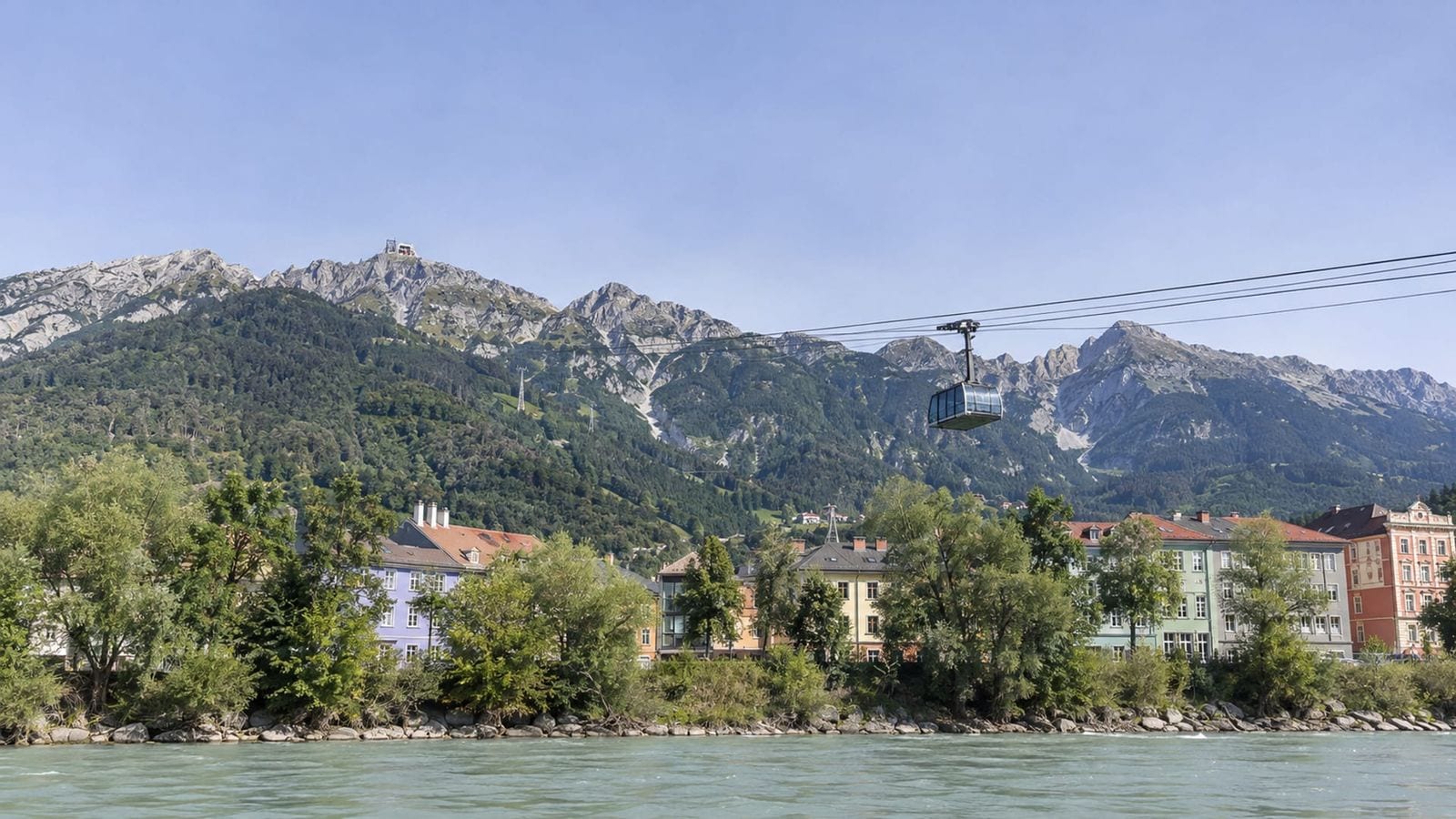
The Nordkette lifts climb from Congress station in the old town to Hafelekar at 7,400 feet (2,256 meters) in about 25 minutes. Seegrube, the middle station, has a panoramic terrace, and Hafelekar looks out over the peaks of the Karwendel Nature Park.
Time needed: 2 to 4 hours
Entry: A return ticket from the old town to Hafelekar costs €59 ($66) for adults. Visit the official site for details.
Tip: Start early on clear days, because afternoon clouds can hide the summit views.
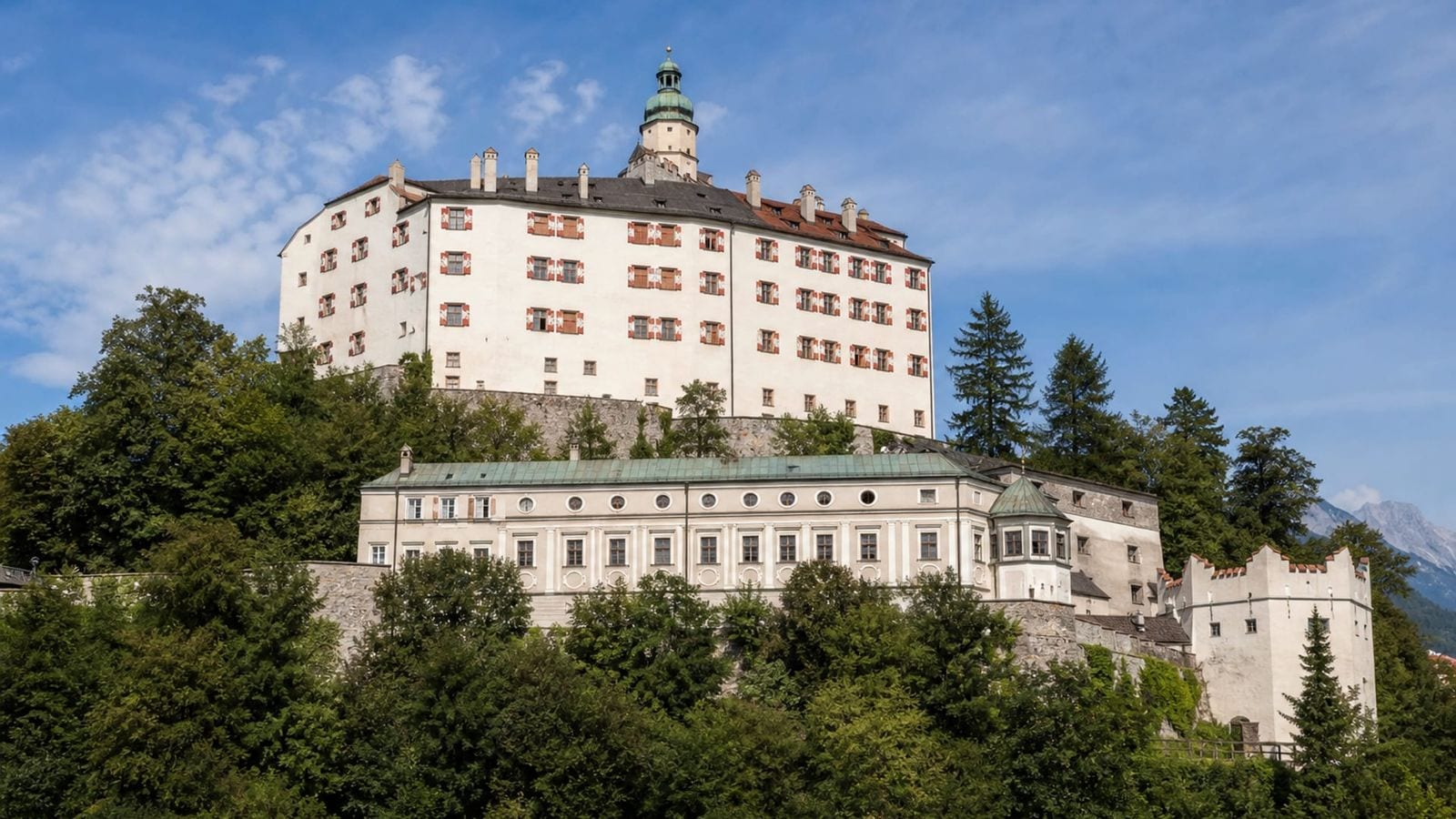
Ambras Castle
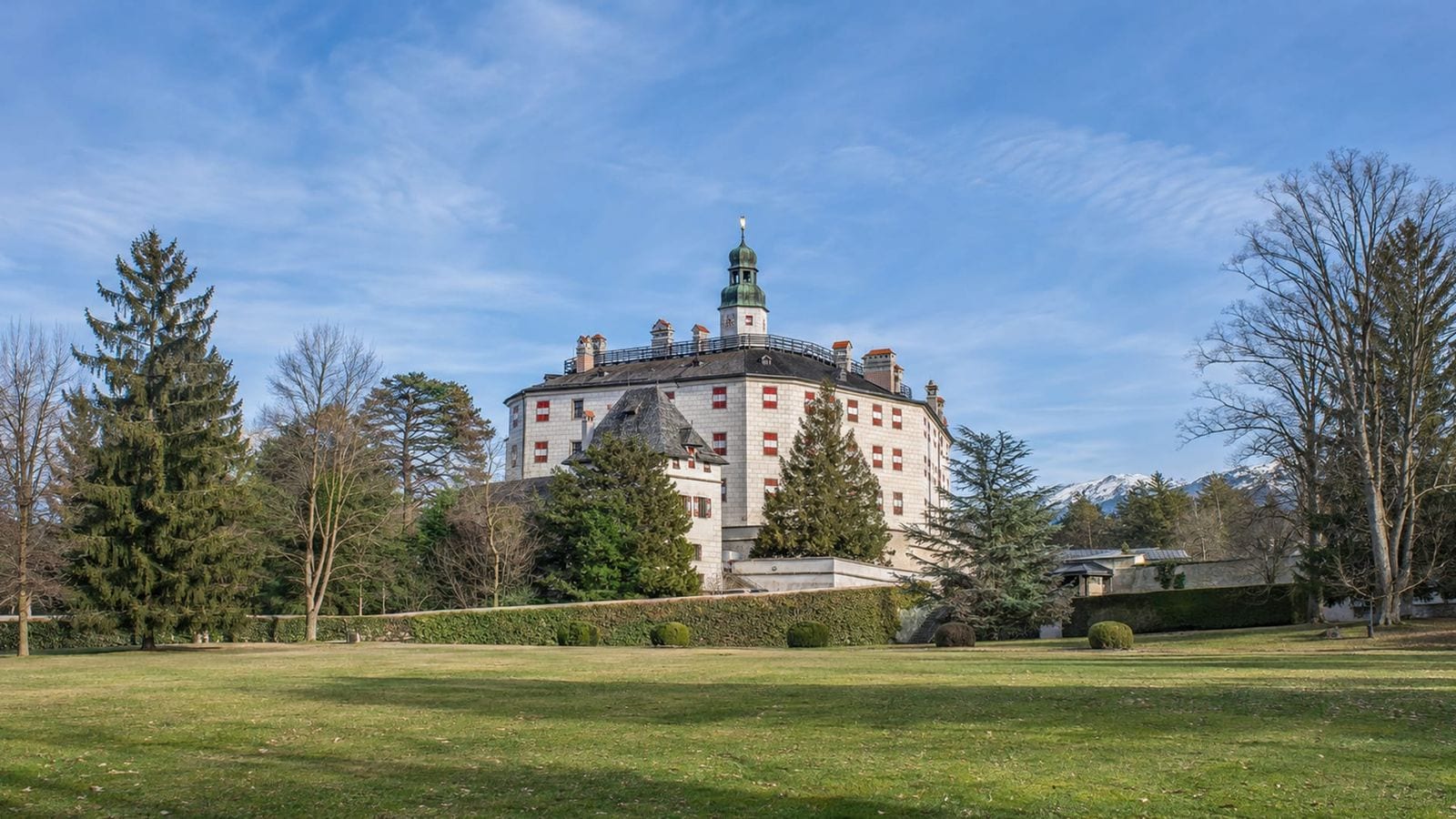
Archduke Ferdinand II turned Ambras Castle, on a hillside at the city’s eastern edge, into a Renaissance residence in the 16th century. Visitors see the Spanish Hall, the armory, his cabinet of art and curiosities, and the castle park.
Time needed: 2 to 3 hours
Entry: Adult tickets cost €18 ($20), or €16 ($18) online. Children get in for free. Visit the official site for details.
Tip: Take bus 540 from the main station, which goes directly to the castle in 10 minutes.
Overlooked places in Innsbruck

Alpenzoo
The Alpine Zoo specializes in animals of the Alpine region, from brown bears, wolves, and lynx to vultures and otters. The Hungerburg funicular takes you there from the old town in a few minutes.
Time needed: 1.5 to 2 hours
Entry: Admission costs €16 ($18), or €23 ($26) with the funicular. No booking needed. Visit the official site for details.
Tip: Buy the combined ticket at the funicular’s valley station at Congress, by the old town.

Court Church and Imperial Tomb
Built in 1553, the Court Church holds Emperor Maximilian I’s tomb, ringed by 28 larger-than-life bronze statues of his ancestors and heroes. The tomb is empty: he was buried in Wiener Neustadt.
Time needed: 45 minutes to 1 hour
Entry: Tickets cost €9 ($10), and visitors under 19 get in for free. No booking needed. Visit the official site for details.
Tip: The church entrance is inside the Museum of Tyrolean Folk Art next door.
What to eat in Innsbruck
Tyrolean food grew out of farmhouse kitchens, built for long days in the mountains. Potatoes, bread dumplings, mountain cheese, and cured bacon fill the menus, followed by pastries for dessert.
Tiroler Gröstl
Tiroler Gröstl is a pan-fried mix of potatoes, boiled beef, and onions, topped with a fried egg. Weisses Rössl, an old town inn with wood-paneled dining rooms, serves it with a bacon-and-cabbage salad.
Käsespätzle
Käsespätzle, called Kasspatzln in Tyrol, are soft egg noodles layered with melted mountain cheese and topped with fried onions. Fischerhäusl, on Herrengasse next to the Imperial Palace, serves them with a green salad.
Speckknödel
Speckknödel are bread dumplings mixed with diced Tyrolean bacon and served either in clear broth or with a salad. Stiftskeller, next to the Golden Roof, has both versions on its menu, plus a trio of spinach, onion, and cheese dumplings.
Apfelstrudel
Apfelstrudel wraps spiced apples in paper-thin pastry. Café Central, a traditional coffeehouse on Gilmstrasse, a 10-minute walk from the Golden Roof, serves it warm on request, with vanilla sauce or whipped cream.
Best time to visit
Innsbruck has four distinct seasons, and each one changes what you can do in the mountains above the city and in the streets of the old town.
Best for: Quiet old town walks, terrace lunches, and snowy peaks above green valleys
What you get: Temperatures range from 32°F to 69°F (0°C to 21°C). Days grow longer, and the cable cars run without the long lines of the summer months.
Trade-offs: Early spring stays chilly, and snow can close higher hiking trails until late May.
Best for: Nordkette trips, mountain hikes, and long evenings on restaurant terraces
What you get: Temperatures range from 53°F to 78°F (12°C to 25°C). Daylight lasts past 9:00 pm in June and July, and all mountain lifts are open.
Trade-offs: These are the wettest and busiest months, with frequent afternoon thunderstorms and lines at the lifts.
Best for: Clear mountain views, fall colors, and the Christmas market from mid-November
What you get: Temperatures range from 32°F to 69°F (0°C to 20°C). September stays warm and sunny, and crowds thin out after the summer holidays.
Trade-offs: November turns cold and gray, and some lifts close for maintenance during the month.
Best for: The Christmas market by the Golden Roof, snowy views, and skiing near the city
What you get: Temperatures range from 23°F to 39°F (-5°C to 4°C). Snow often covers the peaks, and the Nordkette ski area opens right above the city.
Trade-offs: Days are short, with sunset around 4:30 pm in December, and snow and ice can make old town streets slippery.
A 5-day plan in Innsbruck
Five days give you time for Innsbruck’s two sides: the imperial old town in the valley and the Nordkette peaks above it. This plan keeps each day in one part of the city, from the Golden Roof and Imperial Palace to Ambras Castle, Hötting, and Wilten.
Innsbruck Airport (INN) is 2.5 miles (4 km) from the old town, a 10- to 15-minute taxi ride or 20 minutes on the F bus to the main station. After check-in, take an easy evening walk along the arcaded streets of the old town and have an early dinner of Tiroler Gröstl at Weisses Rössl.
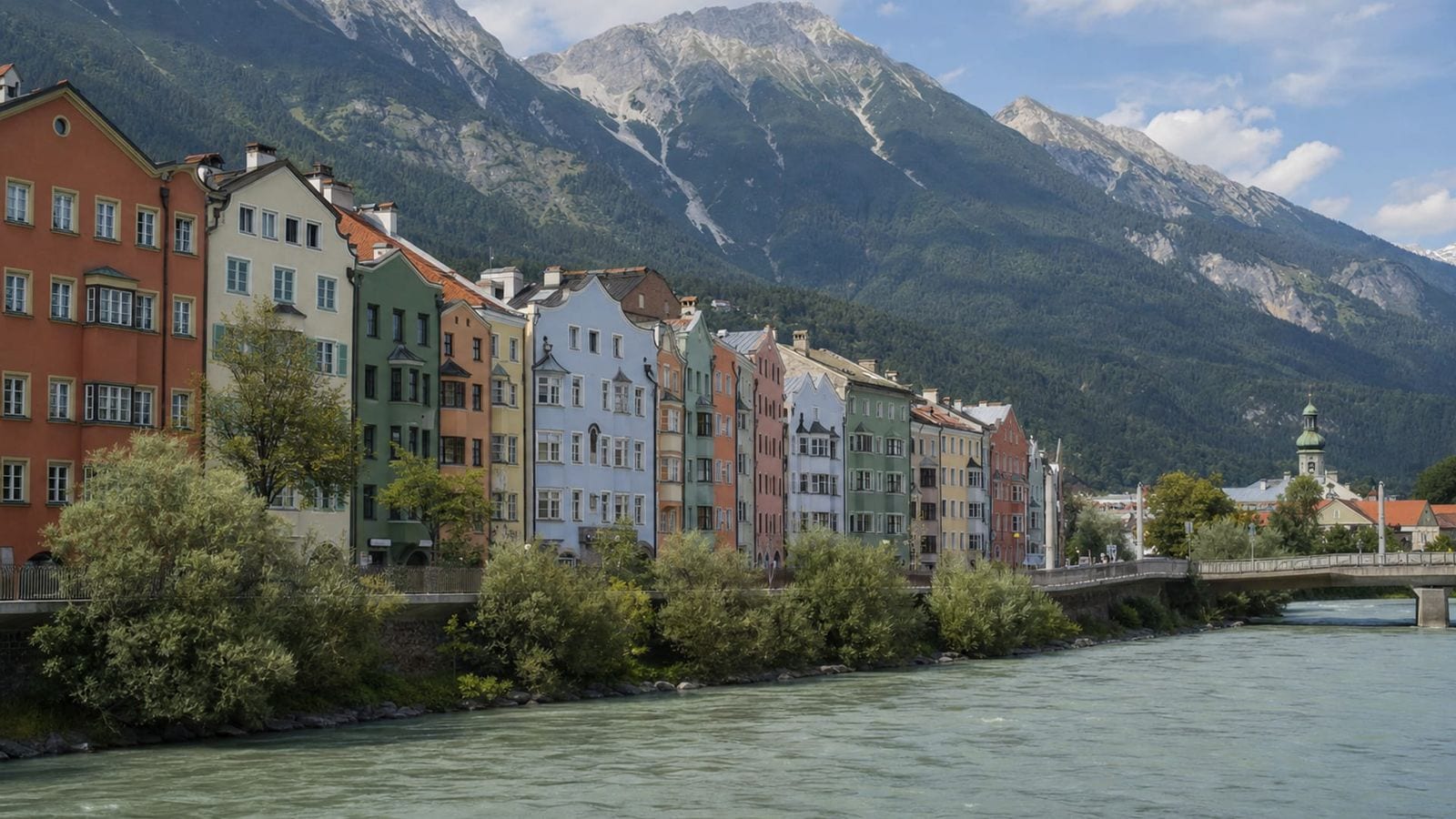
Start at the Golden Roof when its museum opens at 10:00 am, then walk 5 minutes to the Court Church to see the 28 bronze statues around Maximilian I’s tomb. The Imperial Palace is next door, and its imperial apartments take 1 to 1.5 hours to explore. In the afternoon, walk down Maria-Theresien-Strasse to St. Anne’s Column, then stop for strudel at Café Central.
Ride the funicular from Congress station and catch the first cable car to Seegrube at 8:30 am, then continue to Hafelekar, where clear mornings give the widest views over the Karwendel peaks. Allow 2 to 4 hours in the mountains. On the way down, get off at the Alpine Zoo stop and spend 1.5 hours with the bears, wolves, and lynx before returning to the old town.
Take bus 540 from the main station to Ambras Castle, 10 minutes away, and spend the morning in the Spanish Hall, the armory, and the castle park. After lunch, return to the old town and cross the Inn bridge to Hötting, where the streets climb toward the Nordkette. For dinner, choose a family-run inn on the slopes, such as Gasthaus Planötzenhof, which overlooks the city.
Spend your last morning in Wilten. Take tram 1 to the baroque Wilten Basilica with its onion-dome towers, then ride to the end of the line at Bergisel. The ski jump designed by Zaha Hadid has a viewing terrace over the city. Stop for coffee on the Wiltener Platzl, then collect your bags for the airport.
Business-class flights from the US to Innsbruck
No airline flies nonstop from the US to Innsbruck (INN), so most trips connect in Vienna (VIE), which has year-round flights to the city.
New York (JFK) to Innsbruck (INN)
From New York (JFK), Austrian Airlines connects to Innsbruck (INN) through Vienna (VIE), Lufthansa through Munich (MUC) with its own bus for the final stretch, and British Airways through London (LHR, LGW) in winter. The shortest trips take 13.5 to 14 hours. Round-trip business-class fares start at $4,500 and can exceed $10,000 on busy dates.
Los Angeles (LAX) to Innsbruck (INN)
From Los Angeles (LAX), the fastest option is Lufthansa’s nonstop flight to Munich (MUC), followed by the airline’s own bus to Innsbruck (INN), for a total of 15 to 16 hours. Austrian Airlines also runs a seasonal nonstop flight to Vienna (VIE), with a connection to Innsbruck (INN). Other itineraries make two stops, through Denver (DEN), Chicago (ORD), or Frankfurt (FRA). Round-trip business-class fares start at $4,800 and can reach $11,500.
Innsbruck, from Habsburg halls to Hafelekar
Innsbruck is compact enough for a five-day visit, with time for both its main sights and quieter corners. Explore the old town and the Imperial Palace together, set aside a morning for the Nordkette, and leave Ambras, Hötting, and Wilten for a more relaxed pace. This keeps travel time short and leaves more room for the mountains, museums, and neighborhoods. When you are ready to plan your trip, the AranGrant team can arrange business-class flights to Innsbruck and a hotel that suits your stay.







