

Chapters:

Need help with your trip?
Our support team is available 24/7. Request a callback or call us directly at (833) 619-0908
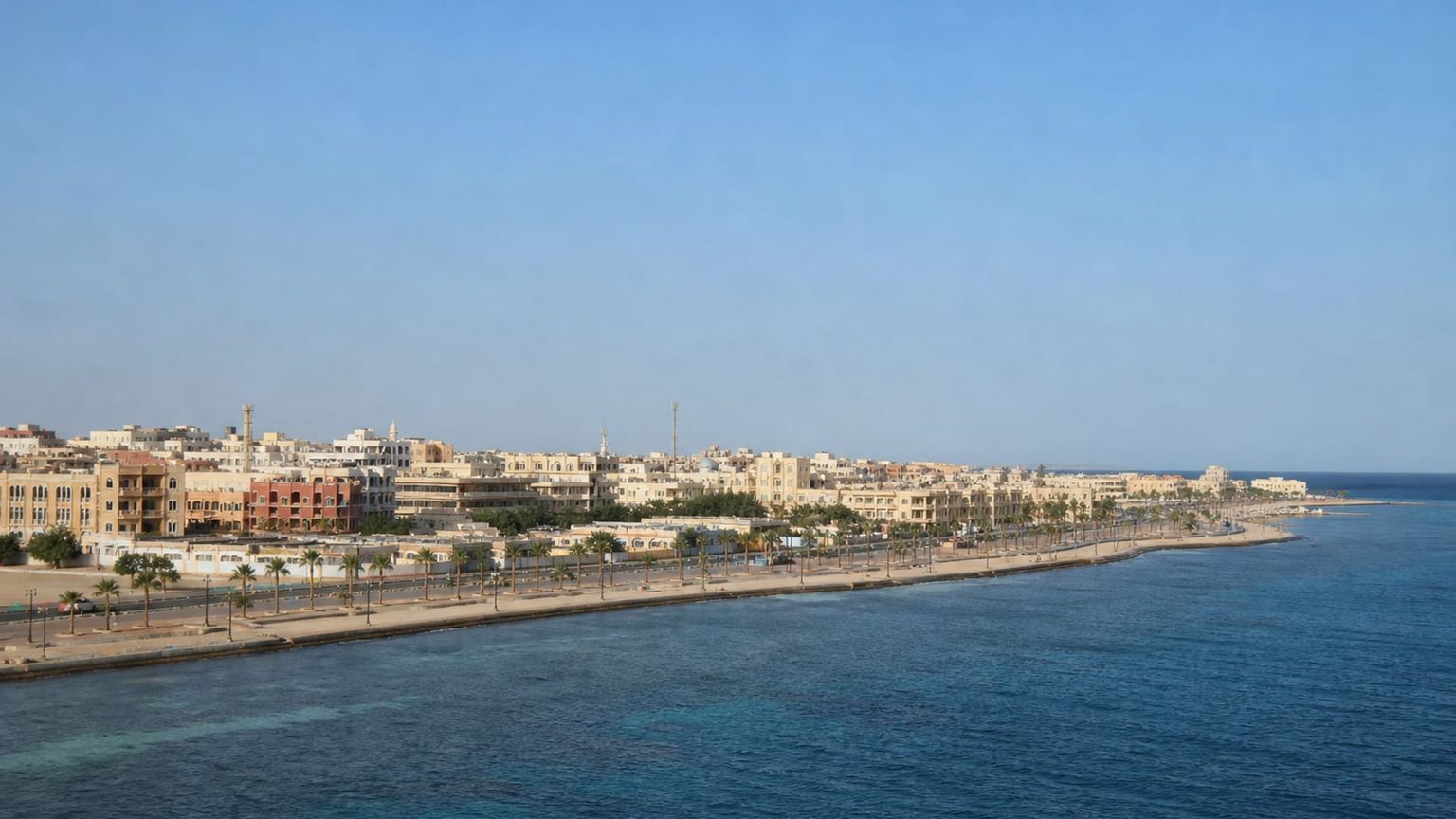
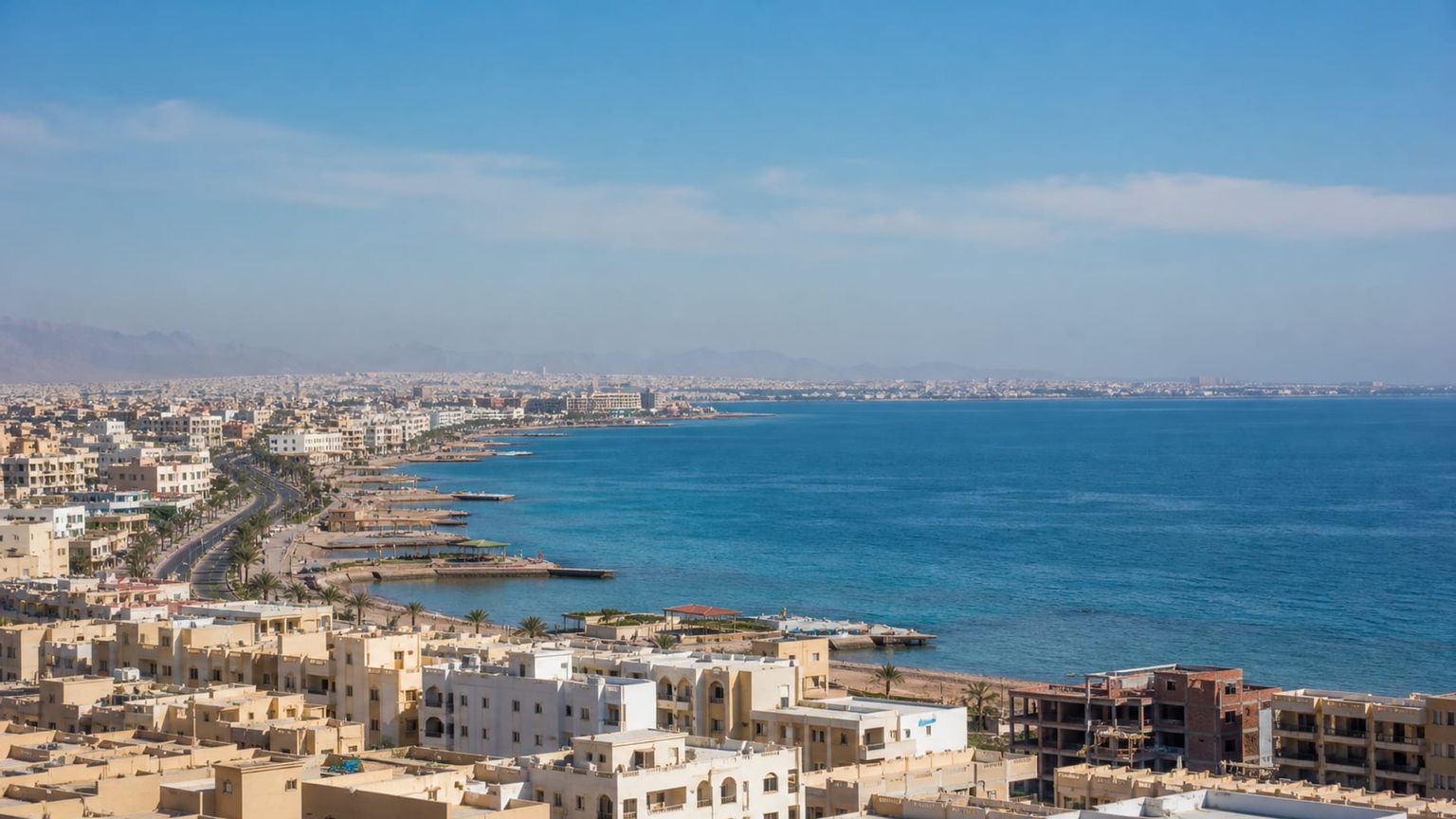
Hurghada grew from a small Red Sea fishing village into one of Egypt’s best-known coastal destinations. Its long shoreline now brings together beach resorts, coral reefs, and boat excursions, but the city has another side beyond the hotel beaches. In El Dahar, traditional markets and local cafés reflect everyday Egyptian life, while Sakkala’s marina offers waterfront restaurants and evening strolls.
The contrast between these districts, the surrounding desert, and the islands offshore gives Hurghada more variety than its resort reputation suggests. Visitors can spend one day snorkeling in the Red Sea and another discovering the old town’s streets and markets. This guide covers where to stay, what to see, local cuisine, and how to enjoy Hurghada at an unhurried pace.
Useful things to know

Main language(s): Arabic
marhaban (mar-ha-ban) – hello/good morning
min fadlak (min fad-lak) – please
shukran (shook-ran) – thank you
hal tatakallam al-ingliziyya? (hal ta-ta-ka-llam al-in-gli-zi-ya) – Do you speak English?
kam ath-thaman? (kam ath-tha-man) – How much does it cost?

Currency: Egyptian pound (EGP, E£)

Cash and cards: Hotels and larger businesses commonly accept cards and contactless payments. Carry small Egyptian pound P notes for taxis, tips, and market purchases.

Tipping: Leave about 10% at restaurants for good service, but check first to see whether a service charge is already included.

Traditional food: Fatta, sengari fish, kofta, and shakshuka are four dishes to look for in Hurghada, from traditional Egyptian preparations to Red Sea seafood.

Water and coffee costs: Bottled water costs EGP 10 to EGP 30 (US$0.18 to US$0.54), while an espresso costs EGP 40 to EGP 100 (US$0.71 to US$1.79).

Taxis and ride apps: Uber and inDrive operate in Hurghada. Check the app for available drivers and pickup locations, particularly at the airport and larger resorts.

Plug and voltage: Type C and F plugs, 220 V, 50 Hz. US travelers should bring a plug adapter and check device voltage compatibility.

Dining and shop opening hours: Many restaurants serve lunch from noon to 4 pm and dinner from 7 pm onward. Shops commonly open at 10 am and close by 11 pm.

Emergency number: 112 for general emergencies; 122 for police, 123 for ambulance, 180 for fire, and 126 for tourist police
Where to stay in Hurghada
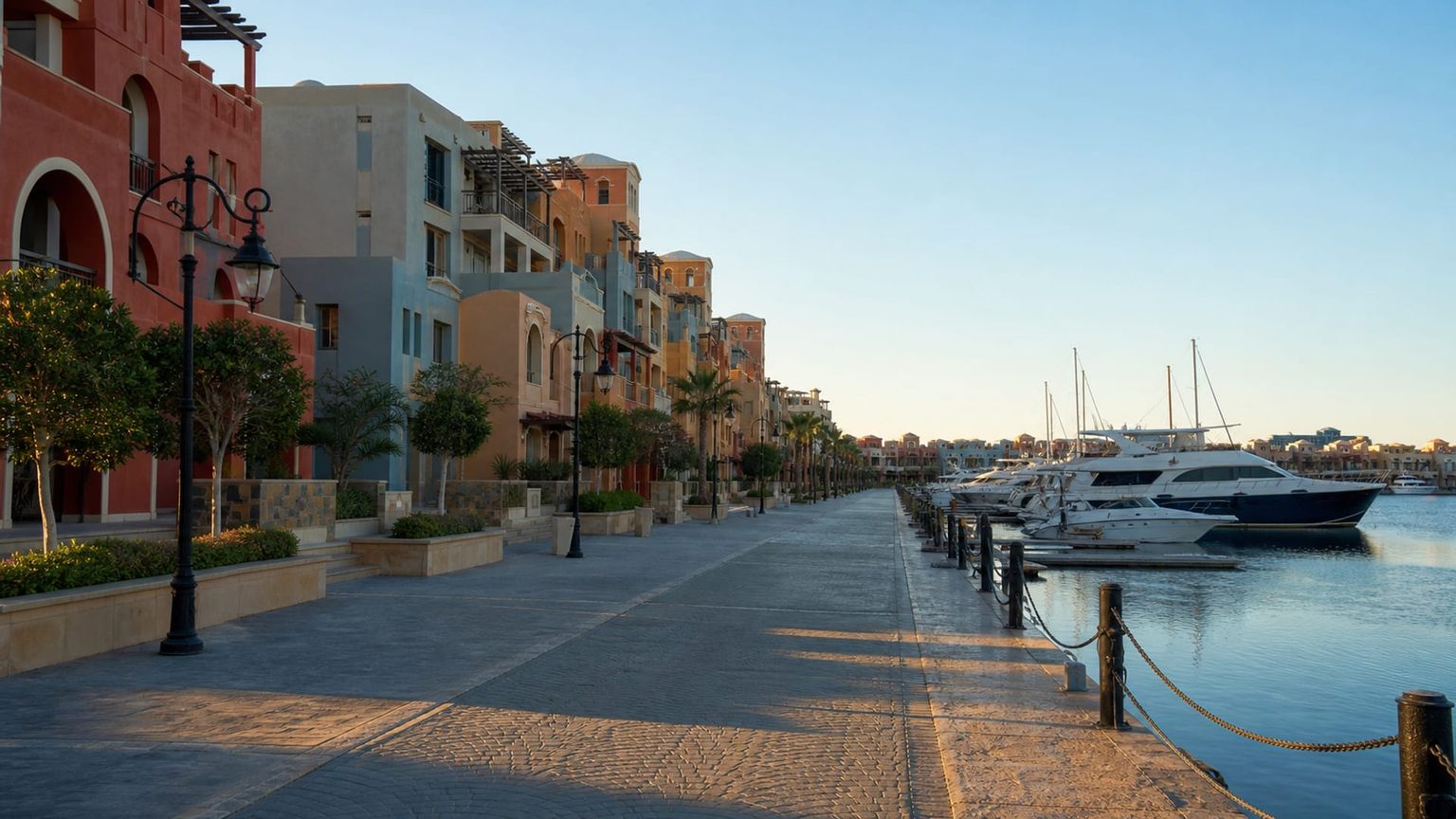
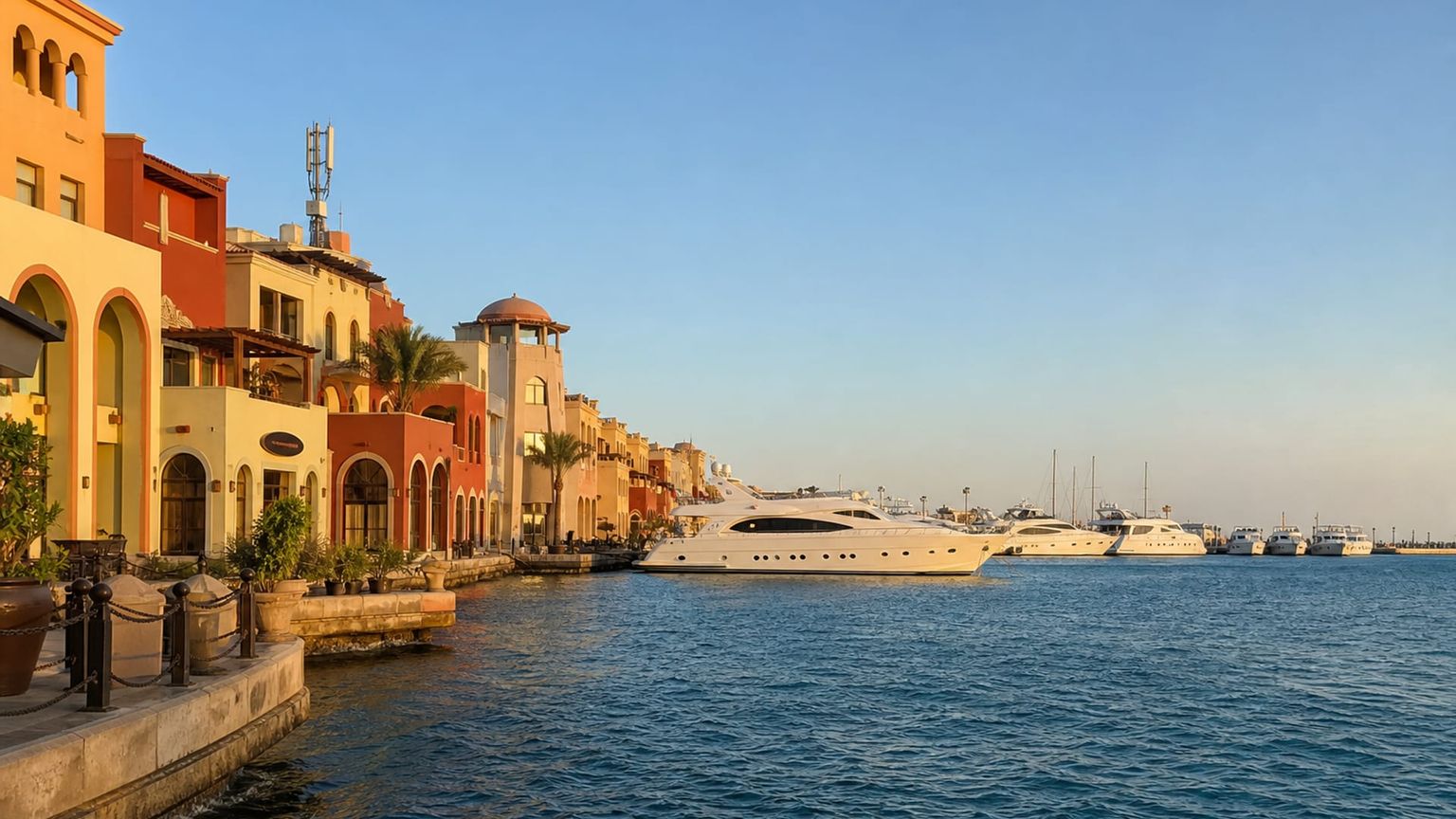
Hurghada Marina occupies a waterfront stretch of Sakkala beside the fishing harbor, with yacht berths, restaurants, cafés, and a pedestrian promenade facing the Red Sea. Its modern waterfront development contrasts with the surrounding commercial streets and remains especially lively after sunset.
Best for: Dining, boat trips, diving departures, and travelers who want an evening-friendly waterfront base
What to expect: Busy promenade traffic, plenty of visitors, and a clear tourist focus, especially after sunset.
Hotel prices: Usually about $90 to $220 per night for well-rated stays
Distance to major sights: About 10 to 15 minutes by car to Hurghada Grand Aquarium, about 20 to 30 minutes to El Dahar
Quietness: Lively in the evening, with more street noise and movement around the marina bars and restaurants; calmer in the morning.
Main trade-off: You pay more for waterfront addresses, and some rooms sit above late-opening venues or face marina activity.
Good to know: Not all boat excursions depart from the marina, so confirm the departure harbor before booking.
Sakkala forms Hurghada’s central commercial district, extending along Sheraton Road and the surrounding streets. Shops, cafés, hotels, and local businesses line its busy avenues, while several established beachfront resorts occupy the coastal side. The area mixes everyday city life with tourism.
Best for: Central positioning, walkable errands, and easy taxi access to beaches and city sights
What to expect: Constant vehicle movement, busy sidewalks, and a mix of locals, tourists, and workers throughout the day.
Hotel prices: Usually about $40 to $110 per night for well-rated stays
Distance to major sights: About 5 to 10 minutes by car to Hurghada Marina, about 15 to 20 minutes to El Dahar
Quietness: Noisy and active by day, then somewhat calmer late at night once shops close and traffic drops.
Main trade-off: You gain convenience, but the area is less scenic than the waterfront and many streets have heavy traffic.
Good to know: Some coastal hotels offer private beaches, so check beach access when comparing properties along Sheraton Road.
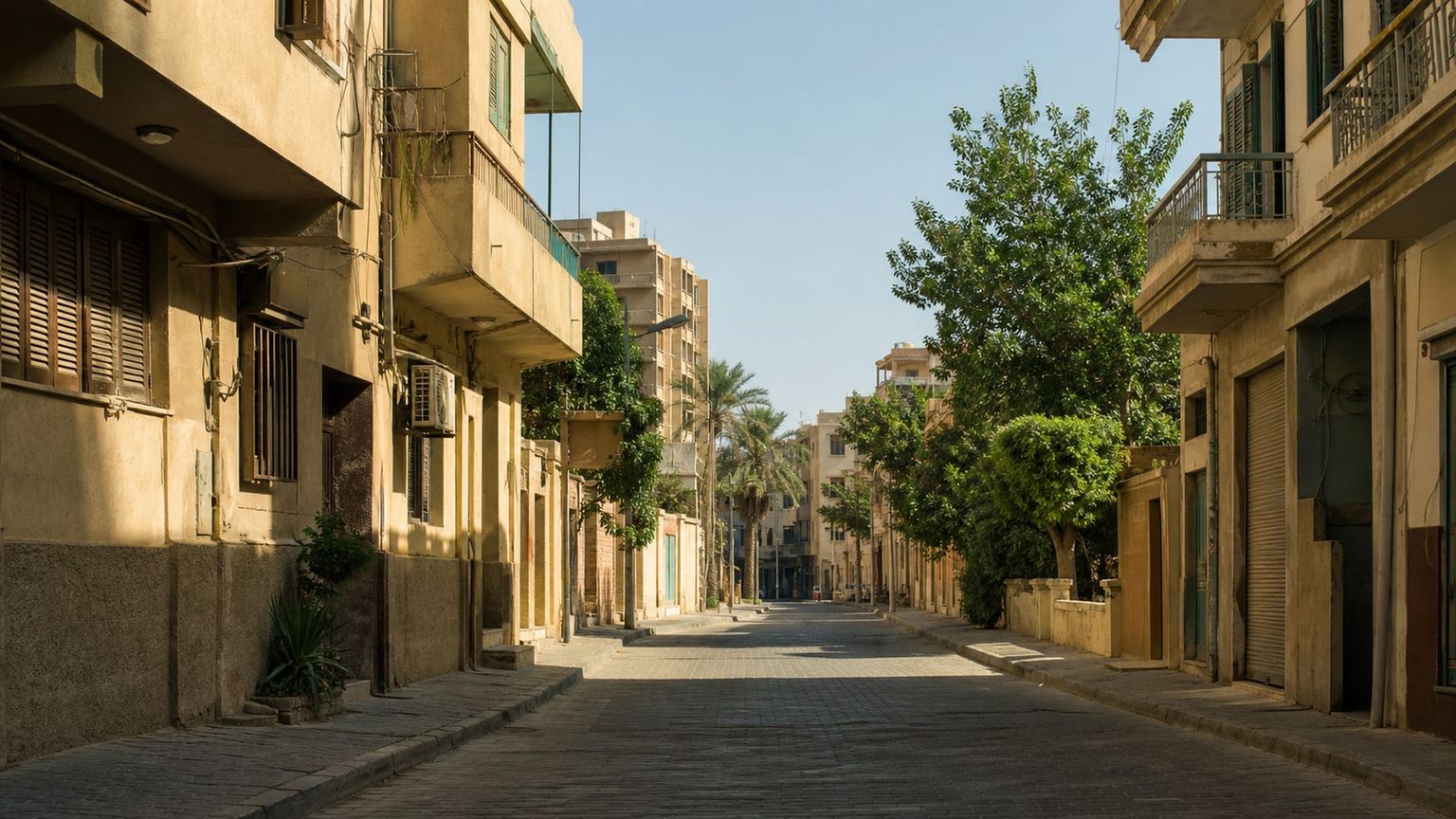
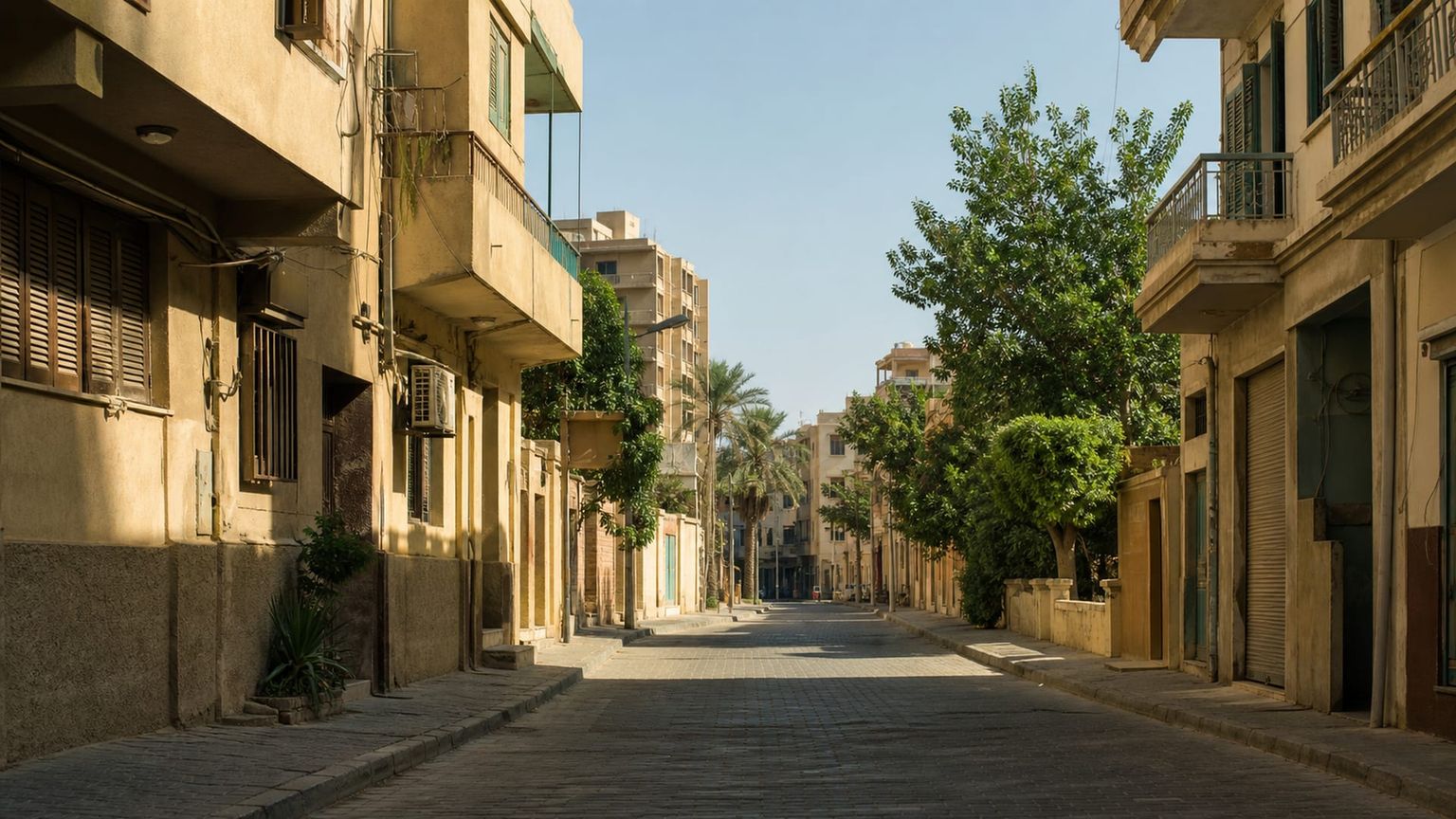
El Dahar is Hurghada’s historic northern district, where traditional markets, mosques, bakeries, and residential streets reflect the city’s Egyptian roots. The old commercial quarter lies inland from the Red Sea, while the nearby northern coastline has several larger hotels and beachfront resorts.
Best for: Markets, local restaurants, budget stays, and travelers who prefer a less resort-driven setting
What to expect: Crowded streets, market stalls, and steady local movement through the day, with a more subdued evening scene.
Hotel prices: Usually about $25 to $70 per night for well-rated stays
Distance to major sights: About 15 to 20 minutes by car to Hurghada Marina, about 20 to 25 minutes to Hurghada Grand Aquarium
Quietness: Busy and energetic in daytime, then quieter after shops close, though some streets stay active later than others.
Main trade-off: Hotel choice is narrower, and the area sits farther from the waterfront and the main resort beaches.
Good to know: Look toward the northern waterfront for resort facilities while keeping El Dahar’s markets and restaurants within a short drive.
Choose Sakkala for central hotels, restaurants, and beach access, or Hurghada Marina for waterfront dining and evening walks. El Dahar is better for local markets, but its old-town streets have fewer upscale hotels and resort facilities.
Hotel deals
How to get around Hurghada efficiently
Hurghada has no metro or tram network. Public minibuses cover local routes, while taxis and ride apps provide direct transport across the city and resort areas.

Public minibuses
for longer distances
Shared minibuses link El Dahar, the port, Shery, and several hotel districts. Published fares range from EGP 5 to EGP 13 (US$0.09 to US$0.23) on these routes. Pay in cash, confirm your destination with the driver, and avoid them when carrying large luggage.

Taxis
for convenience
Licensed taxis serve Hurghada’s hotels, shopping areas, and airport. Airport journeys commonly cost an estimated EGP 150 to EGP 400 (US$2.70 to US$7.15), depending on distance. Agree on the full fare before departure and keep small Egyptian pound notes for payment.

Uber and inDrive
for convenience or late hours
Uber and inDrive offer an alternative to street taxis, particularly for trips between hotels, restaurants, and the marina. Uber displays a fare estimate before booking, while inDrive lets you propose a price. Both calculate or negotiate fares by journey, so check the live amount before accepting.
*Prices are based on rates updated as of June 2026 and may change at the time of travel.
Minibuses are the cheapest option for local journeys, taxis suit airport transfers and luggage, and ride apps offer fare visibility for direct trips across Hurghada.
Iconic landmarks
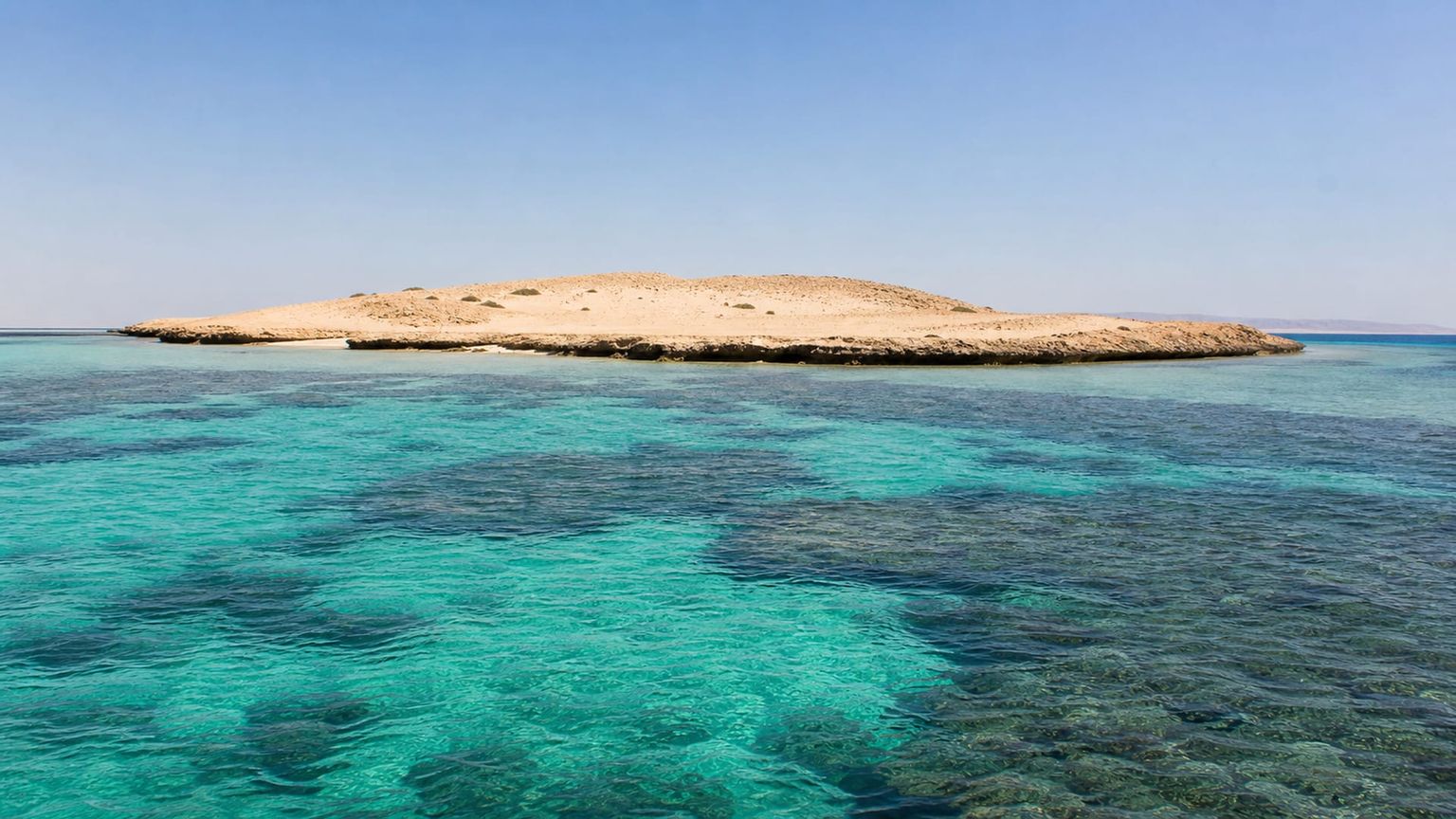
Giftun Islands
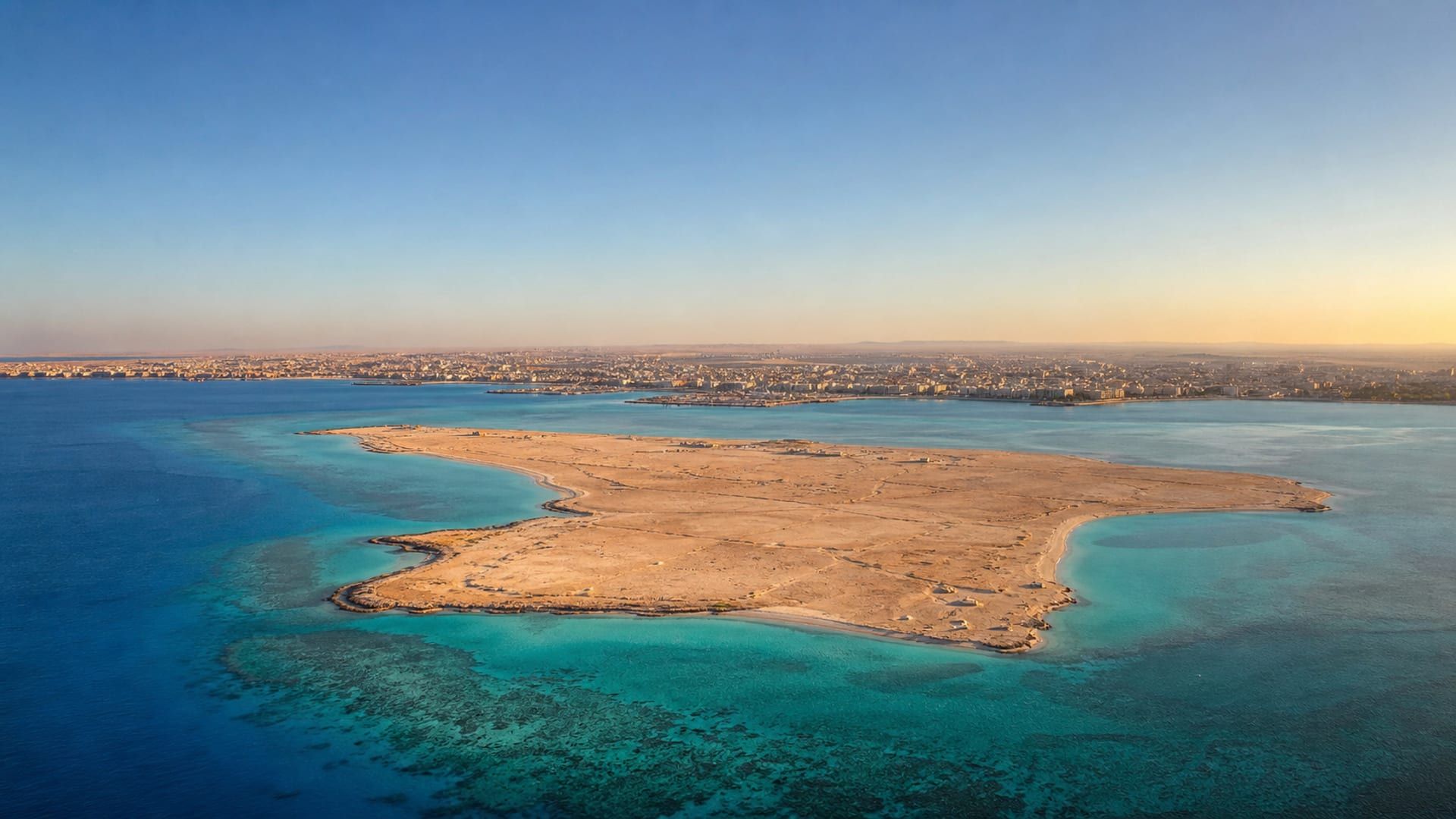
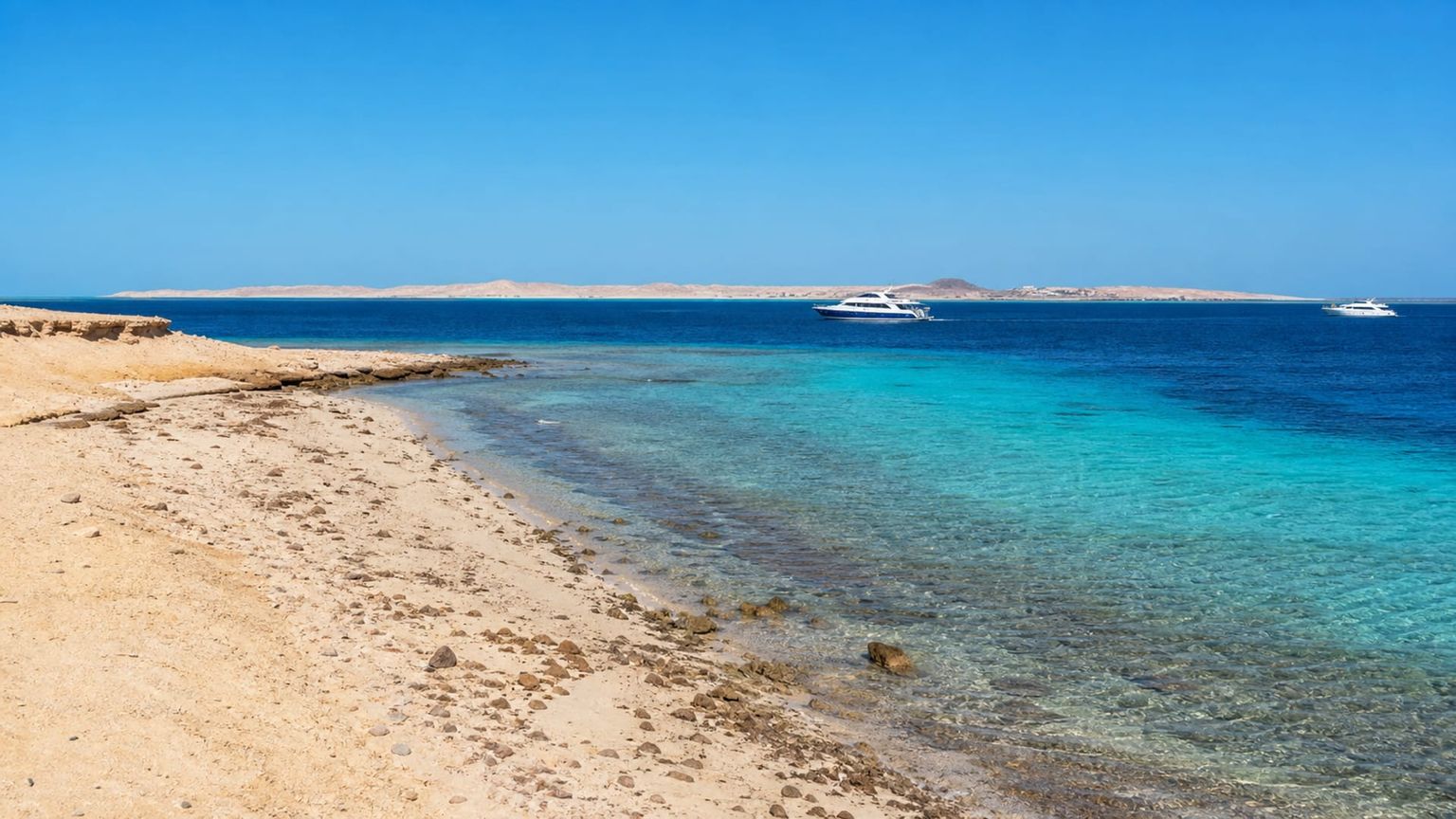
Giftun Islands lie off Hurghada’s Red Sea coast, where pale sandy beaches meet turquoise water and coral reefs rich in marine life. Protected as part of Giftun Island National Park, they are the area’s most popular boat excursion, with designated beaches for swimming and nearby reefs for snorkeling.
Time needed: A boat excursion usually takes 6–8 hours.
Entry: A mandatory national park conservation fee of 300 EGP ($5) applies. You should pay it on arrival. Boat excursion packages from Hurghada operators vary in price and inclusions.
Tip: Check whether your excursion includes snorkeling equipment, lunch, and park fees.
Hurghada Grand Aquarium
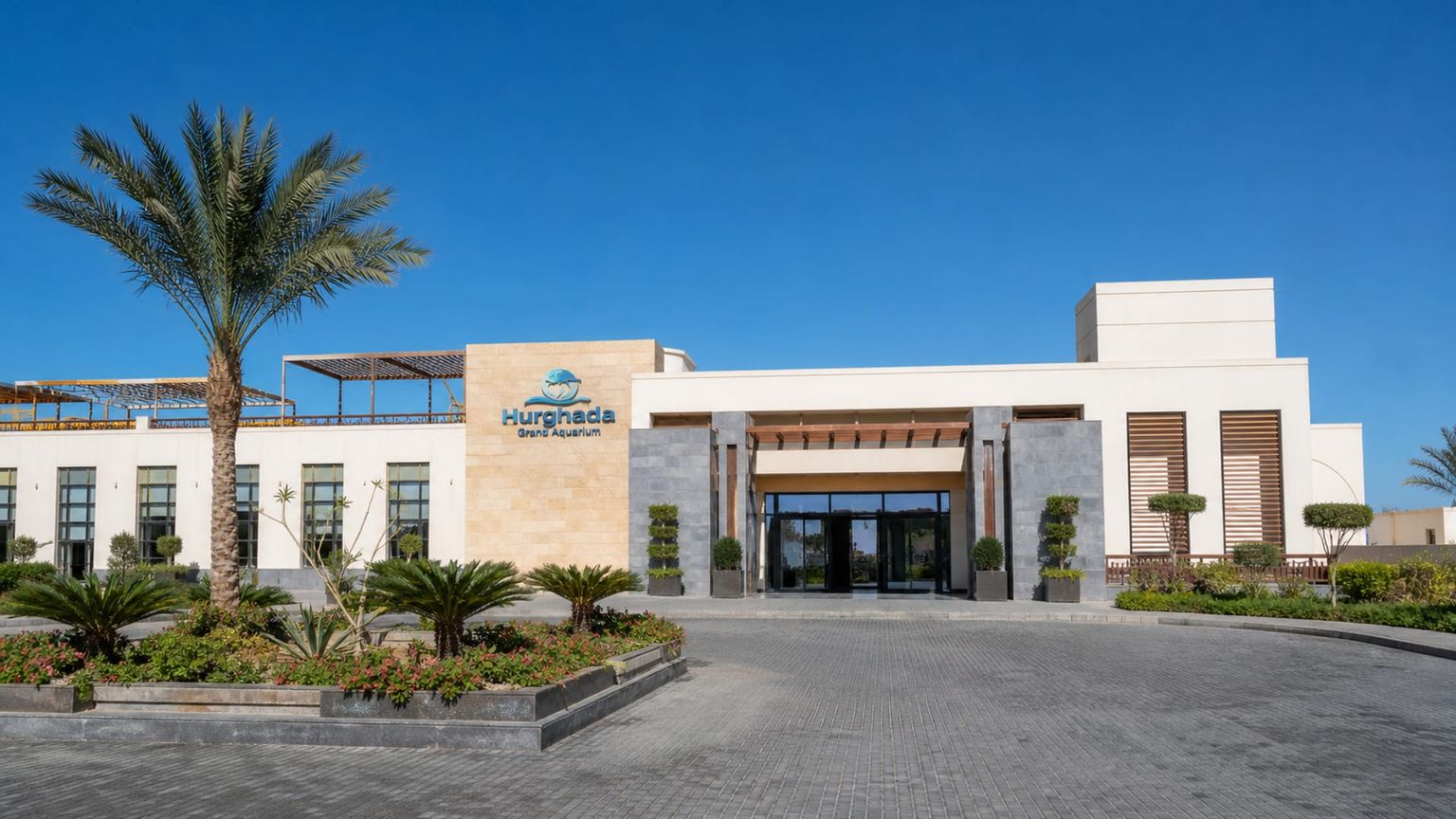
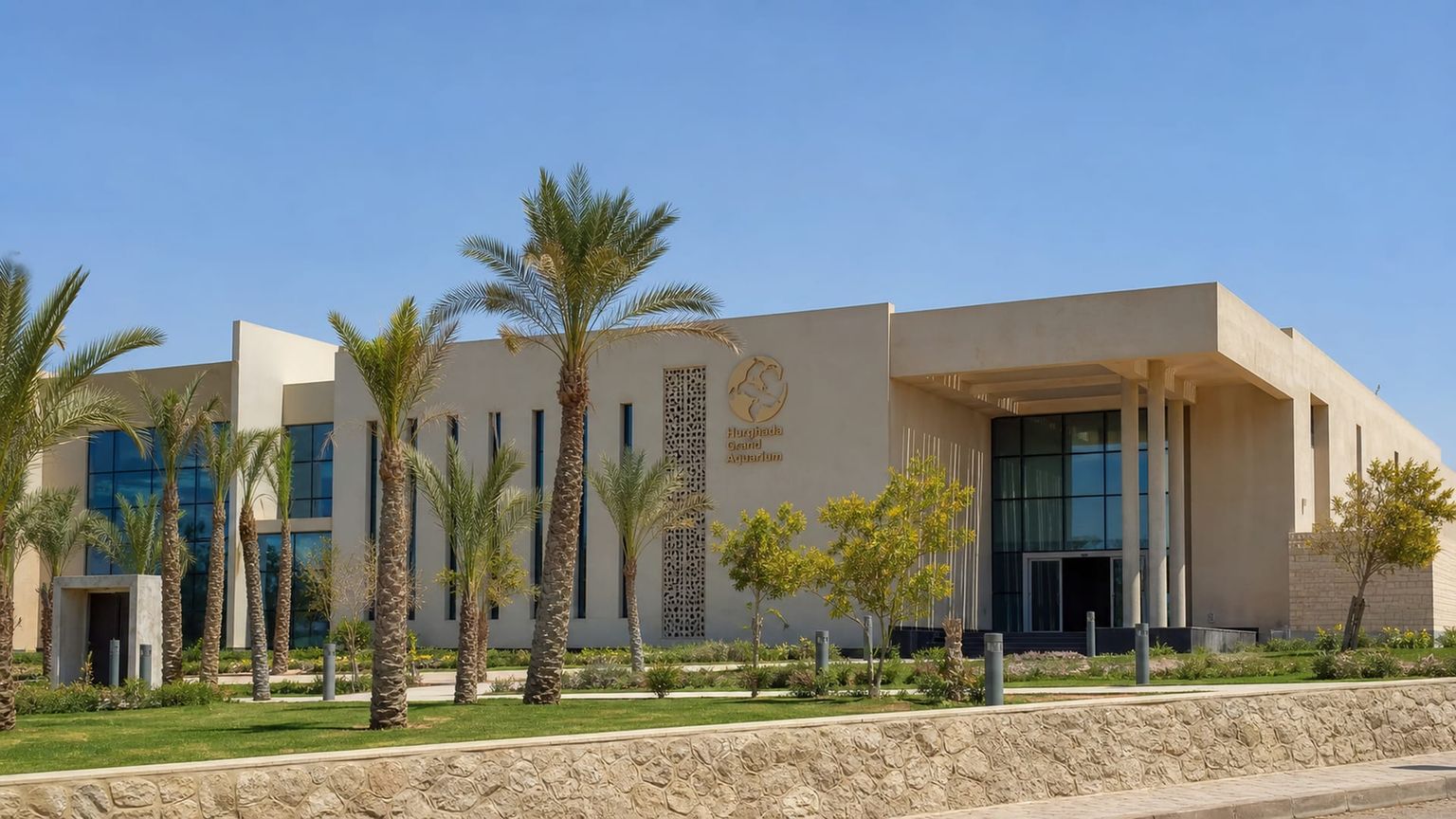
Hurghada Grand Aquarium brings Red Sea marine life into a large visitor complex south of the city center. A 79-foot (24-meter) underwater tunnel offers close views of sharks, rays, and reef fish, while the rainforest, mini zoo, and prehistoric whale exhibits extend the visit beyond the main tanks.
Time needed: A visit takes 2–3 hours.
Entry: Adult tickets cost EGP 1,960 (US$35), or EGP 1,795 (US$32) online. Visit the official website for details.
Tip: Check the shark-feeding schedule if you want to see a feeding session.
Al Mina Mosque
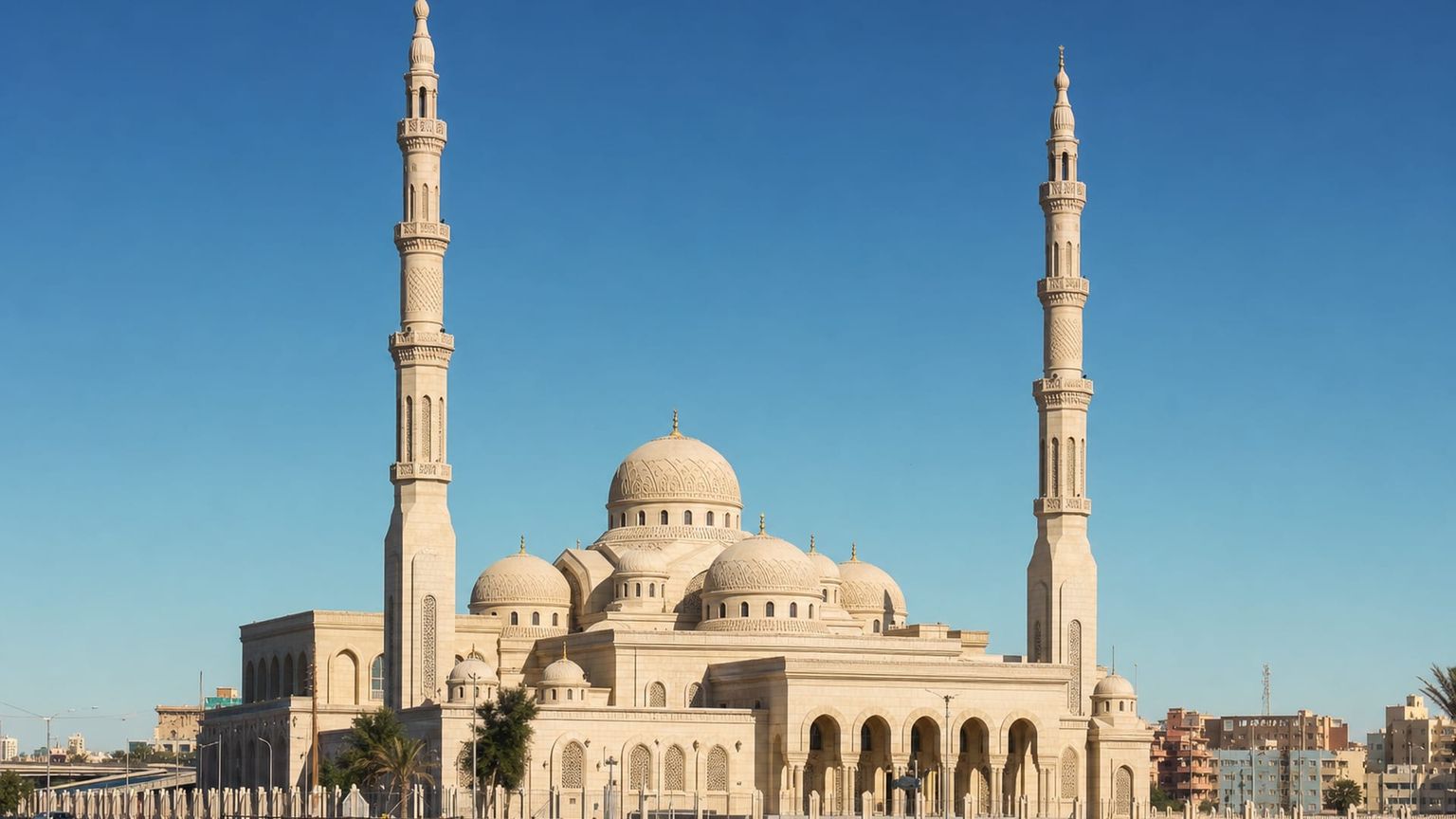
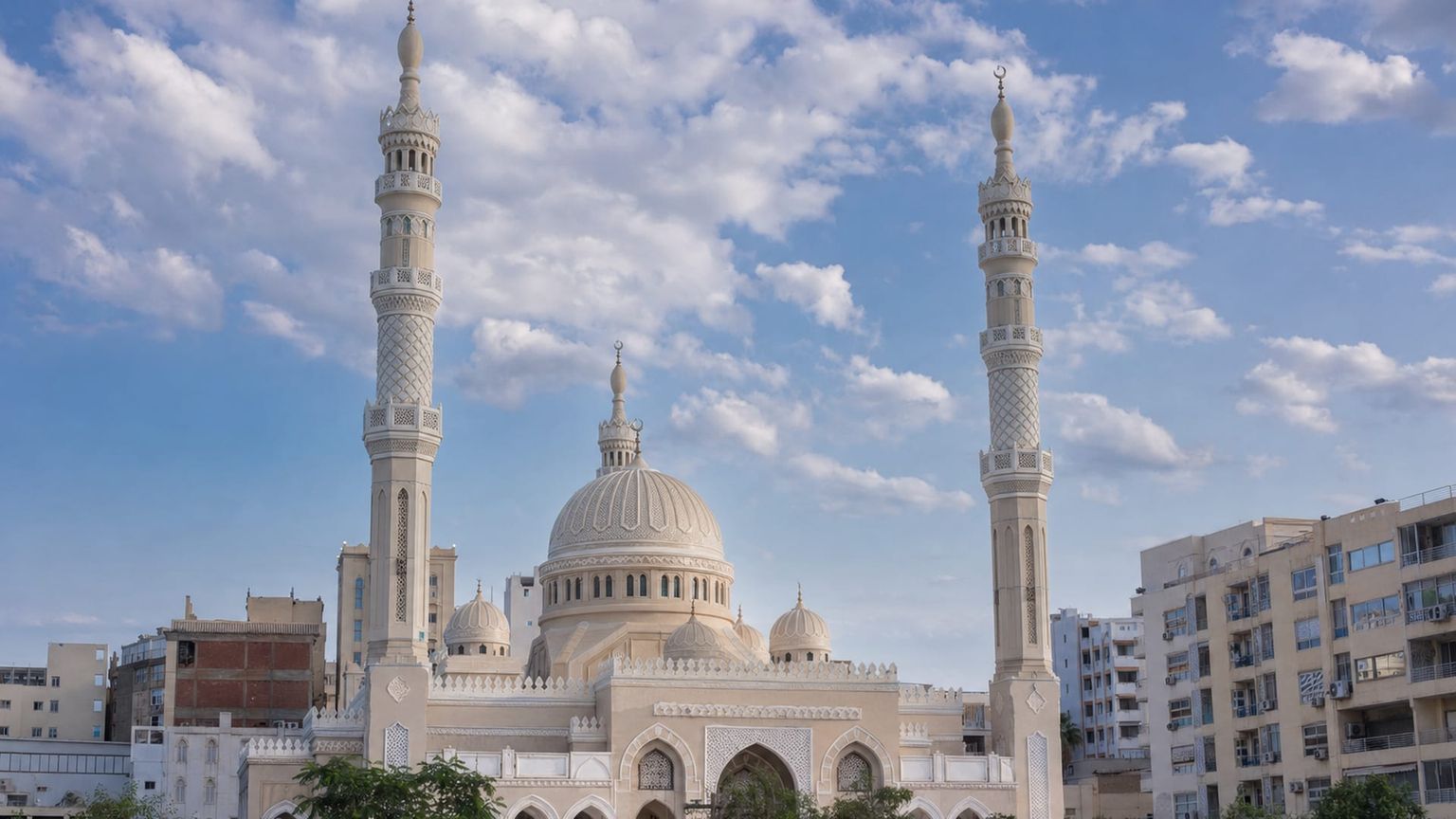
Al Mina Mosque stands beside Hurghada’s harbor, where its white domes and two tall minarets dominate the waterfront. The mosque’s carved stonework, arched entrances, and spacious prayer hall make it one of the city’s most recognizable religious landmarks and a contrast to its modern resort areas.
Time needed: A visit takes approximately 30–45 minutes.
Entry: Admission is free. Visitor access depends on prayer times.
Tip: Wear modest clothing, and avoid visiting during Friday midday prayers.
Overlooked sites worth visiting

Hurghada Museum
Hurghada Museum explores Egypt’s history through around 2,000 artifacts, from ancient Egyptian sculptures and jewelry to objects reflecting the country’s Christian, Islamic, and modern eras.
Time needed: A visit takes around 1–2 hours.
Entry: Foreign admission costs EGP 300 (US$5); booking is not required. Visit the official website for details.
Tip: Check the museum’s morning and evening opening sessions before visiting.

Coptic Church of Saint Shenouda
Saint Shenouda Coptic Church stands in El Dahar, with Coptic crosses, stained glass, and painted religious artwork. It offers a glimpse into Hurghada’s Christian community and religious traditions.
Time needed: A visit takes approximately 30–45 minutes.
Entry: Free
Tip: Dress modestly, and ask permission before photographing the interior.
Traditional food
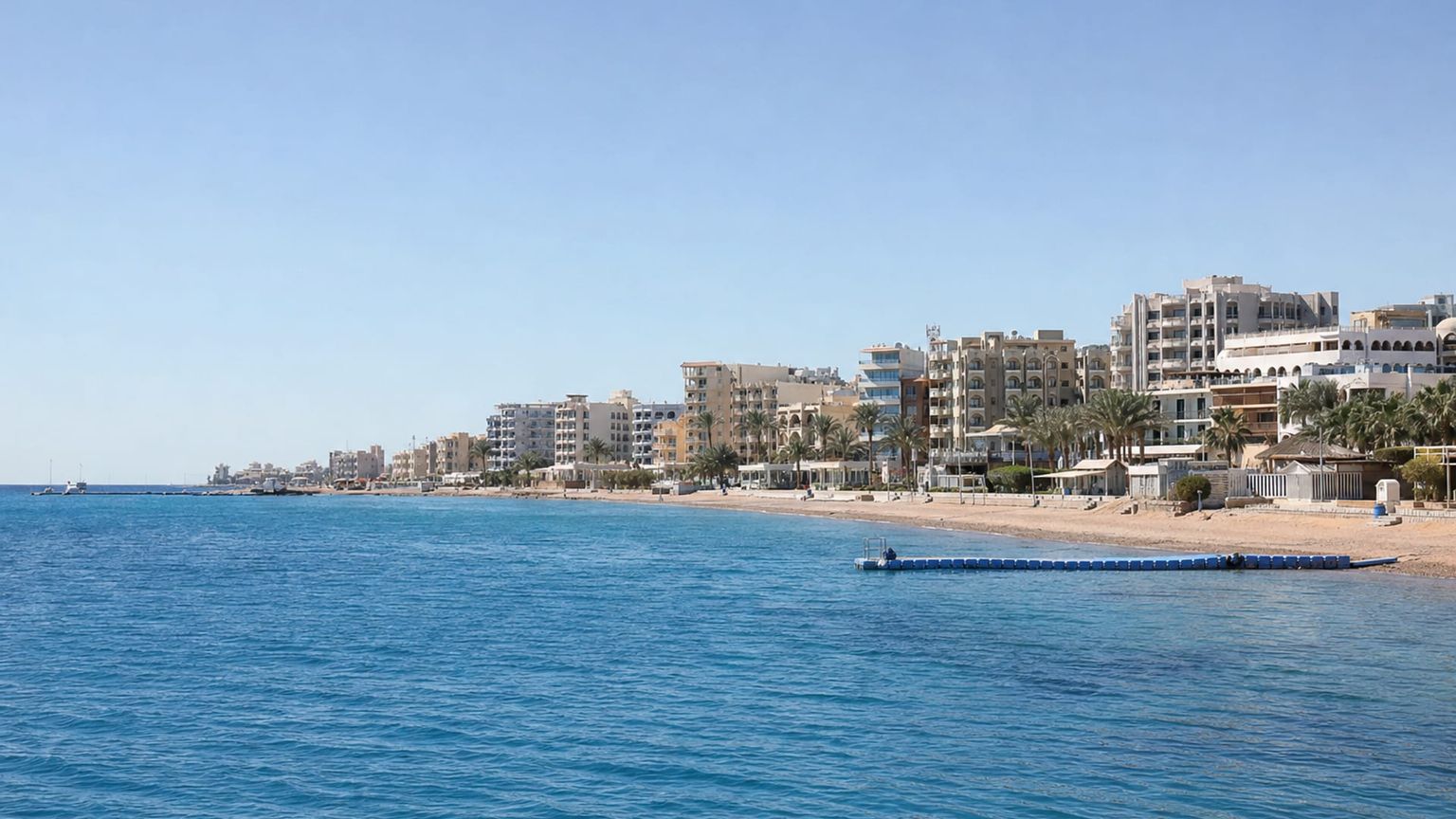
Hurghada’s cuisine draws on Egyptian home cooking and the Red Sea’s seafood traditions, with rice, bread, grilled meats, fresh fish, and spiced egg dishes appearing across local restaurants.
Fatta
Fatta layers rice and toasted bread with tender beef, finished with a rich garlic sauce. Cordoba Restaurant & Cafe, which has a branch at Senzo Mall, lists beef fatta among its Egyptian specialties.
Sengari fish
Sengari fish is split open, seasoned with garlic, herbs, peppers, and spices, then baked until tender. Sokar Seafood Grill at Serry Beach Resort offers fresh fish prepared to order, including sengari-style cooking.
Kofta
Egyptian kofta combines minced beef or lamb with onion, parsley, and spices before grilling the meat on skewers over charcoal. Paradise Restaurant & Cafe on Arabia Street offers Egyptian and other oriental dishes.
Shakshuka
Shakshuka combines eggs with tomatoes, onions, green peppers, and spices, creating a rich breakfast dish commonly eaten with bread. Nashmiya Restaurant in Mubarak 7 lists this traditional preparation on its menu.
Best time to visit Hurghada
Hurghada stays sunny and dry year-round, but spring and fall offer the best balance of beach weather, warm seas, and comfortable sightseeing.
Best for: Marina walks, old-town markets, desert excursions, and mild afternoons
What you get: Days stay sunny at 52°F–75°F (11°C–24°C), while cooler nights, brisk sea breezes, and shorter daylight favor sightseeing over long swims.
Trade-offs: Water temperatures are cooler, and wind can interrupt exposed boat excursions.
Best for: Reef excursions, desert outings, outdoor dining, and increasingly warm seas
What you get: Spring warms from 57°F–91°F (14°C–33°C); March feels mild, but May brings stronger sun and increasingly inviting swimming temperatures.
Trade-offs: Spring winds can stir dust, and May afternoons become increasingly hot.
Best for: Swimming, diving, resort pools, and early starts before the midday heat
What you get: Expect 77°F–99°F (25°C–37°C), almost no rain, and some of the warmest sea temperatures of the year as dry heat dominates afternoons.
Trade-offs: Intense sunshine makes long walks and desert excursions uncomfortable at midday.
Best for: Warm-water snorkeling, beach days, marina dinners, and cooler late-season walks
What you get: Fall spans 62°F–94°F (17°C–34°C); September retains summer warmth, but October brings gentler afternoons and November cooler evenings.
Trade-offs: September can still be very hot, while late November evenings call for a layer.
A realistic 5-day plan in Hurghada
Five days in Hurghada give you time to experience both sides of the Red Sea coast, from coral reefs and sandy islands to the city’s mosques, markets, and museums.
After landing at Hurghada International Airport (HRG), head to your hotel and leave the afternoon open for a swim or some time by the pool. If you’re staying near Sakkala, spend the early evening along Sheraton Road, where cafés and shops introduce you to the city’s busier side. Have dinner at a nearby Egyptian restaurant, or choose a waterfront table overlooking the Red Sea. The first evening is a chance to settle into Hurghada’s coastal atmosphere before the fuller days ahead.
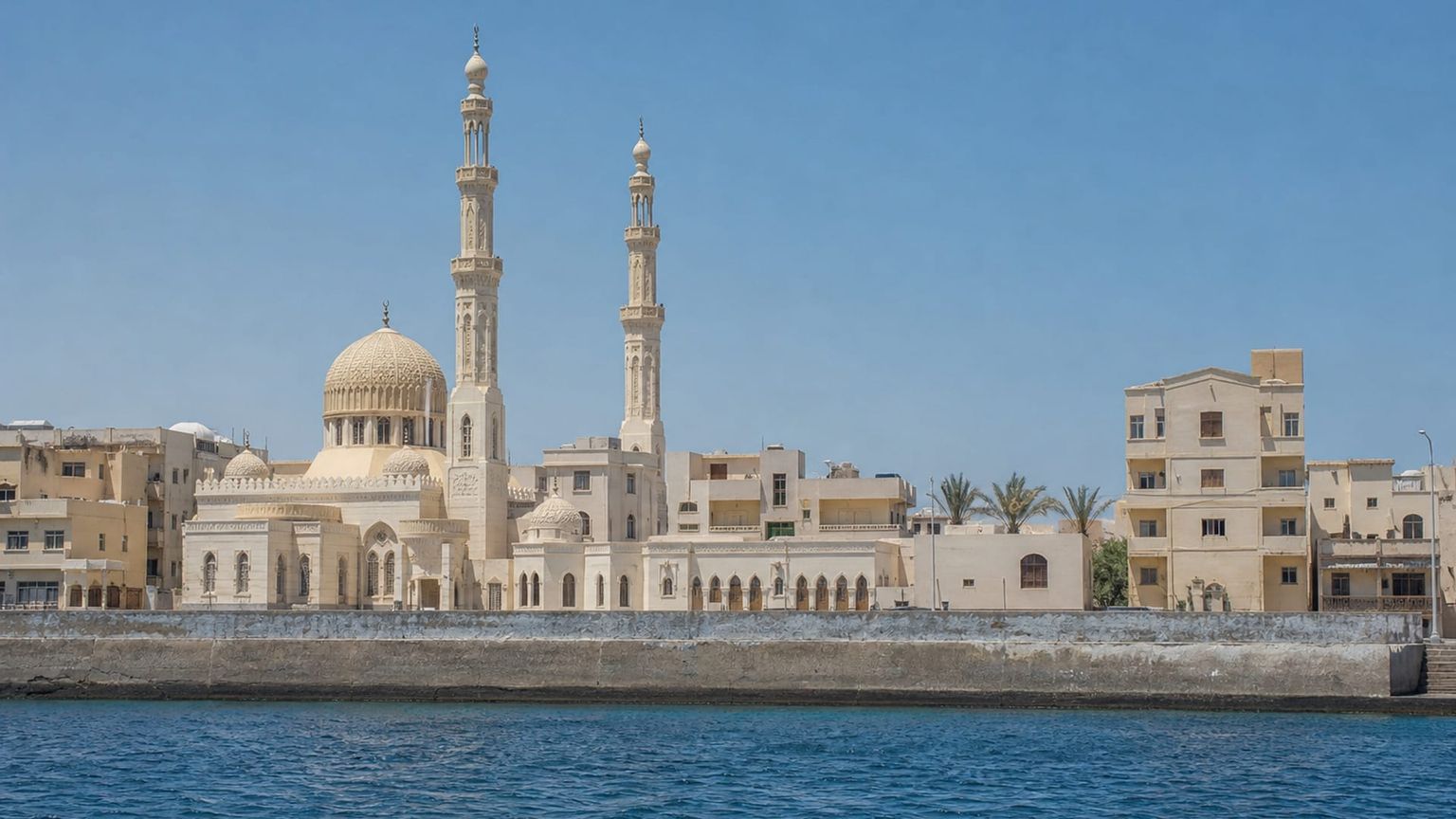
Begin near the harbor at Al Mina Mosque, whose white domes and twin minarets rise above the waterfront. Continue along Hurghada Marina for views of the yachts and fishing port before taking a taxi north to El Dahar. Here, the city’s older character emerges through market stalls, bakeries, and traditional shops. Visit Saint Shenouda Coptic Church to see another side of Hurghada’s religious heritage, then stay in the district for an Egyptian lunch and a little more time among its local streets.
Give the third day to the Red Sea, with a boat excursion to the Giftun Islands. The journey takes you beyond Hurghada’s resort coastline to sandy beaches and coral reefs where colorful fish gather. Depending on your excursion, spend time snorkeling, swimming, or relaxing on a designated island beach, with lunch included on many full-day trips. Once back on the mainland, return to your hotel for a quiet evening. After several hours on the water, dinner nearby is a pleasant way to finish the day.
Start in southern Hurghada at the Grand Aquarium, where an underwater tunnel brings you close to sharks, rays, and reef fish. Its other exhibits introduce the region’s marine life and natural history. After lunch, continue to Hurghada Museum for a different perspective on Egypt. The collection moves from ancient Egyptian artifacts through Greco-Roman, Christian, and Islamic periods, adding historical depth to a coastal holiday. Finish with dinner along the southern resort strip.
Keep the last morning beside the water, enjoying the part of Hurghada that makes the city such a popular coastal destination. Spend time on your hotel’s beach, take a gentle swim, or settle into a shaded terrace for breakfast overlooking the sea. If your flight leaves later, a relaxed seafood lunch offers one last taste of the Red Sea before departure. Return to your hotel for your bags, then head to Hurghada International Airport (HRG) with the final views of the coastline still fresh in mind.
Business-class flights from the US to Hurghada
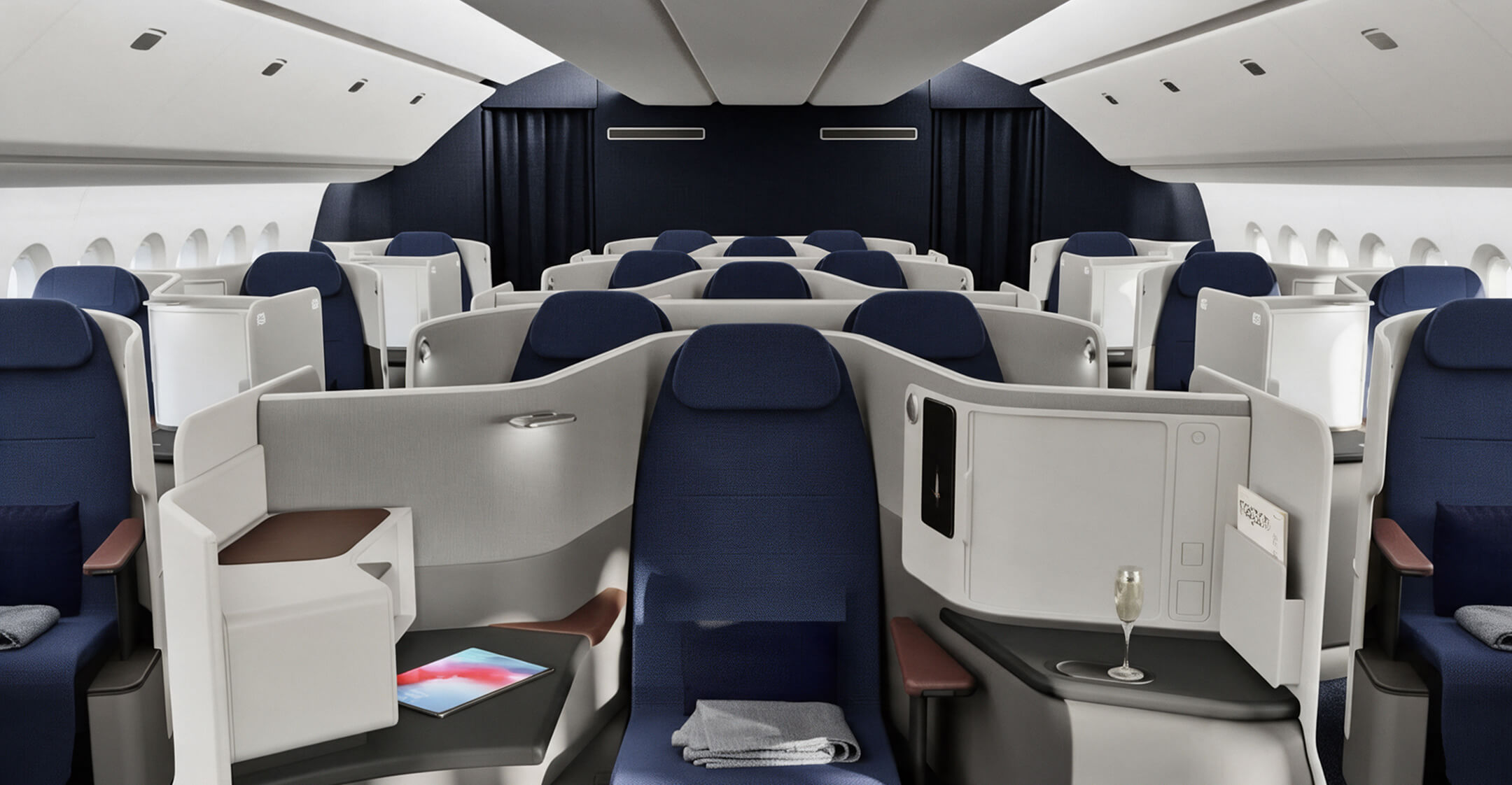
Hurghada has no nonstop flights from JFK or LAX. One-stop itineraries through Cairo or European hubs provide the main business-class options.
From Los Angeles (LAX), EgyptAir offers a one-stop route through Cairo (CAI), with a long-haul flight on aircraft equipped with a business-class cabin followed by a shorter flight with domestic business-class seats. Another option are flights through Zurich (ZRH) with SWISS, which offers lie-flat business-class seats across the Atlantic and its signature Edelweiss cabin with reclining seats for the final leg. Journeys generally take 18–27 hours, with round-trip business-class fares ranging from approximately $4,500 to $9,000.
Hurghada beyond the resort beaches
Hurghada offers more than its famous Red Sea coastline. The coral reefs and sandy islands draw visitors onto the water, while El Dahar’s markets, historic churches, and the harbor reveal the city’s Egyptian character. Giving these different experiences their own space brings greater variety to a stay without losing its relaxed coastal atmosphere. When you’re ready to visit, AranGrant advisors can help you compare business-class flights to Hurghada and hotels that suit your travel style.