

Chapters:

Need help with your trip?
Our support team is available 24/7. Request a callback or call us directly at (833) 619-0908
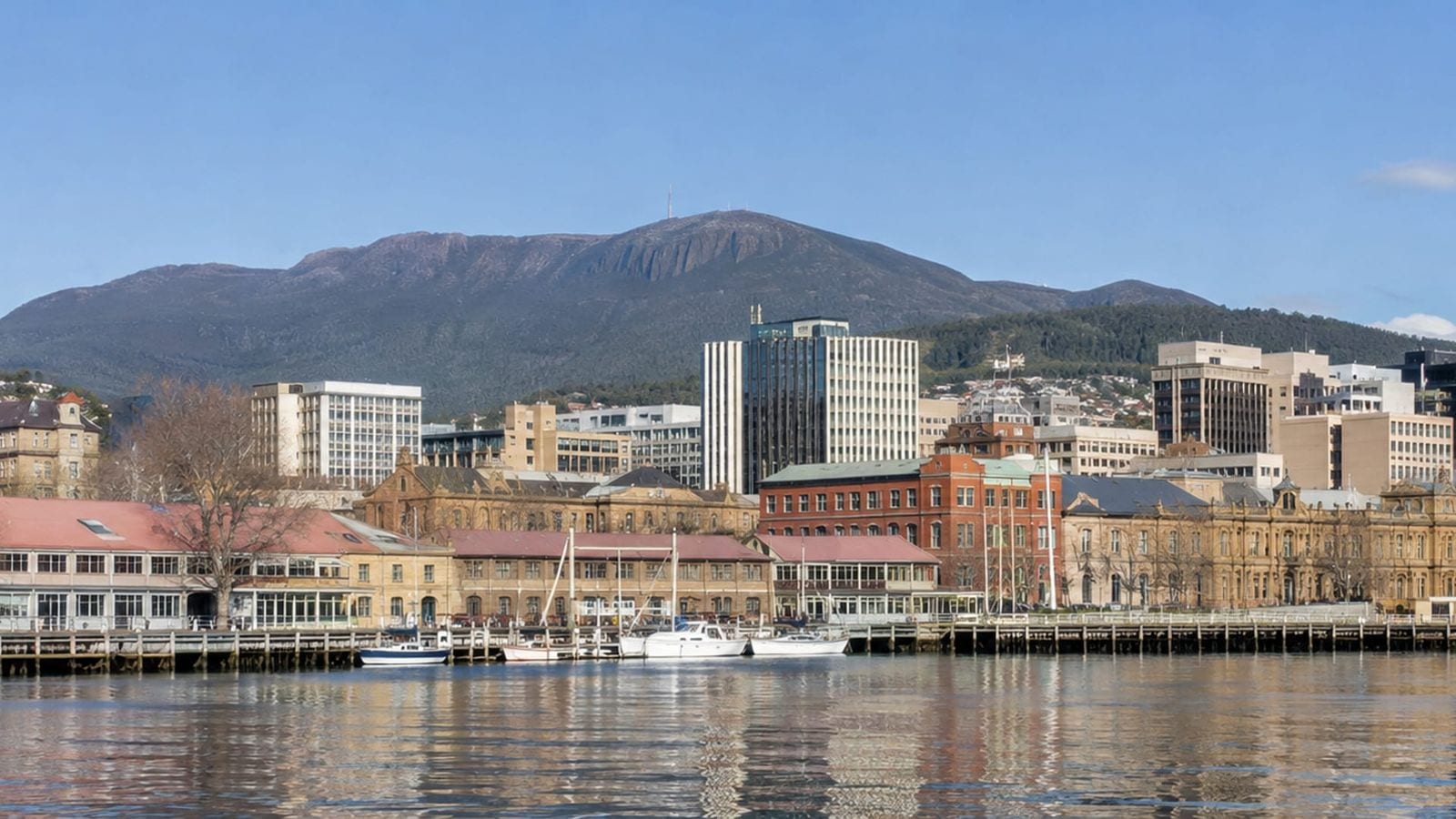
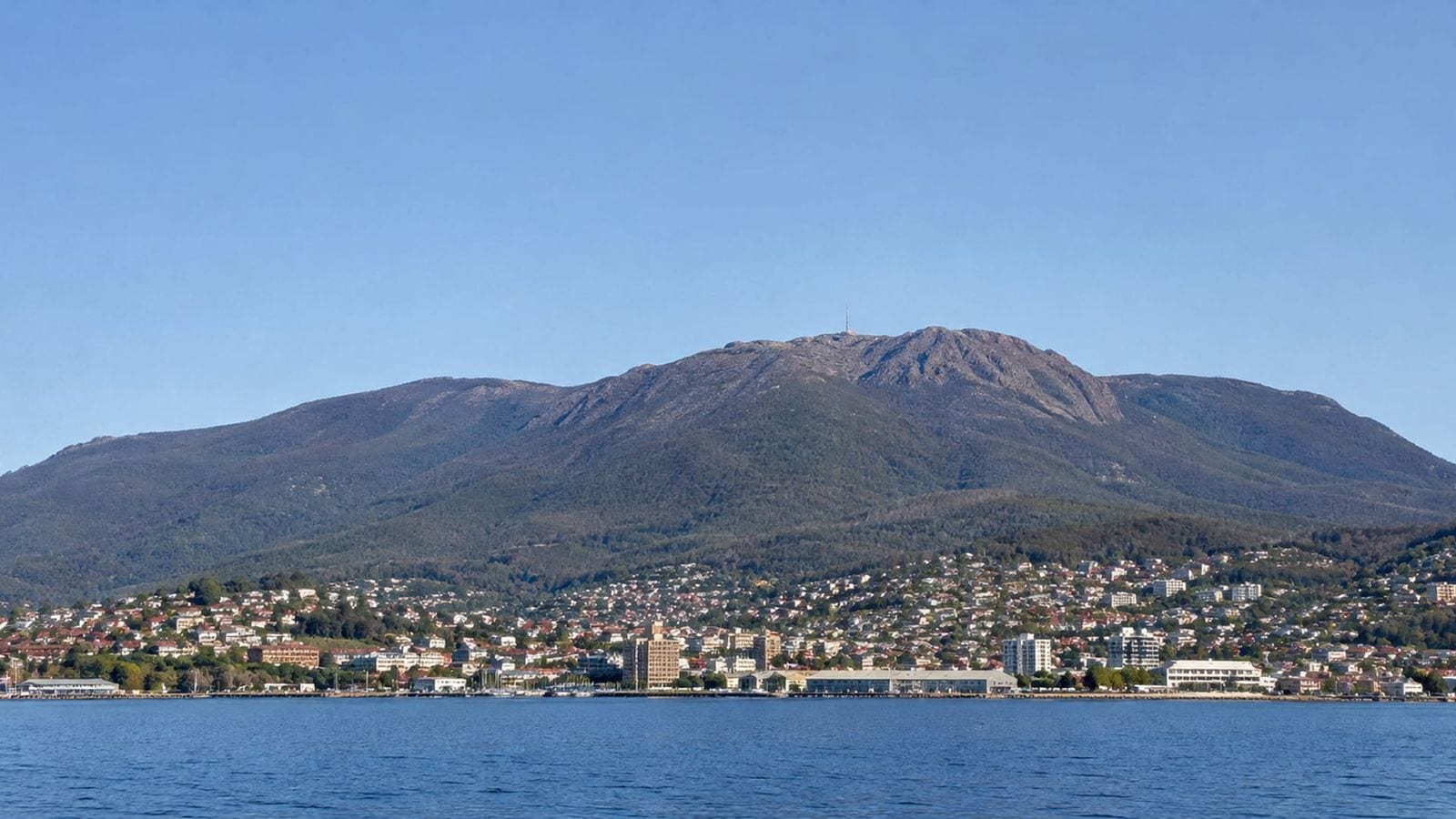
Hobart faces the River Derwent beneath kunanyi / Mount Wellington, a setting that puts working waterfronts and exposed mountain terrain within the same city. Sandstone warehouses mark the shore, while residential streets climb toward wooded slopes.
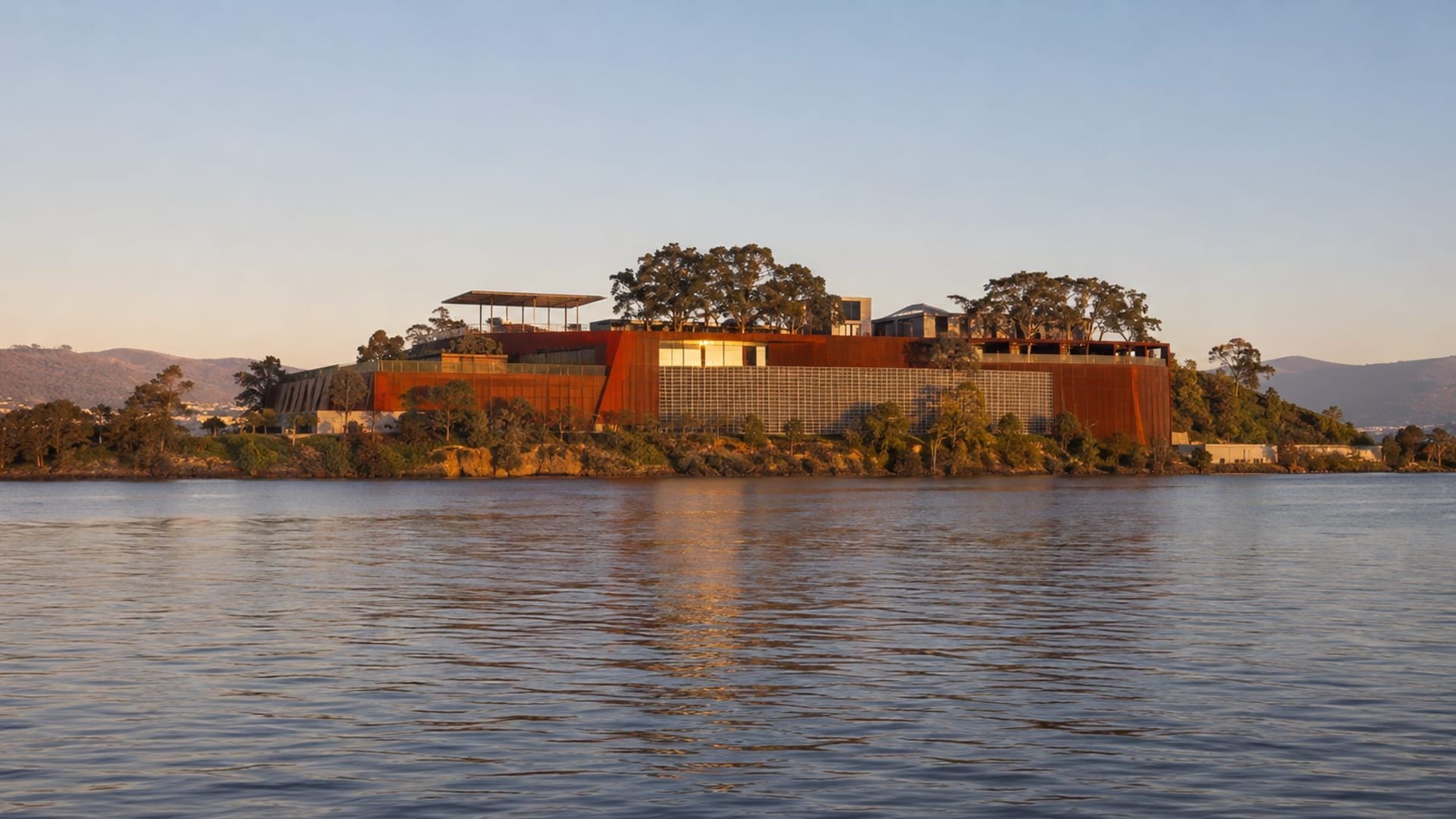
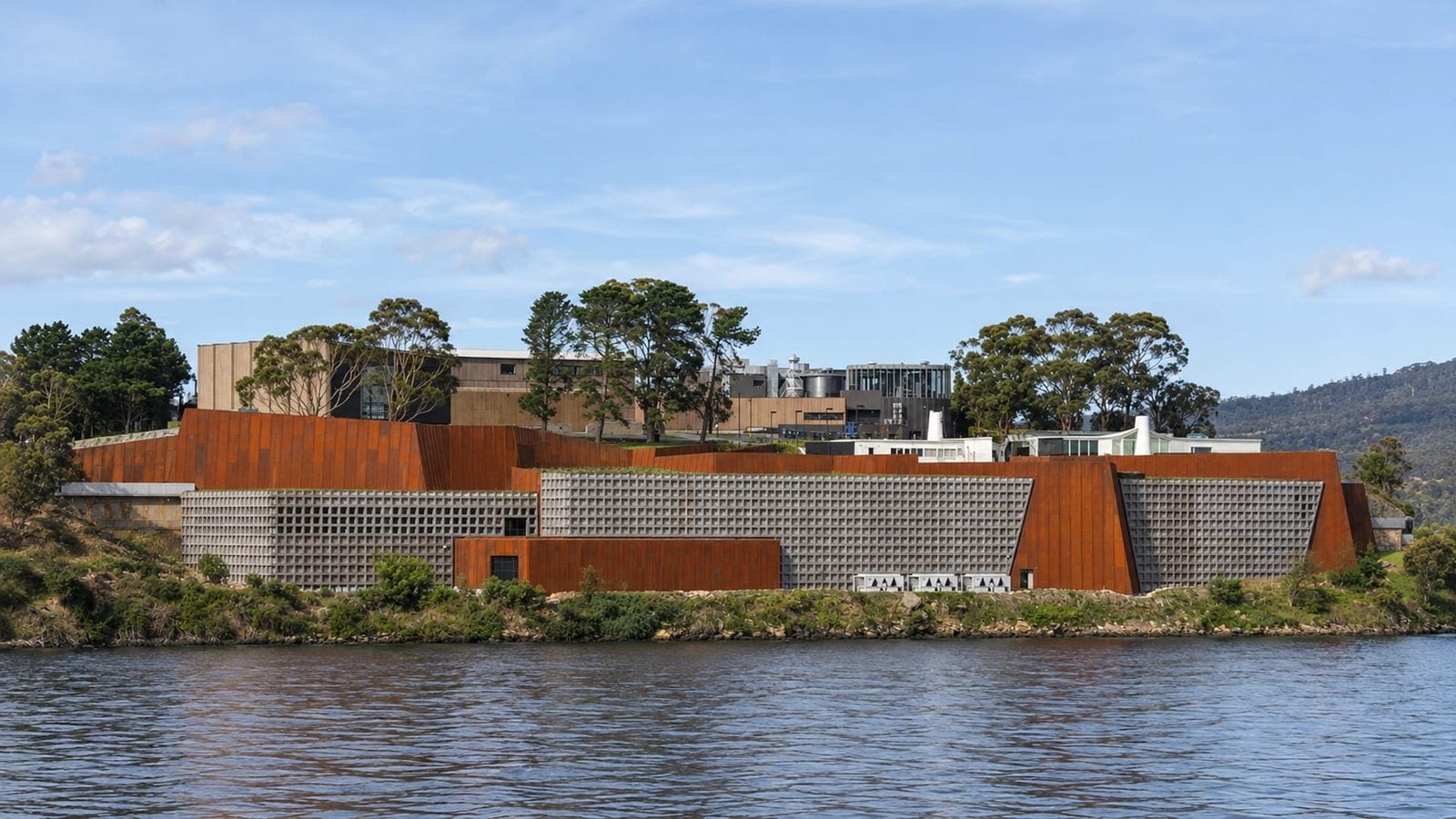
Follow the river from Salamanca Market to the Tasmanian Museum and Art Gallery, then take a ferry to Mona for underground galleries cut into a sandstone headland. Scallop pies and oysters give the waterfront another point of interest between museum stops.
Five days allow time for the river, mountain lookouts, and neighborhood walks. Put Salamanca Market on Saturday and Mona on Monday; North Hobart offers restaurants along Elizabeth Street, with buses and taxis connecting the neighborhood to the waterfront.
Useful things to know

Main language(s): English

Currency: Australian dollar (AUD, A$)

Cash and cards: Cards and contactless are widely accepted; carry about AUD 40 to AUD 60 ($26 to $39) in cash.

Tipping: Leave a voluntary tip for excellent restaurant service; tipping is not expected.

Traditional food: Scallop pie, fish and chips, oysters natural, and seafood chowder are among the classic dishes of Hobart.

Water and coffee costs: Bottled water AUD 2 to AUD 4 ($1 to $3); espresso AUD 4 to AUD 5 ($3 to $4).

Taxis and ride apps: Licensed taxis use meters and depart from city taxi ranks; short rides typically cost AUD 15 to AUD 25 ($10 to $16); Uber also operates.

Plug and voltage: Type I socket, 230V

Dining and shop opening hours: Breakfast is usually 7 am to 10 am, lunch noon to 2 pm, and dinner 6 pm to 8 pm. Shops typically open 9 am to 5:30 pm on weekdays, with shorter Sunday hours.

Emergency number: 000 for police, ambulance, and fire.
Where to stay in Hobart
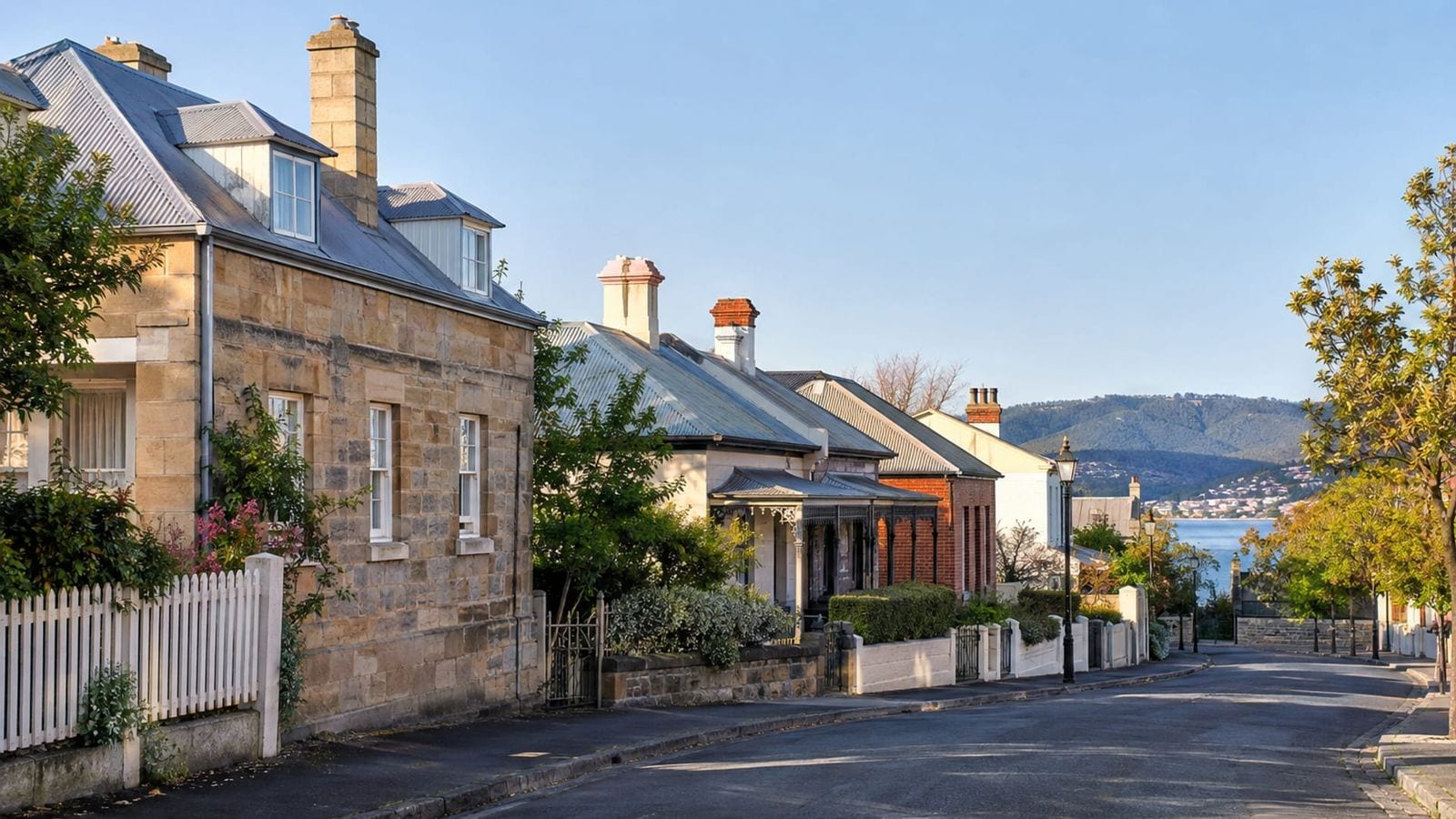
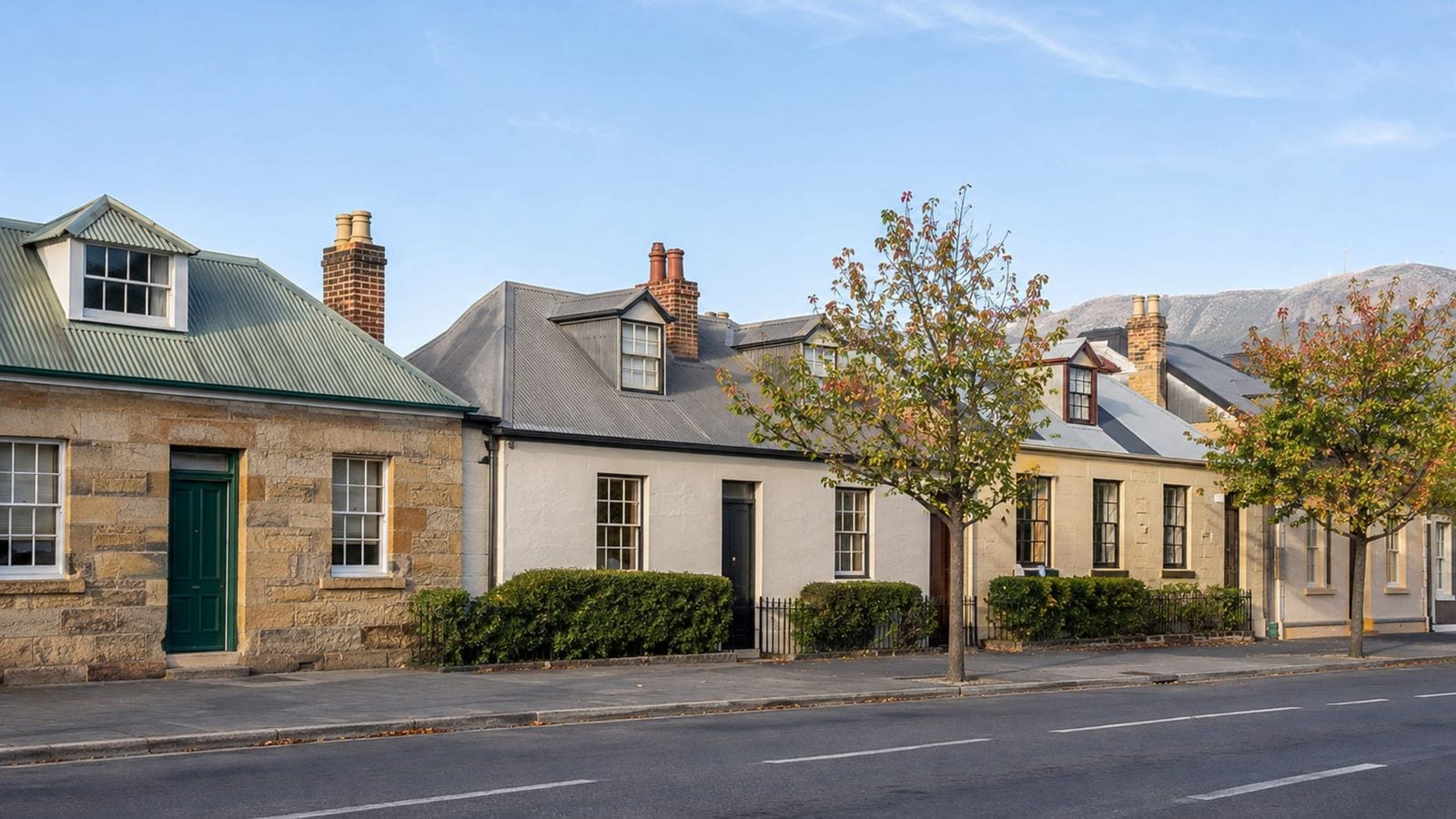
Battery Point is a historic residential neighborhood above Hobart’s waterfront, with sandstone cottages, small cafes, and accommodation in older buildings. Stay here for walks through narrow streets and easy trips to Salamanca Market, with a quieter setting than the city center after dinner.
Best for: Historic architecture, waterfront walks, and access to Salamanca Market
What to expect: Narrow streets attract daytime walkers, while evenings center on restaurants and residential lanes.
Hotel prices: Well-rated accommodation costs AUD 180 to AUD 350 ($120 to $230) a night.
Distance to major sights: Salamanca Market is a 5 to 15-minute walk away, with an uphill return to much of the neighborhood.
Quietness: Visitors pass through during the day; residential streets generally become quieter after dinner.
Main trade-off: Hills and steps can make the short journey back from the waterfront demanding.
Good to know: If stairs are difficult, choose accommodation with vehicle access and ask whether your room requires climbing stairs.
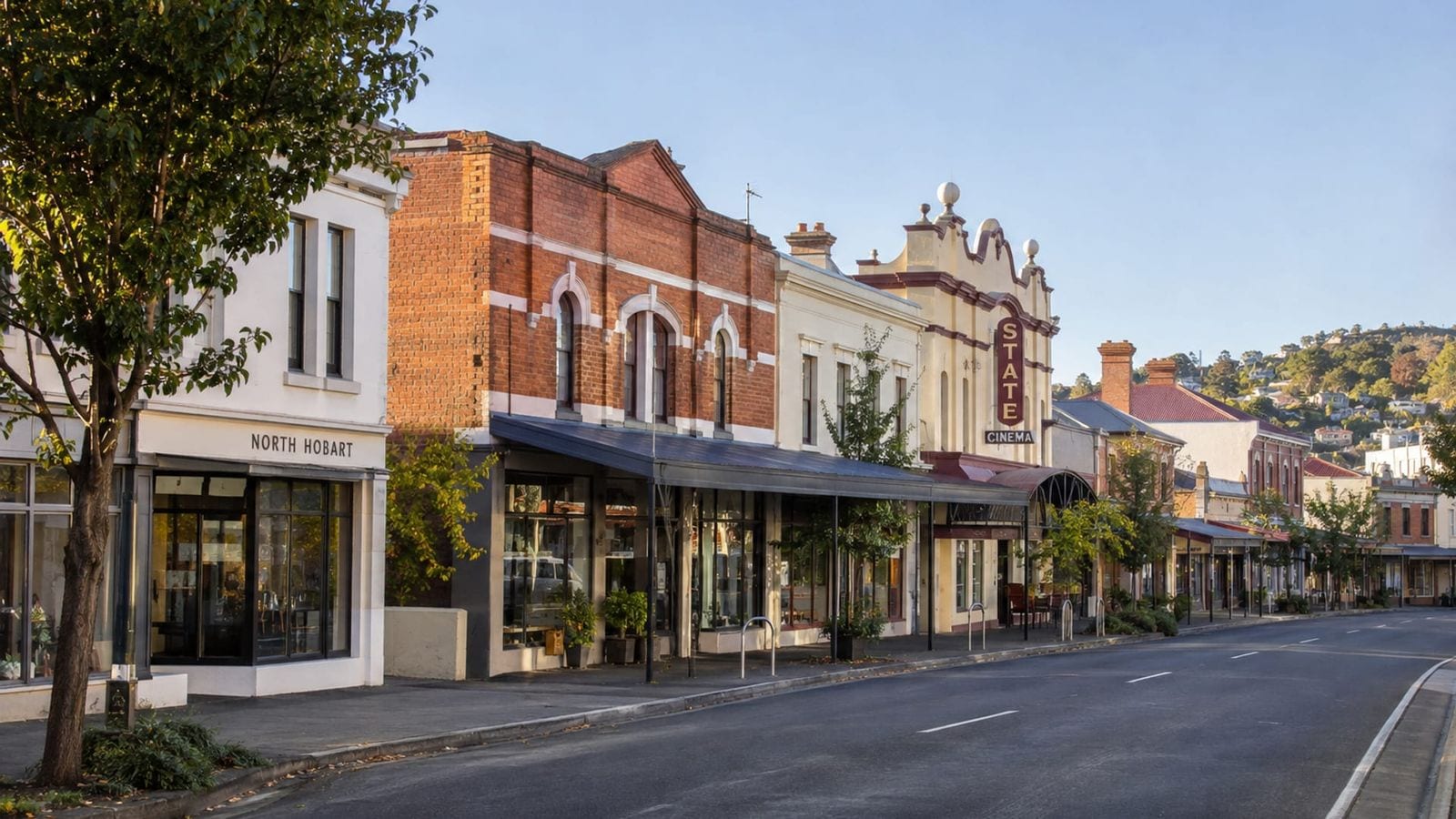
North Hobart is an inner suburb known for its restaurant-lined main street, independent cinema, and mix of older houses and small hotels. Choose it for dinners close to your accommodation and a neighborhood beyond the waterfront, accepting a bus or taxi trip for many of Hobart’s major attractions.
Best for: Restaurant hopping, cinema evenings, and neighborhood dining
What to expect: Restaurant tables fill in the evening, with traffic along Elizabeth Street and calmer residential side streets.
Hotel prices: Allow AUD 140 to AUD 240 ($90 to $160) nightly for a well-rated hotel.
Distance to major sights: The Tasmanian Museum and Art Gallery is a 10 to 20-minute bus ride plus a short walk from the restaurant strip.
Quietness: Daytime traffic gives way to restaurant activity in the evening; side streets are generally quieter.
Main trade-off: Waterfront attractions require a longer walk or a ride, and main-road rooms can receive traffic noise.
Good to know: Compare the hotel’s address with the Elizabeth Street restaurant strip; properties farther north add walking time to dinner.
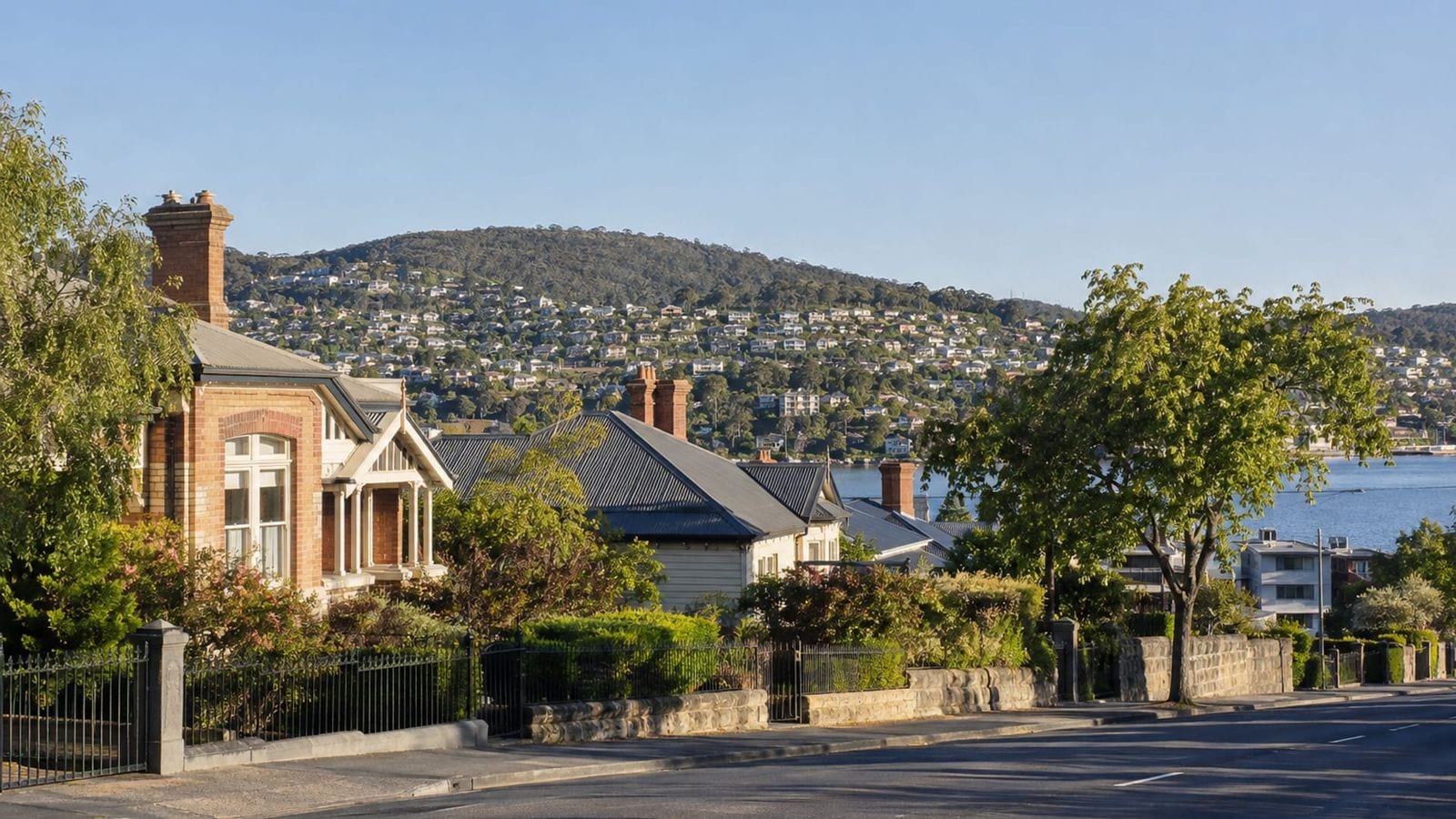
Sandy Bay stretches south of central Hobart along the River Derwent, combining residential streets, a shopping strip, and waterfront accommodation. Visitors choose it for river views and a wider range of hotel settings, from smaller properties near shops to larger hotels farther along the shore.
Best for: River views, waterfront stays, and access to neighborhood shops
What to expect: Shops draw daytime traffic, while the waterfront and residential streets have distinct evening activity levels.
Hotel prices: A well-rated hotel typically charges AUD 160 to AUD 300 ($105 to $200) per night.
Distance to major sights: Salamanca Market is a 10 to 15-minute taxi ride from waterfront hotels in southern Sandy Bay.
Quietness: Shopping streets are busiest by day; evening noise depends on proximity to major hotels and Sandy Bay Road.
Main trade-off: The suburb covers a long stretch of shoreline, so some hotels are far from its main shopping strip.
Good to know: Check the exact hotel location before booking: a Sandy Bay address can mean a walk to central Hobart or a taxi journey.
Bridgewater, Gagebrook, and Risdon Vale are less convenient for sightseeing, with fewer visitor amenities and longer trips to central Hobart’s waterfront, museums, and restaurants.
Hotel deals
How to get around Hobart efficiently
Walk between Hobart’s waterfront sights, use Metro buses for suburban trips, and take taxis for airport transfers or steep climbs.

Taxi
for convenience or late hours
From Hobart Airport (HBA), metered taxis reach central Hobart in 20 to 30 minutes, typically costing AUD 65 to AUD 85 ($43 to $56). Use the terminal taxi rank for luggage-heavy arrivals or choose taxis for late trips beyond the waterfront.

Walking
for short central distances
Salamanca Place and Battery Point connect by foot via Kelly’s Steps, with steep sections between the waterfront and residential streets. Allow 10 to 15 minutes for this free walk, best suited to short sightseeing trips without heavy luggage.

Bus and tram
for convenience
At Elizabeth Street’s bus mall, Metro buses connect central Hobart with northern suburbs including Glenorchy, a journey of roughly 25 to 35 minutes. Fares vary by zones traveled; use a Greencard for discounted trips beyond the walkable center.
*Prices are based on rates updated as of November 2026 and may change at the time of travel.
Walking suits Salamanca Place and Battery Point; Metro buses connect northern suburbs, while taxis suit airport transfers and trips with heavy luggage.
Iconic landmarks
Mona
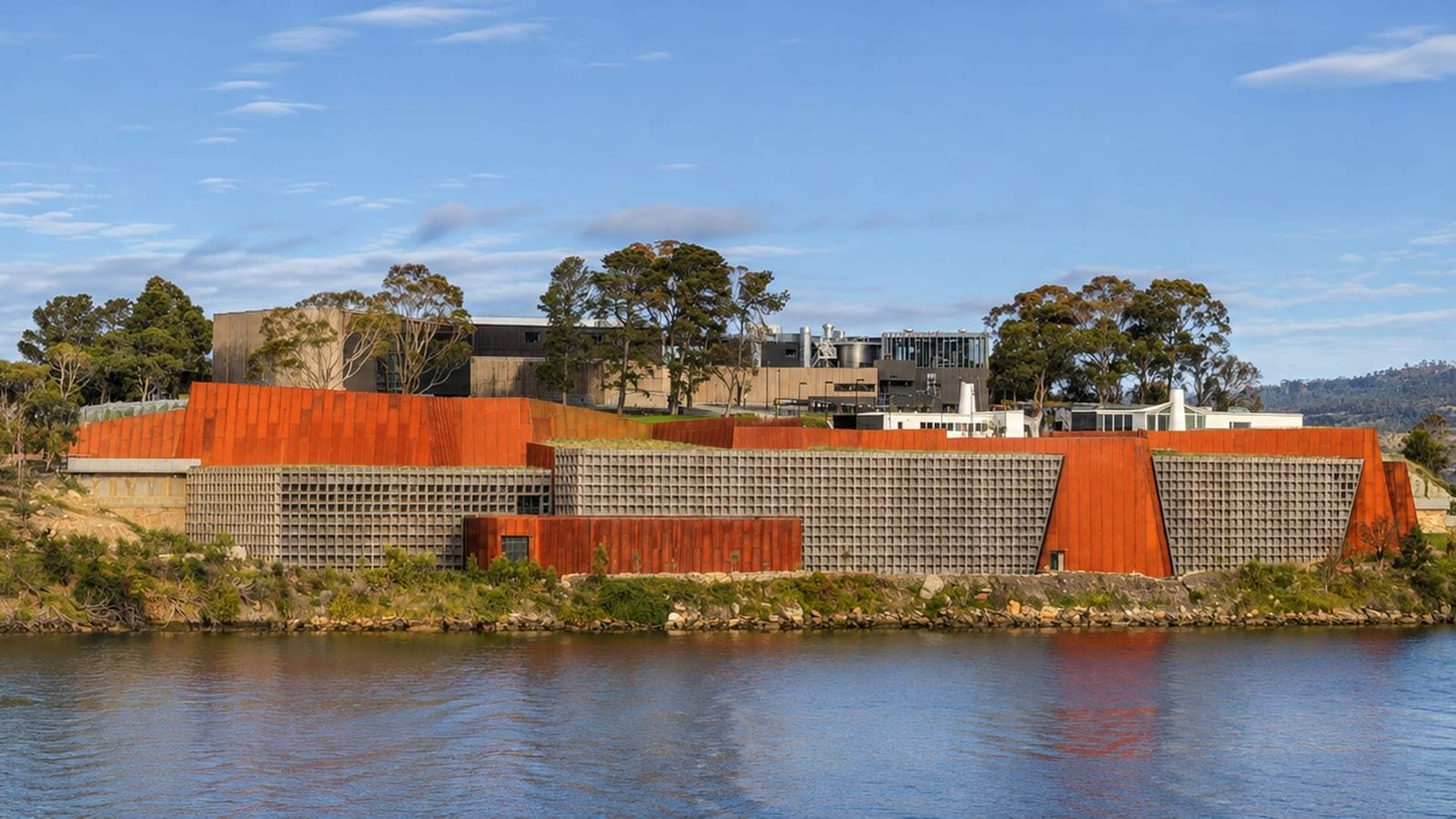
Cut into a sandstone headland beside the River Derwent, Mona brings ancient objects and contemporary art into subterranean galleries. Its provocative displays and unusual architecture make this museum one of Hobart’s defining attractions.
Time needed: About 3 to 4 hours
Entry: Expensive: general museum admission
Tip: Take the ferry from Brooke Street Pier for an approach along the River Derwent.
Salamanca Market
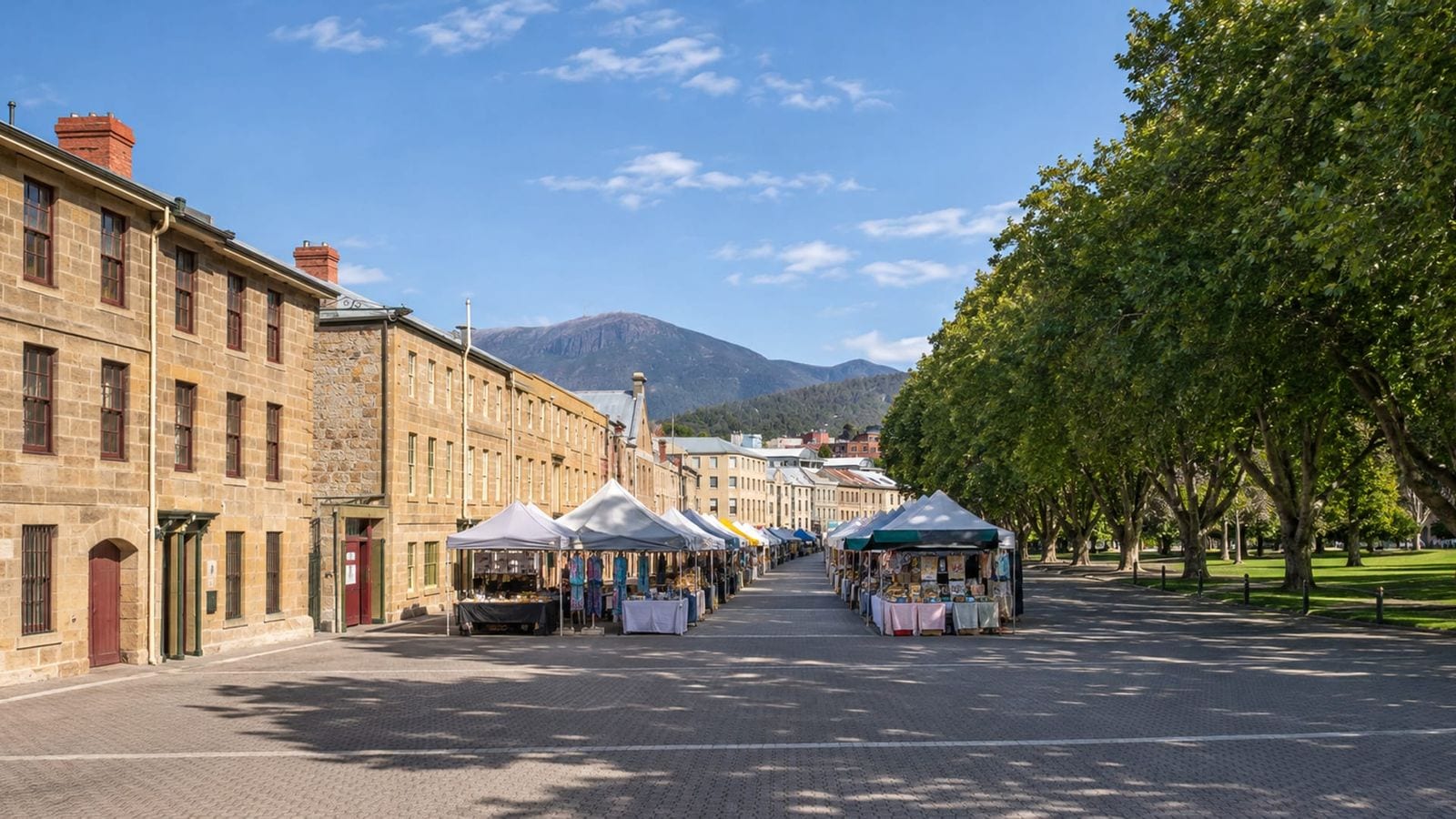
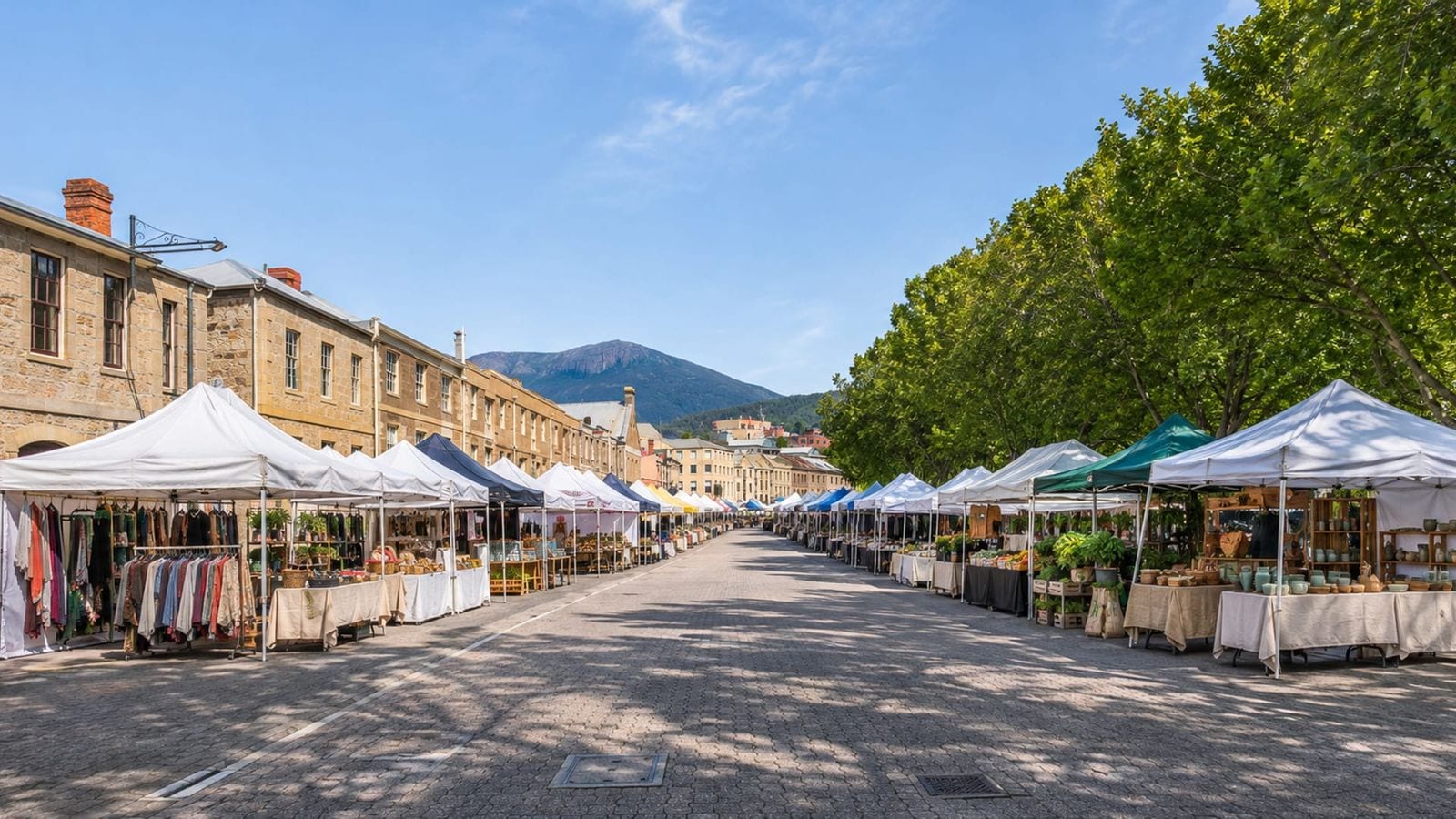
Each Saturday, Salamanca Market fills Salamanca Place beside its sandstone warehouses. Stalls selling Tasmanian crafts, produce, and food turn this historic waterfront setting into one of Hobart’s best-known weekly gatherings.
Time needed: About 2 to 3 hours
Entry: Free: access to the market
Tip: Arrive before 10 am on Saturday to browse before the busiest late morning hours.
kunanyi / Mount Wellington
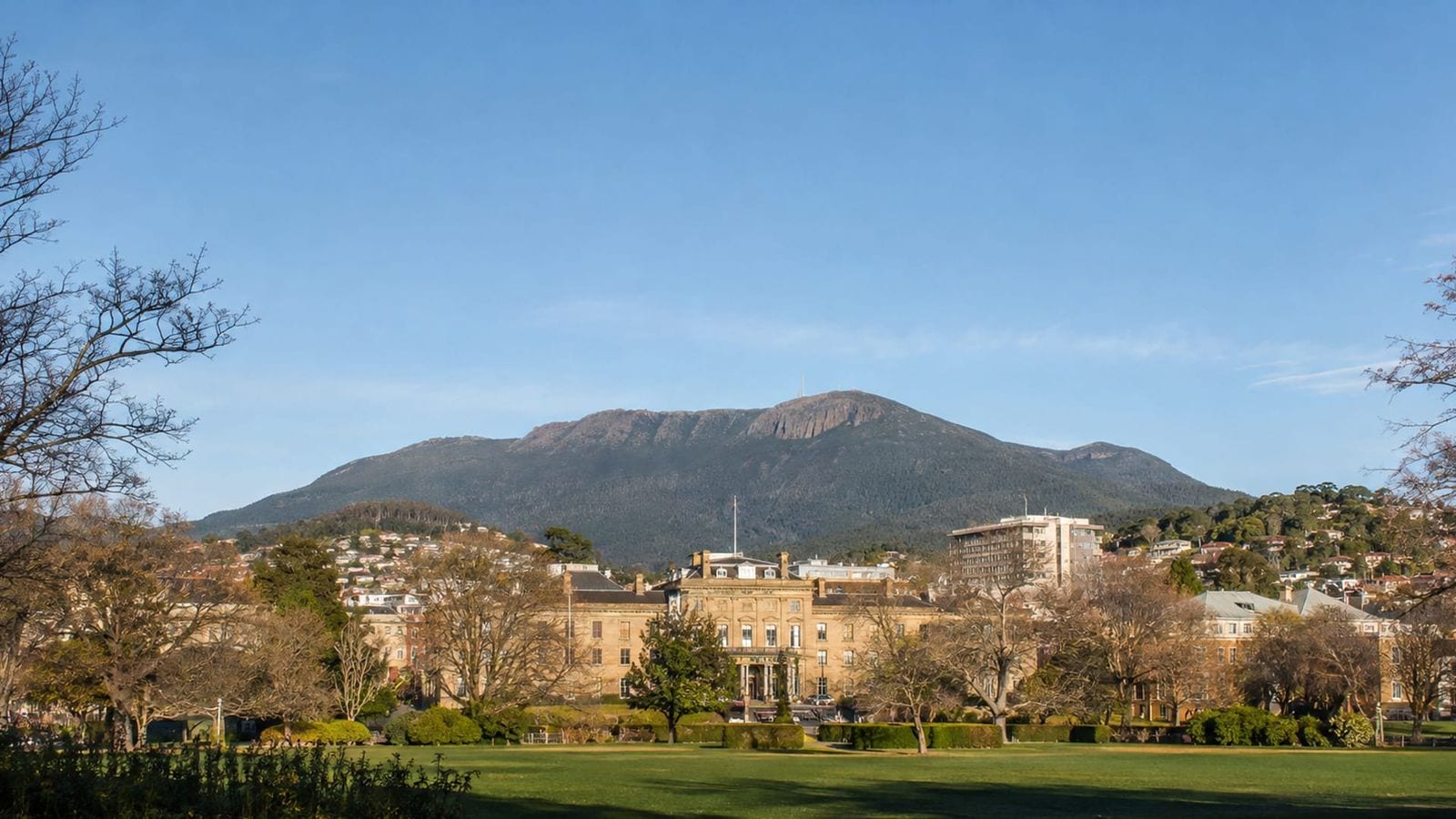
Above Hobart, kunanyi / Mount Wellington rises to 4,170 feet (1,271 m), with summit lookouts overlooking the city and River Derwent. Exposed alpine terrain and the mountain’s dolerite cliffs reveal the wild landscape at the city’s edge.
Time needed: About 2 to 3 hours
Entry: Free: access to summit lookouts
Tip: Bring a warm layer to the summit, where wind can be strong even on sunny days.
Overlooked sites worth visiting

Knocklofty Reserve
Knocklofty Reserve protects bushland above West Hobart, with eucalyptus woodland, former quarry sites, and views across the city. Walking tracks connect slopes close to residential streets.
Time needed: About 1 to 2 hours
Entry: Free to access
Tip: Start at the Forest Road entrance for walks above West Hobart.

Allport Library and Museum of Fine Arts
Allport Library and Museum of Fine Arts brings together books, colonial paintings, furniture, and decorative arts. Its rooms trace the collecting interests of a prominent Tasmanian family.
Time needed: About 45 minutes to 1 hour
Entry: Free admission
Tip: Enter through the library building at 91 Murray Street.
Traditional food
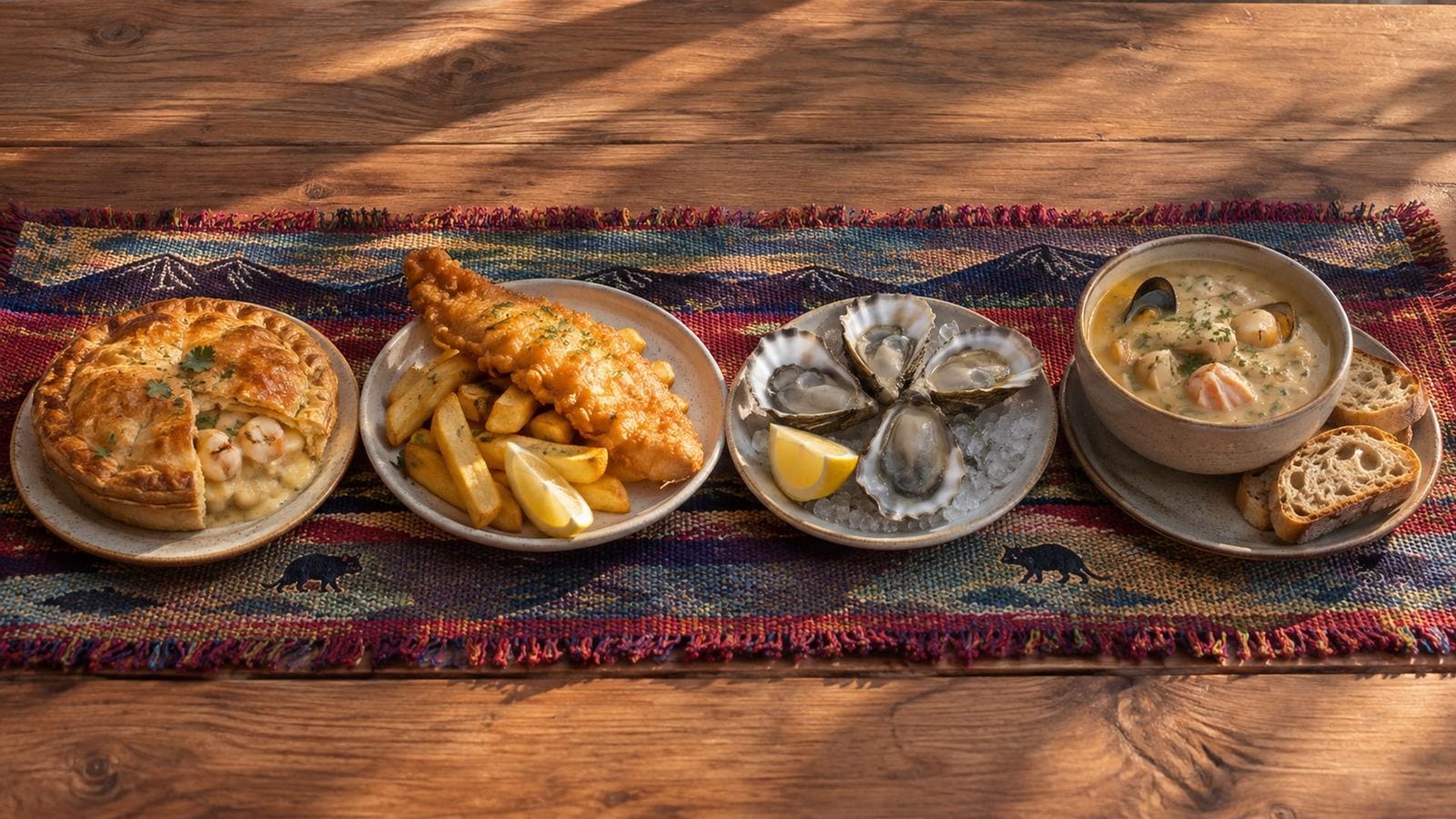
Tasmanian seafood shapes Hobart’s menus: scallops fill pastry pies, oysters arrive natural, and fish comes battered with chips. Creamy seafood chowder adds a warming option near the waterfront.
Scallop pie
Tender scallops and a lightly spiced, creamy sauce fill a golden pastry shell in this Tasmanian bakery favorite. Try a scallop pie at Jackman & McRoss in Battery Point, where savory baking accompanies breads and cakes.
Fish and chips
Battered fish pairs with thick chips, with lemon adding acidity to the crisp coating and tender flesh. Fish Frenzy serves this waterfront staple beside Hobart’s harbor, making it a convenient meal between nearby sights.
Oysters natural
Freshly opened oysters arrive uncooked, preserving their briny liquor and delicate texture; lemon provides a simple accompaniment. Order oysters natural at Mures Upper Deck, a seafood restaurant overlooking Hobart’s waterfront.
Seafood chowder
A creamy broth brings fish and shellfish together in a substantial bowl, with bread alongside for dipping. The Drunken Admiral serves seafood chowder amid nautical decorations in one of Hobart’s historic waterfront buildings.
Best time to visit Hobart
Hobart’s summer brings long daylight hours, autumn favors neighborhood walks, and winter adds cold mountain conditions and shorter days.
Best for: Long waterfront evenings, outdoor meals, and extended daylight for walking
What you get: Temperatures of 52°F to 73°F (11°C to 23°C) accompany long days; holiday visitors increase demand for waterfront rooms and restaurant tables.
Trade-offs: Holiday demand raises accommodation costs, and summit winds can feel cold even on warm city days.
Best for: Neighborhood walks, market browsing, and museum afternoons as days shorten
What you get: Expect 43°F to 68°F (6°C to 20°C), with cooler evenings as autumn progresses; crowds generally ease after summer outside holiday weekends.
Trade-offs: Daylight decreases through May, leaving fewer hours for kunanyi / Mount Wellington and woodland walks.
Best for: Underground art at Mona, seafood chowder, and time in Hobart’s city museums
What you get: Winter brings 39°F to 55°F (4°C to 13°C), shorter daylight, and fewer leisure visitors outside event periods; mountain snow can affect access.
Trade-offs: Ice and snow can close the summit road, while cold winds make exposed waterfront walks less comfortable.
Best for: Woodland tracks, longer afternoons, and waterfront walks before summer peaks
What you get: Days span 43°F to 66°F (6°C to 19°C), with changeable winds and increasing daylight; visitor numbers build toward the summer holiday period.
Trade-offs: Rapid weather changes can interrupt summit views; reserve a clearer day for kunanyi / Mount Wellington.
A realistic 5-day plan in Hobart
A Friday arrival places Salamanca Market on Saturday and Mona on Monday. This five-day sequence links North Hobart evenings with waterfront history, mountain views, and woodland walks.
From Hobart Airport (HBA), take a taxi to your North Hobart hotel, allowing 25 to 35 minutes and AUD 55 to AUD 75 ($36 to $49). For a short first evening, walk along Elizabeth Street to the cafe at State Cinema for pizza, then return to your hotel.
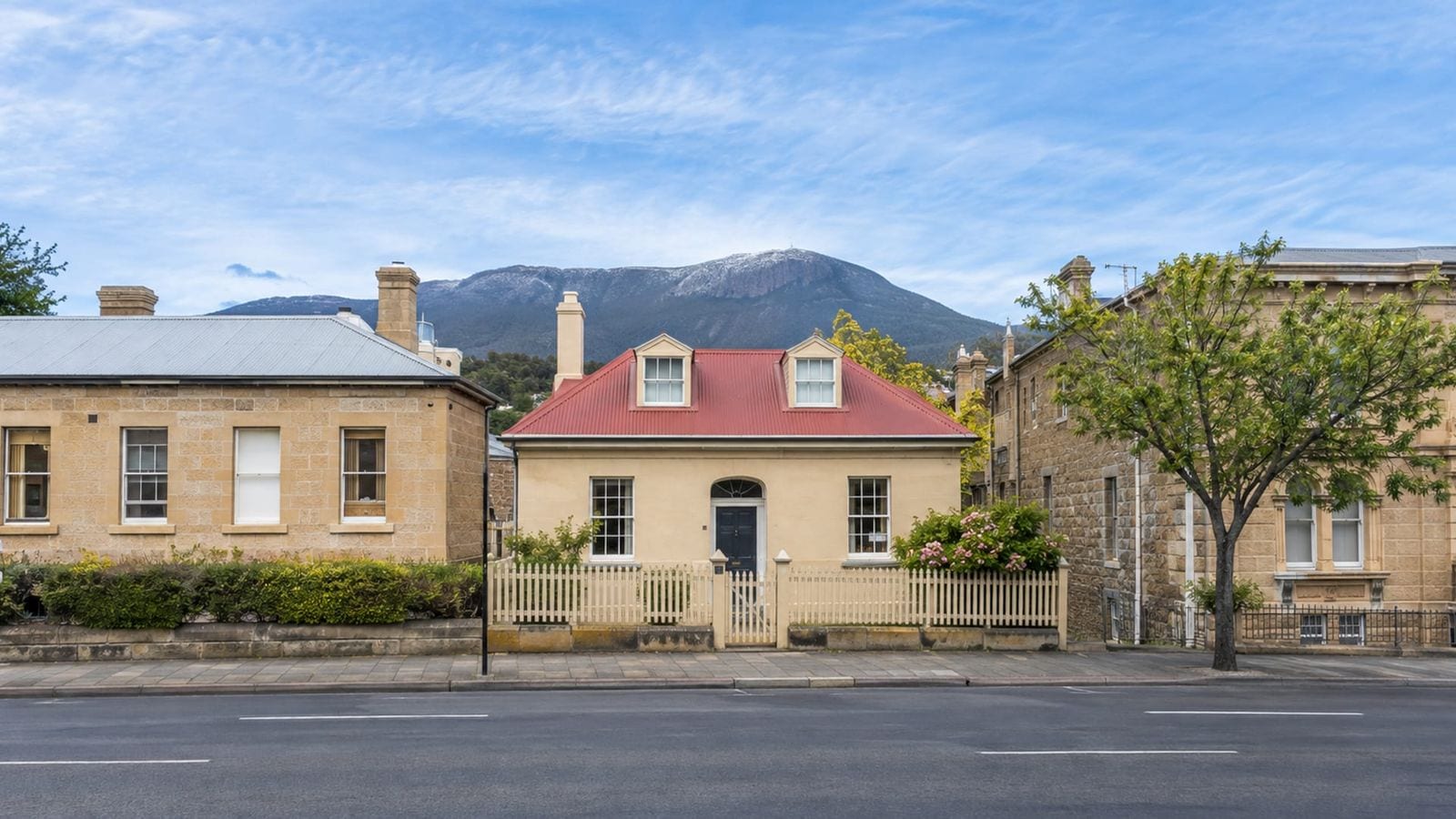
Saturday begins at Salamanca Market: arrive before 10 am and allow two hours for Tasmanian crafts and food stalls. Walk 10 minutes along the waterfront to the Tasmanian Museum and Art Gallery, open Tuesday to Sunday, 10 am to 4 pm, for an afternoon exploring Tasmania’s natural and cultural history.
The summit lookouts of kunanyi / Mount Wellington fill the morning with views across Hobart and the River Derwent. Allow two to three hours, bringing a warm layer for summit winds. Drive downhill toward West Hobart for 35 to 45 minutes, then follow woodland tracks in Knocklofty Reserve from its Forest Road entrance for another two hours.
On Monday, explore colonial paintings and decorative arts at Allport Library and Museum of Fine Arts, entering at 91 Murray Street after its 9:30 am weekday opening. Walk 15 minutes to Brooke Street Pier for the 25-minute ferry to Mona. Reserve three to four hours for its underground galleries; Mona opens Friday to Monday, 10 am to 5 pm.
Before departure, spend your remaining time over breakfast and a short browse along Elizabeth Street in North Hobart, close to your hotel. Collect your luggage before taking a taxi directly to Hobart Airport (HBA); allow 25 to 35 minutes for the drive and budget AUD 55 to AUD 75 ($36 to $49).
Business-class flights from the US to Hobart
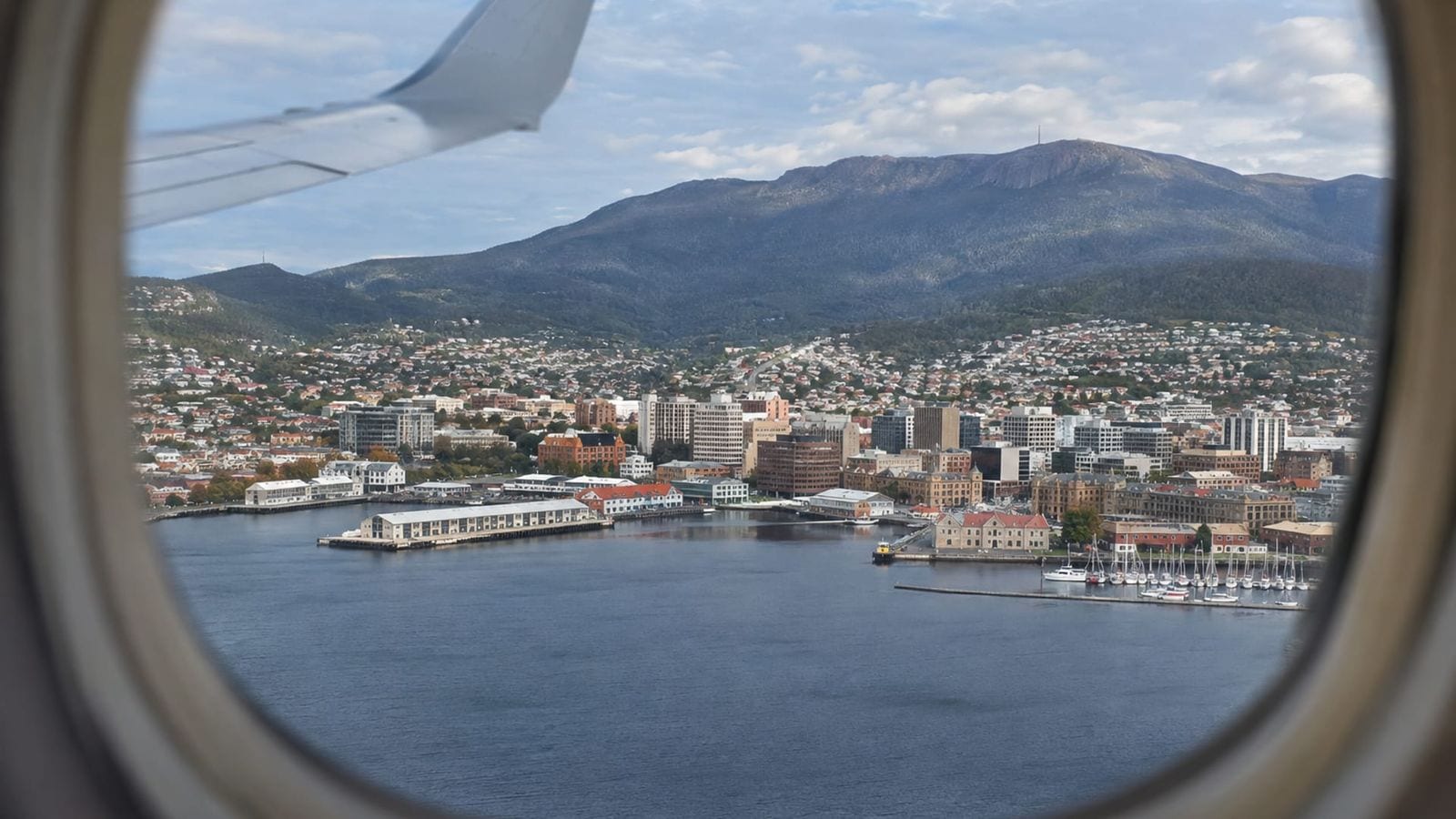
Flights from New York and Los Angeles reach Hobart through major hubs; these two examples compare round-trip fares and total travel time.
From New York, the trip to Hobart Airport (HBA) connects through a major hub, with round-trip fares of $8,000 to $14,000. Allow 25 to 35 hours overall. Choose one ticket covering both flights and check that the connection allows enough time to transfer.
Los Angeles departures connect through a major hub to reach Hobart Airport (HBA), taking 19 to 26 hours overall. Budget $6,000 to $11,000 round-trip. Book both flights on one ticket and allow time for Australian entry formalities before your onward flight.
Hobart feels different when you slow down
A Hobart trip takes shape through specific choices: a Saturday morning at Salamanca Market, a clear day on kunanyi / Mount Wellington, and a Monday ferry to Mona. North Hobart puts dinner along Elizabeth Street close to your hotel, while waterfront walks connect museums with seafood tables. Leave enough time for both the river journey and the summit views. Ask AranGrant experts to arrange flights that fit your Hobart dates, with Saturday’s market in mind