

Chapters:

Need help with your trip?
Our support team is available 24/7. Request a callback or call us directly at (833) 619-0908
Hiroshima trips often center on the Peace Memorial Park, Miyajima, and a night or two near the station, yet many visitors underestimate how much time the tram network and ferry schedules can shape the day.
That can leave long cross-town walks, rushed museum stops, and late dinners in the wrong part of the city. Hiroshima is compact on a map, but the useful sights sit in distinct clusters.
This guide keeps the pace clear, with where to stay, what to eat, how to move, and a five-day plan that sequences the city in a more workable order.
Useful things to know

Main language(s): Japanese
Konnichiwa (kohn-nee-chee-wah) – Hello/good morning
Onegaishimasu (oh-neh-guy-she-mas) – Please
Arigatou gozaimasu (ah-ree-gah-toh goh-zah-ee-mas) – Thank you
Eigo o hanasemasu ka? (ay-go oh hah-nah-seh-mas kah) – Do you speak English?
Ikura desu ka? (ee-koo-rah dess kah) – How much does it cost?

Currency: The local currency is the Japanese yen (JPY, ¥).

Cash and cards: Cards and contactless are widely accepted; keep about ¥3,000 to ¥5,000 ($20 to $35) in cash for small shops and transit.

Tipping: Tipping is not customary; round up only if you want to.

Traditional food: Okonomiyaki, Hiroshima-style oysters, tsukemen, anago meshi

Water and coffee costs: Water about ¥120 ($1), bar espresso about ¥450 ($3).

Taxis and ride apps: Uber and local taxi apps operate here; availability can be limited late at night.

Plug and voltage: Type A/B socket, 100V

Dining and shop opening hours: Breakfast is often 07:00-09:00, lunch 11:30-14:00, and dinner 18:00-21:00. Many restaurants close between lunch and dinner, and some stop taking orders early.

Emergency number: 119 for fire and ambulance; 110 for police.
Where to stay in Hiroshima
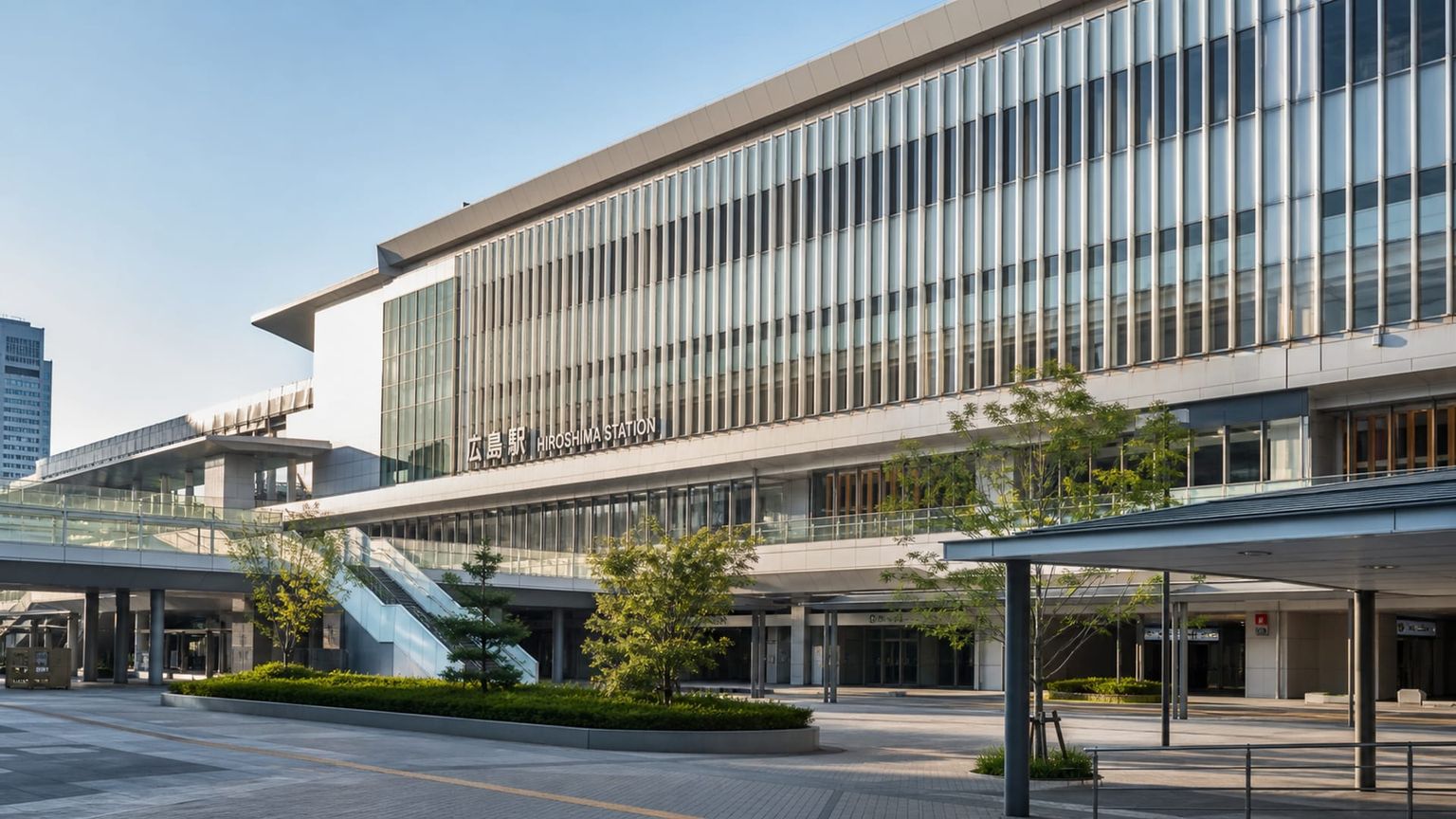
The area around Hiroshima Station puts you beside the city’s main rail hub, with the Shinkansen, local trains, and buses in easy reach. It works well if you plan to move quickly between the Peace Memorial Park, Miyajima ferries, and day trips across the region.
Best for: Rail travelers, short stays, and visitors who want fast access to transit
What to expect: Busy streets, business hotels, commuter flow, and plenty of dining near the station.
Hotel prices: Usually about ¥9,000 to ¥20,000 (~$60 to ~US$135) per night for well-rated stays
Distance to major sights: About 15 minutes by tram to the Peace Memorial Park, about 25 minutes by train and ferry access to Miyajima
Quietness: Daytime is busy with commuters and travelers, while evenings settle after station traffic thins.
Main trade-off: You will trade a livelier station environment for less atmosphere than the riverfront or downtown entertainment blocks.
Good to know: Late arrivals are easy here, but some restaurants shut earlier than in central nightlife districts.
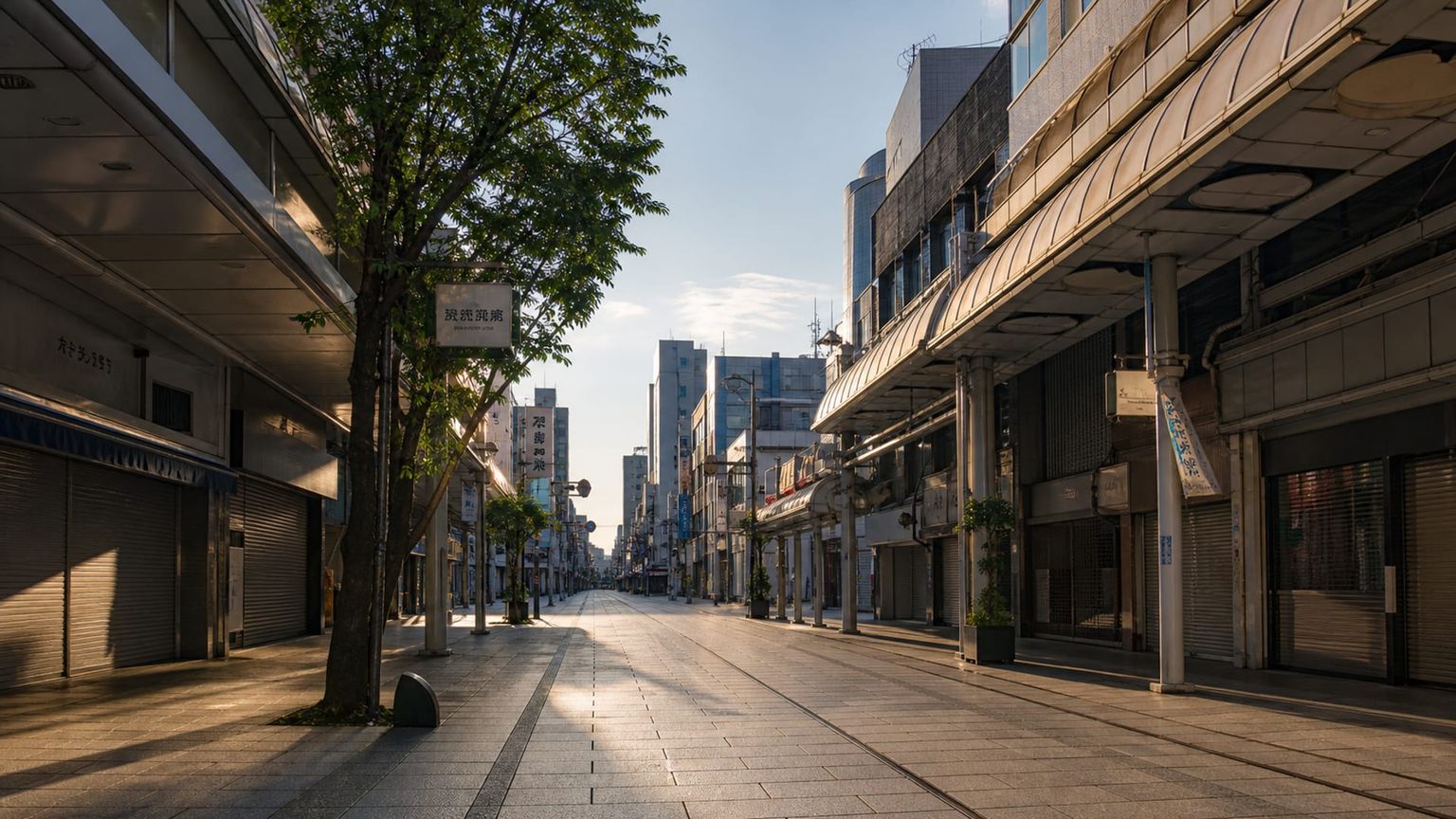
Hondori and Kamiyacho form Hiroshima’s main shopping and dining core, with covered arcades, department stores, and a dense spread of cafes and restaurants. This is the most central place to stay if you want to walk to the Peace Memorial Park, the river, and evening meals.
Best for: Walking access to dining, shopping, and central sightseeing
What to expect: Lively pedestrian streets, steady foot traffic, and the widest choice of bars, shops, and restaurants.
Hotel prices: Usually about ¥10,000 to ¥28,000 (~$67 to ~US$188) per night for well-rated stays
Distance to major sights: About 15 to 20 minutes on foot to the Peace Memorial Park, about 10 minutes by tram to Hiroshima Station
Quietness: Daytime is crowded and active, while evenings stay lively, especially near the main dining streets.
Main trade-off: Centrality comes with more noise and higher weekend demand than in the station area.
Good to know: If you want to avoid relying on taxis, this is the easiest area for walking out to dinner after sightseeing.
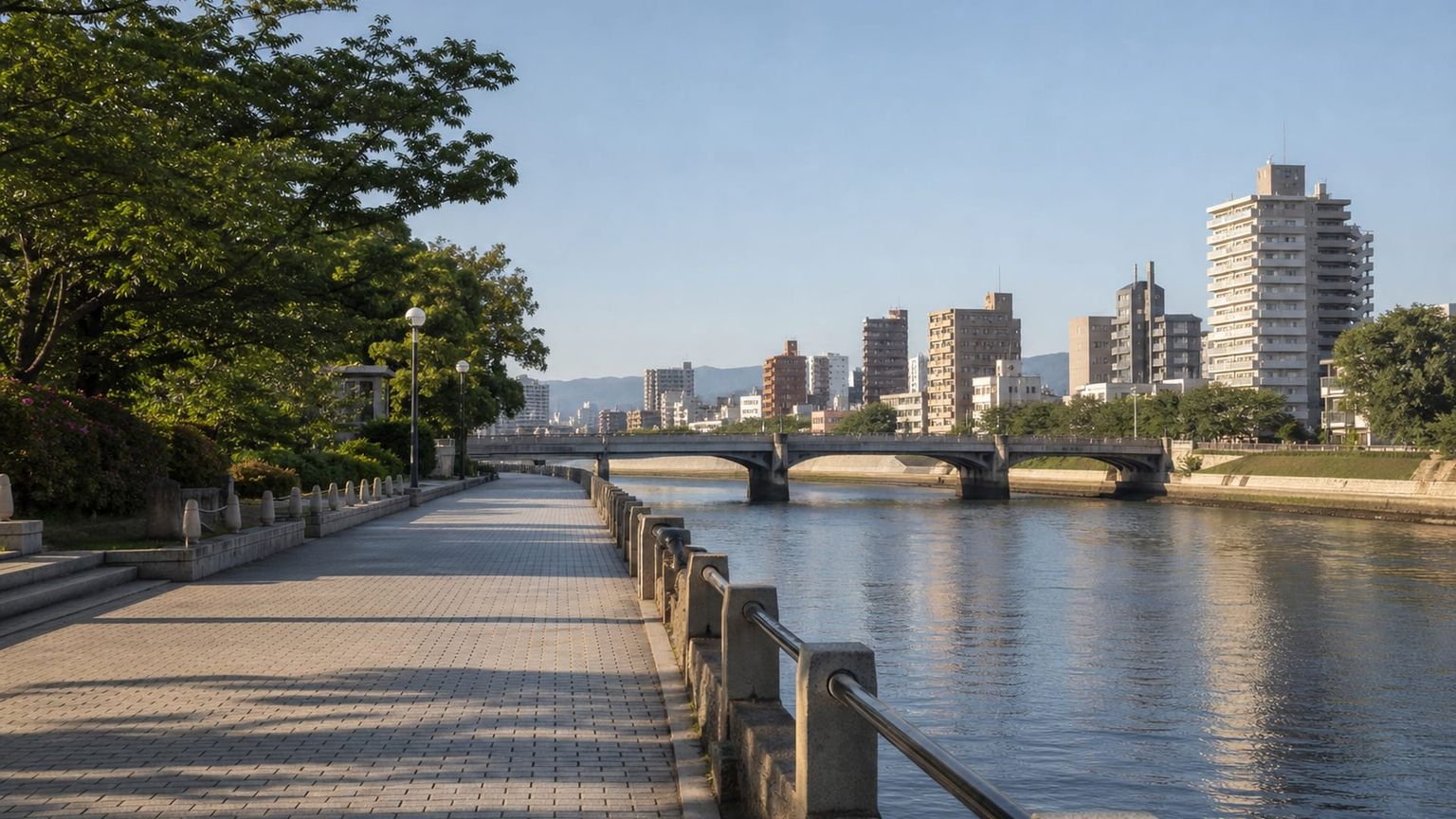
The riverfront in Naka ward sits west of the shopping core, close to the Peace Memorial Park and the city’s main green and memorial spaces. It suits travelers who want a quieter central stay with direct access to the park, the river, and museum visits.
Best for: Peace Memorial Park visits, museum time, and a calmer central base
What to expect: Lower-key streets, hotel-focused blocks, and easy access to riverside walking paths.
Hotel prices: Usually about ¥9,000 to ¥24,000 (~$60 to ~US$162) per night for well-rated stays
Distance to major sights: About 10 to 15 minutes on foot to the Peace Memorial Park, about 20 minutes by tram to Hiroshima Station
Quietness: Days bring museum visitors and tour groups, but evenings are quieter than Hondori and Kamiyacho.
Main trade-off: You get better access to the memorial zone, but fewer late-night dining choices than in the shopping center.
Good to know: Choose this area if you want the shortest walk to the park and do not mind heading elsewhere for a wider dinner scene.
Travelers usually avoid staying in Saka and the western edge of Nishi Ward, since they sit far from Peace Memorial Park, central dining, and the main tram and train hubs. Areas deep in Asaminami Ward and parts of the suburban fringe near Hiroshima Airport are less convenient for sightseeing because evening transit is limited and visitor amenities are sparse.
Hotel deals
How to get around Hiroshima efficiently
Hiroshima has no subway, so the tram grid, city buses, and taxis do the real work of moving between the station, downtown, and the memorial district.

Metro
for longer distances
Hiroshima has no subway or metro system. The closest rail backbone is the Hiroshima Electric Railway tram network, which covers central Hiroshima, Hiroshima Station, the Peace Memorial Park area, and Miyajima-guchi via connections with JR. A city tram ride costs about $2 ($220) with flat fares and no time-based transfer window, so it works best for short cross-town trips rather than fast airport links.

Bus and tram
for convenience
Trams and buses do the heavy lifting here: Hiroshima Electric Railway trams run through the core, while Hiroshima Bus and Chugoku JR Bus reach districts beyond the streetcar grid, including the station, downtown, and some waterfront or suburban areas. A tram or local bus ride is usually about $2 ($220), and day passes are sold for roughly $5 to $7 ($700 to ¥1,000), often valid for one calendar day; check the printed route map or stops, because boarding and fare rules vary by operator.

Taxi
for convenience or late hours
Licensed taxis use meters, not set fares, for most city trips, and a short downtown ride often costs about $6 to $12 ($900 to ¥1,800), with longer crosstown trips roughly $15 to $25 ($2,200 to ¥3,800). You can hail one on the street, take one from taxi ranks at Hiroshima Station and major hotels, or use an app where available. Drivers usually accept cash, and many cars take cards or IC payment; late-night and airport trips cost more, and Hiroshima Airport (HIJ) rides can be much higher than a normal city fare.
*Prices are based on rates updated as of June 2026 and may change at the time of travel.
Trams suit central sightseeing, buses extend farther out, and taxis make the airport run or a late dinner easier when you do not want to wait.
Iconic landmarks
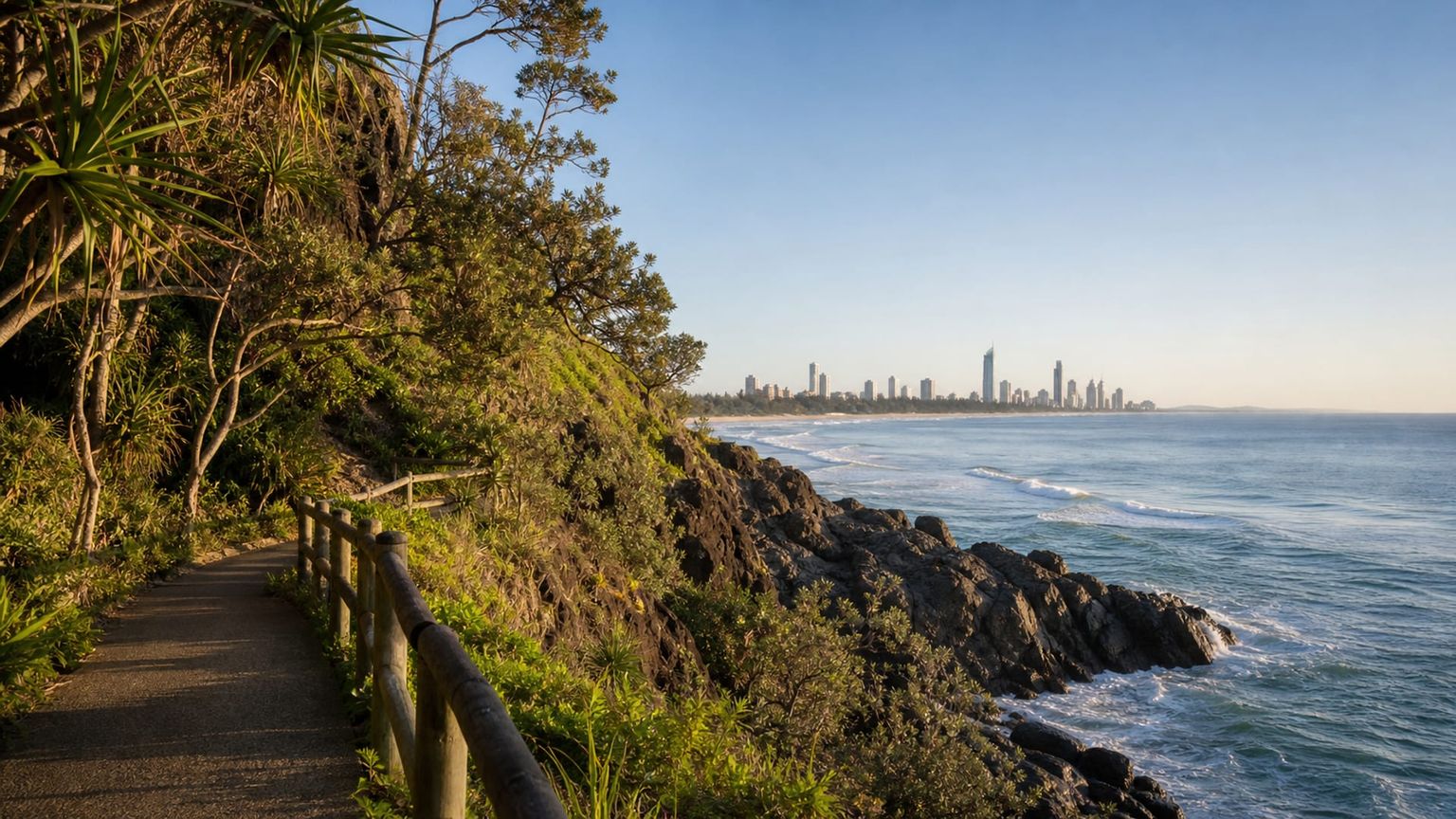
Hiroshima Peace Memorial Park
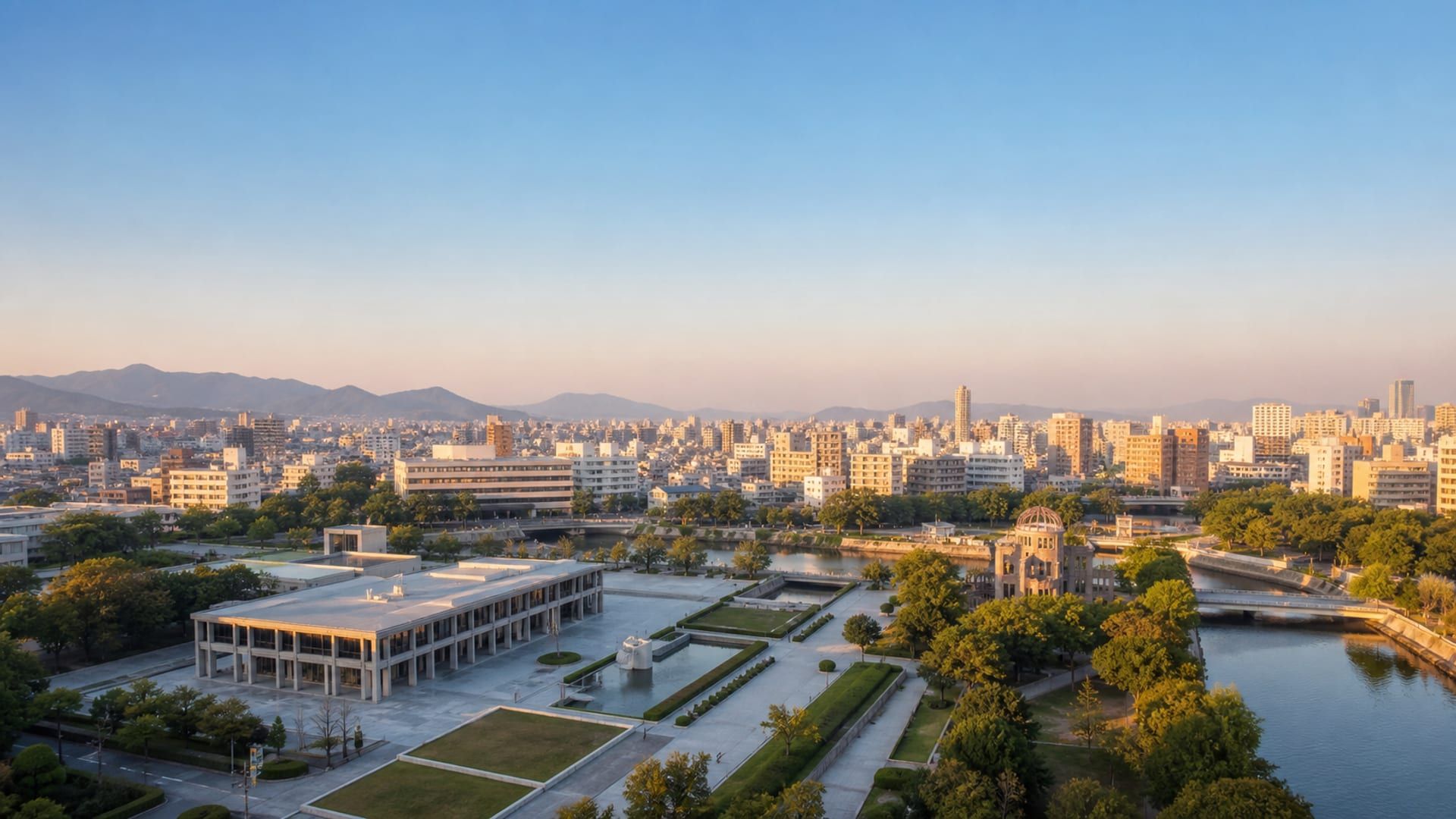
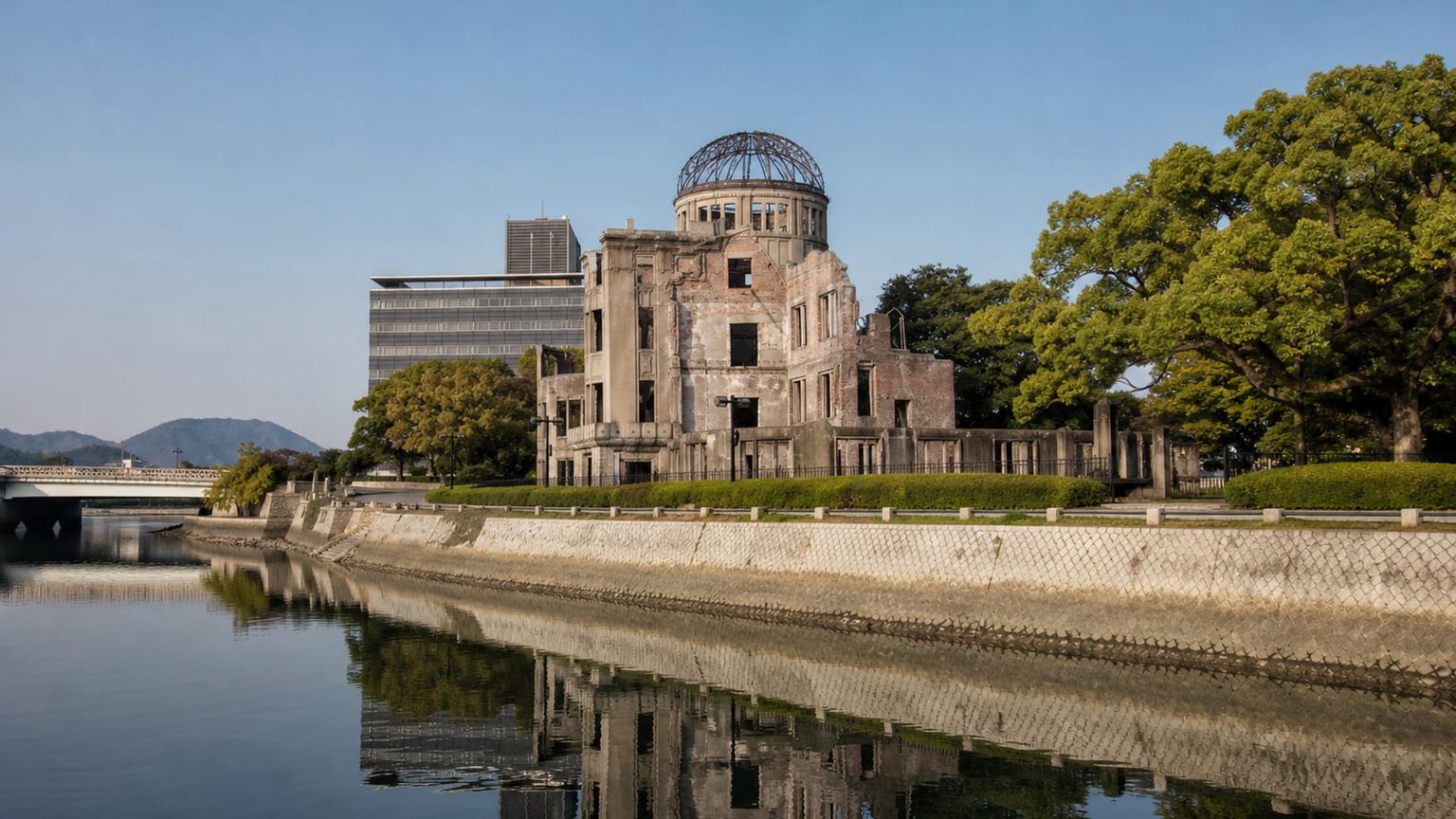
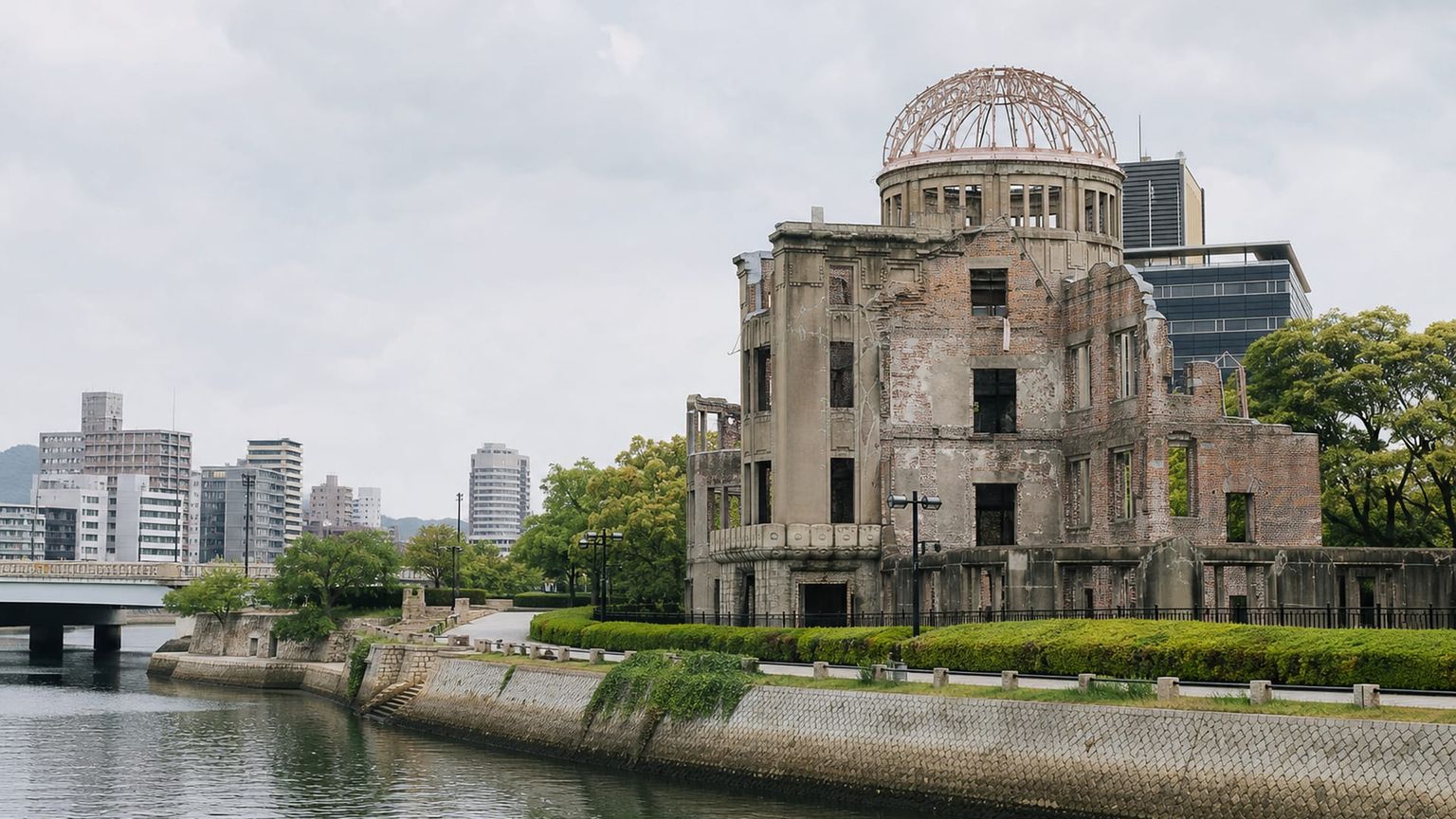
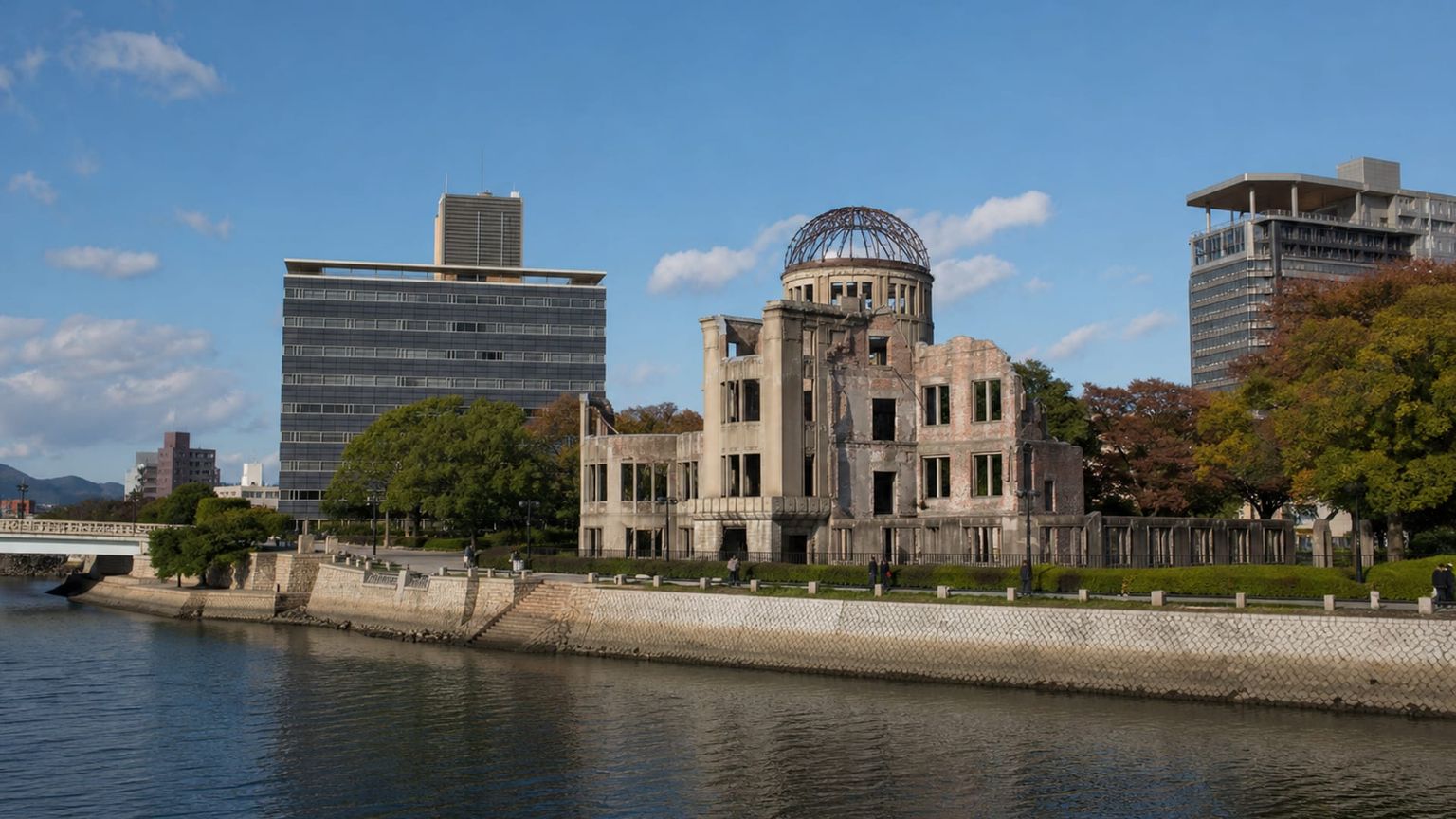
This riverside park centers Hiroshima’s peace memorials, including the cenotaph and the Flame of Peace. It links several major sites in one walk, with the Atomic Bomb Dome just across the river.
Time needed: About 1 to 2 hours
Entry: Free to access, with no admission charge for the park grounds or most outdoor memorials. Some nearby museum exhibits and facilities charge separately. Visit the official site for details.
Tip: Go early or late in the day for quieter paths and softer light on the riverfront.
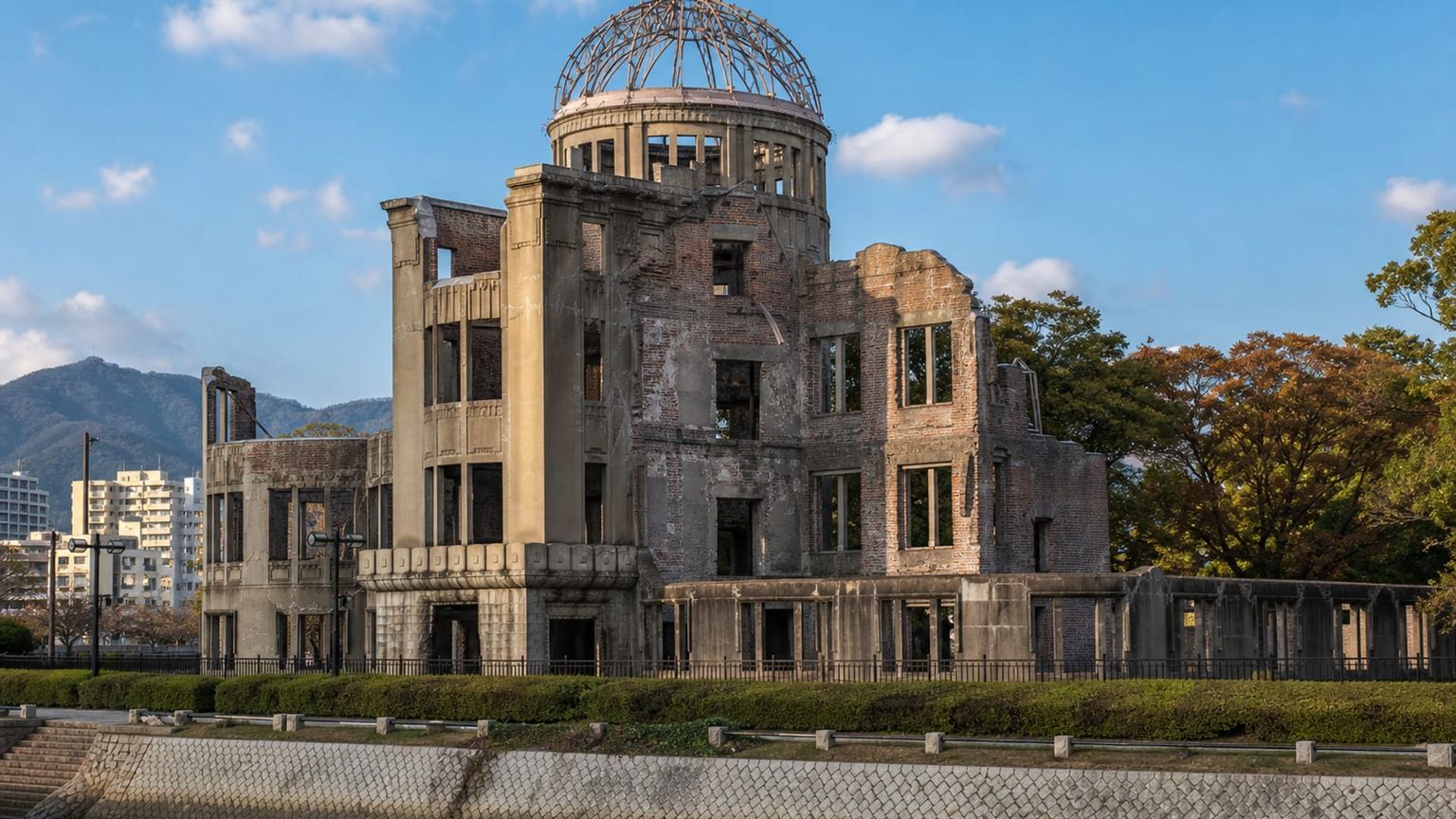
Miyajima, Itsukushima Shrine, and Mount Misen
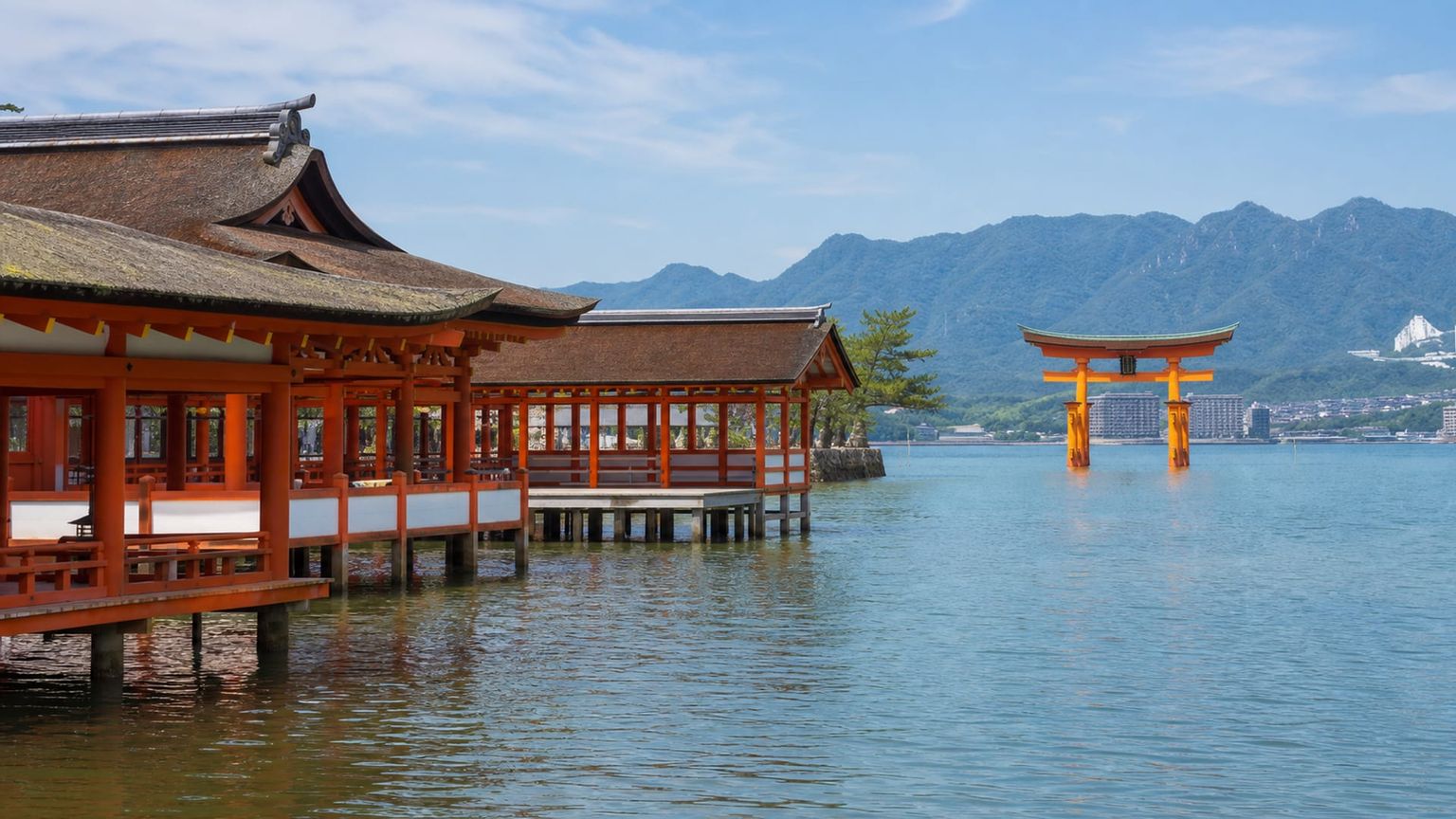
On Miyajima, the vermilion Itsukushima Shrine stands over the water at high tide, while Mount Misen adds forest trails and island views. Ferries from Hiroshima area ports make it a full half-day or longer.
Time needed: About 5 to 8 hours
Entry: Shrine grounds are free to enter, while the main hall and treasury charge fees; the ferry, ropeway, and Mount Misen facilities are paid separately. Visit the official site for details.
Tip: Check tide times before you go, then pair the shrine visit with an uphill walk or ropeway ride.
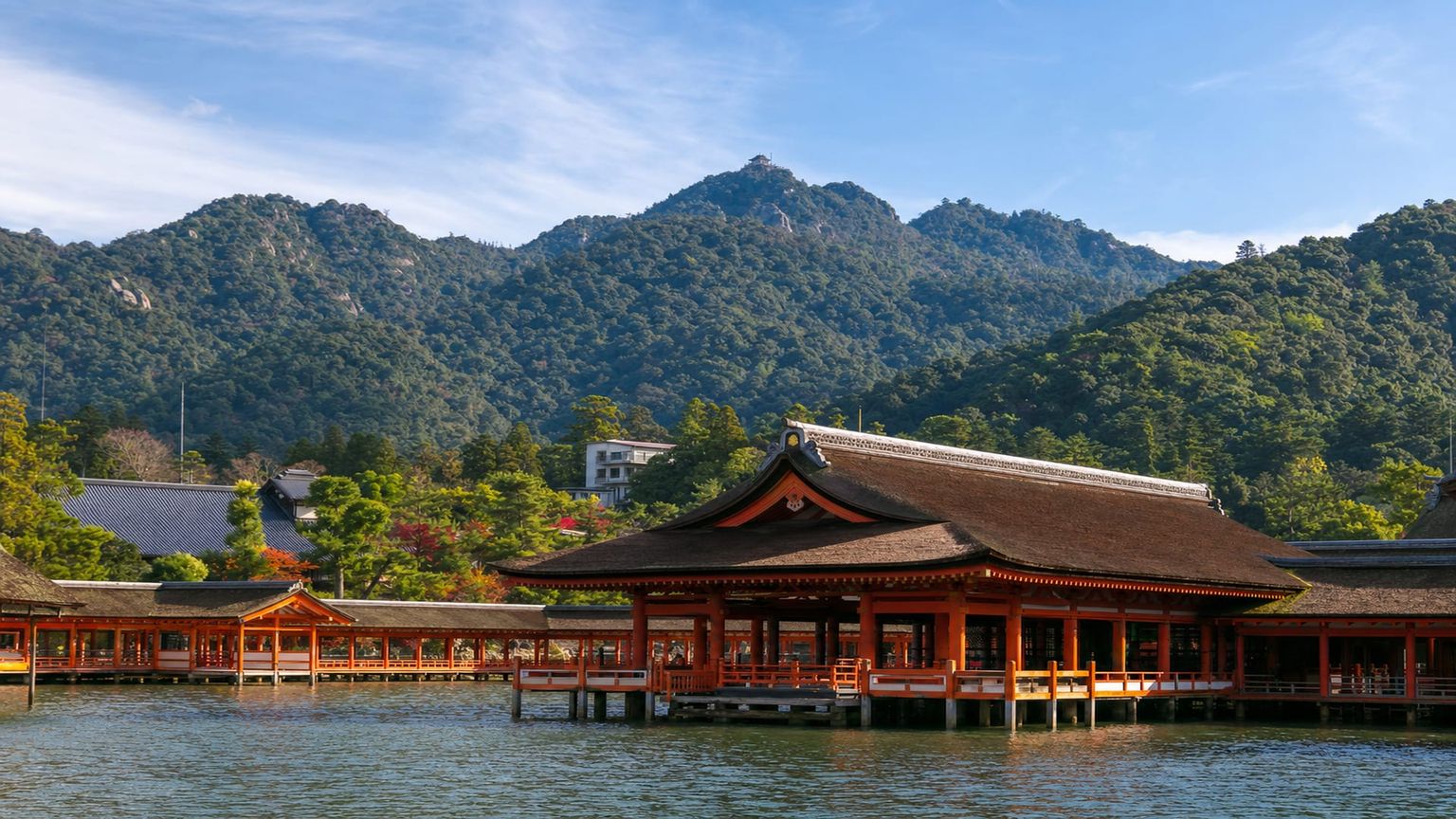
Shukkeien Garden
Shukkeien compresses bridges, teahouses, hills, and ponds into one landscaped garden near central Hiroshima. Paths curve past seasonal maple color, plum blossoms, and small islands, making it a calm contrast to the city’s broad avenues.
Time needed: About 1 to 2 hours
Entry: Admission costs $2 to $3 (¥260 to ¥350), with reduced rates for children and occasional separate tea fees inside the garden. Visit the official site for details.
Tip: Visit in late afternoon, when the pond light improves and the teahouse area is easiest to enjoy.
Overlooked sites worth visiting

Hijiyama Park
This hilltop park has wooded paths, lawns, and city views, plus the Hiroshima City Museum of Contemporary Art on its slopes. Cherry trees line parts of the walk, and the climb is gentle.
Time needed: About 1 to 2 hours
Entry: Free to access. The park has no admission fee, and you can walk the paths, lawns, and viewpoints at no cost. The Hiroshima City Museum of Contemporary Art nearby charges separate admission if you choose to add a visit.
Tip: Go near sunset for the clearest skyline views.

Kobayashi Hiroshima Museum of Art
This small museum concentrates on European and Japanese modern art, with works by Matisse, Renoir, and local painters. Its compact galleries make it easy to pair with a short stop in central Hiroshima.
Time needed: About 45 minutes to 1 hour
Entry: Adults pay about $8 ($1,200); university students pay about $5 ($700); high school students pay about $4 ($600); junior high students and younger enter free. Special exhibitions may carry separate pricing, so check the current schedule before you go. Visit the official site for details.
Tip: Visit on a weekday morning for quieter galleries.
Traditional food
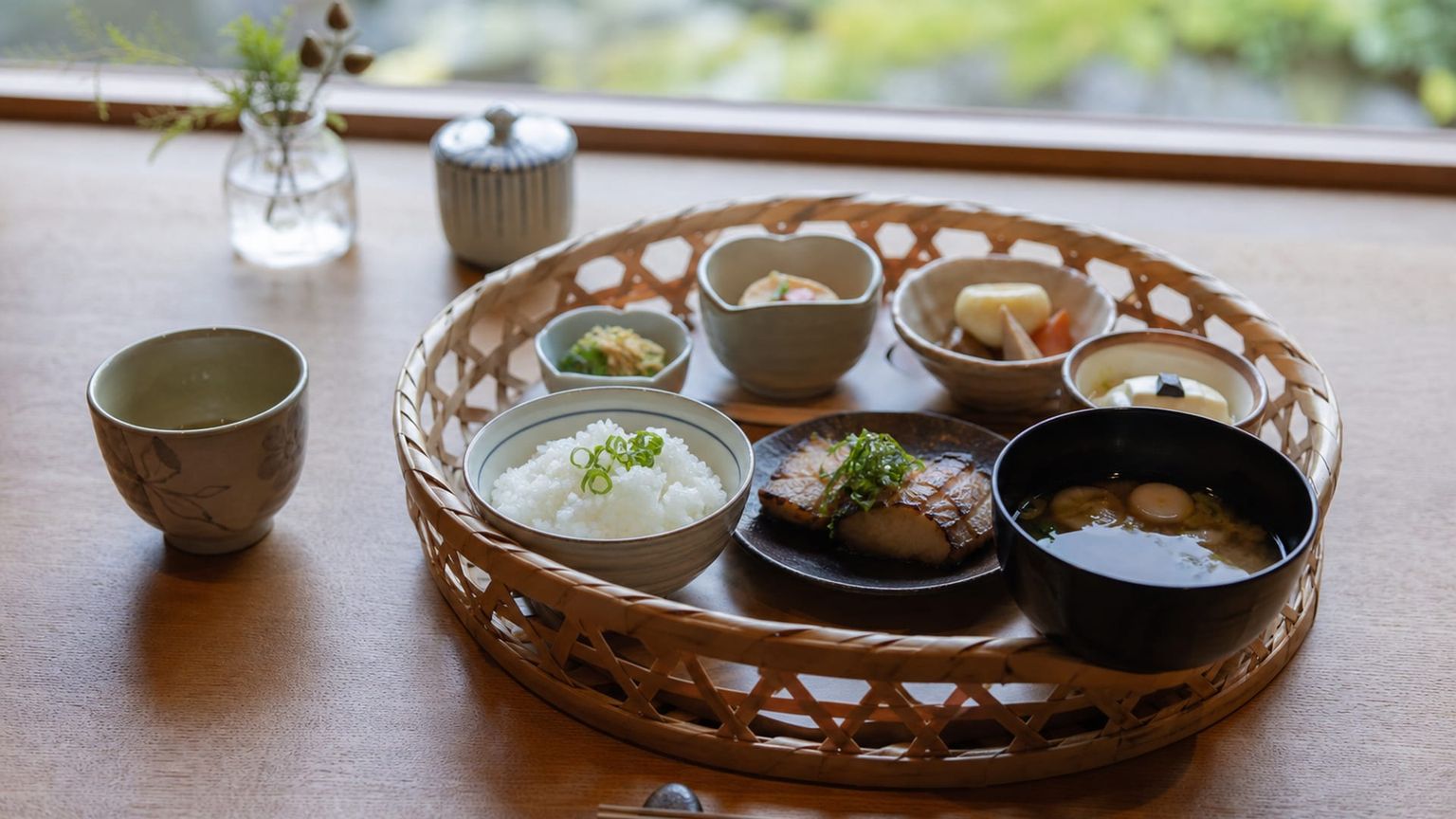
Hiroshima’s food leans on okonomiyaki, oysters, tsukemen, and anago meshi, with layered sauces, noodles, and charcoal-kissed seafood shaping the city’s dining tables.
Hiroshima-style okonomiyaki
This layered savory pancake stacks batter, cabbage, noodles, and sauce into one of the city’s defining meals. Okonomi-mura is the canonical stop, with multiple long-running counters under one roof.
Hiroshima-style oysters
The Seto Inland Sea gives Hiroshima some of Japan’s best oysters, often served grilled, fried, or raw in season. Kaki Udon Mame Taro is a strong city-center choice for a set that highlights the ingredient directly.
Tsukemen
Hiroshima tsukemen is a chilled noodle dish with a spicy dipping sauce that turns lunch into a quick, sharp-flavored stop. Bakudan-ya is the best-known local name, and its Hiroshima branch keeps the style front and center.
Anago meshi
Grilled sea eel over rice brings a softer, smoky profile than the city’s more famous noodle dishes. Ueno in the station area is the standard reference point for a classic serving.
Best time to visit Hiroshima
Hiroshima shifts with the season, from cherry blossom crowds in spring to humid summers, clear autumn days, and quieter winter streets, so the best timing depends on how much heat and foot traffic you want to manage.
Best for: Cherry blossoms, park walks, and ferry days
What you get: About 45°F to 75°F (7°C to 24°C), with moderate crowds and heavier demand in late March and early April
Trade-offs: Peak blossom weeks can make hotels and trains busier
Best for: Long daylight hours and evening river walks
What you get: About 72°F to 90°F (22°C to 32°C), with thick humidity, festival crowds, and stronger demand around school holidays
Trade-offs: Heat and moisture can make midday sightseeing tiring
Best for: Comfortable city sightseeing and clearer views from Hijiyama
What you get: About 55°F to 79°F (13°C to 26°C), with manageable crowds after summer and good conditions for walking
Trade-offs: Typhoon remnants can affect early autumn travel plans
Best for: Museum visits, temple stops, and quieter central streets
What you get: About 34°F to 52°F (1°C to 11°C), with lighter crowds and short, cool days
Trade-offs: Cold winds by the river can make outdoor memorial visits brisk
A realistic 5-day plan in Hiroshima
The five-day plan below starts with arrival and the central districts, then moves into the memorial core, Miyajima, and the higher viewpoints before ending with an easier day in the center. That sequence keeps cross-town backtracking low.
Land at Hiroshima (HIJ) and head into the city by taxi or airport bus, since the airport sits about 50 km from central Hiroshima and the ride takes roughly 45 to 60 minutes, with fares typically about $35 to $50 depending on the transfer. Base yourself near Hiroshima Station if you want the simplest late arrival, or in Hondori and Kamiyacho if you would rather step out into a busier dining district. Check in, drink some water, and keep dinner close to your hotel, with noodles, okonomiyaki, or a set meal near the station or shopping core so you do not have to cross town on your first night.
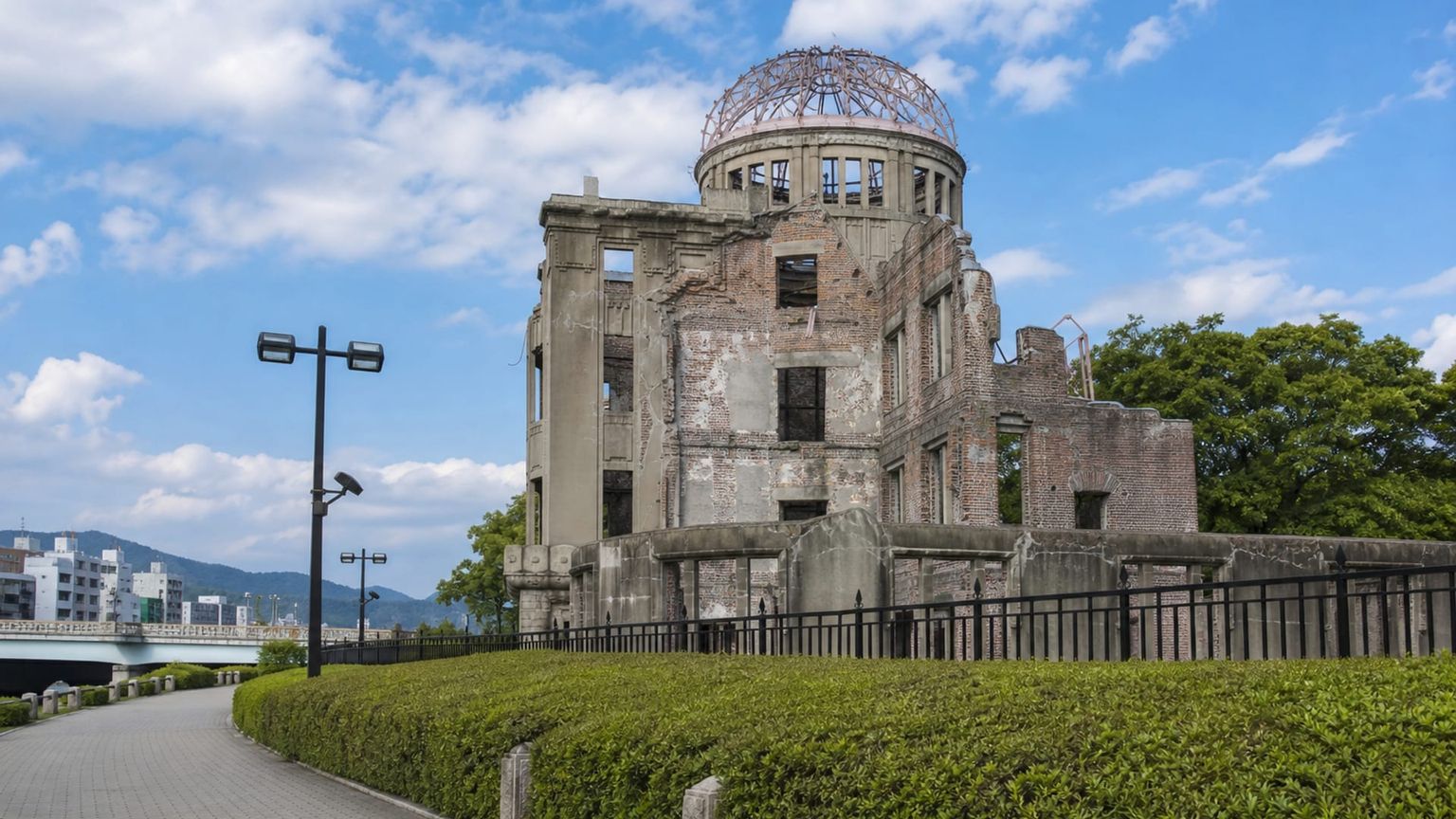
Start in Hiroshima Peace Memorial Park, where the Atomic Bomb Dome, Cenotaph, and riverside paths sit within a single walkable area, and plan about 1.5 to 2 hours there. The Peace Memorial Museum is inside the same park, and if you begin early you can move from the outdoor memorials into the galleries before the largest tour groups arrive. From the park, walk about 10 minutes to the Atomic Bomb Dome if you want a second look from the river path, then continue about 15 to 20 minutes on foot into Hondori and Kamiyacho for lunch, shopping arcades, and an easy dinner nearby.
Miyajima fills the day with a ferry ride, shrine visit, and mountain scenery, so catch an early train and ferry from Hiroshima Station and expect the trip to take roughly 45 to 60 minutes door to door. After you land, walk from the pier to Itsukushima Shrine in about 10 to 15 minutes, then watch the floating torii from the shore paths before climbing or riding the ropeway toward Mount Misen. The ropeway costs about $12 ($1,800), shrine admission costs about $2 to $5 (¥100 to ¥300), and the island itself is free to explore; budget about 5 to 7 hours total, including time for lunch and the return ferry.
Begin the day at Hijiyama Park, where a gentle climb leads to lawns, tree-lined paths, and wide city views about 15 minutes by tram from Hiroshima Station. Spend 1 to 2 hours there, then walk or take a short ride to the Hiroshima City Museum of Contemporary Art on the slope below if you want to add an indoor stop. In the afternoon, head into central Hiroshima for the Kobayashi Hiroshima Museum of Art, which takes about 45 minutes to 1 hour, and then return to Kamiyacho or Hondori for dinner within a 5 to 10 minute walk of the galleries and tram stops.
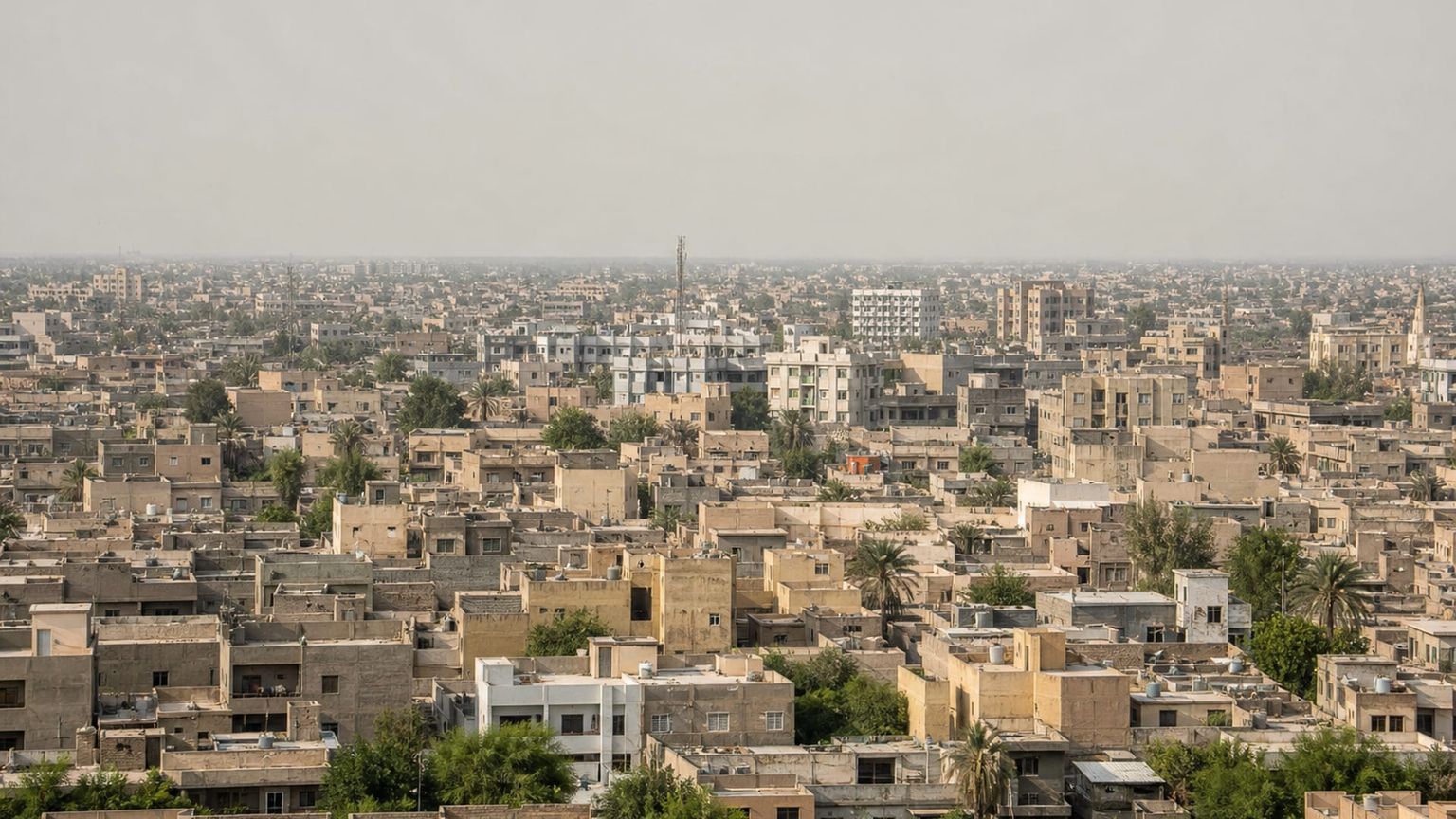
For a slower last day, start with the Kobayashi Hiroshima Museum of Art if you missed it earlier, then spend time in Hondori and Kamiyacho, where the covered arcades and department stores make an easy last look at central Hiroshima. If you want one more quiet stop, sit down for coffee in the riverfront area of Naka ward, which keeps you close to the Peace Memorial Park while staying a little apart from the busiest shopping streets. From there, collect bags near Hiroshima Station or stay in the center until your departure transfer, which keeps the end of the trip simple without packing the day too tightly.
Business-class flights from the US to Hiroshima
Direct long-haul flights to Hiroshima are uncommon, so most itineraries connect through major Asian hubs. From both coasts of the United States, the best fares usually come from one-stop schedules rather than rare nonstop-like timings.
From New York, All Nippon Airways, Japan Airlines, Korean Air, Cathay Pacific, and Turkish Airlines all operate one-stop options, and common layovers run through Tokyo (NRT), Seoul (ICN), Hong Kong (HKG), Taipei (TPE), or Istanbul (IST). Typical round-trip fares start at about $4,800 to $8,500, and one-stop itineraries can trim the fare.
Los Angeles travelers usually see All Nippon Airways, Japan Airlines, Korean Air, Cathay Pacific, and China Airlines on the board, with layovers through Tokyo (NRT), Seoul (ICN), Hong Kong (HKG), Taipei (TPE), or Shanghai (PVG). Round-trip fares generally land about $4,200 to $7,600, with higher prices on peak dates and tighter schedules.
Hiroshima feels different when you slow down
A deliberate Hiroshima trip works best when you stay close to the tram lines, the Peace Memorial Park, and one easy dining core, then give Miyajima and Hijiyama their own days instead of squeezing them in between errands. That approach keeps the city readable on foot and by rail, with clear moves between memorial sites, arcades, and the ferry. For a version that matches your dates and neighborhood choice, ask the AranGrant experts to shape the route