

Chapters:

Need help with your trip?
Our support team is available 24/7. Request a callback or call us directly at (833) 619-0908
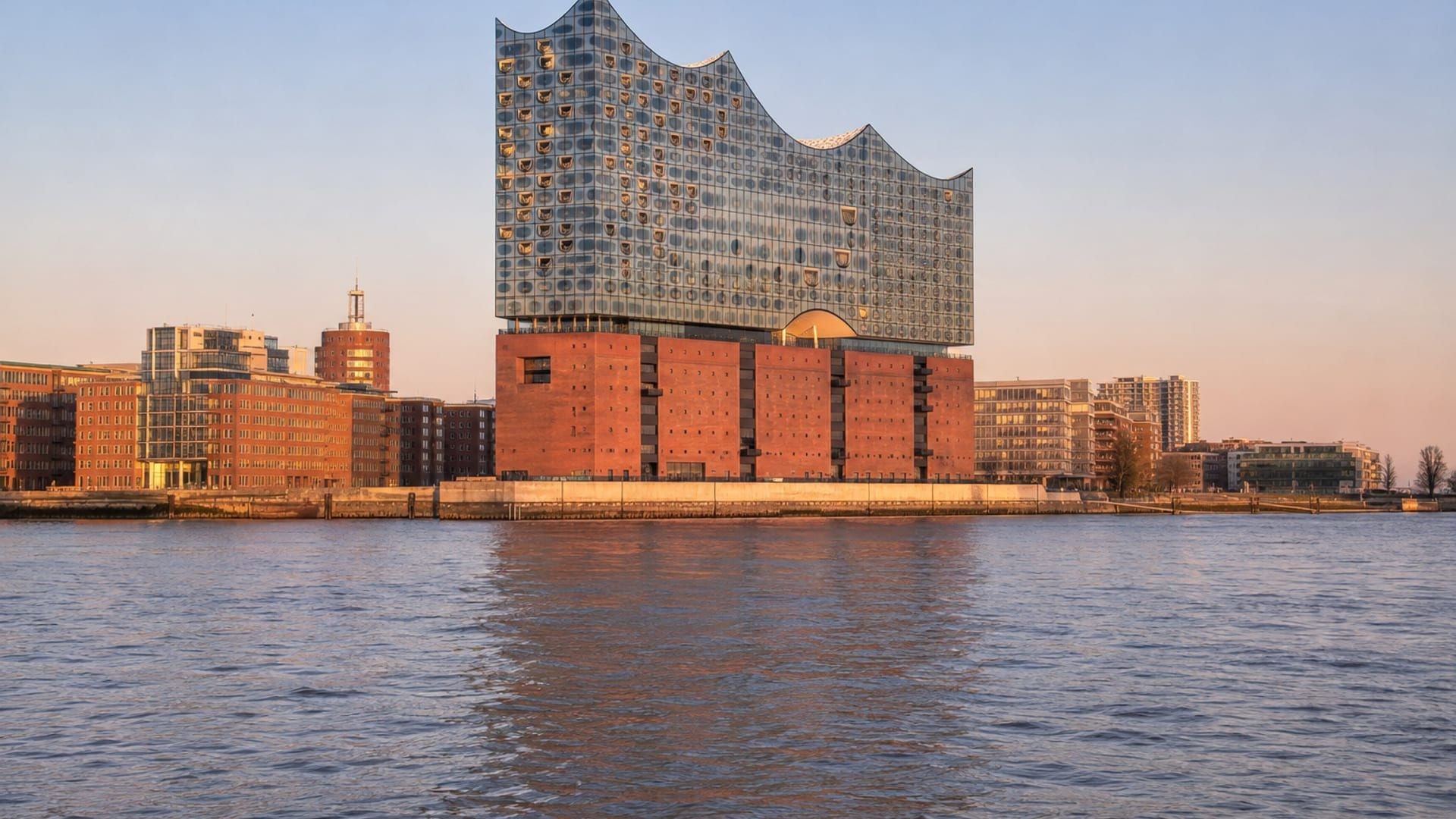
Hamburg is Germany’s largest port city, shaped by the Elbe, its canals, and the neighborhoods that grew around trade, shipping, and the waterfront. The city combines grand civic buildings, warehouse districts, concert halls, residential streets, and a strong local food culture without concentrating everything in one tourist center.
Altstadt and Speicherstadt hold many of the main landmarks, while St. Georg, Schanzenviertel, and Harvestehude show very different sides of daily life. Five days give enough time to explore the harbor, museums, lakeside paths, and dining areas without turning each day into a race across the city.
This guide explains where to stay, how to get around, what to see, when to visit, and how business-class travelers can plan a trip from the United States.
Useful things to know

Main language(s): German
Hallo (HAH-loh) – Hello
Bitte (BIT-teh) – Please
Danke (DAHN-kuh) – Thank you
Sprechen Sie Englisch? (SHPREH-khen zee ENG-lish?) – Do you speak English?
Wie viel kostet das? (vee feel KOS-tet dahs?) – How much does it cost?

Currency: Euro (EUR, €)

Cash and cards: You can pay by card or contactless payment, but have about €20 to €40 ($23 to $46) in cash for small shops or kiosks.

Tipping: Round up or leave about 5%–10% in restaurants if the service is good.

Traditional food: Franzbrötchen, Finkenwerder Scholle, Labskaus, Aalsuppe are among the most popular traditional dishes you can try in Hamburg.

Water and coffee costs: A bottle of water may cost about €2 ($2), while an espresso is about €3 ($3).

Taxis and ride apps: You can use services like Free Now, Uber, and Bolt, although availability can be uneven late at night.

Plug and voltage: Type C/F socket, 230V

Dining and shop opening hours: Have breakfast between 7:00 am and 10:00 am, lunch between 12:00 am and 2:00 pm, and dinner from 6:00 pm to 9:00 pm. Many kitchens close between lunch and dinner.

Emergency number: 112 for fire and medical emergencies; 110 for police
Where to stay in Hamburg
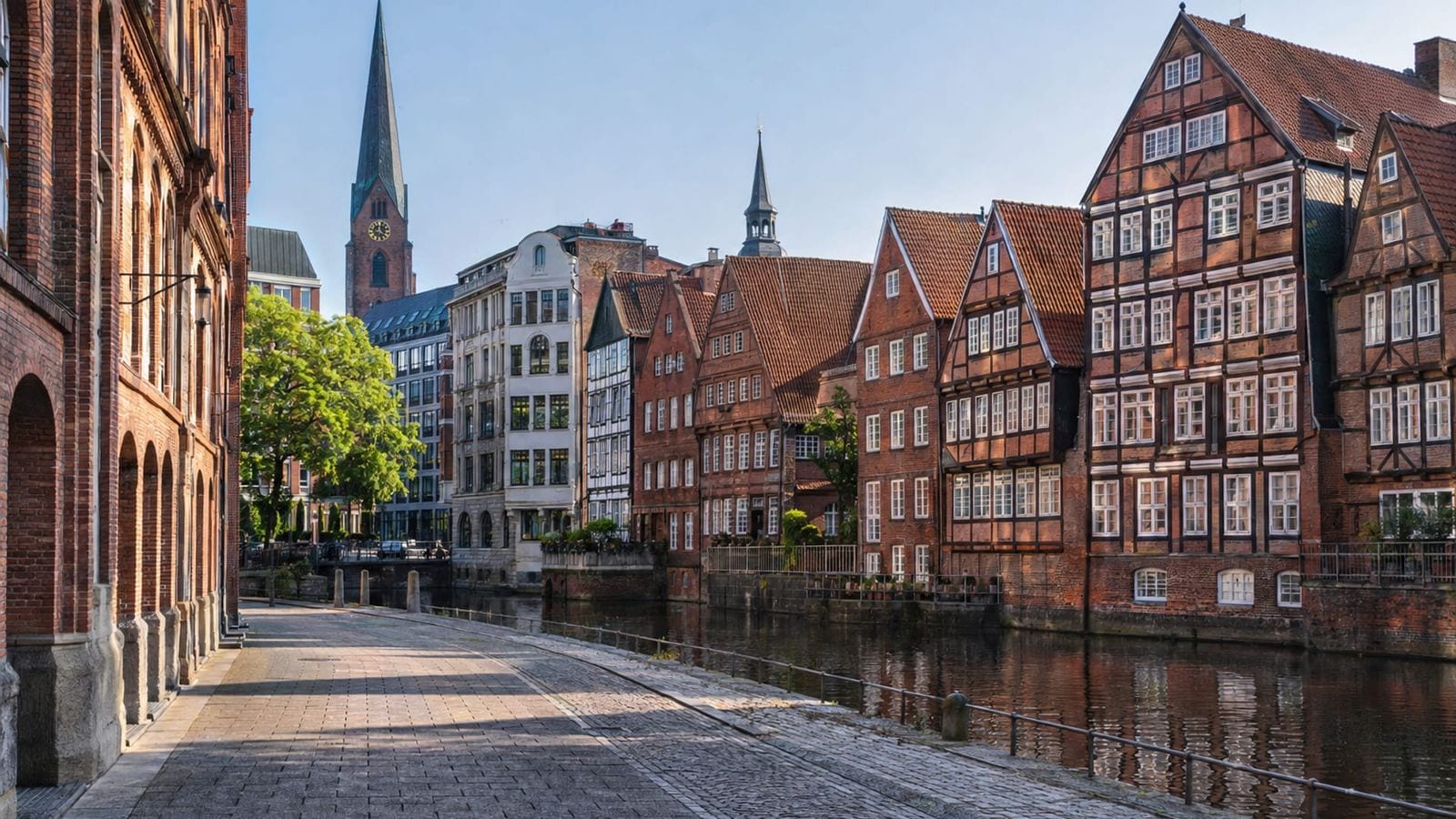
Hamburg’s historic core is situated near the Rathaus, Alster canals, and the main shopping streets. It suits travelers who want to step out for museums, harbor trips, and train connections without a long cross-town commute.
Best for: Sightseeing, short stays, and easy access to transit and shopping
What to expect: Central streets, busy daytime foot traffic, and a mix of office workers, shoppers, and visitors.
Hotel prices: Well-rated hotels usually cost €180 to €320 ($200 to $350) per night.
Distance to major sights: 10 to 15 minutes on foot to Rathaus and about 15 minutes by transit to the Landungsbrücken
Quietness: Quiet late at night, with noticeably busier mornings and afternoons
Main trade-off: Hotels here can cost more than in outer districts, and the area is busiest on weekdays.
Good to know: Choose a hotel on a side street for a quieter night, as rooms facing the main shopping streets may hear tram traffic and late-night pedestrians.
St. Georg is east of Hamburg Central Station, close to the lakefront, theaters, and major public transportation links. The area has restaurants serving a wide range of cuisines and gives travelers easy access to other parts of the city.
Best for: Transport access, dining, and travelers who want to move easily across Hamburg
What to expect: Dense blocks, active streets, and steady movement near the station and Lange Reihe.
Hotel prices: Well-rated hotels usually cost €150 to €280 ($165 to $310) per night.
Distance to major sights: 5 to 10 minutes on foot to Hamburg Hauptbahnhof and about 20 minutes by transit to the Elbphilharmonie
Quietness: The area is busy during the day, while nighttime noise depends on the street and the hotel’s location.
Main trade-off: Streets near the station are busier, and some blocks have more noise at night.
Good to know: Check the exact block before booking, since the atmosphere changes quickly between the station frontage and the quieter residential streets.
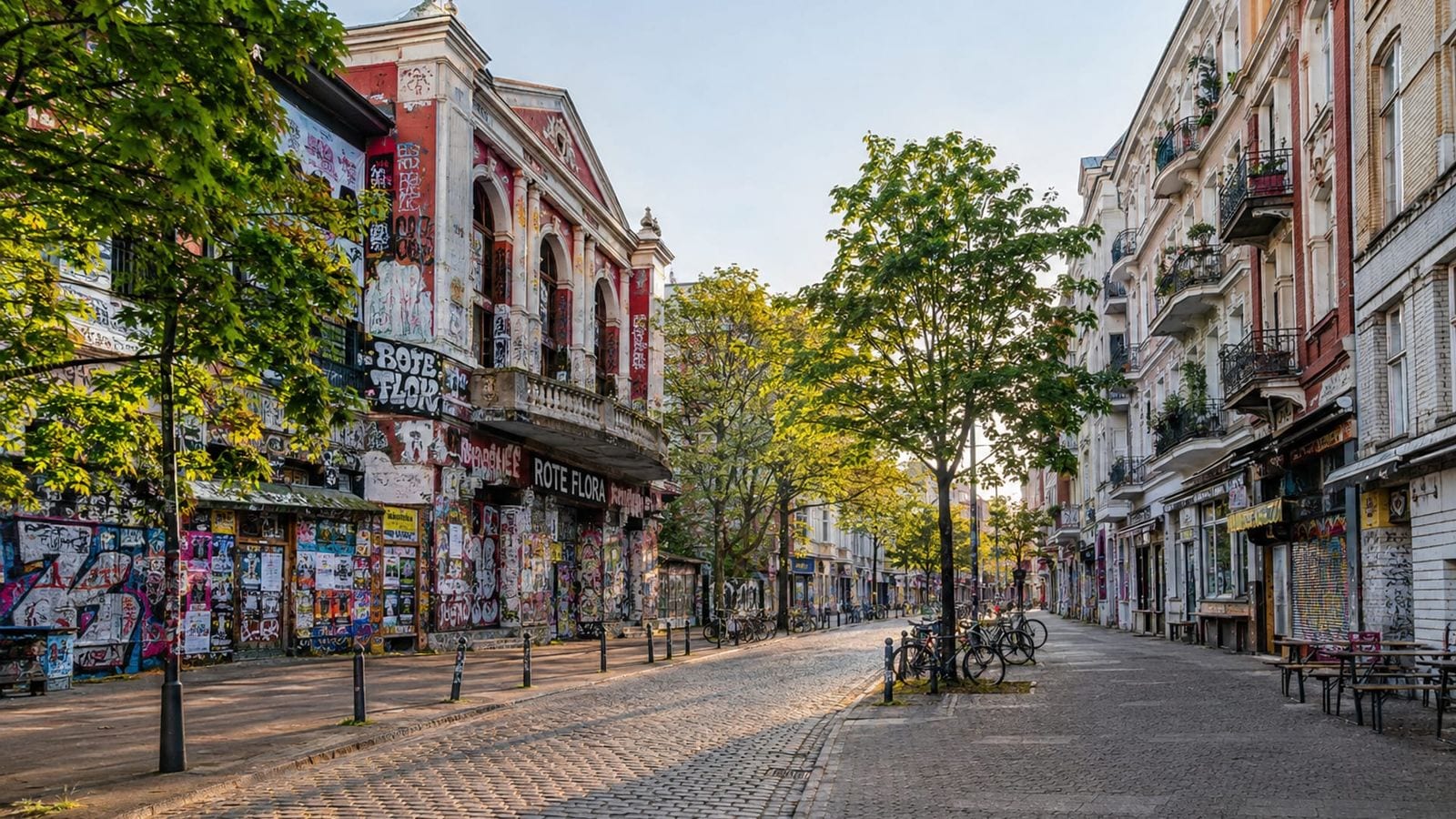
Schanzenviertel is a compact district of cafés, bars, independent shops, and late-night venues. It is close to the city center and suits travelers who want active evenings and do not mind busier streets after dark.
Best for: Nightlife, independent restaurants, and travelers who want an energetic evening base
What to expect: Crowded sidewalks, late-opening bars, and plenty of movement around Schulterblatt and the station area.
Hotel prices: Usually about €140 to €260 ($155 to $290) per night for a well-rated hotel
Distance to major sights: 15 minutes by U-Bahn to the Rathaus, 25 minutes by U-Bahn to the Elbphilharmonie
Quietness: The main streets are noisy into the evening, while side streets and rooms on upper floors are considerably quieter.
Main trade-off: Late-night noise is common, and the most atmospheric streets can also be quite loud.
Good to know: Book a room on higher floors if possible, because bar traffic and weekend crowds concentrate along the main streets.
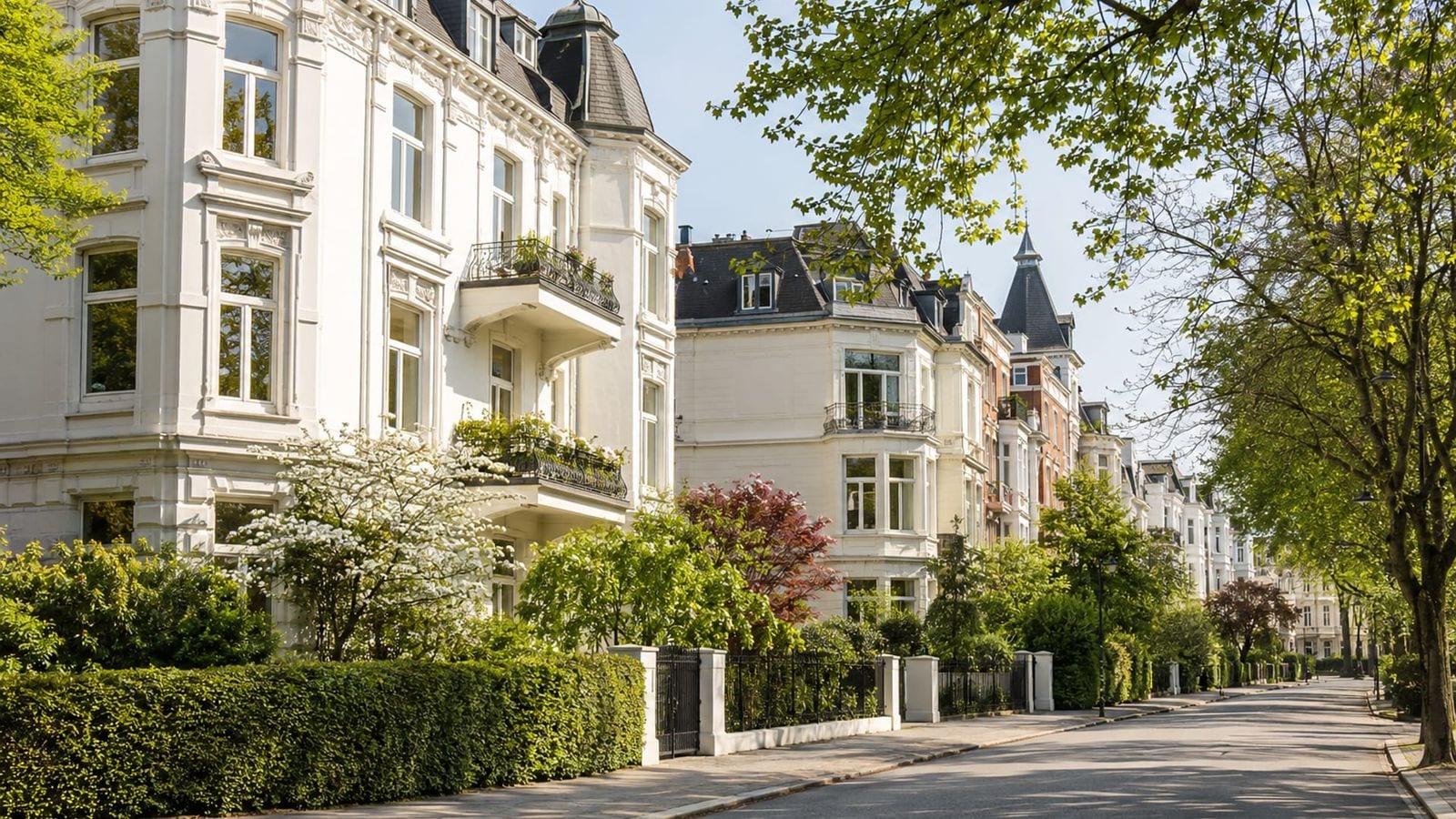
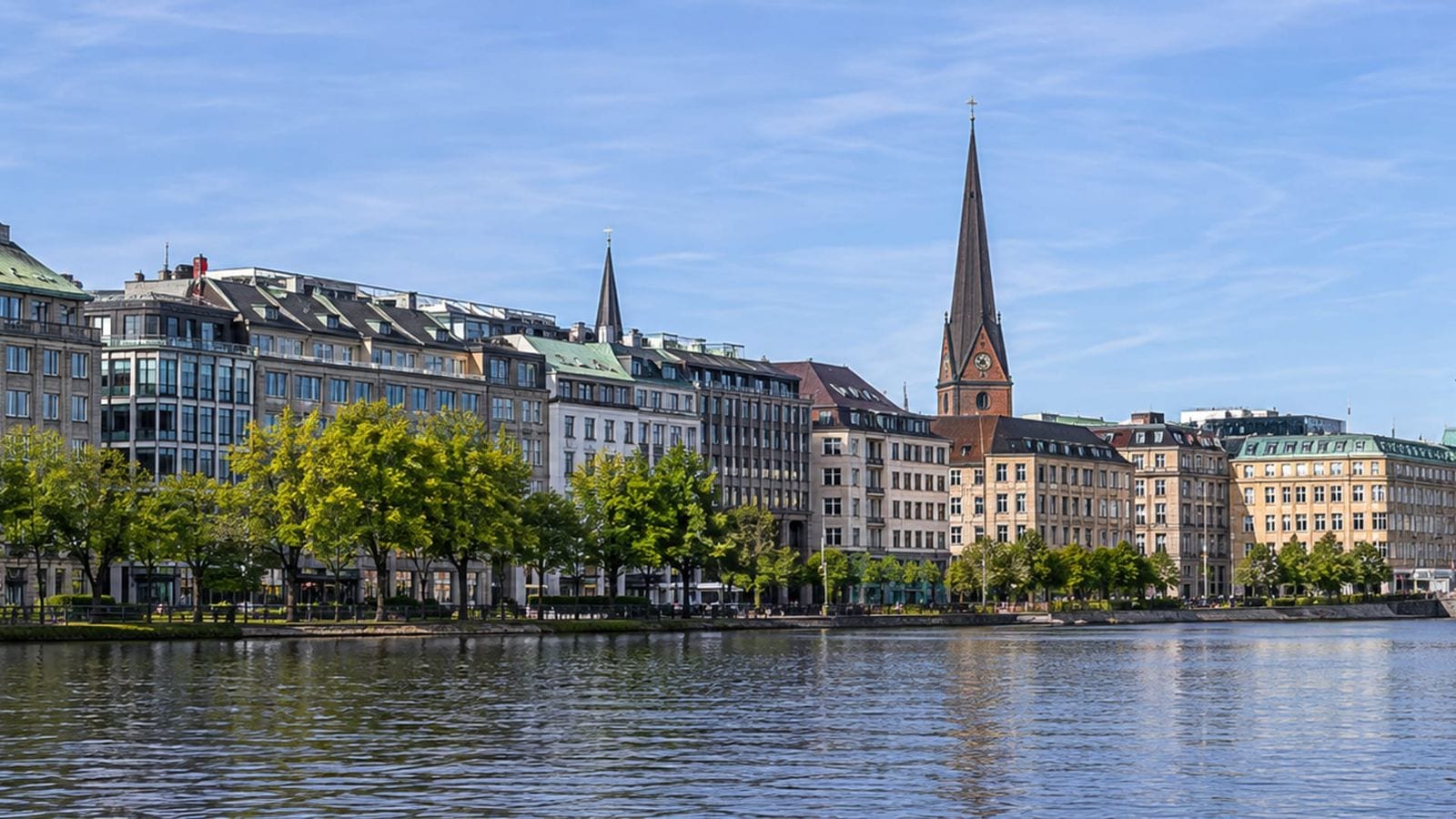
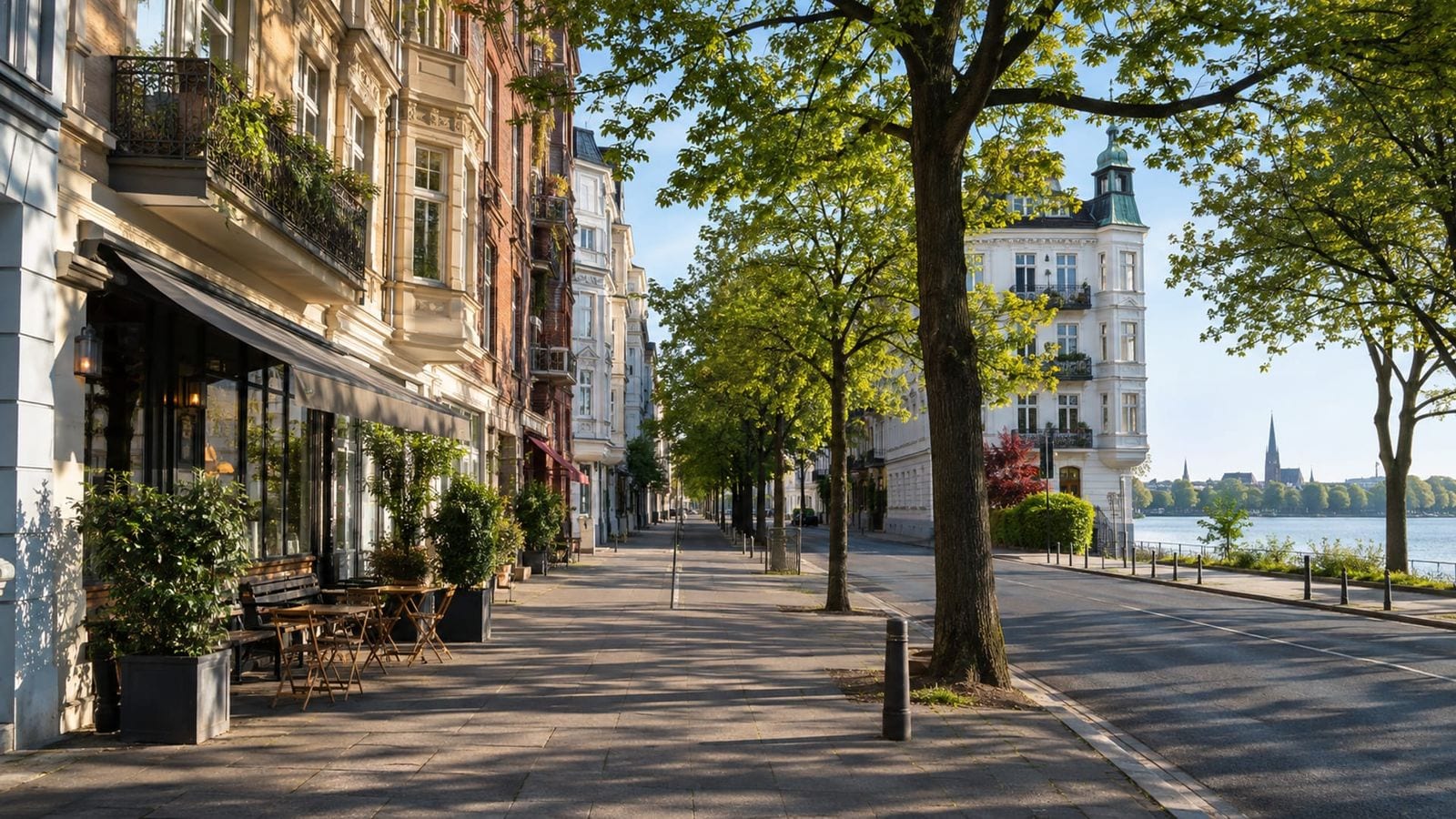
Harvestehude is one of Hamburg’s most elegant residential quarters, lined with canals, townhouses, and leafy streets near the Alster. It suits visitors who prefer a calmer stay with quick access to the city center by bus or U-Bahn.
Best for: A quieter area, longer stays, and travelers who value residential streets near the Alster
What to expect: Leafy blocks, local cafes, and light evening activity with no late-night scene
Hotel prices: Well-rated hotels usually cost €170 to €300 ($190 to $330) per night.
Distance to major sights: 15 to 20 minutes by bus or U-Bahn to the Rathaus, 10 minutes on foot to the Außenalster
Quietness: Generally quiet in the evening, with more local movement during school and commuting hours
Main trade-off: Hotels usually cost more here, and the area has fewer restaurants than central Hamburg.
Good to know: Plan on a short transit ride for most museum and harbor visits, since the neighborhood is primarily residential.
Rahlstedt, Bergedorf, and outer Harburg are far from Hamburg’s main sights and have fewer visitor services. St. Pauli near the Reeperbahn has easy transit, but the nightlife can raise hotel prices and crowd the streets at night.
Hotel deals
How to get around Hamburg efficiently
Hamburg relies on the U-Bahn, S-Bahn, buses, and taxis, with the airport and the Hauptbahnhof both directly connected to the central network.

Metro
for longer distances
The U-Bahn (subway) and S-Bahn link the inner city, St. Pauli, the harbor, the airport, and the Hauptbahnhof. A single ticket costs €4.10 ($4.70), valid for one one-way trip with transfers. Day passes start at €8.20 ($9.30). Trains run frequently in the center.

Bus
for convenience
MetroBus routes serve areas without rail access, running every 5 to 10 minutes during the day. Night buses connect Hamburg Central Station, Rathaus, Reeperbahn, and the airport after the U-Bahn and S-Bahn close. The same rail tickets work; a single ticket is €4.10 ($4.70) for a one-way trip with transfers.

Taxi
for convenience or late hours
Hamburg taxis use meters and accept street hails, app bookings, and taxi-stand pickups. Fares start at about €4.50 ($5), then add about €2.70 ($3) per kilometer. Airport trips to central Hamburg usually cost €32 to €42 ($35 to $45). You can pay by card or cash.
*Prices are based on rates updated as of June 2026 and may change at the time of travel.
Use the U-Bahn and S-Bahn for cross-city movement, buses for neighborhoods the rail lines miss, and taxis when you want a direct late-night ride or an airport transfer.
Iconic landmarks
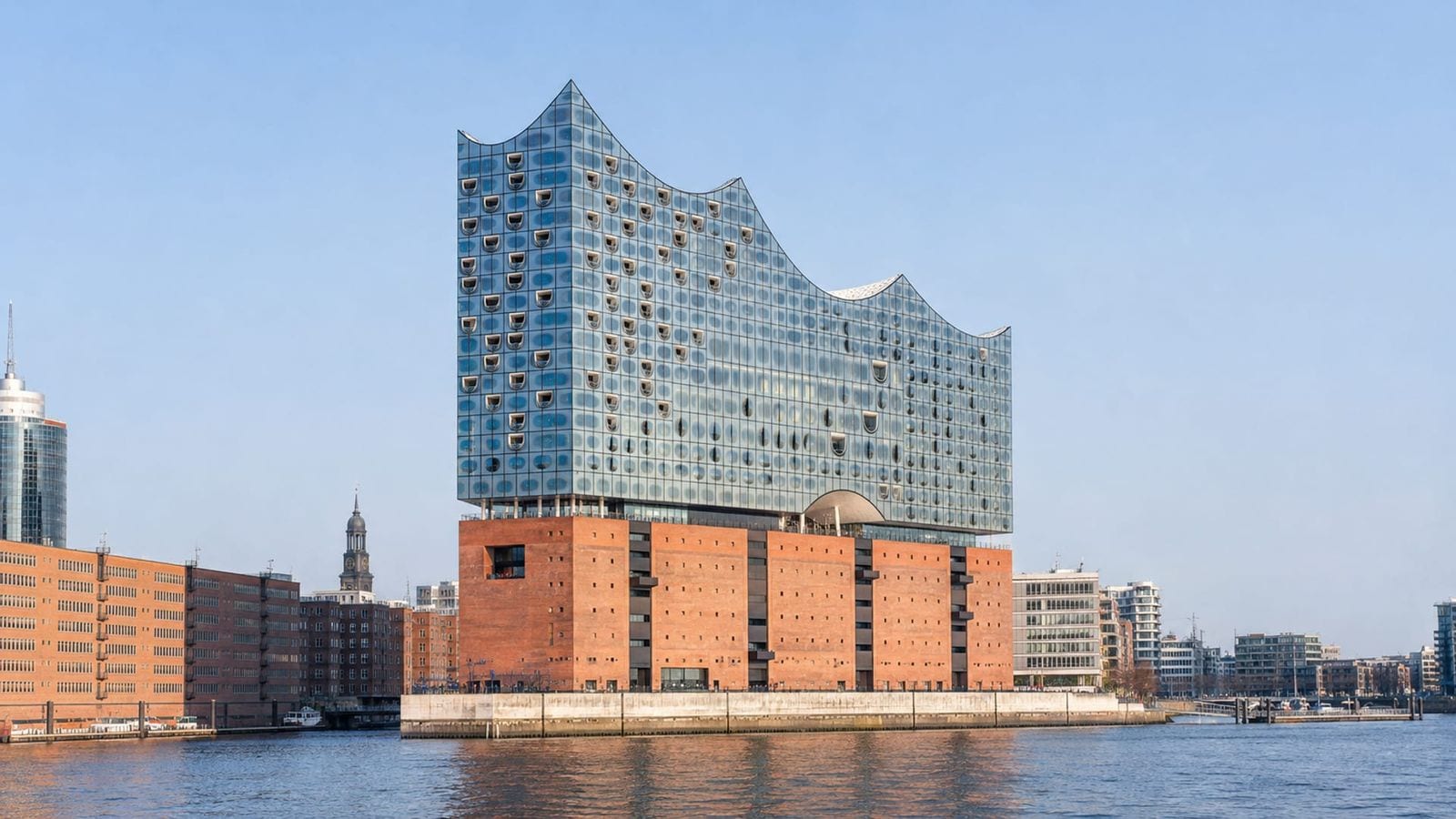
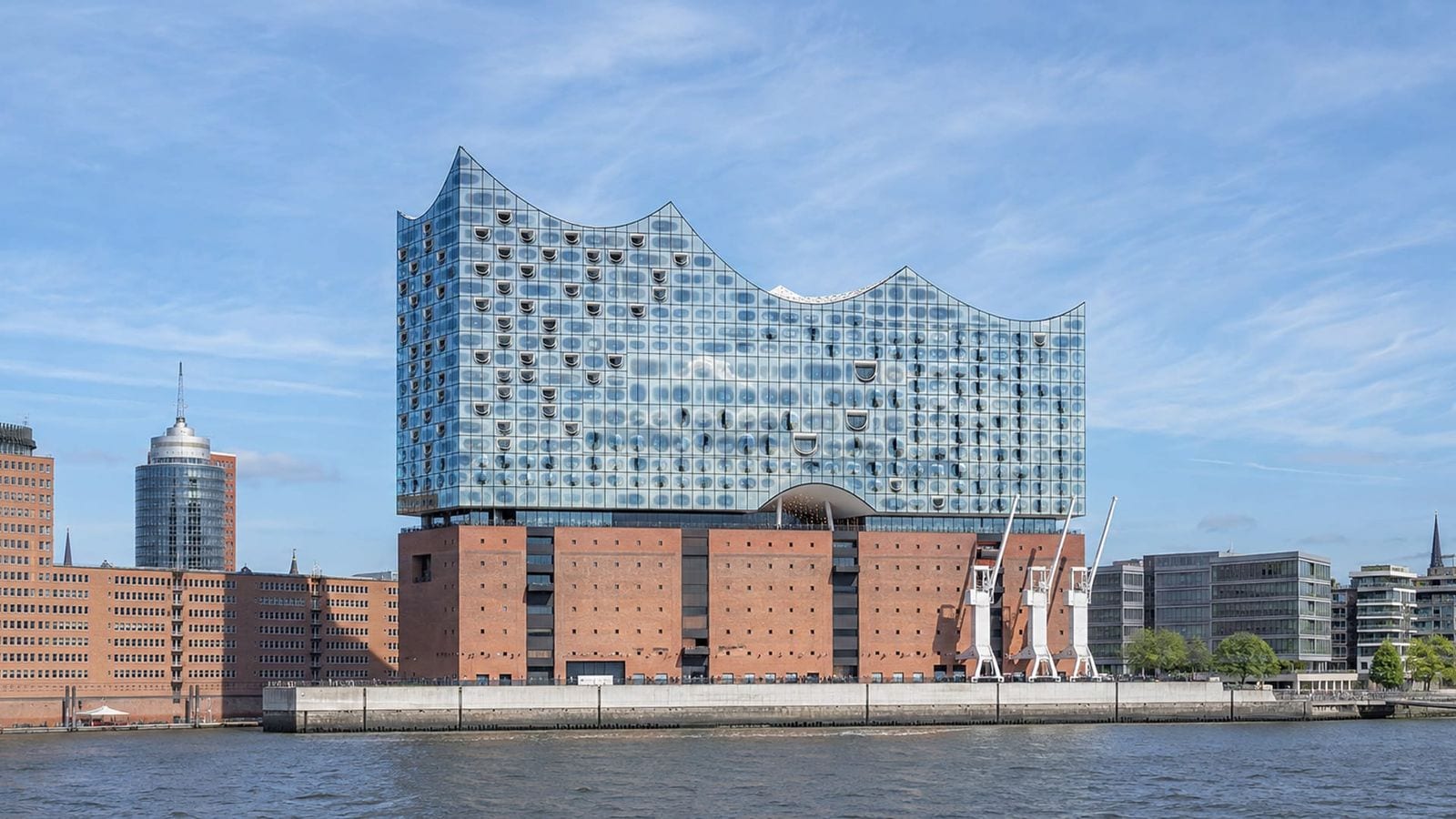
Elbphilharmonie Plaza
The public plaza rises 121 feet (37 meters) above the Elbe atop Hamburg’s concert hall, with a 360-degree view of the harbor, Speicherstadt, and the city skyline. The architecture draws as many visitors as the view itself.
Time needed: About 1 hour
Entry: Plaza access is free, but the Plaza ticket costs €5 ($5.70), and the concert hall tours cost €20 ($22). Visit the official site for details.
Tip: Go near sunset for the harbor view, then stay for the lights after dusk.
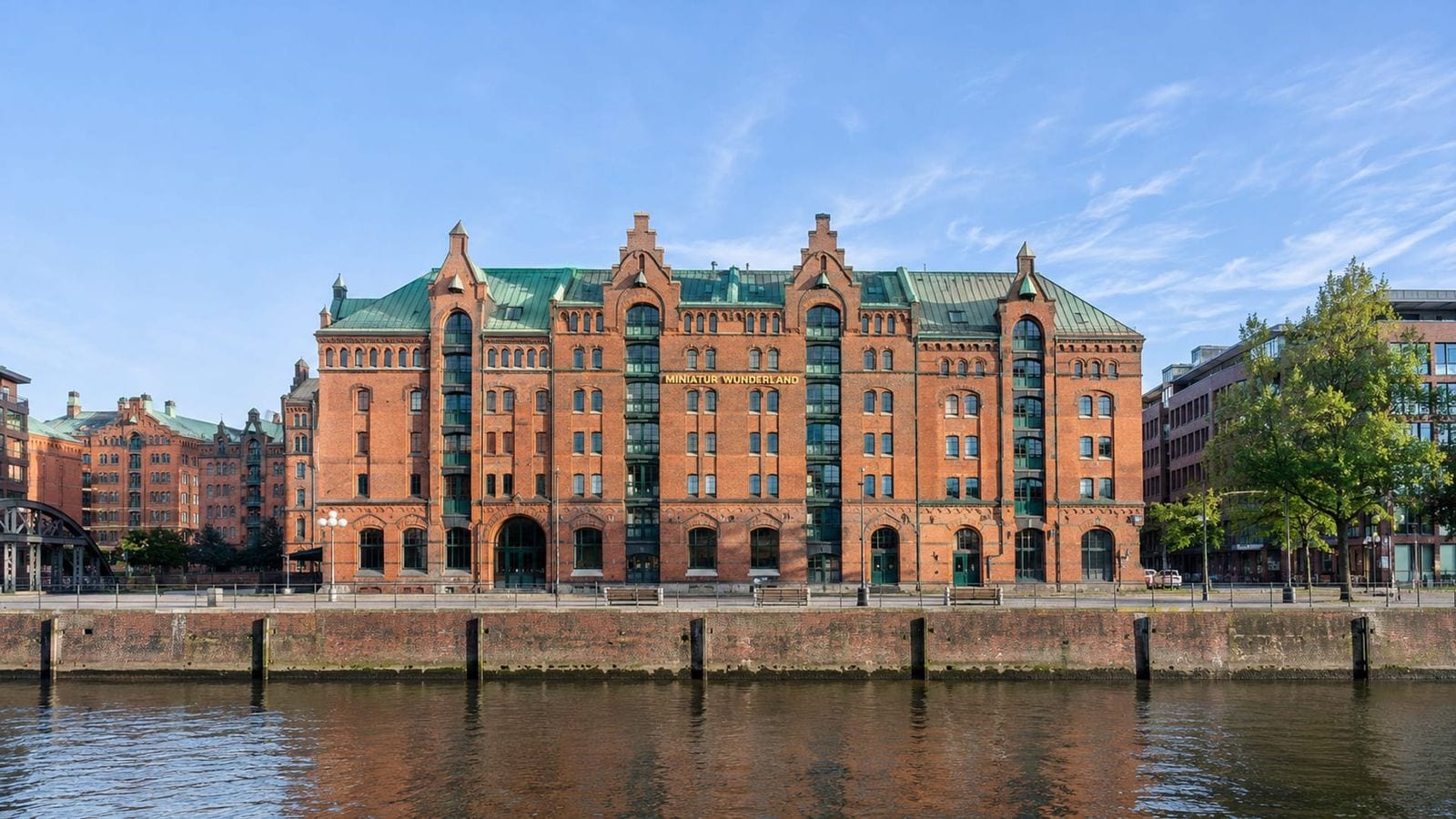
Miniatur Wunderland
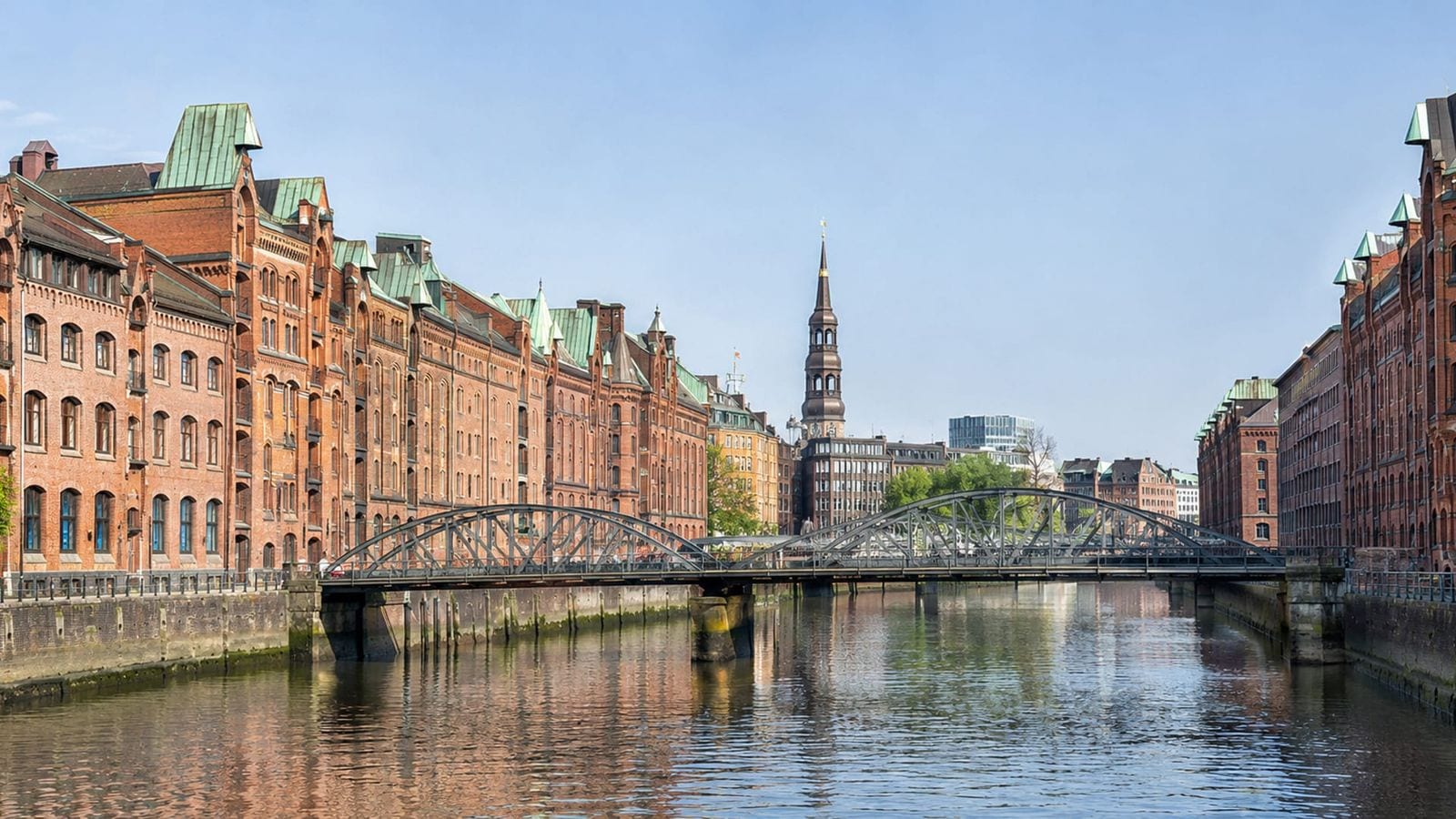
Miniatur Wunderland fills several halls in Speicherstadt with working model railways, airports, ports, and city scenes built in extreme detail. The scale, movement, and changing light make it one of Hamburg’s most visited sights.
Time needed: About 2 to 3 hours
Entry: Tickets cost €19–€24 ($21–$26), with timed admission slots for most visits. Visit the official site for details.
Tip: Visit early on a weekday if you want shorter lines and more time at each section.
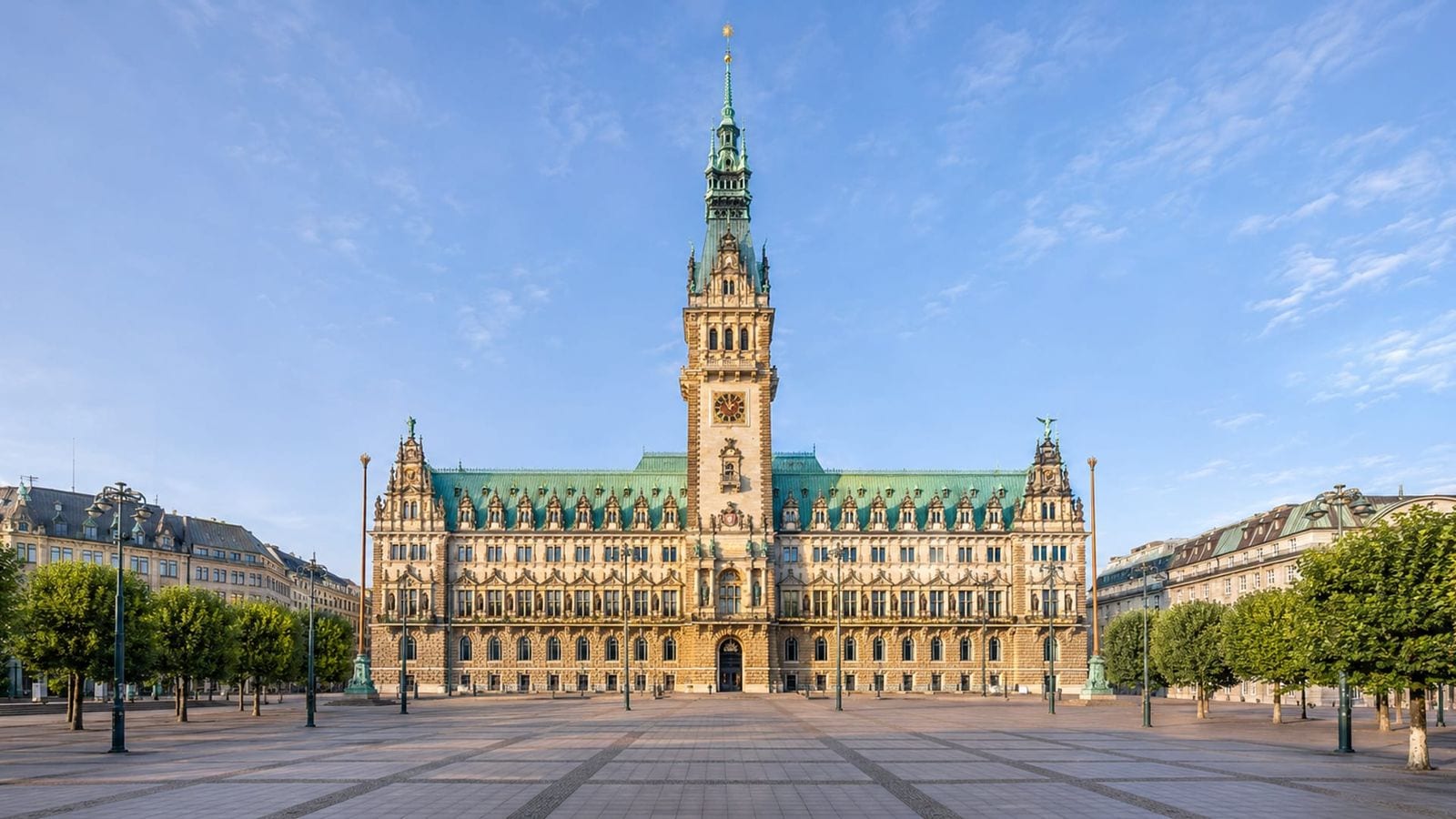
Hamburg Town Hall
Hamburg Town Hall anchors the city center with a neo-Renaissance facade, a grand courtyard, and ornate state rooms used for official functions. Its scale and decoration make it one of the clearest windows into Hamburg’s civic history.
Time needed: About 1 hour
Entry: Guided tours cost €8 ($9), while courtyard access is free during opening hours. Visit the official site for details.
Tip: If you only want photos, come midmorning when the courtyard is brightest.
Overlooked sites worth visiting

Jenisch Park
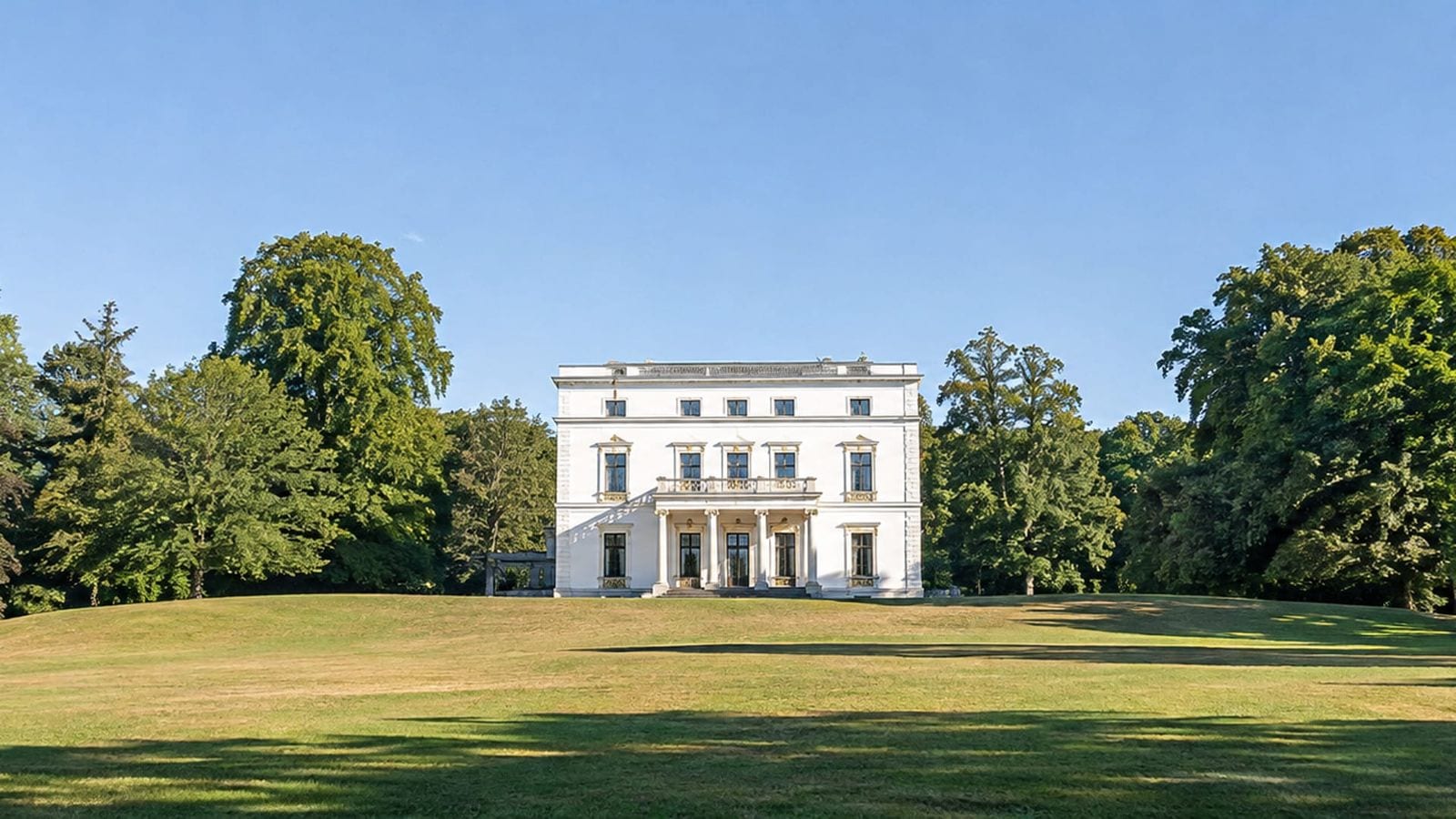
A 19th-century landscaped park on the Elbe bluff, with sweeping lawns, mature trees, and riverside paths. The Jenisch Haus stands at its edge, and the views open toward Teufelsbrück.
Time needed: About 1 to 2 hours
Entry: Free to access. The Jenisch Haus charges separate admission, and temporary exhibitions there may have their own fees.
Tip: Visit late afternoon for softer light on the Elbe slope.

Mahnmal St. Nikolai
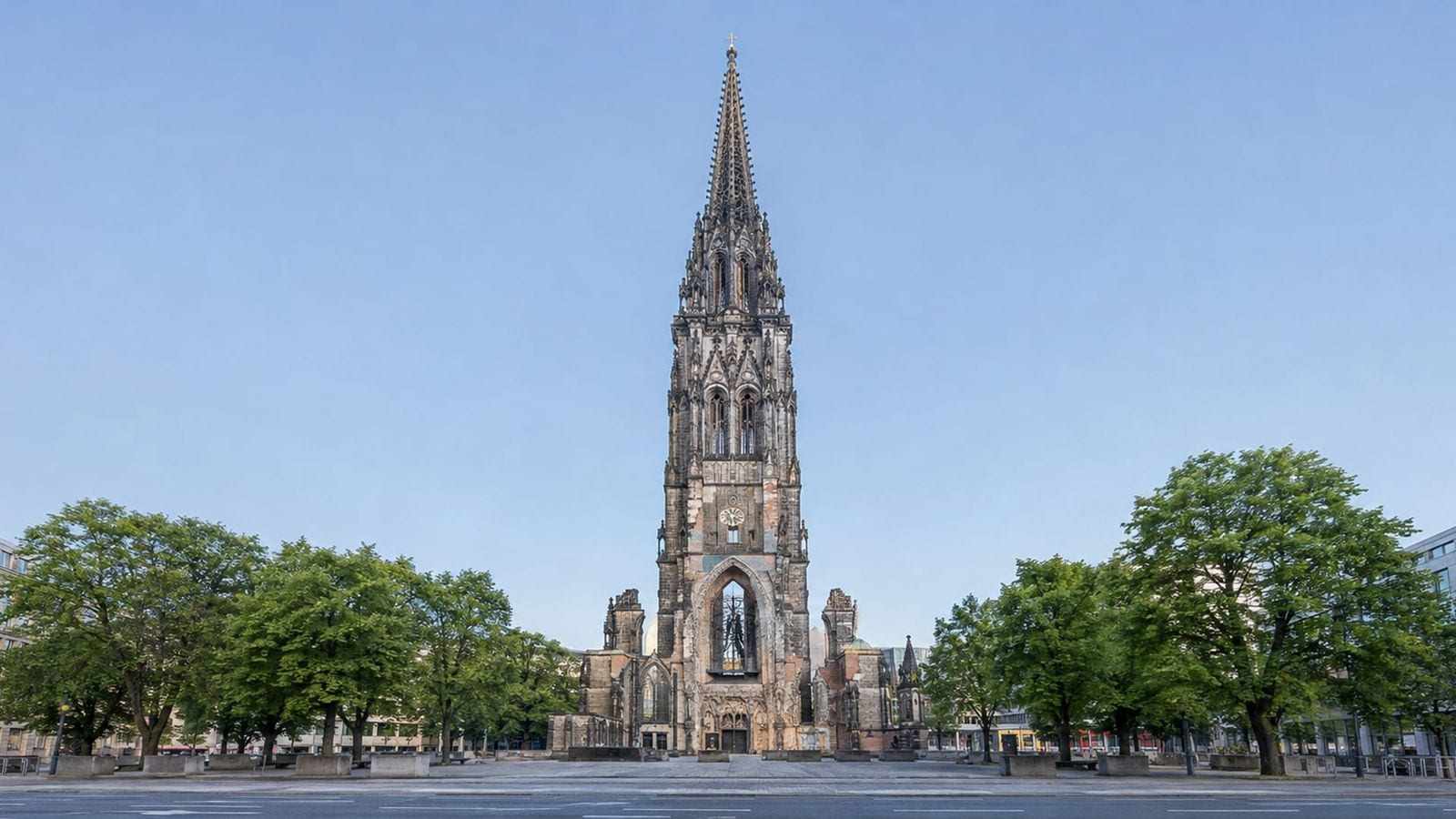
A church ruin and memorial in the old town, with a Gothic tower, a small exhibition, and an elevator to a viewing platform. The site shows the scale of wartime damage more directly than most city museums.
Time needed: About 45 minutes to 1 hour
Entry: Tickets are €5 to €8 ($6 to $9) for adults, with reductions for children, students, and seniors. Access to the memorial courtyard is free. Visit the official site for details.
Tip: Go when the sky is clear; the platform has wide harbor views.
Traditional food
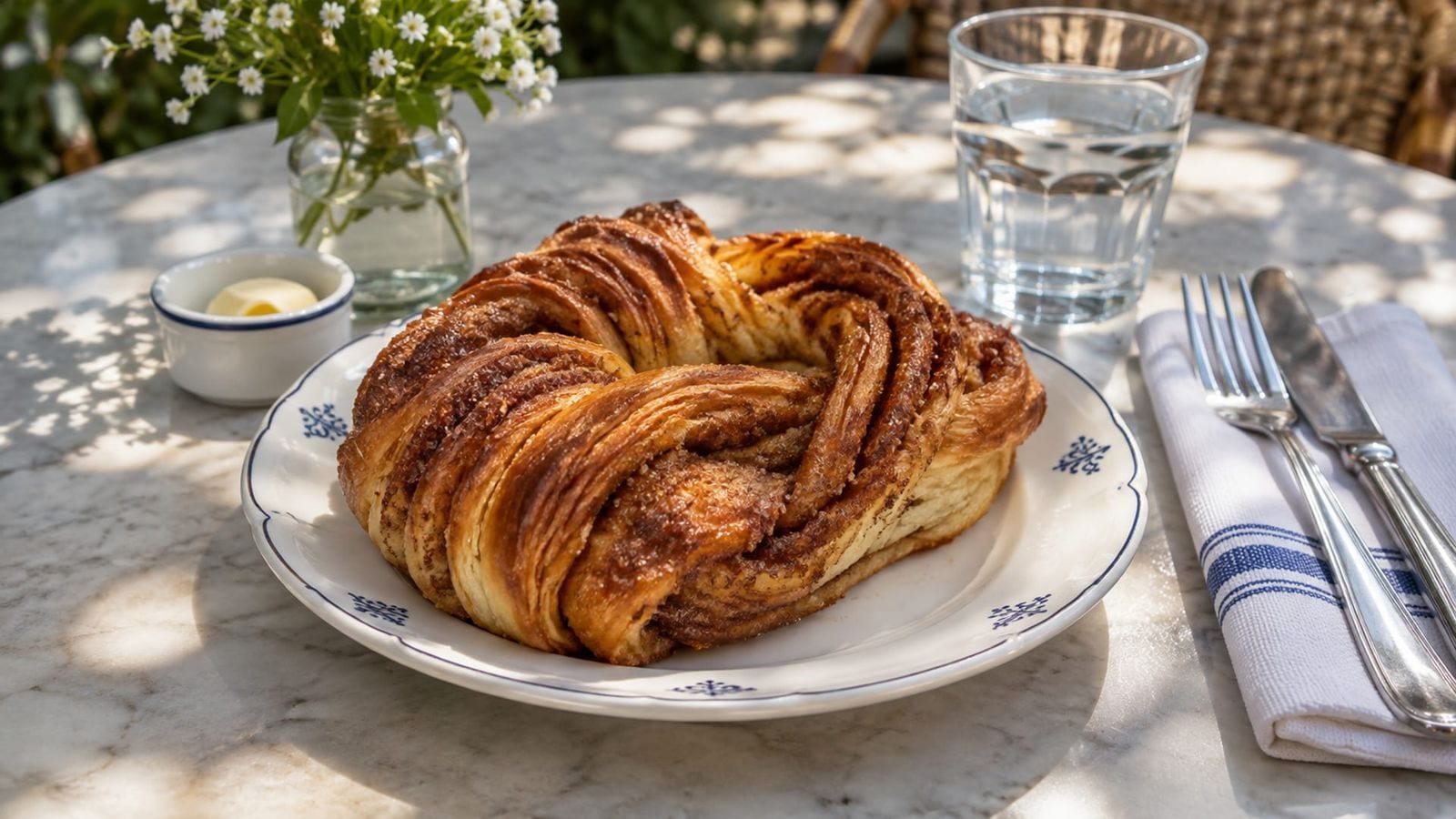
Hamburg’s kitchens turn North Sea fish, beef, rye bread, and sweet pastry into dishes like Franzbrötchen and Labskaus: food that carries the city’s harbor history straight to the everyday table.
Franzbrötchen
This cinnamon-rich pastry is the city’s signature baked good, best eaten warm with coffee in the morning. Café Paris is a classic Hamburg stop for it, with a central setting that suits a first bakery break.
Finkenwerder Scholle
A pan-fried plaice dish with bacon and onions, it reflects Hamburg’s fishhouse tradition and pairs well with a simple beer. Finkenwerder Elbblick serves a strong version, with Elbe views nearby.
Labskaus
This hearty sailor’s plate usually combines corned beef, potatoes, beetroot, and a fried egg. Old Commercial Room is a well-known Hamburg address for it, especially if you want a traditional old-town meal.
Aalsuppe
Despite the name, this sweet-and-sour soup often arrives without eel and draws on fruit, vegetables, and cured meat. Alt Helgoländer Fischerstube, near the St. Pauli Fischmarkt, is a good modern place to try it in Hamburg.
Best time to visit Hamburg
Hamburg shifts with the weather, so the best time depends on whether you want long waterfront walks, lower crowds in the museums, or a milder window for canal and park visits.
Best for: Early harbor walks, park visits, and lighter sightseeing days
What you get: Temperatures are about 39°F–63°F (4°C–17°C), with moderate crowds before summer peaks.
Trade-offs: Rain and wind can still interrupt outdoor plans.
Best for: Long evenings by the Elbe and the Alster, plus outdoor dining
What you get: Expect about 56°F–73°F (13°C–23°C), with the busiest conditions in central districts.
Trade-offs: Higher hotel rates and more people at the main sights
Best for: Museum days, cafe stops, and clear light over the harbor
What you get: Typical temperatures are about 40°F–61°F (4°C–16°C), with crowds easing after the school holiday period.
Trade-offs: Shorter days and more frequent rain.
Best for: Christmas markets, indoor attractions, and quieter museum visits
What you get: Temperatures usually vary between 30°F and 41°F (-1°C–5°C), with the lightest tourist traffic of the year.
Trade-offs: Cold wind and limited daylight make outdoor plans shorter.
A realistic 5-day plan in Hamburg
Five days give you enough time to explore Hamburg’s compact old town, riverfront, and northern residential districts, with space on the final day to revisit a favorite area before departure.
Fly to Hamburg (HAM), then take a taxi or rideshare to St. Georg or Altstadt, which usually takes 20 to 30 minutes and costs roughly €25 to €40 ($33 to $49). If you arrive by train instead, the main station is in the same central zone with almost no extra transfer. Check in, drink some water, and have dinner near your hotel, then head to a simple meal near Lange Reihe in St. Georg or a side street off the Rathaus area so you can settle in without a long evening out.
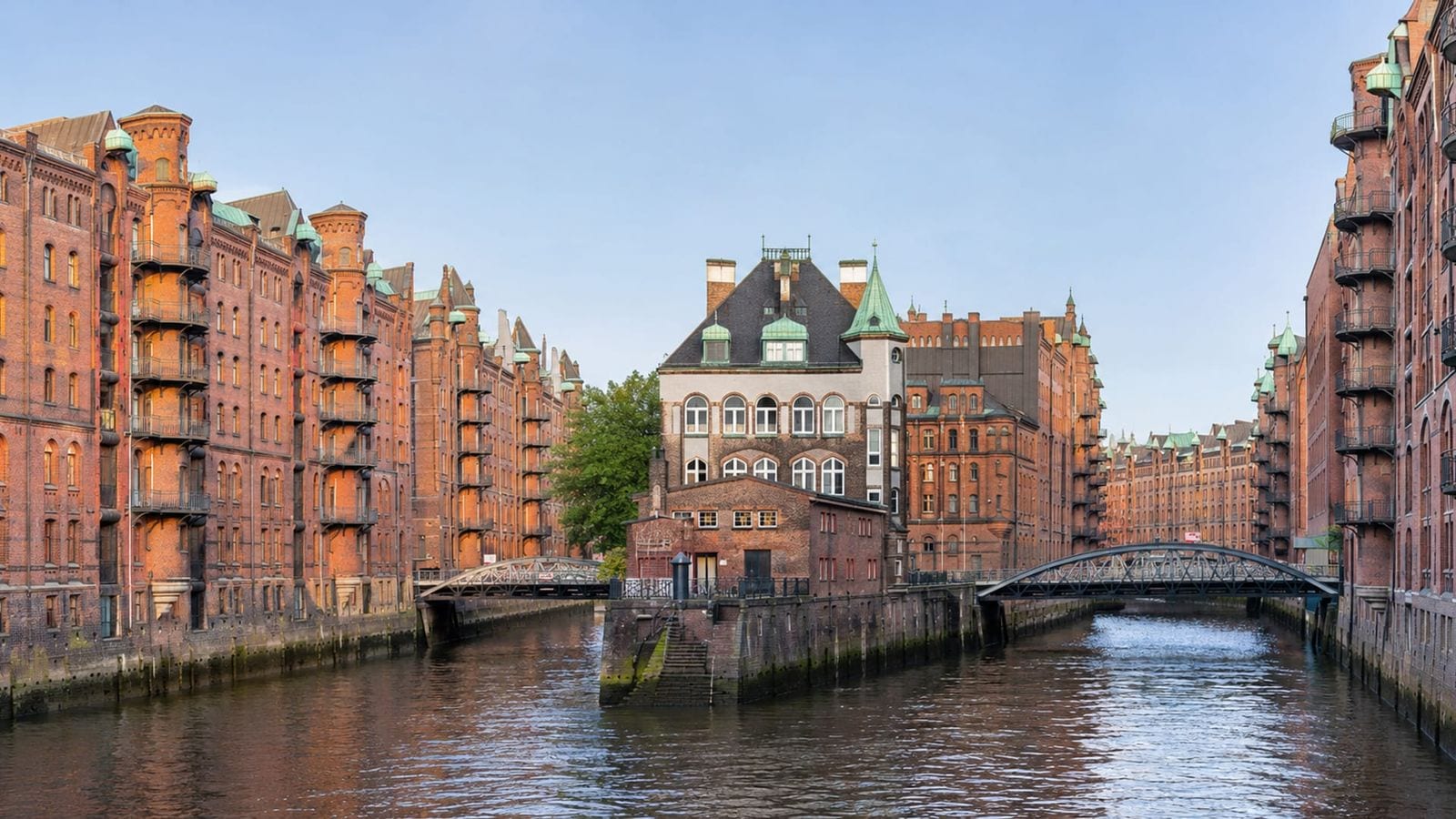
Start at Hamburg Town Hall in the morning, then walk about 10 minutes into the nearby Altstadt streets for a coffee break before continuing about 15 minutes on foot to Miniatur Wunderland in Speicherstadt. Plan 2 to 3 hours there; it is worth an unhurried visit. After that, it is roughly 10 to 15 minutes on foot to the Elbphilharmonie Plaza, where the harbor view is the best near sunset. Finish with dinner at the Landungsbrücken or back in the historic center.
Spend the day in Harvestehude and along the Außenalster. Start with a walk beside the canals and through the area’s tree-lined streets, then take a bus or the U-Bahn to Jenisch Park. The trip takes 15 to 30 minutes, and you will need 1 to 2 hours to explore the park. Return to the Außenalster for a lakeside break, then have dinner at a neighborhood café or restaurant in Harvestehude.
Start the morning at Mahnmal St. Nikolai and visit the tower before it becomes busier. The memorial is a 5- to 10-minute walk from Altstadt, and the visit takes 45 minutes to 1 hour. Walk back through the old town for lunch, then spend the afternoon exploring more of Speicherstadt or the Rathaus quarter. In the evening, take the U-Bahn to Schanzenviertel for dinner and drinks near Schulterblatt or on a quieter side street.
A final museum stop at Miniatur Wunderland gives you one last look at Hamburg’s most detailed sight; book an early slot to keep the rest of the day open for departure. For an outdoor option, return to the Elbphilharmonie Plaza for one more harbor view, then head to Altstadt for shopping near the main streets or St. Georg for a final cafe break near Lange Reihe. Pick up your luggage, then head to Hamburg (HAM) from the center by taxi, rideshare, or the airport train.
Business-class flights from the US to Hamburg
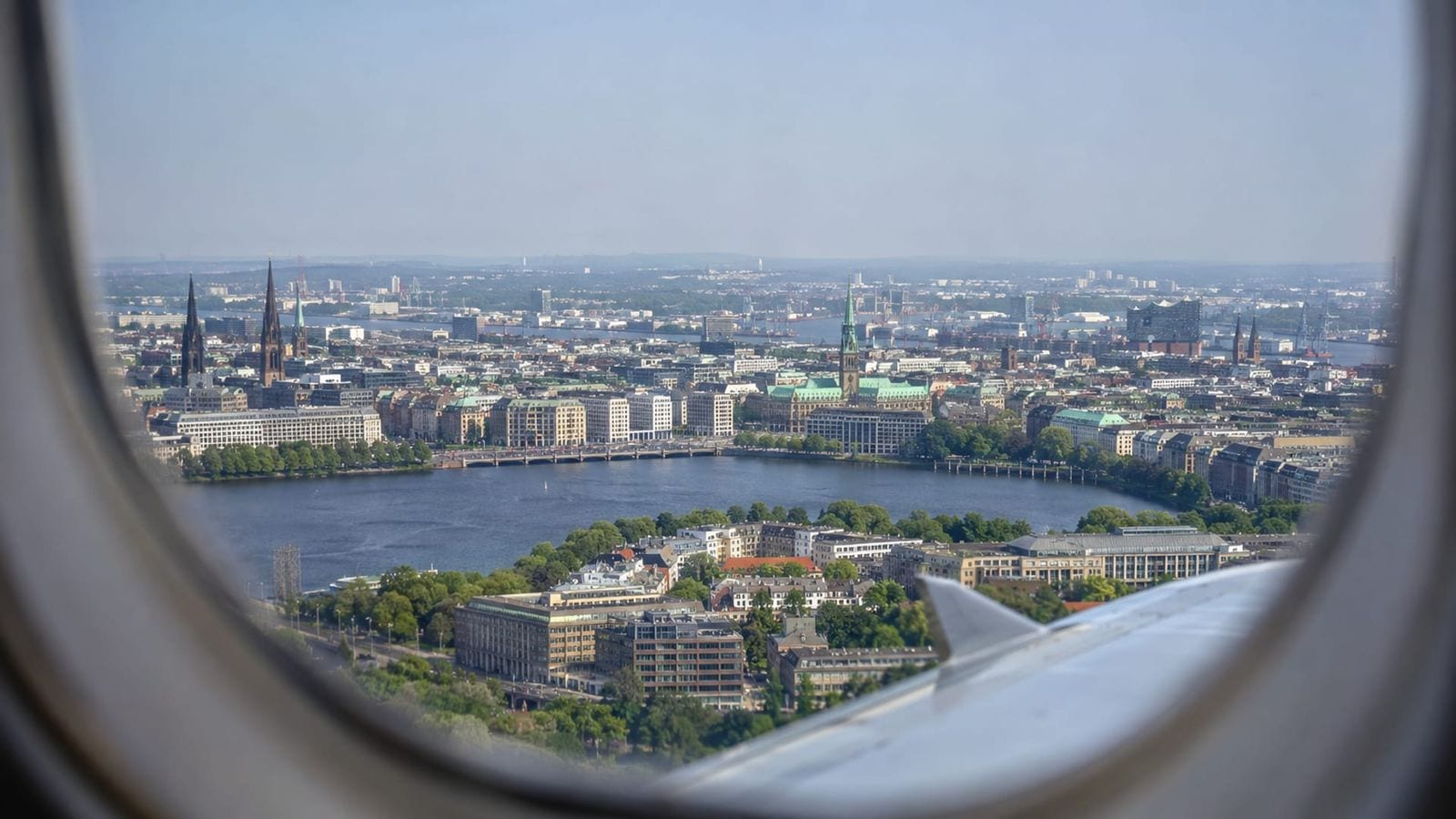
Travelers can reach Hamburg Airport (HAM) from the United States with one stop at a major European hub.
New York (JFK) to Hamburg (HAM)
Lufthansa, United Airlines, Scandinavian Airlines, and Turkish Airlines connect via Frankfurt (FRA), Munich (MUC), Copenhagen (CPH), or Istanbul (IST), with British Airways, Air France, and KLM offering London (LHR), Paris (CDG), or Amsterdam (AMS) connections. Layovers typically last 1 to 3 hours, for a total travel time of about 10 to 11 hours. Business-class round-trip fares usually start at $2,200 and can reach $6,000.
Los Angeles (LAX) to Hamburg (HAM)
Lufthansa and Delta Air Lines route through Frankfurt (FRA), Munich (MUC), or Atlanta (ATL), while British Airways, Air France, KLM, Scandinavian, and Turkish Airlines connect via London (LHR), Paris (CDG), Amsterdam (AMS), Copenhagen (CPH), or Istanbul (IST). Expect a 1- to 3-hour layover and roughly 13 to 16 hours total travel time. Business-class round-trip fares typically start near $2,700 and can climb to $6,500.
Hamburg is easier to appreciate at a slower pace
A well-paced trip gives each part of Hamburg enough time, from a morning in Altstadt and Speicherstadt to an evening at the Elbphilharmonie Plaza or a walk through Harvestehude beside the Alster. The U-Bahn, S-Bahn, buses, and ferries make it easy to move between these areas without filling the day with long transfers. Leave time for a bakery breakfast, a fish dinner, and an unplanned stop by the water. AranGrant experts can help you find business-class flights that fit your Hamburg itinerary.







