

Chapters:

Need help with your trip?
Our support team is available 24/7. Request a callback or call us directly at (833) 619-0908
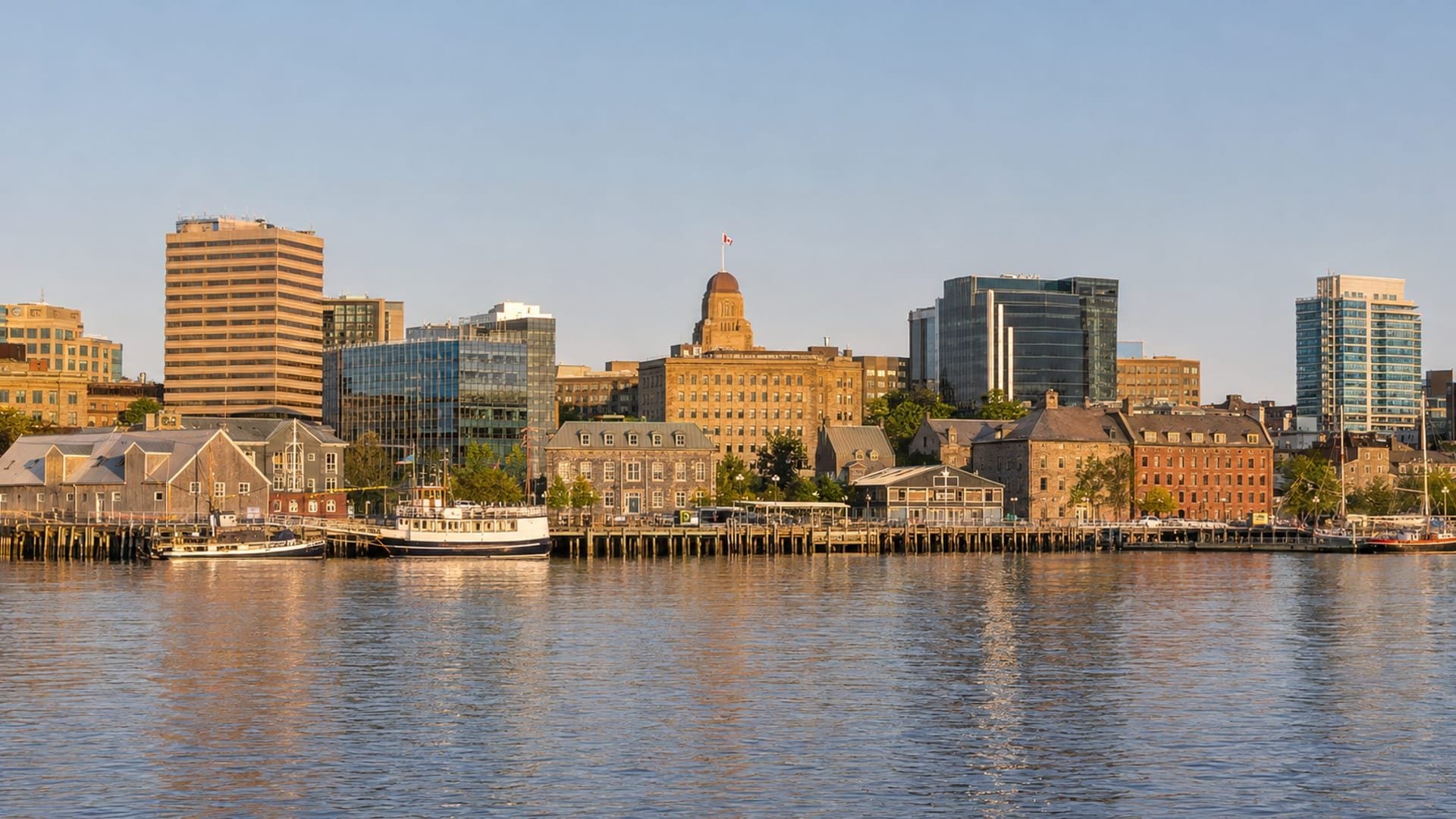
Halifax grew around an Atlantic harbor whose defenses, shipping, and disasters still shape the city. Founded in 1749, it developed a waterfront where ferries share the water with commercial vessels, and museums trace the human stories behind ocean travel.
At the Maritime Museum of the Atlantic, Titanic artifacts bring that history into close view. Halifax Citadel National Historic Site reveals the military investment above the harbor, while York Redoubt National Historic Site guards its entrance from a wooded bluff.
Five days allow time to follow these connections beyond downtown. Walk the shoreline before climbing inland, devote a separate outing to the coastal defenses, and leave an evening in the North End for seafood or a donair.
Useful things to know

Main language(s): English

Currency: Canadian dollar (CAD, CA$)

Cash and cards: Cards and contactless are widely accepted; carry about CAD 20 to CAD 40 ($15 to $30) in cash.

Tipping: Tip 15% to 20% before tax at restaurants with table service; tip taxi drivers 10% to 15%.

Traditional food: Donair, lobster rolls, seafood chowder, and fish and chips are among the classic dishes of Halifax.

Water and coffee costs: Bottled water CAD 2 to CAD 4 ($1.50 to $3); espresso CAD 3 to CAD 5 ($2 to $4).

Taxis and ride apps: Licensed taxis queue at the airport; short metered city rides cost CAD 10 to CAD 20 ($7 to $15); Uber.

Plug and voltage: Type A/B socket, 120V

Dining and shop opening hours: Breakfast: 7 am to 10 am; lunch: noon to 2 pm; dinner: 5 pm to 9 pm. Shops typically open 10 am to 6 pm, with shorter Sunday hours.

Emergency number: 911 for police, ambulance, and fire.
Where to stay in Halifax
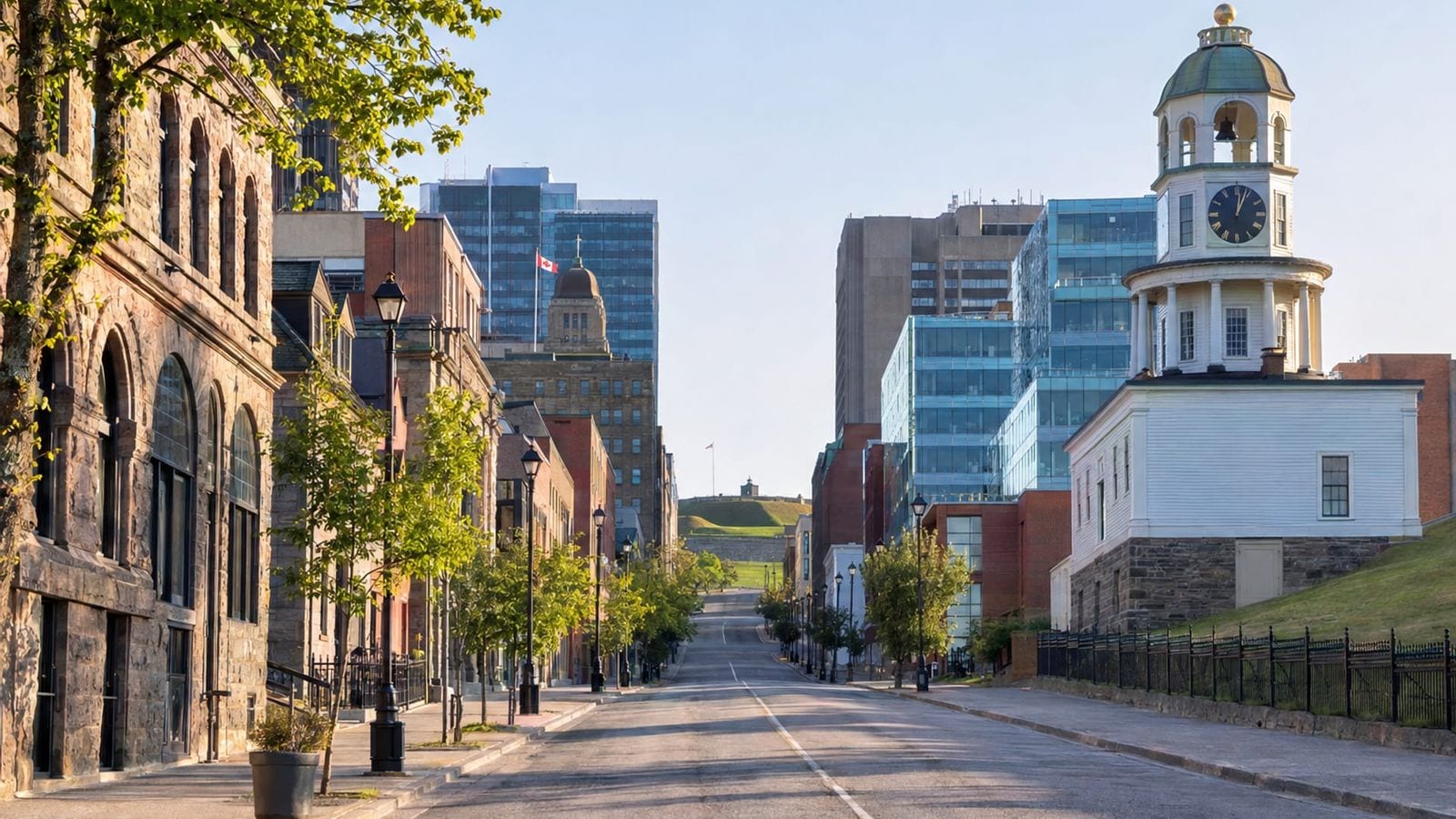
Downtown Halifax is the city’s compact waterfront and commercial center, with hotels close to museums, restaurants, and harbor walks. Stay here to reach the Maritime Museum of the Atlantic on foot and choose from the city’s broadest hotel selection, though uphill walks can be steep.
Best for: Waterfront walks, museum visits, and sightseeing with limited driving
What to expect: Waterfront crowds and restaurant traffic keep the streets active into the evening.
Hotel prices: Well-rated hotels cost CAD 200 to CAD 400 ($145 to $290) a night.
Distance to major sights: The Maritime Museum of the Atlantic is a 5 to 20-minute walk from most downtown hotels.
Quietness: Daytime brings sightseeing crowds; evenings can be noisy near bars on Argyle Street.
Main trade-off: Central hotels often charge separately for parking, and summer room rates climb.
Good to know: Choose a hotel near the waterfront if steep climbs would make daily walks difficult.
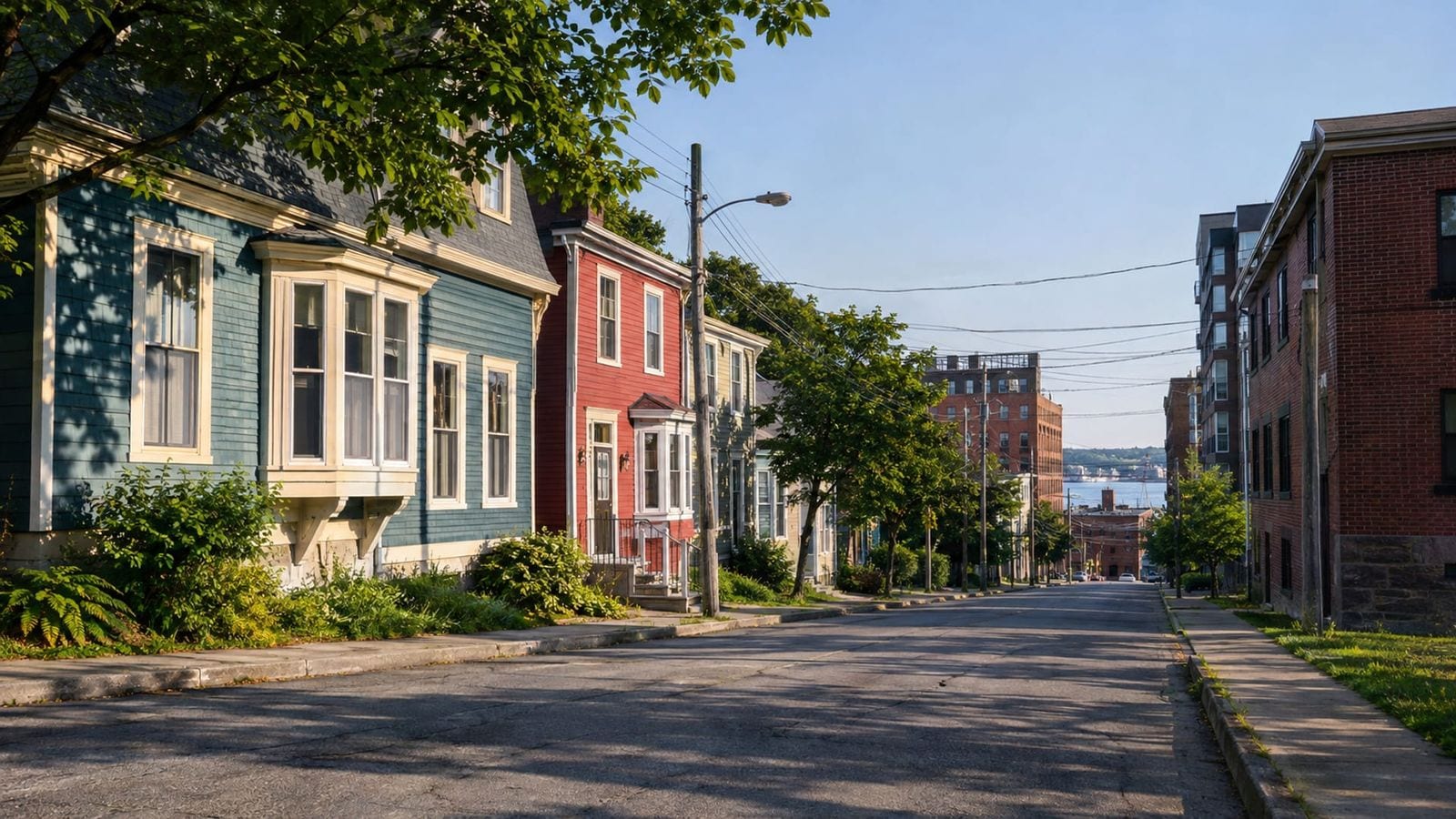
The North End is a residential neighborhood with independent restaurants, breweries, and pockets of older wooden houses north of downtown. Its smaller hotel selection suits travelers who want neighborhood dining and local shopping, with bus trips or longer walks to the waterfront museums.
Best for: Independent dining, brewery visits, and neighborhood shopping
What to expect: Busy restaurant blocks alternate with quieter residential streets.
Hotel prices: Budget CAD 150 to CAD 300 ($110 to $220) nightly for a well-rated hotel.
Distance to major sights: Allow 15 to 30 minutes by bus to the Maritime Museum of the Atlantic, depending on your hotel’s location.
Quietness: Residential blocks are calmer at night, while brewery and restaurant areas stay active.
Main trade-off: Hotels are more scattered, and waterfront sightseeing usually requires extra travel.
Good to know: Compare the hotel’s exact address: properties farther north add travel time to downtown outings.
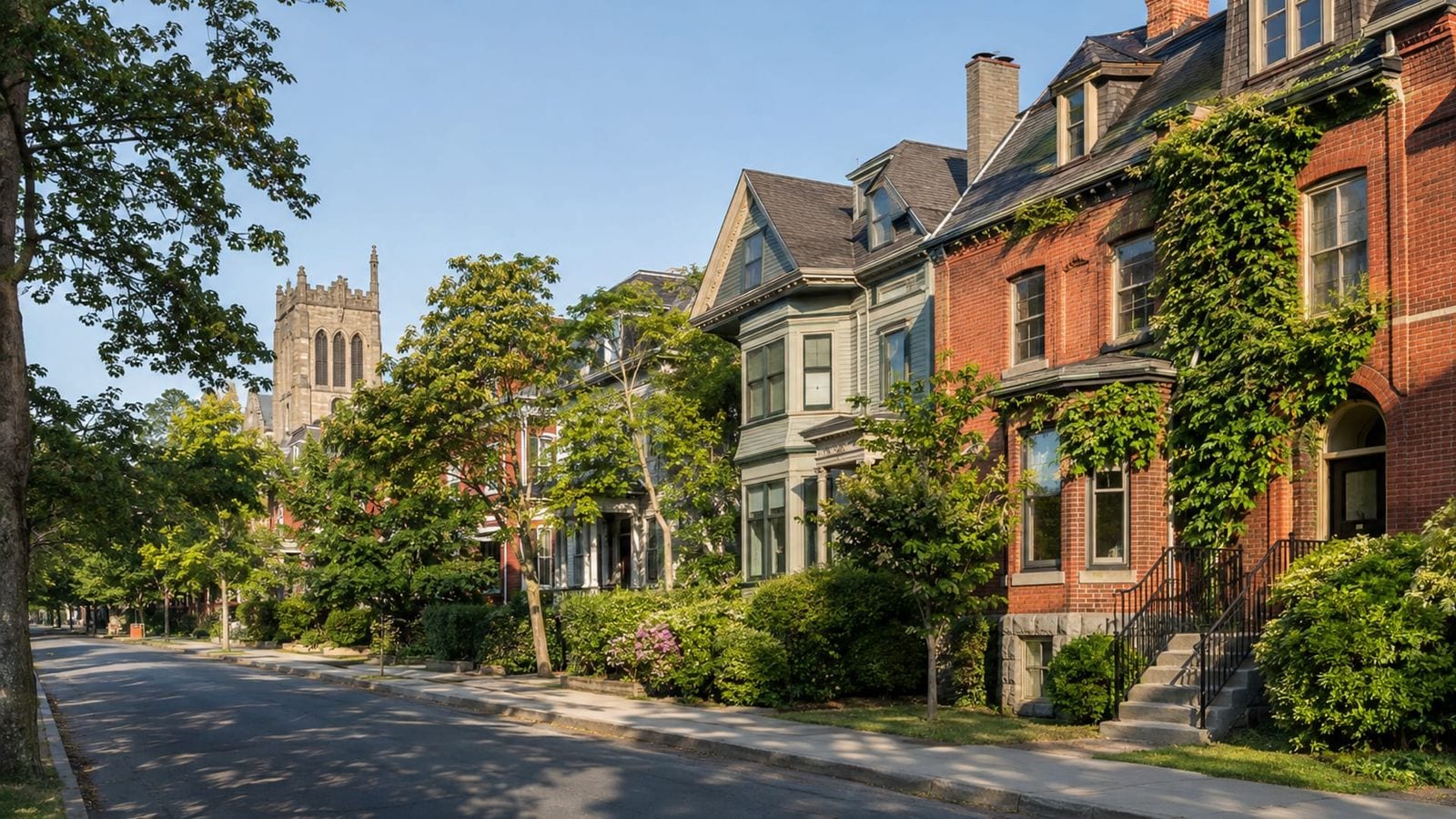
The South End combines university campuses, leafy residential streets, and access to Point Pleasant Park on the Halifax peninsula. Visitors stay here for campus trips and longer walks, choosing among small hotels, inns, and seasonal university rooms away from the busiest downtown blocks.
Best for: University visits, park walks, and residential surroundings
What to expect: Students animate the campus streets, while residential blocks have lighter foot traffic.
Hotel prices: A well-rated hotel typically charges CAD 160 to CAD 320 ($115 to $230) per night.
Distance to major sights: Point Pleasant Park is a 15 to 30-minute walk from many southern South End accommodations.
Quietness: Campus activity peaks during the day; evenings are generally quieter away from student gathering places.
Main trade-off: Fewer large hotels mean less choice, and some university accommodations operate only in summer.
Good to know: Confirm whether a university room has a private bathroom and accepts bookings during your travel dates.
Clayton Park, Fairview, and Spryfield are less convenient for a sightseeing stay: all lie outside the downtown core, so waterfront attractions and evening dining downtown involve longer bus or taxi trips.
Hotel deals
How to get around Halifax efficiently
Halifax’s harbor ferries connect downtown with Dartmouth, while walking, buses, taxis, and Uber cover trips on land.

Walking
for short central distances
The Halifax waterfront connects the Maritime Museum of the Atlantic with the Canadian Museum of Immigration at Pier 21 in roughly 20 minutes on foot. Walking is free and suits short downtown trips; streets climb steeply inland.

Bus and tram
for convenience
Along Spring Garden Road, Route 1 links downtown with Dartmouth’s Bridge Terminal. Pay CAD 3 to CAD 4 ($2 to $3) and request a transfer valid for 90 minutes. Buses suit trips beyond downtown; allow 20 to 35 minutes to reach Dartmouth.
Ferry
for island or coastal routes
Cross Halifax Harbour in roughly 15 minutes aboard the ferry between Halifax Ferry Terminal and Alderney Landing. A single fare costs CAD 3 to CAD 4 ($2 to $3), with a 90-minute transfer available. Use it for downtown Dartmouth trips.
*Prices are based on rates updated as of November 2026 and may change at the time of travel.
Walk between waterfront museums, take buses beyond downtown, cross to Dartmouth by ferry, and choose a taxi or Uber for York Redoubt National Historic Site.
Iconic landmarks
Halifax Waterfront
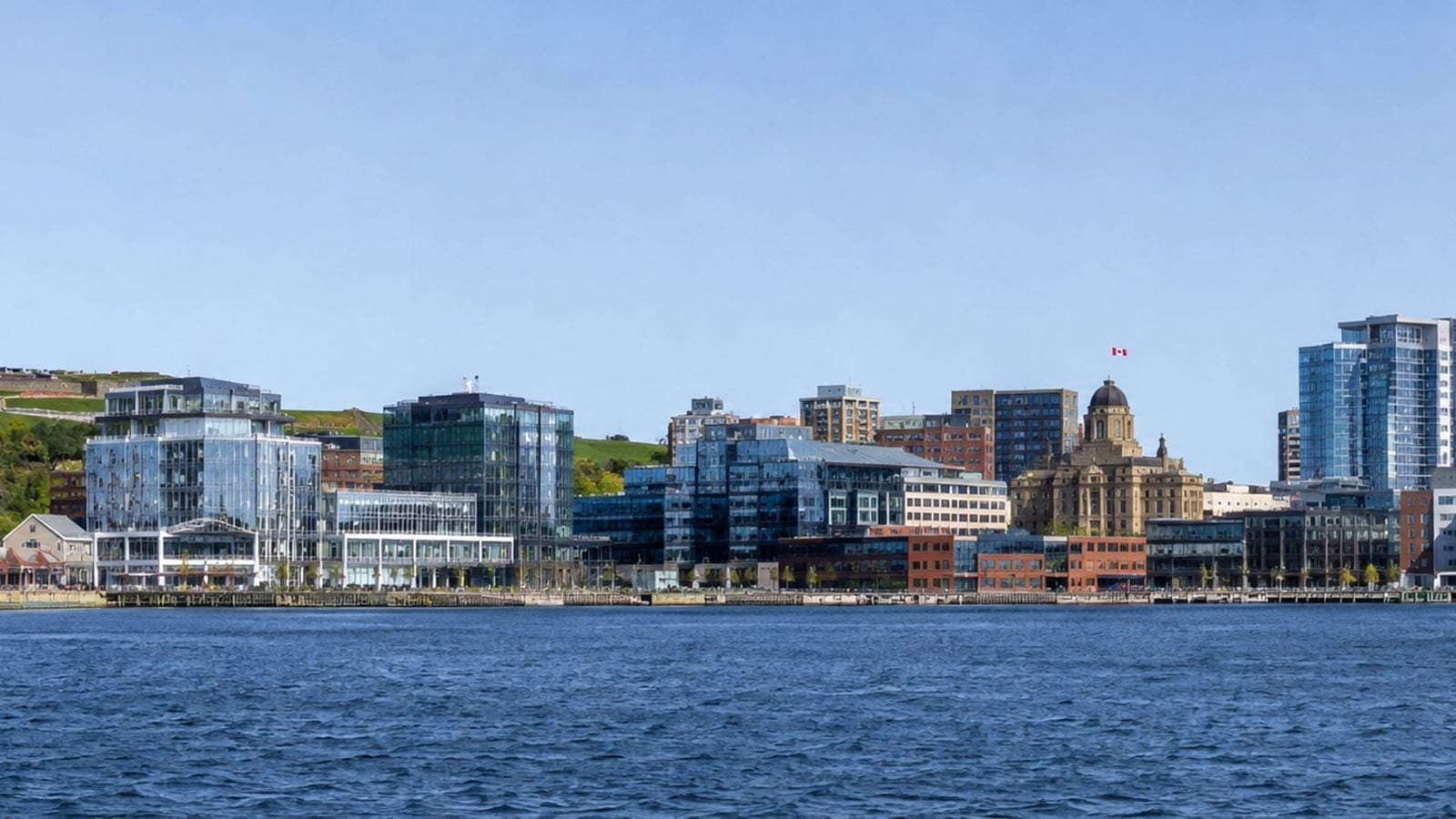
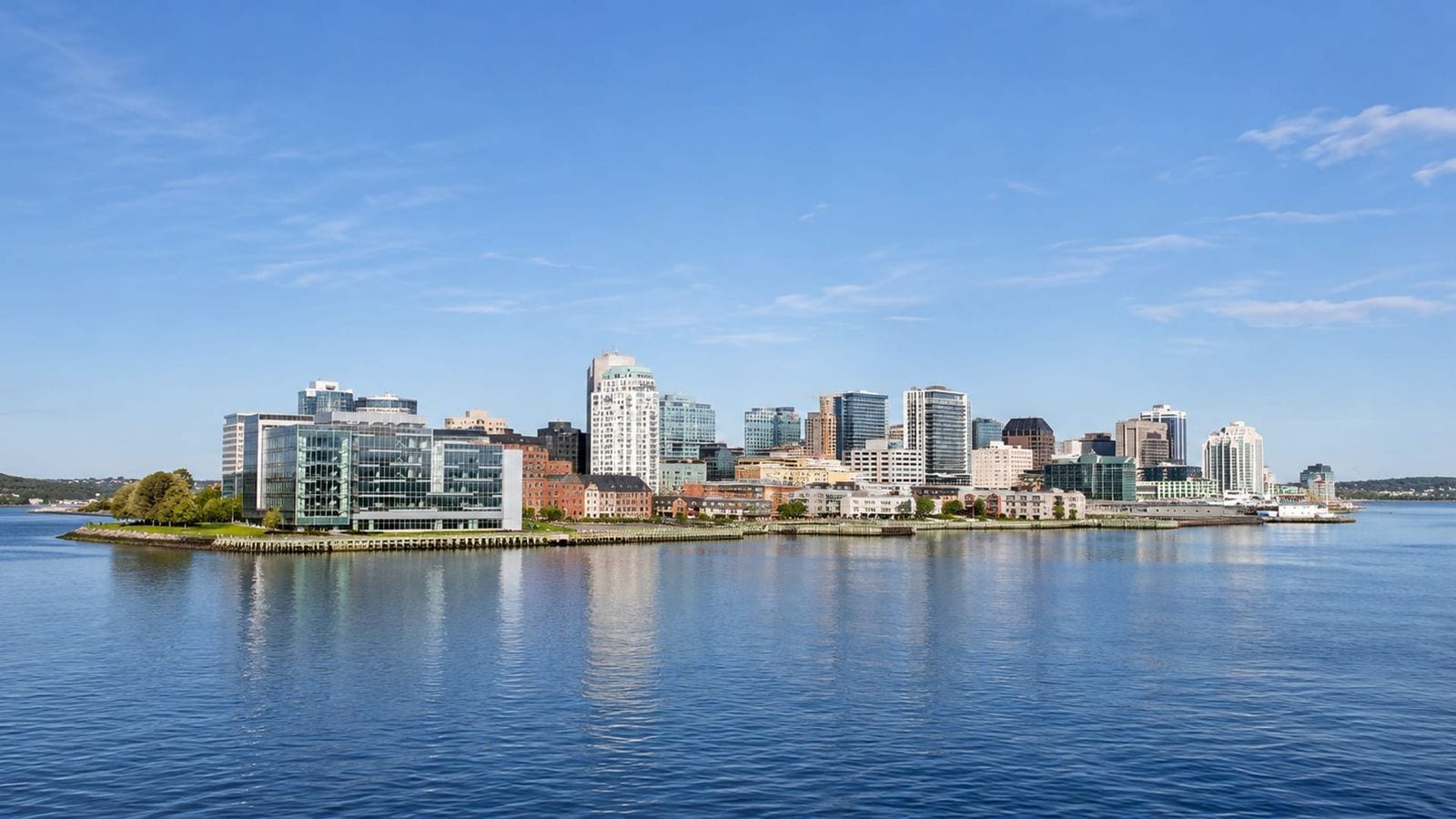
Along the downtown shoreline, Halifax Waterfront connects working harbor views with wooden boardwalks, public art, and historic wharves. Ferries cross to Dartmouth while the waterfront paths link the city’s maritime landmarks.
Time needed: About 1 to 2 hours
Entry: Free: access to the waterfront paths.
Tip: Start at the southern end near Pier 21 and walk north toward the ferry terminal.
Maritime Museum of the Atlantic
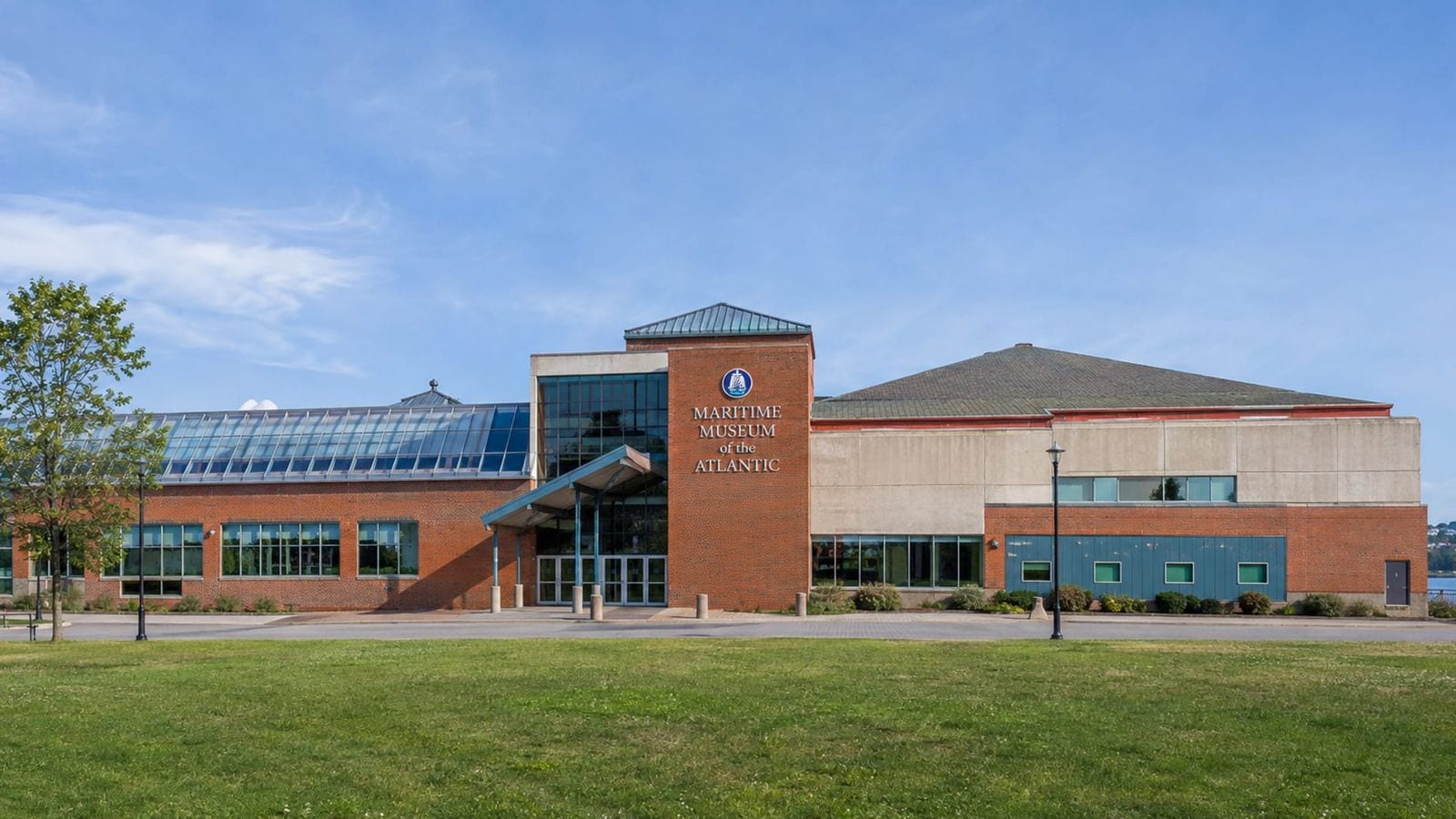
Titanic artifacts and accounts of the Halifax Explosion anchor the Maritime Museum of the Atlantic. On the downtown waterfront, its collections connect ocean liners, shipwrecks, and small craft with the city’s long relationship with the sea.
Time needed: About 1 to 2 hours
Entry: Low-cost: admission to the museum galleries.
Tip: Allow time for the Titanic exhibits before exploring the shipwreck galleries.
Halifax Citadel National Historic Site
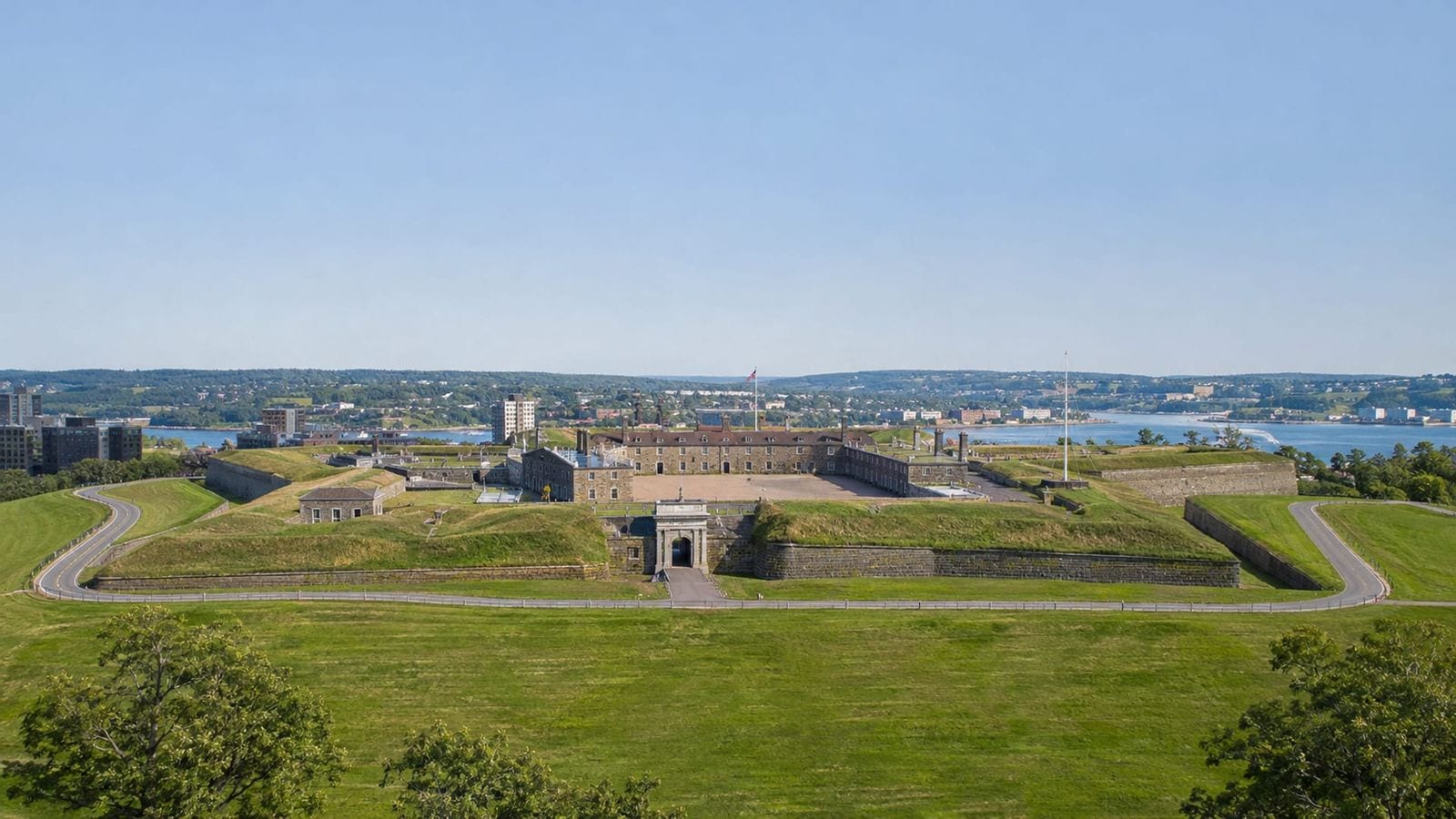
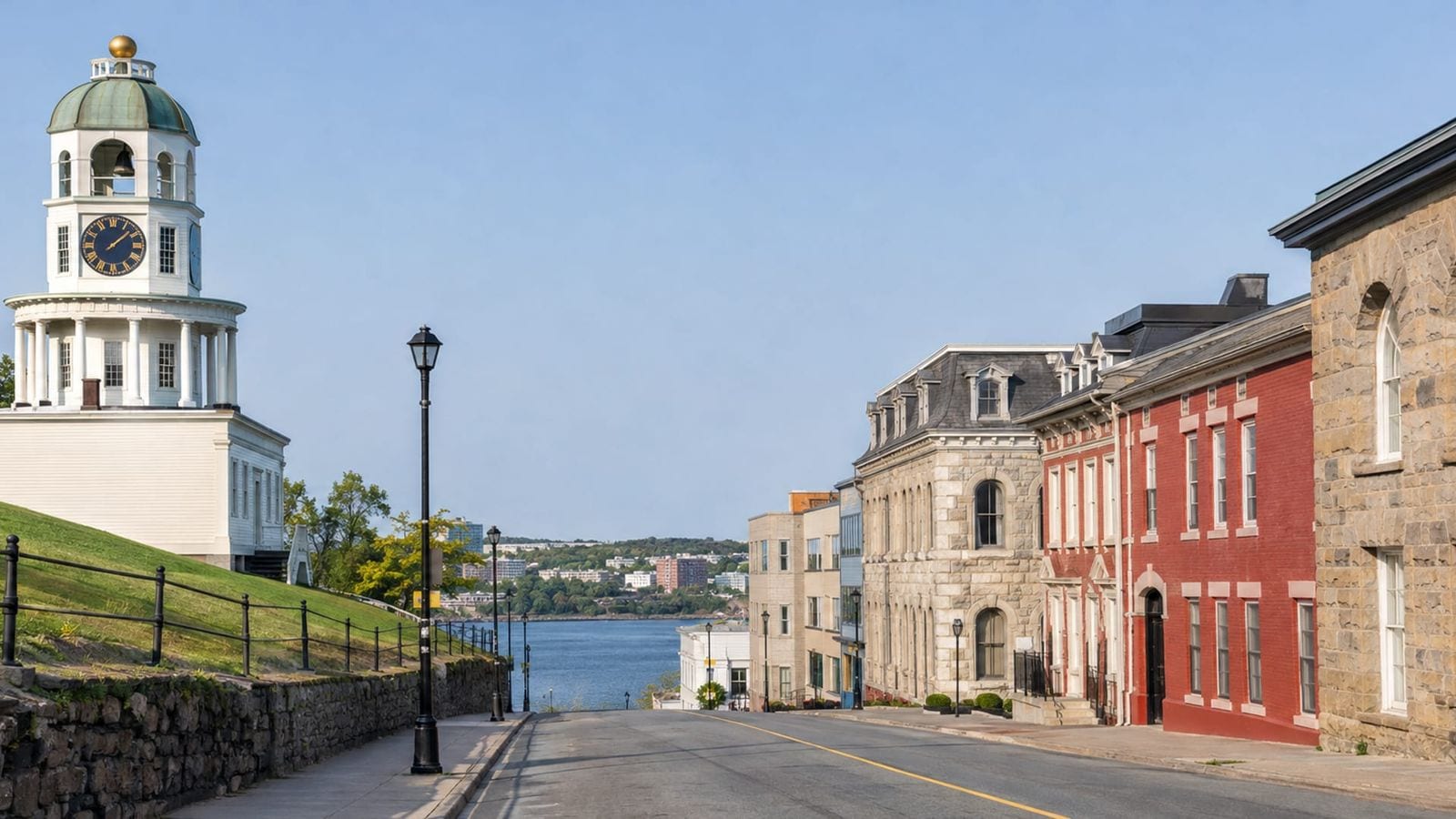
Above downtown, Halifax Citadel National Historic Site preserves a star-shaped British fortress built to defend the harbor. Its grassy slopes offer views across the city, while the fort’s walls reveal Halifax’s military history.
Time needed: About 1 to 2 hours
Entry: Free: winter access to the grounds; seasonal admission applies.
Tip: Use the entrance off Sackville Street; the climb from the waterfront is steep.
Overlooked sites worth visiting

York Redoubt National Historic Site
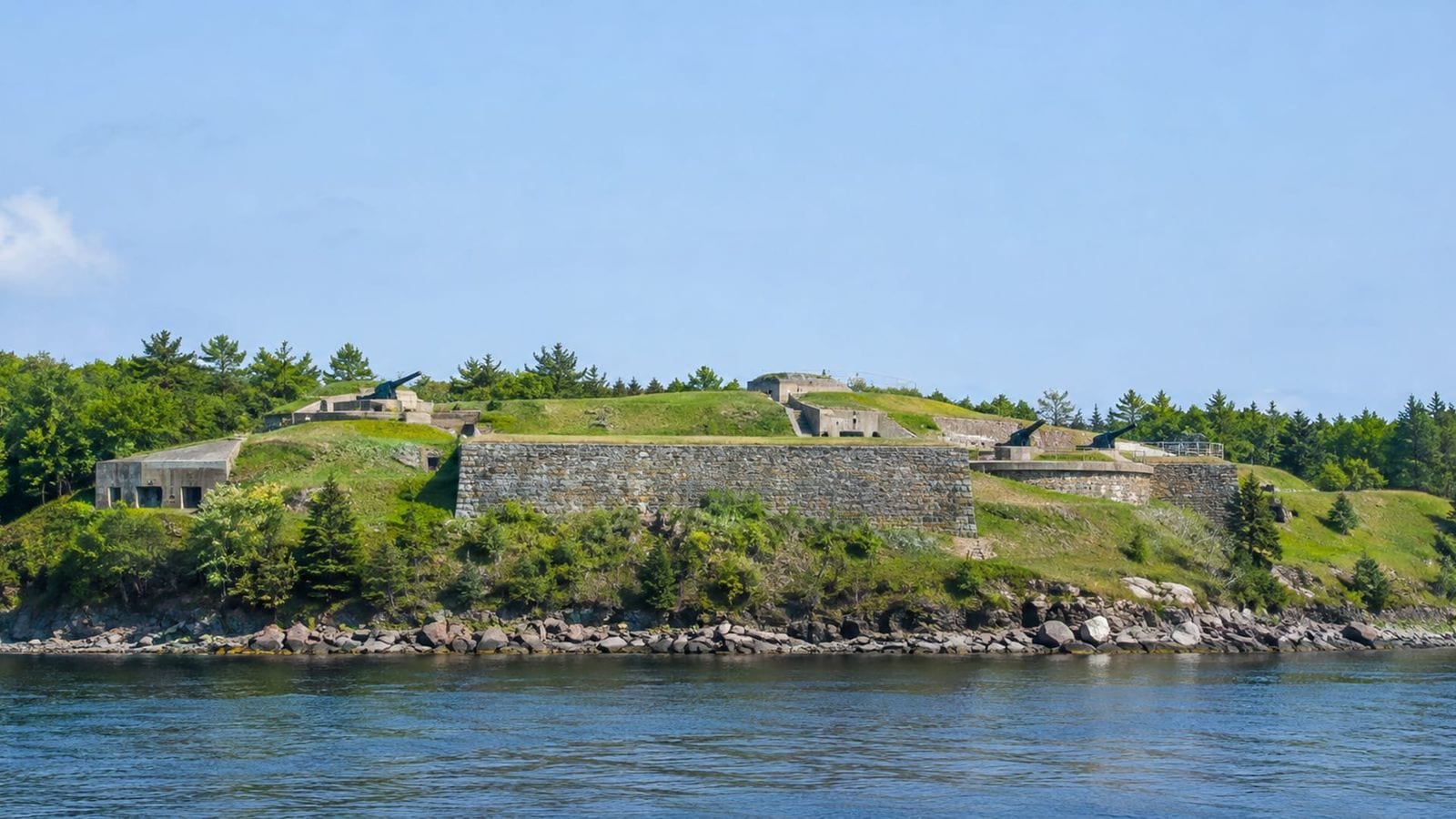
York Redoubt National Historic Site overlooks the harbor entrance from a wooded bluff. Gun batteries and military buildings trace the coastal defenses Halifax developed over two centuries.
Time needed: About 1 to 2 hours
Entry: Free to access
Tip: Follow the paths to the gun batteries for views of the harbor entrance.

Africville Museum
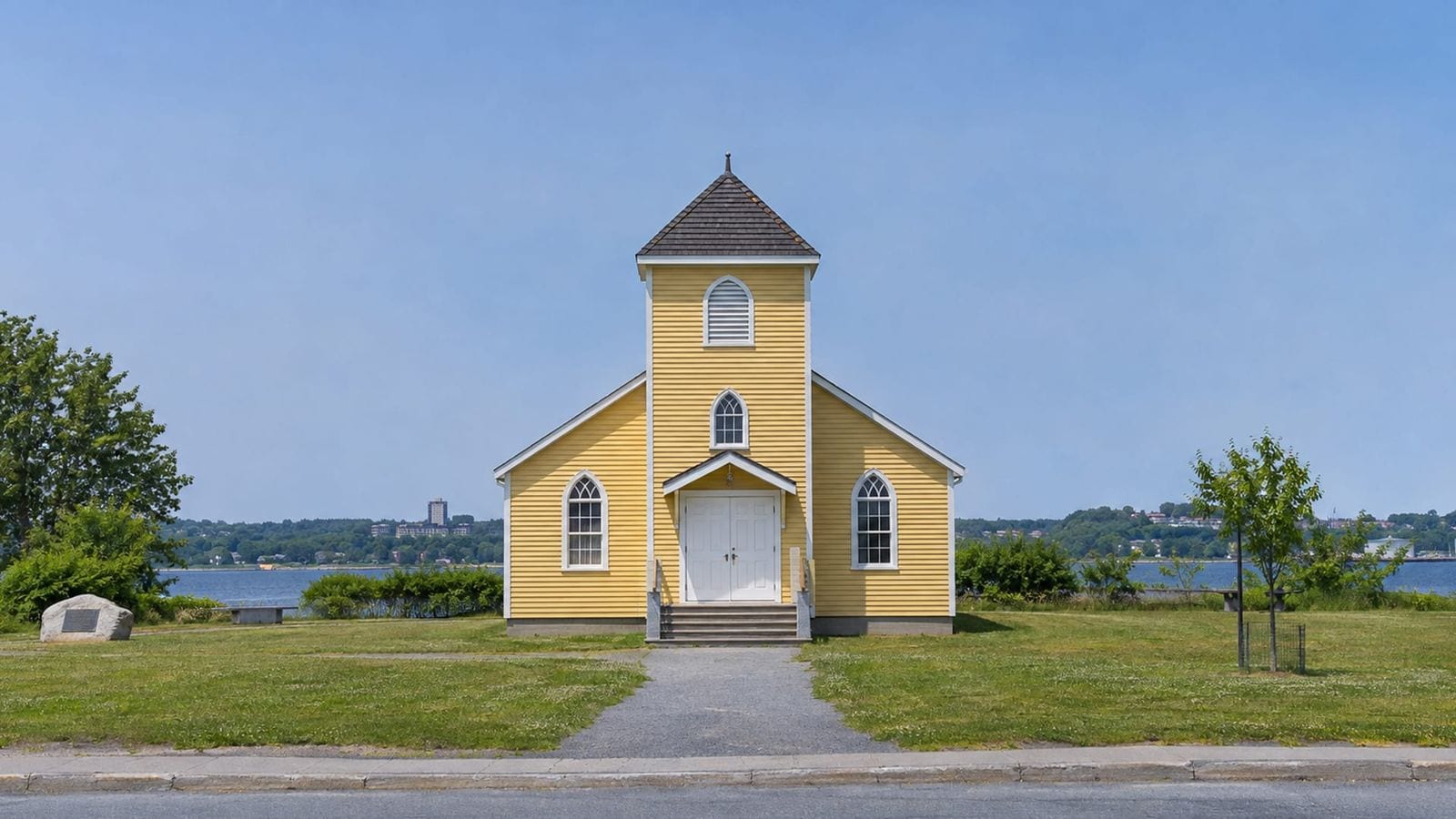
Africville Museum tells the story of a Black community uprooted by Halifax in the 1960s. Its replica church holds exhibits on residents, community life, and the fight for recognition.
Time needed: About 45 minutes to 1 hour
Entry: Low-cost: covers museum admission
Tip: Pair the museum with a walk through adjacent Africville Park.
Traditional food

Atlantic seafood defines Halifax tables: lobster fills rolls, chowder combines fish with creamy broth, and battered fish comes with chips. The city’s donair adds spiced beef and sweet garlic sauce.
Donair
Spiced beef, tomatoes, and onions fill a pita, finished with a sweet garlic sauce that distinguishes Halifax’s donair. Try it at King of Donair, whose name has been associated with the city’s signature dish since 1973.
Lobster roll
Tender lobster meat fills a split roll, with a light dressing that lets the shellfish supply most of the flavor. The Bicycle Thief offers a Halifax version, pairing this Atlantic staple with a meal beside the harbor.
Seafood chowder
Fish and shellfish enrich a creamy broth with potatoes, making seafood chowder a substantial meal after a waterfront walk. Order it at The Five Fishermen, a downtown restaurant known for its seafood-focused menu.
Fish and chips
Battered fish and fried potatoes make a familiar Atlantic meal, with tartar sauce adding a sharp counterpoint to the crisp coating. Head to The Pleasant Street Diner in Dartmouth for this classic seafood plate.
Best time to visit Halifax
Summer brings Halifax’s busiest waterfront days; spring and fall offer cooler walks, while winter shifts attention toward indoor museums.
Best for: Museum afternoons and waterfront walks as Halifax warms toward late May
What you get: Temperatures span 28°F to 59°F (-2°C to 15°C), with fewer waterfront visitors than in summer and longer daylight for exploring downtown.
Trade-offs: Cold harbor winds and rain can shorten waterfront walks, particularly in March and April.
Best for: Harbor ferry crossings, shoreline trails, and long evenings in the North End
What you get: Expect 52°F to 75°F (11°C to 24°C), the busiest waterfront crowds, and long daylight hours for Point Pleasant Park and harbor ferry trips.
Trade-offs: Downtown hotel rates climb, and fog or rain can interrupt coastal outings.
Best for: September harbor walks and autumn foliage along Point Pleasant Park trails
What you get: A range of 34°F to 68°F (1°C to 20°C) brings warm early afternoons, colder November walks, and smaller waterfront crowds after summer.
Trade-offs: Daylight contracts, coastal storms can disrupt outings, and Africville Museum may require an appointment.
Best for: Titanic exhibits, seafood dinners, and quieter days exploring indoor museums
What you get: Days range from 18°F to 36°F (-8°C to 2°C), with light sightseeing crowds along the waterfront and more reasons to spend time indoors.
Trade-offs: Snow, ice, and harbor winds make steep downtown streets and exposed coastal paths harder to navigate.
A realistic 5-day plan in Halifax
The five days move from a North End arrival to downtown maritime history, coastal defenses, and Africville’s community history, with neighborhood shopping before departure.
From Halifax Stanfield International Airport (YHZ), take a taxi to your North End hotel, allowing 30 to 40 minutes and CAD 65 to CAD 85 ($47 to $62). Limit the evening to dinner at Agricola Street Brasserie, choosing a starter and salad before returning to your hotel.
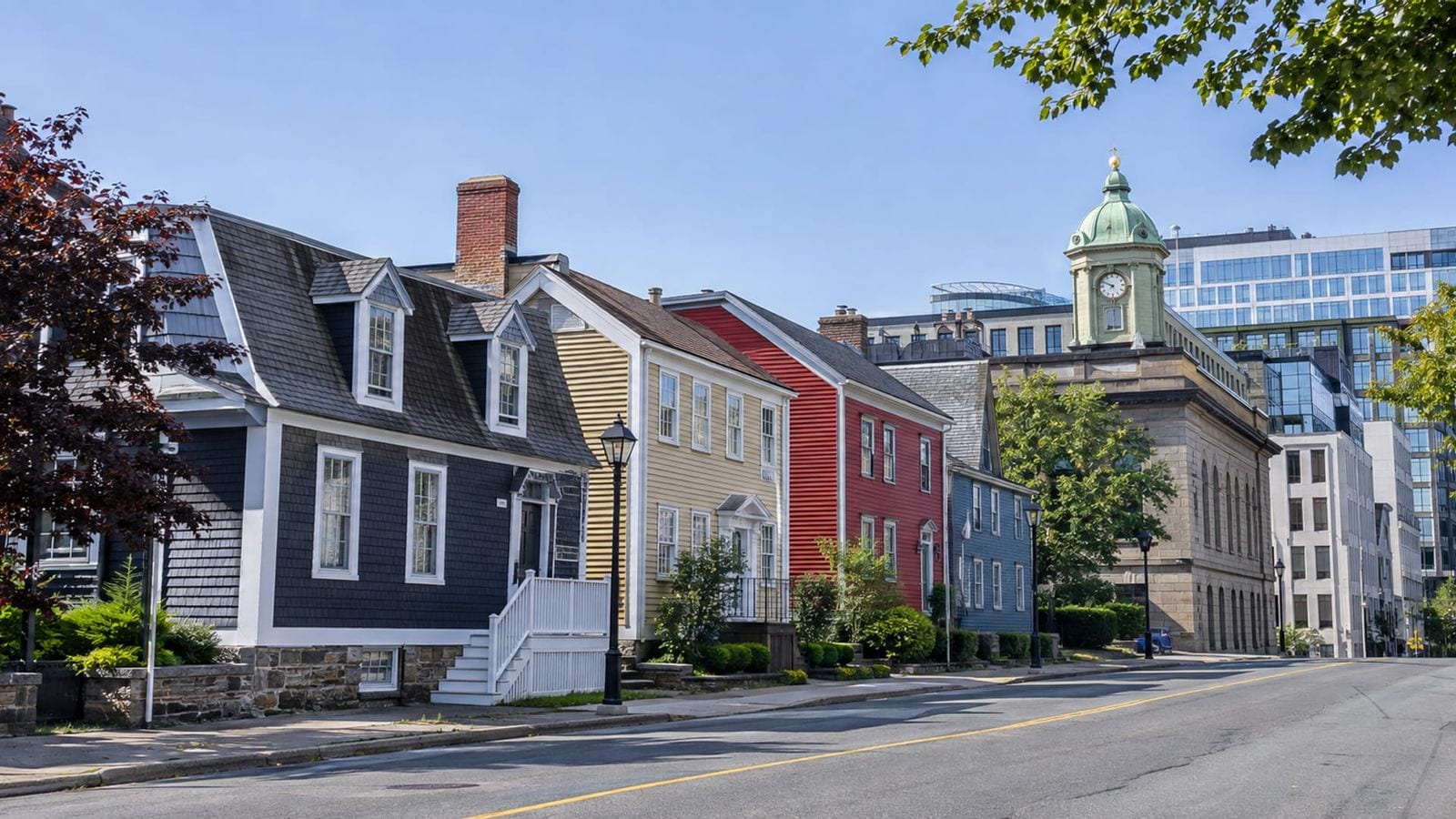
Maritime history fills the morning at the Maritime Museum of the Atlantic; allow two hours before walking north along Halifax Waterfront for an hour. From the ferry terminal, walk uphill for 20 minutes to Halifax Citadel National Historic Site, leaving two hours for the fortress and city views.
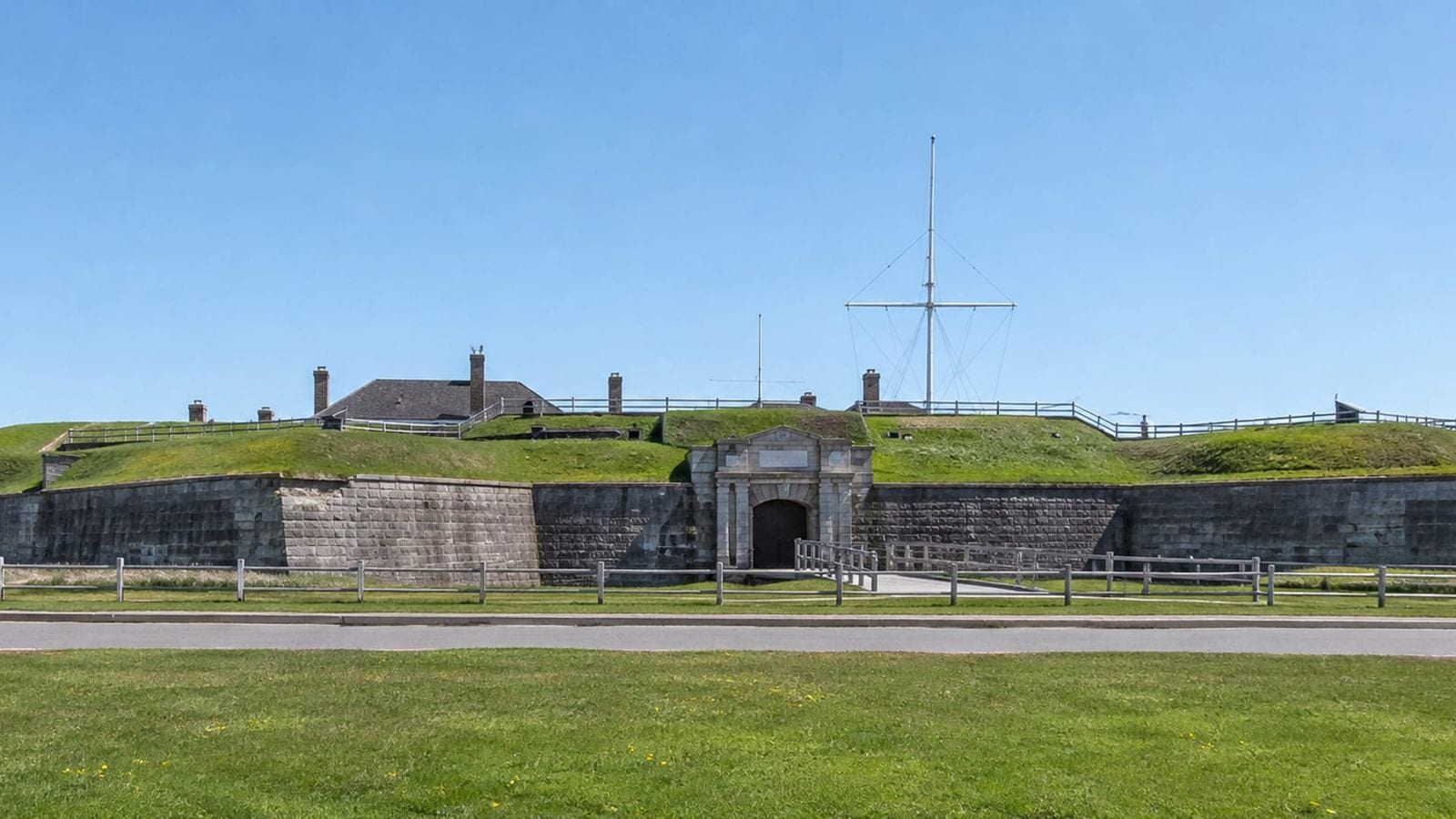
Begin in the South End with two hours on Point Pleasant Park’s wooded trails and shoreline paths. A 25 to 30-minute drive leads onward to York Redoubt National Historic Site, where another two hours covers the gun batteries, woodland paths, and views across the harbor entrance.
At Fairview Lawn Cemetery, spend an hour exploring the Titanic burial section before a 10-minute drive to Africville Museum. Outside summer, arrange a museum appointment for its community-history exhibits. Allow another hour for adjacent Africville Park and its Bedford Basin shoreline.
A final morning in the North End leaves time for neighborhood shopping along Agricola Street before collecting your luggage. Allow 30 to 40 minutes for a taxi from your hotel to Halifax Stanfield International Airport (YHZ), plus additional travel time during weekday commuting hours.
Business-class flights from the US to Halifax
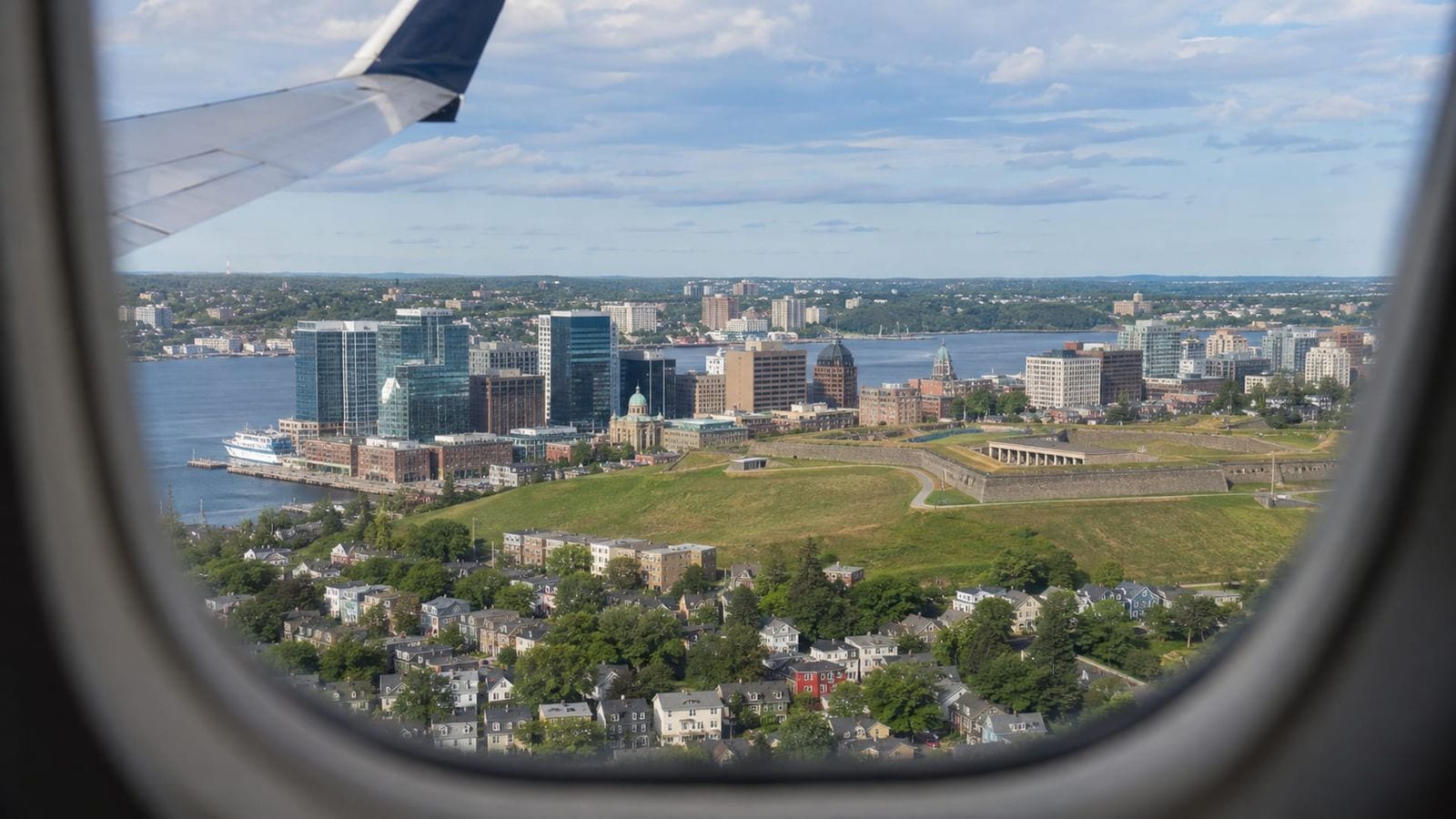
New York and Los Angeles offer two starting points for Halifax (YHZ), with connections through Toronto (YYZ) or Montreal (YUL).
From New York, Air Canada connects to Halifax (YHZ) through Toronto (YYZ) or Montreal (YUL), with one-stop journeys taking 4 to 7 hours. Round-trip fares range from $900 to $2,200 for this Atlantic Canada trip.
A one-stop journey from Los Angeles to Halifax (YHZ) takes 8 to 12 hours with Air Canada, connecting through Toronto (YYZ) or Montreal (YUL). Allow $1,600 to $3,500 for a round-trip ticket on this cross-country journey.
Halifax feels different when you slow down
A Halifax trip gains depth when waterfront museums share the schedule with the North End and the wooded paths at York Redoubt National Historic Site. Walk the downtown shoreline, cross to Dartmouth by ferry, and give Africville Museum time for its account of community and displacement. Seafood dinners connect those days to the Atlantic beyond the harbor. Ask AranGrant experts to shape your Halifax flights around summer shoreline walks or a September stay in the North End