

Chapters:

Need help with your trip?
Our support team is available 24/7. Request a callback or call us directly at (833) 619-0908
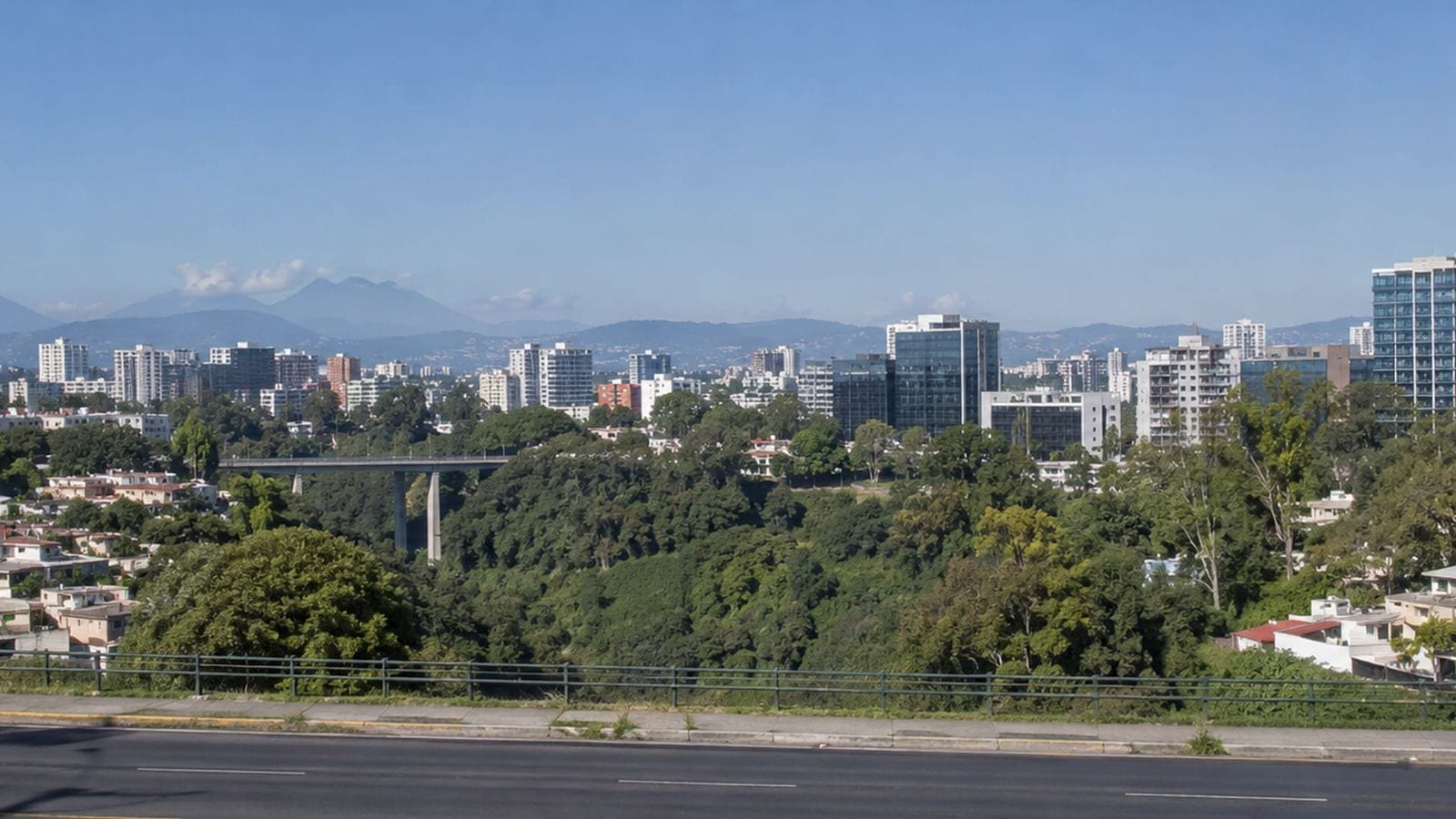
Guatemala City spreads across a highland valley where broad avenues, volcanic views, modern commercial districts, and traces of ancient Maya settlement share the same urban landscape. In the Historic Center, the National Palace of Culture and Metropolitan Cathedral frame Plaza de la Constitución. Farther south, Zona 4 features cafés and creative spaces, while Zona 10 brings together hotels, restaurants, museums, and convenient airport access.
This guide covers everything you need for five days in Guatemala City, including where to stay, how to travel between zones, what to eat, the most comfortable seasons to visit, and how to organize the city’s historic, archaeological, and cultural attractions.
Useful things to know

Main language(s): Spanish
Hola (OH-lah) – Hello
Por favor (por fah-VOR) – Please
Gracias (GRAH-see-ahs) – Thank you
¿Habla inglés? (AH-bla een-GLAYS) – Do you speak English?
¿Cuánto cuesta? (KWAHN-toh KWEHS-tah) – How much does it cost?

Currency: Guatemalan quetzal (GTQ, Q)

Cash and cards: Large hotels, shopping centers, and many established restaurants accept cards. Carry Q200–Q400 ($26–$53) for markets, tips, small businesses, and cash-only taxis.

Tipping: Leave 10% in restaurants when service is not included. Rounding up is sufficient for taxis and small purchases.

Traditional food: Pepián, kak’ik, jocón, and chiles rellenos

Water and coffee costs: Bottled water commonly costs Q10–Q15 ($1.30–$2). An espresso in a central café generally ranges from Q18–Q28 ($2.40–$3.70).

Taxis and ride apps: Uber and inDrive operate in Guatemala City. Confirm the license plate and driver details before entering the vehicle.

Plug and voltage: Type A/B socket, 120V

Dining and shop opening hours: Cafés commonly serve breakfast between 7:00 am and 9:00 am. Lunch usually begins near noon, while dinner service often starts at 7:00 pm.

Emergency number: Call 911 for police, the fire department, or an ambulance.
Where to stay in Guatemala City
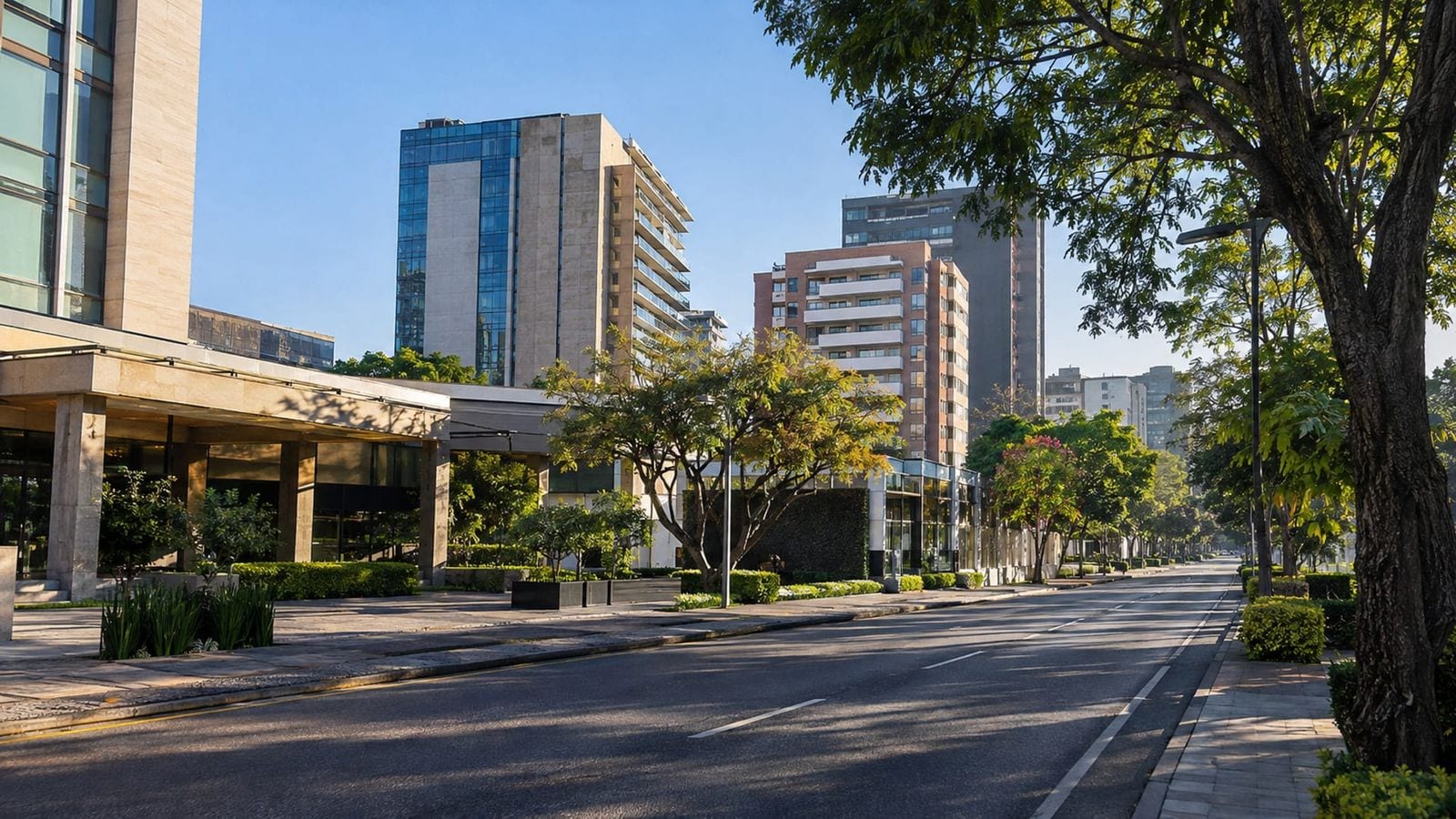
Zona 10 is Guatemala City’s principal hotel and business district, with large properties, restaurants, shopping centers, offices, and convenient road access to La Aurora International Airport. It is particularly suitable for travelers who prefer full-service hotels and a broad choice of restaurants.
Best for: Business trips, upscale hotels, restaurants, and airport access
What to expect: Busy avenues, office traffic, shopping centers, hotel entrances, and active restaurant streets
Hotel prices: Nightly rates typically range from Q695–Q1,695 ($90–$220).
Distance to major sights: The Historic Center generally takes 15 to 30 minutes by car, while the airport is usually 10 to 20 minutes away.
Quietness: Hotels are often quiet, although roads near restaurants and bars remain active after dark.
Main trade-off: Accommodation costs more than in older districts, and most historic attractions require a car ride.
Good to know: Choose a hotel with an on-site restaurant or a cluster of nearby dining options if you expect to return late.
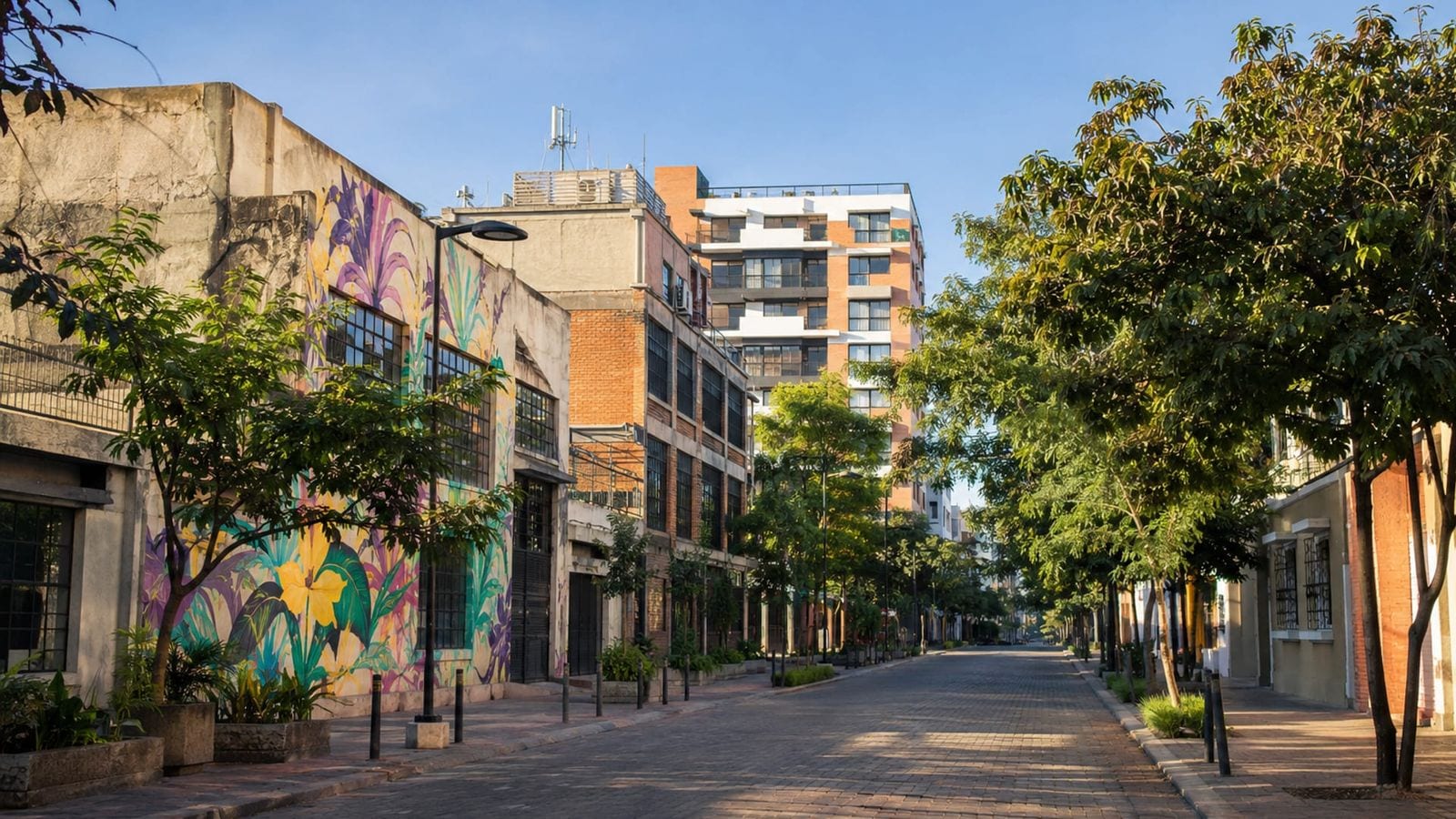
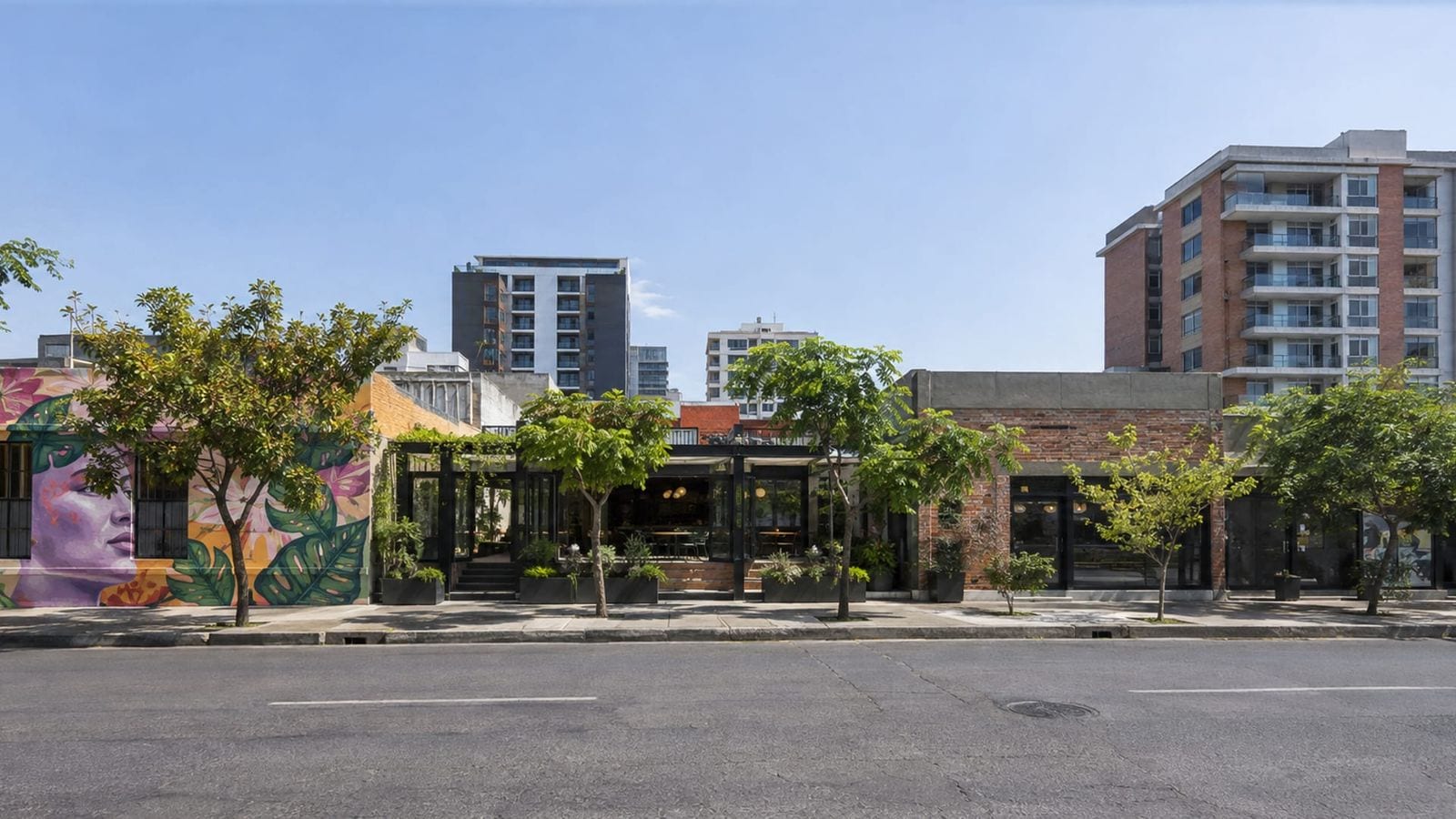
Zona 4 has developed into one of the city’s contemporary dining and creative districts, with converted buildings, coffee shops, restaurants, galleries, apartments, and public art concentrated around compact blocks.
Best for: Dining, cafés, creative businesses, and evening activity
What to expect: Restaurant terraces, murals, young professionals, office traffic, and busy pedestrian areas
Hotel prices: Rooms in popular properties generally cost Q540–Q1,310 ($70–$170) per night.
Distance to major sights: The Historic Center is commonly 10 to 20 minutes away by car, while La Aurora International Airport takes 15 to 25 minutes to reach.
Quietness: Central blocks remain lively through dinner, while surrounding streets become quieter later at night.
Main trade-off: The hotel selection is smaller than in Zona 10, and activity varies considerably from one block to another.
Good to know: Review the precise location before booking, since some properties face major roads while others open onto calmer pedestrian areas.
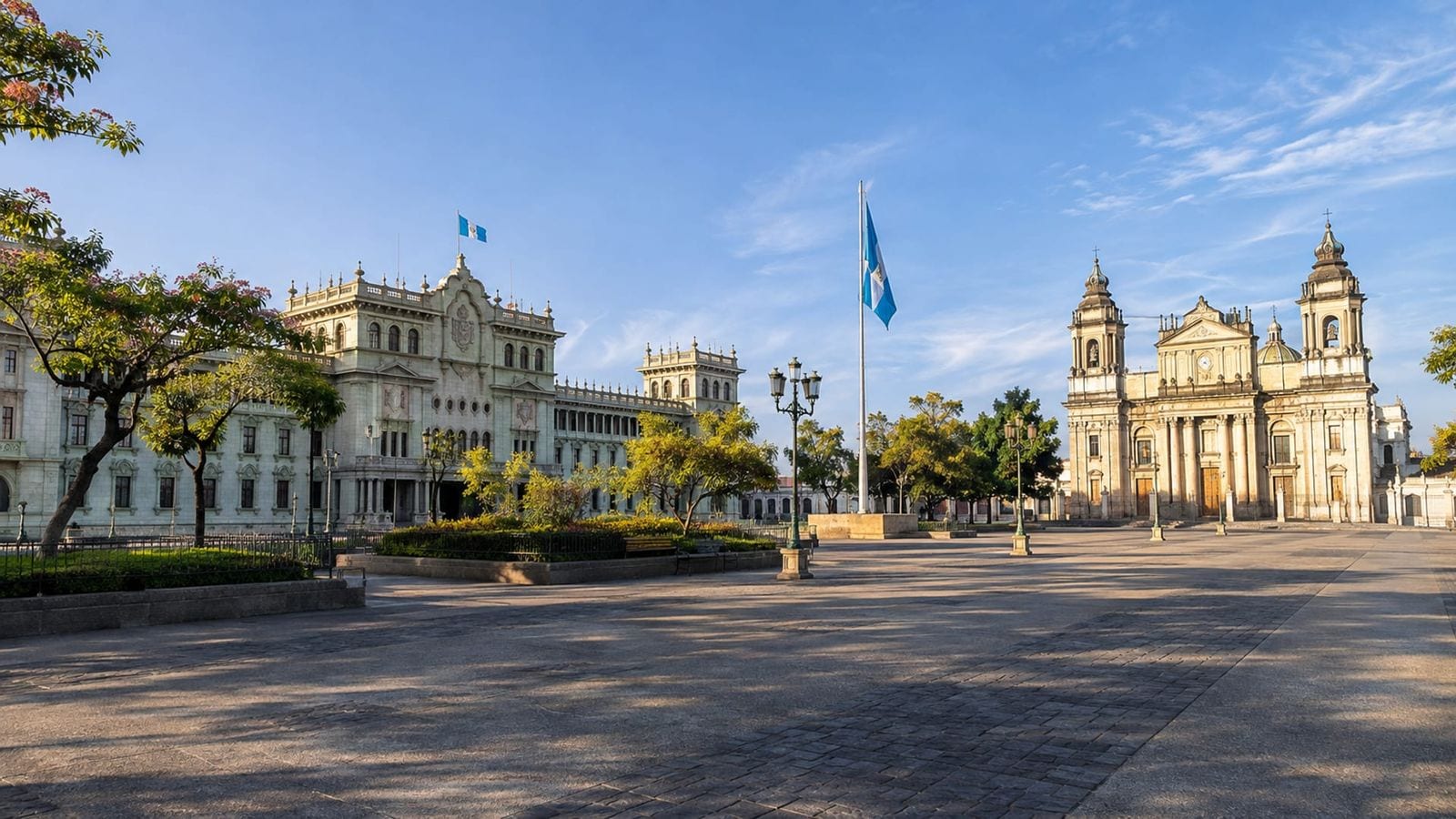
The Historic Center contains Plaza de la Constitución, the National Palace of Culture, the Metropolitan Cathedral, government buildings, traditional shops, and museums connected to Guatemala’s political and cultural history.
Best for: Office workers, street vendors, government buildings, busy daytime sidewalks, and quieter evenings
What to expect: Government buildings, plaza activity, street vendors, and a daytime crowd that thins out at night.
Hotel prices: Expect to pay Q310–Q850 ($40–$110) per night at many central hotels.
Distance to major sights: The National Palace, cathedral, and principal plaza are within walking distance.
Quietness: The district is active during working hours but becomes considerably calmer after offices and shops close.
Main trade-off: Restaurants and evening entertainment are more limited than in Zona 4 or Zona 10.
Good to know: Plan dinner before returning to your hotel and ask the property which streets are preferable after dark.
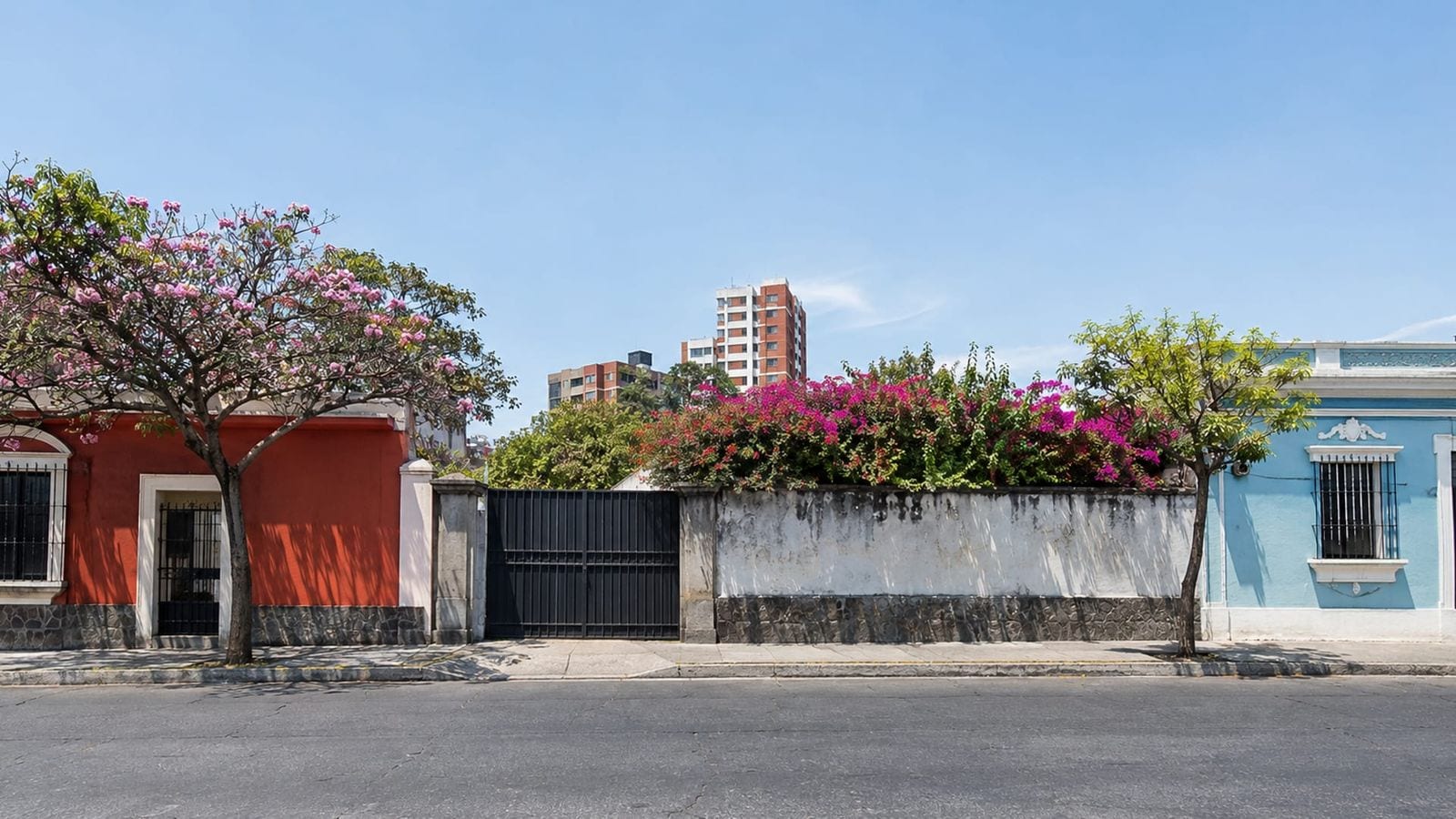
Zona 18, Zona 3, and parts of Zona 21 require longer journeys to the main cultural districts and have fewer visitor-oriented hotels. Some properties in Zona 12 are convenient for short airport stops but less practical for a sightseeing-focused stay.
Hotel deals
How to get around Guatemala City efficiently
Most visitors rely on Transmetro buses, taxis, and ride-hailing services for travel between the Historic Center, Zona 4, Zona 10, and the airport.

Transmetro
for inexpensive journeys along major corridors
Transmetro is a bus network with dedicated lanes on several city routes. It connects parts of the Historic Center with southern and northern districts. A standard journey costs Q1 ($0.10) and requires a rechargeable transportation card.

Public bus
for neighborhoods beyond Transmetro routes
Transurbano and other city buses serve major roads and residential districts. Fares generally range from Q1 to Q5 ($0.10 to $0.70), depending on the service and route. Buses may become crowded, and traffic can significantly lengthen cross-city journeys.

Taxi and rideshare services
for airport transfers and cross-zone trips
Licensed taxis, Uber, and inDrive provide direct journeys between hotels, museums, commercial districts, and the airport. A ride from La Aurora International Airport to Zona 10 commonly costs Q55–Q95 ($7–$12). Longer trips across the city may cost Q80–Q160 ($10–$21), depending on traffic and demand.
*Prices are based on rates updated as of June 2026 and may change at the time of travel.
Use Transmetro for direct routes, book a taxi for travel between zones, and walk within small areas such as the Historic Center or the main streets of Zona 4.
Iconic places in Guatemala City
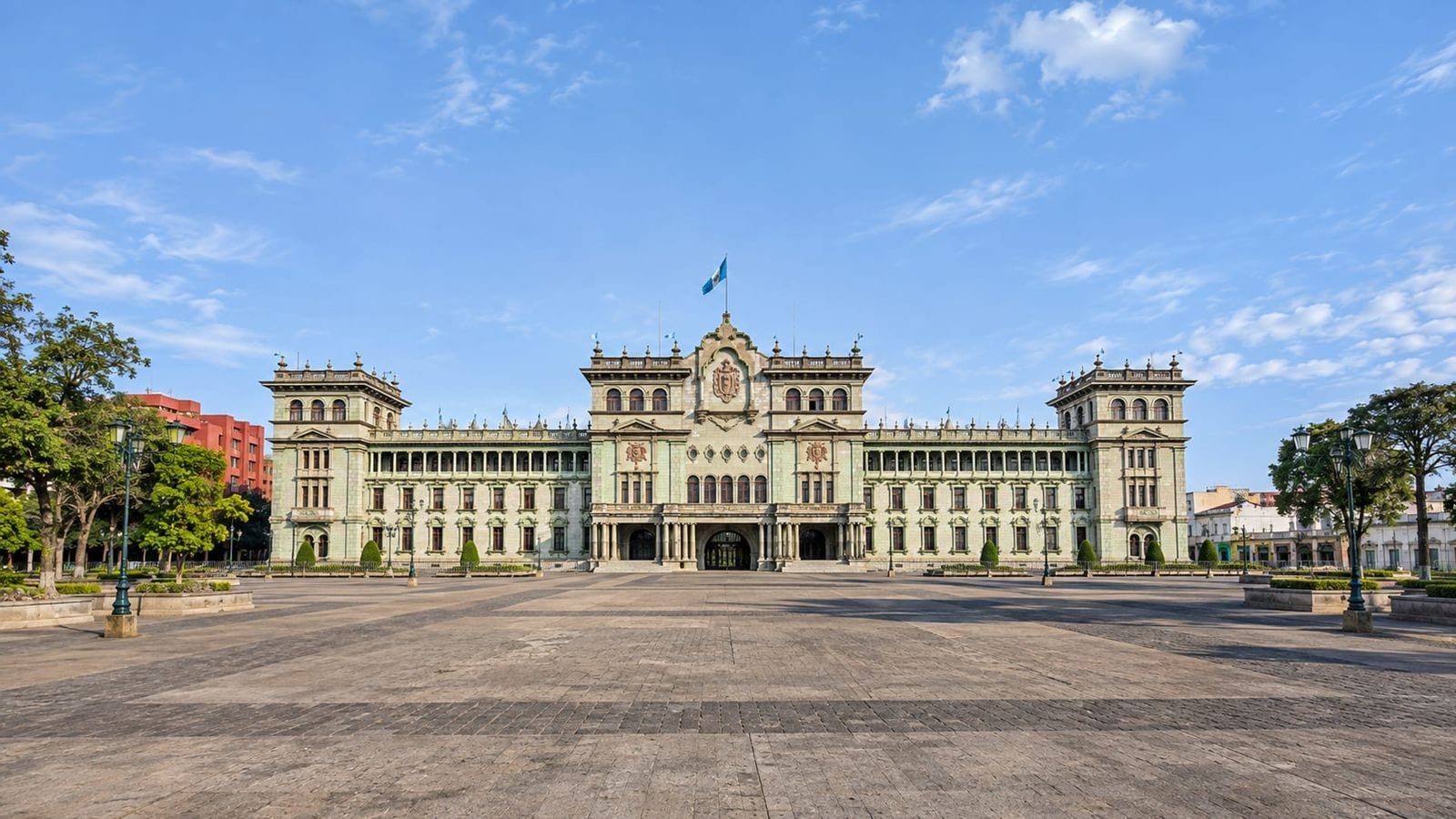
National Palace of Culture
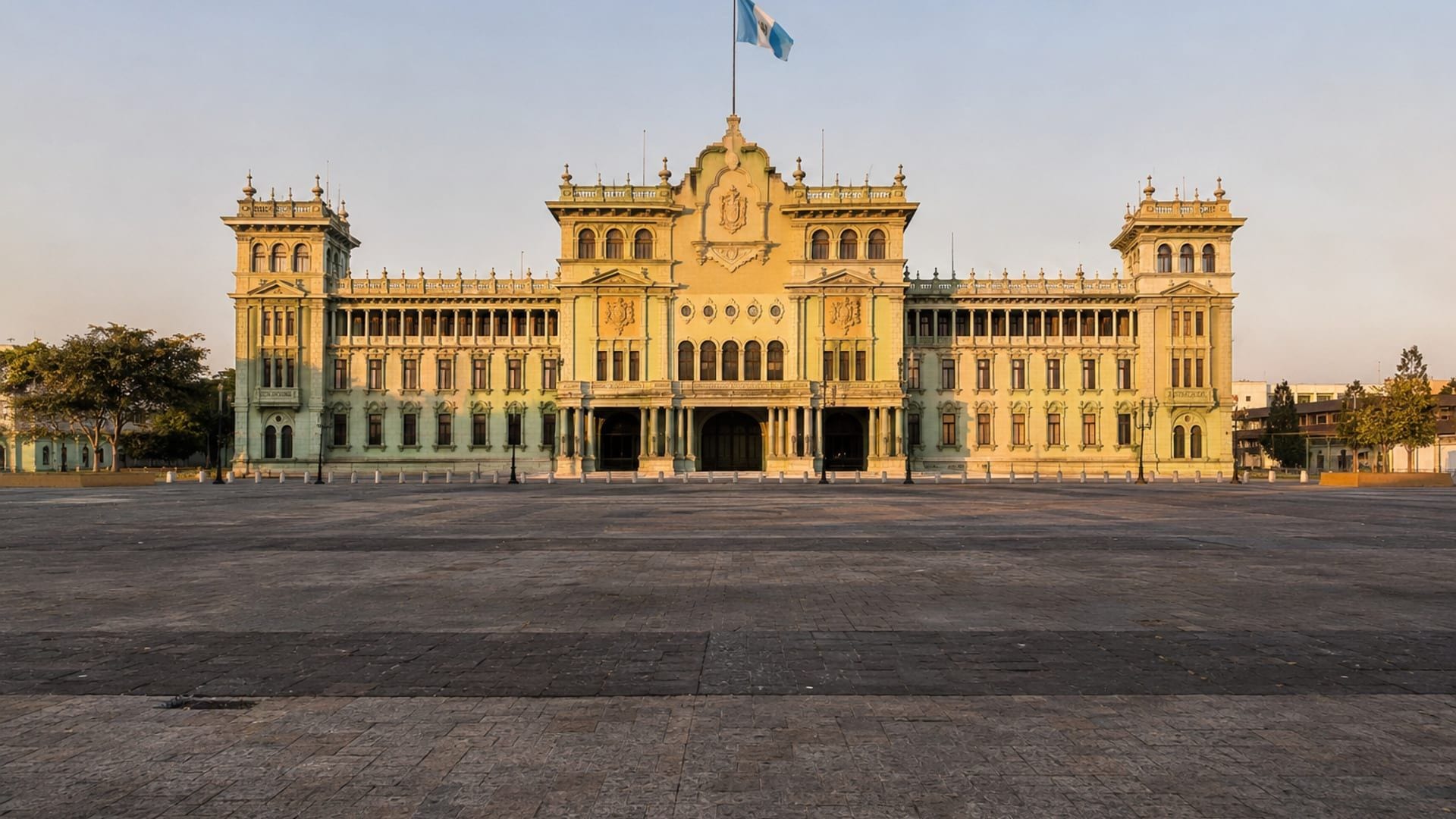
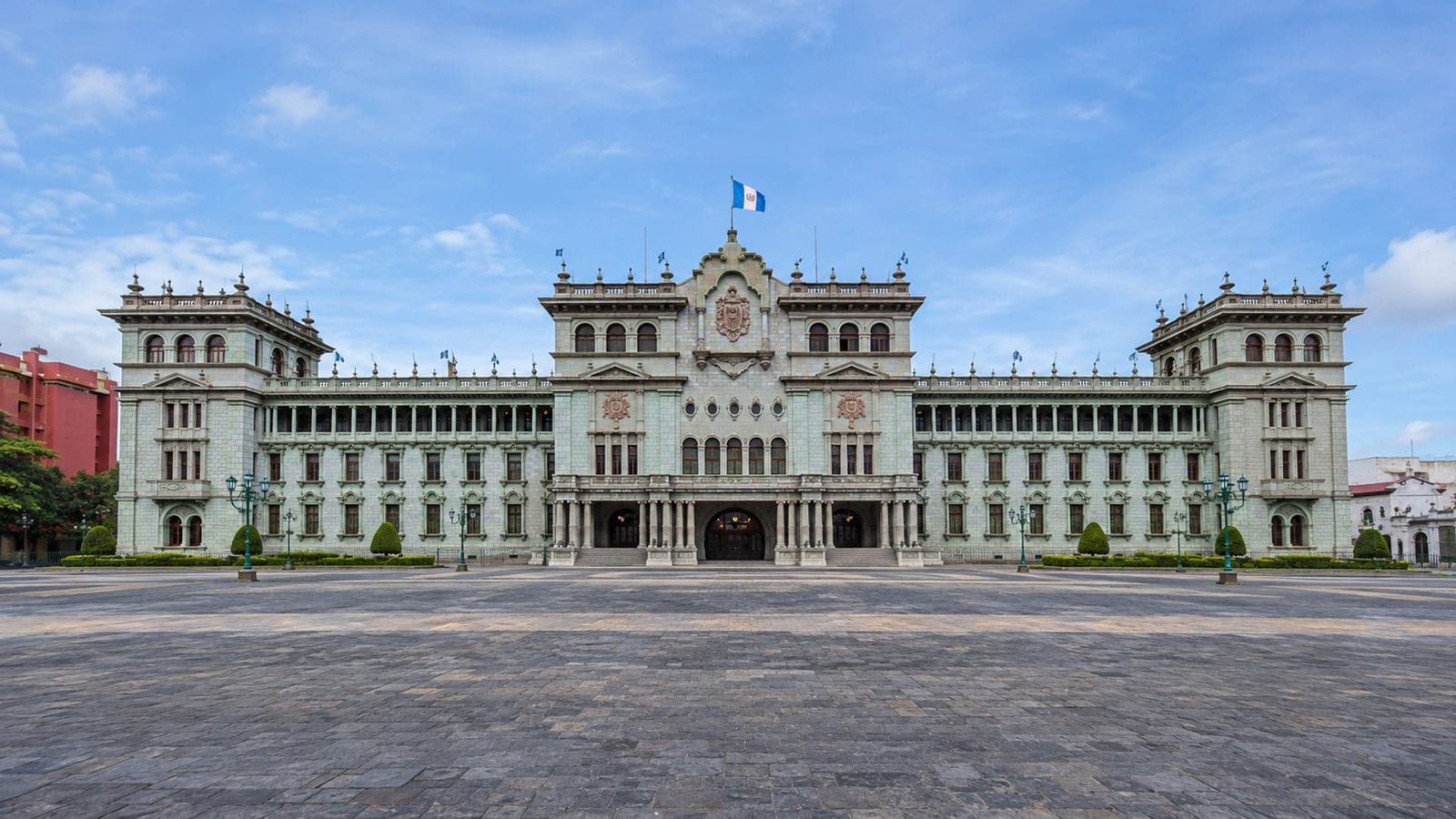
The National Palace of Culture, completed in 1943, dominates the northern side of Plaza de la Constitución with its green stone façade, symmetrical towers, and ceremonial arches. Inside, mural-lined halls, stained glass, grand staircases, and formal reception rooms reflect Guatemala’s political history and mid-20th-century architecture.
Time needed: 1 to 2 hours
Entry: Foreign visitors generally pay Q40 ($5.30) for a guided tour. Visit the official website for more details.
Tip: Visit in the morning, when the interior corridors and plaza are less occupied.
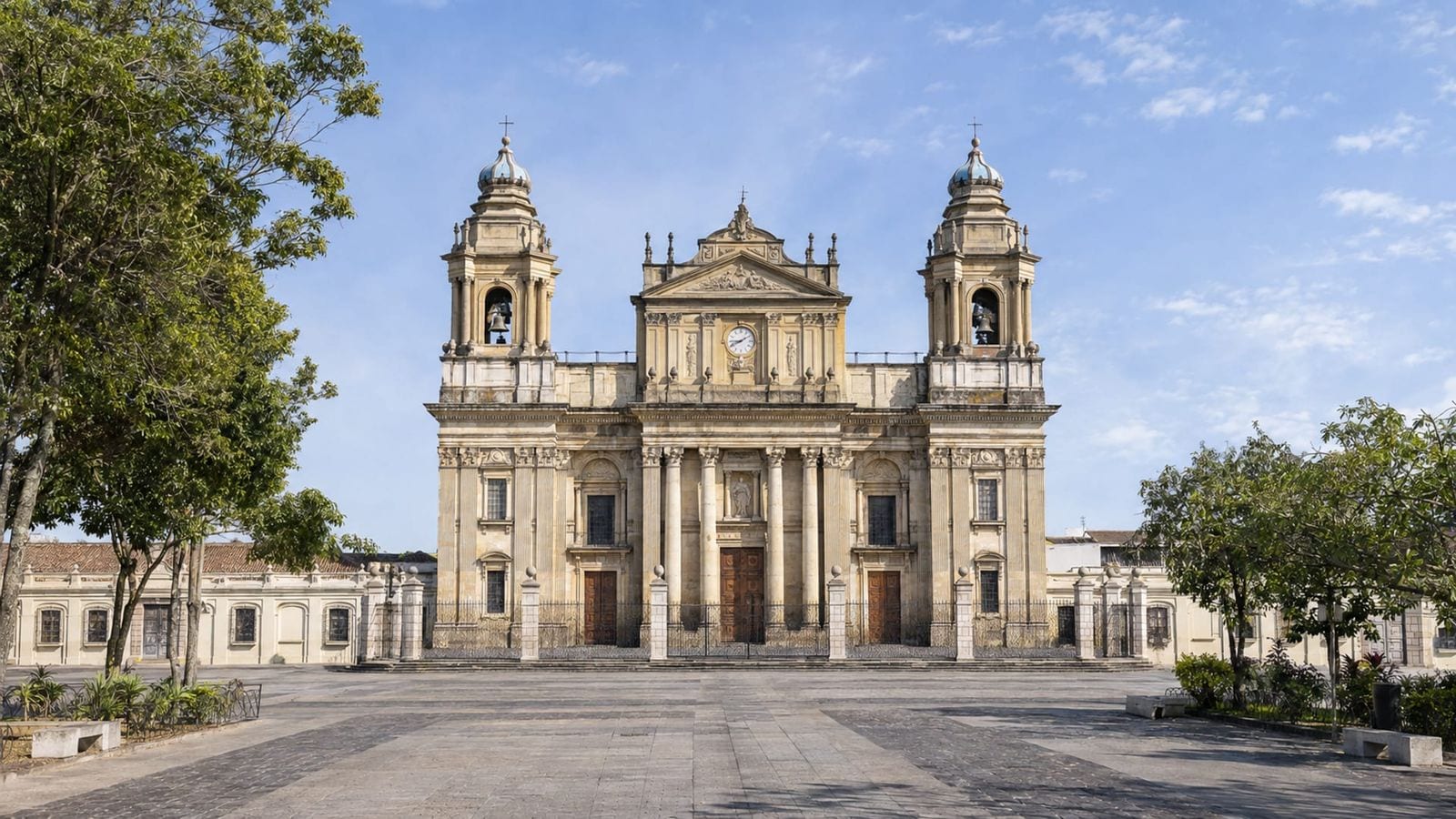
Metropolitan Cathedral of Santiago de Guatemala
Construction on the Metropolitan Cathedral of Santiago de Guatemala began in 1782, after the capital moved from Antigua Guatemala. Its Neoclassical façade, heavy columns, twin towers, carved altars, and high central nave have survived repeated earthquakes and restorations.
Time needed: 30 to 45 minutes
Entry: Free; donations are welcome.
Tip: Visit before noon, then continue across the plaza to the National Palace.
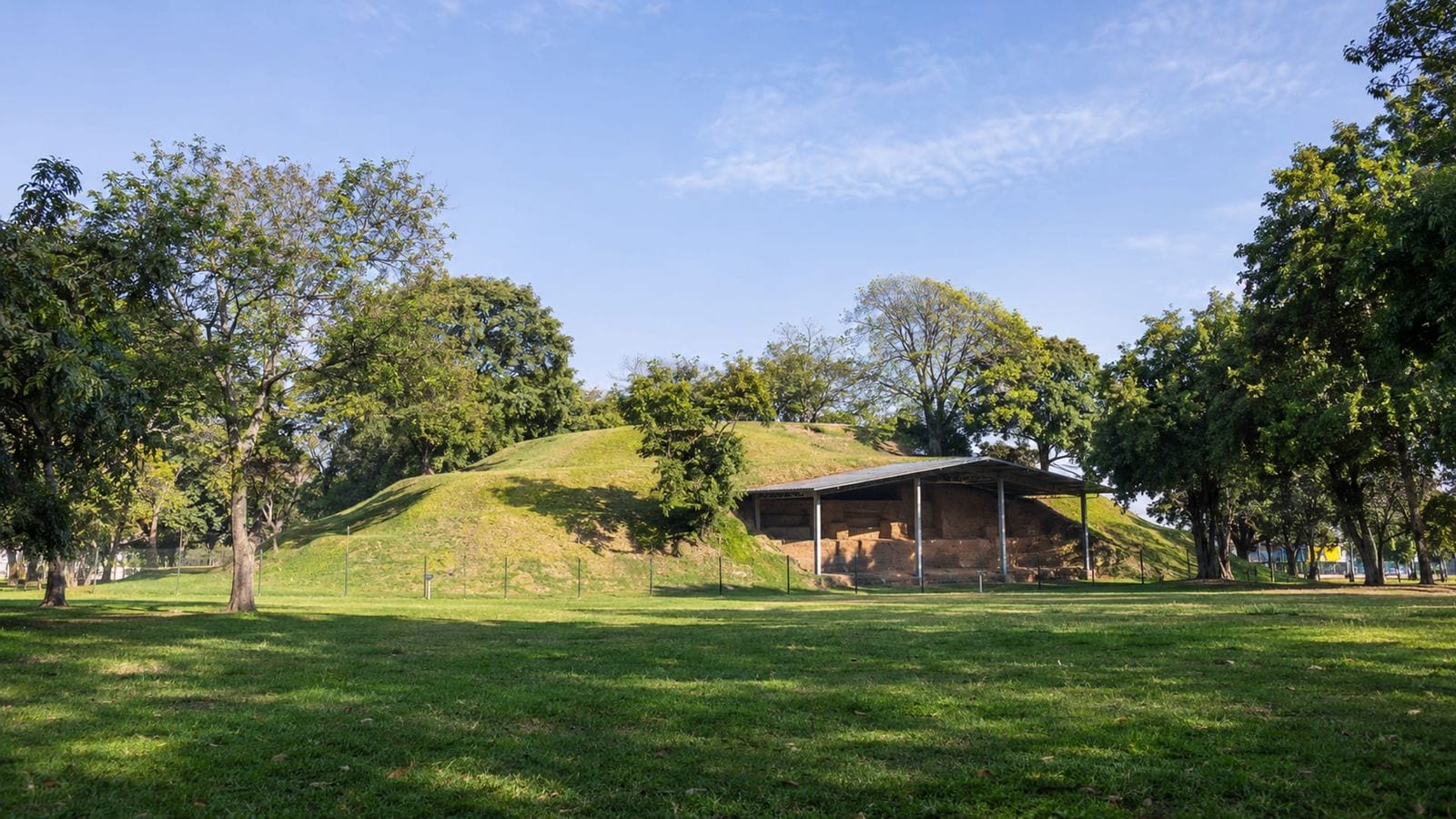
Kaminaljuyu Archaeological Park
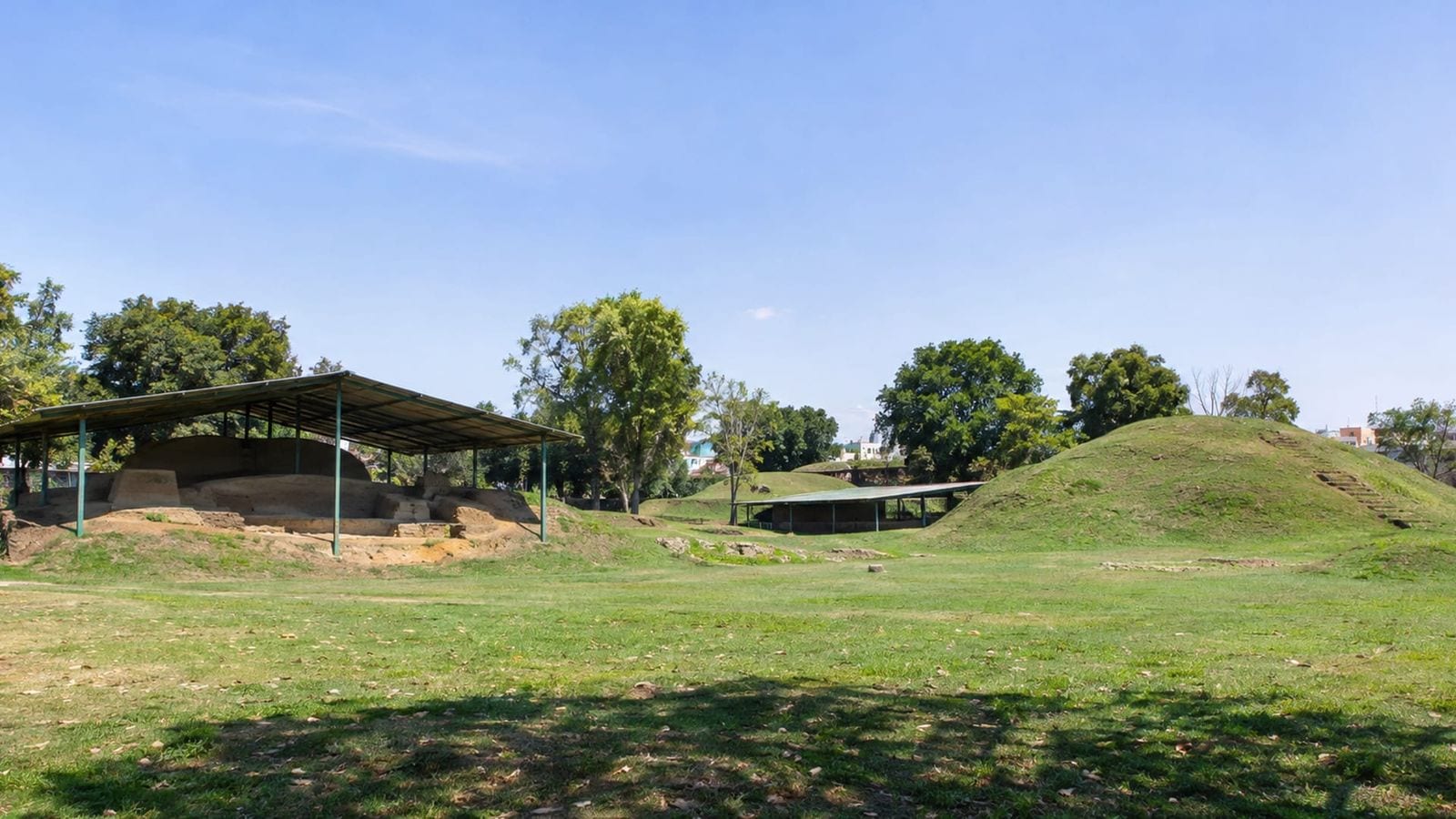
Kaminaljuyu Archaeological Park preserves part of an ancient Maya city that developed centuries before the modern capital. Earthen mounds, ceremonial platforms, plazas, and excavated structures reveal a settlement that once extended across a large area of the Guatemala Valley.
Time needed: 1 to 2 hours
Entry: Free; optional guide fees may vary. Visit the official site for details.
Tip: Arrive early, wear sturdy shoes, and carry water because shade is limited in some areas.
Overlooked places in Guatemala City

Museo Ixchel del Traje Indígena
The Museo Ixchel del Traje Indígena explores Guatemala’s Indigenous textile traditions through handwoven huipiles, ceremonial clothing, regional designs, weaving tools, and archival material.
Time needed: 2 to 3 hours
Entry: Adult tickets cost Q45 ($6). Check the official website for details.
Tip: Bring photo identification for entry to the university campus where the museum is located.

Museo Nacional de Arqueología y Etnología
The Museo Nacional de Arqueología y Etnología traces thousands of years of Guatemalan history through Maya sculpture, ceramics, jade, funerary objects, textiles, and ceremonial pieces.
Time needed: 1 to 2 hours
Entry: Foreign visitors pay Q60 ($8). The museum is closed on Mondays. Visit the official site for more details.
Tip: Visit around midday, when the galleries are often calmer than outdoor attractions.
What to eat in Guatemala City
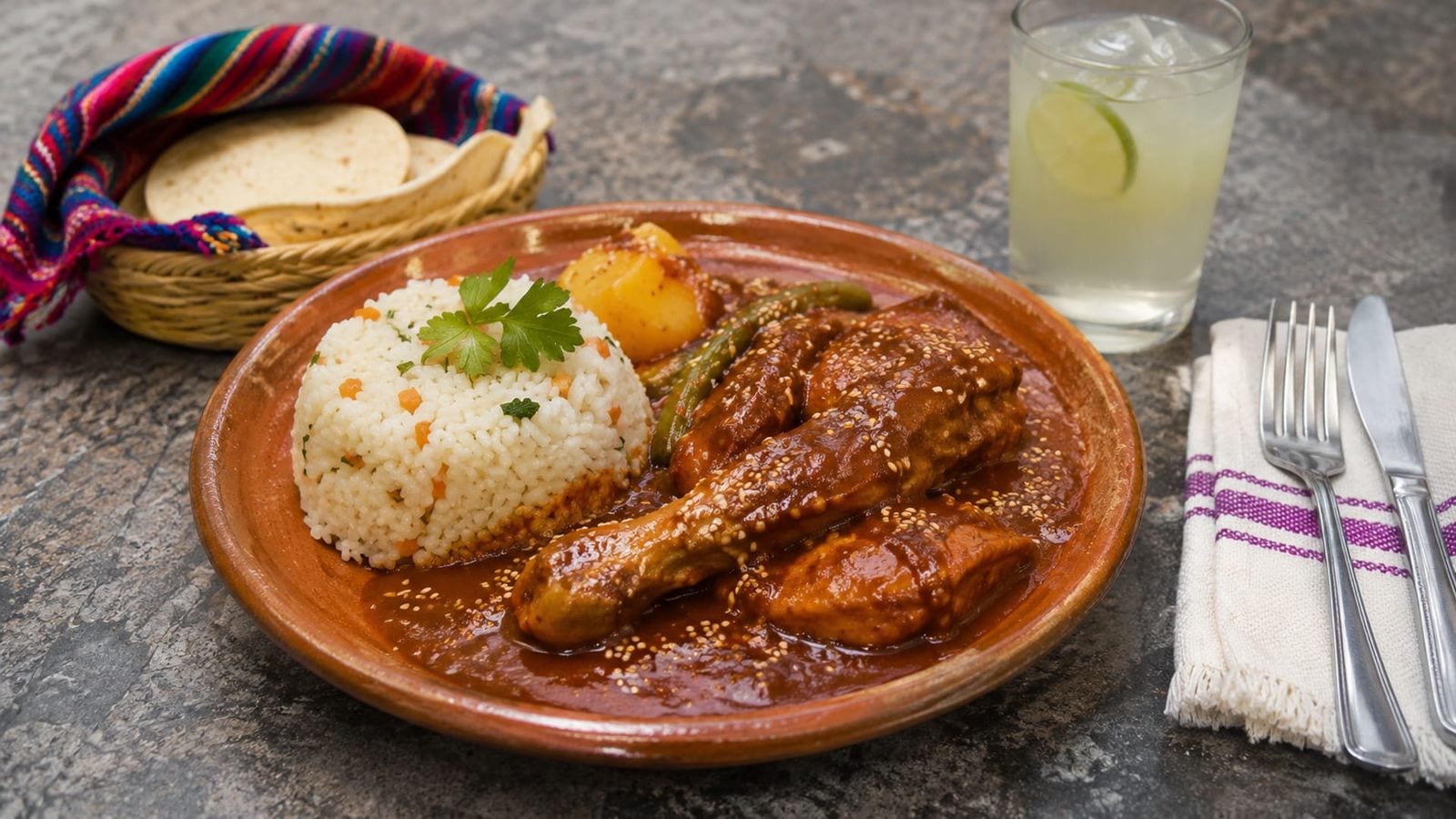
Guatemala City’s cuisine uses corn, chilies, tomatoes, pumpkin seeds, herbs, poultry, and slow-cooked sauces.
Pepián
Pepián is a thick stew made with roasted tomatoes, chilies, sesame seeds, pumpkin seeds, spices, and chicken or beef. El Cafecito serves Guatemalan dishes alongside soups, sandwiches, coffee, and lighter meals at several locations.
Kak'ik
Kak’ik is a red turkey soup flavored with tomatoes, achiote, chilies, coriander, and other herbs. Its clear but intensely seasoned broth reflects the cooking traditions of Guatemala’s Q’eqchi’ Maya communities. Portal del Ángel offers this dish.
Jocón
Jocón combines chicken with a green sauce made from tomatillos, cilantro, green onions, sesame seeds, and pumpkin seeds. The result is fresh, herbal, and lighter than many of Guatemala’s darker roasted sauces. You can enjoy it at Mercadito La Esquina.
Chiles rellenos
Guatemalan chiles rellenos contain peppers filled with minced meat and vegetables, covered in egg batter, fried, and served with tomato sauce. The dish appears in traditional restaurants throughout the country, including Flor de Lis.
Best time to visit Guatemala City
The dry season offers the most dependable weather for archaeological sites and long walks through the Historic Center.
Best for: Historic landmarks, Kaminaljuyu, plazas, and clear sightseeing days
What you get: Temperatures generally range from 54°F to 78°F (12°C–26°C), with limited rain and mild afternoons.
Trade-offs: Holiday periods can increase hotel demand, while evenings may feel cool.
Best for: Museums, central walks, and outdoor visits before the rainy season intensifies
What you get: Travelers can expect temperatures between 59°F and 83°F (15°C–28°C), with warmer afternoons and longer daylight.
Trade-offs: Humidity and afternoon storms become more common toward May.
Best for: Museum visits, long lunches, and shorter outdoor sightseeing periods
What you get: Daytime temperatures commonly fall between 57°F and 77°F (14°C–25°C), accompanied by frequent rain.
Trade-offs: Heavy showers can delay cross-zone trips and interrupt archaeological visits.
Best for: Quieter museums, cultural attractions, and good weather later in the season.
What you get: The season brings temperatures of 55°F–76°F (13°C–24°C), with rain gradually decreasing toward November.
Trade-offs: September and October may still bring wet afternoons and slow traffic.
A 5-day plan in Guatemala City
Five days provide enough time for the Historic Center, Kaminaljuyu, Zona 10, Zona 4, and the city’s principal museums. Each day keeps nearby attractions together to reduce repeated cross-zone journeys.
Land at La Aurora International Airport (GUA), then take a taxi or ride-hailing car to Zona 10, which is usually 10 to 20 minutes away, for Q55–Q95 ($7–$12). The Historic Center may require 20 to 30 minutes to navigate depending on traffic. After check-in, stay close to your hotel to rest and adjust to altitude. Zona 10 offers malls, cafés, and restaurants, while nearby Zona 4 has walkable dining streets and a more local atmosphere.
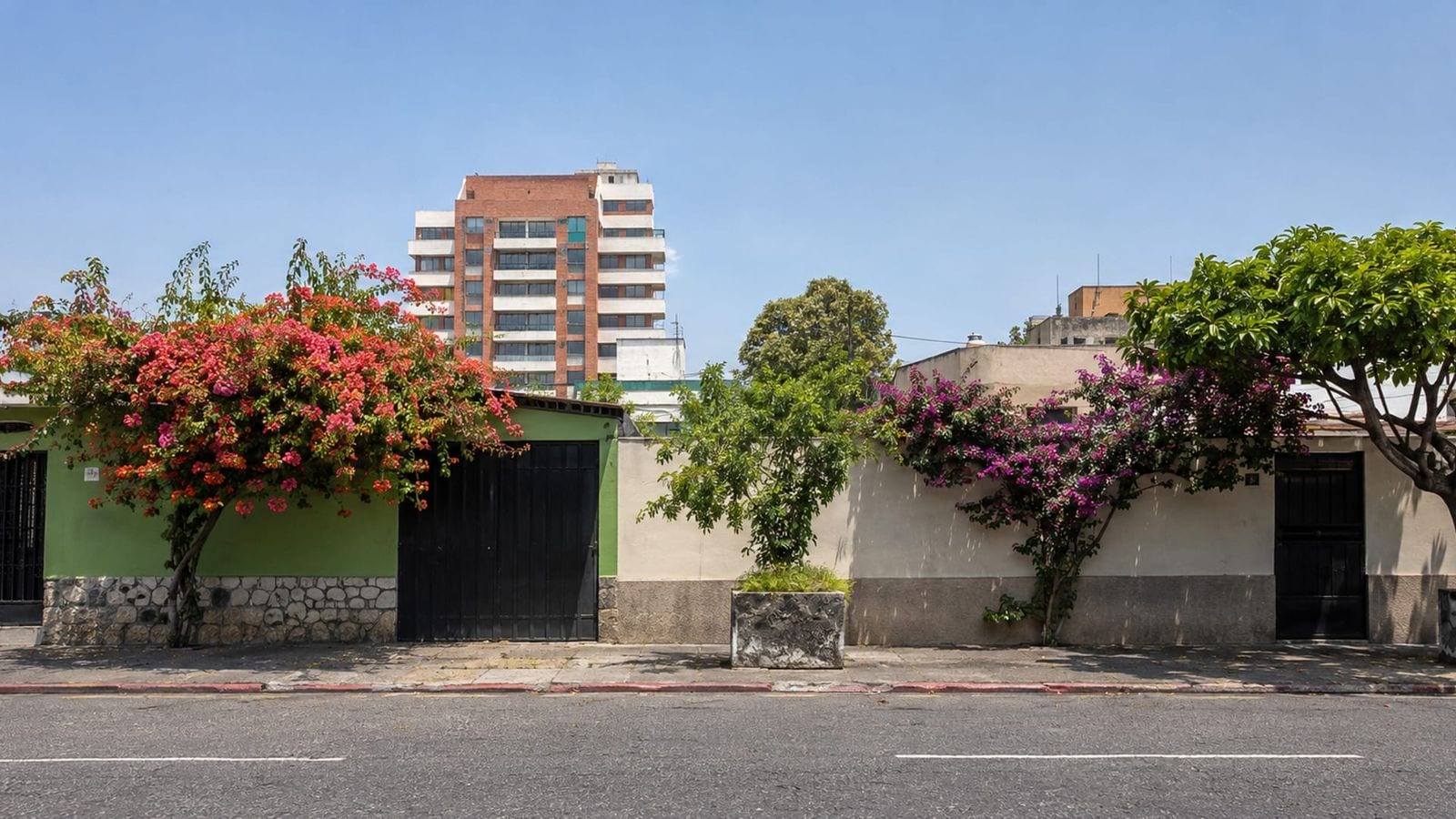
Begin at Plaza de la Constitución and visit the National Palace of Culture in the morning, ideally when it is less crowded. Walk across the square to the Metropolitan Cathedral, then explore surrounding government buildings, arcades, and pedestrian streets. Plan lunch in a nearby café or traditional comedor. In the late afternoon, return to the plaza as light softens and activity slows. Head back to your hotel by taxi before dark for safety and ease.
Travel early to Kaminaljuyu Archaeological Park and spend 1 to 2 hours exploring its ancient mounds, plazas, and interpretive areas. From there, take a taxi to Zona 4, typically 15 to 30 minutes away. Spend the afternoon in this creative district, known for street art, coffee shops, galleries, and pedestrian-friendly blocks. It is easy to walk between spots here, so no need for additional transport. Stay in the area for dinner to avoid another cross-city trip.
Start at Museo Ixchel del Traje Indígena and allow 2 to 3 hours to explore Guatemala’s textile traditions and regional clothing. Continue by taxi to the Museo Nacional de Arqueología y Etnología, where you’ll find impressive Maya artifacts, stelae, and ceramics. Both museums are close enough to combine comfortably in one day. Stay in Zona 10 for meals, where you will find everything from casual cafés to upscale restaurants within short walking distance.
Use your final morning for a relaxed return to the Historic Center, a café stop in Zona 4, or last-minute shopping in Zona 10’s malls. Keep luggage stored at your hotel and avoid scheduling distant visits. Travel time to La Aurora International Airport is usually 10 to 30 minutes from central zones, although rush hour can extend it. Leave at least 2 to 3 hours before your international flight to allow for traffic, check-in, and security.
Business-class flights from the US to Guatemala City
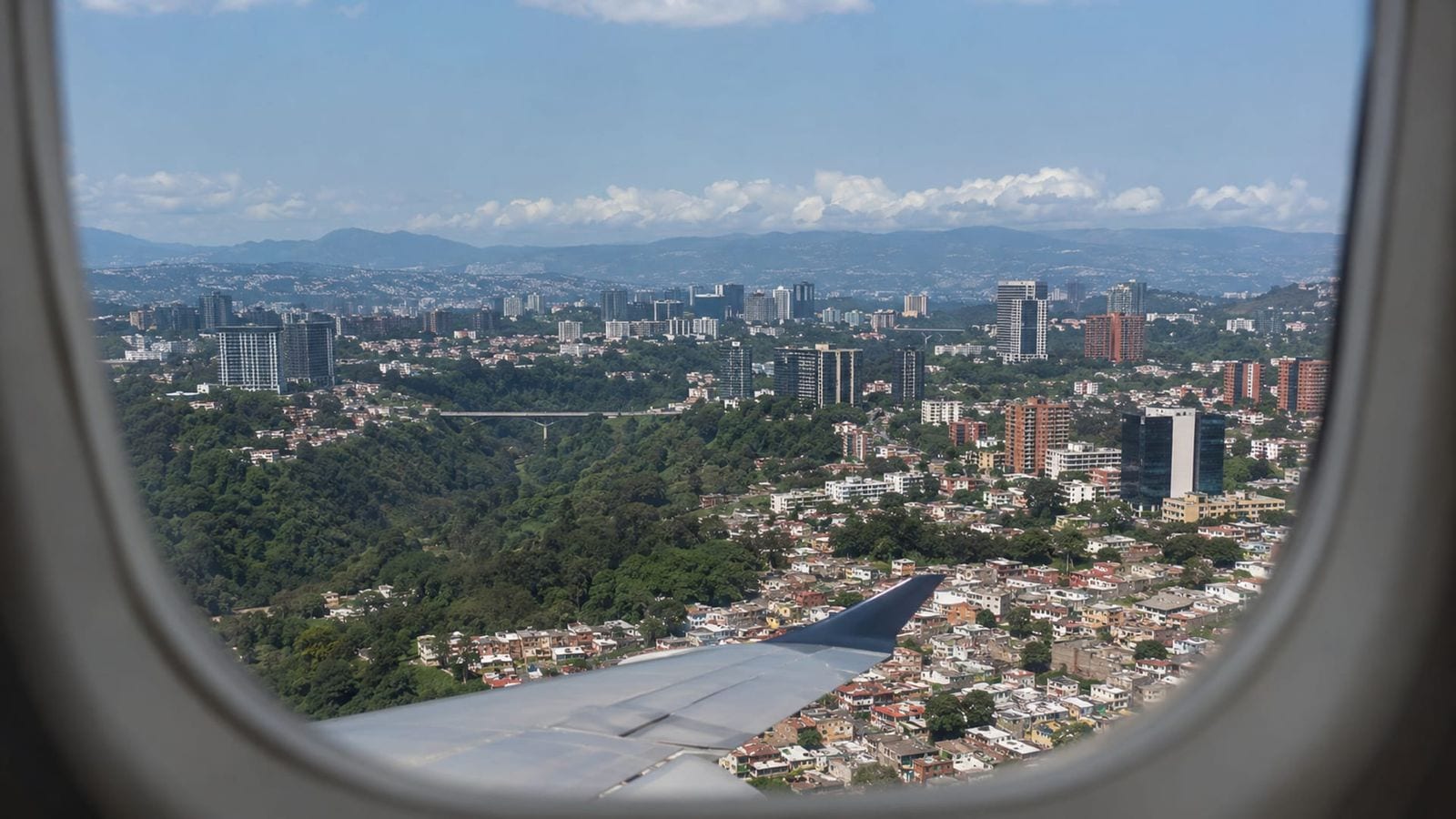
Guatemala City has nonstop service from both New York and Los Angeles, along with connecting itineraries through major US and Latin American hubs.
New York (JFK) to Guatemala City (GUA)
Avianca offers nonstop service from John F. Kennedy International Airport (JFK) to Guatemala City. Flight times generally range from 4 to 5 hours. American Airlines, Aeromexico, Copa Airlines, and Delta Air Lines provide one-stop alternatives through Dallas/Fort Worth (DFW), Mexico City (MEX), Panama City (PTY), or other hubs. Round-trip business-class tickets from the airlines typically range from $1,100 to $1,300.
Los Angeles (LAX) to Guatemala City (GUA)
Avianca and United Airlines operate nonstop flights from Los Angeles International Airport (LAX) to La Aurora International Airport (GUA). The journey generally takes approximately 5 hours. American Airlines, Aeromexico, and United Airlines offer connecting routes through Miami (MIA), Atlanta (ATL), or Houston (IAH). Total travel time usually ranges from 8 to 13 hours. Round-trip business-class fares on this route commonly cost $900–$1,100.
Discover Guatemala City beyond the airport corridor
Guatemala City reveals several distinct chapters of the country within a relatively small collection of districts. The National Palace and cathedral reflect the modern capital’s civic history, Kaminaljuyu preserves traces of a much older Maya settlement, and the textile and archaeology museums bring regional traditions into sharper focus. Consider contacting our AranGrant experts if you want to visit the city soon and need assistance with booking your tickets and hotels.