

Chapters:

Need help with your trip?
Our support team is available 24/7. Request a callback or call us directly at (833) 619-0908
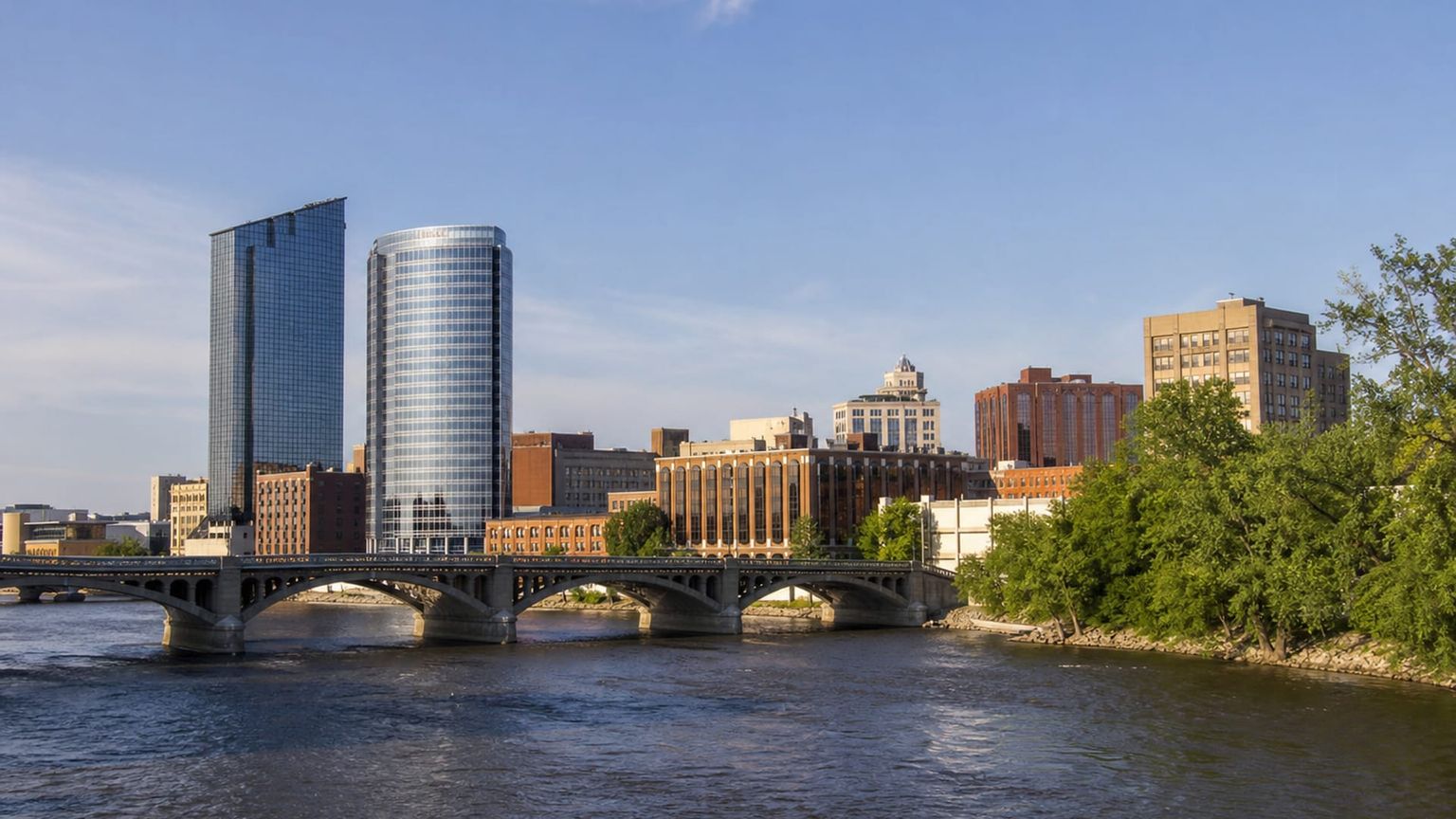
Grand Rapids trips often start with a downtown hotel, a museum stop, and one dinner near the river, while the city’s best neighborhood spots and smaller museums stay off the first itinerary. Travelers also miss how much time short drives can save once plans move beyond the core.
That approach can leave you crossing the city more than needed, especially when a garden visit, a historic house, and a neighborhood meal all sit in different directions. Evening plans also change by block, so a loose route can waste daylight.
This guide arranges the city by area and pace, so each day pairs nearby sights, eating, and transit in a way that matches Grand Rapids’ scale.
Useful things to know

Main language(s): English

Currency: The local currency is the US dollar (USD, $).

Cash and cards: Cards and contactless are widely accepted; carry about $20 in cash for tips or small purchases.

Tipping: Tip 15-20% in restaurants if service is good; round up for taxis and coffee.

Traditional food: Michigan cherry pie, pasty, loose meat sandwich, fudge

Water and coffee costs: Water about $2 to $4, bar espresso about $3 to $5.

Taxis and ride apps: Uber and Lyft operate here; availability can thin late at night.

Plug and voltage: Type B socket, 120V

Dining and shop opening hours: Breakfast is about 07:00-10:00, lunch 11:30-14:00, and dinner 17:00-21:00. Many kitchens close early on Sundays.

Emergency number: 911 for police, fire, and medical emergencies.
Where to stay in Grand Rapids
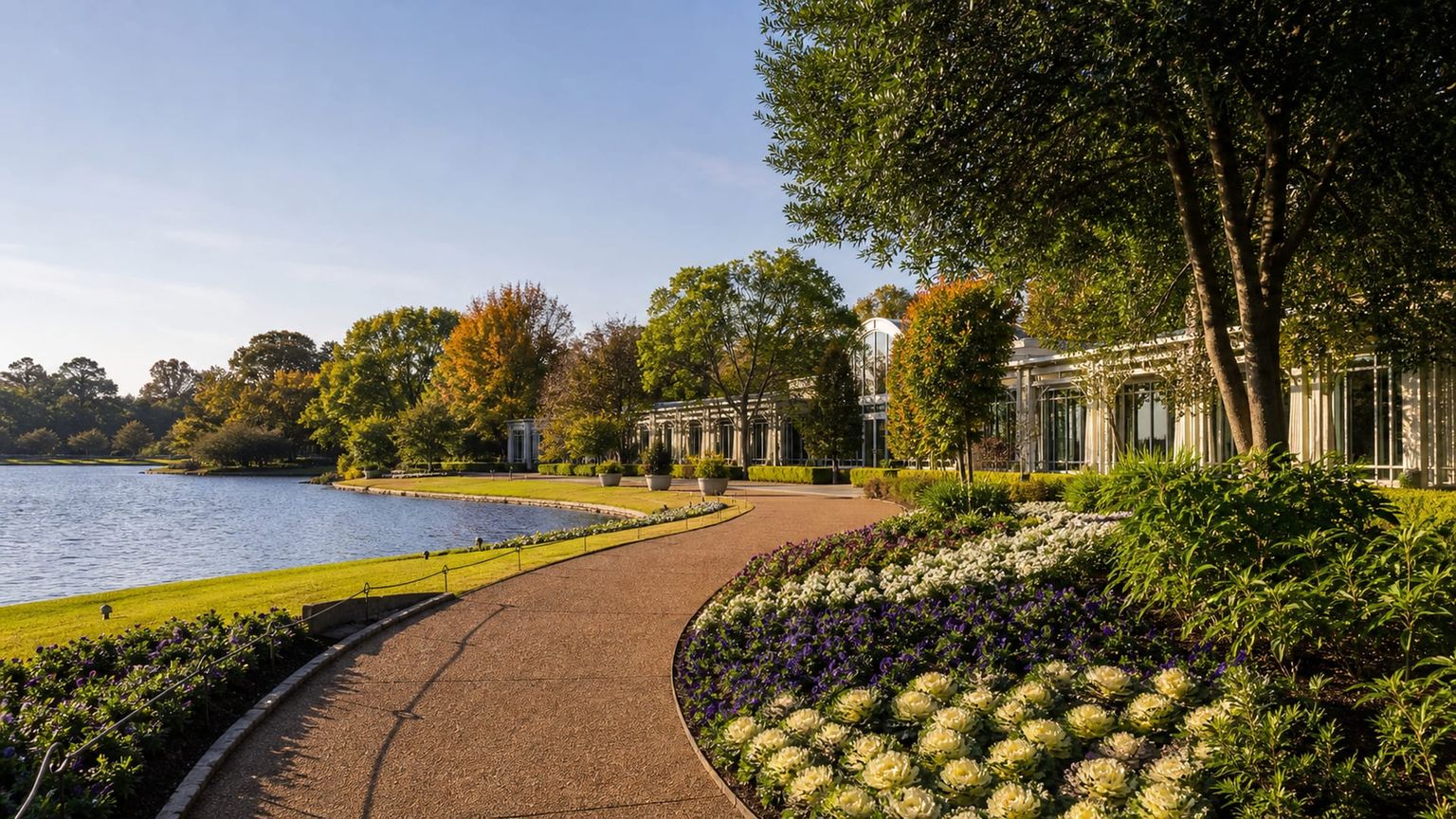
The city center puts you near office towers, the river, museums, and the main dining cluster. It suits travelers who want the most direct access to events, transit, and walkable evenings without needing a car for every errand.
Best for: First-time visits, business trips, and stays centered on dining, museums, and events
What to expect: Sidewalk traffic stays busiest on weekdays and around dinner, with quieter blocks after office hours outside event nights.
Hotel prices: Usually about $140 to $260 per night for well-rated stays
Distance to major sights: 5 to 15 minutes on foot to the Grand River waterfront; about 10 minutes by transit to Grand Rapids Art Museum
Quietness: Busy by day, livelier in the evening near restaurants and event venues, then calmer late at night on side streets.
Main trade-off: Rates can run higher than in outer neighborhoods, and the liveliest blocks may bring weekend noise.
Good to know: If you plan to move around on foot, this is the easiest base, but book early when a major convention or game fills downtown rooms.
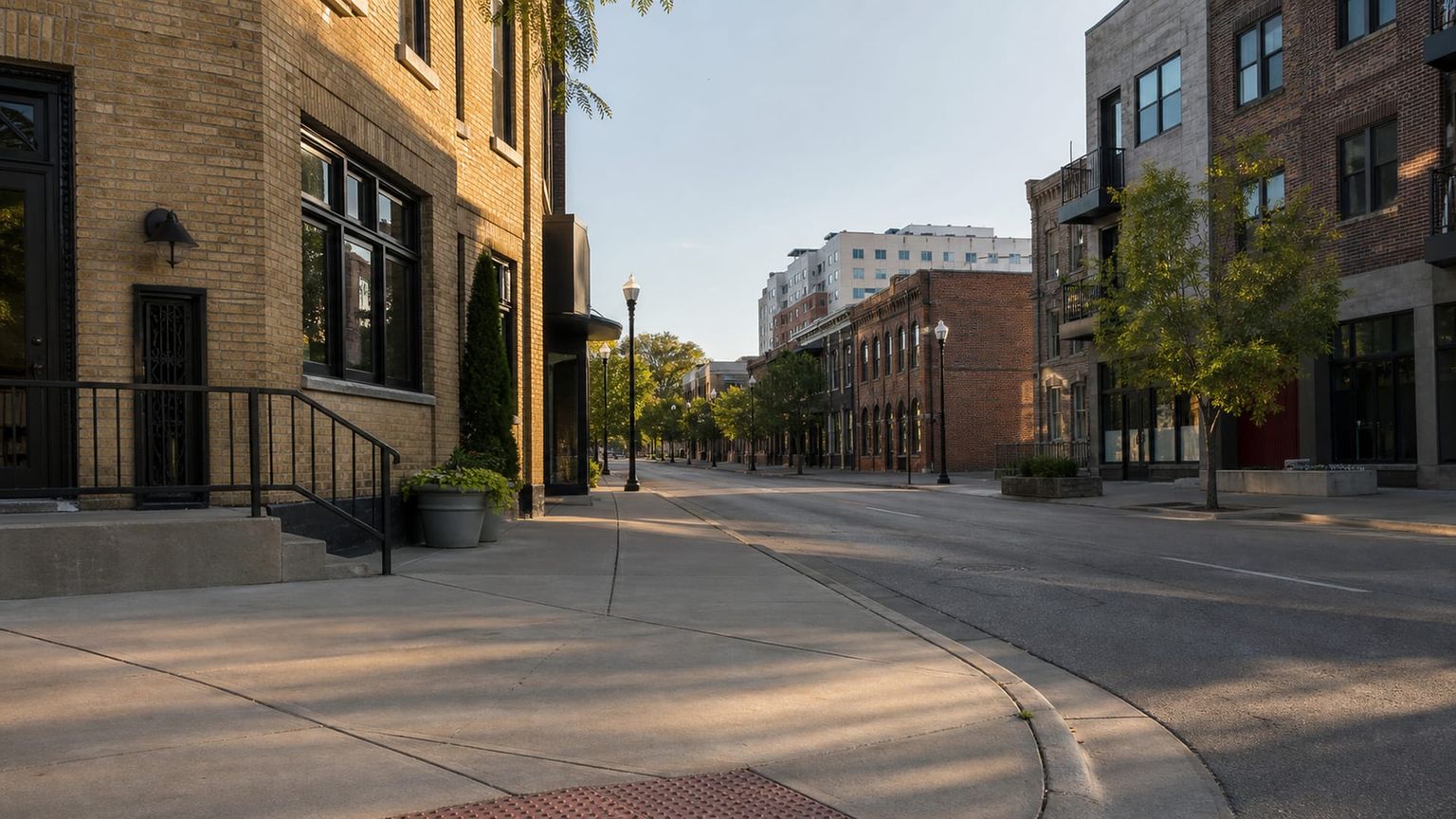
South of downtown, Heartside blends warehouse conversions, galleries, restaurants, and a strong arts presence. It matters for trips that want a creative neighborhood close to the center, with easy walking to the riverfront and the main downtown institutions.
Best for: Dining, galleries, nightlife, and travelers who want a central but less corporate stay
What to expect: Street life is active around restaurants, galleries, and venue hours, with quieter stretches between active blocks.
Hotel prices: Usually about $130 to $240 per night for well-rated stays
Distance to major sights: 10 to 15 minutes on foot to downtown core spots; about 15 minutes by transit to the Grand Rapids Art Museum
Quietness: Lively in the evening near bars and arts venues, then calmer on residential edges later at night.
Main trade-off: You gain proximity to the center, but some blocks feel busier after dark and parking can take time.
Good to know: Check the exact block before booking, since one street can sit beside late-night venues while the next turns quiet after dinner.
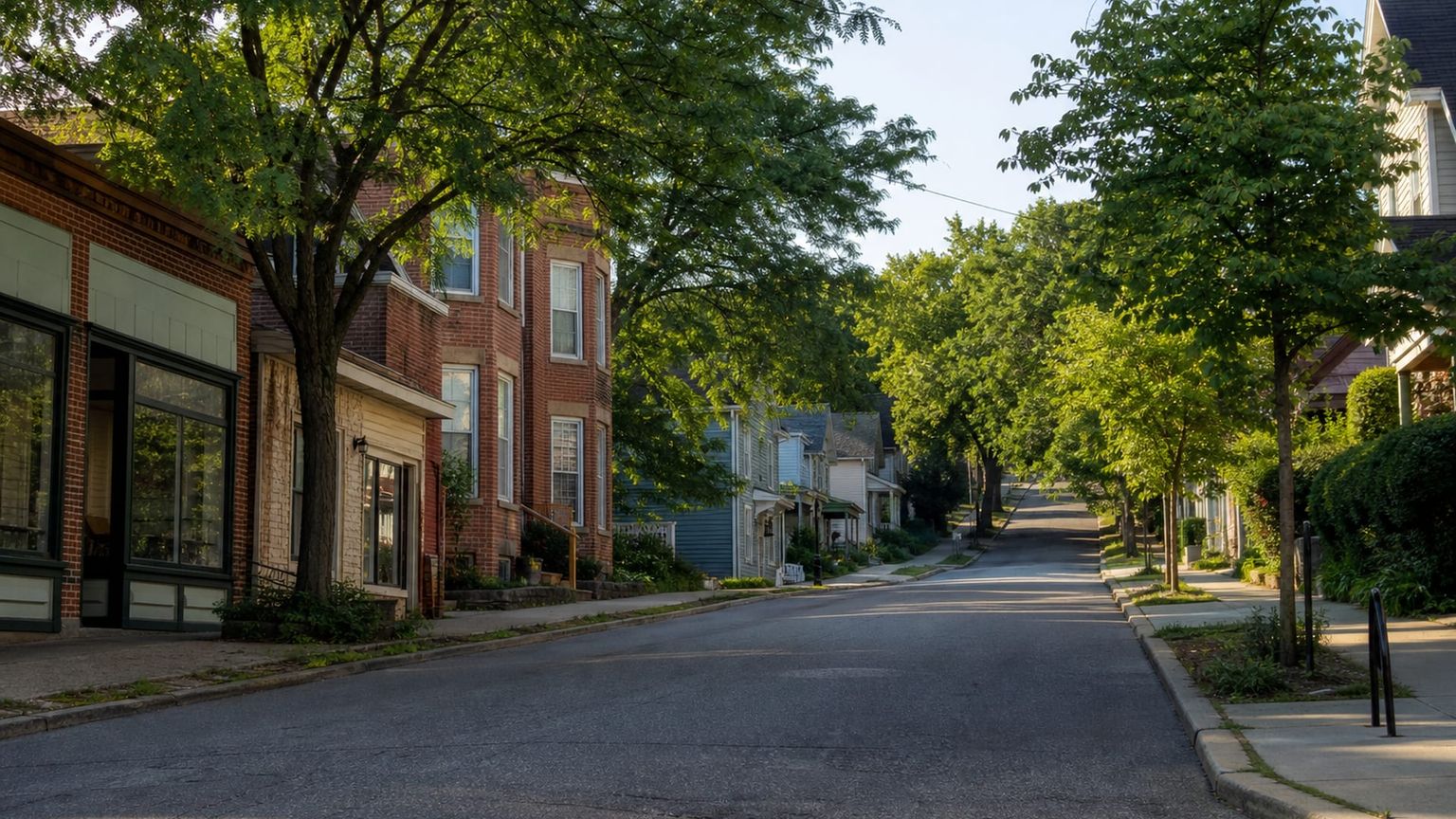
East Hills sits just east of downtown and offers local shops, coffee spots, older homes, and a neighborhood feel close to the city center. It works well for visitors who want a more residential base without giving up easy access to downtown attractions.
Best for: Longer stays, independent cafes, local shopping, and a quieter base near downtown
What to expect: You will see more neighborhood traffic than tourist crowds, with steady activity on the main commercial strips and calmer side streets.
Hotel prices: Usually about $120 to $220 per night for well-rated stays
Distance to major sights: About 15 to 20 minutes on foot to downtown museums; roughly 10 minutes by transit to the Grand River waterfront
Quietness: Calmer than downtown during the day and generally quieter at night, with brief activity near main intersections.
Main trade-off: You may need transit or a longer walk for the main museum and riverfront zone.
Good to know: Choose this area if you want a neighborhood restaurant scene, but confirm the hotel’s parking setup because street parking can be tight.
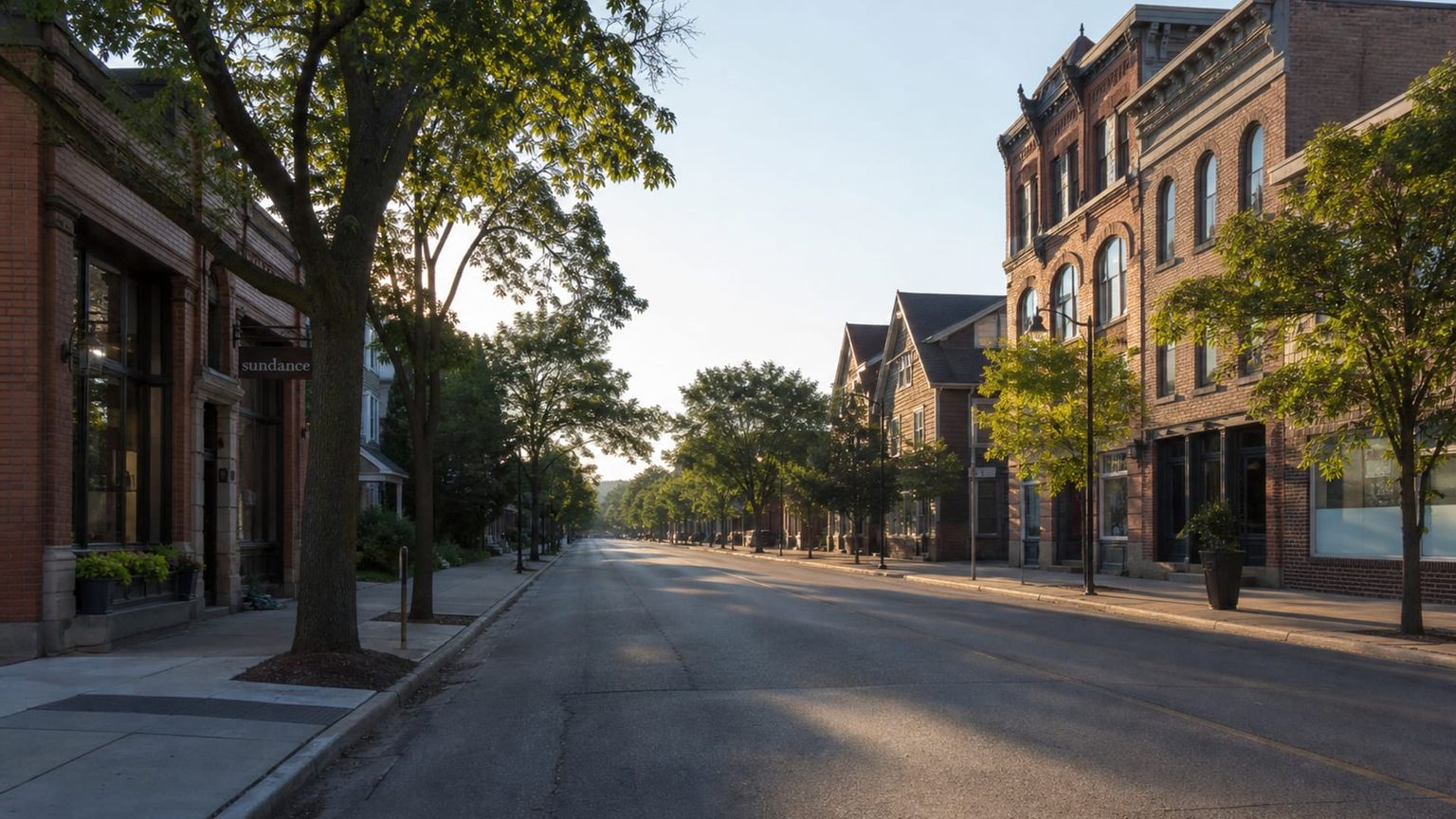
The Wealthy Street area combines historic homes, independent restaurants, and a compact commercial strip southeast of downtown. It matters for travelers who want neighborhood character, a few strong dinner options, and a short ride back to the city center.
Best for: Local dining, walkable neighborhood exploring, and travelers who prefer a residential setting
What to expect: The main corridor sees steady local activity at meal times, while the surrounding blocks stay residential and much quieter.
Hotel prices: Usually about $110 to $210 per night for well-rated stays
Distance to major sights: About 20 minutes on foot to downtown; roughly 10 minutes by transit to the Grand Rapids Art Museum
Quietness: Moderate along the corridor by day and early evening, quieter on side streets and later at night.
Main trade-off: You trade some walk-to-everything convenience for a calmer setting and fewer hotel choices.
Good to know: This area works best if you are comfortable using rides or transit after dinner, since lodging options are limited compared with downtown.
Travelers usually avoid staying in the Alpine Township and Walker edges far northwest of downtown, because they sit well away from the main museum, dining, and riverfront areas and usually require car travel after dark. Downtown-adjacent spots that look cheap near the I-196 and U.S. 131 corridor can also be less convenient if they are outside the core entertainment blocks, since they are farther from most visitor amenities and evening walking options.
Hotel deals
How to get around Grand Rapids efficiently
Grand Rapids has no metro, so walking, buses, taxis, and rideshares do the work, with The Rapid connecting the airport and downtown on a limited schedule.

Metro
for longer distances
No metro serves Grand Rapids, so there is no subway link from Grand Rapids, Gerald R. Ford International Airport (GRR); use buses, taxis, or rideshares for city trips, with downtown typically about 20 to 30 minutes away by road.

Bus and tram
for convenience
The Rapid bus network covers central Grand Rapids and nearby suburbs, with Route 17 serving Grand Rapids, Gerald R. Ford International Airport (GRR) on a limited schedule. Fares are $1.75 for a regular one-way ride, with a 2.5-hour transfer window on stored-value or mobile tickets, and day passes are $3.50. Expect roughly 30 to 50 minutes to downtown by bus, depending on the connection.

Taxi
for convenience or late hours
Licensed taxis queue at Grand Rapids, Gerald R. Ford International Airport (GRR) and downtown hotels, and local trips are metered rather than set-fare. From the airport to downtown, expect about $35 to $45, with shorter inner-city rides often near $10 to $20 before tip; most cabs take cards, though it is worth confirming before you depart.
*Prices are based on rates updated as of June 2026 and may change at the time of travel.
Walk downtown when your stops cluster, use The Rapid for low-cost daytime links, and choose taxis or rideshares for airport runs, evening returns, and places that sit beyond the core.
Iconic landmarks
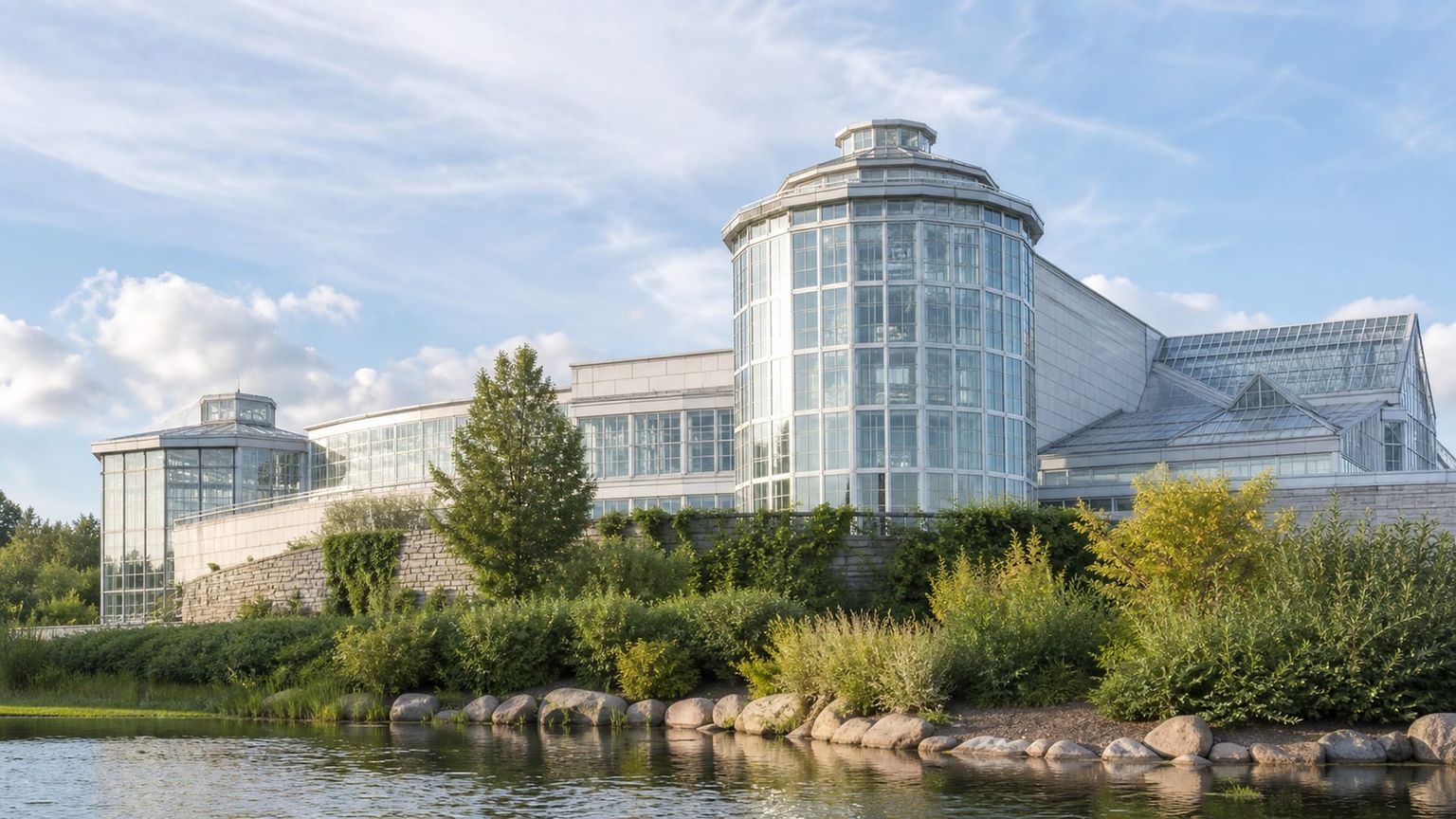
Frederik Meijer Gardens and Sculpture Park
This 158-acre garden and sculpture park pairs outdoor paths with a major indoor conservatory and a wide sculpture collection. It draws both art and plant lovers, with seasonal displays, a Japanese garden, and works by major modern sculptors.
Time needed: About 3 to 4 hours
Entry: Adult tickets cost $22 ($22), youth tickets cost $11 ($11), and children under 3 enter free; parking is included. Visit the official site for details.
Tip: Go early on sunny days, when outdoor paths are cooler and the gardens photograph best.
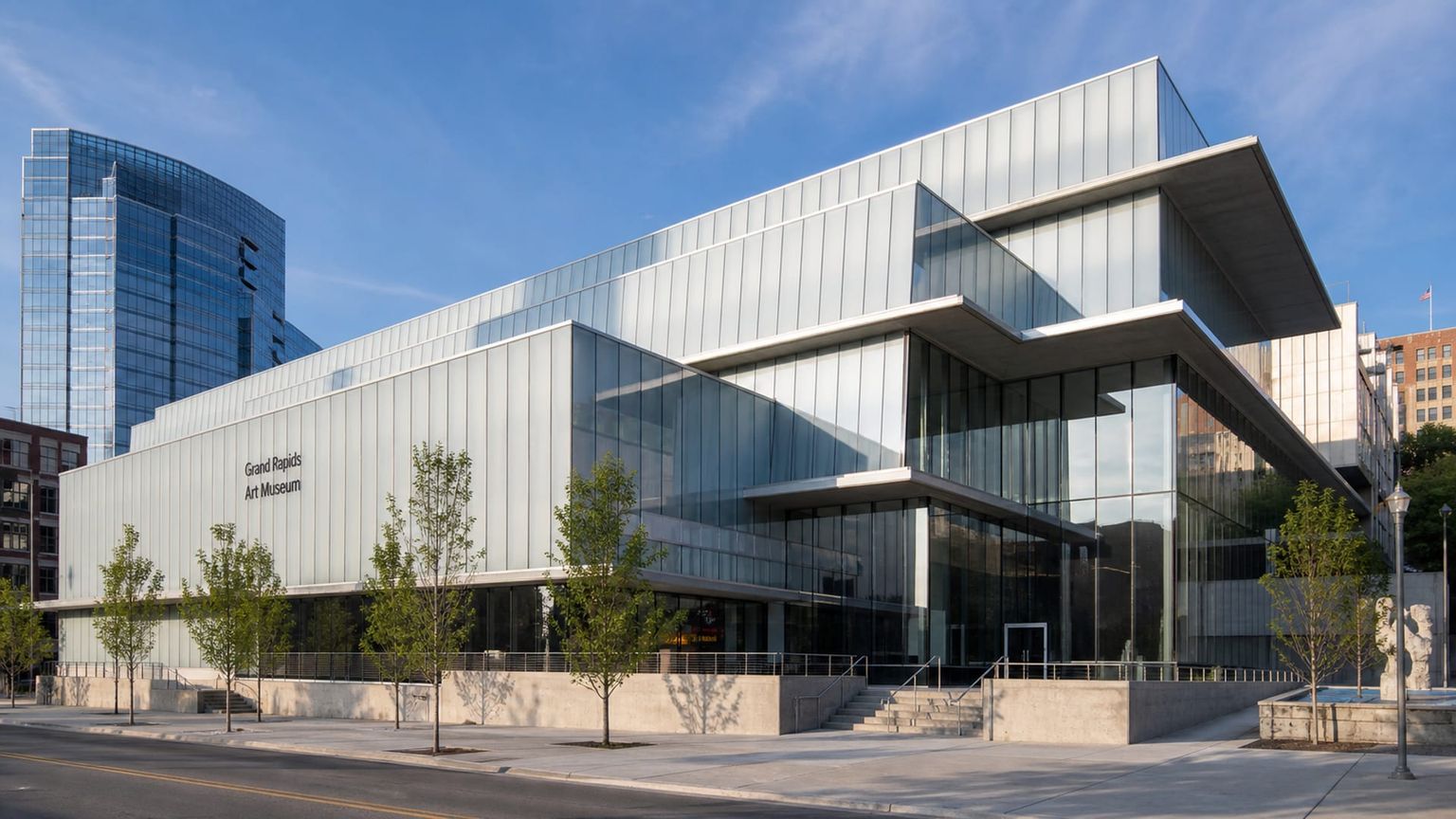
Grand Rapids Art Museum
The Grand Rapids Art Museum occupies a LEED-certified downtown building and focuses on modern and contemporary art, design, and photography. Its compact galleries make it easy to see notable rotating shows and collection highlights in one visit.
Time needed: About 1 to 2 hours
Entry: Adult admission costs $12 ($12), seniors and students pay $8 ($8), and children under 17 enter free on Thursdays. Visit the official site for details.
Tip: Visit on Thursday evening for free admission, then pair it with a downtown dinner.
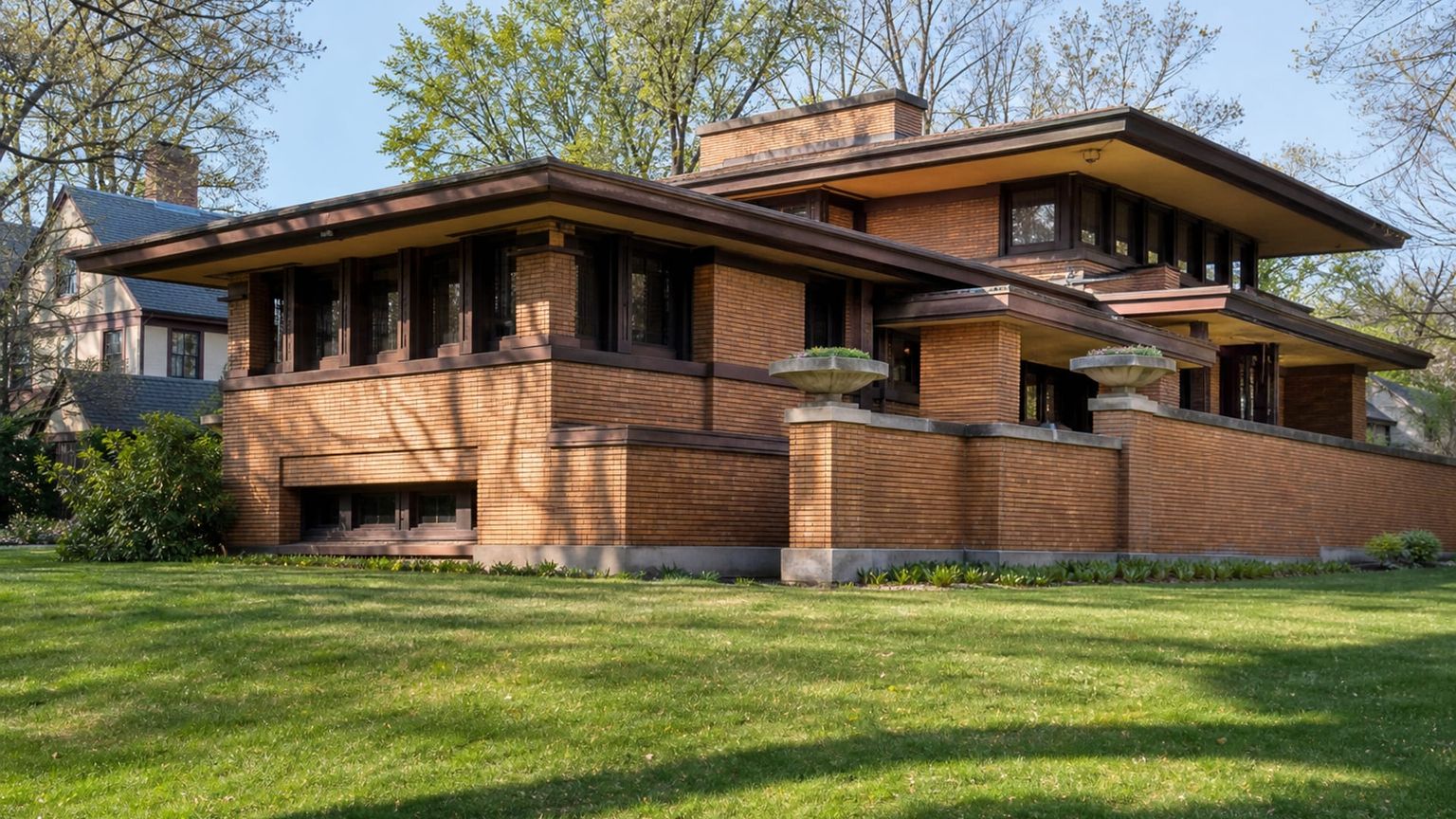
Meyer May House
Designed by Frank Lloyd Wright in 1908, the Meyer May House shows his Prairie-style ideas through stained glass, long rooflines, and custom woodwork. Free guided tours explain the home’s restoration and its place in Wright’s early career.
Time needed: About 45 to 60 minutes
Entry: Free to enter; guided tours are offered at no charge and often run on a set schedule during open hours. Visit the official site for details.
Tip: Schedule a morning visit, then continue to nearby Heritage Hill for more historic homes.
Overlooked sites worth visiting

Aquinas College art museum
This small museum on the Aquinas College campus shows changing exhibitions, so each visit can look different. It suits a short cultural stop, with galleries close together and no large crowds.
Time needed: About 1 hour
Entry: Admission is free for general visits; some special exhibitions or college events may carry separate fees, but the standard gallery visit does not require payment. Visit the official site for details.
Tip: Check exhibit dates before you go, then pair it with the campus walk.

Millennium Park nature trails
The park’s paved paths, boardwalks, and pond edges give you an easy place to walk, watch birds, or rent a kayak in season. It sees local use, but the trail network stays spread out.
Time needed: About 1 to 2 hours
Entry: Free to access. Kayak rentals, beach equipment, and other seasonal activities may cost extra, while walking the trails, using the picnic areas, and visiting the shoreline do not require a ticket. Visit the official site for details.
Tip: Go near sunset for calmer paths and softer light on the water.
Traditional food
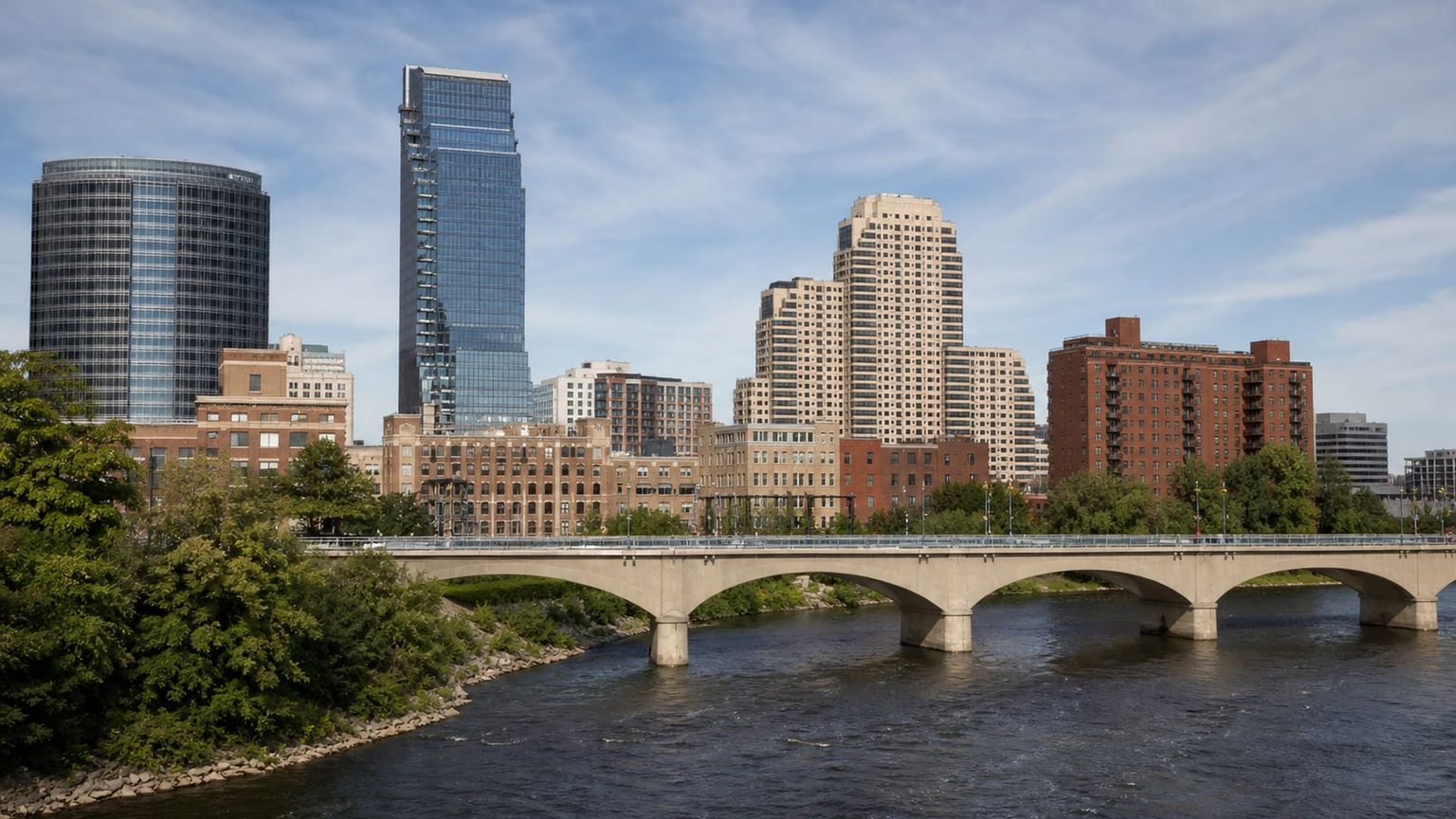
Grand Rapids dining leans into Midwest comfort, orchard fruit, and bakery counters, so cherry pie, pasty, loose meat sandwich, and fudge all fit naturally on the table beside casual supper spots and coffee breaks.
Michigan cherry pie
This tart, fruit-forward dessert shows up across West Michigan in season and year-round bakery cases. At Nantucket Baking Company, it gives you a classic local finish with a precise, well-made crust and bright cherry filling.
Pasty
A pasty brings a hand-held filling of meat and vegetables wrapped in pastry, a format that suits a quick lunch or an easy takeout dinner. Mr. C’s Pizzeria serves a version that keeps the Upper Midwest tradition firmly in Grand Rapids.
Loose meat sandwich
Loose meat sandwiches are simple, savory, and tied to the kind of diner counter that still works well in Grand Rapids. At Wolfie’s, the sandwich comes in the style that matches a casual lunch stop in the city.
Fudge
Fudge belongs to the city’s sweeter side, often bought as a quick gift or an after-dinner treat. At Kilwins, you get a dependable stop for fresh batches and a classic Midwest candy-shop feel in the downtown area.
Best time to visit Grand Rapids
Grand Rapids shifts enough by season that garden visits, river walks, and neighborhood dinners each work best at different times of year.
Best for: Garden visits, riverfront walks, and early patio meals
What you get: Temperatures usually run about 38-68°F (3-20°C), with lighter crowds before summer weekends build
Trade-offs: Rain can interrupt outdoor plans and make some paths muddy
Best for: Frederik Meijer Gardens, park time, and long evenings outdoors
What you get: Expect about 58-82°F (14-28°C), with the busiest museum, event, and weekend periods
Trade-offs: Hotel rates and attraction lines rise on peak dates
Best for: Museum days, neighborhood dining, and colorful driving routes
What you get: Typical temperatures sit near 35-72°F (2-22°C), and crowds ease after summer
Trade-offs: Cooler evenings shorten the window for outdoor meals
Best for: Indoor art, coffee stops, and short downtown walks
What you get: Temperatures often range from 18-34°F (-8 to 1°C), with the quietest visitor flow of the year
Trade-offs: Snow and ice can slow short trips between neighborhoods
A realistic 5-day plan in Grand Rapids
A five-day Grand Rapids plan works best when each day stays anchored to one part of the city. That keeps the downtown core, the gardens, the neighborhood museums, and the east and southeast dining areas from competing for the same hours.
Land in Grand Rapids (GPZ) and plan a taxi or rideshare into downtown, which usually takes about 20 to 25 minutes and costs roughly $30 to $40. If you arrive by rental car, head for a hotel in Downtown Grand Rapids or Heartside, then settle in with water, a short walk by the Grand River waterfront, and an easy dinner in the downtown dining cluster before an early night.
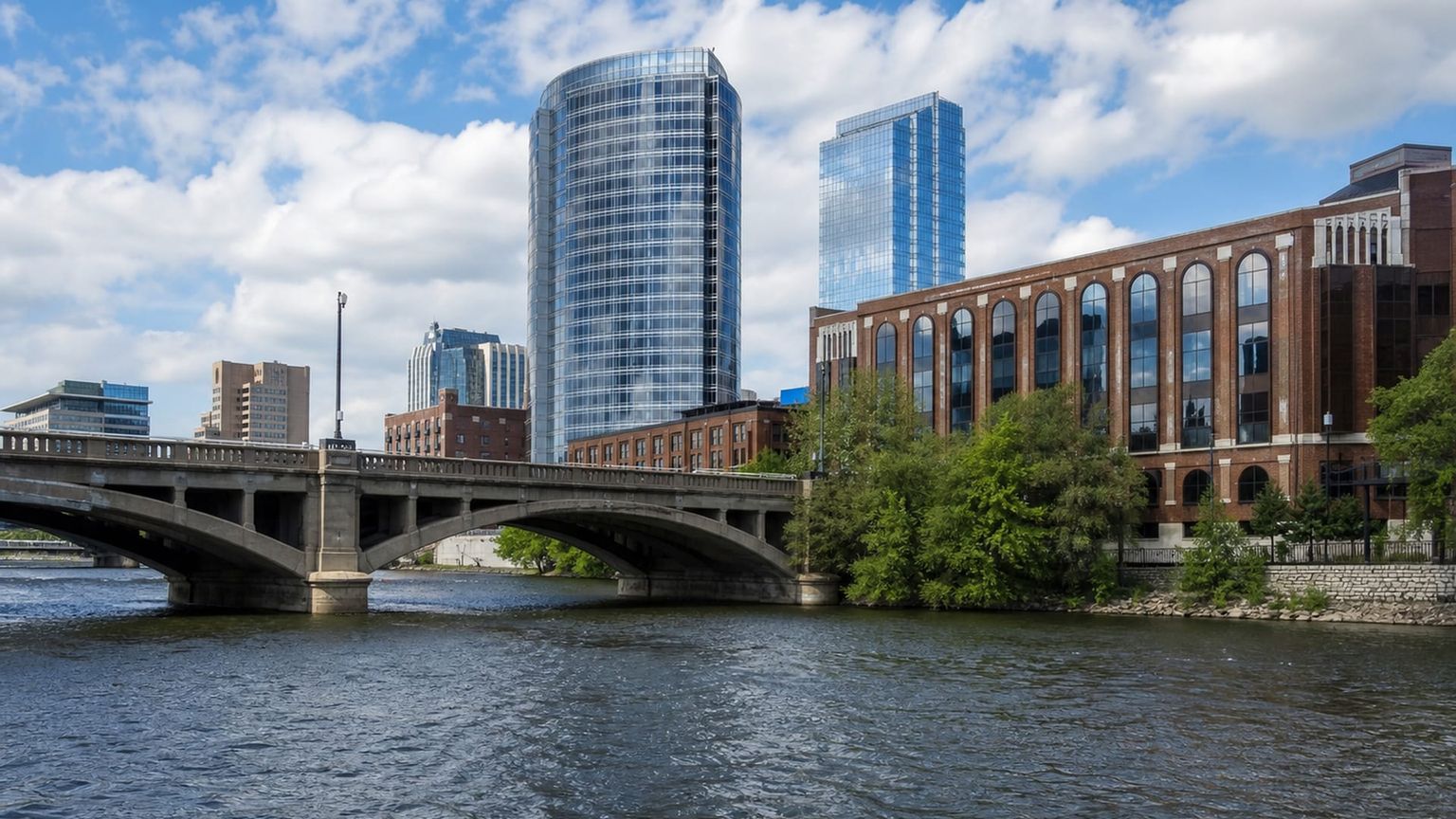
Start with the Grand Rapids Art Museum, then walk about 10 minutes to nearby downtown streets for lunch and a slower look at the city center. In the afternoon, continue about 15 minutes by car or rideshare to Meyer May House for a free guided tour, then return downtown for dinner in Heartside, where galleries and restaurants stay active into the evening.
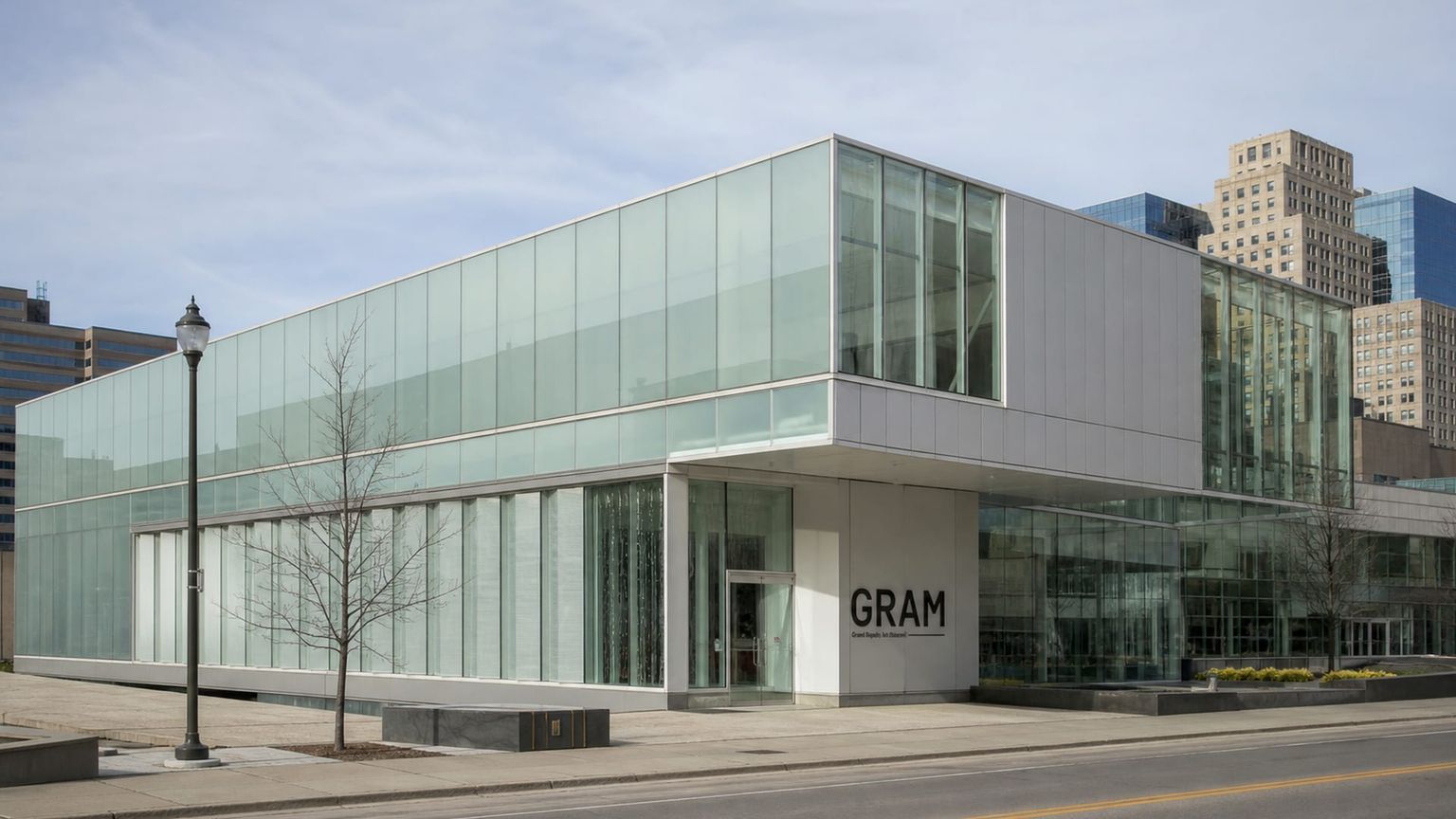
Begin at Frederik Meijer Gardens and Sculpture Park, which deserves about 3 to 4 hours and sits about 20 minutes by car from downtown. After lunch, head back toward the center and spend about 1 hour at Aquinas College art museum, then finish with a relaxed walk or café stop in East Hills, roughly 10 to 15 minutes away by transit from downtown.
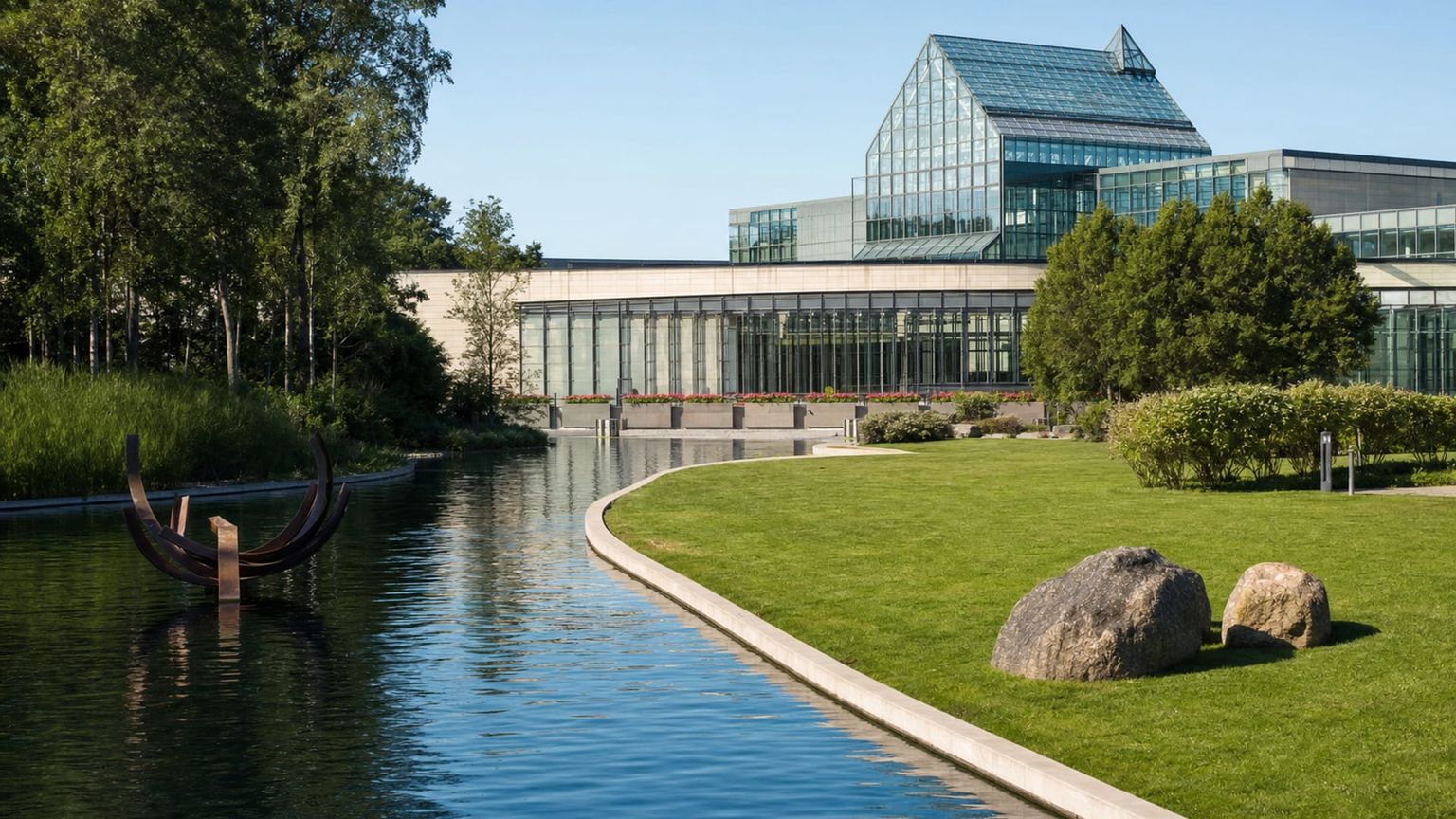
A morning drive to Millennium Park nature trails gives you a quieter outdoor counterpoint, with walking paths, boardwalks, and water views about 20 to 25 minutes from downtown Grand Rapids. After 1 to 2 hours on the trails, return to the city for a late lunch, then spend the evening in the Wealthy Street area, where independent restaurants make an easy last stop before heading back to your hotel.
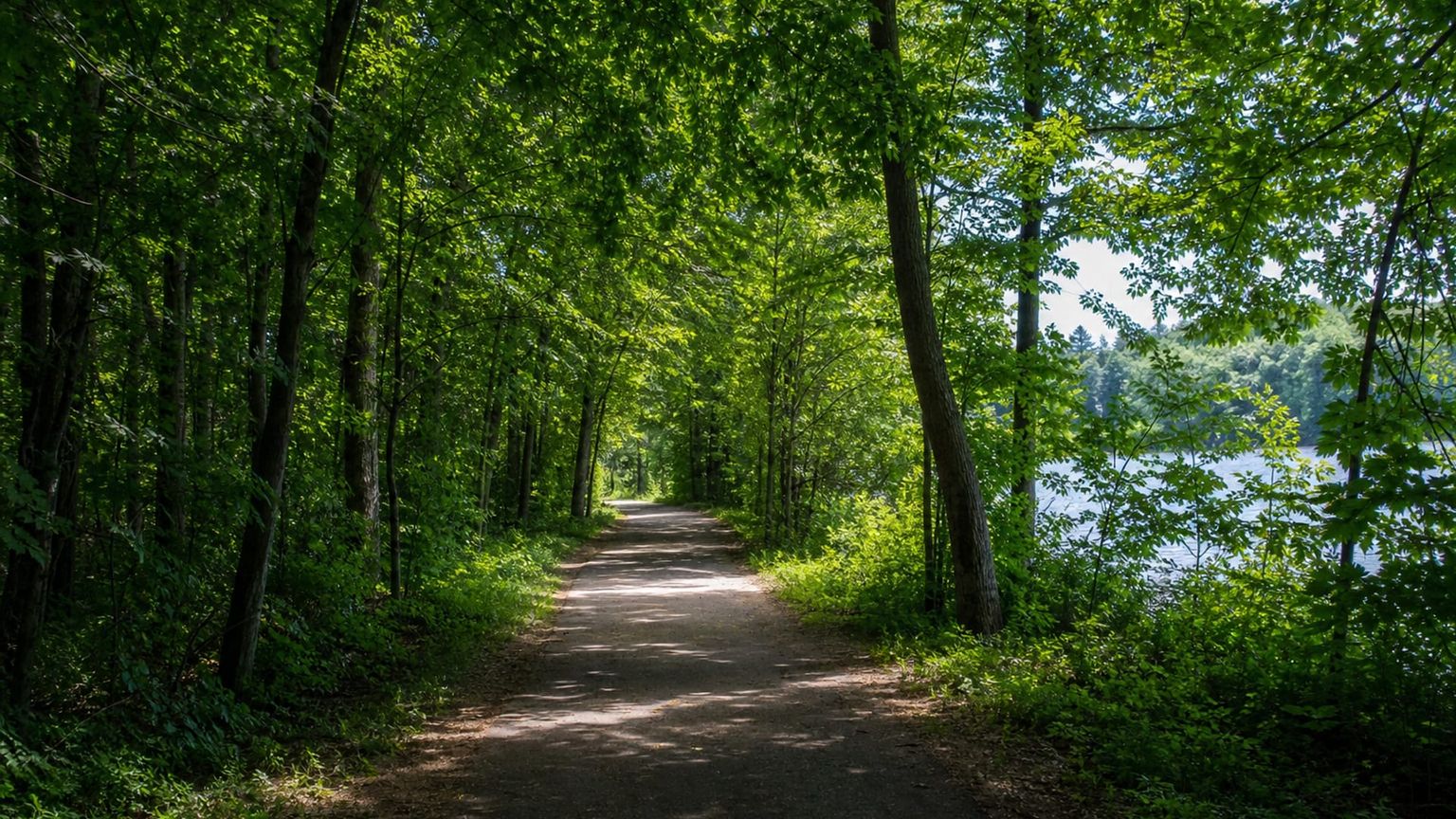
Spend the morning at one final downtown museum visit, then browse the shops and galleries in Heartside or along the nearby downtown core before a late lunch. If you want one last coffee, settle into East Hills for an unhurried café stop and a short neighborhood walk, then head back for checkout and your ride to Grand Rapids (GPZ).
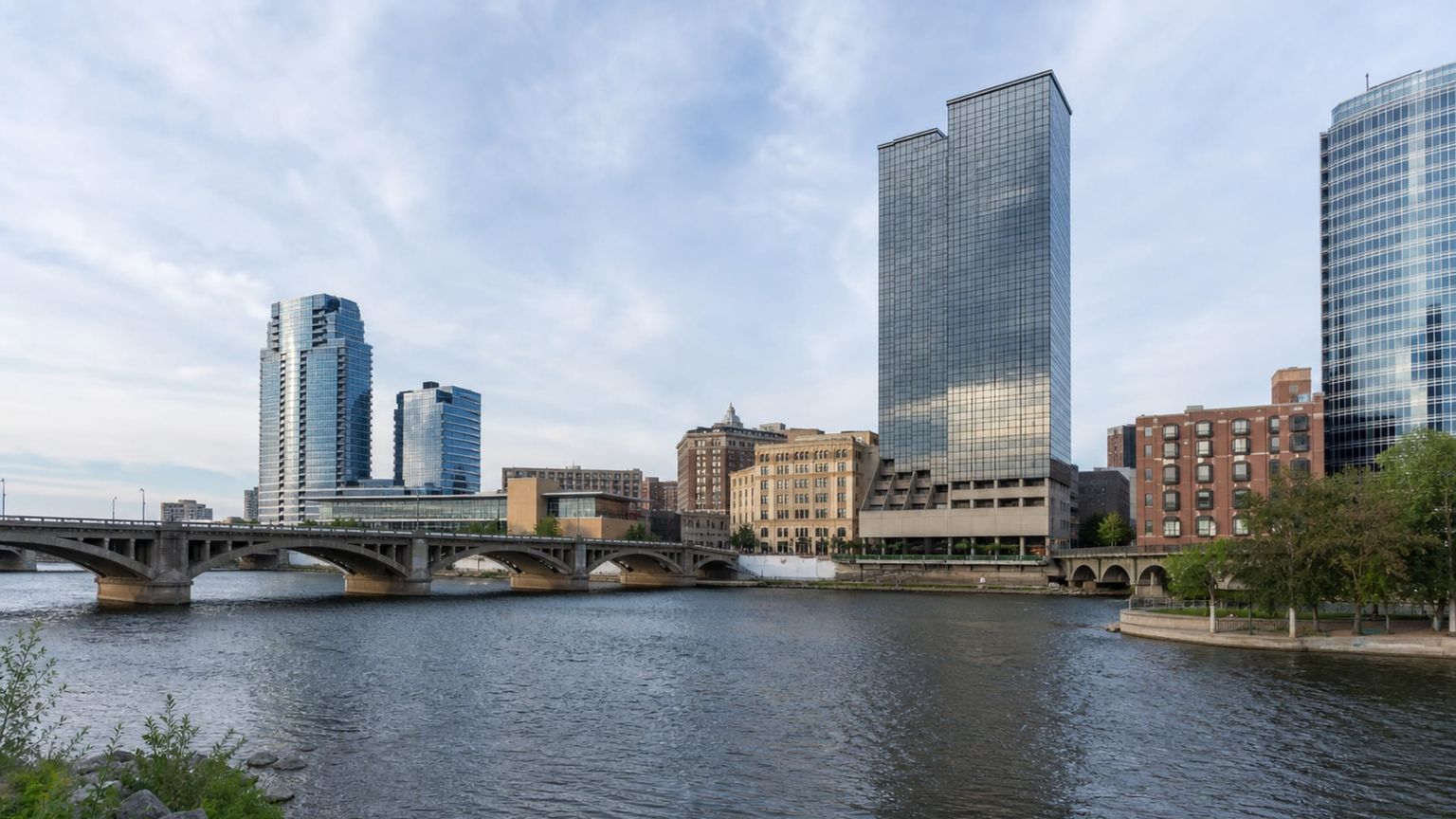
Business-class flights from the US to Grand Rapids
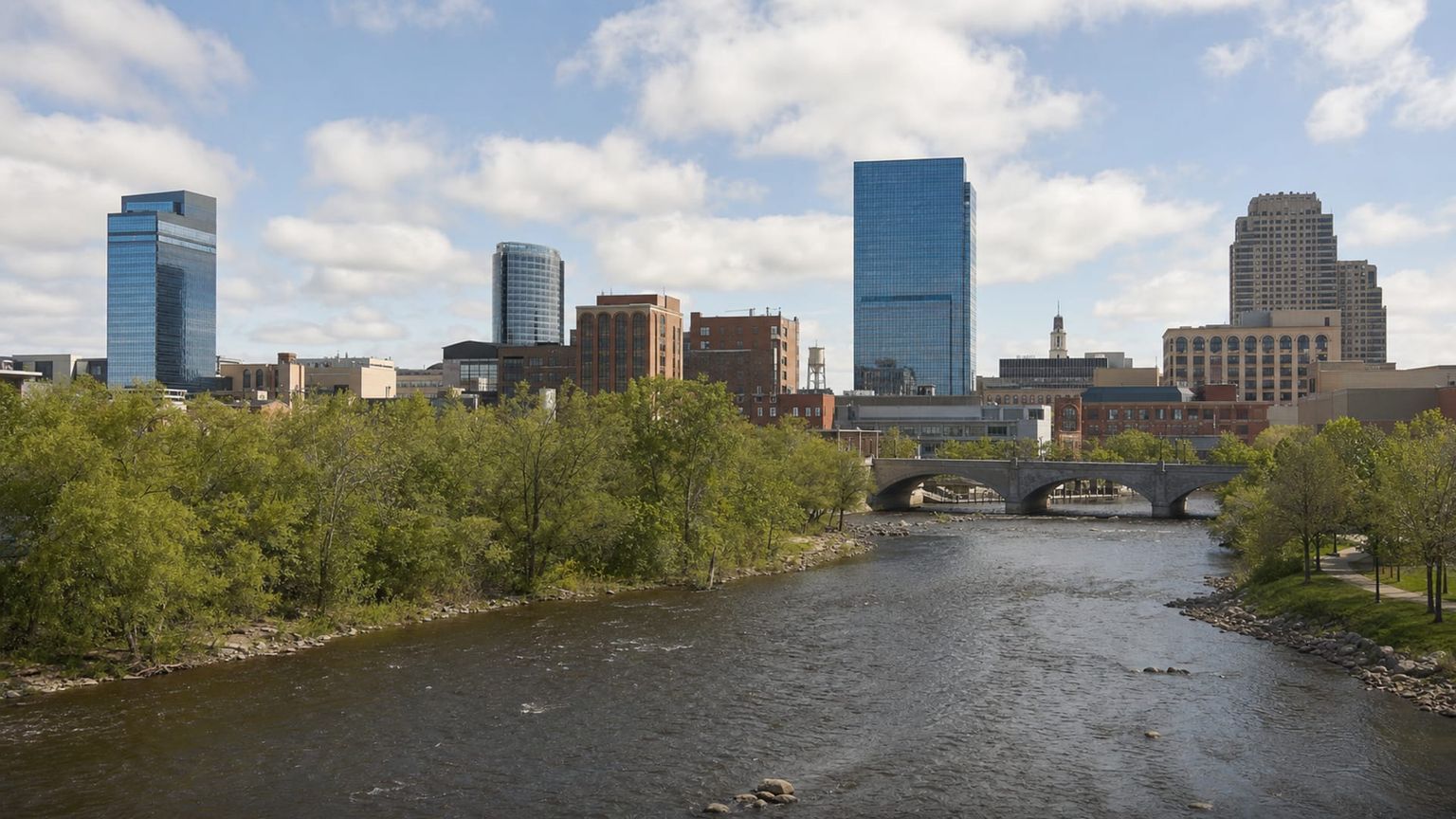
Flight patterns to Grand Rapids usually route through a Midwest hub, so the most useful comparisons are the East Coast and West Coast itineraries. The nonstop option exists only on some dates, while one-stop pricing can shift sharply with the connection city.
Delta Air Lines, United Airlines, American Airlines, Alaska Airlines, and Air Canada all appear on itineraries from New York (JFK). Nonstop flying takes about 2 to 2.5 hours, while one-stop options usually connect through Chicago (ORD), Minneapolis (MSP), Detroit (DTW), or Toronto (YYZ) and stretch to about 3.5 to 6 hours. Round-trip fares from New York (JFK) to Grand Rapids usually start at $450 and can climb to $1,200.
From Los Angeles (LAX), American Airlines, Delta Air Lines, United Airlines, and Alaska Airlines usually route through DFW, DEN, ORD, MSP, or SLC, and the trip takes about 6.5 to 10 hours with connections. Round-trip fares from Los Angeles (LAX) to Grand Rapids range from $650 to $1,800, and some one-stop itineraries price lower when the connection lines up well.
Grand Rapids feels different when you slow down
A deliberate Grand Rapids trip links downtown museums, Heartside dinners, East Hills coffee stops, and a day out at Frederik Meijer Gardens without forcing every stop into one block. The city rewards short taxi rides, a bus when the timing works, and walkable evenings near the river or Wealthy Street. If you want help shaping those pieces into one route, the AranGrant experts can build it around the neighborhood and season you plan to see