

Chapters:

Need help with your trip?
Our support team is available 24/7. Request a callback or call us directly at (833) 619-0908
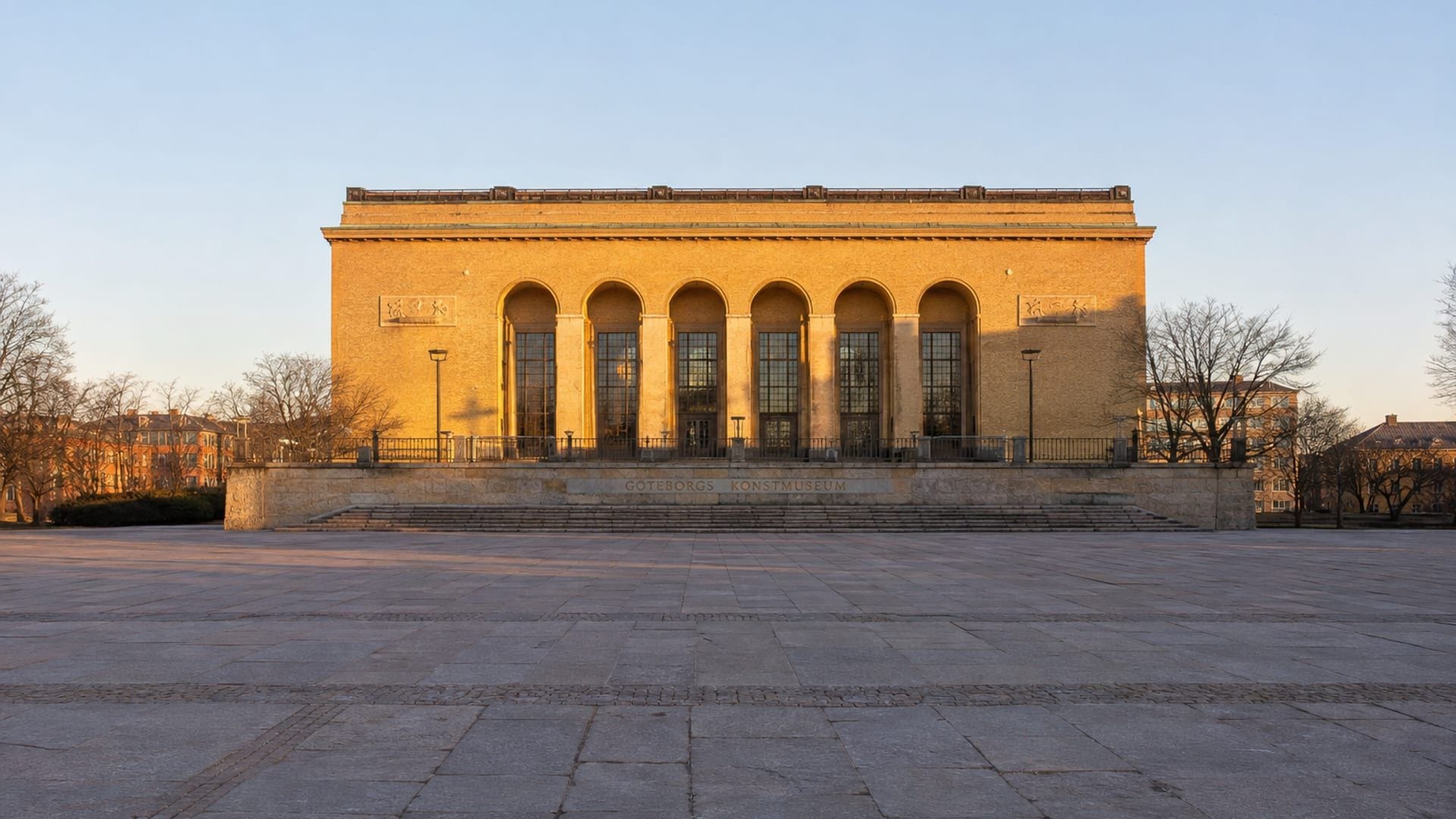
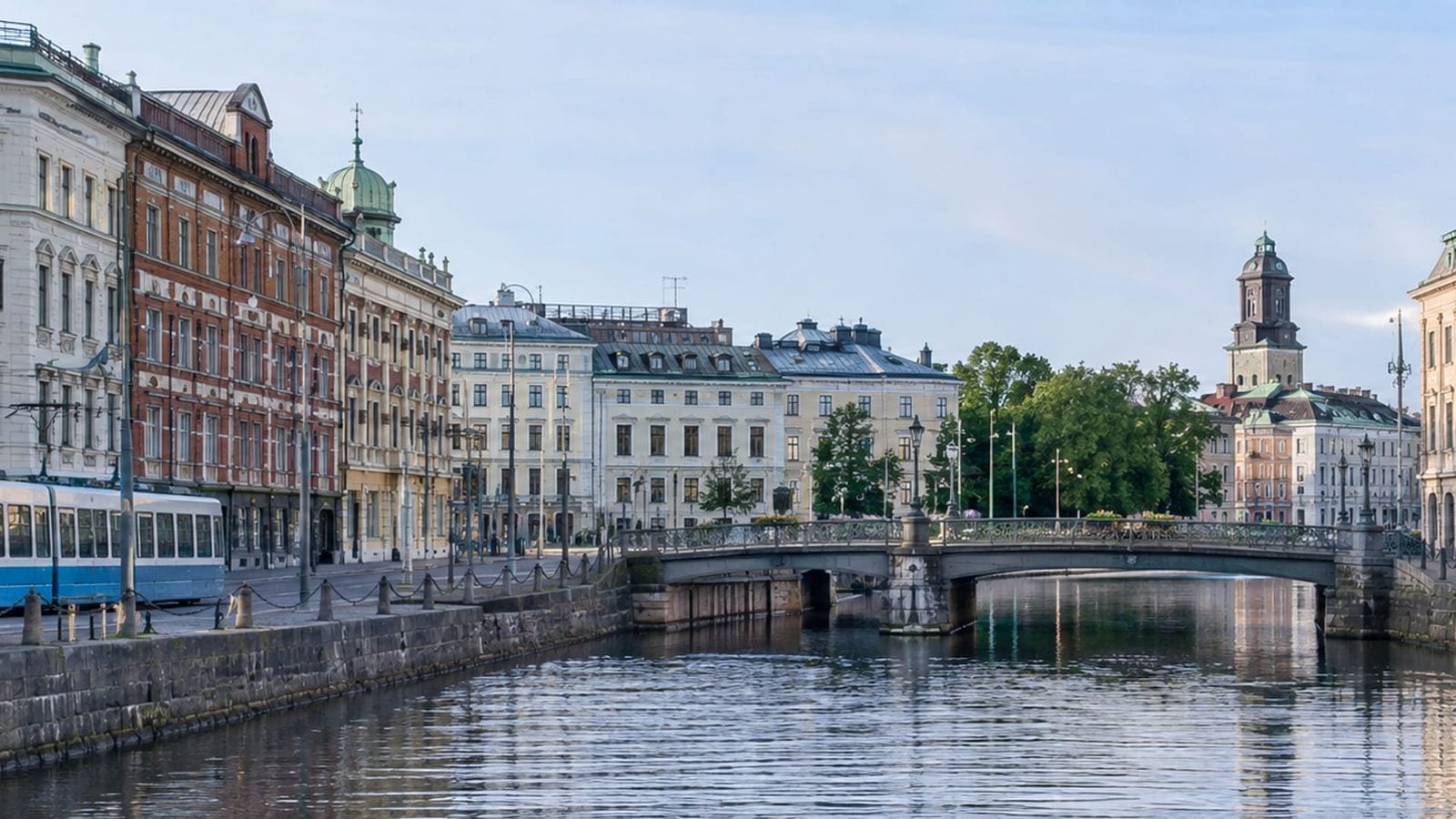
Göteborg unfolds along canals, tram lines, waterfront districts, and neighborhoods that feel noticeably different within a short distance. Haga brings cafés and older wooden houses, Avenyn adds museums and restaurants, while Linné stretches toward Slottsskogen with a more residential pace.
The city is compact, but timing still shapes the day. Tram changes, canal crossings, museum hours, and busy weekend cafés can add unexpected delays if you move back and forth across town. A clearer plan keeps nearby areas together, leaves room for meals, and helps each day feel balanced without turning the trip into a rigid schedule.
Useful things to know

Main language(s): Swedish
Hej (hey) – Hello
Snälla (SNEH-la) – Please
Tack (tahk) – Thank you
Talar du engelska? (TAH-lar doo ENG-el-ska) – Do you speak English?
Hur mycket kostar det? (hoor MYK-et KOS-tar deht) – How much does it cost?

Currency: Swedish krona (SEK, kr)

Cash and cards: Cards and contactless payments are standard across Göteborg. Carry around SEK 200 (US$19) only if you prefer having some cash for small purchases.

Tipping: Tipping is optional. Round up the bill or leave 5%–10% for especially good table service; taxi tips are also discretionary.

Traditional food: Shrimp sandwiches, pickled herring, Swedish meatballs, fish and seafood dishes, and the local half-special hot dog are Göteborg favorites.

Water and coffee costs: Bottled water often costs SEK 25–SEK 40 (US$2–US$4), while an espresso or regular coffee commonly costs SEK 35–SEK 50 (US$3–US$5).

Taxis and ride apps: Licensed taxis operate throughout Göteborg, while Uber also serves the city and Landvetter Airport. Always check the displayed taxi price before riding.

Plug and voltage: Type C/F socket, 230V

Dining and shop opening hours: Breakfast often starts around 7 am, lunch around 11:30 am, and dinner from 5 pm. Restaurant and shop hours vary, especially on Sundays.

Emergency number: Call 112 for police, fire, or medical emergencies.
Where to stay in Göteborg
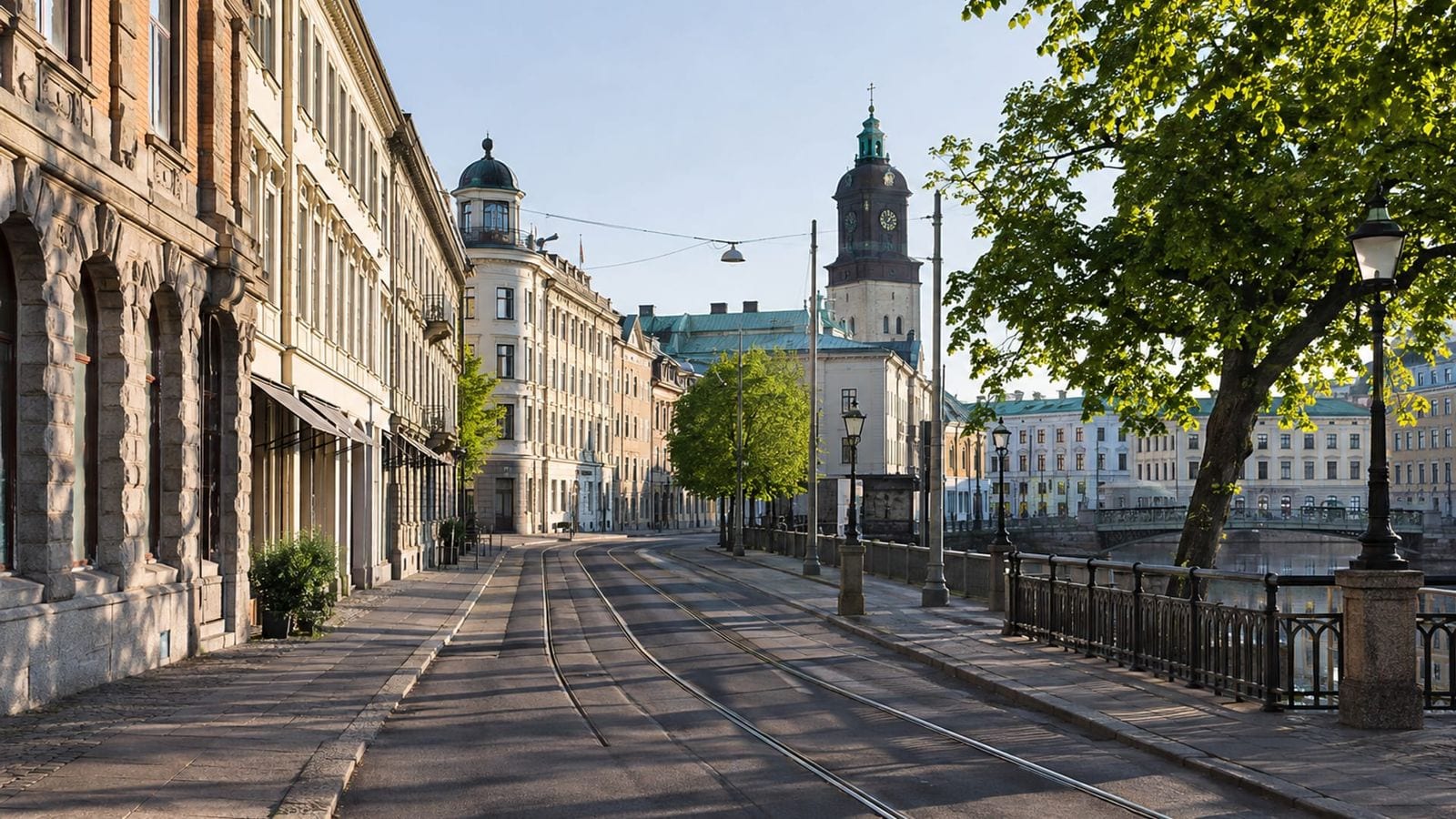
Centrum keeps Gothenburg Central Station, Nordstan, major tram lines, restaurants, and shopping within easy reach. Stay here for the broadest hotel choice, simple airport connections, and quick access to Haga, Avenyn, Liseberg, and the waterfront without relying on taxis.
Best for: First-time visits, car-free stays, and travelers who want the broadest mix of dining, shopping, and transit access
What to expect: Busy sidewalks, constant tram traffic, and the most daytime footfall in the city.
Hotel prices: Usually about 1,400 kr to 2,500 kr (~$130 to ~$230) per night for well-rated stays
Distance to major sights: 5 to 15 minutes on foot to Centralstationen and Nordstan, about 10 to 20 minutes by tram to Haga and the city museum area
Quietness: Daytime is lively and busy; evenings are calmer after retail hours, though main streets still see steady movement.
Main trade-off: You pay more for central convenience, and some blocks near the station feel noisy at peak commuting times.
Good to know: Choose a room away from Drottningtorget or major tram corridors if you prefer quieter nights.
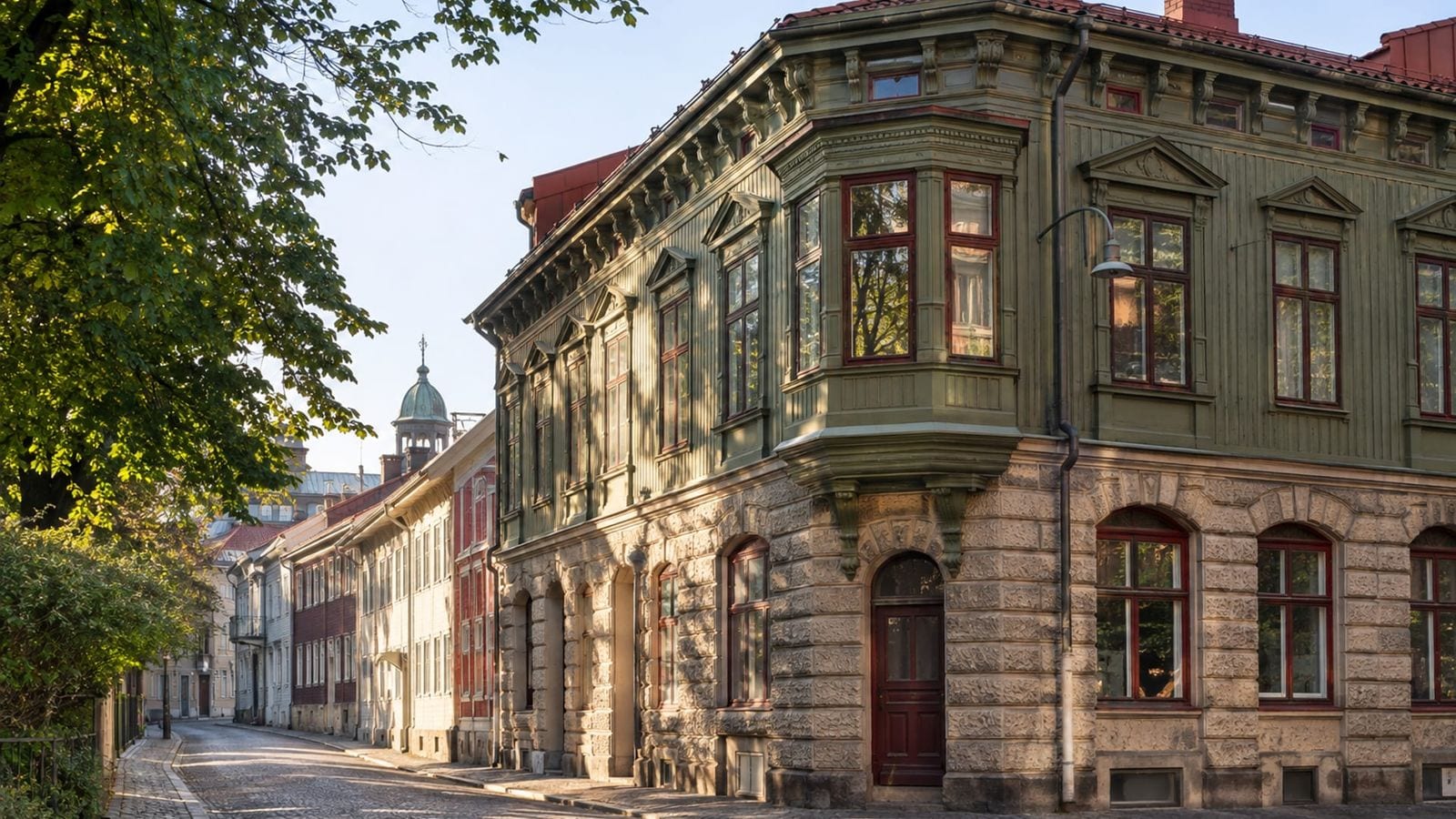
Haga brings cobblestone streets, classic wooden houses, cafés, independent shops, and easy access to Skansen Kronan. Stay nearby if you want historic surroundings, but note that Haga itself has no hotels, so the closest options are around Grönsakstorget, Esperantoplatsen, and Vasastaden.
Best for: Cafe hopping, slow walking, and travelers who want a historic neighborhood close to the center
What to expect: Pedestrian-heavy streets, steady café traffic, and frequent visitors during the day.
Hotel prices: Usually about 1,500 kr to 2,800 kr (~$140 to ~$260) per night for well-rated stays
Distance to major sights: 10 to 15 minutes by tram to Centralstationen, about 15 minutes on foot to the city museum area, roughly 20 minutes on foot to Skansen Kronan
Quietness: Daytime is lively and often crowded; evenings are quieter once the cafés and shops close.
Main trade-off: The area has fewer hotel choices than Centrum, and the most charming streets can bring extra foot traffic near popular cafés.
Good to know: Look around Grönsakstorget, Esperantoplatsen, or Vasastaden for the closest hotel options.
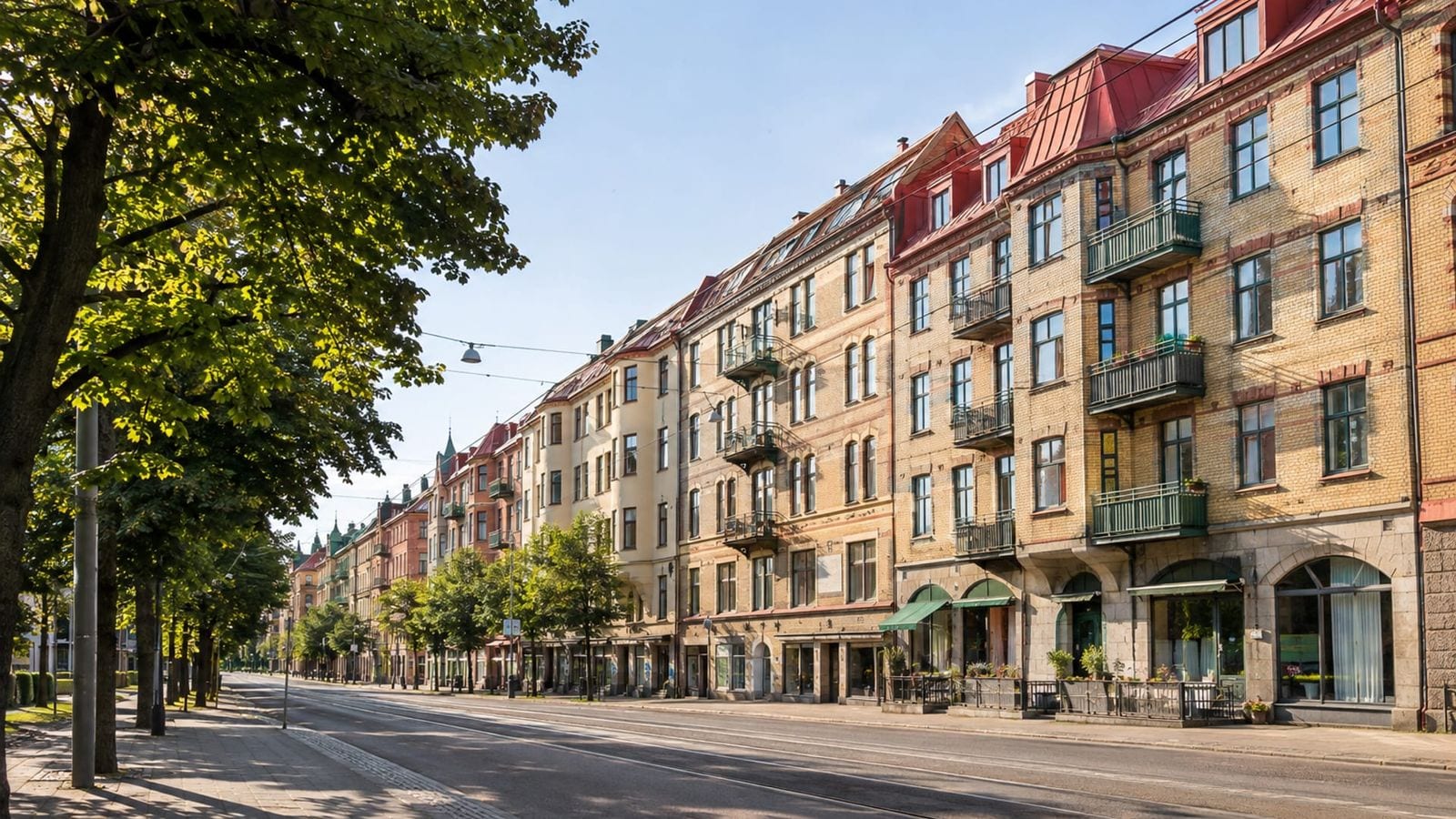
Linné feels more social than nearby Vasastaden, with Linnégatan drawing much of the area’s restaurant and café crowds. Slottsskogen gives the neighborhood a greener edge, while Järntorget offers tram lines and makes it easy to reach Haga, the center, and the waterfront.
Best for: Dining, park access, evening outings, and travelers who want a neighborhood base with more local life than the center
What to expect: Active sidewalks, late restaurant tables, and a younger evening crowd near the main streets.
Hotel prices: Usually about 1,300 kr to 2,300 kr (~$120 to ~$215) per night for well-rated stays
Distance to major sights: About 10 minutes by tram to Centralstationen, roughly 5 to 15 minutes on foot to Slottsskogen, about 20 minutes by tram to Liseberg
Quietness: Daytime is busy and social; evenings stay active on restaurant streets, while quieter side streets settle down earlier.
Main trade-off: You get strong dining access, but the liveliest blocks can be noisy late, especially on weekends.
Good to know: Choose a side street if you want Linné’s restaurants nearby without late-evening noise outside your room.
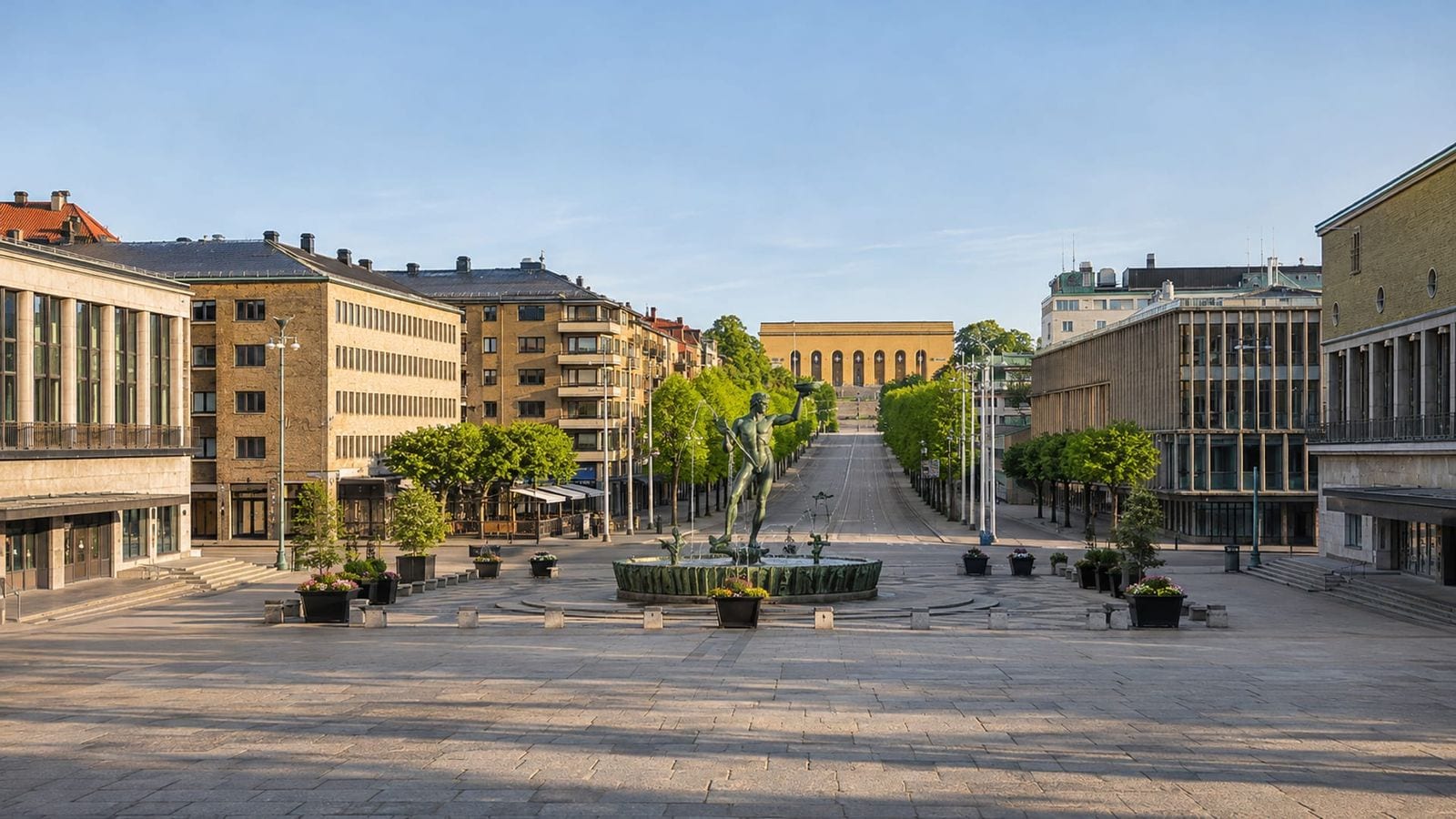
Avenyn runs between Kungsportsplatsen and Götaplatsen, lined with hotels, restaurants, bars, shops, and major cultural venues. Stay here for easy access to the Museum of Art, City Theatre, Concert Hall, downtown shopping, and plenty of dining and nightlife within a short walk.
Best for: Museums, central walking, and travelers who want an easy base for evening plans
What to expect: Heavy pedestrian traffic, many transit connections nearby, and a lively flow of visitors after dark.
Hotel prices: Usually about 1,500 kr to 3,000 kr (~$140 to ~$280) per night for well-rated stays
Distance to major sights: 10 to 20 minutes on foot to Centralstationen, about 5 to 10 minutes on foot to the Museum of Art, roughly 15 to 25 minutes on foot to Haga
Quietness: Daytime is busy with shoppers and museum visitors; evenings can be noisy near bars and late dining spots.
Main trade-off: This is one of the city’s more expensive lodging strips, and street noise can carry into upper-floor rooms.
Good to know: Look for hotels one or two streets off the boulevard for easier sleep while keeping Avenyn within a short walk.
If central sightseeing is your priority, choose a hotel near a major tram stop in Centrum, Vasastaden, Linné, or Avenyn. Staying farther out can lower room prices, but longer rides make evening plans and short city stays less convenient.
Hotel deals
How to get around Göteborg efficiently
Göteborg has no metro, so trams, buses, commuter rail, and short taxi hops do most of the work between Centrum, Haga, Linné, and the museum district.

Tram
for longer distances
Göteborg’s tram network links Central Station, Haga, Linné, Avenyn, Korsvägen, Liseberg, and many residential districts. A standard city ticket costs SEK 38 (US$4) and is valid for 90 minutes. You can buy it in the Västtrafik To Go app or tap a contactless Visa or Mastercard onboard.

Bus
for convenience
Västtrafik buses use the same SEK 38 (US$4) city ticket as the trams and reach areas beyond the main tram corridors. From Göteborg Landvetter Airport (GOT), Vy Flygbussarna runs directly to Korsvägen and Göteborg Central in roughly 20–30 minutes. Adult one-way tickets cost SEK 129 (US$12).

Taxi
for convenience or late hours
Licensed taxis and app-based rides suit late arrivals or trips that require several public transport changes. Taxi Göteborg starts its standard meter at SEK 61 (US$6), while a typical 6-mile, 15-minute ride costs SEK 377–SEK 407 (US$35–US$38). Check the displayed price or request a fixed fare before leaving.
*Prices are based on rates updated as of June 2026 and may change at the time of travel.
Use trams for most central journeys, buses for areas beyond the tram network and the airport, and taxis or ride apps when luggage or late hours make them more practical.
Iconic landmarks
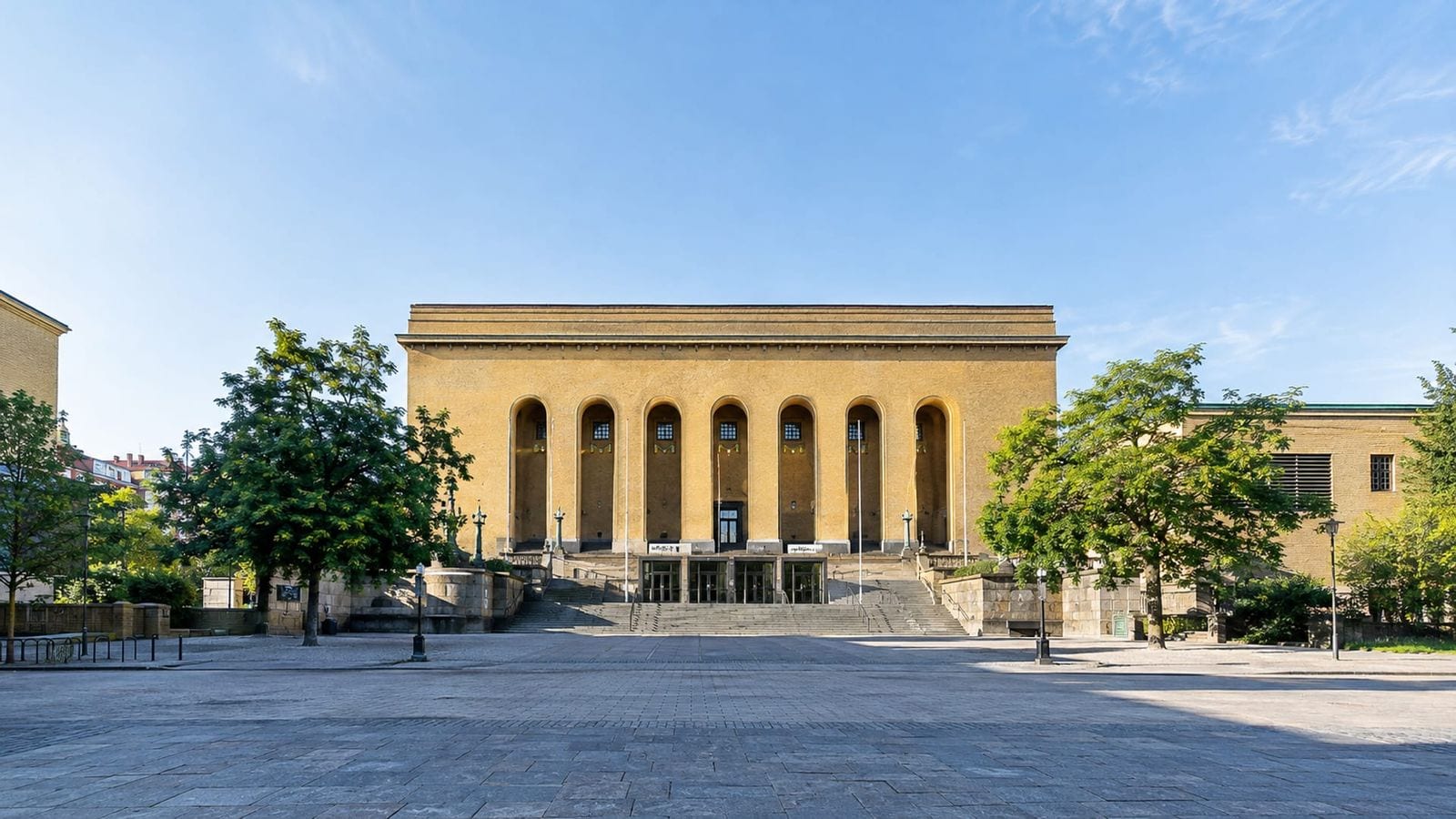
Gothenburg Museum of Art
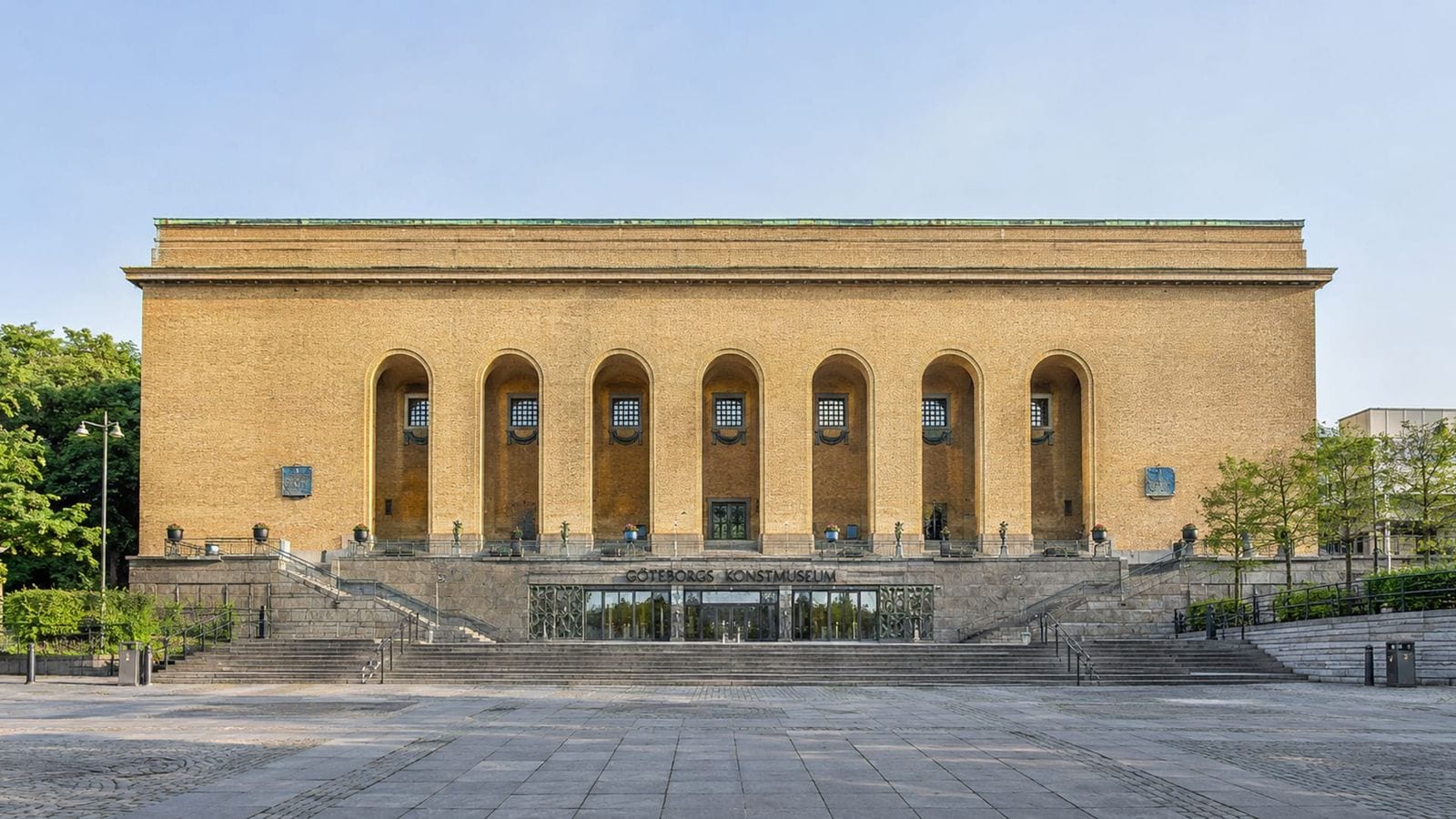
Gothenburg Museum of Art stands at Götaplatsen and holds one of Northern Europe’s leading art collections. Its galleries cover Nordic and international works from the 15th century onward, with artists including Rembrandt, Monet, Picasso, Munch, and Carl Larsson.
Time needed: About 2 to 3 hours
Entry: Standard admission costs about $15 ($165 SEK); admission is free for visitors under 25 and on selected free-entry days. Visit the official site for details.
Tip: Visit in the morning, when the galleries are quieter and the light is gentler.
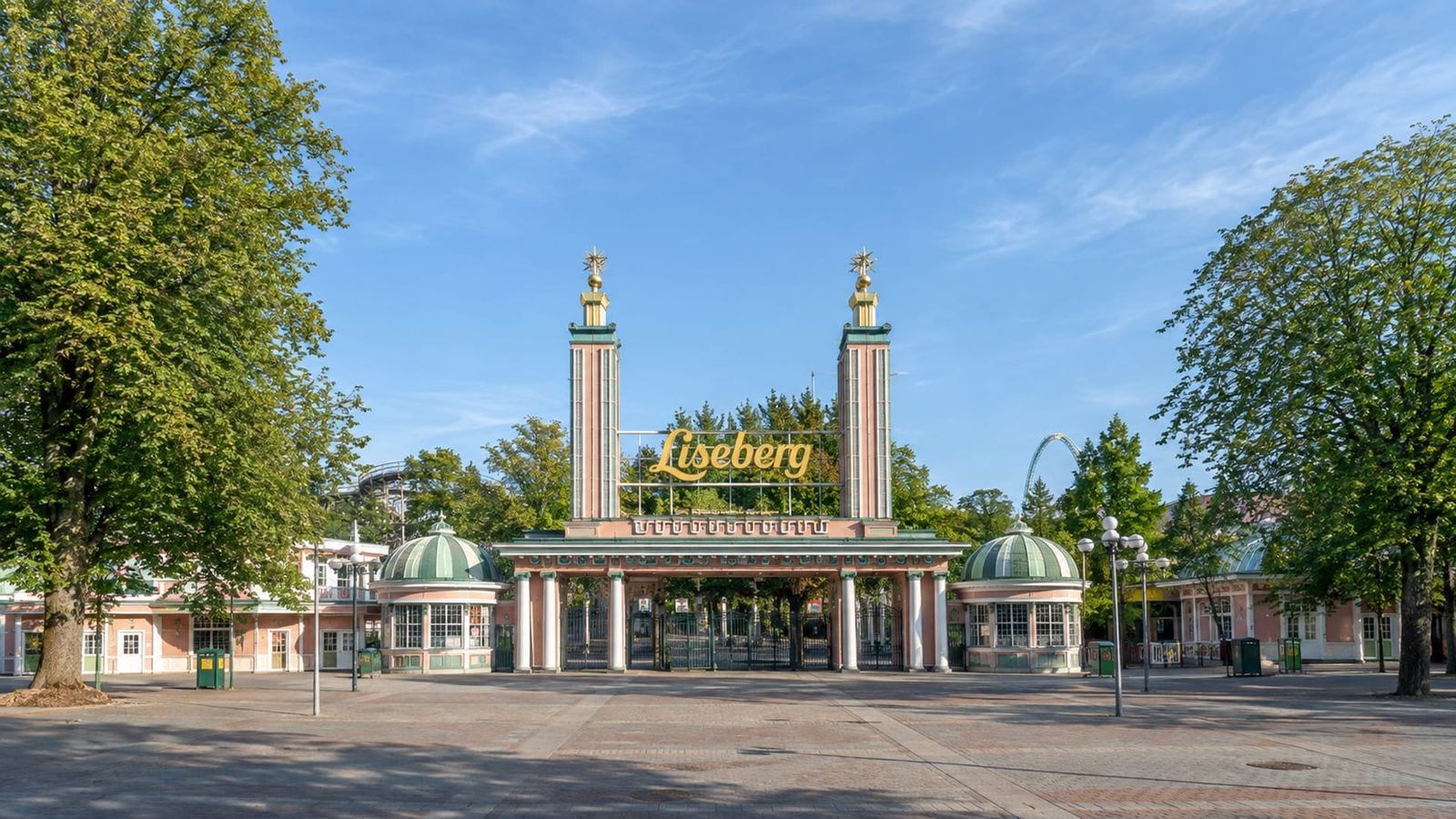
Liseberg
Liseberg has shaped Göteborg’s entertainment scene since 1923, with roller coasters, family attractions, gardens, concerts, and seasonal Halloween and Christmas events. Its central location near Korsvägen makes the park easy to combine with other sights without leaving the city.
Time needed: About 4 to 6 hours
Entry: Day tickets usually cost $47 to $62 ($520 to $685 SEK), depending on season, with separate fees for some rides and events. Visit the official site for details.
Tip: Arrive near opening time, then head to the most popular rides before lines build.
Feskekörka
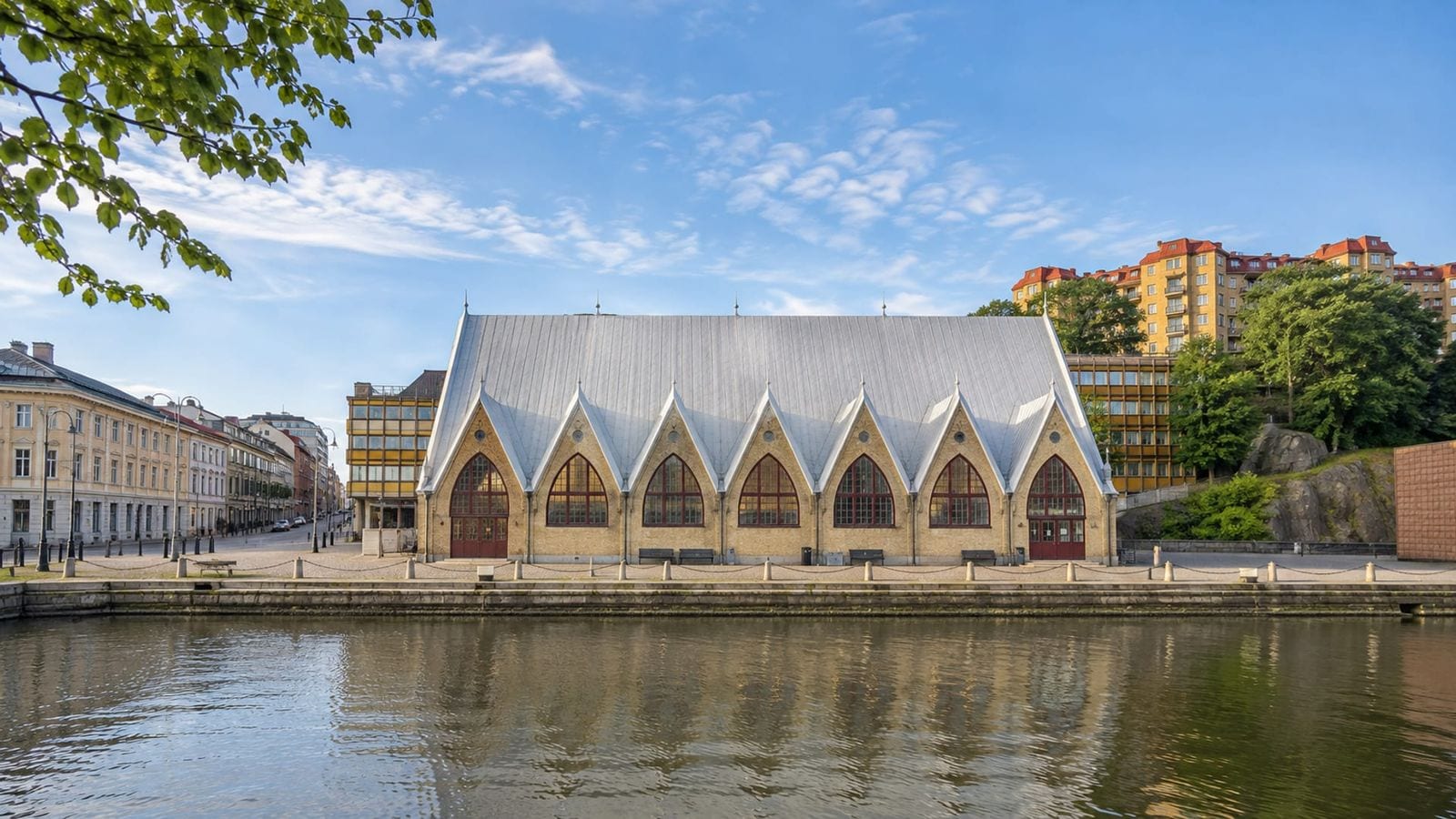
Feskekörka has stood beside Vallgraven since 1874, with pointed arches and a church-like design inspired by Nordic stave churches and Neo-Gothic architecture. After reopening in 2024, the restored fish hall now combines seafood counters, restaurants, bars, and waterfront seating.
Time needed: 45–90 minutes, longer if you stop for a meal
Entry: Free to enter; donations are welcome, and there is no ticketed timed entry for ordinary visits. Visit the official site for details.
Tip: Visit at lunchtime to see the market hall at its liveliest and stay for seafood if you have time.
Overlooked sites worth visiting

Rya Skogs Nature Reserve
Rya Skog is a quiet nature reserve on Hisingen with woodland trails, rich birdlife, seasonal flowers, and traces of Göteborg’s 17th-century history, making it an easy break from the busier center.
Time needed: About 1 to 2 hours
Entry: Free to access; no ticket or reservation is needed for the park paths, shoreline walks, and picnic lawns. If you want to extend the visit with a boat rental or guided activity, those extras vary by operator and season.
Tip: 1–2 hours for the main walking paths

Röhsska Museum
Röhsska Museum explores design, fashion, craft, and decorative arts through Nordic and international collections, with changing exhibitions that give the museum a different focus throughout the year.
Time needed: About 1 to 2 hours
Entry: Admission is typically about $12 to $15 (about 120 to 150 SEK) for adults, with reduced rates for students and free entry on select public days. Special exhibitions may carry a separate charge. Visit the official site for details.
Tip: 1–2 hours for the main exhibitions
Traditional food
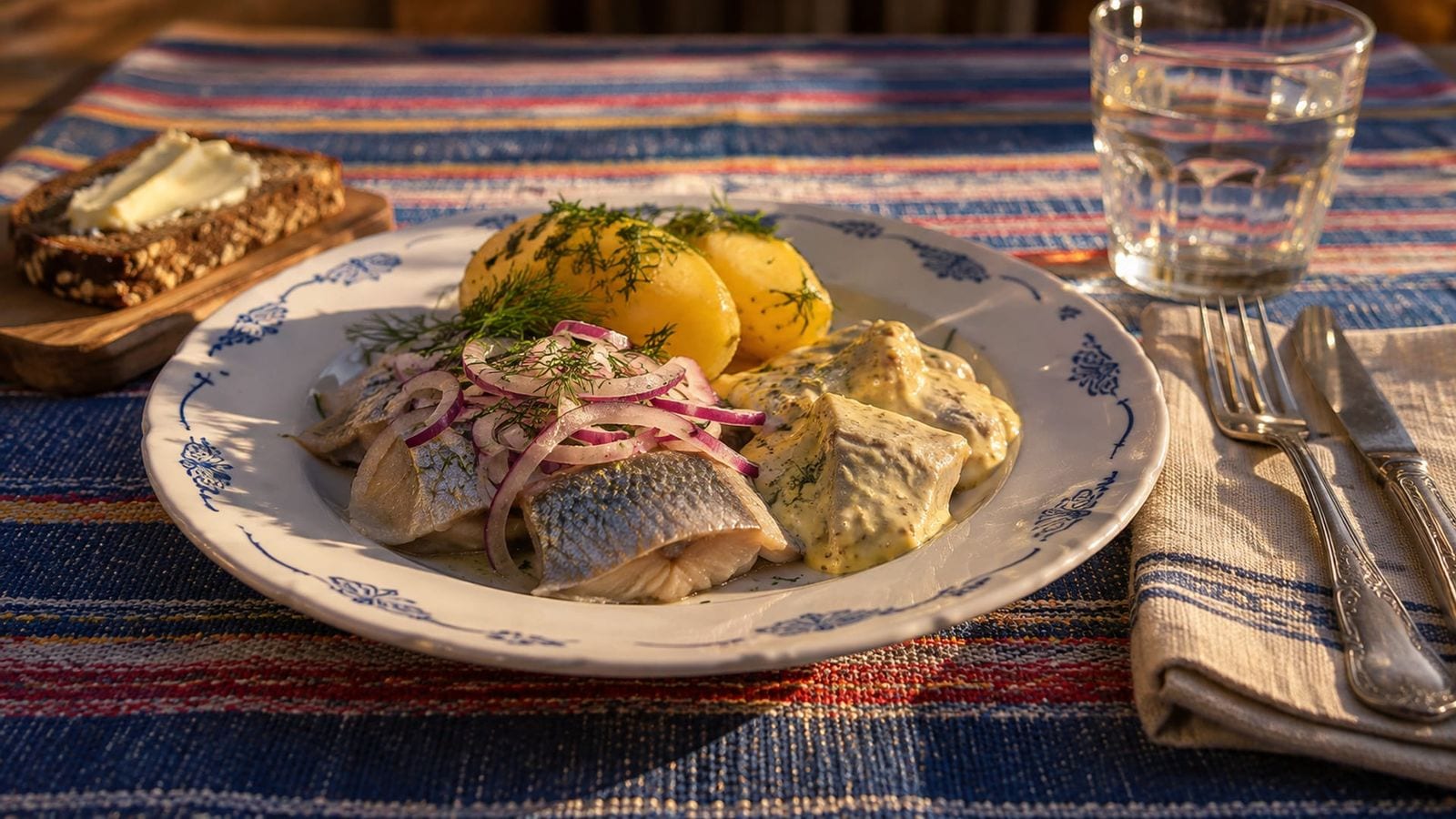
Göteborg’s food reflects its west-coast setting, with seafood, classic Swedish comfort dishes, and simple street food sharing space with a strong café culture.
Pickled herring
Pickled herring usually comes with potatoes, onions, mustard, or sour cream and is a familiar part of Swedish cooking. Kometen serves a traditional herring platter alongside other Swedish classics.
Swedish meatballs
Swedish meatballs pair seasoned meat with mashed potatoes, cream sauce, and lingonberries for one of the country’s best-known comfort dishes. Köttbullekällaren specializes in its own long-standing recipe.
Shrimp sandwich
Göteborg’s shrimp sandwich layers cold-water shrimp with egg, mayonnaise, and bread, often with lemon and fresh herbs. Hemma Hos in Haga serves a generous version that reflects the city’s strong seafood tradition.
Halv special
A halv special tops a hot dog with mashed potatoes, while a hel special doubles the sausage for a larger version. Lasse på Heden has served this distinctly Göteborg street-food favorite since 1950.
Best time to visit Göteborg
Göteborg changes noticeably with the seasons, from long summer evenings to colorful fall days and darker, wetter winters.
Best for: Museums, canal walks, gardens, and quieter days before summer crowds
What you get: Spring warms gradually from chilly March weather to milder May days, with longer daylight and flowers returning across the city.
Trade-offs: Wind, rain, and sudden temperature drops can still interrupt longer outdoor plans.
Best for: Archipelago trips, parks, ferries, outdoor dining, and long evenings
What you get: Summer brings the warmest weather, very long daylight hours, outdoor events, busy terraces, and the liveliest time along the coast.
Trade-offs: Festivals and school holidays increase crowds, hotel demand, and restaurant bookings.
Best for: Fall colors, museums, neighborhood dining, and quieter city walks
What you get: September often stays mild before cooler, wetter weather arrives, while parks turn colorful and summer visitor numbers begin to fall.
Trade-offs: Rain becomes more frequent, and November brings much shorter daylight hours.
Best for: Christmas markets, museums, cafés, and seasonal lights around the center
What you get: Winter brings short days, cold weather, occasional snow, festive lights, and Christmas markets from late November into December.
Trade-offs: Darkness, wind, rain, and icy conditions can make longer outdoor plans less comfortable.
A realistic 5-day plan in Göteborg
Five days give you enough time to see Göteborg’s museums, older streets, parks, food neighborhoods, and waterfront without rushing.
After landing at Göteborg Landvetter Airport (GOT), take the airport coach to Göteborg Central or use a taxi for a direct ride to your hotel. Once you have checked in, keep the first evening simple. A short walk along the canals or through Avenyn gives you an easy introduction to the city before dinner. If you arrive early, stop for coffee or a light meal nearby and save museums, parks, and longer tram rides for the next day.
If art and design interest you, dedicate the second day to the cultural district around Götaplatsen. Spend 2–3 hours at the Gothenburg Museum of Art, where Nordic painting forms a major part of the collection, then walk about 10 minutes down Avenyn to Röhsska Museum for another 1–2 hours. Afterward, take your time along the boulevard, stop for coffee, and choose a restaurant nearby for dinner instead of rushing into another part of the city.
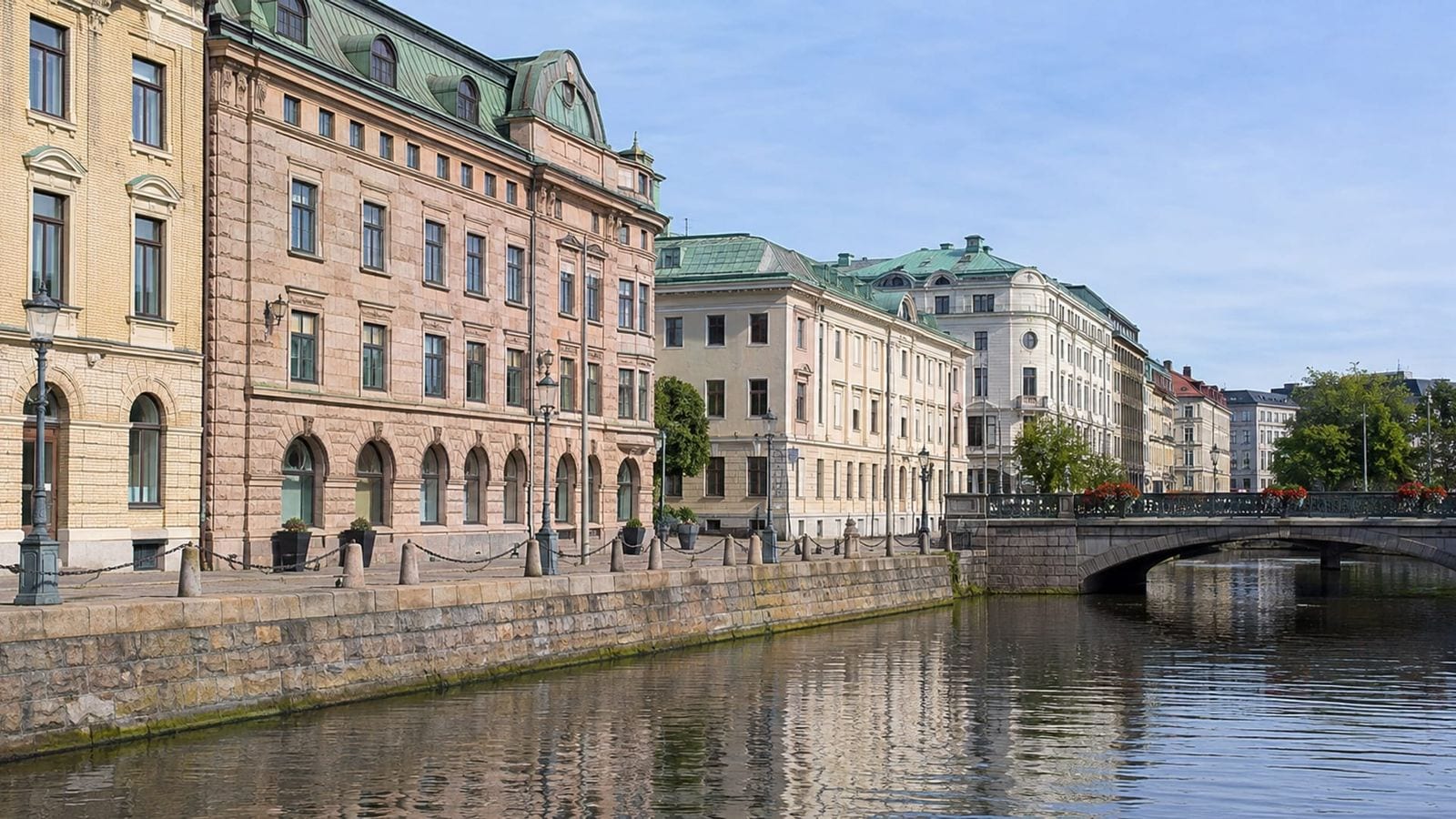
If you enjoy history, give the third day to Haga and the streets around the old center. Spend the morning among Haga’s wooden houses, cafés, and small shops, then walk uphill to Skansen Kronan for views over the rooftops. Return to Haga for lunch or continue about 15 minutes on foot to Feskekörka for seafood. From there, follow the canal toward the center and spend the afternoon exploring the older streets at an easy pace.
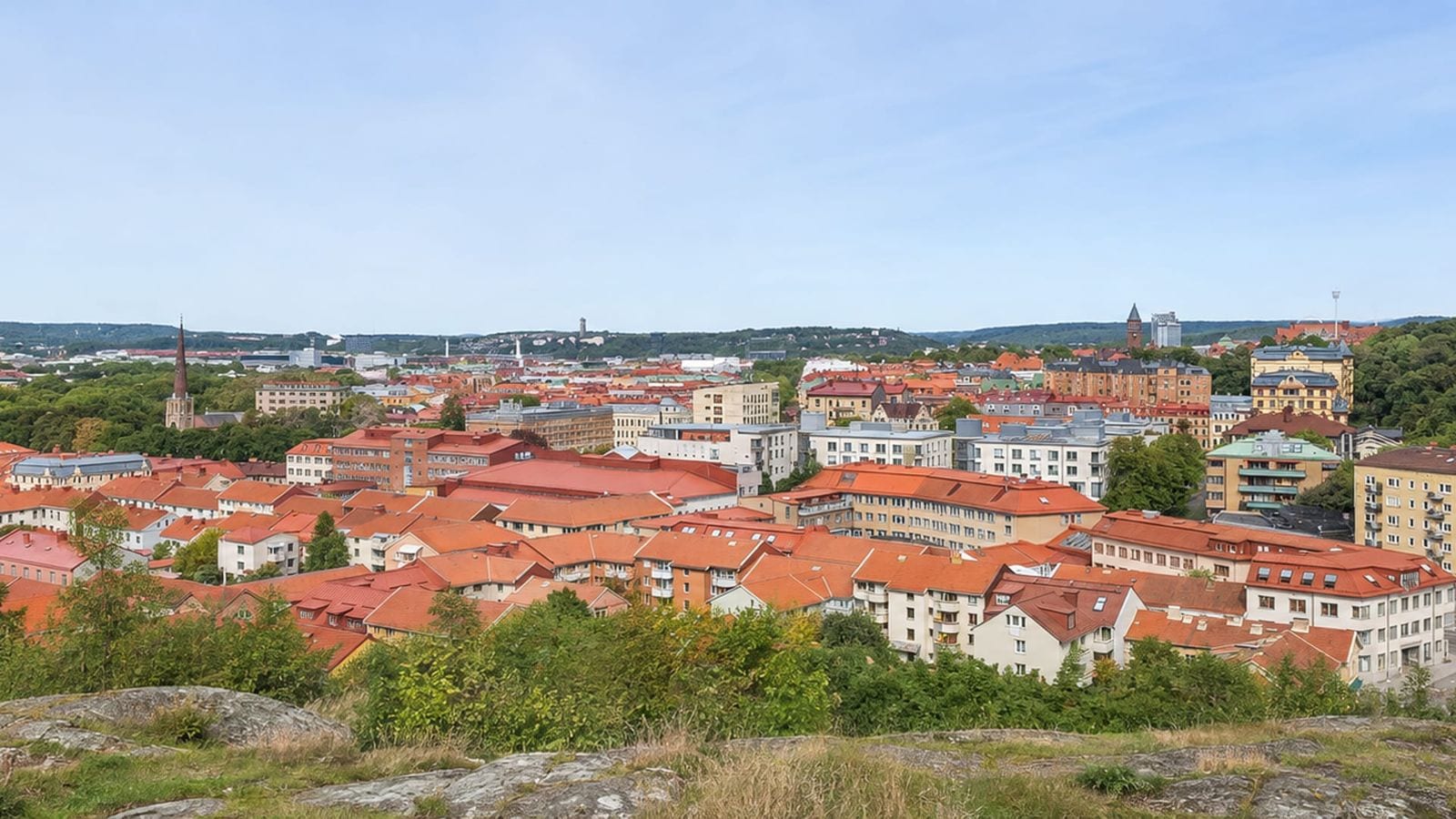
Use the fourth day for Göteborg’s greener side. Take the tram toward Linnéplatsen and spend 2–3 hours in Slottsskogen, where wooded paths, open lawns, and the free zoo give you a complete change from the city center. From there, walk roughly 15–20 minutes to Gothenburg Botanical Garden and allow another 1.5–2.5 hours. Finish the day in Linné, where you can choose from plenty of restaurants and cafés along Linnégatan.
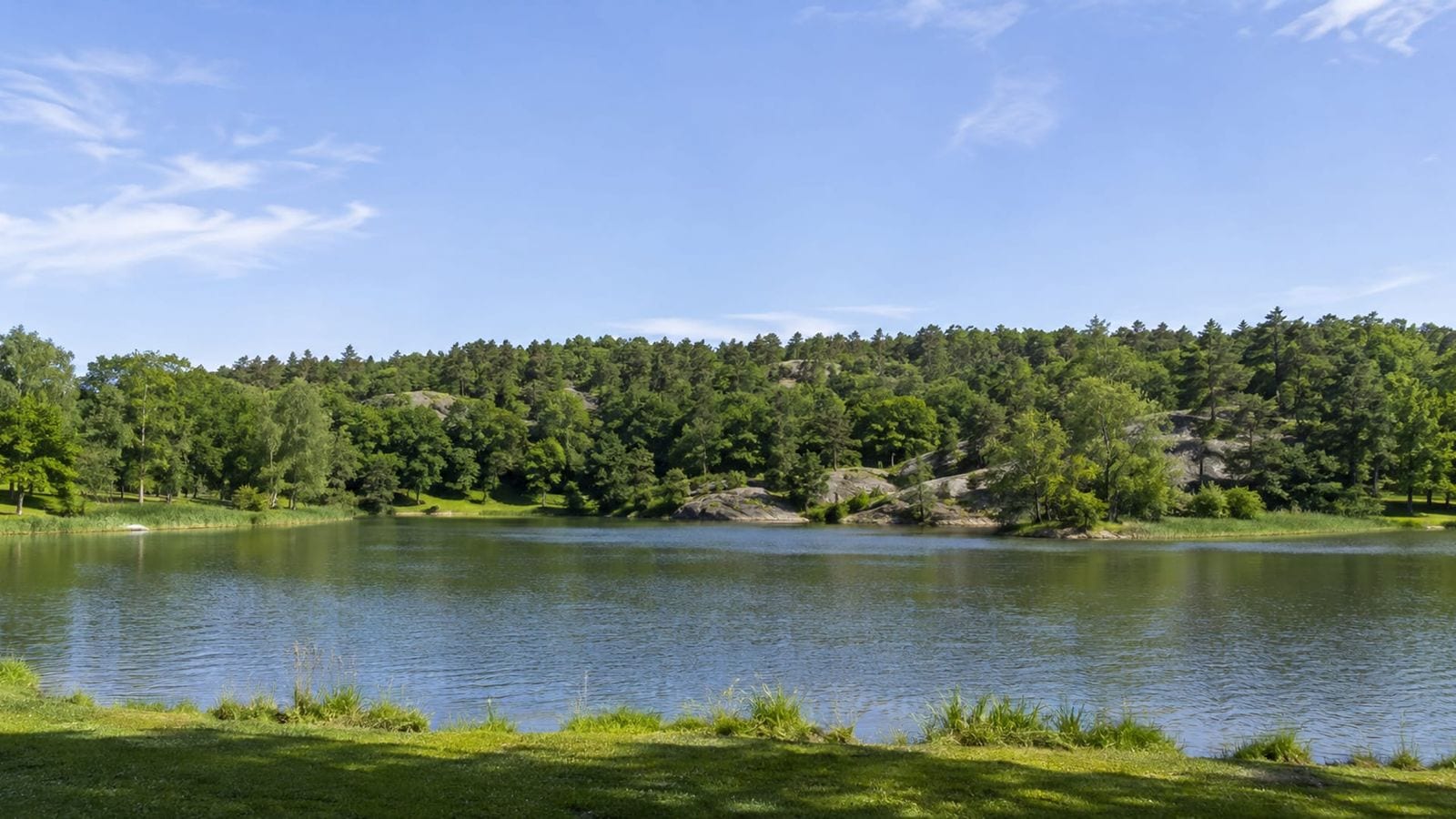
Leave the final day flexible, especially if your flight leaves in the afternoon. Spend the morning around Centrum with breakfast, coffee, or a little shopping in Nordstan and the surrounding streets. If the weather is good, take one last walk beside the canals before collecting your luggage. Göteborg Central gives you direct access to the airport coach, while a taxi makes more sense if your schedule is tight or you have several bags.
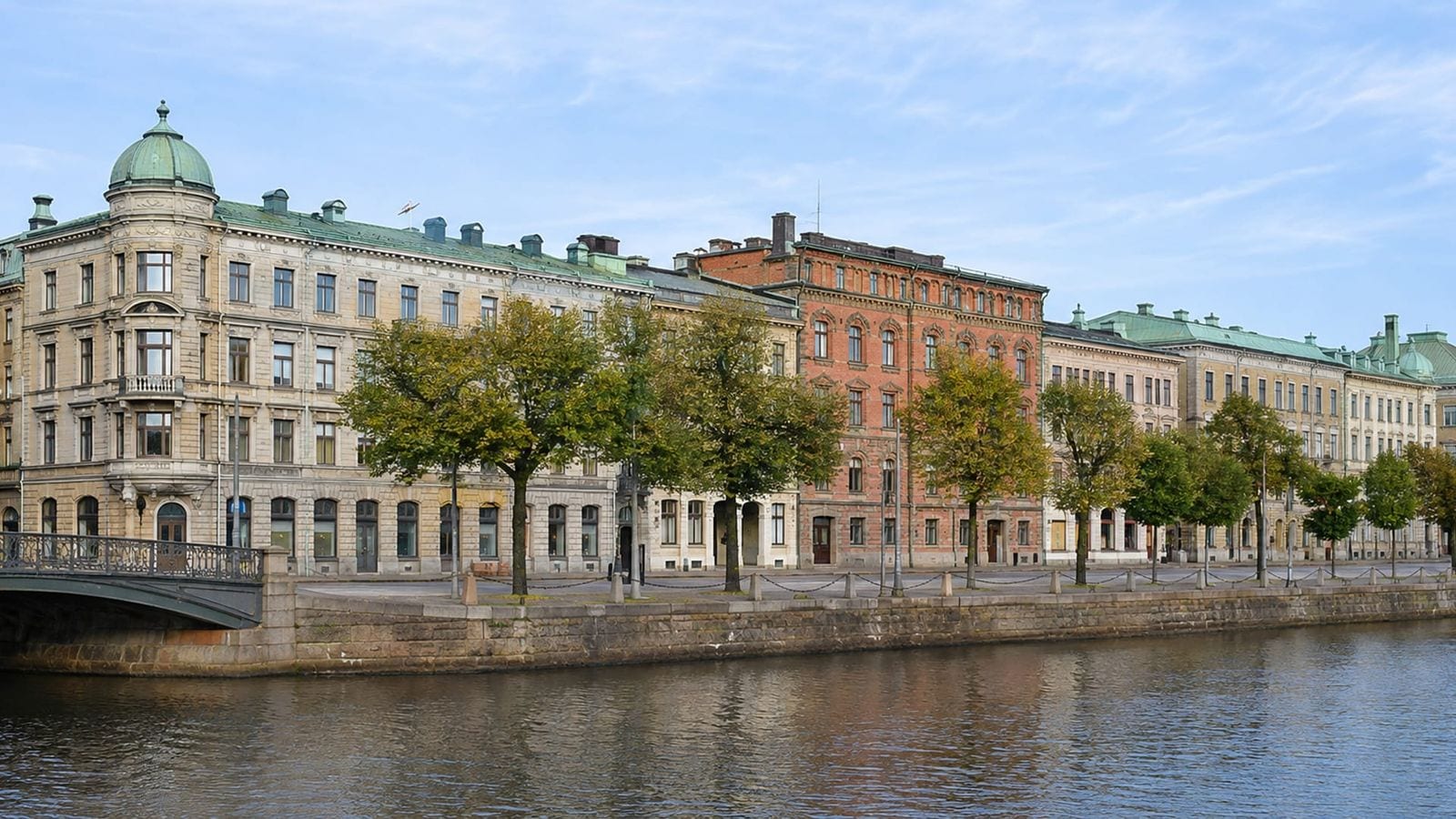
Business-class flights from the US to Göteborg
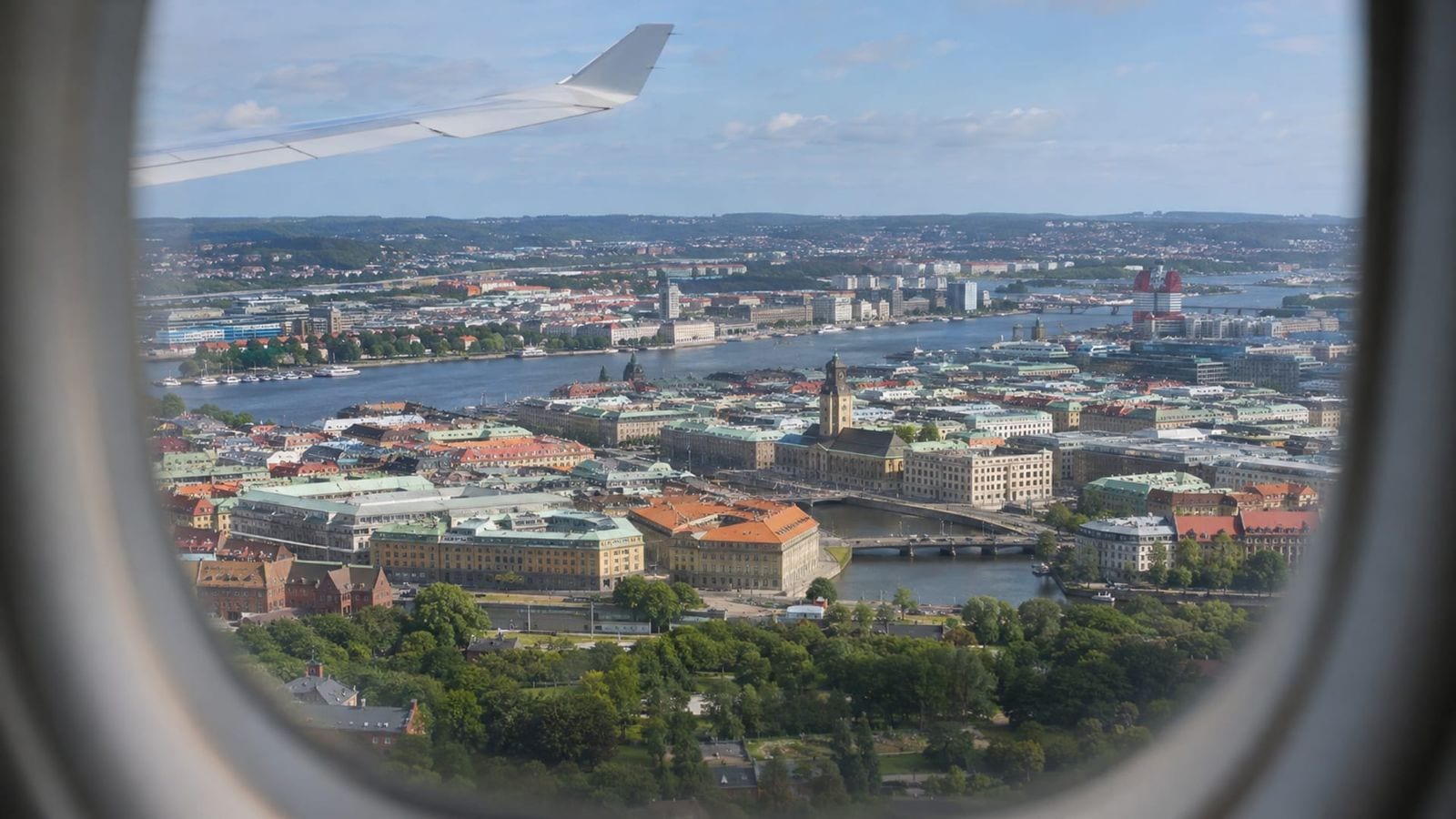
Göteborg has no nonstop service from the US, so business-class trips to this destination require at least one European connection. Airport choice has the biggest effect on total travel time.
New York (JFK) to Göteborg (GOT)
One-stop business-class itineraries from New York (JFK) to Göteborg (GOT) include Scandinavian Airlines via Copenhagen (CPH), Icelandair via Reykjavik (KEF), KLM via Amsterdam (AMS), British Airways via London Heathrow (LHR), Lufthansa via Frankfurt (FRA), and Finnair via Helsinki (HEL). The quickest journeys take 9–10 hours, while those with longer layovers can reach 12–15 hours. Business-class tickets on this route cost US$3,300 and can exceed US$5,000 if you book them at the last minute.
Los Angeles (LAX) to Göteborg (GOT)
Business-class flights to Göteborg departing from Los Angeles include one layover. Finnair offers some of the fastest options through Helsinki (HEL), while British Airways, Lufthansa, KLM, Scandinavian Airlines, and Air France connect through hubs such as London Heathrow (LHR), Frankfurt (FRA), Amsterdam (AMS), Copenhagen (CPH), or Paris (CDG). The shortest trips on this route take about 13 hours, while many options last 15–20 hours. Round-trip business-class tickets typically start at US$3,700 and can rise above US$5,500.
Leave a little space for Göteborg to surprise you
Göteborg does not need a packed schedule to feel full. One museum can lead naturally into dinner on Avenyn, a morning in Haga can stretch into a long lunch, and a sunny afternoon may deserve more time in Slottsskogen than another indoor stop. Plan the essentials, then leave some room to change course. For the practical side of the trip, AranGrant can help you compare business-class flights and hotels once you know when you want to go.







