

Chapters:

Need help with your trip?
Our support team is available 24/7. Request a callback or call us directly at (833) 619-0908
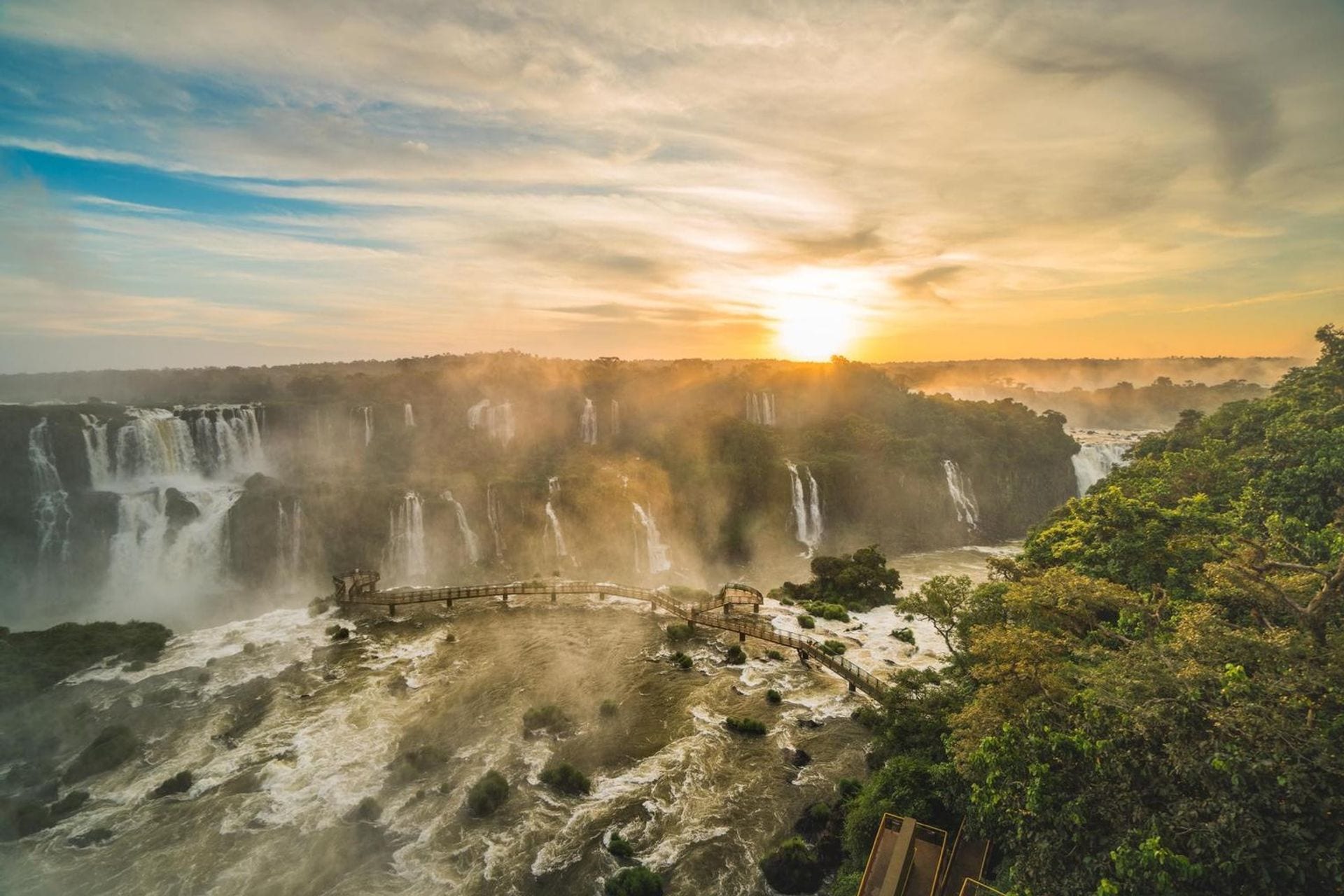
The waterfall trail at Iguaçu National Park leads along the gorge to Devil’s Throat, where mist rises above the walkway. It’s the scene most visitors come to Foz do Iguaçu to see, but it doesn’t tell the whole story of the city.
North of Centro, Itaipu’s biological refuge protects wildlife from the Atlantic Forest, and the Chen Tien Buddhist Temple looks toward Paraguay. In the south, the Three Borders Landmark faces the meeting of the Iguaçu and Paraná rivers. Back in town, freshwater fish appears on menus alongside Paraguayan chipa and Lebanese shawarma.
These places are spread across Foz, so planning your days by area leaves time to explore without rushing. This guide covers where to stay, how to get around, and a five-day plan for seeing more than the waterfalls.
Useful things to know

Main language(s): Portuguese
Olá (oh-LAH) – Hello
Por favor (por fah-VOR) – Please
Obrigado / obrigada (oh-bree-GAH-doo / oh-bree-GAH-dah) – Thank you
Você fala inglês? (voh-SEH FAH-lah een-GLAYS) – Do you speak English?
Quanto custa? (KWAN-toh KOOS-tah) – How much does it cost?

Currency: Brazilian real (BRL, R$)

Cash and cards: Cards and contactless payments are widely accepted. Carry R$50 to R$100 (US$9 to US$18) for small purchases.

Tipping: Restaurants commonly add a suggested 10% service charge. It’s voluntary, so check your bill before tipping extra. Taxi tips are not expected.

Traditional food: Pirá de Foz, dourado assado, Paraguayan chipa, and shawarma reflect the city’s river fishing traditions and its strong cross-border and Arab influences.

Water and coffee costs: Bottled water in cafés costs roughly R$4 to R$6 (US$0.75 to US$1.10), while an espresso is about R$6 to R$10 (US$1.10 to US$1.80).

Taxis and ride apps: Uber and 99 operate in Foz, including at the airport, but app rides do not cross into Argentina or Paraguay. Book a licensed taxi or transfer for border trips.

Plug and voltage: Type N sockets, normally 127 V at 60 Hz; some outlets supply 220 V. US plugs need an adapter.

Dining and shop opening hours: Breakfast is commonly from 6:30 am to 10:00 am, lunch from noon to 2:30 pm, and dinner from 7:00 pm to 10:30 pm. Mall shops close earlier on Sundays.

Emergency number: Dial 190 for police, 192 for an ambulance, or 193 for fire and rescue.
Where to stay in Foz do Iguaçu
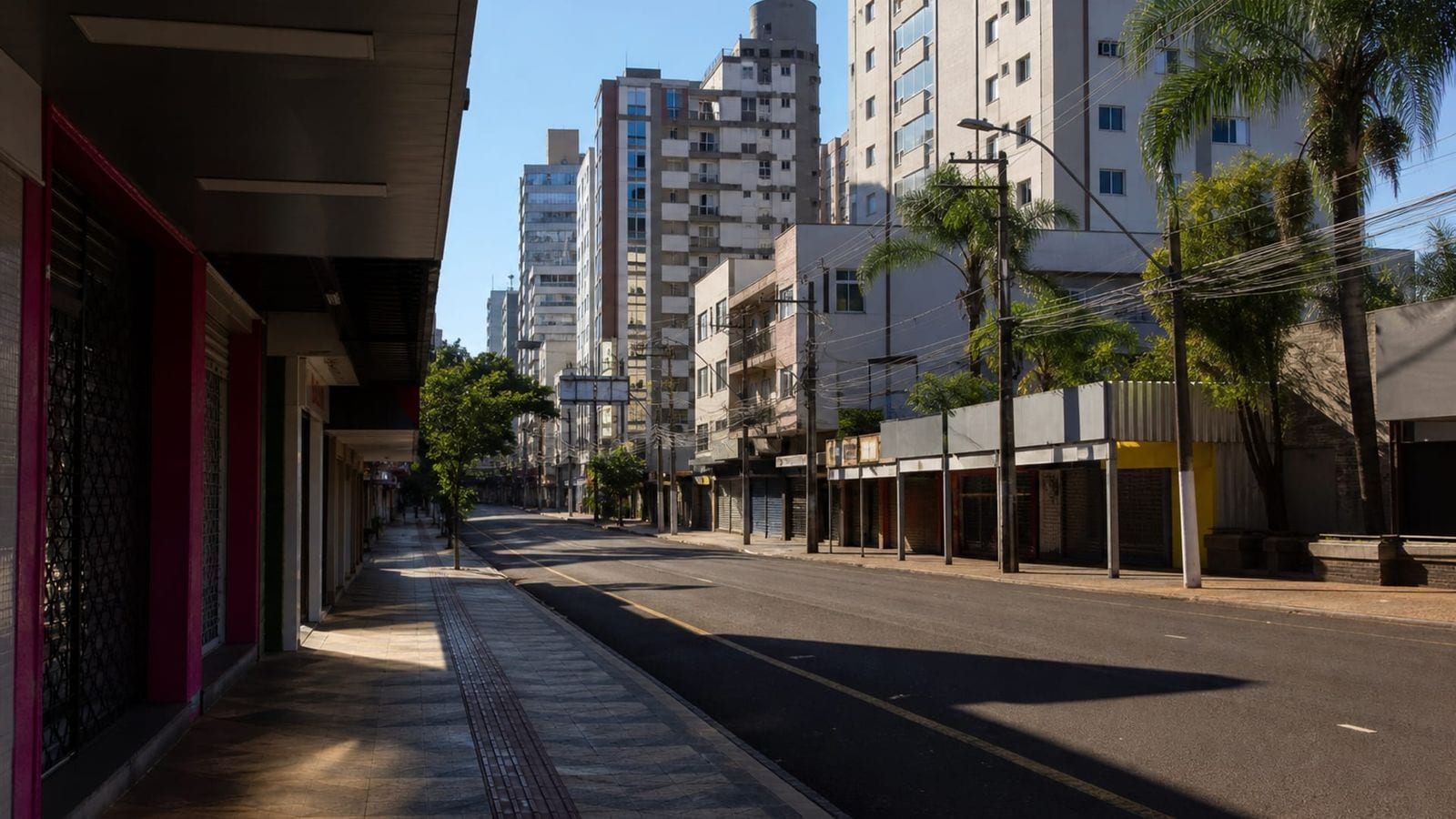
Centro gathers hotels, cafés, shops, and transport around Avenida Brasil and Avenida Jorge Schimmelpfeng. The urban bus terminal links to Iguaçu National Park, while restaurants stay busy into the evening. It’s a useful base without a car, although the waterfalls still require a ride.
Best for: First-time stays, dining, and access to buses and taxis
What to expect: Busy sidewalks by day, with more movement near restaurants and transport nodes after dark.
Hotel prices: Usually about R$250 to R$500 (~$50 to ~$100) per night for well-rated stays
Distance to major sights: About 20 to 30 minutes by taxi to Iguaçu National Park, about 15 minutes to the Friendship Bridge
Quietness: Daytime is active and functional, while evenings are calmer on side streets and livelier near major avenues.
Main trade-off: You may trade away resort-style calm for heavier traffic and less green space than the hotel districts near the park.
Good to know: Look near Avenida Jorge Schimmelpfeng for dinner on foot, or near the urban bus terminal if you plan to use the public bus to the park.
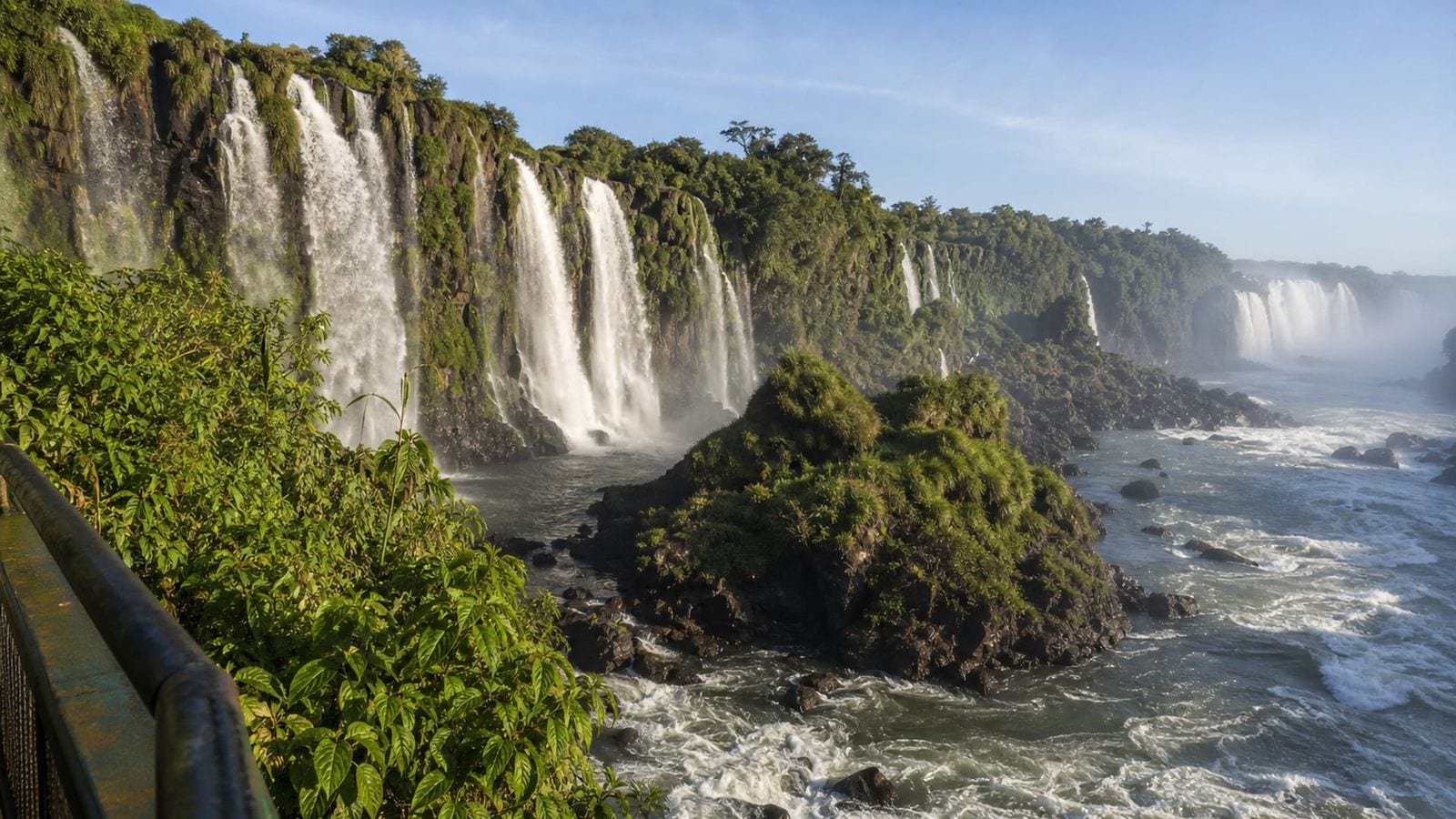
The Avenida das Cataratas corridor stretches from the city toward Iguaçu National Park. Resorts spread along the road, with pools, gardens, and on-site restaurants. Hotels near the park entrance put the Bird Park and falls close, but the northern end of the corridor is considerably farther away.
Best for: Falls-focused stays, airport access, and resort-style hotels
What to expect: Hotel grounds dominate the area, with light pedestrian activity and a strong visitor presence around lodges and tour pick-up points.
Hotel prices: Usually about R$450 to R$1,200 (~$90 to ~$240) per night for well-rated stays
Distance to major sights: About 5 to 15 minutes by taxi to Iguaçu National Park entrance, about 20 minutes to the airport
Quietness: Days are active with tour departures, while evenings are notably quieter once day visitors leave.
Main trade-off: Dining and shopping options are thinner than in the center, so you may rely more on hotel restaurants or taxis.
Good to know: Check the kilometer marker on Avenida das Cataratas before booking. The street is long, and not every resort is close to the falls.
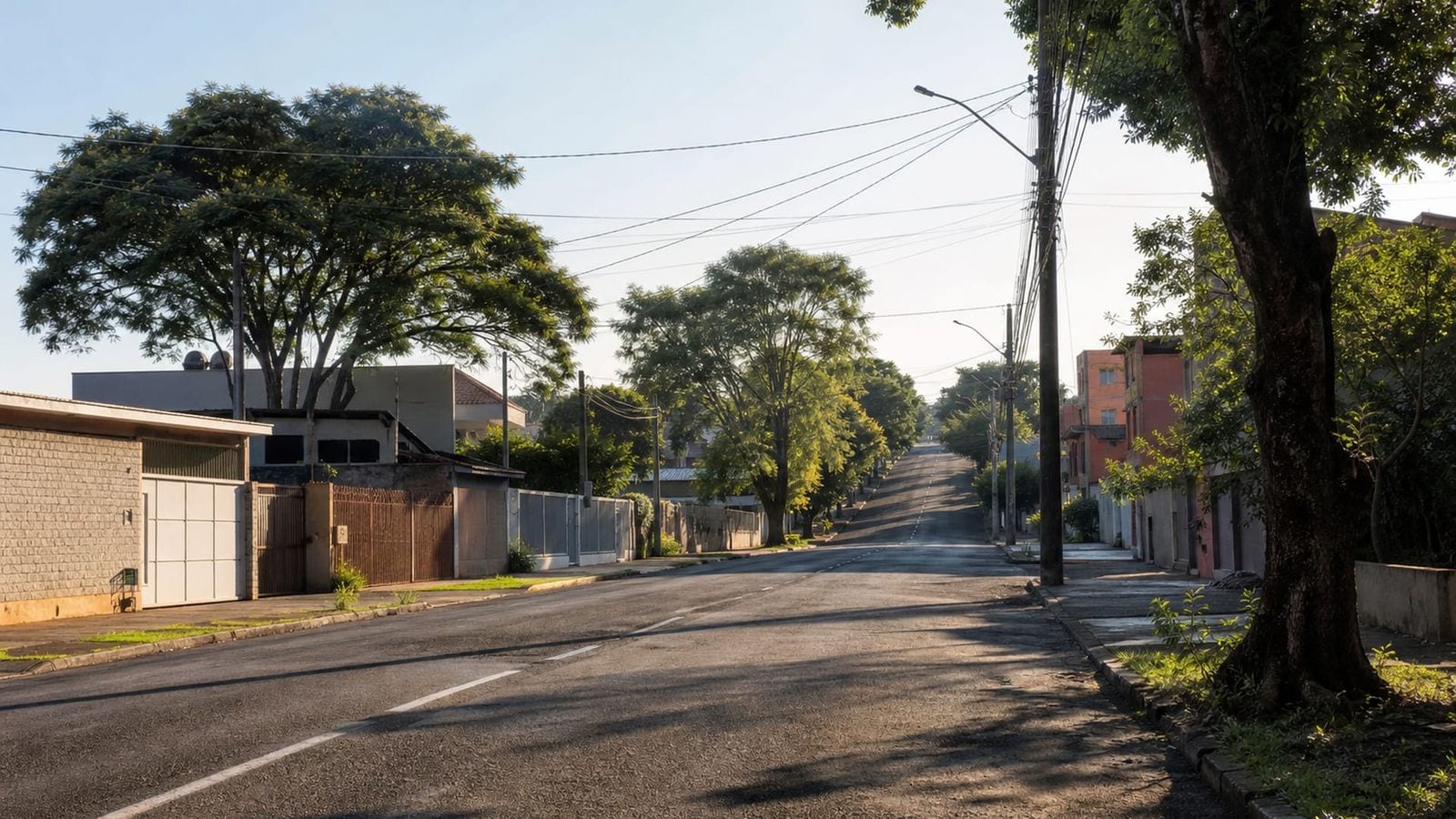
Jardim Central is a small neighborhood northeast of Centro, near Avenida José Maria de Brito. Homes and a handful of basic hotels occupy its side streets, while traffic gathers on the larger avenues. It is a simple location for drivers or longer stays, but offers little for visitors on foot.
Best for: Apartment stays, longer trips, and travelers who prefer a residential setting
What to expect: Mostly local foot traffic, small shops, and quieter streets than the busiest downtown blocks.
Hotel prices: Usually about R$220 to R$450 (~$44 to ~$90) per night for well-rated stays
Distance to major sights: About 10 minutes by taxi to downtown, about 25 minutes to Iguaçu National Park
Quietness: Days are calm with neighborhood activity, and evenings are usually quieter than in the center.
Main trade-off: You may need taxis or rideshares more often because the area has fewer late-opening restaurants and tourist desks.
Good to know: Check that your rental has parking and confirm the nearest grocery shop. Bus stops and restaurants can be several blocks from your room.
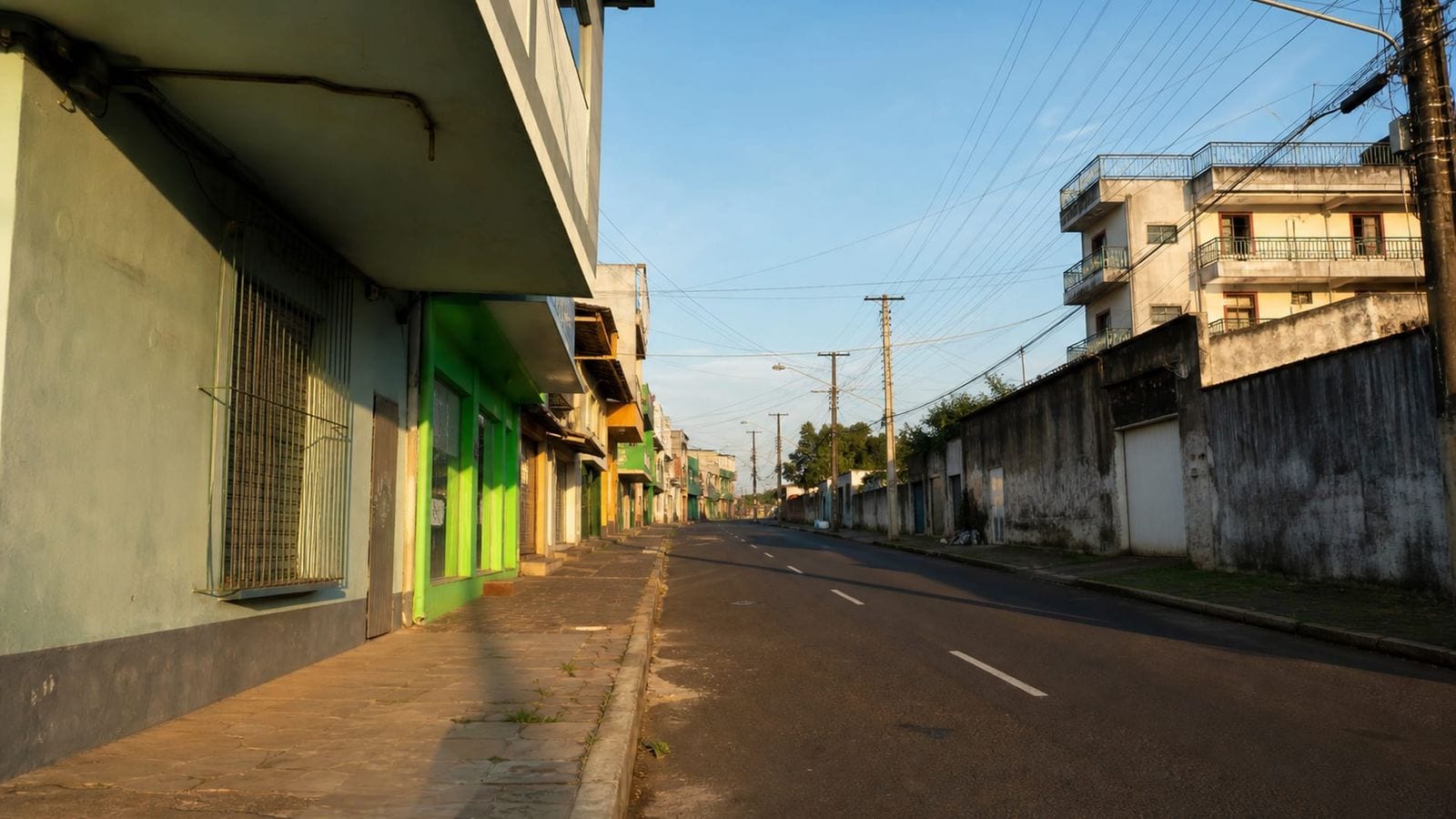
Vila Portes occupies commercial streets near Friendship Bridge, where travelers cross between Brazil and Paraguay. Budget hotels and shops serve visitors heading to Ciudad del Este. It is farther from the waterfalls and the main dining district, especially when border traffic slows the roads.
Best for: Border shopping, overland crossings, and short stays near the bridge
What to expect: Heavy daytime traffic, a working commercial feel, and more movement near the bridge approach than in residential neighborhoods.
Hotel prices: Usually about R$180 to R$380 (~$36 to ~$76) per night for well-rated stays
Distance to major sights: About 5 to 10 minutes by taxi to the Friendship Bridge, about 20 minutes to downtown
Quietness: Days are busy and often noisy near the bridge, while evenings are quieter once cross-border traffic eases.
Main trade-off: You gain border access, but the area is less appealing if you want evening dining on foot or a scenic hotel setting.
Good to know: If crossing into Paraguay on foot, carry your passport and check entry requirements. Traffic at the bridge can delay car transfers.
Vila C is better placed for visiting Itaipu than the falls, while Vila Portes suits shopping trips to Paraguay. Airport-side hotels are close to the national park, but evening dining often means a taxi. For easy restaurants on foot, stay in Centro.
Hotel deals
How to get around Foz do Iguaçu efficiently
In Foz do Iguaçu, buses connect the center with major attractions, while taxis, ride apps, and rental cars cover more distant stops.

City buses
for major attractions and longer distances
To reach the Brazilian falls and Parque das Aves, take bus 120 from the urban terminal (TTU). Other lines serve Itaipu and Friendship Bridge. The fare is R$6 (US$1.10). Pay on board with cash or card.

Taxis and ride apps
for direct trips and late hours
For direct trips between hotels, restaurants, and sights, use licensed taxis or Uber and 99. Official taxi meters start at R$6 (US$1.10), plus R$4.50 (US$0.80) per km (0.6 miles) by day or R$5.10 (US$0.90) at night. App fares vary with demand, and app rides do not cross borders.

Rental cars
for visiting attractions across the city
Renting a car helps when you visit Itaipu, the Brazilian falls, and Marco das Três Fronteiras on different days. Economy cars start near R$157 (US$28) per day, before extras. Driving into Argentina or Paraguay requires rental-company permission and additional insurance.
*Prices are based on rates updated as of November 2026 and may change at the time of travel.
Take city buses along the main routes, book taxis or app rides for late dinners, and consider a rental car for sites spread across different parts of Foz.
Iconic landmarks
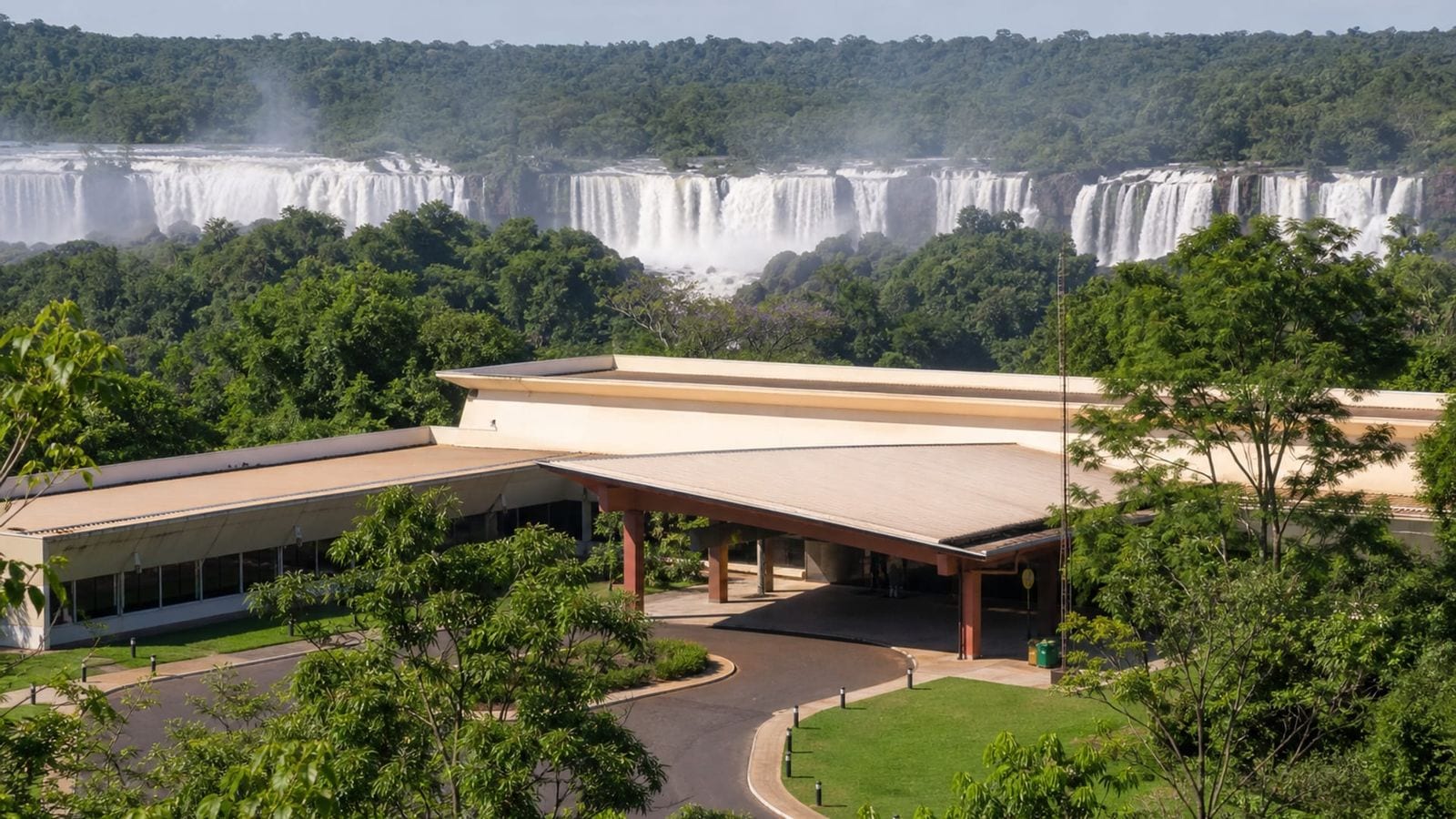
Iguaçu National Park Visitor Center and waterfalls
The UNESCO-listed Iguaçu National Park protects Brazil’s side of a waterfall system nearly 2 miles (3 km) wide, shared with Argentina. The one-mile (1.5 km) Trilha das Cataratas follows the gorge past panoramic viewpoints and ends near Devil’s Throat, where spray rises above the walkway.
Time needed: About 3 to 4 hours
Entry: Standard tickets cost $18.00 (R$97) for foreign adults, with reduced rates for children, seniors, and residents on select days. Visit the official site for details.
Tip: The final walkway gets wet even on sunny days, so bring a rain jacket.
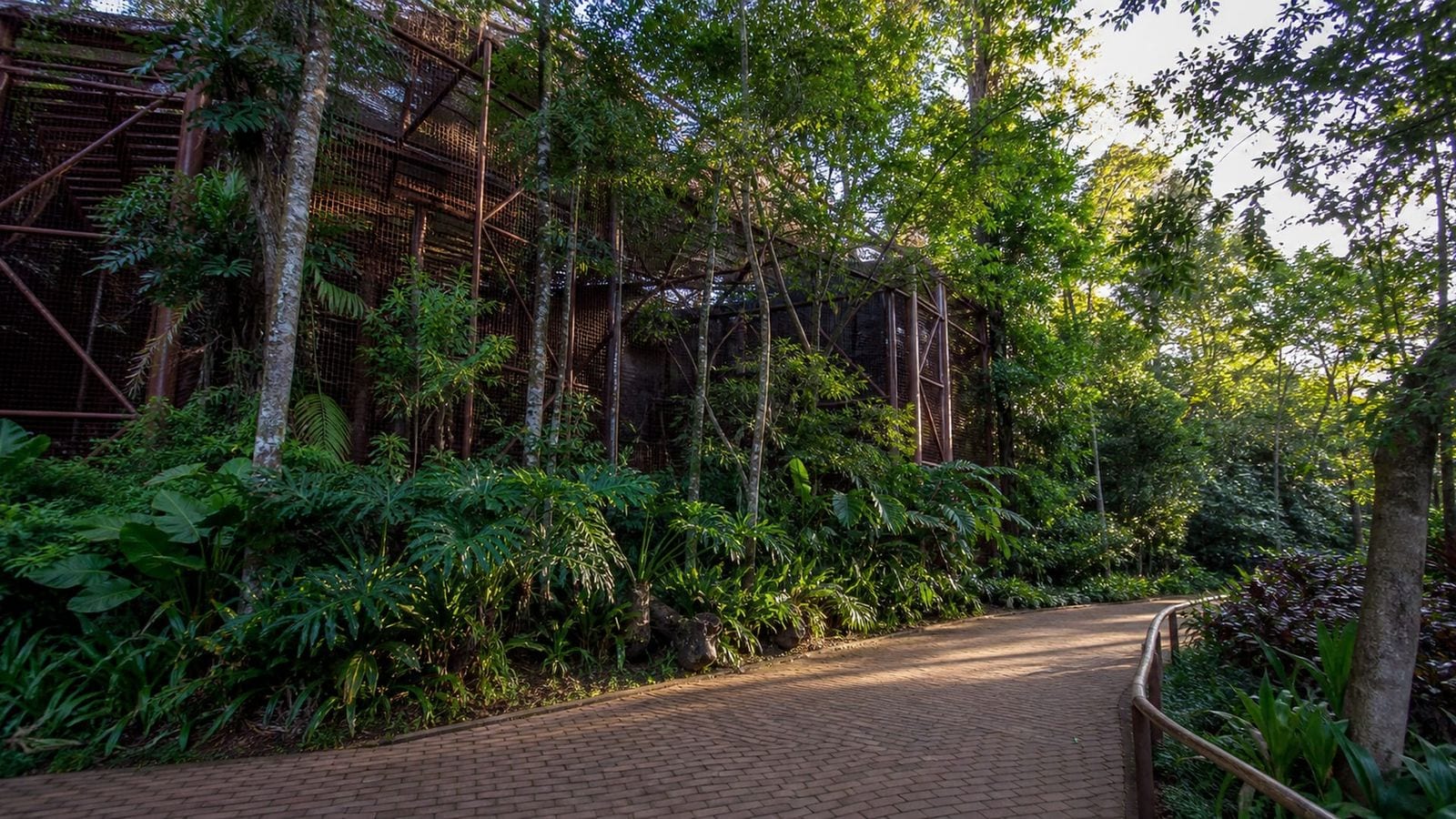
Parque das Aves
Across from the national park entrance, Parque das Aves is Foz’s most visited attraction after the falls and a conservation center for Atlantic Forest birds. On a shaded 1.2-mile (2 km) trail, walk-through aviaries bring visitors close to toucans and flying macaws; exhibits explain bird rescue work.
Time needed: About 2 to 3 hours
Entry: Standard tickets cost $19.00 (R$100) for adults, with lower rates for children, seniors, and residents under published rules. Visit the official site for details.
Tip: The bird park entrance is just outside the national park, so plan both for one day.
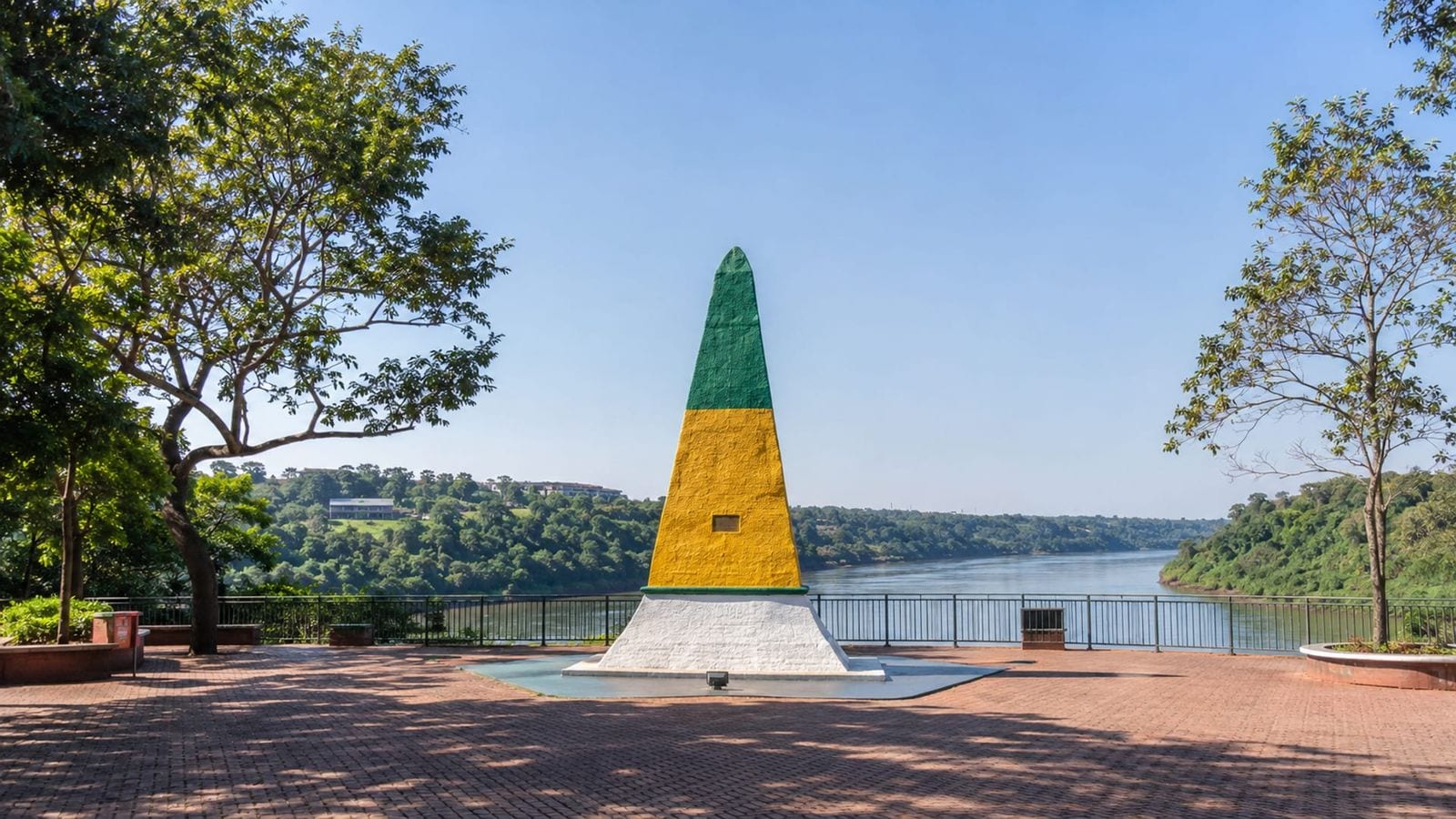
Marco das Três Fronteiras (Three Borders Landmark)
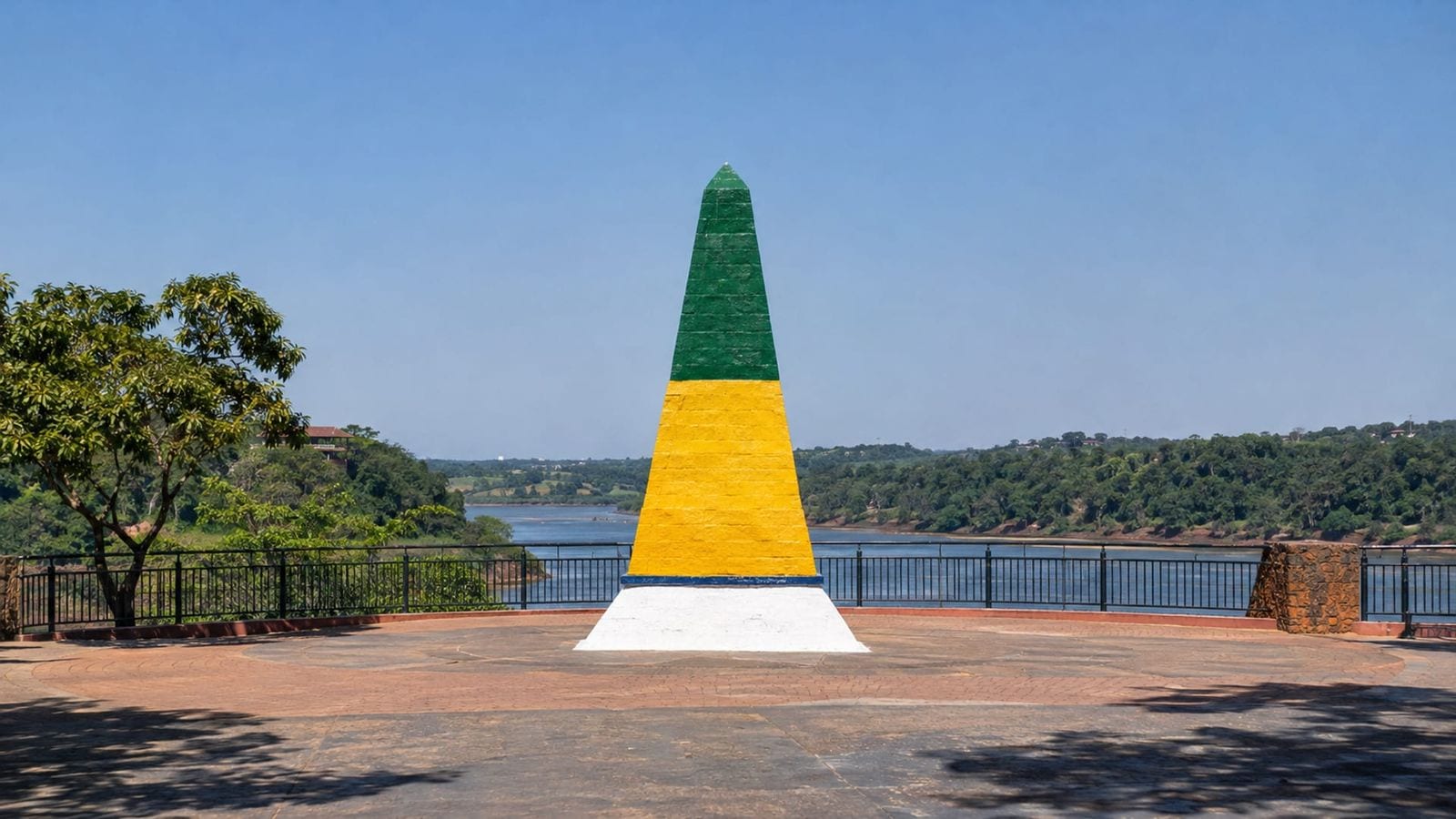
At Foz do Iguaçu’s southern riverfront, Marco das Três Fronteiras marks where Brazil, Argentina, and Paraguay meet at the Iguaçu and Paraná rivers. Its 1903 obelisk is a city landmark, while viewing terraces face the other two countries and the plaza hosts evening cultural performances.
Time needed: About 1 to 2 hours
Entry: Standard admission costs $7.00 (R$40) for adults, with discounted pricing for children, seniors, and residents on approved dates. Visit the official site for details.
Tip: Arrive before sunset for the river views; cultural performances begin at 6:15 pm.
Overlooked sites worth visiting

Itaipu Refúgio Biológico Bela Vista
Near the Itaipu dam, Bela Vista Biological Refuge protects Atlantic Forest wildlife. Visitors take a shuttle into the reserve, then follow a 1.2-mile (2 km) trail past animal enclosures and plant a native tree.
Time needed: About 1.5 to 2.5 hours
Entry: Access is paid through Itaipu Binacional visitor programs, with pricing set by the operator and often bundled with transport or guided access. Check the official visit schedule before going, because entry and time slots vary by season and tour type, and advance reservations may be required. Visit the official site for details.
Tip: Bring photo ID and arrive 30 minutes early for the required security check.

Templo Budista Chen Tien
North of Foz, Chen Tien Buddhist Temple reflects the city’s Chinese community. Its hillside gardens hold more than 120 Buddhist statues and look toward Ciudad del Este, across the border in Paraguay.
Time needed: About 1 hour
Entry: Free to visit, with no timed admission for the grounds in normal opening hours. Donations are optional, and guided visits or special ceremonies may follow separate schedules posted on site or through local organizers.
Tip: Photographs are restricted inside the halls; follow signs and keep voices low.
Traditional food
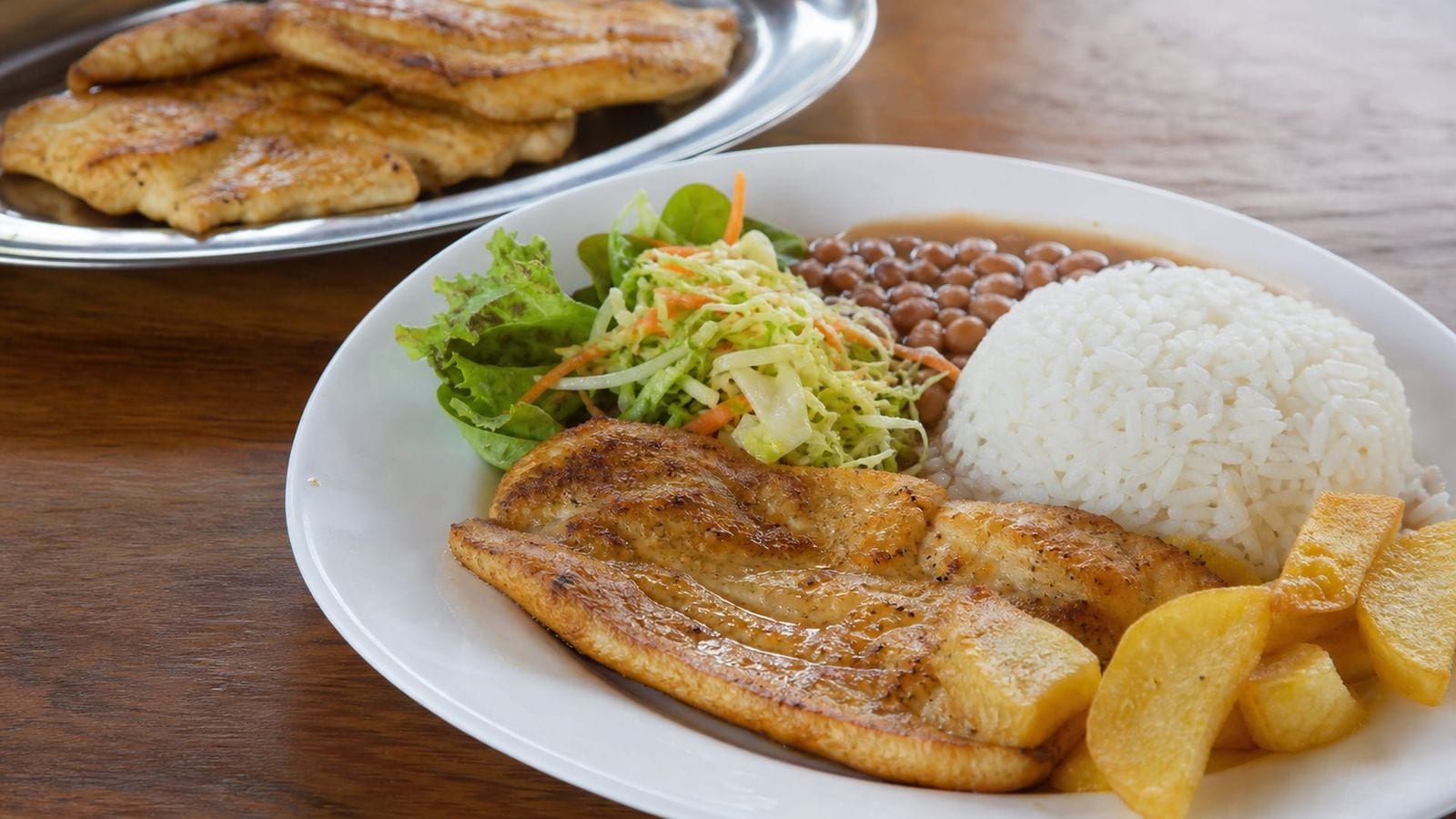
Foz do Iguaçu’s food reflects the nearby rivers and the people who have settled at this three-country border. Freshwater fish, Paraguayan chipa, and Lebanese shawarma are all part of local dining.
Pirá de Foz
Pirá de Foz pairs surubim with ginger sauce, cassava purée, and spinach rice, earning its place as the city’s signature dish. Ipê Restaurant, inside Iguaçu National Park, serves a modern version with pirarucu, peppers, and potato purée.
Dourado assado
Dourado assado is roasted freshwater fish, traditionally served with simple sides such as rice and farofa. Outside the city center, Wandscheer Park includes it in a fish buffet with other regional species, including pacu and surubim.
Chipa paraguaia
Chipa is a Paraguayan cheese bread made with cassava starch, eggs, and cheese, often shaped into a horseshoe and served warm. Chipa & Café on Rua Xavier da Silva prepares plain and filled versions, with coffee for breakfast or an afternoon snack.
Shawarma
Shawarma reflects Foz do Iguaçu’s Arab community. Spiced beef or chicken is sliced from a vertical spit and wrapped in flatbread with salad and garlic sauce. All Badawi, in Cataratas JL Shopping, serves it alongside other Lebanese dishes.
Best time to visit Foz do Iguaçu
Foz do Iguaçu draws visitors year-round, but summer heat, seasonal rainfall, and school holidays affect conditions at the falls and other sights.
Best for: Higher water at the falls, morning bird park visits, and afternoons by the pool
What you get: Average lows of 68°F–70°F (20°C–21°C) and highs near 90°F (32°C), with frequent summer rain that can raise the flow of water over the falls
Trade-offs: Hot, humid afternoons can interrupt outdoor plans, and December and January bring holiday crowds.
Best for: Milder weather in April and May, exploring park trails, and visiting Itaipu
What you get: From March to May, average highs drop from 90°F to 73°F (32°C to 23°C). By late autumn, days are better suited to longer outdoor visits.
Trade-offs: March can still be hot and rainy, while Easter holidays bring larger crowds to the waterfalls.
Best for: Mild days for the waterfall trail, Itaipu tours, and longer downtown walks
What you get: Average lows of 54°F–55°F (12°C–13°C) and highs of 73°F–79°F (23°C–26°C), with less rain in July and August and mild afternoons for park visits
Trade-offs: July school holidays bring some of the year’s largest crowds, while mornings can be chilly.
Best for: Flowering ipê trees, warmer days at the falls, and exploring the city on foot
What you get: Average lows rise from 57°F to 64°F (14°C to 18°C), and highs reach 88°F (31°C) by November. October is the wettest month of the year.
Trade-offs: Heavy rain in October can disrupt outdoor visits, and afternoons get hotter toward November.
A realistic 5-day plan in Foz do Iguaçu
Five days in Foz do Iguaçu leave time for the waterfalls, the bird park, Itaipu’s protected forest, and the rivers where three countries meet. The route groups nearby sights, with space for long lunches and quieter evenings between outings.
Spend the first afternoon settling into Foz. From Iguaçu Falls International Airport (IGU), take a taxi to your hotel in Centro, about 25 to 30 minutes away. Once you’ve unpacked, stroll along Avenida Brasil to browse the shops, then continue to Avenida Jorge Schimmelpfeng for dinner. Restaurants line this part of the center, so you can enjoy your first evening on foot. Keep the night free of big plans. Tomorrow you’ll spend several hours at the falls.
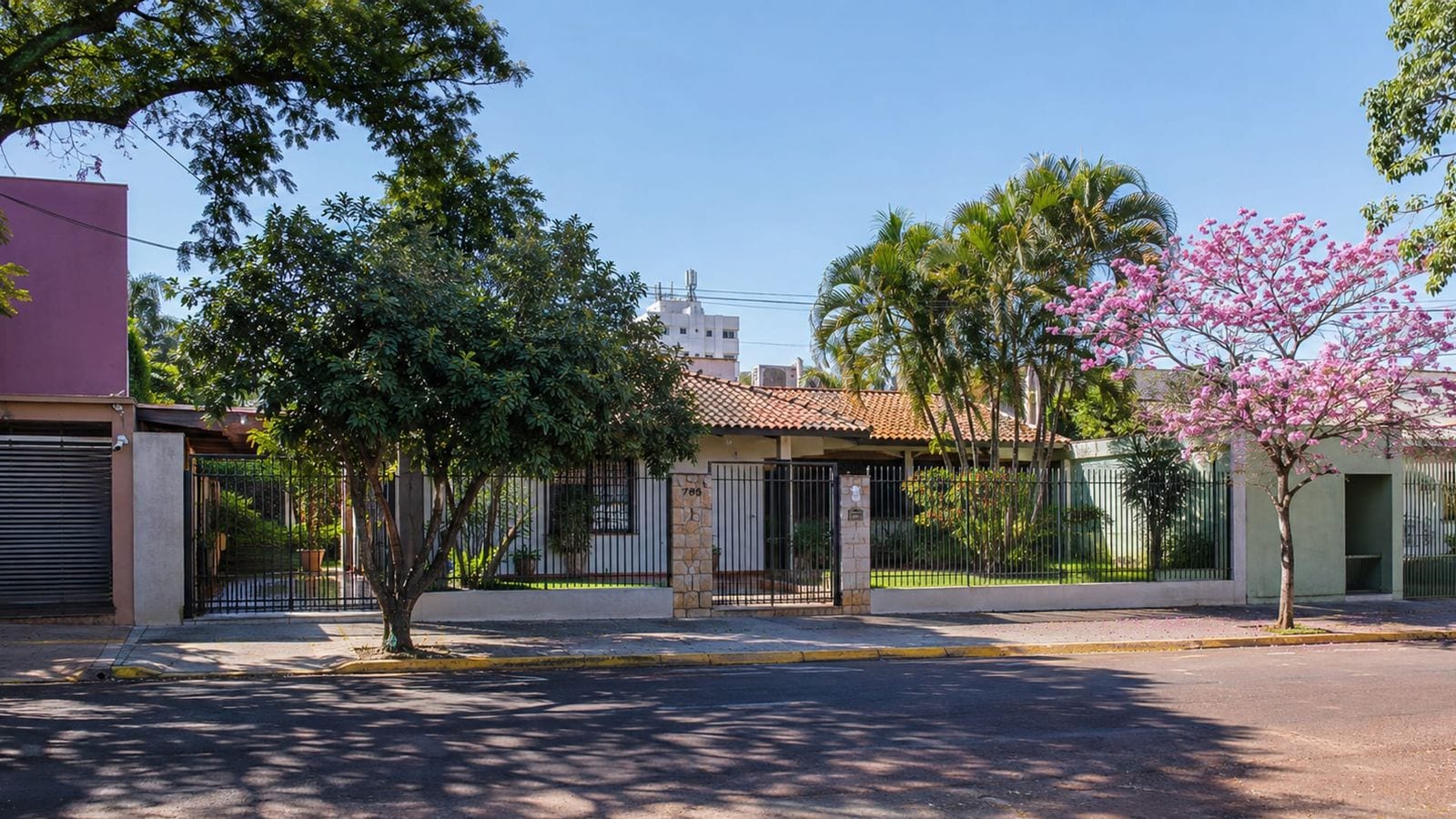
Give the Brazilian waterfalls your morning. From Centro, take bus 120 or a taxi to Iguaçu National Park, then the park shuttle to Trilha das Cataratas. The trail follows the gorge past wide viewpoints and ends near Devil’s Throat, where spray rises above the walkway. Allow 3 to 4 hours, ride the shuttle back to the entrance, and walk across to Parque das Aves. Have lunch there, then follow the shaded trail through the toucan and macaw aviaries. Return to Centro for dinner.
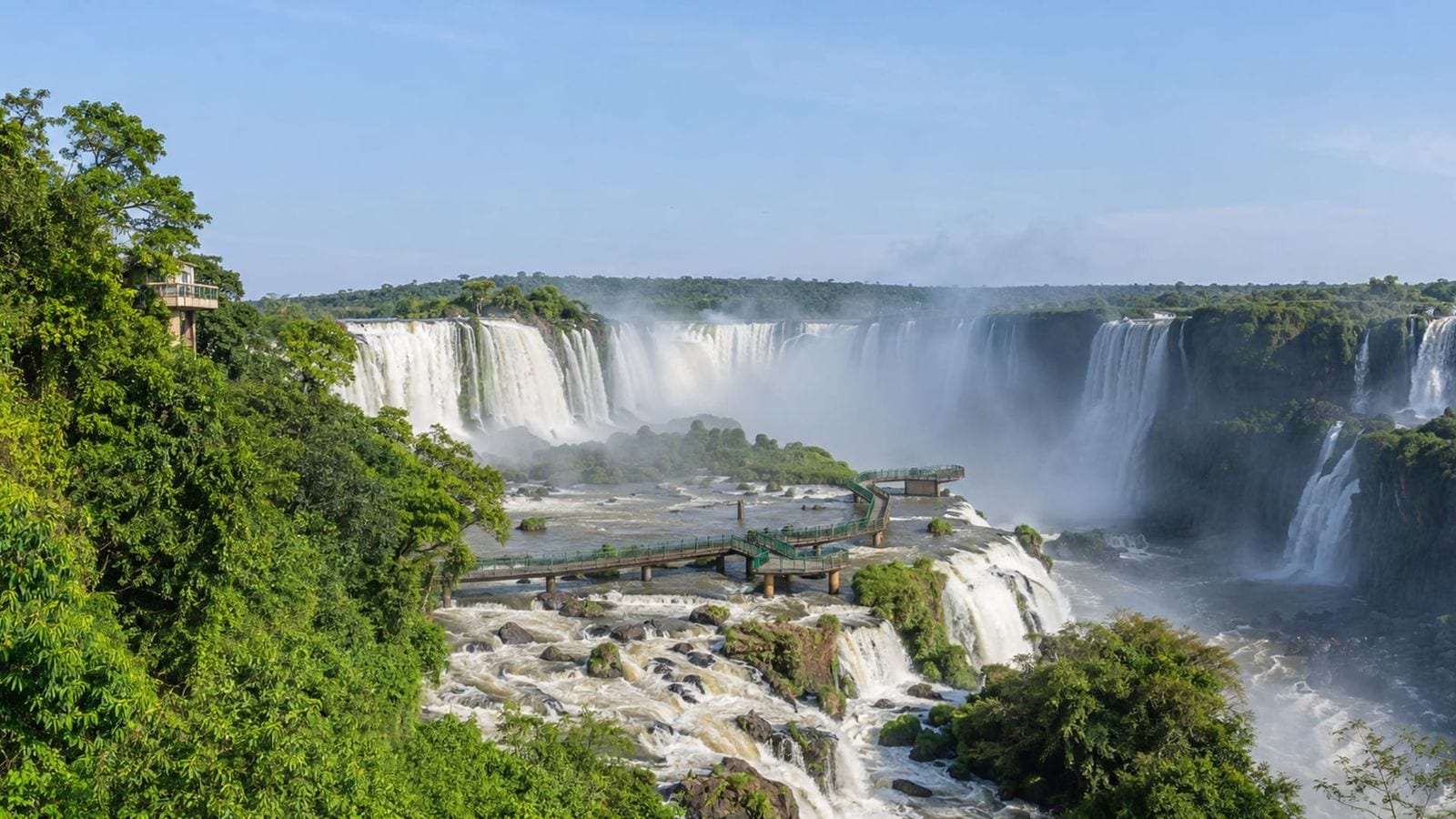
A morning at Itaipu’s Bela Vista Biological Refuge takes you into the Atlantic Forest north of the city. Reserve a guided tour and arrive early for the security check. A shuttle brings you to a 2 km trail past enclosures for native wildlife, with a chance to plant a tree. After the 2.5-hour visit and lunch, continue to Chen Tien Buddhist Temple. Walk among the hillside statues and look across to Paraguay, then head back to Centro for dinner.

Save the Three Borders Landmark for late afternoon, and enjoy a slow morning before taking a taxi south. At Marco das Três Fronteiras, terraces overlook where the Iguaçu and Paraná rivers meet, with Argentina and Paraguay on the opposite banks. Walk past the historic Brazilian obelisk, then stay for sunset views and cultural performances beginning at 6:15 pm. Have dinner at the on-site Cabeza de Vaca restaurant before returning to your hotel.
Spend your last morning in Centro before your flight. Browse the shops along Avenida Brasil, then stop for coffee near Praça da Paz. On Sundays, the square hosts the Feirinha da JK, where stalls sell food and local products. Afterward, return to your hotel for your bags and check out without squeezing in another long excursion. Allow 20 to 30 minutes for the taxi to Iguaçu Falls International Airport (IGU), as well as enough time to check in and get through security.
Business-class flights from the US to Foz do Iguaçu
No US hub has nonstop flights to Foz do Iguaçu (IGU). Flights from both US coasts connect through a major hub before reaching the destination.
New York (JFK) to Foz do Iguaçu (IGU)
From JFK, Delta and LATAM offer one-stop itineraries with a layover in São Paulo (GRU) or Rio de Janeiro (GIG). American Airlines and GOL also connect through São Paulo on this route. Total travel time ranges from 13 to 17 hours 30 minutes, with business-class fares between US$4,600 and US$11,100. Check the cabin on the final domestic flight to Iguaçu, since the seat may differ from your long-haul business-class seat.
Los Angeles (LAX) to Foz do Iguaçu (IGU)
Delta Air Lines and LATAM offer flights from Los Angeles (LAX) to Foz do Iguaçu (IGU) through São Paulo (GRU). Two-stop options from this hub include Air Canada and GOL via Toronto (YYZ) and São Paulo; American Airlines and GOL via Miami (MIA) and São Paulo; Aeroméxico and LATAM via Mexico City (MEX) and São Paulo; or United Airlines and GOL via Chicago (ORD) and São Paulo. Business-class fares range from US$4,700 to US$7,100, while total travel time varies from 16 to 27 hours depending on the layovers.
Give Foz do Iguaçu the time it deserves
The waterfalls deserve a full morning, but leave time for the places beyond the park. Group nearby sights together, save the riverfront for sunset, and choose a hotel that fits your plans. This keeps travel time down without filling every hour of your stay. Once you’ve settled on your dates, AranGrant travel advisors can help arrange business-class flights and a hotel. With the essentials in place, you can enjoy Foz do Iguaçu without rushing from one attraction to the next.







