


Chapters:

Need help with your trip?
Our support team is available 24/7. Request a callback or call us directly at (833) 619-0908
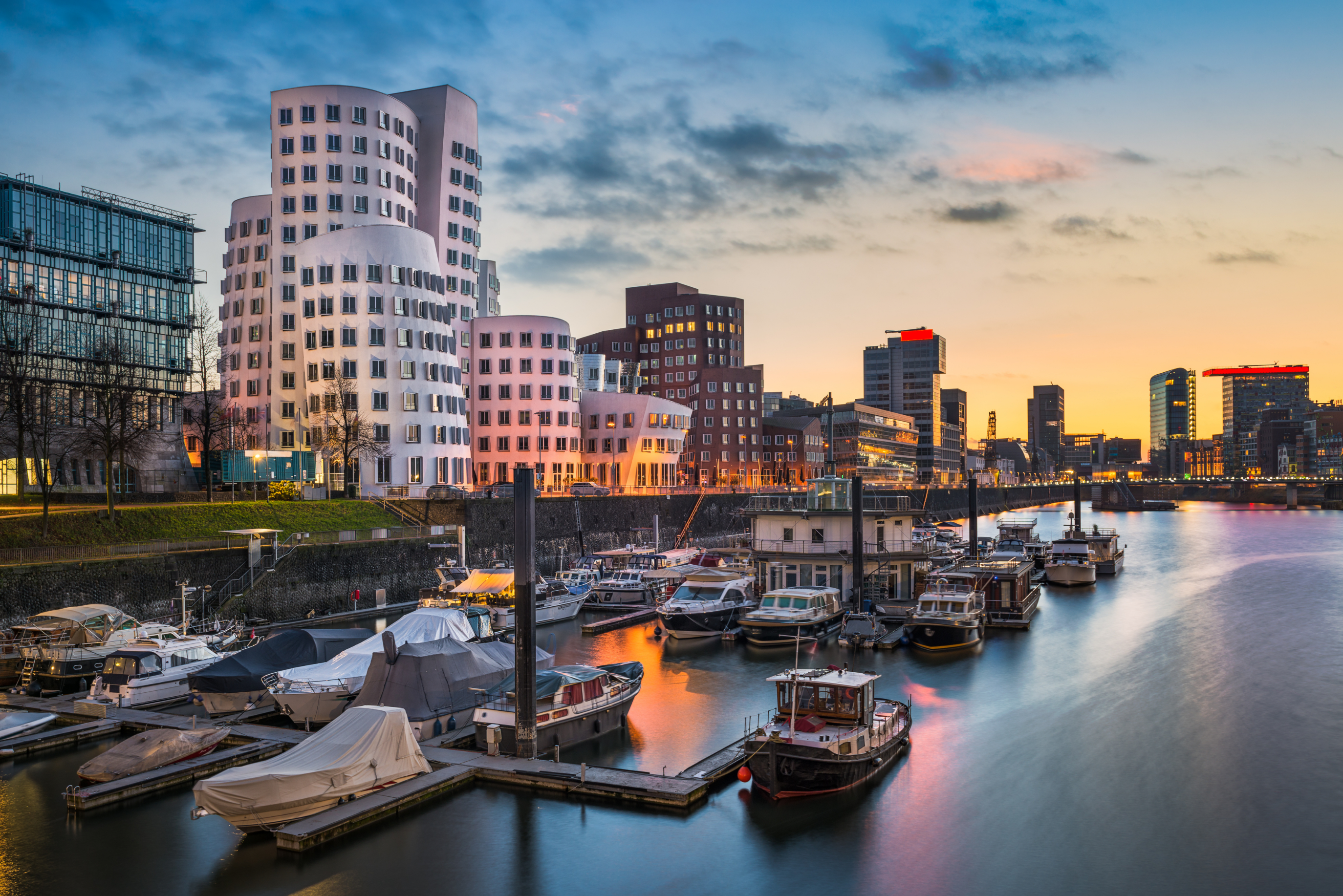
Düsseldorf was once a Rhine trading city, and now it is one of Germany’s leading centers for art, fashion, and contemporary architecture. The Altstadt is filled with breweries, narrow streets, churches, and busy restaurants, while Königsallee presents a more elegant side of the city through its bridges and luxury stores. South of the center, the Rhine Tower and MedienHafen have bold modern buildings along the waterfront. The city extends well beyond these central areas. Benrath Palace and its gardens lie to the south, while Kaiserswerth has medieval ruins and a quieter stretch of the Rhine in the north.
This guide covers everything you need to plan five days in Düsseldorf, including what you can visit, where to stay, how to get around, and more, without spending too much time in transit.
Useful things to know

Main language(s): : German
Hallo (HAH-loh) – Hello/good morning
Bitte (BIT-teh) – Please
Danke (DAHN-keh) – Thank you
Sprechen Sie Englisch? (SHPREH-khen zee ENG-lish?) – Do you speak English?
Wie viel kostet das? (vee feel KOS-tet dahs?) – How much does it cost?

Currency: Euro (EUR, €)

Cash and cards: Hotels, stores, and most restaurants accept cards and contactless payments. Carry €20–€40 ($23–$50) for bakeries, market stalls, public restrooms, and smaller businesses that may prefer cash.

Tipping: Round the total up or leave 5%–10% in restaurants when the service is good. Tell the server the full amount you want to pay when handing over cash or presenting your card.

Traditional food: Rheinischer Sauerbraten, Himmel un Ääd, Halve Hahn, Düsseldorfer Senfrostbraten

Water and coffee costs: A bottle of water commonly costs €2–€3 ($2.30–$3.40). An espresso in a café is generally €2.50–€3.50 ($2.90–$4).

Taxis and ride apps: Uber and Bolt operate in Düsseldorf, and licensed taxis are available at airport and city ranks.

Plug and voltage: Type F socket, 230V

Dining and shop opening hours: Cafés commonly serve breakfast from 7:00 am to 10:00 am. Lunch service usually begins near noon, while many restaurants open for dinner between 5:30 pm and 6:00 pm.

Emergency number: Call 112 for an ambulance or the fire department and 110 for police.
Where to stay in Düsseldorf
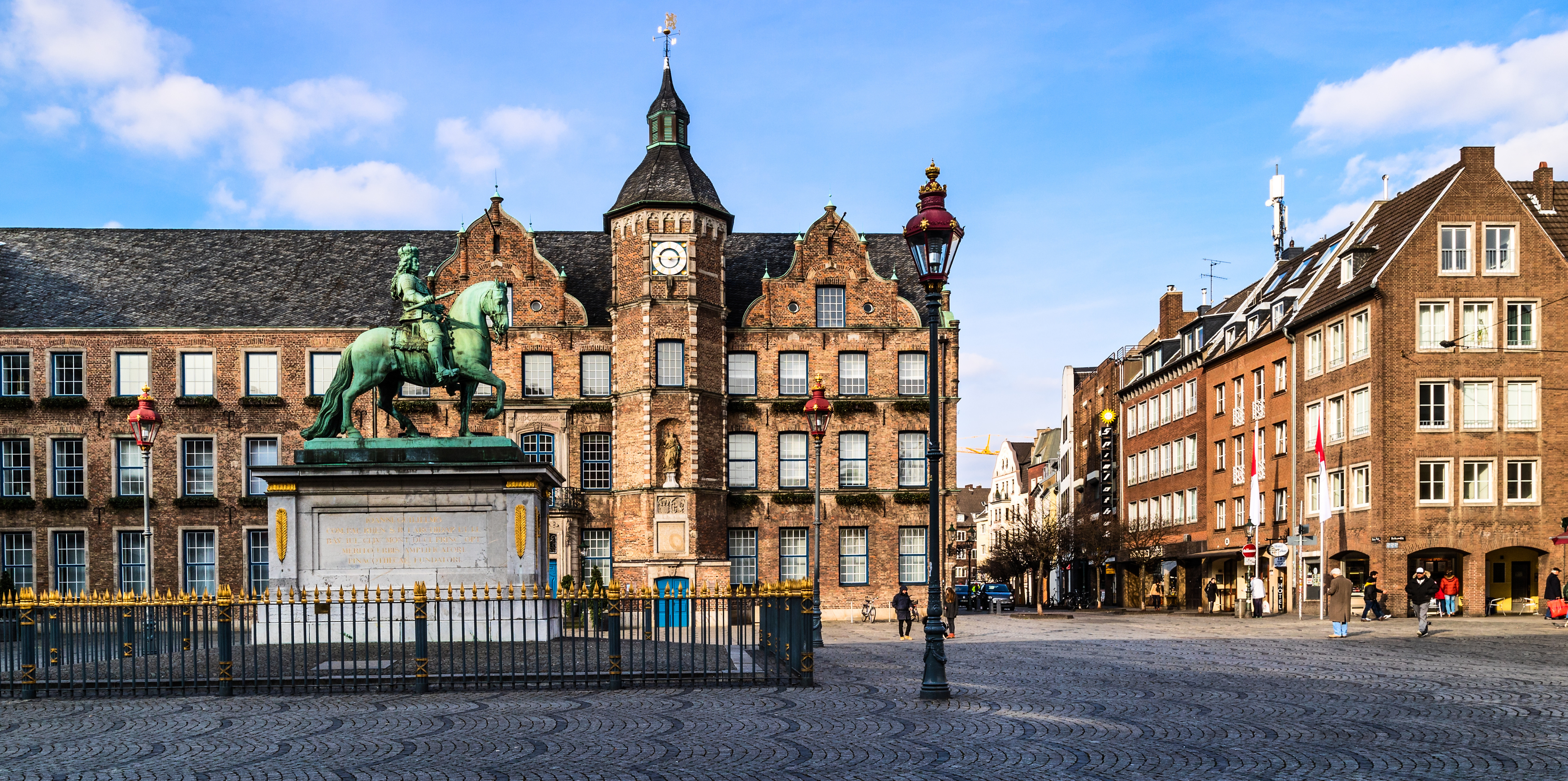
The Altstadt occupies a small area of the Rhine waterfront filled with breweries, restaurants, historic churches, museums, and pedestrian streets. It suits travelers who want the city’s best-known sights nearby and do not mind large evening crowds.
Best for: Nightlife, short sightseeing walks, and travelers who want the liveliest central location
What to expect: Busy pedestrian streets, tour groups during the day, and crowded bars and restaurant terraces after dark
Hotel prices: Nightly rates typically range from €140–€260 ($160–$300).
Distance to major sights: Königsallee is 10 to 15 minutes away on foot, while the Rhine Promenade is beside the neighborhood.
Quietness: Main streets can be loud until evening, especially from Thursday through Saturday. Courtyard-facing rooms are often considerably quieter.
Main trade-off: The central location brings the highest concentration of nightlife noise and weekend crowds.
Good to know: Choose a hotel near the edge of the Altstadt or request an upper-floor courtyard room if you prefer quieter nights.
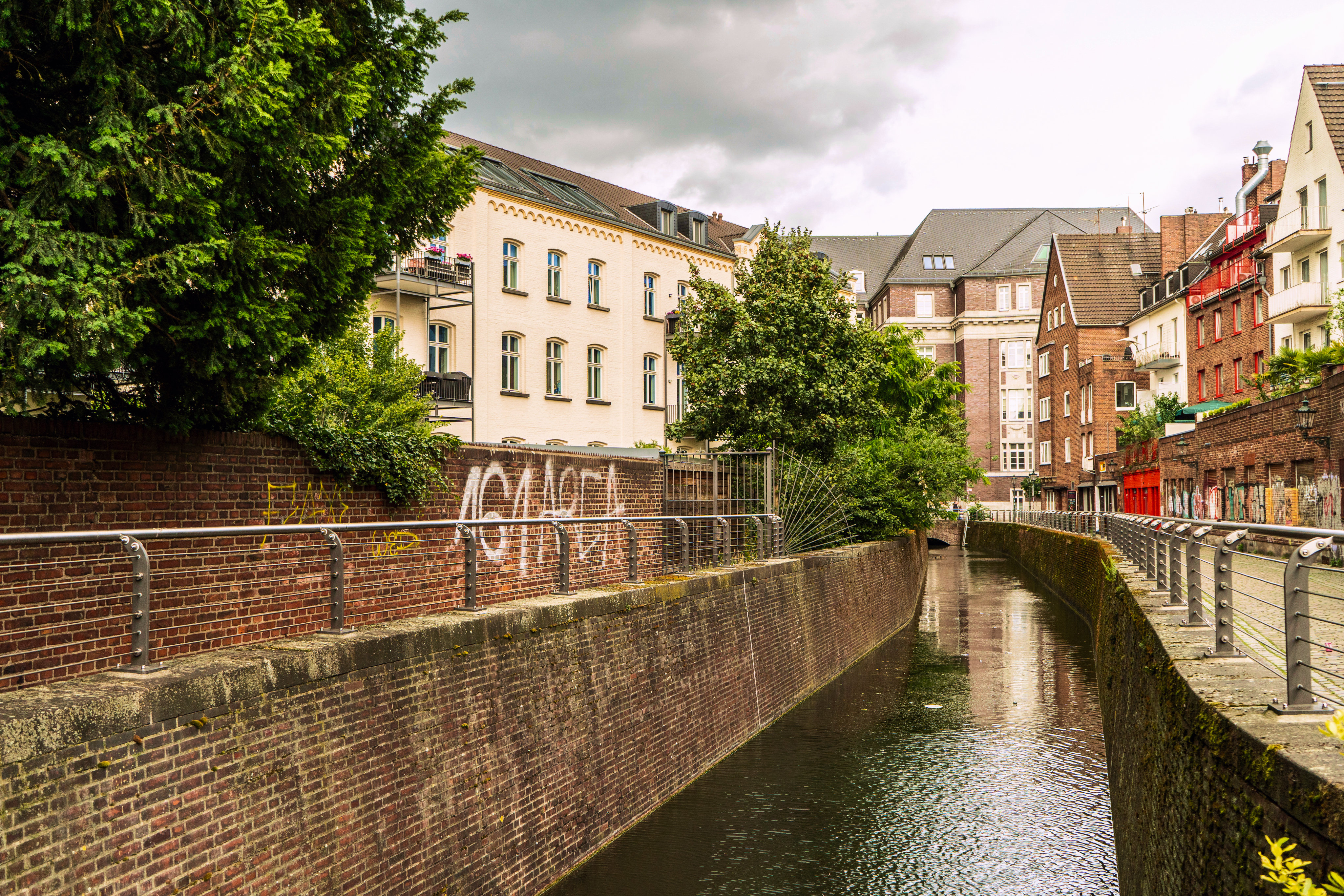
Carlstadt is situated south of the Altstadt and has galleries, antique shops, cafés, restaurants, and small squares. Its central location allows you to walk to Königsallee and the Rhine while avoiding the busiest brewery streets.
Best for: Couples, dining, galleries, and central stays with less nighttime noise
What to expect: Independent shops, café terraces, weekly market activity, and lighter evening foot traffic than in the Altstadt
Hotel prices: Rooms in well-reviewed properties generally cost €120–€220 ($140–$250) per night.
Distance to major sights: Königsallee is approximately 5 to 10 minutes away on foot, and the Rhine Promenade takes 10 to 15 minutes to reach.
Quietness: Most streets become calm after dinner, although restaurants around Carlsplatz can create some early-evening activity.
Main trade-off: Carlstadt has fewer hotels and late-night venues than the Altstadt.
Good to know: The neighborhood is particularly convenient for travelers who want to walk to the center but return to quieter surroundings at night.
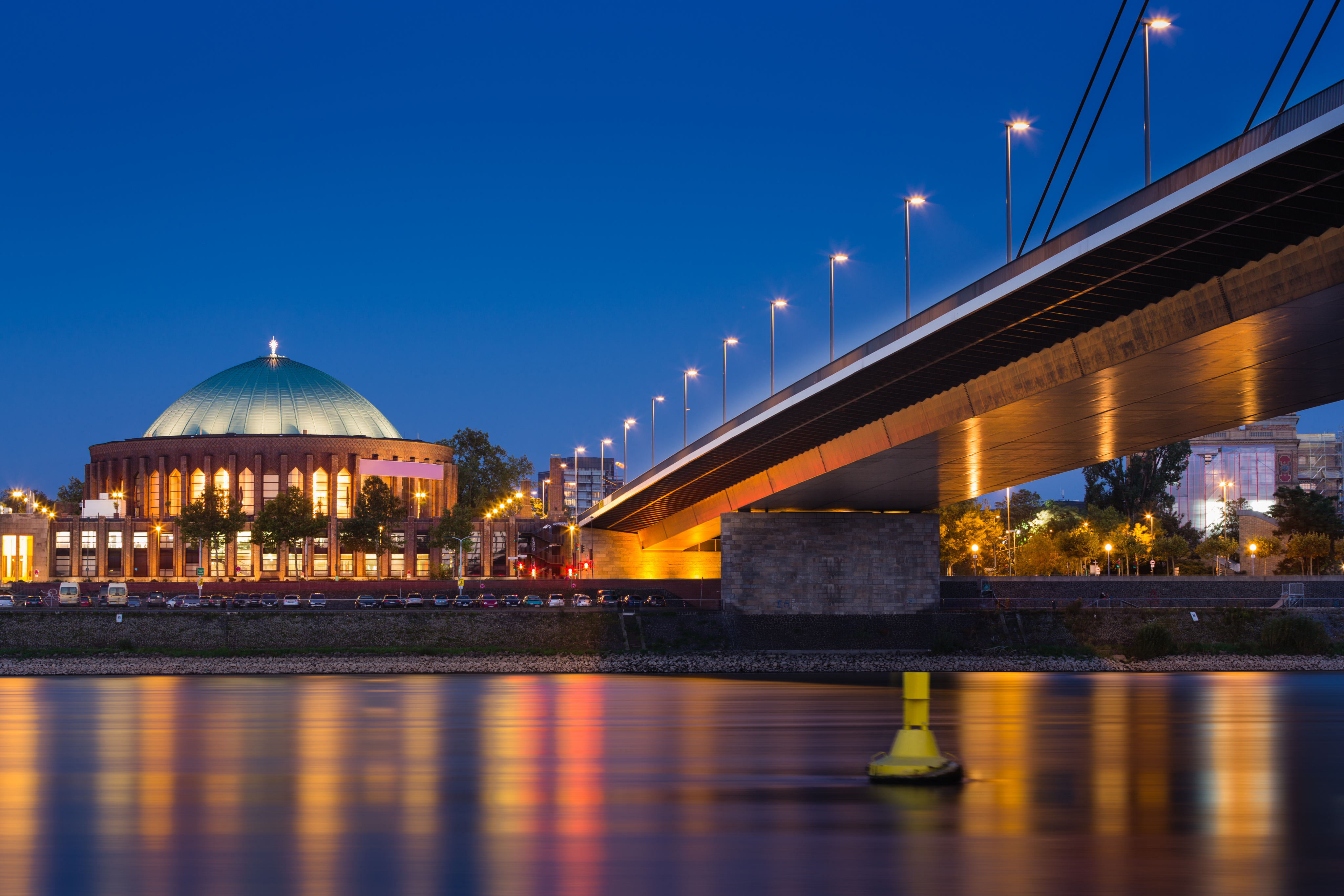
Pempelfort lies north of the center and combines residential streets with independent cafés, restaurants, shops, and cultural venues. Tram and Stadtbahn connections provide easy access to the Altstadt, Königsallee, museums, and Düsseldorf Central Station.
Best for: Longer visits, museums, neighborhood restaurants, and convenient public transportation
What to expect: Local shopping streets, daytime café traffic, and a more residential atmosphere than the historic center
Hotel prices: Expect to pay €110–€200 ($125–$230) per night at many popular hotels.
Distance to major sights: The Altstadt and Königsallee are generally 10 to 20 minutes away by tram or Stadtbahn.
Quietness: Residential blocks are calm at night, while areas near Nordstraße retain some restaurant and bar activity.
Main trade-off: Most major landmarks require a short public transportation ride or a longer walk.
Good to know: Hotels near Nordstraße, Victoriaplatz/Klever Straße, or Wehrhahn provide the most convenient connections to the center.
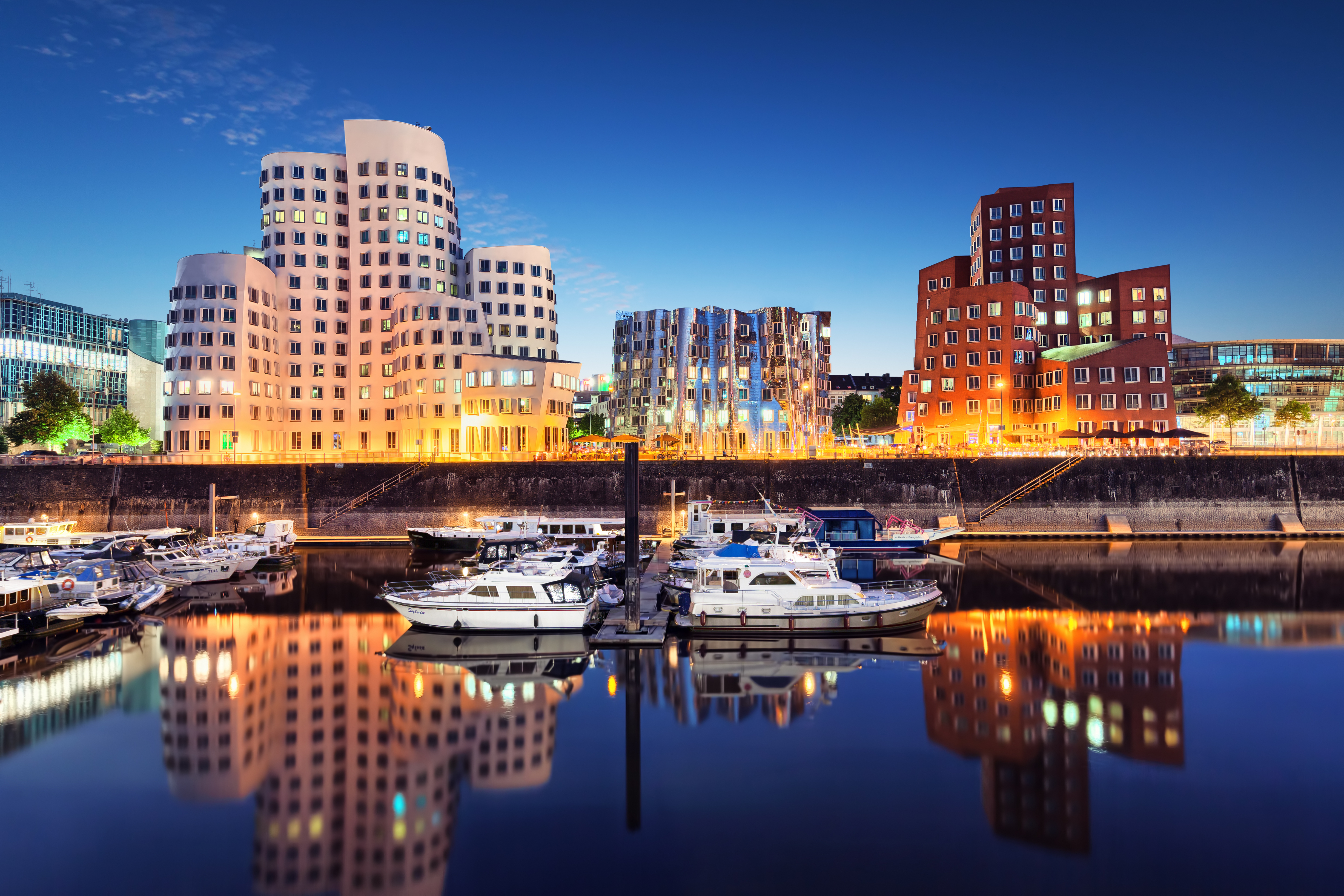
Unterbilk extends south of Carlstadt near the Rhine Tower, the state parliament, and MedienHafen. Restaurants, cafés, residential streets, and waterfront paths make it a practical option for travelers interested in modern architecture and evening walks beside the river.
Best for: MedienHafen, riverside walks, restaurants, and a modern neighborhood setting
What to expect: Busy dining streets, office traffic near the harbor, and quieter residential blocks farther inland
Hotel prices: Hotels in Unterbilk commonly charge €120–€230 ($140–$260) per night.
Distance to major sights: The Rhine Tower is 10 to 20 minutes away on foot, while Königsallee is approximately 10 minutes away by tram.
Quietness: Restaurant areas are active through dinner, but nearby residential streets become quieter later in the evening.
Main trade-off: The hotel selection is smaller than in the Altstadt, and palace or museum visits north of the center require public transportation.
Good to know: Choose accommodation near a tram or Stadtbahn stop if you plan to divide your time between MedienHafen and the historic center.
Unterrath and Lohausen are close to the airport, but they have fewer restaurants and require regular transportation to the center. Wittlaer and residential areas of northern Düsseldorf also add considerable travel time to short sightseeing trips.
Hotel deals
Getting around Düsseldorf
Düsseldorf has an integrated network of Stadtbahn trains, trams, buses, S-Bahn services, and regional trains.

S-Bahn
for longer journeys and rides to the airport
S-Bahn and regional trains connect the airport, Düsseldorf Central Station, Benrath, and surrounding cities. The journey between the airport rail station and the central station can take 10 to 15 minutes. The airport terminal also has its own S-Bahn stop for the S11.

Stadtbahn, tram, and bus
for city-center and neighborhood journeys
The Stadtbahn and tram network serves Königsallee, Heinrich-Heine-Allee, Pempelfort, Unterbilk, Benrath, and other districts. A standard local ticket costs €3.40 ($3.90), while a 24-hour ticket for the city zone is generally €8.90 ($10.20).

Taxi
for late hours
Licensed taxis use metered fares. A ride between Düsseldorf Airport (DUS) and the city center generally costs €25–€35 ($30–$40), although traffic and the exact destination can affect the final fare. Most taxis accept cards, but confirm before beginning the trip.
*Prices are based on rates updated as of July 2026 and may change at the time of travel.
Use the S-Bahn for airport transfers, the Stadtbahn and trams for most central journeys, and taxis if you want a convenient and comfortable ride.
Iconic places in Düsseldorf
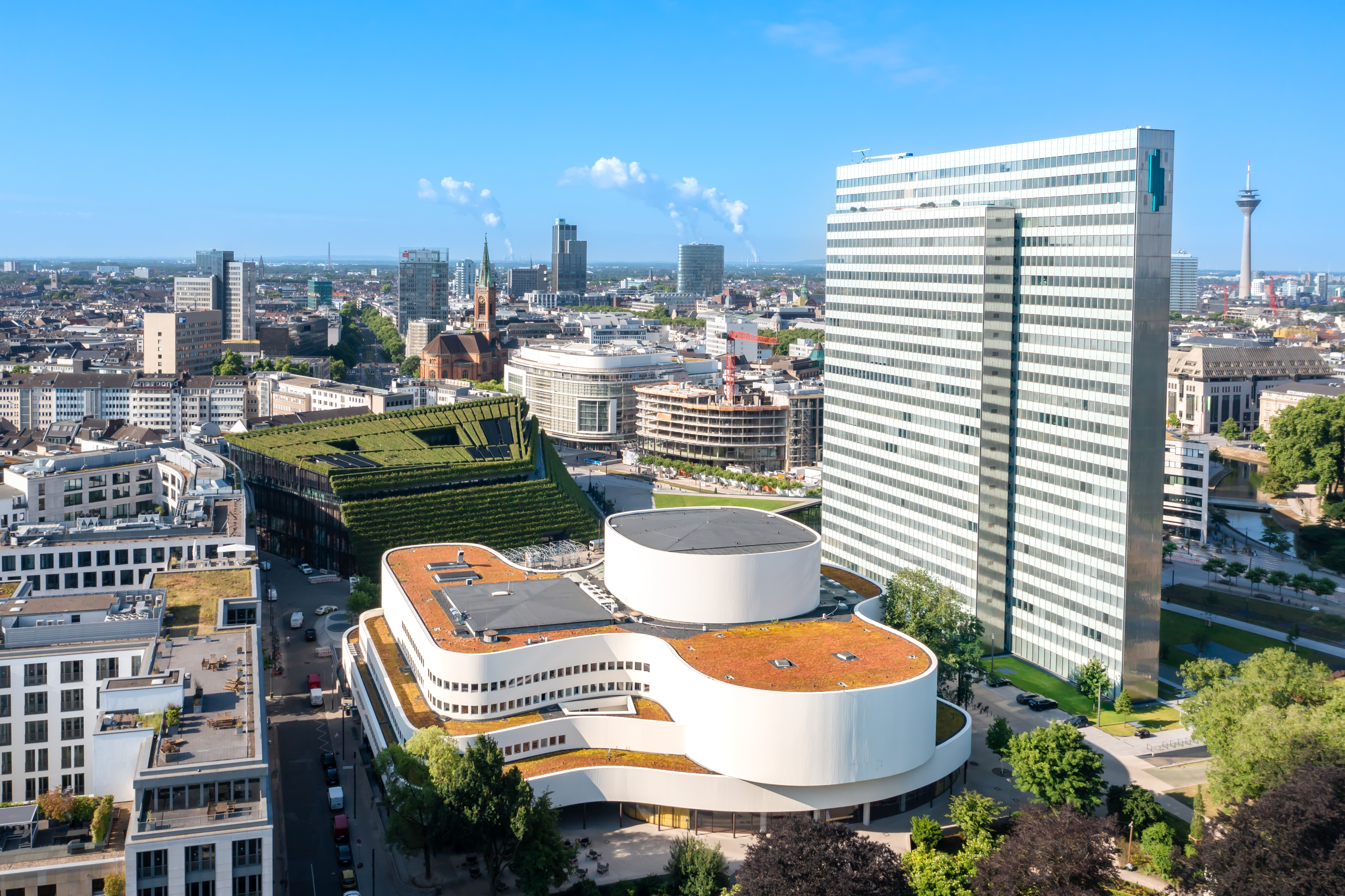
Königsallee
Königsallee follows a tree-lined canal through central Düsseldorf, with luxury boutiques, department stores, bridges, and café terraces on either side. Known locally as the Kö, it is both a major shopping street and one of the city’s most recognizable public spaces.
Time needed: 1 to 2 hours
Entry: Free to access
Tip: Walk the canal in the late afternoon, then continue toward Carlstadt or the Altstadt for dinner.
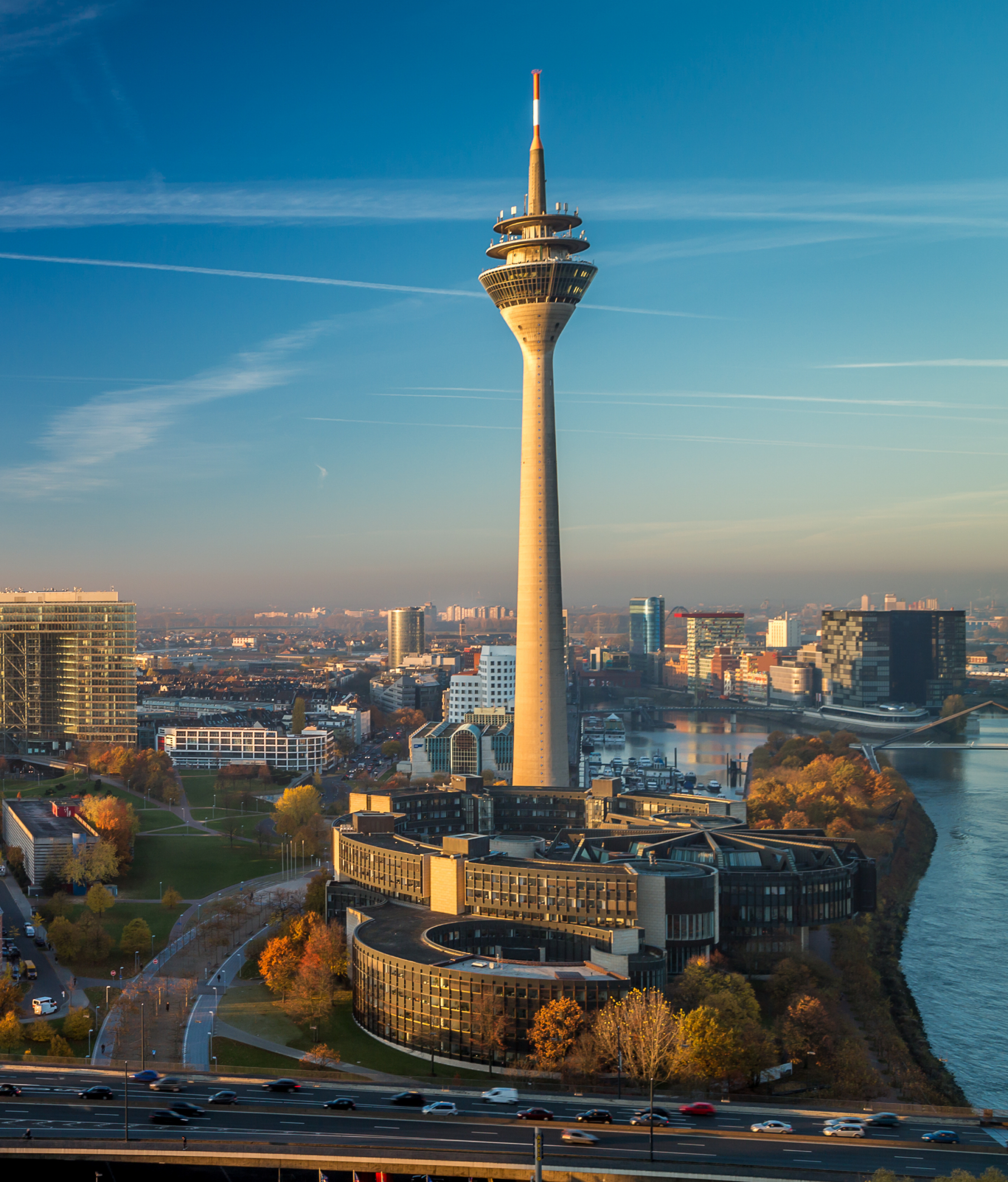
Rhine Tower
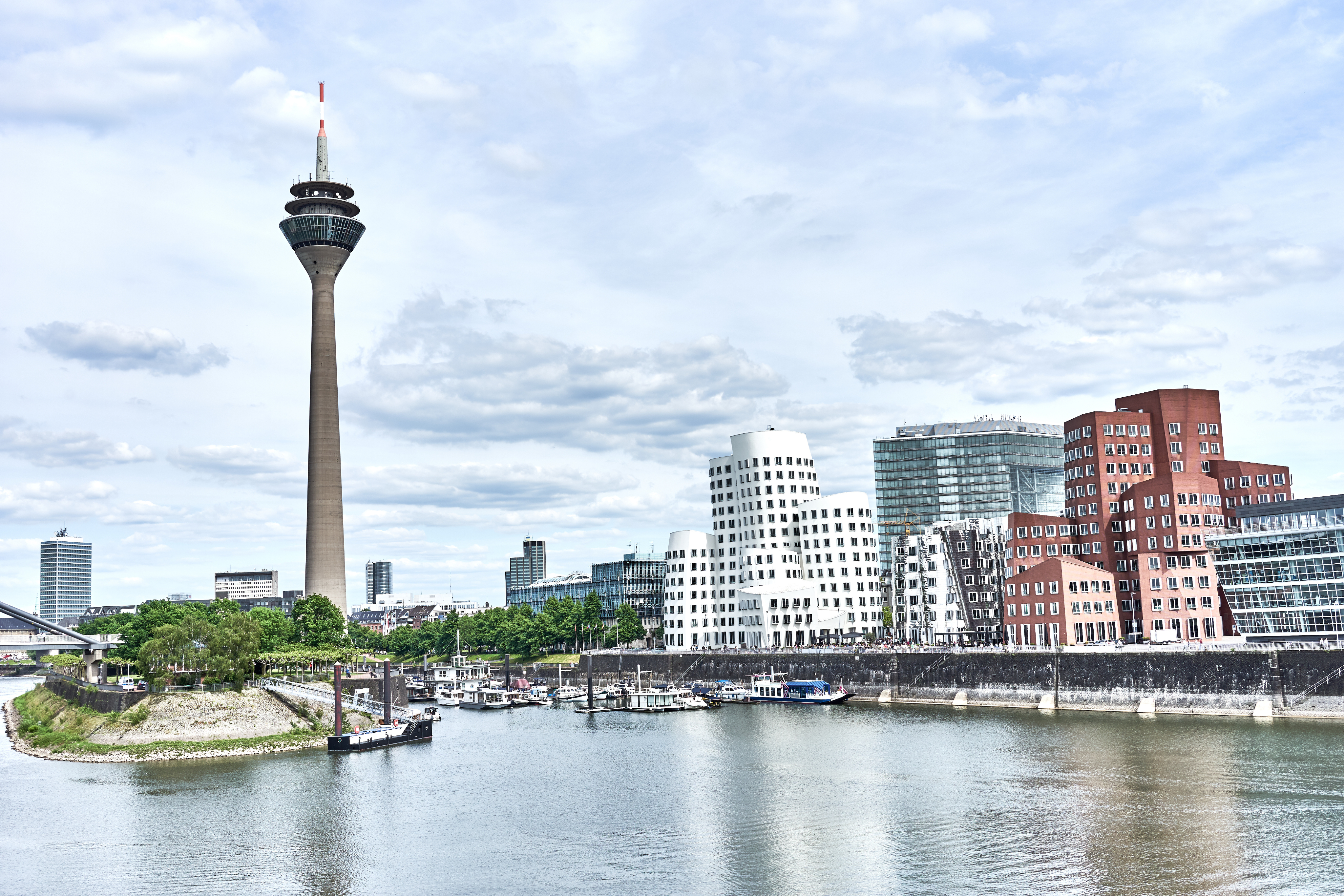
The Rhine Tower rises beside MedienHafen and the North Rhine-Westphalia parliament. Its observation level provides wide views over the Rhine, the harbor buildings, the Altstadt, and the surrounding region on clear days. The revolving QOMO restaurant occupies a higher level of the tower.
Time needed: 1 to 2 hours
Entry: Ticket prices vary by age, time, and ticket category. Visit the official website for more details.
Tip: Arrive before sunset to see the city in daylight.
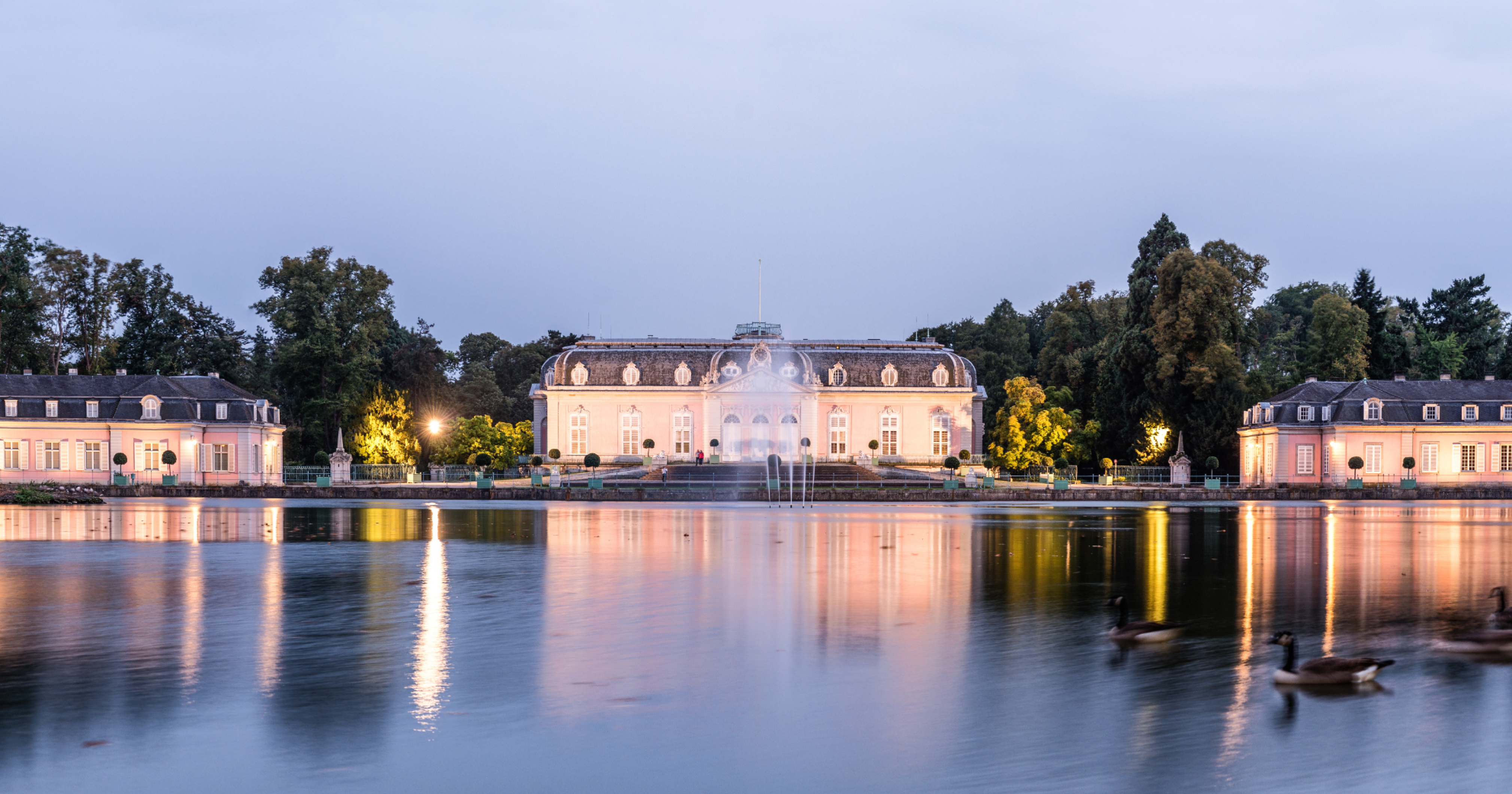
Benrath Palace
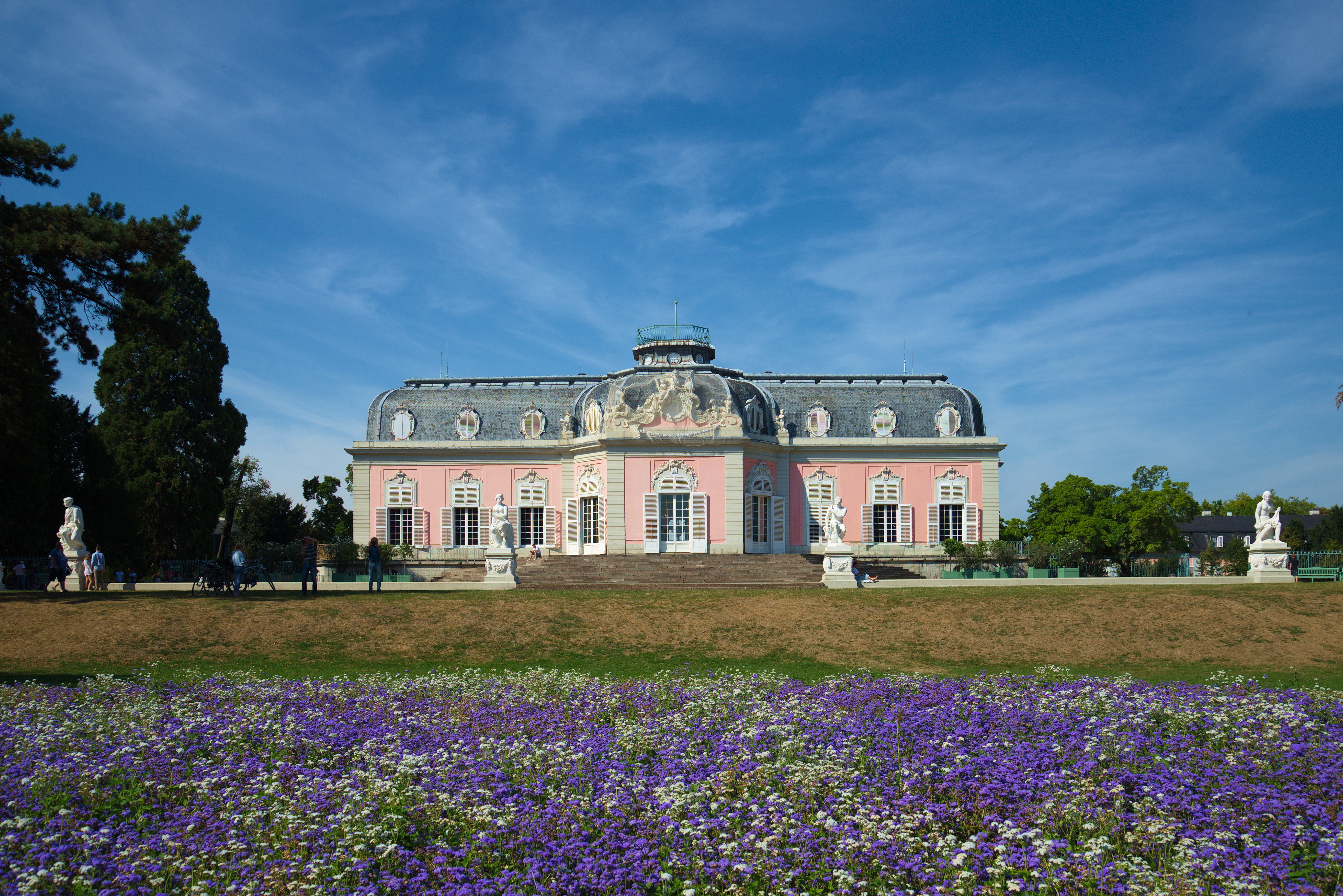
Benrath Palace is an 18th-century complex south of central Düsseldorf, with a pink main building, formal rooms, landscaped gardens, ponds, and museums devoted to natural history and European garden art. Travelers usually opt for tours of the palace interiors.
Time needed: 2 to 3 hours
Entry: Admission depends on the museum or guided tour. Check the official ticket shop for current options.
Tip: Reserve your palace tour before visiting, and leave time to walk through the park.
Overlooked places in Düsseldorf
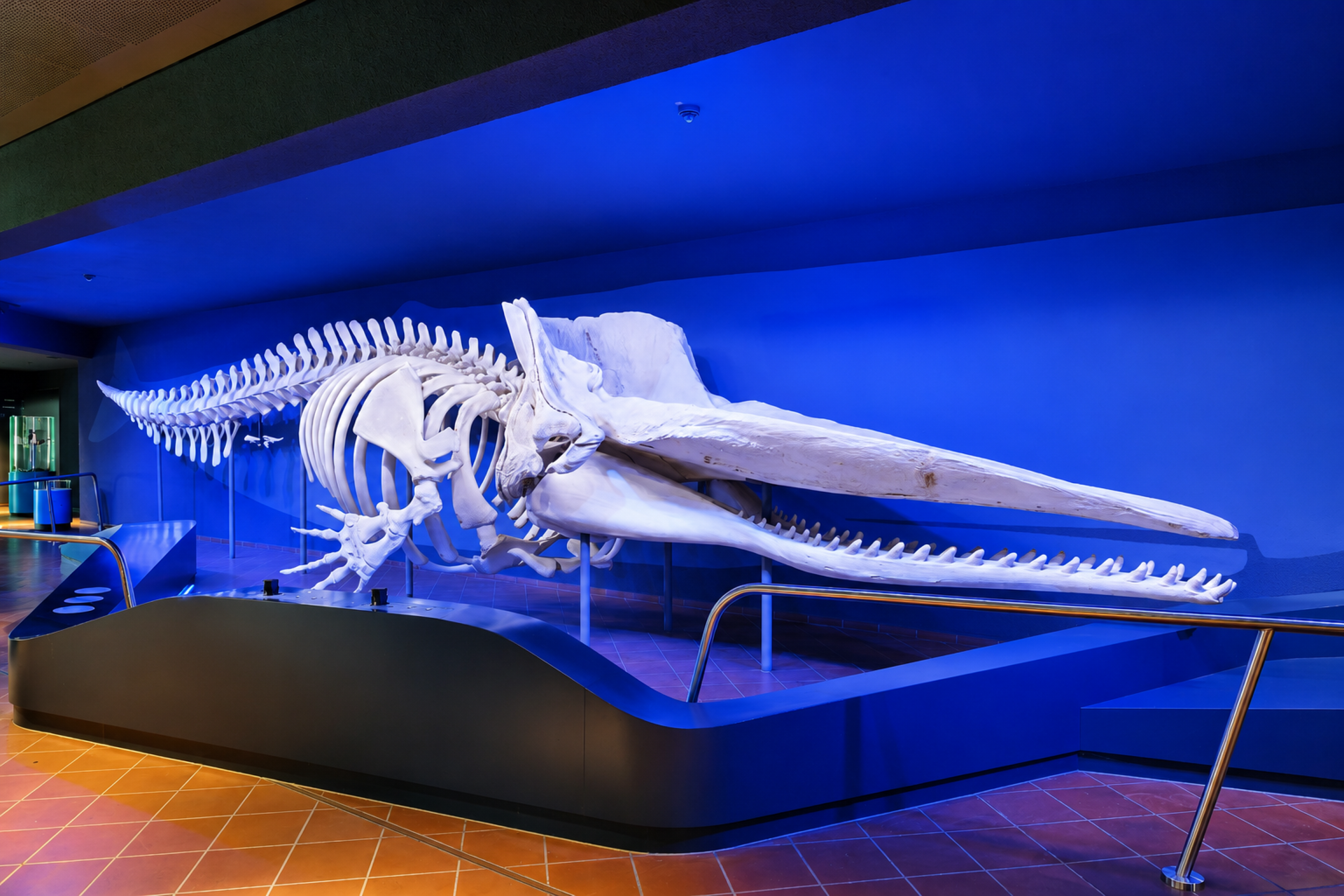
Aquazoo Löbbecke Museum
The Aquazoo combines aquariums, natural history exhibitions, and displays that explain the relationship between aquatic and terrestrial life.
Time needed: 1.5 to 2.5 hours
Entry: Adult tickets cost €11 ($12.60), with family rates available. Check the official site for current prices.
Tip: Visit on a weekday morning, when galleries are usually less crowded.

Kaiserpfalz Kaiserswerth
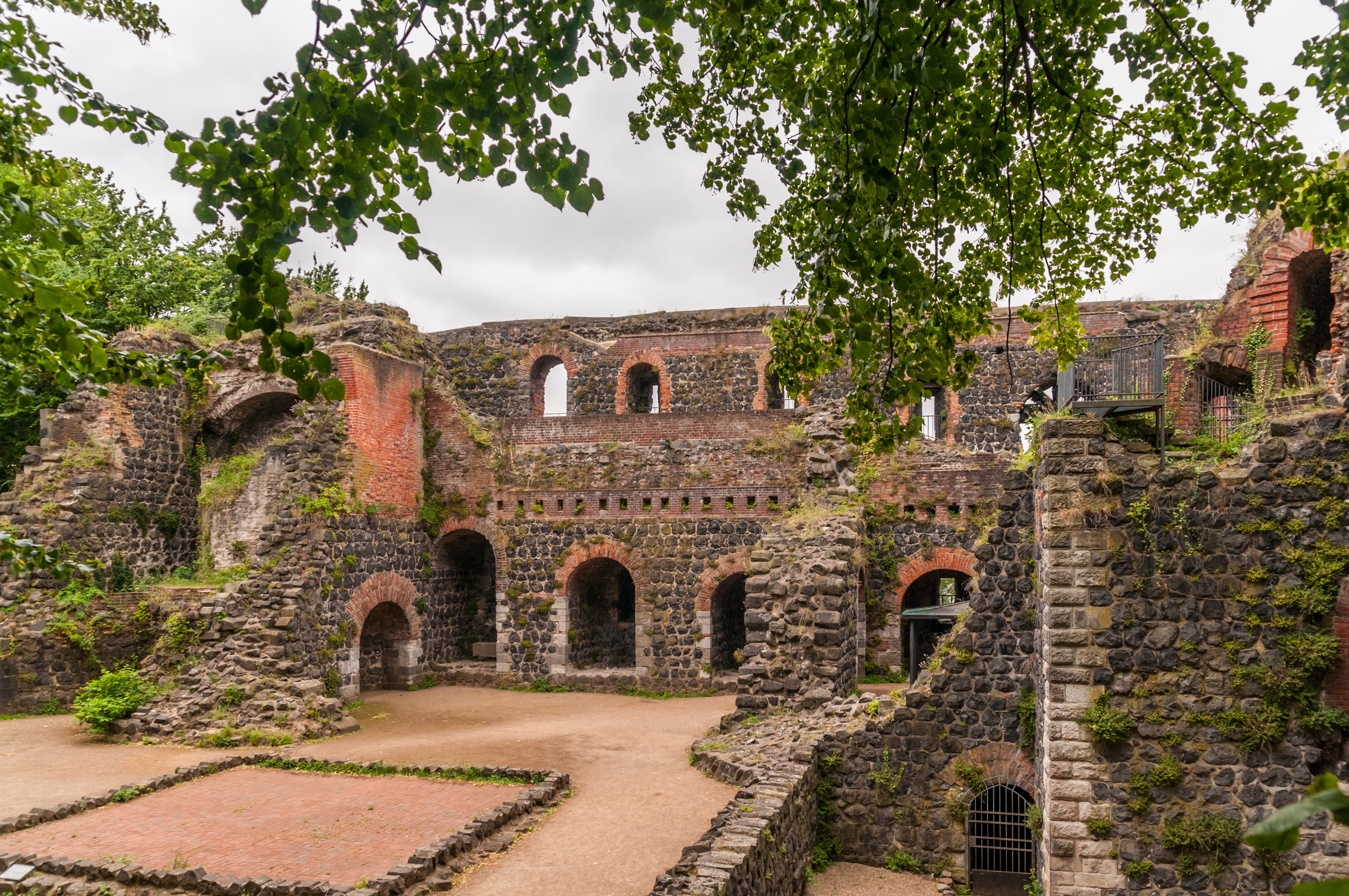
The ruins of Kaiserpfalz Kaiserswerth stand beside the Rhine in one of Düsseldorf’s oldest districts. There you can admire surviving stone walls that recall the site’s medieval imperial history.
Time needed: 1 to 2 hours
Entry: Free to access
Tip: Combine the ruins with a walk through central Kaiserswerth and lunch near the river.
What to eat in Düsseldorf
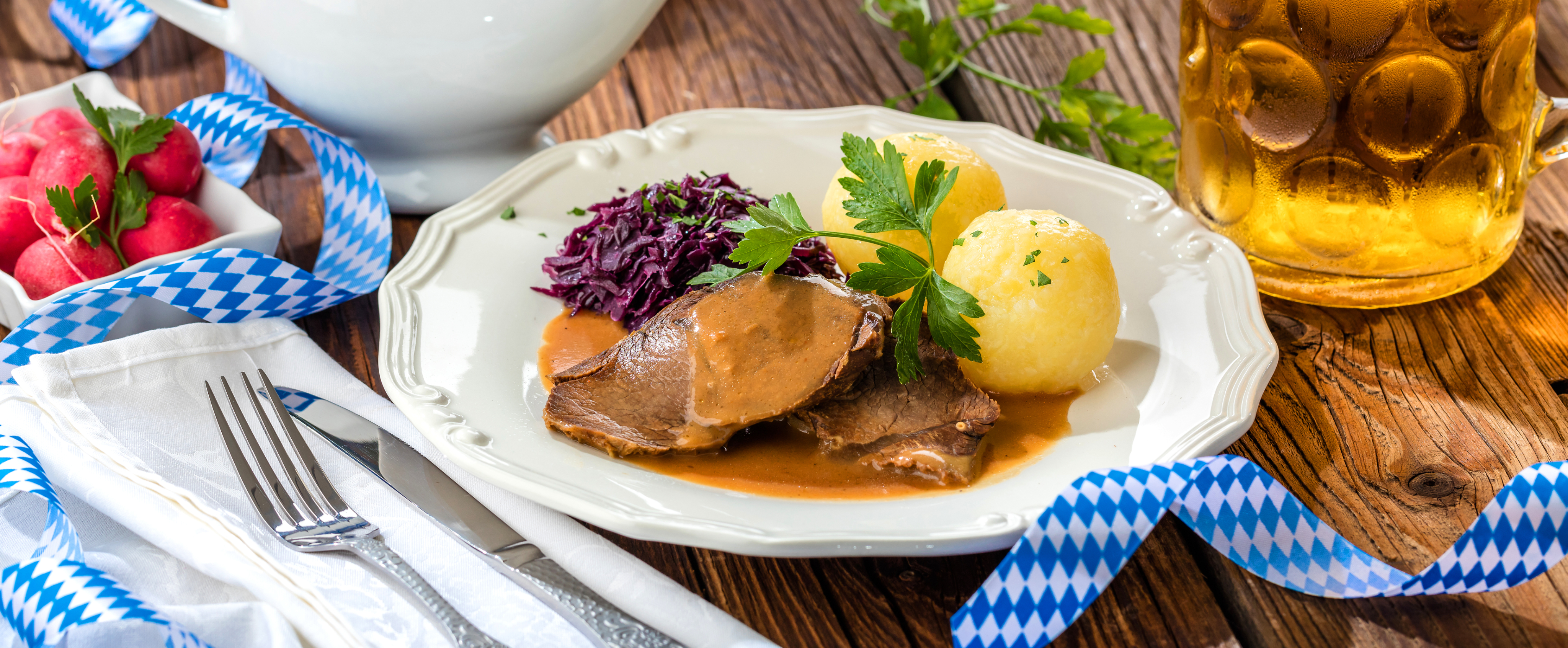
Düsseldorf’s traditional dishes combine roasted or braised meat, potatoes, apples, rye bread, onions, and the city’s sharp mustard. Many are served in Altstadt breweries alongside Altbier, the copper-colored beer closely associated with Düsseldorf.
Rheinischer Sauerbraten
Rheinischer Sauerbraten is marinated pot roast served with a sweet-and-sour gravy, often accompanied by red cabbage and potato dumplings. Im Goldenen Kessel serves the dish in a traditional Altstadt brewery dining room.
Himmel un Ääd
Himmel un Ääd combines mashed potatoes and apples with fried blood sausage and onions. Uerige includes this regional specialty on a menu designed to accompany its house-brewed Altbier.
Halve Hahn
Despite its name, Halve Hahn contains no chicken. It consists of a rye roll served with aged cheese, mustard, onions, and pickles. You can order it at Uerige as a light meal or snack with beer.
Düsseldorfer Senfrostbraten
Düsseldorfer Senfrostbraten is beef covered with a mustard-and-onion crust, then roasted or grilled. Hausbrauerei Zum Schlüssel serves the local dish in a long-established tavern in the Altstadt.
Best time to visit Düsseldorf
Spring and early autumn usually provide the most comfortable conditions for city walks and time beside the Rhine.
Best for: Rhine walks, palace gardens, outdoor cafés, and comfortable sightseeing
What you get: Temperatures range from 46°F to 66°F (8°C–19°C). Visitor numbers are moderate, and trees and gardens become greener through April and May.
Trade-offs: Rain and cool winds can interrupt longer walks beside the river.
Best for: Long evenings, harbor walks, outdoor dining, and events beside the Rhine
What you get: Temperatures are between 59°F and 77°F (15°C–25°C), with warmer spells possible. Restaurants are busiest on sunny weekends.
Trade-offs: Popular promenades, terraces, and central hotels can become crowded.
Best for: Museum visits, comfortable walks, dining, and lighter crowds after summer
What you get: Temperatures typically range from 45°F to 64°F (7°C–18°C), with mild conditions early in the season and cooler, wetter days by November.
Trade-offs: Daylight decreases quickly, particularly after the clocks change in late October.
Best for: Christmas markets, art museums, brewery meals, and quieter sightseeing
What you get: Travelers can expect temperatures of 32°F–43°F (0°C–6°C).
Trade-offs: Cold rain, wind, and early sunsets limit time outdoors.
A 5-day plan in Düsseldorf
Five days allow you to explore central Düsseldorf, the Rhine waterfront, northern Kaiserswerth, and Benrath Palace without combining distant areas on the same morning.
Land at Düsseldorf Airport (DUS) and travel to your hotel by S-Bahn, regional train, or taxi. Rail journeys to Düsseldorf Central Station commonly take 10 to 15 minutes, while a taxi to central neighborhoods may require 15 to 30 minutes depending on traffic. After checking in, have dinner near your hotel and take a short walk beside the Rhine or through Carlstadt.
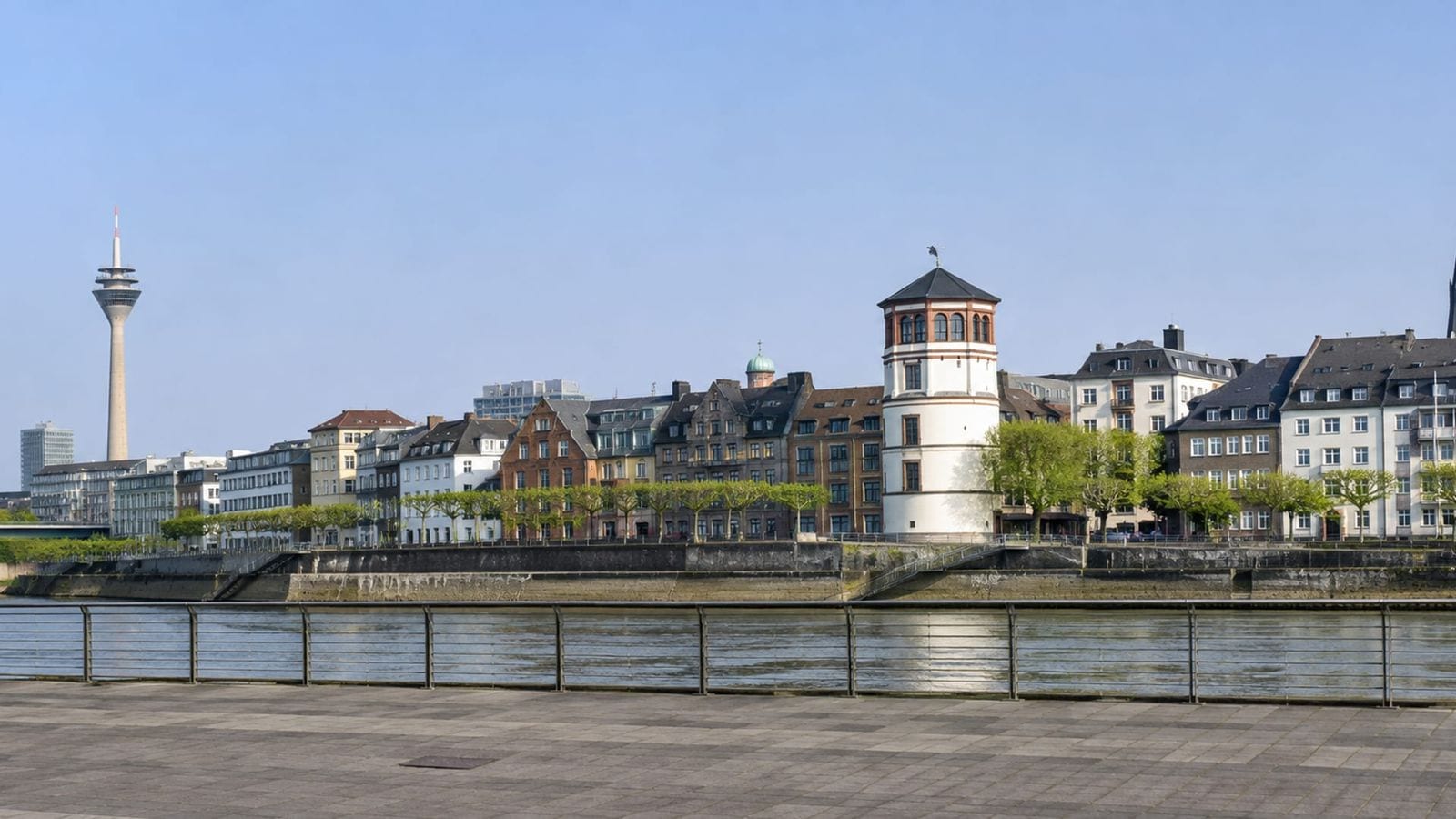
Begin beside the canal on Königsallee and allow 1 to 2 hours for the boulevard and nearby shops. Continue through Carlstadt to the Altstadt for lunch, historic streets, and the Rhine Promenade. In the late afternoon, follow the waterfront south toward the Rhine Tower and MedienHafen. End the day with the observation deck or dinner near the harbor.
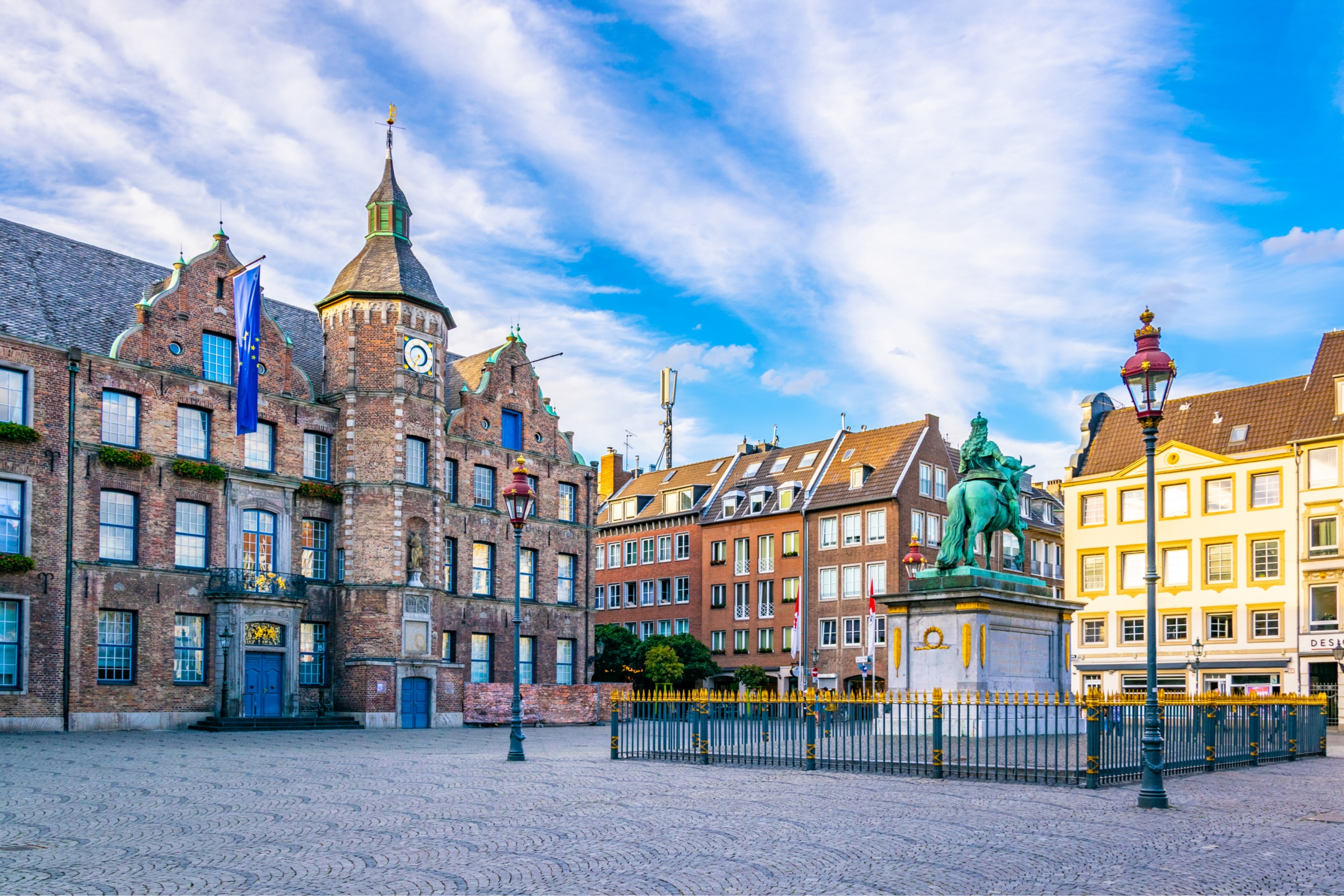
Take the Stadtbahn north to the Aquazoo Löbbecke Museum and spend the morning exploring its aquariums and natural-history galleries. Continue to Kaiserswerth for the imperial palace ruins, historic streets, and a riverside walk. Have lunch or an early dinner in the district before returning to central Düsseldorf.
Travel south to Benrath Palace in the morning and allow 2 to 3 hours for a guided interior visit, the museums, and the gardens. Return to the center in the afternoon. Spend the rest of the day around MedienHafen, where buildings by Frank Gehry and other architects line the former port. Continue to Unterbilk for dinner.
Use the final morning for Carlsplatz Market, a smaller museum, or last-minute shopping along Königsallee. Keep your luggage at the hotel or Düsseldorf Central Station if your flight leaves later in the day. Allow additional time for the journey to Düsseldorf Airport (DUS), check-in, and security.
Business-class flights from the US to Düsseldorf
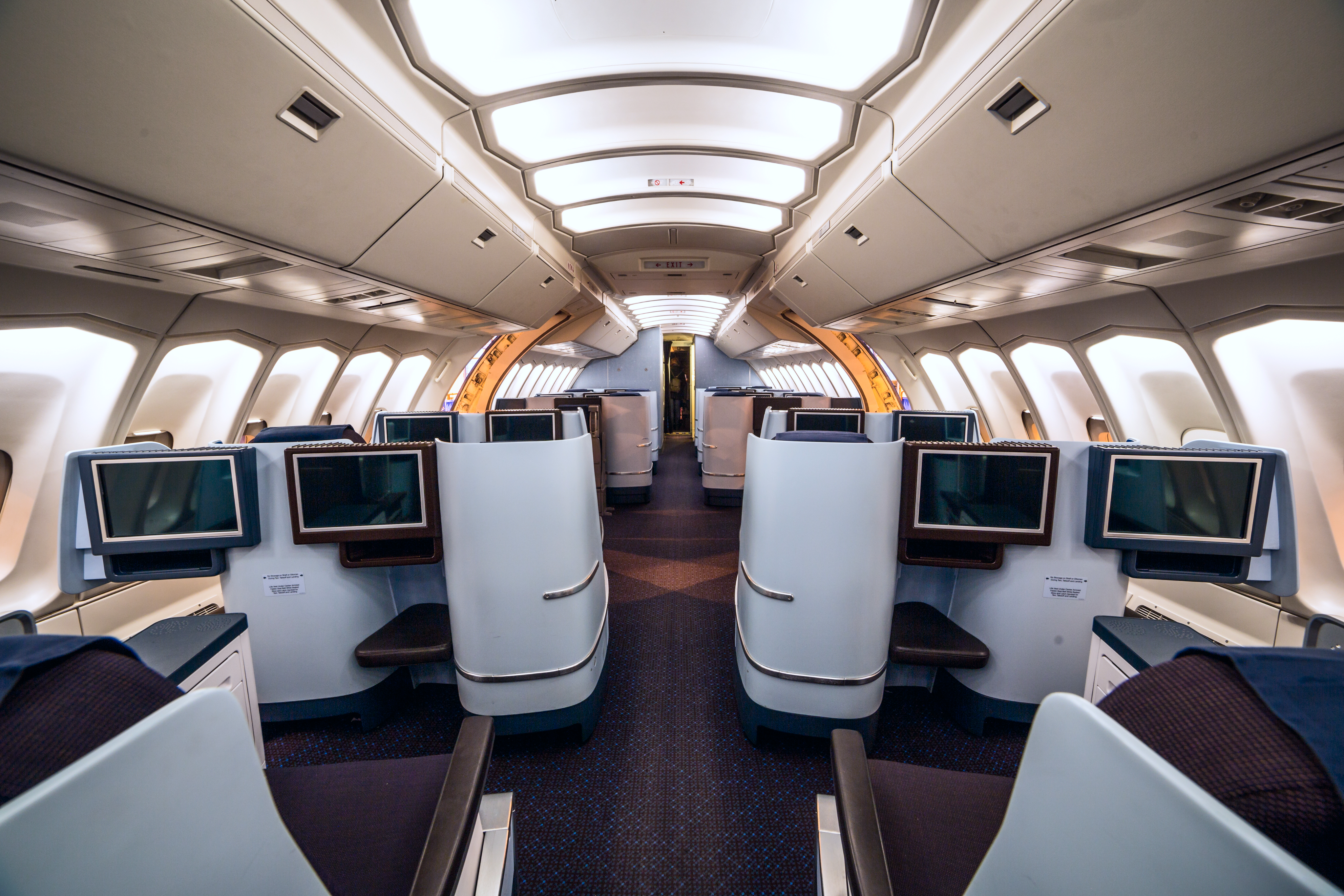
Most itineraries from both the West and East Coasts of the US to Düsseldorf require one connection at a major European airport.
New York (JFK) to Düsseldorf (DUS)
Airlines like Lufthansa, KLM, Air France, and British Airways offer connecting flights from New York (JFK) to Düsseldorf with layovers in Frankfurt (FRA), Munich (MUC), Amsterdam (AMS), Paris Charles de Gaulle (CDG), or London Heathrow (LHR). These itineraries usually take 9 to 15 hours. Round-trip business-class fares for these flights generally range from $2,900 to $5,500, with higher prices possible during major events and busy travel periods.
Los Angeles (LAX) to Düsseldorf (DUS)
There aren’t any regular nonstop flights from Los Angeles International Airport (LAX) to Düsseldorf. Lufthansa, KLM, Air France, British Airways, and other carriers operate one-stop itineraries on this route instead. Total travel time commonly ranges from 12 to 18 hours, depending on the connecting airport and layover. Business-class tickets from these airlines typically cost between $3,400 and $7,800.
Discover Düsseldorf beyond the Altstadt
Düsseldorf offers more than its famous old-town breweries and shopping streets. The Rhine connects many of the city’s most memorable places, from the medieval walls of Kaiserswerth to the modern buildings of MedienHafen. Art museums, neighborhood restaurants, palace gardens, and riverside paths add variety without requiring an overloaded schedule.
When you are ready to organize the journey, AranGrant can help you compare business-class flights and hotels that suit your schedule and preferences.







