

Chapters:

Need help with your trip?
Our support team is available 24/7. Request a callback or call us directly at (833) 619-0908
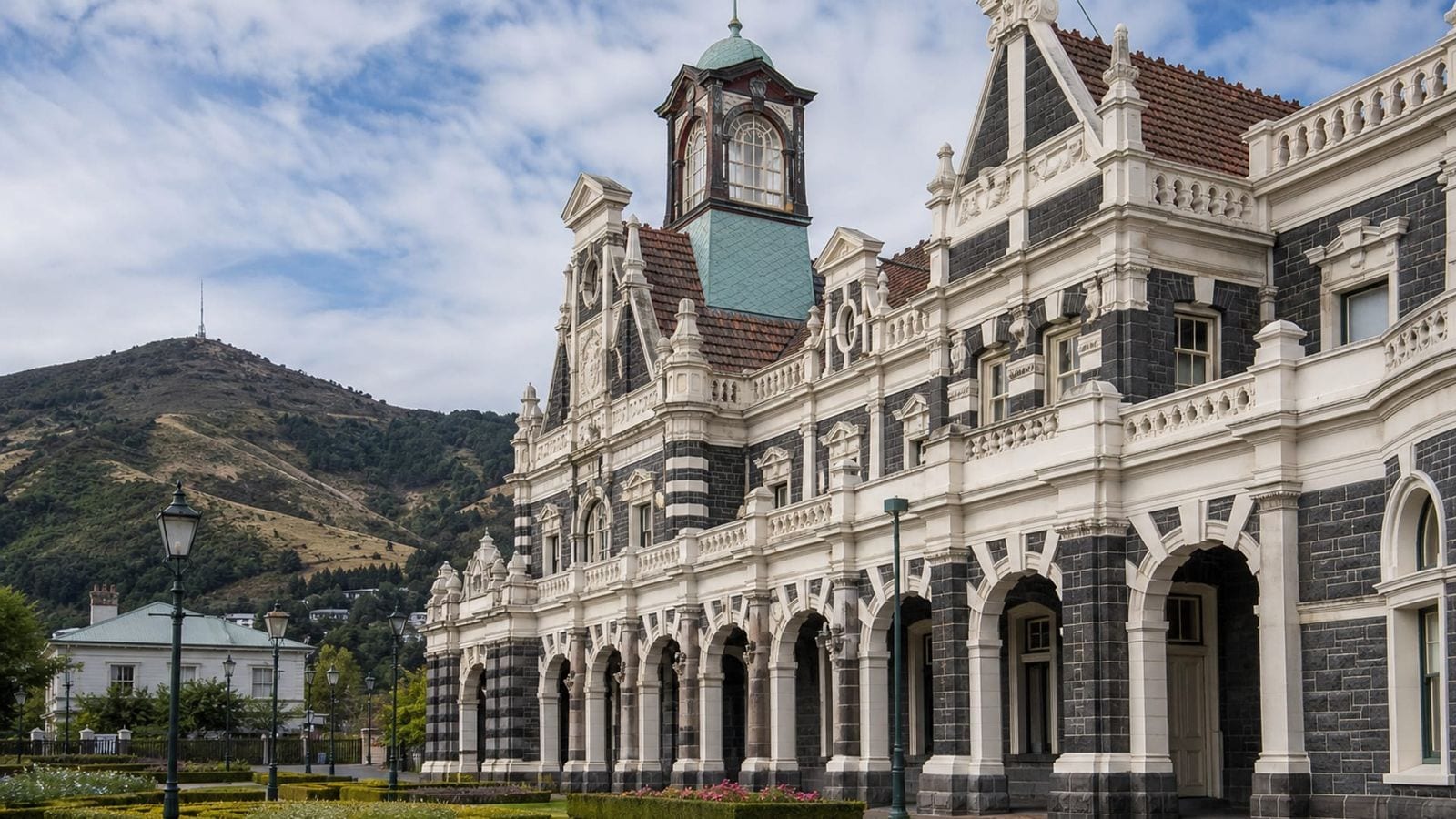
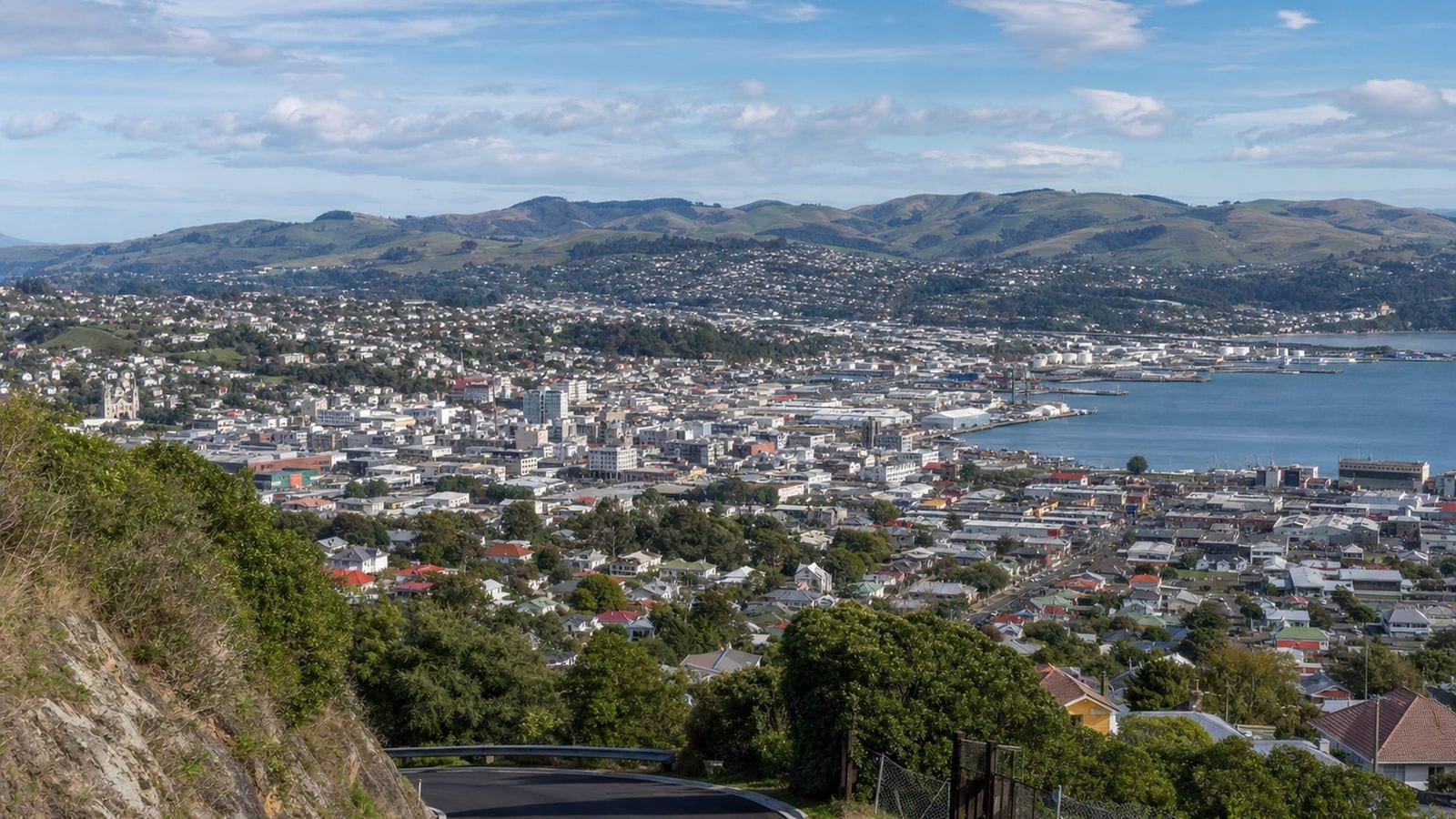
Dunedin’s Scottish heritage, Victorian architecture, and coastal scenery give it a character distinct from New Zealand’s larger cities. The Octagon anchors the historic center, where museums, galleries, and grand public buildings are within walking distance. Beyond the central streets, steep hills lead to residential neighborhoods, gardens, and viewpoints overlooking Otago Harbour.
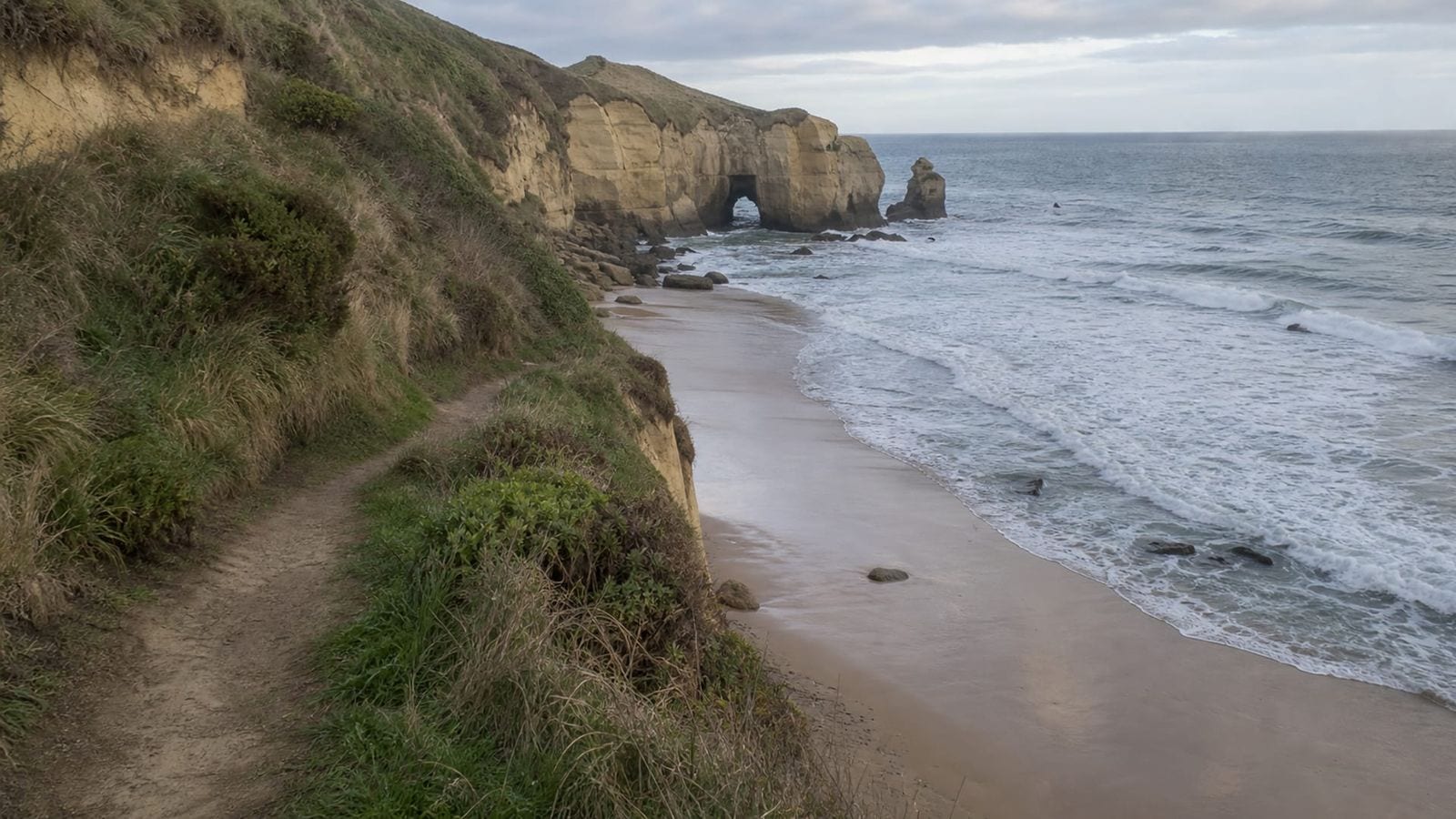
The Otago Peninsula draws visitors for Larnach Castle and wildlife, while Tunnel Beach offers a different view of the rugged coastline. These attractions require travel beyond the center, so grouping visits by location helps avoid unnecessary journeys. This guide covers where to stay, local transport, traditional food, major sights, and a comfortable five-day itinerary.
Useful things to know

Main language(s): English and Māori
Kia ora (kee-ah OR-ah) – Hello
Tēnā koa (TEH-nah KOH-ah) – Please
Ngā mihi (ngah MEE-hee) – Thank you
Kei te kōrero reo Pākehā koe? (kay teh KOH-reh-roh REH-oh PAH-keh-hah KOH-eh) – Do you speak English?
E hia te utu? (eh HEE-ah teh OO-too) – How much does it cost?

Currency: New Zealand dollar (NZD, NZ$)

Cash and cards: Cards and contactless payments are widely accepted. Carry NZ$20 to NZ$40 (US$11 to US$22) for small purchases.

Tipping: Tipping is optional in New Zealand. A small tip for exceptional restaurant service is appreciated but not expected.

Traditional food: Blue cod, whitebait fritters, muttonbird, cheese rolls

Water and coffee costs: Bottled water generally costs NZ$3 (US$1.70), while an espresso costs NZ$5 (US$2.80).

Taxis and ride apps: Uber and licensed taxis operate in Dunedin. Booking ahead is advisable for early departures and journeys outside the center.

Plug and voltage: Type I sockets, 230 V, 50 Hz

Dining and shop opening hours: Breakfast is commonly served from 7 am to 9 am, lunch from noon to 2 pm, and dinner from 6 pm to 9 pm. Some kitchens close earlier on Sundays.

Emergency number: Dial 111 for police, fire, or ambulance.
Where to stay in Dunedin
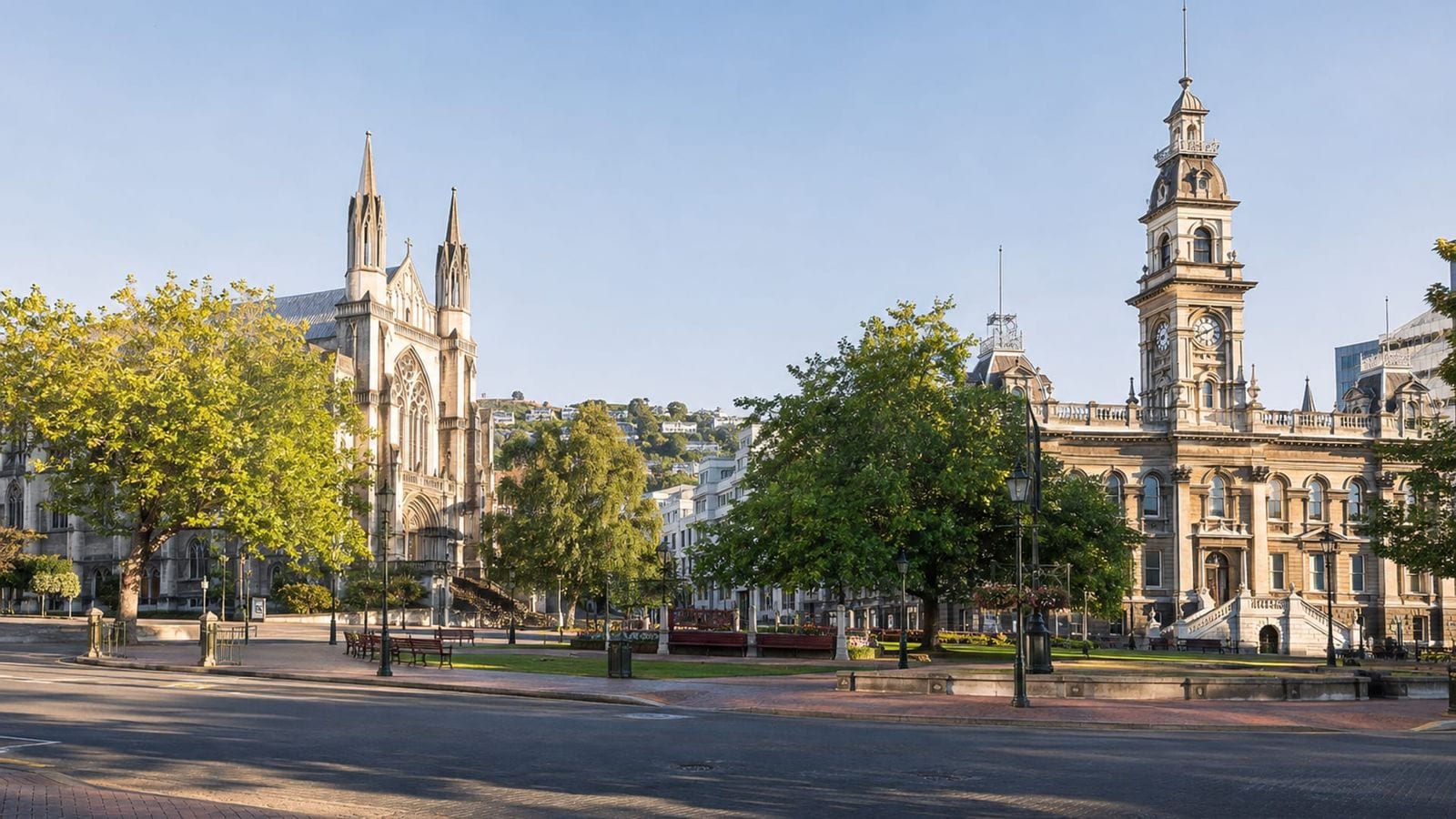
Dunedin’s city center places visitors near the Octagon, historic railway station, shops, restaurants, and cultural attractions. The compact central streets make sightseeing easy without a car, while hotels near the Octagon offer easy access to evening dining and public transport.
Best for: First-time visitors, car-free stays, museums, and central dining
What to expect: Historic buildings, shopping streets, restaurants, and regular pedestrian activity
Hotel prices: Well-rated stays generally cost NZ$120 to NZ$220 (US$65 to US$125) per night.
Distance to major sights: The Octagon and Dunedin Public Art Gallery are within a short walk of central hotels.
Quietness: Streets near bars can be noisy at night, while quieter accommodation is available farther from the Octagon.
Main trade-off: Central hotels may have limited parking and more traffic noise.
Good to know: Check whether your hotel offers parking, particularly if you plan to rent a car.
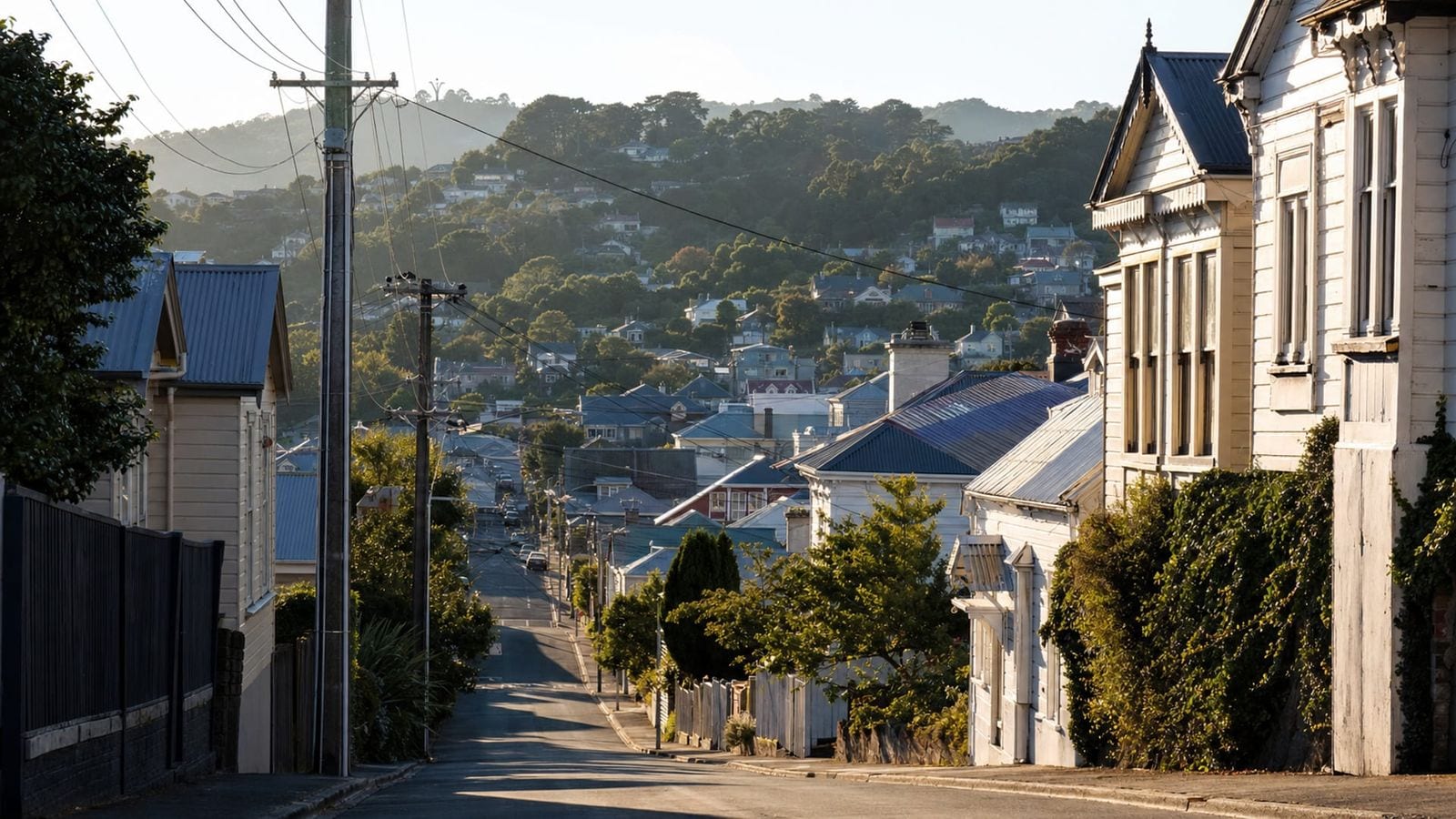
North Dunedin extends from the city center toward the University of Otago, with historic houses, student accommodation, cafés, and cultural institutions. Its location near Otago Museum and the Dunedin Botanic Garden appeals to visitors interested in museums and gardens, although some streets become busy during university terms.
Best for: University visits, museums, gardens, and moderately priced accommodation
What to expect: Student cafés, Victorian houses, university buildings, and residential streets
Hotel prices: Accommodation commonly ranges from NZ$110 to NZ$190 (US$60 to US$110) per night.
Distance to major sights: Otago Museum is within the district, while the Octagon is a 15-minute walk from its southern edge.
Quietness: University activity and student gatherings can create noise during term time.
Main trade-off: The neighborhood has fewer evening dining choices than the city center.
Good to know: Check the hotel’s exact location, as walking distances and gradients vary considerably.
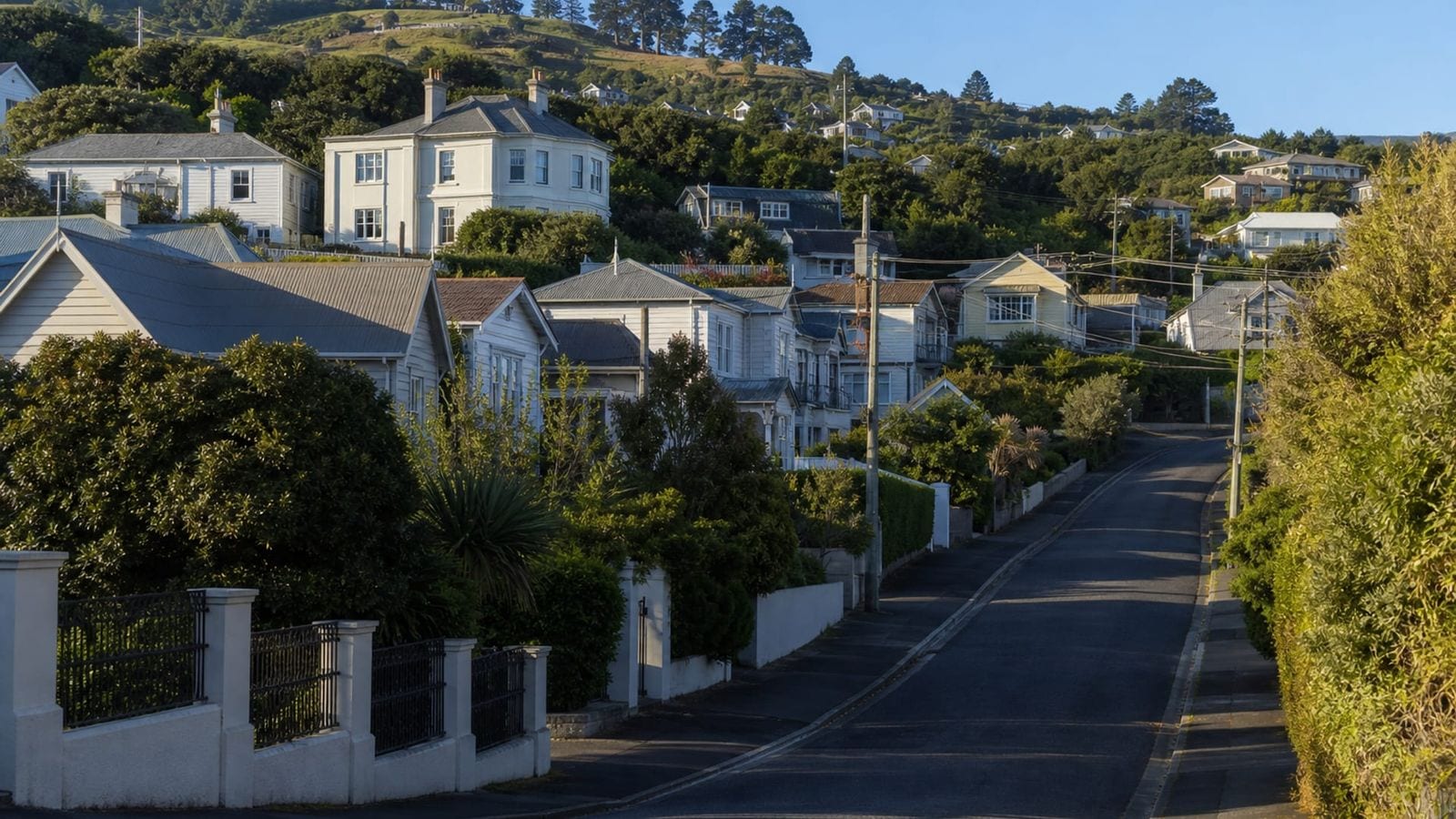
Roslyn occupies a hillside west of central Dunedin, offering residential streets, neighborhood cafés, village shops, and views across the city. Visitors who prefer accommodation away from the busiest central streets may appreciate its setting, although reaching museums and restaurants usually requires a bus, taxi, or car.
Best for: Residential surroundings, local cafés, and travelers with a car
What to expect: Village shops, hillside streets, detached homes, and viewpoints
Hotel prices: Expect NZ$120 to NZ$210 (US$65 to US$120) per night for accommodation.
Distance to major sights: The Octagon is a 10-minute drive, depending on your location and traffic.
Quietness: Residential streets are generally quieter than the central entertainment area.
Main trade-off: Steep hills and limited late-night transport make spontaneous evening trips less convenient.
Good to know: Choose accommodation near Roslyn Village if you want cafés and shops within walking distance.
Mosgiel, Fairfield, and Wingatui are less convenient for visitors planning several days of central sightseeing. Port Chalmers is better suited to a harbor excursion, while South Dunedin offers fewer hotels close to the city’s main cultural attractions.
Hotel deals
How to get around Dunedin efficiently
Dunedin’s central attractions are walkable, but its hills and coastal destinations make buses, taxis, and rental cars useful for longer journeys.

Metro
for longer distances
Orbus connects central Dunedin with North Dunedin, Roslyn, St Clair, and other areas. A ride within Dunedin costs NZ$2.50 (US$1.40) with a Bee Card or NZ$3 (US$1.70) in cash. You can buy a Bee Card for NZ$5 (US$2.80) online or from the driver using cash. Bank cards are not accepted for onboard fares.

Bus and tram
for convenience
Licensed taxis and Uber provide direct transport across Dunedin. Fares depend on distance and traffic, so confirm the price before longer journeys. For airport transfers, Preston Black offers a fixed NZ$100 (US$56) private service; shared shuttles start from NZ$25 (US$14) per person.

Taxi
for convenience or late hours
With a rental car, you can visit Larnach Castle, Tunnel Beach, and coastal viewpoints without arranging several taxi journeys. Economy cars cost from NZ$60 to NZ$100 (US$34 to US$56) per day; prices vary by dates and rental duration. Check insurance, parking, and fuel costs before renting.
*Prices are based on rates updated as of November 2026 and may change at the time of travel.
Use Orbus for suburban journeys, taxis for direct trips and late returns, and a rental car for the peninsula and coastal excursions.
Iconic landmarks
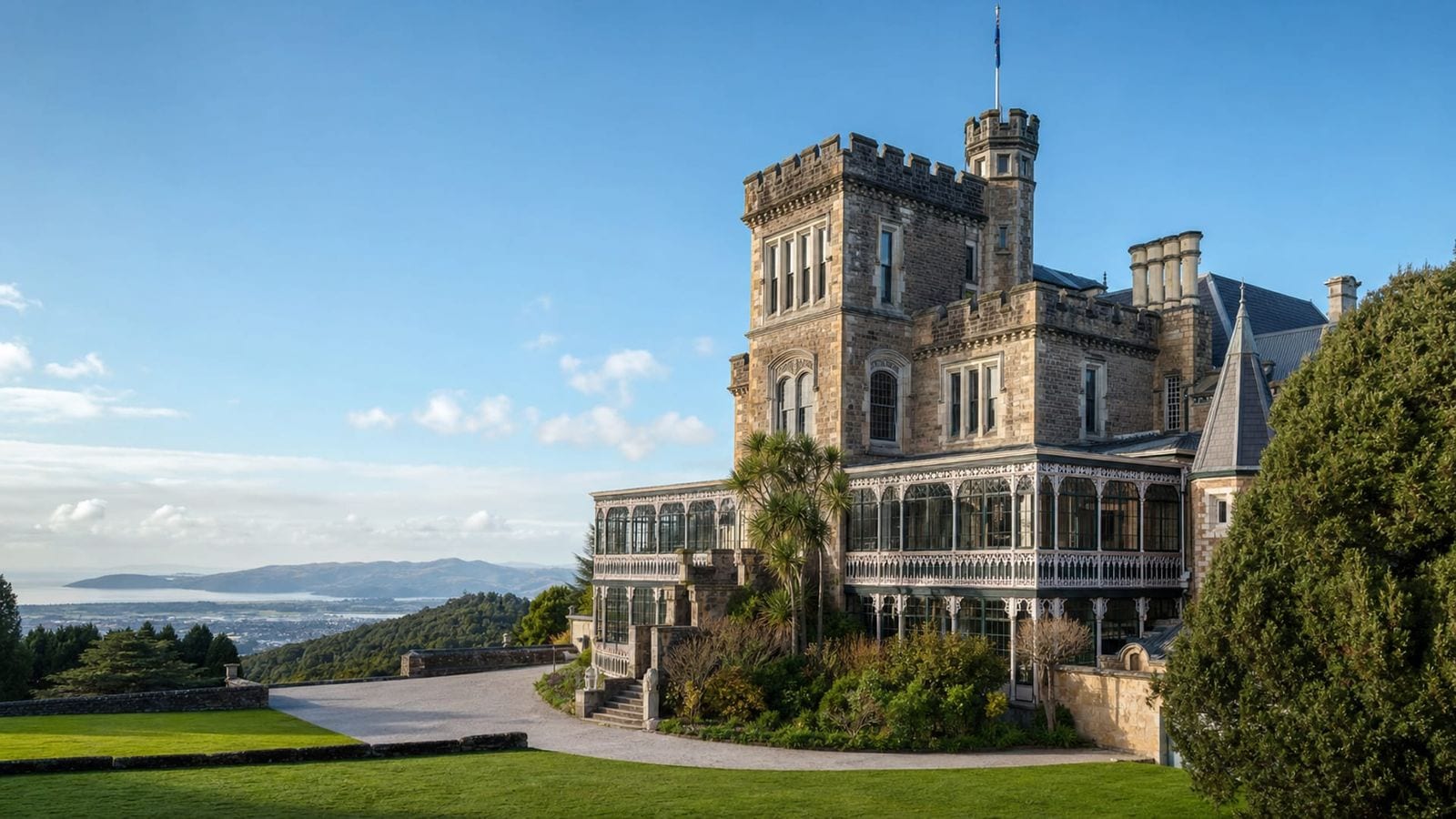
Larnach Castle
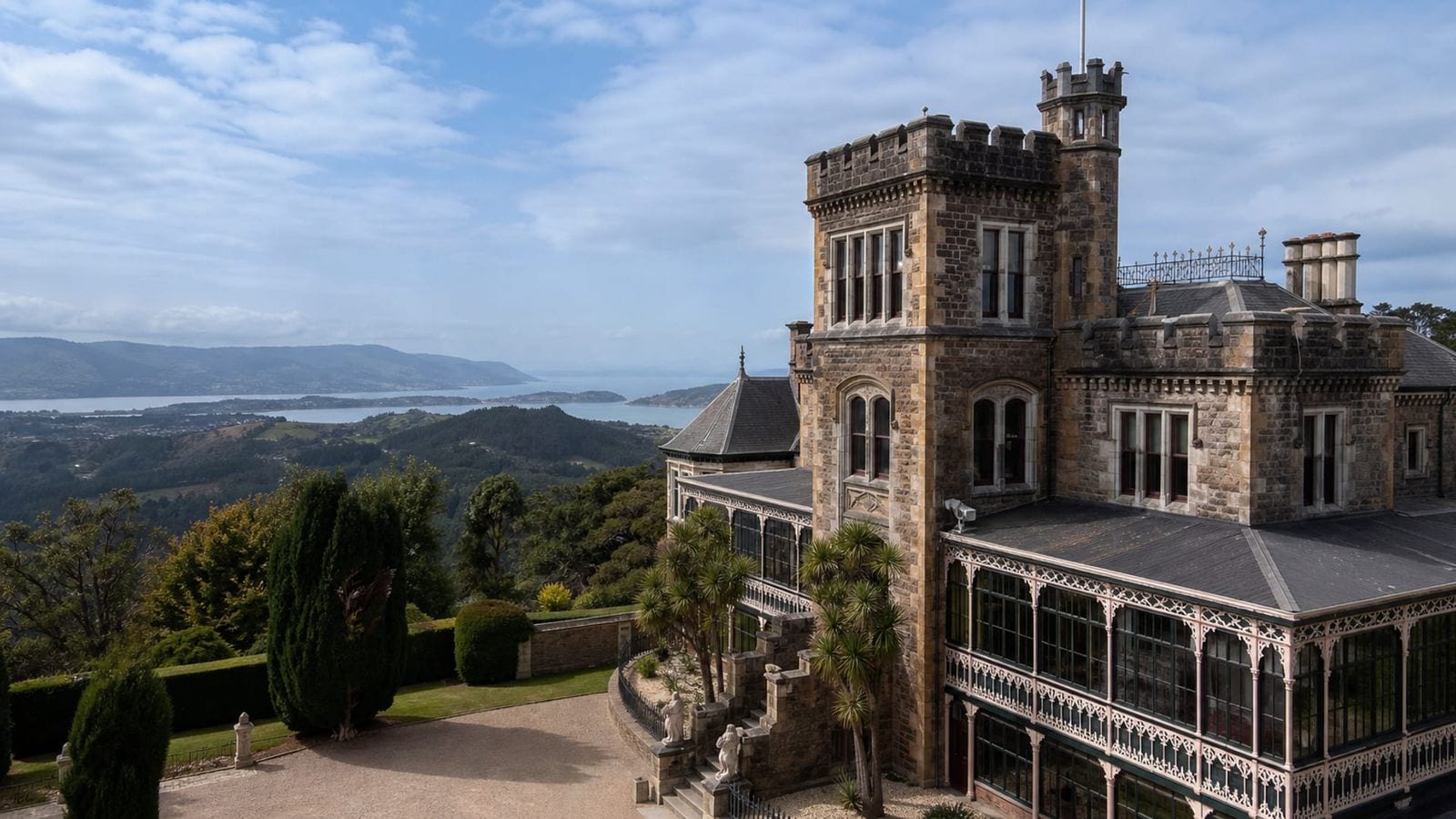
Built in the 19th century on the Otago Peninsula, Larnach Castle contains richly decorated Victorian interiors, period furnishings, and landscaped gardens overlooking the harbor. Visitors can explore the restored rooms and learn about the Larnach family’s history.
Time needed: Allow 2 to 3 hours for the castle and gardens.
Entry: Castle-and-garden admission is NZ$50 (US$28) for adults. Visit the official website for details.
Tip: Visit in the morning and allow time to explore the gardens before continuing along the peninsula.
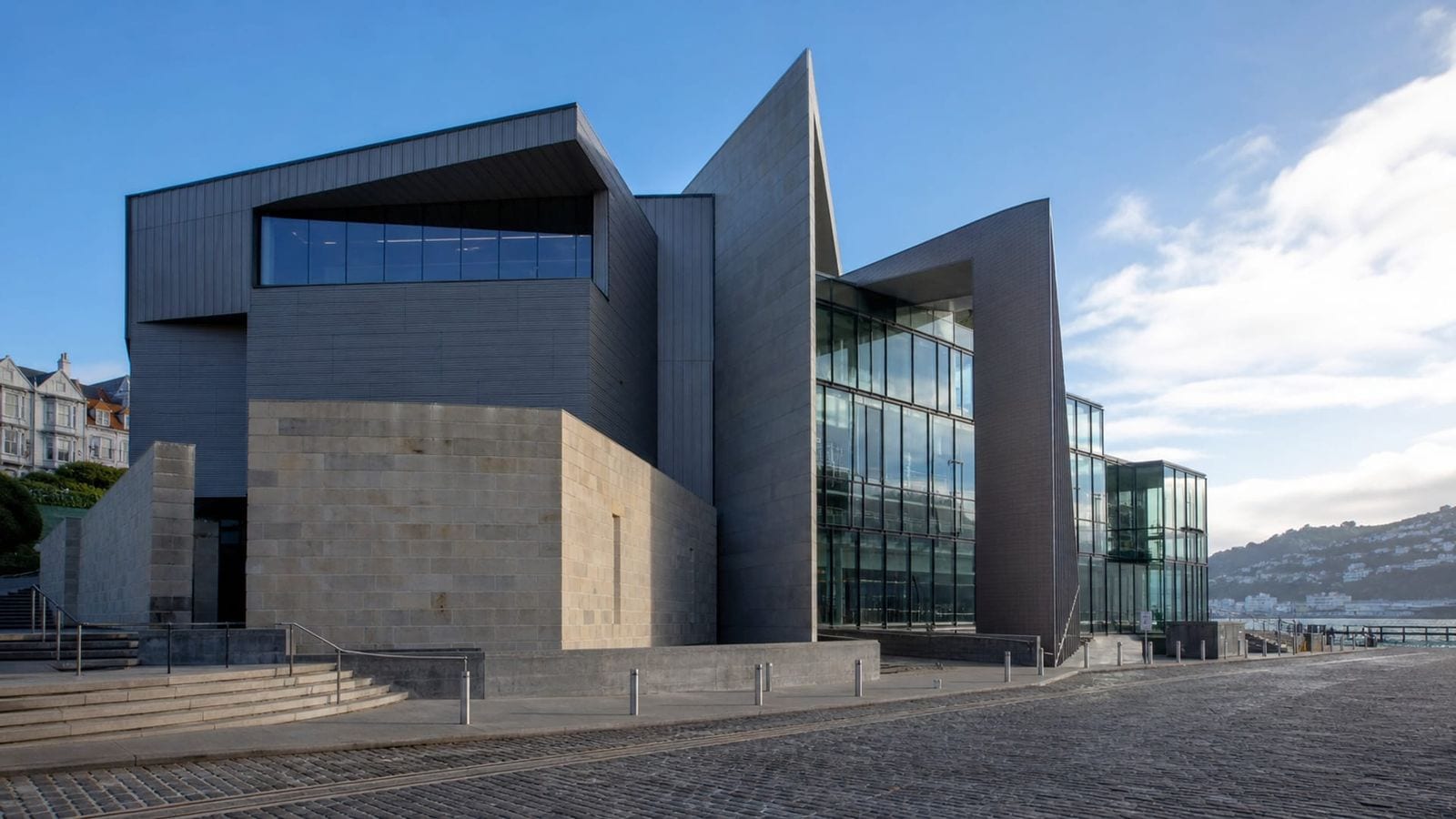
Toitū Otago Settlers Museum
Toitū Otago Settlers Museum explores the history of Dunedin and Otago through Māori heritage, Scottish settlement, migration, transport, and everyday life. Its galleries contain historic vehicles, photographs, household objects, and interactive exhibits.
Time needed: A visit takes 1.5 to 2.5 hours.
Entry: General admission is free. Visit the official website for details.
Tip: Start with the early settlement galleries before exploring the museum’s transport collections.
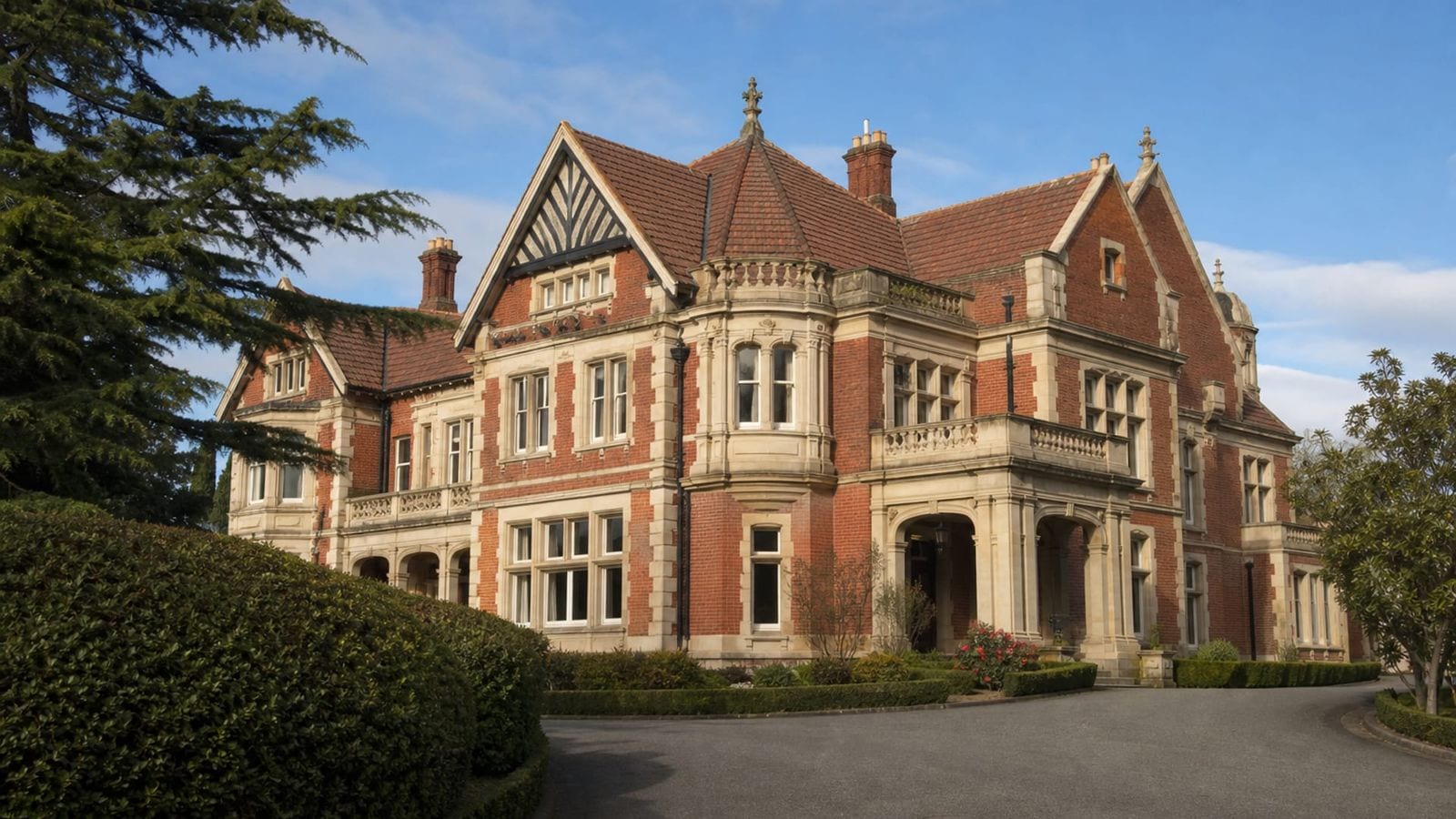
Olveston Historic Home
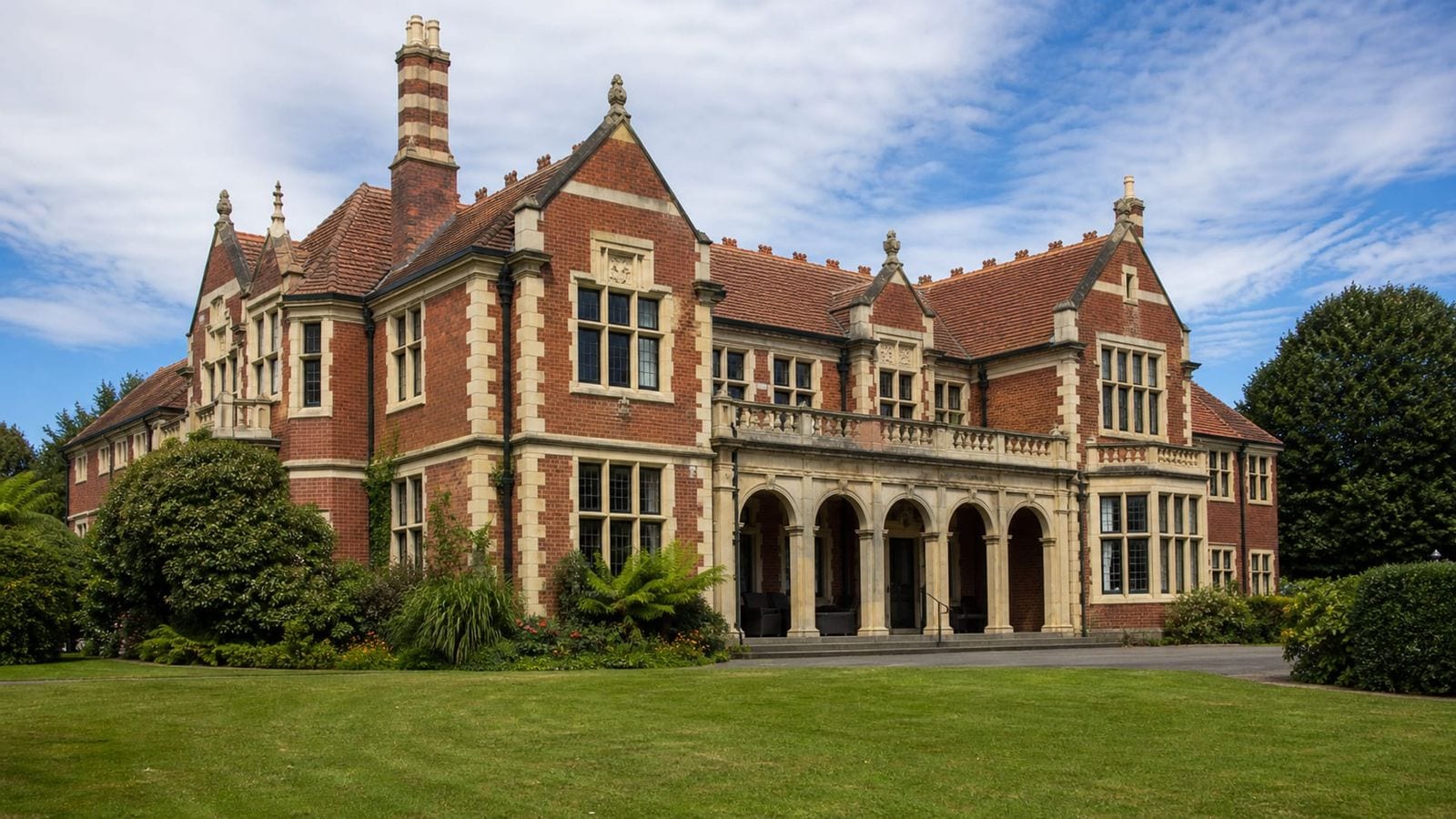
Completed in 1906, Olveston preserves the former residence of the Theomin family, including original furnishings, artworks, and domestic spaces. Guided tours reveal the architectural details and household arrangements of a prosperous Dunedin family.
Time needed: Allow 1 to 1.5 hours, including the guided tour and gardens.
Entry: Adult guided admission costs NZ$26.50 (US$15). Visit the official website for reservations.
Tip: Reserve a tour in advance, as visitors cannot explore the house independently.
Overlooked sites worth visiting

Tunnel Beach Track
South of central Dunedin, this coastal trail descends toward sandstone cliffs and a secluded beach reached through a historic rock tunnel. The steep return climb and exposed coastline make preparation important.
Time needed: Allow 1 to 1.5 hours for the return walk and photographs.
Entry: Access and parking are free. The car park opens from 8 am to 9 pm between September and March, and from 9 am to 5 pm between April and August. Visit the official website for details.
Tip: Visit near low tide, wear sturdy shoes, and avoid the beach when waves are high.

Port Chalmers Maritime Museum
Located in Dunedin’s historic port town, this museum explores local shipping, fishing, maritime trade, and Antarctic connections. Its collections include ship models, historic equipment, and photographs.
Time needed: Allow 45 minutes to 1 hour for the museum.
Entry: Admission is by donation. Visit the official website for details.
Tip: Visit between 10 am and 3 pm on weekdays or 1 pm and 4 pm on weekends, then explore Port Chalmers’ waterfront and historic streets.
Traditional food
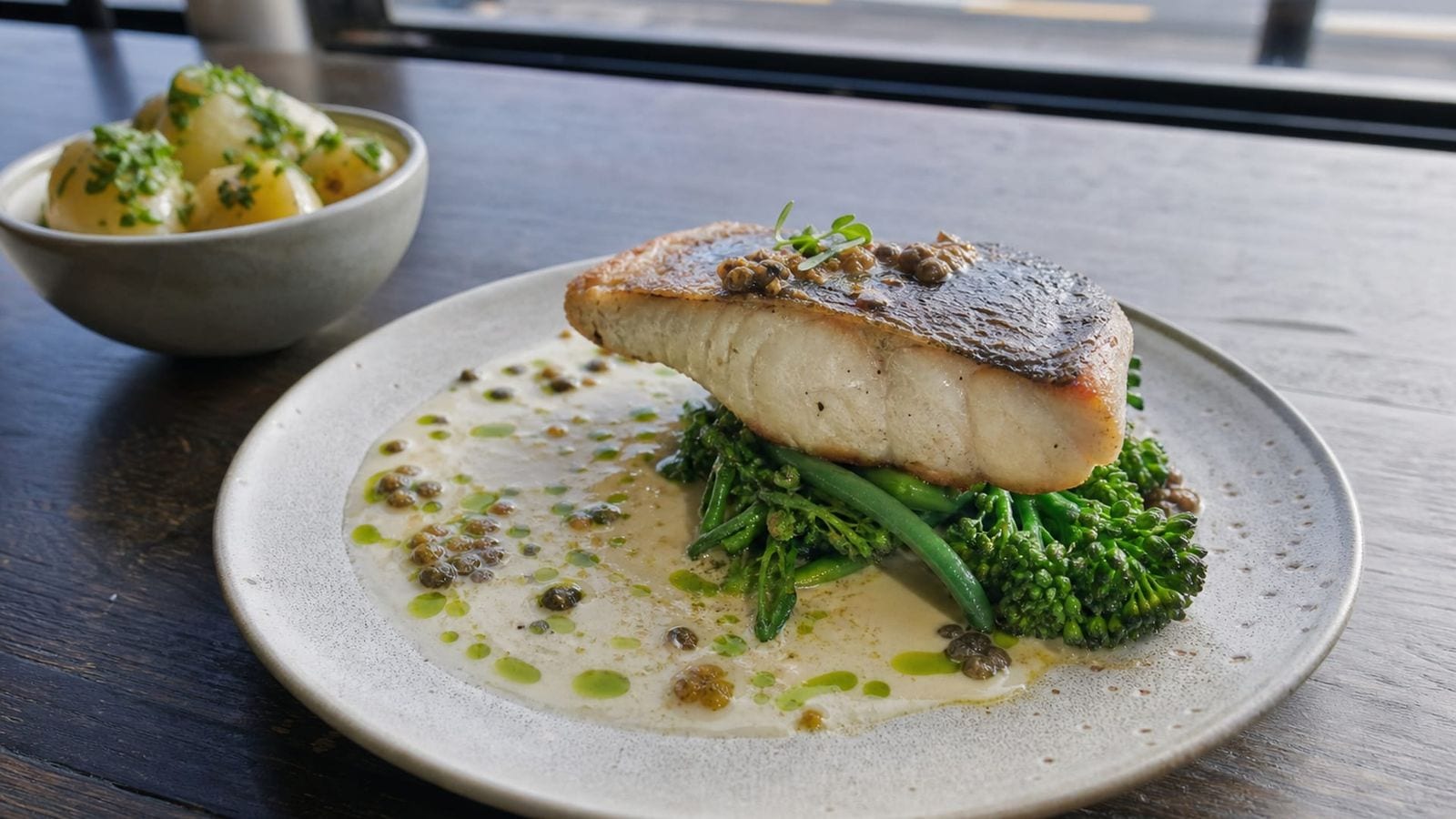
Dunedin’s food reflects southern New Zealand traditions, with fresh seafood, hearty baking, and dishes associated with Otago and Southland.
Blue cod
Blue cod is a South Island favorite, usually battered or pan-fried and served with chips or salad. Its firm, delicate flesh makes it particularly popular in traditional fish restaurants. Best Café on Stuart Street is a long-established Dunedin restaurant serving blue cod.
Whitebait fritters
Whitebait fritters are prepared by mixing small, tender fish with beaten egg and gently frying the mixture. They are typically served simply, allowing the flavor of the fish to remain prominent. Best Café is known for its whitebait fritters, although availability depends on supply.
Muttonbird
Muttonbird, traditionally harvested by Māori communities in southern New Zealand, has a rich, oily flavor and is often prepared by boiling or roasting. It is a distinctive regional food, but restaurant availability is limited and seasonal. Visitors interested in trying it should check local menus during their stay.
Cheese roll
A South Island cheese roll consists of white bread wrapped around a savory cheese filling, then toasted until the outside becomes golden and the filling melts. It is a familiar café snack throughout Otago and Southland. RDC on George Street is a Dunedin café recommended for its cheese rolls.
Best time to visit Dunedin
Dunedin has mild summers, cool winters, and changeable coastal weather. Summer and fall offer favorable conditions for exploring the city and peninsula.
Best for: Peninsula excursions, harbor scenery, gardens, and long sightseeing days
What you get: Temperatures of 54°F to 70°F (12°C to 21°C) and long daylight hours make coastal drives and outdoor attractions easier to plan.
Trade-offs: Popular attractions and coastal parking areas can become crowded during the holiday season.
Best for: Historic houses, city walks, gardens, and exploring the surrounding hills
What you get: Days gradually cool from 63°F to 46°F (17°C to 8°C), while autumn colors appear in gardens and residential neighborhoods.
Trade-offs: Shorter days and occasional rain may limit extended coastal excursions.
Best for: Museums, historic buildings, traditional cafés, and indoor cultural attractions
What you get: Temperatures generally range from 39°F to 54°F (4°C to 12°C), bringing cool conditions and fewer visitors to central attractions.
Trade-offs: Cold winds, rain, and limited daylight make longer coastal walks less comfortable.
Best for: Botanical gardens, birdwatching, coastal views, and mixed sightseeing days
What you get: Temperatures climb from 43°F to 61°F (6°C to 16°C), with spring flowers and increasing daylight for outdoor visits.
Trade-offs: Wind and rapidly changing weather may interrupt plans on the peninsula.
A realistic 5-day plan in Dunedin
Five days give you time to explore Dunedin’s heritage buildings, museums, hills, and coastline without long journeys every day. The itinerary keeps central attractions together and reserves separate days for the peninsula and southern coast.
Arrive at Dunedin Airport (DUD) and travel to your hotel in the city center, a journey of 25 to 35 minutes by car under typical conditions. After checking in, take a short walk through the Octagon, where historic buildings and restaurants provide an introduction to the city. Continue along nearby streets if you have time, then choose a central restaurant for dinner. Keep the first evening flexible, particularly after a long international journey.
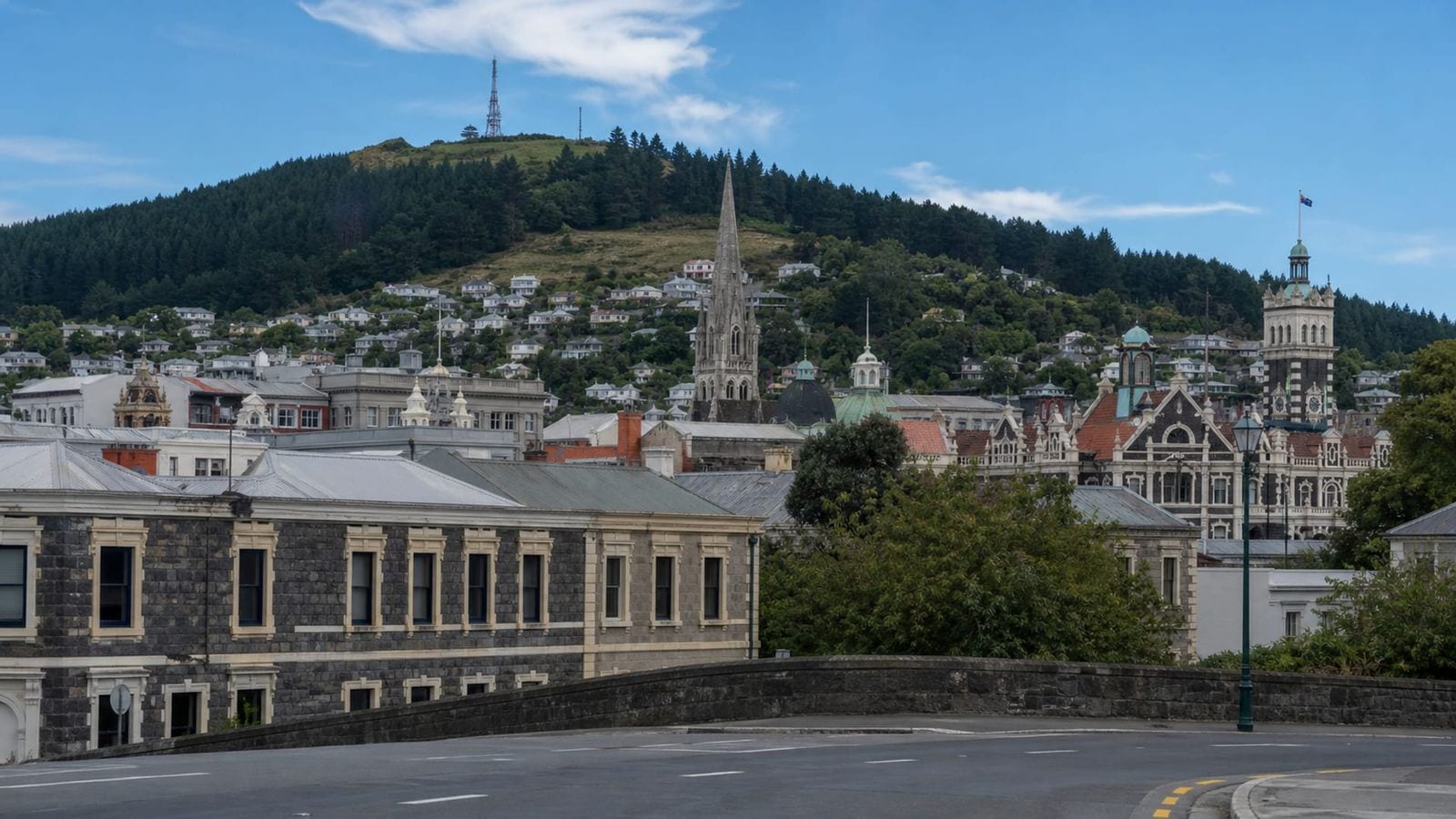
Begin at Toitū Otago Settlers Museum, where displays trace the city’s history from early settlement through its development as a commercial center. Walk to Dunedin Public Art Gallery near the Octagon for a shorter visit, then stop for lunch. In the afternoon, travel uphill to Olveston Historic Home for a guided tour of its preserved Edwardian interiors. Return to the center for dinner.
Drive onto the Otago Peninsula for a morning visit to Larnach Castle, where restored rooms and formal gardens overlook Otago Harbour. Allow 2 to 3 hours before continuing toward the peninsula’s coastal settlements and viewpoints. If time and conditions permit, extend the excursion toward Taiaroa Head, known for its marine wildlife and dramatic harbor entrance. Return to Dunedin before evening and enjoy dinner near your hotel.
Plan your morning close to low tide at Tunnel Beach, where a steep trail leads past sandstone cliffs to a secluded beach. After the return climb, continue toward St Clair for lunch and a walk along the beachfront promenade. The neighborhood’s cafés and ocean views provide a different perspective on Dunedin from the historic center. Spend the afternoon along the coast before returning to your hotel.
If your flight leaves later in the day, visit Port Chalmers, where historic streets, galleries, and the Maritime Museum introduce the harbor’s commercial past. The museum opens at 10 am on weekdays but not until 1 pm on weekends, so check your flight schedule before planning a visit. Stop for coffee near the waterfront before returning to Dunedin to collect your luggage. For an earlier departure, remain in the city center for breakfast and a short walk, allowing sufficient time for the airport transfer.
Business-class flights from the US to Dunedin
Travelers from the US can reach Dunedin with one stop in Auckland (AKL), followed by a domestic flight to Dunedin Airport (DUD). Both routes offer business class on the long-haul portion.
New York (JFK) to Dunedin (DUD)
Qantas offers nonstop flights from New York to Auckland, which take roughly 18 hours; from there, travelers can take a 2-hour flight to Dunedin with Air New Zealand. Total journey times can range from 22 to 27 hours, depending on the layover. Round-trip business-class fares on this route range from $7,300 to $14,400.
Los Angeles (LAX) to Dunedin (DUD)
With Air New Zealand, travelers can take a nonstop flight from Los Angeles to Auckland, New Zealand’s main hub. The flight takes about 13 hours. Then, they can take a 2-hour domestic flight to Dunedin with the same airline. Total travel time can range from 17 to 22 hours, depending on the layover. Round-trip business-class fares range from $7,000 to $13,700.
Los Angeles travelers usually connect on Air New Zealand, Qantas, United Airlines, Air Canada, or Fiji Airways, with layovers in Auckland, Sydney, Nadi, Honolulu, or Papeete. Total travel time tends to land at about 18 to 28 hours, and round-trip fares in business class often begin at about $4,800, with one-stop options via Auckland or Sydney frequently pricing lower than same-airline through tickets.
Dunedin feels different when you slow down
Dunedin is easier to explore when you keep the Octagon, George Street, and central museums together, then set aside separate days for the Otago Peninsula and coastal attractions. The city’s steep hills make transport worth planning, especially when returning to your hotel after dinner. AranGrant experts can help you compare business-class flights and hotels that fit your travel dates and preferred location.