

Chapters:

Need help with your trip?
Our support team is available 24/7. Request a callback or call us directly at (833) 619-0908
Detroit’s industrial history appears in both its art and its architecture: Diego Rivera painted factory workers at the Detroit Institute of Arts, while the Guardian Building expressed the city’s financial ambition in colorful tile and marble. Both date from the automotive boom of the early 20th century.
Follow that history from Rivera Court to the Guardian Building, then explore Michigan Central, where the restored waiting room gives Detroit’s railroad past a monumental scale. Each reveals a different part of the machinery, money, and movement that shaped the city.
Allow five days to connect these places with neighborhood meals. Midtown holds the major museums, Downtown brings architecture close to the river, and Corktown offers restaurants west of the center.
Useful things to know

Main language(s): English

Currency: US dollar (USD, $)

Cash and cards: Cards and contactless payments are widely accepted; carry about $20 to $40 in cash.

Tipping: Tip 18% to 20% at table-service restaurants and $1 to $2 per drink at bars.

Traditional food: Detroit-style pizza, Coney dogs, corned beef egg rolls, and city chicken are among the classic dishes of Detroit.

Water and coffee costs: Bottled water $1 to $3; espresso $3 to $5.

Taxis and ride apps: Ask your hotel to arrange a licensed taxi; confirm the fare before departure; Uber and Lyft.

Plug and voltage: Type A/B socket, 120V

Dining and shop opening hours: Breakfast: 7 am to 10 am; lunch: 11 am to 2 pm; dinner: 5 pm to 9 pm. Shops typically open 10 am to 6 pm, with shorter Sunday hours.

Emergency number: 911 for police, ambulance, and fire.
Where to stay in Detroit
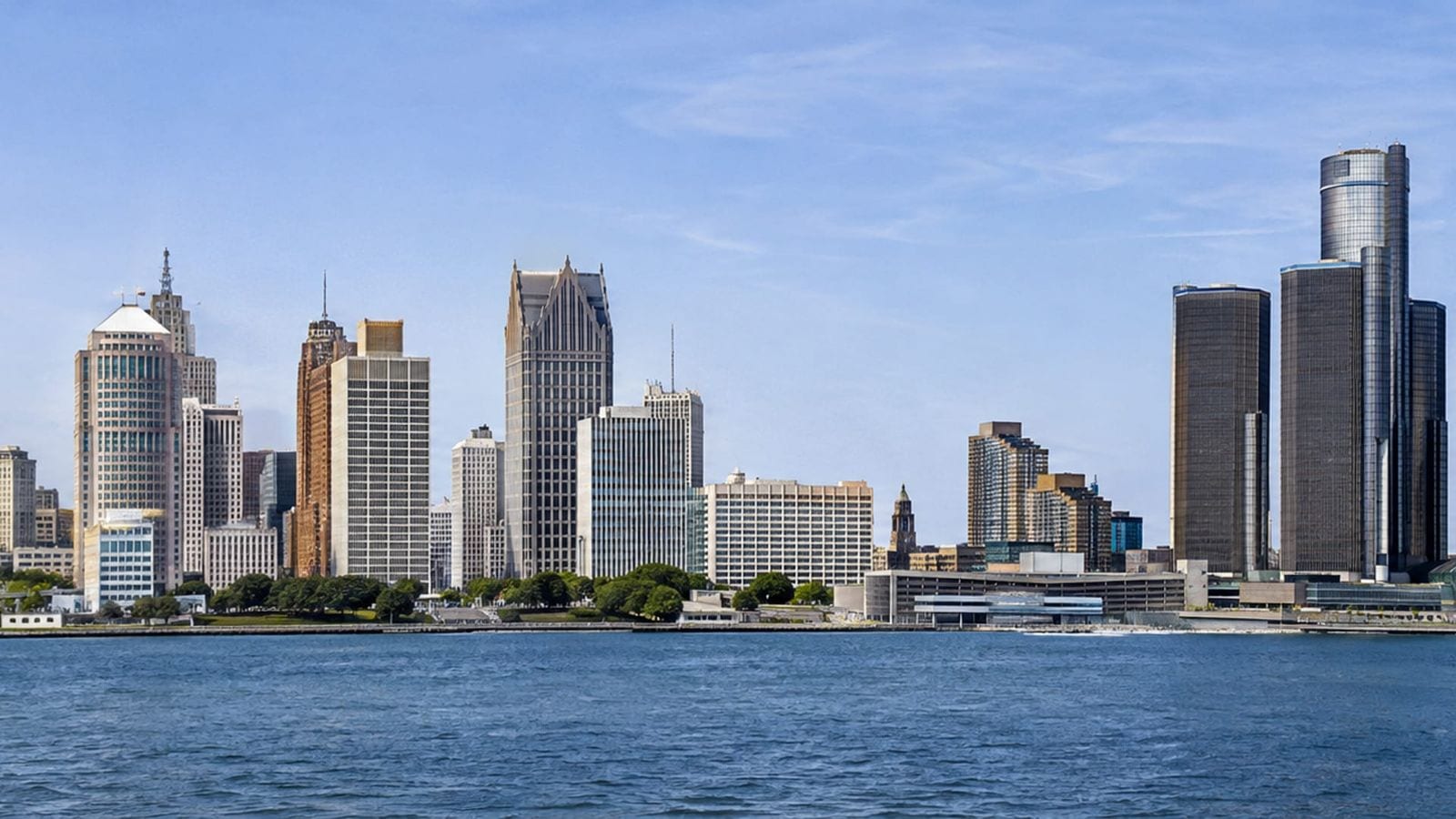
Downtown is Detroit’s main hotel district, with historic towers, major theaters, sports venues, and restaurants clustered near the riverfront. Stay here to walk between downtown attractions and choose from the city’s widest range of hotels, from restored landmarks to large national chains.
Best for: First-time visits, live sports, theater, and riverfront walks
What to expect: Office workers fill weekday streets, while games and performances bring concentrated evening crowds.
Hotel prices: Expect $180 to $400 a night for a well-rated hotel.
Distance to major sights: From central hotels, Campus Martius Park is a 5 to 15-minute walk and the Detroit Riverwalk is 10 to 20 minutes away.
Quietness: Weekdays bring office traffic; evenings vary sharply with games, concerts, and weekend nightlife.
Main trade-off: Event nights can raise room prices and bring traffic and noise near sports venues.
Good to know: Compare overnight parking charges before booking; downtown hotel garages can add substantially to the room bill.
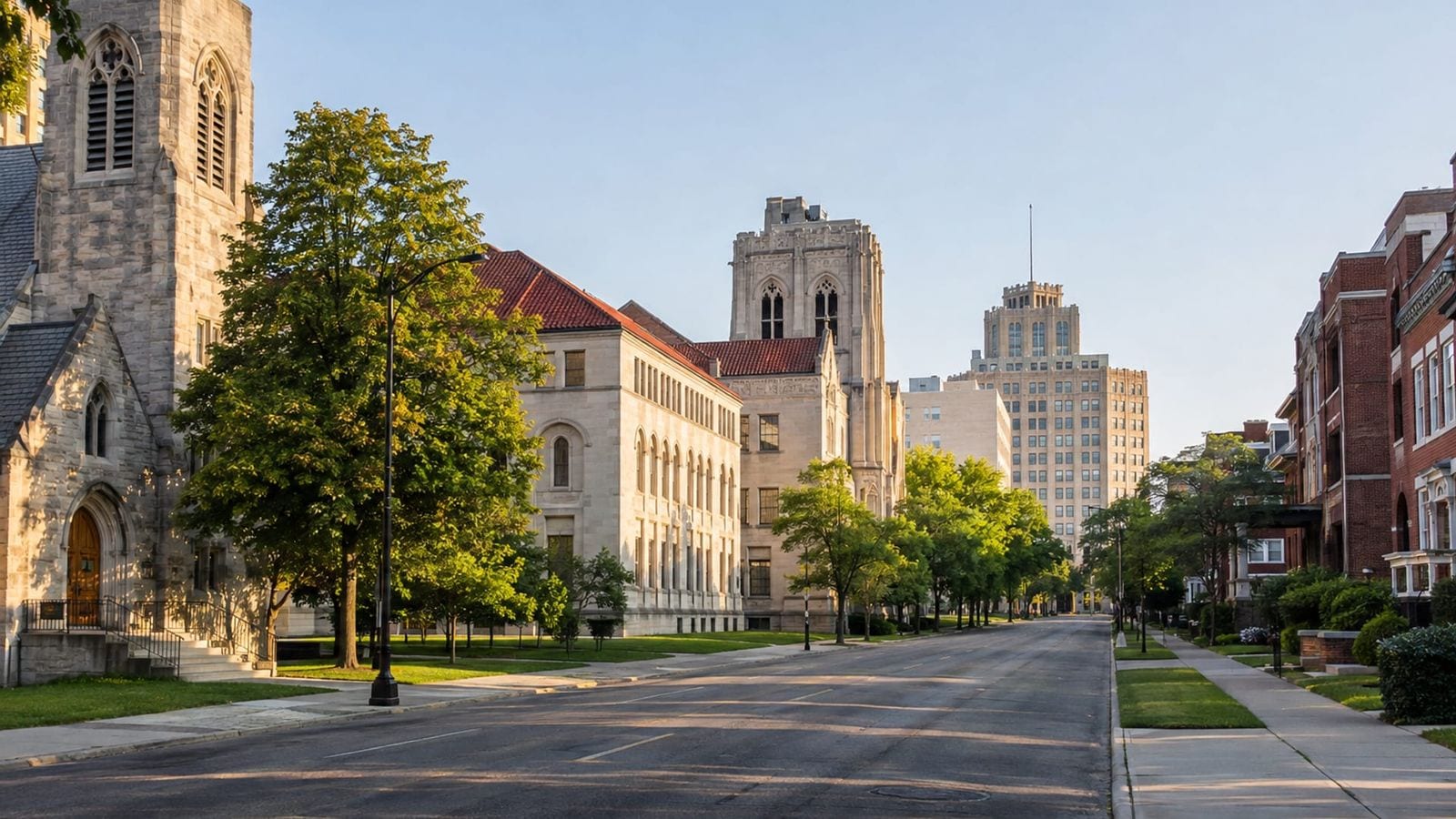
Midtown brings together Detroit’s major art institutions, university buildings, and residential blocks north of Downtown, with smaller inns among its lodging choices. Choose this neighborhood for museum days, independent restaurants, and trips along Woodward Avenue on the QLINE streetcar.
Best for: Art museums, university visits, and neighborhood dining
What to expect: Students, museum visitors, and residents share streets with restaurants and pockets of quieter housing.
Hotel prices: Budget $170 to $320 per night for a well-rated inn or hotel.
Distance to major sights: Depending on your lodging, the Detroit Institute of Arts is a 5 to 25-minute walk.
Quietness: Campus and museum activity fill the day; residential blocks grow quieter at night, while restaurant streets stay active.
Main trade-off: Lodging choices are fewer than Downtown, and the riverfront usually requires a ride.
Good to know: Choose your exact address carefully: Midtown covers enough ground that a museum-focused stay can still involve a long walk.
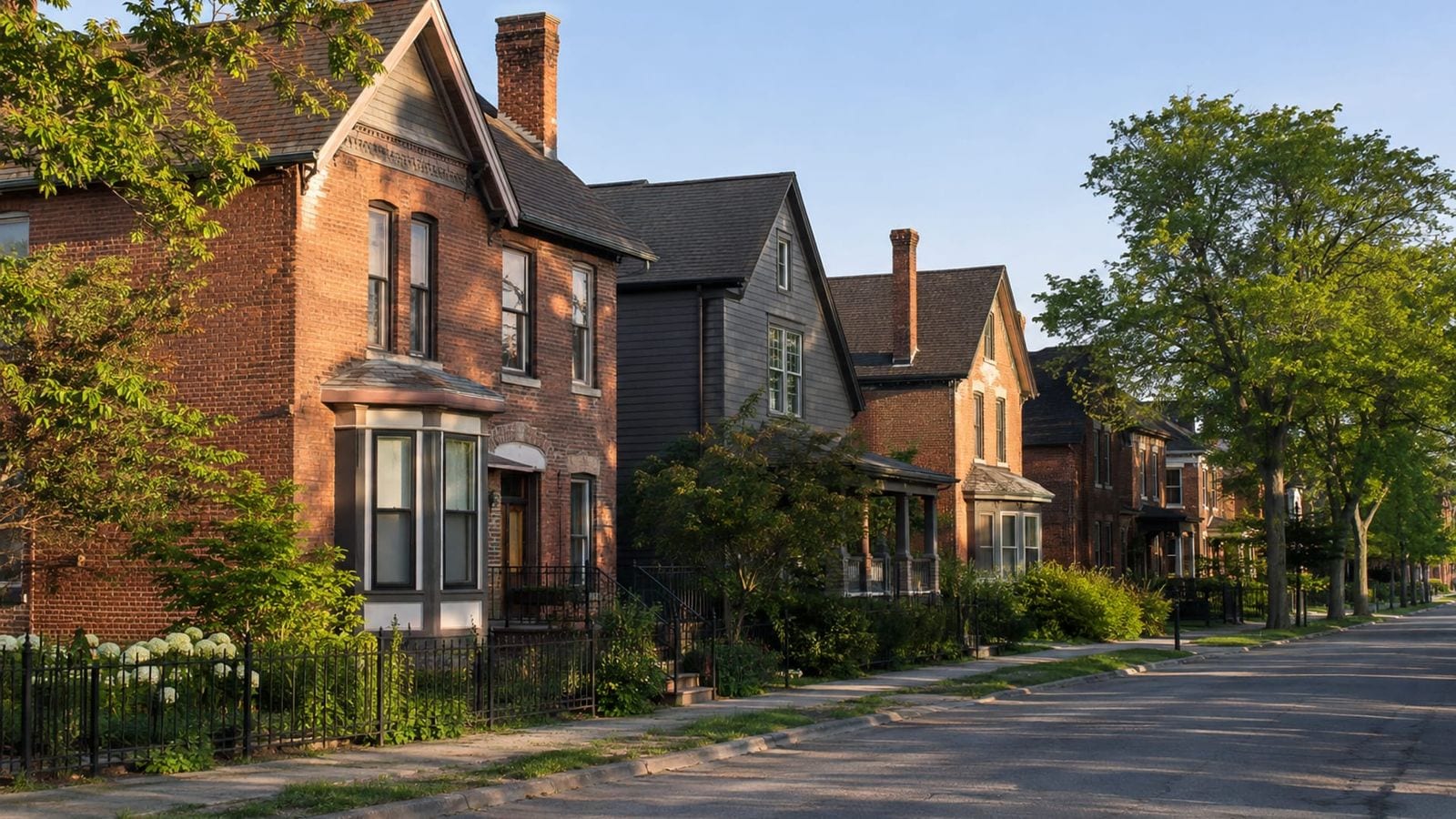
Corktown is a historic neighborhood west of Downtown, known for its small houses, Irish roots, and restaurants along Michigan Avenue. Its hotels appeal to travelers who want evenings close to neighborhood dining and time at Michigan Central, with short rides to downtown theaters and sports.
Best for: Restaurant-focused weekends, historic architecture, and exploring Michigan Central
What to expect: Restaurant traffic concentrates along Michigan Avenue, while nearby residential streets have fewer pedestrians.
Hotel prices: Well-rated hotels generally charge $160 to $330 a night.
Distance to major sights: Michigan Central is a 10 to 25-minute walk from neighborhood hotels; Campus Martius Park is a 5 to 10-minute taxi ride.
Quietness: Residential blocks are calmer by day and evening; bars and Michigan Avenue traffic create localized nighttime noise.
Main trade-off: Downtown attractions are spread beyond an easy walk, and major roads interrupt some pedestrian routes.
Good to know: Request a room away from Michigan Avenue if traffic noise affects your sleep.
Less convenient for sightseeing: Brightmoor and Osborn are far from downtown attractions and the riverfront; Warrendale also means longer trips to major sights, with limited visitor amenities.
Hotel deals
How to get around Detroit efficiently
Detroit’s QLINE follows Woodward Avenue, while buses, taxis, Uber, Lyft, and downtown walks connect the rest of a visitor’s route.

Bus and tram
for convenience
QLine trams run free along Woodward Avenue between downtown and New Center. Use them for museums and short central trips; allow roughly 20 to 25 minutes end to end. DDOT buses cover more neighborhoods, with $2 to $5 passes valid for 4 or 24 hours.

Rideshare
for door-to-door trips
For trips between downtown and Detroit Metropolitan Airport (DTW), Uber and Lyft typically take 30 to 45 minutes and cost roughly $45 to $85, depending on demand. Request through the app; these rides suit late evenings and destinations beyond central transit routes.
Walking
for short central distances
From Campus Martius Park, the Detroit Riverwalk is roughly a 10-minute walk south along Woodward Avenue. Walking is free and suits downtown sightseeing, with restaurants and landmarks close together; use marked crossings on the area’s broad streets.
*Prices are based on rates updated as of November 2026 and may change at the time of travel.
Walk between Downtown landmarks, take QLINE for Midtown museums, use buses for cheaper regional trips, and choose taxis, Uber, or Lyft for airport transfers.
Iconic landmarks
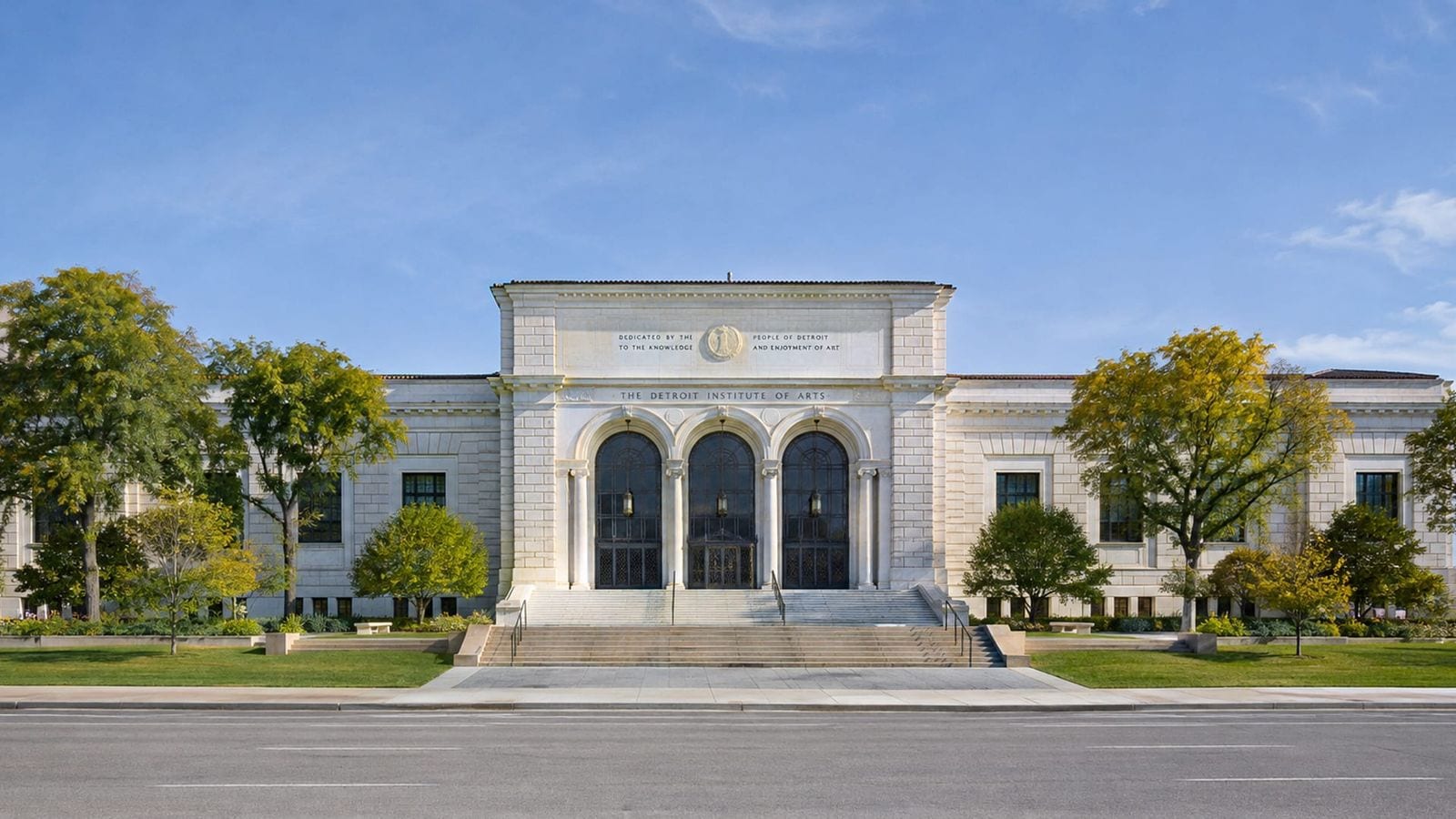
Detroit Institute of Arts
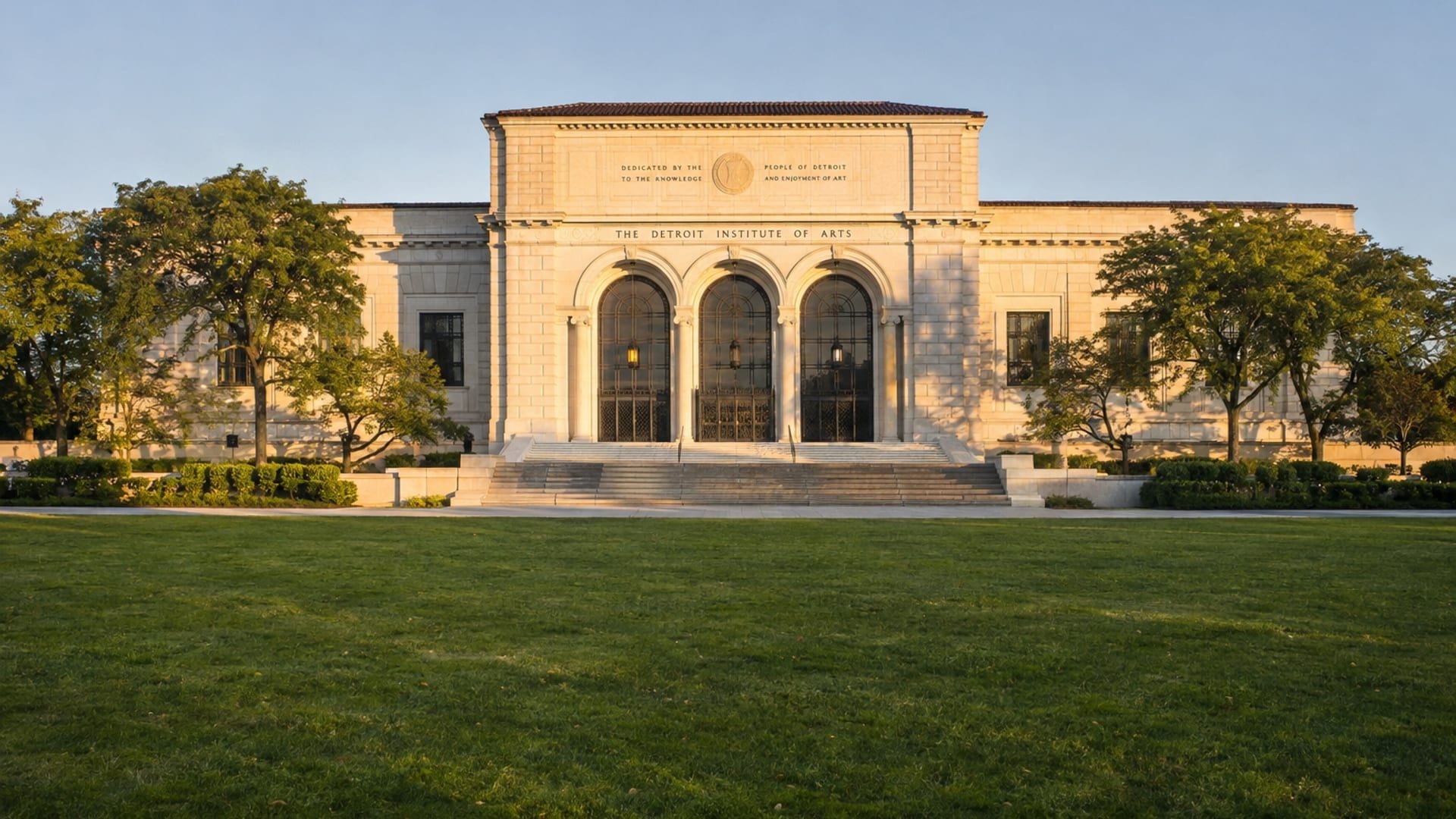
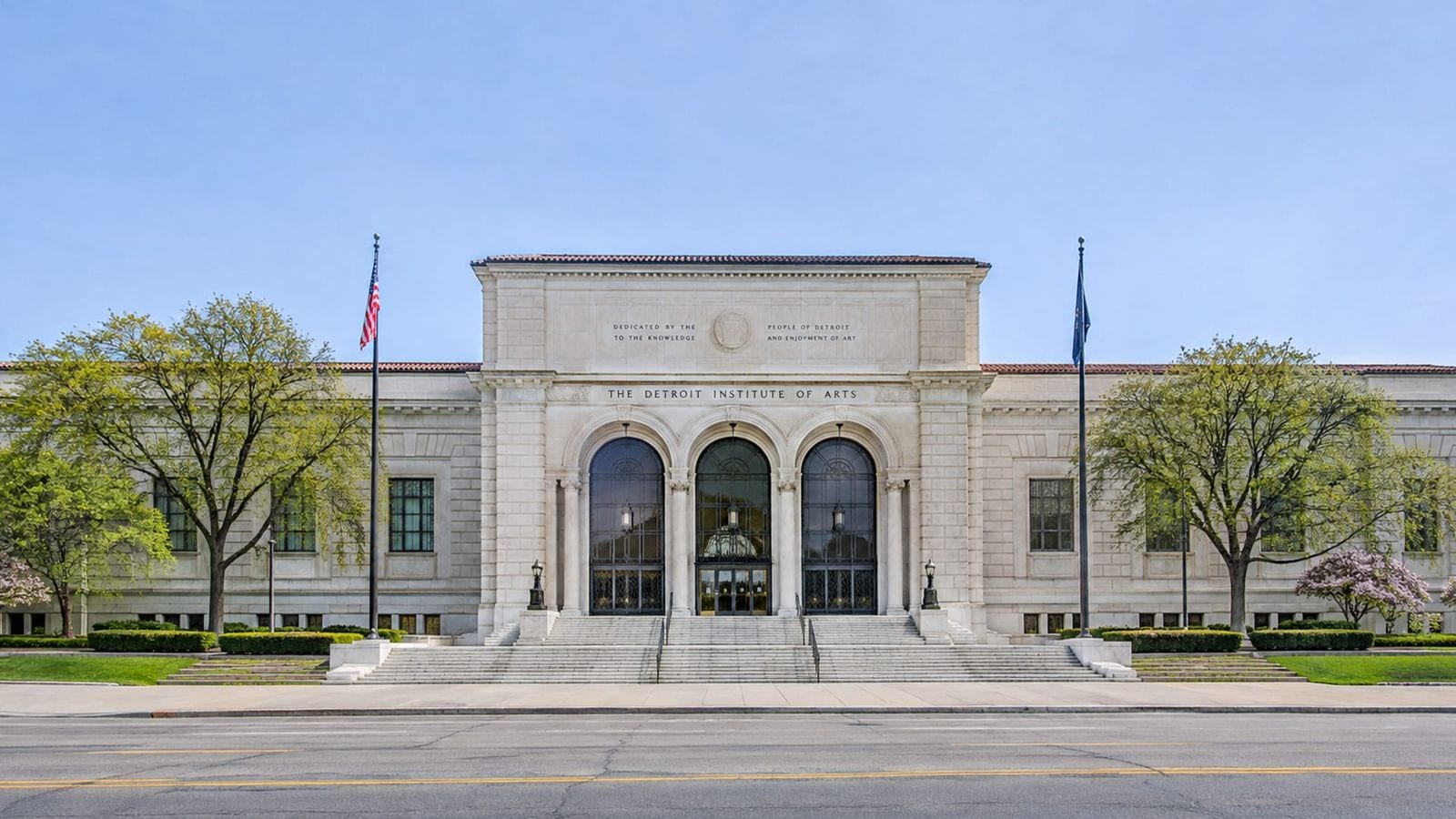
Diego Rivera’s Detroit Industry murals fill a courtyard at the Detroit Institute of Arts, portraying the city’s automotive workers and machinery. Galleries span ancient Egyptian objects, European painting, and major works by African American artists.
Time needed: About 2 to 3 hours
Entry: Moderately priced: includes general admission; closed on Mondays
Tip: Start in Rivera Court to see the factory murals before exploring the galleries.
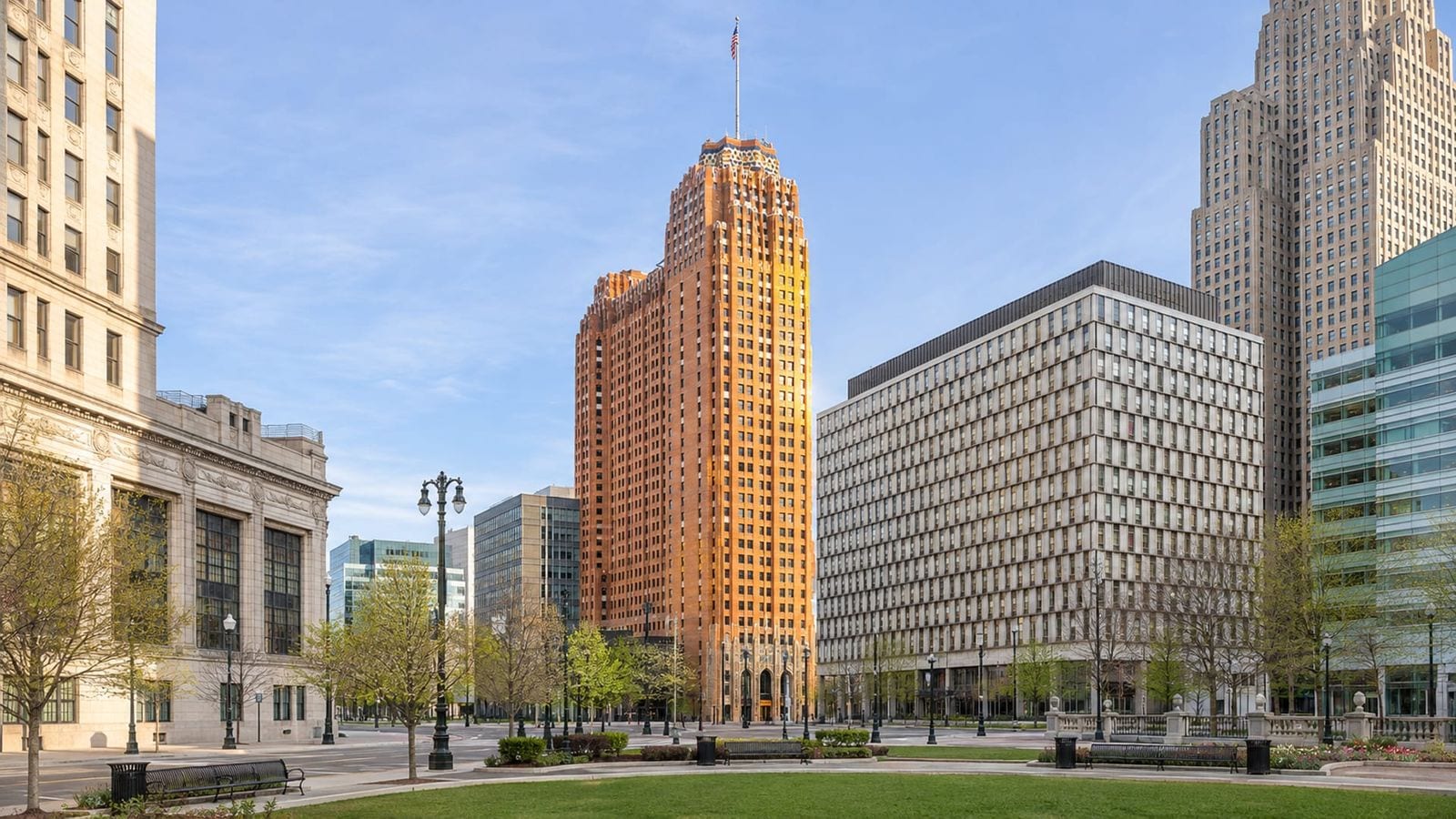
Guardian Building
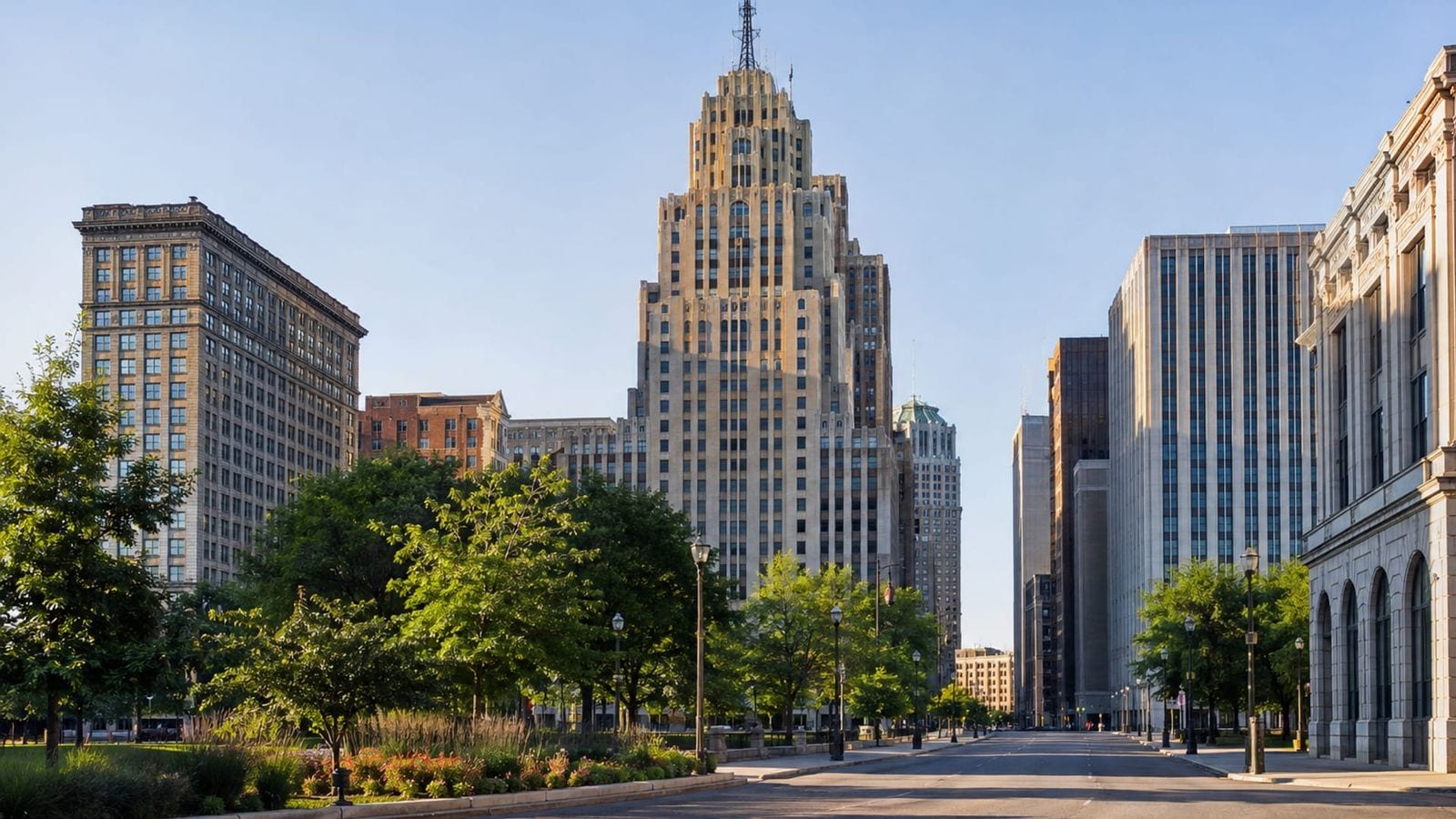
A landmark of Detroit’s financial district, the Guardian Building pairs a boldly patterned exterior with a lavish public lobby. Colorful tile, marble, and geometric designs reveal why this 1929 skyscraper ranks among the city’s Art Deco treasures.
Time needed: About 1 to 2 hours
Entry: Free: public lobby access
Tip: Enter from Griswold Street and look up at the lobby’s colorful tile ceiling.
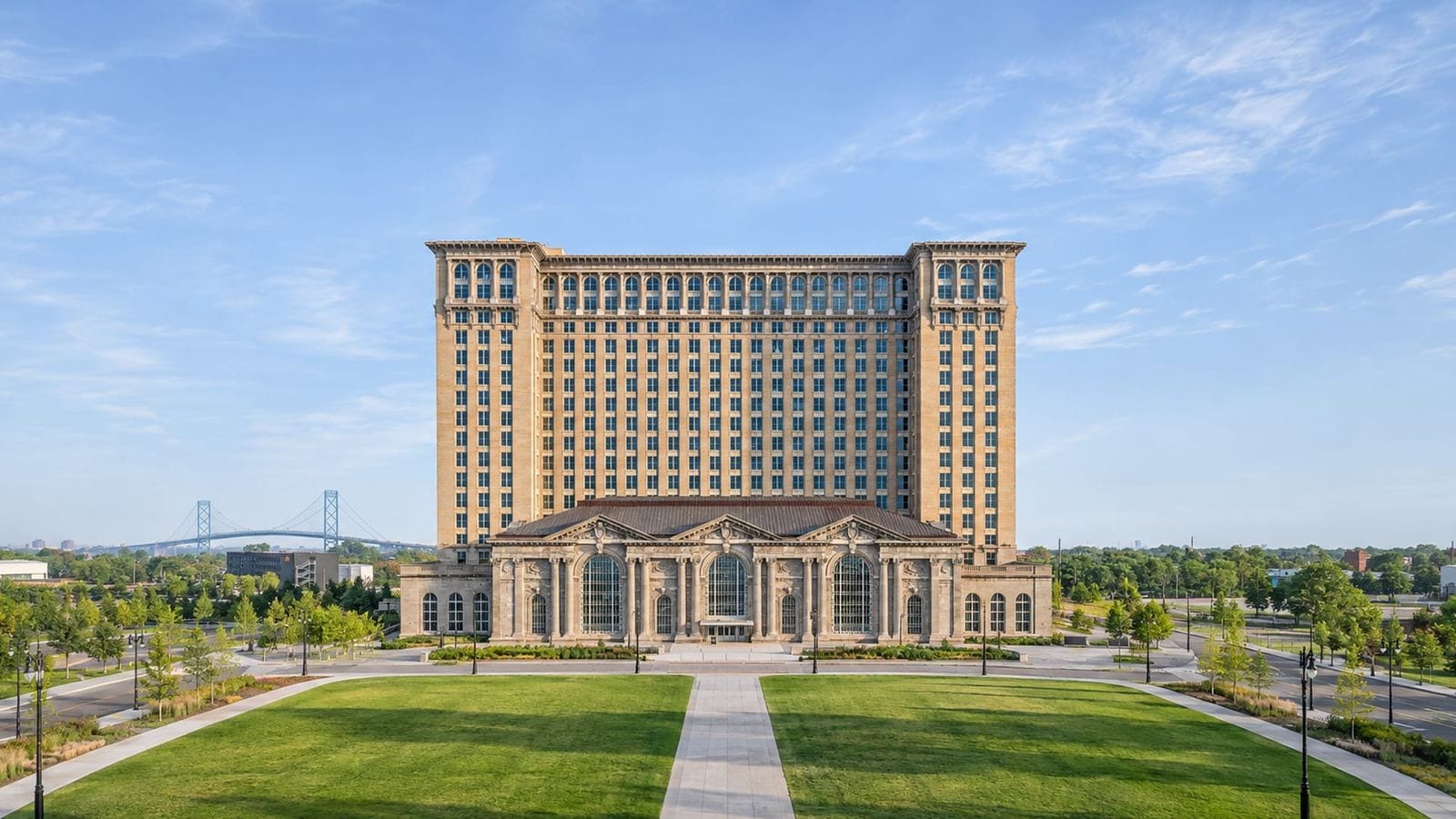
Michigan Central
Once Detroit’s grand railroad gateway, Michigan Central now welcomes visitors into its restored station. The monumental waiting room and vaulted ceilings show the ambition of the 1913 terminal, whose revival has become a symbol of the city’s renewal.
Time needed: About 1 to 2 hours
Entry: Free: public station access
Tip: Approach through Roosevelt Park for a full view of the station’s main facade.
Overlooked sites worth visiting

Elmwood Cemetery
Founded in 1846, Elmwood Cemetery preserves rolling terrain, mature trees, and monuments to Detroiters across generations. Its winding paths offer a quiet look at the city’s early history.
Time needed: About 1 hour
Entry: Free to access
Tip: Enter from Elmwood Street to begin near the cemetery office.

Pewabic Pottery
Pewabic Pottery carries on Detroit’s ceramic tradition in a 1903 Tudor Revival building. Exhibits and the shop reveal the iridescent glazes that made this working pottery a local landmark.
Time needed: About 45 minutes to 1 hour
Entry: Free: admission to the galleries and shop
Tip: Look for the iridescent architectural tiles in the shop.
Traditional food
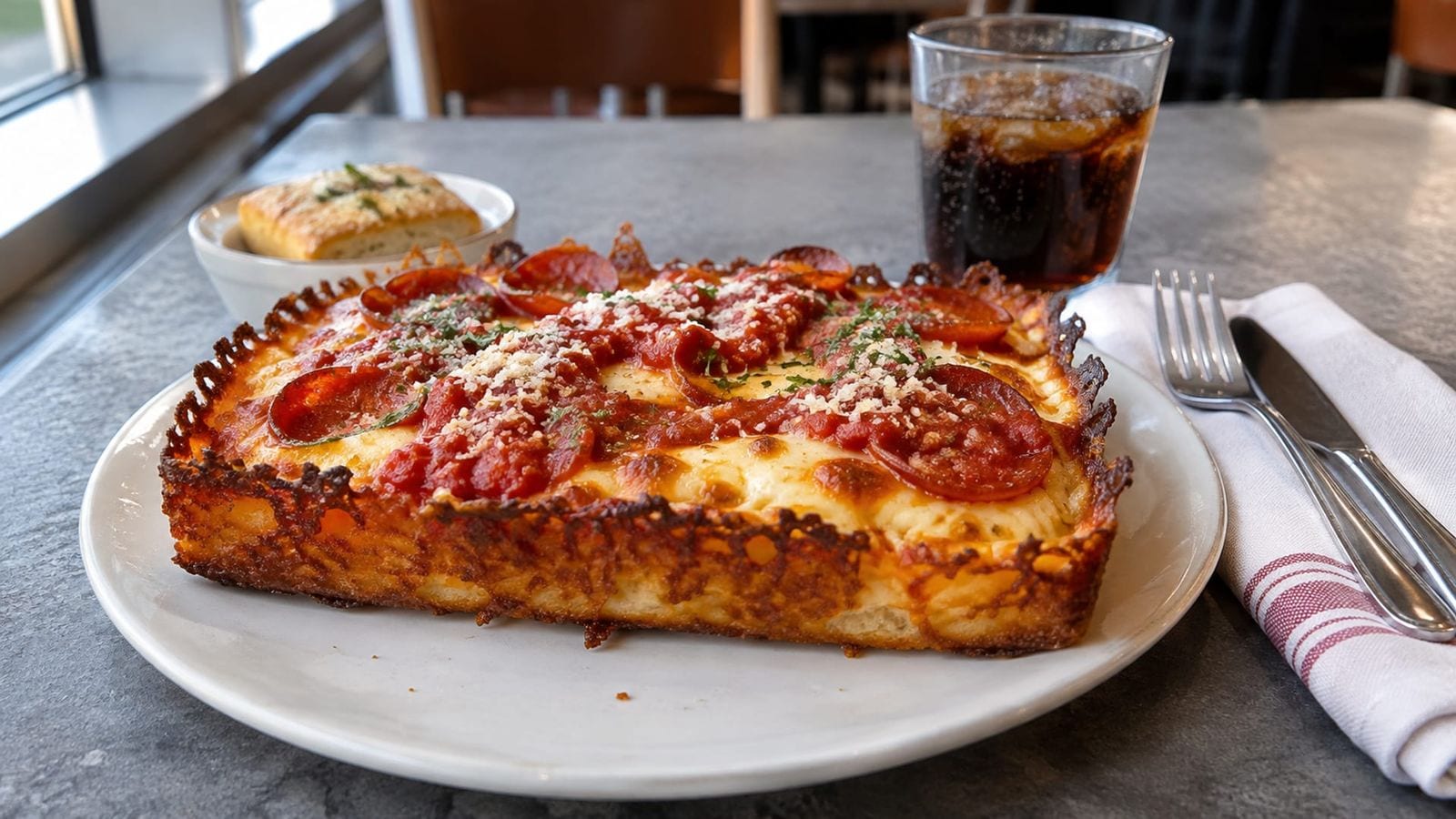
Detroit’s comfort food pairs crisp pizza edges with chili-topped hot dogs, deli corned beef, and breaded meat skewers. Pizzerias, Coney counters, and Polish kitchens give these dishes their local context.
Detroit-style pizza
A rectangular pan gives this pizza its thick, airy crust and crisp cheese edges, with tomato sauce often spooned on top. Try it at Buddy’s Pizza, whose original Detroit restaurant helped establish the style in 1946.
Coney dog
A beef hot dog in a soft bun takes a topping of beef chili, yellow mustard, and chopped onion. American Coney Island serves this Detroit classic downtown, where the counter has drawn customers since 1917.
Corned beef egg rolls
Deli corned beef fills a fried egg roll wrapper, bringing a crisp shell to a meat associated with Detroit’s sandwich counters. Try the dish at Asian Corned Beef, the local restaurant known for this combination.
City chicken
Despite its name, city chicken usually consists of breaded pork threaded onto skewers and cooked until tender. Polish Village Cafe in Hamtramck serves this regional comfort dish alongside its Polish cooking.
Best time to visit Detroit
Detroit’s warm months favor the riverfront and outdoor markets; winter shifts attention to museums, restaurants, and indoor architecture.
Best for: Museum mornings and riverfront walks as Detroit’s trees return to leaf
What you get: Temperatures rise through 32°F to 70°F (0°C to 21°C), with lighter weekday crowds at major sights and more outdoor activity by late May.
Trade-offs: March can bring snow, while rain and cold winds can interrupt riverfront plans.
Best for: Long evenings on the Detroit Riverwalk and Saturday shopping at Eastern Market
What you get: Expect 61°F to 84°F (16°C to 29°C), with the busiest riverfront weekends and larger crowds downtown when games and outdoor events overlap.
Trade-offs: Humidity and thunderstorms can shorten outdoor afternoons; event dates can raise hotel prices.
Best for: September walks, Elmwood Cemetery foliage, and afternoons in Midtown galleries
What you get: Conditions cool through 36°F to 75°F (2°C to 24°C), as summer crowds ease and football weekends bring concentrated activity downtown.
Trade-offs: November brings shorter daylight hours and colder riverfront winds.
Best for: Rivera Court, the Guardian Building’s tilework, and meals in Corktown restaurants
What you get: Typical temperatures span 19°F to 36°F (-7°C to 2°C), with quieter outdoor sights and bursts of downtown crowds for games and performances.
Trade-offs: Snow and ice can delay road transfers and make long walks between neighborhoods uncomfortable.
A realistic 5-day plan in Detroit
Five days connect Corktown evenings with Downtown architecture, Midtown museums, and Eastern Market. Place the market day on Saturday and the museum day between Tuesday and Sunday.
From Detroit Metropolitan Wayne County Airport (DTW), take Uber or Lyft to your Corktown hotel, allowing 25 to 40 minutes and $45 to $75. Spend the evening close to your room with a light Italian dinner at Ottava Via on Michigan Avenue.
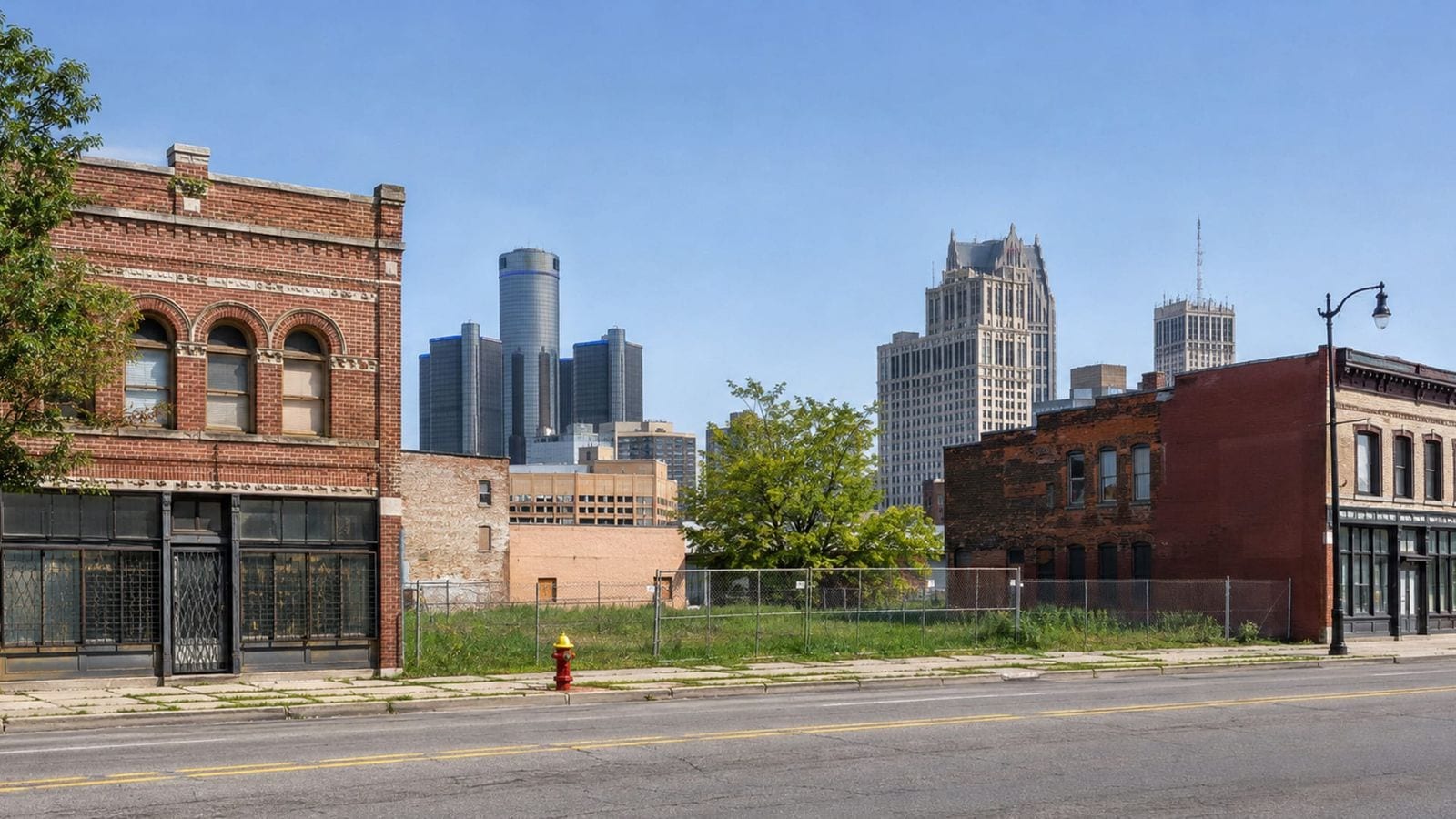
Downtown’s architecture leads today’s route: explore the Guardian Building’s tiled public lobby, then walk 10 minutes to Campus Martius Park. After lunch near the park, continue 15 minutes south to the Detroit Riverwalk for an afternoon beside the river.
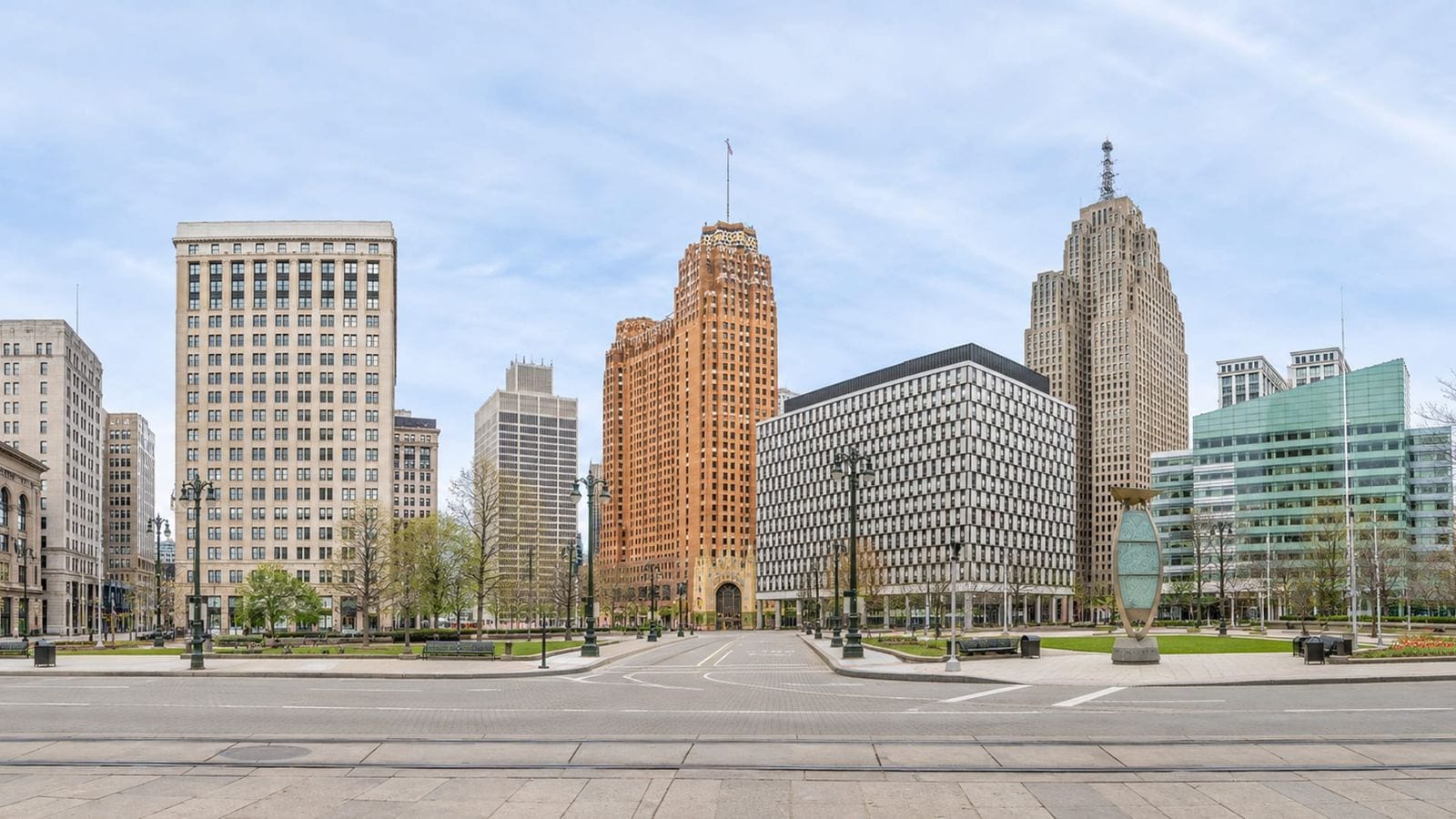
Begin in Midtown at the Detroit Institute of Arts, open Tuesday to Sunday, and devote the morning to Rivera Court and the galleries. Walk 5 minutes to the Charles H. Wright Museum of African American History, also open Tuesday to Sunday, for an afternoon exploring African American history and culture.
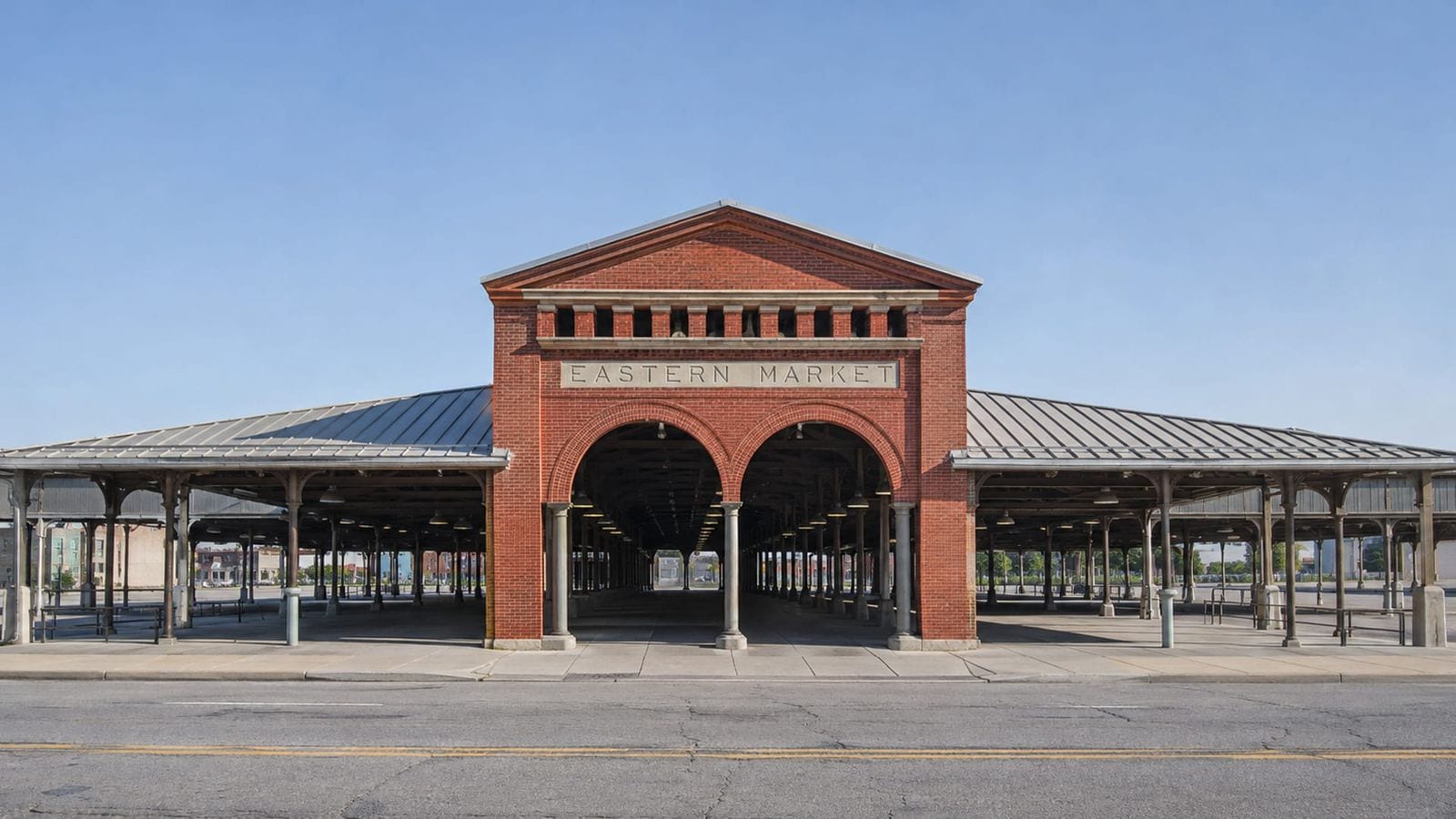
Saturday brings the main market to Eastern Market, where produce stalls and food shopping fill the morning. Take a 10-minute Uber or Lyft ride to Elmwood Cemetery for its historic monuments and winding paths, then continue 10 to 15 minutes east by car to Pewabic Pottery’s galleries and shop.
Before leaving Corktown, stop at James Oliver Coffee Co. for coffee and breakfast, then browse the shops along Michigan Avenue if your flight schedule permits. Collect your bags from the hotel and allow 25 to 40 minutes for an Uber or Lyft ride to Detroit Metropolitan Wayne County Airport (DTW), costing $45 to $75.
Business-class flights from the US to Detroit
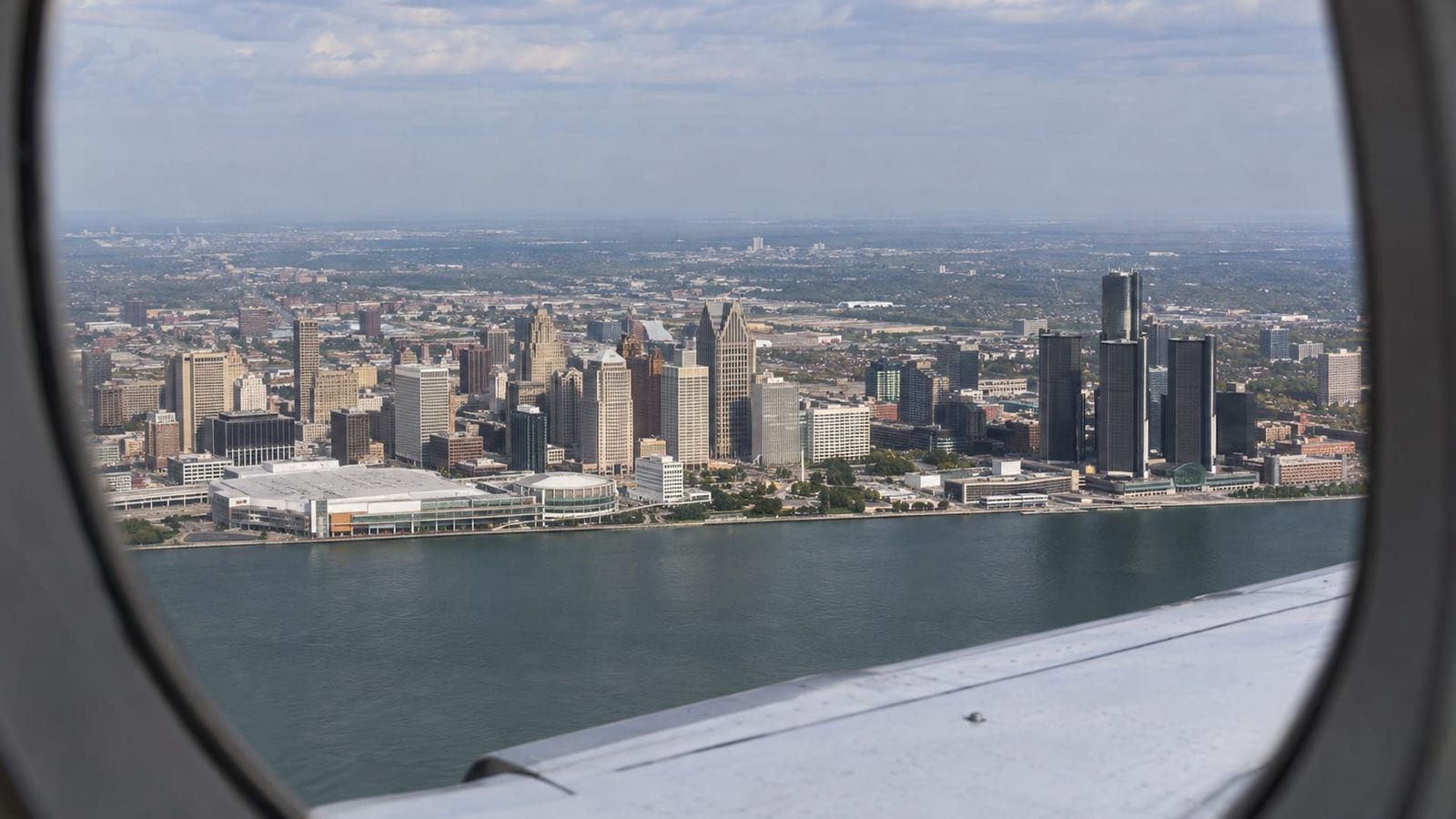
The New York and Los Angeles examples pair Detroit flight times with round-trip fares and connecting options on Delta Air Lines.
From New York, round-trip fares to Detroit range from $500 to $1,400. Nonstop flights take 1.5 to 2.5 hours on Delta Air Lines. Connecting journeys through Atlanta (ATL) or Minneapolis (MSP) take 4 to 7 hours.
Allow $900 to $2,200 round trip from Los Angeles to Detroit, with nonstop journeys taking 4 to 5 hours. Delta Air Lines also offers connections through Salt Lake City (SLC) or Minneapolis (MSP), bringing the journey to 6 to 9 hours.
Detroit feels different when you slow down
A Detroit trip takes shape through specific contrasts: Rivera’s factory scenes in Midtown, the Guardian Building’s tiled lobby Downtown, and dinner along Michigan Avenue in Corktown. Give each neighborhood time, use QLINE along Woodward Avenue, and reserve Saturday morning for Eastern Market. These choices leave room for the city’s art, architecture, and food across five days. Ask AranGrant experts to arrange flights for a Detroit stay built around that Saturday market morning