

Chapters:

Need help with your trip?
Our support team is available 24/7. Request a callback or call us directly at (833) 619-0908
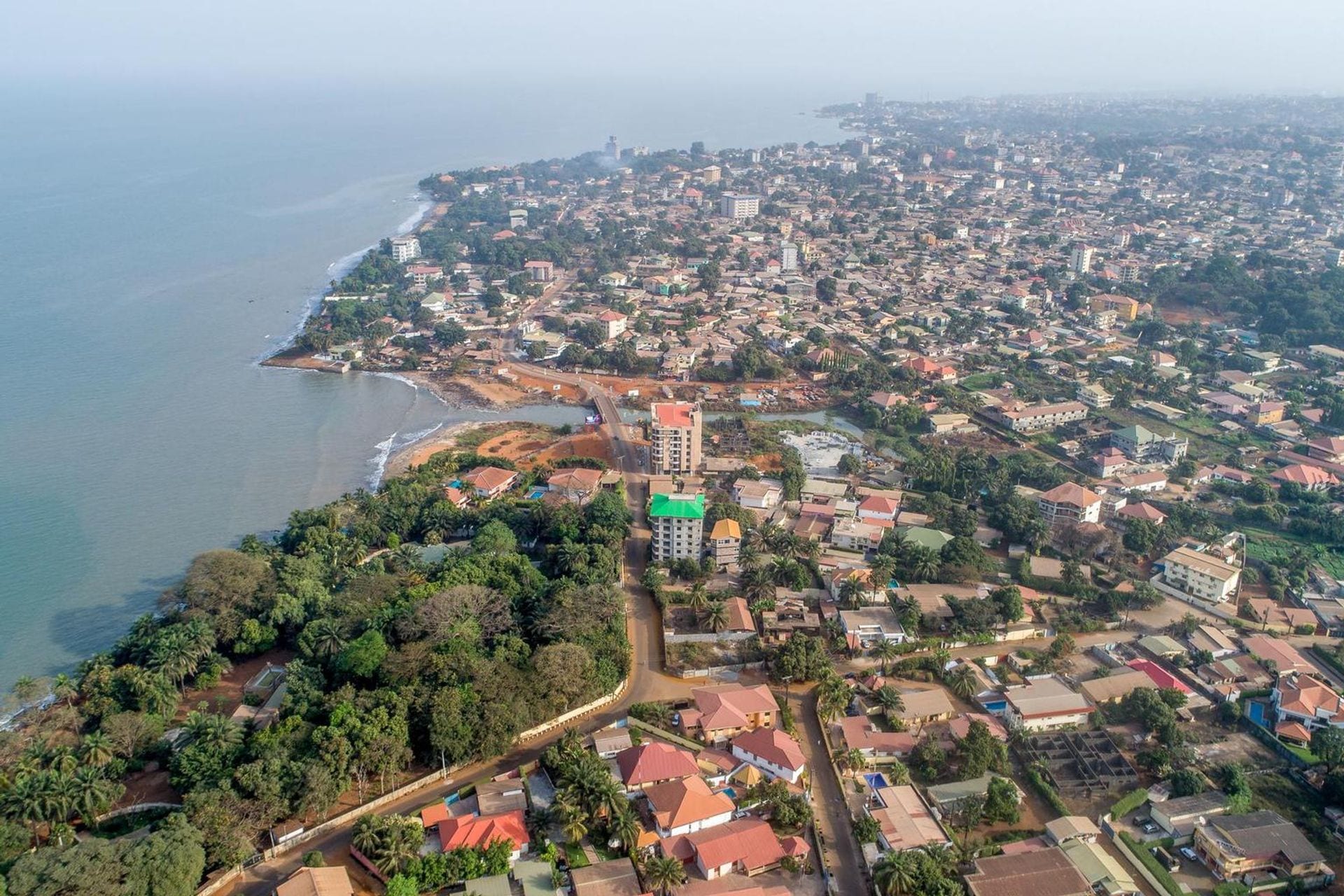
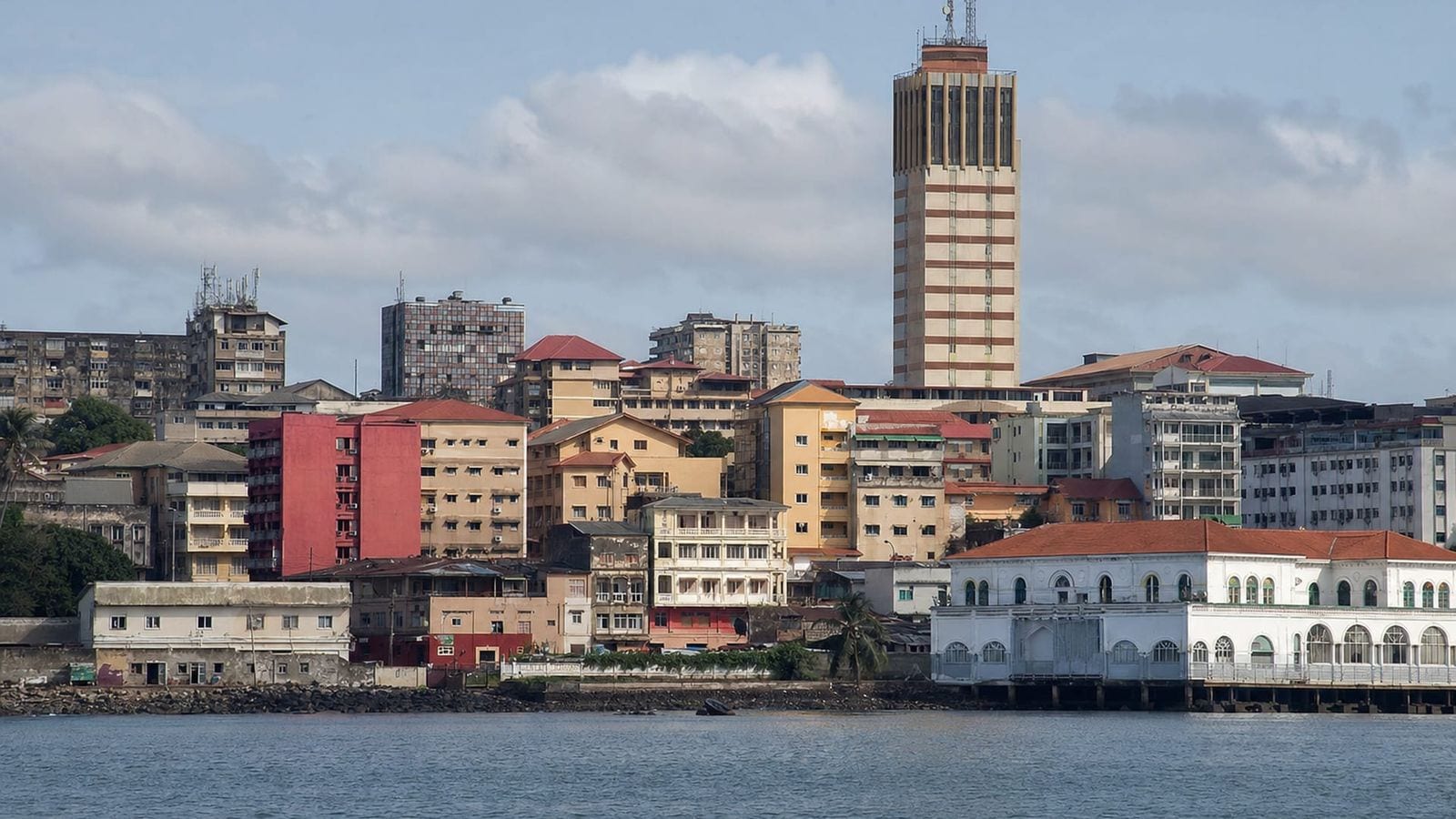
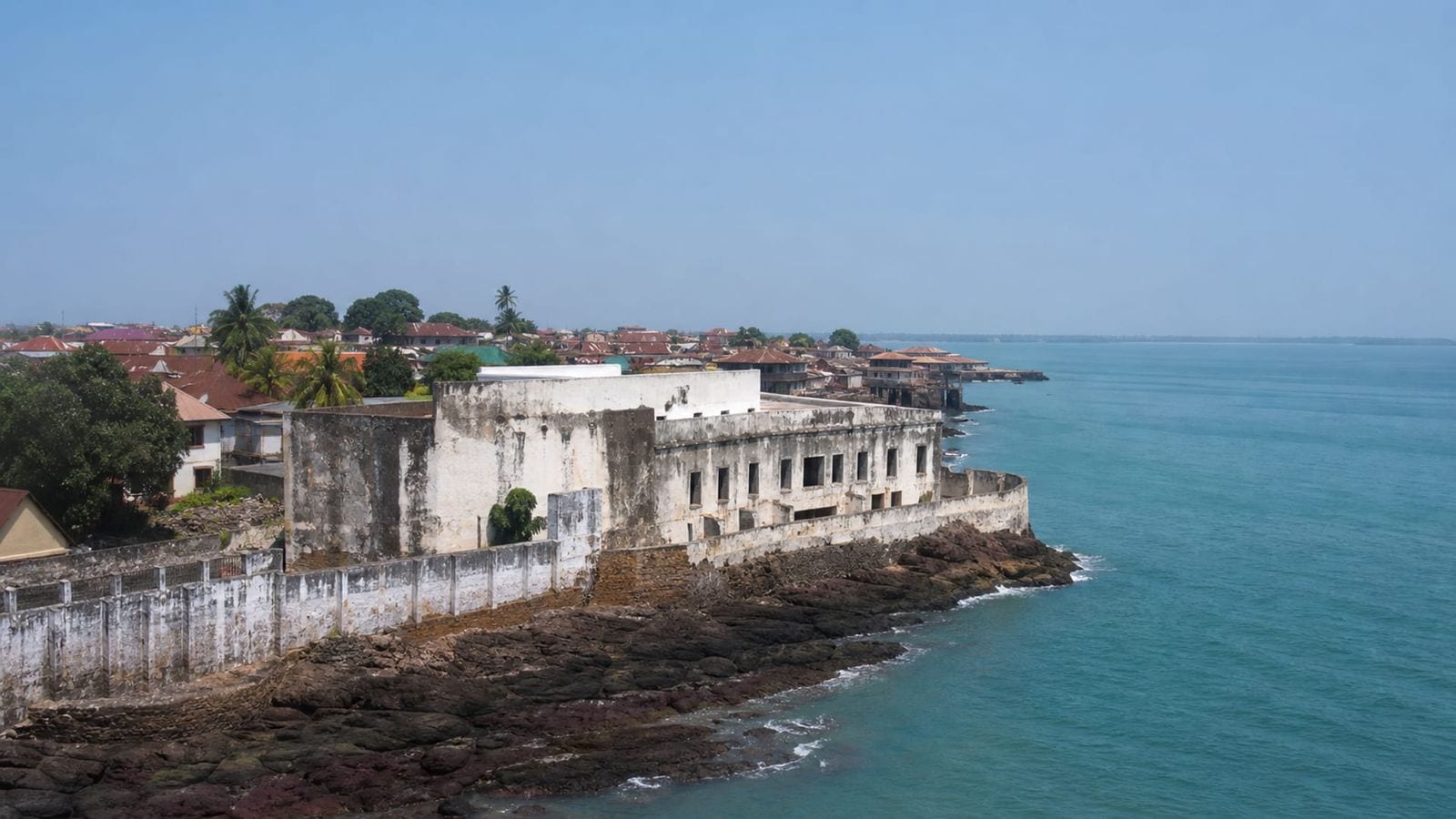
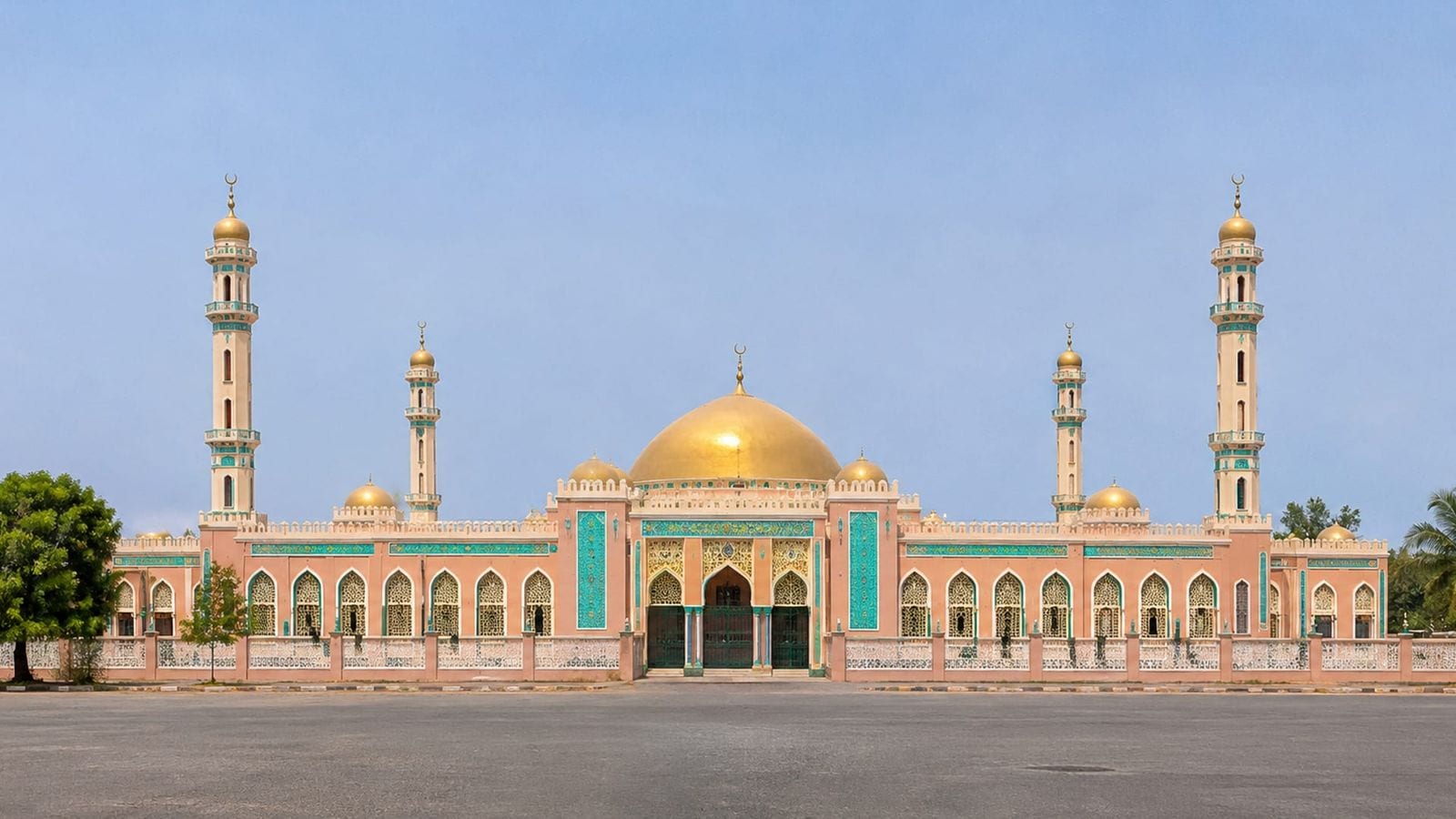
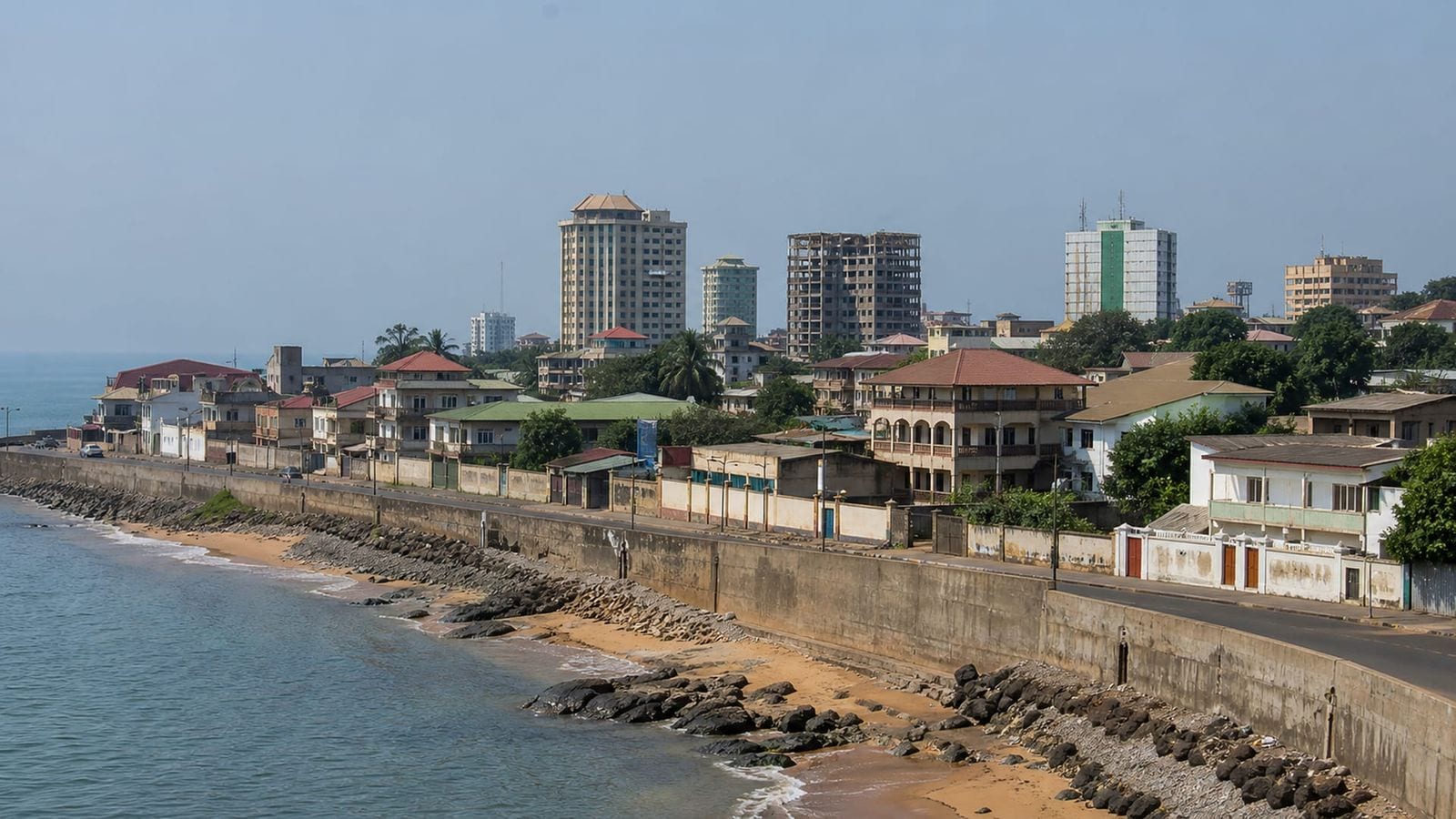
Conakry stretches along a narrow peninsula into the Atlantic, with the old colonial center of Kaloum at its tip and newer districts running northeast toward the mainland. Boats leave the Kaloum waterfront for the Îles de Loos just offshore, and the green minarets of the Grand Mosque rise above Camayenne.
Guinea’s capital since independence in 1958, the city mixes French-era streets, busy markets, and long stretches of seafront Corniche. Its shape also decides how a visit unfolds: a handful of main roads link the districts, so the area you stay in and the hours you travel set how much of each day goes to sightseeing.
This guide covers where to stay, how to get around, the sights worth your time, the best season to visit, a five-day plan, and business-class flights from the US.
Useful things to know

Main language(s): French
Bonjour (bohn-zhoor) – Hello / good morning
S'il vous plaît (seel voo pleh) – Please
Merci (mehr-see) – Thank you
Parlez-vous anglais ? (par-lay voo ahn-glay) – Do you speak English?
C'est combien ? (say kohn-byen) – How much does it cost?

Currency: Guinean franc (GNF, FG)

Cash and cards: Few shops and restaurants accept cards, so carry GNF 500,000 to GNF 1,000,000 ($55 to $115) in cash. Larger hotels and some supermarkets in Conakry take cards.

Tipping: Round up small bills for taxis and casual meals, and leave 5% to 10% at upscale restaurants when the service is good.

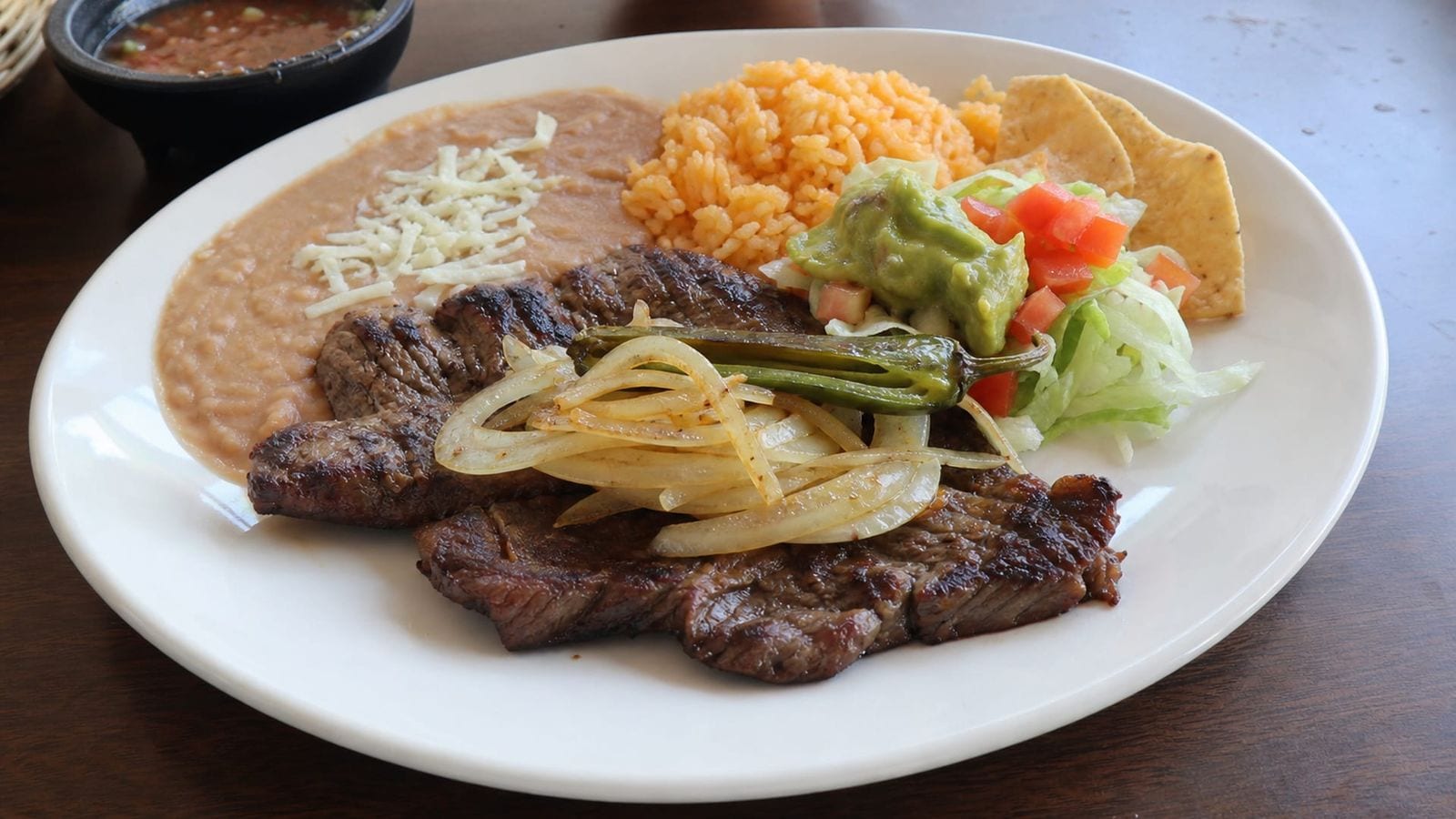
Traditional food: Riz gras, peanut stew, grilled fish, and fufu are among the dishes most closely tied to everyday cooking in Conakry.

Water and coffee costs: A small bottle of water costs GNF 10,000 ($1), and an espresso at a café is GNF 25,000 ($3).

Taxis and ride apps: Street taxis and hotel cars cover most trips. Agree on the fare before you get in, and ask your hotel to book a trusted driver for longer rides.

Plug and voltage: Type C, Type F, and Type K sockets, 220 V

Dining and shop opening hours: Breakfast lasts from 7 to 9 am, lunch from noon to 2 pm, and dinner from 7 to 10 pm. Many places close between meals and shorten their hours on Fridays and during Ramadan.

Emergency number: Call 117 for the police and 18 for fire and medical emergencies.
Where to stay in Conakry
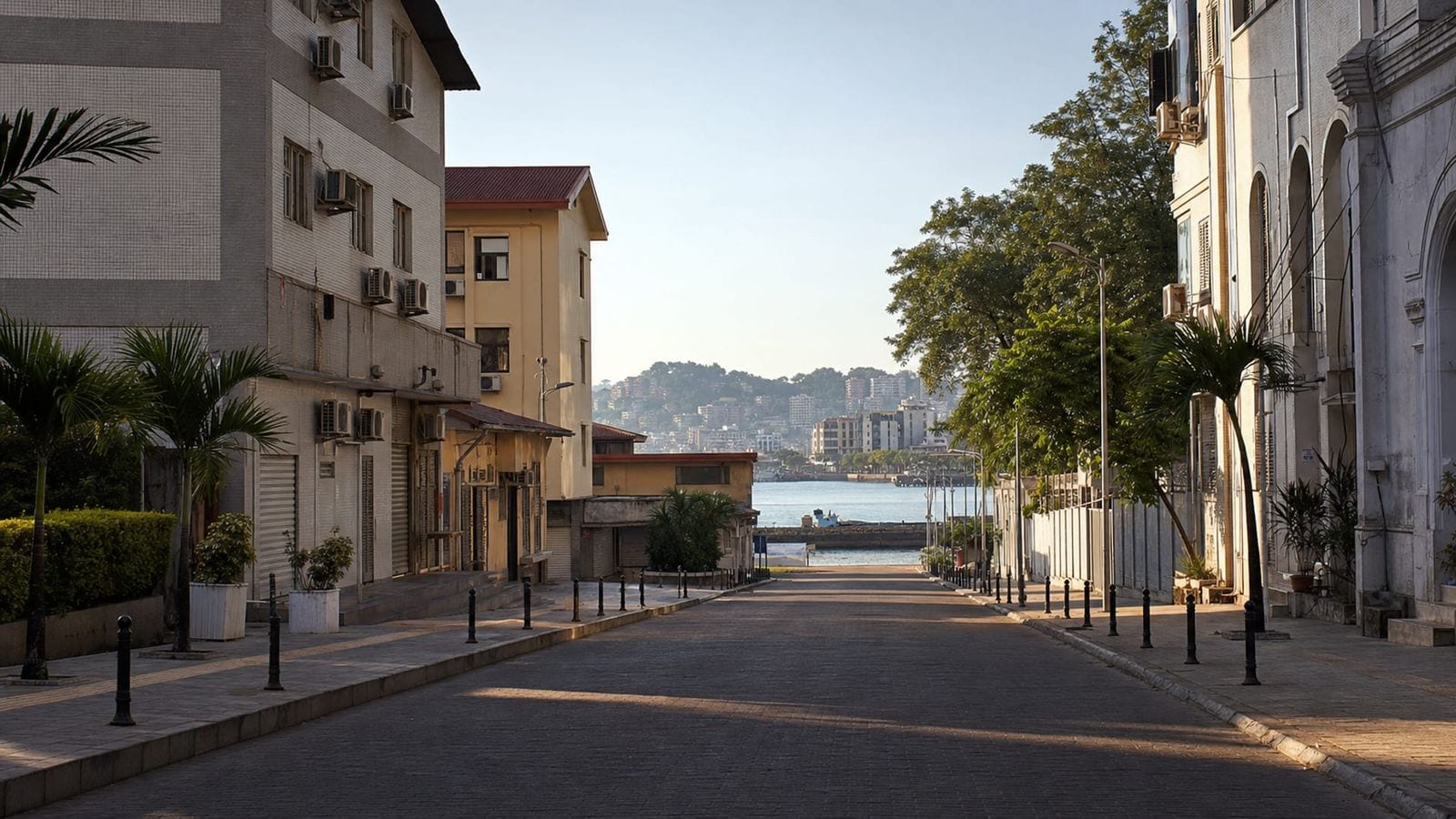
Conakry’s historic peninsula and central business district, home to ministries, banks, ports, and several major hotels. It suits visitors who want the city’s core services close at hand and do not mind daytime traffic or a busier street grid.
Best for: Business trips, ferry access, and central sightseeing bases
What to expect: Busy weekday streets, frequent traffic, and a steady flow of office workers, shoppers, and government staff
Hotel prices: Well-rated hotels in this area cost GNF 900,000 to GNF 2,000,000 ($100 to $225) per night.
Distance to major sights: 5 to 15 minutes by car to the National Museum and Port; about 20 to 35 minutes to Taouyah
Quietness: Kaloum is noisy during the workday and grows calmer once offices close, though a few blocks stay busy into the evening.
Main trade-off: Traffic can add time even on short trips, and rates are not lower than in other central areas.
Good to know: Heavy weekday traffic slows even short trips across the peninsula, especially during the morning and evening rush hours.
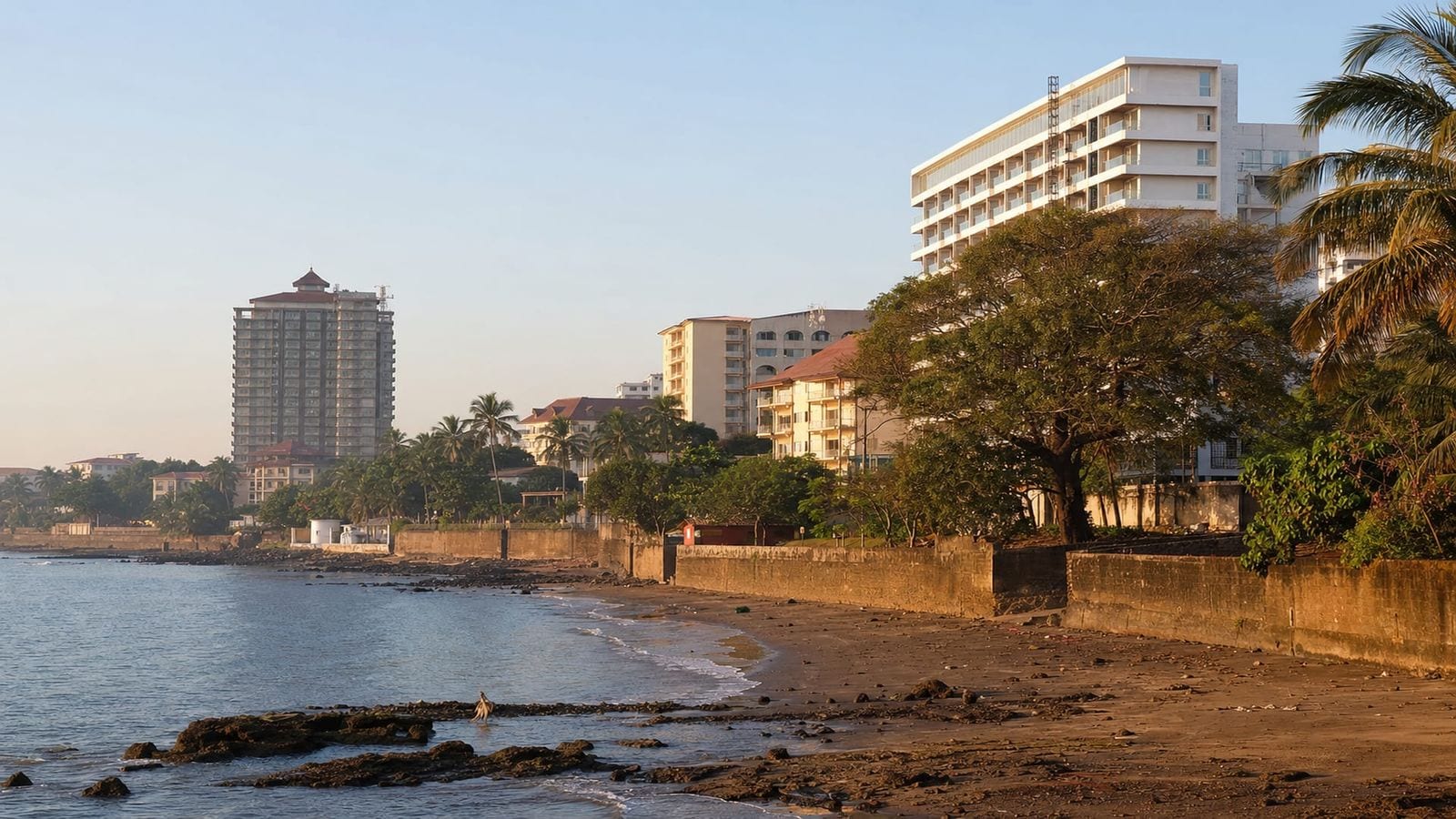
A coastal residential and hotel area north of Kaloum, known for larger properties, sea views, and easier access to the city center than the outer suburbs. It is ideal for travelers who want a calmer stay near central Conakry.
Best for: Leisure stays, waterfront access, and travelers who prefer larger hotels
What to expect: Hotel guests along the Corniche, residents and embassy staff on the side streets, and crowds near the Grand Mosque at prayer times
Hotel prices: Well-rated hotels in this area charge between GNF 850,000 and GNF 2,200,000 ($95 and $250) for a night.
Distance to major sights: 10 to 20 minutes by car to the National Museum; about 5 minutes by car to Conakry Grand Mosque
Quietness: Quieter than Kaloum during the day, with occasional evening traffic and hotel activity.
Main trade-off: You may need a car for most meals and errands, because neighborhood walkability is limited.
Good to know: Friday midday prayers draw large crowds to the Grand Mosque, so the schedule drives through Camayenne before noon or later in the afternoon.
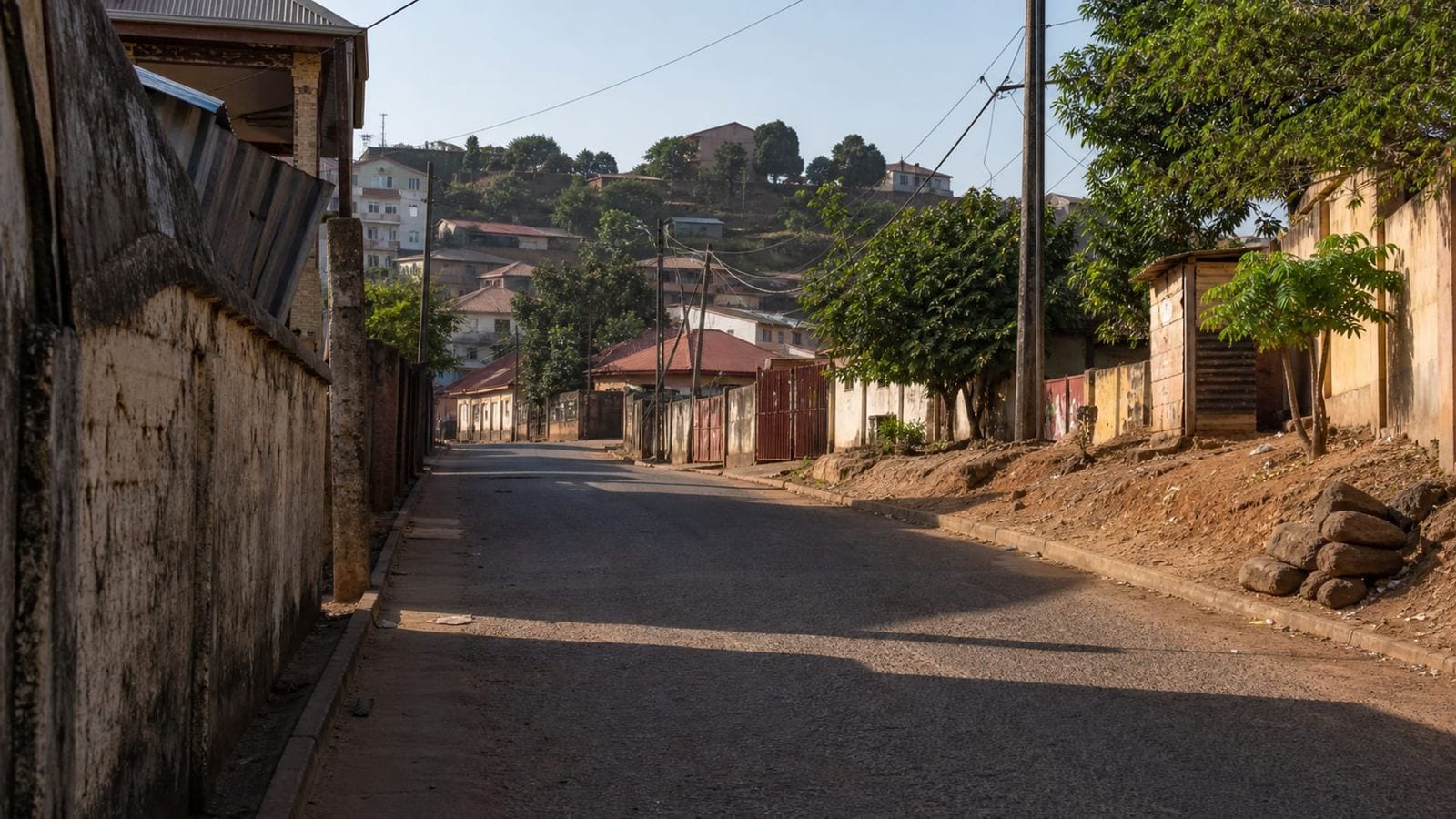
A northern district that includes many residential blocks, embassies, and the city’s largest international hotels along the main coastal road. It offers more space than central Conakry, while keeping the city within reach.
Best for: Longer stays, midrange budgets, and travelers with cars or drivers
What to expect: Local markets, everyday errands, and heavier road traffic near the main arteries; side streets are quieter and more residential.
Hotel prices: Well-rated hotels in this area range from GNF 700,000 ($80) for smaller guesthouses to GNF 2,700,000 ($305) at the large international hotels in Kipé.
Distance to major sights: 20 to 35 minutes by car to Kaloum and the National Museum; about 15 to 25 minutes by car to Conakry Grand Mosque
Quietness: Ratoma is quieter than Kaloum at night, but the main roads stay busy and moto-taxis and minibuses keep some blocks noisy into the evening.
Main trade-off: Kaloum’s harbor and government district are about 9 miles (15 km) away, and rush-hour traffic makes the drive much longer.
Good to know: Traffic on the main coastal road stays heavy after dark, so allow extra time for the drive back from evening plans in Kaloum.
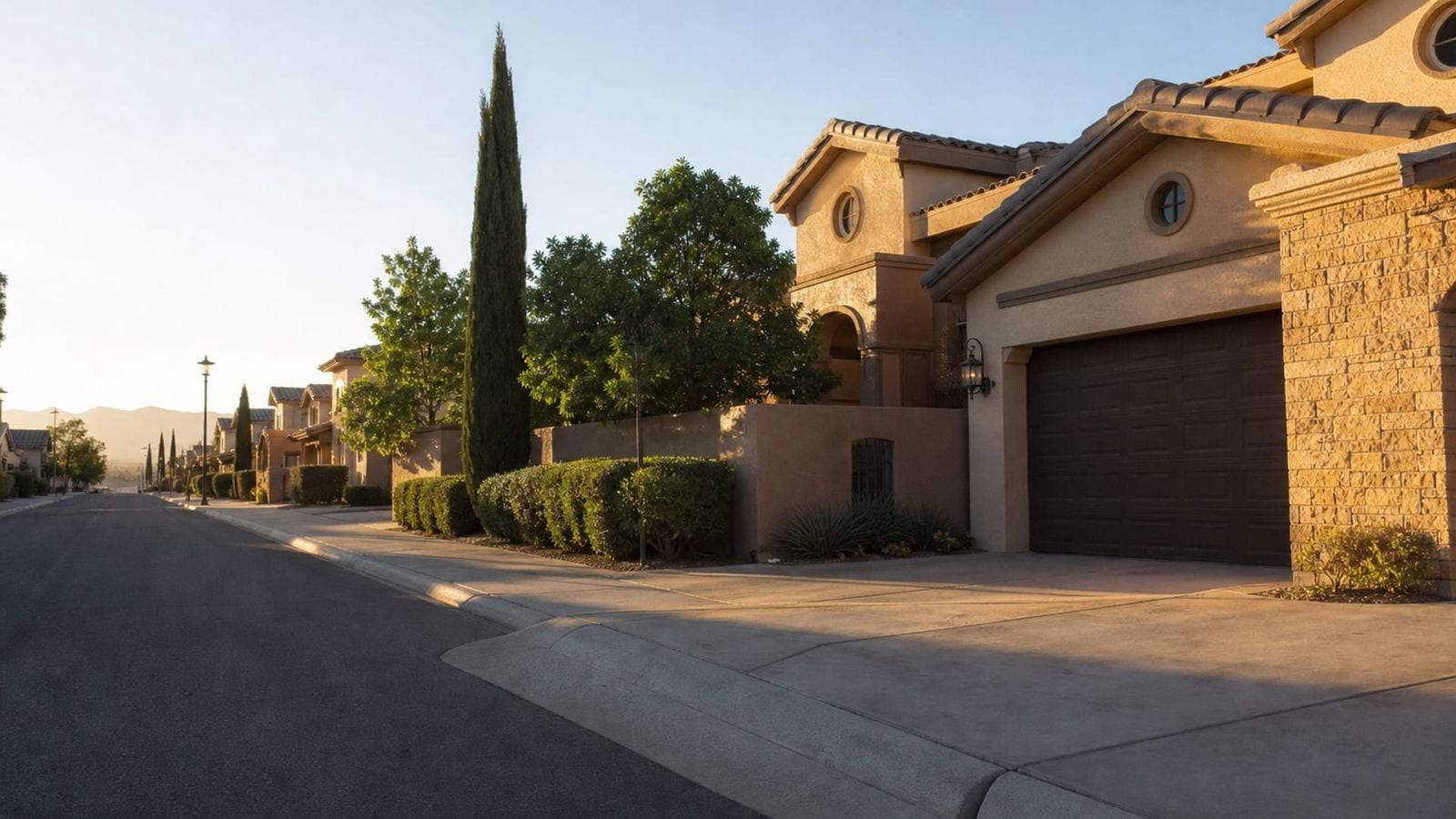
Taouyah is a coastal neighborhood in Ratoma, northwestern Conakry, known for dense street commerce, roadside food stalls, and an everyday local pace. It suits travelers who enjoy busy local streets and want Rogbané beach and the seaside Corniche within walking distance of their hotel.
Best for: Local commerce, budget stays, and travelers who want neighborhood life
What to expect: Crowded streets, taxis, moto-taxis, vendors, and constant neighborhood activity around the main junctions
Hotel prices: Well-rated hotels in this area start at GNF 500,000 ($55) and reach GNF 1,300,000 ($145) per night, the lowest range of the four areas.
Distance to major sights: 25 to 40 minutes by car to the National Museum, Kaloum, and the port; about 10 to 20 minutes to Conakry Grand Mosque
Quietness: Taouyah stays lively from morning into the evening, and only the side streets quiet down late at night.
Main trade-off: Kaloum and the port are about 6 miles (10 km) away, so frequent trips to the peninsula add up in taxi fares and travel time.
Good to know: Most restaurants in Taouyah serve casual local meals, so plan upscale dinners at the hotel restaurants in nearby Kipé.
Travelers rarely stay in Kobayah, Sonfonia Gare, Nongo, or Wanindara on Conakry’s northern edge. These neighborhoods are far from Kaloum and Camayenne, have few restaurants for visitors, and mean long taxi rides back in the evening.
Hotel deals
How to get around Conakry efficiently
Private taxis, yellow shared taxis, and magbana minibuses carry most people around Conakry. All three take cash only and slow down in rush-hour traffic.

Private taxi
for the airport, late hours, and cross-town trips
Private taxis and hotel cars offer door-to-door rides across the city, including late at night. A ride in central Conakry costs GNF 35,000–GNF 105,000 ($4–$12), and the airport transfer from Conakry (CKY) costs GNF 70,000–GNF 175,000 ($8–$20). Agree on the fare before you set off.

Magbana minibus
for long rides on a budget
Magbana minibuses link Kaloum, Dixinn, Matam, and Ratoma with the outer communes along the main roads. A ride costs GNF 2,000 to GNF 4,000 ($0.20 to $0.45). Minibuses leave once every seat is full. Short rides take 20 to 45 minutes outside rush hour.

Shared taxi
for short daytime hops
Yellow shared taxis follow fixed routes along the main roads and pick up passengers on the way. A seat costs GNF 2,000 to GNF 5,000 ($0.20 to $0.55) for each leg of the route. They suit short daytime trips between neighboring areas, such as Kaloum and Dixinn.
*Prices are based on rates updated as of November 2026 and may change at the time of travel.
Book private taxis for rides to the airport and evening plans, take shared taxis for short daytime hops, and save magbana minibuses for longer rides outside rush hour.
Iconic landmarks
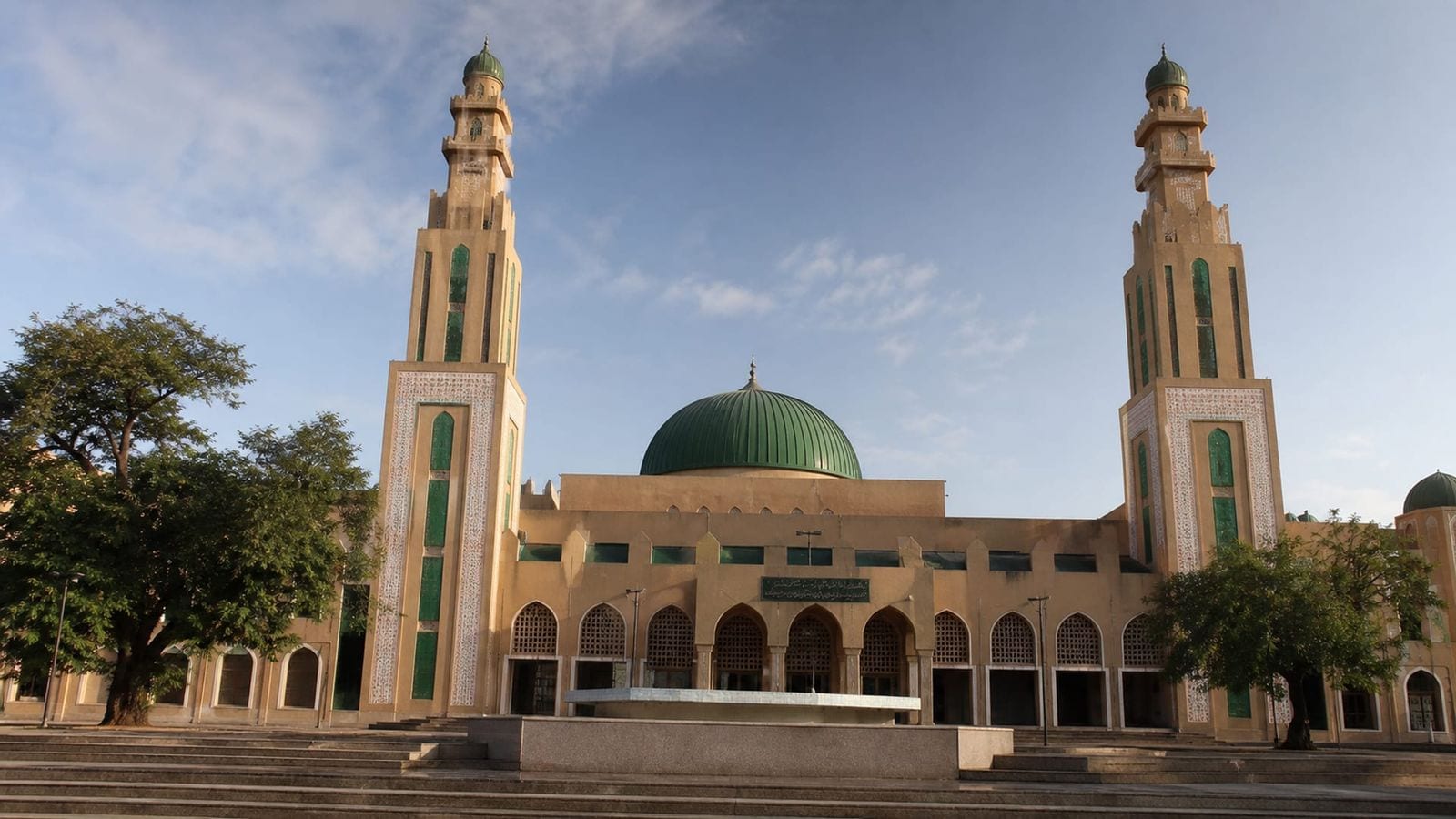
Conakry Grand Mosque
The Conakry Grand Mosque, one of the largest mosques in sub-Saharan Africa, holds 12,500 worshippers and rises above Camayenne with four green-tiled minarets. Its gardens hold the Camayenne Mausoleum, with the tombs of Samory Touré, Alfa Yaya, and Sékou Touré.
Time needed: About 45 to 60 minutes
Entry: Free; modest dress is required, and visitors should expect security screening and limited access during prayer times.
Tip: Visit early morning or late afternoon for cooler light and fewer worshippers on site.
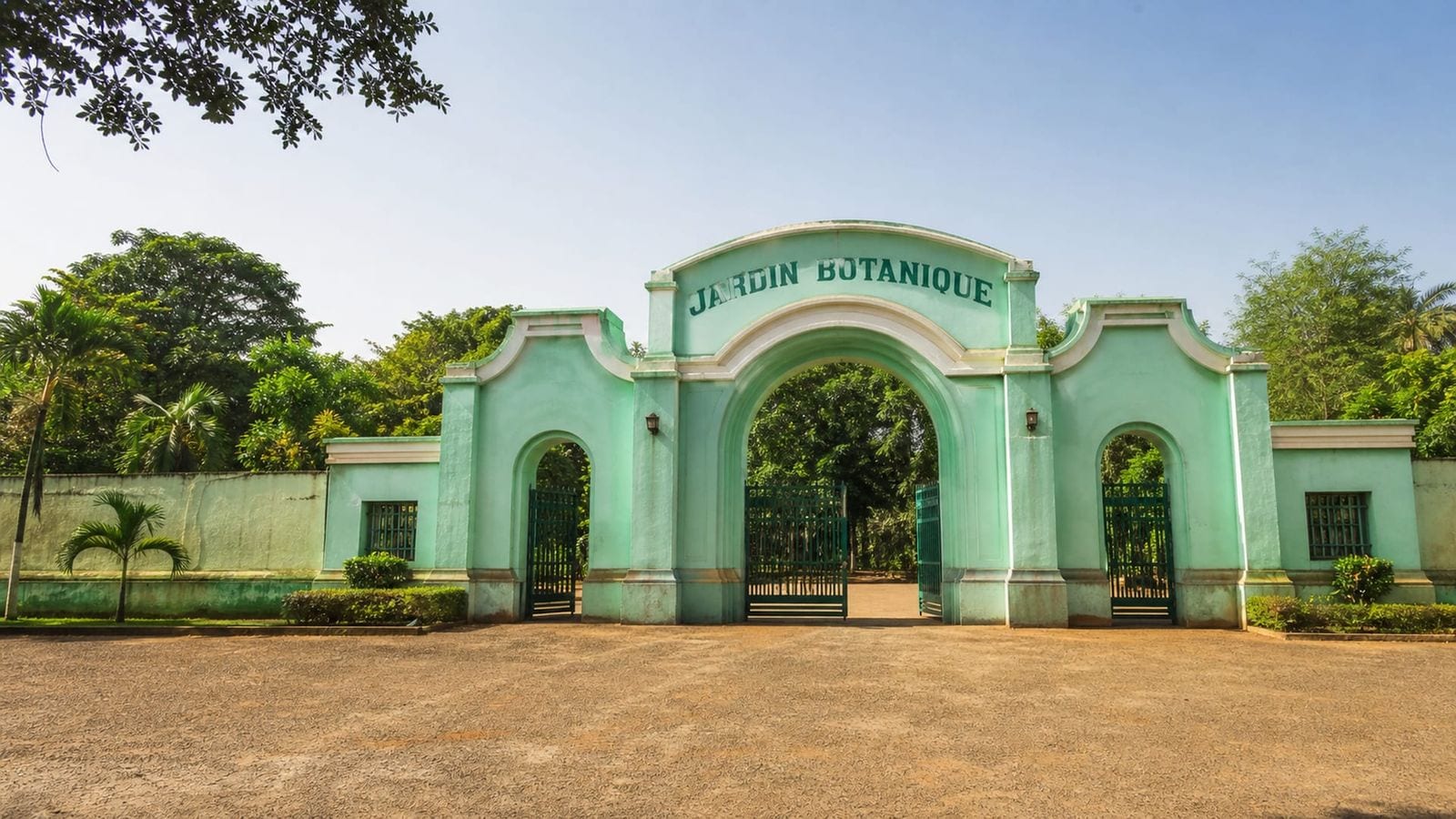
Conakry Botanical Garden
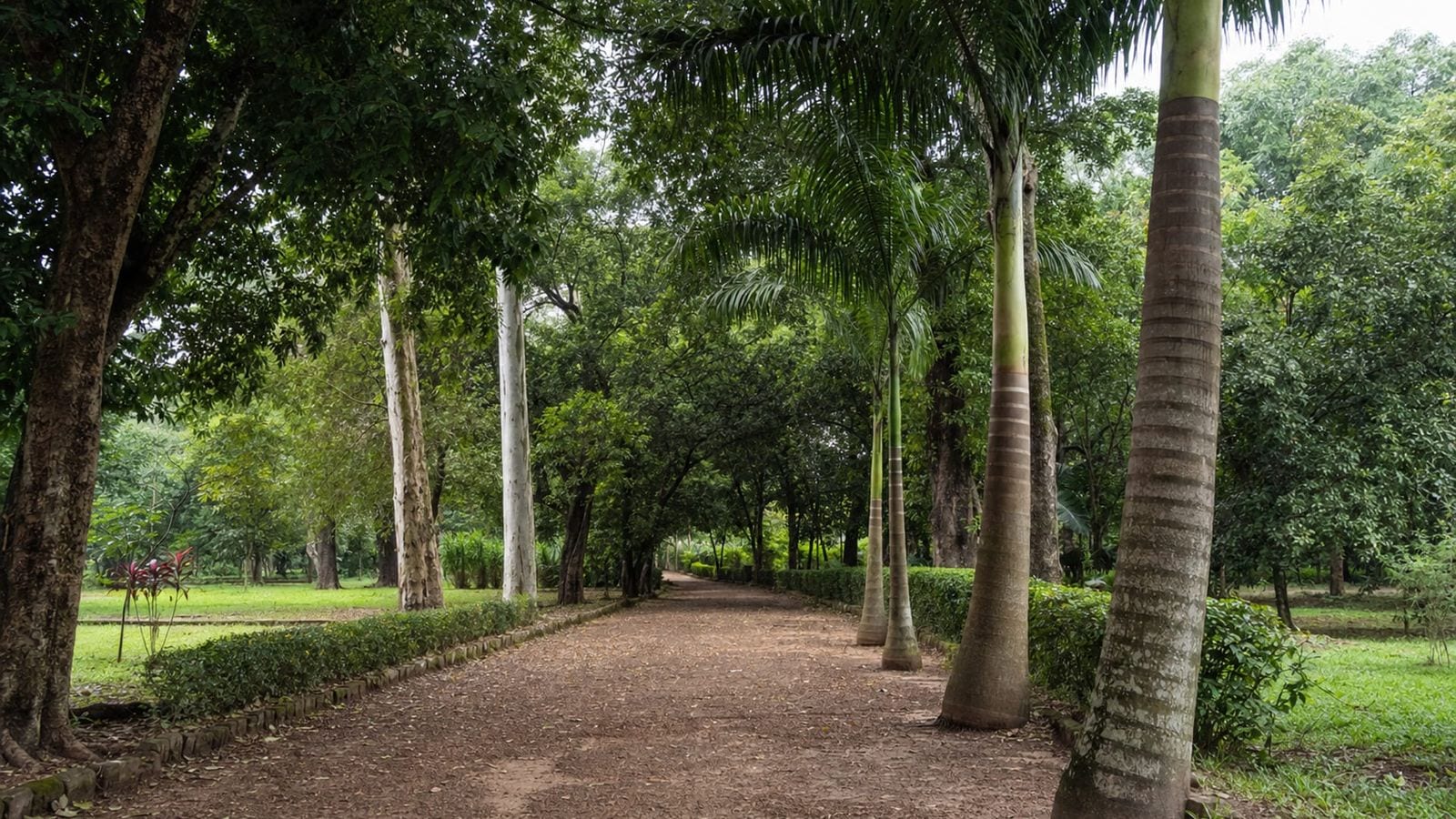
Conakry Botanical Garden in the Camayenne area has shaded paths, tropical plants, and large trees that offer one of the city’s clearest green spaces. It is perfect for a quiet walk, birdwatching, and a break from downtown traffic.
Time needed: About 1 to 2 hours
Entry: Entry is free, but staff expect a tip of GNF 10,000 to GNF 15,000 ($1 to $2).
Tip: Go in the morning, when the paths are cooler, and the light is better for photos.
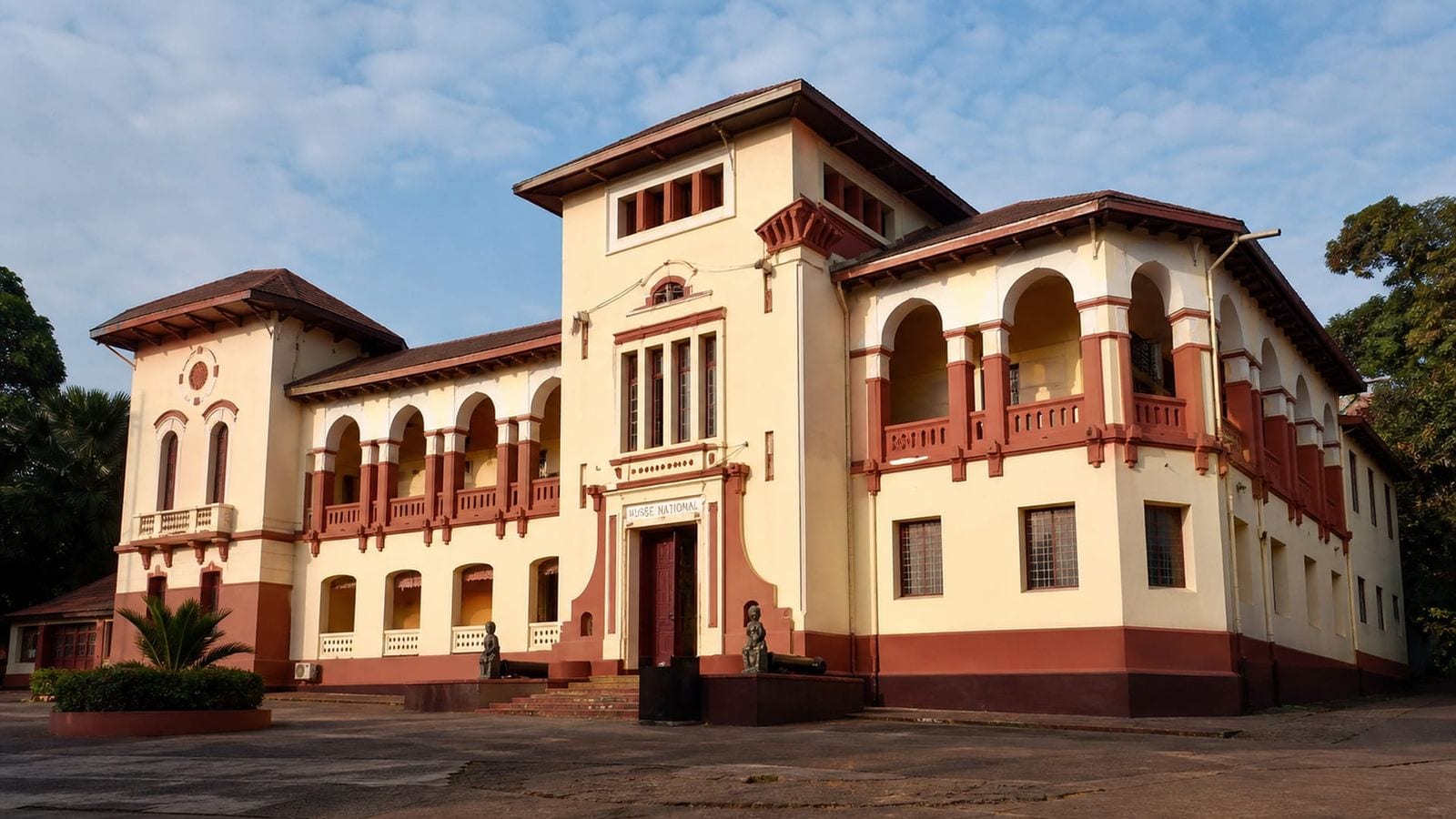
National Museum of Guinea
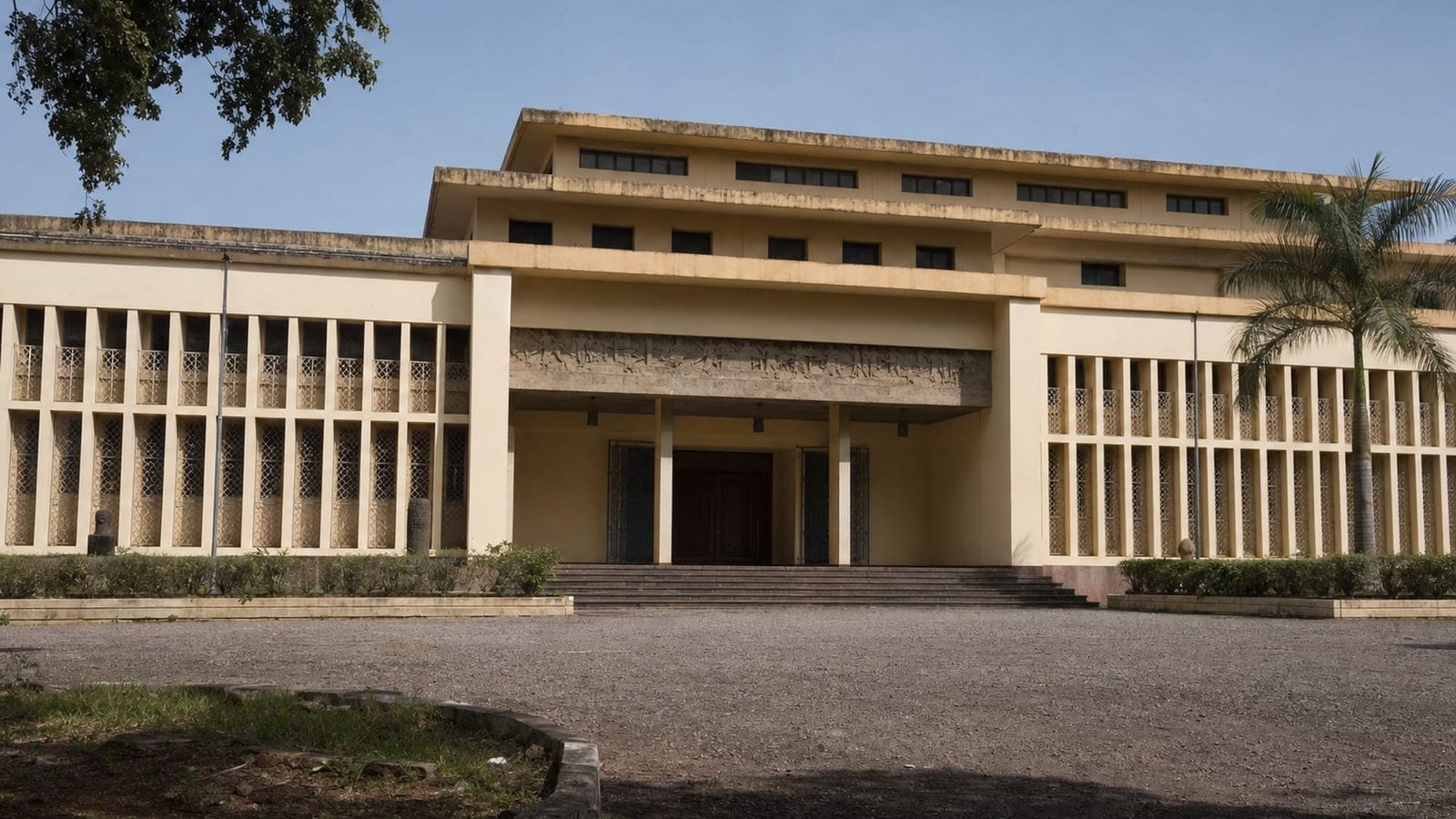
The National Museum of Guinea presents masks, musical instruments, and historical objects that trace the country’s cultures in one compact visit. It gives the clearest museum overview in central Conakry and suits a short stop between neighborhood sights.
Time needed: About 30 to 60 minutes
Entry: Admission is GNF 18,000 to GNF 44,000 ($2 to $5) per person, with possible extra fees for photography or guided explanation.
Tip: End your visit in the courtyard, where colonial-era statues stand near an 1896 stone arch.
Overlooked sites worth visiting

Marché Niger
Marché Niger is Kaloum’s main market, a dense mix of open stalls, small shops, and converted shipping containers. Traders sell fresh fruit and vegetables alongside phones and household goods.
Time needed: About 45 minutes to 1 hour
Entry: Free. Carry cash for purchases at market stalls. Bargaining is normal for fruit, spices, and simple household goods.
Tip: Visit early, before late-morning heat and the busiest crowds.

Cathedral of Saint Mary
Built in the 1930s, Conakry’s yellow-and-red Catholic cathedral stands in front of the Presidential Palace in Kaloum. Inside, painted walls and an ornate window surround a quiet nave.
Time needed: About 30 to 45 minutes
Entry: Free. Dress modestly, avoid loud conversation, and check local mass times before planning a stop.
Tip: Go outside mass hours if you want the quietest visit.
Traditional food
Most meals in Conakry pair rice with a rich sauce, such as peanut sauce, cassava-leaf stew, or fish from the Atlantic. Palm oil, onion, and hot pepper give the dishes their deep, savory flavor.
Riz gras
This dish consists of rice cooked in a tomato-and-onion base with vegetables and meat or fish, giving it a deep red color and rich flavor. Kaki Restaurant on Transversale 2 serves its own version with braised meat and market vegetables.
Peanut stew
A thick sauce of ground peanuts, tomato, onion, and hot pepper, simmered with chicken, beef, or fish and served over rice. OKLM Grill near the Kiridi bridge in Kipé serves it as mafé, alongside Guinean dishes such as lafidi.
Grilled fish
Fresh Atlantic fish marinated in onion, lime, and hot pepper, then grilled over charcoal until the skin crisps. L’Etoile – Petit Bateau in Coronthie, Kaloum, serves grilled fish alongside seafood dishes such as calamari and barracuda.
Fufu
A smooth, stretchy dough of pounded cassava or plantain, rolled into small balls by hand and dipped into soups and sauces. OKLM Grill in Kipé serves a popular version across West Africa.
Best time to visit Conakry
Conakry is hot and humid most of the year. The drier months bring the most comfortable weather, while the wet season slows travel across the city.
Best for: Drier days and easier movement between Kaloum and the northern districts
What you get: About 72°F to 89°F (22°C to 32°C), with smaller crowds at outdoor sights and better road conditions than in the wettest months
Trade-offs: Heat still builds by midday, and there is a lot of dust on busy roads.
Best for: Museum time, mosque visits, and short scheduled outings before heavier rains arrive
What you get: About 75°F to 90°F (24°C to 32°C), with moderate visitor numbers and growing humidity toward late spring
Trade-offs: Afternoon rains become more common as the season progresses.
Best for: Indoor breaks, slower sightseeing, and travelers who do not mind planning around rain
What you get: About 74°F to 87°F (23°C to 30°C), with lighter daytime crowds but slower traffic on wet roads
Trade-offs: Rain can interrupt plans and make cross-town trips take longer.
Best for: Green scenery and flexible days once the rain eases
What you get: About 74°F to 89°F (23°C to 31°C), with improving access and fewer weather-related delays late in the season
Trade-offs: Early fall can still bring heavy rain and muddy side streets.
A realistic 5-day plan in Conakry
This five-day plan groups sights by district, so you can move between Kaloum and Camayenne without backtracking across the city. It also leaves time for long lunches, rush-hour traffic delays, and a relaxed final morning before your flight home.
Land at Conakry (CKY) and take a taxi or prearranged hotel car to Kaloum or Camayenne, a 20- to 35-minute drive outside rush hour. After check-in, take a short sunset walk along the Corniche near your hotel, then have an early dinner at the hotel restaurant. Long-haul flights often arrive late, so keep the first evening short and rest before a full day of sightseeing.
Start the morning at the National Museum of Guinea in Kaloum, where masks, musical instruments, and colonial-era statues introduce the country’s history. Then take a 10- to 15-minute taxi ride to the Conakry Grand Mosque in Camayenne and walk through its gardens to the Camayenne Mausoleum. Plan this day for any weekday except Friday, have lunch near the Corniche, and return to your hotel before the evening rush hour.
Begin the morning at the Conakry Botanical Garden in Camayenne, where kapok trees from the colonial era shade the paths. Ask your hotel to arrange access in advance, since guards at the gate may ask for permission. Then drive 10 to 20 minutes to the Palais du Peuple in Kaloum to see its plaza and check the program for concerts or exhibitions. End with coffee in Kaloum before heading back to your hotel.
Spend the day on foot in Kaloum, Conakry’s compact city center. Start at the Cathedral of Saint Mary, then browse the fruit stalls and small shops of Marché Niger. After lunch, walk to the Sandervalia quay, where public boats leave for the Îles de Loos, and watch the harbor traffic as the afternoon cools. End the day with dinner in Kaloum.
Keep the last morning slow with a walk along the Camayenne Corniche and a late breakfast at your hotel. Have coffee or a light lunch nearby before checkout, then leave for Conakry (CKY) with time for a 20- to 35-minute drive outside rush hour.
Business-class flights from the US to Conakry
Every trip from the US to Conakry includes one stop in Europe or North Africa, and West Coast flights take several hours longer than East Coast ones.
New York (JFK) to Conakry (CKY)
Royal Air Maroc offers the shortest one-stop flight option from New York (JFK) to Conakry (CKY), with a change of planes in Casablanca (CMN) and a total travel time of 12 to 15 hours. Air France offers flights to this destination through Paris (CDG); Delta Air Lines offers the same route, with Air France operating the Paris-to-Conakry leg, for a total travel time of 15 to 18 hours. Round-trip business-class fares start at $4,200 and reach $7,500.
Los Angeles (LAX) to Conakry (CKY)
From Los Angeles (LAX), Royal Air Maroc flies three times a week to Casablanca (CMN), then on to Conakry (CKY), for a journey of 17 to 20 hours. Air France and Delta Air Lines both offer flights to Paris (CDG), where travelers board an Air France flight to Conakry, with total travel times of 19 to 23 hours. Expect round-trip business-class fares between $4,600 and $8,200.
A calmer way to plan Conakry
Planning Conakry by district saves hours in traffic. In Kaloum, the museum, the cathedral, and Marché Niger are a short walk apart, and Camayenne offers calmer hotels next to the Grand Mosque and the Botanical Garden. Private taxis cover the longer drives between the two. If you want help with this kind of trip, the AranGrant experts can find the right flights and hotels for Conakry. Booking early gives you the widest choice of business-class routings through Paris (CDG) and Casablanca (CMN).