

Chapters:

Need help with your trip?
Our support team is available 24/7. Request a callback or call us directly at (833) 619-0908
Charleston trips often start with the market, the capitol, and one harbor outing, then leave little room for the city’s quieter corners. Travelers also tend to cluster meals near the same few blocks, while side streets, park time, and daylight timing get less attention.
That approach adds extra walking between sights, tighter dinner choices, and more time spent crossing town than necessary. Ferry schedules, museum hours, and evening restaurant waits all shape the day, so a loose plan can waste good daylight.
This guide spaces the main stops across five days, with downtown for easy walks, one harbor day, one garden day, and a final pass for whatever you missed.
Useful things to know

Main language(s): English

Currency: The local currency is the US dollar (USD, $).

Cash and cards: Cards and contactless are widely accepted; carry about $20 to $40 in cash for tips and small purchases.

Tipping: Tip 15-20% at restaurants and bars when service is good; round up small bills and tip taxi drivers a little.

Traditional food: pepperoni roll, hot dog with slaw, fried green tomatoes, biscuits and gravy

Water and coffee costs: Water about $2 ($2), bar espresso about $4 ($4).

Taxis and ride apps: Uber and Lyft operate here; waits can stretch late at night.

Plug and voltage: Type A/B socket, 120V

Dining and shop opening hours: Breakfast is about 07:00-10:00, lunch 11:30-14:00, and dinner 17:00-21:00. Many restaurants close between lunch and dinner on quieter days.

Emergency number: 911 for police, fire, and medical emergencies.
Where to stay in Charleston
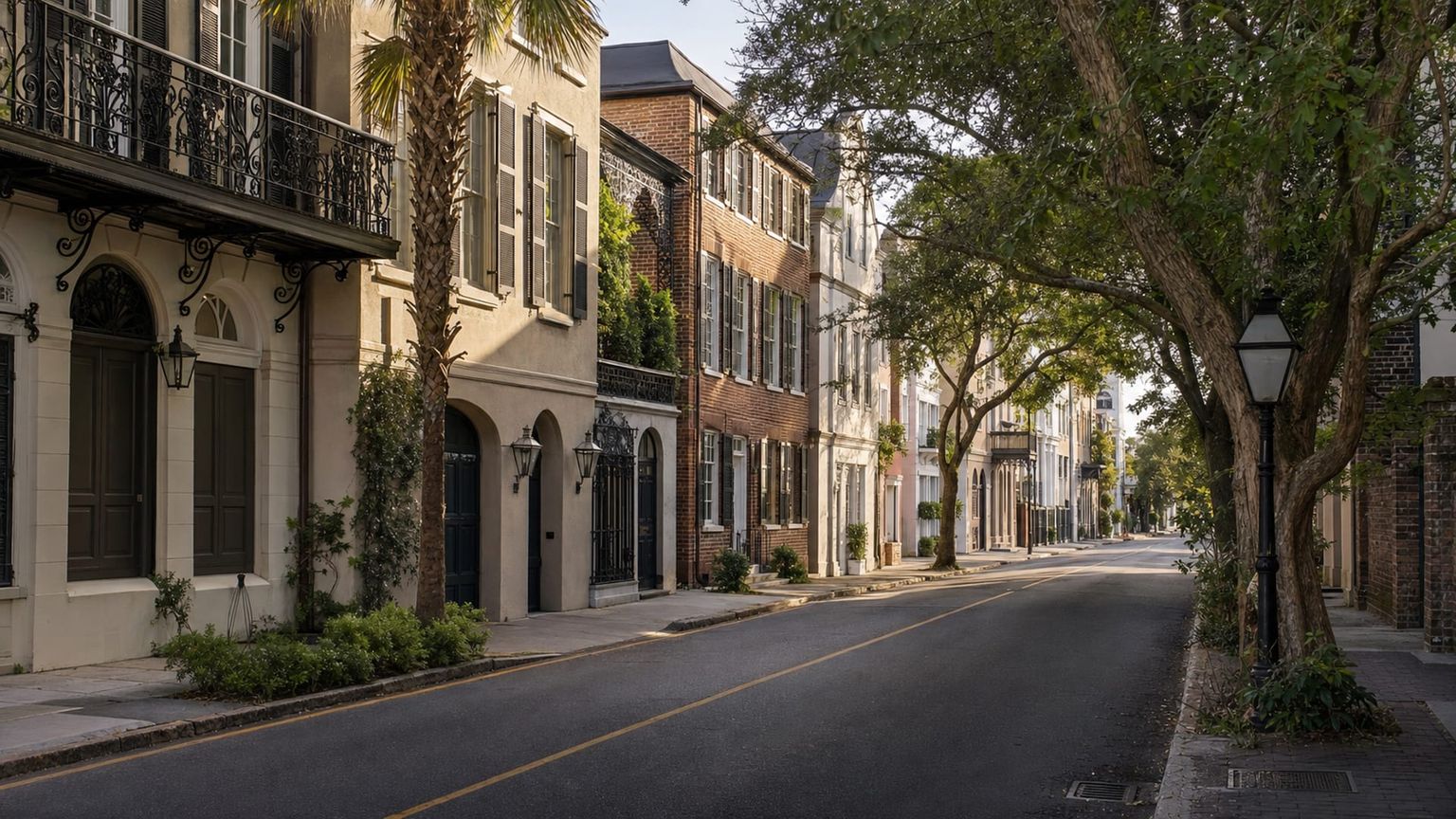
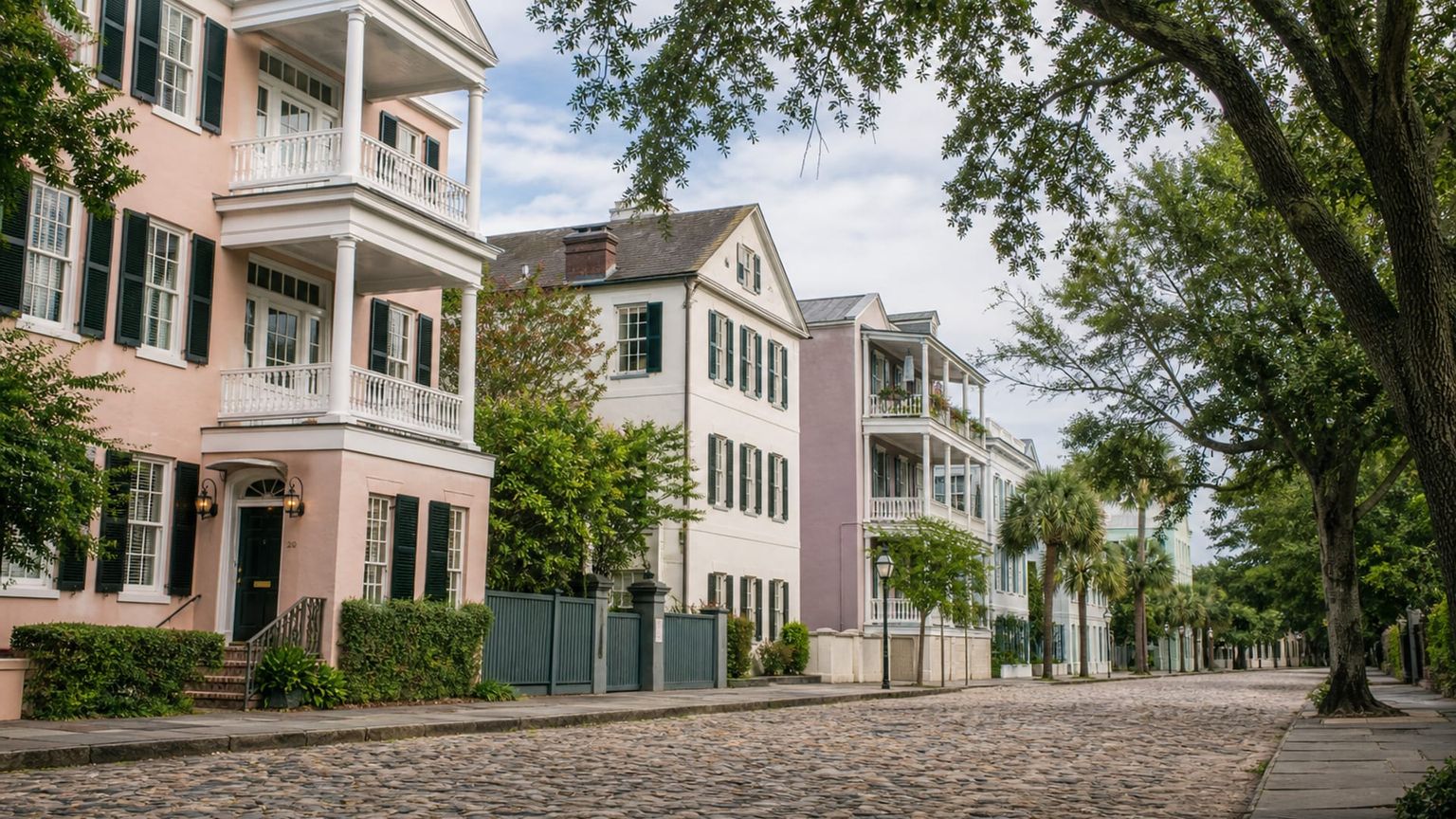
Charleston’s central district clusters the state capitol, museums, restaurants, and government offices in a walkable grid. It anchors the city’s business core and puts you closest to the main historic and civic sights.
Best for: Historic sightseeing, business trips, and travelers who want to walk to central attractions
What to expect: Busy sidewalks by day, with office traffic, diners, and visitors moving between the main streets and public squares.
Hotel prices: Usually about $140 to $240 per night for well-rated stays
Distance to major sights: About 5 to 10 minutes on foot to the State Capitol and roughly 10 to 15 minutes by transit to the West Virginia State Museum
Quietness: Quieter after office hours, though traffic and weekend dining keep some streets active into the evening.
Main trade-off: Rates run higher than in outlying neighborhoods, and some blocks lose sleep-friendly calm near late restaurants.
Good to know: If you plan evening meals out, check whether your hotel offers parking, because curb space can be limited on the busiest blocks.
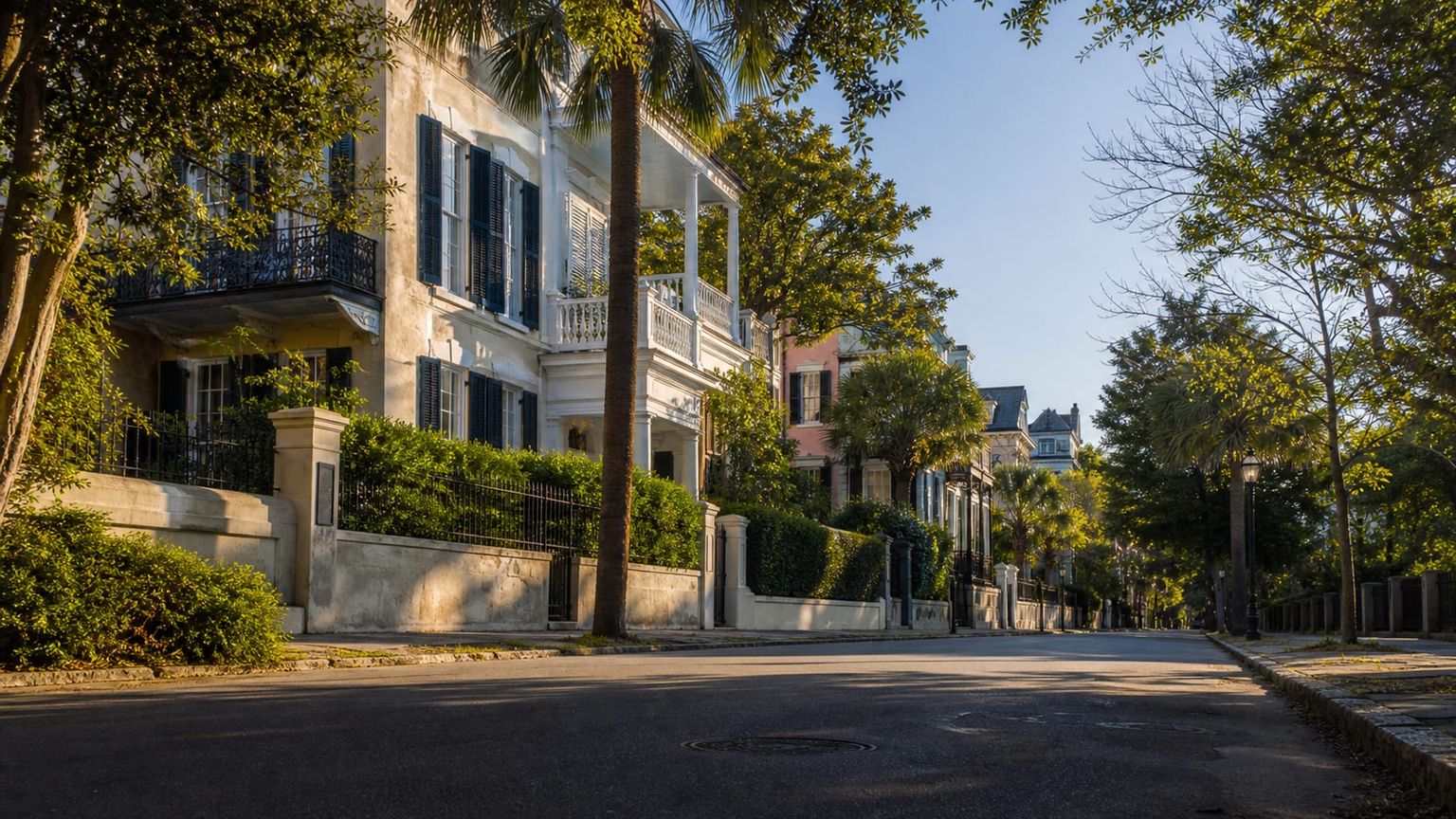
South Hills sits on elevated residential streets south of downtown, with neighborhood shops, parks, and a more suburban layout. It matters for visitors who want a calmer base while staying within an easy drive of the city center.
Best for: Longer stays, car travelers, and visitors who prefer a residential setting
What to expect: Light neighborhood traffic, local errands, and a slower street scene than the downtown core.
Hotel prices: Usually about $110 to $190 per night for well-rated stays
Distance to major sights: About 10 to 15 minutes by car to the State Capitol and roughly 12 to 18 minutes by car to the West Virginia State Museum
Quietness: Quiet by day and even calmer at night, with most activity limited to local roads and nearby shopping areas.
Main trade-off: You will depend on a car or rideshares more often, and the area offers fewer evening dining options than downtown.
Good to know: Choose this area if you want easier parking, since many downtown lots fill quickly during events and weekday hours.
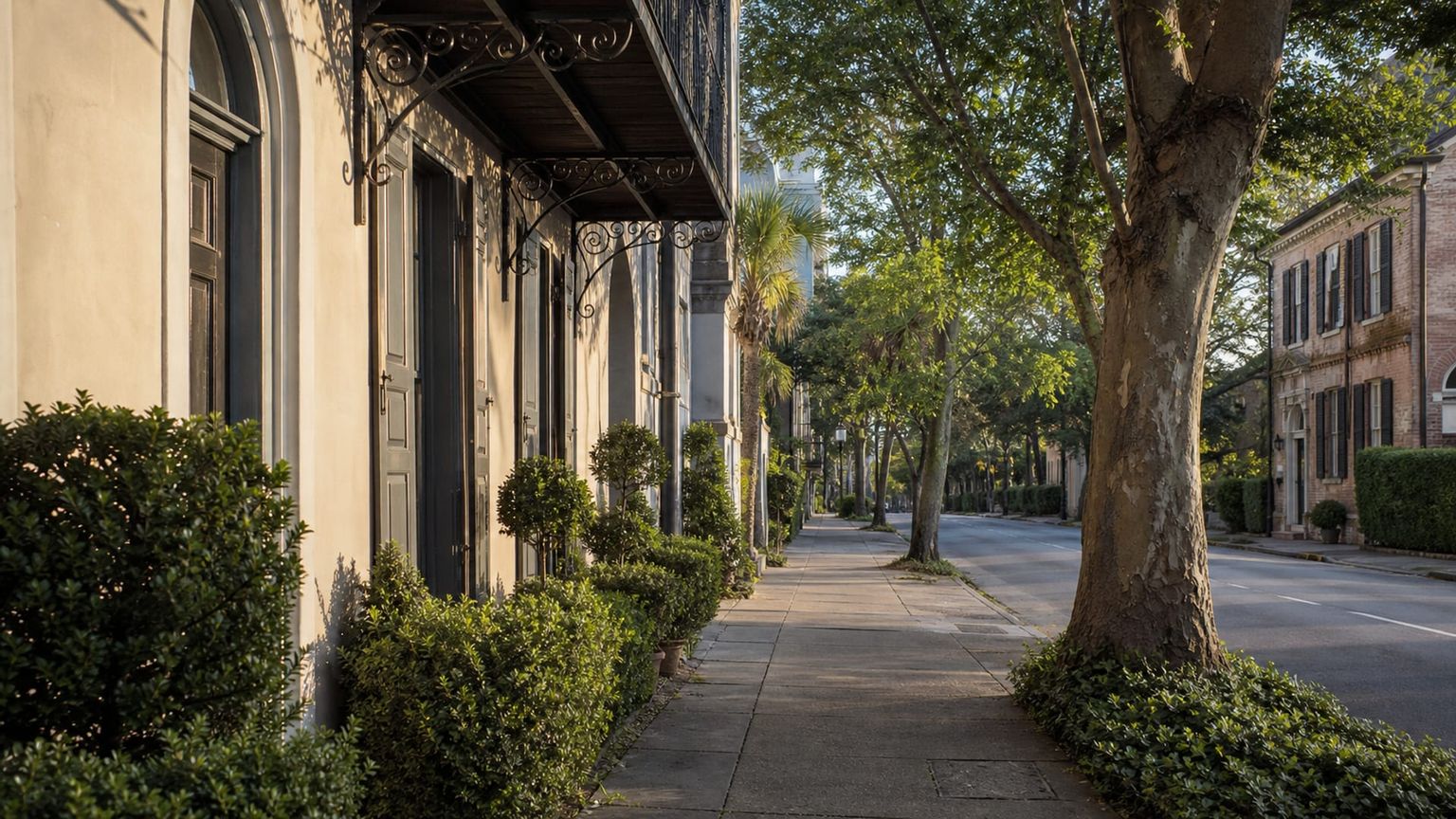
The West Side sits just across the Kanawha River from downtown and mixes older homes, local businesses, and riverfront access. It gives you a closer-in base with shorter trips into the core and a more local neighborhood feel.
Best for: Budget-conscious stays, short downtown access, and travelers who do not need a hotel-heavy area
What to expect: Residential blocks, everyday errands, and a modest amount of foot traffic near the main commercial streets.
Hotel prices: Usually about $90 to $150 per night for well-rated stays
Distance to major sights: About 5 to 10 minutes by car to the State Capitol and roughly 15 minutes by transit to the West Virginia State Museum
Quietness: Quiet on side streets, while the main roads can pick up noise from traffic and neighborhood shops in the evening.
Main trade-off: You may find fewer full-service hotels and a less concentrated restaurant scene than in downtown Charleston.
Good to know: Check bridge crossings and parking plans if you will return late, because river crossings can add a few minutes at busy times.
Travelers usually avoid staying in North Charleston near the airport and industrial corridors, since it sits far from Charleston’s historic core and has fewer visitor-oriented amenities. West Ashley is often less convenient for a sightseeing trip, because it spreads across a large area west of the Ashley River and can mean longer evening drives into the peninsula. Johns Island and Daniel Island can also be less convenient bases, since both sit outside the main cluster of downtown sights and dining, which adds extra time for nightly returns.
Hotel deals
How to get around Charleston efficiently
Charleston has no metro, so most visitors rely on buses, taxis, rideshares, and walking between downtown sights.

Metro
for longer distances
Charleston, including the CRW airport area, has no metro or suburban rail, so there is no rail fare to plan for; local travel relies on roads and buses, with downtown trips by car usually taking about 10 to 20 minutes and airport trips taking about 15 to 25 minutes depending on traffic.

Bus and tram
for convenience
Charleston Area Regional Transportation Authority, or CARTA, runs the bus network, with fares of $1.50 ($1.50) for a single ride and passes that are valid for the day or longer depending on the ticket you buy; routes link downtown, the airport area, shopping districts, and nearby neighborhoods, but service is limited in the evening and on Sundays, so check headways before you go.

Taxi
for convenience or late hours
Licensed taxis at Charleston International Airport, in the CRW area, use metered fares rather than set citywide flat rates, and rides to downtown usually cost about $35 to $50 before tip, with airport departures adding a small fee in some cases; you can take a cab from the designated rank, and most taxis accept credit cards, though it is worth confirming payment before you start the trip.
*Prices are based on rates updated as of June 2026 and may change at the time of travel.
Use CARTA for short downtown links, a taxi or rideshare for airport and cross-town trips, and walking when you want to connect the market, Capitol Street, and nearby museums on the same outing.
Iconic landmarks
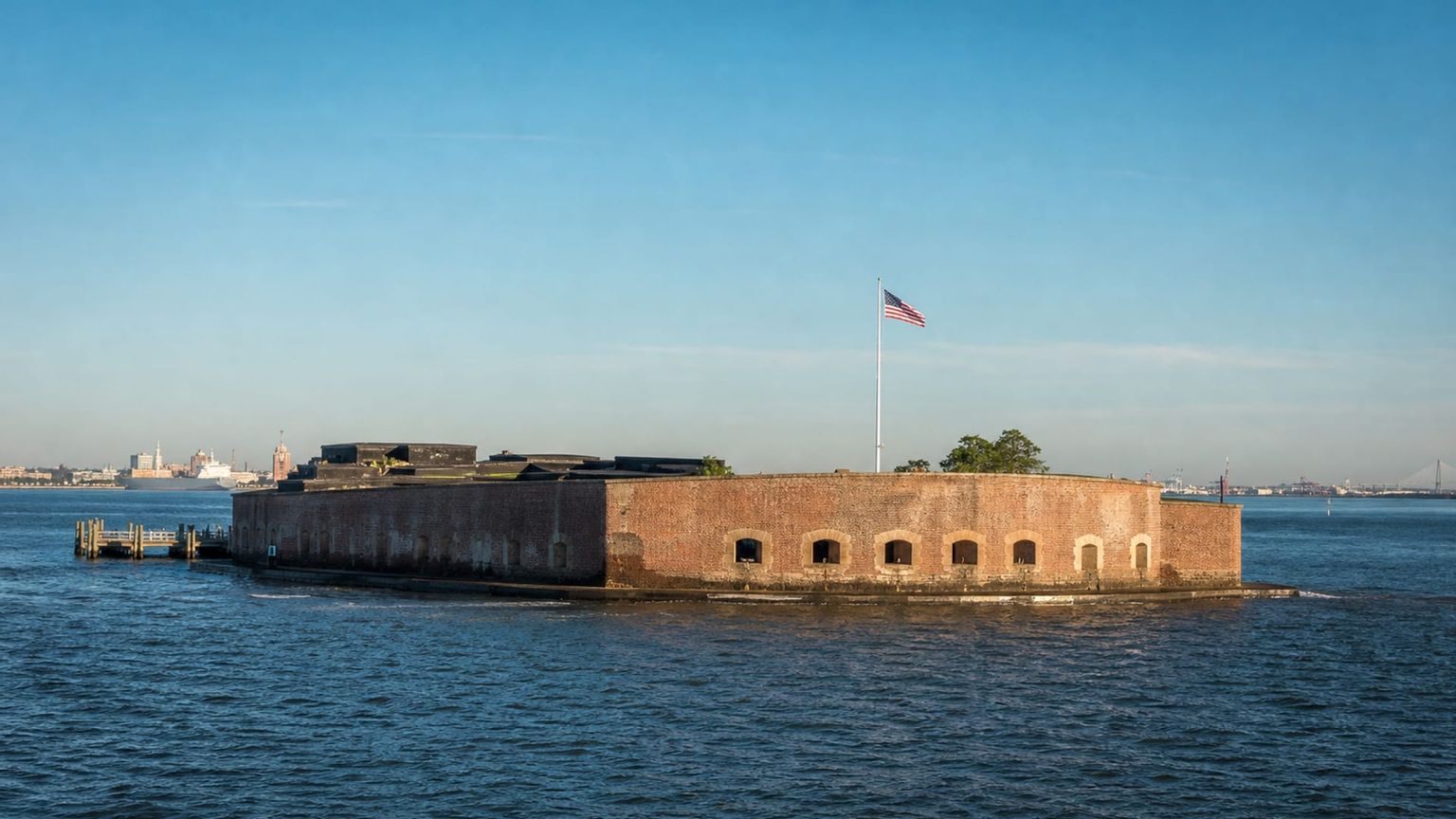
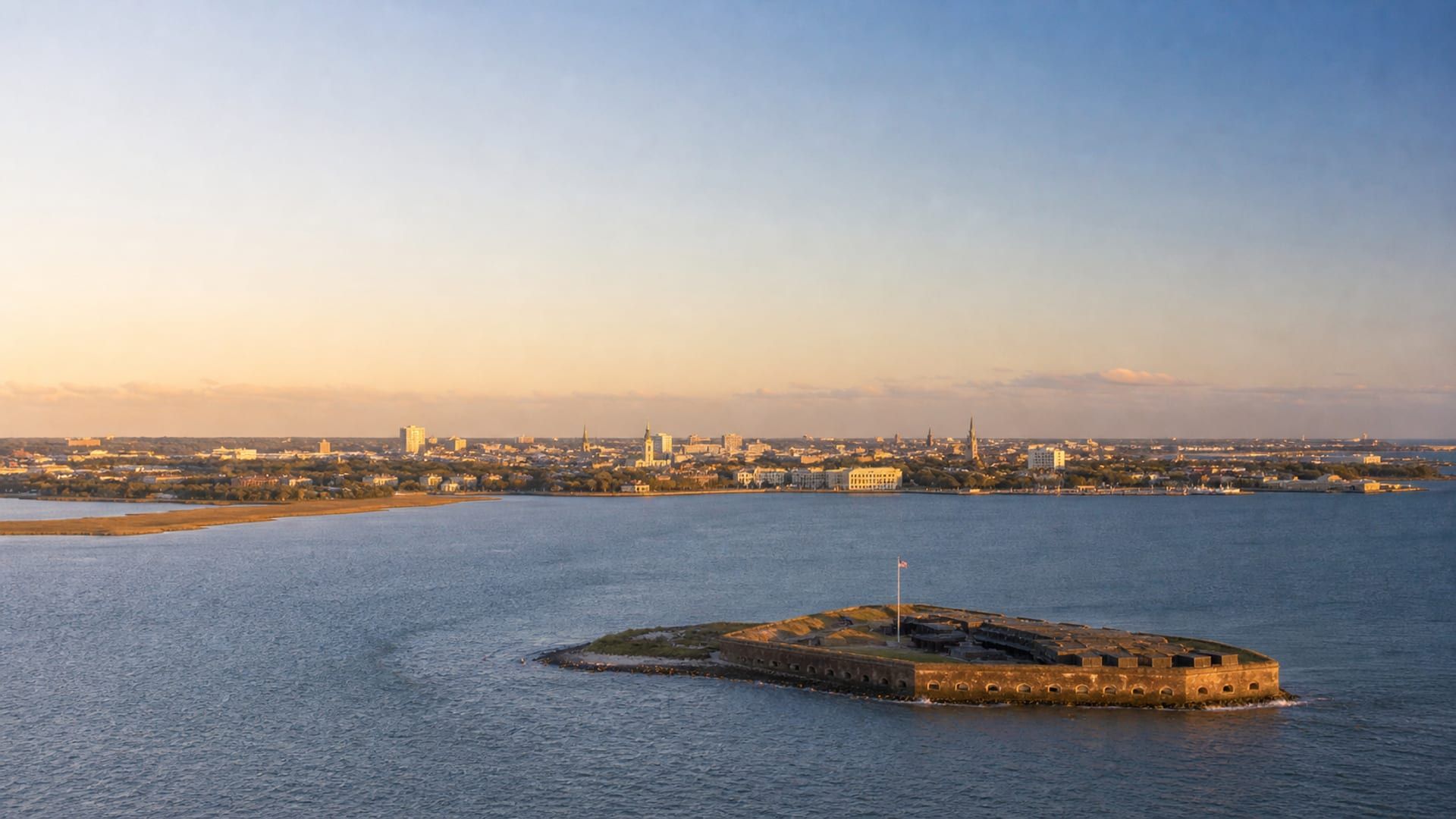
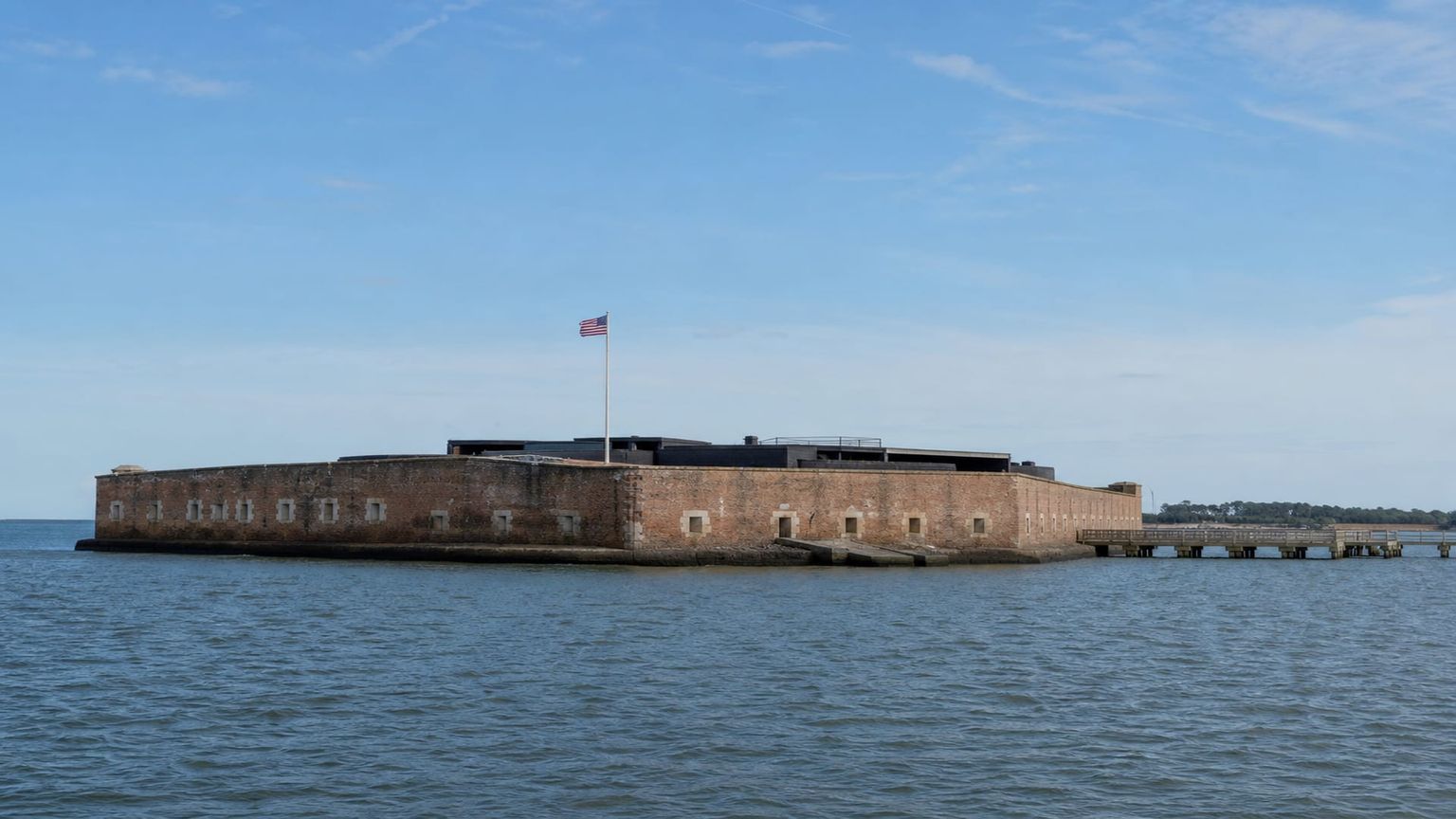
Fort Sumter and Fort Moultrie National Historical Park
Fort Sumter sits in Charleston Harbor, where the Civil War began in 1861, and Fort Moultrie on Sullivan’s Island traces the city’s coastal defenses from the Revolutionary War onward. The park pairs harbor views with layered military history.
Time needed: About 2 to 3 hours
Entry: Ferry tours to Fort Sumter usually cost $32 to $38 ($32 to $38), while Fort Moultrie access is included with park admission. Visit the official site for details.
Tip: Start with the first ferry departure to keep the harbor light and the heat lower.
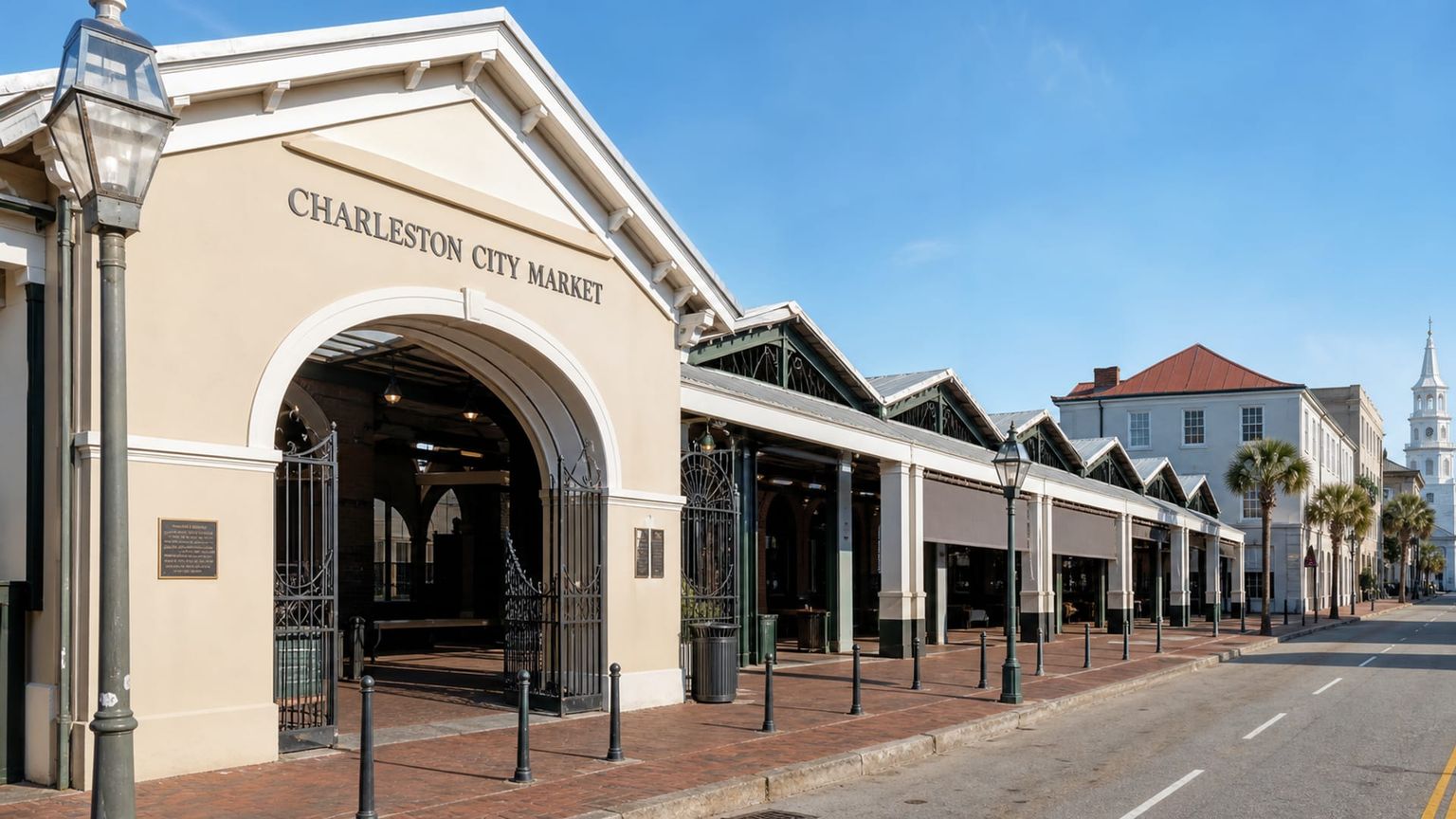
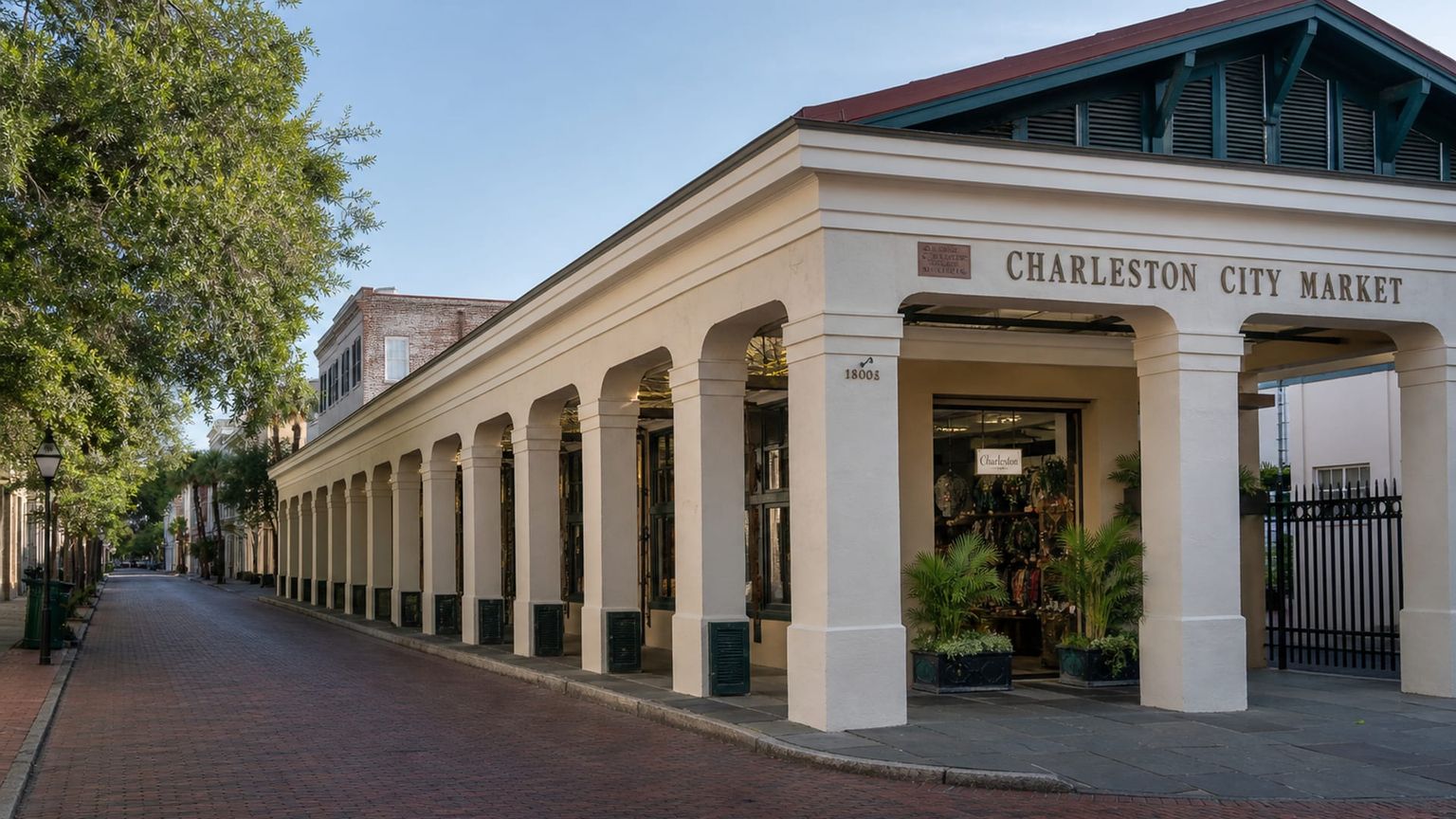
Charleston City Market
This four-block market dates to the early 1800s and fills with local vendors, basket weavers, and the preserved Nineteenth-Century Market Hall. It gives a clear read on Charleston’s trade history and crafts scene in the historic core.
Time needed: About 1 to 2 hours
Entry: Free to enter; some stalls, tours, and demonstrations charge separately depending on vendor or operator. Visit the official site for details.
Tip: Go early on a weekday for lighter crowds and better access to Market Hall.
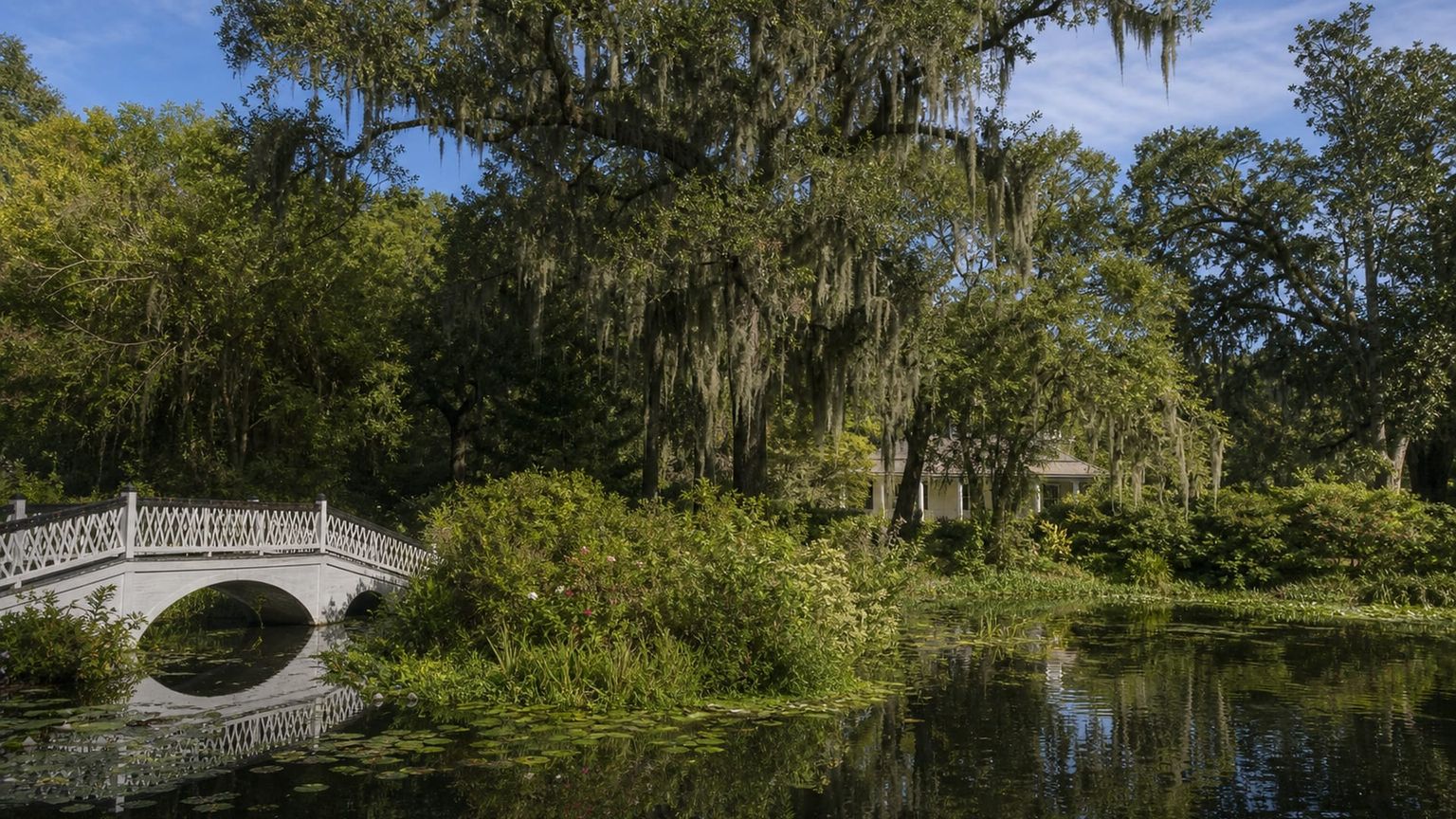
Magnolia Plantation and Gardens
About 14 miles from downtown, Magnolia combines an antebellum plantation house with one of the oldest public gardens in America. Marsh paths, camellias, and seasonal blooms make it a major Lowcountry landscape stop.
Time needed: About 3 to 4 hours
Entry: Adult admission costs about $35 to $40 ($35 to $40), with separate fees for house tours, tram rides, and boat excursions. Visit the official site for details.
Tip: Visit in the morning for cooler paths and better light on the gardens.
Overlooked sites worth visiting

Cato Park
A wooded city park with a small lake, paved loops, and quiet picnic areas just north of downtown Charleston. The walking trails, playgrounds, and open lawns make it a low-key break from the core.
Time needed: About 1 to 2 hours
Entry: Free to access
Tip: Visit late afternoon for softer light on the lake.

Avampato Discovery Museum
This museum inside the Clay Center pairs hands-on science exhibits with a planetarium and a small art collection in one compact downtown complex. It suits a short cultural stop without a full-day commitment.
Time needed: About 1 to 2 hours
Entry: Tickets cost about $12 ($12) for adults and $8 ($8) for children; planetarium shows usually add a separate fee of about $3 ($3) to $5 ($5). Visit the official site for details.
Tip: Check planetarium showtimes before you go.
Traditional food
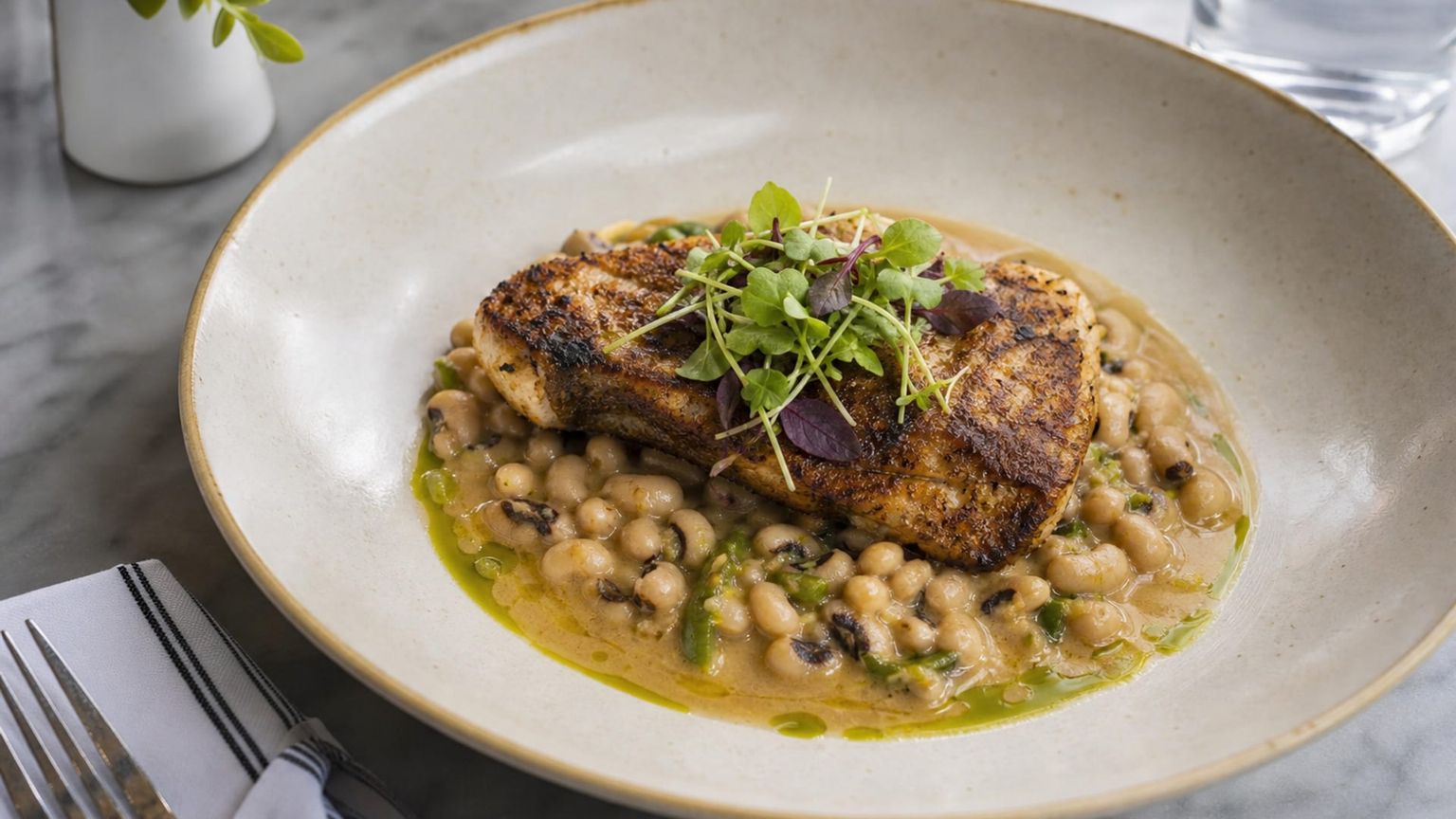
Charleston cooking leans on pepperoni rolls, hot dogs with slaw, fried green tomatoes, and biscuits and gravy, with diner breakfasts, riverfront plates, and low-key counter meals across the city.
Pepperoni roll
A pepperoni roll is the signature West Virginia snack, with soft bread and cured meat that works for breakfast or a midday stop. Tudor’s Biscuit World is a dependable Charleston-area choice when you want the classic version.
Hot dog with slaw
This regional hot dog usually comes topped with chili, mustard, onions, and slaw, which gives it a sharper, messier finish than a standard diner dog. Five Guys does not define the dish, so King Tut Drive In is the better local stop in Charleston.
Fried green tomatoes
Crisp cornmeal breading and tart tomato slices make this a frequent starter in Southern restaurants. The Empty Glass serves a version that fits Charleston’s casual late-night dining scene.
Biscuits and gravy
Flaky biscuits with sausage gravy anchor many Charleston breakfasts, especially on days that start early. Tudor’s Biscuit World is the clearest canonical pick for a local plate.
Best time to visit Charleston
Charleston shifts from humid, busy summers to cooler, quieter winter weeks, so the best season depends on whether you want longer walks, lighter crowds, or the warmest water and gardens.
Best for: Best for gardens, mild walks, and riverfront sightseeing
What you get: About 55 to 78°F (13 to 26°C), with moderate crowds that build during pleasant weekends
Trade-offs: Pollen and rain can interrupt outdoor plans
Best for: Best for long daylight and full garden color
What you get: About 72 to 90°F (22 to 32°C), with the busiest crowds and the most heat
Trade-offs: Afternoon humidity can make midday walking tiring
Best for: Best for comfortable sightseeing and steady restaurant nights
What you get: About 58 to 80°F (14 to 27°C), with manageable crowds after the summer peak
Trade-offs: Hurricane season can affect schedules early in the period
Best for: Best for quieter streets and lower hotel demand
What you get: About 34 to 58°F (1 to 14°C), with light crowds and shorter museum lines
Trade-offs: Cooler weather reduces time on outdoor paths and harbor visits
A realistic 5-day plan in Charleston
The five-day plan keeps the biggest sights in an order that matches their operating hours and travel time. It starts with downtown, moves to the harbor and Magnolia, then leaves space for a park day and a final market loop.
Fly into Charleston (CRW) and take a taxi or rideshare into downtown Charleston, about 10 to 15 minutes for roughly $20 to $30. If you prefer a quieter base, South Hills and the West Side both make sense, but downtown puts you closest to dinner and an easy first walk. Settle in, drink water, and keep dinner simple near the Charleston City Market or on nearby Capitol Street, where you can find an early meal without adding much distance after travel.
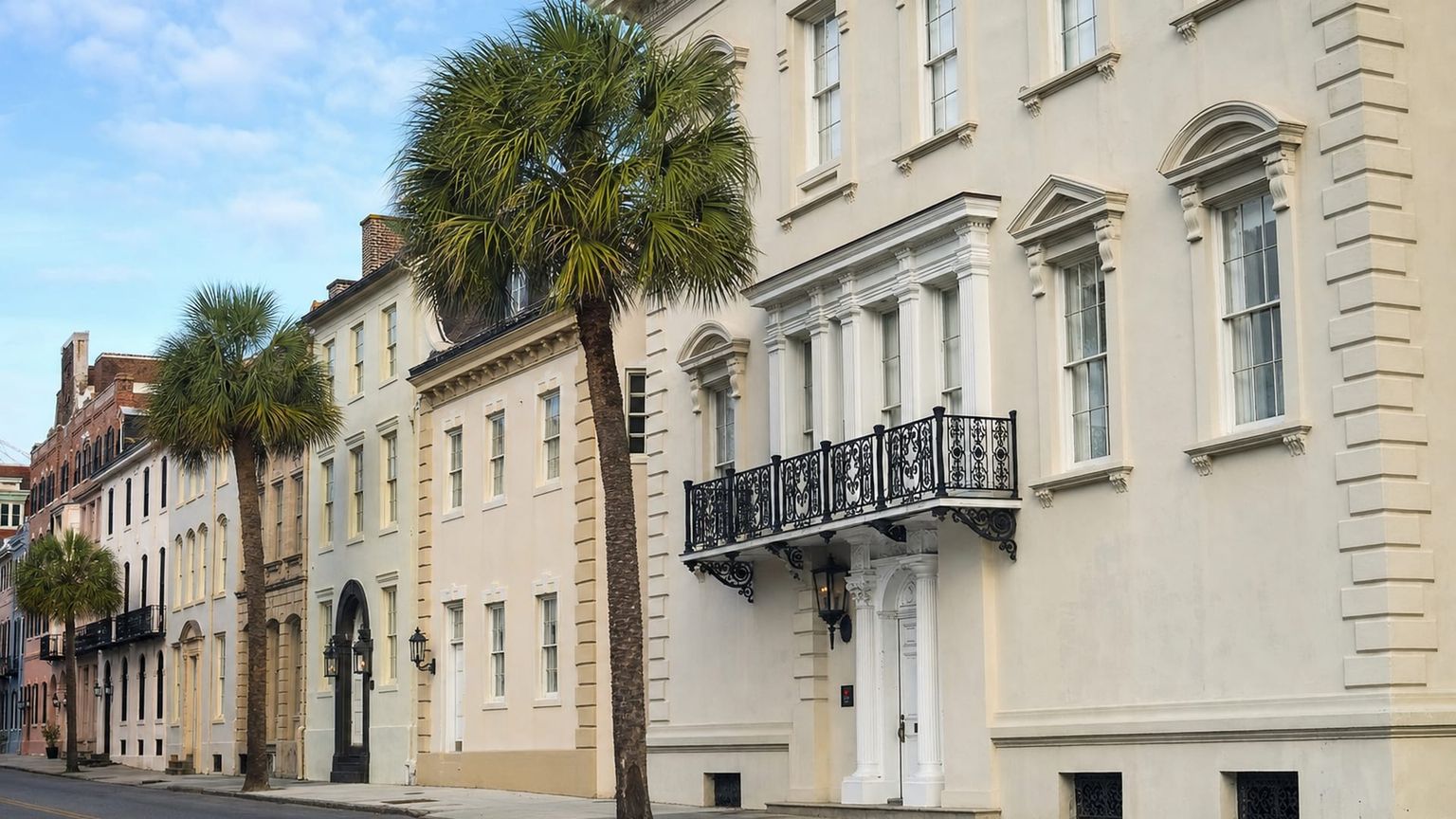
Begin at Charleston City Market, then walk about 10 to 15 minutes to the West Virginia State Capitol grounds for the city’s civic core and riverfront views. From there, it is roughly 5 minutes by car or about 20 minutes on foot to the Avampato Discovery Museum, which works well as a midday indoor stop with the planetarium if the weather turns warm. End with an easy dinner back downtown, since the main streets keep the best restaurant selection within a short walk of the market area.
Start early for Fort Sumter and Fort Moultrie National Historical Park, because the ferry departure sets the pace and the harbor light is best in the morning. Plan on about 2 to 3 hours for the park, then return to the city and make the rest of the afternoon about 14 miles out at Magnolia Plantation and Gardens, where marsh paths, the house, and the gardens fill the day without rushing. If you are staying in Downtown Charleston, the return trip keeps dinner close to your hotel and avoids a late drive.
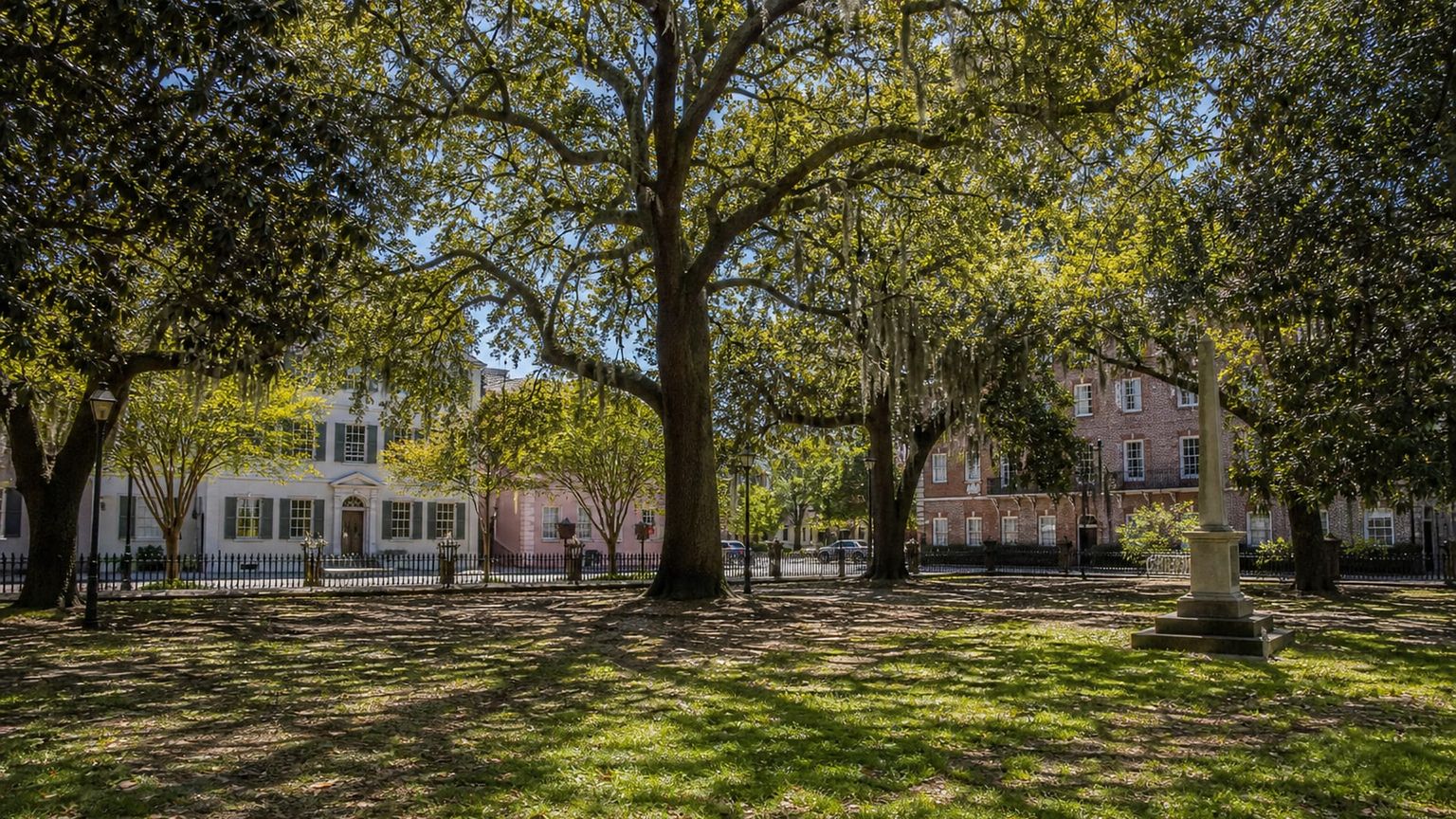
A calm fourth day fits Cato Park first, which sits just north of downtown and takes about 10 to 15 minutes by car from the city center. Walk the paved loops, linger by the lake, and then head back downtown for a short museum stop at the Avampato Discovery Museum if you skipped it earlier, or for a second pass through Charleston City Market if you want crafts and local snacks. Finish with an early evening meal in Downtown Charleston, where the blocks around the square are still easy to navigate on foot.
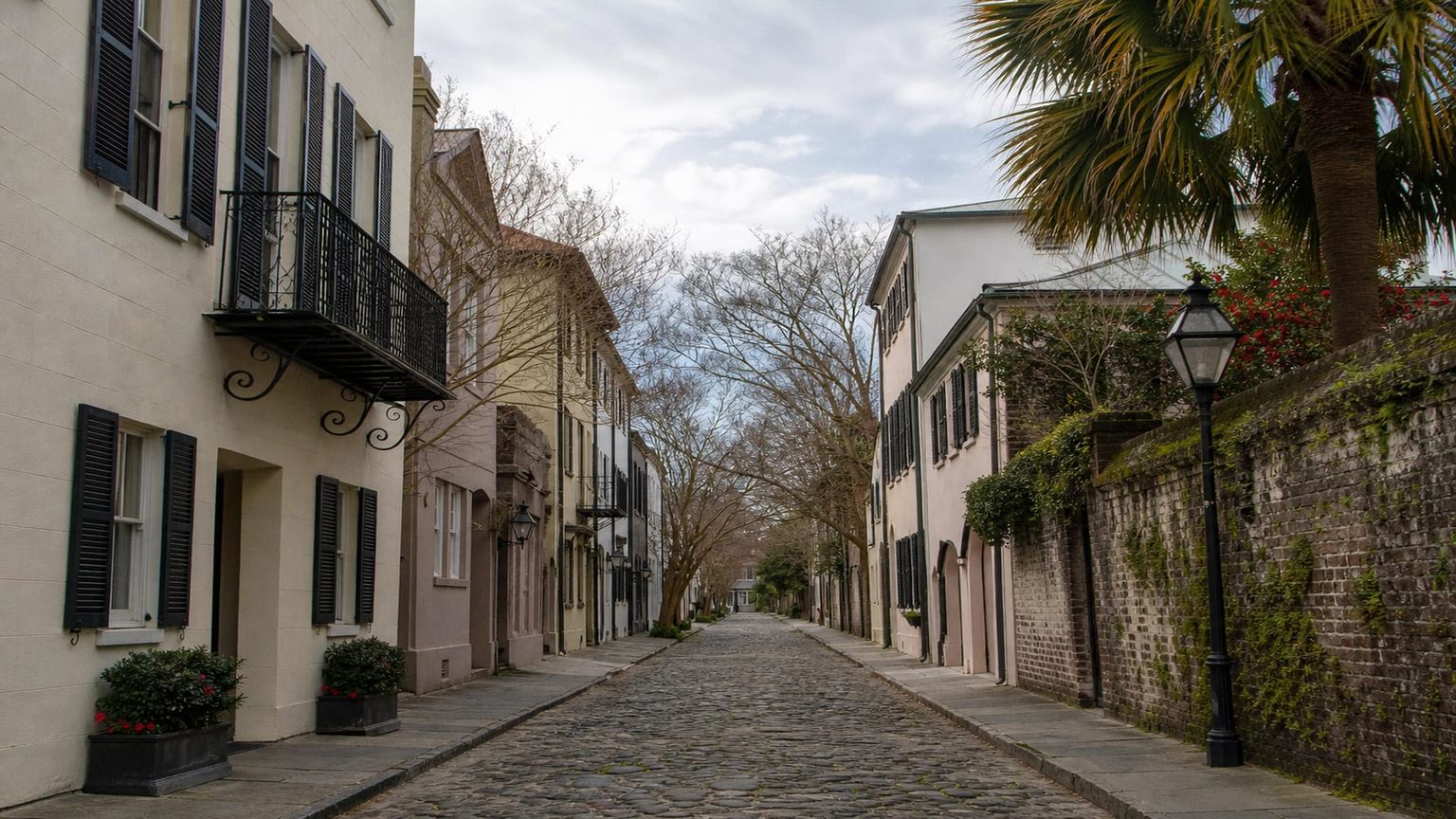
For a last-day pace that does not require a full outing, start with one final museum visit at the West Virginia State Museum or the Avampato Discovery Museum, depending on what you missed earlier. Then move into the Capitol Market district for a little shopping, since the stalls and food counters make it easy to pick up local goods before you leave. If you still want a quiet pause, sit for coffee in Downtown Charleston and stay close to your hotel rather than building a long agenda around departure logistics.
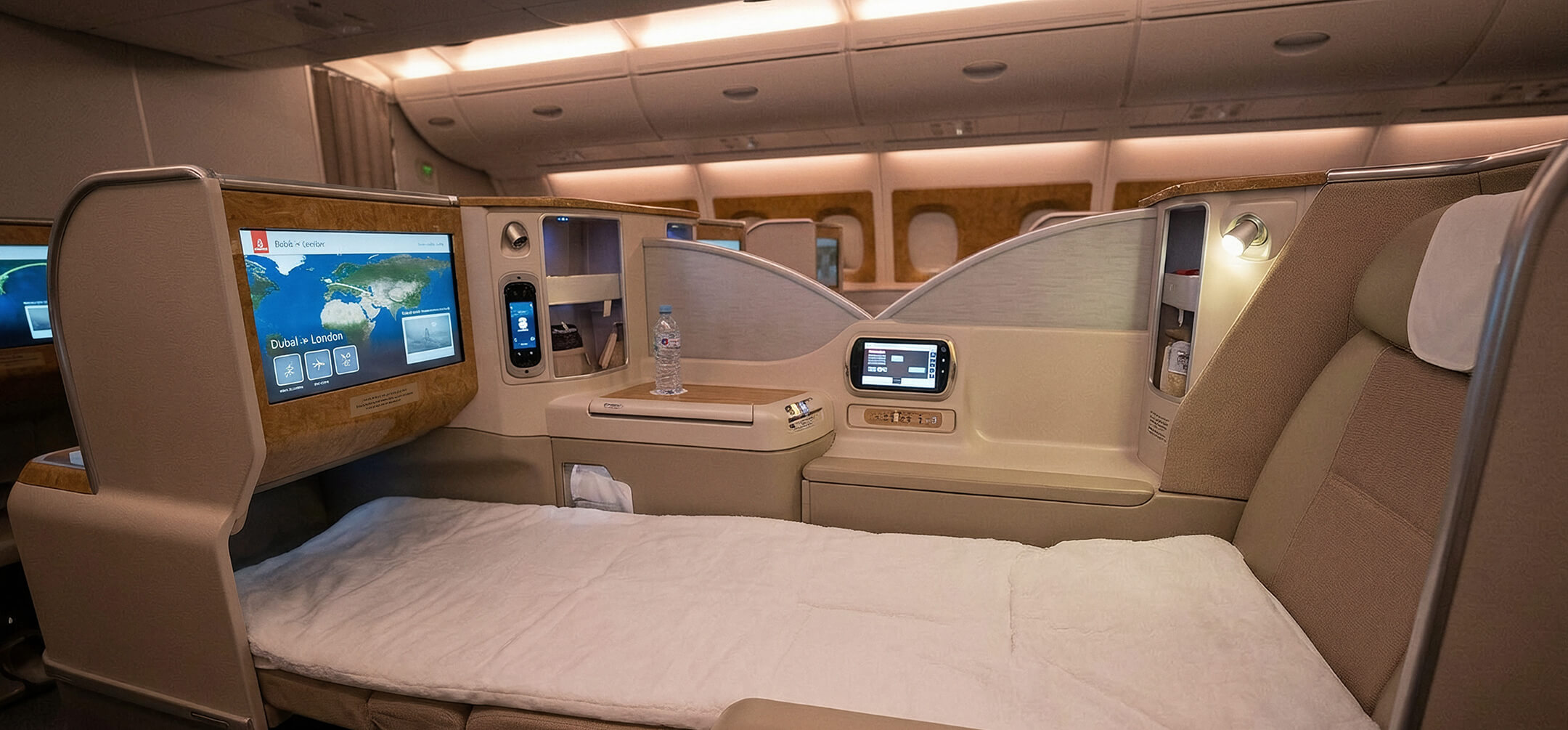
Business-class flights from the US to Charleston
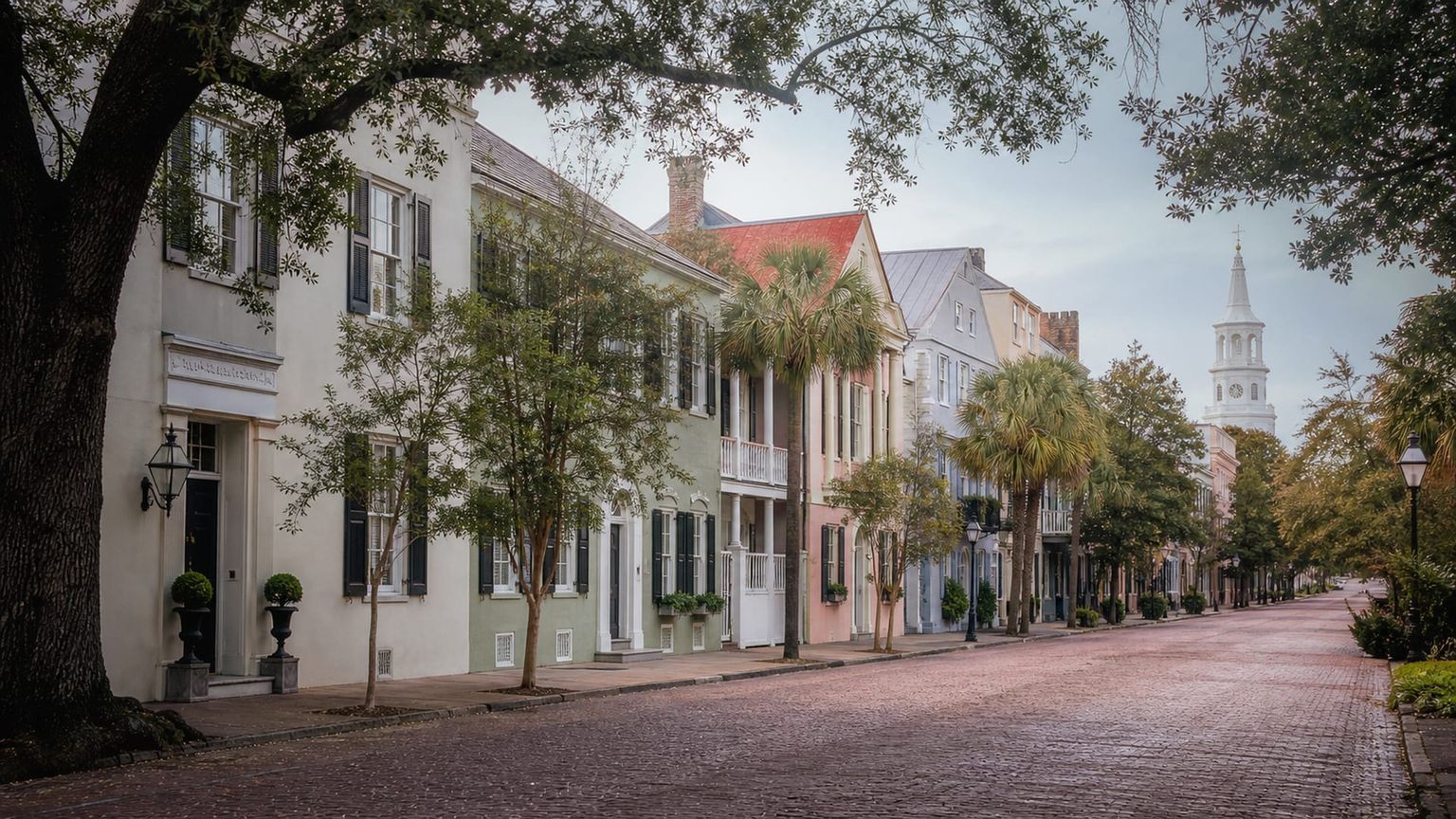
Charleston connects to the East Coast and West Coast with one-stop options, so the most useful comparisons are usually about connection points and total elapsed time. The strongest fares often vary by hub and day of week.
American Airlines and Delta Air Lines serve the New York area with itineraries that take about 1.5 to 2 hours nonstop, and if you choose a connection, the usual layover hubs are CLT, DCA, or PHL with about 3.5 to 6 hours total travel time. Round-trip fares start at $498.
From Los Angeles, American Airlines, Delta Air Lines, and United Airlines typically route through CLT, DFW, ORD, or ATL, and the trip usually takes about 6 to 9 hours with a connection. Round-trip fares start at $687, while one-stop itineraries via CLT, DFW, or ORD can cut that to about $438.
Charleston feels different when you slow down
A deliberate Charleston trip gives each area a clear job, downtown for the market and Capitol Street, the harbor for Fort Sumter, and Magnolia for a longer garden day. CARTA, taxis, and walking all matter, but each works best when you use it for a specific stretch rather than for the whole stay. If you want help shaping those days, connect with AranGrant experts and build your Charleston plan around the blocks you will actually visit