Chapters:

Need help with your trip?
Our support team is available 24/7. Request a callback or call us directly at (833) 619-0908
A visit to Castelló de la Plana can concentrate on the streets beside El Fadrí, with the waterfront added as an afternoon excursion. That approach leaves little time for the city’s northern edge or the paths between its maritime district and the beach.
The historic center rewards walking, but El Grao requires a separate journey, and the basilica and spring extend the map northward. Combining them all in one day adds repeated transfers.
This guide groups neighboring sights, gives the northern outing its own day, and connects the harbor with parkland and sand. Arrival and departure leave room for a short walk near your hotel.
Useful things to know

Main language(s): Spanish, Valencian
Hola (OH-lah) – Hello
Por favor (por fah-VOR) – Please
Gracias (GRAH-thyahs) – Thank you
¿Habla inglés? (AH-blah een-GLES) – Do you speak English?
¿Cuánto cuesta? (KWAN-toh KWES-tah) – How much does it cost?

Currency: The local currency is the euro (EUR, €).

Cash and cards: Cards and contactless are widely accepted; carry about $25 to $45 (€20 to €40) in cash.

Tipping: Round up for coffee or leave a small tip at restaurants when service is good; tipping is optional.

Traditional food: Arroz a banda, Ximos, Coca de Castelló

Water and coffee costs: Bottled water about $1 to $3 (€1 to €3), bar espresso about $2 to $3 (€1.50 to €2.50).

Taxis and ride apps: No ride-hailing apps are on file for this city.

Plug and voltage: Type C/F socket, 230V

Dining and shop opening hours: Breakfast is usually 7:30-10:00 am, lunch 1:30-3:30 pm, and dinner 9:00-11:00 pm. Many restaurant kitchens close between lunch and dinner.

Emergency number: 112 for police, ambulance, and fire.
Where to stay in Castelló de la Plana
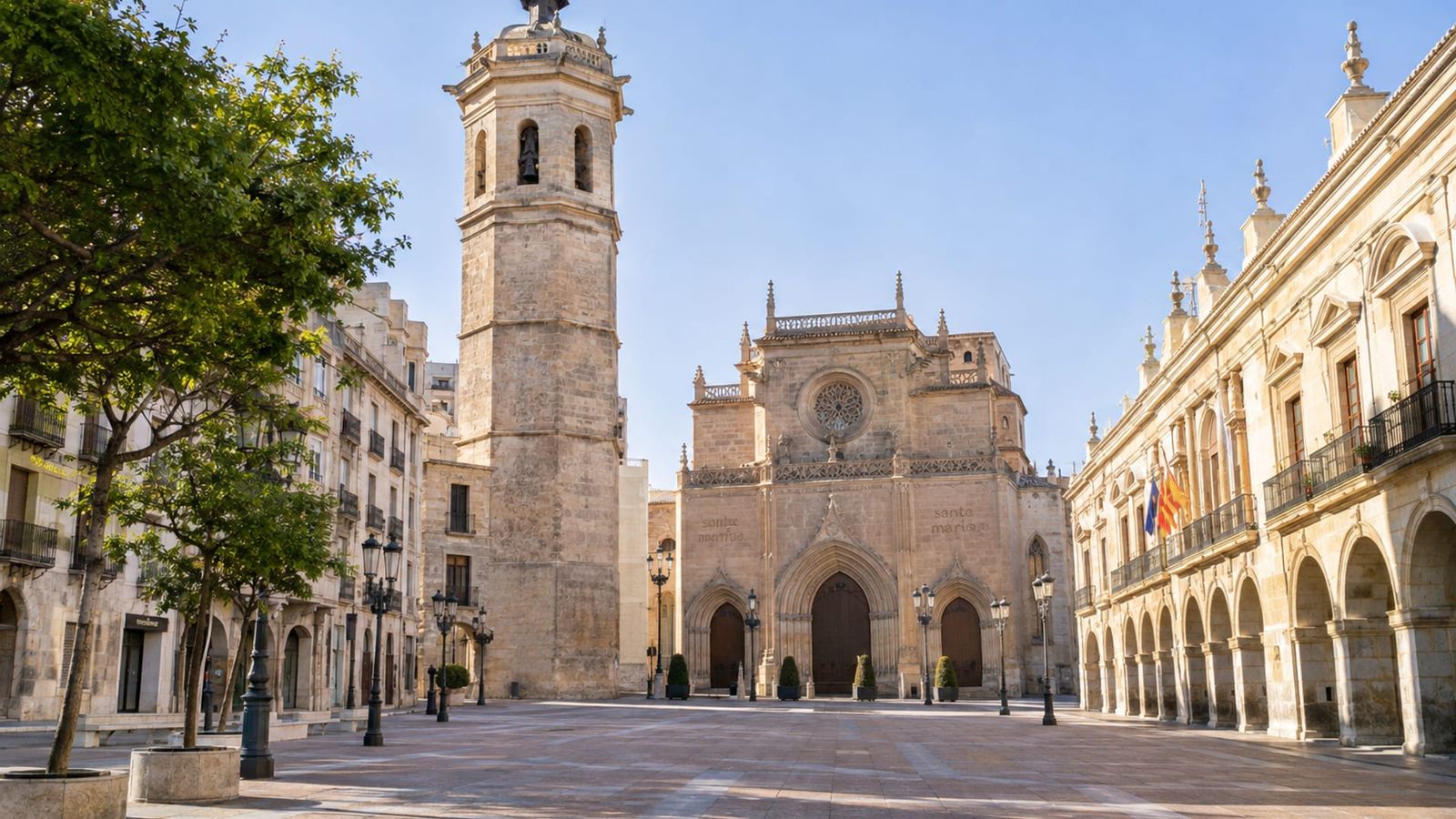
Centro is Castelló de la Plana’s historic core, where pedestrian shopping streets connect civic buildings, churches, and the Central Market. Staying here puts the main central sights and a broad selection of restaurants within walking distance, with hotels among the surrounding blocks.
Best for: Central sightseeing, shopping, and dining on foot
What to expect: Shopping brings daytime foot traffic, while restaurant streets attract people into the evening.
Hotel prices: Usually about 65€ to 120€ (~70$ to ~130$) per night for well-rated stays
Distance to major sights: About 5 to 15 minutes on foot to the Central Market and El Fadrí.
Quietness: Retail streets bustle by day; rooms facing restaurant terraces can hear conversation in the evening.
Main trade-off: Pedestrian streets can complicate arrival by car, and the beach requires a separate journey.
Good to know: If arriving by car, choose a hotel with an identified parking entrance because pedestrian access restrictions affect central streets.
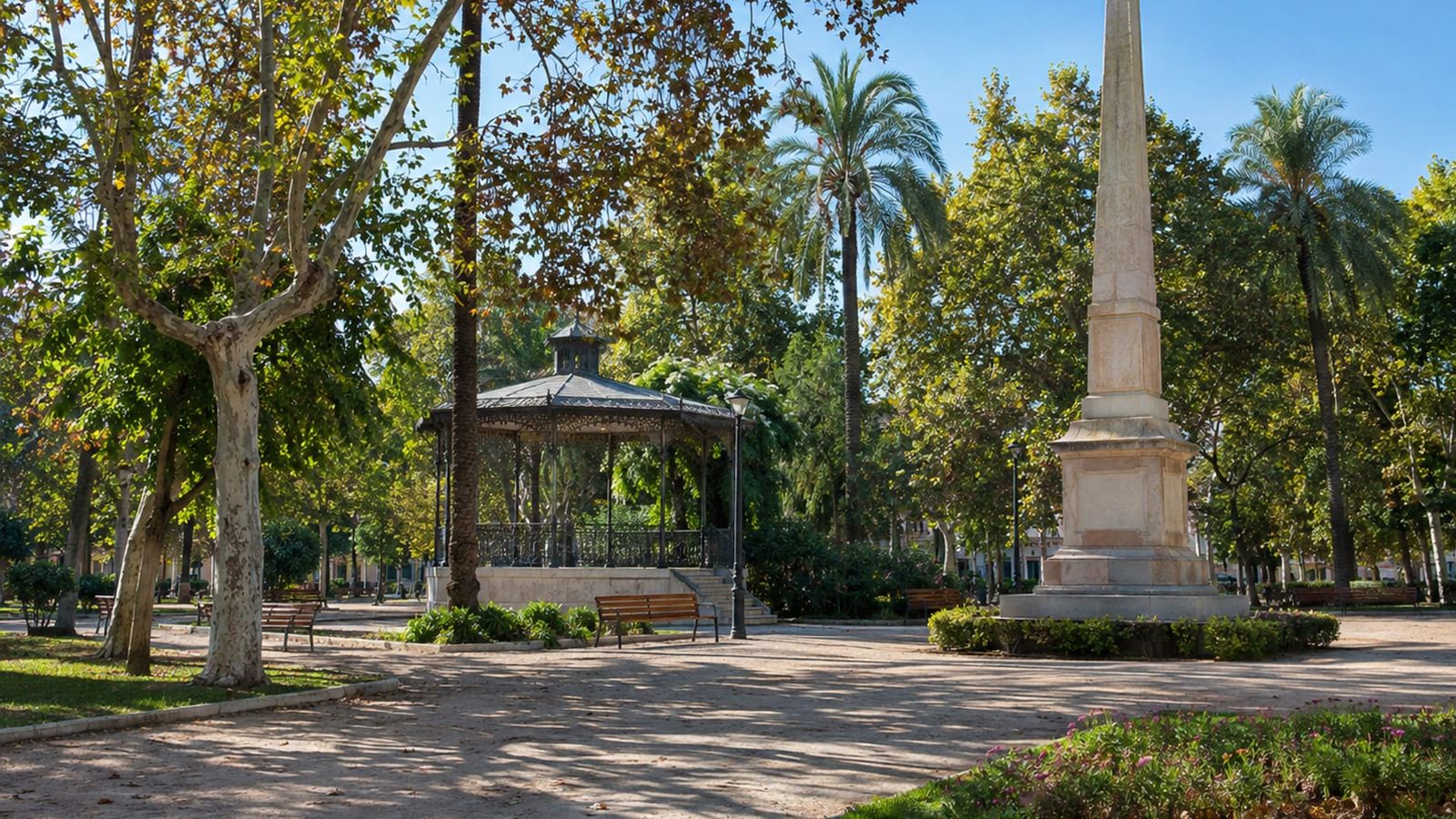
Ribalta is the central residential area beside Ribalta Park, between the railway station and the historic core of Castelló de la Plana. Its hotels give visitors access to trains, shaded park paths, and central shopping without requiring a stay within the older pedestrian shopping streets.
Best for: Rail arrivals, park walks, and access to central shops
What to expect: Apartment blocks, hotel entrances, and busy roads surround the park, where walkers occupy the shaded paths.
Hotel prices: Usually about 70€ to 130€ (~75$ to ~140$) per night for well-rated stays
Distance to major sights: About 5 to 10 minutes on foot to Ribalta Park and 15 to 25 minutes to the Central Market.
Quietness: Traffic is noticeable during the day; evenings generally become quieter away from the main roads.
Main trade-off: The broad roads near the station offer less pedestrian atmosphere than the historic core.
Good to know: For an early train, favor the station side of the area; crossing the park adds walking time with luggage.
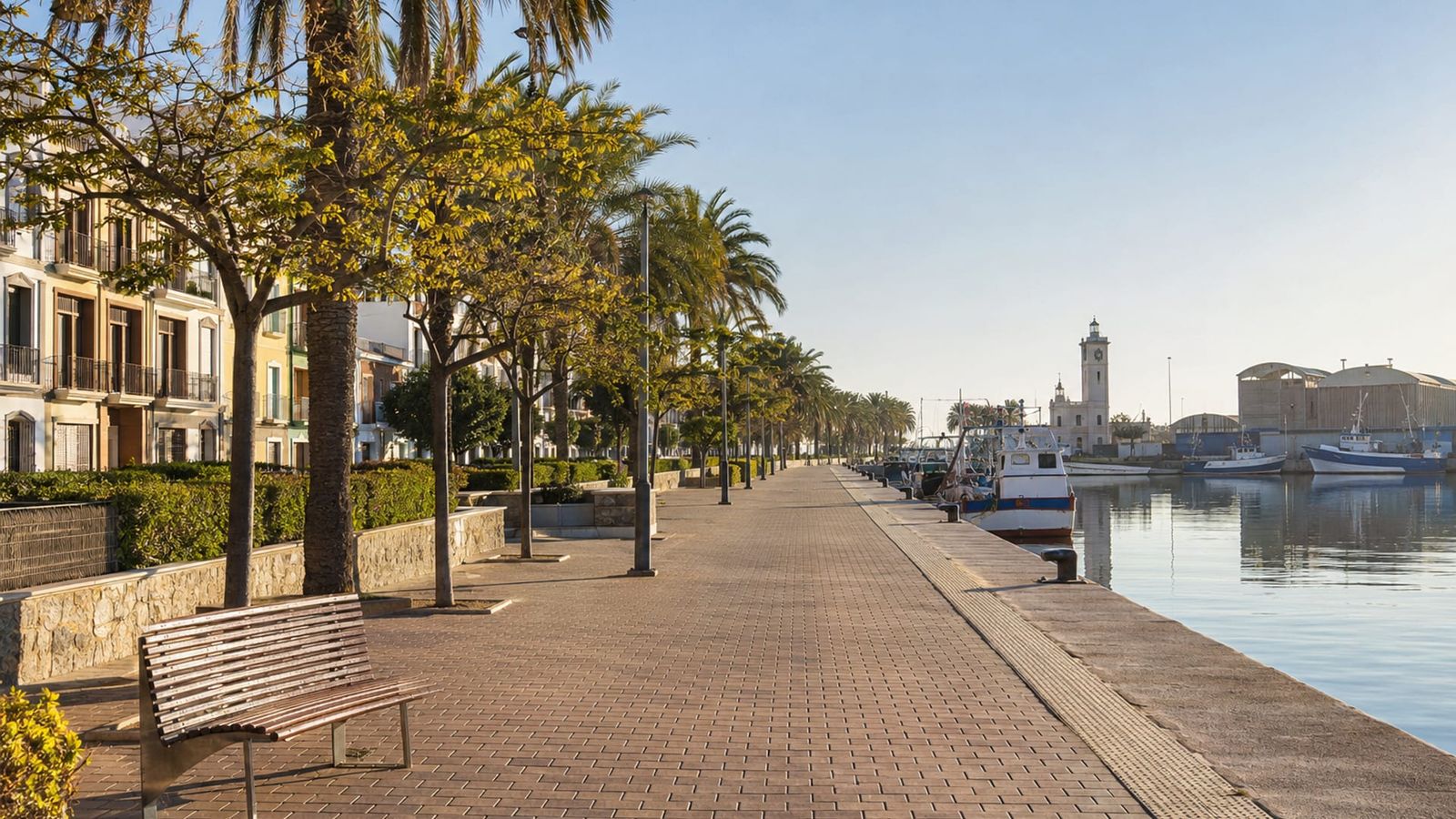
El Grao is Castelló de la Plana’s maritime district, with a residential center, seafood restaurants, and accommodation near the waterfront. Visitors stay here for the coast and access to the city’s sandy beaches, accepting a separate journey inland to explore the historic center and its sights.
Best for: Coastal stays, seafood dining, and beach visits
What to expect: Residential streets meet waterfront restaurants, with more visitors near the coast during summer and sunny weekends.
Hotel prices: Usually about 65€ to 140€ (~70$ to ~150$) per night for well-rated stays
Distance to major sights: About 15 to 25 minutes by taxi to the Central Market, depending on traffic and the hotel’s location.
Quietness: Daytime activity concentrates near shops and the waterfront; restaurant terraces keep some streets lively after dinner.
Main trade-off: Central museums and historic sights require transport, and waterfront accommodation does not necessarily overlook a beach.
Good to know: Check the walking route from the hotel to the sand: accommodation beside the harbor can still require a substantial beach walk.
El Grao, Benadressa, and San Agustín are less convenient for exploring central sights: El Grao lies by the port, roughly 3 miles from the center; Benadressa and San Agustín occupy outlying residential areas.
Hotel deals
How to get around Castelló de la Plana efficiently
TRAM line T1 connects the university, center, and waterfront, complementing walks through Centro and taxi journeys farther north.

Bus and tram
for convenience
TRAM line T1 links Jaume I University, the center, and El Grau waterfront. Buy a ticket aboard; budget about $1 to $3 (€1 to €2) per ride and roughly 30 to 40 minutes for the full route.

Taxi
for convenience or late hours
For the roughly 15-minute trip between the center and El Grau, licensed taxis use meters with supplements. Expect about $12 to $23 (€10 to €20); board at the railway station taxi rank or request a pickup.

Walking
for short central distances
From the railway station, the Central Market is about a 20-minute walk. Continue through the pedestrian streets of the historic center; most central sights lie roughly 5 to 15 minutes apart, with no transport fare.
*Prices are based on rates updated as of November 2026 and may change at the time of travel.
Walk between central landmarks, take T1 toward El Grao, and use taxis for the airport or the outing to Molí de la Font.
Iconic landmarks
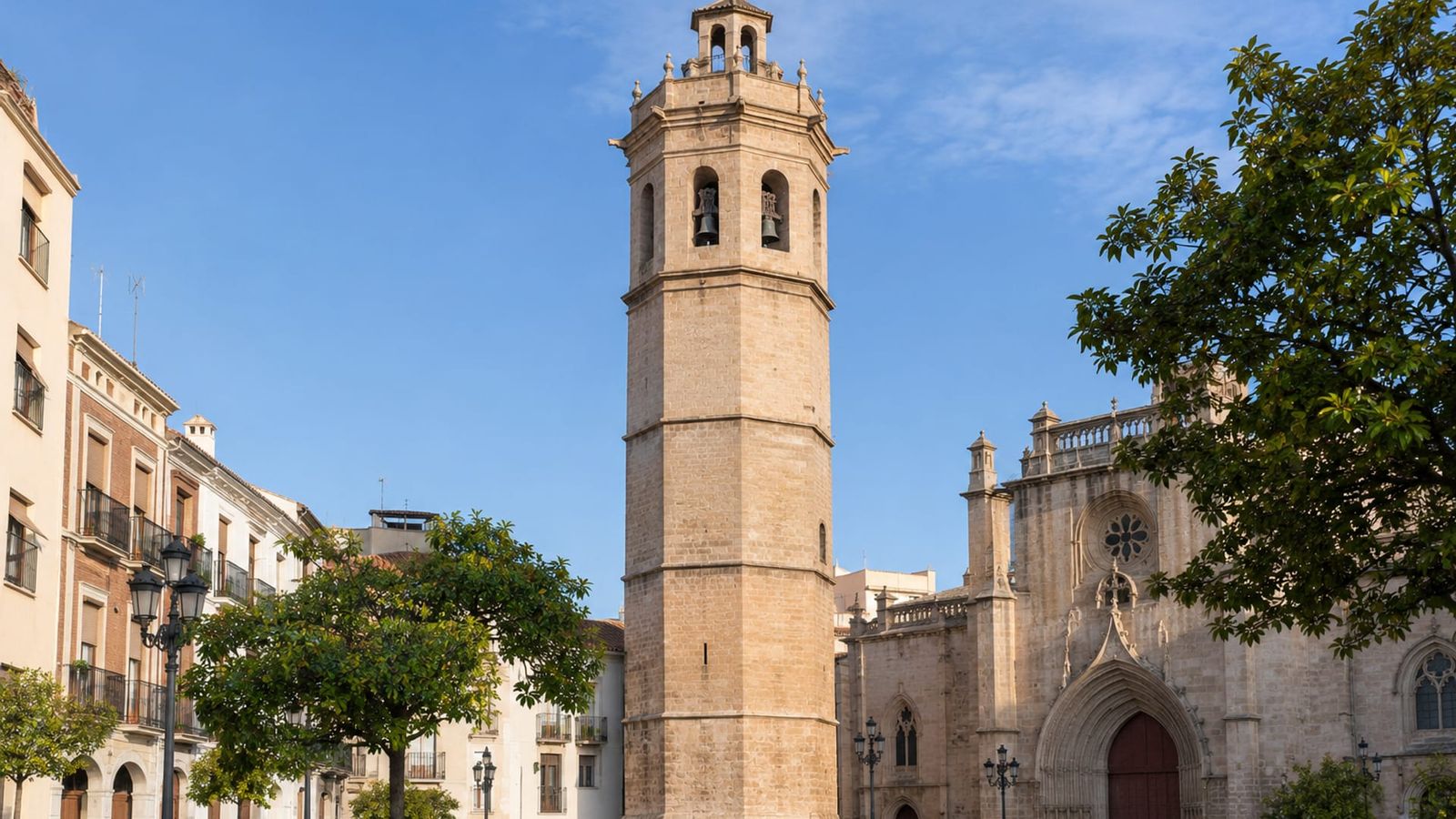
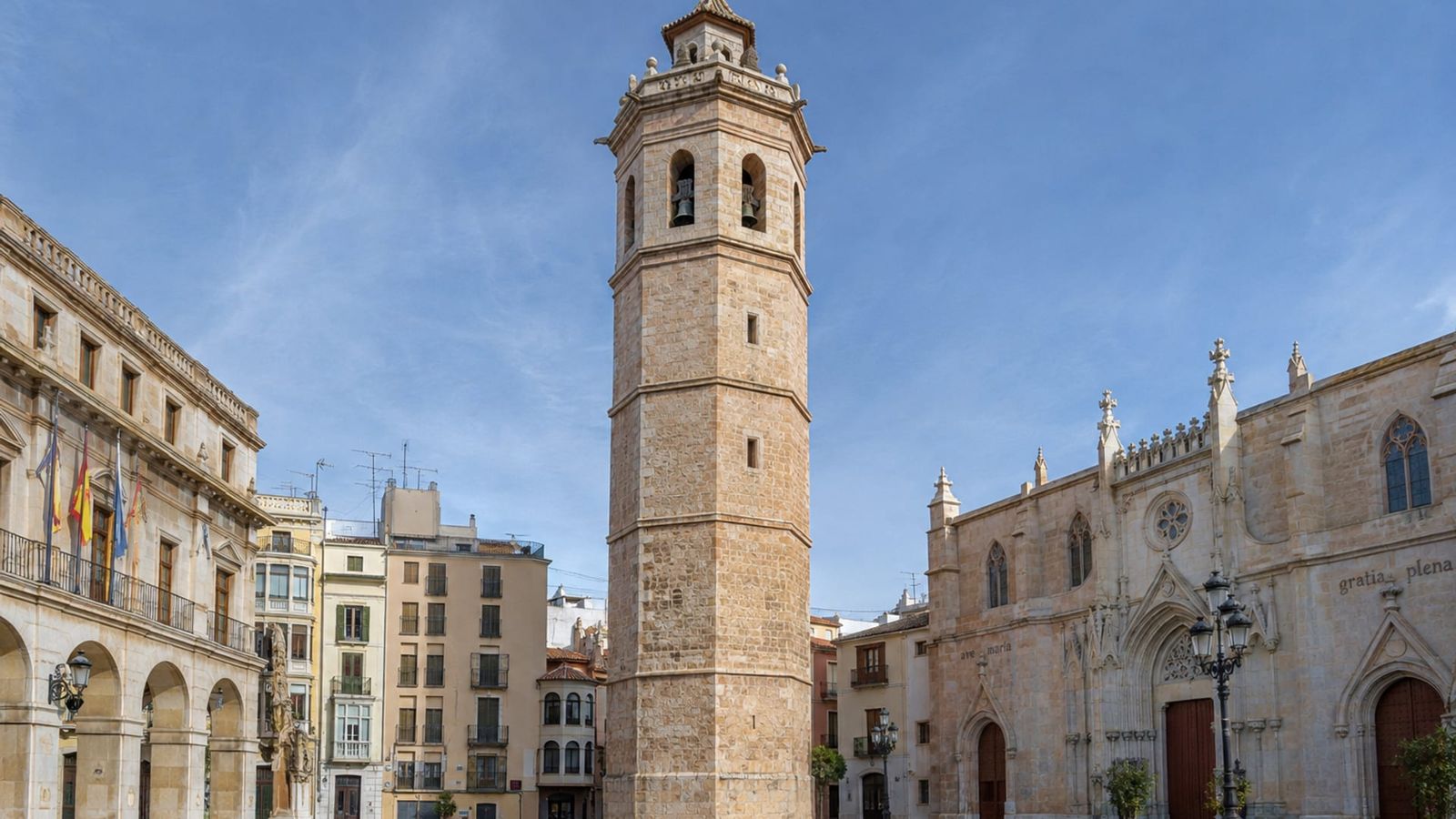
El Fadrí (bell tower)
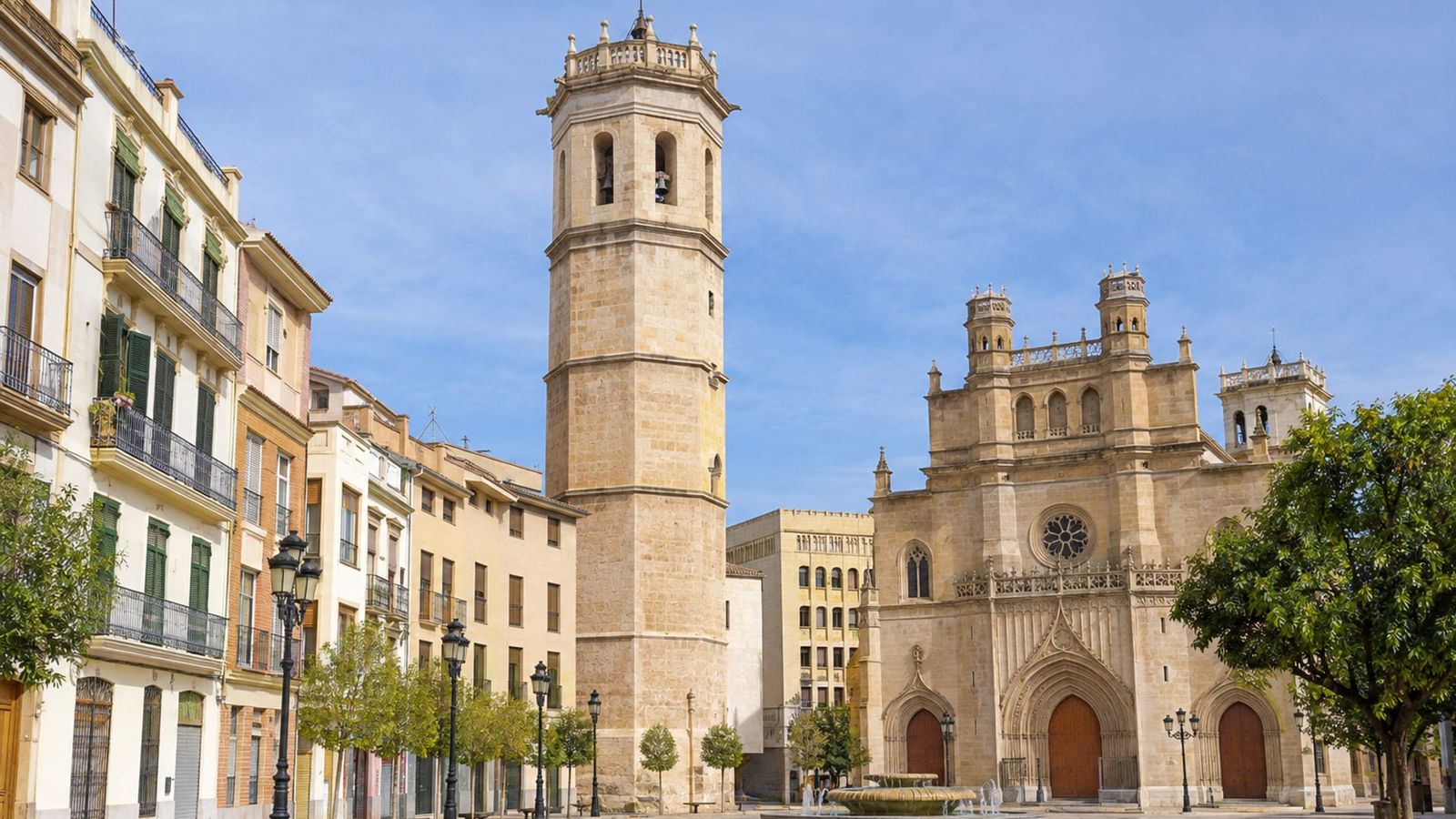
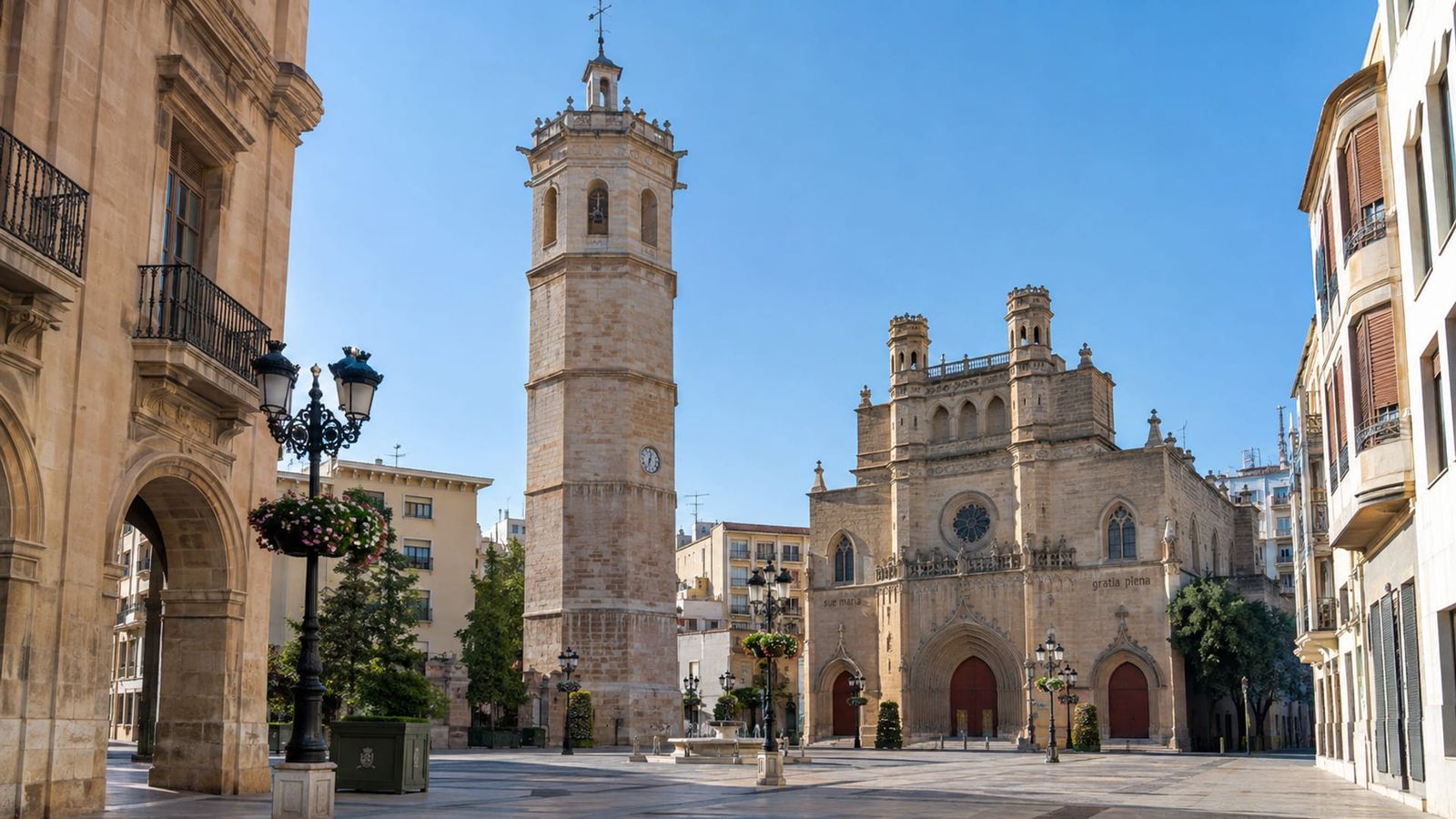
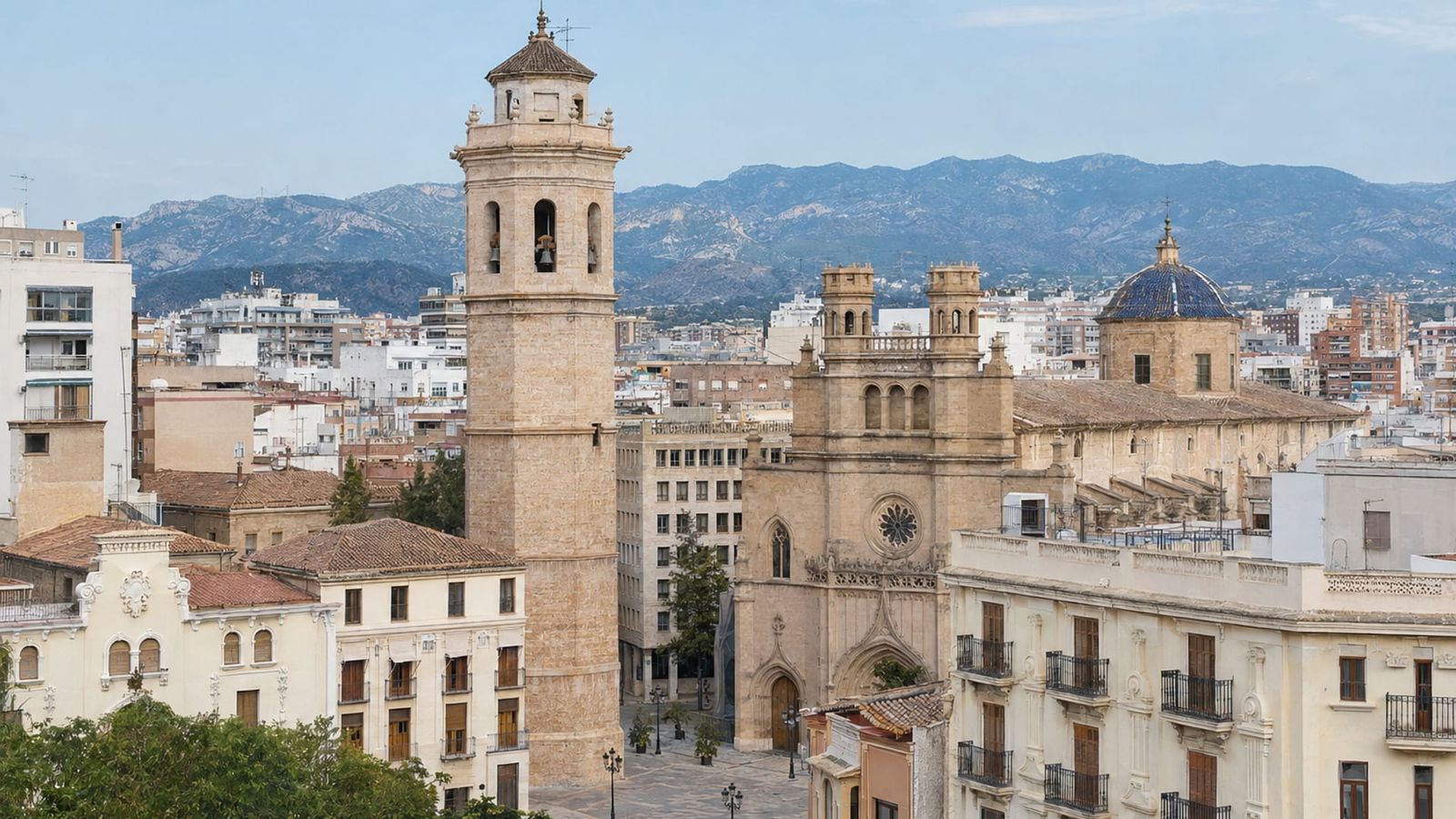
Standing apart from the co-cathedral, this octagonal bell tower is Castelló’s signature landmark. Built between the late 16th and early 17th centuries, it marks the historic center with its stone walls, bell chamber, and rooftop views.
Time needed: About 30 to 45 minutes
Entry: Free: admission covers the bell tower during public visiting hours; access to the upper levels involves stairs within the historic structure.
Tip: Visit the tower before lunch, then continue next door to the co-cathedral.
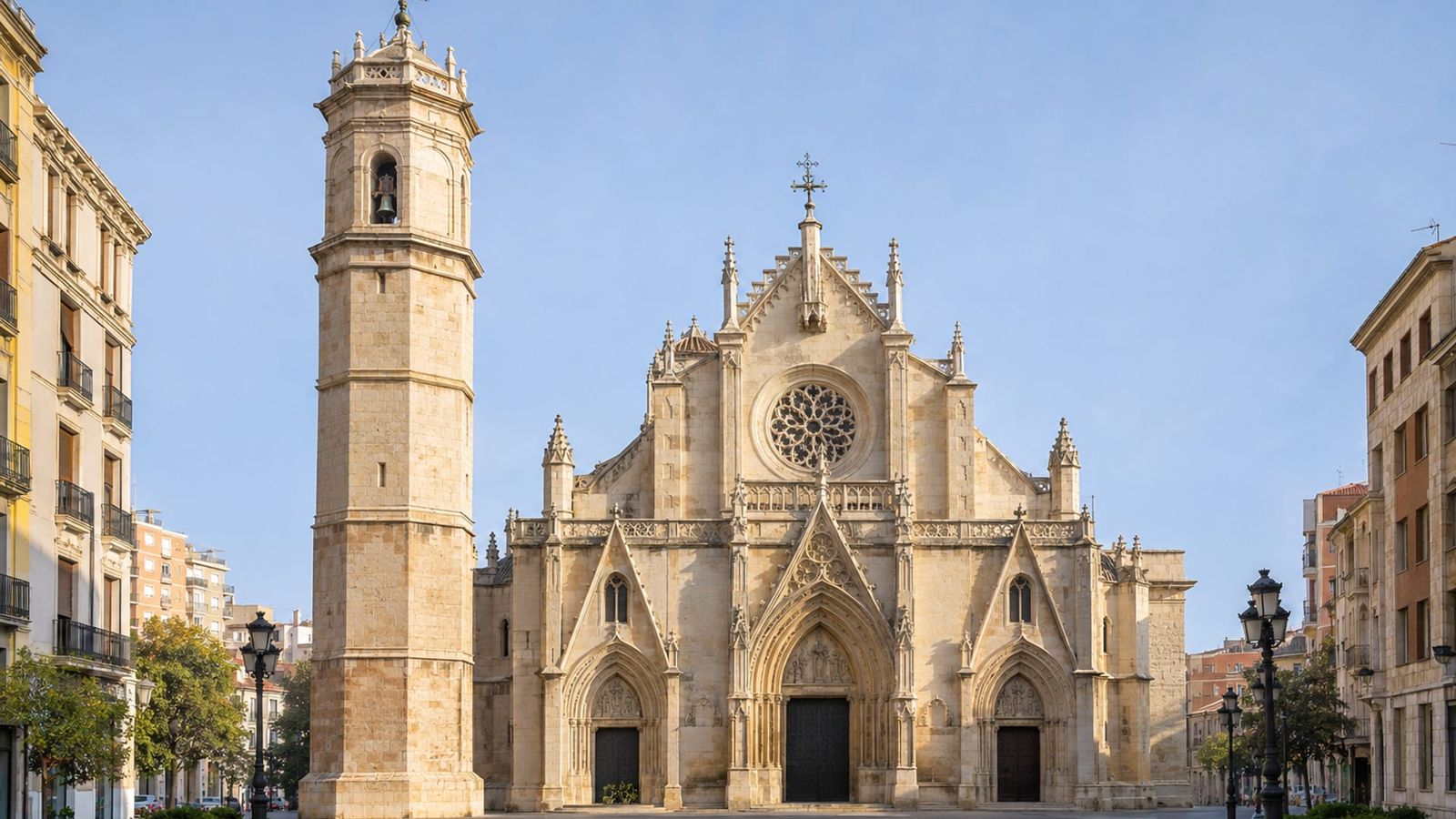
Co-cathedral of Saint Mary
Gothic doorways survive at Castelló’s principal church, which underwent extensive reconstruction after its destruction during the Spanish Civil War. The vaulted interior and neighboring El Fadrí anchor the city’s historic religious core.
Time needed: About 30 to 45 minutes
Entry: Free: admission covers the church interior during public opening hours; sightseeing access depends on the schedule of Mass and other worship.
Tip: Choose a time outside Mass to view the nave without interrupting worship.
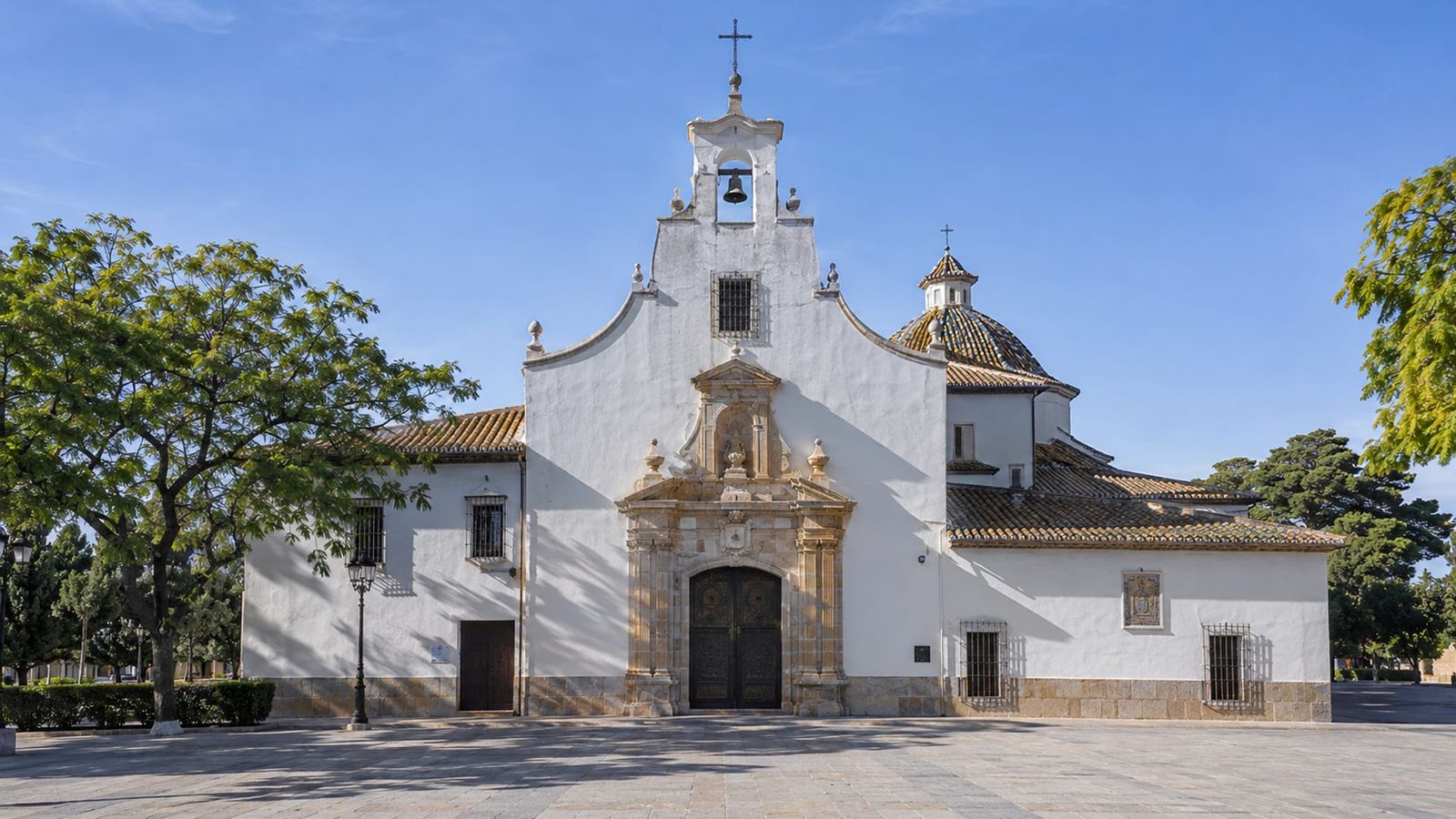
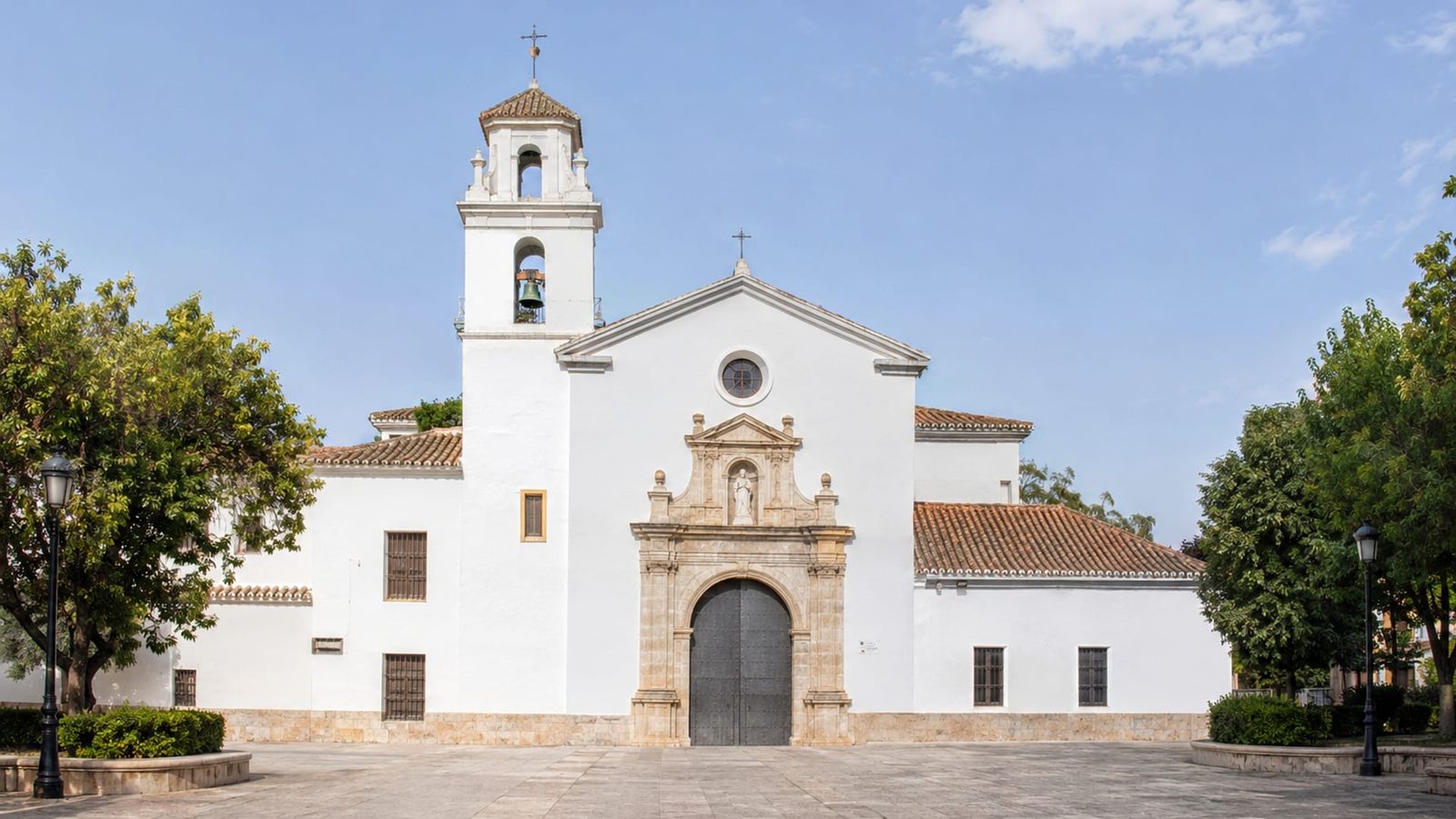
Basilica of Our Lady of Lledó
Dedicated to Castelló’s patron saint, this basilica stands on the city’s northeastern edge. Its devotion centers on a small image traditionally linked to a farmer’s discovery in 1366, making the church a major local pilgrimage destination.
Time needed: About 30 to 45 minutes
Entry: Free: admission covers the basilica interior during public opening hours; visitors should allow for Mass and other religious celebrations.
Tip: Approach the basilica along Avinguda de Lledó for a direct walk from town.
Overlooked sites worth visiting

Molí de la Font (Mill of the Spring)
Molí de la Font centers on a freshwater spring beside reeds and milling buildings. This small wetland on the city’s northern edge offers a quiet setting for watching birds near the water.
Time needed: About 30 to 45 minutes
Entry: Free to access: no admission ticket is needed to visit the spring and its surrounding outdoor space. Enter on foot to see the water, reed beds and historic mill setting; this is an open-air nature stop, with no museum galleries included in the short visit.
Tip: Visit in the morning to watch birds beside the spring.

Museu d’Etnologia de Castelló (Ethnological Museum of Castelló)
Domestic objects, farming tools and workshop equipment trace local life at the Ethnological Museum of Castelló. Displays focus on the city’s trades and households before industrialization.
Time needed: About 45 minutes to 1 hour
Entry: Free: walk into the museum to explore displays of domestic life, farming and traditional trades in Castelló. Admission covers the permanent collection; the visit takes place indoors, so it pairs well with an outdoor stop during the hottest part of the day.
Tip: Find the entrance on Carrer dels Cavallers in the historic center.
Traditional food
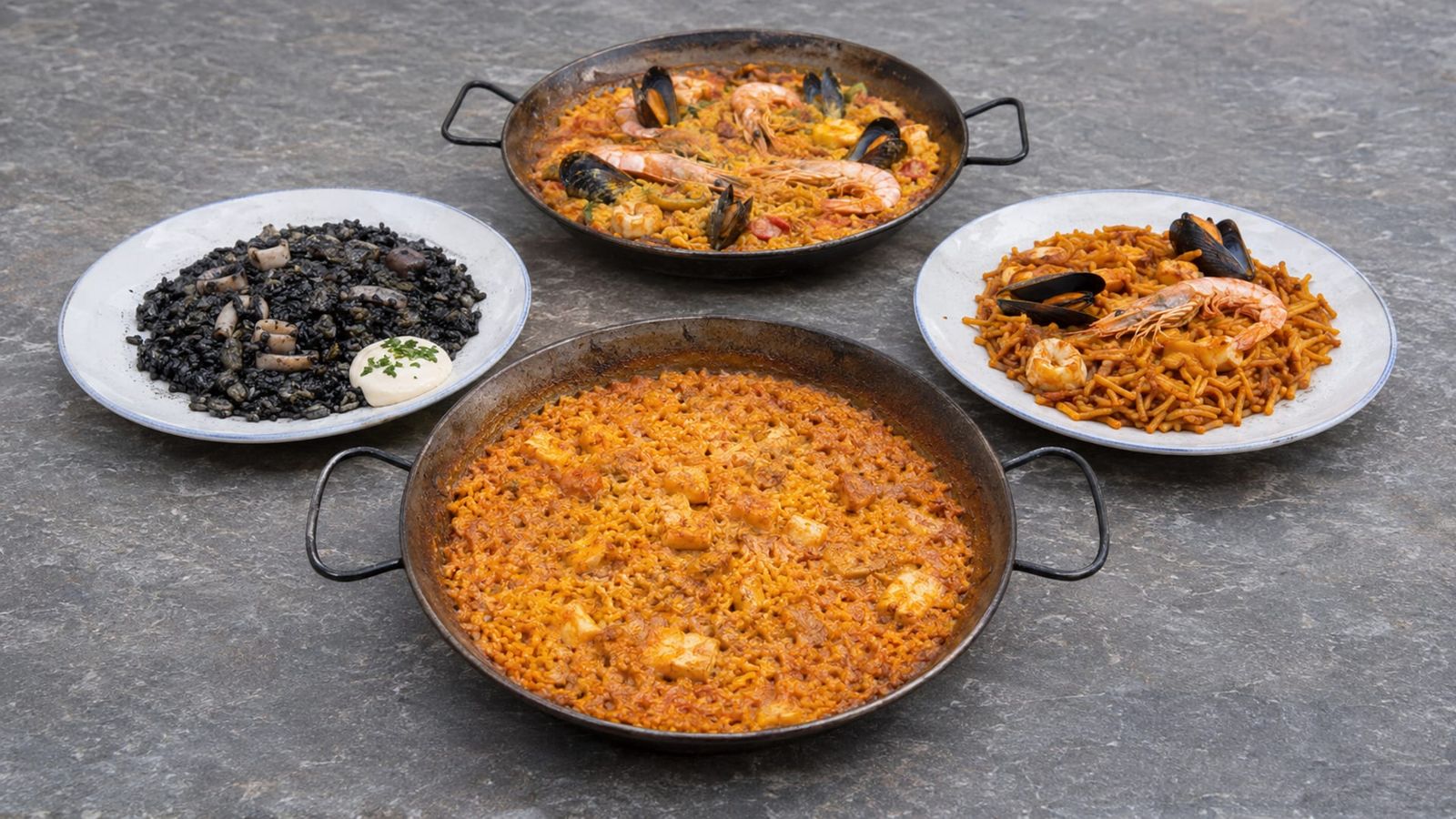
Rice, seafood, and produce define Castelló de la Plana’s cooking, from stock-rich arroz a banda to stuffed ximos and sweet Coca de Castelló. Long lunches give rice dishes their place at the table, while the maritime district puts seafood at the center.
Arroz a banda (rice cooked in fish stock)
Fish stock gives this rice its concentrated seafood flavor. Tasca del Puerto is an established restaurant for exploring Castelló’s maritime rice cooking.
Arroz negro (black rice)
Squid ink colors the rice and adds a savory marine flavor. Choose Tasca del Puerto for this seafood rice dish.
Fideuà (seafood noodles)
Short noodles replace rice in this stock-cooked seafood dish. Tasca del Puerto offers a restaurant setting rooted in the city’s fishing-port cuisine.
Seafood paella
Rice cooks with seafood in a wide, shallow pan, absorbing the stock as the liquid reduces. Tasca del Puerto is a local choice for a seafood-centered rice lunch.
Best time to visit Castelló de la Plana
Castelló de la Plana’s seasons change the balance between inland walks and beach afternoons, with summer bringing the greatest coastal activity and milder months leaving more comfortable conditions for exploring on foot.
Best for: Walking from the historic center toward the basilica
What you get: Typical daytime highs reach about 64 to 75°F (18 to 24°C), with coastal crowds below summer levels
Trade-offs: Sea temperatures can limit swimming
Best for: Beach afternoons and seafood lunches in El Grao
What you get: Daytime highs commonly reach about 81 to 88°F (27 to 31°C), and the waterfront attracts more visitors
Trade-offs: Heat makes the walk toward the basilica more demanding
Best for: Combining central sightseeing with coastal walks
What you get: Expect daytime highs of about 66 to 82°F (19 to 28°C), with beach crowds thinning after summer
Trade-offs: Heavy rain can interrupt outdoor excursions
Best for: Market visits and exploring the historic core
What you get: Highs typically reach about 59 to 64°F (15 to 18°C), while the coast draws fewer visitors
Trade-offs: Shorter daylight limits the northern outdoor itinerary
A realistic 5-day plan in Castelló de la Plana
Five days allow separate outings for the historic center, the northern religious and natural sites, and the coast. Ribalta anchors arrival and departure, while the three full days group nearby stops together. The coastal day connects El Grao with shaded park paths and an afternoon beside the sea.
From Castellón Airport (CDT), take a taxi to a hotel in Ribalta, allowing about 30 to 40 minutes and roughly $70 to $100 (€65 to €90). Settle in, drink some water, and limit the evening to a short walk and a light dinner near your hotel in Ribalta. Staying here also keeps departure morning close to your luggage and airport pickup.
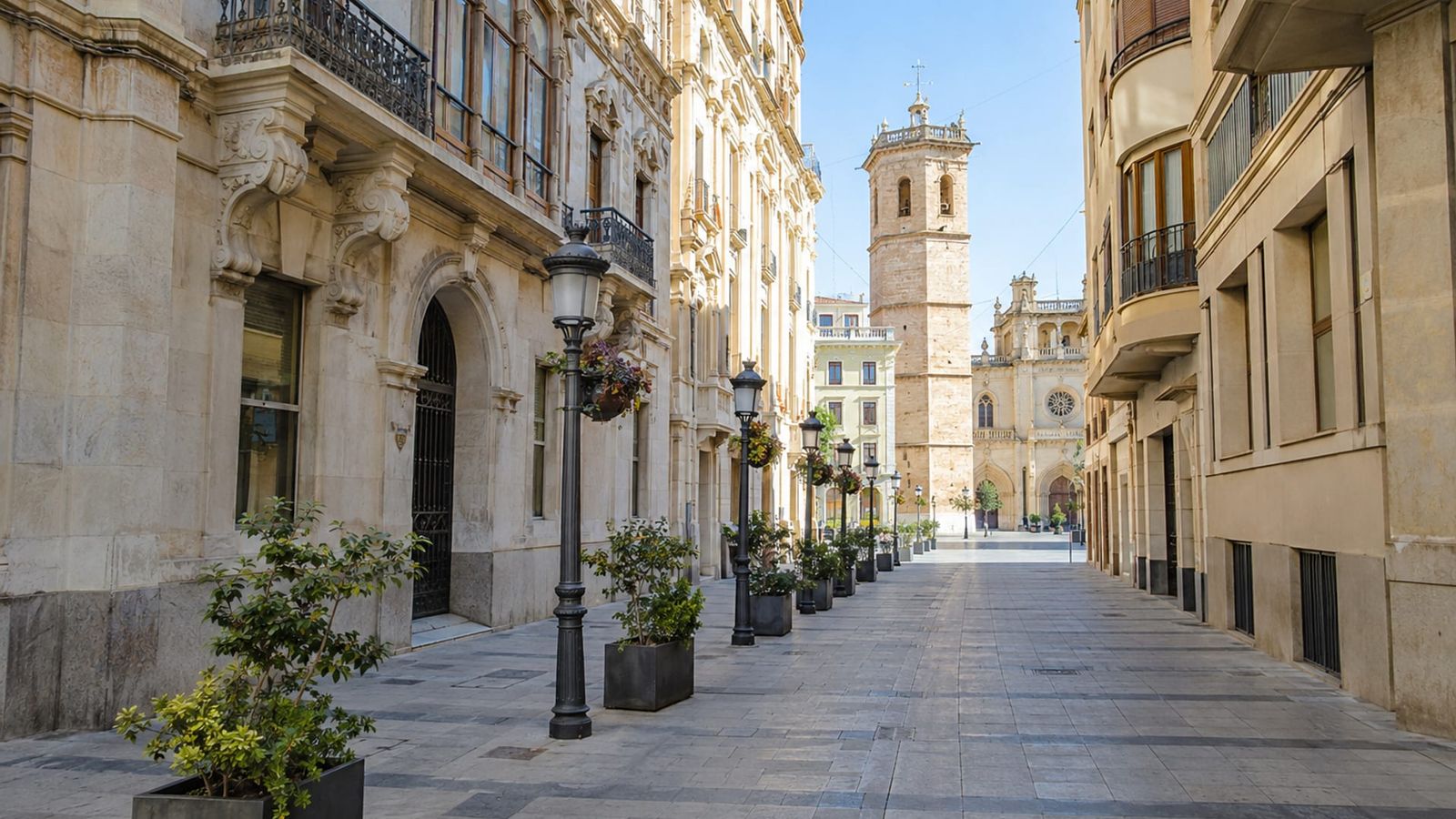
Centro brings three neighboring stops into one walking day. Start at the Central Market in the morning, then walk about 5 minutes to El Fadrí. Allow about 45 minutes for the tower and its stairs before continuing a few minutes to the Co-cathedral of Saint Mary, entering outside worship. Have lunch in Centro, then spend the afternoon exploring its pedestrian shopping streets. The market, tower, and church provide a compact route without additional transport.
A northbound outing connects the Basilica of Our Lady of Lledó with Molí de la Font. Spend the morning approaching the basilica on foot from town, allowing about 35 to 45 minutes, followed by about 45 minutes inside outside religious celebrations. After lunch, continue north by taxi for approximately 10 to 15 minutes to the spring. Dedicate the afternoon to the mill setting, reed beds, and birdwatching, then arrange a taxi pickup there to avoid retracing the walking route.
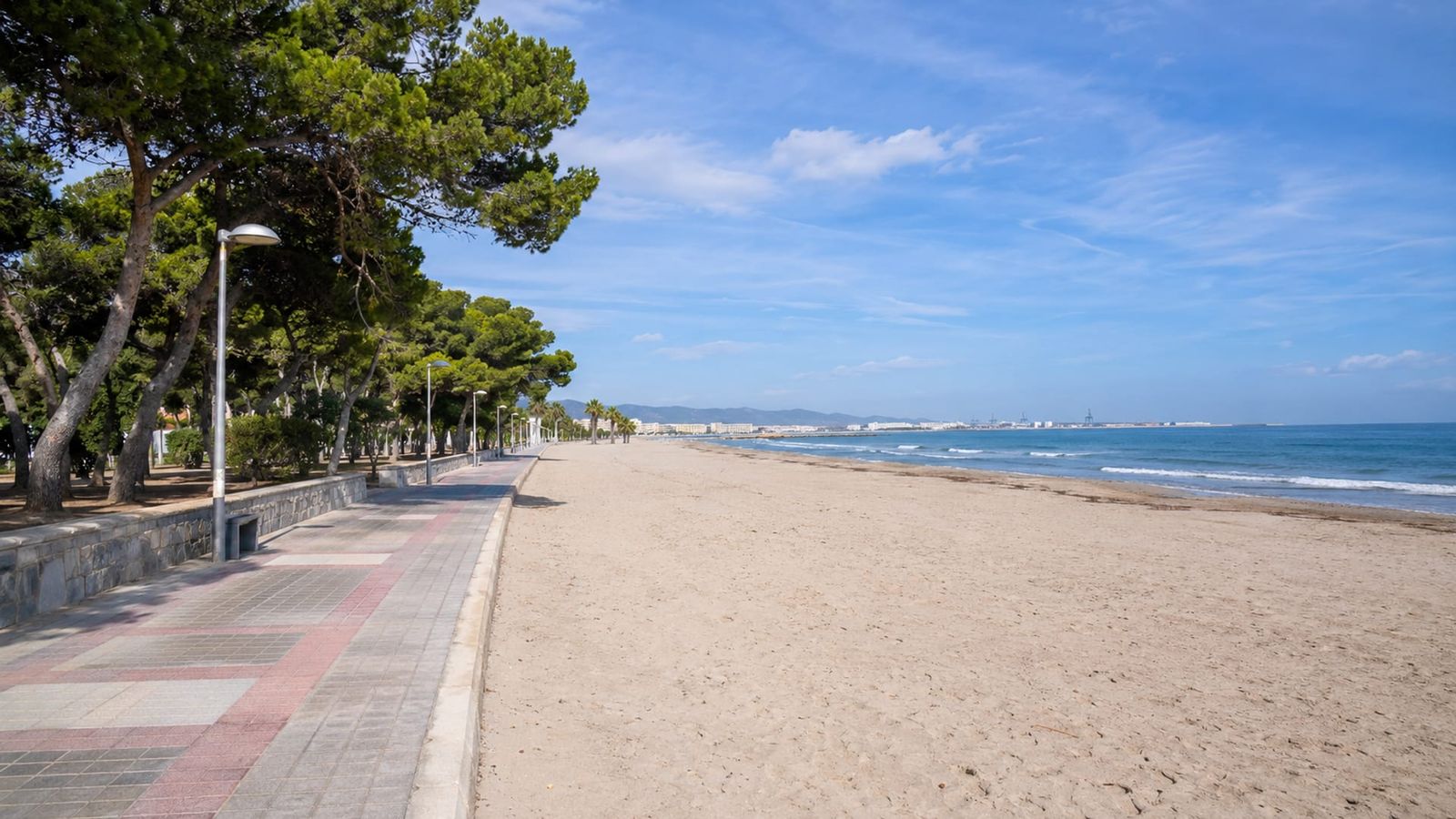
Follow the coast north through El Grao, beginning with a morning waterfront walk and a seafood lunch in the maritime district. Continue on foot toward Pinar Park, allowing approximately 25 to 35 minutes from the harbor area. Explore the shaded paths before walking about 10 to 15 minutes toward Pinar Beach, depending on your park exit. Spend the rest of the afternoon beside the sea, with swimming reserved for suitable weather and water conditions.
Before departure, have breakfast at a café in Ribalta and leave time for a short neighborhood walk near your hotel. Collect your luggage before the airport taxi arrives; allow about 30 to 40 minutes for the drive to Castellón Airport (CDT), plus the check-in time specified by your airline. Budget roughly $70 to $100 (€65 to €90) for the taxi.
Business-class flights from the US to Castelló de la Plana
The New York and Los Angeles examples connect Castelló de la Plana with both US coasts through Iberia itineraries, with different journey lengths and round-trip fare ranges.
Reaching Castellón Airport (CDT) from New York involves a connection in Madrid (MAD) with Iberia, with total journeys of about 11 to 18 hours. Budget approximately $3,000 to $6,500 (€2,700 to €5,900) round trip.
A connecting Iberia itinerary from Los Angeles (LAX) to Castellón Airport (CDT) takes about 15 to 22 hours overall. Round-trip fares generally fall between approximately $4,000 and $8,000 (€3,600 to €7,300).
Castelló de la Plana feels different when you slow down
A considered Castelló de la Plana visit gives Centro a full walking day, leaves time for the basilica and northern spring, and follows an El Grao seafood lunch with park paths and the beach. Ribalta keeps the opening and closing days close to your hotel, while T1 connects the center with the waterfront. Ask AranGrant experts to shape your flights around this five-day sequence, leaving a full coastal afternoon between arrival and departure