

Chapters:

Need help with your trip?
Our support team is available 24/7. Request a callback or call us directly at (833) 619-0908
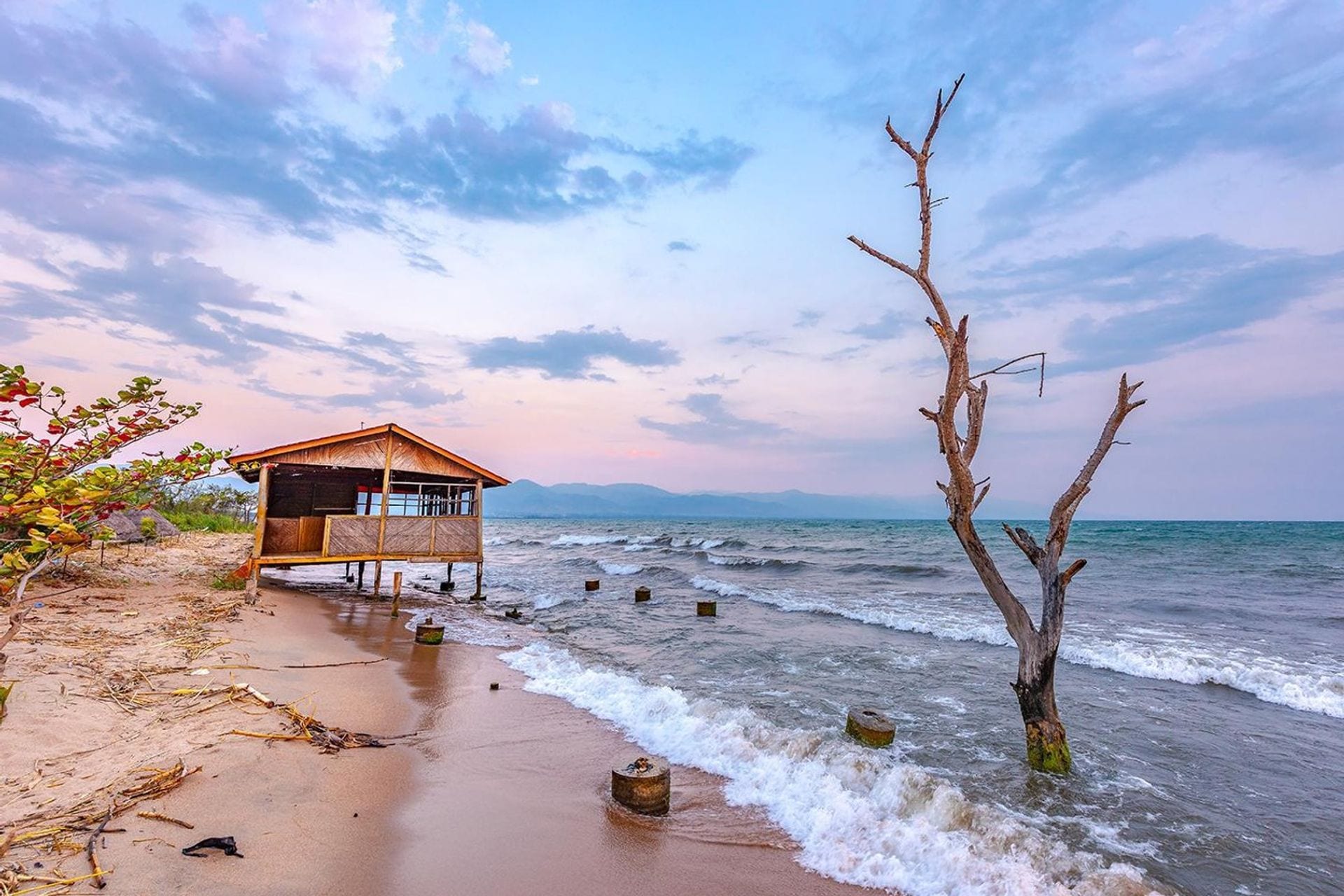
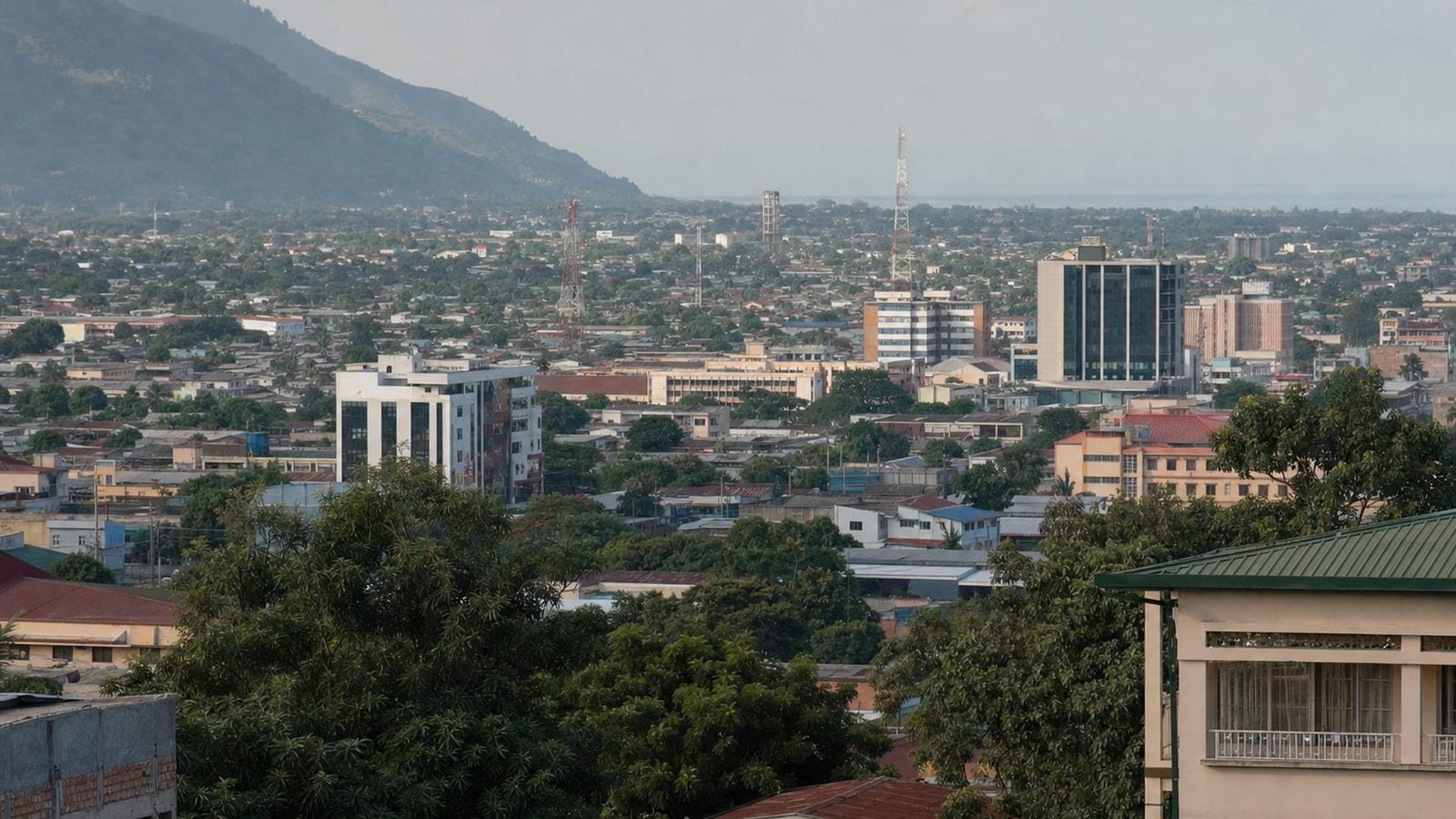
Bujumbura stretches along the shore of Lake Tanganyika, with green hills rising behind its busy streets. Once Burundi’s political capital and still its economic center, the city has lakeside restaurants, lively markets, and a waterfront overlooking fishing boats and distant mountains. The Living Museum introduces Burundian crafts and wildlife, while the nearby Rusizi delta shelters hippos and waterbirds.
Beyond the lakeshore, Bujumbura’s neighborhoods reveal another side of the city, from roadside cafés and food stalls to streets climbing toward the hills. A visit can bring together time by the lake, cultural stops, and an excursion into the wetlands. This guide covers where to stay, traditional food, transport, sights, and five days of exploring Bujumbura at a comfortable pace.
Useful things to know

Main language(s): Kirundi is the main everyday language, while French is used in administration and business. English is spoken in some international hotels.
Amahoro (ah-mah-HOH-roh) – Hello
Ndagusavye (n-dah-goo-SAH-vyeh) – Please
Murakoze (moo-rah-KOH-zeh) – Thank you
Uvuga Icongereza? (oo-VOO-gah ee-chohn-geh-REH-zah) – Do you speak English?
Ni angahe? (nee ahn-GAH-heh) – How much does it cost?

Currency: Burundian franc (BIF, FBu)

Cash and cards: Cash is essential outside major hotels. Carry small Burundian franc notes for daily purchases, use authorized exchange services, and avoid relying entirely on ATMs.

Tipping: Tipping is optional. Round up small bills or leave 5%–10% for good restaurant service, checking first whether a service charge is included.

Traditional food: Brochettes, fried plantains, sambaza, and cassava leaves (isombe) are among the local foods associated with Bujumbura’s grilled meats, lake fish, and vegetables.

Water and coffee costs: A small bottle of water costs BIF 4,100 ($1.40). In cafés, coffee costs BIF 1,000 to BIF 4,000 ($0.33 to $1.33).

Taxis and ride apps: Major international ride apps are unavailable, but local services such as Iteka Ride operate. Hotel-arranged taxis are another option; agree on fares beforehand.

Plug and voltage: Bujumbura uses Type C and Type E sockets, 220 V, 50 Hz. US travelers need a plug adapter and should check device voltage compatibility.

Dining and shop opening hours: Restaurants commonly serve lunch from noon and dinner from 6 pm. Shop hours vary, with some smaller businesses closing earlier on Sundays.

Emergency number: Call 112 for any emergencies. Call 117 for police and 118 for fire rescue.
Where to stay in Bujumbura
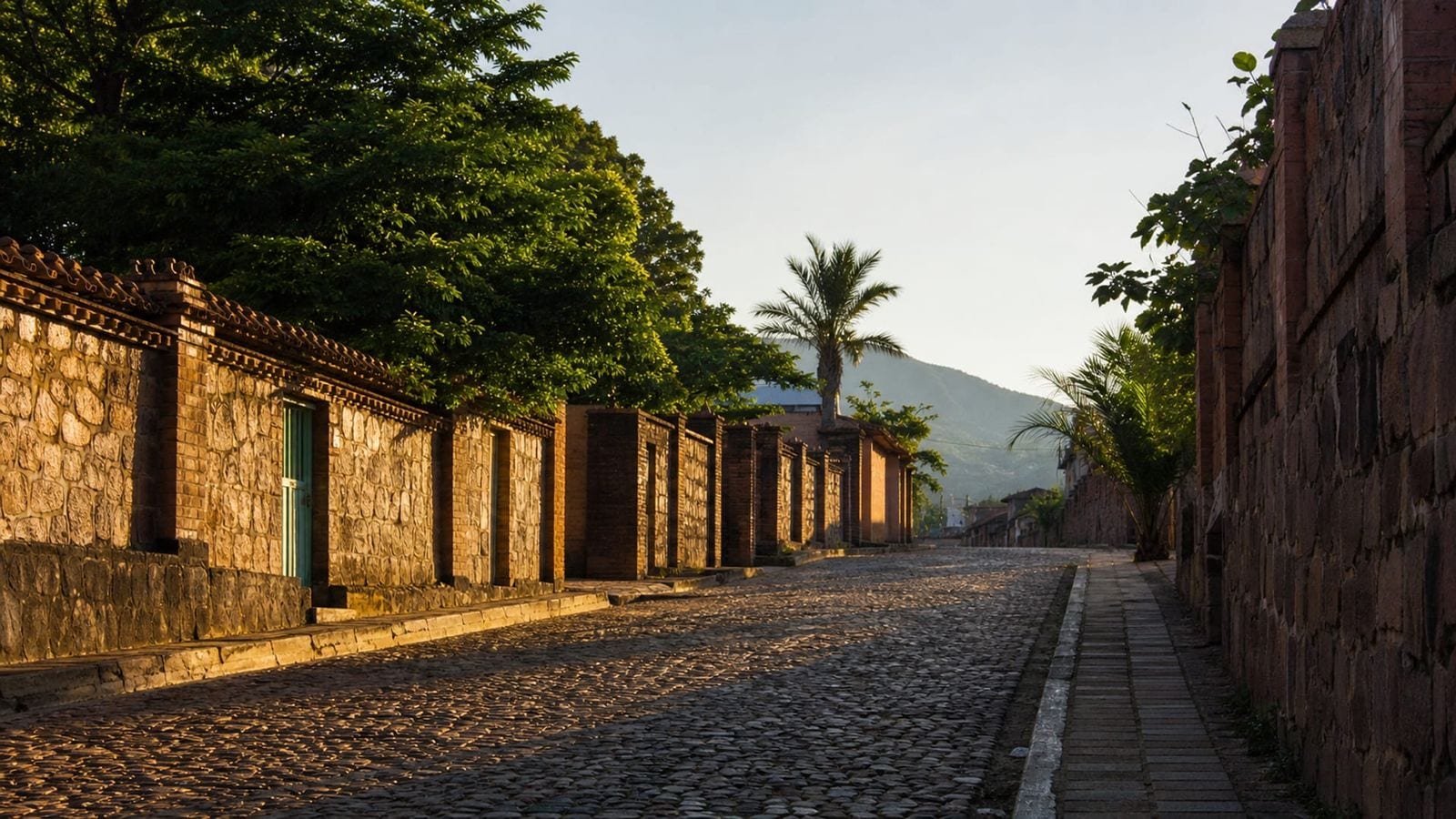
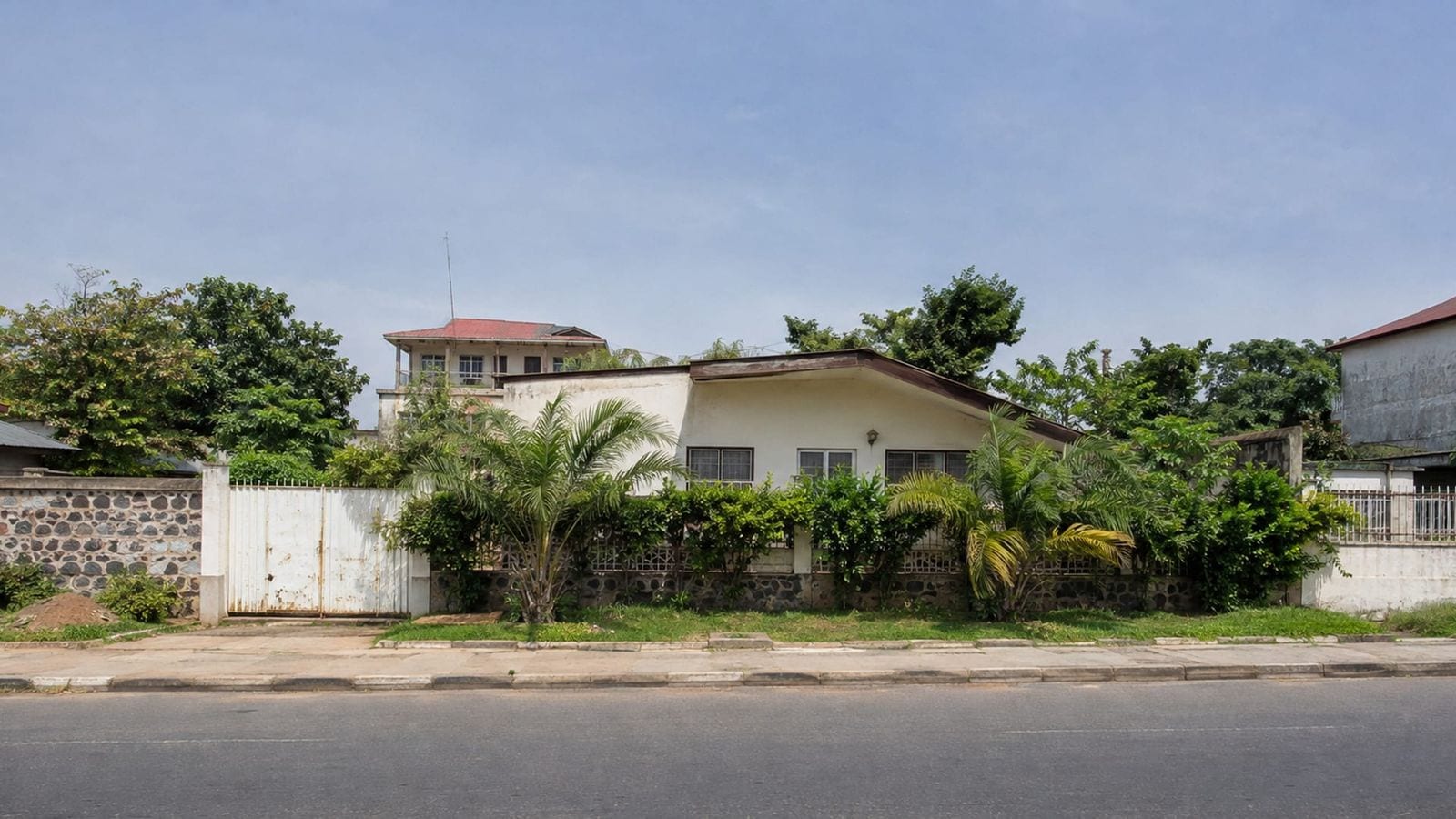
On the hills above central Bujumbura, Kiriri has spacious villas, embassy residences, gardens, and hotels overlooking the city and Lake Tanganyika. Its elevated roads pass through established residential neighborhoods, with fewer shops and restaurants than the commercial districts below.
Best for: Quiet stays, embassy-adjacent addresses, and travelers who want close access to central Bujumbura without being in the busiest streets
What to expect: Low-rise streets, guarded compounds, and limited foot traffic, with most dining and errands done by car or moto-taxi.
Hotel prices: Usually about 60,000 BIF to 180,000 BIF (~$20 to ~$60) per night for well-rated stays
Distance to major sights: About 10 minutes by car to Place de l’Indépendance, about 15 minutes to the lakefront promenade
Quietness: Calmer in the day and generally quiet at night, with only occasional traffic on the main roads
Main trade-off: You will depend more on taxis or a driver, since shops, cafes, and evening options are spread out.
Good to know: Some hotels overlook Lake Tanganyika. Request a lake-facing room and arrange transport for evening outings.
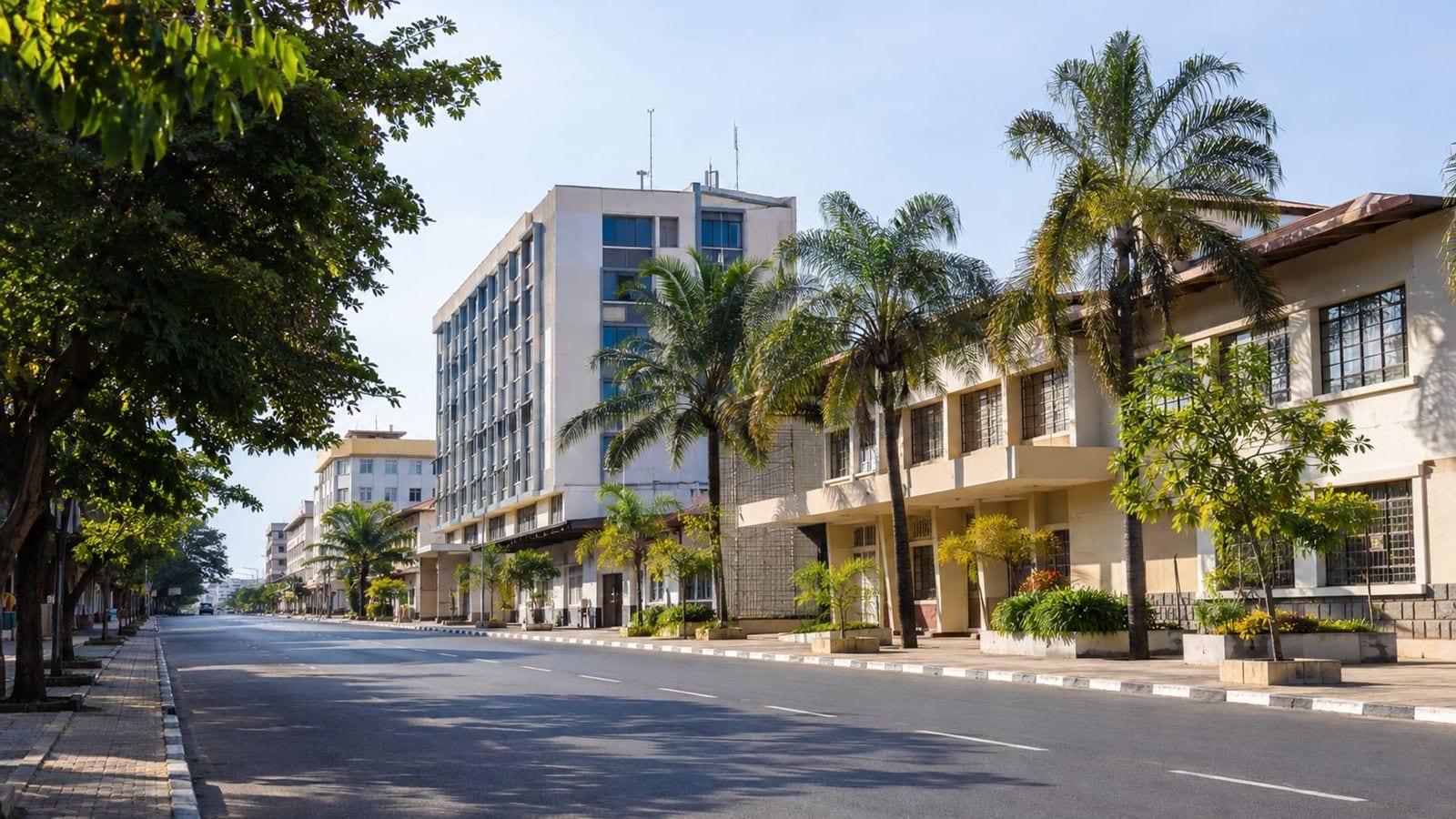
At the heart of Bujumbura, Centre-ville brings together government offices, banks, shops, and busy commercial streets. Markets and local businesses keep the district active during the day, while hotels near the main avenues provide easy access to administrative offices and everyday services.
Best for: Business trips, short stays, and travelers who want the shortest distances to downtown shops, banks, and administrative offices
What to expect: Busy sidewalks by day, taxi traffic, and a constant flow of people near offices, markets, and storefronts.
Hotel prices: Usually about 45,000 BIF to 140,000 BIF (~$15 to ~$45) per night for well-rated stays
Distance to major sights: About 5 to 10 minutes on foot to Place de l’Indépendance, about 10 minutes by car to the lakefront
Quietness: Active and noisy through the day, then noticeably calmer after office hours, though traffic can continue on main roads
Main trade-off: The central location comes with more traffic, less greenery, and higher exposure to street noise than hillside areas.
Good to know: Check whether your hotel provides backup electricity and request a room away from busy roads.
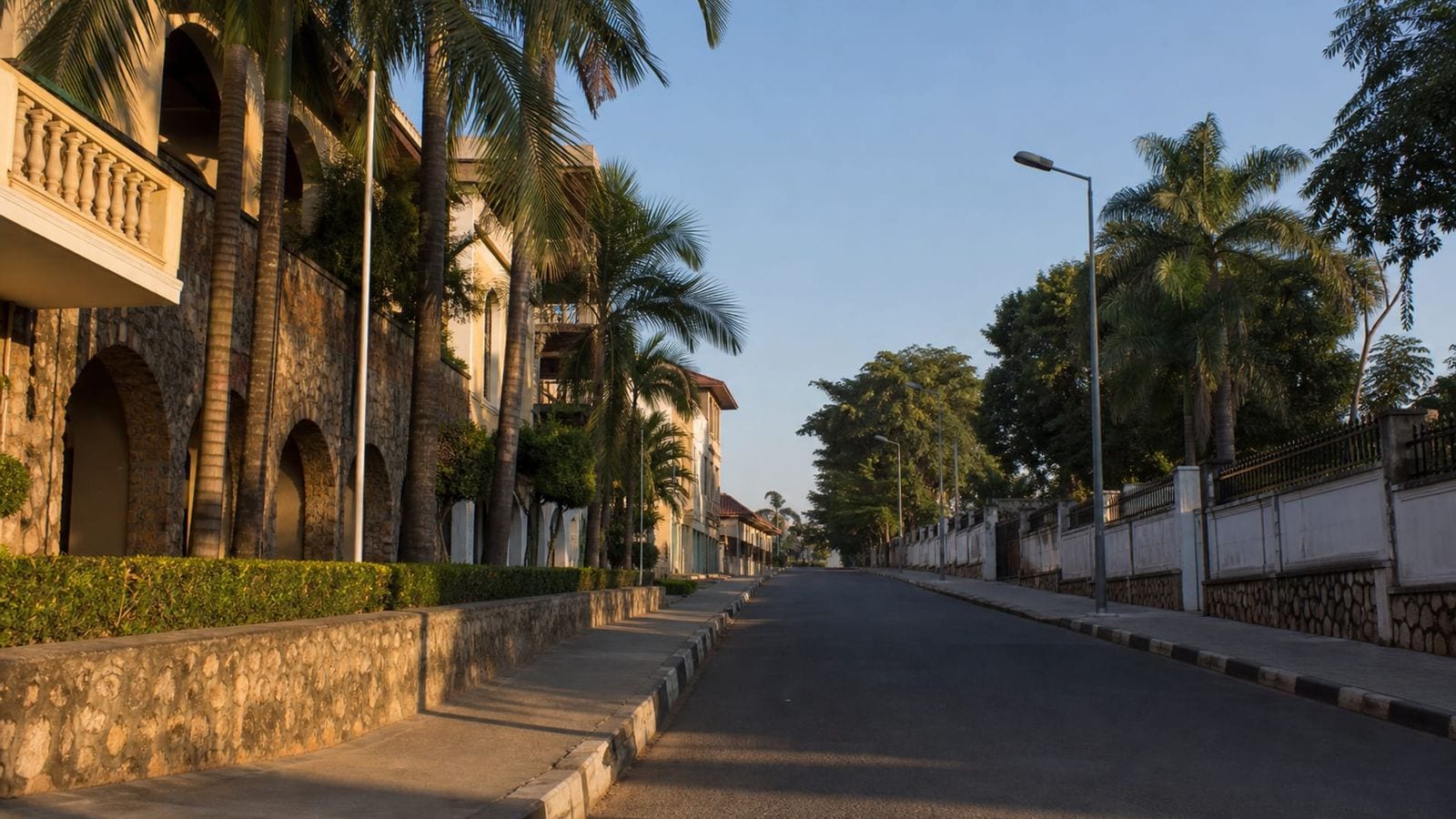
Close to Bujumbura’s commercial center, Rohero has established hotels, restaurants, offices, and residential compounds along its main avenues. Cafés, clinics, and neighborhood shops serve the surrounding streets, while quieter residential blocks extend beyond the busier commercial corridors.
Best for: Longer stays, restaurant access, and travelers who want a middle ground between downtown convenience and quieter residential streets
What to expect: Lively main roads, a mix of locals and visitors, and easier access to cafes, pharmacies, and small shops.
Hotel prices: Usually about 50,000 BIF to 160,000 BIF (~$17 to ~$53) per night for well-rated stays
Distance to major sights: About 10 minutes by car to Place de l’Indépendance, about 15 to 20 minutes by car to the lakefront
Quietness: Busy near the main arteries in the day, with quieter side streets and a calmer pace after dinner
Main trade-off: You get more choice for eating out, but the busiest corridors can feel traffic-heavy during commuting hours.
Good to know: Look for hotels with courtyards or rooms facing away from main roads if you prefer quieter evenings.
For a quieter stay in Bujumbura, choose Kiriri, where hillside hotels offer more space and less traffic. Rohero is better for restaurants and central access, while downtown suits business visits but can be noisy during the day.
Hotel deals
How to get around Bujumbura efficiently
Bujumbura relies on road transport, with buses and minibuses serving local routes and taxis or private drivers connecting more distant areas.

Public buses and minibuses
for inexpensive cross-city travel
Shared minibuses and public buses connect central Bujumbura with markets and residential neighborhoods. Standard urban fares are BIF 600 ($0.20), although some routes cost more. Carry small banknotes, confirm your destination before boarding, and expect crowded vehicles at busy times.

Taxis
for direct journeys, luggage, and late hours
Taxis provide direct transport between Kiriri, Rohero, downtown, and the lakefront. Short city rides commonly cost BIF 5,000 to BIF 15,000 ($1.70 to $5). Most drivers negotiate fares instead of using meters, so agree on the price before departure or ask your hotel to arrange a car.

Private drivers
for longer excursions and multiple stops
Hiring a car with a driver is useful for full-day sightseeing, business appointments, or trips beyond Bujumbura. BujaShuttle lists sedan hire at BIF 240,000 ($80) for half a day or BIF 450,000 ($150) for a full day. Confirm fuel, waiting time, and the route before booking.
*Prices are based on rates updated as of November 2026 and may change at the time of travel.
For inexpensive local journeys, take a minibus. Taxis offer greater flexibility around town, while a private driver is useful for full-day excursions and meetings.
Iconic landmarks
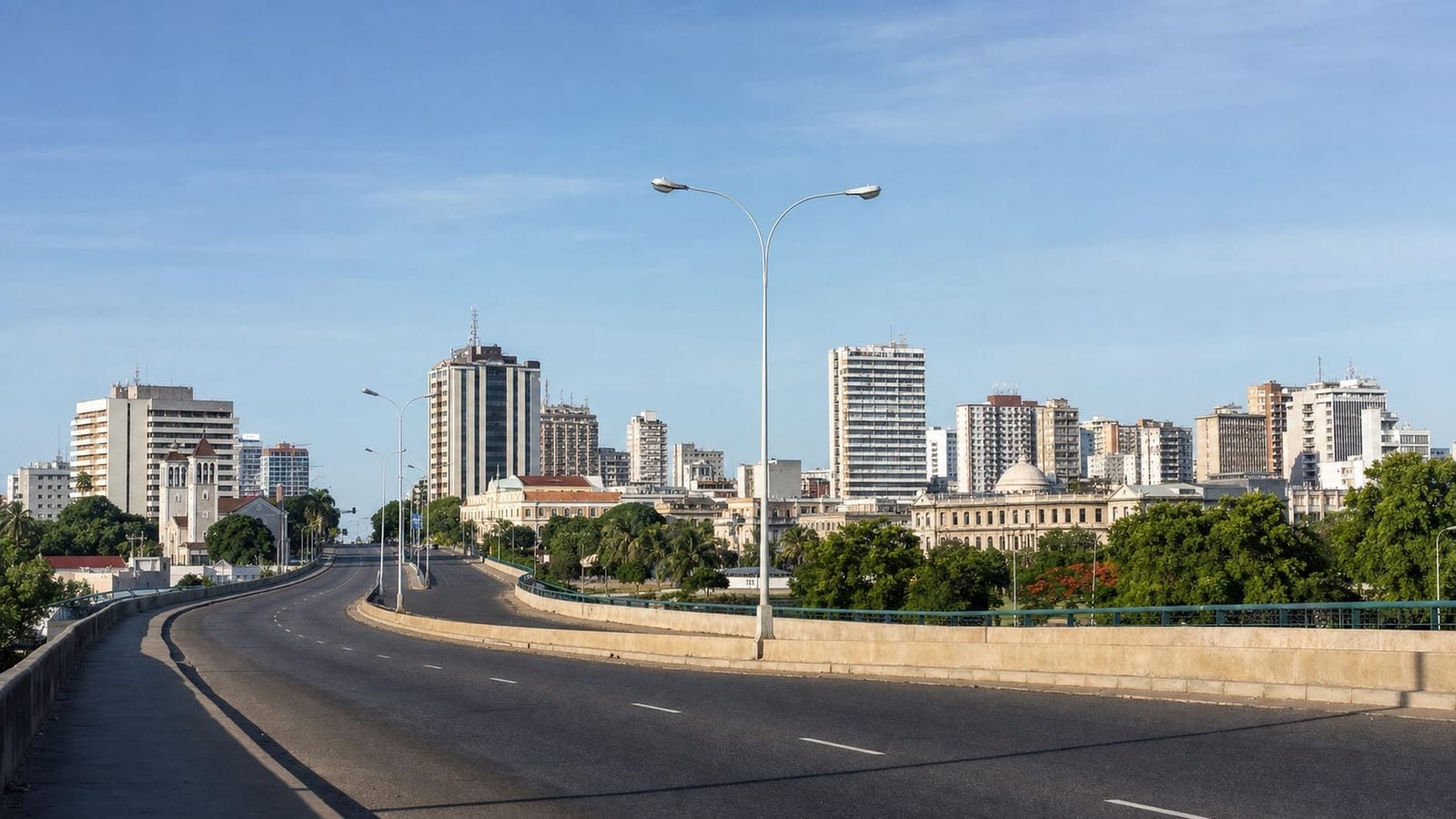
Livingstone-Stanley Monument
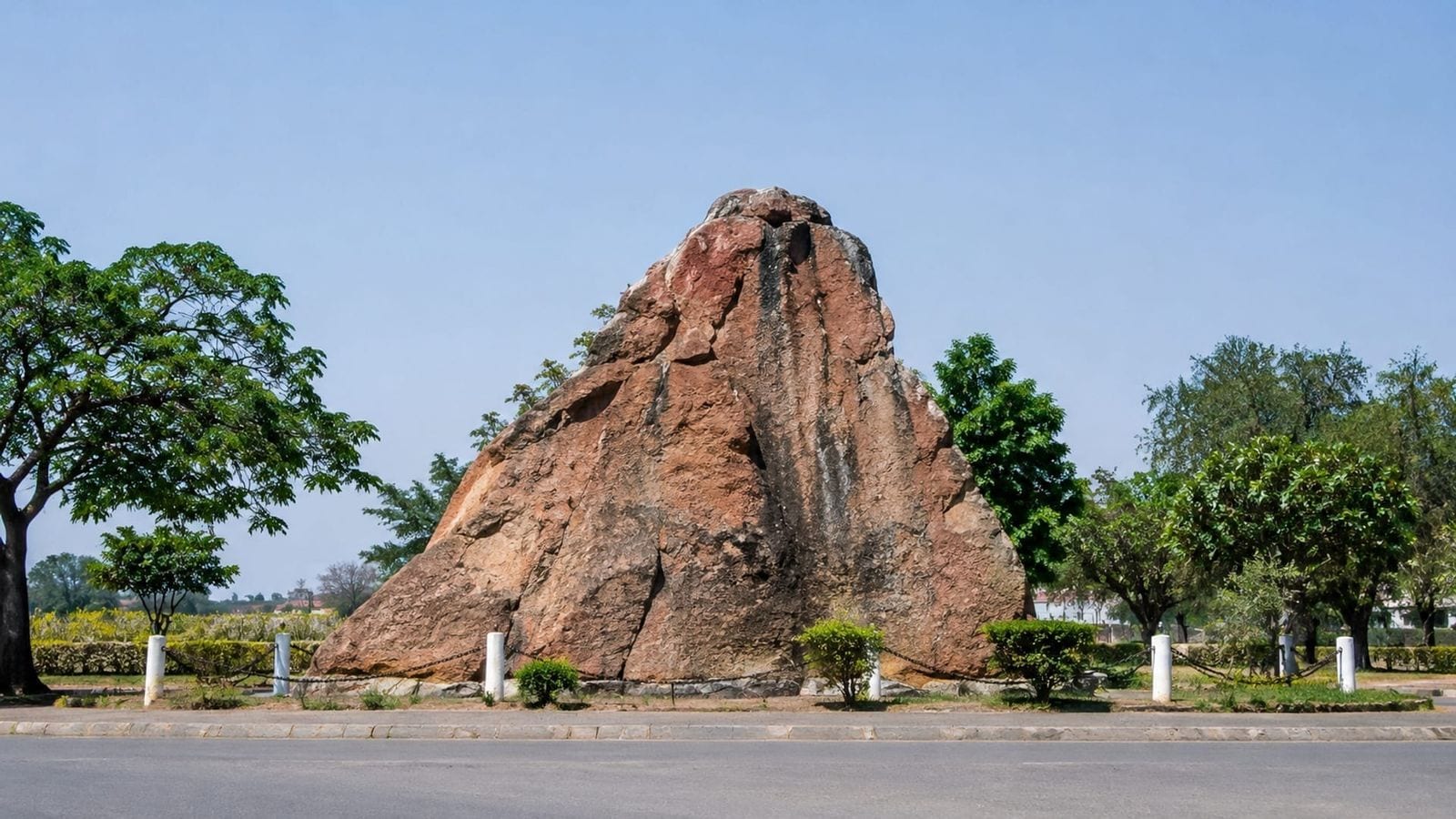
The Livingstone–Stanley Monument at Mugere, south of Bujumbura, commemorates the explorers’ visit in November 1871, shortly after their famous meeting in Tanzania. The inscribed stone stands near Lake Tanganyika and recalls their expedition along the lake’s northern shores.
Time needed: Allow 30–45 minutes to see the monument.
Entry: Free
Tip: Arrange return transport, as the monument is outside central Bujumbura.
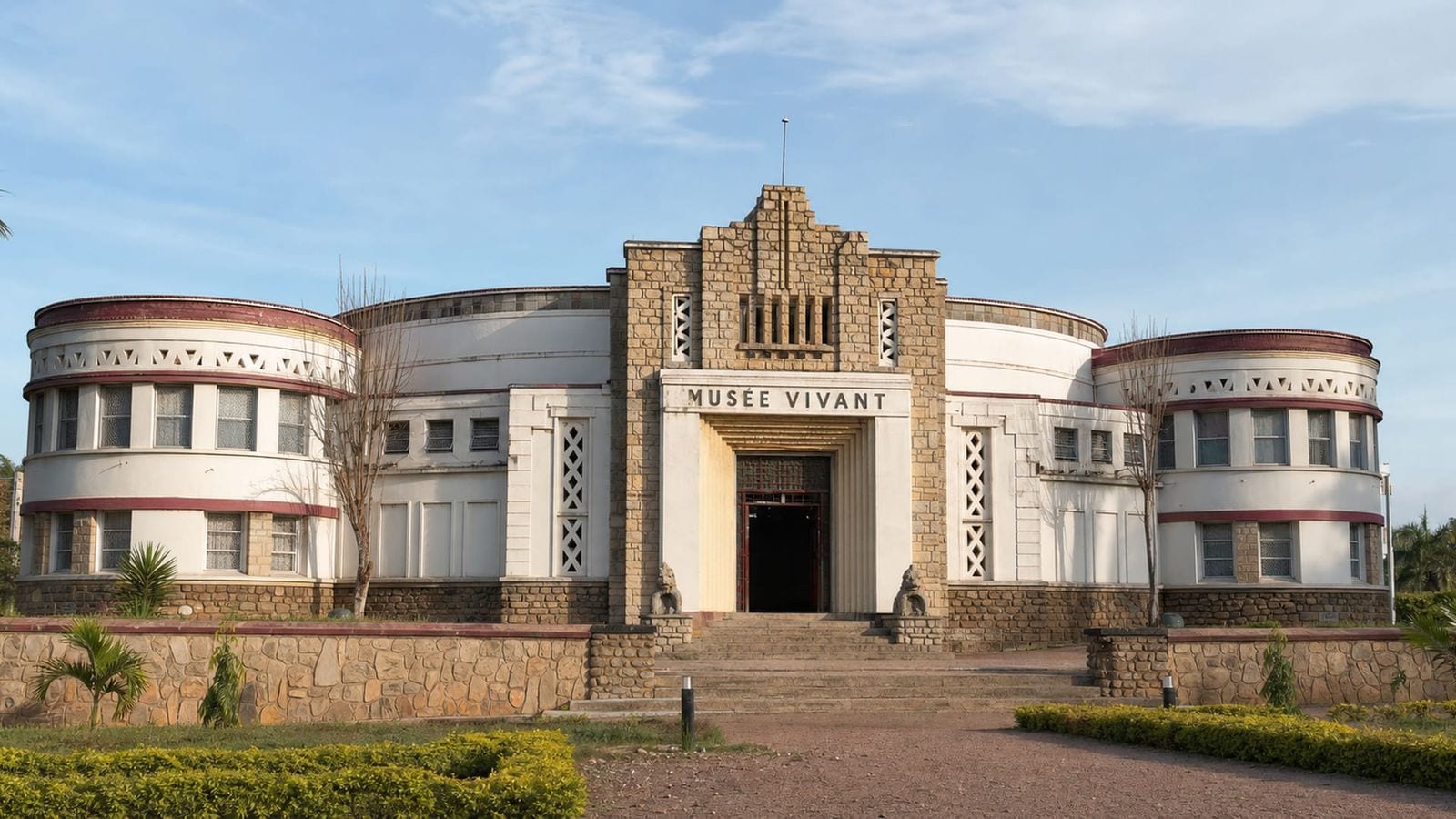
Musée Vivant
Musée Vivant introduces Burundi’s cultural heritage through traditional huts, pottery, basketry, and musical instruments. The museum also has reptile and other animal enclosures, although maintenance and animal-welfare concerns have affected parts of the attraction.
Time needed: Plan 1–2 hours to explore the museum.
Entry: Foreign admission is BIF 10,000 ($3). Visit the official site for details.
Tip: Ask which exhibits are open, as rehabilitation work is ongoing.
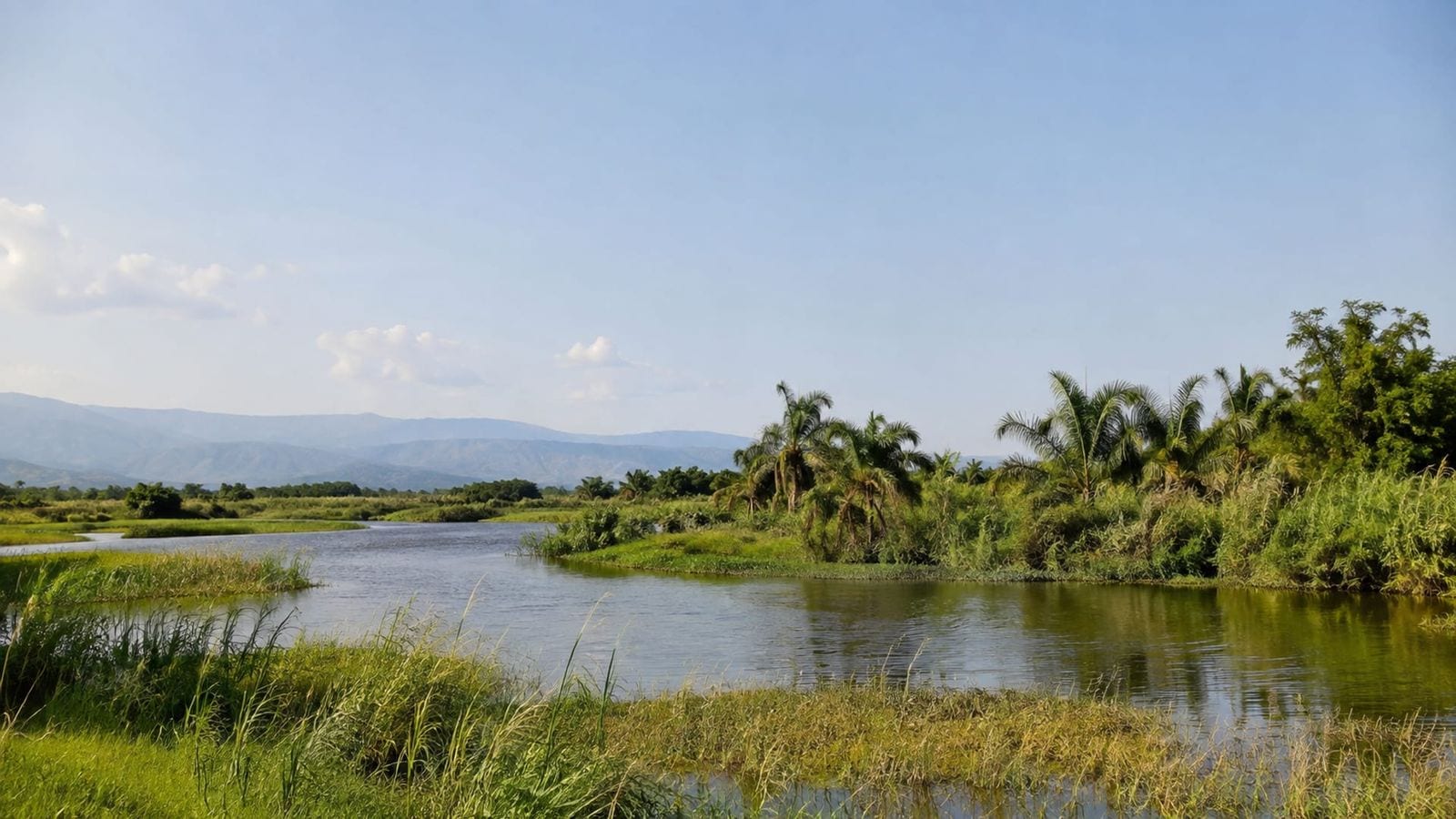
Rusizi National Park
Northwest of Bujumbura, Rusizi National Park protects wetlands along the Rusizi River and its delta at Lake Tanganyika. Hippos, crocodiles, and numerous bird species inhabit the riverbanks and marshes, with guided boat excursions offering opportunities to observe wildlife.
Time needed: Set aside 3–4 hours, including a guided excursion.
Entry: The entry fee is $20. You can also book a guided visit and boat trips.
Tip: Arrange a morning visit with a local guide and keep a safe distance from wildlife.
Overlooked sites worth visiting

Monument de l'Unité Nationale
On Kiriri Hill, the Monument de l’Unité Nationale commemorates Burundi’s national unity. Its elevated grounds offer panoramic views across Bujumbura toward Lake Tanganyika.
Time needed: Allow 30–45 minutes to explore the monument.
Entry: Fees and access conditions vary.
Tip: Visit in clear weather for wider views across the city and lake.

Regina Mundi Cathedral
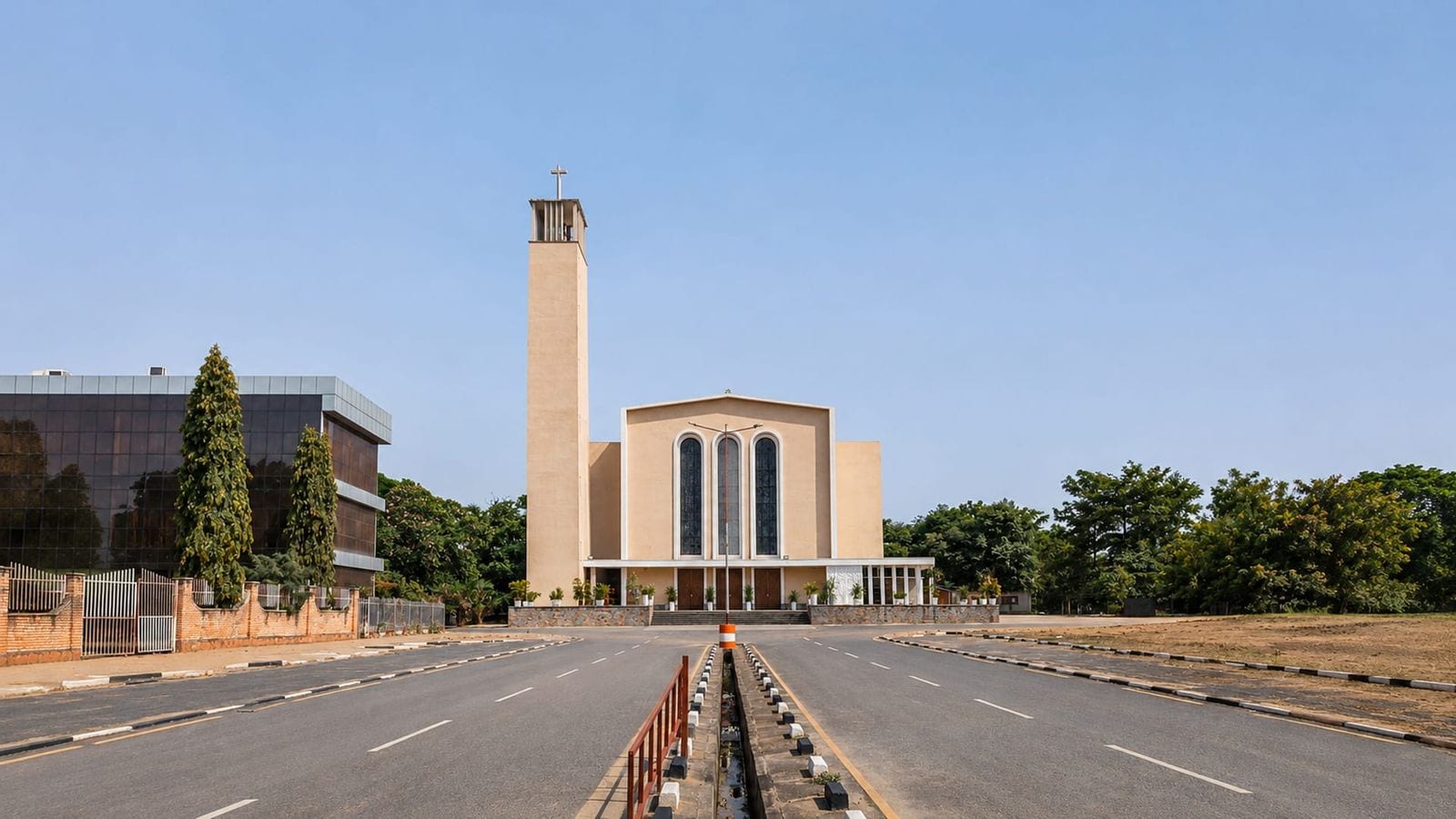
Regina Mundi Cathedral is one of Bujumbura’s principal Catholic churches, with a prominent bell tower and spacious interior. Religious services are an important part of its daily life.
Time needed: A visit generally takes 30–45 minutes.
Entry: Admission is free for worship; tourist access depends on services.
Tip: Visit outside Mass hours and ask permission before taking photographs inside.
Traditional food
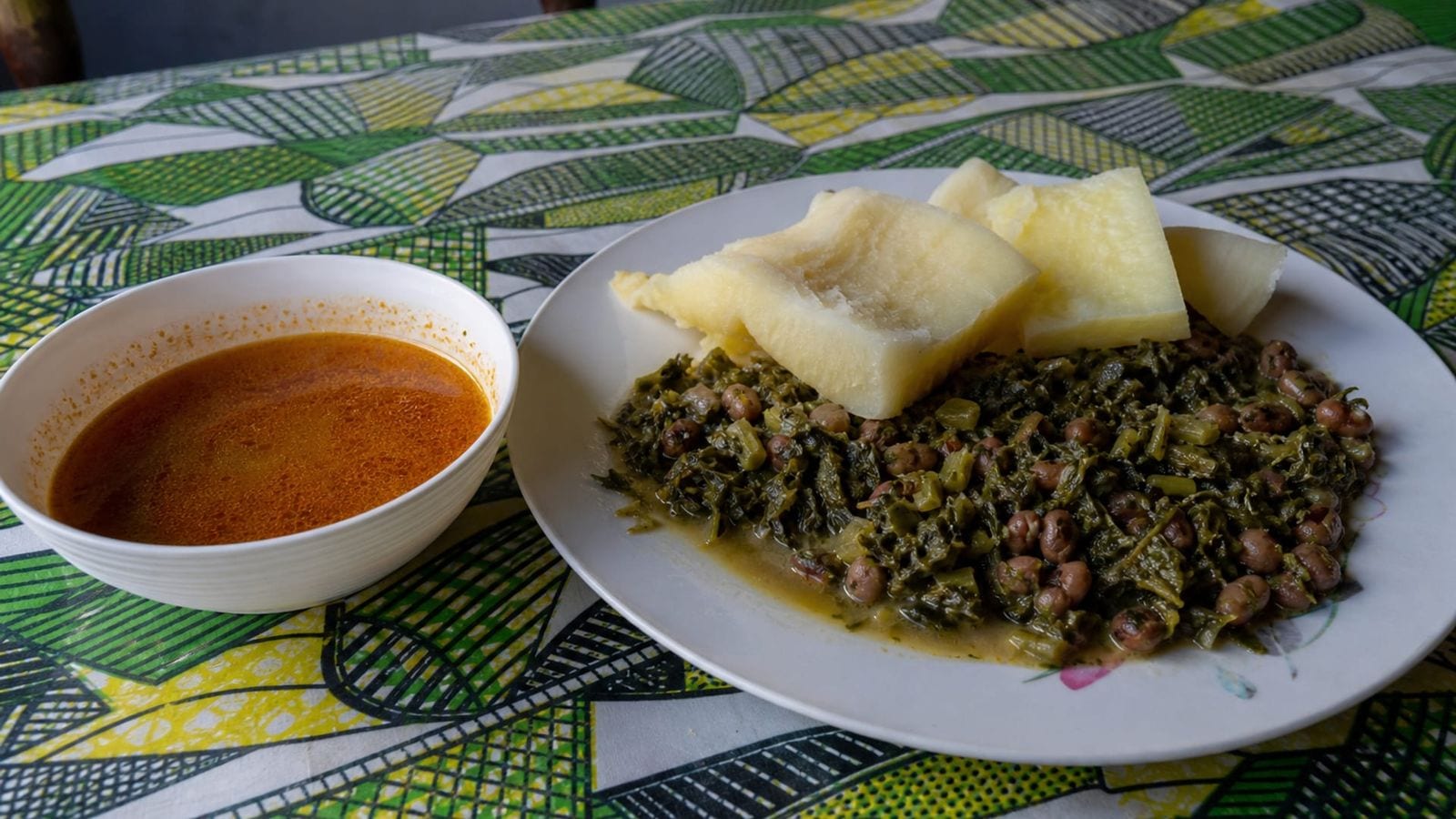
Bujumbura’s cuisine draws on Lake Tanganyika fish, grilled meat, cassava, and plantains. Brochettes, fried fish, and vegetable dishes are common in local restaurants.
Brochettes
Brochettes are skewers of goat, beef, or chicken grilled over charcoal and commonly served with fries, plantains, or chili sauce. Maza Resto-Bar on Boulevard Melchior Ndadaye lists goat and chicken versions on its menu.
Fried plantains
Fried plantains are sliced bananas cooked until golden outside and soft within, served as a snack or alongside grilled meat. Bubbles Caffé in Bujumbura lists fried plantains as a separate dish, alongside roasted plantains.
Ndagala
Ndagala are tiny fish from Lake Tanganyika, commonly fried until crisp and eaten whole with sauce or a starchy side. LM Café serves ndagala with house sauce, giving visitors a chance to sample this local lake specialty.
Isombe (cassava leaves)
Isombe is made from finely chopped or pounded cassava leaves simmered until tender, often with groundnuts and spices. Chez Fatou on Avenue de l’Université lists cassava leaves as a side to accompany rice or other staples.
Best time to visit Bujumbura
Bujumbura stays warm year-round, with dry weather from June to August and heavier rainfall during most of the remaining months.
Best for: Cultural visits, local restaurants, and flexible sightseeing between showers
What you get: Day temperatures stay near 66°F–84°F (19°C–29°C), with frequent rain in December and January, although shorter dry spells can occur in February.
Trade-offs: Rain can interrupt lakefront plans, and humid afternoons may limit time outdoors.
Best for: Museums, traditional food, and city visits with room for rainy-day changes
What you get: March and April bring some of the year’s heaviest rain, with temperatures of 67°F–84°F (19°C–29°C); showers generally ease in May.
Trade-offs: Heavy rain can leave roads muddy and disrupt outdoor excursions, especially in April.
Best for: Rusizi wildlife excursions, lakeside walks, and sightseeing in dry weather
What you get: June begins the dry season, and July is especially rain-free. At 64°F–87°F (18°C–31°C), afternoons are warm under clearer skies.
Trade-offs: Dust increases on some roads, and afternoon heat can still be tiring in exposed areas.
Best for: Lake views, birdwatching, and outdoor excursions in early-season dry weather
What you get: September is often hot and relatively dry at first; by November, heavier showers return as temperatures range from 67°F–88°F (19°C–31°C).
Trade-offs: Outdoor plans become less predictable in October and November as rainfall increases.
A realistic 5-day plan in Bujumbura
Five days in Bujumbura introduce Lake Tanganyika, local culture, historic monuments, and the city’s residential neighborhoods. This itinerary keeps the major sights on separate days, with time for lakeside dining and a lighter final morning.
After landing at Melchior Ndadaye International Airport (BJM), transfer to your hotel in Rohero, downtown, or Kiriri. Spend the afternoon settling in before heading to a restaurant in Rohero, where local brochettes, grilled fish, and plantains introduce Burundi’s cuisine. If you arrive early, take a short drive through the central streets to get familiar with the city. Keep the evening close to your hotel and arrange any longer sightseeing transfers for the following days.
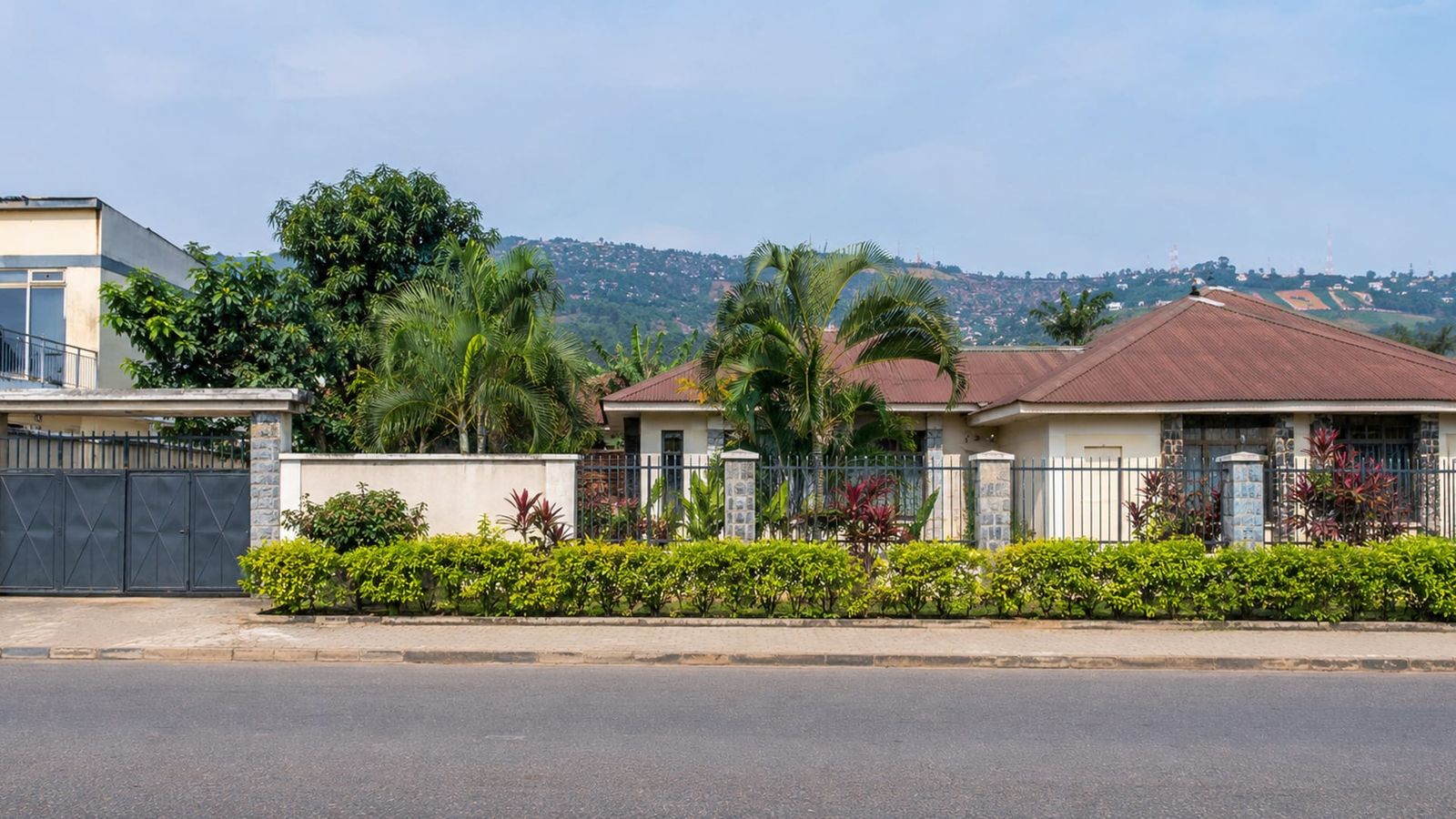
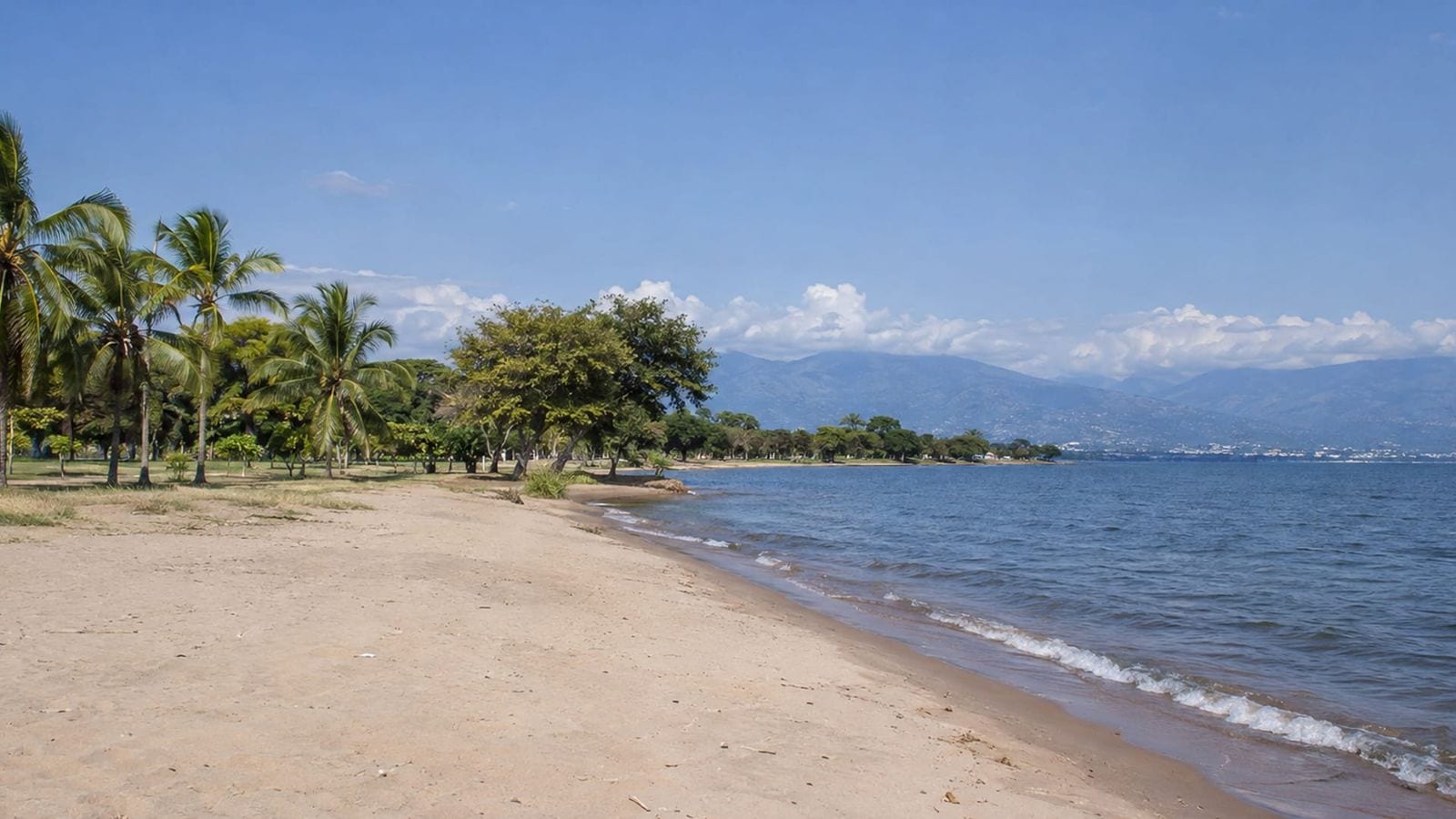
Begin at Musée Vivant, where traditional huts, musical instruments, pottery, and basketry introduce Burundi’s cultural heritage. The museum also has reptile and other animal enclosures, although some areas may be undergoing rehabilitation. Afterward, head toward Saga Plage for lunch overlooking Lake Tanganyika. Spend the afternoon enjoying the lakeside scenery and watching fishing boats along the shore, then return to Rohero for dinner.
Travel south to Mugere, where the Livingstone–Stanley Monument commemorates the explorers’ journey along Lake Tanganyika in 1871. The inscribed stone marks their visit together, following their famous first meeting in Tanzania. Continue along the southern lakeshore, where fishing communities and views across the water offer another perspective on life outside central Bujumbura. Arrange a return journey with your driver, stopping for lunch before heading back to the city.
Spend the morning exploring Rohero and central Bujumbura, beginning at Regina Mundi Cathedral, one of the city’s principal Catholic churches. Its religious services and architecture provide an introduction to local Catholic traditions. Continue toward the downtown commercial streets, where banks, shops, cafés, and office buildings reflect everyday city life. Stop for lunch at a nearby restaurant, then browse local stores before returning to your hotel in the afternoon.
For your final morning, head toward Kiriri Hill to visit the Monument de l’Unité Nationale, which commemorates Burundi’s national unity. The elevated neighborhood offers views over Bujumbura and toward Lake Tanganyika, providing a different perspective from the waterfront. If time permits, enjoy breakfast or coffee at a hillside hotel before returning for your luggage. Arrange your transfer to Melchior Ndadaye International Airport (BJM) according to your departure time.
Business-class flights from the US to Bujumbura
Bujumbura’s Melchior Ndadaye International Airport (BJM) has no nonstop flights from the US. Travelers can find connecting flights to this destination from New York and Los Angeles.
New York (JFK) to Bujumbura (BJM)
Kenya Airways offers one-stop flights to Bujumbura (BJM) through Nairobi (NBO), while Brussels Airlines connects through Brussels (BRU). Journeys generally take 17 to 26 hours, depending on layovers. Both airlines offer lie-flat seats on long-haul flights, with cabin arrangements varying on regional services. Round-trip business-class fares range from $5,400 to $9,600, with higher prices possible on some dates, depending on demand.
Los Angeles (LAX) to Bujumbura (BJM)
From Los Angeles, Air France and Kenya Airways provide two-stop itineraries to Bujumbura (BJM) through Paris (CDG) and Nairobi (NBO). Ethiopian Airlines also offers flights through Addis Ababa (ADD), with an additional connection required. Total travel times commonly range from 22 to 35 hours. Long-haul business class generally includes lie-flat seats; regional cabins vary, with some featuring reclining seats. Business-class tickets on this route cost between $10,500 and $15,000 round-trip.
Bujumbura, from the hills to Lake Tanganyika
Bujumbura’s character comes through in its lakeside scenery, busy commercial streets, hillside neighborhoods, and cultural landmarks. From the Livingstone–Stanley Monument to the shores of Lake Tanganyika, each area reveals a different side of the city. Taking time to explore them separately gives the visit a natural pace. AranGrant travel experts can help you compare business-class flights to Bujumbura and find hotels for your stay.







