

Chapters:

Need help with your trip?
Our support team is available 24/7. Request a callback or call us directly at (833) 619-0908
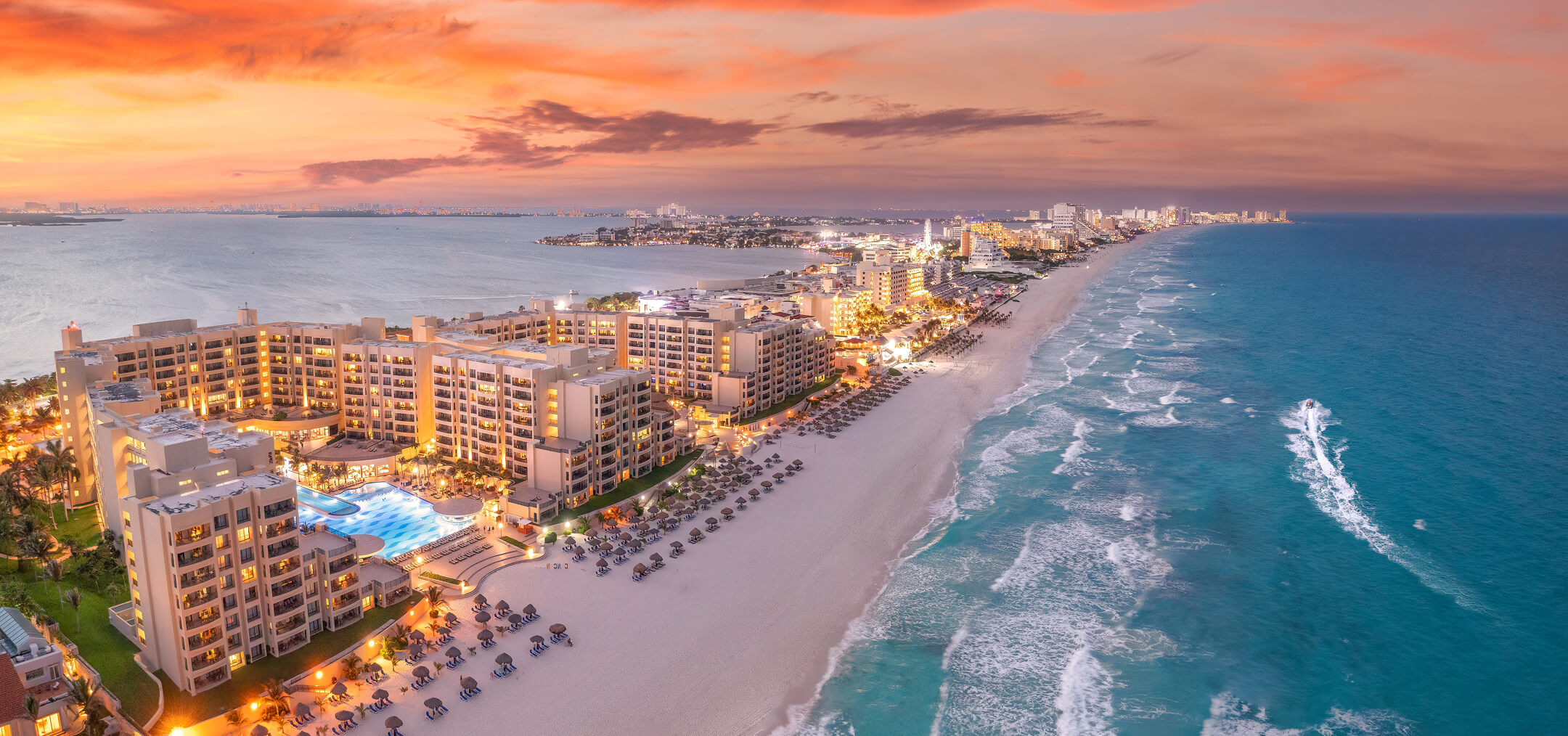
Bonaire’s coast is lined with coral reefs that begin just offshore, making snorkeling and diving part of everyday life on this Dutch Caribbean island. Along the western shore, limestone cliffs shelter small coves such as 1000 Steps, while boats carry visitors from Kralendijk to the sandy beaches of uninhabited Klein Bonaire.
Away from the water, the landscape changes to cactus-covered hills, flamingo lagoons, and the rocky trails of Washington Slagbaai National Park. In Kralendijk, colorful waterfront buildings and restaurants provide a contrast to the island’s quieter reaches. This guide covers where to stay, local food, coastal sights, getting around, and a five-day itinerary that includes both the reefs and the northern interior.
Useful things to know

Main language(s): Papiamentu and Dutch are Bonaire’s official languages.
Bon dia (bon DEE-ah) – Good morning
Por fabor (por fah-BOR) – Please
Danki (DAHN-kee) – Thank you
Bo ta papia Ingles? (boh tah pah-PEE-ah een-GLES) – Do you speak English?
Kuantu esaki ta kosta? (KWAHN-too eh-SAH-kee tah KOS-tah) – How much does this cost?

Currency: US dollar (USD, $)

Cash and cards: Visa and Mastercard are widely accepted. Carry $40–$80 in cash for local eateries, small shops, markets, and taxis.

Tipping: Leave 10%–15% for good restaurant service if the bill doesn’t include a service charge. Small tips for taxi drivers and guides are appreciated.

Traditional food: Goat stew (kabritu stobá), keshi yena, funchi, and pastechi are among Bonaire’s traditional dishes, reflecting Dutch Caribbean and local culinary influences.

Water and coffee costs: Bottled water typically costs $1–$3, while café espresso costs $2.50–$4. Bonaire’s tap water is safe to drink, so you can refill a bottle anytime.

Taxis and ride apps: Licensed taxis serve Bonaire International Airport (BON) and Kralendijk. Uber and Lyft are unavailable; confirm the fixed fare before boarding.

Plug and voltage: Bonaire uses Type A, Type B, Type C, and Type F outlets, with 127 V or 220 V at 50 Hz. US visitors should check their accommodation’s sockets and voltage before plugging in devices.

Dining and shop opening hours: Lunch is commonly served from noon to 2 pm and dinner from 6 pm to 9 pm. Many shops close by 6 pm, with reduced hours or closures on Sundays.

Emergency number: Dial 911 for police, fire, or ambulance emergencies anywhere on Bonaire.
Where to stay in Bonaire Island
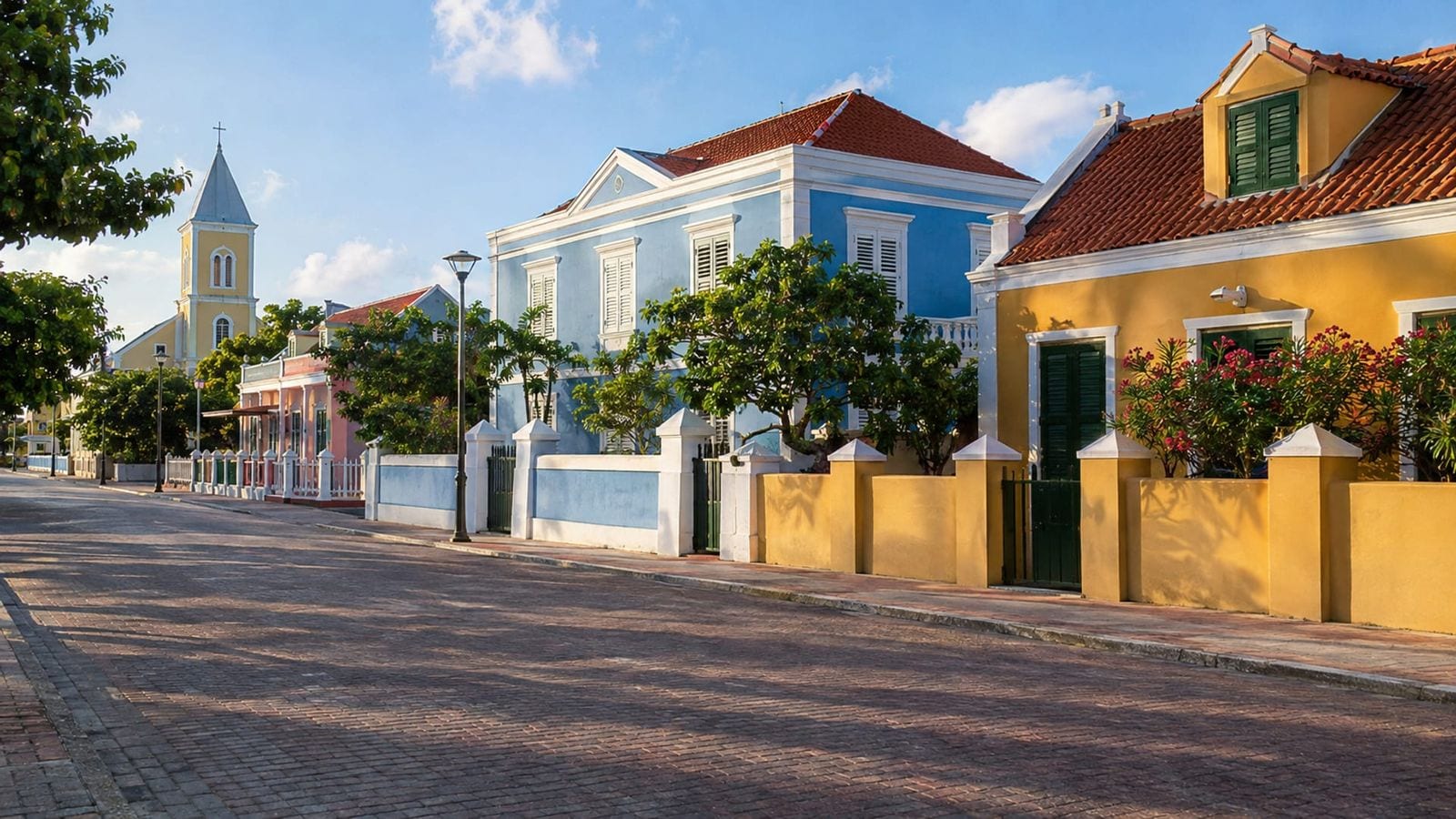
Playa is the waterfront district at the center of Kralendijk, with small hotels, restaurants, and shops close together along the shore. Stay here to walk to dinner and explore the town on foot, with sea views along the promenade, the shops of Kaya Grandi, and easy access to historic Fort Oranje.
Best for: Walking to restaurants, waterfront strolls, and exploring central Kralendijk
What to expect: Cruise passengers increase daytime foot traffic along the waterfront and shopping streets.
Hotel prices: Expect $130 to $250 a night for a well-rated hotel.
Distance to major sights: Fort Oranje is a 5 to 15-minute walk from most central hotels.
Quietness: Cruise days bring busier afternoons; evenings center on waterfront restaurants.
Main trade-off: Central convenience comes with more traffic and less seclusion than the residential coastal areas.
Good to know: Choose accommodation with parking if you plan to rent a vehicle for shore diving.
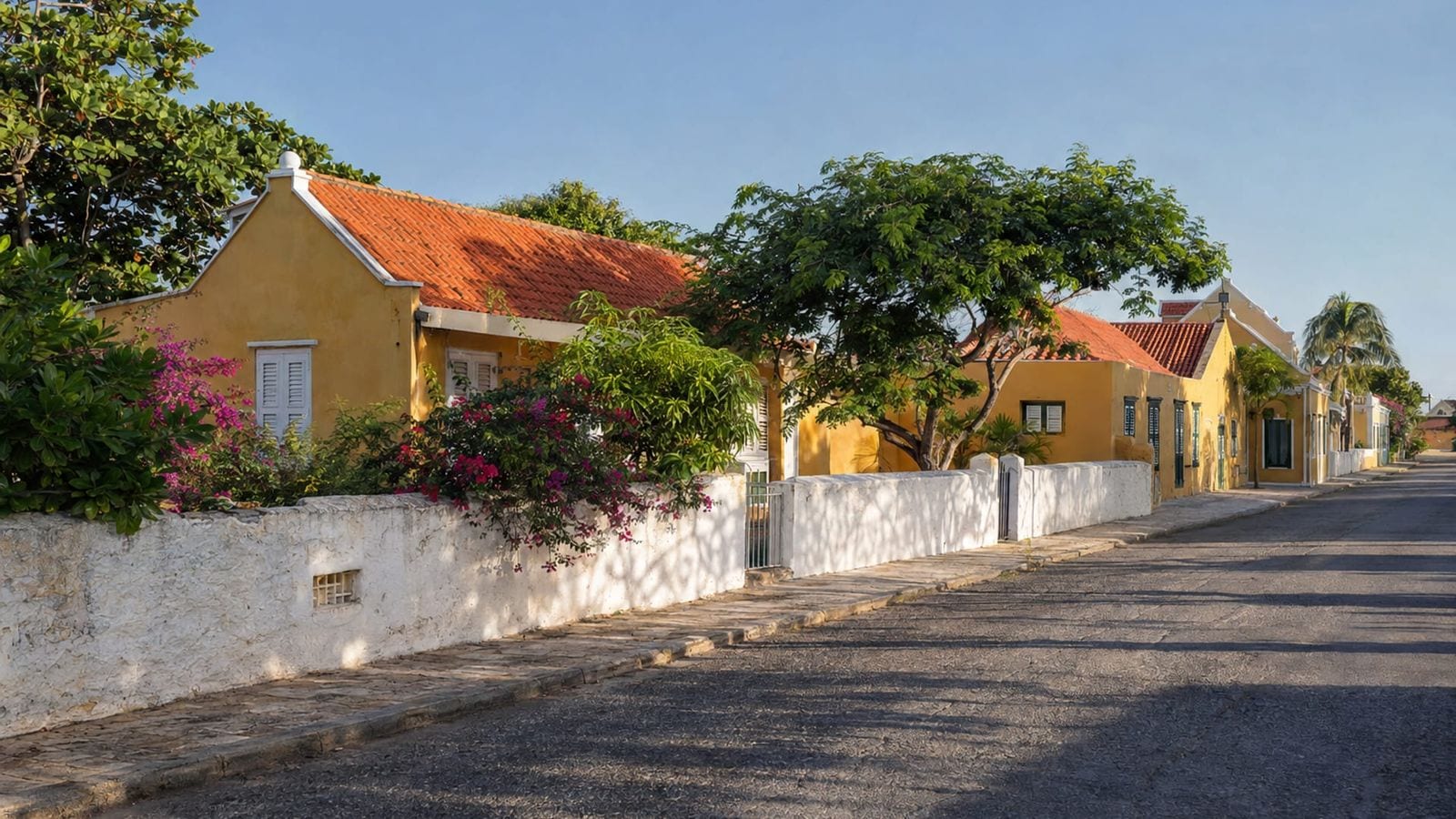
Hato stretches along the coast north of central Kralendijk, where dive resorts and apartments give visitors direct access to the sea. Choose this area for days built around shore diving and snorkeling, with house reefs, hotel dive facilities, and a short drive to town restaurants.
Best for: Shore diving, snorkeling, and stays near resort dive facilities
What to expect: Dive vehicles and resort guests account for much of the activity along the coastal road.
Hotel prices: Well-rated hotels typically charge $170 to $320 a night.
Distance to major sights: 1000 Steps is approximately 10 to 15 minutes away by taxi.
Quietness: Dive departures animate the mornings; evenings are generally quiet outside resort restaurants.
Main trade-off: Walking to central Kralendijk can take more than 30 minutes, depending on your hotel.
Good to know: Compare room-only rates with dive packages, since tank access and equipment storage can change the total cost.
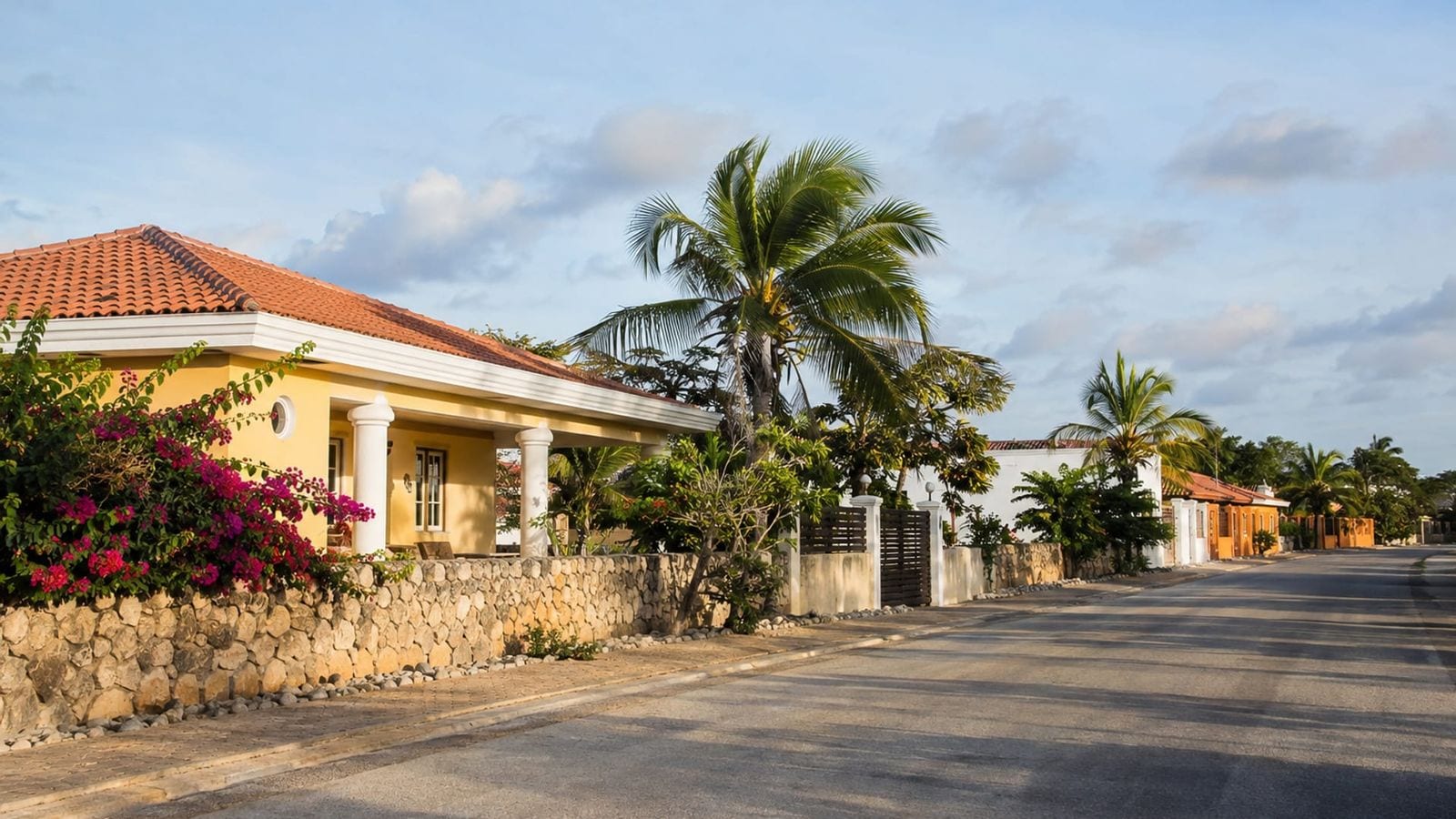
Belnem is a residential area south of the airport, with small resorts, apartments, and villas close to the island’s southwestern coast. Travelers stay here for nearby beaches and southern dive sites, trading a walkable town setting for more space, accommodation with kitchens, and quiet streets.
Best for: Southern dive sites, beach outings, and apartment stays with kitchens
What to expect: Residential streets lead to scattered accommodation, with traffic concentrated on the main coastal road.
Hotel prices: Budget $140 to $280 nightly for a well-rated hotel.
Distance to major sights: Bachelor’s Beach is a 5 to 10-minute taxi ride from accommodation across Belnem.
Quietness: Aircraft can interrupt daytime quiet; residential streets become calmer in the evening.
Main trade-off: Restaurants and shops are spread out, so many stays involve driving for meals and groceries.
Good to know: Check whether your accommodation has sea access; a coastal address does not necessarily include a beach.
For a first visit to Bonaire, Playa offers the easiest access to Kralendijk’s restaurants and shops. Hato suits travelers planning frequent shore dives, while Belnem offers more residential accommodation near southern dive sites.
Hotel deals
How to get around Bonaire Island efficiently
Central Kralendijk is easy to explore on foot, while taxis, rental cars, and water taxis connect the airport, dive sites, and Klein Bonaire.

Taxi
for airport transfers and late hours
Licensed taxis at Bonaire International Airport (BON) charge fixed fares, typically $15–$20 to central Kralendijk for up to four passengers. The trip takes 5–10 minutes. Confirm the price before boarding and arrange late-night pickups in advance.

Rental cars
for shore diving and island excursions
Rental cars are useful for west-coast dive sites, Rincon, and the island’s southern beaches. Allow $50–$90 per day, depending on the vehicle and coverage. For Washington Slagbaai National Park, choose a high-clearance vehicle approved by your rental company.
Water taxis
for visiting Klein Bonaire
Water taxis run from Nautico Marina in Kralendijk and Buddy Dive Resort to Klein Bonaire’s No Name Beach. Epic Watertaxi charges $25 round-trip per person. Check departure times beforehand and carry drinking water, as the uninhabited island has no facilities.
*Prices are based on rates updated as of November 2026 and may change at the time of travel.
Walk around Playa, take taxis to the airport or for evening trips, rent a suitable car to explore the island, and use water taxis for Klein Bonaire beach visits.
Iconic landmarks
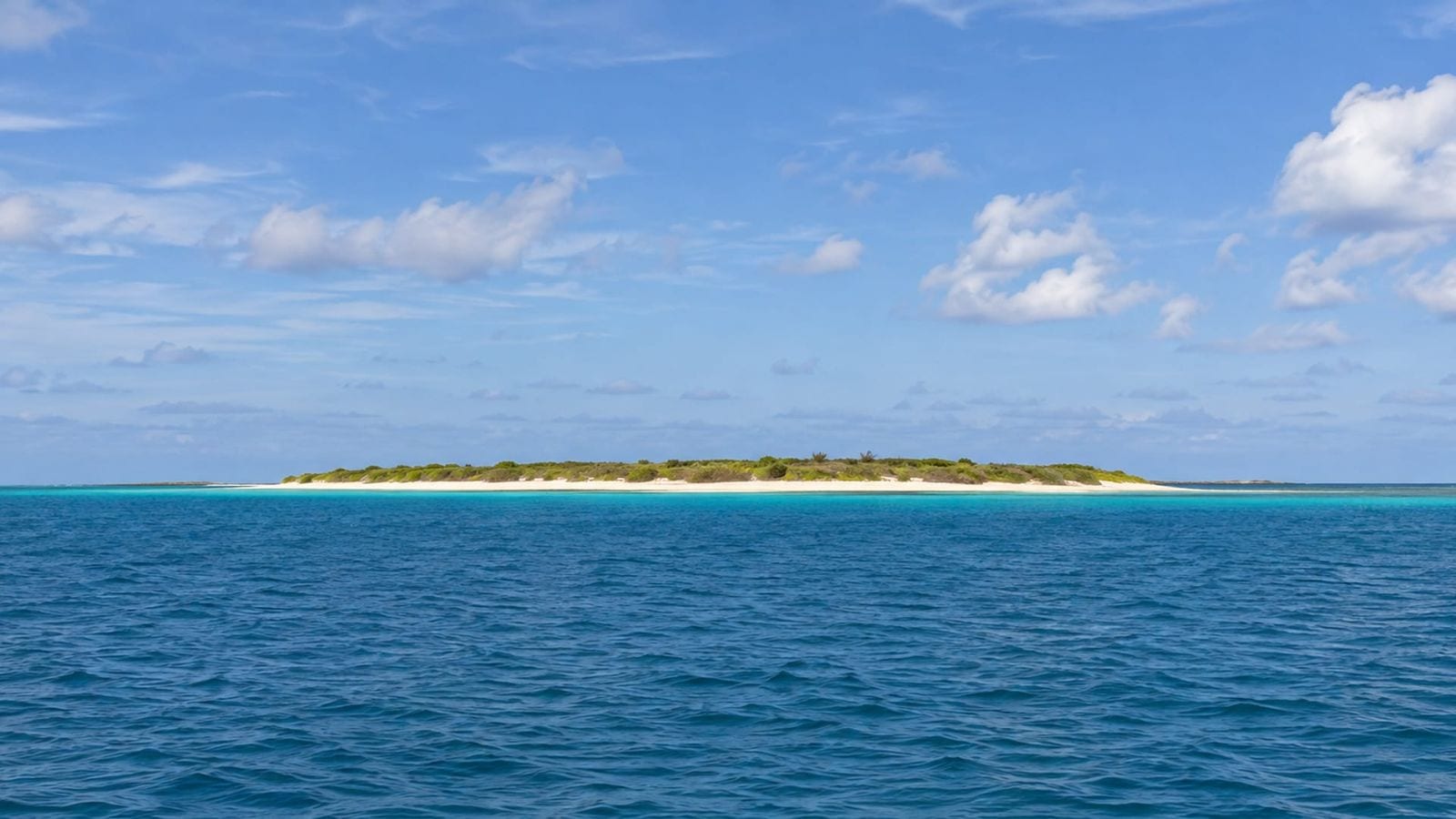
Klein Bonaire
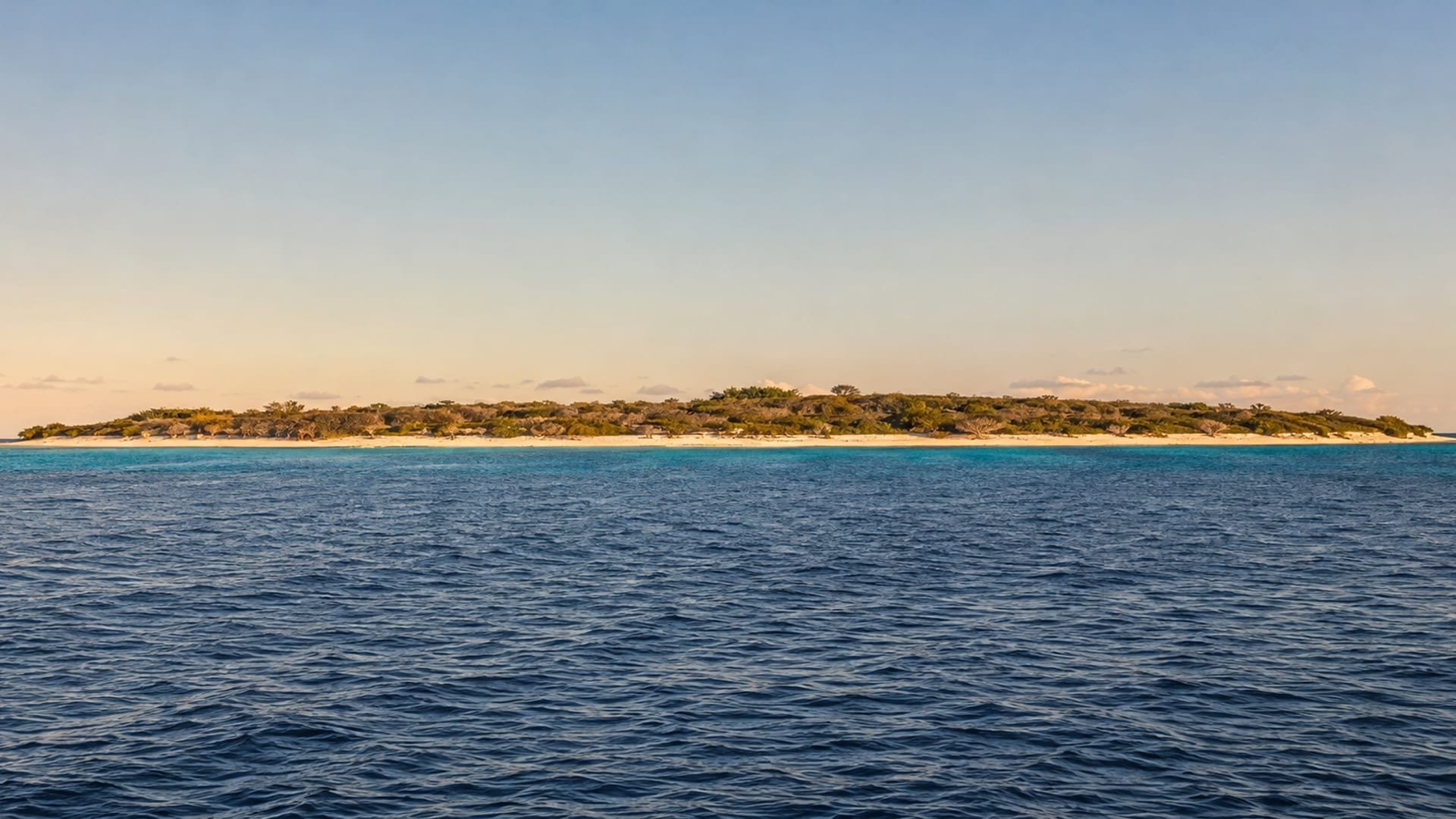
Across the water from Kralendijk, this uninhabited island draws visitors to white sand and coral reefs. Water taxis land at No Name Beach, where the undeveloped shoreline offers a striking contrast to Bonaire’s rocky coastal scenery.
Time needed: Allow 3–4 hours for the beach and snorkeling.
Entry: Beach access is free; swimming requires the $40 Nature Fee.
Tip: Bring drinking water and sun protection; No Name Beach has no facilities.
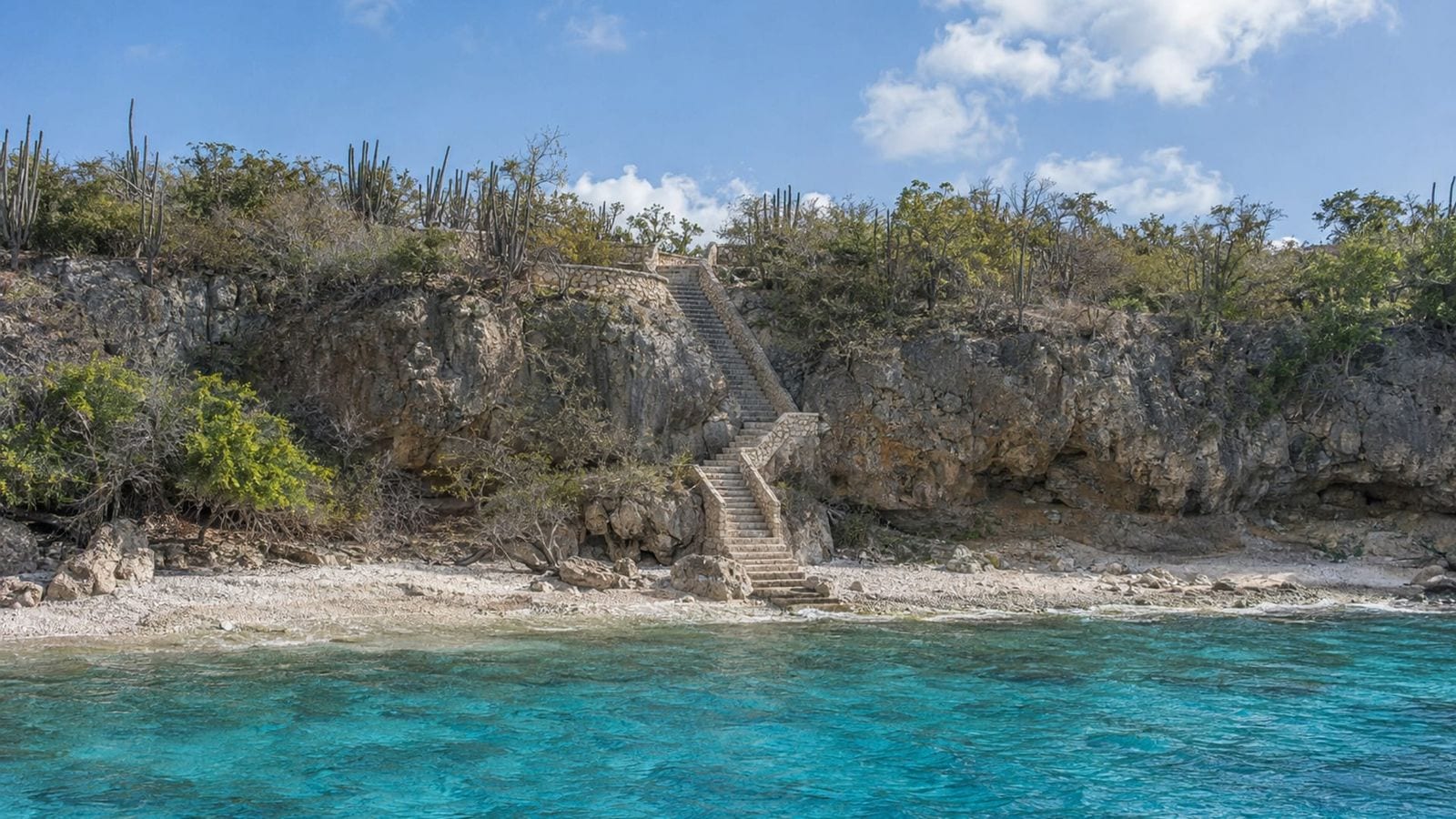
1000 Steps
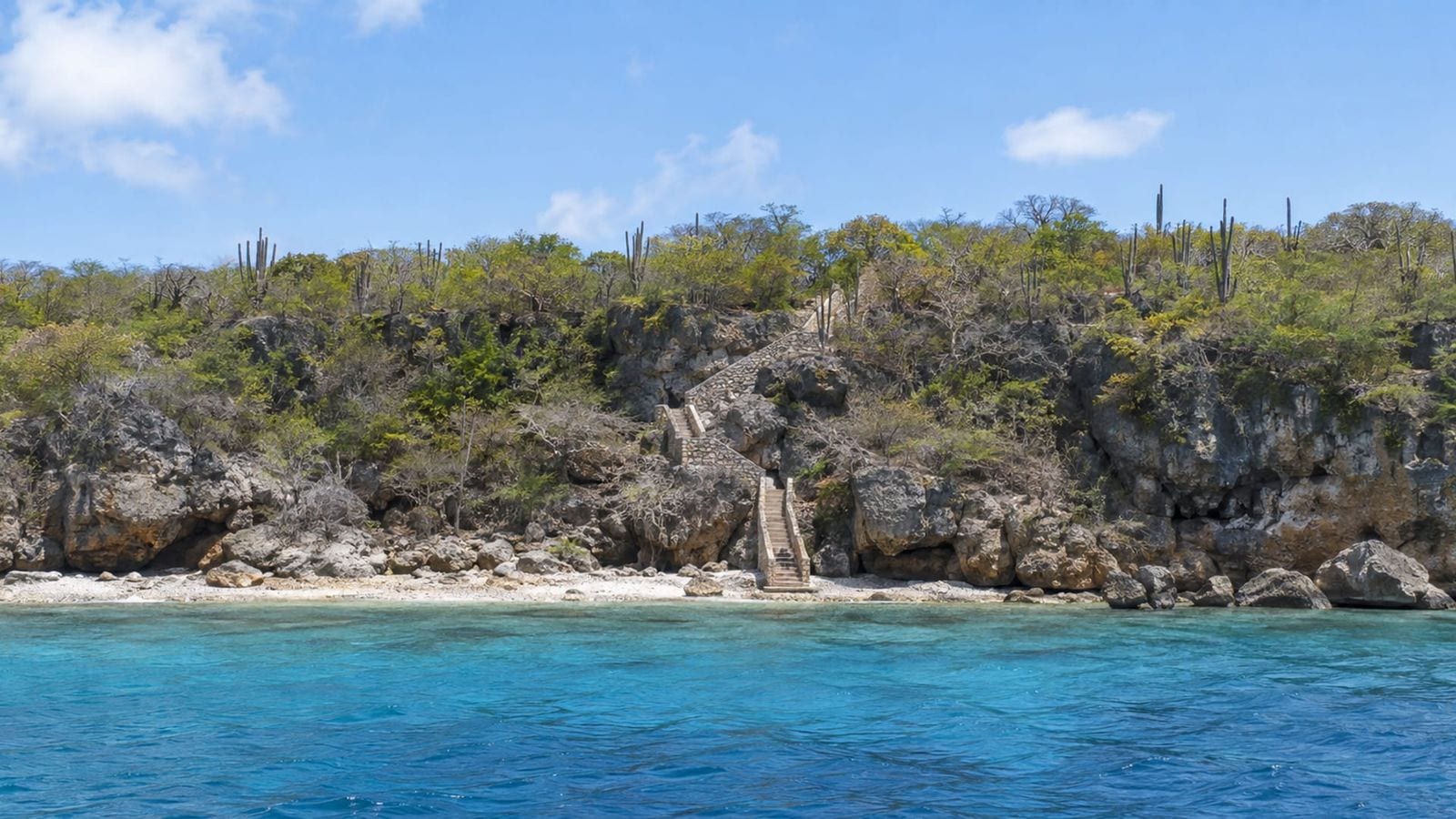
A limestone staircase leads down the cliff to a coral rubble beach on Bonaire’s west coast. Despite its name, the descent has far fewer steps; turquoise water and the reef close to shore make this one of the island’s signature coastal stops.
Time needed: Beach access is free; water activities require the $40 Nature Fee.
Entry: Free to access; marine activities require a nature fee
Tip: Wear sturdy footwear for the steps and coral rubble along the shoreline.
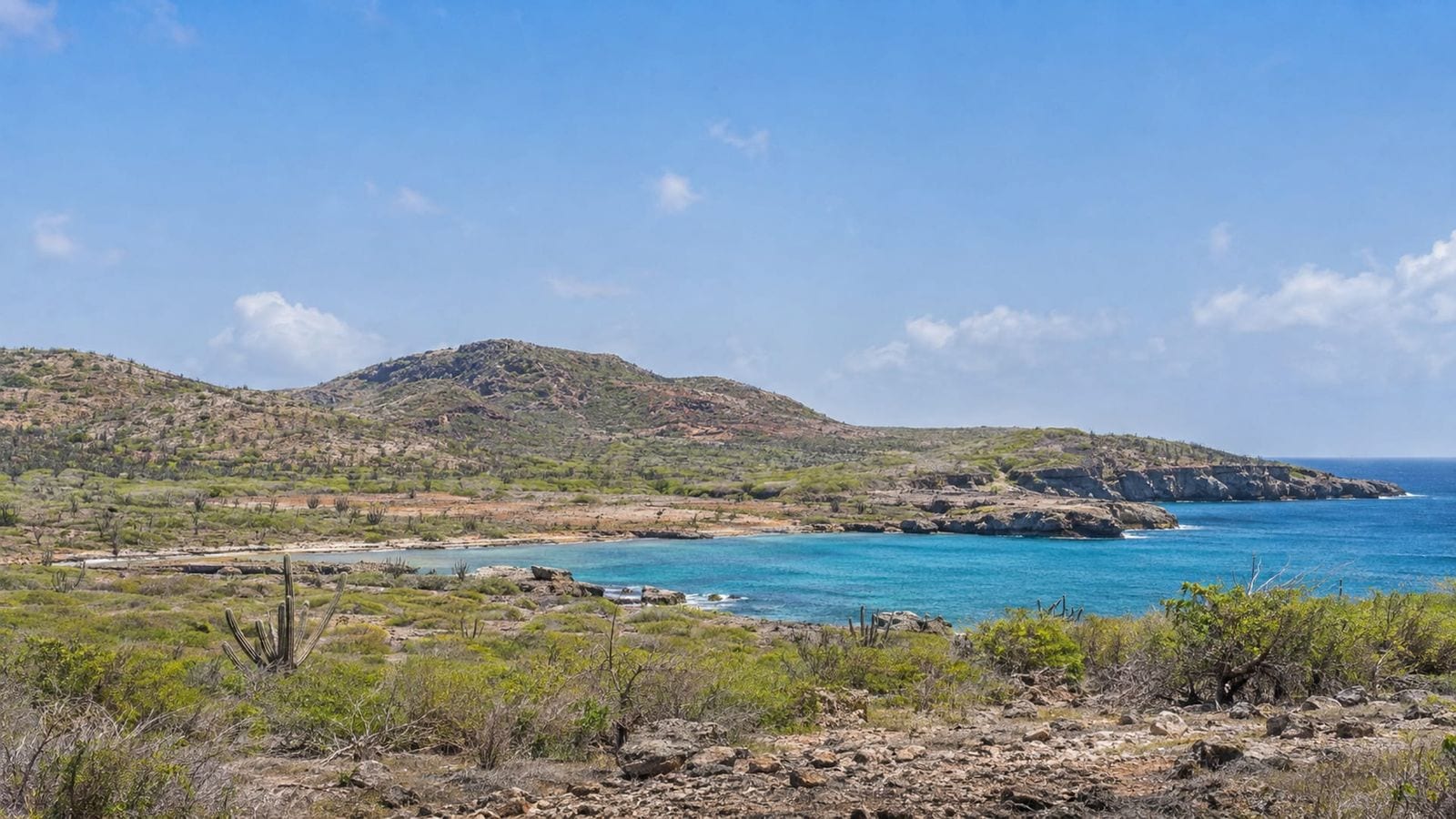
Washington Slagbaai National Park
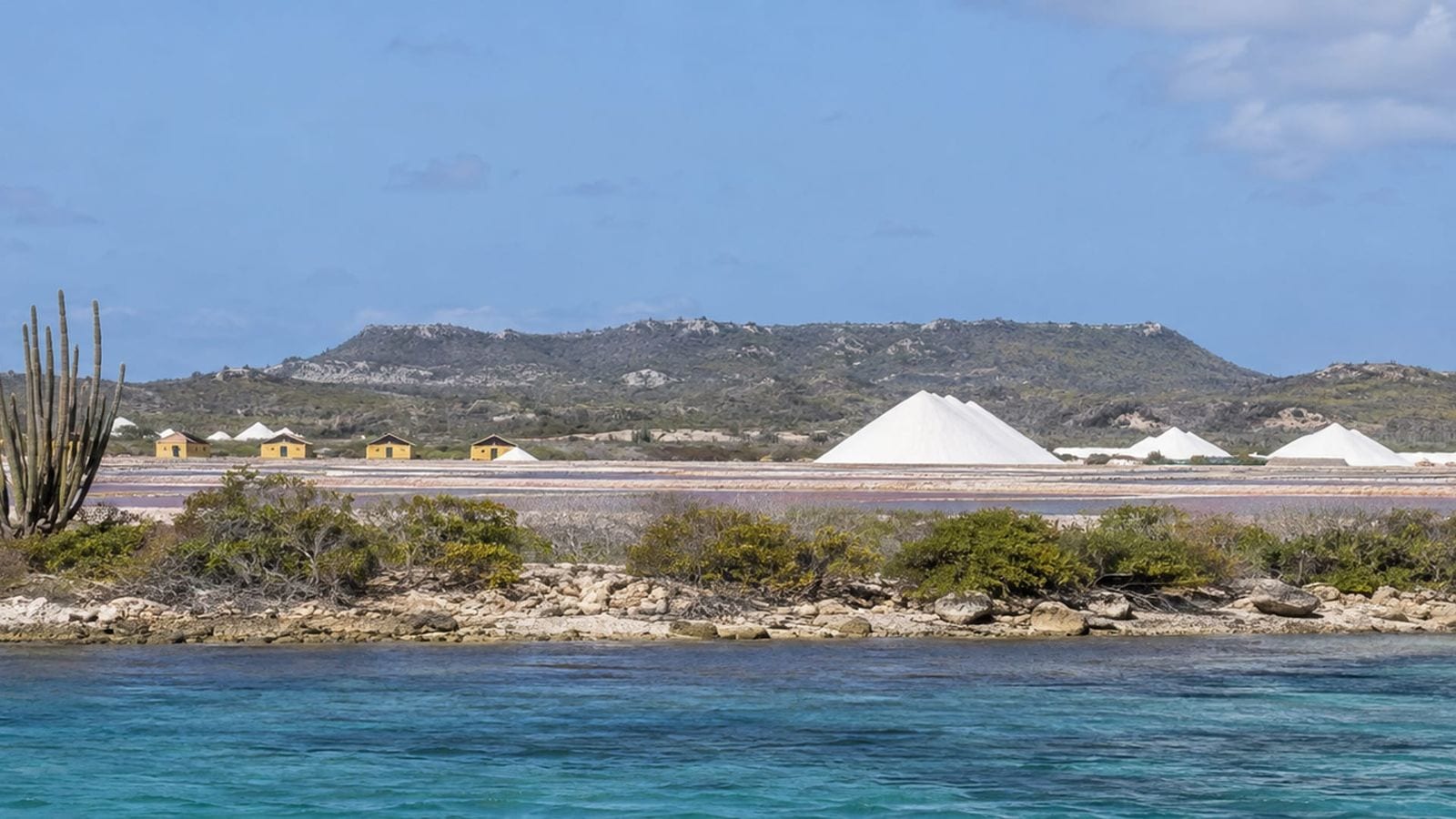
Cactus forests, saltwater lagoons, and rugged coves fill this protected landscape in northern Bonaire. Its unpaved driving routes connect former plantation lands with beaches and birdwatching stops, revealing the island’s dry interior.
Time needed: Plan 4–6 hours to explore the park.
Entry: The $40 Nature Fee covers admission; no booking is needed. Visit the official website for details.
Tip: Enter before 2:30 pm and bring food and water; no restaurants operate inside.
Overlooked sites worth visiting

Tanki Maraka Heritage Park
At Tanki Maraka, a short heritage trail traces the camp used by American troops during World War II. Interpretive signs connect the dry woodland landscape with Bonaire’s wartime history.
Time needed: Allow 45–60 minutes for the self-guided trail.
Entry: Admission is free; no advance booking is required. Visit the official website for details.
Tip: Bring water and wear closed shoes for the exposed trail and uneven ground.

St. Bernard Church
The yellow facade of St. Bernard Church adds a bright landmark to Kralendijk’s streets. This Catholic parish offers a glimpse of the island’s religious life beyond its waterfront shops.
Time needed: Set aside 15–20 minutes for a brief visit.
Entry: Admission is free; interior access depends on church services. Visit the official website for details.
Tip: Check service times before visiting if you want to see the church interior.
Traditional food
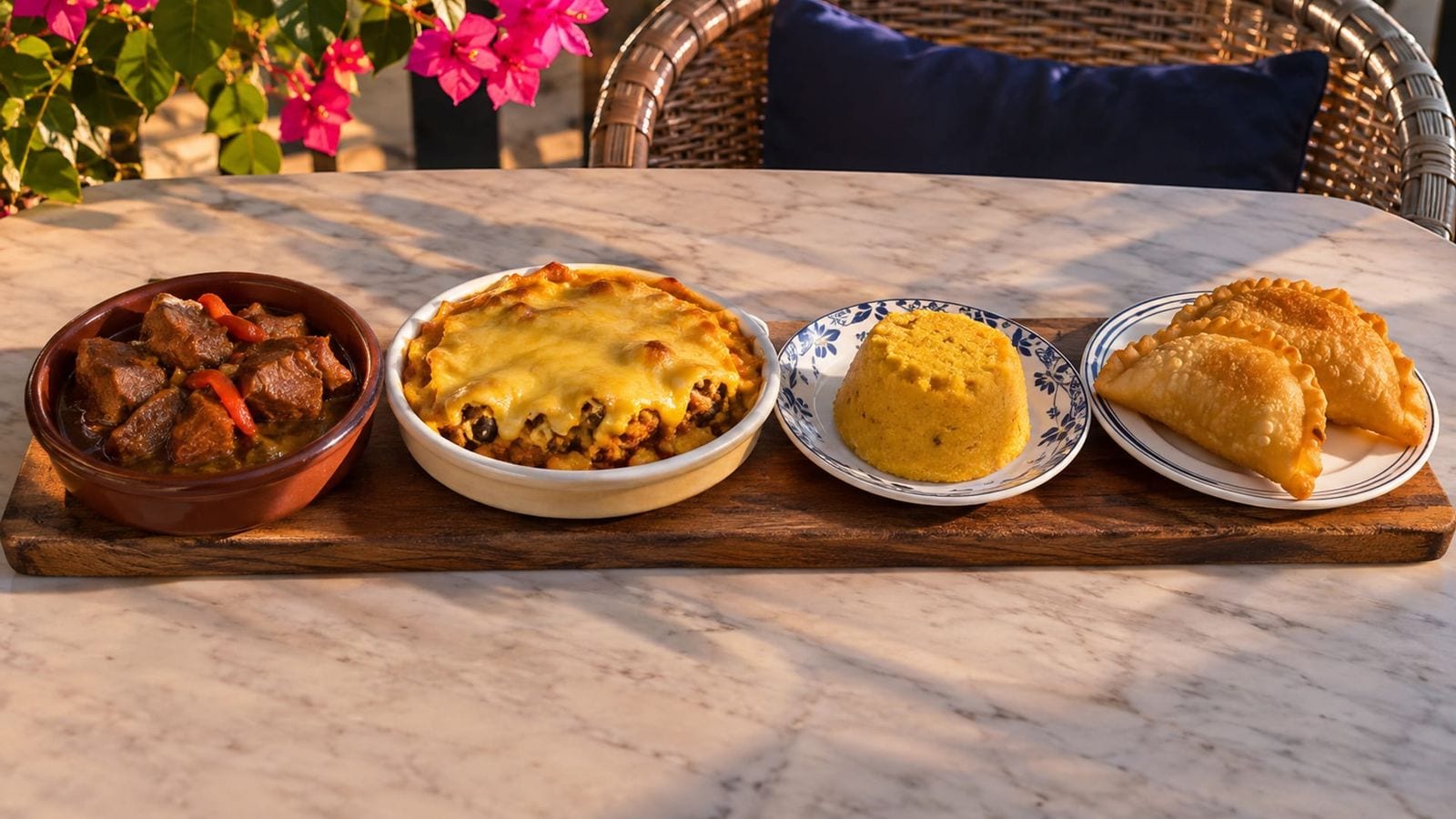
Bonaire’s cooking pairs Caribbean staples with Dutch influences. Goat stew, cheese-filled keshi yena, cornmeal funchi, and fried pastechi are among the island’s traditional foods.
Goat stew
Goat stew, or kabritu stobá, slowly simmers meat with onions, peppers, and island seasonings until tender. Posada Para Mira serves it in Rincon with cornmeal, rice, and fried plantain, overlooking the hills.
Keshi yena
Keshi yena fills a hollowed Edam or Gouda cheese with seasoned chicken or meat, olives, raisins, and vegetables before baking. Rose Inn in Rincon makes a local version; ask if it is available that day.
Funchi
Funchi is a firm cornmeal dish cooked with water and salt, traditionally served with stews or fish to absorb their sauces. Seaside Krioyo Fusion offers a fried version as a side or loaded with meat and vegetables.
Pastechi
Pastechi are crescent-shaped pastries with a crisp, fried crust and savory fillings such as cheese, beef, or chicken. El Cantón in Kralendijk lists homemade beef and cheese pastechi among its snacks, suitable for a quick bite.
Best time to visit Bonaire Island
Weather on Bonaire Island is warm year-round. Rainfall, trade winds, and visitor demand create the biggest differences between seasons.
Best for: Reef outings, waterfront dining, and winter escapes with cooling trade winds
What you get: Temperatures are near 76°F–86°F (24°C–30°C), with January showers easing by February as the dry season begins and winter visitors arrive.
Trade-offs: Winter demand raises hotel rates, and January can still bring showers.
Best for: Northern cactus landscapes, extended shore dives, and reliably dry weather
What you get: Mostly dry days bring 77°F–88°F (25°C–31°C), with April and May among the least rainy months and brisk trade winds along exposed shores.
Trade-offs: Strong winds can affect small boats, and the northern park offers little shade.
Best for: West-coast snorkeling, warm sea temperatures, and quieter September stays
What you get: The sea warms as daytime highs reach 88°F–90°F (31°C–32°C); July and August bring some showers, while September sees lighter winds.
Trade-offs: Hotter, less windy days in September can feel uncomfortable on exposed beaches.
Best for: Greener cactus landscapes, uncrowded reefs, and local dining in Kralendijk
What you get: Rain becomes more frequent, peaking in November, although many rain showers pass quickly. Days are hot at 86°F–90°F (30°C–32°C) all season.
Trade-offs: Showers may interrupt beach outings, and Christmas brings higher hotel demand.
A realistic 5-day plan in Bonaire Island
Five days on Bonaire allow time for you to explore its coral reefs, quiet beaches, and wartime heritage.
After arriving at Bonaire International Airport (BON), transfer to your hotel and spend the late afternoon exploring Playa, Kralendijk’s historic waterfront district. Follow the promenade past colorful buildings, small shops, and Fort Oranje, a former coastal defense overlooking the harbor. The compact streets are easy to explore on foot, and boats crossing to Klein Bonaire provide a first glimpse of the offshore reefs. Finish with fresh fish at It Rains Fishes, overlooking the waterfront.
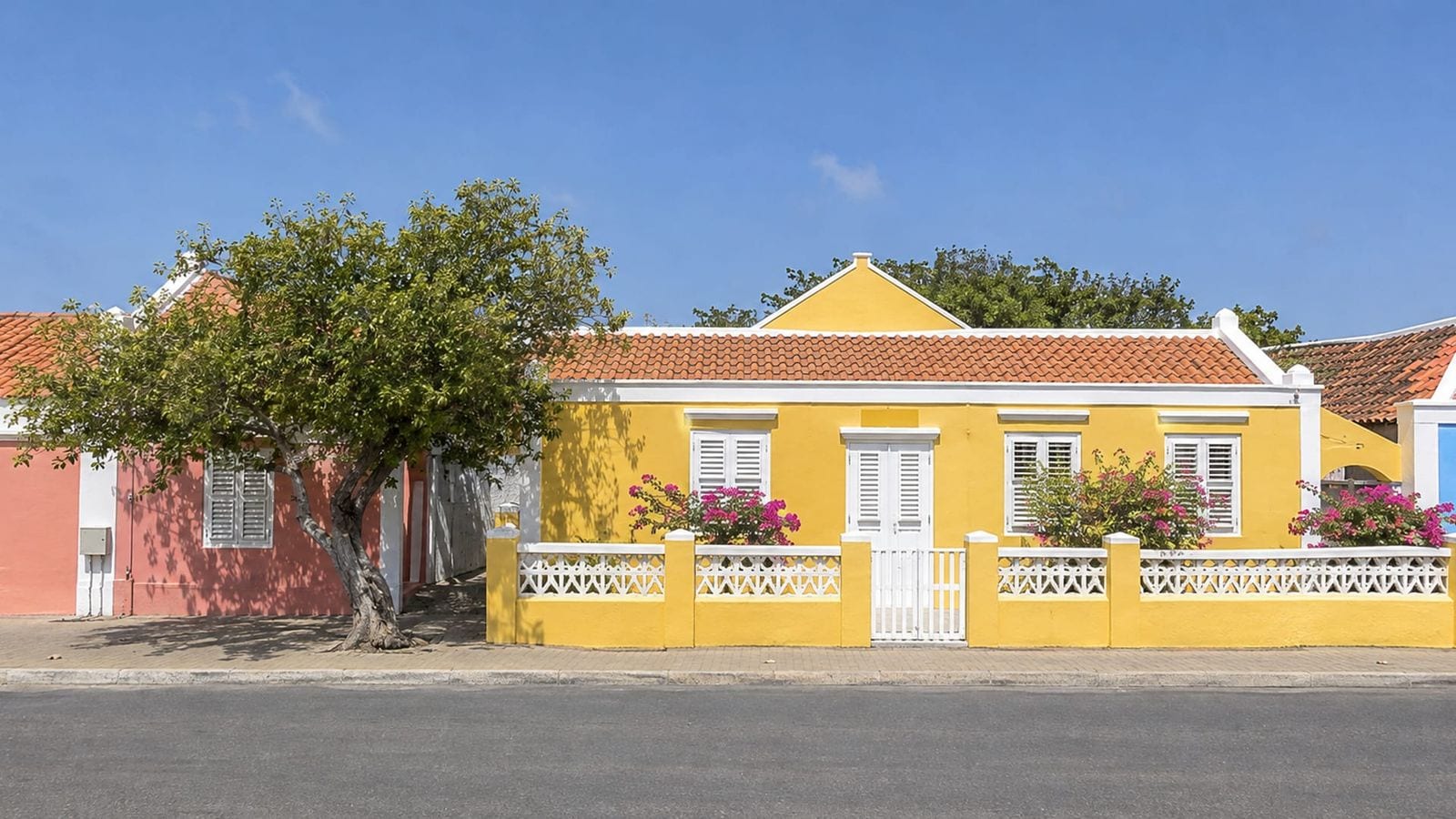
Take a morning water taxi from Kralendijk to Klein Bonaire, where white sand borders one of the island’s protected coral reef systems. Spend several hours snorkeling near No Name Beach, watching for parrotfish, sea turtles, and other marine life among the corals. There are no shops, restaurants, or toilets on the island, so bring drinking water, lunch, and sun protection. Check the return boat schedule before settling on the beach, and make sure you have paid the required STINAPA Nature Fee.
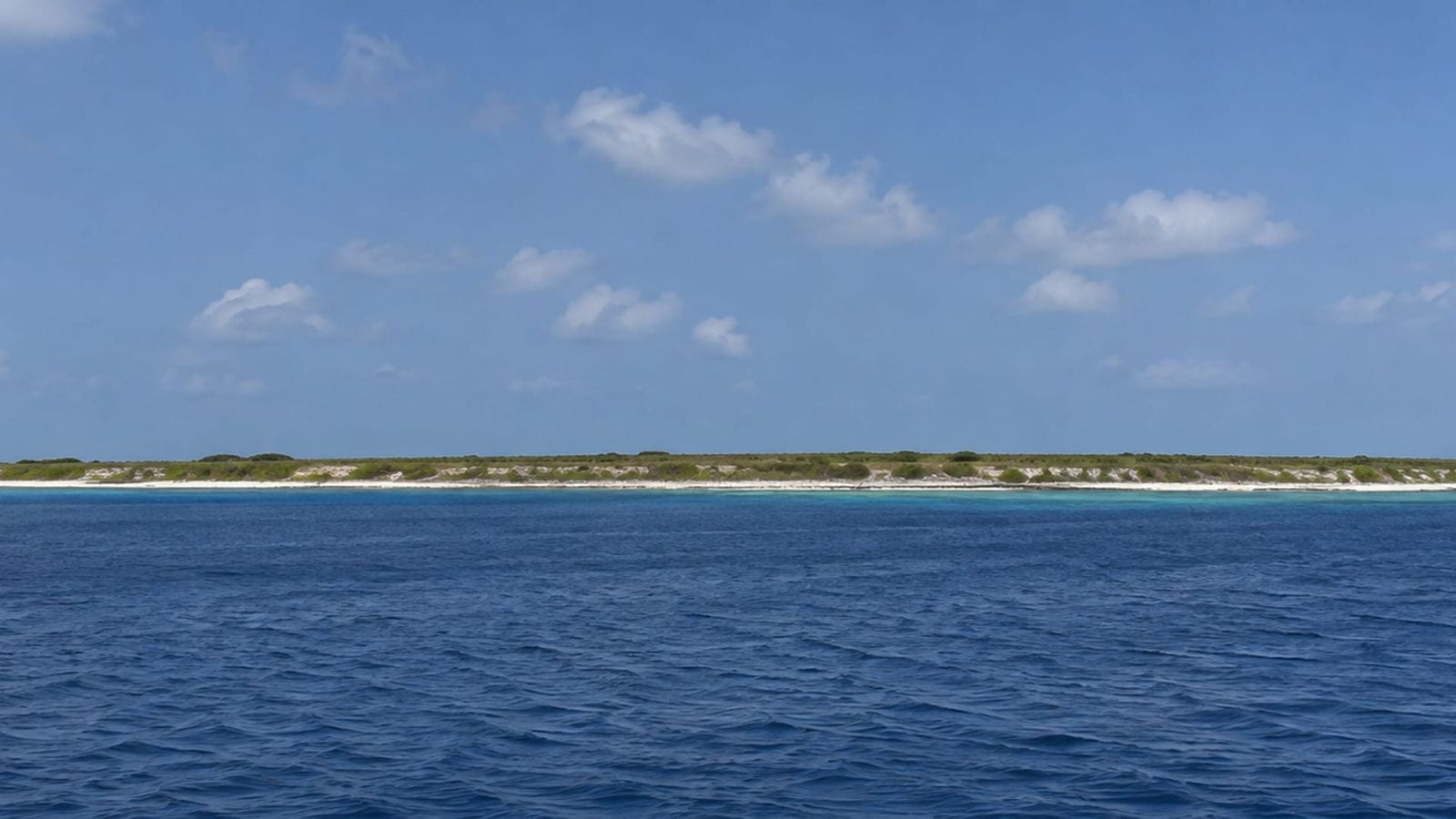
Begin at Tanki Maraka Heritage Park, where a self-guided trail passes remnants of an American military camp established during World War II. Continue north to Washington Slagbaai National Park, following its unpaved roads past cactus forests, saltwater lagoons, and rocky coves. Stop at the viewpoints and watch for flamingos and other native birds before returning south. The park opens at 8 am, Tuesday to Sunday; bring food and water, and use a high-clearance vehicle approved for its roads.
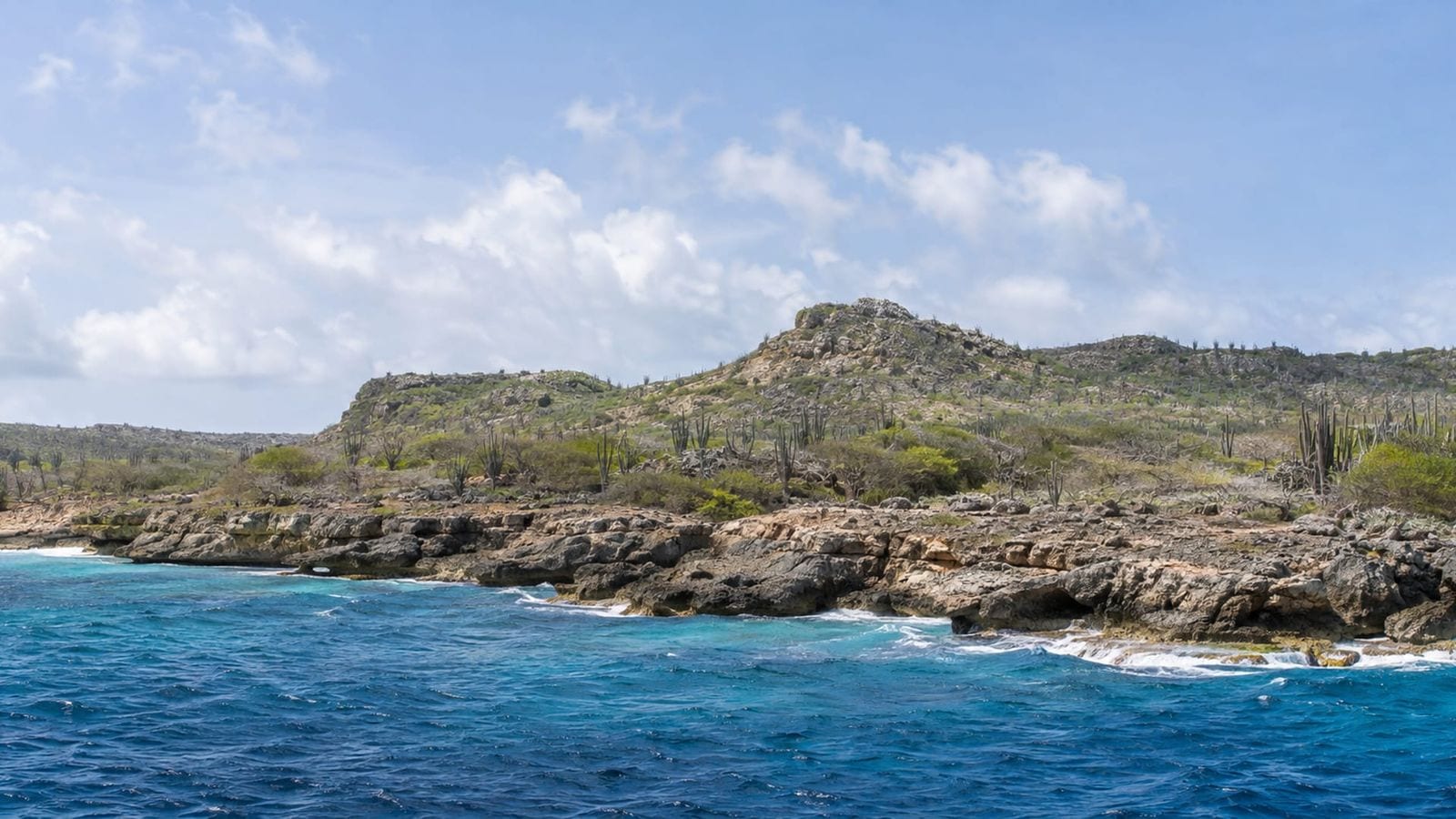
Explore the reefs along Hato’s shoreline, where several dive resorts offer access points and rent snorkeling or diving equipment. After a morning in the water, drive north along the coast to 1000 Steps, a limestone staircase descending to a secluded coral-rubble beach. Despite the name, there are only 67 steps, and the reef begins close to shore. Spend the afternoon snorkeling or enjoying the view from the cliffs, remembering that the beach has no restaurants, toilets, or drinking water.
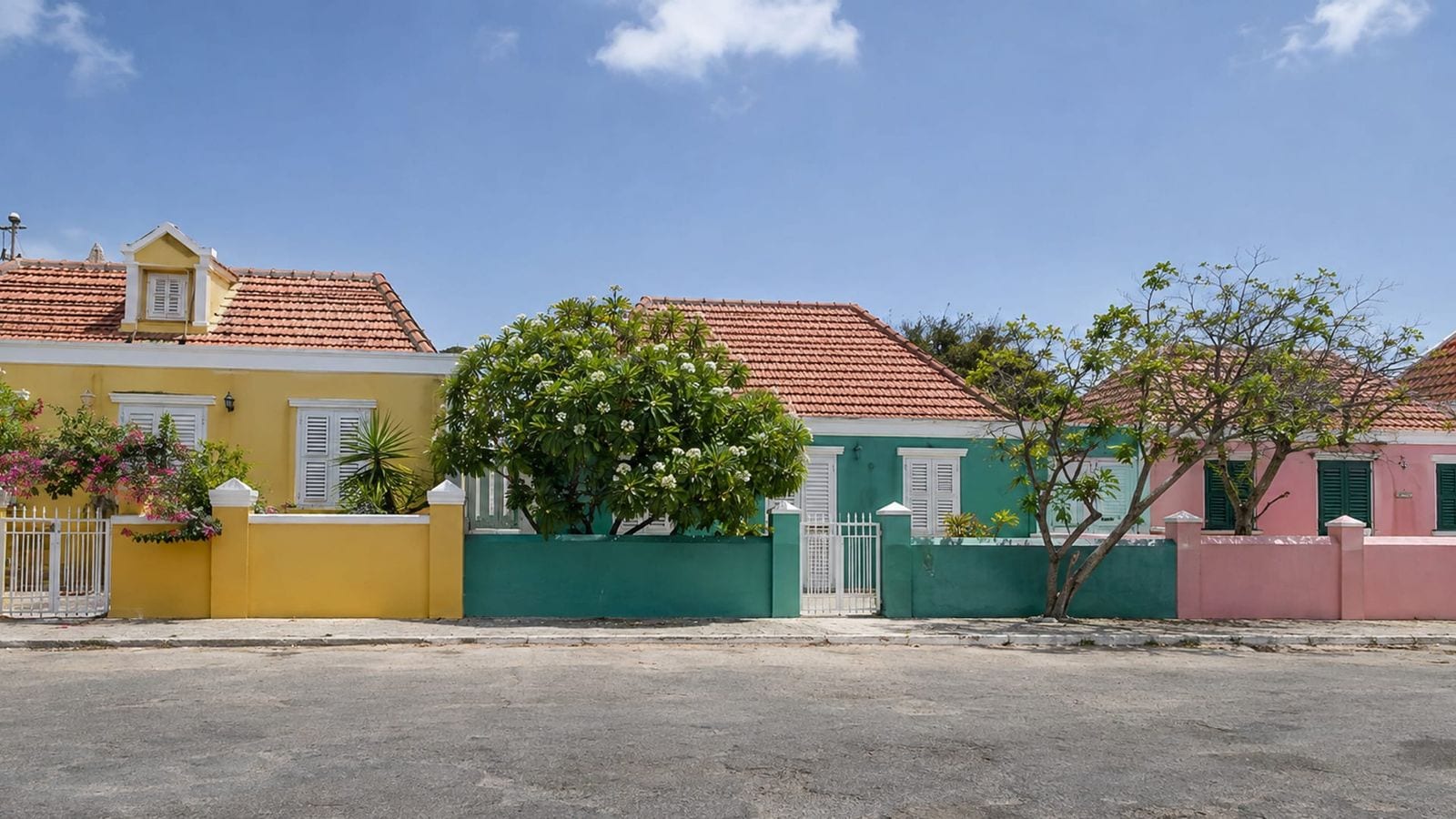
Return to Kralendijk’s waterfront for breakfast, then browse the shops along Kaya Grandi for locally made crafts, artwork, or a final souvenir. If your flight departs later, walk toward the harbor to see the fishing boats and colorful buildings lining the coast. The town’s compact center allows time for a final coffee without another drive across the island. Collect your luggage from the hotel and head to Bonaire International Airport (BON), allowing time for check-in and departure formalities.
Business-class flights from the US to Bonaire Island
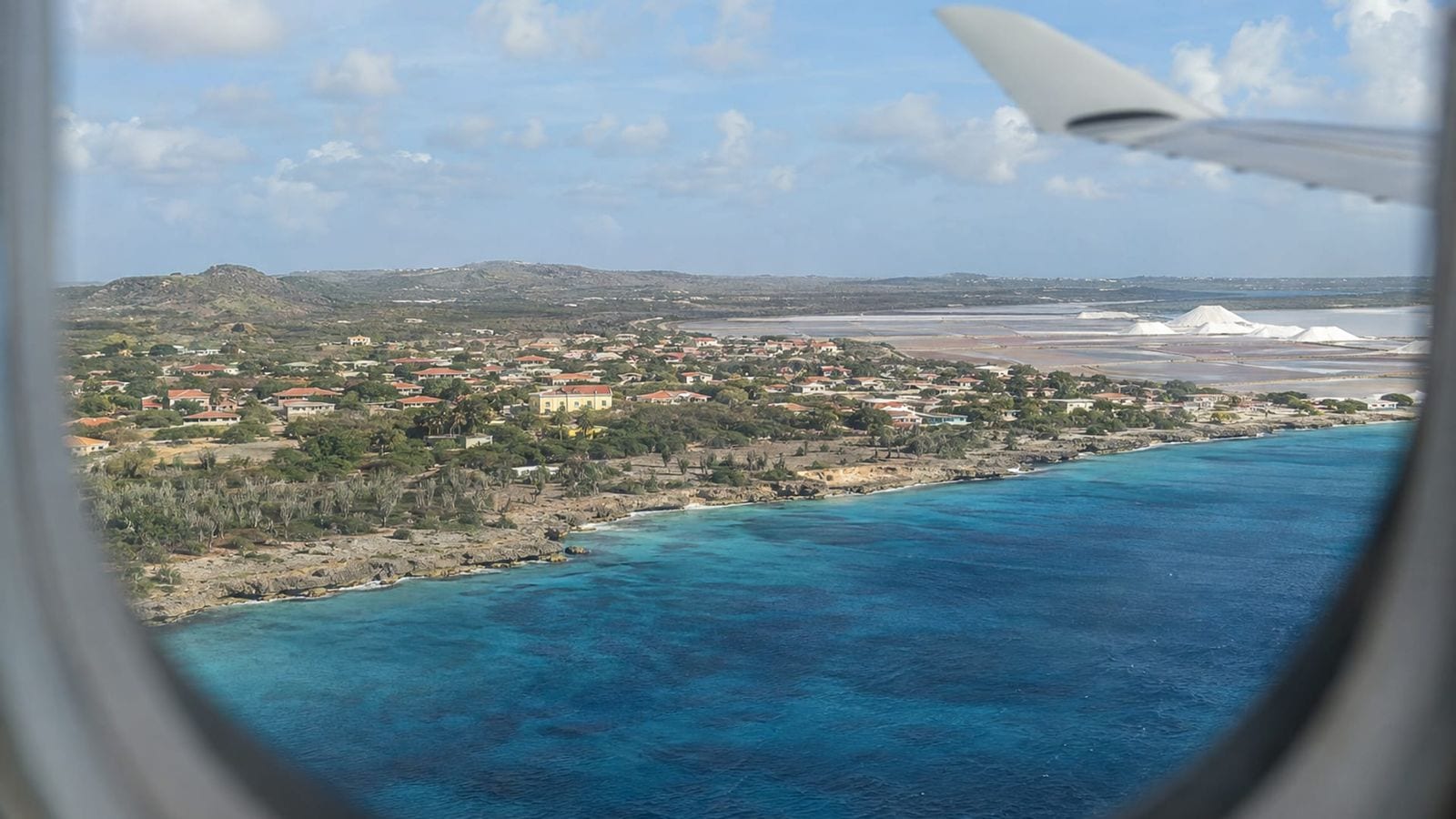
Bonaire International Airport (BON) has no nonstop flights from New York or Los Angeles. One-stop itineraries through Miami, Atlanta, or Houston connect the island with both coasts.
New York (JFK) to Bonaire (BON)
American Airlines offers one-stop flights to Bonaire through Miami (MIA), while Delta Air Lines connects through Atlanta (ATL). Journeys generally take 8–11 hours, depending on layovers. Round-trip business-class fares range from $1,500 to $3,500, with higher prices during peak travel periods. Expect recliner-style premium seats instead of lie-flat beds.
Los Angeles (LAX) to Bonaire (BON)
From Los Angeles, American Airlines connects through Miami (MIA), United Airlines through Houston (IAH), and Delta Air Lines through Atlanta (ATL). One-stop journeys typically take 10–15 hours, depending on layovers and flight schedules. Business-class tickets cost between $1,800 and $4,000 round-trip, with domestic-style premium seats on most flights.
Bonaire, from coral reefs to cactus-covered hills
Bonaire’s coral reefs, quiet beaches, and rugged northern landscape offer experiences beyond its waterfront town. Exploring Klein Bonaire, the western dive sites, and Washington Slagbaai National Park on separate days allows time for snorkeling, island history, and local food. Staying in Playa, Hato, or Belnem also shapes how you explore the coast. AranGrant can help you compare business-class flights to Bonaire and find accommodation that suits your stay.