

Chapters:

Need help with your trip?
Our support team is available 24/7. Request a callback or call us directly at (833) 619-0908
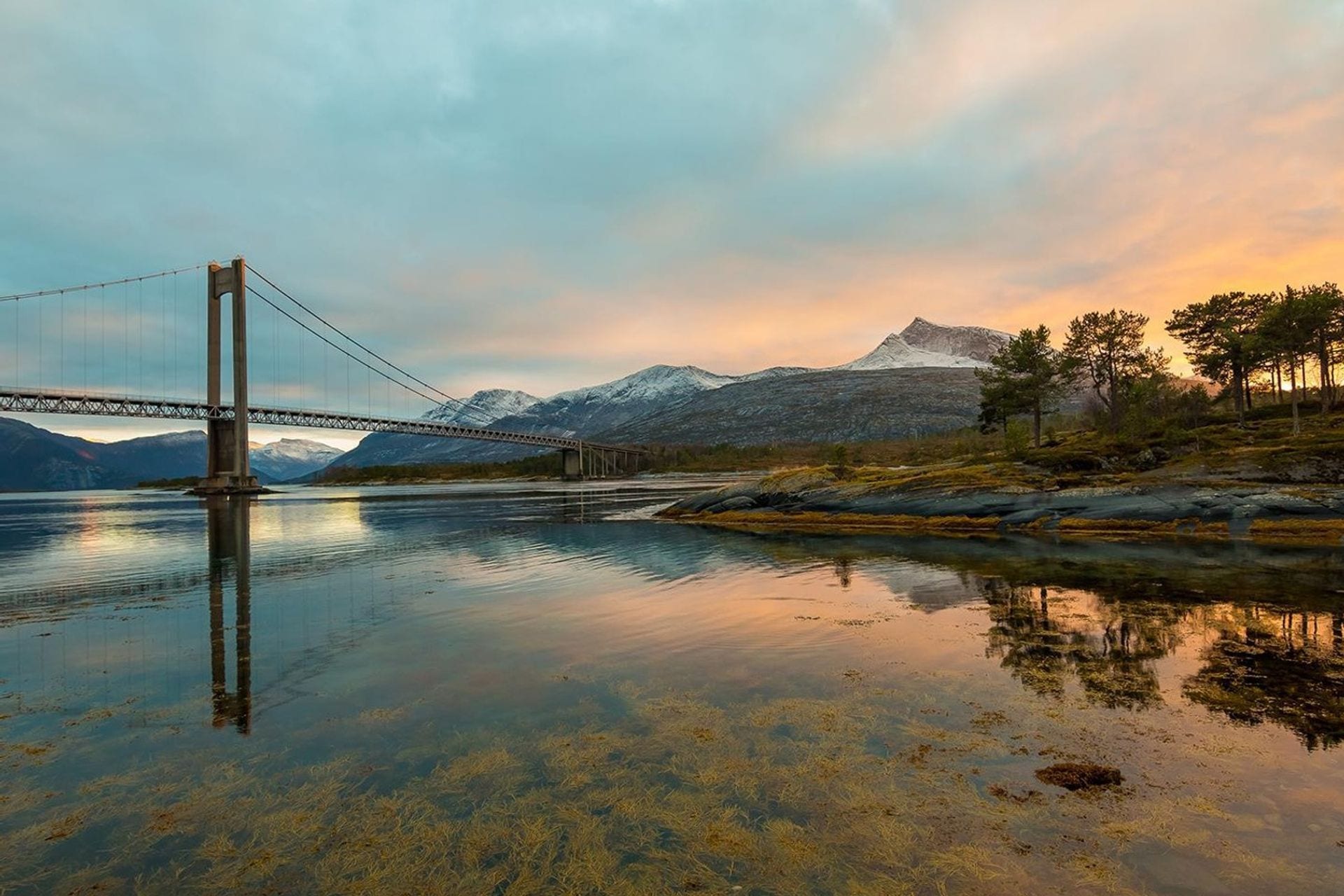
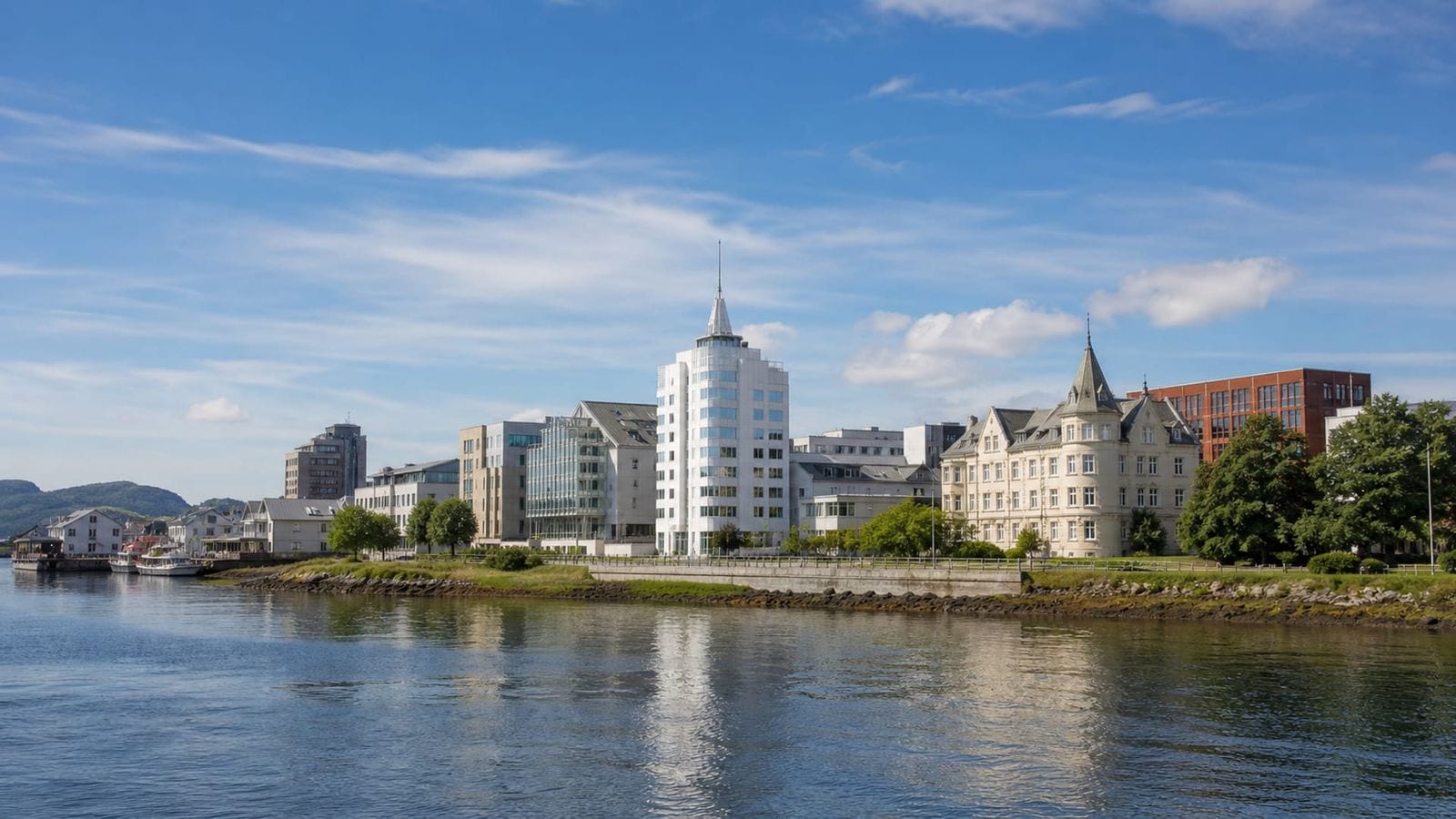
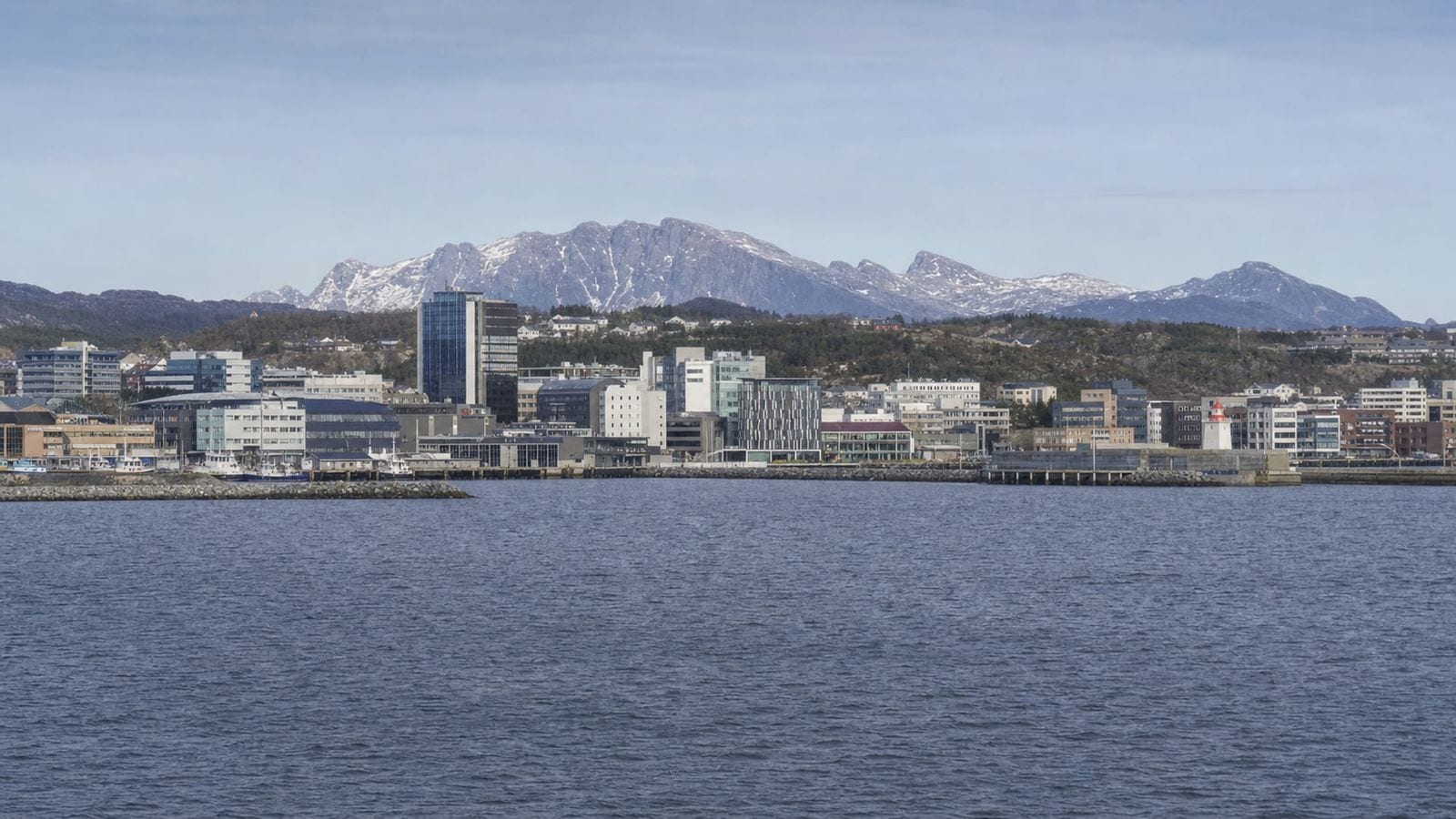
Bodø lies on Norway’s northern coast, above the Arctic Circle, where mountains rise behind a compact harbor city and fishing boats share the waterfront with ferries bound for the Lofoten Islands. Its center features postwar architecture, modern cultural buildings, and museums exploring the region’s maritime and aviation history. Beyond the streets, rocky shorelines and powerful tidal currents reveal the dramatic landscape of northern Norway.
Summer brings the midnight sun, while dark winter skies offer opportunities to see the northern lights. Bodø is also a convenient starting point for exploring the Salten region. This guide covers where to stay, local transport, traditional food, major attractions, and a five-day itinerary that includes city sightseeing and coastal excursions.
Useful things to know

Main language(s): Norwegian is the main language. English is widely spoken.
Hei / God morgen (hay / goo MORN-uhng) – Hello / good morning
Vær så snill (vair shoh snill) – Please
Takk (tahk) – Thank you
Snakker du engelsk? (SNAH-ker doo EN-gelsk) – Do you speak English?
Hvor mye koster det? (vor MYEH KOS-ter deh) – How much does it cost?

Currency: Norwegian krone (NOK, kr)

Cash and cards: Cards and contactless payments are widely accepted, including on public transport. Carry NOK 100 to NOK 200 ($11 to $22) for contingencies.

Tipping: Tipping is optional. Round up the bill or leave 5% to 10% for exceptional restaurant service.

Traditional food: Stockfish, cod cheeks, reindeer stew, salmon soup

Water and coffee costs: Bottled water generally costs NOK 30 ($3.20), while an espresso costs NOK 45 ($4.80).

Taxis and ride apps: Bodø Taxi offers telephone and Taxifix app bookings. Taxis are available at the airport and central ranks.

Plug and voltage: Type C and Type F sockets, 230 V, 50 Hz

Dining and shop opening hours: Breakfast is commonly served from 7 am to 10 am, lunch from 11:30 am to 2 pm, and dinner from 5 pm to 9 pm. Sunday hours may be shorter.

Emergency number: Dial 110 for fire rescue, 112 for police, and 113 for medical emergencies.
Where to stay in Bodø
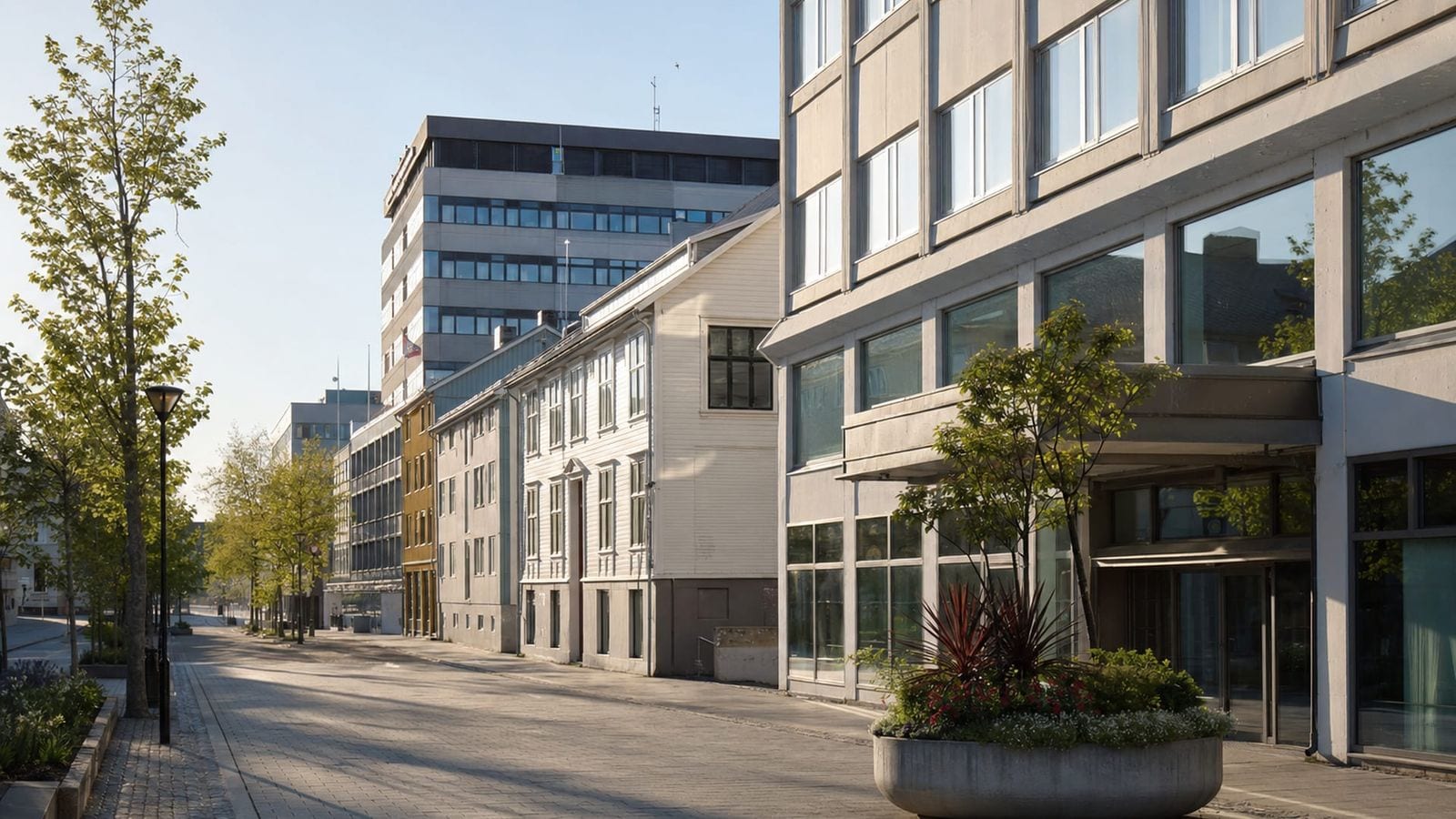
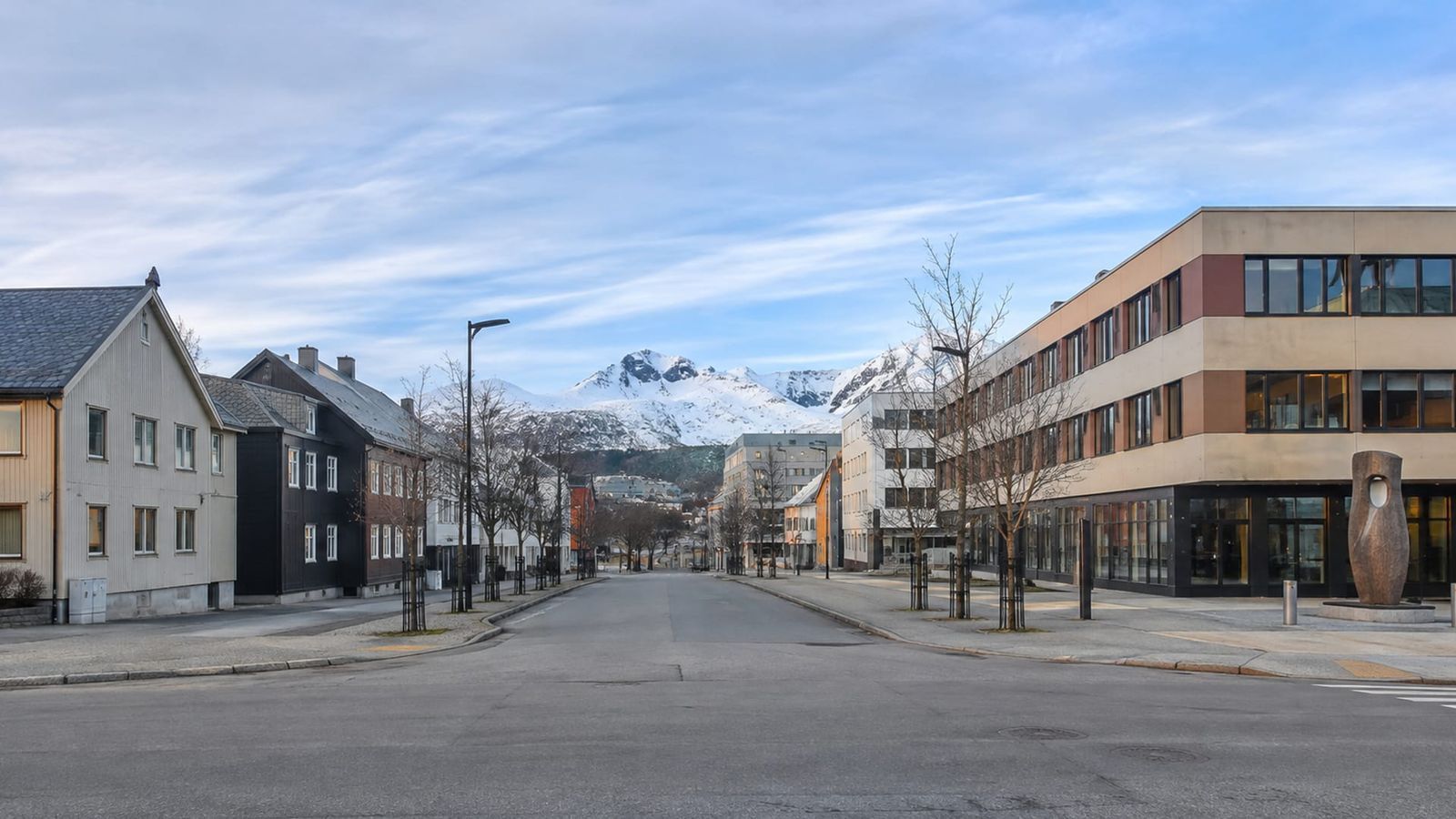
Bodø’s compact center brings together the harbor, shops, restaurants, and hotels. Bodø Cathedral and Stormen Library are within walking distance. The railway station, ferry terminals, and airport are nearby. It offers convenient access to the city’s cultural attractions and regional excursions.
Best for: First-time visits, harbor walks, dining, and transport connections
What to expect: Shopping streets, modern buildings, waterfront restaurants, and local activity
Hotel prices: Well-rated stays generally cost NOK 1,300 to NOK 2,400 ($140 to $260) per night.
Distance to major sights: Bodø Cathedral and Stormen Library are within a 5- to 10-minute walk of many hotels.
Quietness: Shopping streets become quieter at night, although bars and restaurants remain active.
Main trade-off: Central hotels cost more, and some waterfront rooms experience traffic or nightlife noise.
Good to know: Choose a hotel near the harbor or railway station if you have an early ferry or train departure.
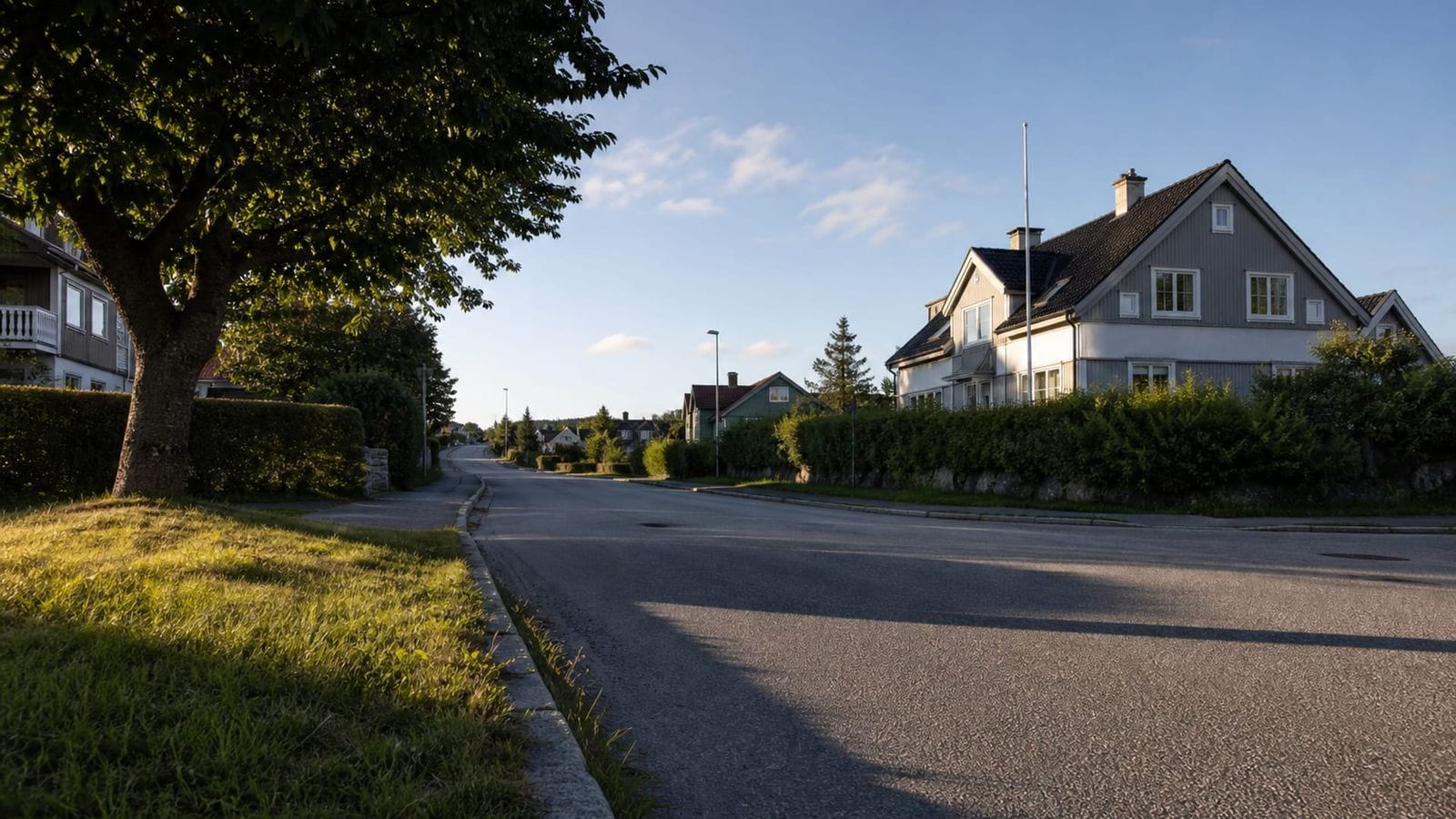
Rønvik extends north of central Bodø, with residential streets and elevated areas offering views across the city and coastline. Its proximity to Rønvikfjellet and Keiservarden appeals to travelers who enjoy hillside walks and want to stay close to central restaurants and transport connections.
Best for: Residential surroundings, hillside views, and access to walking trails
What to expect: Homes, local shops, neighborhood streets, and fewer visitor facilities
Hotel prices: Accommodation generally costs NOK 1,100 to NOK 2,050 ($120 to $220) per night.
Distance to major sights: Central Bodø is typically 10 to 15 minutes away by bus or car.
Quietness: Residential streets are generally quiet, although main roads have regular traffic.
Main trade-off: Restaurants, ferry terminals, and central museums require additional travel.
Good to know: Check the property’s exact location, as some streets are uphill or farther from bus stops.
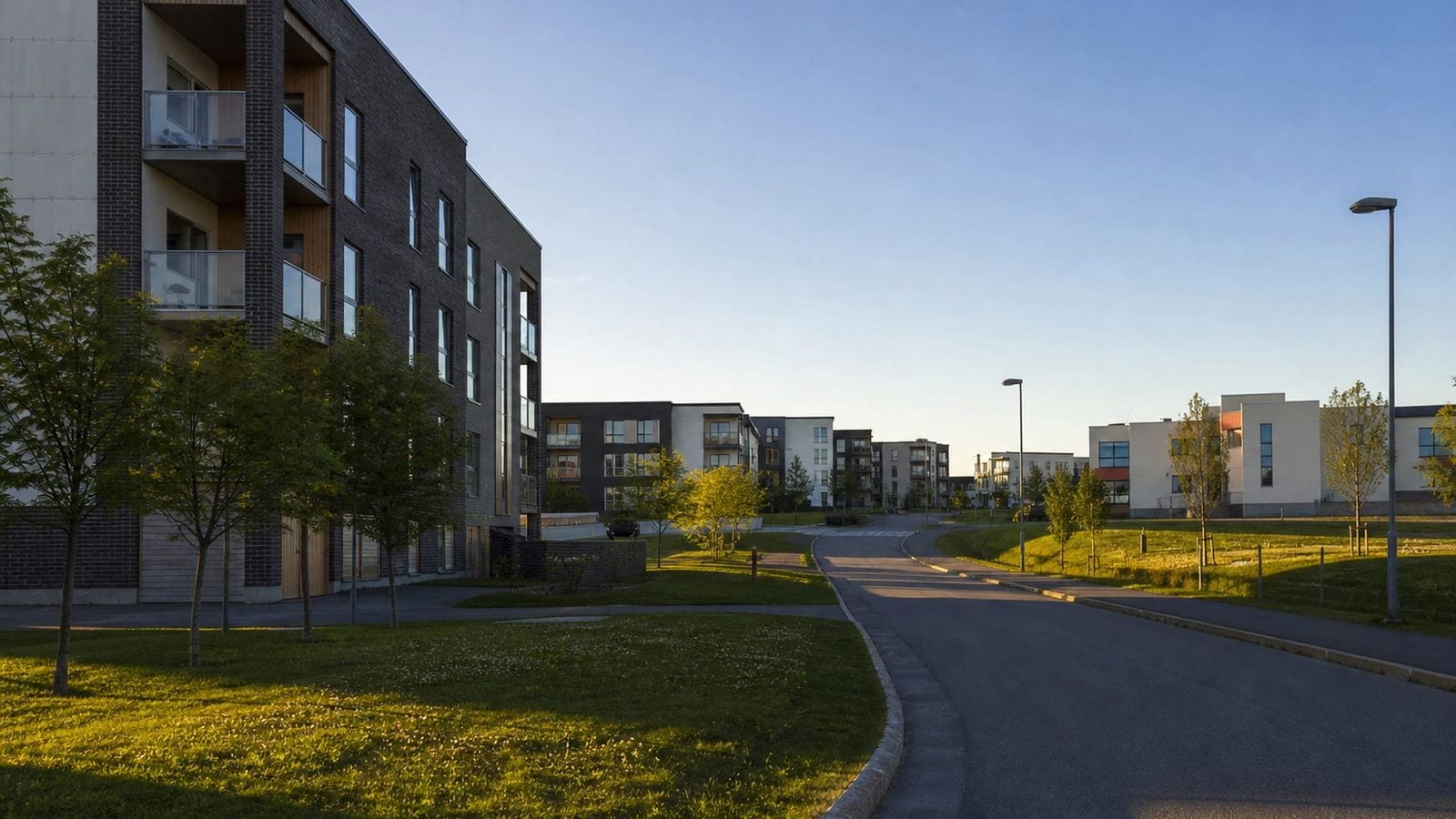
Mørkved lies east of central Bodø and is known for Nord University, sports facilities, and residential quarters. It offers an alternative to central hotels for travelers visiting the university or planning longer stays, although the harbor and main cultural attractions require a bus or car journey.
Best for: University visits, longer stays, and lower accommodation costs
What to expect: Student activity, residential buildings, local shops, and sports facilities
Hotel prices: Accommodation commonly costs NOK 930 to NOK 1,675 ($100 to $180) per night.
Distance to major sights: Central Bodø is generally 15 to 25 minutes away by bus.
Quietness: Residential streets are quiet at night, with more activity near campus during weekdays.
Main trade-off: The waterfront, museums, and central restaurants are farther away.
Good to know: Choose accommodation near a frequent bus route if you plan to visit the center daily.
Tverlandet and more distant areas are less convenient for short sightseeing visits because of longer rides to the harbor and central attractions. Mørkved is useful for university-related stays, but travelers focused on museum and ferry trips will generally find the city center more convenient.
Hotel deals
How to get around Bodø efficiently
Local buses, taxis, and trains connect Bodø with surrounding areas, while central attractions are easy to reach on foot.

Metro
for longer distances
Reis Nordland buses connect the airport and main city areas. Lines 1 and 2 serve the airport. The ride downtown takes 10 minutes. Tickets start at NOK 45 ($4.80) and are valid for 75 minutes. A 24-hour ticket starts at NOK 135 ($14.50). You can pay in the app or by card onboard, with a surcharge.

Bus and tram
for convenience
Licensed taxis serve the airport and the city. The airport is less than 10 minutes away from downtown. Expect fares of NOK 190 to NOK 330 ($20 to $35). Book through Bodø Taxi or the Taxifix app. Operators must provide price information before departure, so check the fare before accepting the ride.

Taxi
for convenience or late hours
Bodø Station is the northern terminus of the Nordland Line, with services toward various destinations throughout the country, including Fauske, Rognan, and Trondheim. Ticket prices vary by destination and departure. Check schedules and purchase tickets through SJ Nord or Entur before traveling.
*Prices are based on rates updated as of November 2026 and may change at the time of travel.
Walk between central attractions, use buses for neighborhoods and the airport, and take taxis when traveling with luggage or returning late. Trains serve destinations south of Bodø.
Iconic landmarks
Bodø Cathedral
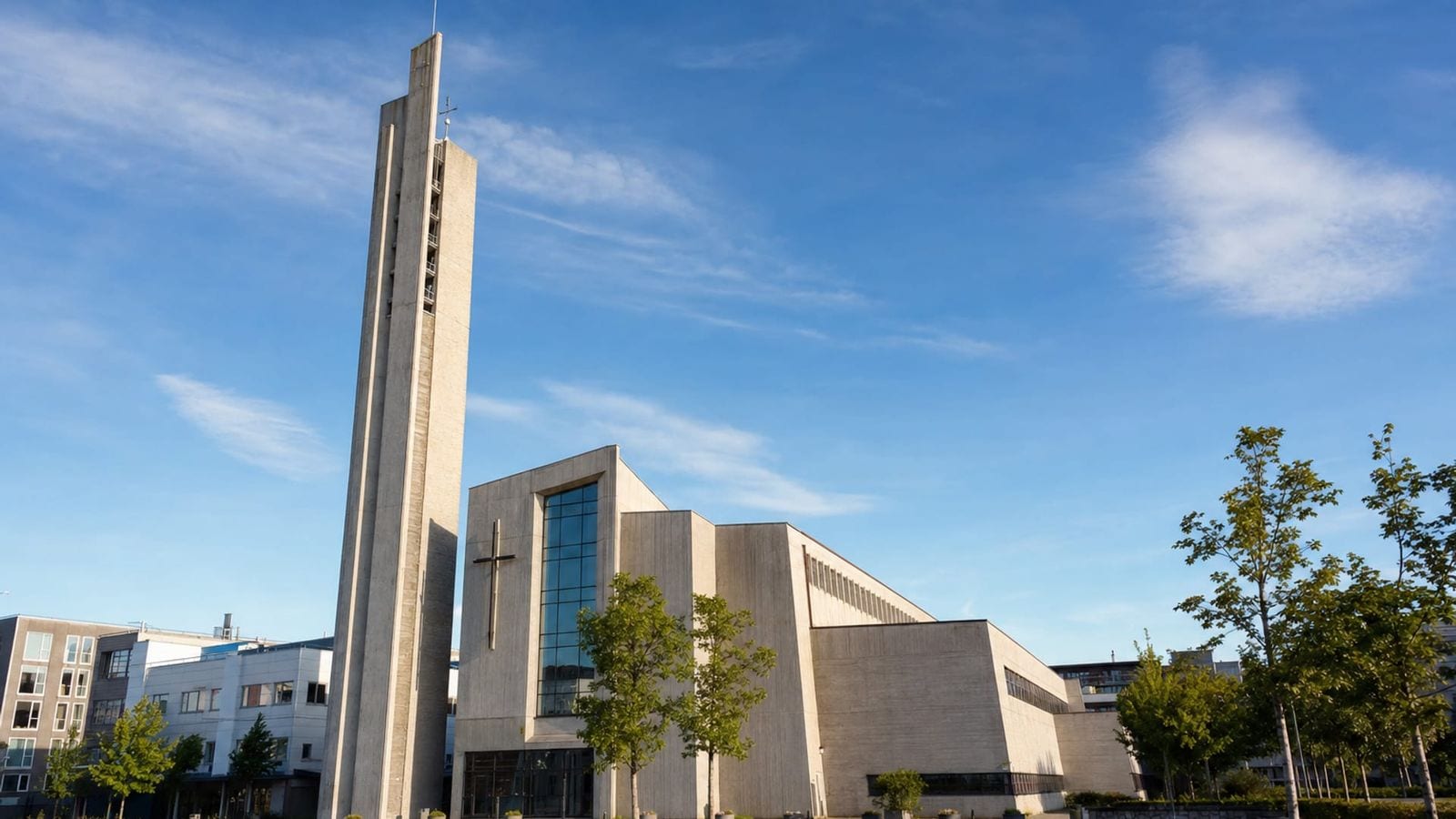
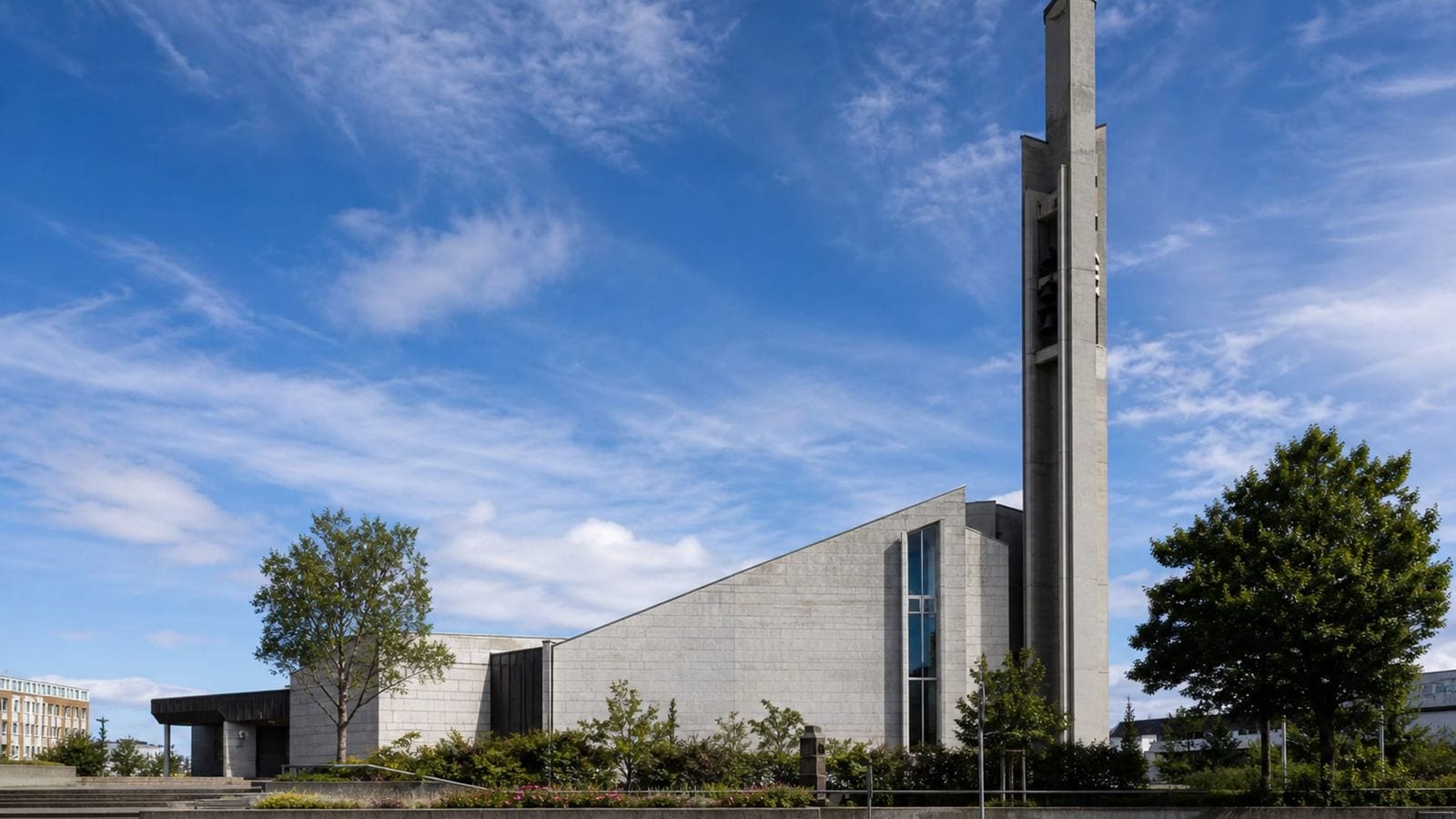
Bodø Cathedral, rebuilt after the 1940 bombing, sits in the city center and marks the town’s postwar story. Its stained glass, stone tower, and calm interior make it one of Bodø’s clearest landmarks for a short first visit.
Time needed: Allow 30 to 45 minutes to explore the cathedral.
Entry: Admission is free. Special concerts may require tickets.
Tip: Visit during daylight to appreciate the stained-glass windows.
Stormen Concert Hall and Library
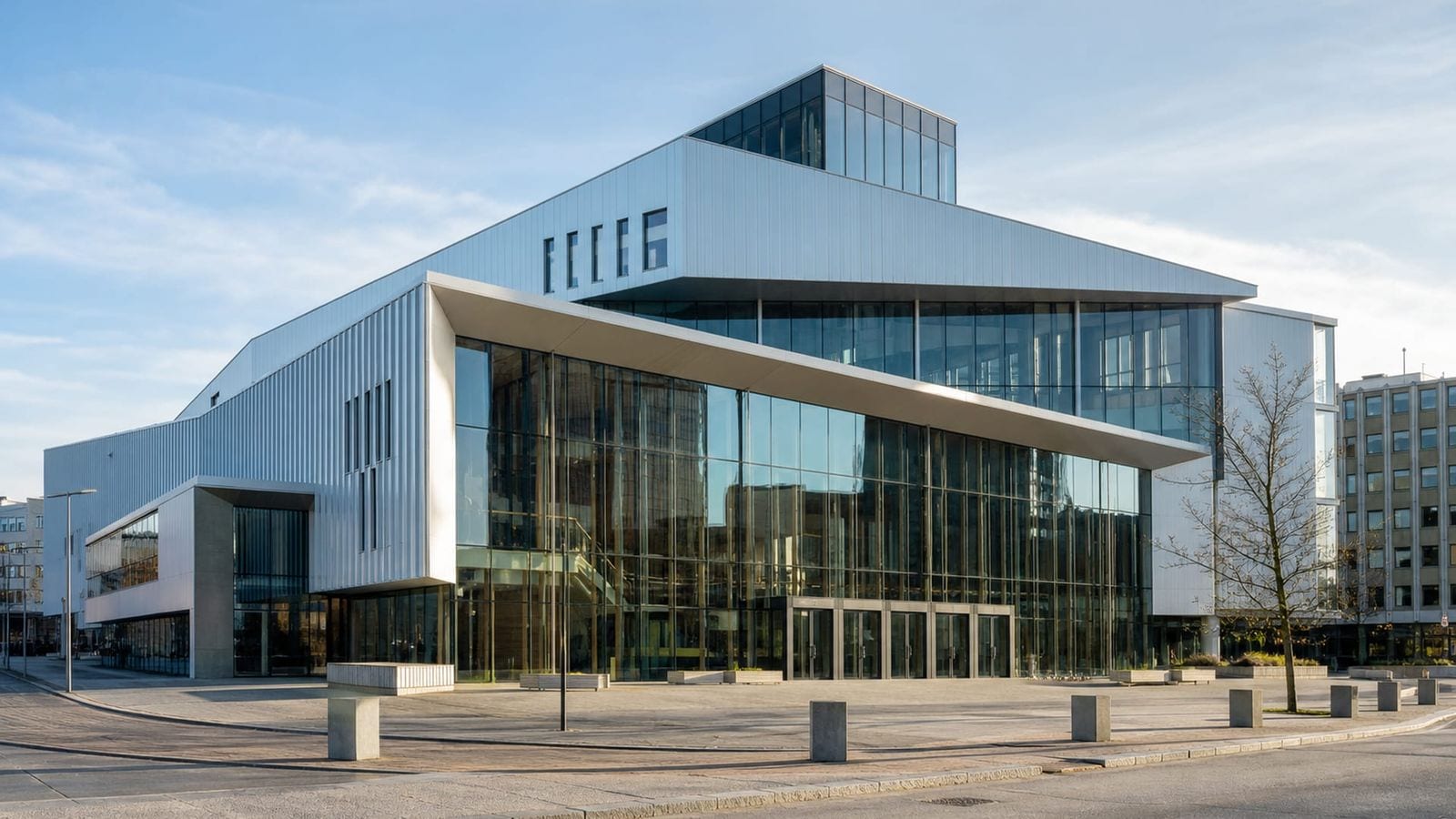
Stormen Concert Hall and Library form a striking cultural complex near Bodø’s waterfront. The contemporary buildings provide spaces for performances, exhibitions, reading, and community events, with large windows overlooking the harbor.
Time needed: Allow 45 minutes to 1 hour for the public areas.
Entry: Library access is free. Performances require tickets. Visit the official website for more details.
Tip: Visit the library’s upper floors for views toward the harbor.
Norwegian Aviation Museum
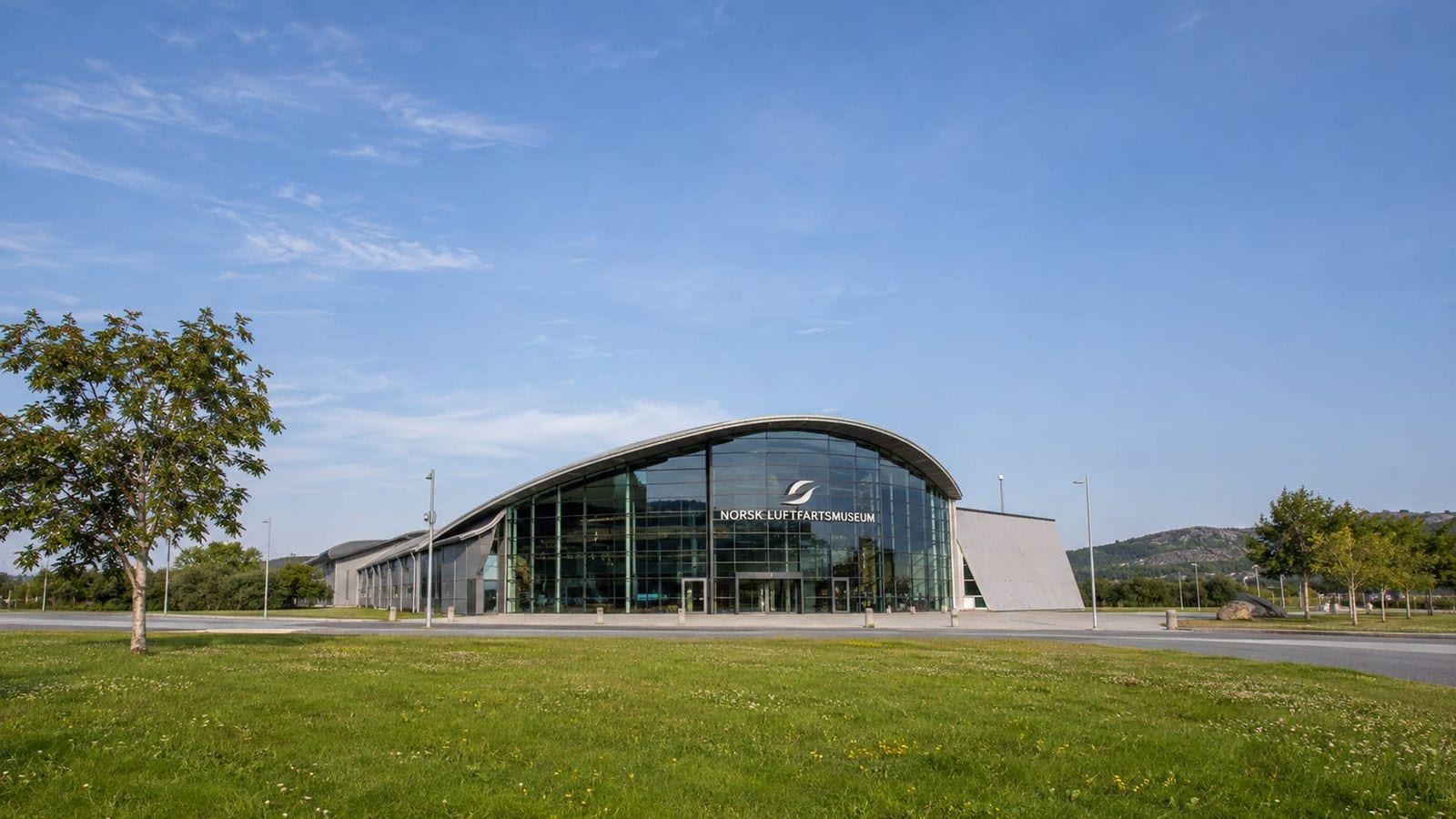
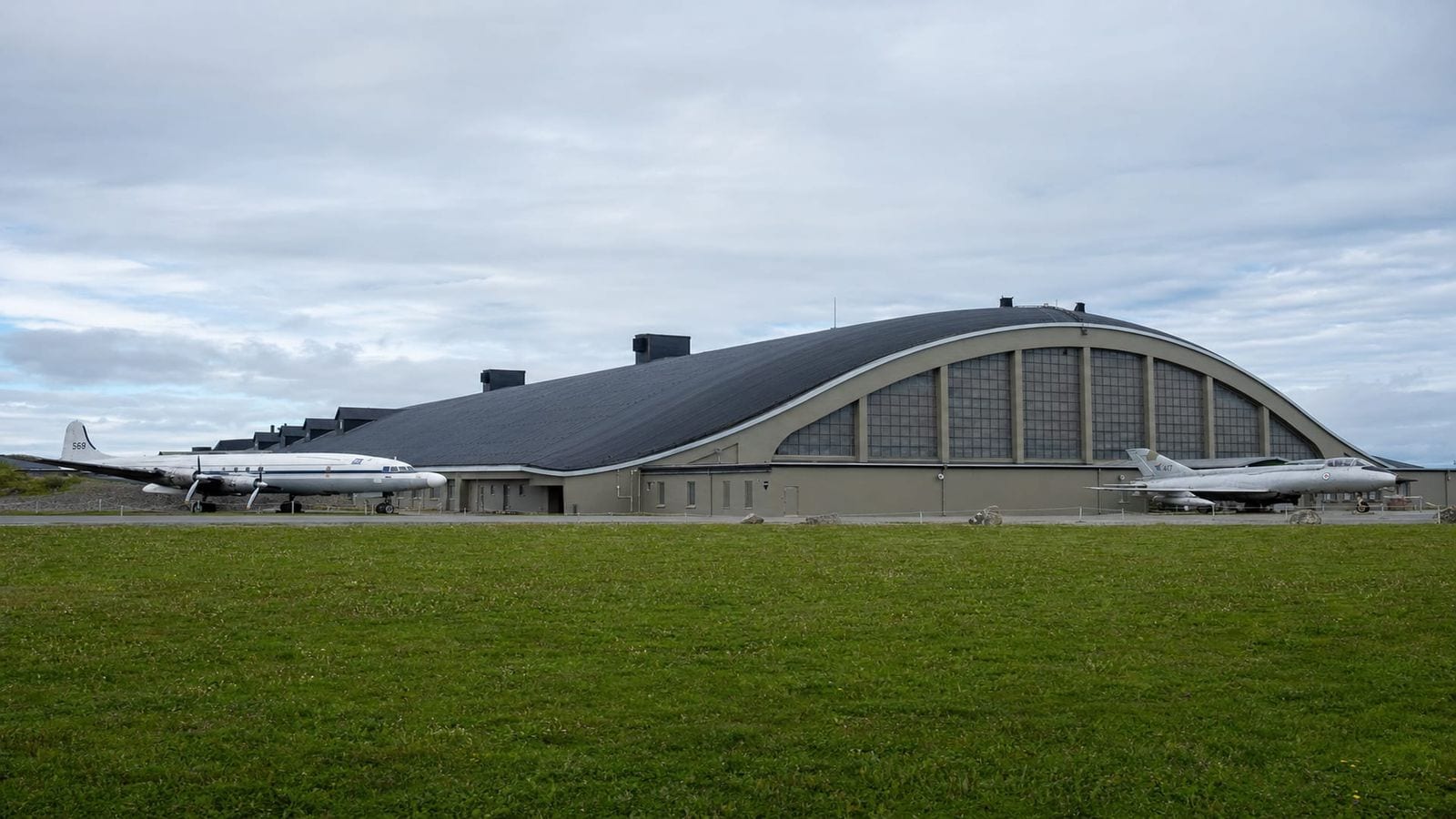
The Norwegian Aviation Museum explores Norway’s civil and military aviation history through full-size aircraft, interactive exhibitions, and stories of Arctic flying. Its extensive collections illustrate how aviation transformed transport, military operations, and emergency services across northern Norway.
Time needed: 2 to 3 hours
Entry: Adult admission costs NOK 195 ($21). Visit the official website for more details.
Tip: Visit the former control tower for views across the nearby airport.
Overlooked sites worth visiting

Norwegian Jekt Trade Museum
The Norwegian Jekt Trade Museum explores northern Norway’s historic coastal trade, centered on the preserved cargo vessel Anna Karoline. Exhibitions explain how wooden sailing ships transported fish and other goods along the coast.
Time needed: 1 to 1.5 hours
Entry: Adult admission costs NOK 150 ($16). Visit the official site for details.
Tip: Combine the museum with a walk around the nearby Bodøsjøen grounds.

Bodøsjøen Open-Air Museum
Bodøsjøen preserves historic buildings and outdoor exhibits illustrating life in the Salten region. Its coastal setting adds shoreline views and walking paths to the collection of traditional structures.
Time needed: Allow 1 to 1.5 hours to explore the grounds.
Entry: Outdoor access is free. Interior visits require separate arrangements. Visit the official site for details.
Tip: Follow the coastal path, but check conditions in winter when it may be icy.
Traditional food
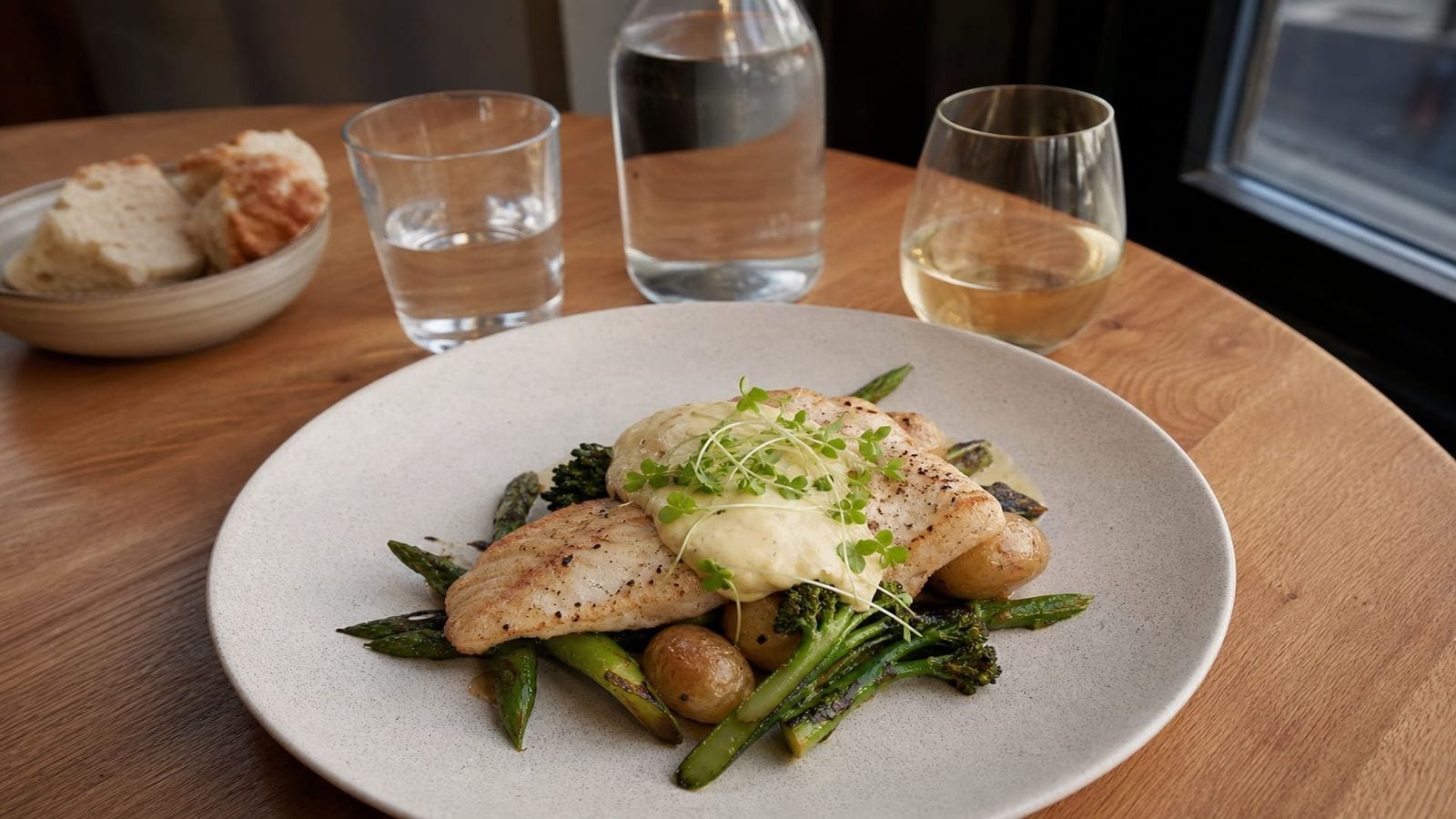
Bodø’s cuisine reflects northern Norway’s fishing traditions, with dried cod, seasonal seafood, reindeer, and warming soups on local menus. These dishes offer an introduction to the region’s heritage.
Stockfish
Stockfish is unsalted cod preserved by air-drying, a traditional method in northern Norway. It develops a firm texture, then softens when cooked. Restaurant Bjørk serves grilled stockfish with creamed peas, egg, bacon butter, and potatoes.
Cod tongues
Cod tongues are a Norwegian delicacy, associated with the winter fishing season. Despite the name, it is a tender muscle from beneath the cod’s tongue, fried. Fru Orø in Bodø has served cod tongues with chips, although availability can vary.
Reindeer stew
Reindeer stew, or finnbiff, is thinly sliced reindeer meat cooked with mushrooms and cream. It is served with potatoes and lingonberries, which bring a rich flavor. Stationen serves traditional stew with bacon, mushrooms, lingonberries, and potatoes.
Fish soup
Northern Norwegian fish soup combines fresh fish, vegetables, and a creamy broth. Recipes vary with the season and available catch. Bryggerikaia on the waterfront serves North Norwegian fish soup with fish, shrimp, fennel, and leek oil.
Best time to visit Bodø
Bodø’s coastal climate brings cool summers, windy weather, and relatively mild winters for its latitude. Daylight changes dramatically between seasons.
Best for: Exploring museums, walking along the harbor, and watching the days grow longer
What you get: Temperatures rise from 28°F to 47°F (-2°C to 8°C), with increasing daylight, fewer visitors, and occasional clear spring afternoons.
Trade-offs: Snow, rain, and strong coastal winds remain possible, especially early in spring.
Best for: Experiencing the midnight sun, coastal excursions, hiking, and harbor activities
What you get: Temperatures generally range from 47°F to 61°F (8°C to 16°C), with extended daylight and the widest choice of outdoor excursions.
Trade-offs: Hotels fill up during popular travel dates, and wind or rain can interrupt coastal plans.
Best for: Museum visits, autumn scenery, quieter streets, and early northern lights
What you get: Temperatures fall from 52°F to 30°F (11°C to -1°C), evenings get darker, and coastal landscapes take on fall colors.
Trade-offs: Increasing rainfall, shorter days, and strong winds can affect outdoor excursions.
Best for: Northern lights opportunities, indoor cultural attractions, and snowy landscapes
What you get: Temperatures typically range from 21°F to 34°F (-6°C to 1°C), with very short days and long nights suitable for aurora watching.
Trade-offs: Ice, snowfall, and changing weather can delay transport and limit outdoor activities.
A realistic 5-day plan in Bodø
Five days let you explore Bodø’s waterfront, museums, and coastal heritage while leaving time for Saltstraumen, one of the region’s most remarkable natural attractions. The itinerary groups central sightseeing and limits repeated trips across town.
Arrive at Bodø Airport (BOO), then take a taxi or local bus into the center; the trip takes 5–10 minutes. After checking into your hotel, explore the harbor, where fishing boats and ferries connect the city with the surrounding coast. Continue along the waterfront to admire the modern buildings and mountain views across the water. Choose a central restaurant for dinner, perhaps trying a local fish dish, before returning to your hotel for the evening.
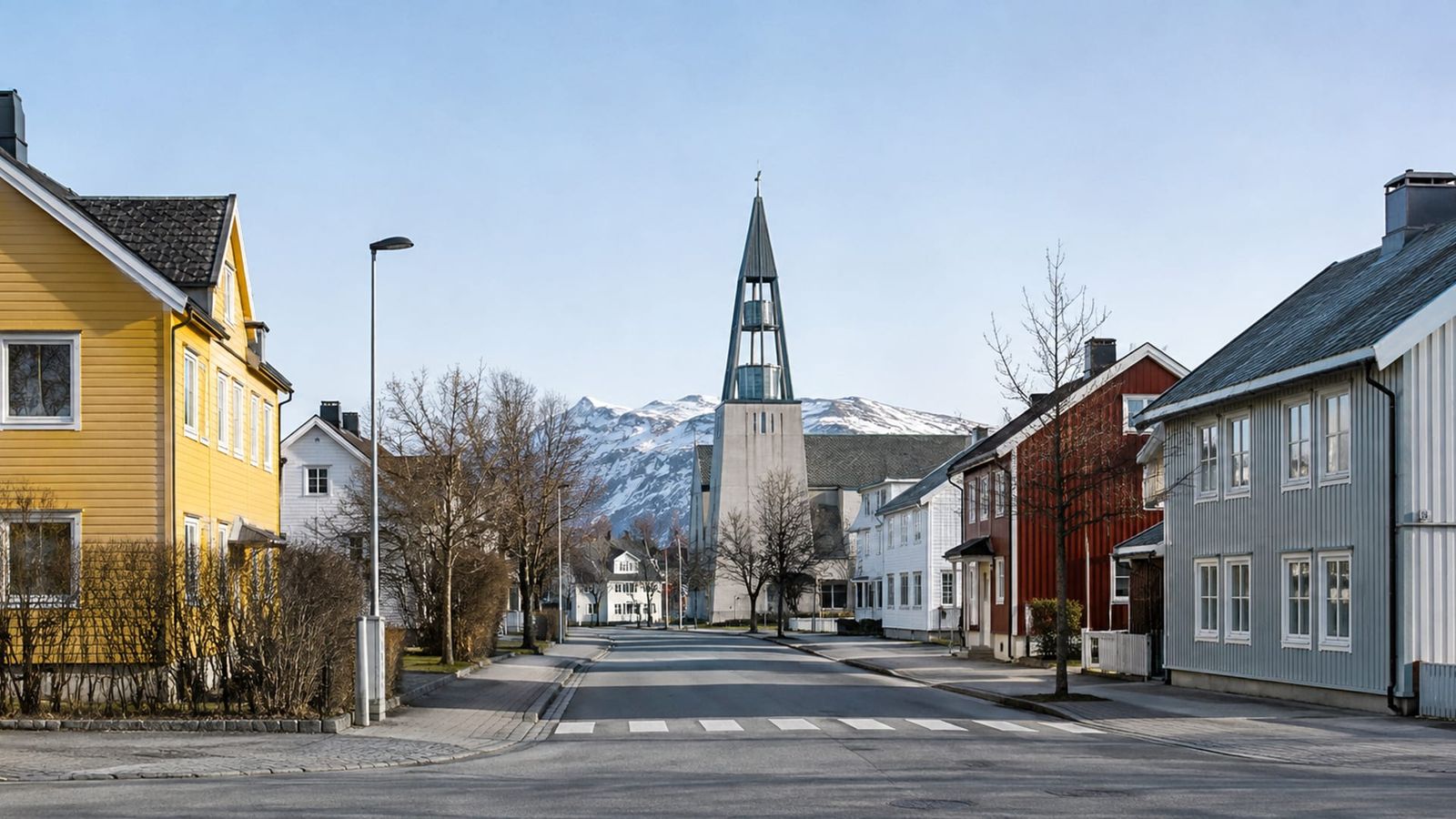
Begin at Bodø Cathedral, completed during the city’s postwar reconstruction and known for its stained glass and freestanding bell tower. From there, walk toward Stormen Concert Hall and Library, where contemporary architecture and large windows frame the harbor. Explore the waterfront public spaces before lunch. In the afternoon, browse the nearby shopping streets or stop at a café for coffee and pastries. End the day with an evening walk along the harbor as ferries arrive and depart.
Start at the Norwegian Aviation Museum, where full-size aircraft and exhibitions explain how flying transformed transport in northern Norway. Allow 2 to 3 hours for the civil and military collections before lunch. In the afternoon, continue to Bodøsjøen and the Norwegian Jekt Trade Museum. Its preserved cargo vessel, Anna Karoline, introduces the ships that once carried goods along Norway’s coast. Walk through the nearby outdoor museum grounds and along the shoreline before returning downtown for dinner.
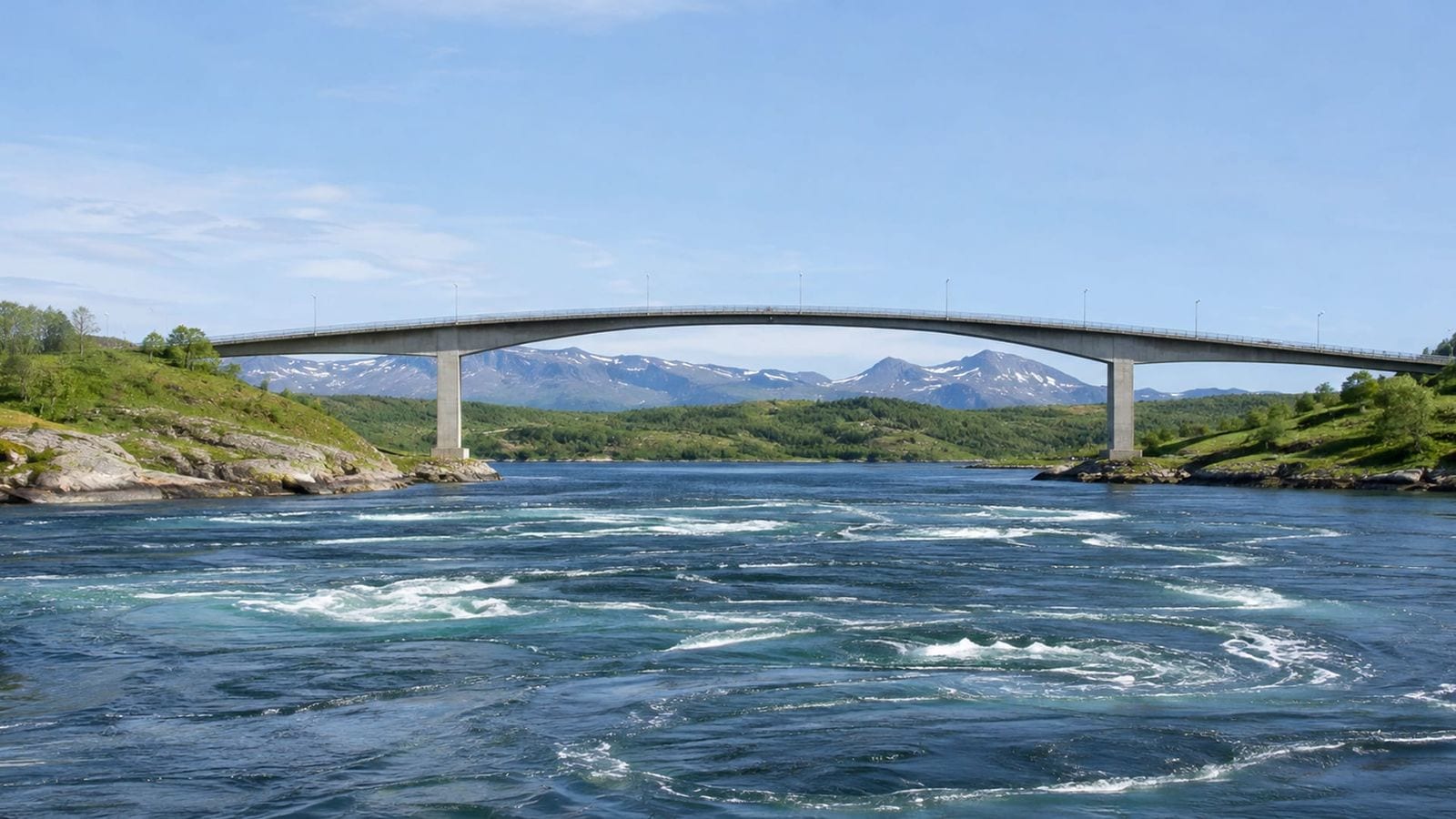
Travel to Saltstraumen, 21 miles (33 km) southeast of Bodø, where tidal currents create large whirlpools in a narrow strait. Check the tide timetable before leaving, as the most impressive currents occur at specific times. Observe the water from designated viewpoints or walk along the shore, keeping a safe distance from the fast-moving current. Stop at Kjelen Café for a traditional møsbrømlefse, filled with warm brown cheese sauce and served with sour cream, before returning to Bodø for dinner.
Spend your last morning exploring the central streets, starting with breakfast at a bakery before visiting Bodø’s shops and waterfront. If your departure is later, consider the Bodø City Museum near the cathedral, where exhibitions explore local industry, Sámi art, and the city’s past. Return to the harbor for one final look at the boats and surrounding mountains, then collect your luggage from the hotel. Allow 10 minutes for a taxi to the airport, plus sufficient time for check-in and security.
Business-class flights from the US to Bodø
There are no nonstop flights from US hubs like New York (JFK) or Los Angeles (LAX) to Bodø (BOO). Both routes require two connections, with the final flight departing from Oslo.
New York (JFK) to Bodø (BOO)
TAP Air Portugal and Scandinavian Airlines (SAS) offer connecting itineraries through Lisbon (LIS) and Oslo (OSL). Total travel times typically range from 13 to 19 hours, depending on the layovers. The final flight from Oslo to Bodø takes 1 hour and 30 minutes. Round-trip business-class fares range from $4,500 to $10,000.
Los Angeles (LAX) to Bodø (BOO)
Scandinavian Airlines (SAS) connects Los Angeles to Bodø through Copenhagen (CPH) and Oslo (OSL). The transatlantic flight takes approximately 11 hours, followed by shorter flights within Scandinavia. Allow 16 to 22 hours for the complete journey, depending on the connections. Round-trip business-class fares range from $4,200 to $11,000.
Bodø, from harbor streets to Arctic landscapes
Bodø’s coastal setting, postwar architecture, aviation heritage, and fishing traditions give the city a character shaped by life above the Arctic Circle. Its compact center contrasts with the surrounding mountains, islands, and powerful tidal waters of Saltstraumen. Whether visiting under the midnight sun or winter skies, AranGrant experts can help you compare business-class flights and hotels for your preferred travel dates.







